Bantu knots are a protective style where sections of hair are twisted and coiled into small, flat buns, and this season the glossy, polished version is taking over, with meticulous parting and a high-shine finish replacing the fuzzy, undone look.
This collection brings you 29 ways to wear Bantu knots, from quick DIY versions to intricate salon-level designs that work for short, medium, and long hair. Whether your hair is fine, thick, coily, or straight, there is a knot pattern here that holds. If your usual style falls flat by midday or you are tired of the same old updo, these ideas give you a sturdy, long-lasting option that protects your ends and shows off your texture.
Glossy Bantu Knots With Side Part
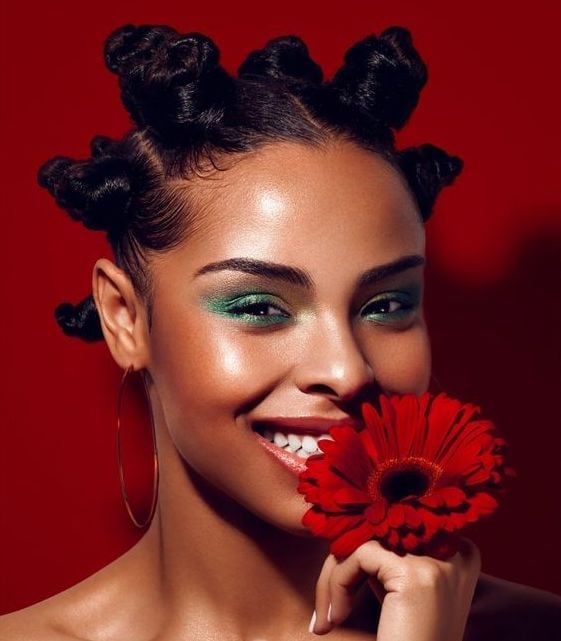
A side part cuts through the symmetry of short bantu knots, giving the style a deliberate asymmetry that reads as modern rather than formal. The glossy finish on thick, curly hair catches the light enough to make each knot distinct. Ask your stylist for glossy bantu knots with a side part. Thick curly hair starting at a short length suits this design best, and the side part works well with most face shapes. A finishing serum applied to damp knots delivers that polished sheen; expect the style to hold for three to five days before you untwist and refresh.
Geometric Parting Bantu Knots
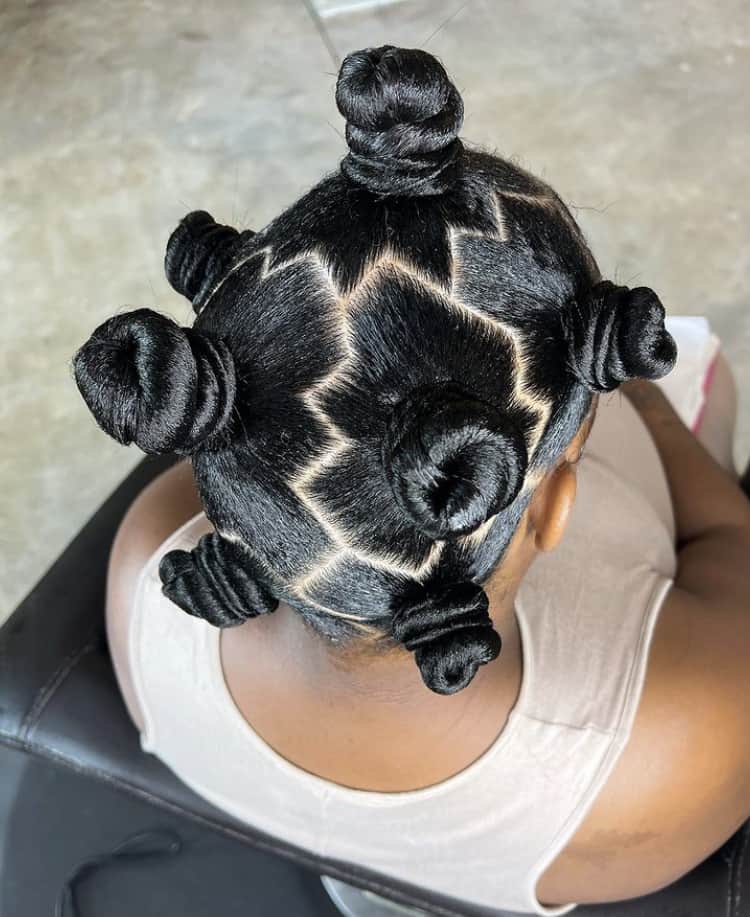
The top-down view reveals what makes this design: clean, sharp parting lines that carve the scalp into a precise geometric pattern of uniform bantu knots. Coily, thick hair of nape length or longer holds those lines without shifting. Ask your stylist for bantu knots with sharp geometric partings. The modern edge comes entirely from the parting work, not from the knots themselves. A fine-tooth comb keeps those partings clean between salon visits, but the precision requires a stylist’s hand from the start.
Braided Bantu Knots With Subtle Highlights
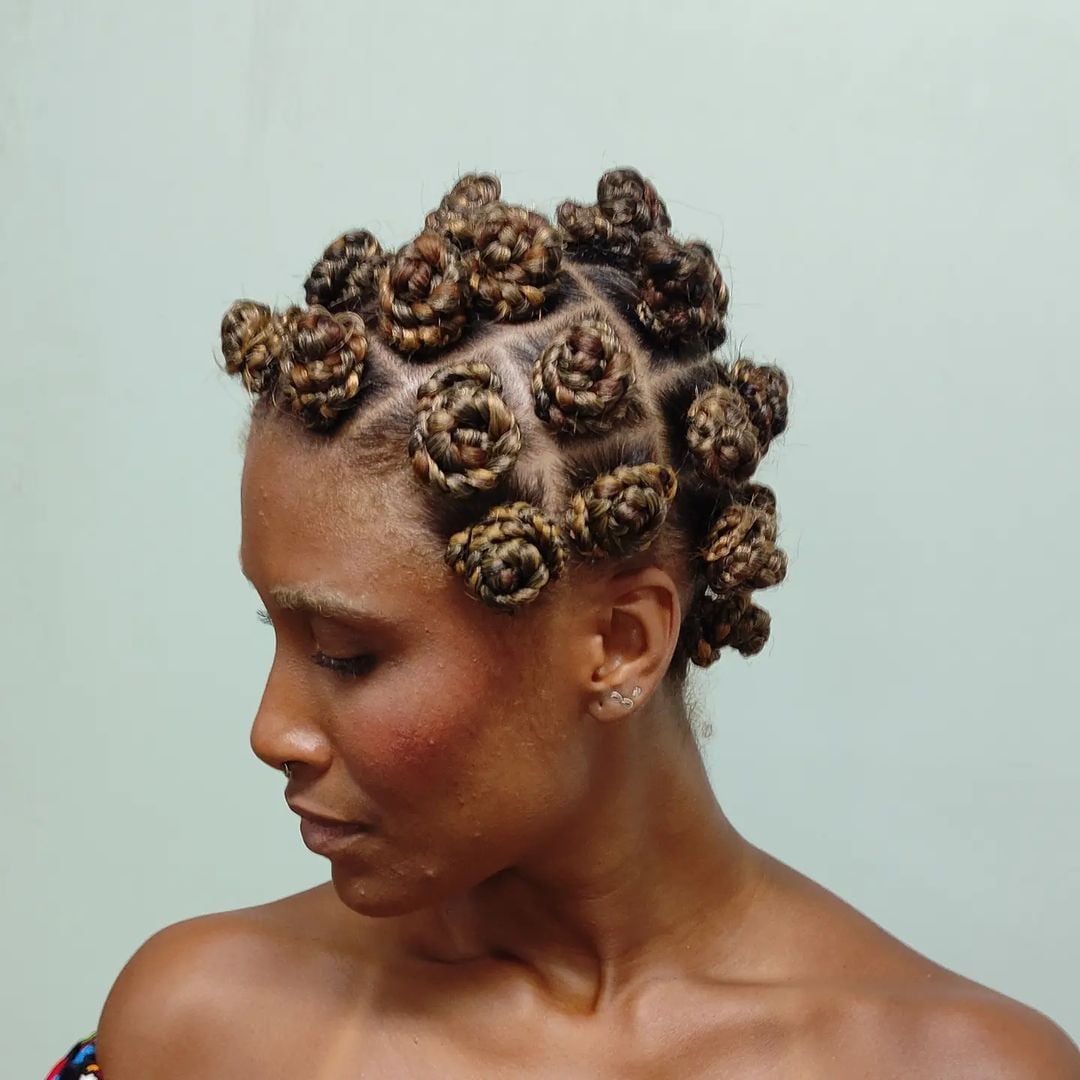
Braiding the hair before twisting it into bantu knots changes the surface entirely: each knot gains a ribbed, textured finish that catches the lighter brown highlights woven through the brown base. The grid pattern from the side view gives the short style a uniform, orderly rhythm. Ask your stylist for braided bantu knots with subtle highlights. Thick, coily hair that can hold a braid works best here. The dimension from the highlights keeps the dense texture from reading as one flat block.
Two Top Bantu Knots
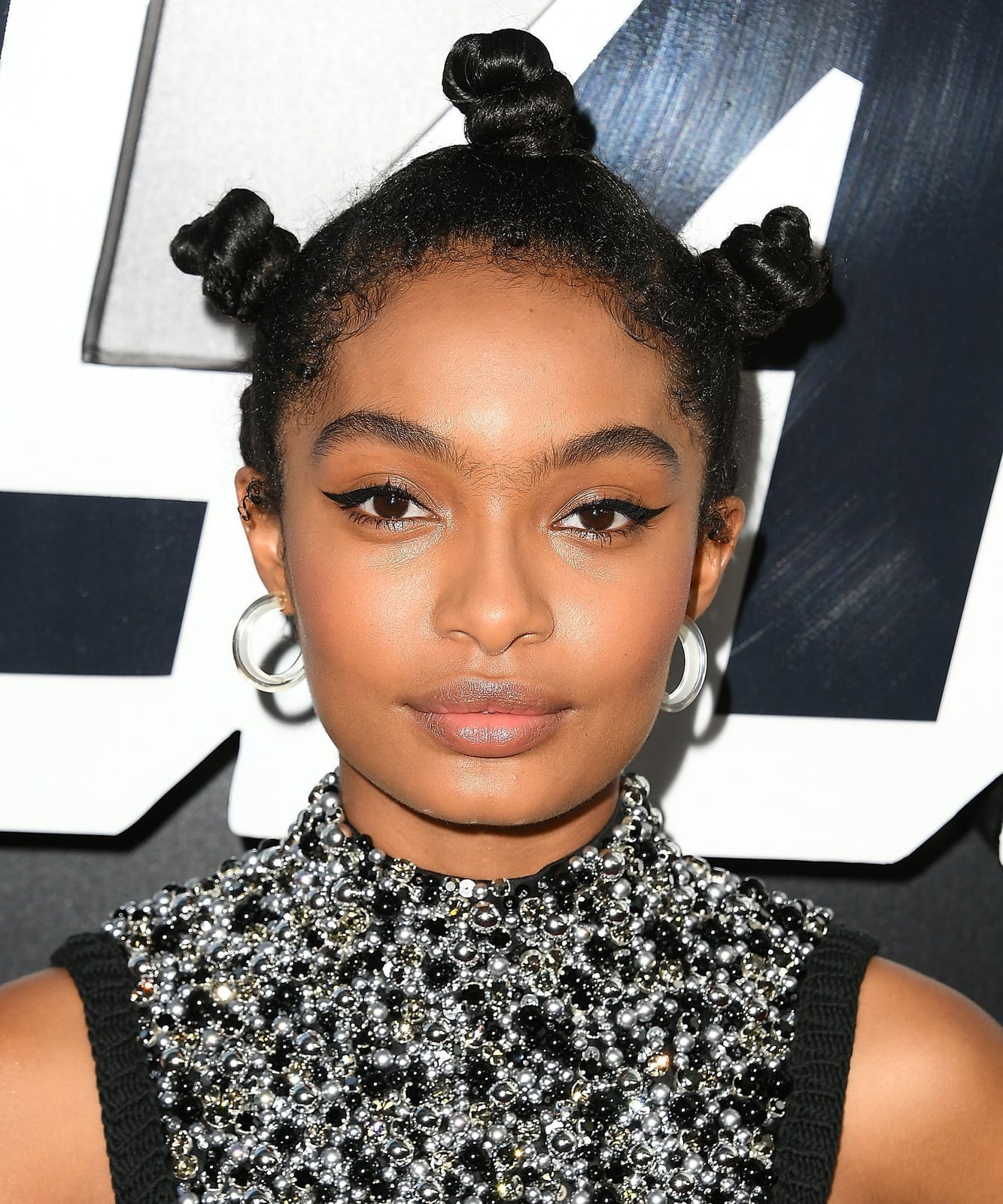
Does a two-knot layout work for your face shape? On shoulder-length coily, thick hair, the two prominent knots on top and smaller ones on the sides create vertical lift that balances a round face. Ask your stylist for two large bantu knots on top, smaller sides. A middle parting anchors the symmetry, and the front view shows how the smaller side knots fill in the width. The design needs enough density at the nape and sides to keep the smaller knots from looking sparse.
Rose-Like Bantu Knot Formation
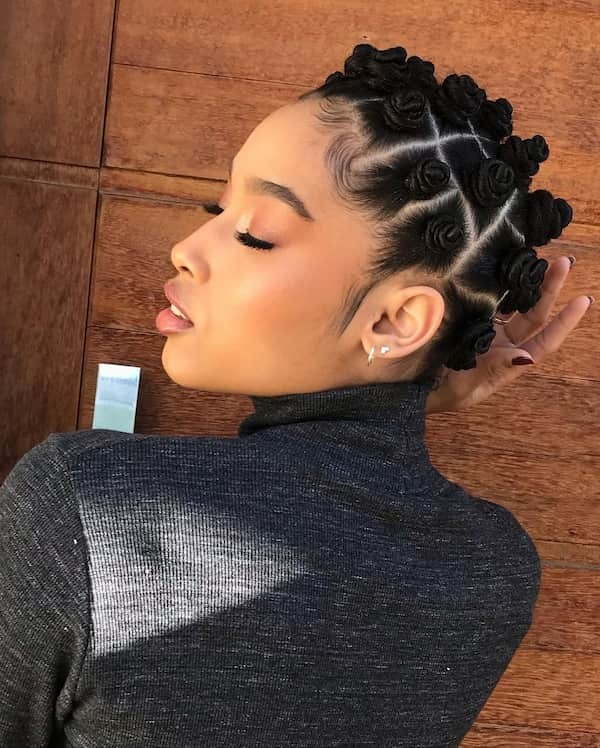
Each knot here is twisted tight enough to create a distinct spiral, and the arrangement of those spirals mimics a cluster of rose petals across the nape-length hair. The baby hairs at the hairline are styled into soft swoops that contrast with the dense, coily knots above. Ask your stylist for bantu knots in a rose pattern, styled baby hairs. Thick, coily hair starting at nape length holds the petal shapes without unraveling. Softly shaping the baby hairs with a brush and edge control finishes the look.
Bantu Knots With Braided Sections
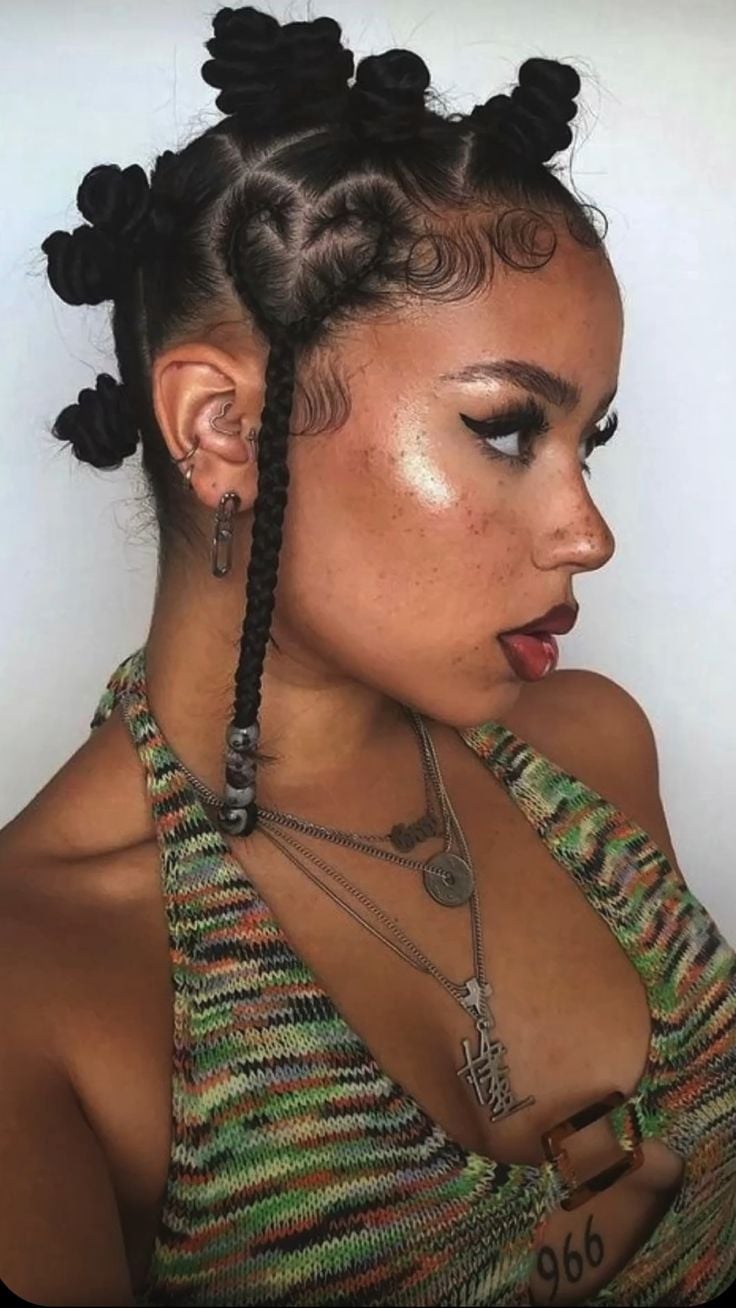
The middle part keeps the arrangement symmetrical, and the baby hairs are styled into defined swoops around the hairline. Ask your stylist for: bantu knots with some braided sections, styled baby hairs. This design works best on thick, coily hair of shoulder length or longer; the braids need enough length to twist cleanly, and the knots hold better on dense textures. Uniform tension across both the knots and the braids is what keeps the pattern from looking lopsided.
Bantu Knots With Blonde Highlights and Braids
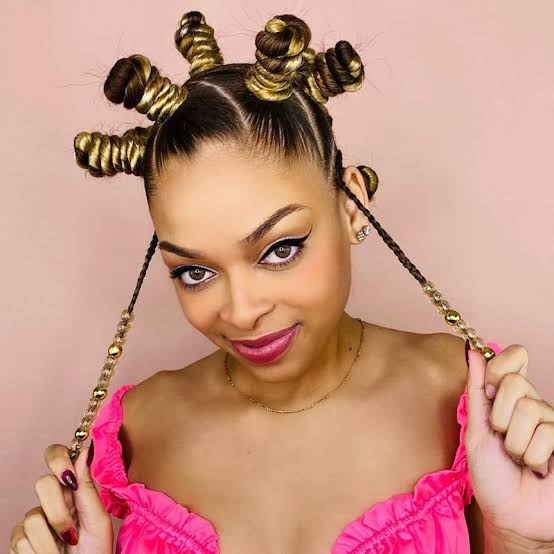
The blonde highlights here cut through the black base in a way that makes each bantu knot and braid read as a separate shape rather than one dark mass. From the front, the middle-parted placement shows the highlights concentrated on the top and sides, with the mid-back length braids falling behind. Ask your stylist for: bantu knots with blonde highlights and beaded braids. It suits thick, coily hair long enough to braid past the shoulders; finer textures may not hold the knot shape as cleanly.
The beads add a deliberate weight that keeps the braids hanging straight rather than curling up. Check the bead closures before you leave the salon, loose ones slide off within a day. A trim every eight to ten weeks keeps the ends from thinning out under the weight of the beads and braids.
Bantu Knots With Gold Wire Accents
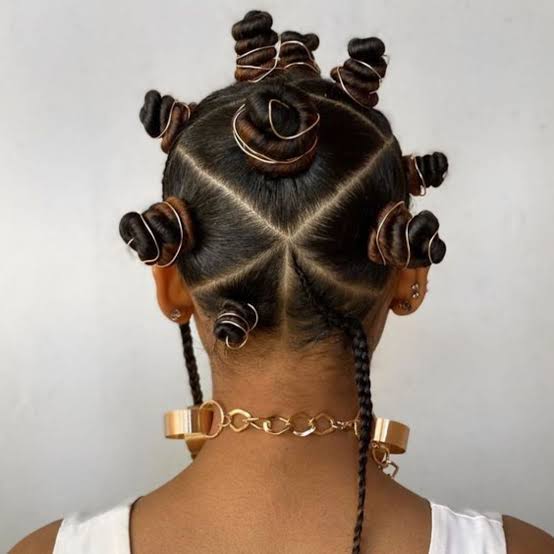
How do you ask for gold wire without sounding vague? Start with the geometric sectioning. The nape length, thick, coily black hair is divided into precise angled parts, and the gold wire is wrapped around individual knots near the crown. Braids at the nape keep the back from looking unfinished. Ask your stylist for: bantu knots with gold wire wraps and braids. This is a salon only ask: the wire needs to be smooth and secured so it does not snag adjacent sections. The brown undertones in the black base appear differently under the wire, creating contrast.
Bantu Knots With Straight Hair
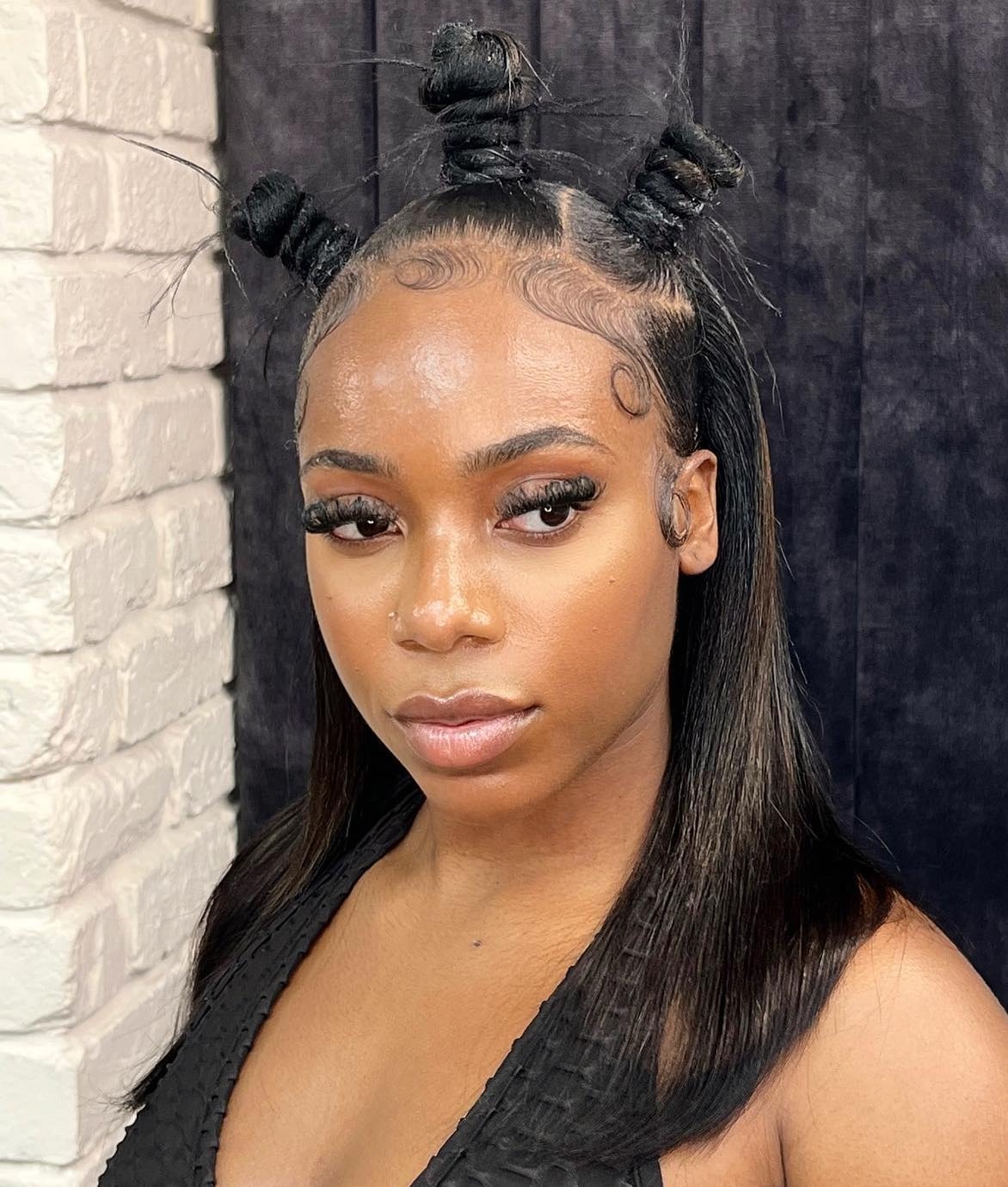
Bantu knots are usually associated with coily textures, but this version sets a few knots on top and sides while leaving shoulder-length black hair straight and sleek. The contrast is the point: the knots appear sculptural against the flat, glossy lengths. Ask your stylist for: bantu knots on top, rest of hair straight. It works best on thick hair that holds a knot without slipping; fine or silky textures may need a texture spray inside the knot sections to keep them from unraveling. The middle part keeps the two textures from competing, and the front view shows the transition clearly.
Multiple Small Bantu Knots Updo
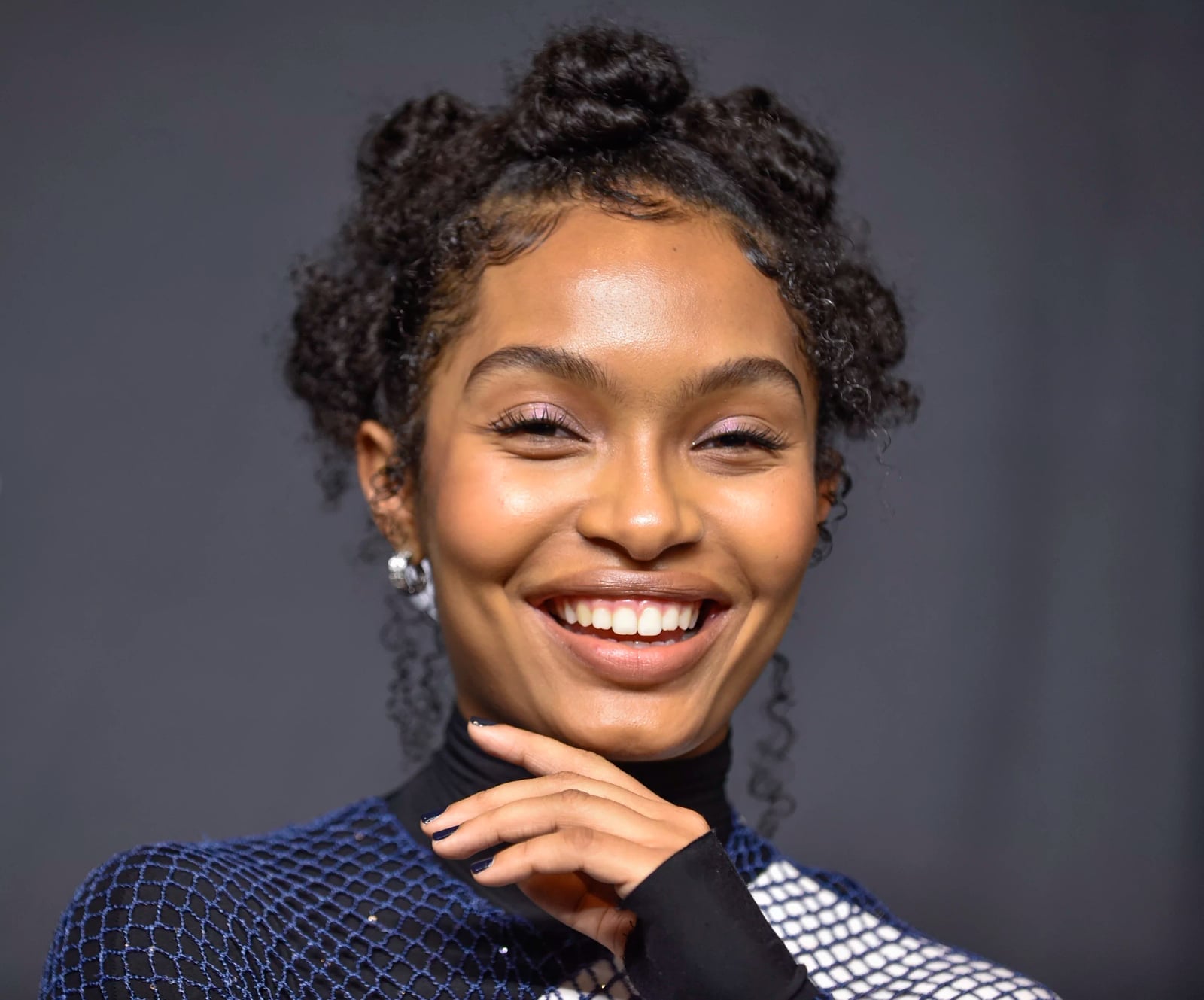
The density of the knots here is what separates it from a simpler version: dozens of small, uniform bantu knots cover the entire head, creating a textured dome on shoulder-length, natural black, coily, thick hair. The middle part breaks the symmetry just enough to keep it from looking like a grid. Ask your stylist for: shoulder length updo with many small bantu knots. This suits thick, coily hair that can hold a tight twist; looser textures may need a styling cream for grip. The precision required means this is not a rush-job. Plan for a full afternoon in the chair and a trim every six to eight weeks to keep the ends neat.
Bantu Knots On Locs With Beads
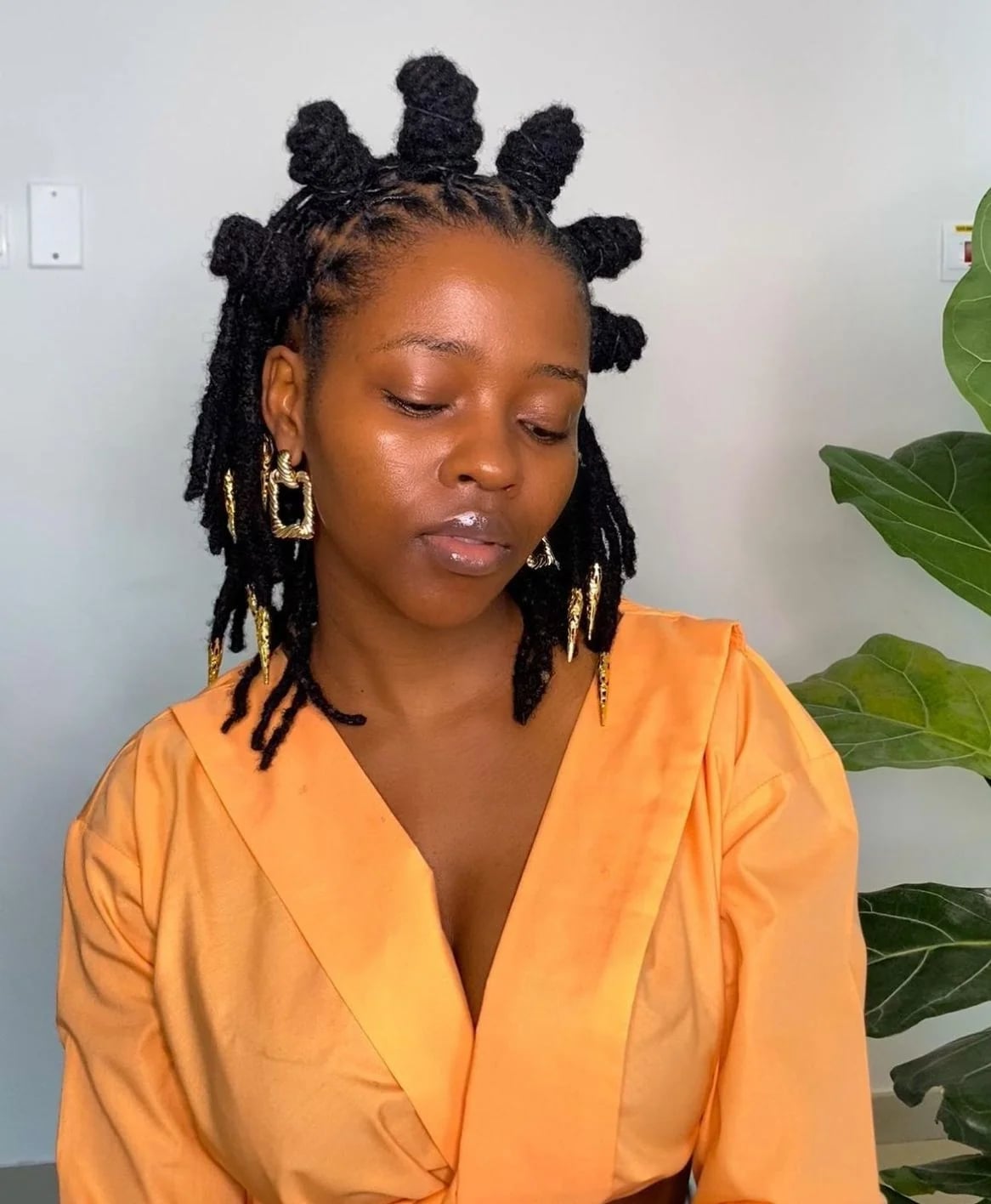
Turning locs into bantu knots is a clever way to switch up the silhouette without sacrificing length, and the gold beads threaded through some of the locs give the style a bit of shine. The shoulder-length locs are parted down the middle, then each section is twisted and wrapped into a knot that sits flat against the scalp. Thick locs hold the shape best, since finer locs may not have enough weight to stay coiled. Ask your stylist for: bantu knots on locs with gold beads. The beads should be threaded on securely so they do not slide or pull at the root, and a scalp cleanse between wears keeps the partings crisp.
The design acts as jewelry for the hair, which makes it more of a special-occasion style than a daily one. Because the locs are already set, the knots do not add much strain, but the beads do add weight, so keep them sparse if your locs are on the finer side. A middle part keeps the arrangement symmetrical, and the visible parting lines give the whole look a deliberate, almost architectural feel.
Neatly Formed Bantu Knots
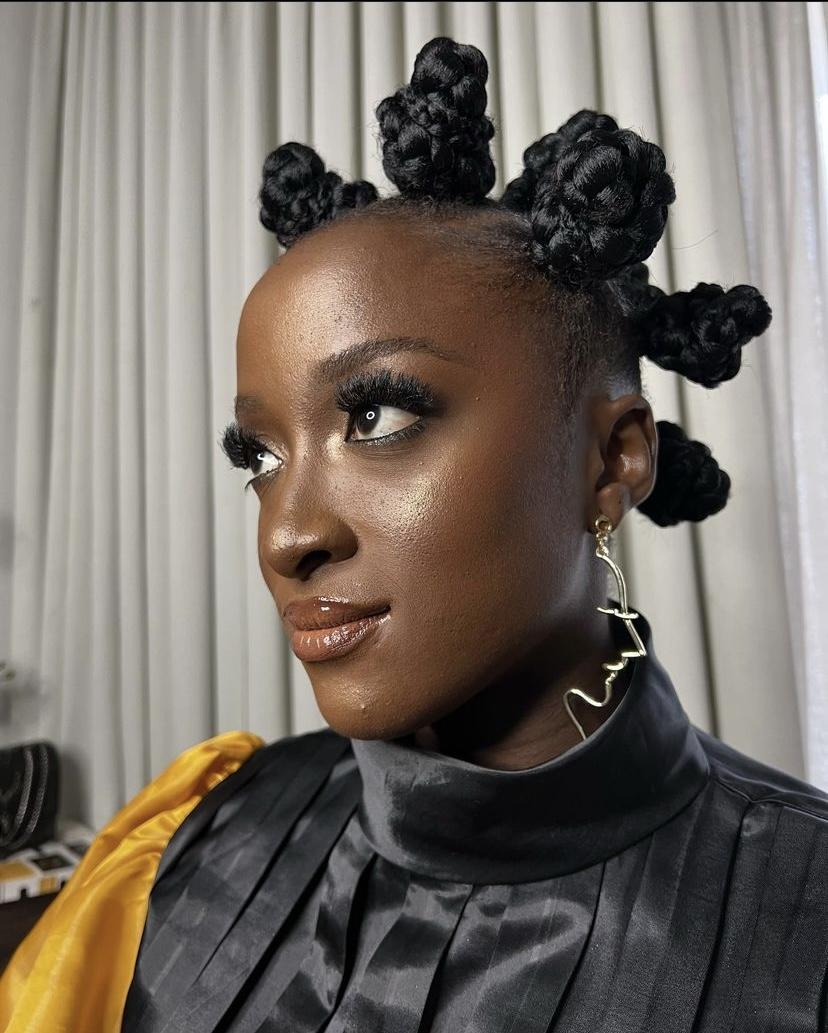
What makes this version stand out is the uniformity: every knot is twisted with the same tension and secured at the same angle, so the short, black, coily hair forms a series of identical coils. The clean partings trace straight lines across the scalp, which gives the style its polished, almost graphic quality. Thick, coily hair of short length takes this precision best, since the texture grips the twist and holds it in place. Ask your stylist for: neatly twisted bantu knots with clean partings. Keep the tension even as each section is wrapped, and trim any stray edges so the silhouette stays sharp. This is a salon-grade finish, not a rushed morning job.
Short Dark Brown Bantu Knots With Highlights
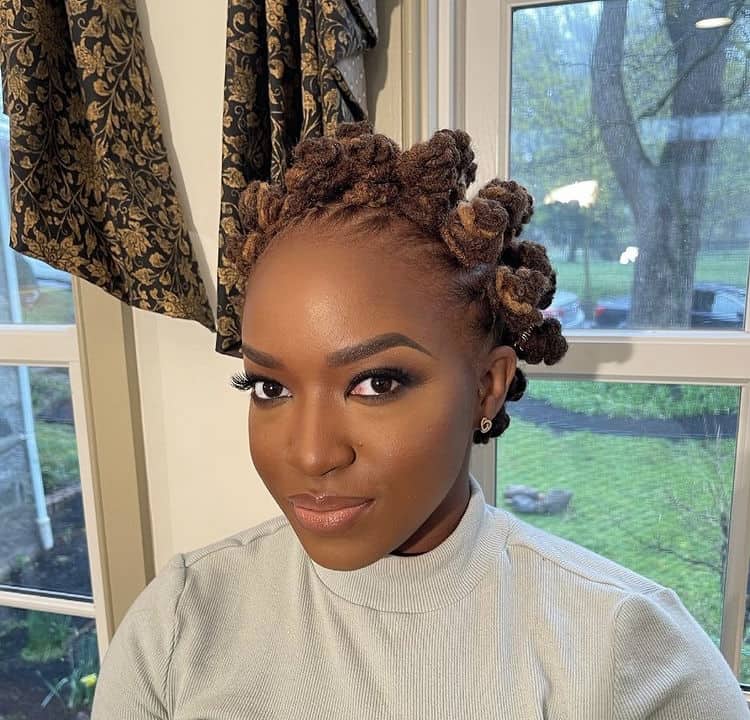
The mistake here is letting the highlights do all the work, when the real trick is the interplay between the dark brown base and the lighter pieces. On short, coily, thick hair, the subtle lighter brown streaks add dimension between the knots, so the updo gains depth without looking brassy. The middle part keeps the arrangement balanced, and the numerous small knots create an intricate texture that forms one solid shape from a distance. Ask your colorist for: short dark brown bantu knots with subtle highlights. Moisture is essential: dry coily hair makes the knots frizz at the edges, so a leave-in conditioner keeps the definition intact between wears. This style leans salon-leaning, since the color placement and the knot work both need a steady hand.
Starburst Geometric Parting Bantu Knots
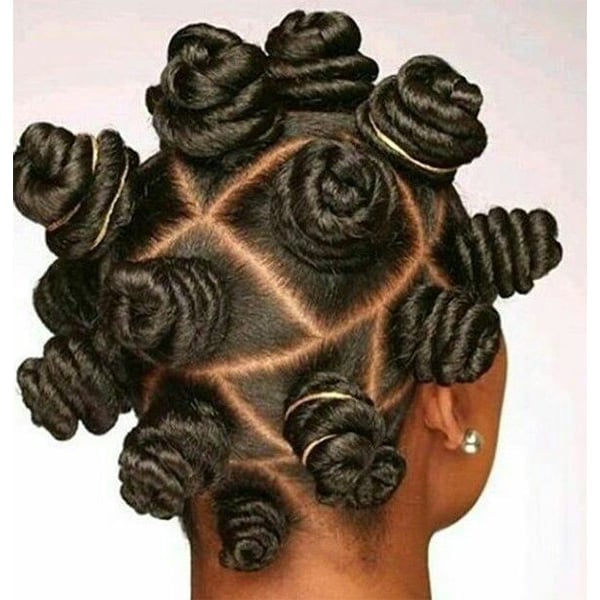
The starburst pattern starts at the center of the scalp and radiates outward in straight, precise lines, with each section twisted into a knot of uniform size. This is not a style you can eyeball at home: the geometric parting demands a steady hand and a sharp comb, since even one crooked line breaks the whole effect. Thick, coily hair of at least nape length gives the design enough surface area to show the pattern clearly. Ask your stylist for: bantu knots with a starburst geometric parting. The top-down view is the key detail, so the partings need to stay clean as the style wears. Touch-ups should go back to the stylist, because a DIY fix will likely distort the radiating lines. This statement style works best when the rest of the look stays simple.
The precision is what makes this style feel modern without being fussy. Each knot is twisted tightly against the scalp, so the overall shape is flat and sculptural instead of voluminous. The black color keeps the focus on the geometry, and the uniform spacing between knots gives the pattern a clear rhythm. This is a look for someone who treats their hair as a canvas and does not mind the extra time in the chair.
Bantu Knots With Heart Carved Sections
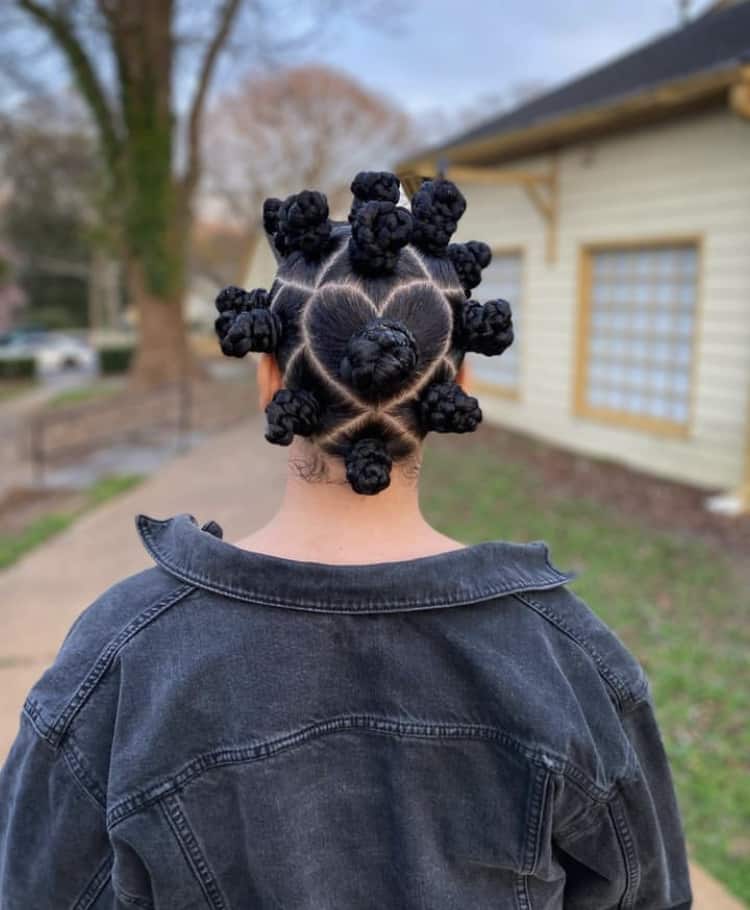
The heart shape carved into the center of the back section is the kind of detail that makes you do a double take, since the lines are clean enough to read clearly against the black, braided, coily hair. The short length keeps the knots compact, so the carved sections stay defined rather than getting lost in volume. This suits anyone who likes their hair to carry a bit of personality, though it does lean toward a specific occasion, Valentine’s Day being the obvious one. Ask your stylist for: bantu knots with a heart shape carved into the sections. The carved lines need gentle handling, since excessive manipulation will blur the shape, and the braided texture helps hold the definition longer than loose coils would.
Bantu Knots With Defined Hairline
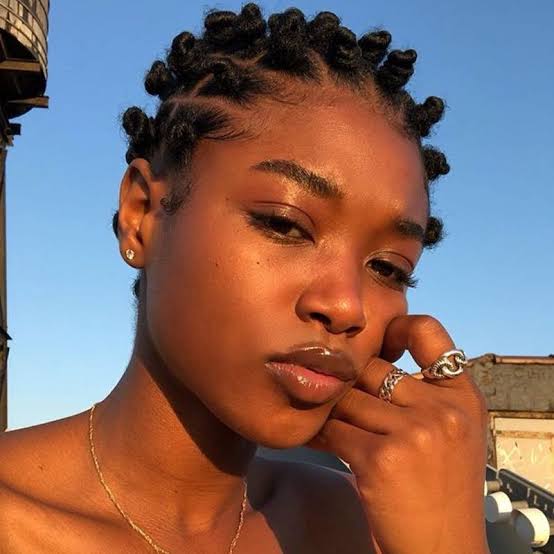
Ask your stylist for bantu knots with a sharply defined hairline and baby hairs. This style works best on thick, coily hair at least nape length, where the contrast between smooth edges and twisted knots is a clear focal point. A soft brush and edge control product will shape the hairline; keep the knots moisturized to prevent frizz from dulling the finish.
Star-Like Geometric Parting Bantu Knots
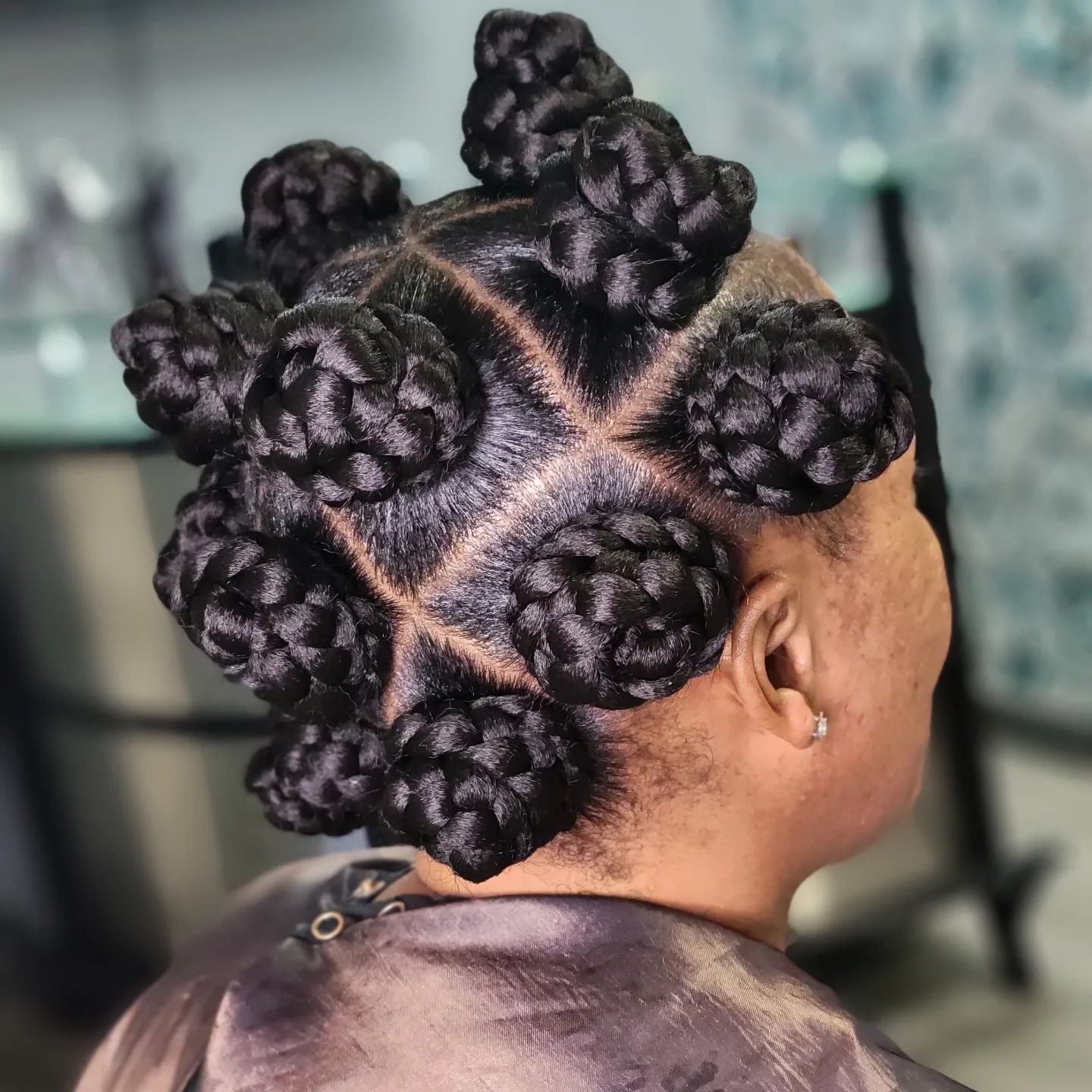
The symmetry here is the point. Each section is carved into a star-like pattern, and every knot sits exactly where the geometry says it should. Ask your stylist for bantu knots with a star-like geometric parting. On short, thick coily hair, the top view becomes the whole show.
Expect the setup to take time. A steady hand draws those clean lines, and touch-ups are best left to a professional. The style holds its shape well, but the parting stays sharpest for the first few days.
Bantu Knots With Star Parting and Loose Curls
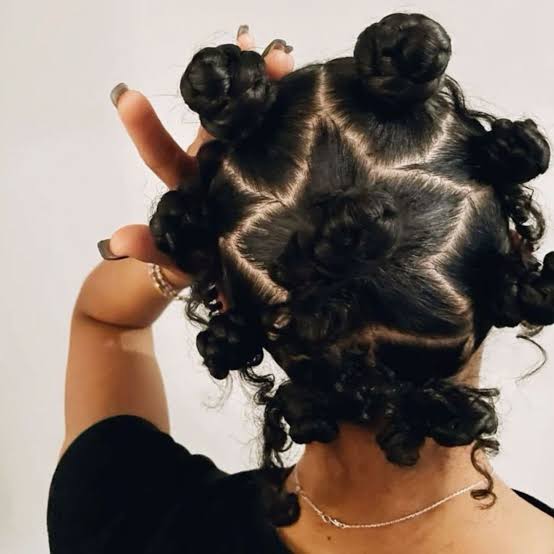
The star parting at the crown does more than look intricate. It anchors the knots while the rest of the hair drops into loose curls at mid-back length. Ask your stylist for bantu knots with a star parting and loose curls. Thick, curly hair carries the contrast between structured top and flowing length naturally.
This lands well for occasions where you want drama without stiffness. Keep the loose curls moisturized and defined; refresh the knots every few weeks to maintain the pattern. A dressing event or a date night justifies the chair time.
DIY Small Bantu Knots Updo
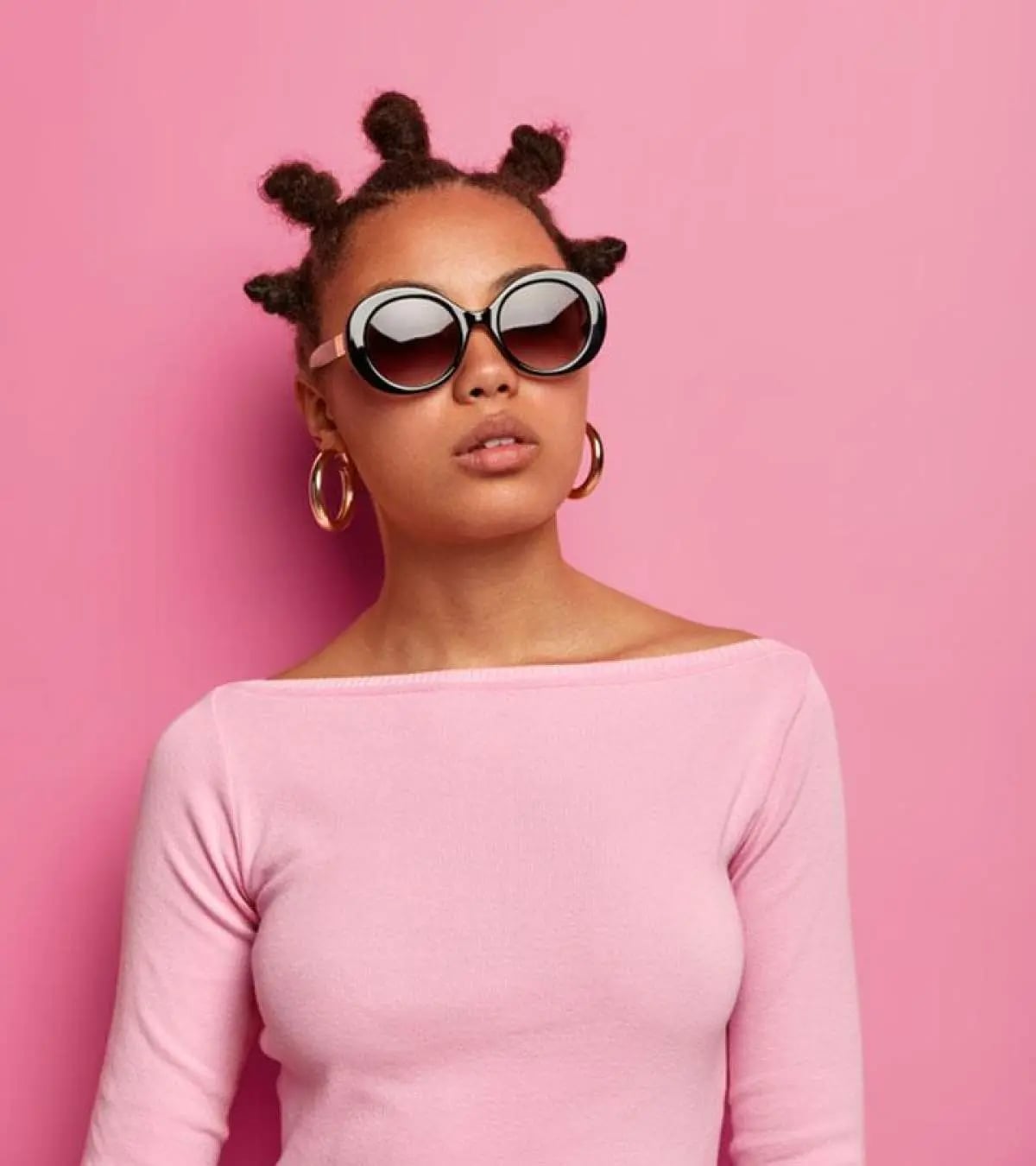
Can you get this close at home? Yes, but set aside time. Ask your stylist for a short updo with many small bantu knots, then study the sectioning before you try it solo. Short, coily dark brown hair holds the knots well, and a middle part keeps the layout symmetrical. Work in small sections, twist tightly, and use a second mirror for the back. Patience matters more than speed here.
Structured Bantu Knots Updo
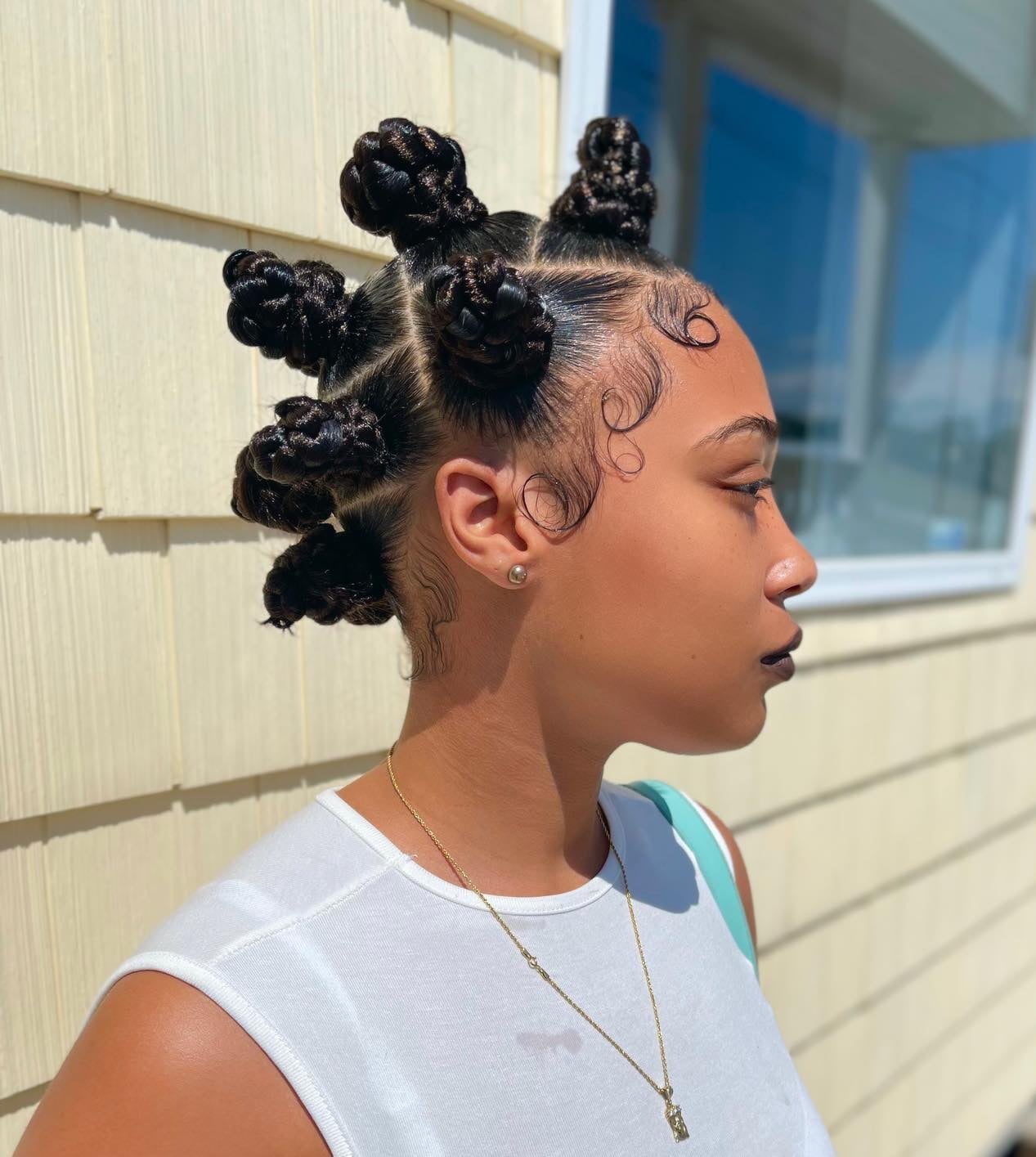
The braiding woven between the knots gives this updo its architecture. Each knot sits upright, and the edges are smooth enough to read as formal. Ask your stylist for an updo with neat bantu knots and intricate braids. Thick, coily hair at mid-back length provides enough material for both the twists and the defined hairline.
Edge control keeps the clean lines intact; ensure each knot is twisted securely so the structure holds. The side view shows the layering of braid and knot, which is the quiet payoff.
Heart-Shaped Bantu Knots With Braids
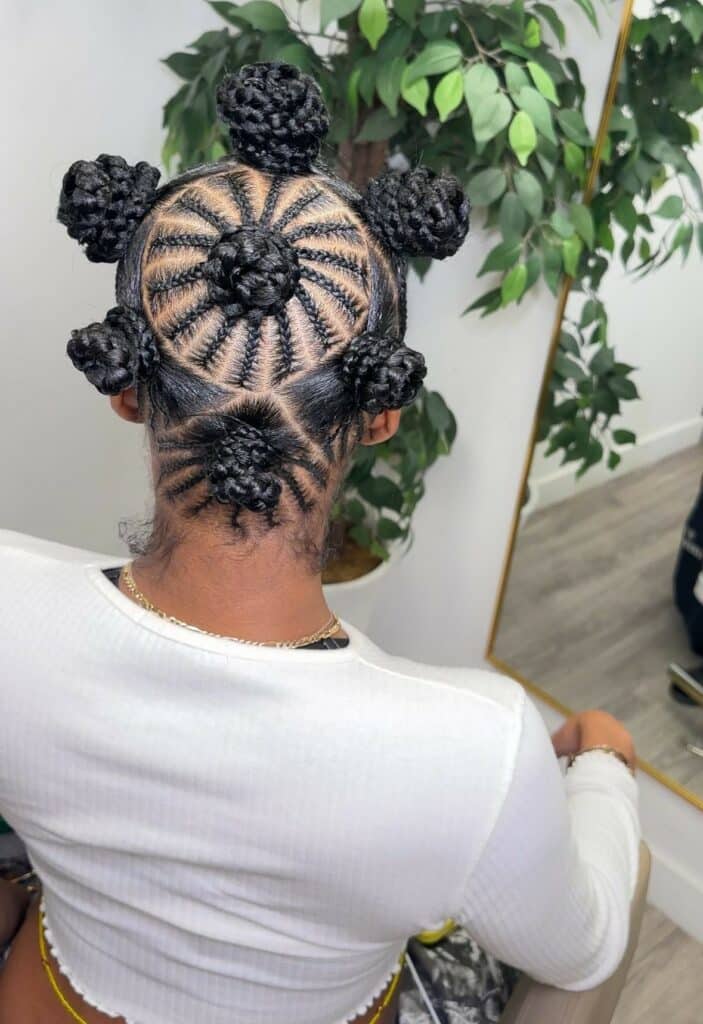
This design carves a heart shape into the scalp with braids that fan out from the center, a detail that stands out clearly. It suits thick, coily hair cut short, where the parting pattern can hold its shape without extra length weighing it down. Ask your stylist for: bantu knots with a heart-shaped braid pattern. The precision involved means this is a salon-only style, best saved for a special event where the romantic design can do the talking.
DIY Small Bantu Knots Updo, Creating A Neat And Defined Look
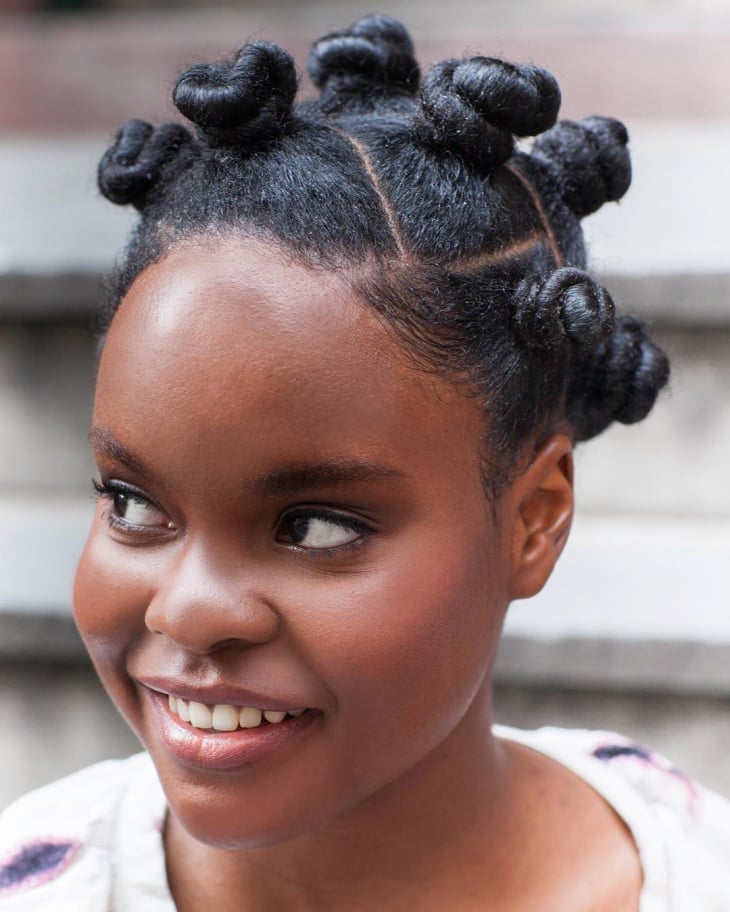
Can you get this many small knots to sit this evenly at home? Yes, but budget for a few tries before the back matches the front. The updo works on short, coily hair and the neat finish comes down to sectioning. Ask your stylist for: short updo with many small bantu knots. Work in small sections, twist each one tightly and position a second mirror to check the back. Practice turns the patience into muscle memory, so the next attempt moves faster.
Bantu Knots With Loose Curls
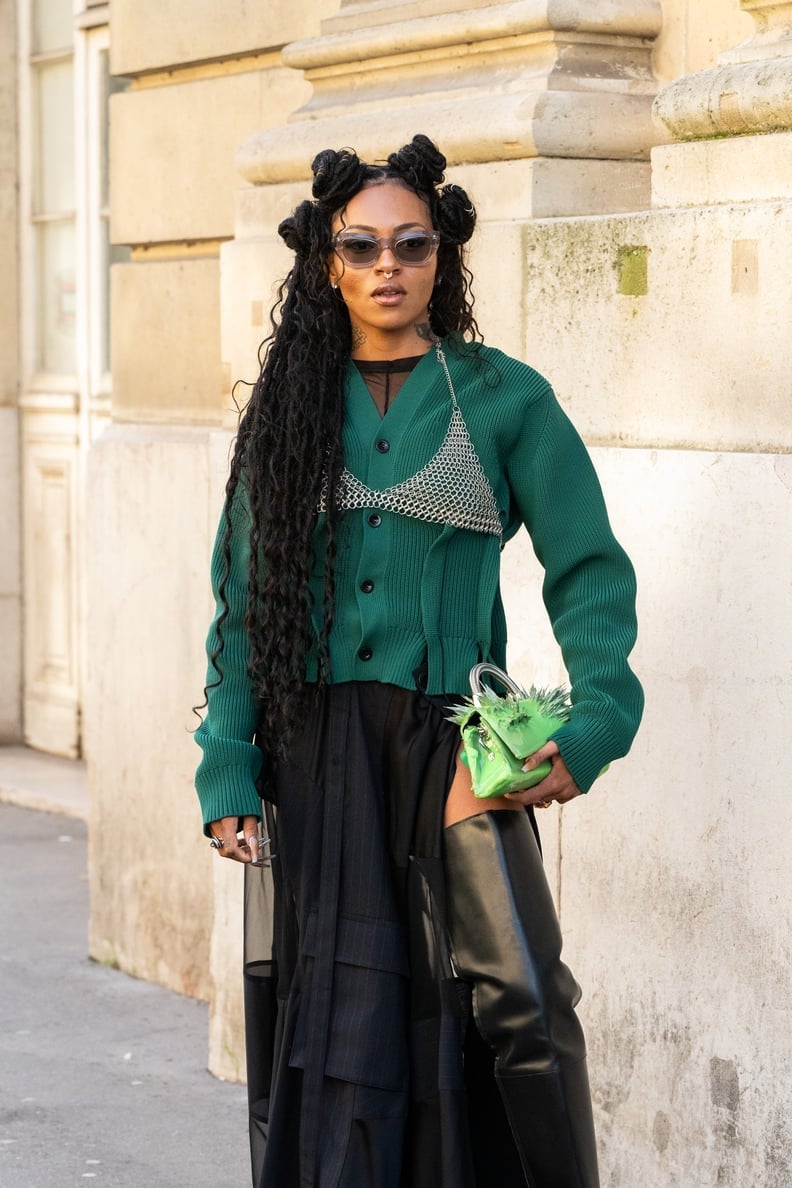
The contrast here is the point: structured knots on top, loose coily hair falling past the shoulders. It suits thick, coily hair at mid-back length, where the knots protect the roots while the length keeps movement. Ask your stylist for: bantu knots with loose curls cascading down the back. The middle parting keeps the style balanced, but the real work is upkeep. Keep the loose sections moisturized and defined, then refresh the knots every few weeks so the two textures stay distinct and do not blend into one.
This is a salon-style look with a bohemian feel, though it takes time to install. The payoff is a protective style that still lets you wear your hair down.
Bantu Knots With Face-Framing Tendrils
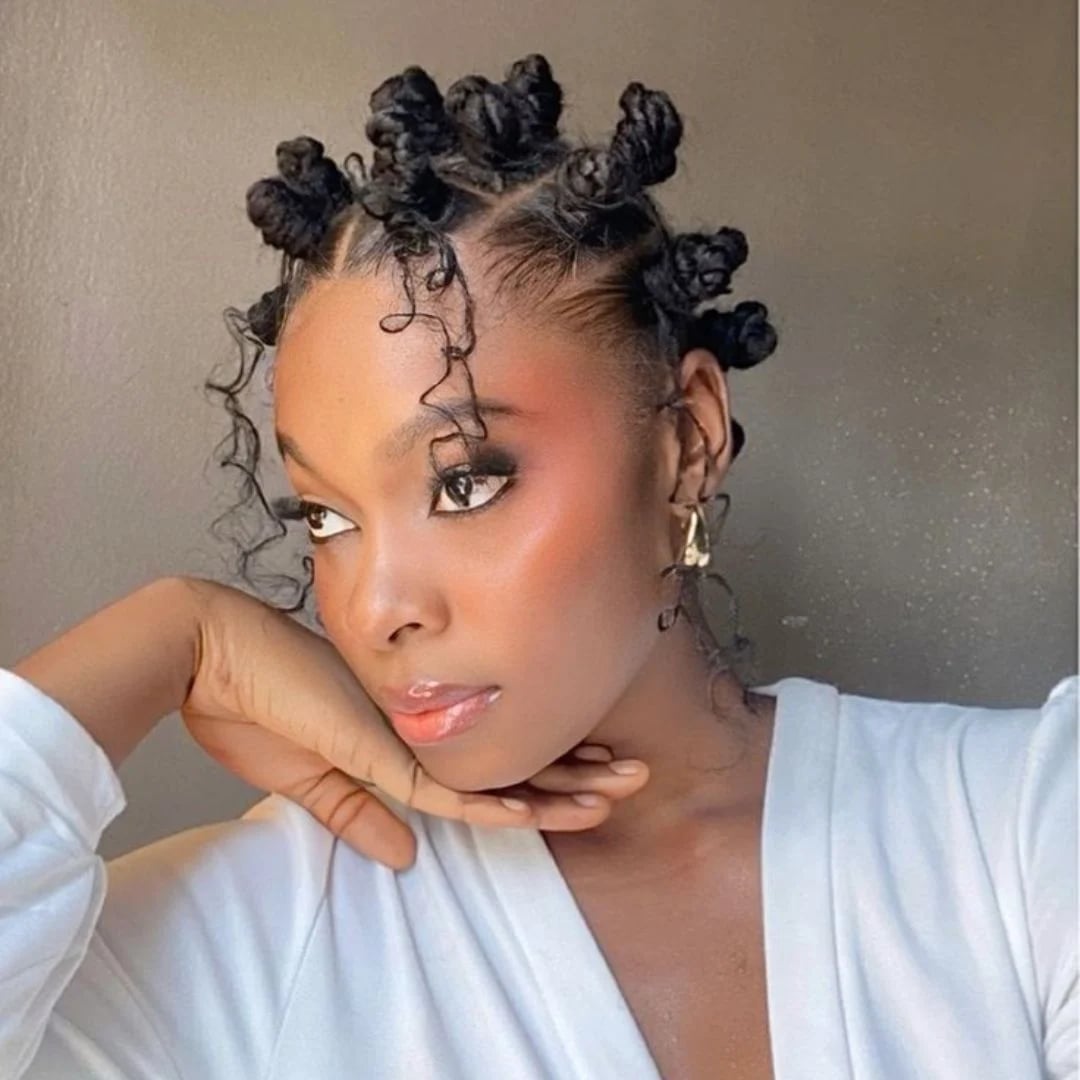
The mistake most people make with an updo this dense is leaving the hairline bare, which makes the whole style feel heavy. Here, loose coily tendrils frame the face, styled with a middle parting, and they soften the row of small knots across the crown. It suits thick, coily hair at shoulder length, where the tendrils have enough weight to hang. Ask your stylist for: updo with small bantu knots and face-framing tendrils. A light styling gel defines the tendrils without turning them stiff, and the knots stay intact for about a week before needing a retwist.
Reddish-Brown Bantu Knots With Braids
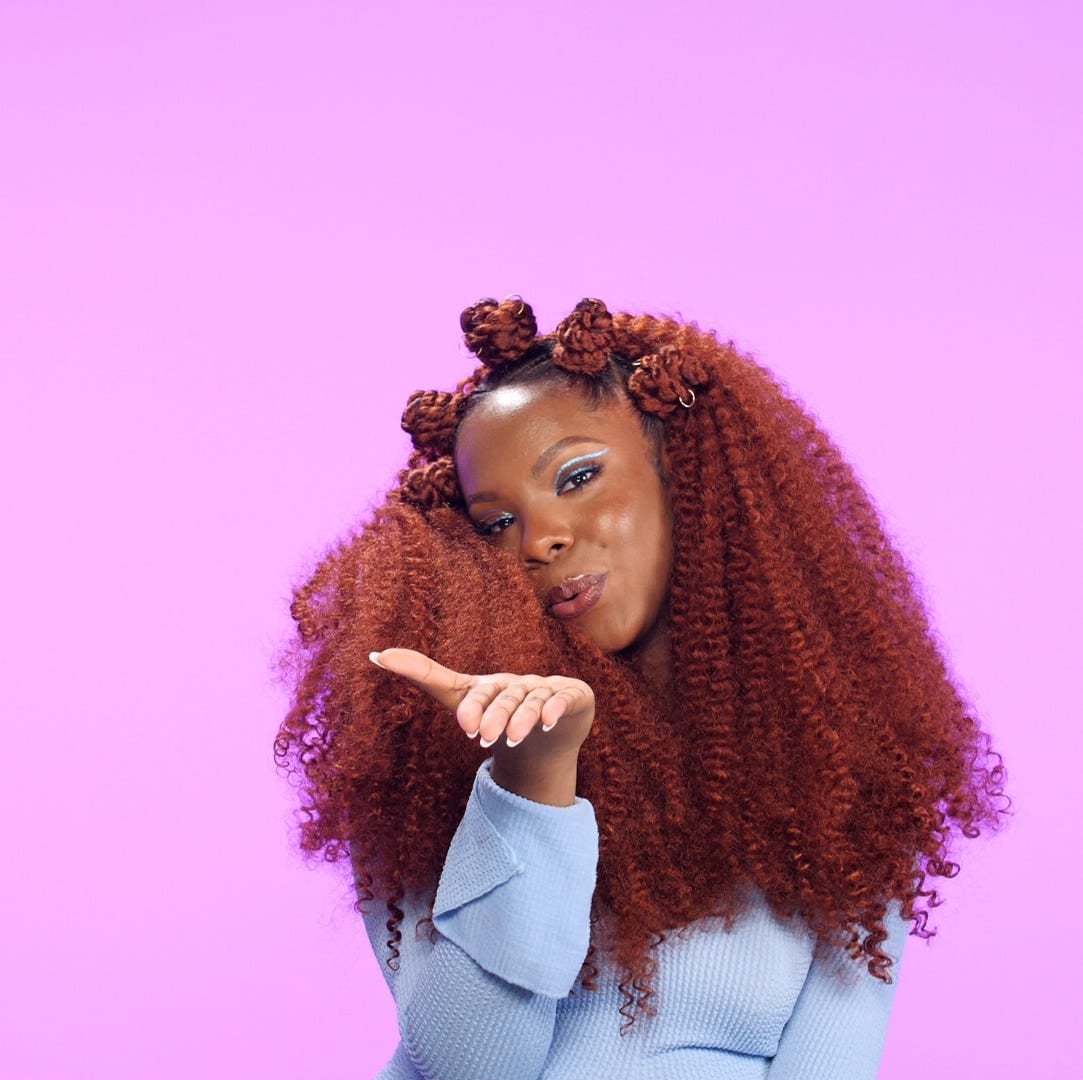
If you want a bold statement, the reddish-brown hue is the quickest way to get it, especially when paired with long voluminous braids that extend past the shoulders. This style suits thick, coily hair at mid-back length, and it works best for fall or winter when the warm tone stands out against darker coats. Ask your colorist for: reddish-brown bantu knots with long braids. The color requires extra conditioning, so reach for sulfate-free products to keep the vibrancy from fading. This is a salon-only style, both for the color application and the braid installation, so plan for a full day in the chair.
The knots sit on the crown while the braids carry the length, giving you the protection of a knot style with the drama of long hair.
Geometric Bantu Knots With Curly Face-Framing
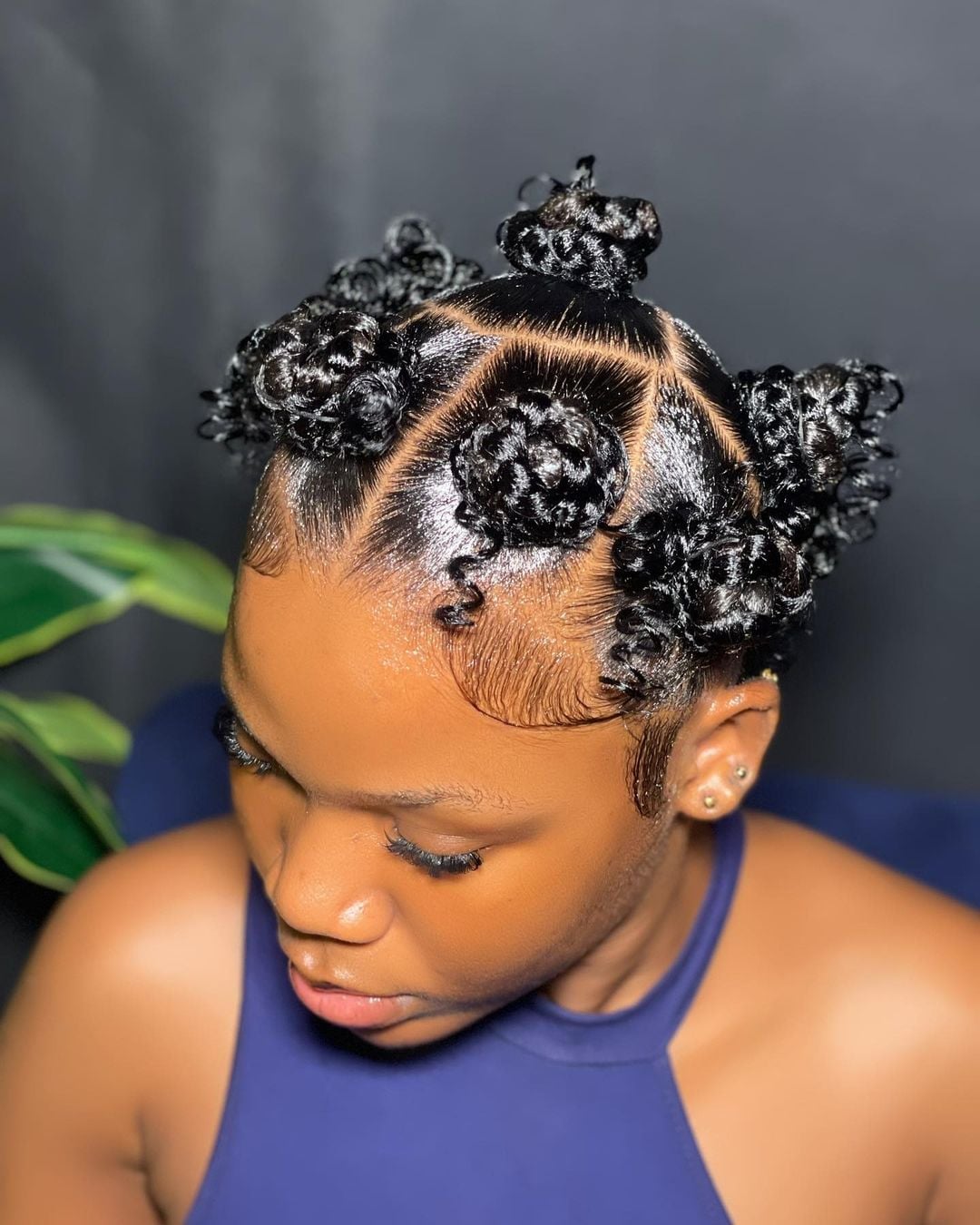
The sharp parting lines here do more than organize the knots, they create a geometric pattern that reads almost like a blueprint across the crown. This design works best on thick, curly hair at shoulder length, where the weight of the curls keeps the face-framing pieces from going flat. Ask your stylist for geometric bantu knots with curly face-framing pieces. The small curls around the face soften the overall geometry, so if you have angular features, this is a flattering counterbalance. Keep those face-framing curls defined with a curl cream, and the knots moisturized to maintain their glossy finish.
Bantu Knots With Braided Extensions and Beads
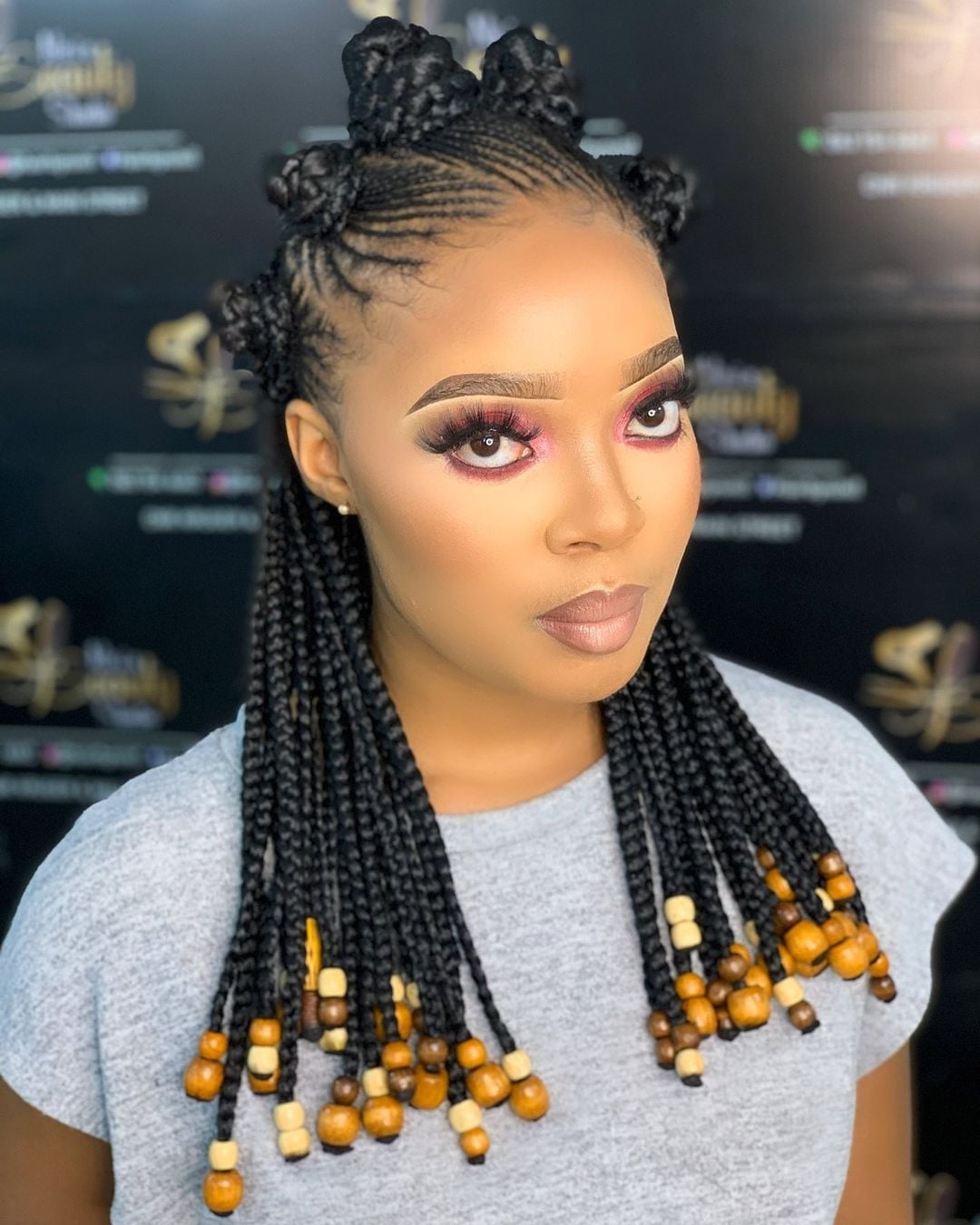
Wooden beads do not just decorate these braided extensions, they add weight that helps the mid-back length hang evenly. This style suits thick, coily hair that can support the tension of both knots and braids without strain. Ask your stylist for bantu knots with long braided extensions and wooden beads. The black base color keeps the focus on the texture and the adornment, making it a statement look that holds up well for events.
For upkeep, make sure each bead is securely attached so none slide down the braid during the day. The extensions stay soft with a moisturizing product, and frizz at the roots where the knots are tied is minimized. The combination of knots and braids means more styling time, but this protective style has built-in movement.
Polished Bantu Knots With Intricate Baby Hairs
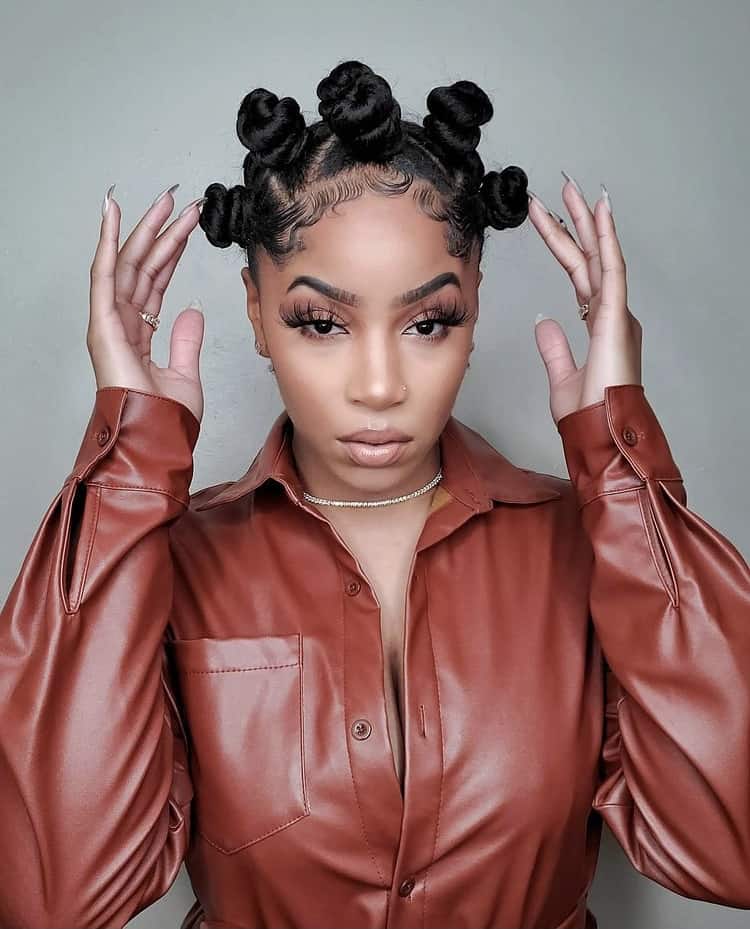
The meticulous baby hairs here turn a simple knot arrangement into a refined finish, with each swirl and swoop clearly defined. This polished bantu knots style works well on thick, coily hair at a short length, where the scalp visibility becomes part of the design. Ask your stylist for polished bantu knots with intricate baby hairs. Laying baby hairs with a soft brush and edge control takes patience and a steady hand. The clean middle parting and tightly wound knots mean the style looks sharp from day one, but the baby hairs need refreshing every few days to stay crisp.
Neatly Tied Natural Brown Bantu Knots
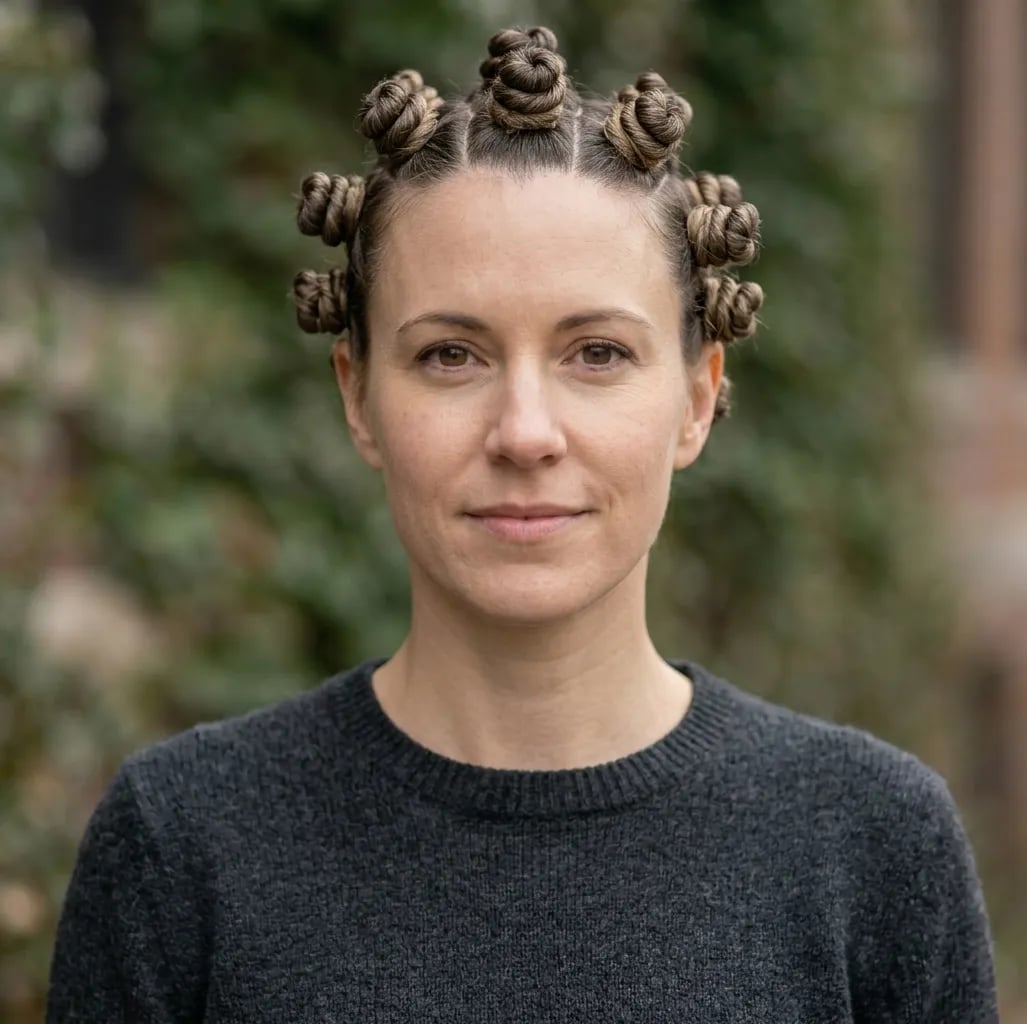
Unlike the glossy black versions, these natural brown knots feel more understated, letting the wavy texture and tight winding do the talking. The middle parting gives it a symmetrical, almost meditative neatness that suits medium-density hair at a short length. Ask your stylist for short natural brown bantu knots. A light hold gel helps maintain the clean lines without weighing down the waves. This is a style that works for a low-key week, where the goal is simply to have hair that looks put together without announcing itself.
Final Thoughts
For longevity, ensure each knot is securely twisted and coiled, and consider adding a light-hold mousse or gel to maintain definition without stiffness. Regular touch-ups on baby hairs can enhance the polished look.
- Re-twist and re-knot sections as needed, typically every 1-2 weeks.
- Sleep with a satin bonnet or scarf to protect knots from friction.
- Apply a light-hold styling product to each section before twisting.
- Gently unravel knots after 2-4 weeks to prevent matting.
Bantu knots offer a canvas for creativity and hair preservation.

