
The Bardot bang is a full, rounded fringe with soft, face-framing layers that sweep outward, a nod to 60s glamour that has traded its stiff helmet for a softer, lived-in finish. The current wave favors curtain bangs and glossy natural texture over flat-ironed poker straight hair.
Here are 33 ways to wear Bardot Bangs, from low-maintenance, air-dried shags to fuller, voluminous styles that need a round brush and a few extra minutes. Whether your hair is fine and falls flat or thick and unruly, there’s a version that works. You’ll find the exact words to ask your stylist for, plus styling and upkeep rhythm for each.
Voluminous Bardot Bangs With Long Layers
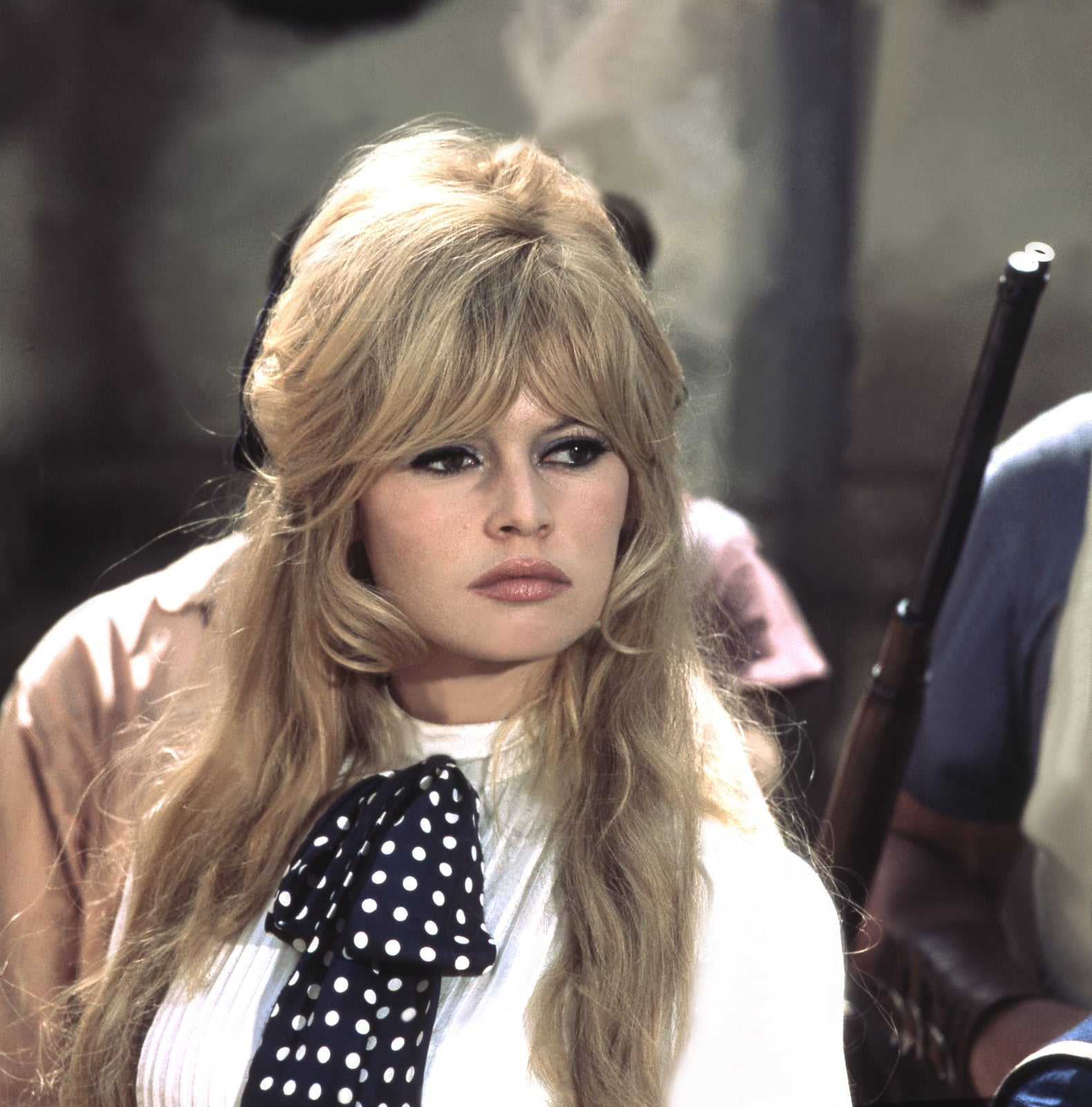
There is a specific engineering to a voluminous bardot bang: it has to be cut long enough to sweep, but layered enough underneath to actually move. Here the mid-back length blonde base carries long layers that do the heavy lifting, letting the waves stack without turning into a triangle. The root shadow keeps the bright blonde from washing out, which matters when you are asking for this much height.
This genuinely flatters thick, wavy hair that already has some natural body to work with. If your texture is on the finer side, you will spend more time with a round brush than you might like. Ask your stylist for: mid-back length with long layers, voluminous bardot bangs. Blow-dry the fringe away from your face with a large round brush to lock in the sweep, and plan on a trim every six weeks to keep the shape from drooping.
Messy Shag With Wispy Bardot Bangs
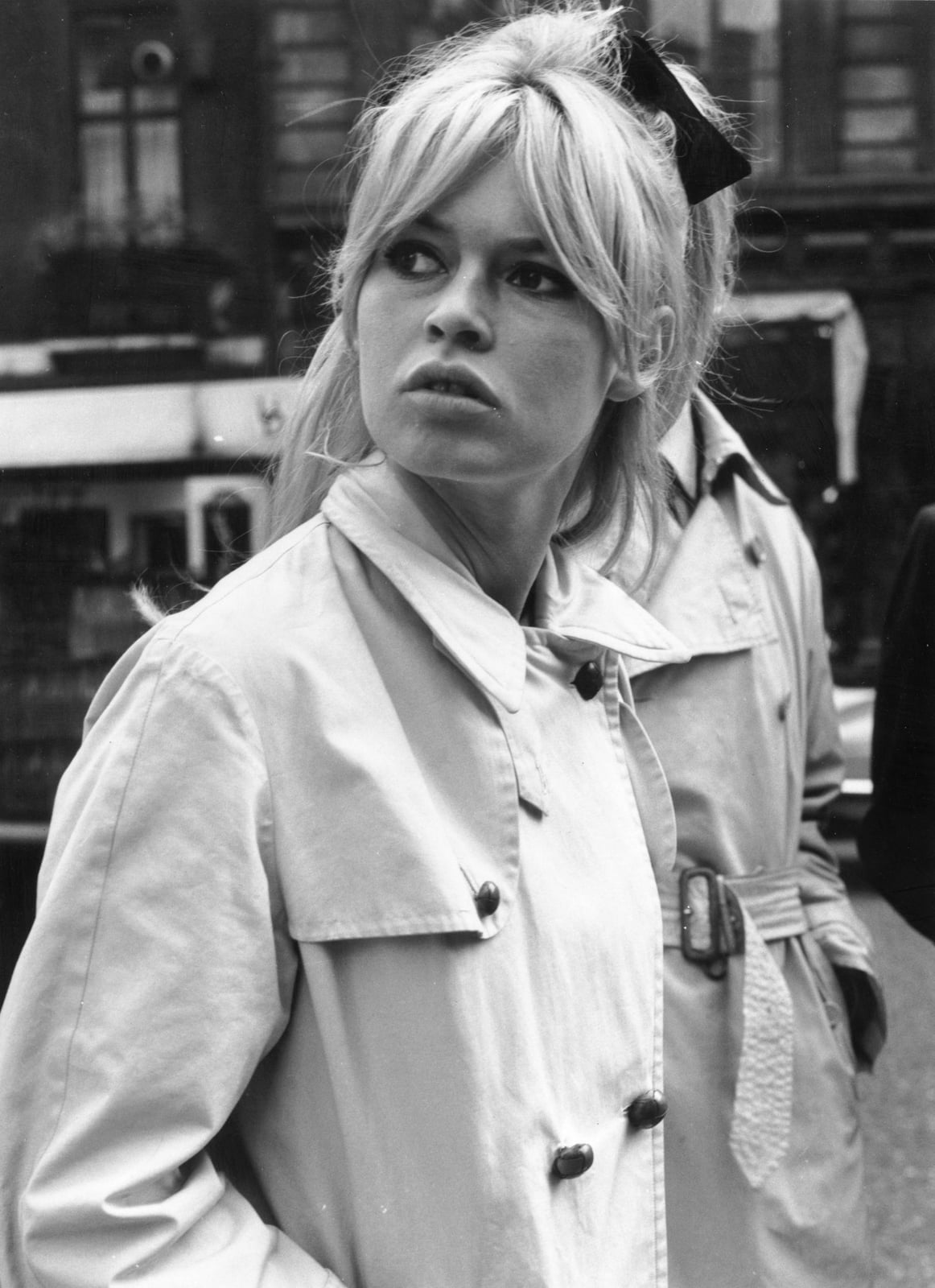
Compared to a classic layered cut that relies on precise lines, a shag haircut with bardot bangs is built on deliberate disconnection, which is good news if you have fine hair that tends to fall flat. The shoulder length keeps the weight off, while the wispy fringe pieces are cut shorter at the center and longer at the edges, so they part and frame without needing much direction. A middle parting and natural wave do the rest. Ask your stylist for: shoulder length shag, wispy bardot bangs. Most face shapes can wear this one, and the messy texture means air drying is a legitimate styling method.
Platinum Blonde Bardot Bangs With Volume
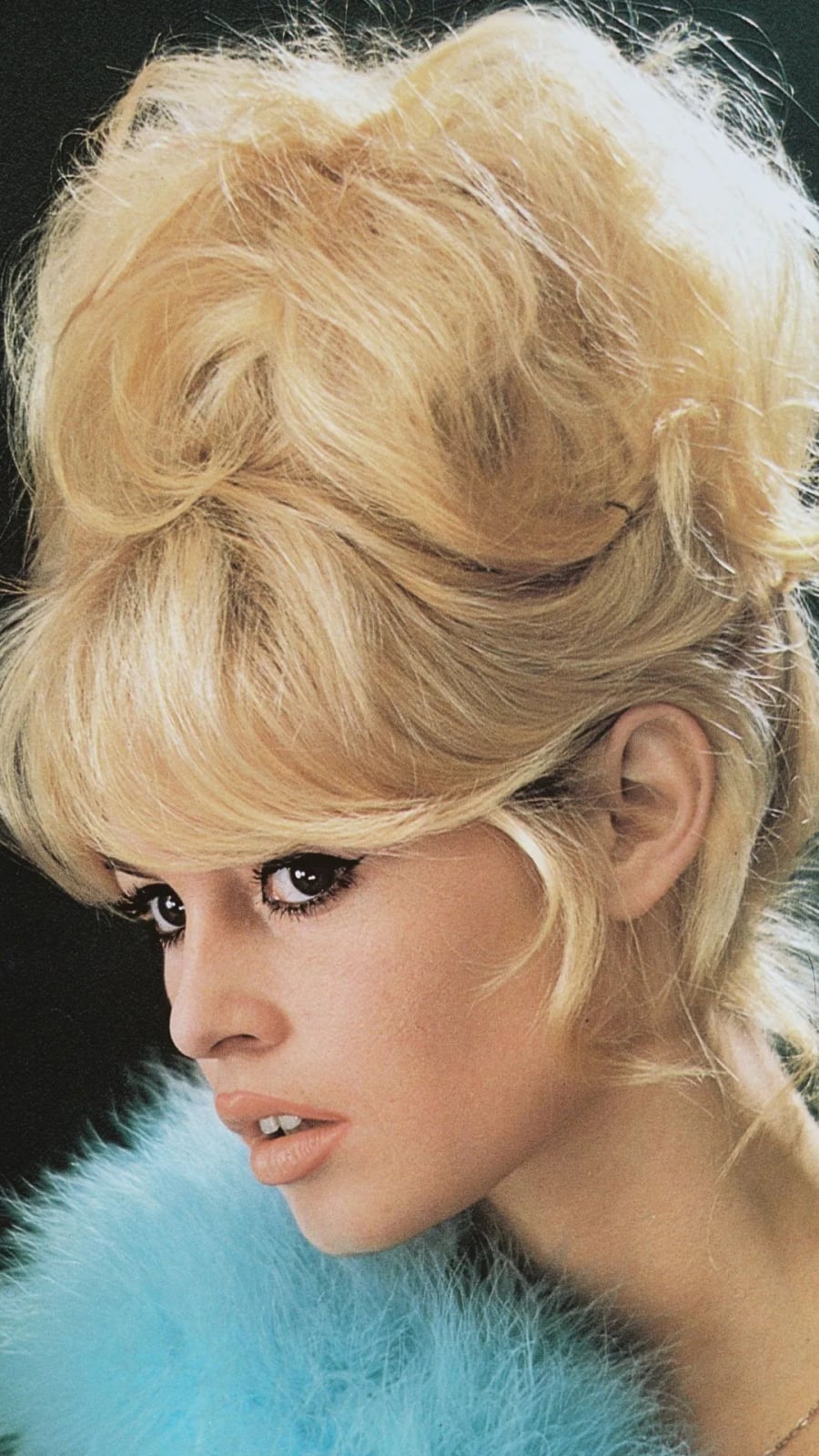
Platinum blonde bardot bangs require a specific kind of commitment, because the color is not the hard part, the volume is. The shoulder length cut uses long layers to remove bulk, then relies on backcombing at the crown to create that dramatic height. Fine, wavy texture actually works in your favor here, since it takes teasing better than coarse hair does. The full fringe is swept to both sides and pinned or blown dry with tension to get that iconic curve. Ask your stylist for: shoulder length with long layers, full bardot bangs, teased volume. The honest drawback is the upkeep: platinum needs a toner appointment every four to six weeks to stay icy, and the bangs need a trim just as often. Oval and heart face shapes get the most out of the extra height.
Dark Brown Bardot Bangs With Natural Waves
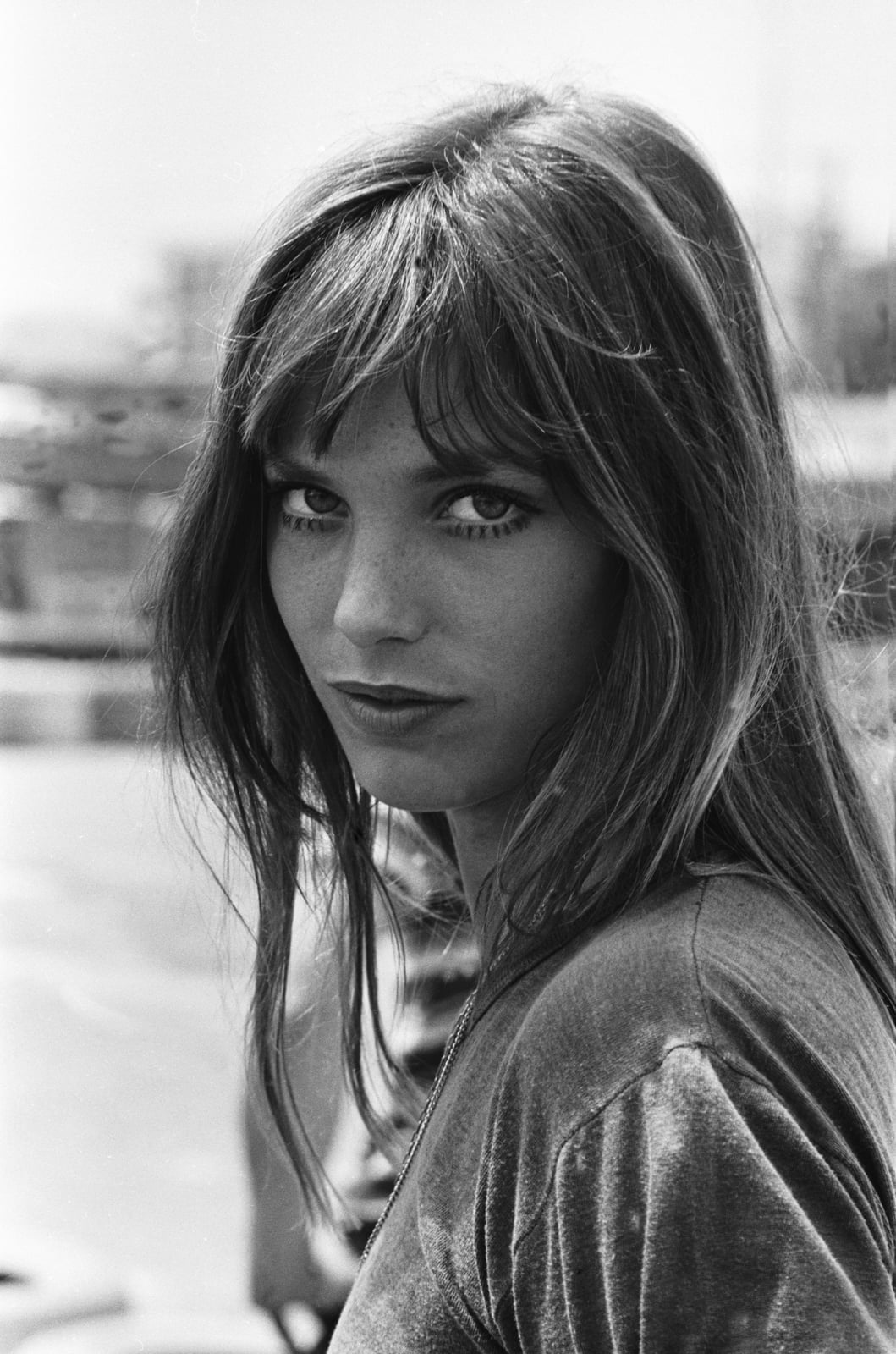
There is a particular ease to a bardot bang when the hair is allowed to do its own thing. The mid-back length in dark brown carries soft layers that give the waves somewhere to go, while the wispy fringe is parted in the middle and left to dry without heat. That is the reality of this style: it looks undone, but the bangs still need a little negotiation each morning. Fine, wavy texture air dries well, though a smoothing product on the ends keeps the mid-lengths from looking frayed. Ask your stylist for: mid-back length with layers, wispy bardot bangs. The bangs will need a trim every four to six weeks, because once they pass the cheekbone, they stop being bangs and start being face-framing layers.
Collarbone Dark Brown Bardot Bangs
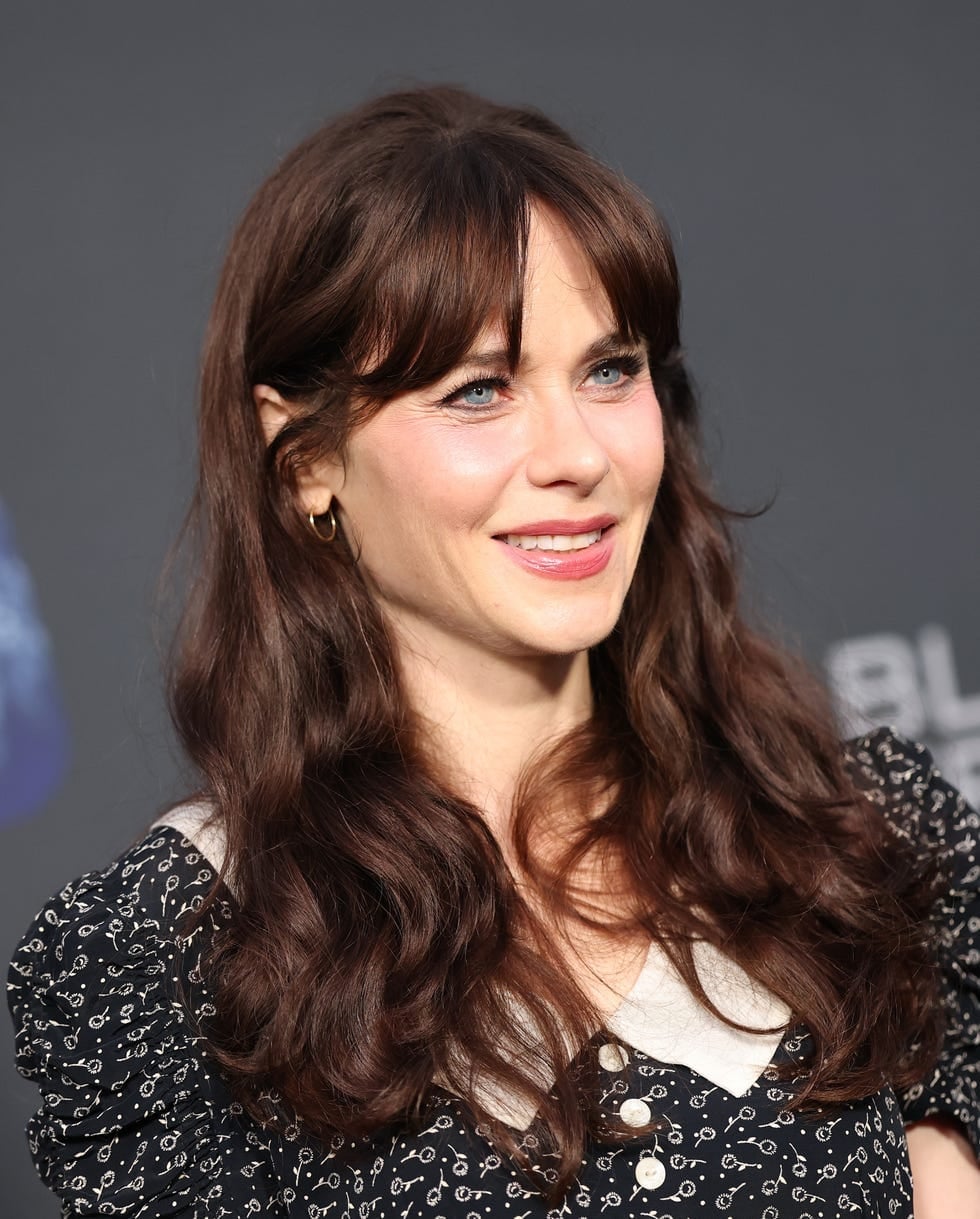
How do you ask for a fringe that reads as full but still blends into the rest of the cut? The words matter more than you think. This collarbone length in dark brown with subtle lighter pieces works because the full bardot bangs are cut to connect directly into the long layers, so there is no hard line where the fringe ends. The soft waves and slight blowout give it a polished finish that still moves. A middle part keeps the weight evenly distributed, which suits medium density hair and softens a square jawline. Ask your stylist for: collarbone length with long layers, full bardot bangs. And if you want the exact shape, bring a reference and say you want the bangs to sweep, not sit flat.
Warm Brown Bardot Bangs With Soft Waves
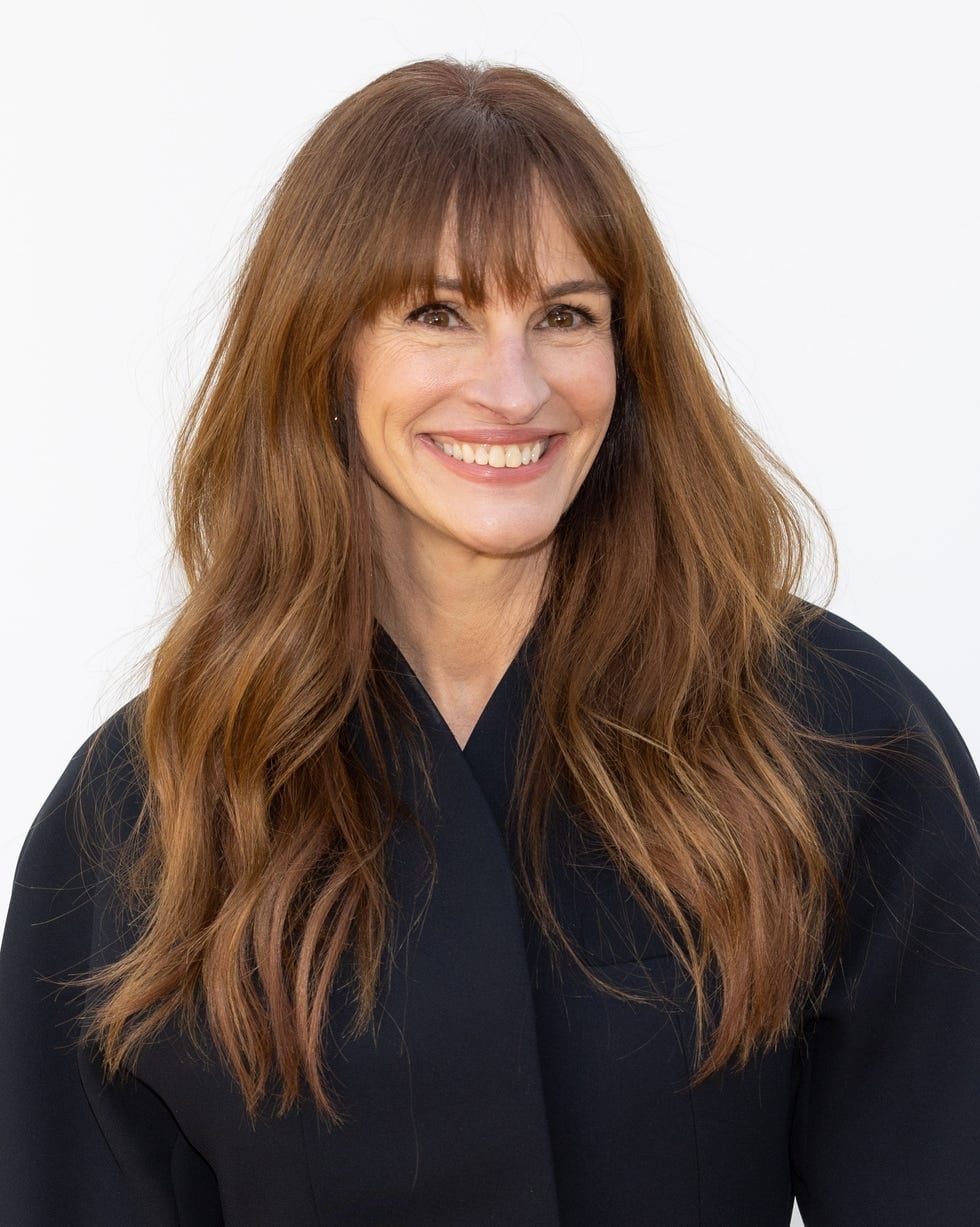
Warm brown is the shade that makes Bardot bangs feel like they belong to autumn, especially when subtle highlights catch the low sun. The collarbone length keeps the style grounded, while the soft, side-parted fringe does the actual flirting. Medium density wavy hair takes to this cut without much fuss, and the blowout adds just enough polish for a casual weekday or a late lunch out. Ask your stylist for: collarbone length with layers, soft bardot bangs, side part. A round brush and a shine serum keep the waves smooth, and the bangs need a trim every four to six weeks to hold their shape.
Dark Blonde Bardot Bangs With Soft Blowout
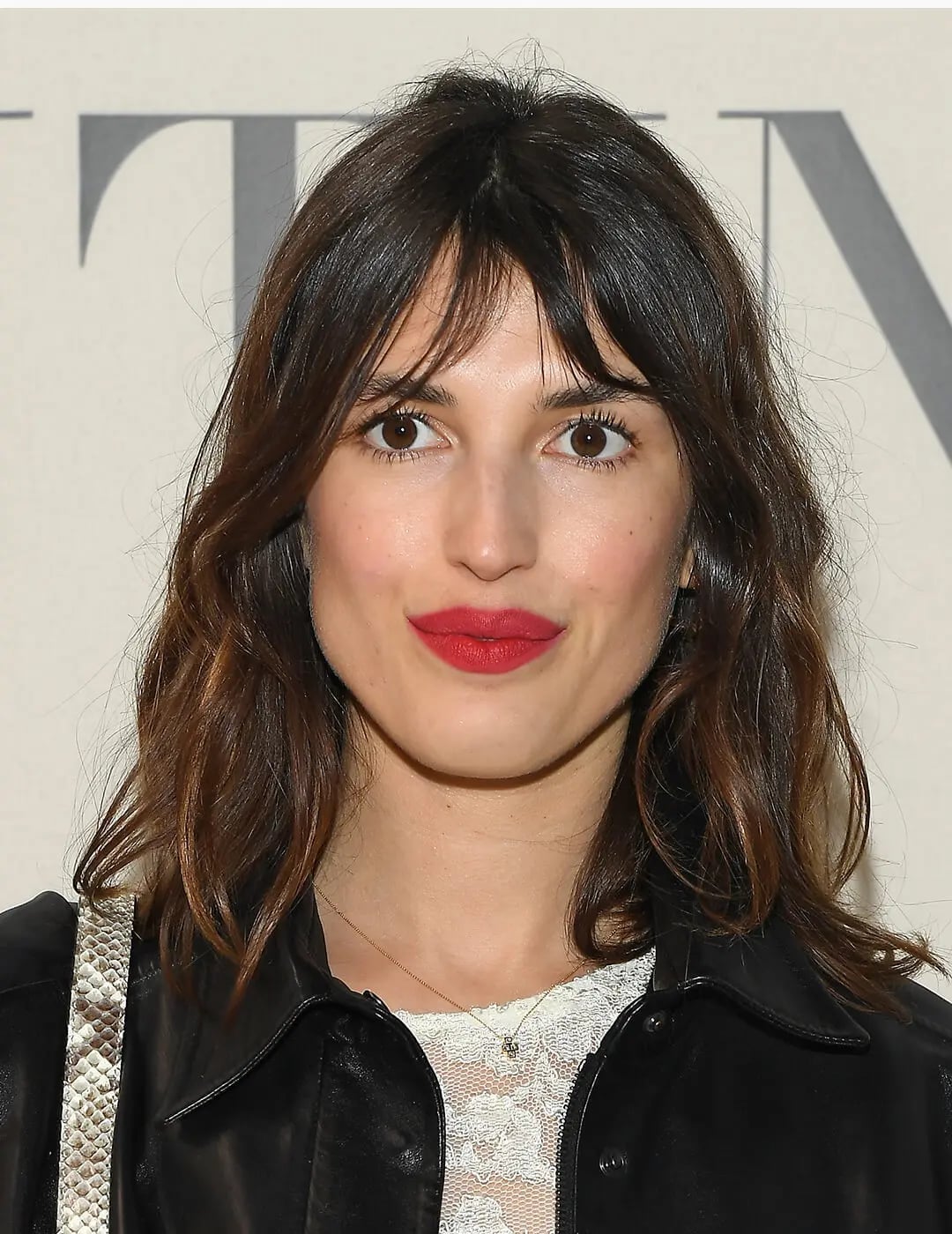
The mistake with Bardot bangs is treating them like any other fringe and letting them dry flat against the forehead. This dark blonde version with long layers needs the blowout to do the work, directing the bangs to the sides with a round brush while the rest of the collarbone length falls into gentle waves. Medium density wavy hair is forgiving here, but skip the heat protectant and the whole thing turns frizzy by midday. The drawback is that the soft, swept effect only lasts until the bangs grow past the brow, which happens faster than you expect. Ask your stylist for: collarbone length with long layers, bardot bangs. A trim every six weeks keeps the shape honest.
Honey Blonde Bardot Bangs With Volume
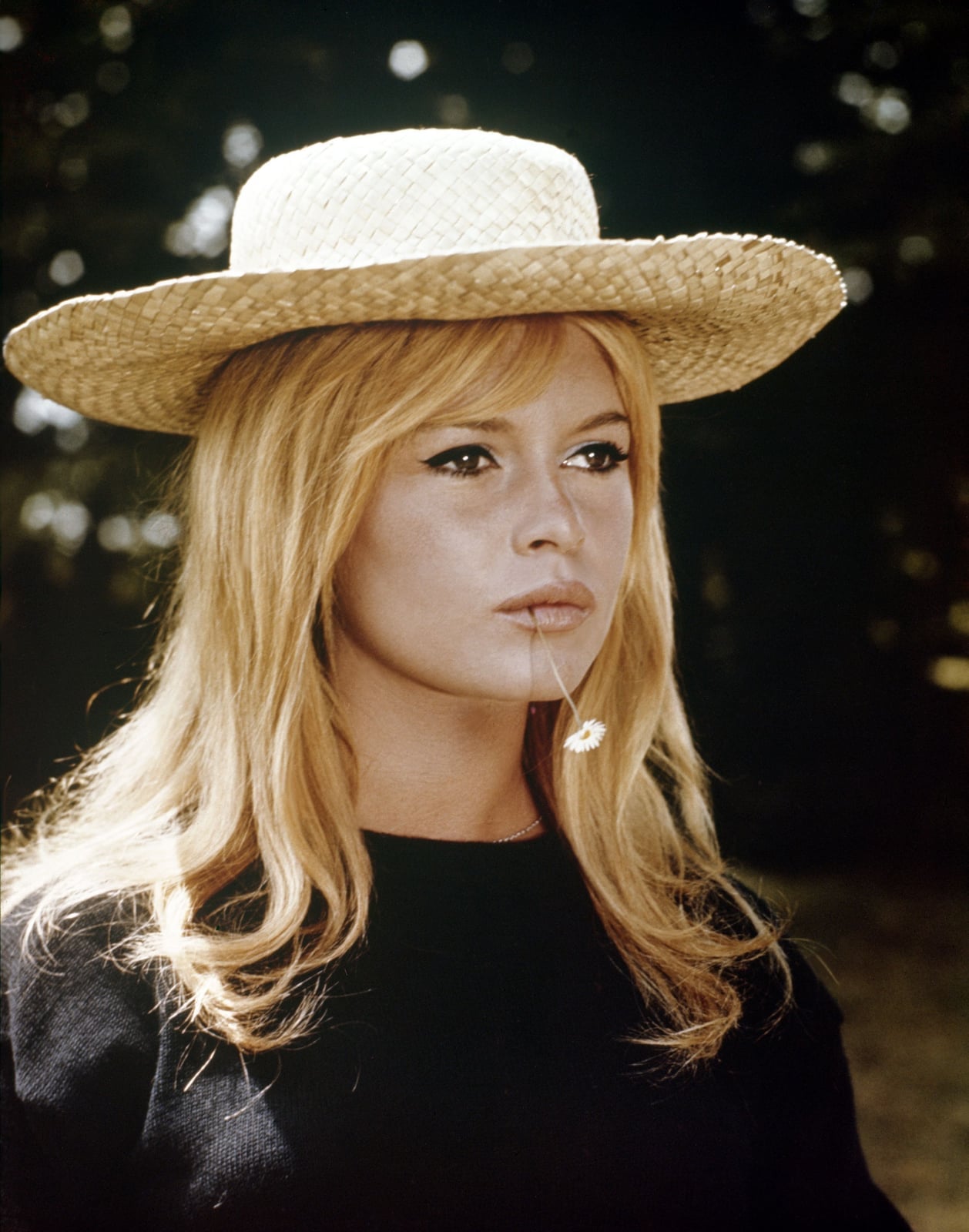
The honey blonde shade is the loudest part of this shoulder-length cut, and the iconic Bardot bangs, parted in the middle, give it a 60s tilt. Long layers underneath keep the volume balanced, which is the real risk with medium density wavy hair. This style suits oval and round faces because the middle part and the sweep to the sides elongate rather than widen. If your hair is fine, the volume will deflate by lunch unless you give the roots a hand.
Ask your stylist for: shoulder length with long layers, iconic bardot bangs. A volumizing spray at the roots and a large barrel curling iron build the waves, and the bangs need a trim every four to six weeks. Skip this one if you prefer air-drying, since the whole effect depends on lift at the crown.
Auburn Bardot Bangs With Natural Waves

Auburn changes the personality of Bardot bangs entirely. On a blonde, the fringe looks soft and beachy, but this rich red-brown base makes the full bangs feel like a statement, especially at mid-back length with long layers. The loose, natural waves keep it from turning costume-y, and medium density wavy hair carries the texture without much styling. Compared to a darker brunette shade, auburn adds warmth that makes the bangs pop against the skin, though it does demand more upkeep to keep the color from fading to rust.
Ask your stylist for: mid-back length with long layers, full bardot bangs. A heat protectant and a large barrel iron create the waves, and the bangs need a trim every four to six weeks. This one suits oval and heart face shapes best, since the full sweep across the forehead softens a wider hairline.
Honey Blonde Lob With Bardot Bangs
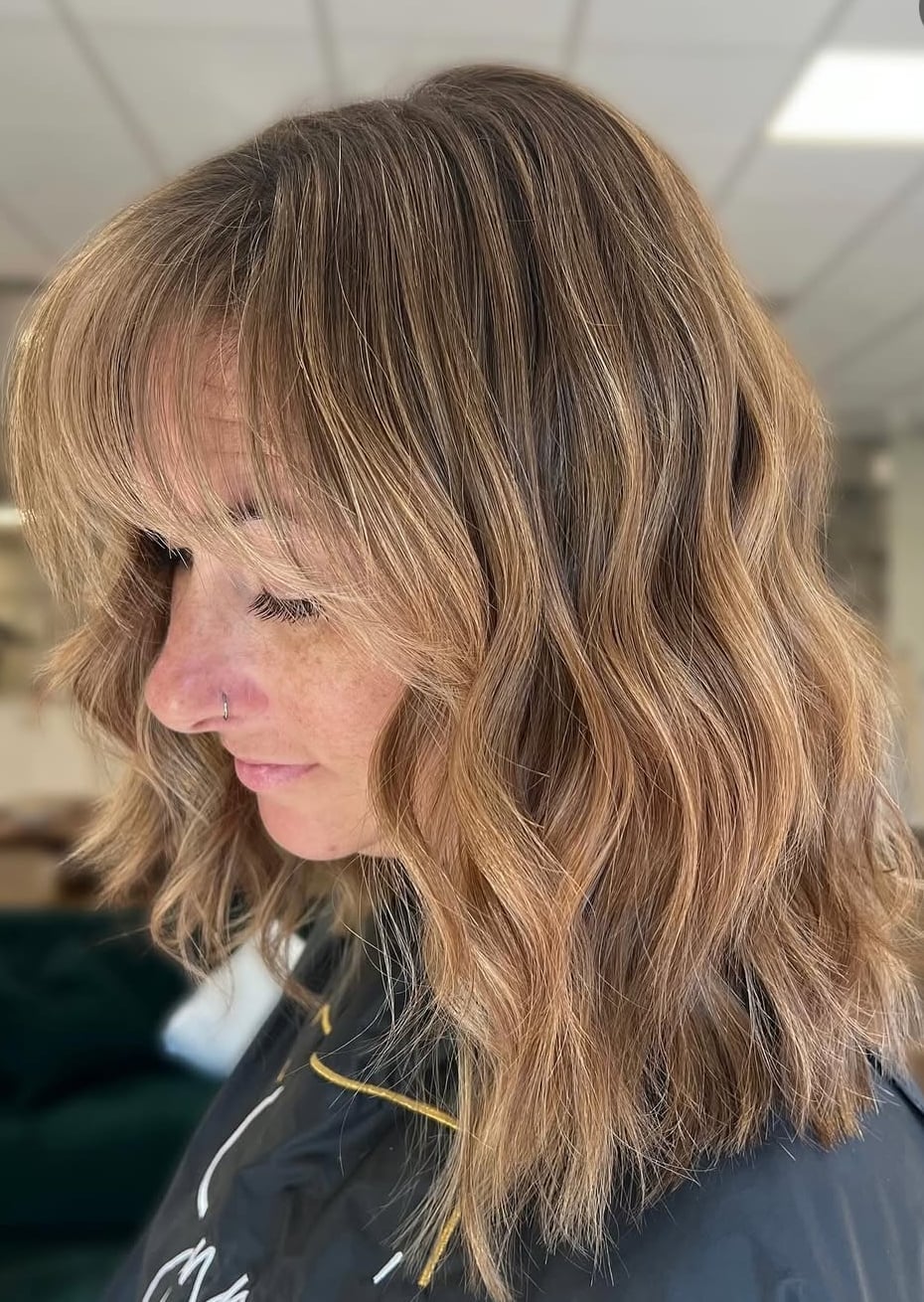
A lob with Bardot bangs is built on the layering, not the length. The collarbone baseline gets subtle internal layers that let the honey blonde balayage move, while the bangs blend into face-framing pieces so there is no hard line between fringe and body. The side part adds a little asymmetry, which keeps the wavy texture from looking too uniform. Medium density wavy hair holds the shape well, and the balayage means the color grows out without a harsh root line. Ask your stylist for: collarbone length lob with layers, bardot bangs. Direct the bangs to the sides while blow-drying, and trim the baseline every six to eight weeks.
Shag With Air-Dried Curtain Bangs
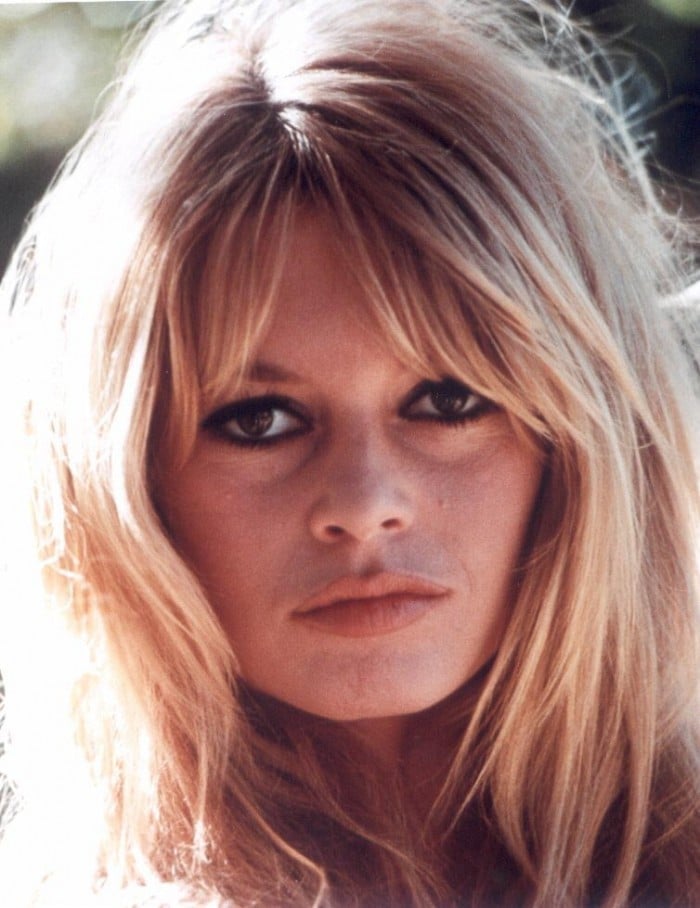
There is a distinct difference between letting hair dry and abandoning it to the elements, and a shag with curtain bangs sits right on that line. The collarbone-length cut with a middle part works with your natural wave instead of fighting it, which is the entire point of the style. Thick, wavy hair is the ideal candidate here, since the shag’s internal layers prevent the length from forming a triangle shape.
Ask your stylist for: collarbone length shag, curtain bangs, air-dried finish. To keep the shape honest, apply a texturizing spray to damp hair and resist the urge to touch it while it dries. The bangs will need a trim every four to six weeks, because nothing dates a shag faster than a fringe that has outgrown its assignment.
Caramel Blonde Waves With Curtain Bangs
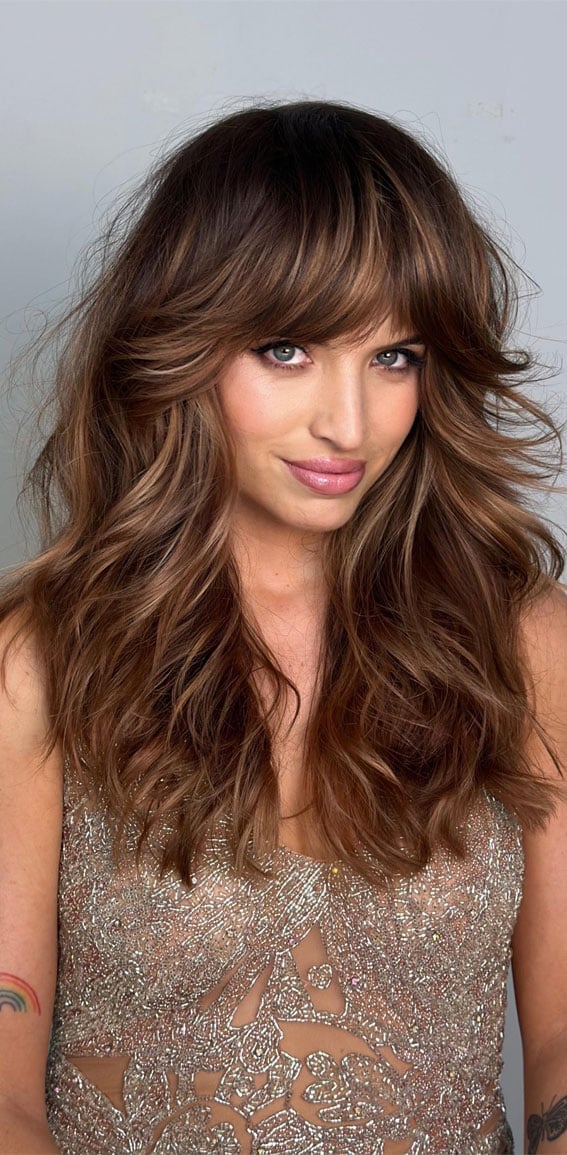
How do you get those soft waves that look like they happened on purpose without committing to hot rollers every morning? The answer is in the cut, not the styling. This mid-back length with layers gives thick hair somewhere to move, while the caramel blonde with highlights adds dimension that makes each wave read clearly.
Ask your stylist for: mid-back length with layers, prominent curtain bangs. The bangs are cut to softly frame the face, which suits oval and round face shapes especially well. A large barrel curling iron will recreate the wave pattern, and a shine spray keeps the caramel tone looking glossy rather than brassy. Plan on a bang trim every four to six weeks.
Honey Blonde Highlights With Curtain Bangs
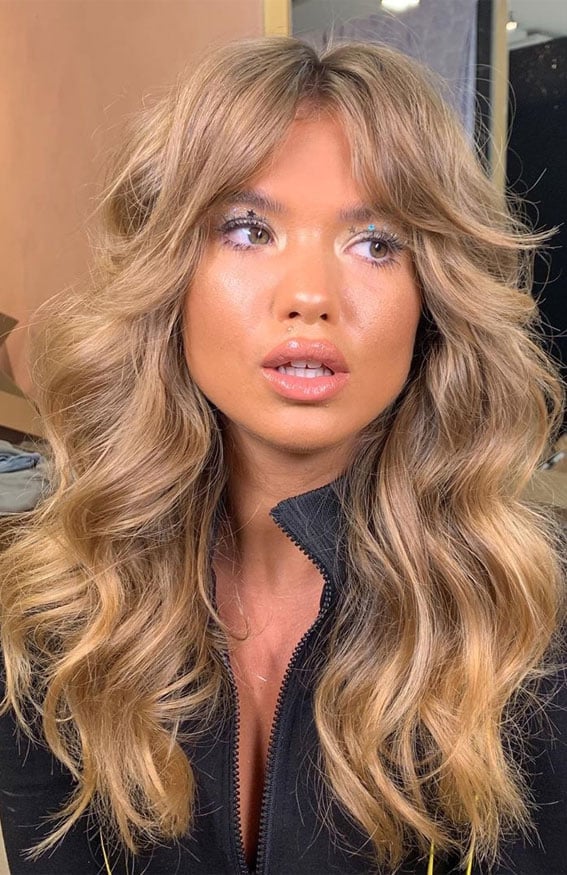
Honey blonde with subtle highlights brings warmth to the hair without overpowering it. On this mid-back length with loose waves and curtain bangs, the color works for both summer weddings and holiday parties.
Ask your colorist for: honey blonde with subtle highlights, prominent curtain bangs. The thick, wavy texture carries the style, and the bangs are cut to softly frame the face. Between salon visits, a purple shampoo once a week keeps the honey from drifting yellow, and a curling iron refreshes the wave pattern. The bangs hold their shape best with a trim every four to six weeks.
Ash Blonde Shoulder Length With Curtain Bangs
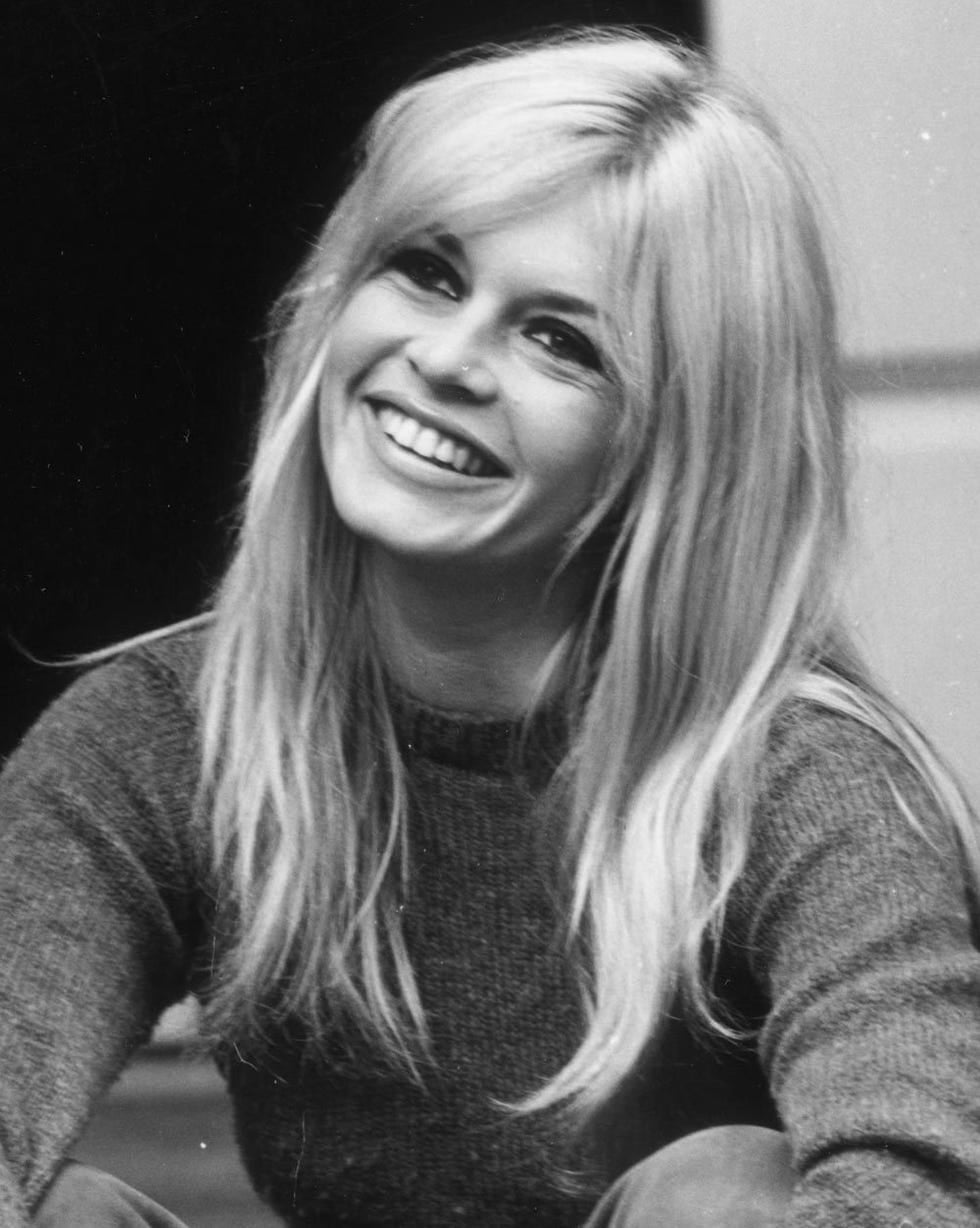
The mistake people make with ash blonde on fine hair is letting the cut get too heavy, which flattens the wave pattern before it starts. This shoulder-length style with long layers and curtain bangs keeps the weight off the ends, so the natural texture can actually show up. Fine, wavy hair suits this cut well, and the air-dried finish means no heat styling required.
Ask your stylist for: shoulder length with long layers, curtain bangs, air-dried finish. The real drawback is the ash tone: it grabs onto brassiness quickly, so a purple shampoo every other wash is essential. The bangs need a trim every four to six weeks to keep the middle part from becoming a full fringe.
Warm Brown Waves With Side Part Curtain Bangs

A side part changes the entire geometry of curtain bangs, and this collarbone-length cut proves it. The soft, blended bangs sweep across the forehead instead of parting down the middle, which adds volume at the sides and suits oval and square face shapes particularly well. Medium density, wavy hair carries the loose, slightly messy waves without needing much help.
Ask your stylist for: collarbone length with long layers, curtain bangs, side part. The warm brown with subtle highlights gives the waves depth, and a texturizing spray enhances the messy finish. Since the bangs are blended rather than blunt, they grow out gracefully, but a trim every four to six weeks keeps the side part from losing its shape.
Honey Blonde Shag With Blowout Curtain Bangs
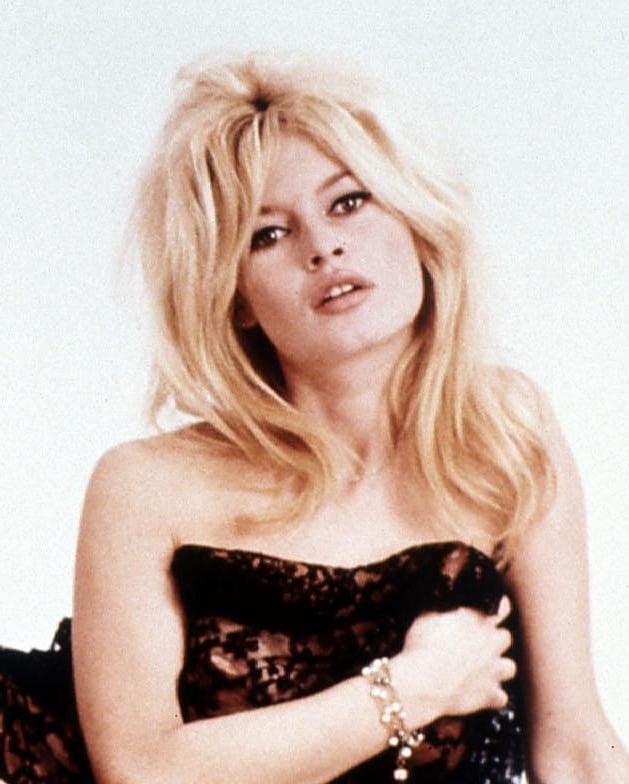
A shag usually signals lived-in texture, but this collarbone-length version swaps the air-dry finish for a polished blowout, giving the honey blonde layers a weightier swing. Thick, wavy hair benefits from the shag’s internal layering, which removes bulk without sacrificing the curtain bangs’ soft sweep. Ask your stylist for: collarbone length shag, curtain bangs, blowout finish. The middle part keeps the face-framing even on both sides.
Ash Blonde Curtain Bangs With Soft Waves
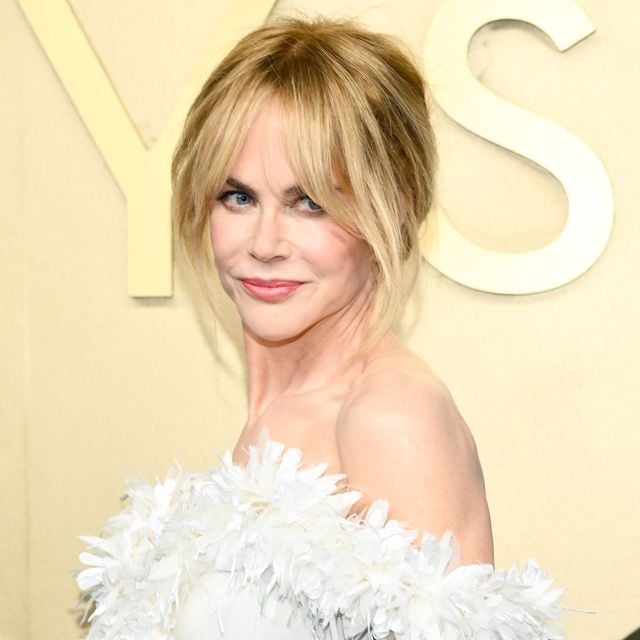
The design hinges on the contrast between the ash blonde base and the lighter highlights woven through the collarbone-length layers. Wispy curtain bangs, parted at the center, are cut to graze the cheekbones before blending into the soft waves. Ask your stylist for: collarbone length with layers, wispy curtain bangs.
Medium-density wavy hair holds the S-shaped bend without needing a curling iron on every strand. A blowout with a round brush directs the bangs outward and adds volume at the roots, which suits oval and heart face shapes by widening the upper portion of the silhouette.
Honey Blonde Balayage With Curtain Bangs, Collarbone
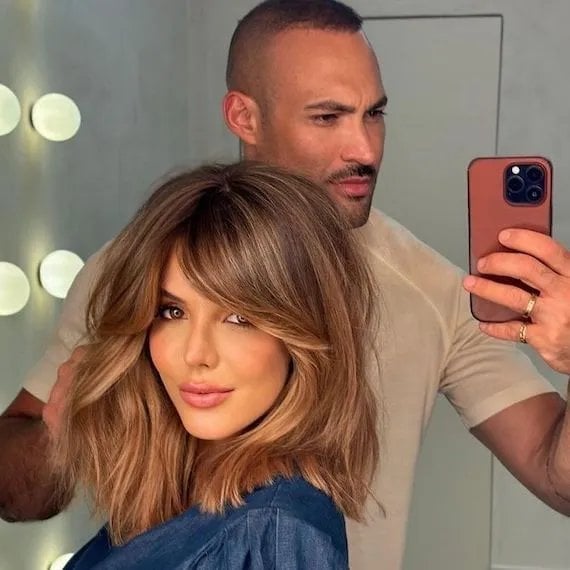
The honey blonde balayage starts a few inches from the roots, which means the grow-out line stays soft rather than turning into a visible band. Curtain bangs at collarbone length sweep to a side part, creating asymmetrical framing that softens a round face. Ask your stylist for: collarbone length with layers, curtain bangs, honey blonde balayage.
Because the color is painted freehand, toning appointments land every six to eight weeks to keep the honey tone from pulling brassy. The blowout style shown requires a round brush and a heat protectant, about fifteen minutes of work.
Ash Blonde Collarbone Waves With Curtain Bangs, Wavy

How do you ask for a collarbone cut that doesn’t look chopped? Start with the layers. Wispy curtain bangs, parted in the middle and swept to each side, require the stylist to cut the fringe dry so the final fall lands right at the brow bone. Ask your stylist for: collarbone length with layers, wispy curtain bangs. The ash blonde base with subtle highlights adds dimension without a high-contrast regrowth line.
Medium Brown Collarbone Layers With Curtain Bangs, Close-Up Take

A blowout on collarbone-length layers works because the cut removes enough weight to let the wave pattern move without collapsing. The medium brown base with subtle highlights adds depth and dimension, which matters as the days get shorter. Curtain bangs soften the transition from fringe to length, making this a natural fit for autumn when you want something polished but not precious.
Medium density wavy hair at collarbone length is the ideal starting point. The style suits oval and square faces equally well, since the curtain bangs add softness around the jawline. Ask your stylist for: collarbone length with layers, curtain bangs. Use a round brush when blow-drying, directing the bangs to each side, and plan for a trim every six to eight weeks to keep the baseline sharp.
Ash Blonde Shag With Bardot Bangs
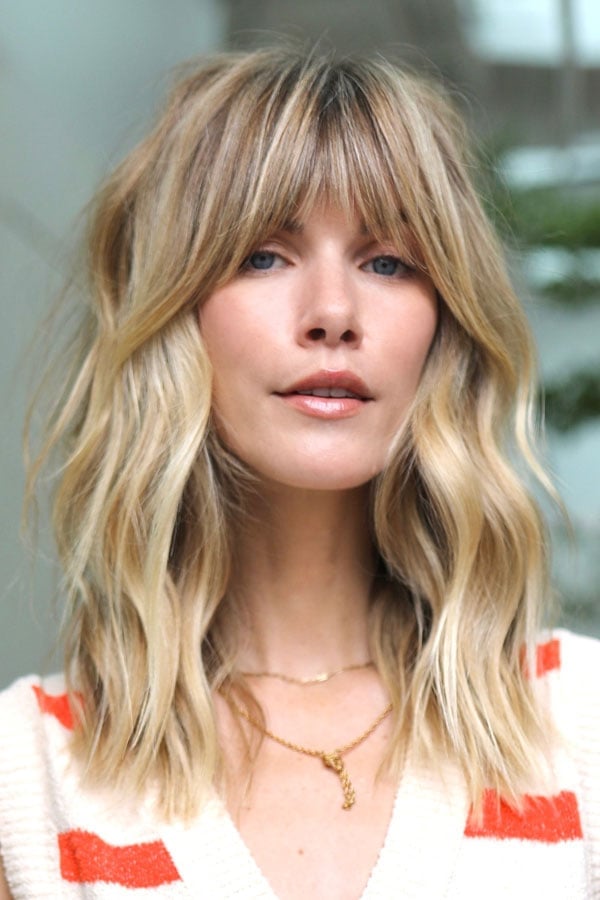
A shag at collarbone length needs a certain messiness to look deliberate, not neglected. The common misstep is taking the layers too high, which turns the Bardot bangs into isolated fringe instead of a seamless transition. Ask your stylist for collarbone length shag with layers, bardot bangs. Medium density wavy hair holds the shape best; the ash blonde with highlights adds dimension without looking stripey. The one drawback is that the bangs need a trim every four to six weeks, or they start grazing your nose instead of your cheekbones.
Honey Blonde Balayage With Side Part Curtain Bangs
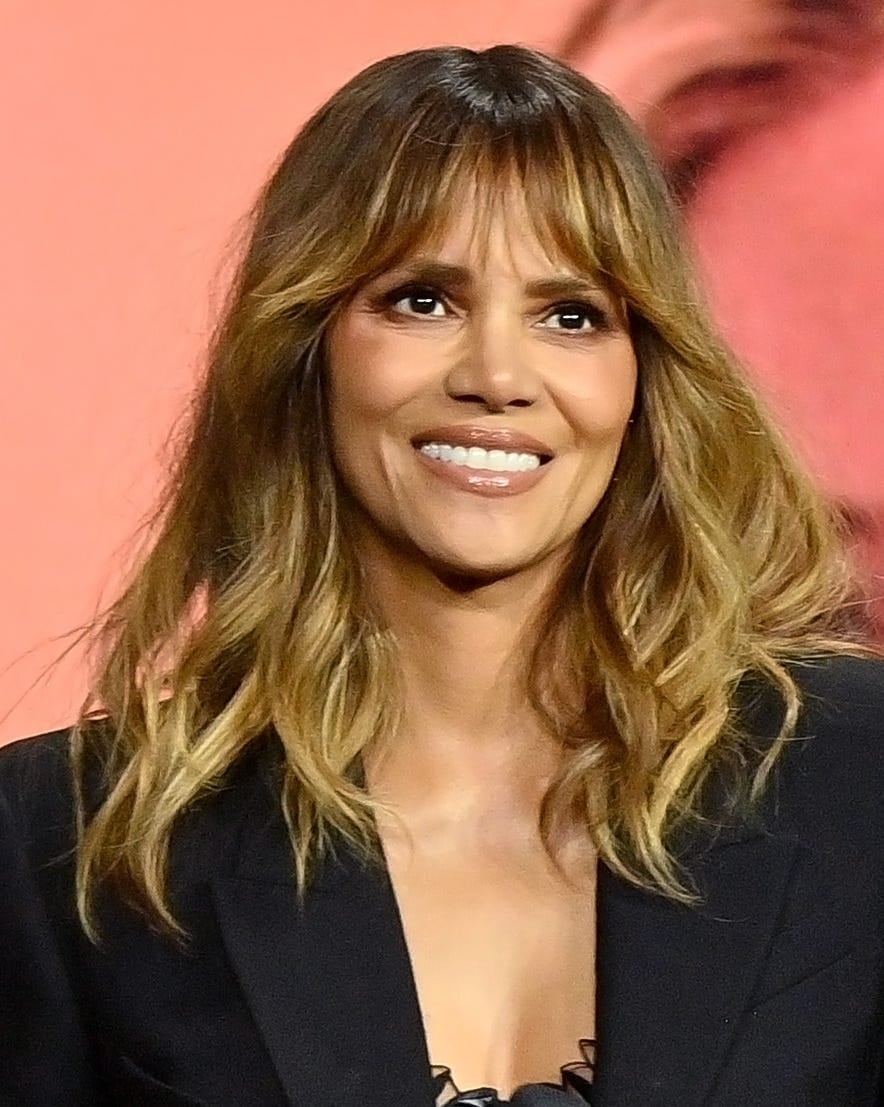
The honey blonde balayage here does the work of softening the line between the curtain bangs and the rest of the hair. This combination flatters oval and heart-shaped faces, where the side parting can balance a wider forehead. Shoulder length with long layers keeps the weight off the ends, so the waves hold their shape. Ask your stylist for shoulder length with long layers, curtain bangs, side part. If your hair is very fine, skip the heavy balayage sections near the crown; the contrast can appear sparse instead of dimensional.
Platinum Blonde Shaggy Layers With Full Bangs
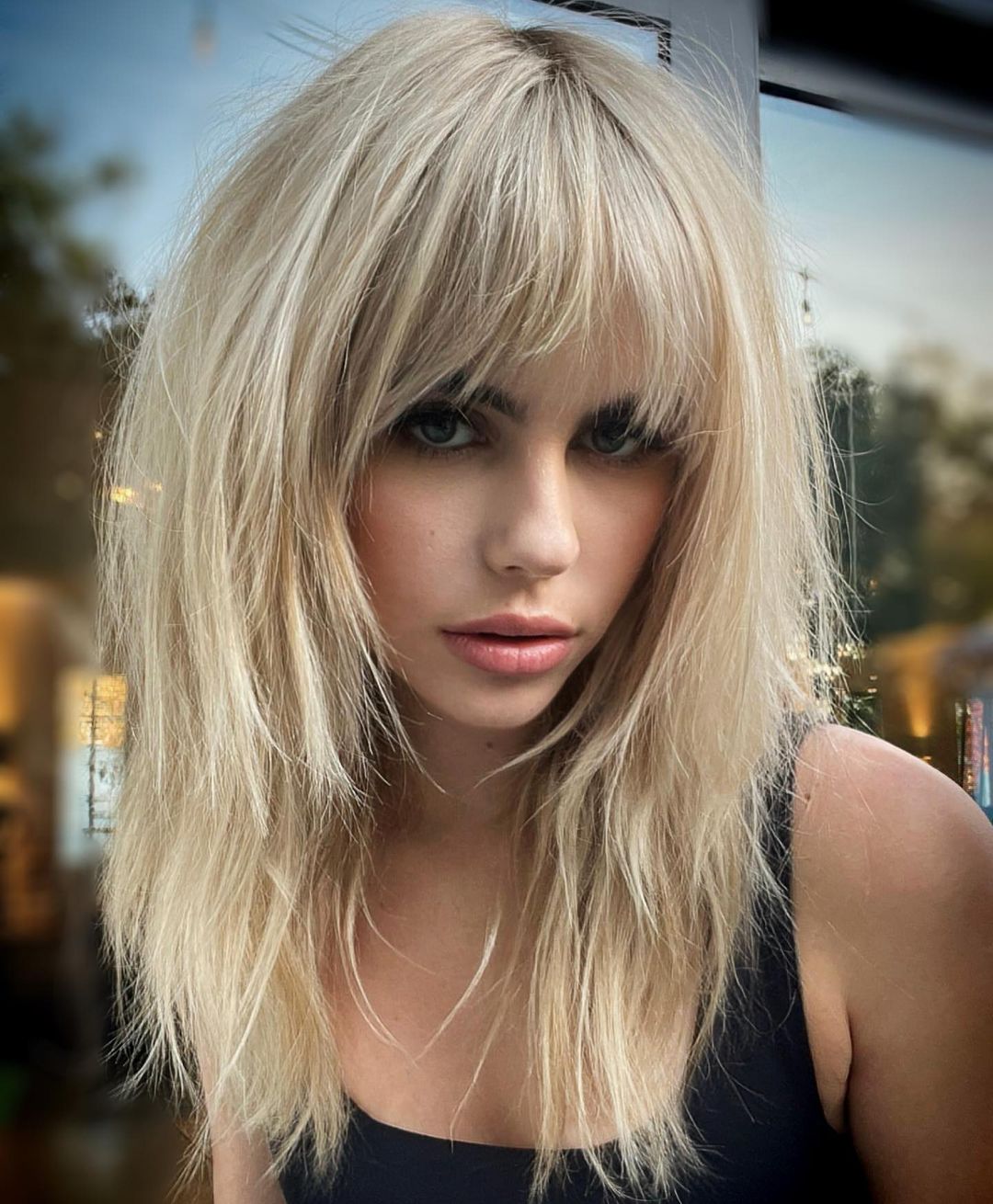
A shag with full bangs and a textured blowout reads differently than the curtain-bang version. The full bangs create a heavier frame, so the shaggy layers have to be aggressive enough to keep the silhouette from looking like a helmet. Thick, wavy hair at collarbone length is the sweet spot. Ask your stylist for collarbone length shaggy cut, full bangs, textured layers. Platinum blonde on this cut emphasizes every layer; if your base is darker than a level seven, expect at least two sessions to lift cleanly. The alternative is a lived-in blonde with lowlights, which gives the same shape with a lower maintenance ceiling.
Dark Brown Shag With Mid-Back Curtain Bangs
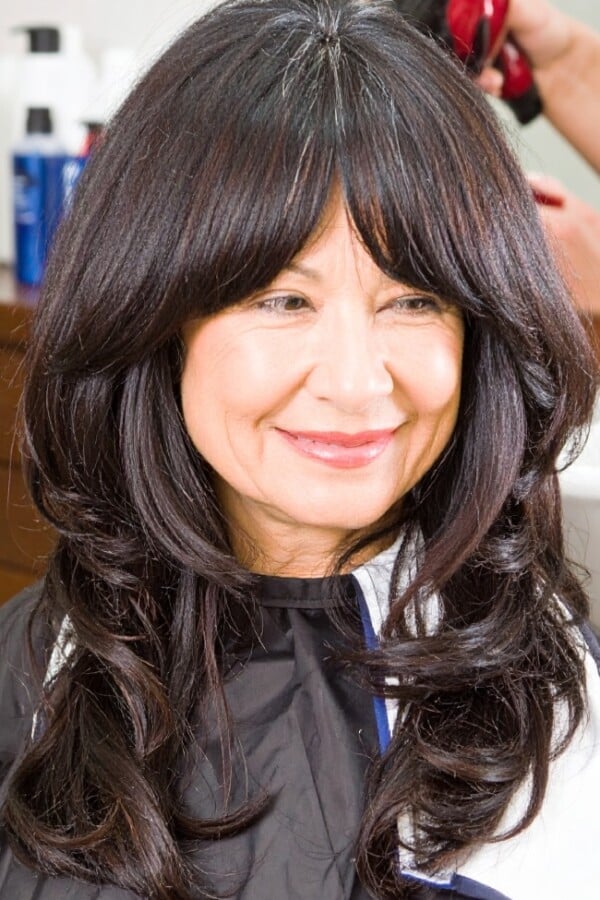
The technique for a shag at mid-back length relies on internal layers that remove bulk without sacrificing length. The curtain bangs are cut with a soft graduation so they blend into the face-framing pieces rather than stopping abruptly. Ask your stylist for mid-back length shag, curtain bangs. Thick, wavy hair is the ideal candidate because the texture adds the movement that a shag demands; stick-straight hair tends to look flat at this length. The dark brown color keeps the focus on the cut itself, which is the point. A gloss treatment can help the ends read as healthy rather than dry.
Warm Brown Collarbone Waves With Soft Bangs, Wavy
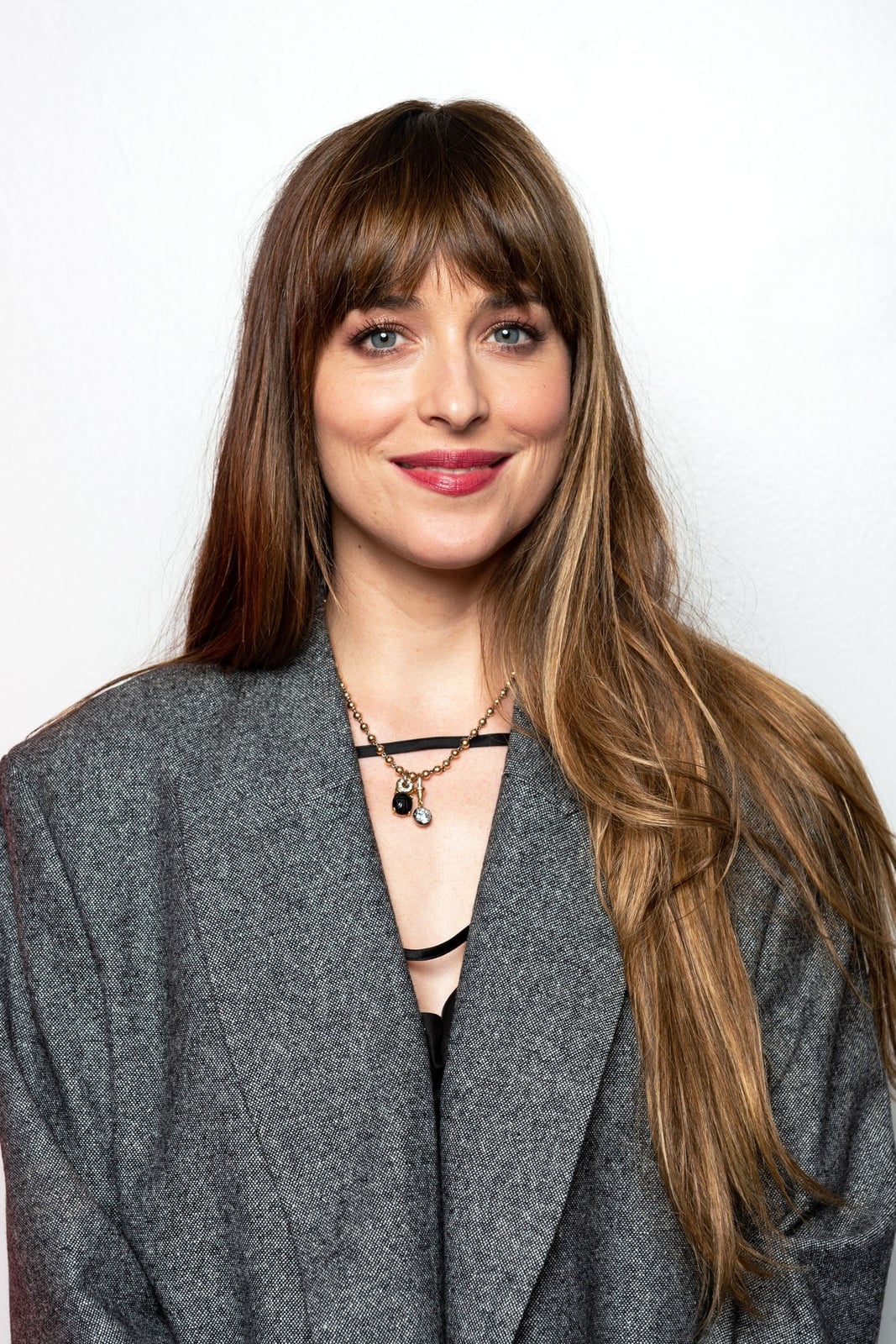
Loose, slightly messy waves with soft curtain bangs require a specific ratio of product to air drying time. The texture here is medium density and wavy, which means a texturizing spray on damp hair and a quick diffuser blast is usually enough. Ask your stylist for collarbone length with long layers, curtain bangs, side part. The warm brown base with subtle highlights keeps the dimension natural rather than stripey. The downside is that the messy effect can tip into actually messy if you skip the root lift; a volumizing mousse at the crown solves it. Trim every four to six weeks to keep the bangs from overtaking the layers.
Brunette Collarbone Waves With Curtain Bangs
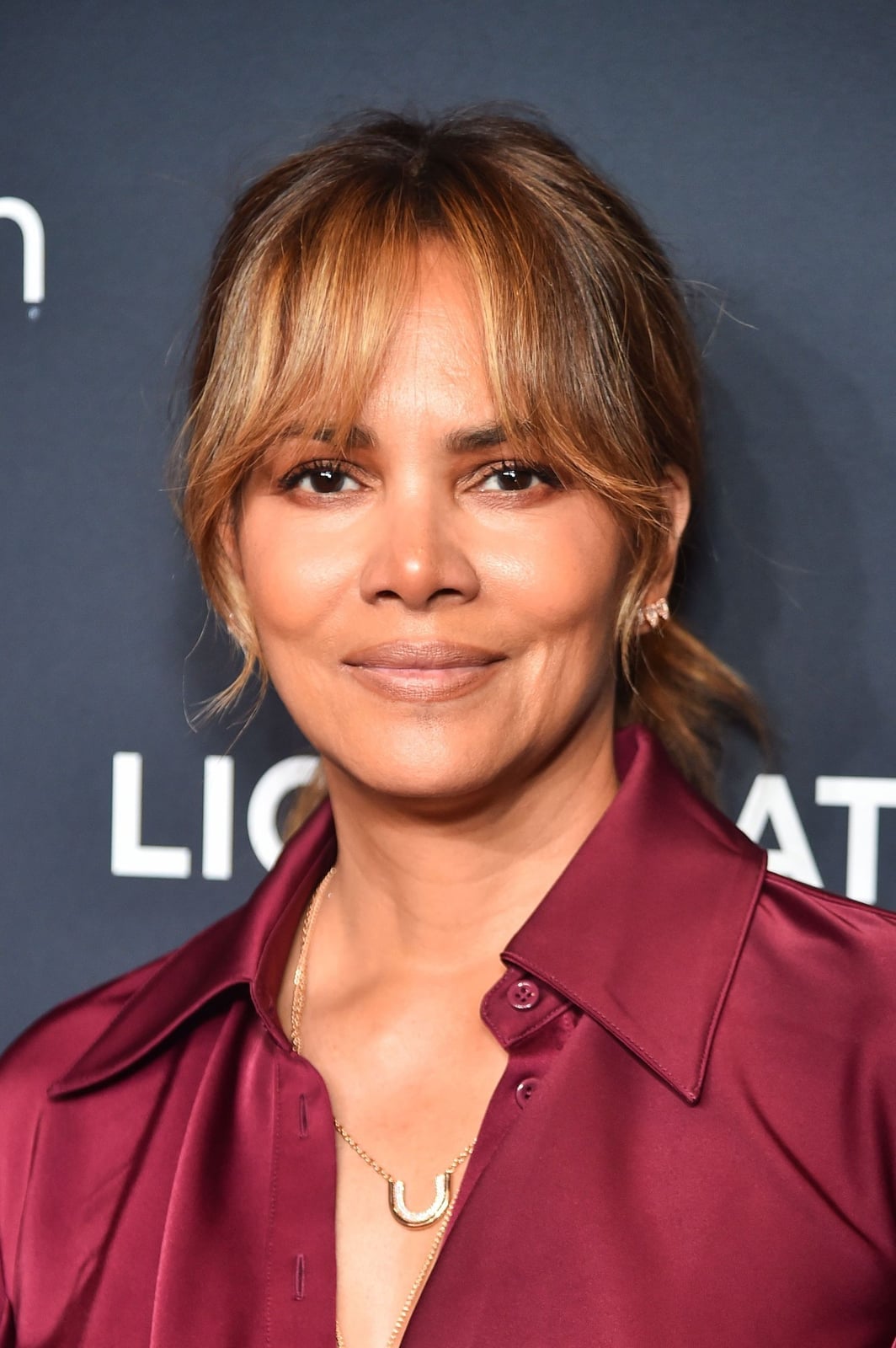
Wondering how to get soft, blended bangs that look intentional without looking precious? This collarbone-length cut uses long layers and a side part to keep the weight from piling up at the ends, while the warm brown base with subtle highlights adds dimension. The curtain bangs sweep outward rather than forward, which means they don’t fight the waves. Ask your stylist for: collarbone length with long layers, curtain bangs, side part. The key is giving them a specific starting point, those balayage highlights prevent the bangs from reading as a solid block of color.
Dark Blonde Balayage With Face-Framing Layers
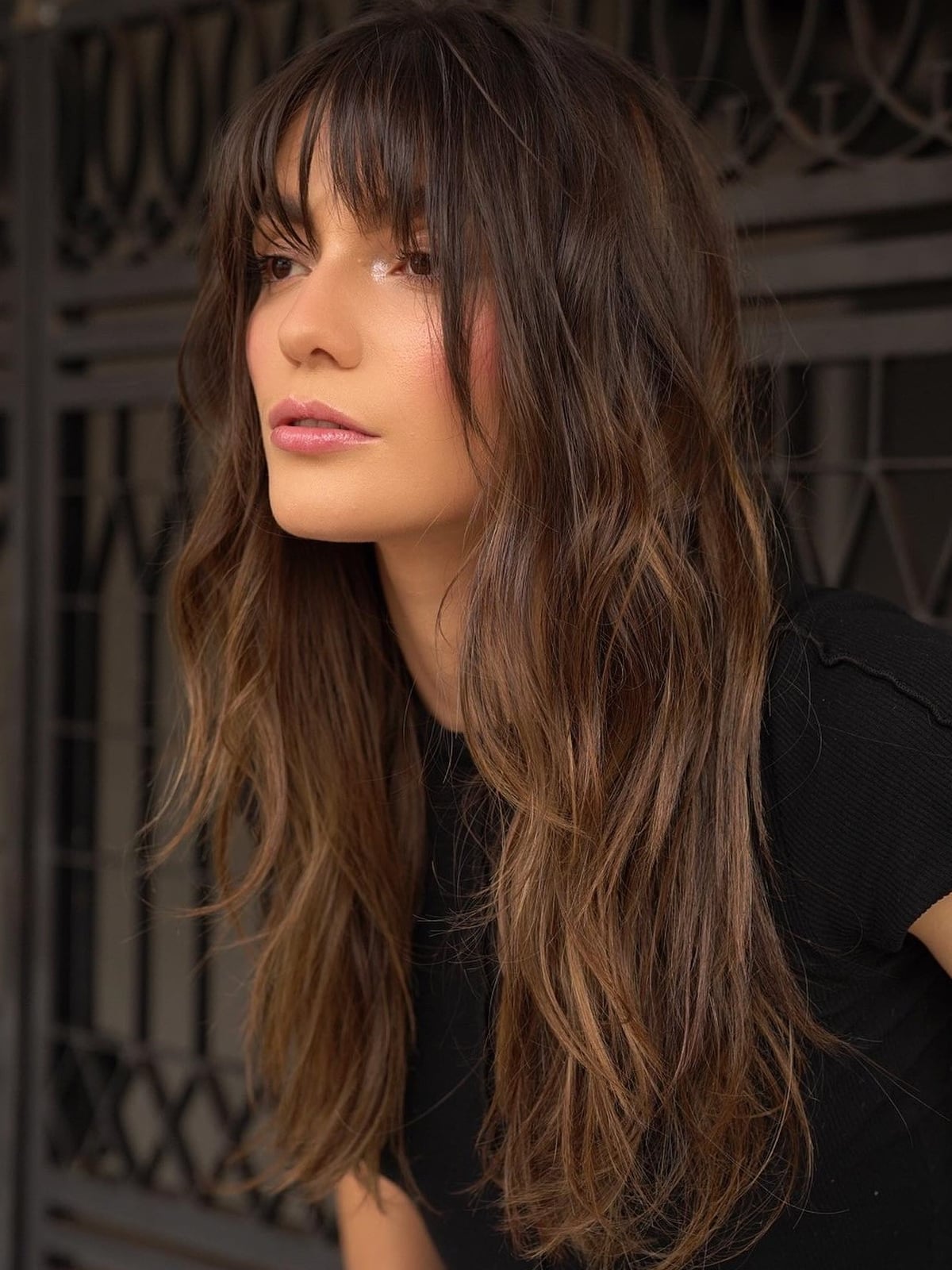
Dark blonde balayage is a trick for making mid-back length look deliberate rather than grown out. The key is painting the lighter pieces onto the long layers, so the dimension moves with the hair rather than sitting in a block. The curtain bangs here blend directly into the face-framing sections, which softens the transition from fringe to length. A middle part keeps the draping symmetrical, but the real move is keeping the ends wavy. A flat blowout would expose any awkward paneling in the balayage placement.
This is a year-round option, but it shines when the days are too cold for a ponytail. You get the polish of styled hair without committing to a short cut. A trim every eight weeks keeps those face-framing pieces from hanging past the jawline.
Dark Brown Updo With Wispy Bangs
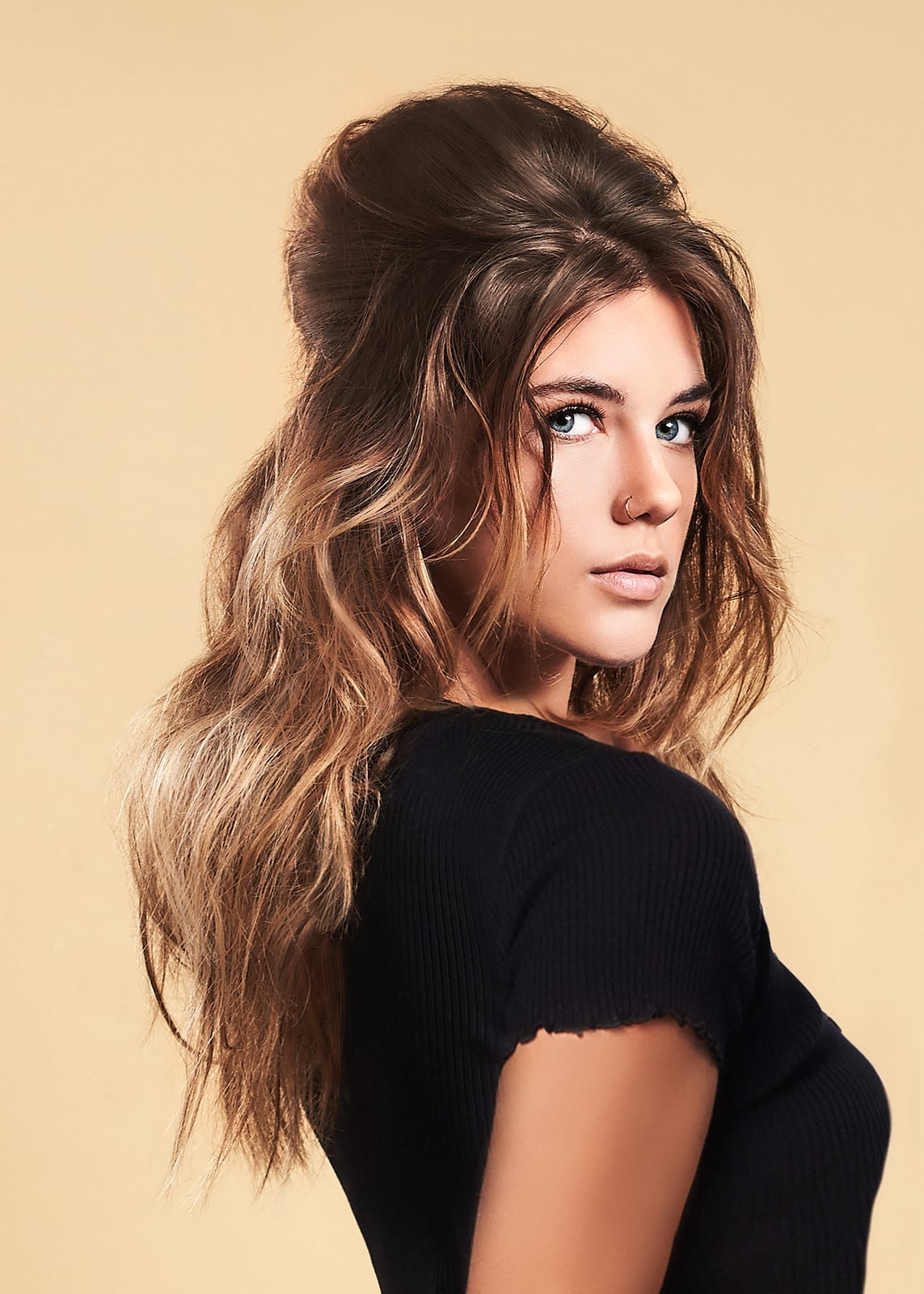
The mistake most people make with a voluminous updo and wispy bangs is treating the two as separate projects. The crown section should graze the bangs, not sit a full inch behind them. Here the dark brown base with balayage highlights keeps the texture from flattening into a single dark mass, and the loose waves cascading down provide visual weight so the updo doesn’t feel precarious. Ask your stylist for: mid-back length with long layers, wispy bangs.
The honest drawback is the length required. Thick, wavy hair that falls past the mid-back is the only reliable foundation for this shape. If your hair is thinner or shorter, the updo will look like a bun that lost a fight with gravity. A texturizing spray on the bangs prevents them from sticking to your forehead about an hour in.
Medium Brown Collarbone Layers With Full Bangs, Wavy
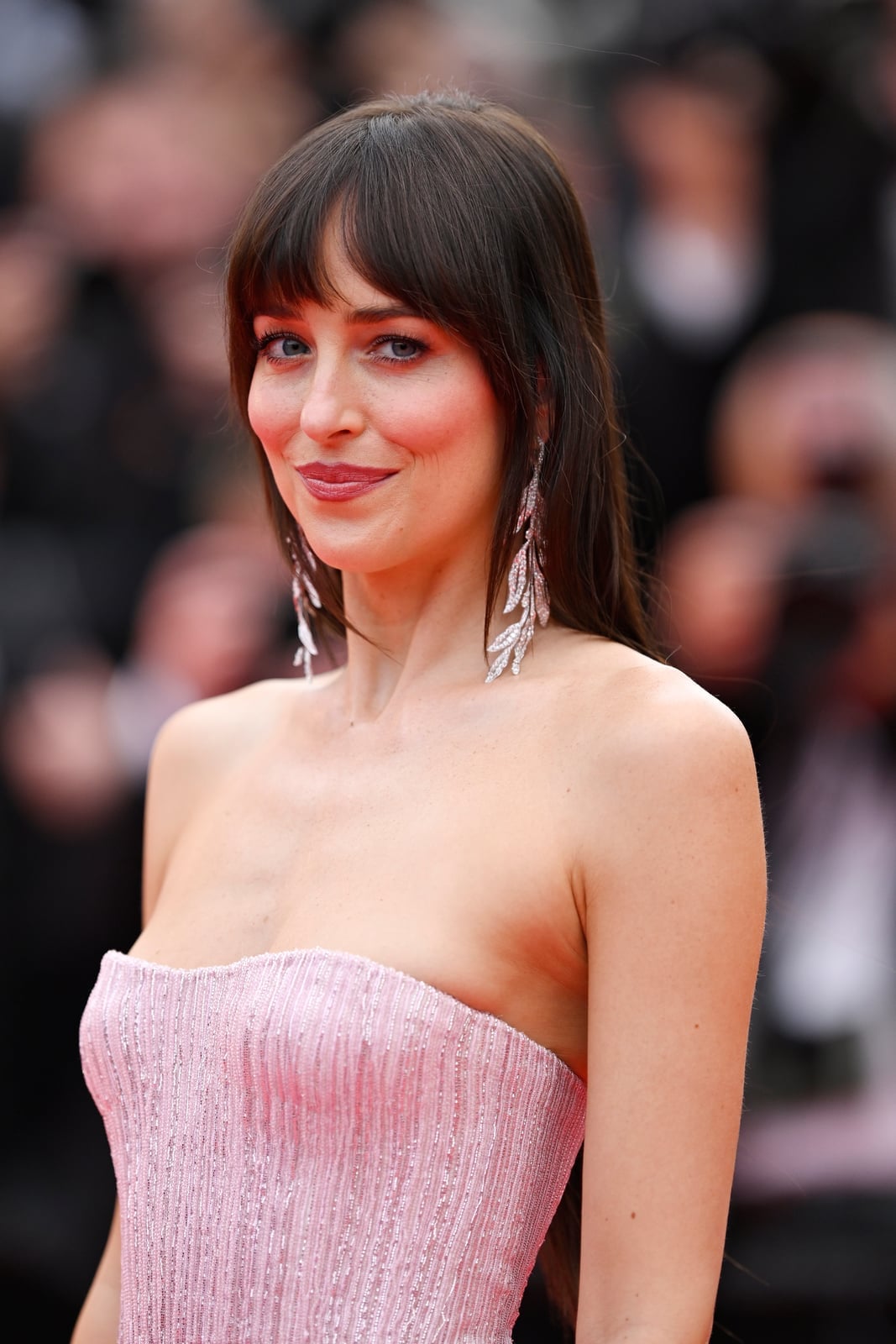
A full curtain bang parted in the middle looks best when it lands between the brow bone and the cheekbone. Shorter, and it shrinks the forehead area; longer, and it competes with the collarbone-length layers. The medium brown color here is straightforward, no highlights, no balayage, which means the cut has to do the work. The wavy texture and medium density are actually an advantage, because flat hair would make the bangs look heavy. Ask your stylist for: collarbone length with long layers, full curtain bangs. Oval and round faces are the natural candidates here, as the vertical line of the middle part elongates the face. If your hair is very fine, skip this one; the bangs will separate into sad little wisps by noon.
Blonde Collarbone Layers With Curtain Bangs
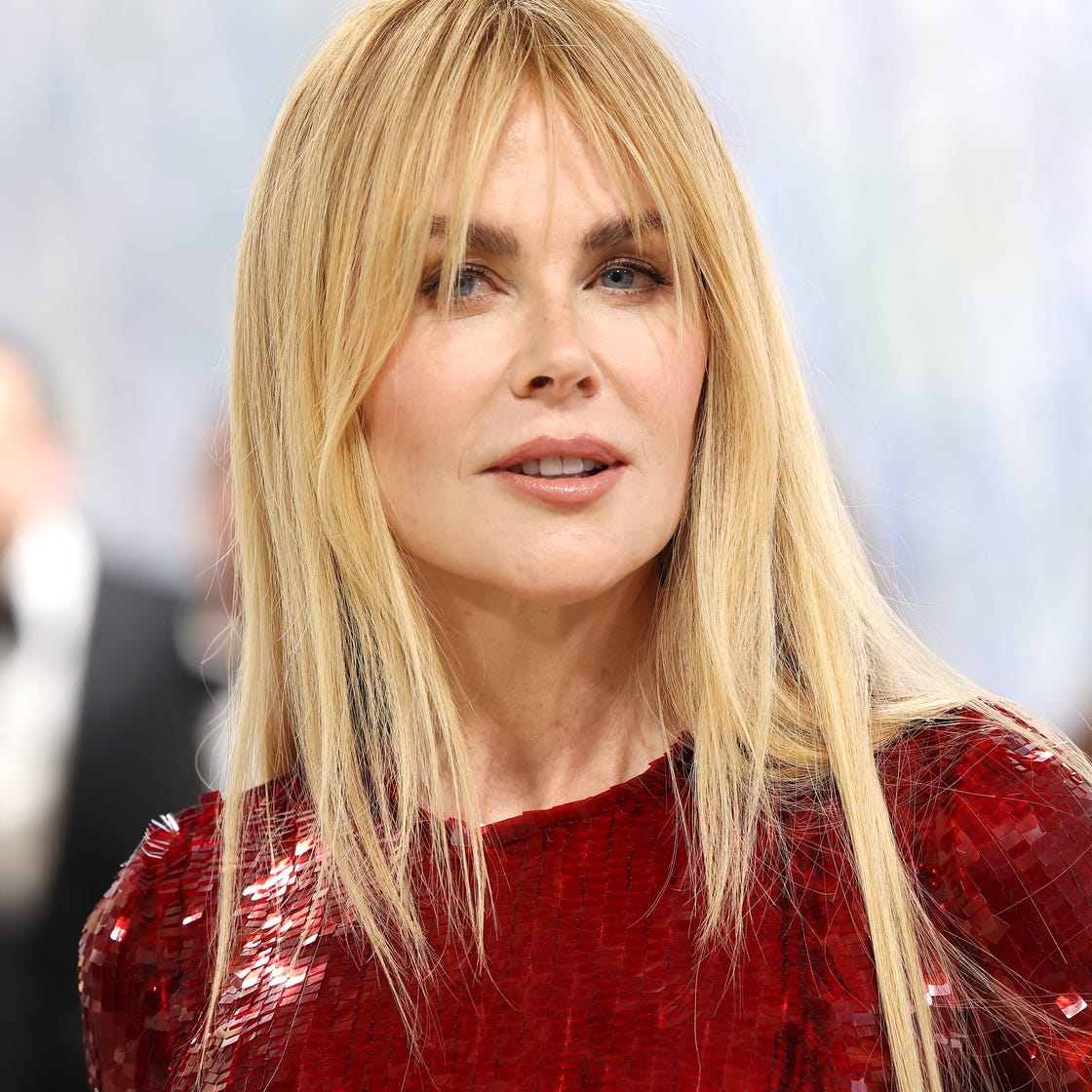
A blowout on thick, straight hair is a different animal than a blowout on wavy hair. On this collarbone-length cut, the curtain bangs need a round brush and a steady hand to sweep outward without separating into two triangles. The blonde color is uniform here, so the layers have to create shape, no highlights to disguise a blunt line. A middle part works because the bangs are cut to the same length on both sides, which keeps the drape even. Ask your stylist for: collarbone length with layers, curtain bangs, straight finish. If your hair is naturally wavy, you will be fighting the texture daily to keep this shape crisp. The blowout takes about twenty minutes longer than it would on curly hair, but it also holds at least a day past when waves would have collapsed.
Ash Blonde Bob With Textured Curtain Bangs
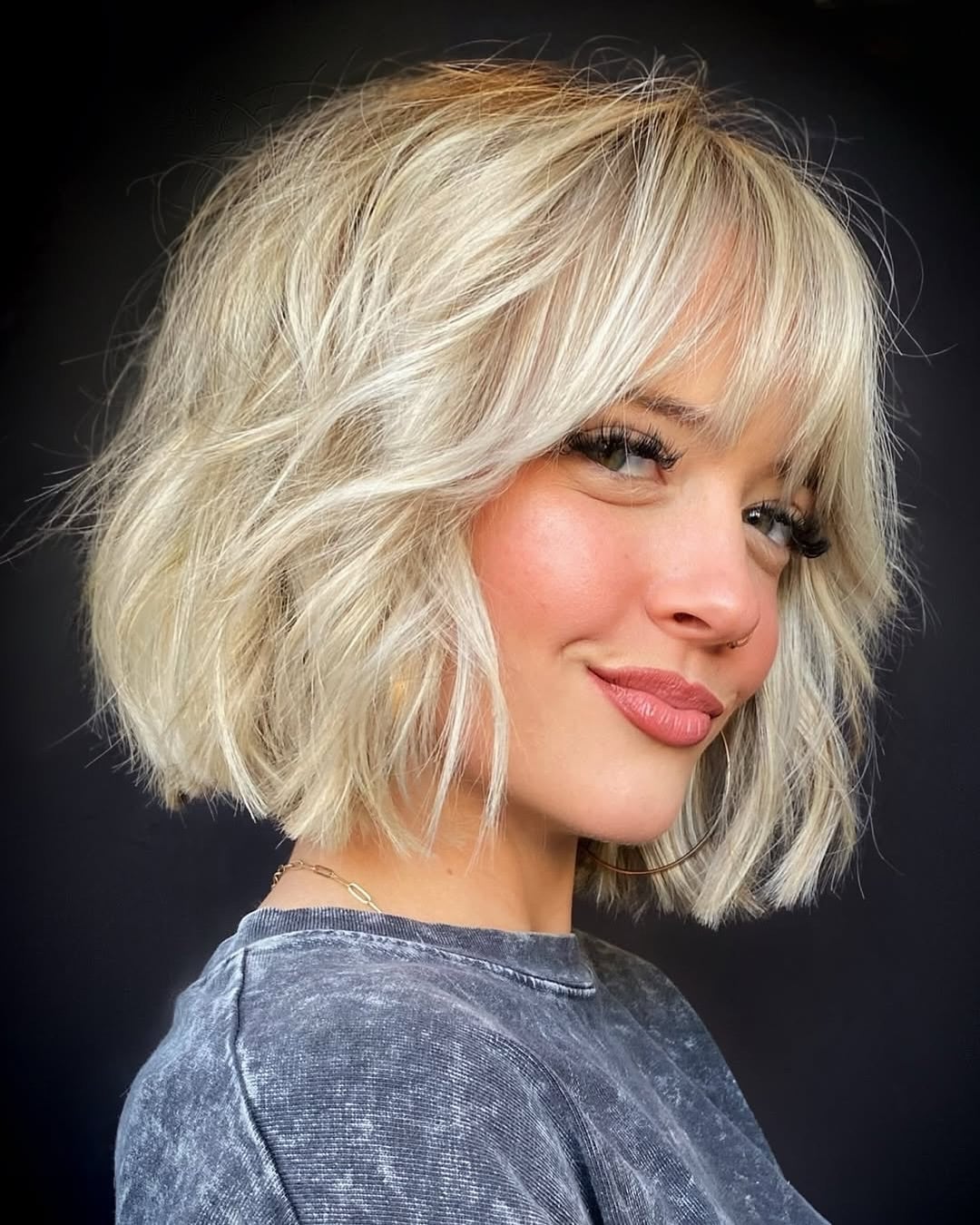
The key is the cut: short enough to feel sharp, layered enough to move. Ask your stylist for a chin-length bob with layers, textured curtain bangs, and a side part. A texturizing spray finishes the wave pattern and keeps the bangs from falling flat.
Brunette Shoulder Layers With Air-Dried Bangs
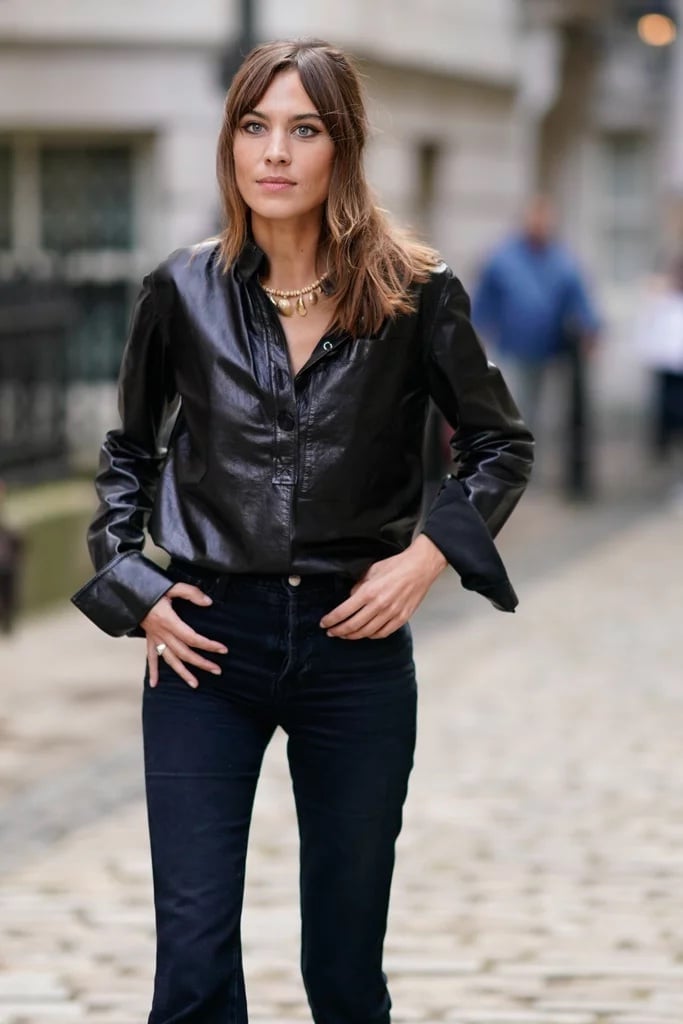
Shoulder-length long layers with soft curtain bangs that blend into face-framing pieces are the low-effort version of Bardot bangs. The rich brunette base with subtle highlights adds dimension without requiring a toner schedule. Ask your stylist for shoulder length with long layers and soft curtain bangs finished air-dried. A texturizing spray on damp hair encourages the natural wave, and bangs need a trim every four to six weeks to keep the shape.
Thick Dark Brown Curtain Bangs With Layers
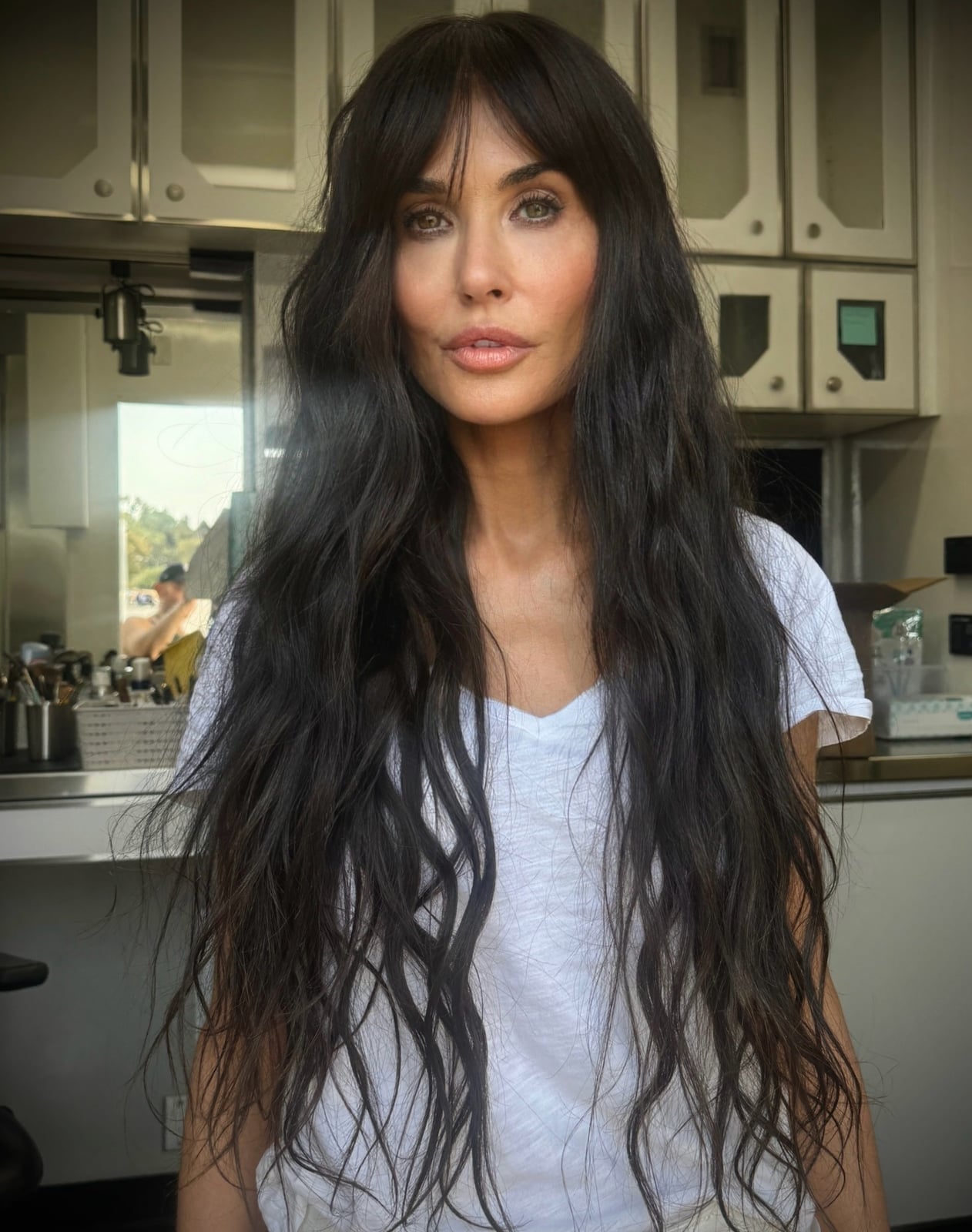
Mid-back length dark brown hair with soft, face-framing layers and a thick curtain bang is a salon-only proposition. The weight of thick, wavy hair needs precise internal layering to prevent the bangs from becoming a solid wedge. Ask your stylist for mid-back length with long layers and thick curtain bangs. A DIY trim risks uneven density and a bulky fringe that refuses to sit correctly.
The trade-off for the lived-in, air-dried texture is committing to a professional cut every six to eight weeks. A dry texturizing spray separates the strands and keeps the bangs feathery without heaviness.
Final Thoughts
When you ask for Bardot bangs, the key is the blend. For a softer, everyday fringe, request wispy, blended pieces that sweep outward. For more volume, ask for a fuller fringe and a slight tease during styling.
- Trim Bardot bangs every 4-6 weeks to maintain their shape and length.
- Use a round brush and blow dryer to style bangs, sweeping them to the sides.
- Wash bangs separately if they get oily between full washes to keep them fresh.
- Deep condition hair weekly to maintain the health and shine of layered styles.
Embrace the Bardot bang for instant retro-chic.