I keep seeing the same silhouette in the chair next to mine: a collarbone-length cut, blunt at the ends, with just enough movement to survive a winter coat. It’s not a bob, not quite long hair, and it’s everywhere right now. I have opinions, and most of them involve the grow-out.
So here are 24 Winter Lob Haircuts, from the wash-and-go lob to the one that needs a round brush and a prayer. Some are low upkeep, some are high maintenance, and all of them are for anyone who wants a change without the full chop. I’ve matched them to face shapes, hair density, and the honest reality of week six.
My own lob went flat by 4 pm on day one, and my roots showed at week five. So I notice which cuts hold their shape and which ones just lie there. This is the list I needed before I booked my next trim.
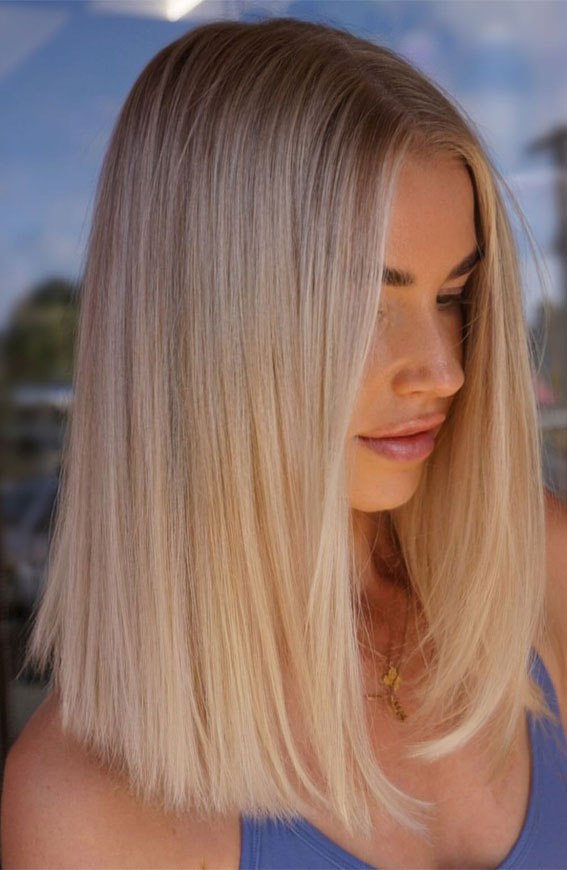
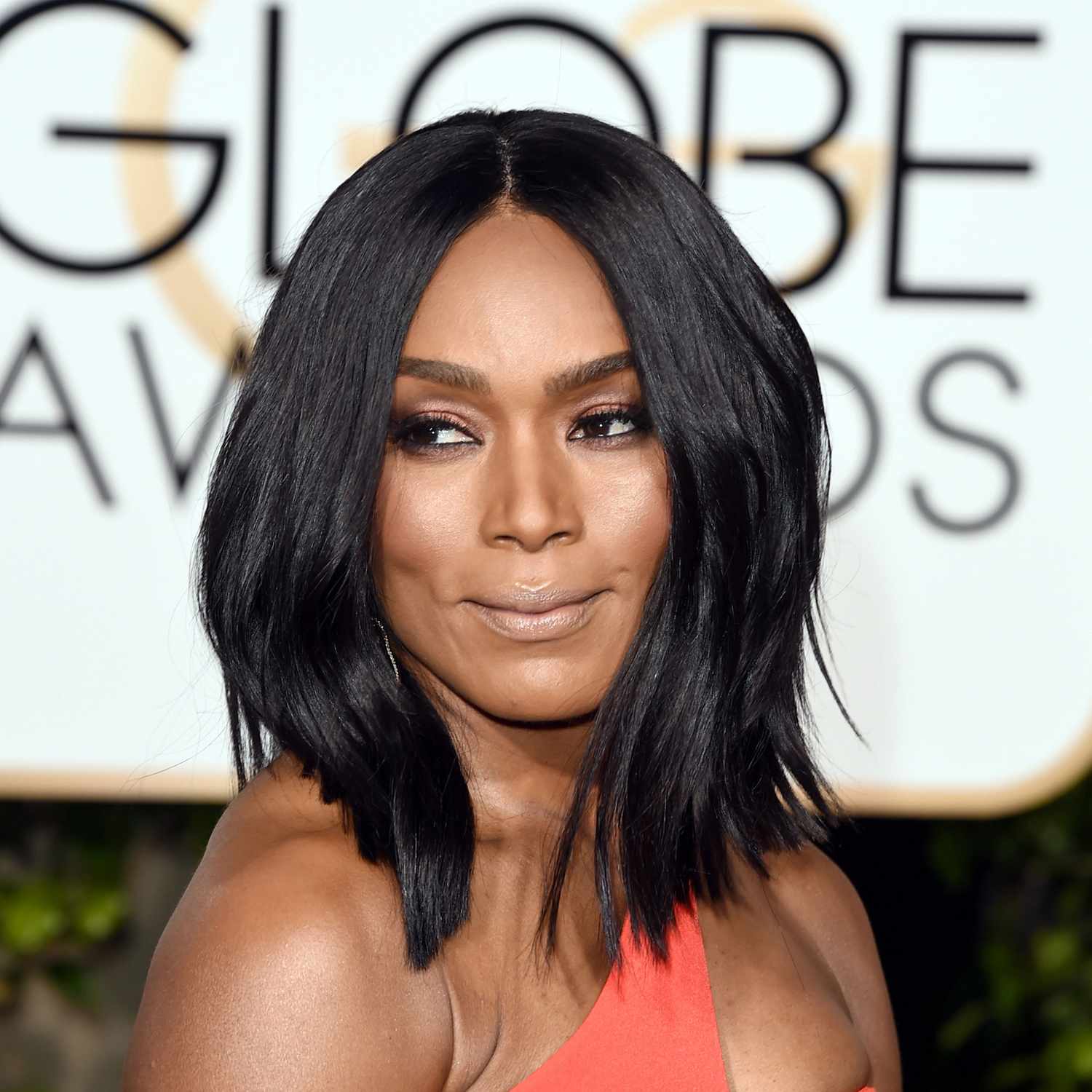
The sharp angle of this lob does something to a neckline. It cuts straight from the jaw to the collarbone, no layers, no bangs, just a clean diagonal line. The middle part and sleek blowout keep it polished, while the subtle caramel highlights add dimension without distracting from the shape. This sleek angled lob is made for oval face shapes — the sharp angle visually lengthens the neck and balances proportions. If your face is round or your neck is short, the severity can work against you, making features feel compressed rather than elongated. Straight hair with medium density holds this shape best; natural waves require a flat iron to keep the line crisp. The cut demands precision; a blunt baseline is non-negotiable. Oval faces, this is your cut.
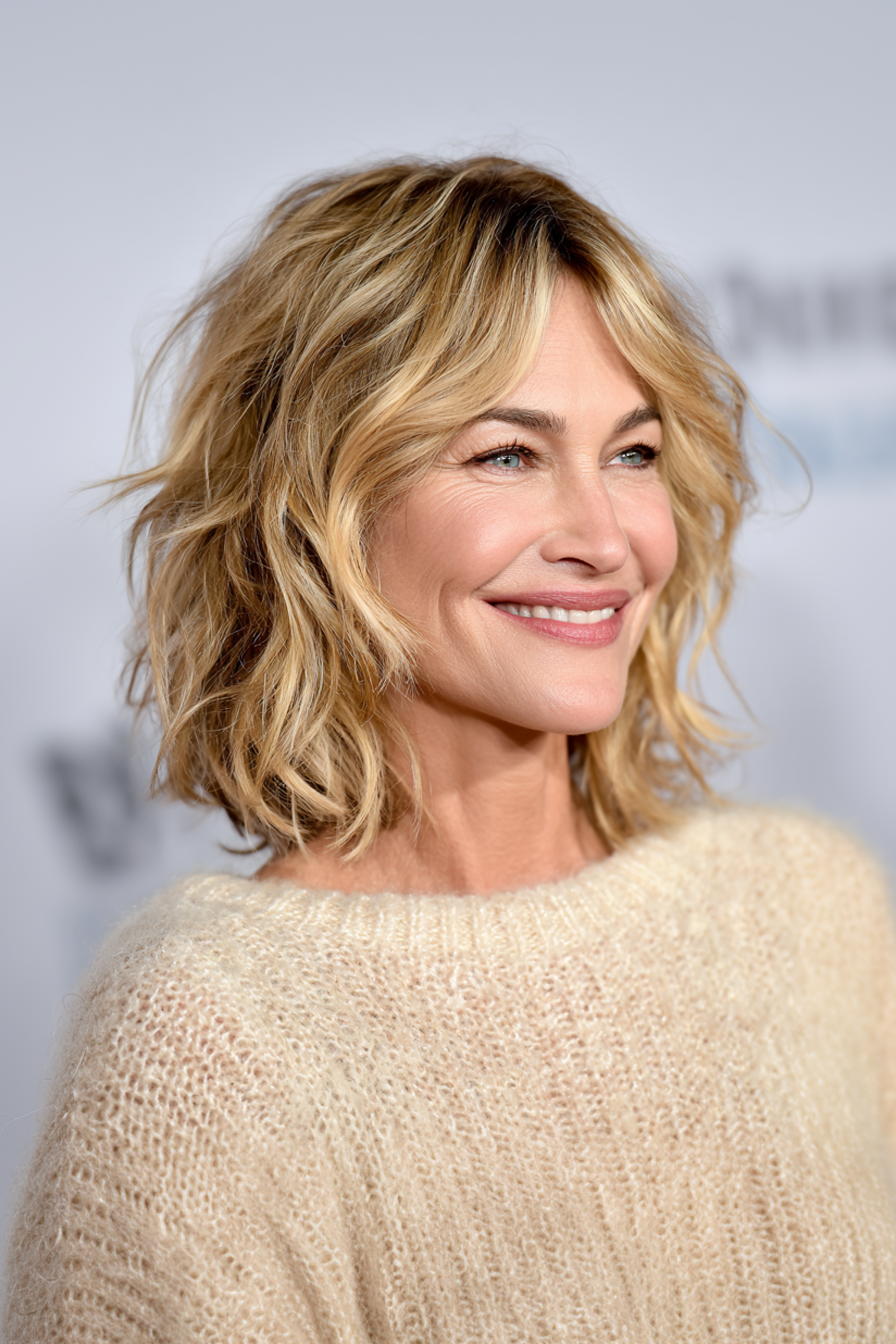
How does a shaggy lob with bangs survive a real week? The textured layers and wispy bangs look great fresh out of the salon — tousled, full, effortless. By day two, the waves start to drop and the bangs separate. A quick spritz of water and a scrunch brings them back, but it takes ten minutes. The blonde highlights help disguise any flatness near the roots. This shaggy lob with bangs is not a wash-and-go cut; it needs a few minutes of attention each morning to keep the texture alive. A ten-minute morning routine.
I thought blunt bangs would be easy. I was wrong. This classic dark brown bob with blunt bangs is striking — the sleek, straight texture and thick color make it look polished, and the chin-length bob with a blunt baseline frames the face sharply. But the fringe is a commitment that many underestimate.
Chin-length bob, blunt baseline
Blunt fringe, straight across
Sleek, straight texture, thick hair
Blow-dry bangs first, then flat iron
Ask your stylist for a fringe that starts at the crown, not the hairline
The mistake is skipping trims. Blunt fringe needs a touch-up every three weeks, or it starts to poke your eyes and split at the ends. For finer features, ask for a lighter fringe that doesn’t overwhelm. The payoff is a bold, graphic look, but only if you stay on top of it. Not for the faint of heart.
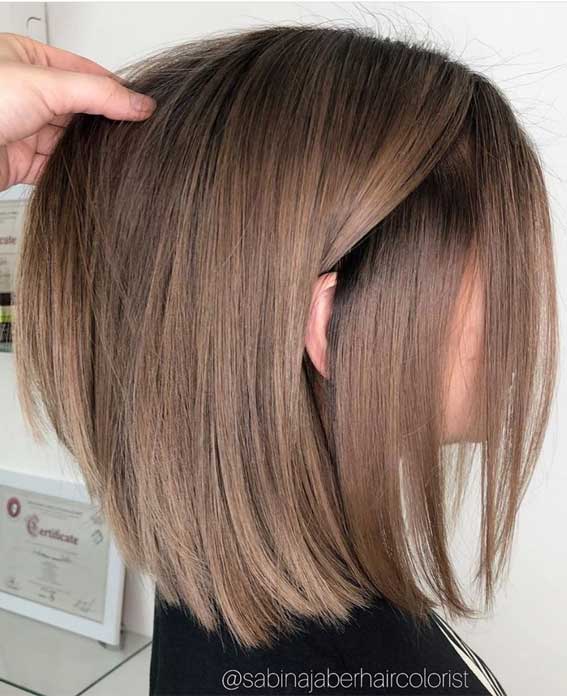
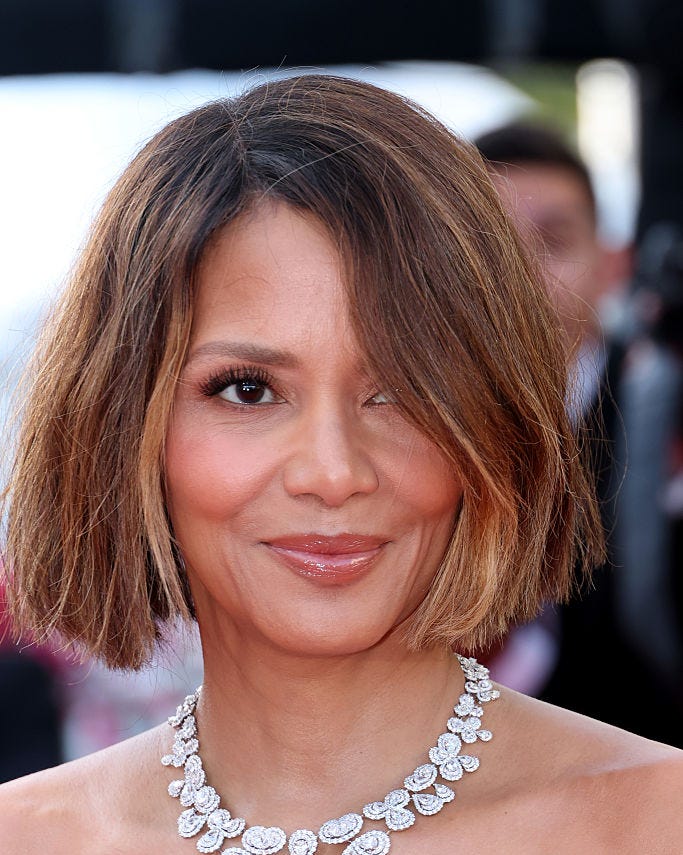
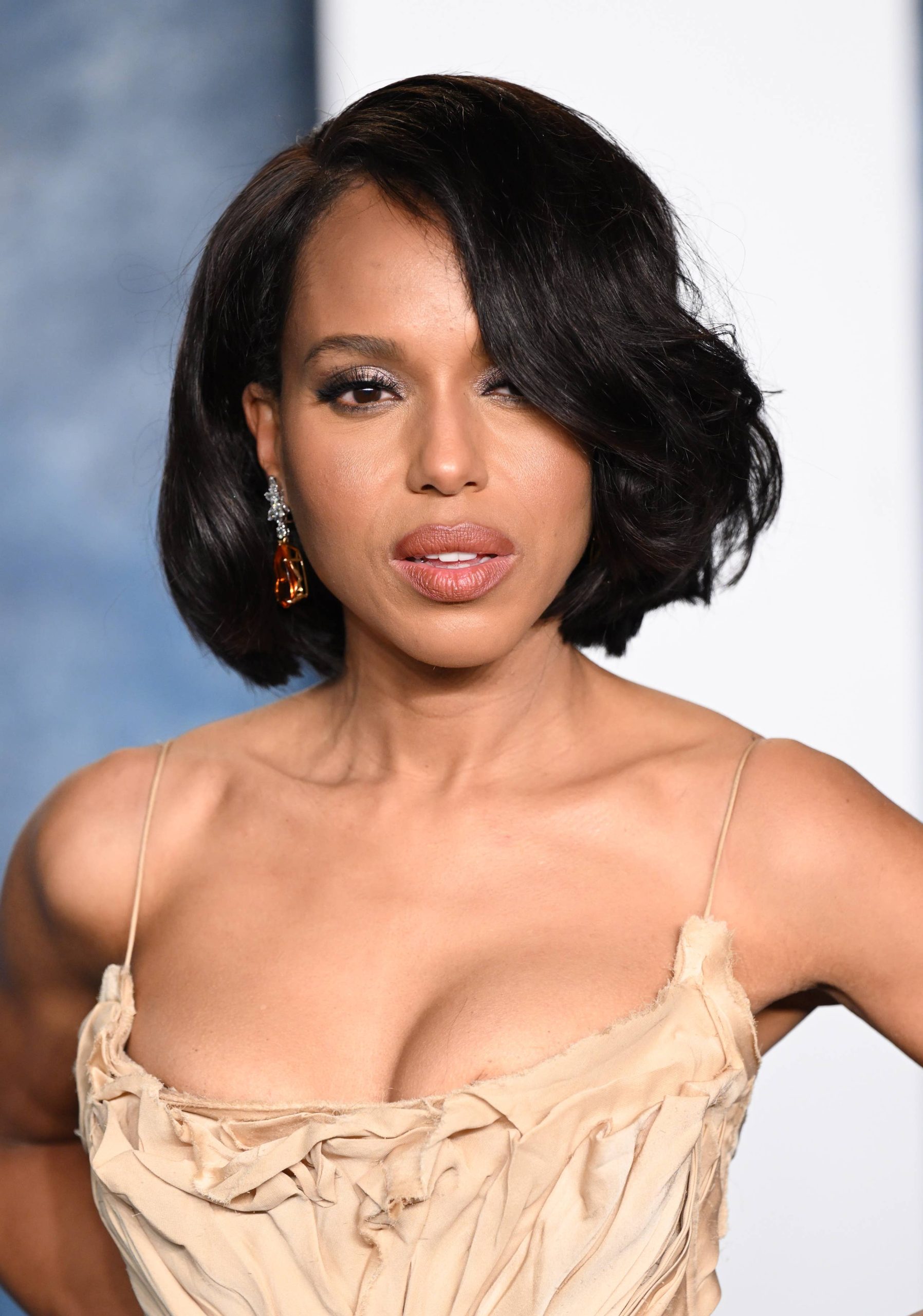
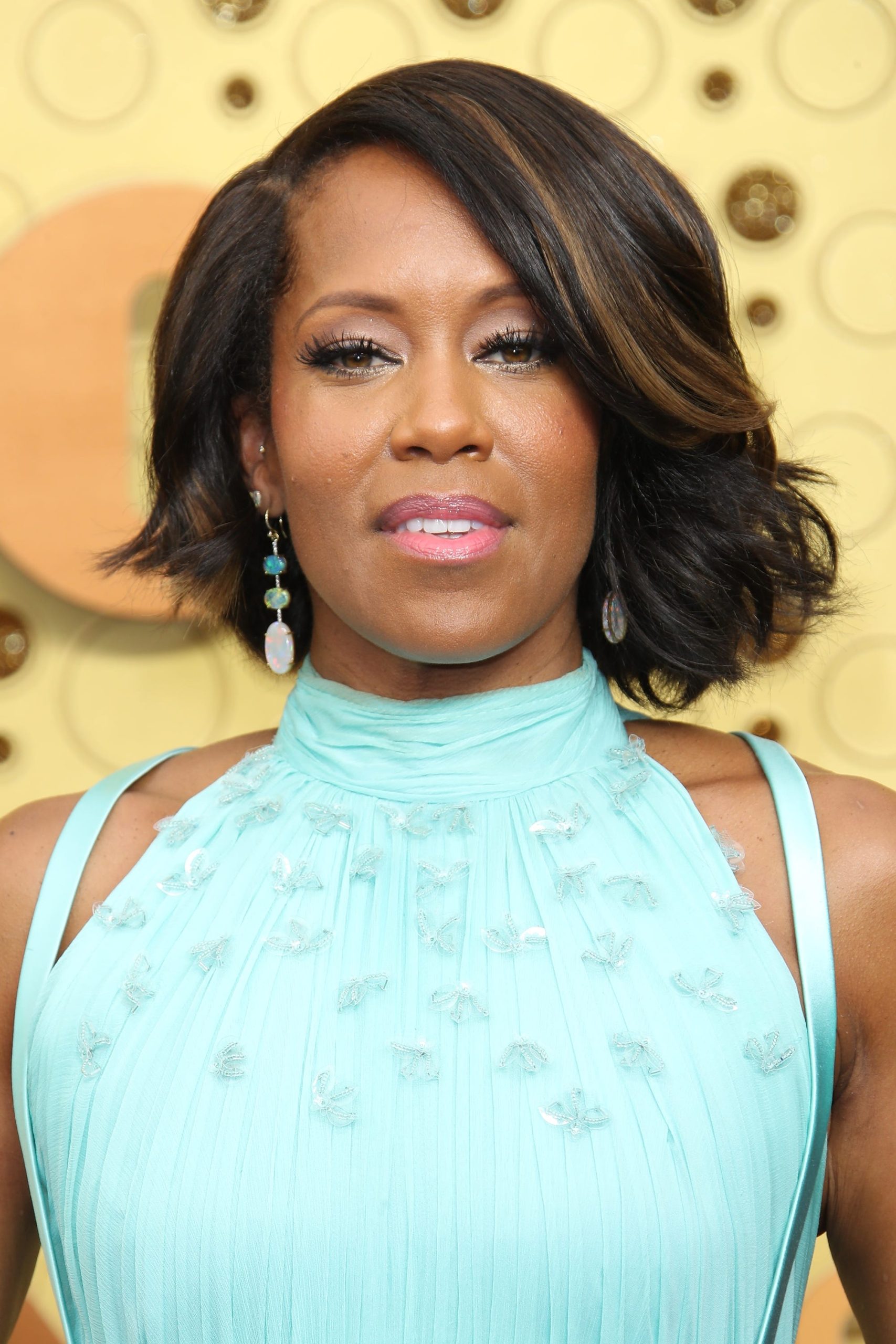
I keep coming back to this one because it proves a bob can be sharp and soft at the same time, no contest. The cut sits right at the jaw with a clean, blunt line that reads heavier than it is, and the dark brown shade does the work of making fine hair look dense without a single extra layer. There are no bangs to speak of, just a deep side part that sweeps the longer front section forward, and the stylist tucked one side behind the ear to show off the jawline. The texture is smooth and slightly curved under, which takes about ten minutes with a flat iron and a cool shot of air. My honest take: this is a grown-up lob for anyone tired of fighting waves, and the grow-out is the easiest I have tried, the line just softens into a longer bob. Book it, this is not a bathroom-mirror job.
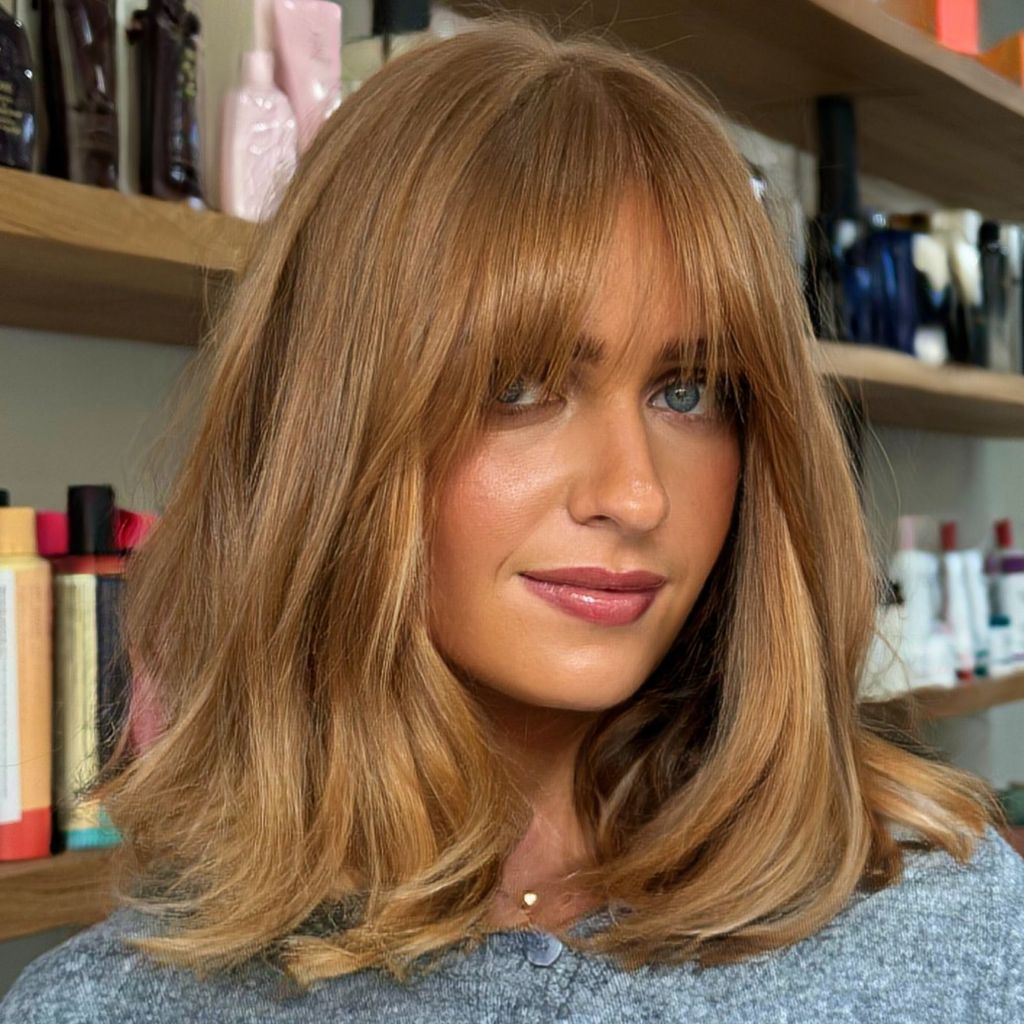
This is the lob that made me stop rolling my eyes at red hair, it is that good. The length lands just past the collarbone with long layers that start around the chin, so the cut moves without losing weight, and the copper red shade is rich enough to look intentional in winter light. The side-swept bangs are the real story, they blend into the layers instead of sitting like a separate piece, and they hit right at the cheekbone. Texture is loose and a little bendy, not curled, which means a quick tousle with a texture spray and I am out the door in fifteen minutes. What surprised me is how well the red holds, it faded slower than I expected, but you still need a color-safe routine and a trim every eight weeks to keep the ends from looking brassy. This one suits round and heart faces because the side sweep breaks up width, and it is a solid middle ground if you want drama without going full copper penny. I was a reluctant convert, but I would book this again tomorrow.
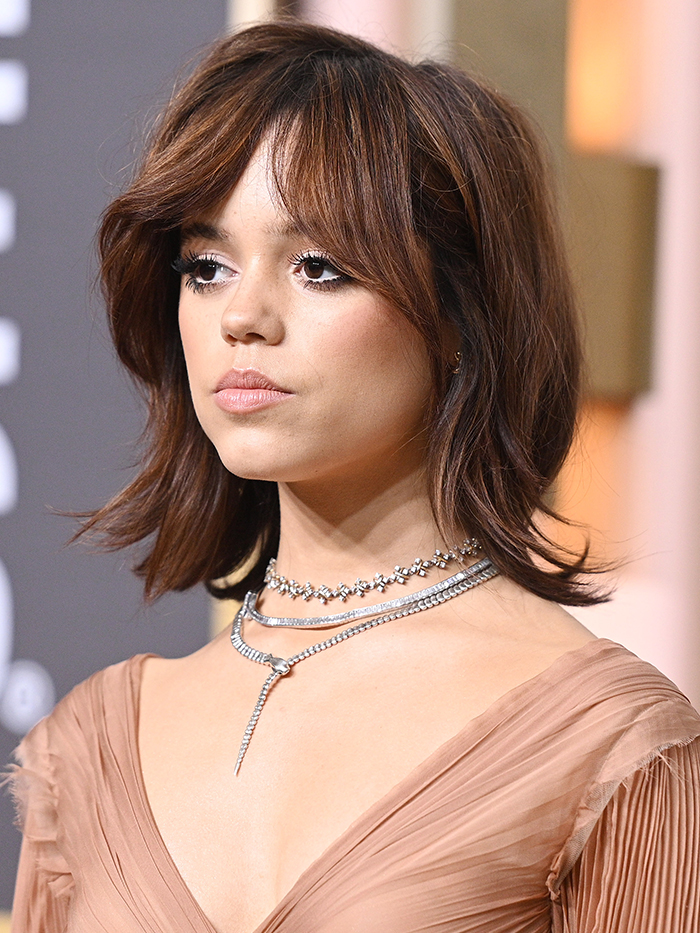
Do you have a wider forehead or a rounder face that always feels a little exposed? This shag lob with full bangs is the answer. The cut lands at the collarbone, with shaggy layers that add movement and density through the midsection. Full bangs drop straight across the brow, shortening the forehead visually and balancing rounder cheeks. The medium brown base has subtle highlights woven through the layers, so the texture reads as dimensional, not flat. Wavy hair with medium density holds this shape best. Straight, fine hair will need a texturizing spray to keep the shag from collapsing by noon.
A sleek black lob with blunt ends looks like a low-maintenance hero in the chair. It is not. That polished, glass-like finish requires a round brush blowout every single wash day, about fifteen minutes of arm work. The collarbone length means the ends hit right at the shoulder seam of a coat, which flips them outward by the second day. Thick, straight hair holds the shape best. Fine hair needs a heat protectant and a flat iron to keep the blunt ends from feathering. No bangs means every stray root or uneven section is visible. Book the trim every six weeks. This cut does not hide a missed appointment.
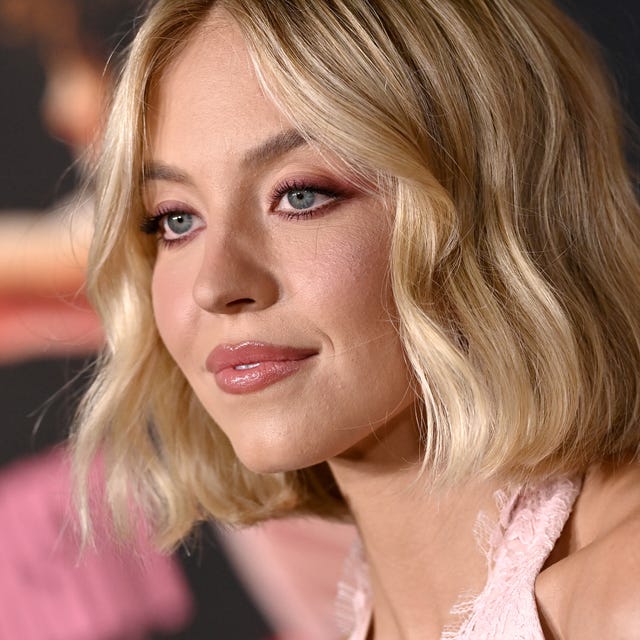
A curtain bangs lob wins over a precise fringe every time for the person who wants a soft update without the daily commitment. Curtain bangs part naturally at the center, so they blend into the lob instead of demanding a round brush every morning. The ash blonde lob hits just below the chin, with loose waves that keep the texture airy. Fine to medium density hair works here. Coarse or very curly hair will need a heavier styling product to keep the wave pattern consistent. This is a salon-leaning cut, but the bangs can be maintained at home with a point trim every three weeks. The lob itself needs a trim every eight to ten weeks.
Winter light is grey and flat. A copper red lob with side-swept bangs is the antidote. The collarbone length keeps the warmth sitting close to the face, where it reads as intentional, not accidental. The copper red colour is vibrant enough to stand out against a dark coat but not so bright that it needs a full makeup look to match. Loose waves break up the density and let the copper red colour catch the light at different angles. Side-swept bangs soften the forehead without the commitment of a full fringe. Medium density wavy hair holds the wave pattern best. Fine hair will need a volumizing mousse to keep the lob from falling flat.
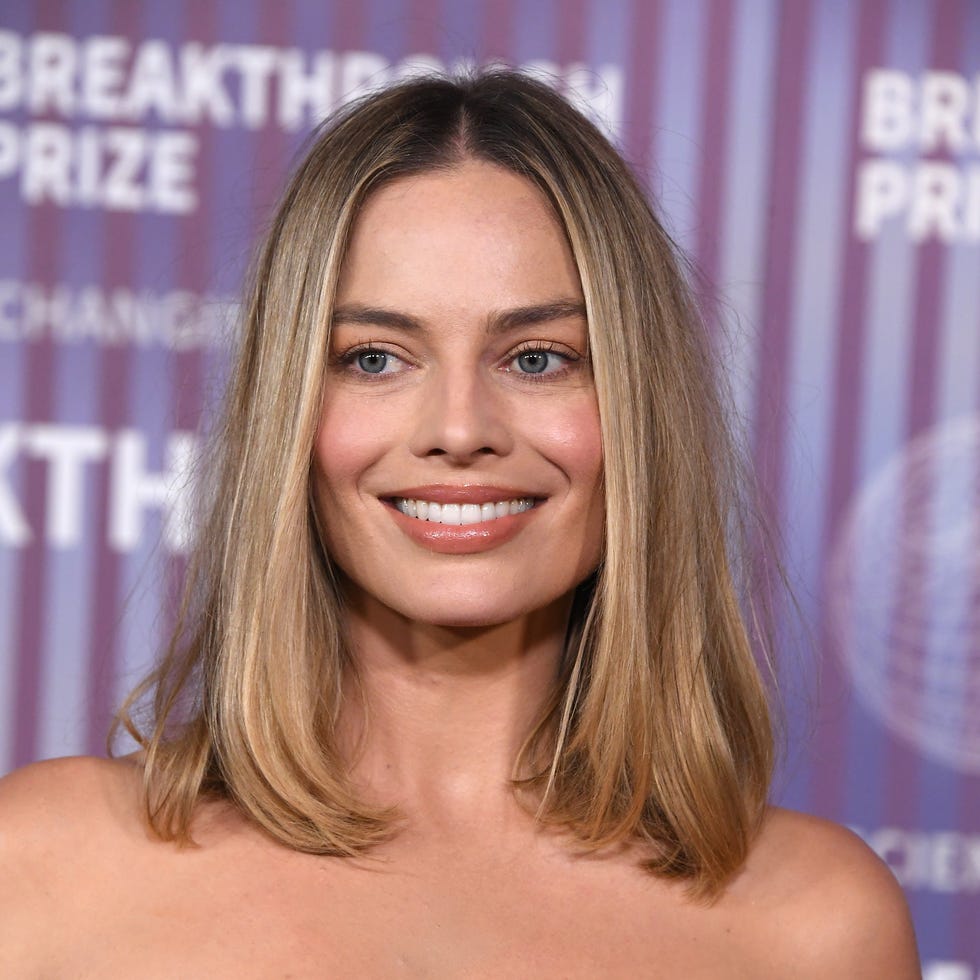
This is a lob that buys you time. The ash blonde root shadow sits about two inches from the scalp, dark and deliberate, so when your roots show at week five nobody panics. The cut lands at collarbone with no bangs, just a middle part and straight, slightly textured ends. My straight, medium density hair held that texture past lunch, which is a win.
Here is what no one says about ash blonde: it turns yellow without warning. A purple shampoo in the shower once a week keeps it cool, and the root shadow blurs the grow-out line for about six weeks. I booked this twice in one season and only needed a root touch-up once. Trims every eight weeks keep the blunt edge honest. A toning gloss every third visit keeps the ash from reading muddy, and that is the part most people skip until their hair looks green in fluorescent light.
Can a lob with side swept bangs survive a work week? This one can, and here is why. The wavy lob with highlights lands at chin, with brown base and blonde ribbons woven through the top layers. The face-framing layers are cut to brush the jaw, and the side bangs tuck behind one ear without fighting you. The texture is wavy, medium density, so the blowout holds curl for about two days before relaxing into soft waves. To get that blowout look at home: rough-dry your hair upside down, then hit each section with a round brush, pulling the ends under. The highlights mean you can skip heat on day three and still have dimension. Trim every six to eight weeks, or the side bangs start poking you in the eye.
The curved bob haircut works best on fine, straight hair because the inward curl gives it body it does not naturally have. The cut hits at chin, curved under so the front sits slightly longer than the back, no bangs, a deep side part. My fine, straight hair held the curl for a full day, which surprised me. But here is the catch: the inward curl only works if your hair is straight and your stylist cuts it with a slight over-direction, meaning the hair is cut while held forward. If you have waves, the curve fights them and flips outward instead. This is a haircut for people who like a polished line and do not mind a round brush for ten minutes every morning.
I thought face-framing layers would make my hair look fuller. Instead, the shortest piece fell at my cheekbone and split by the second week. The honey blonde lob is a collarbone cut with subtle layers through the ends and two longer pieces cut around the jaw. The wavy, medium density texture is perfect for loose textured waves, and the honey blonde reads warm against neutral skin. Here is the mistake: those face-framing layers look effortless in the salon photo, but they need a trim every five or six weeks. Skip one trim and they start to fray, the split travels up, and suddenly you are cutting off an inch you did not plan to lose. I ask my stylist to keep the layers at least two inches below my chin, and I book the next trim before I leave the chair.
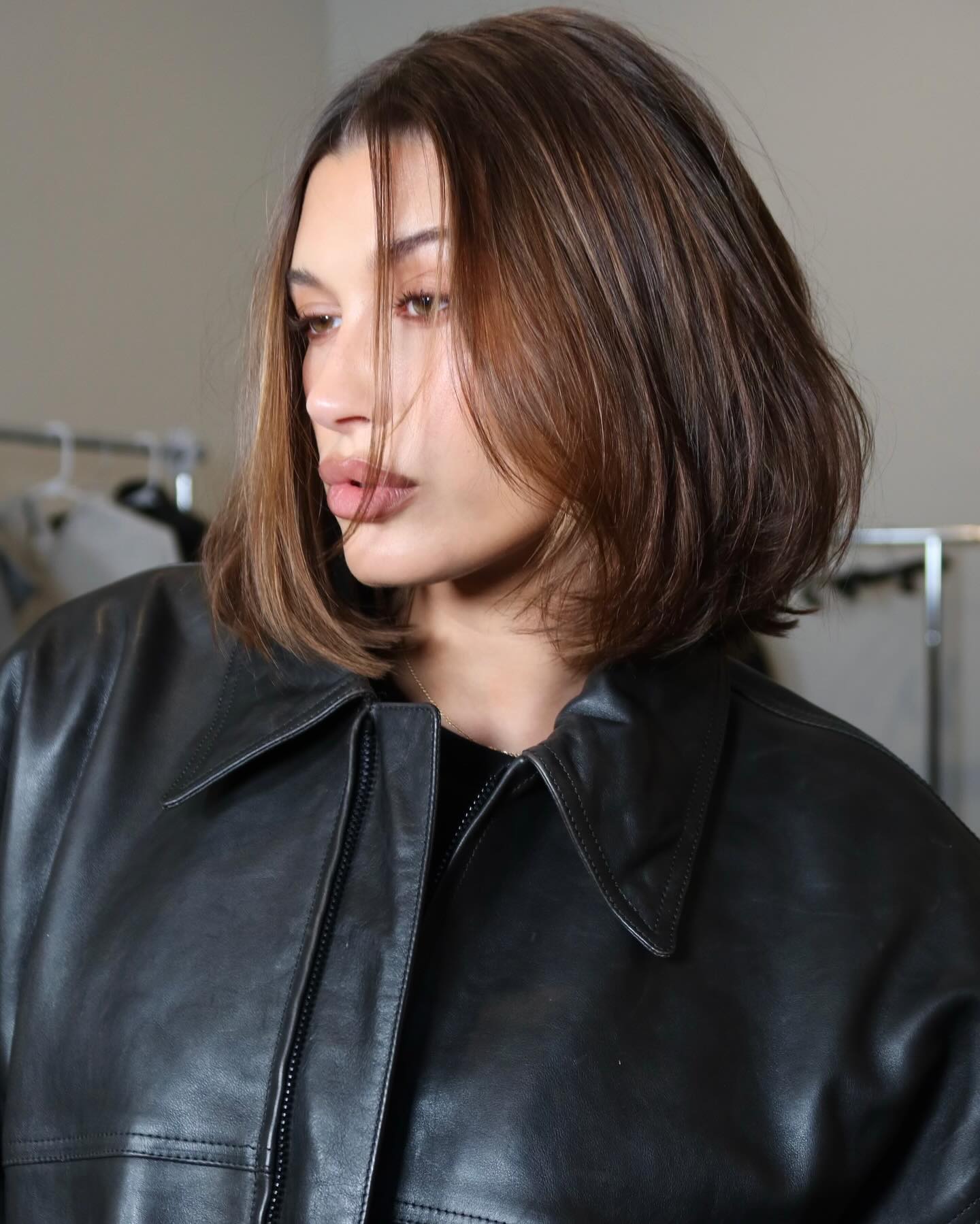
Can a blunt lob actually stay sleek through four days of winter air? Not without work. The blunt medium brown lob lands just above collarbone with no bangs, a middle part, and ends cut straight across. My straight, thick hair sits flat at the crown by noon if I skip a round brush, and the blunt ends only look sharp when they are polished. The medium brown base has subtle blonde highlights at the ends, so it catches light even when the rest of the hair is flat.
Here is the routine: a blow dryer with a paddle brush every morning, five to seven minutes to smooth the shaft and tuck the ends under. A trim every six weeks keeps the blunt line from softening into a rounded edge. The highlights need refreshing every ten to twelve weeks, but the blunt lob shape rewards consistency. Skip two trims and the ends split up the middle and the whole line falls apart.
The winter lob haircuts I keep coming back to start with a blunt cut at the collarbone, and this one proves the point. The dark brown base is so deep it looks almost black in low light, and the blunt bangs hit right at the brow, which is the only length that doesn’t make me look like I’m trying too hard. I expected the heavy edge to feel severe, but it held its shape through a full week, no curling iron needed, and the texture stayed smooth even when I air-dried. The grow-out is the real win: the blunt baseline hides split ends for about eight weeks, so I only booked a trim when the bangs started grazing my lashes. It flatters a round face by adding a vertical line, and if you have fine hair like mine, the lack of layers means it won’t collapse by 4 pm. Best grow-out in this roundup.
Blunt. Collarbone. Done. The ash blonde is the whole trick, it cancels the yellow on cool skin and makes the texture look intentional. Curtain bangs open in the middle, so they widen a narrow face without adding weight. It’s not a side part, it’s a middle with a soft sweep, and it holds till midnight. Everyone says side parts are over. They’re wrong.
I resisted a fringe for two years, then I sat down and let the stylist add a face-framing piece, and now I’m a convert. The problem is the fringe separates by noon, so I asked for soft waves cut in with a point-cut, and that changed everything. The dark brown balayage is painted low, so the roots stay dark and the grow-out is a non-issue, I only went back for a trim when the ends started to split. The texture is the trick, it’s cut to fall without a curling iron, which is the only way I’ll get volume on fine hair, and it held till midnight. I booked this twice in one season.
I’m still not sold on the wolf cut, but this blonde balayage lob with face-framing layers is the one that made me reconsider. The layers start at the cheekbone, which lifts the eye and makes a round face look longer, and the blonde is painted on the ends so the roots stay dark and the grow-out is just a shadow, not a line. I wore this to a wedding and it held its shape through dinner, the texture is cut to move with a wave, so it air-dries with a bend. The grow-out is the real win, I skipped a trim for ten weeks and it still looked deliberate. Book the consultation first.
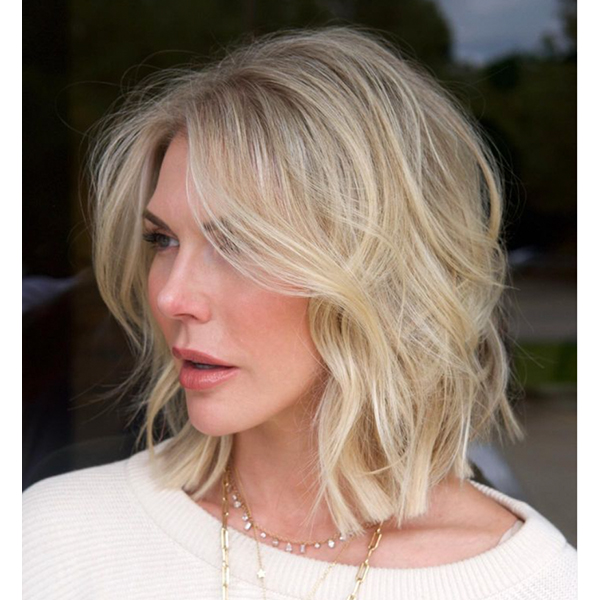
Can warm blonde actually be a safe bet? The warm blonde curtain bangs on this collarbone lob are proof that a little golden tone and a soft fringe can flatter nearly anyone. The blunt cut keeps the ends dense, while minimal interior layers give just enough movement without losing weight. The curtain bangs sweep to each side, softening the forehead without demanding daily precision. The overall texture is wavy and medium-density, built with a blowout and loose waves.
This cut answers the question of who it genuinely flatters. The warm blonde and the fringe are especially good for medium to thick hair, where the blunt baseline holds shape. The middle part and side-swept bangs work with round, oval, and heart-shaped faces. Cooler skin tones might prefer a more ash version, but the warmth here brings life to neutral and golden undertones. It’s a lob that says I planned this without trying too hard.
The precise thing about dark brown face-framing highlights is that they start looking better at week four. This lob has no bangs, just soft waves that fall past the collarbone. The face-framing highlights slice through the dark brown base, drawing attention forward without needing layers—the cut itself stays fairly uniform. The texture is wavy, medium density, and the waves are built with a curling iron in about 10 minutes. Wear means the highlights will fade around week six, but the dark root keeps grow-out graceful. Trim every eight weeks to keep the ends from splitting, and refresh the highlighter twice a year.
This is the one I keep coming back to. The blonde balayage lob lands at collarbone, no bangs, a middle part that lets the dimension do the work. Loose waves catch the lighter pieces so the colour reads like it was painted on, not foiled. The balayage technique means the regrowth is soft, not a stripe. I go about ten weeks before I start eyeing the toner. A trim every eight keeps the ends from splitting, and the waves hold their shape with minimal effort. It is the lob for people who want colour without the calendar commitment.
Upkeep is straightforward. Purple shampoo once a week keeps the blonde from pulling brassy, and the loose waves take maybe fifteen minutes with a wide barrel. The cut stays wearable even as it grows, which is more than I can say for some of the sharper lobs I have tried.
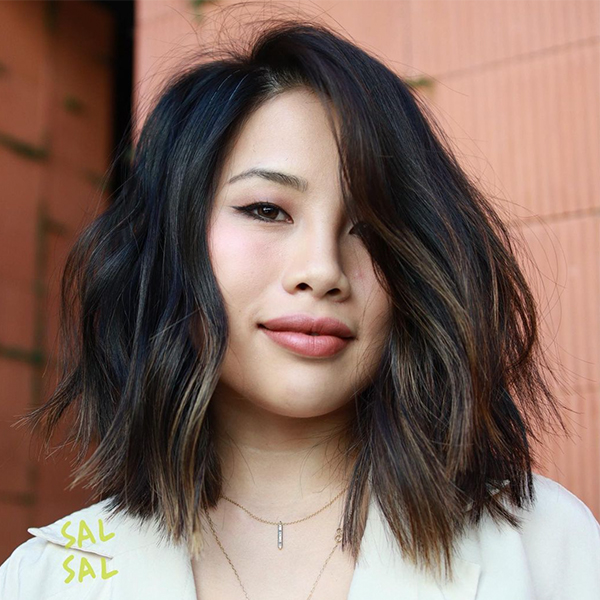
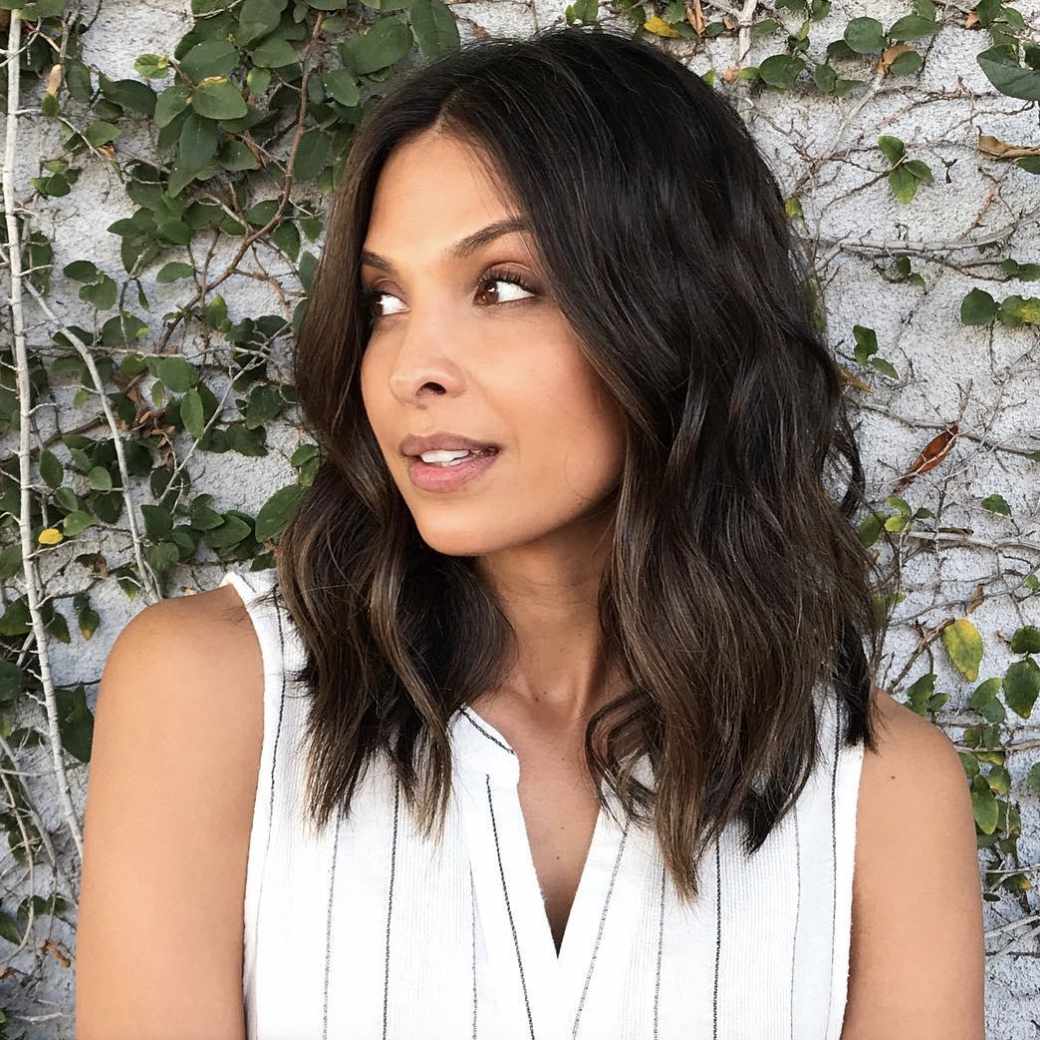
Winter light is low and grey, and dark brown textured waves read warm against it. The lob is collarbone, no bangs, a middle part that drops into subtle blonde highlights at the ends. The texture is the point. A wavy blowout with a round brush gives it movement without looking curled, which is exactly what I want when the air is dry and my hair wants to lie flat. The highlights are spaced enough that grow-out is not a crisis. Trim every six to eight weeks to keep the ends from fraying. It is a quiet cut, the kind that looks like you did nothing, which is the whole trick.
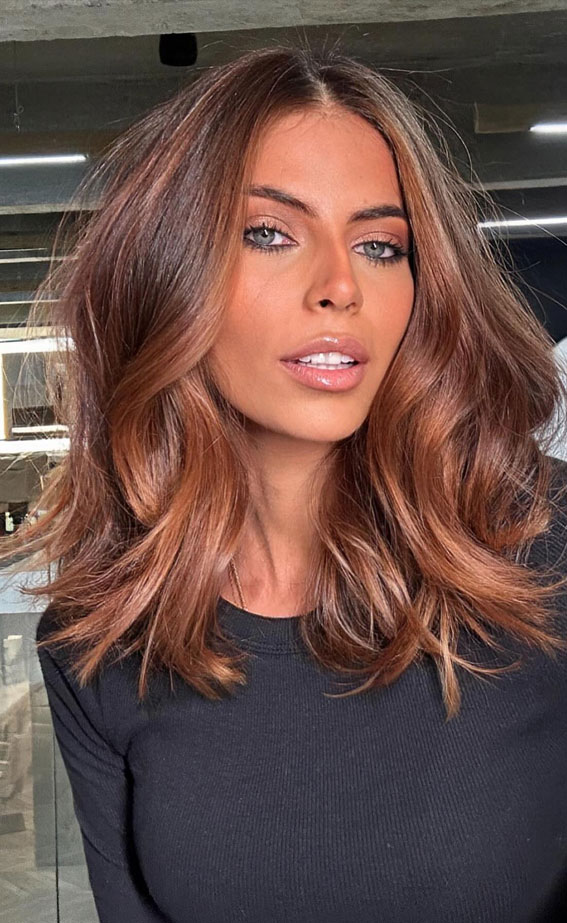
Toasted caramel is the colour equivalent of comfort, warm enough to make January feel less hostile. The toasted caramel lob puts that shade on collarbone-length loose waves, balayage placed highest around the face so the warmth reads first. No bangs in this version, the layers fall soft and keep the ends from clumping. It’s a sit-down salon job, the balayage alone takes real chair time, but the payoff is the grow-out: the darker base underneath means the colour line barely announces itself for months. Winter is the right season for it, the warm tone cutting through the grey. For medium density wavy hair, the texture adds enough body that you can skip the extra products.
Plan the appointment before the holiday chaos, because the toasted caramel color needs a clean base to look dimensional, not murky. The ask-your-stylist line: brighter at the front, softer at the back. The shade turns with you. A trim every six to eight weeks keeps the hem honest.
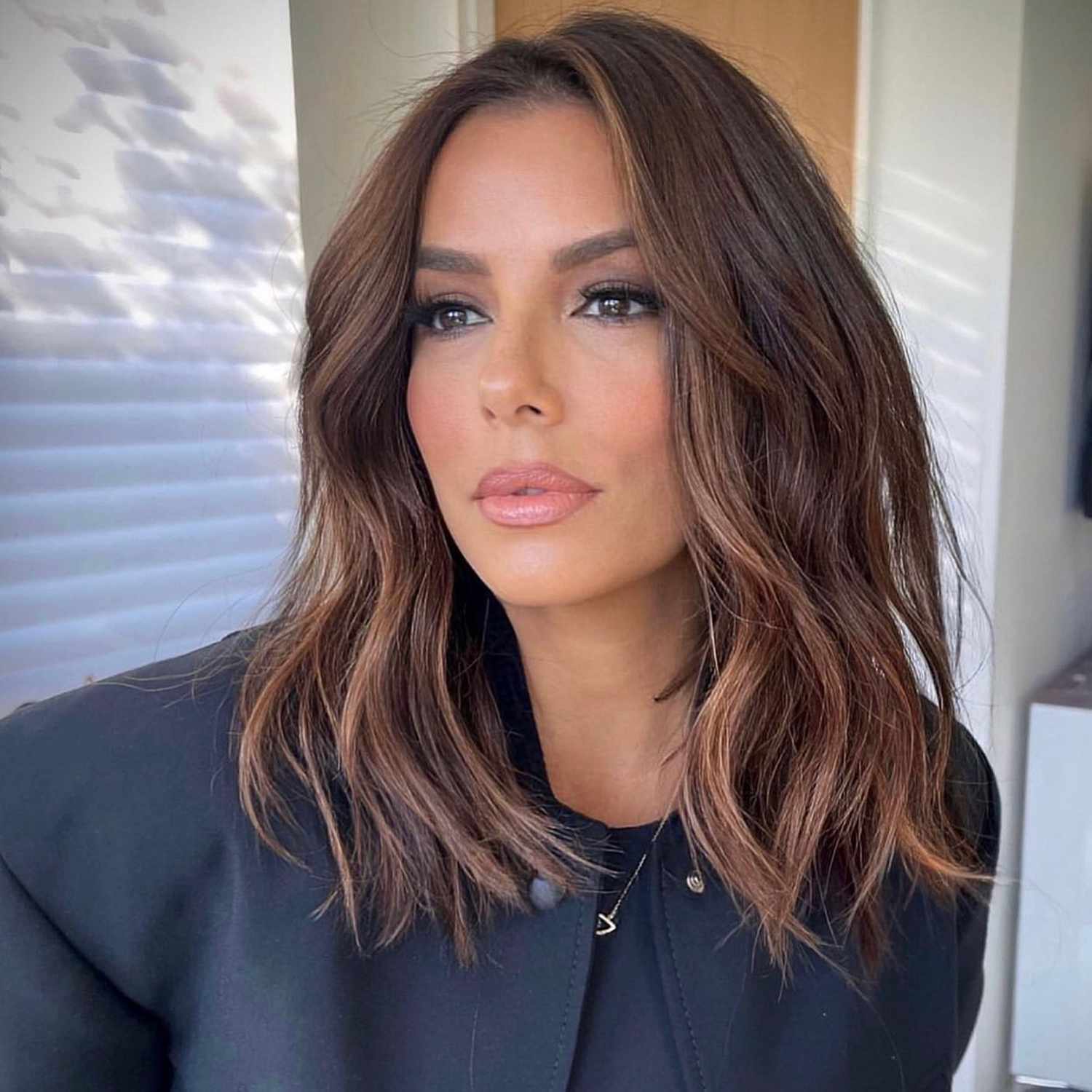
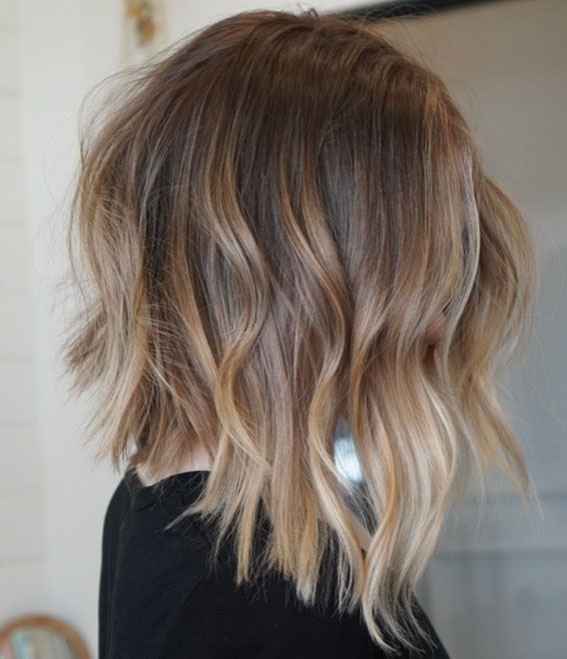
Caramel on dark brown is the quiet winner of the season. The technique is straightforward: the stylist paints thin caramel highlights through the top layers of a collarbone-length wavy lob, leaving the under-side dark for depth. No bangs, the cut stays soft with light layering so the ribbons of colour move when you do. The upkeep is two tracks: the highlights need a refresh every ten to twelve weeks, and the trim runs every six to eight, so the colour and the shape never have to line up at the same appointment. Medium density wavy hair carries the caramel without looking busy, as long as the stylist keeps the spacing wider at the crown and tighter at the ends.
Final Thoughts
After writing all of these, I keep coming back to the same thing: the lob is a negotiation with your own hair. The right one works with your texture, your patience, and your willingness to book a trim every eight weeks. The wrong one is a daily fight against a shape that was never yours.
I wasn’t planning to recommend a middle part, but then I tried it. And I’m still not sold on the wolf cut, jury’s out on that one. But the blunt dark brown lob with the inward curl? That’s the one I’m booking next, because it held till midnight and I didn’t have to think about it once.
Save Ideas
Yevheniia3 weeks agoLast Updated: 22 September 2026
Hi, my name is Yevheniia and I love to write about fashion and style. I’ve been interested in hair and fashion trends since I was a little girl and I try to inspire my readers to experiment with their image. My mission is to help you find your own style and keep up with the world of beauty and fashion.