Black hair balayage is a hand-painted color technique that lifts sections of a dark base into softer, warmer tones without a harsh line. The trend is shifting toward lived-in color that stays glossy and natural rather than heavily processed.
This collection of 20 ideas covers warm browns, ash blondes, and caramel tones across lengths from collarbone to mid-back, with textures from straight to wavy. Black Hair Balayage works best for anyone who wants dimension without a high-maintenance root line, and it solves the problem of a visible grow-out by keeping the color concentrated on mid-lengths and ends.
Black With Warm Brown Balayage Long Layers
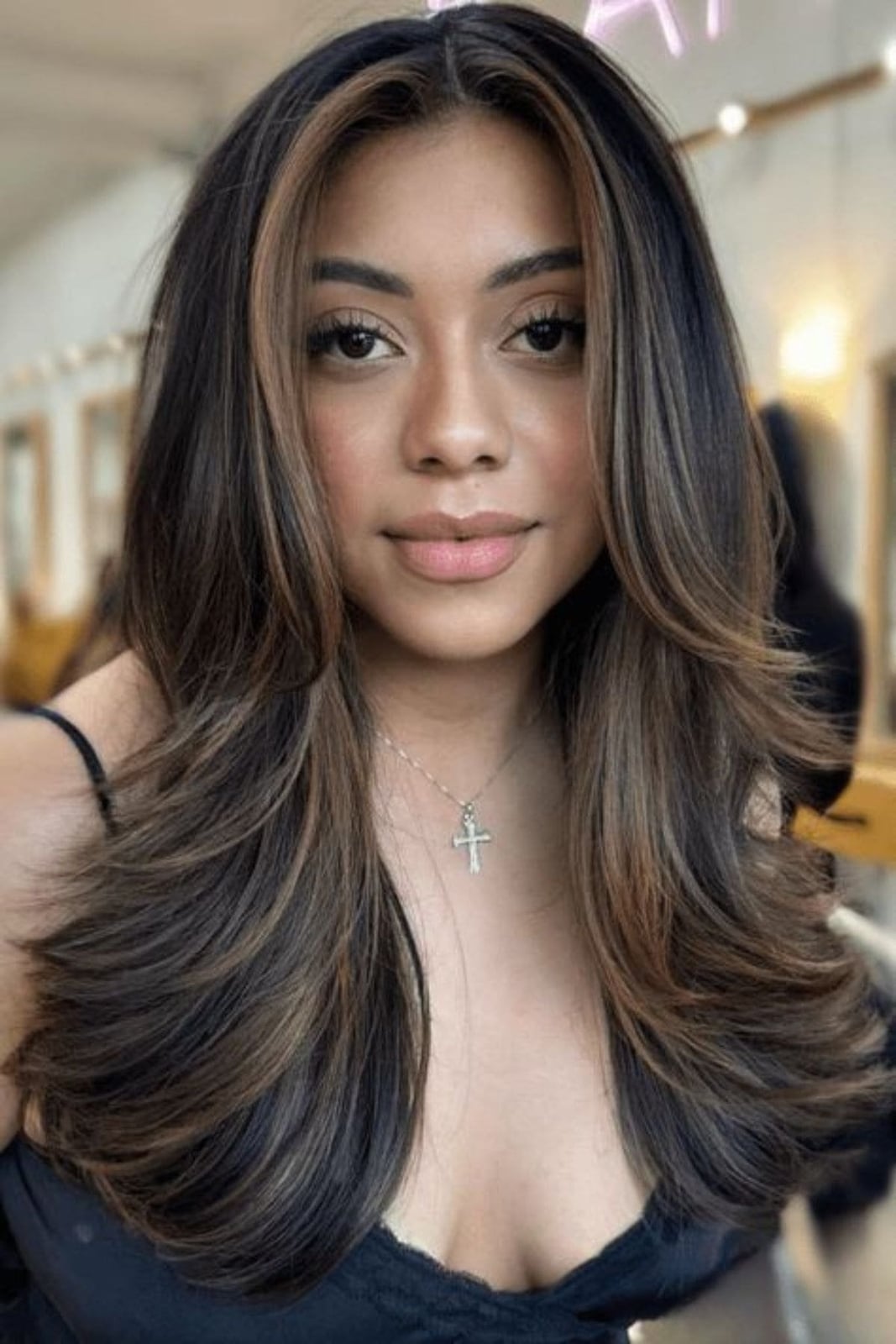
Long layers and a black base with warm brown balayage are a solid bet for anyone with thick, wavy hair that reaches the mid-back. The curtain bangs and loose waves create movement without losing density, and the middle part lets the face-framing pieces do their job. Round and heart faces get the most out of those shorter front sections.
Ask your colorist for: mid-back length, black base, warm brown balayage, curtain bangs. Blow-dry the fringe with a round brush to set the bend. Plan a toner refresh every six to eight weeks to keep the brown from pulling orange.
Collarbone Length Black With Ash Blonde Balayage
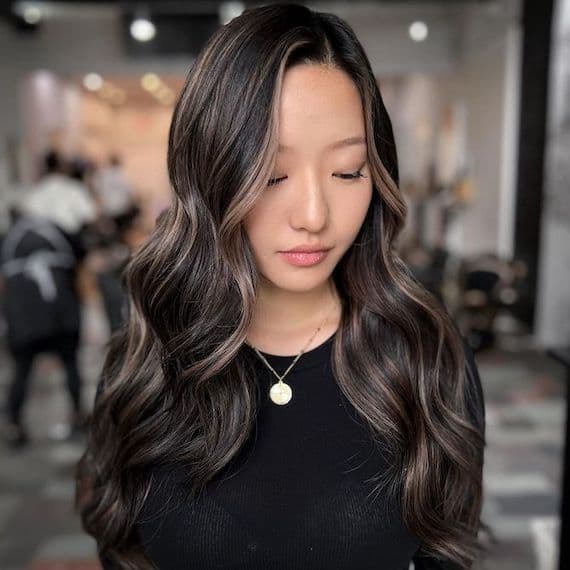
Ash blonde balayage on a black base is a cooler alternative to warm brown blends. The collarbone length and soft curtain bangs keep the contrast from feeling severe, while thick, wavy texture gives the ash tone enough body to register. This color choice avoids a washed out appearance.
Ask your colorist for: collarbone length, black base, ash blonde balayage, curtain bangs. Mid-lengths define the wave pattern. Toner every four to six weeks is required here: ash fades fast without it.
Collarbone Black With Ash Brown Balayage
Ash brown balayage lands between warm caramel and full ash blonde. On a black base, the technique uses soft hand-painted sections through the mid-lengths and ends, skipping the root line entirely. The result is a subtle lift that reads as dimension rather than a separate color. Collarbone layers and curtain bangs keep the weight off the face.
Ask your colorist for: collarbone length, black base, ash brown balayage, curtain bangs. A large barrel iron creates the loose wave shape. Expect a toning appointment every six to eight weeks to maintain the ash note.
Shoulder Length Black Balayage With Face-Framing Layers
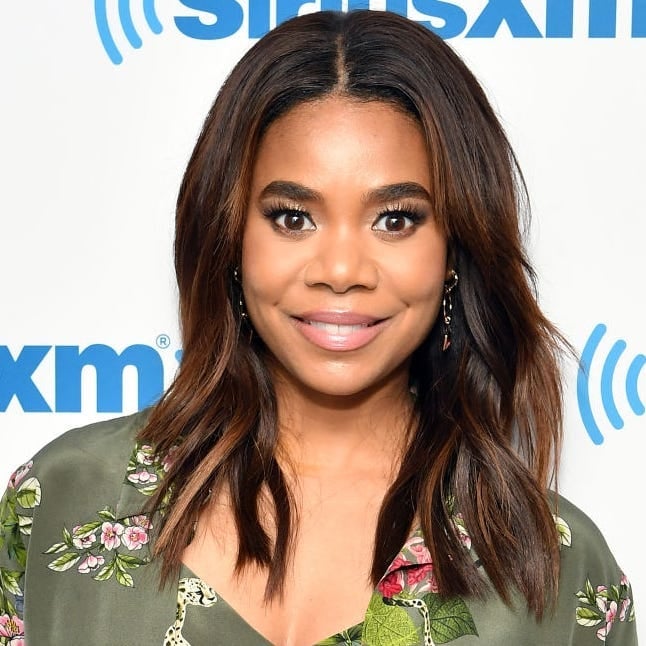
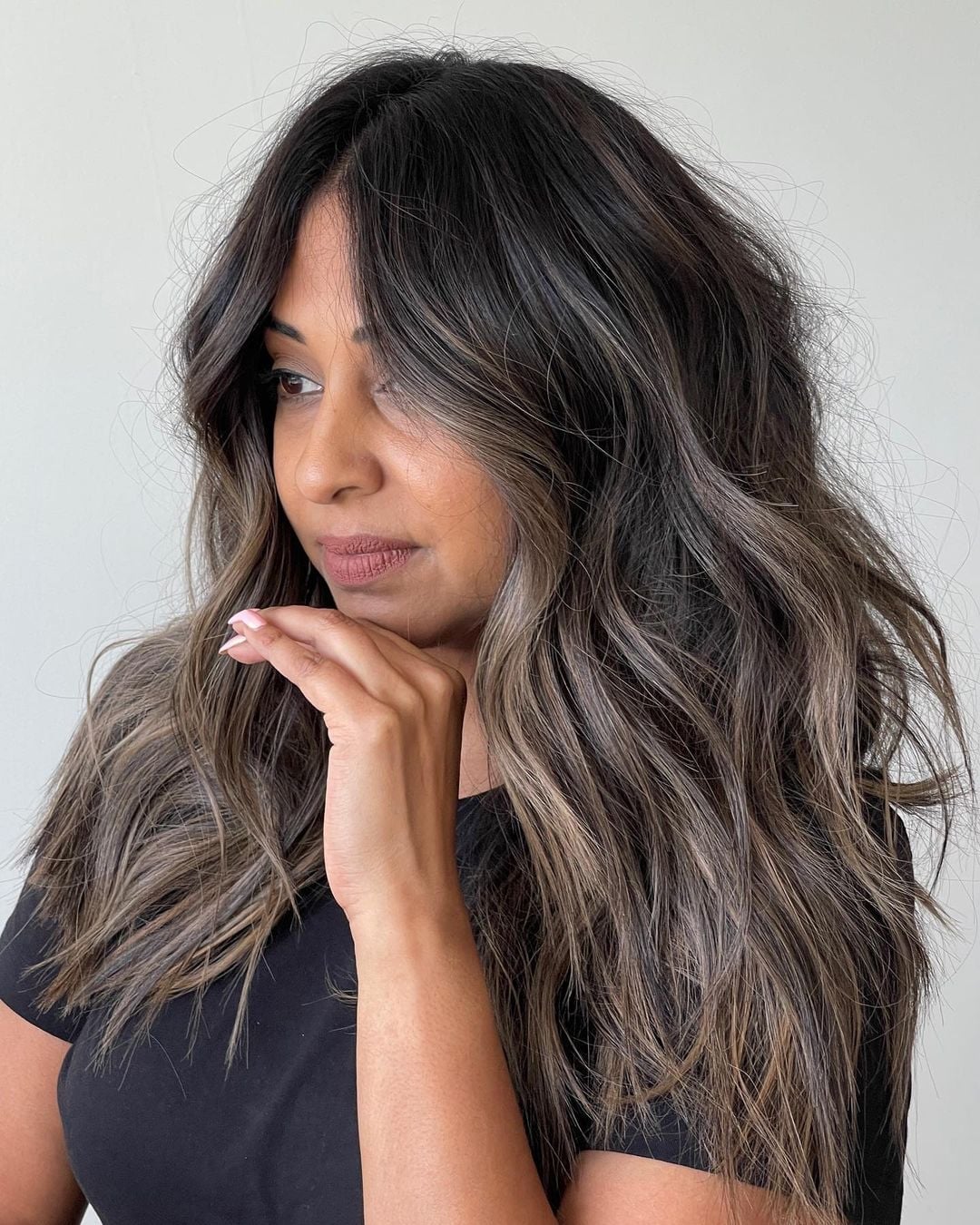
How do you get balayage that does not disappear into a black base? Ask for face-framing layers with the lightest pieces concentrated around the front. The shoulder length keeps the hair out of the way, and a middle part lets the highlights hit both sides evenly. The subtle balayage blend keeps the overall effect soft rather than streaky.
Ask your colorist for: shoulder length, black base, subtle balayage, face-framing layers. A smoothing serum smooths the cuticle for the glossy finish. Trim the layers every ten weeks to keep the shape from growing out.
Medium Length Dark Brown With Caramel Balayage
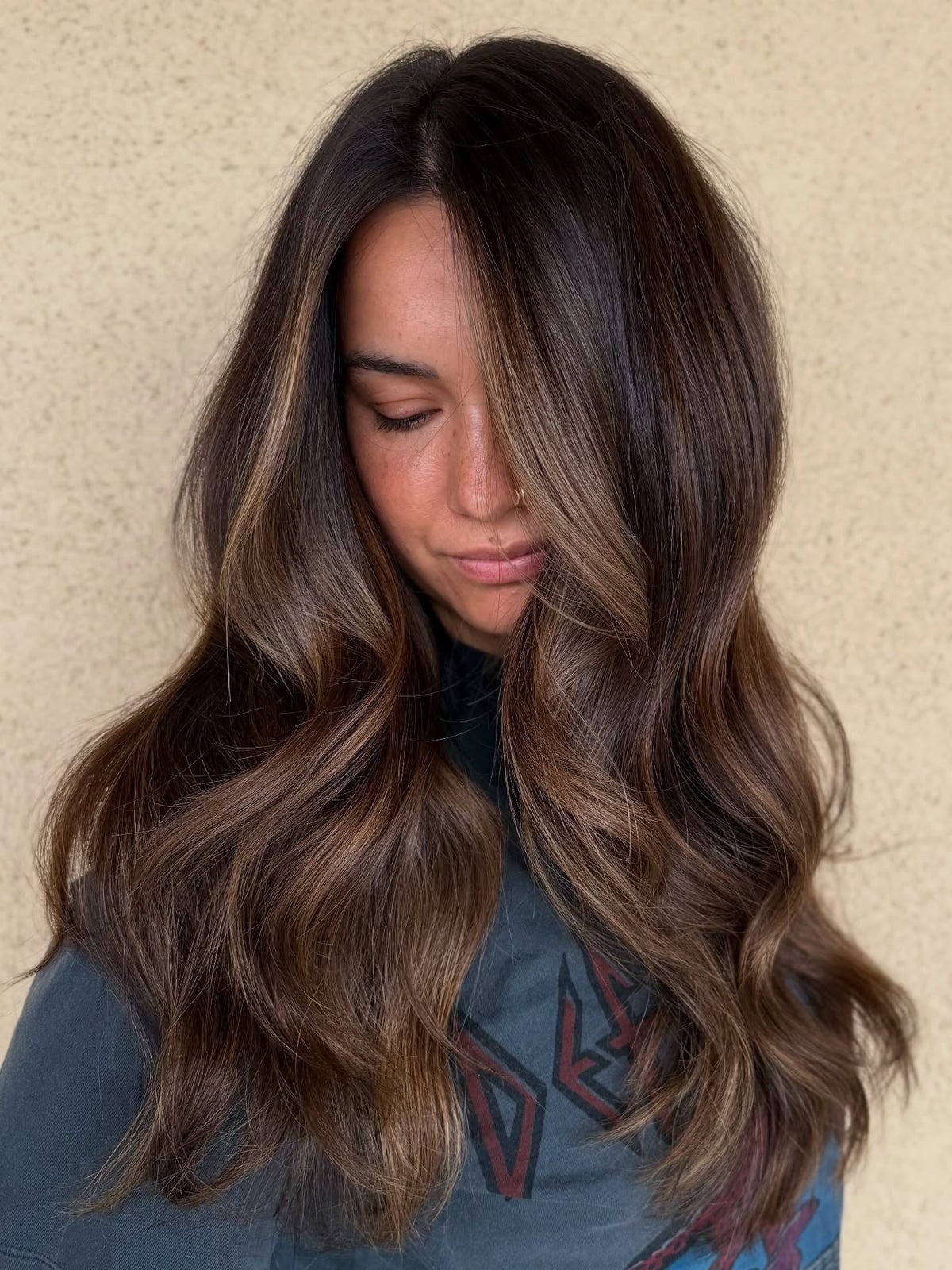
Caramel balayage on a dark brown base works because the tone is close enough to the natural depth to blend but light enough to register as a separate color. The medium length and wavy blowout give the caramel pieces enough surface to catch light. Curtain bangs soften the transition along the hairline. Round and heart faces handle the shorter front section well.
Ask your colorist for: medium length, dark brown base, caramel balayage, curtain bangs. Sea salt spray on damp waves enhances the separation. A toner refresh at six to eight weeks keeps the caramel from warming past a honey.
Long Black With Soft Brown Balayage Waves
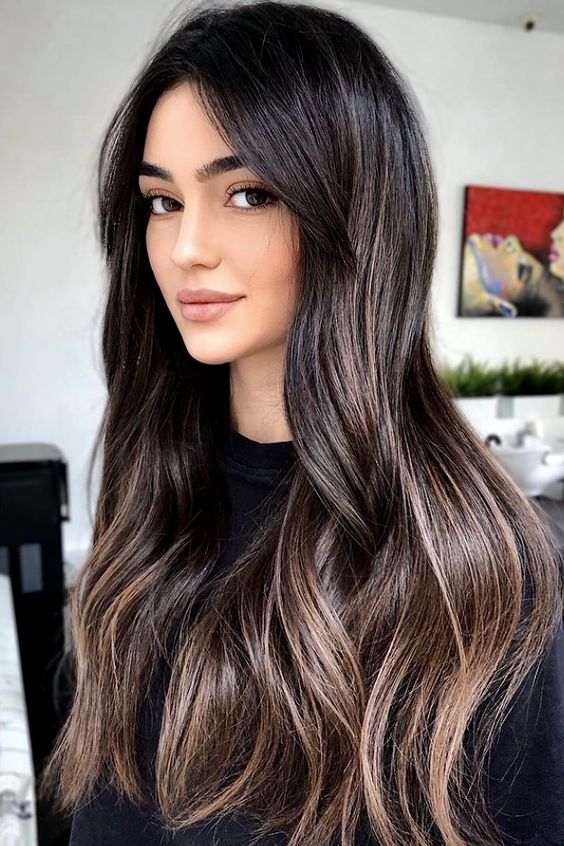
A black base and a brown balayage that starts well below the roots means the regrowth line stays invisible for weeks. The soft brown pieces catch light in the voluminous waves, which keeps the length from reading as one flat block of color. Thick, wavy hair starting at mid-back has enough weight to hold the wave pattern without a curling iron.
Ask your colorist for: mid-back length, black base, soft brown balayage. Styling is straightforward: a volumizing mousse at the roots and a diffuser add lift without heat damage. The toner needs refreshing about every eight weeks, and a trim at the same interval keeps the ends healthy enough to hold the wave.
Mid-Back Black Base With Subtle Dark Brown Balayage
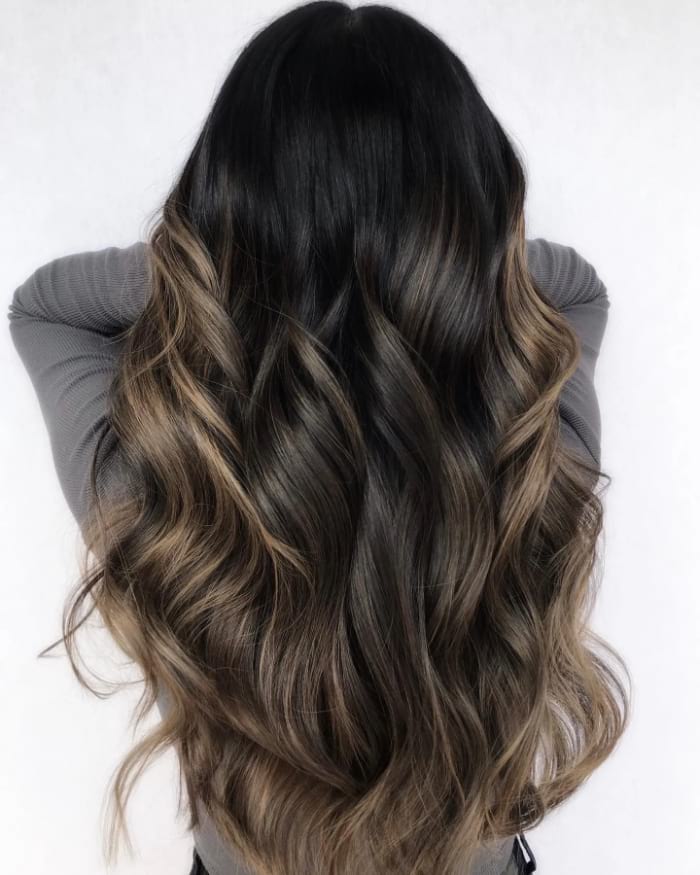
This balayage is so closely matched to the black base that from a few feet away it looks like a healthy shine. That makes it ideal for anyone who wants dimension without the commitment of a visible highlight. Thick, wavy hair starting at mid-back lets the subtle shift from black to dark brown travel gradually down the length.
Ask your colorist for: mid-back length, black base, subtle dark brown balayage. If you want obvious contrast or a warm glow, this is not the pick. The blend is so seamless that it can look like your natural color on a good day, which is either the point or a disappointment depending on your goal.
Mid-Back Black With Dark Brown Balayage Soft Dimension
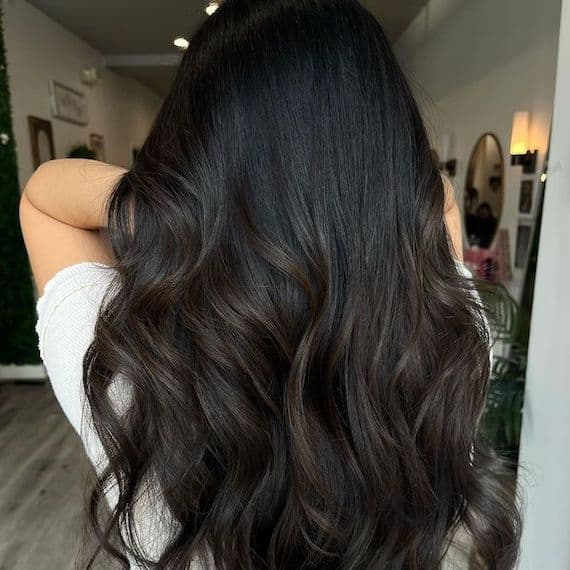
Seen from the back, the dark brown balayage forms soft ribbons of color through the black base. The transition sits mid-length, which gives the hair a graduated lightness that ends well above the tips. Thick, wavy hair starting at mid-back provides the surface area for the color to fan out across the width of the hair.
Ask your colorist for: mid-back length, black base, dark brown balayage. The technique relies on the colorist painting narrow sections freehand so the brown does not form a solid block. A texturizing spray applied to damp waves helps the balayage reflect light evenly. A toning appointment every eight weeks keeps the brown from pulling warm against the black.
Mid-Back Black With Rich Dark Brown Balayage Blend
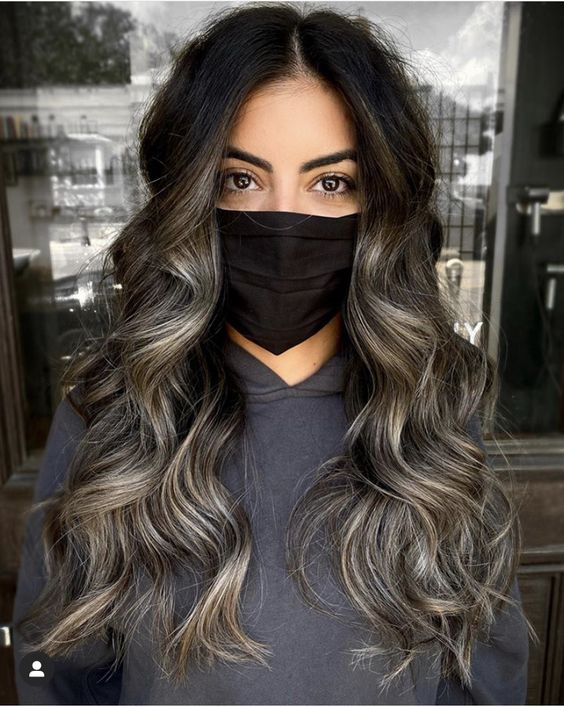
What makes this blend work is that the dark brown is saturated enough to read as a deliberate color, not a faded version of the black base. The long layers let the balayage sit in vertical slices that travel with the waves. Thick, wavy hair starting at mid-back needs that layering so the color does not pool at the ends.
Ask your colorist for: mid-back length, black base, rich dark brown balayage. From the back, the effect is one of depth: the black steps back and the brown steps forward in the waves. A leave-in conditioner keeps the texture soft enough that the color blend does not look dry. A trim every ten weeks keeps the layers from turning ragged.
Mid-Back Black With Seamless Brown Balayage
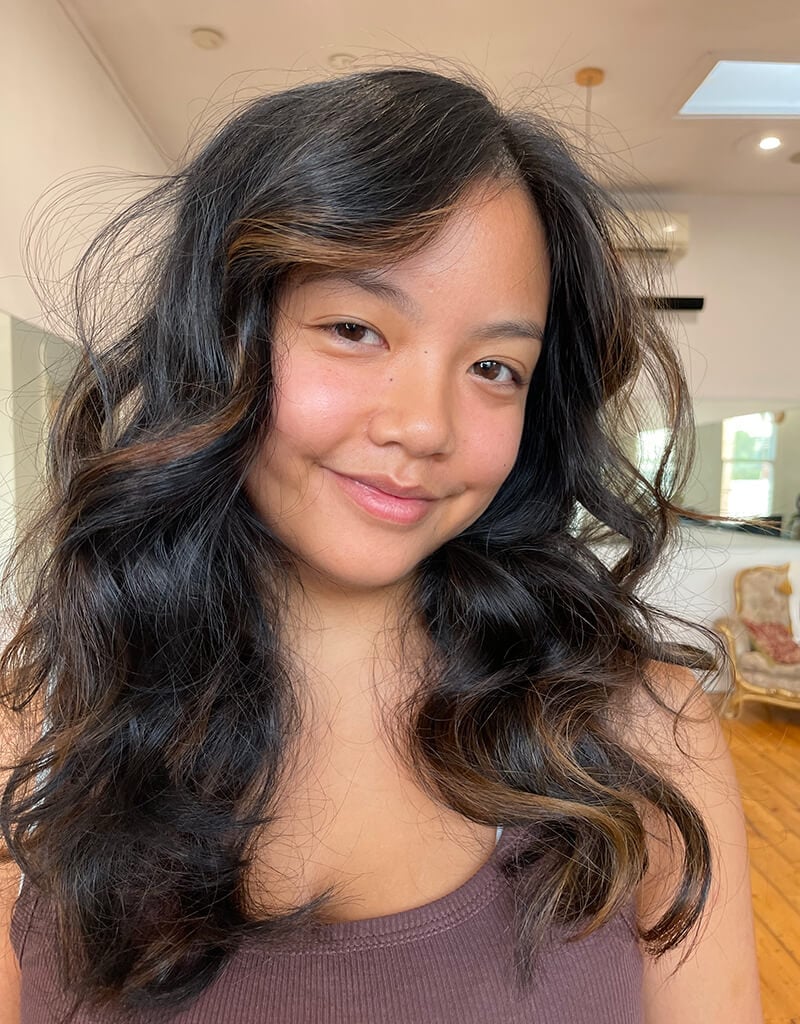
Where a blocky balayage plants a hard line across the hair, this one dissolves the brown into the black so gradually that no single point marks the start of the color. It is closer to a gloss than a highlight. Thick, wavy hair starting at mid-back benefits from the seamless transition because there is no abrupt shift for the eye to land on.
Ask your colorist for: mid-back length, black base, seamless brown balayage. The comparison is to a more dramatic technique where the lighter pieces sit in chunky panels; this version is for anyone who wants the dimension without the announcement. A wide-tooth comb on wet hair keeps the waves aligned with the color flow. Toner every eight weeks keeps the brown neutral.
Mid-Back Black With Glossy Warm Brown Balayage
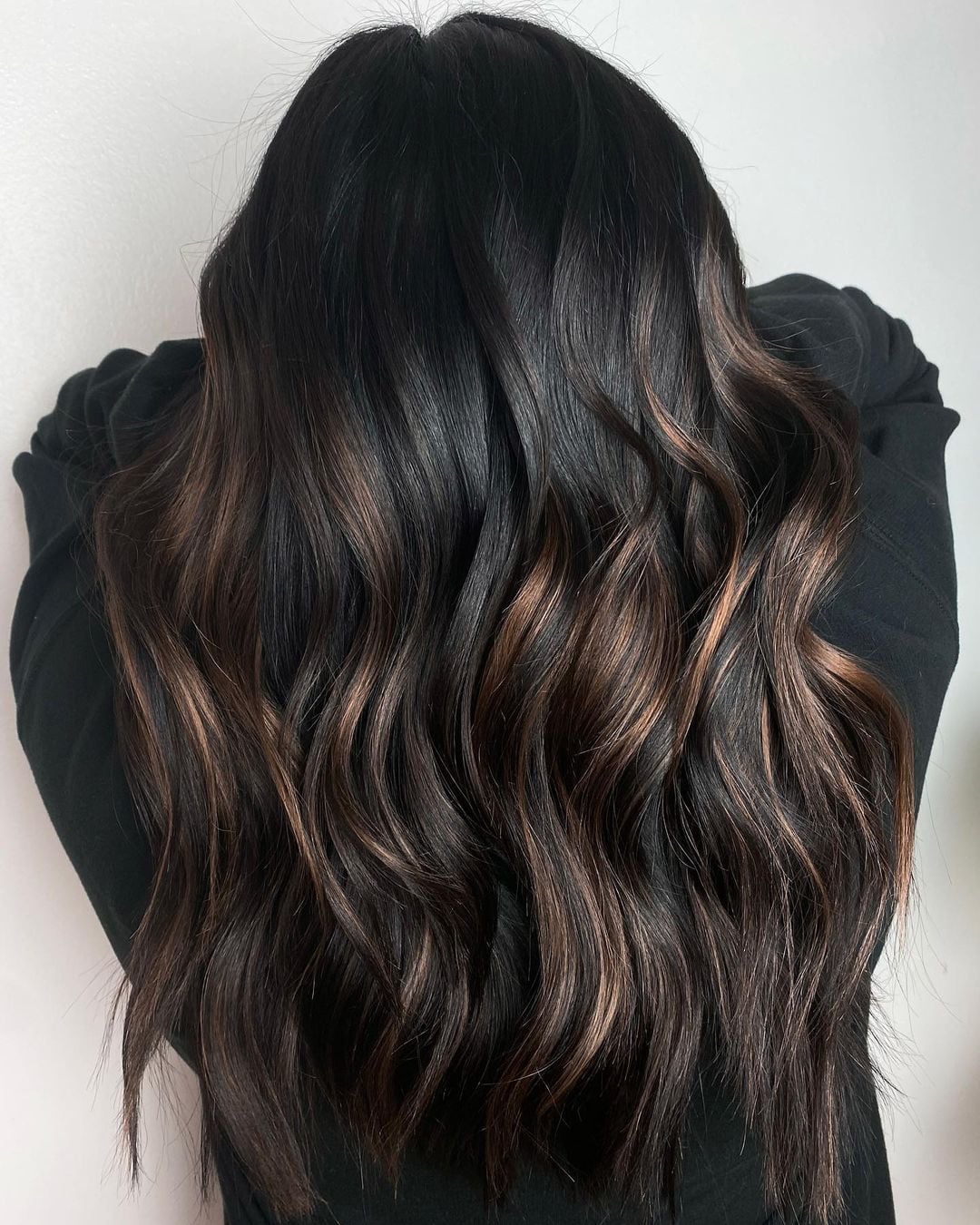
This is a balayage that announces its presence through shine rather than contrast. The black base stays deep at the roots while warm brown tones sweep through the mid-lengths and ends, creating a glossy, dimensional effect that catches light from every angle. Thick, wavy hair starting at mid-back is the ideal canvas here.
Ask your colorist for: mid-back length, black base, glossy warm brown balayage. A round brush and blow-dryer will bring out the gloss; expect to book a trim every ten weeks to keep the ends healthy. This is a salon-only color that works best on clients who want noticeable warmth without a drastic shift from their natural depth.
Mid-Back Wavy Black With Warm Brown Balayage Contrast
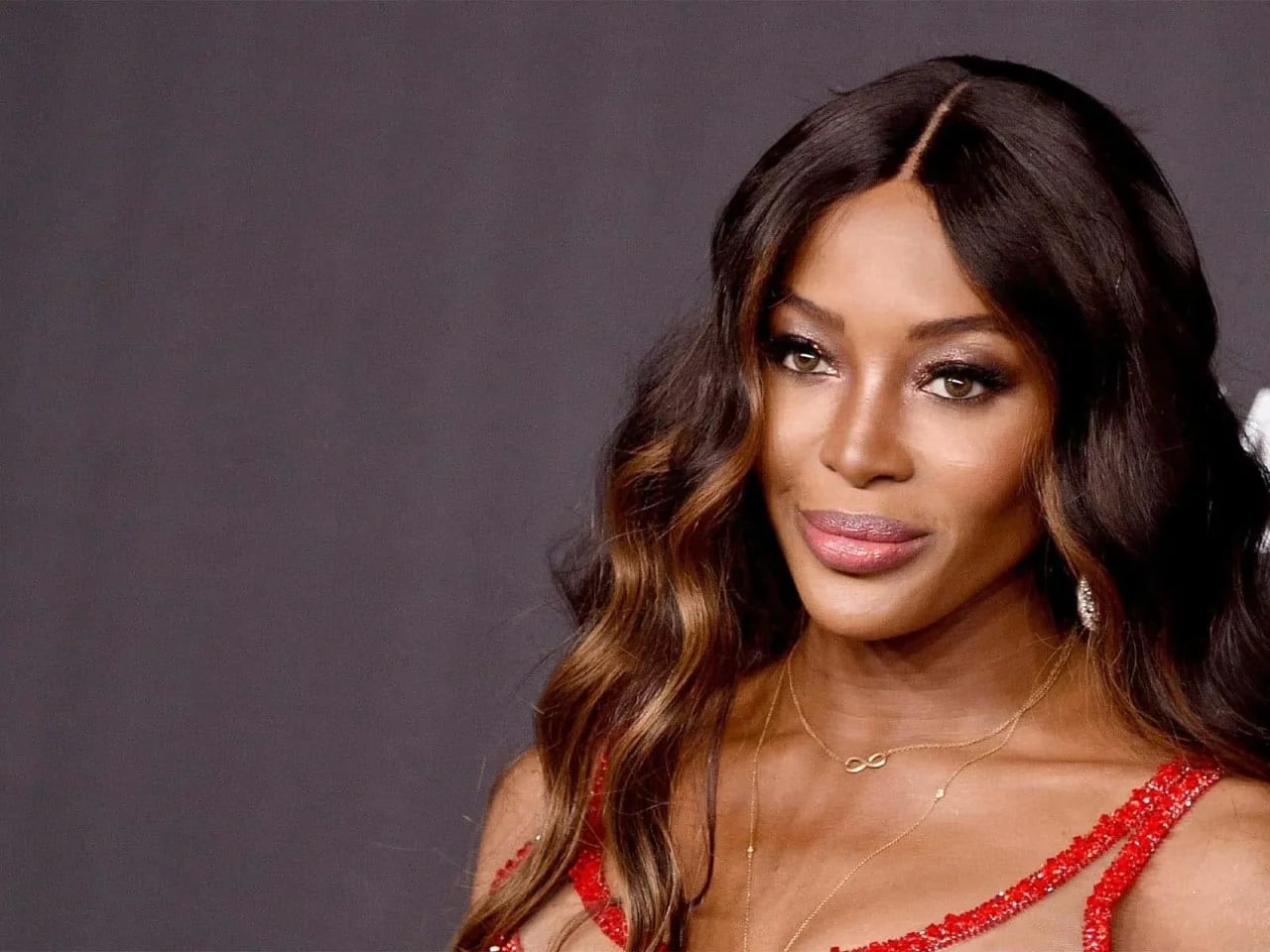
The contrast between a true black base and warm brown balayage is what gives this color its visual punch. The waves break up the lighter pieces just enough so the color looks sun-kissed without stripes. On thick, wavy hair at mid-back, the separation between tones stays soft but clear.
Ask your colorist for: mid-back length, black base, warm brown balayage contrast. A volumizing mousse and diffuser will build the wave pattern that shows off the dimension. Plan on a toning appointment every six to eight weeks to keep the warm tones from pulling brassy against the black base.
Mid-Back Black With High-Contrast Warm Brown Balayage, Close-Up Take
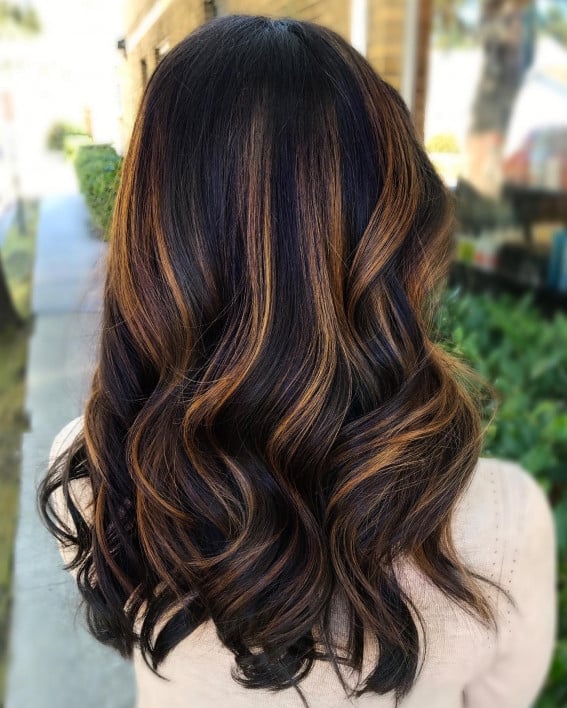
Up close, the real design becomes visible: the warm brown balayage is painted in broad, sweeping sections that sit noticeably lighter than the black base, yet the transitions are smooth enough that no single highlight stands apart. The middle part lets the color fall symmetrically on both sides, which matters when the contrast is this high. Thick, wavy hair at mid-back gives the color enough surface area to breathe. Ask your colorist for: mid-back length, black base, high-contrast warm brown balayage. This is a salon-only technique that relies on freehand painting.
Mid-Back Black With Caramel Balayage Highlights
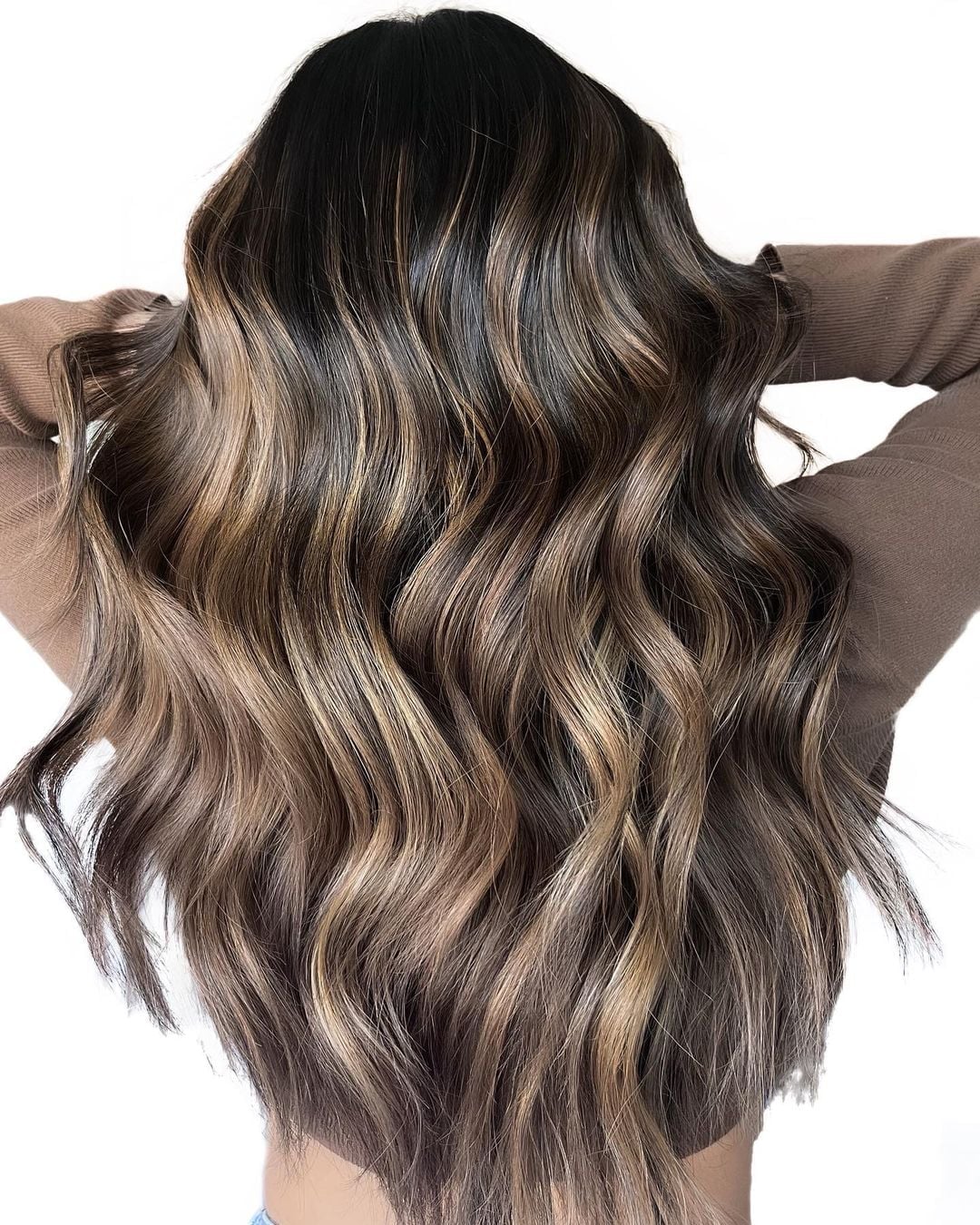
Want caramel without the commitment of all-over color? This is how you ask for it. The black base stays dominant while caramel-toned highlights are placed through the lengths and ends, creating a flowing effect that moves with the hair. On thick, wavy hair at mid-back, the caramel looks like a warm translation of the base.
Ask your colorist for: mid-back length, black base, caramel balayage highlights. Bring a photo of caramel tones you like, because the range is wide. The tone sits somewhere between golden brown and reddish brown, so specify if you want more warmth or a neutral caramel. A color-safe shampoo will help the caramel stay rich between appointments.
Mid-Back Black With Dark Brown And Caramel Balayage
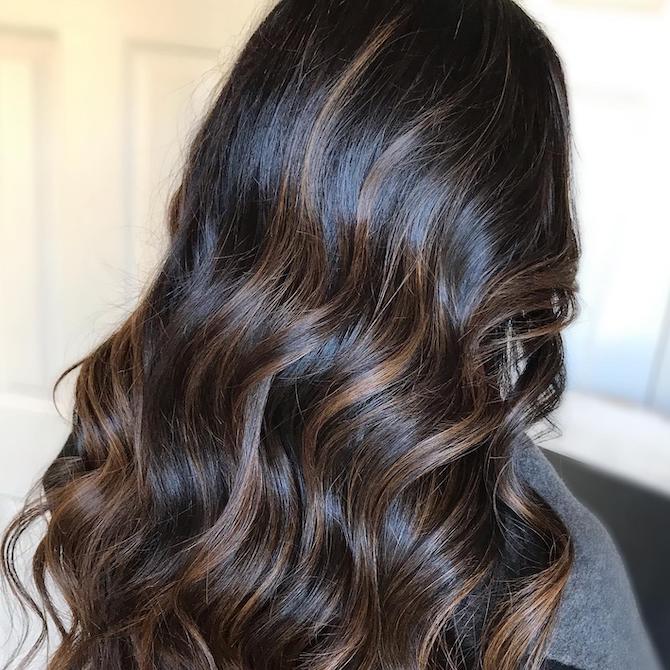
Two tones are at play here: dark brown sits closer to the base and creates a subtle lift, while caramel pieces add a brighter accent. The technique uses the black base as the anchor, with the dark brown blended first and the caramel painted in thinner sections for contrast. Thick, wavy hair at mid-back with a middle part shows off the layered effect.
Ask your colorist for: mid-back length, black base, dark brown and caramel balayage. The dark brown sections act as a bridge between black and caramel, which means the grow-out is softer than a single-tone highlight. A deep conditioning mask once a week will keep both the dark and light sections glossy.
Mid-Back Black With Rich Warm Brown Balayage, Everyday Version
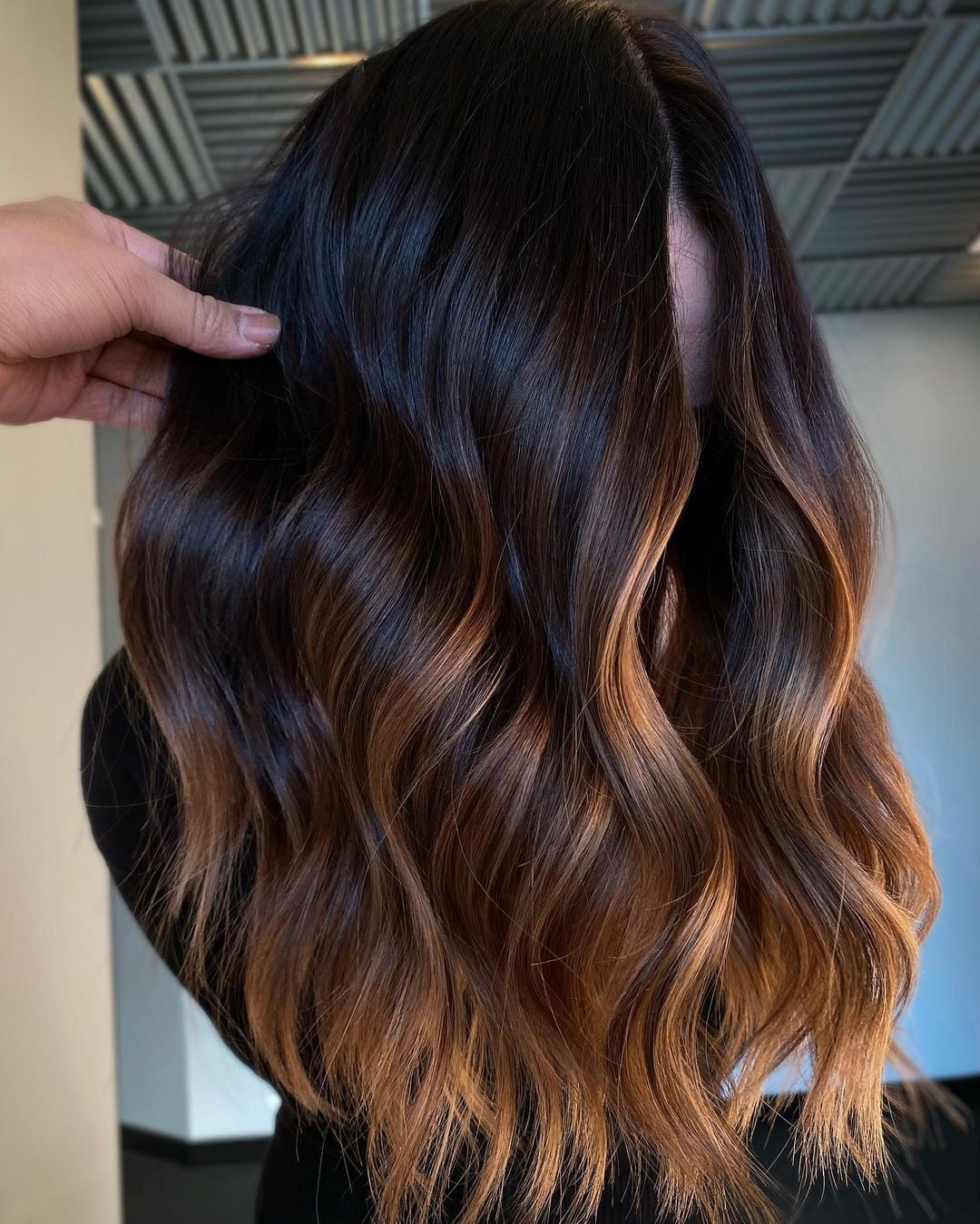
This is the version of rich contrast balayage that creates a natural fade from a deep black base into warm brown ends. The color moves through the curl pattern of thick, wavy hair that starts at mid-back. Ask your colorist for: mid-back length, black base, rich warm brown balayage. A curl-defining cream helps the waves hold their shape. A toning appointment keeps the brown from drifting.
Collarbone Black With Dark Brown Balayage Wavy Blowout
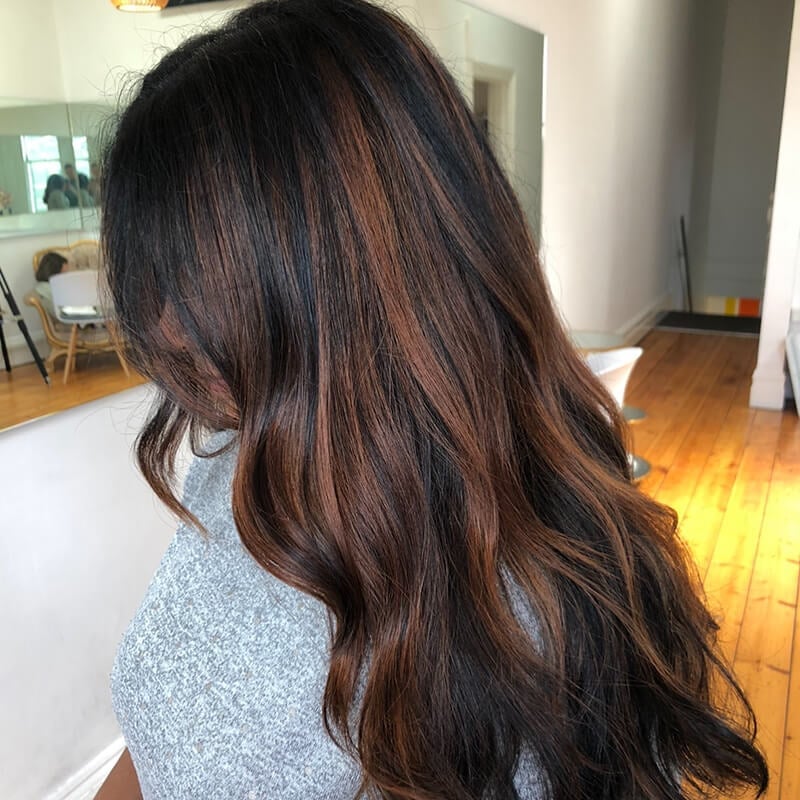
This balayage keeps the dark brown highlights visible against the black base, creating deliberate dimension. The collarbone length keeps the weight above the shoulders, so the wavy blowout holds its shape longer than it would on longer hair. Thick, wavy hair of at least collarbone length is the starting point, and the layers add movement without thinning the density. Ask your colorist for: collarbone length, black base, dark brown balayage. A volumizing spray before blow-drying gives the roots lift, and a trim every eight weeks maintains the clean edge.
Mid-Back Black With Cool-Toned Ash Highlights
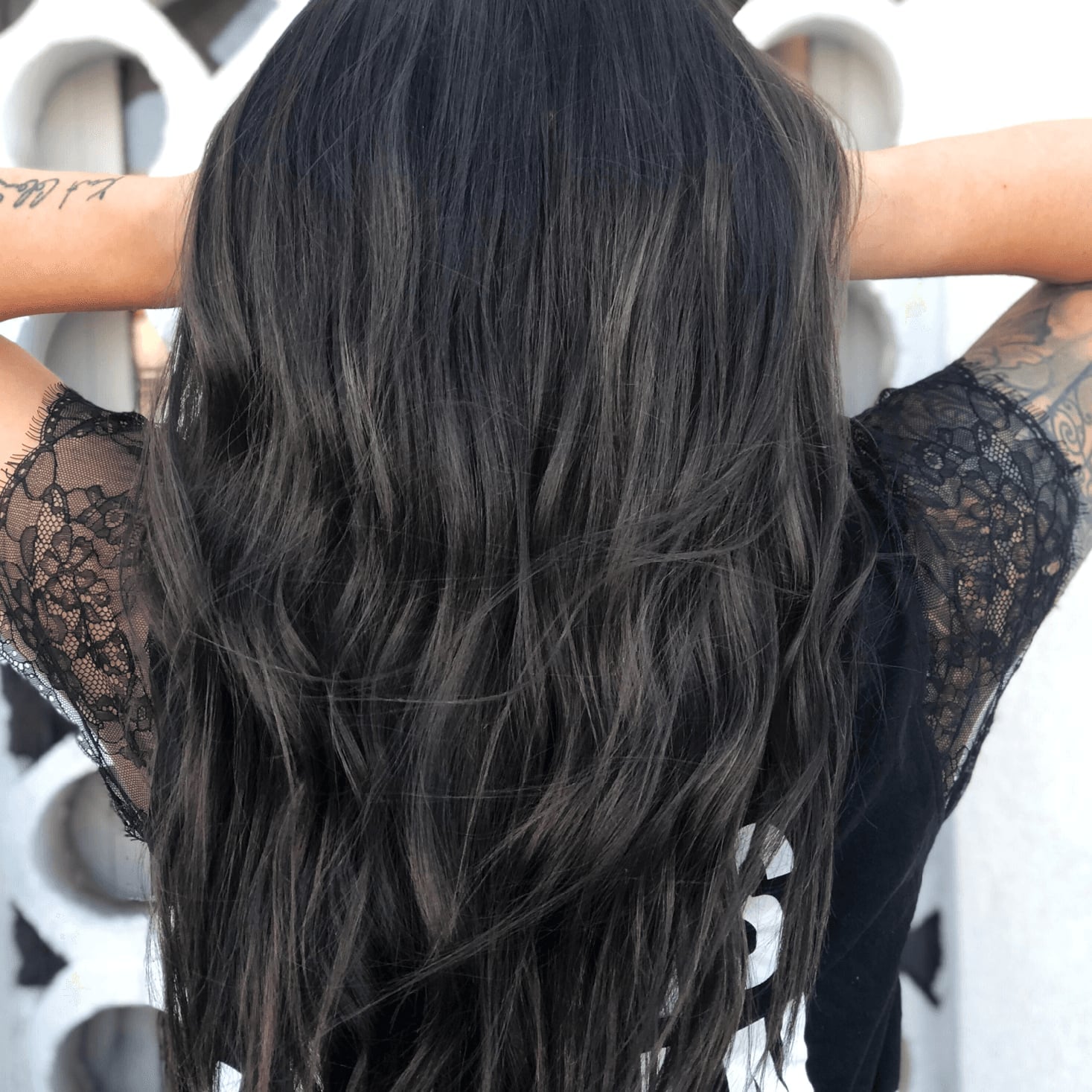
Most balayage on black bases leans warm, but this version takes the opposite road. The cool-toned ash highlights are subtle and concentrated toward the ends, which means the root area stays pure black. The effect is a soft silver shimmer that avoids a stripe.
Thick, wavy hair starting at mid-back carries the ash tone well because the waves scatter the light and prevent the color from looking flat. Ask your colorist for: mid-back length, black base, cool-toned ash highlights. If your previous color was warm, expect the stylist to lift the base first before toning it cool. A purple shampoo used once a week keeps the brass away, and a toning appointment every four to six weeks is standard for this finish.
Mid-Back Black With Warm Brown Balayage Transition, Long Layers
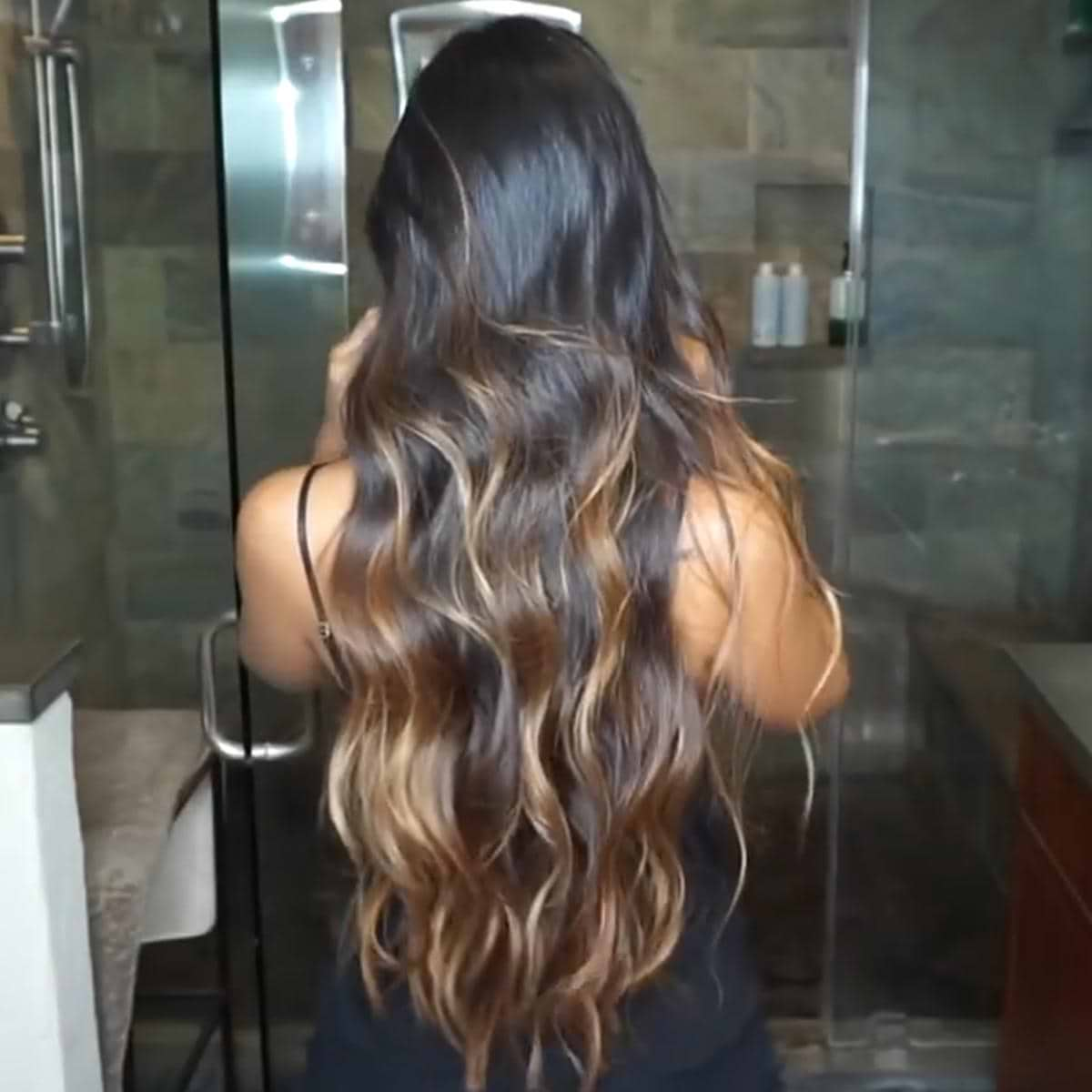
The transition here is the point. The warm brown balayage starts higher than a typical mid-length application, beginning just past the ears and building gradually toward the ends. Long layers cut through the thickness so the color has room to move, and the middle part shows the symmetry of the fade.
Thick, wavy hair at mid-back length is the canvas; the layers prevent the hair from feeling heavy while the balayage softens the line between black and brown. Ask your colorist for: mid-back length, black base, warm brown balayage transition. This is a technique that relies on the stylist feathering the color through the layers rather than painting solid sections. A heat protectant before styling preserves the tone, and a trim every ten weeks keeps the layers from losing their shape.
Mid-Back Dark Brown With Caramel Balayage Side Part, Wavy
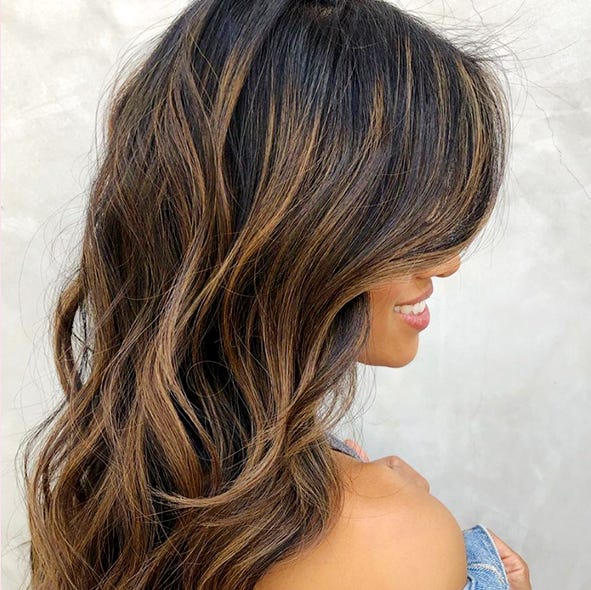
How do you ask for balayage that looks like caramel melting into dark chocolate? Start with the side part. The side-swept bangs catch the caramel pieces first, so the light hits the highlights before the rest of the hair. The dark brown base is close to black but softer, which keeps the caramel warm without turning brassy.
Thick, wavy hair at mid-back length gives the color enough surface to show the dimension. The side part and side-swept bangs suit most face shapes because the asymmetry draws the eye across the jaw. Ask your colorist for: mid-back length, dark brown base, caramel balayage, side part, side swept bangs. A smoothing serum on the fringe controls flyaways. A toning appointment every six to eight weeks maintains the caramel’s warmth.
Final Thoughts
For a subtle blend, ask for dark brown or espresso tones. For more contrast, opt for caramel or ash blonde highlights, specifying placement from mid-lengths to ends.
- Toning: Plan for a toner refresh every 6-8 weeks to maintain the desired shade.
- Trims: Schedule trims every 8-12 weeks to keep layers and length defined.
- Washing: Use sulfate-free shampoos to preserve color vibrancy.
- Heat Styling: Apply a heat protectant before using hot tools.
Balayage on black hair is a versatile way to add depth and interest.