I keep seeing the same thing in the salon chair next to mine: locs getting a winter reset, not a dramatic chop, but a shape that suddenly looks intentional. The season shifts how hair behaves, and this year the loc styles coming through are less about fuss and more about structure. I have opinions, obviously.
This roundup covers 23 Winter Loc Styles, from the five-minute updo to the three-hour braided project. There is a style for every hair density and texture, and for every level of patience, from the woman who wants to sleep in and go to the one who treats her Sundays like a craft project. If you have fine locs, thick ones, or something in between, there is a winter look here that will not fight the weather.
I learned the hard way that a grow-out line at week five does not care about your plans, and fine hair goes flat by 4 pm no matter how much you beg it. So this list is honest about what holds and what collapses, what takes ten minutes and what takes a whole afternoon.
High Ponytail With Coily Blonde Locs
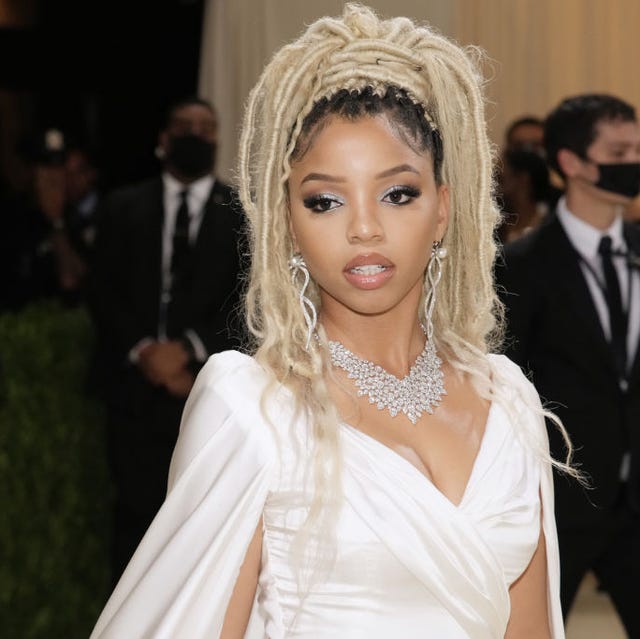
A high ponytail on blonde locs forces the eye upward, which flatters a round or square face by adding vertical length. The locs are cut to a single uniform length, no layers, and the coily texture keeps the ponytail full and springy even in dry winter air. There are no bangs here, the middle part pulls everything clean off the forehead. The mid-back length hits below the shoulder blades, so the ponytail has weight but doesn’t feel heavy. This blonde locs ponytail works best for those with a strong jawline because it adds height without widening the face. If your face is narrow, the elongation will exaggerate length, so skip it. The blunt cut at the ends of the locs gives a precise shape, and the uniform no-layers approach makes the ponytail a single, dense column that draws the eye straight up.
Intricate Braided Crown Dreadlocks
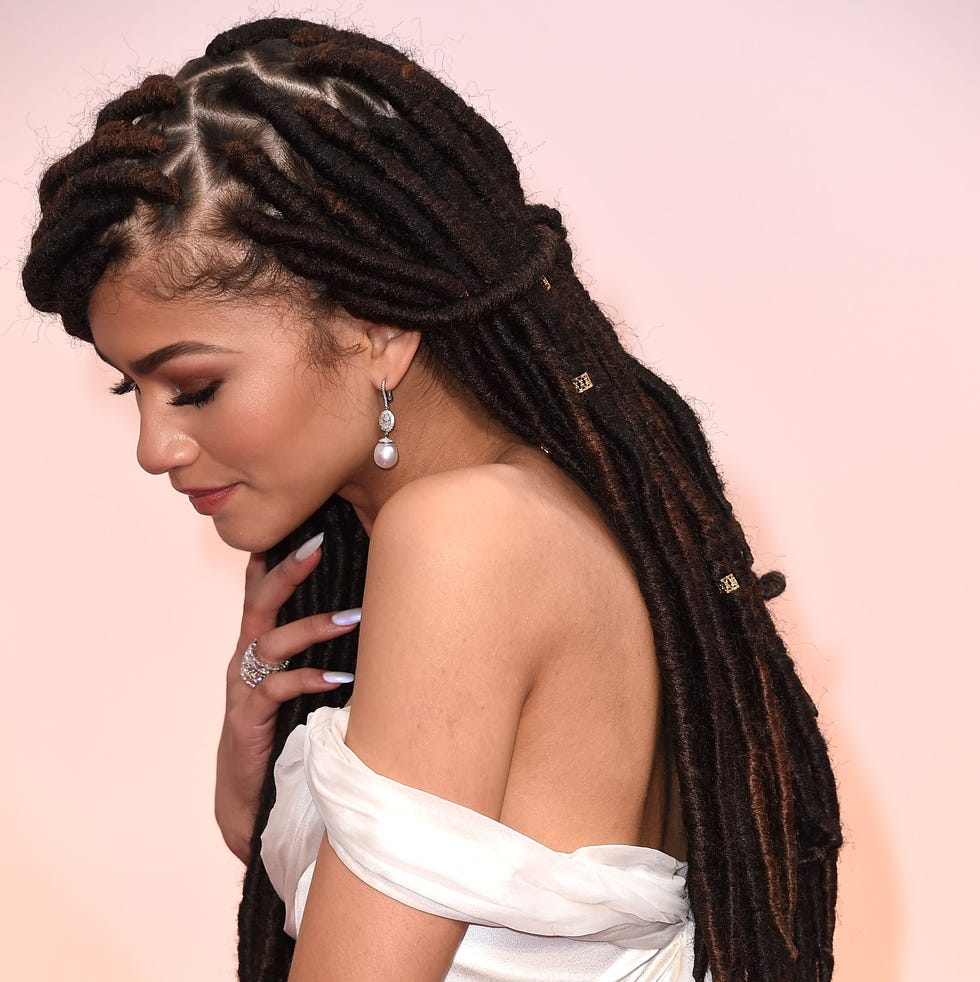
I admit I did not think this braided crown would stay put through a full work week. The long braided dreadlocks hit past mid-back, and the thick coily texture grips each twist so the whole structure stays secure. No bangs here, just a detailed parting at the crown that feeds into an intricate weave. The cut is uniform, no layers, each loc the same thickness from root to tip, which makes the braid lie flat against the scalp.
Here is what to ask the stylist for: a tight base braid that starts at the hairline and weaves into the crown, with beads secured so they don’t slide. Upkeep means retwisting the edges every two weeks to keep the parting sharp. The braid itself holds for four days if you sleep with a satin scarf. The length means the crown sits well without pulling at the scalp, and the thick texture hides any minor frizz that shows up mid-week.
Effortless Loose Black Locs
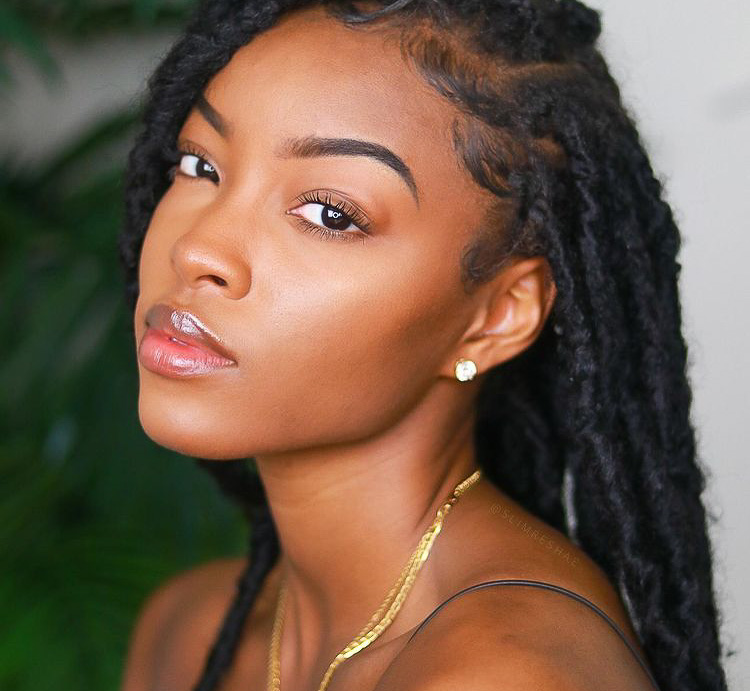
A middle part, black locs falling loose, soft light catching each twist. The cut is uniform, no layers, each loc a consistent thickness from root to tip. The length hits just below the collarbone, giving the hair enough weight to hang straight without bouncing. There are no bangs, the front locs frame the face naturally as they fall. The defined texture shows in every strand, compact coils that catch the light without shine. In winter, this natural loose locs look reads as intentional, a pause from elaborate styles. The middle part opens the face, and the even cut means no stray pieces to adjust. It’s the whole point of winter: let the hair rest.
Textured Butterfly Locs Ponytail
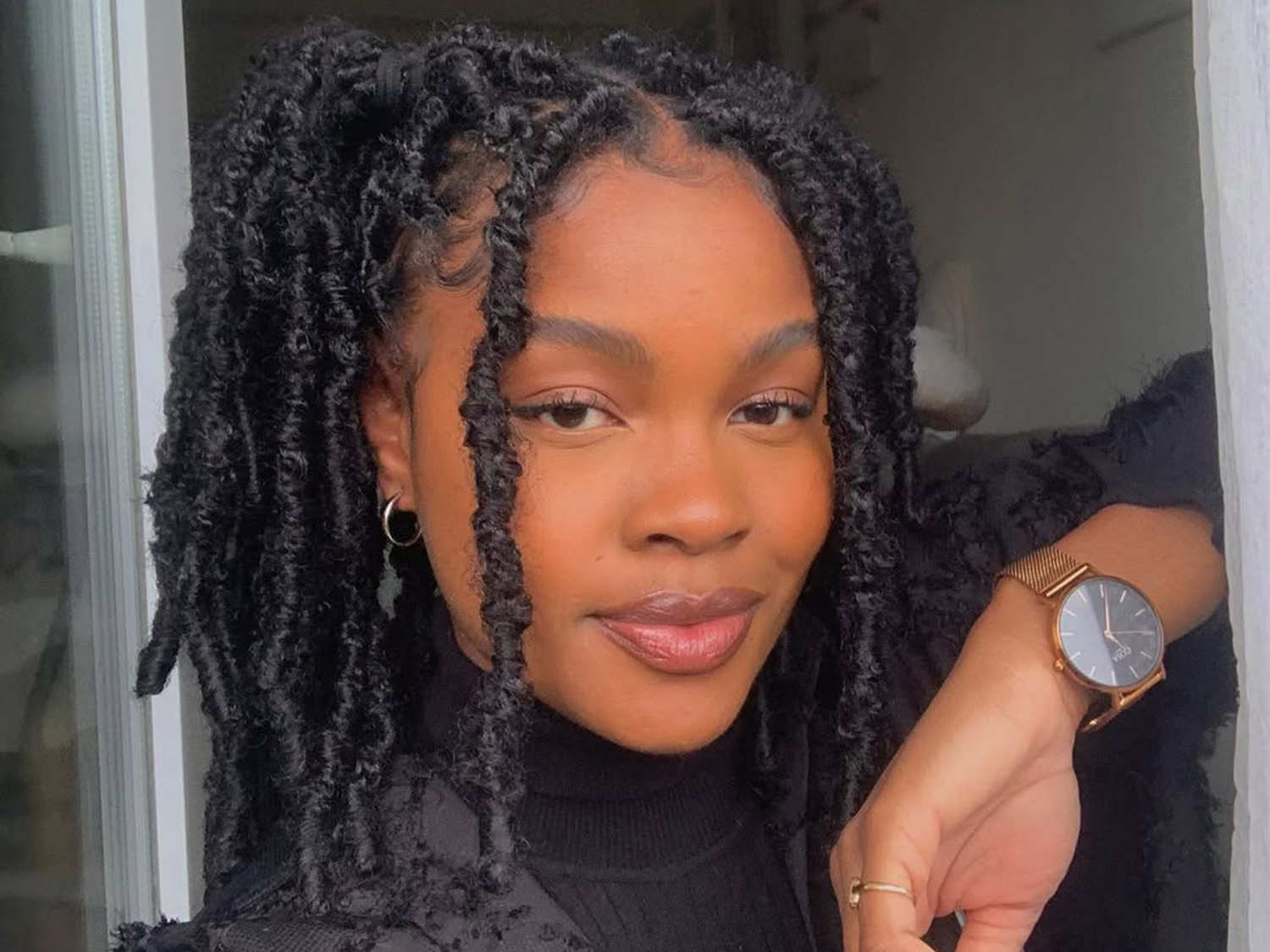
I saw the wavy bulk of that high ponytail and honestly, I got it immediately. The butterfly locs ponytail gives you shoulder-length volume without the weight, the middle part keeps your scalp visible so the whole thing doesn’t read as a helmet. The texture is the point: roughed up, wavy, almost fluffy between the sections. This is a salon job, the wrapping technique is too fussy to fake at home, and the smooth base line of gel around your hairline is what sells it. My honest caution: that texture will frizz in damp winter air, so book it for an indoor event, not a day of errands.
Braided Crown Updo
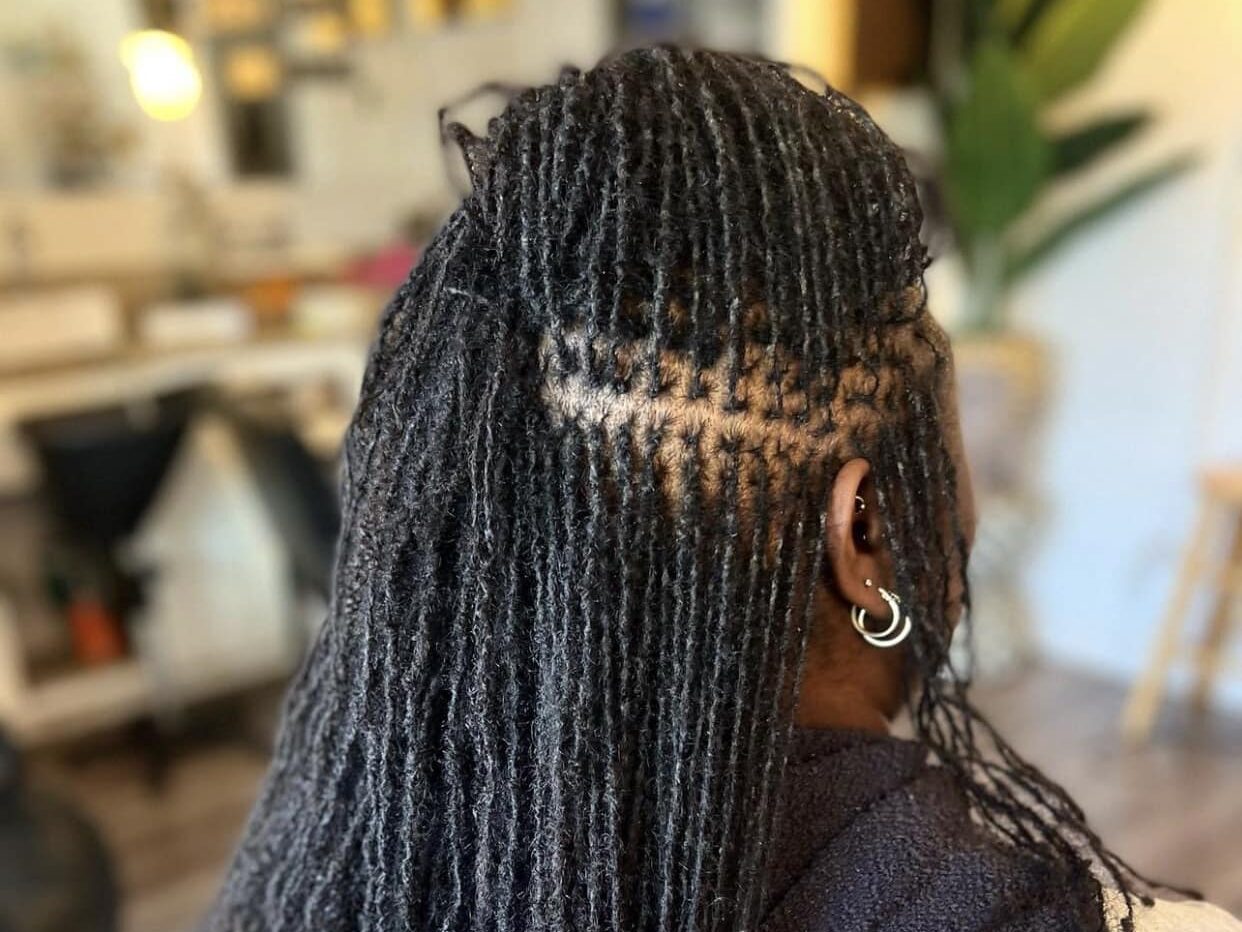
A single braid wrapped around your head reads elegant. This locs updo takes that idea and multiplies it, layering several braided patterns at the crown so the eye moves instead of resting. The locs fall long, mid-back and dense, and that natural texture is what keeps the style from looking stiff. Compared to a simple pinned bun, this holds better under a hat and still looks deliberate when the hat comes off.
Upkeep is real. The braiding needs to be tight enough to stay put for a week, but not so tight that your edges protest. A satin scarf at night preserves the shape, and a light moisturizer keeps the exposed locs from drying out in heated rooms. It is the protective style you choose when you want to feel dressed, not just contained.
Rainbow Tipped Locs
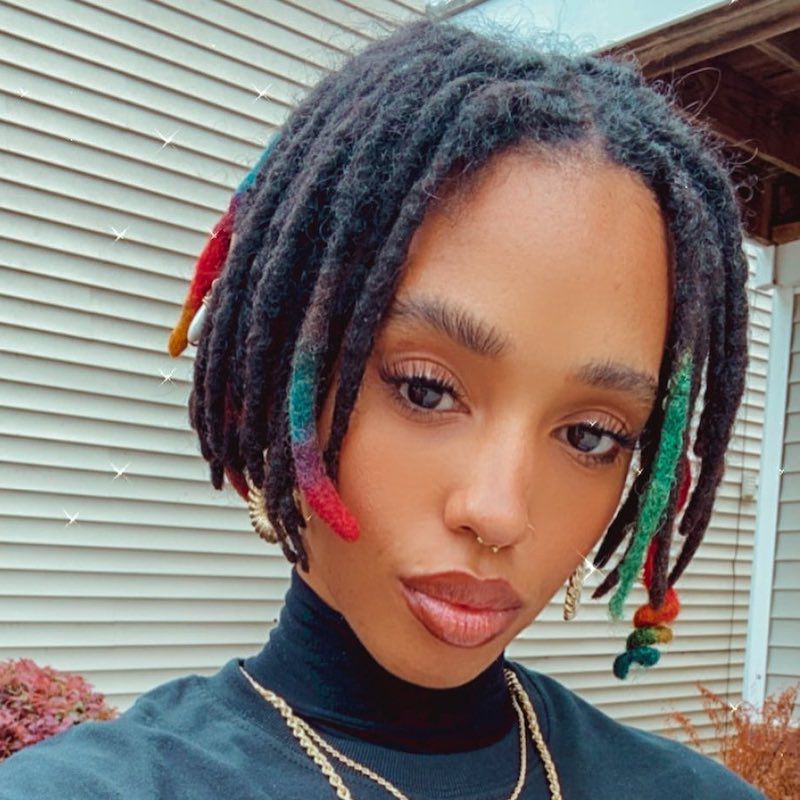
Who says winter has to be all charcoal and camel? Rainbow tipped locs are chin-length and loose, with coily strands framing your face and the color hitting only the last few inches. Against a muted, gray backdrop, that pop at the ends is the whole outfit. The middle part keeps it clean, the random interlocking coils keep it from feeling costume-y. The color is a salon application, no way around it, and the vibrancy does fade, but the rainbow sits at the ends, so grow-out is just a trim away. It is the least serious style on this list, and that is exactly why I like it for short dark days.
Ponytail With Geometric Braids
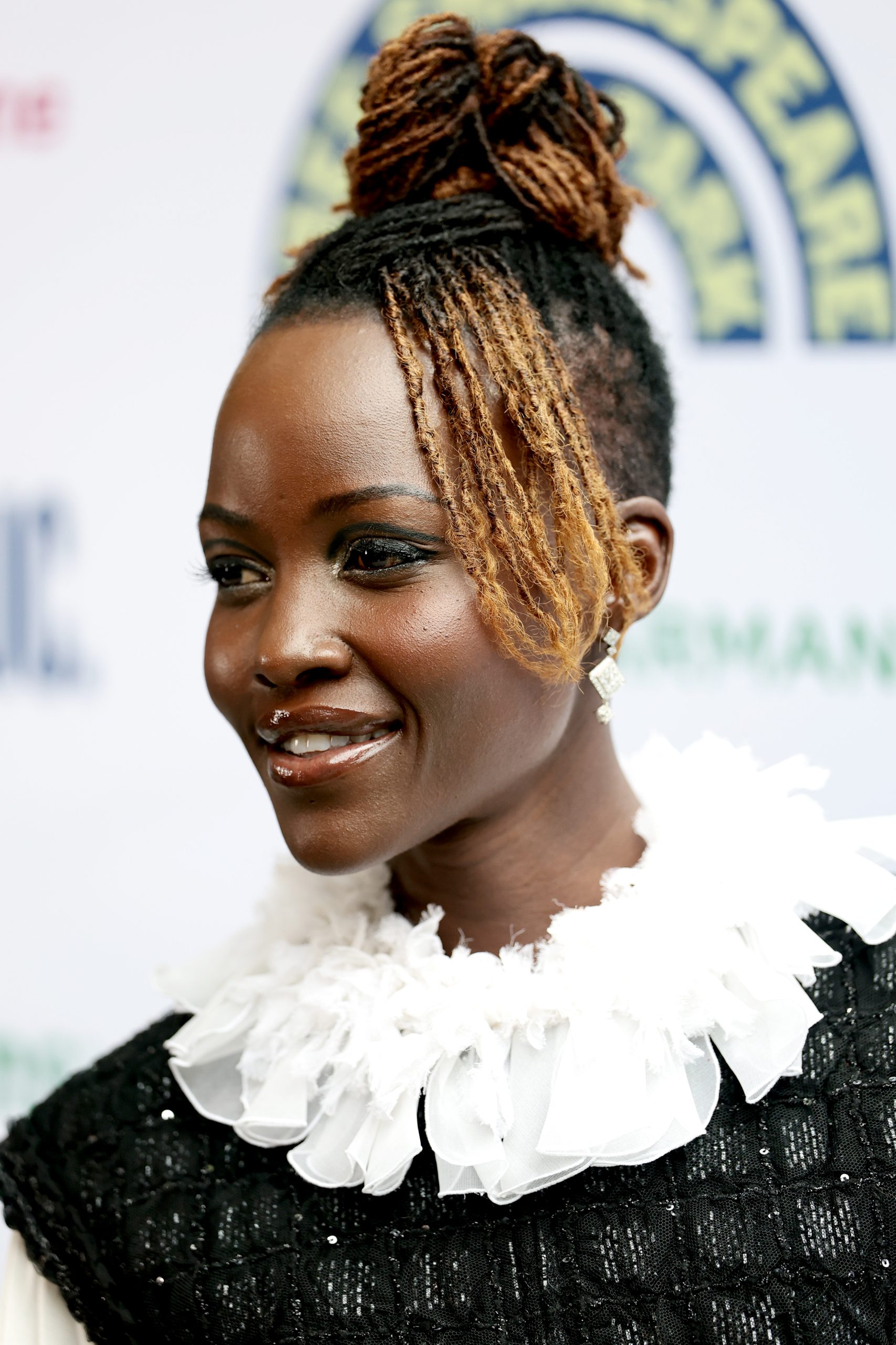
My verdict: this locs ponytail braids pattern is for finer locs and anyone who wants detail without weight. The geometric sections add a structural element that reads clearly from across a room, and the blonde tips give the curly texture a point of contrast, though that brightness will need a toner to stay icy. It is a side part with side-swept bangs, which widens a round face and softens the sharp lines of the braiding. The braiding is intricate enough that I would not try it at home. If your locs are thick and heavy, the pattern gets lost; this is a style that needs visible negative space to work.
Dramatic Braided Loc Bun
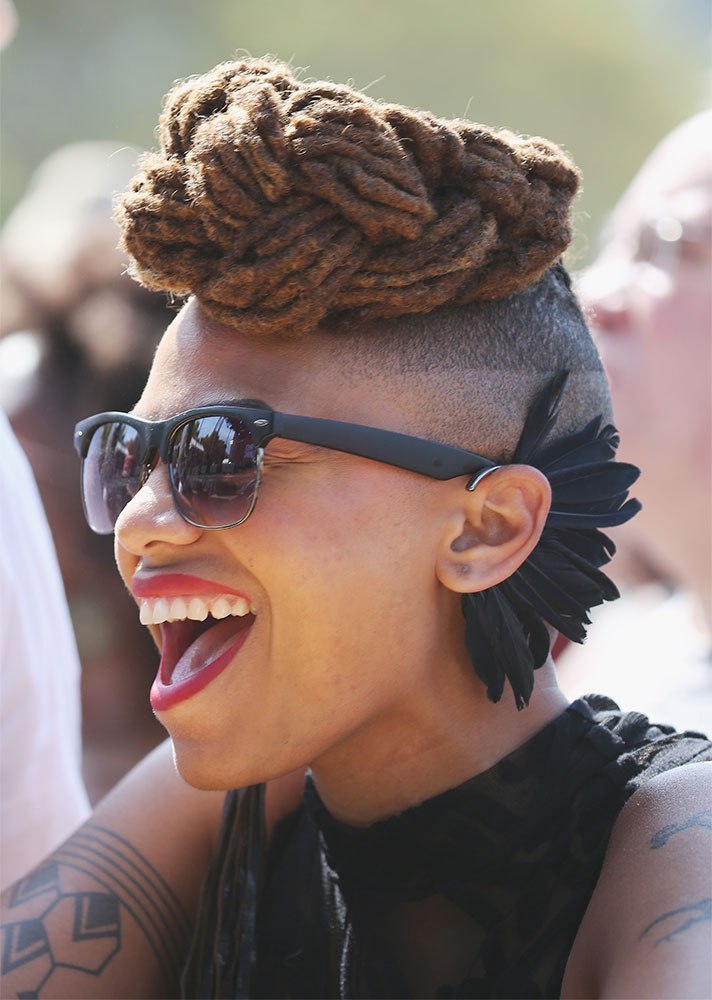
She turned her head and the bun came into view, large and dark, braided all the way up. The braided loc bun is drama with a practical core: it keeps every strand off your neck and collar, which matters when you are layering a coat and scarf. The middle part shorts the face, the brown tone keeps it wearable, and the shaved sides underneath are what make the bun feel intentional rather than severe. The honest downside is the weight. A bun this substantial will pull at your scalp by hour four, and the intricate braiding is not a bathroom-mirror job. Book a salon chair, then plan a night where you mostly sit down.
Wavy Locs With Blonde Streaks
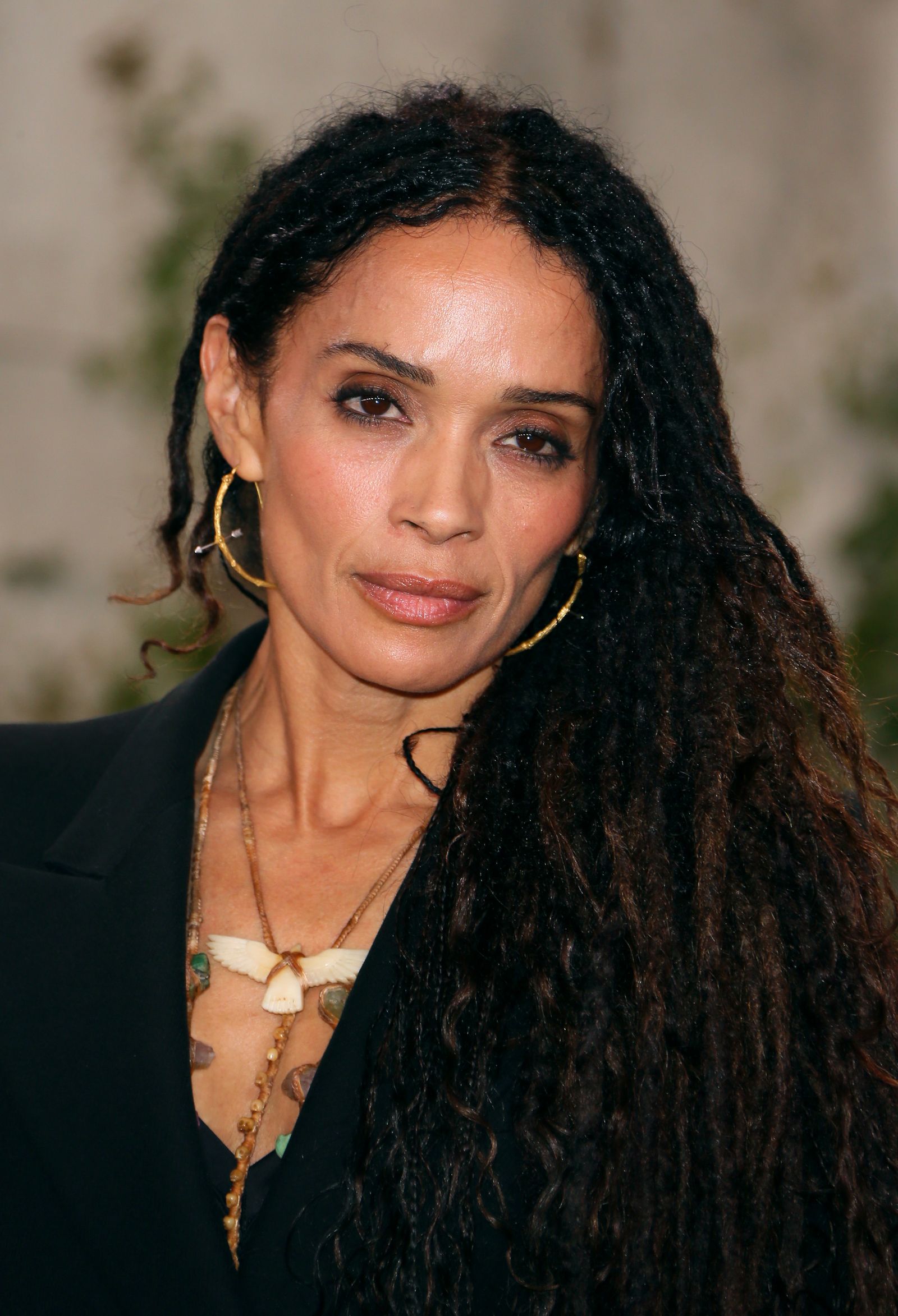
The blonde sits against that black base like winter sun through a bare tree. The wavy texture breaks up what could be a solid dark block, and at mid-back length, those highlights catch light from every angle. The cut keeps the locs even all around, no layers, no bangs, just uniform wave. What lands is dimensional in a way flat black never reads. Keep the ends trimmed every ten to twelve weeks, or the blonde frays first.
Leave-in conditioner keeps the wave soft through dry air. Diffuse low or let it air-dry. Hot tools are optional, this is not a style that demands them. The middle part widens the whole look, which works if your face holds horizontal space well. Long wavy locs with that blonde streak read expensive. They just take regular trims to stay that way.
Air-Dried Coily Shoulder Locs
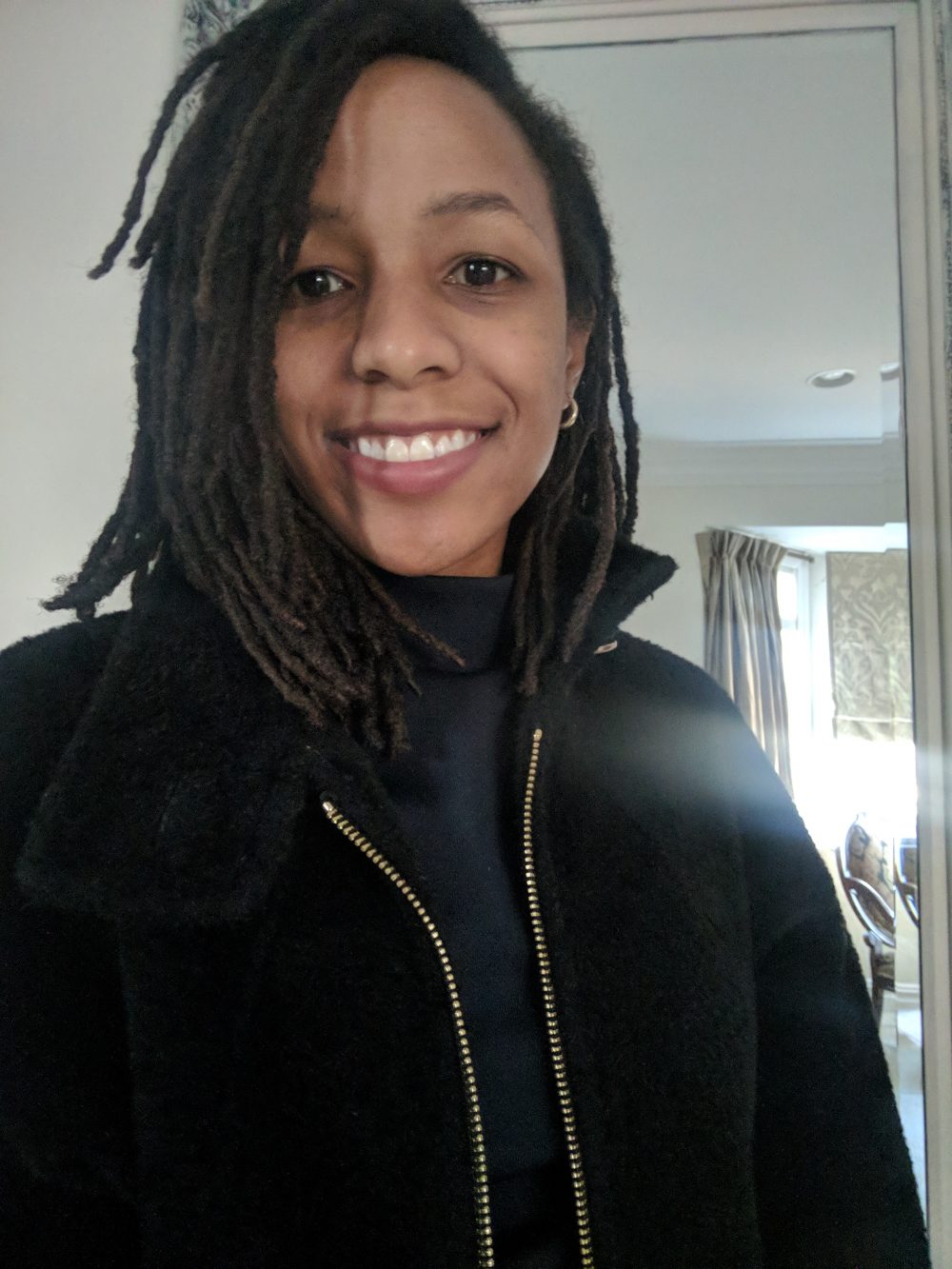
What happens when you wash your locs and just walk away? They coil up to shoulder length, tighter at the ends, loose near the root. The cut is blunt across the back, no layers, no bangs, and the side part breaks the symmetry. Coily locs shoulder length land at that sweet spot between short and heavy. They sit just above the collar, which means they stay dry under a winter coat. Air-drying in low humidity is the whole point: no diffuser, no time spent. A little leave-in conditioner, then let winter do the rest. The texture shrinks by maybe an inch, but that is the look, not a flaw. Retwist every six to eight weeks to keep the root neat, or let it soften into a looser coil if that is your winter pace.
Faux Locs With Copper Highlights
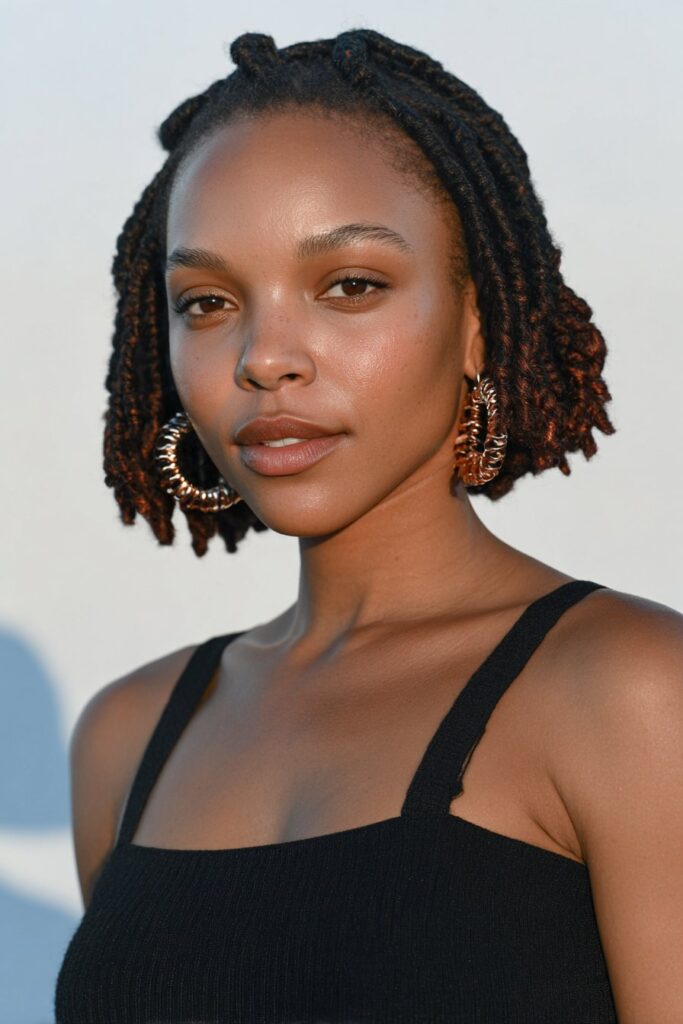
This one is a salon job, full stop. The copper highlights wrap around each faux loc, not a single streak but a spiral, and at chin length the whole head reads like warm jewelry against winter’s gray light. The cut is uniform, no layers, no bangs, the middle part pulls the eye to the crown. Faux locs copper colour means the warmth sits on top of the black, so the tone stays visible even under a beanie. The installation takes hours, and the colour is pre-wrapped, not dyed after. That is why it holds without bleeding into the black. Avoid harsh brushing, the texture is synthetic and it snags. The copper softens the overall look, stops the short length from reading severe. It is a lot of chair time for a close crop. Worth it if winter gray depresses you.
Braided Accent Ponytail
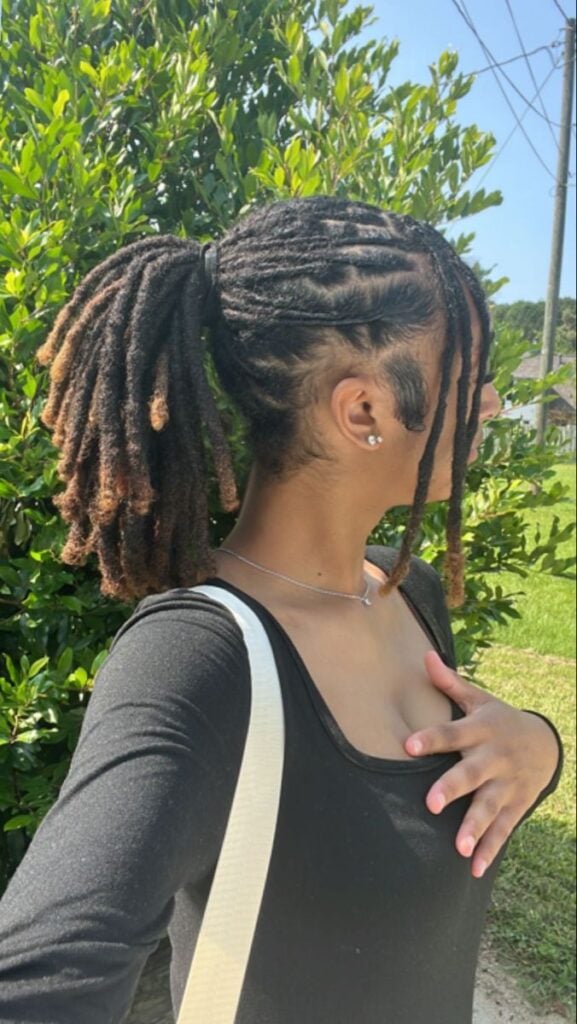
The photo shows the back, and that is the whole point. A high ponytail at shoulder length, the locs pulled smooth, and then three thin braids wrap around the base and trail down into the tail. The cut is uniform, no layers, no bangs, the base colour is black with subtle brown highlights that catch where the light hits. Locs braided ponytail styles like this one add polish without moving your whole head into complicated territory. The braids read as detail, not weight. The ponytail stays clean because the loc texture holds the shape without extra pins. This is one where you want a salon for the braid placement, they need to sit evenly around the curve of the head. The winter weather does not touch it, everything is pulled up and off the coat collar.
Wavy Shoulder Locs With Side Part
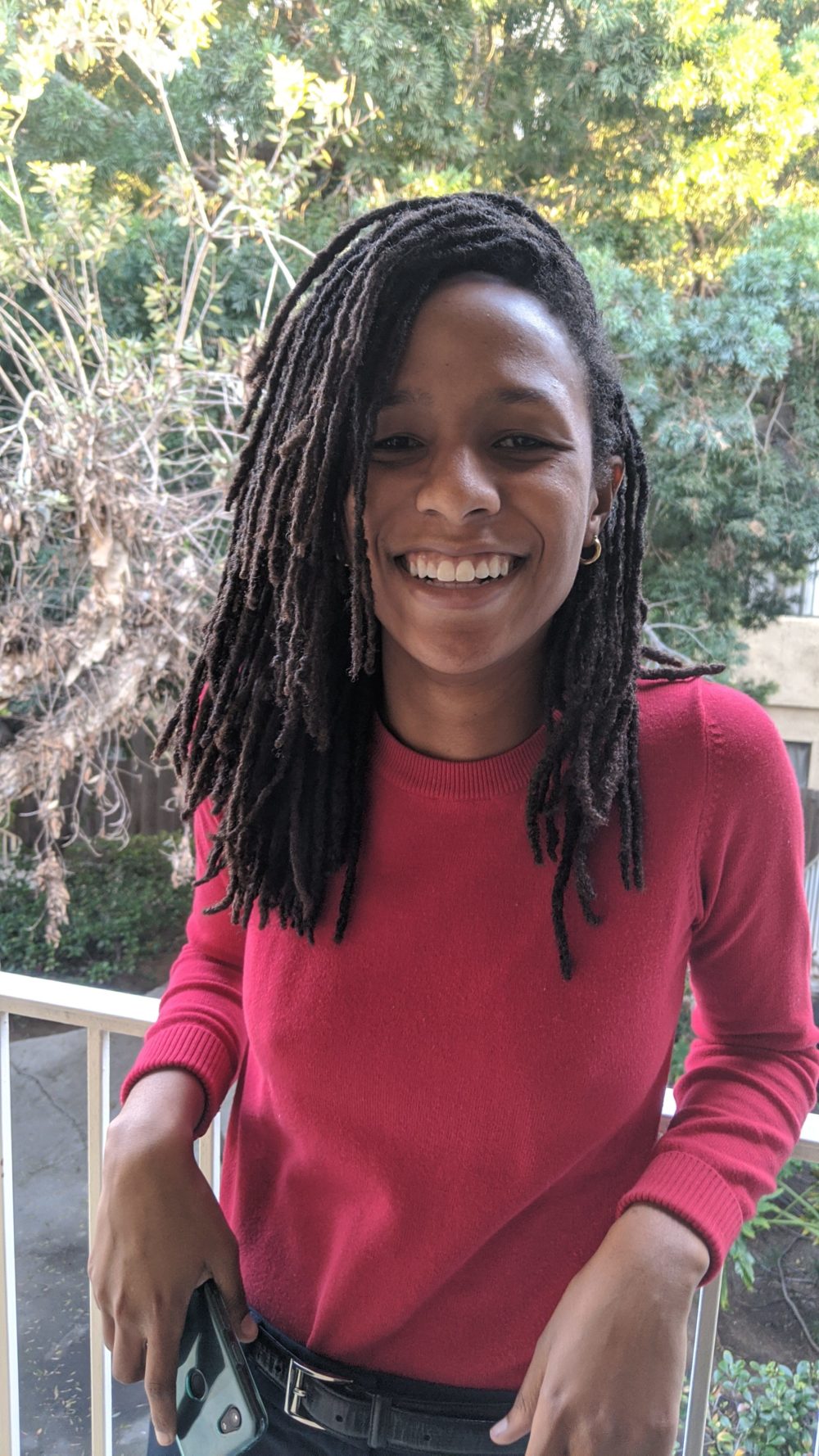
A side part changes everything on wavy locs shoulder length. It widens a narrow face and adds asymmetry to a round one. The waves here are natural and relaxed, no curling iron needed. No layers built into the cut, just the locs stacking softly at the collarbone. No bangs either, which keeps the part clean and the forehead open. Texture does the work, pulling volume to one side and letting the rest fall straight. A middle part would flatten the top. This one keeps lift where you need it.
Micro Locs With Colorful Headwrap
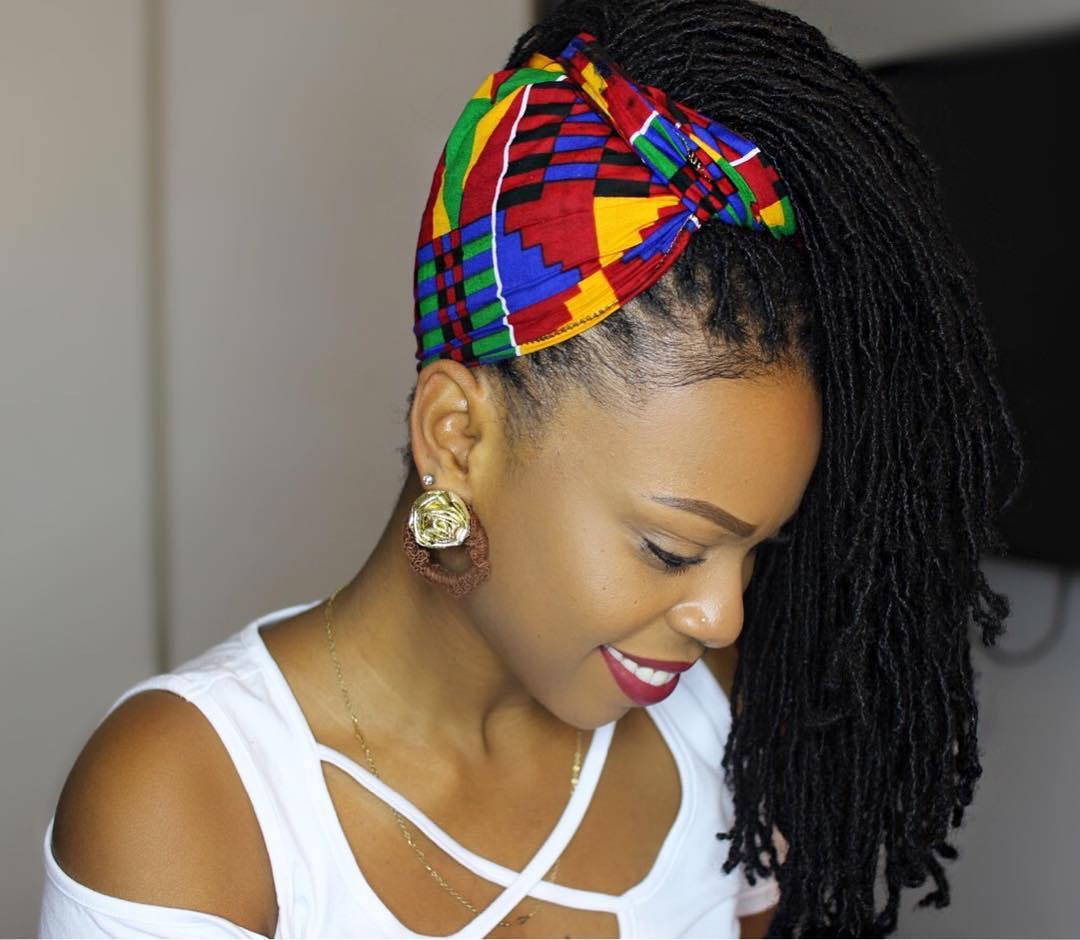
Can a headwrap do the heavy lifting for a micro locs ponytail? Yes, and it buys you an extra day between washes. Micro locs are thin and light, so a high ponytail holds without pulling at the roots. No layers in the cut, every loc the same diameter from root to tip. No bangs, the wrap covers the hairline anyway. The ponytail takes five minutes to gather and secure. The headwrap is the skill part, a few practice tries before it sits flat and stays put. Salon install for the micro locs, DIY for the styling.
Book the micro locs at a salon. The parting has to be precise and the size consistent. Do the wrap yourself once the locs are in. It is a protective style that actually protects: the locs are tucked away, no friction from scarves or coat collars. A middle part under the wrap balances the visual weight. The ponytail falls long past the shoulders.
Fine Brown Locs In Winter
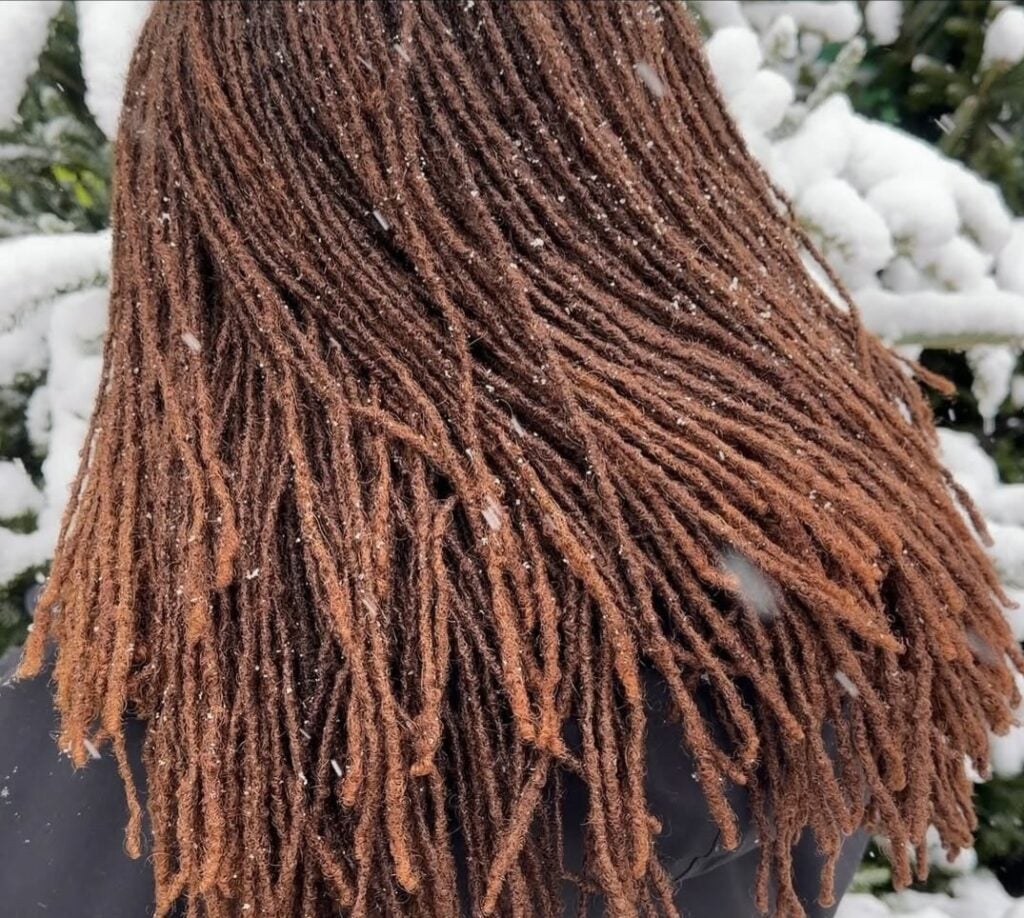
I did not expect to like fine brown locs in snow, but here we are. The delicate texture catches flakes without getting heavy or wet-looking. The cut is simple locs with no layers, collarbone length, a middle part. No bangs, just clean sections falling straight. Fine locs do not trap moisture the way thick ones do; a shake and they are dry again. The downside is that they compress under a hat fast and look flat when the hat comes off. A light fluff with the fingers brings them back. The middle part widens a narrow face.
Flowing Thick Coily Dreadlocks
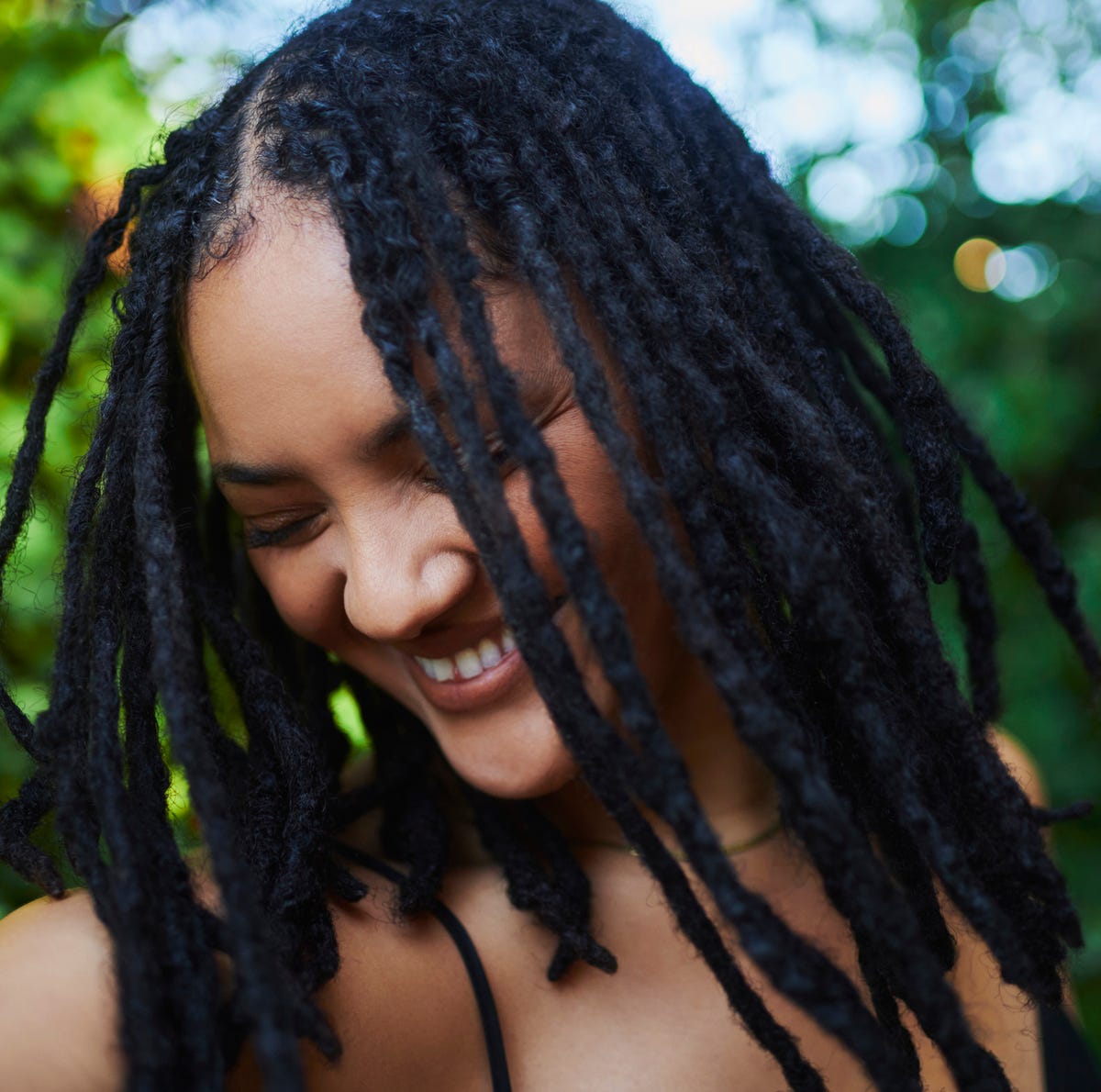
Pull these locs back into a low ponytail on day four and they still look intentional. The weight keeps them from frizzing against a scarf. The sheer number of locs means drying time is long, air dry over diffuse. A wide-tooth comb at the ends only, never at the root.
Pigtail Butterfly Locs
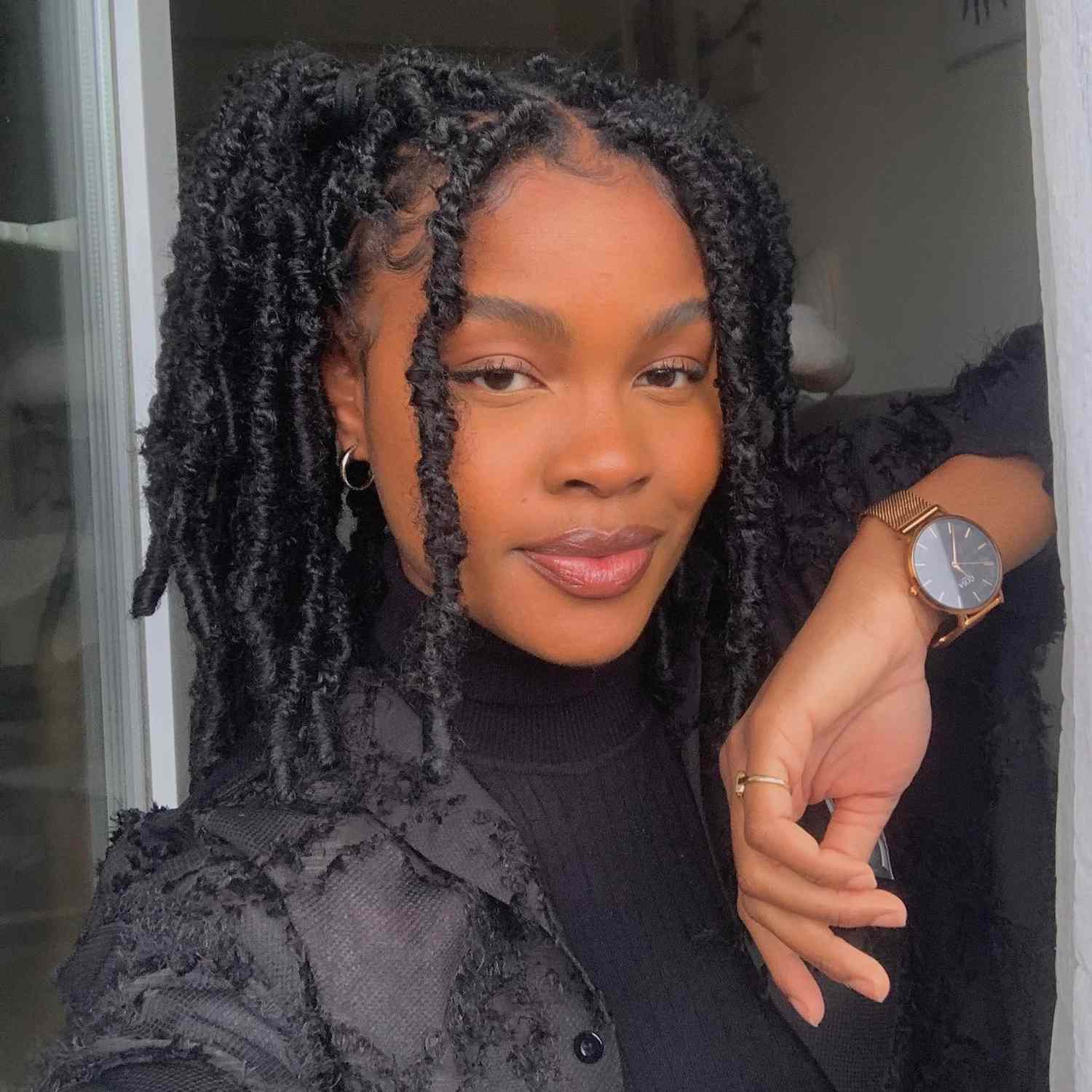
Butterfly locs pigtails beat a single ponytail every time if you want movement. One ponytail sits heavy and swings as a block. Pigtails separate the fall into two columns that bounce independently. The cut is butterfly locs to shoulder length, wavy texture, middle part. No layers, the wavy profile gives the dimension. No bangs, the part stays clean. Pigtails balance a long face by adding width at the temples. They also keep the locs off coat zippers and scarf edges, less friction than a single ponytail that rests against the spine. A single ponytail wins for efficiency. Pigtails win for how the locs actually move.
Intricate Loc Updo With Braids
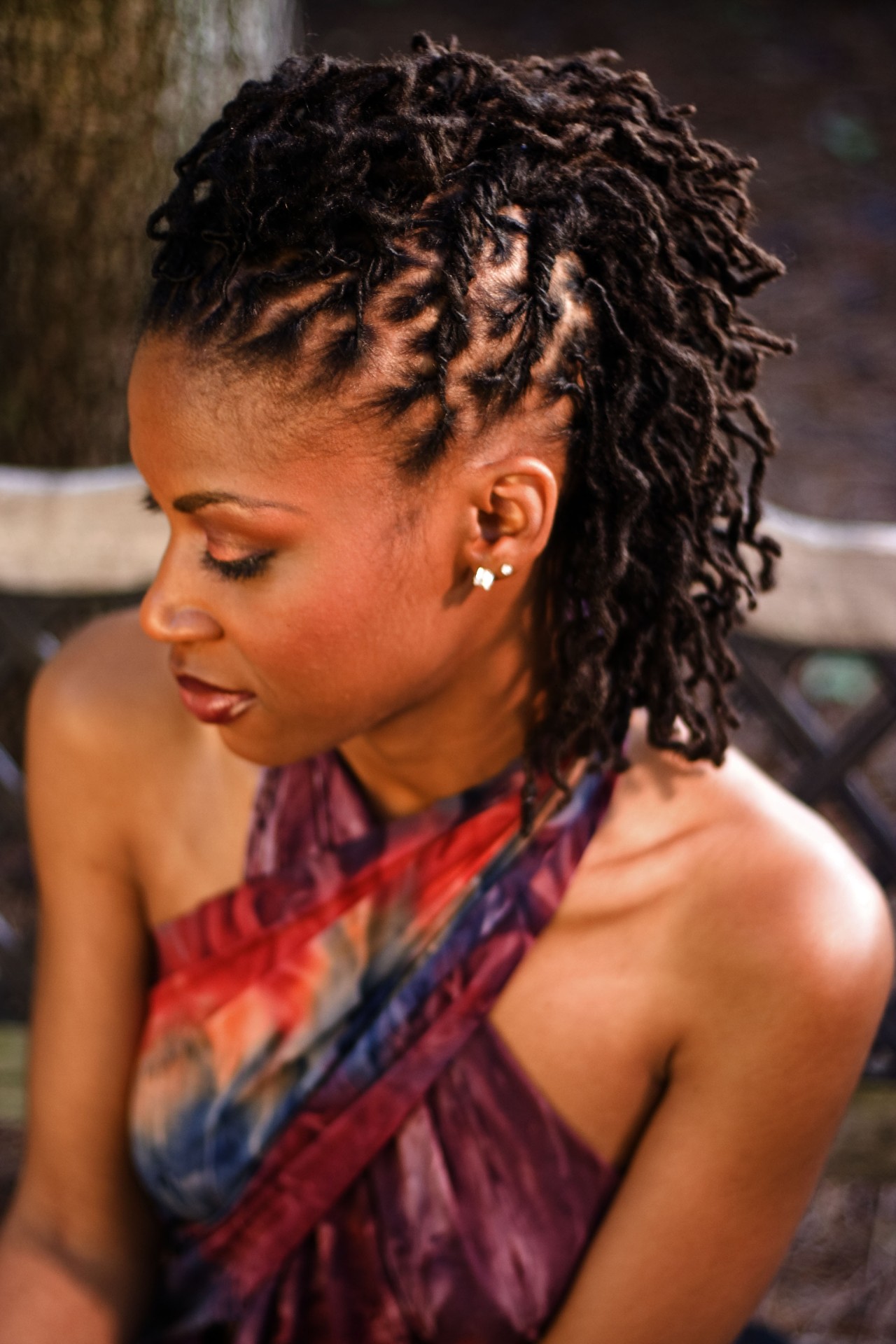
This updo is a full geometry lesson. The locs are wrapped into a compact shape at the crown, then braided sections weave across the surface like a basket. No layers, no bangs, just a clean middle part and shoulder-length locs pulled into a tight, deliberate form. The cut is uniform, which is what makes the braiding pattern pop. It is not a quick style. It takes patience and a stylist who understands tension. The downside? That tight weave pulls at the roots by hour six. A satin scarf at night is non-negotiable.
Coily Locs Peeking From Beanie
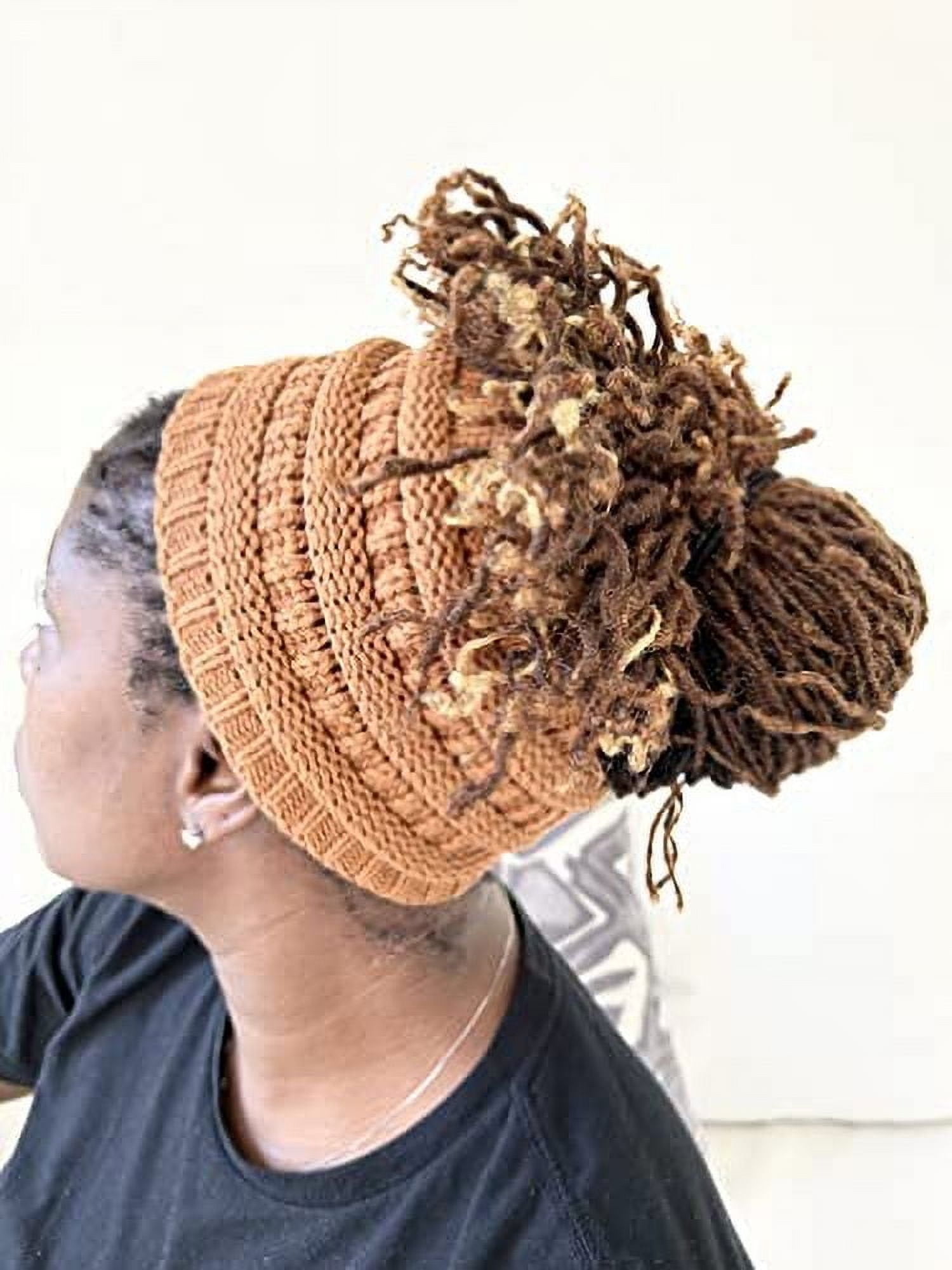
What I notice first is the volume at the crown, that coily texture pushing out from under a beanie like it refuses to be contained. The locs are long, brown with blonde highlights that catch the light where they spill forward. No bangs, no layers, just a middle part that disappears under the hat. The cut is straightforward. The beanie does the heavy lifting. But here is the wear reality: if you put wet locs under a beanie, you wake up to flat, matted roots. Dry them fully first. Then tuck, pull a few front locs out for softness, and let the hat hold everything in place for the day.
Locs With Braided Sides
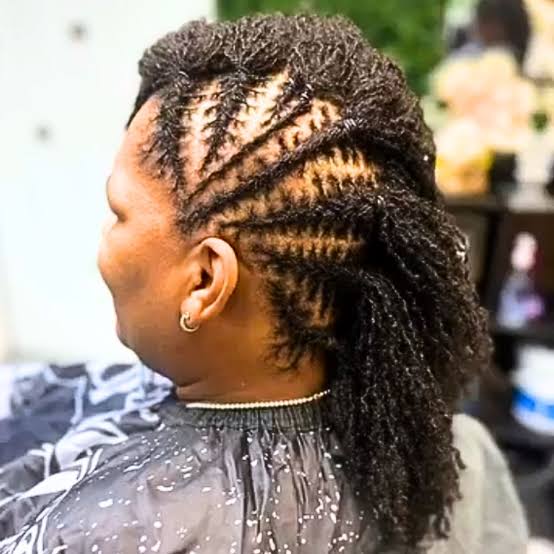
Have you ever seen a style that looks like two different textures had a conversation? The sides are braided tight against the scalp, cornrow-style, while the rest of the locs fall loose and wavy past the shoulders. No bangs, no layers, just a middle part that splits the braided sections cleanly. The cut is uniform, shoulder-length, black. The braiding is what makes it work. It pulls the hair off the face without losing the softness of the loose locs. A stylist will map those braids first. The result is a winter style that reads as deliberate, not thrown together.
Sculptural High Loc Bun
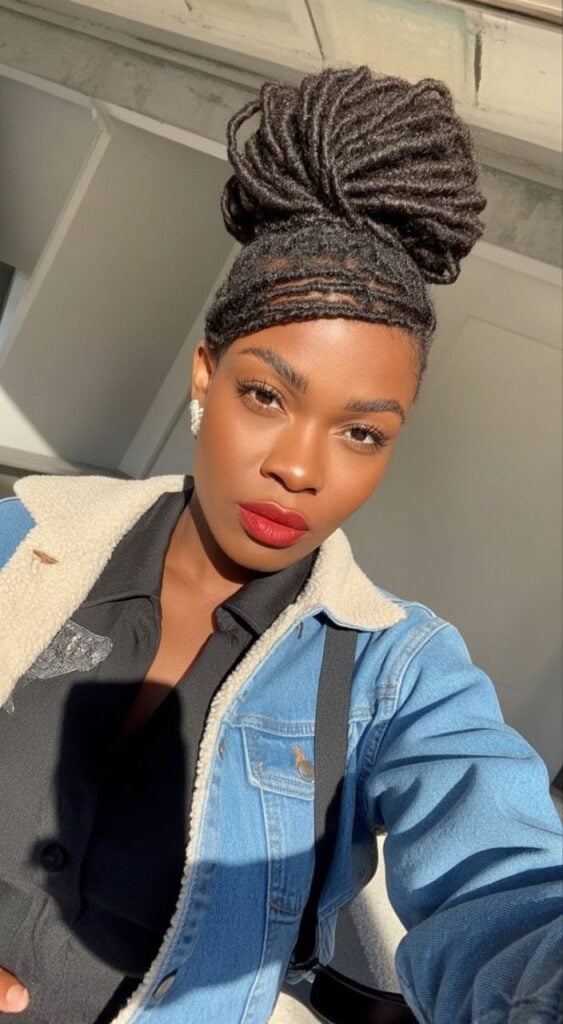
This is the one that makes you look like you planned your whole day. The high loc bun sits at the crown, built from locs twisted into a clean, rounded shape with no loose ends. The cut keeps everything even at shoulder length, no layers, no bangs, just a smooth middle part that lets the texture of each loc show. It flatters anyone with a longer face or a strong jawline, the height balances the proportions. My fine locs would need a stylist to get this neat, the sculpting is not a bathroom-mirror job. A high loc bun suits winter because it stays out of coat collars and keeps its shape under a hat.
Mid-Back Loose Wavy Locs
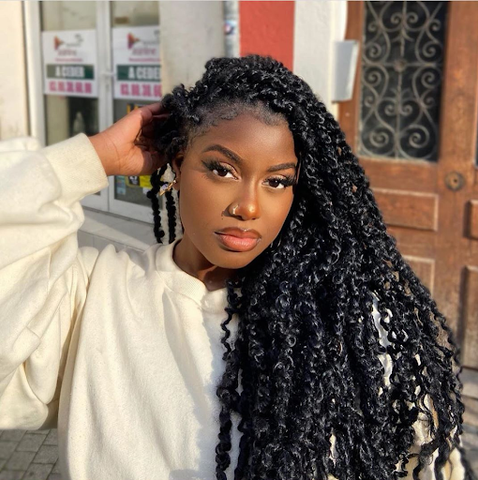
You see long loose locs and think air-dry and go. I thought that too. Then I tried it. The mistake is assuming this length requires zero effort, it does not. At mid-back with a middle part and no bangs, the weight pulls the waves straight by midday unless you refresh the texture. A salon install is the way to go for even sizing and a consistent wave pattern, DIY locs at this length tend to thin unevenly near the ends. The honest downside is upkeep, you are retwisting every four to six weeks and trimming split ends every ten to twelve. Skip this if you want a set-it-and-forget-it style, the loose look needs attention to stay loose.
Partially Updo Locs
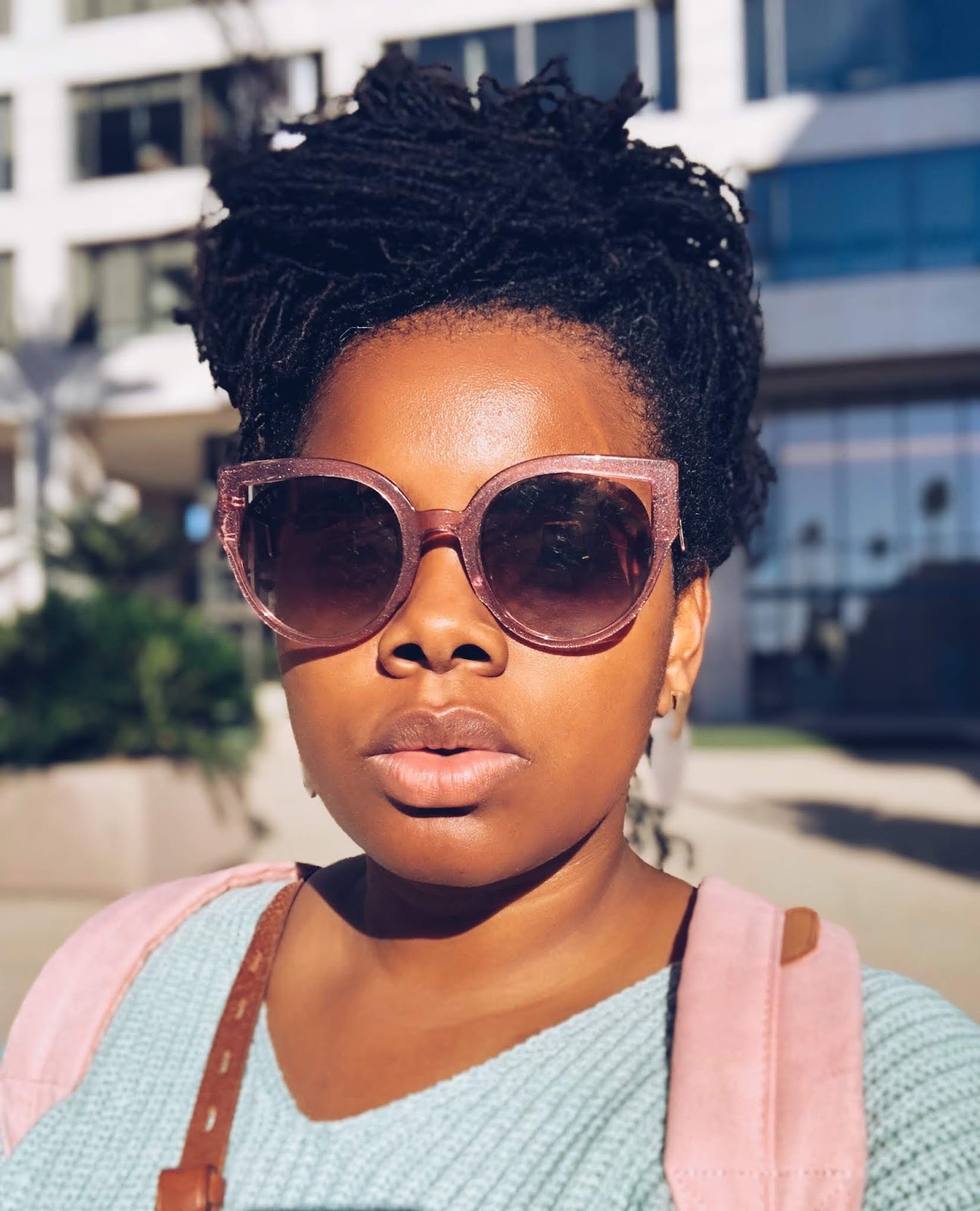
What makes a partially updo work for winter? These shoulder length locs updo keeps the bulk off your neck while leaving enough length to show off the locs’ natural volume. No layers, no bangs — just a clean middle part and the back pinned up. The slight volume at the crown keeps it from looking flat, and the neat styling means it survives a scarf or a coat collar without unraveling. It’s versatile enough for a workday or a casual weekend.
Final Thoughts
Writing all of these down, I realized the common thread is not the style itself, it is the confidence that comes from knowing your hair will behave. The high ponytail that stays put, the braided crown that does not slip, the coily locs that survive a hat, they all start with a shape that suits your texture and a routine you can actually keep. I was not planning to recommend a middle part, but after seeing how the fine brown locs held their volume, I might be a convert.
If I am honest, I am booking the braided crown updo next, because it is the only one that looks like I tried when I absolutely did not. Winter is long, your hair should not be.

