Cornrows are a versatile protective style that can be built from the scalp into any pattern, length, or finish you can ask for, and the 2027 versions lean into lived-in color and glossy natural texture over stiff, uniform looks.
This collection of 28 cornrow ideas runs from quick weekend rows to intricate geometric maps, so you can match the style to your texture, density, and how long you want it to last. Whether your hair is fine and falls flat or you are tired of the same straight-back routine, there is a version here that holds its shape and still lets your scalp breathe.
Cornrows Into Shoulder Length Braided Pigtails
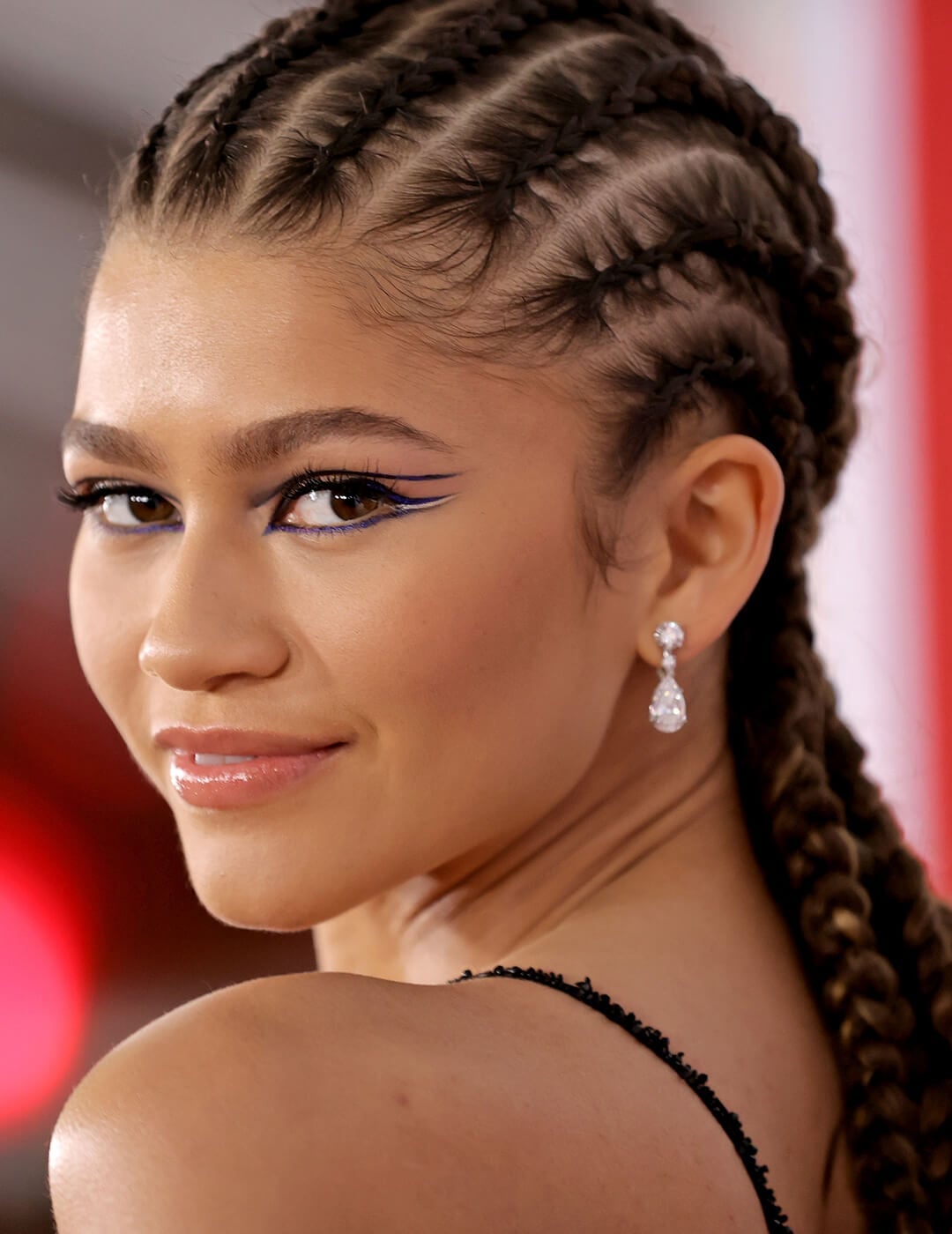
Side-parted cornrows that feed into two shoulder-length pigtails strike a balance between scalp detail and swingy length. The structure suits most face shapes, especially if you want the braids to frame your jaw rather than hang past your collarbones. Ask your stylist for: cornrows to shoulder length braided pigtails, side part. Keep the pigtails tied with satin scrunchies to minimize friction, and re-braid the ends as they soften over a week or two.
Swirling Cornrows With Pin Curls and Baby Hairs
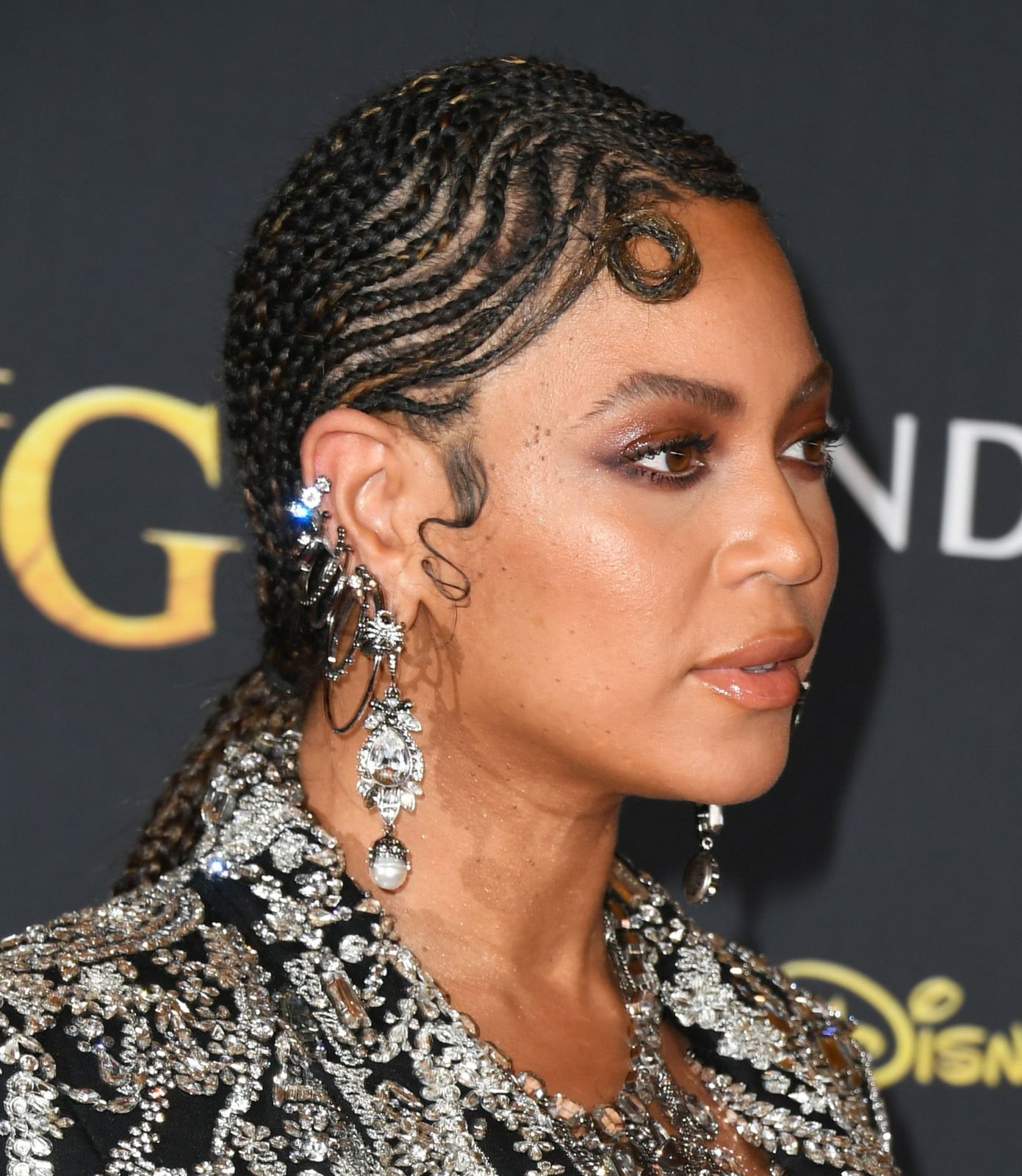
The design here starts with swirling cornrows that trace the hairline, then tucks small pin curls at the front and leaves soft baby hairs around the edges. Those with oval or heart-shaped faces get the most out of the framing, since the curls draw attention to the cheekbones and the swirl pattern adds visual weight at the temples.
Ask your stylist for: swirling cornrows with pin curls and baby hairs. A light-hold gel keeps the baby hairs sleek, and re-pinning the curls each morning refreshes the shape for about a week before the pattern loosens.
Cornrows Transitioning to Loose Wavy Curls
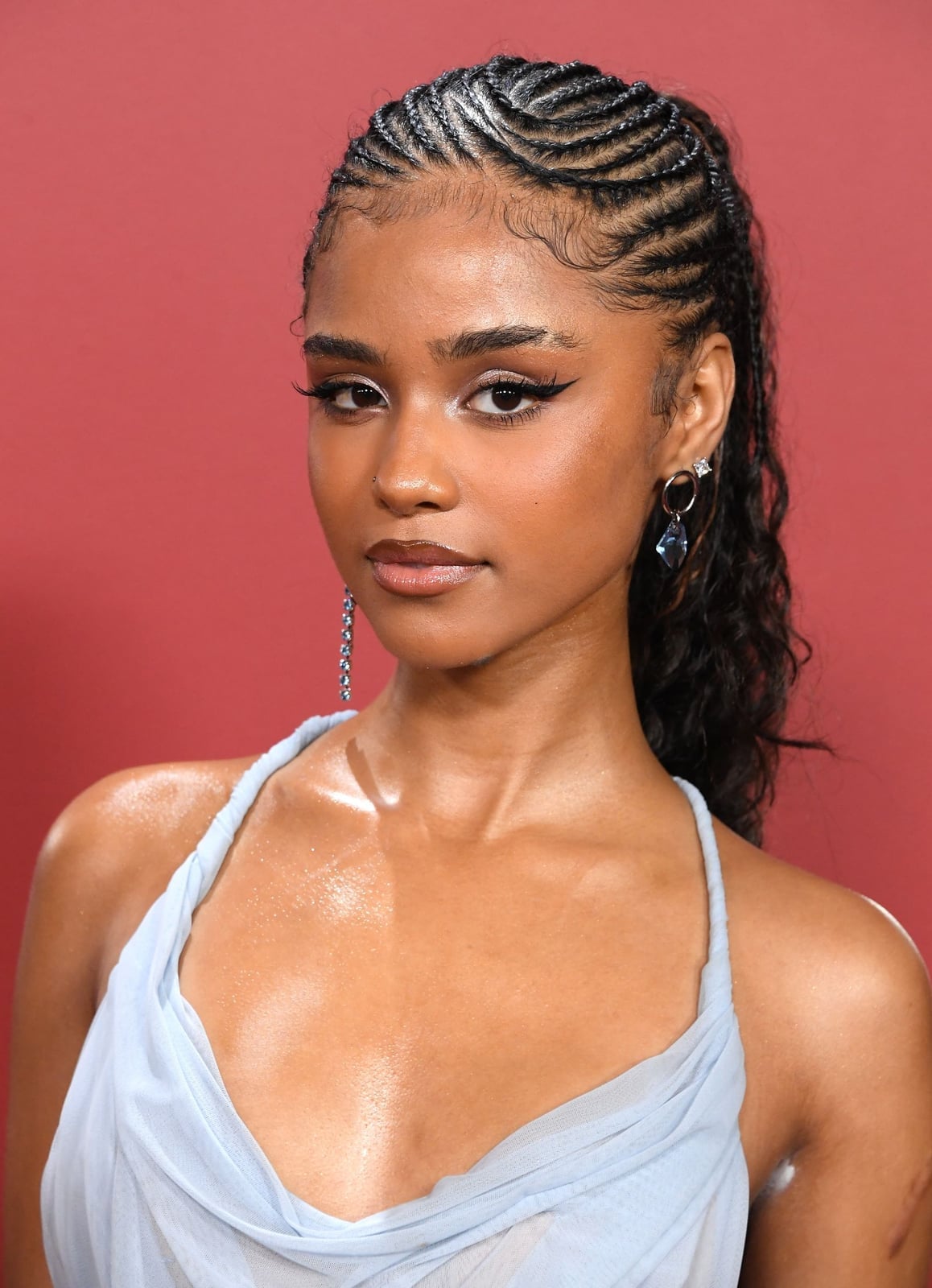
Where full braids keep a uniform texture, this version lets the cornrows dissolve into loose, wavy ends that move separately. The middle part and laid baby hairs give it a polished starting point, while the curls add volume without the weight of a full head of braids. It works for most face shapes because the length sits at mid-back and the wavy ends soften the line.
Ask your stylist for: cornrows with loose curly ends, middle part, laid baby hairs. A curl-defining cream on the wavy ends maintains the texture between washes, and trimming the loose ends every ten weeks prevents fraying where the braid stops.
Sleek Straight-Back Cornrows With Extensions
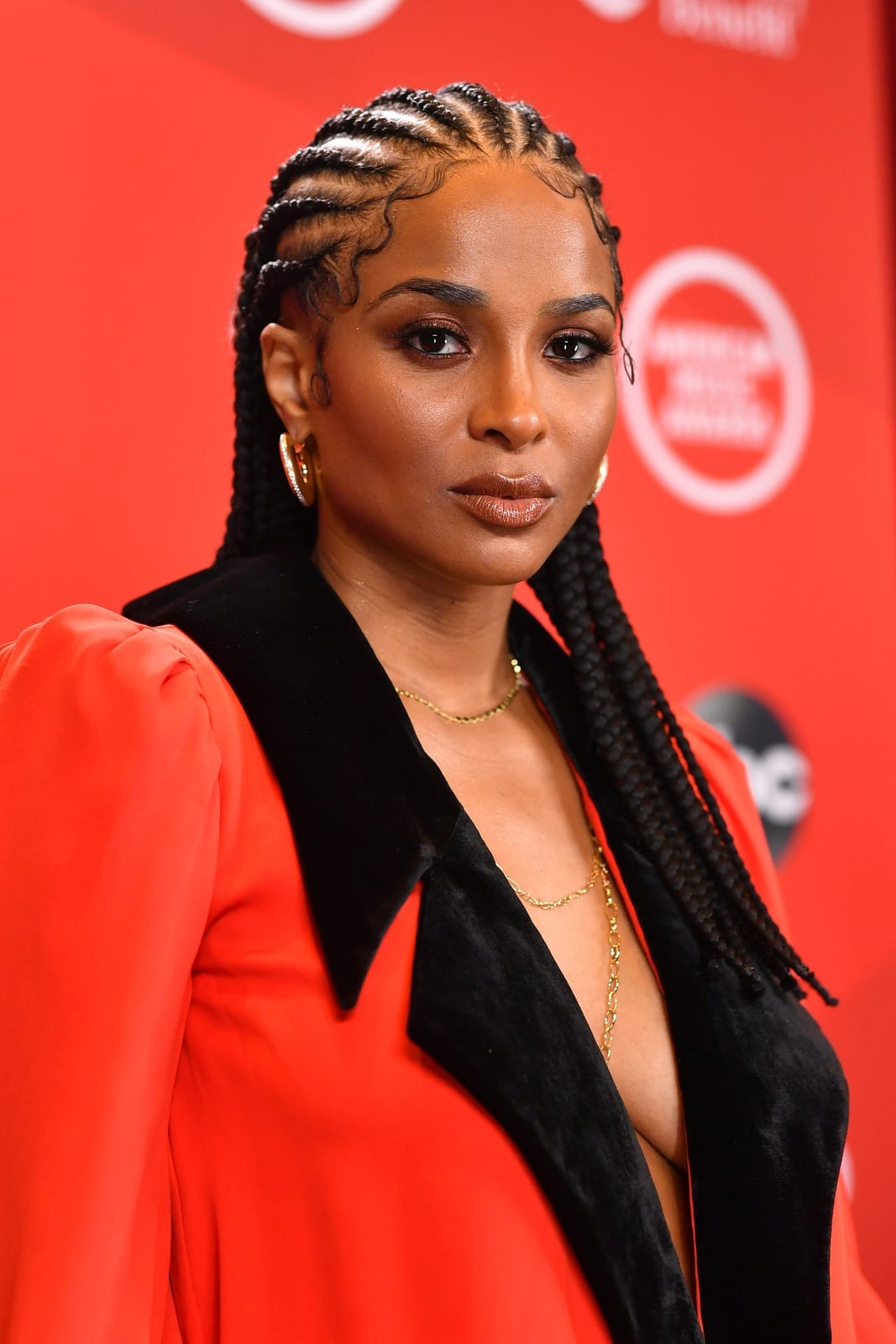
How do you ask for this precise, no-flyaway finish? The key is specifying straight-back cornrows with extensions and gelled baby hairs. The extensions add length to mid-back while keeping the braid thickness consistent from root to tip, which is harder to achieve with natural hair alone. The style suits oval and square face shapes because the straight lines and clean edges draw the eye vertically.
Ask your stylist for: sleek straight-back cornrows with extensions, gelled baby hairs. A toothbrush and a firm-hold gel smooth the edges, and you will need to re-gel the baby hairs every few days to keep the sharp finish intact.
Long Uniform Cornrows
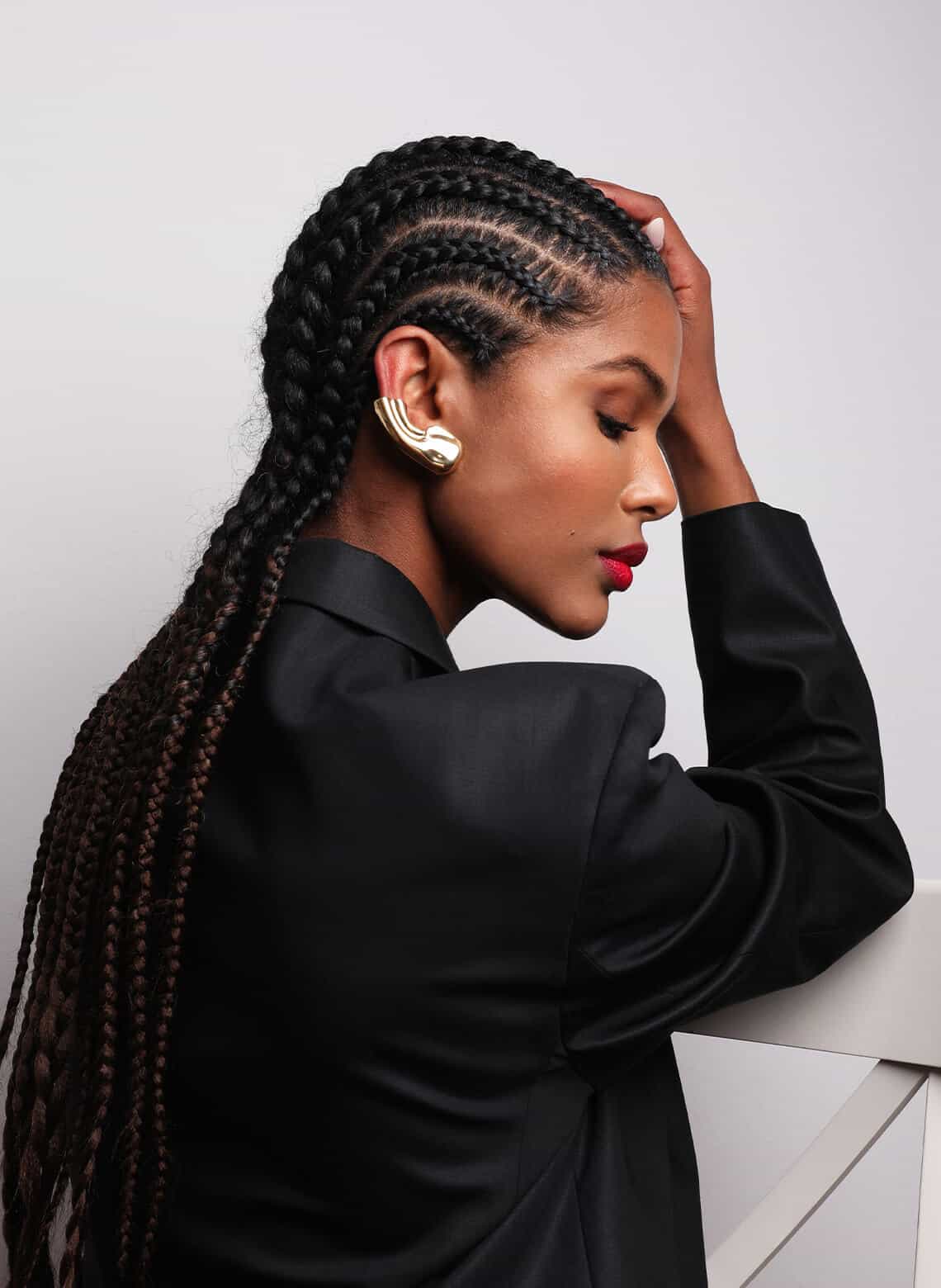
Uniform cornrows from a clean middle part to mid-back rely on consistent tension and part width across the entire scalp. The side view here shows how each braid mirrors its neighbor in thickness and spacing, which gives the style its streamlined look. The centered part and straight fall do not add width at any one point, so the style balances a range of face proportions.
Ask your stylist for: long uniform cornrows, middle part. A braid sheen spray keeps the finish sleek, and tucking any stray hairs with a small crochet hook every week prevents the parts from blurring as new growth appears.
Cornrows With Heart-Shaped Patterns
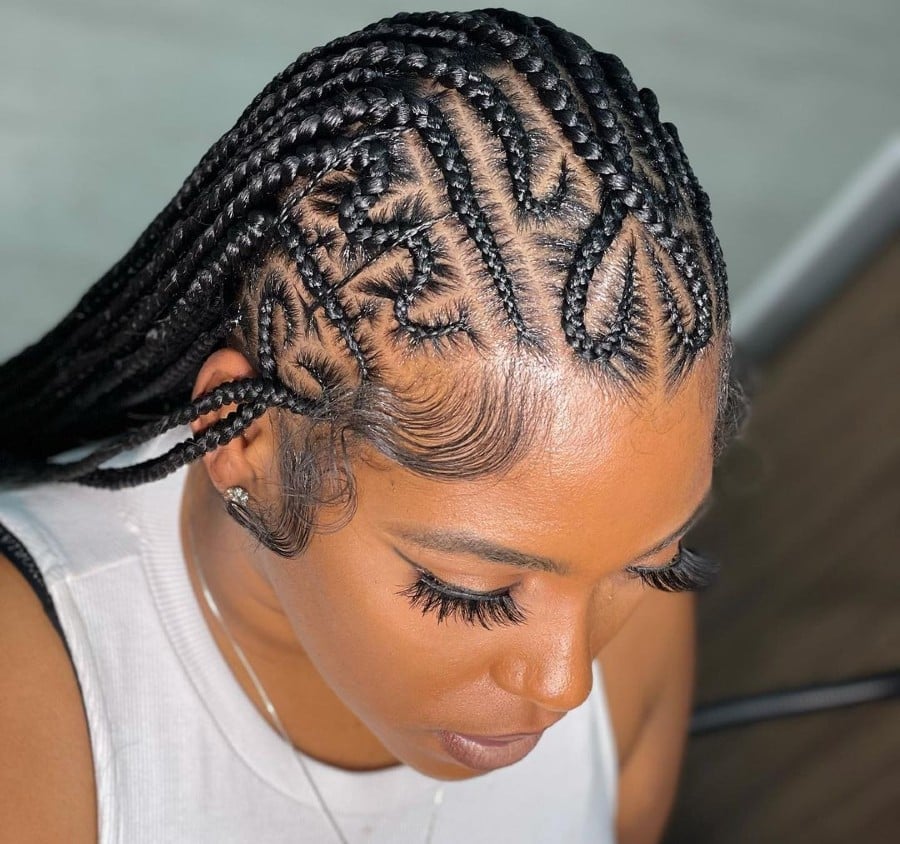
The design work is done before the braids even begin: heart shapes mapped into the scalp parting, each one symmetrical and intentional. The hair is braided straight back to mid-back in black, so the pattern reads clearly from above. Ask your stylist for cornrows with heart designs. This is a salon-only project, both for the scalp mapping and the tension control needed to keep each heart crisp. This style works for a festival, a birthday or any day you want the top view to be the main event.
Cornrows With Thick Box Braids
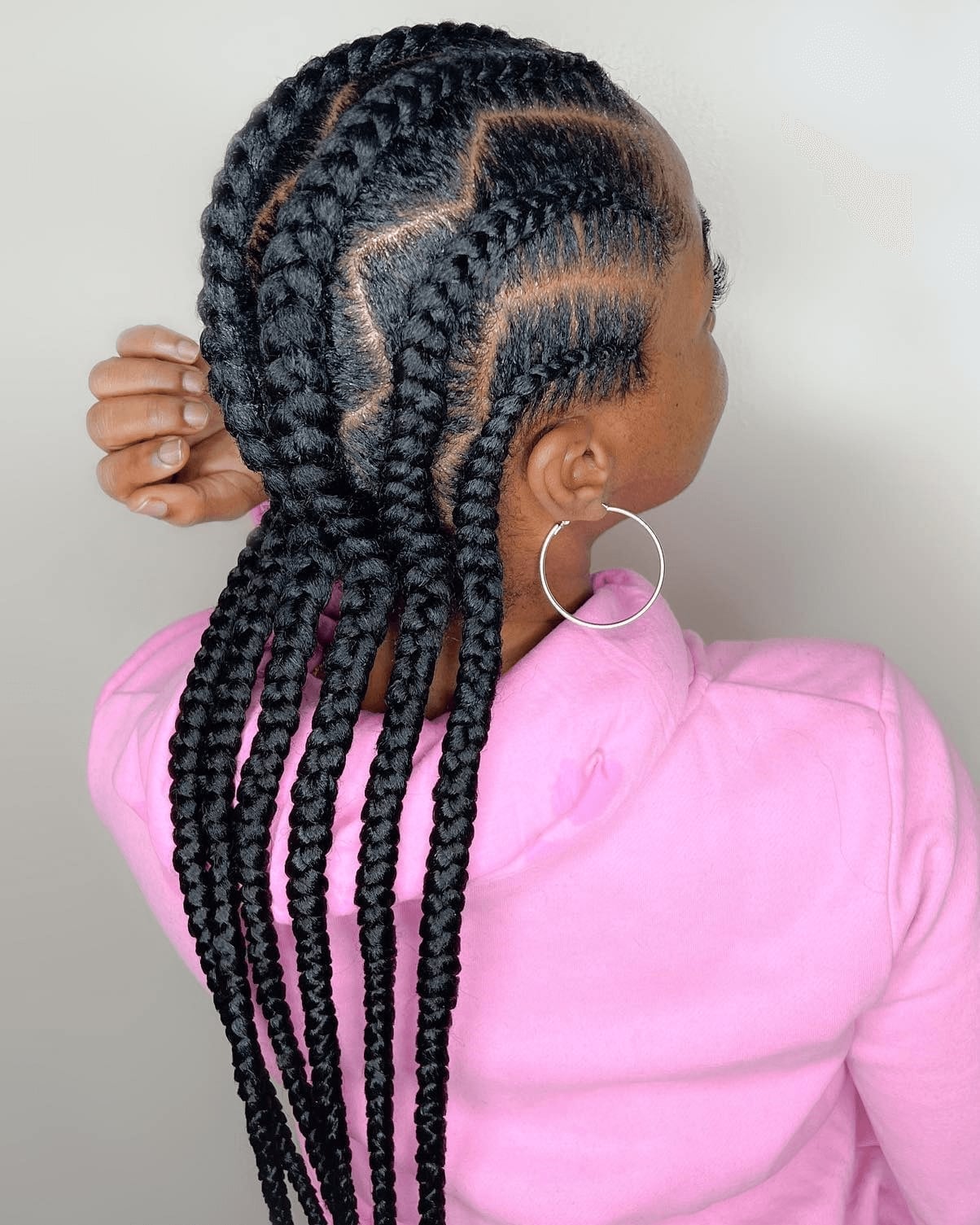
This is a flattering option for anyone with medium to thick hair density. The cornrows start at the scalp and transition into thick box braids that fall symmetrically from a middle part, all the way to mid-back. Ask your stylist for cornrows with thick box braids, middle part. The braids have substantial weight, so be honest about whether your scalp is used to tension. If your hair is fine, the braids will still look good, but you may need extensions to achieve the same volume. Oval and long face shapes benefit most from the vertical lines and the clean center part.
The texture is smooth and straight, so the braids lie flat and uniform. No curling or bending means the shape stays consistent for weeks. A braid balm at the roots keeps the partings neat and the edges from lifting. The symmetry creates the overall effect, so avoid pulling at the braids while they settle.
Cornrows Into Long Flowing Box Braids
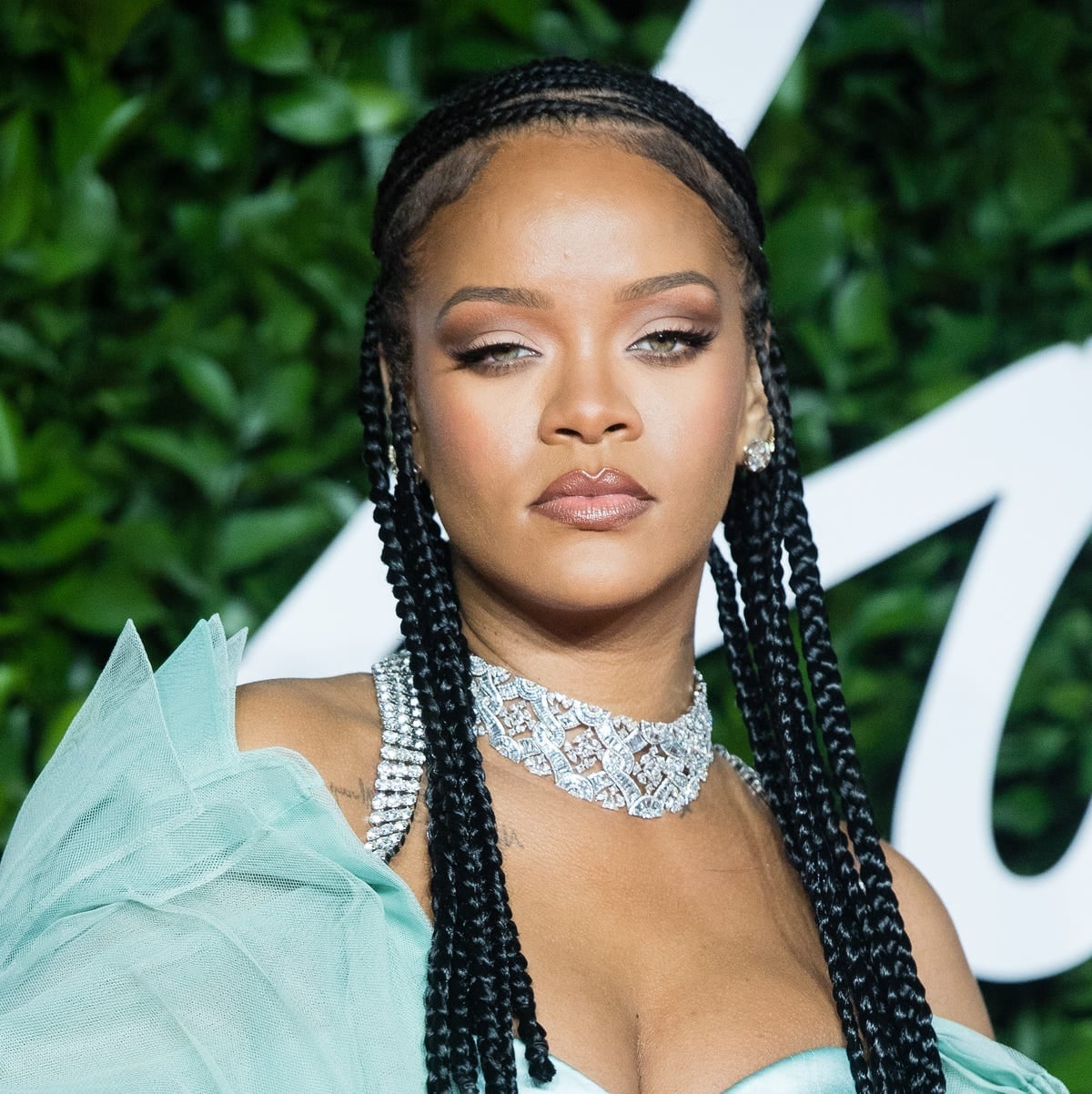
Where thick box braids sit heavy and structured, these braids move freely. The cornrows at the scalp anchor the style, then transition into long, flowing box braids that hit mid-back with a center part clearly visible. Ask your stylist for cornrows into long flowing box braids, center part. The difference is in the finish: the braids are uniformly thick but not rigid, so they swing rather than sit. This is the better choice if you want movement without losing the scalp definition. Most face shapes work here because the center part and the length balance the proportions.
The straight texture and black color keep the braid shape and density prominent. A silk scarf at night protects the ends from fraying and keeps the flow intact. Re-braid any loose ends as they appear, and the style will hold its silhouette for weeks.
Sleek Cornrows With Gelled Baby Hairs
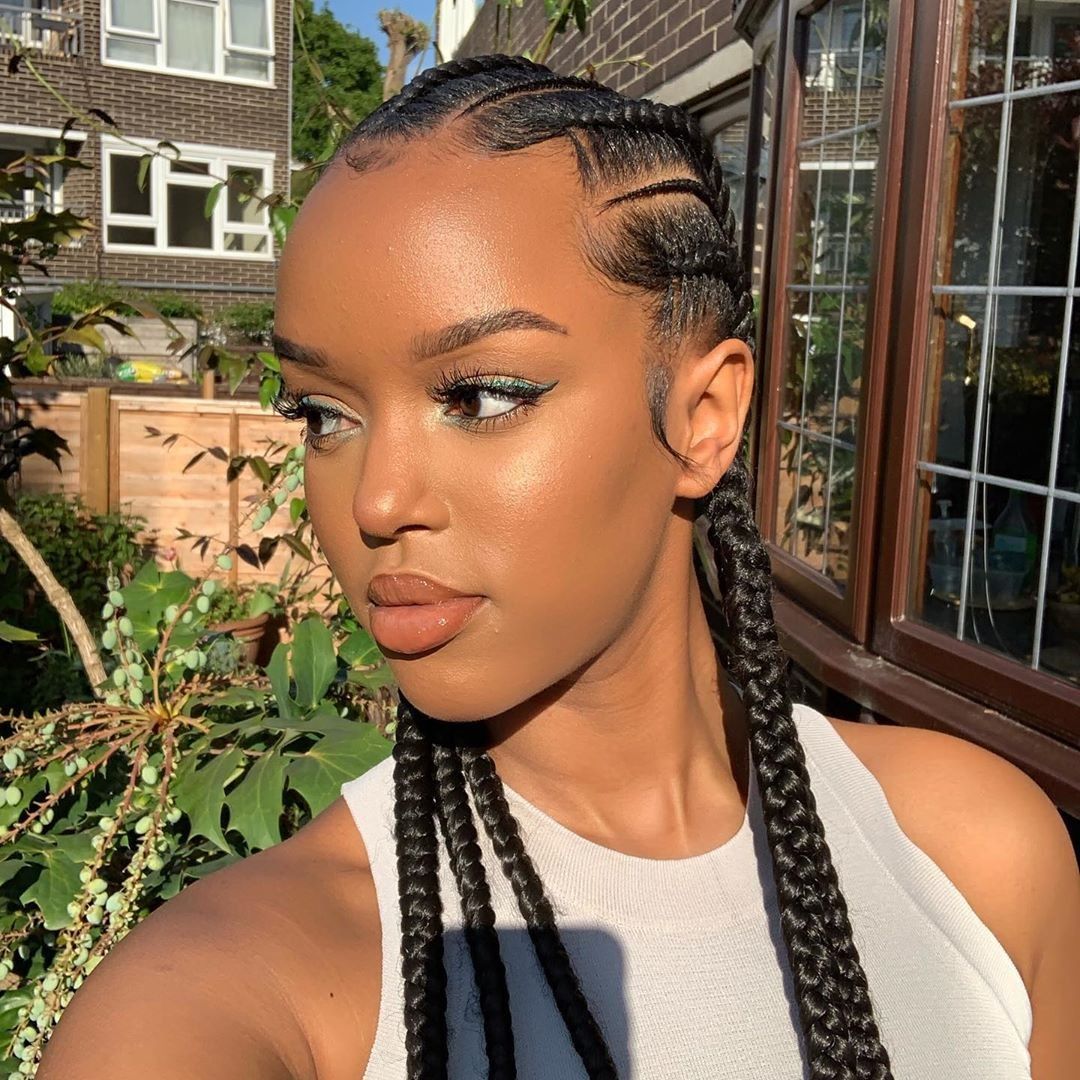
To get baby hairs to lie flat and stay that way, use a gel with strong hold and a fine-tooth comb or a clean toothbrush. The cornrows are neat and black, falling to shoulder length from a sharp middle part, with the baby hairs swept into swoops and curls along the hairline. Ask your stylist for: sleek cornrows, shoulder length, middle part, sharp baby hairs. This is a salon style, but the daily upkeep is on you: refresh the baby hairs with a dab of gel and a brush each morning. The polish comes from precision, not product volume, so use a light hand. This finish typically holds all day.
Cornrows With Undercut and Beaded Ends
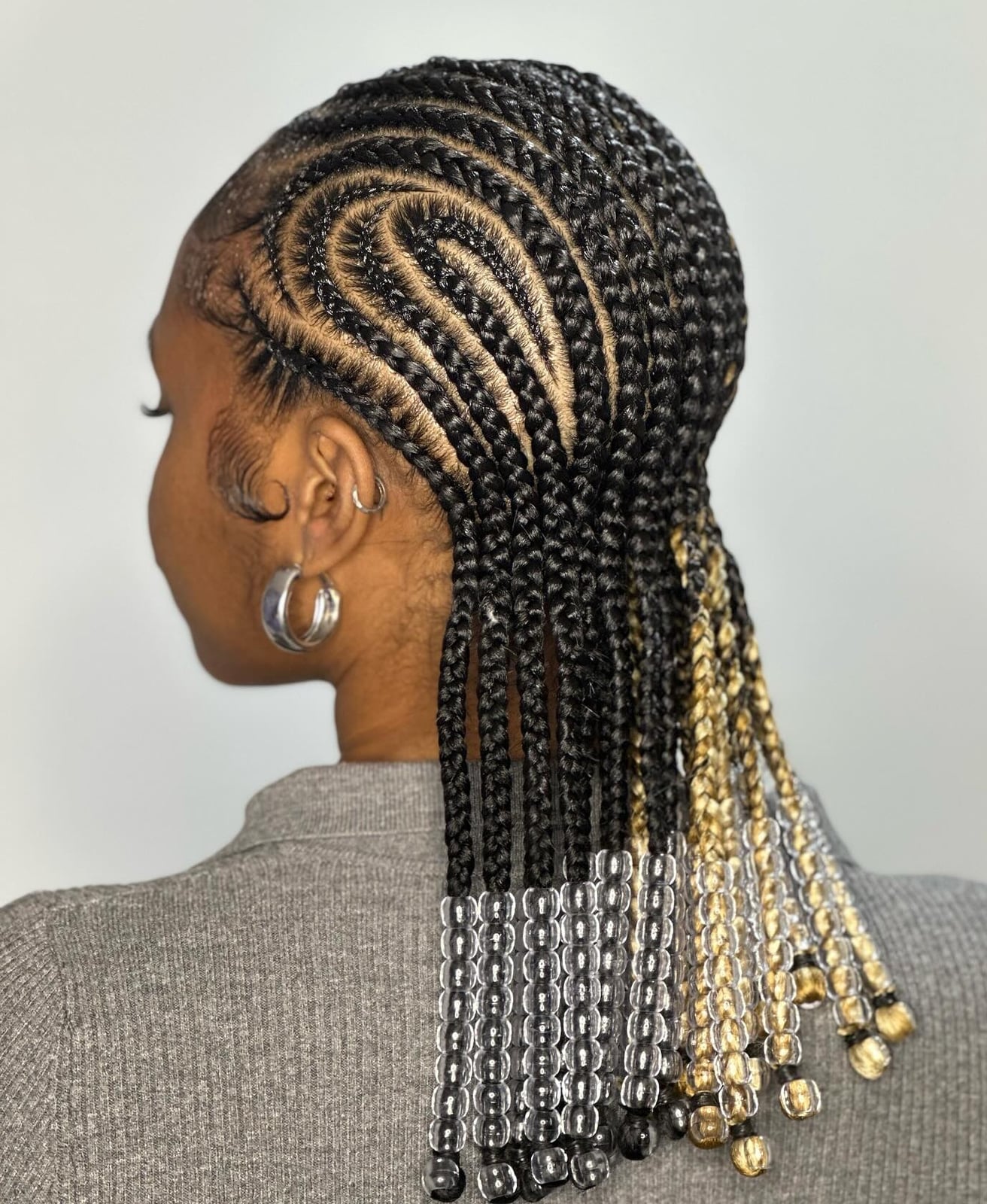
The undercut on the sides creates a clean frame, and the cornrows run from front to back before transitioning into loose braids tipped with clear beads. The color is a mix of black at the roots and blonde throughout the length, so the beads catch the contrast. Ask your stylist for cornrows with undercut, beaded ends, black and blonde tones. The beads add weight to the ends, which helps the braids hang straight rather than curl under. Secure each bead tightly, or you will lose them. The undercut needs a trim every three to four weeks to stay sharp. The overall look is edgy but wearable, with the beads doubling as a visual anchor for the length.
Cornrows With Long Voluminous Curly Extensions
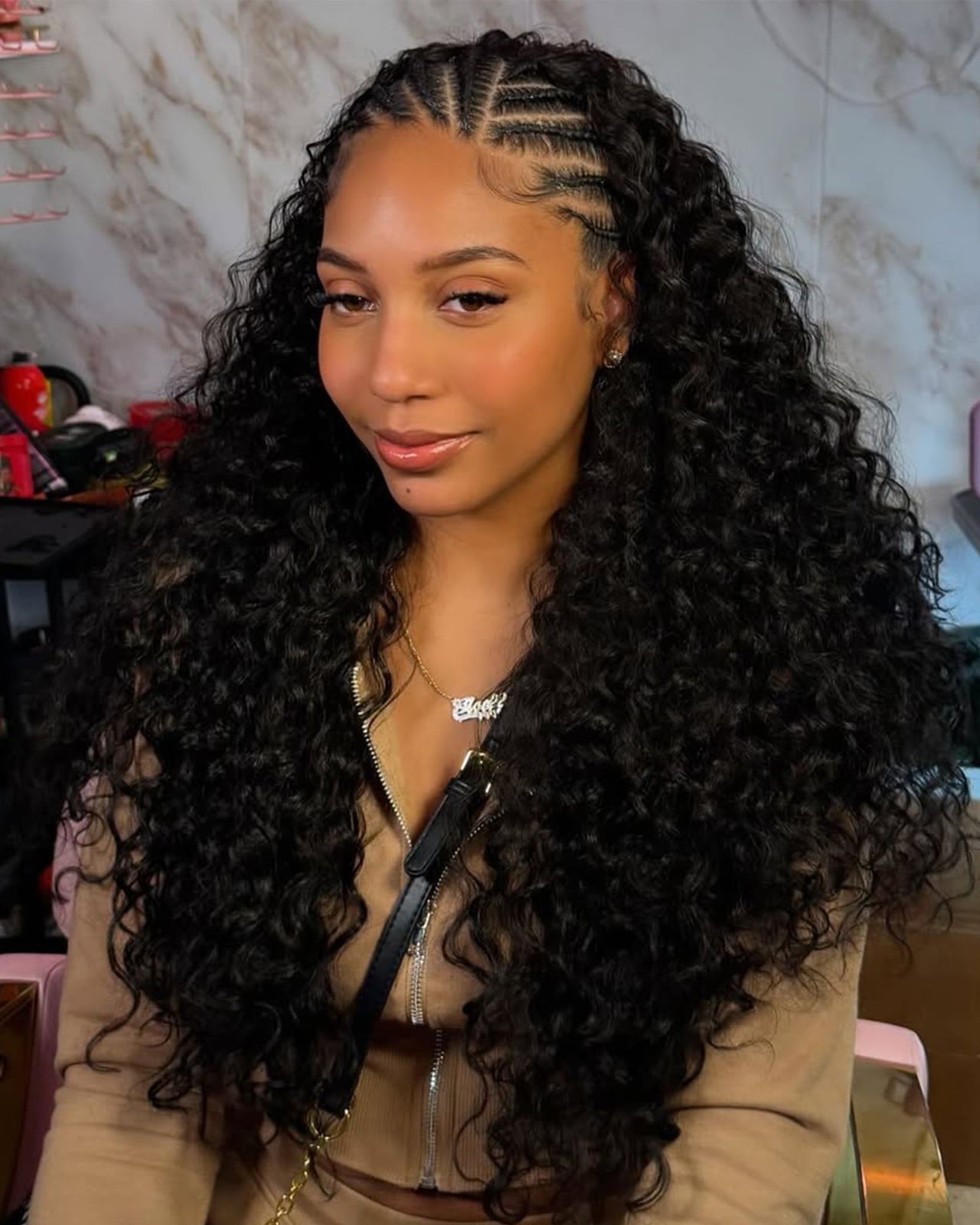
This one is a two-act play: sleek cornrows on the sides, then a dramatic curtain of long, voluminous curly extensions falling past the chest. The side parting keeps the transition from looking accidental, and the contrast between the flat braids and the springy curls is exactly the point. If your natural texture is fine or straight, the added volume reads as instant drama; if you have coily hair, the cornrows tuck your own ends away while the extensions do the heavy lifting. It suits oval and heart face shapes best, since the side part and the length below the chin balance a wider forehead. Ask your stylist for cornrows on the sides with long curly extensions, side part. Protect the curls overnight with a silk pillowcase, and a curl refresher spray in the morning keeps the bounce without re-wetting the braids.
Cornrows With Natural Color Variation
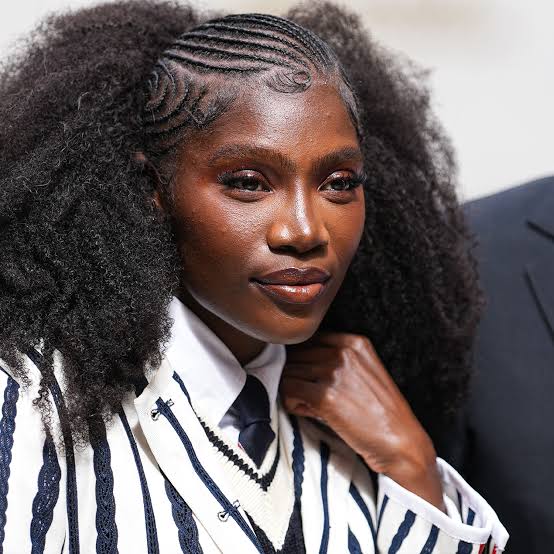
The intricate cornrow pattern runs from the front hairline all the way to mid-back, and the black base carries subtle lighter brown tones that add depth. That natural variation is what gives the design its dimension, so skip any heavy styling products that might flatten the braids or dull the color. Ask your colorist for cornrows with natural brown tones, mid-back length. If you are starting with medium to long hair, the pattern reads clearly and the dimension stays visible; the style suits most face shapes because the braids lie close to the scalp. A weekly re-braid of any loose ends keeps the lines sharp, and avoiding heat styling preserves the tone.
Geometric Pattern Cornrows Into Long Braids
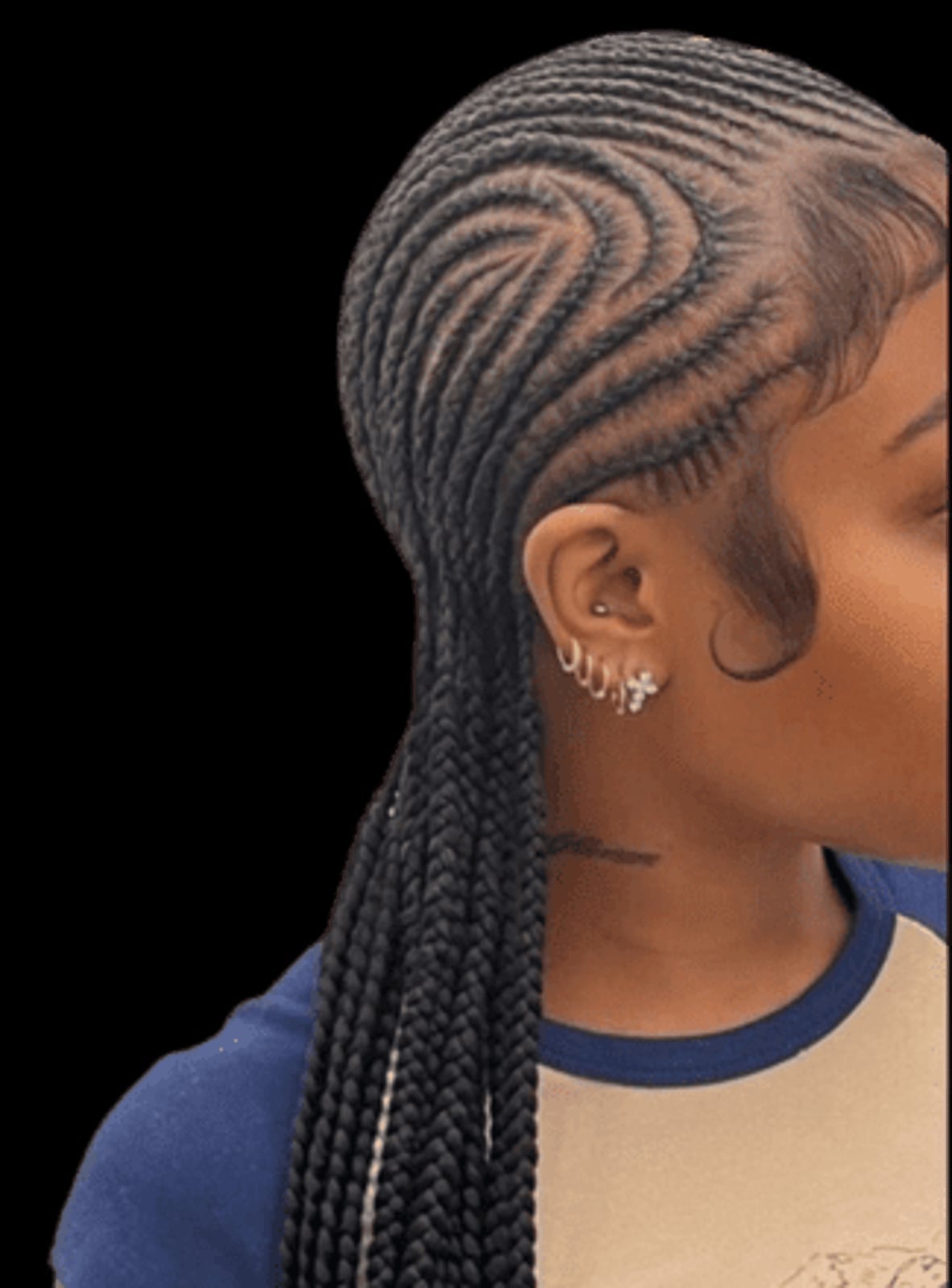
Wondering how to ask for a pattern this precise? You say the words “geometric pattern cornrows into long braids” and then you show a reference photo, because no stylist can read your mind about angles. The braids lie flat against the scalp in clean, sharp lines, then drop into long, thick braids that fall to mid-back with a smooth, sleek finish. The middle part anchors the whole design, so the geometry stays symmetrical from the front. This suits oval and square face shapes, since the strong lines echo a defined jaw. Ask your stylist for geometric pattern cornrows into long braids. Keep the edges of the pattern crisp with a light oil rubbed along the part lines, and book a touch-up every four to six weeks if the scalp lines start to blur.
Thick Coily Cornrows To Mid-Back
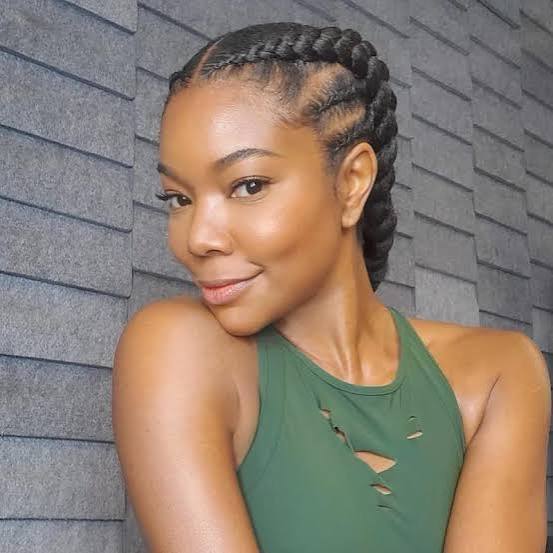
The middle part splits thick, coily hair into two even halves, and each cornrow is braided tightly enough to show definition without pulling at the root. The braids run straight back and extend to mid-back, which gives the style a clean, almost architectural line. This is a protective style that works best on naturally thick, coily texture, because the braids hold their shape and the ends tuck away neatly. Ask your stylist for thick coily cornrows, middle part, mid-back length. The key is tension: too tight and the edges ache, too loose and the pattern blurs. A moisturizing spray every few days keeps the scalp comfortable and the braids flexible, and you can expect the style to hold its shape for several weeks with minimal fuss.
Cornrows With Clean Scalp Definition
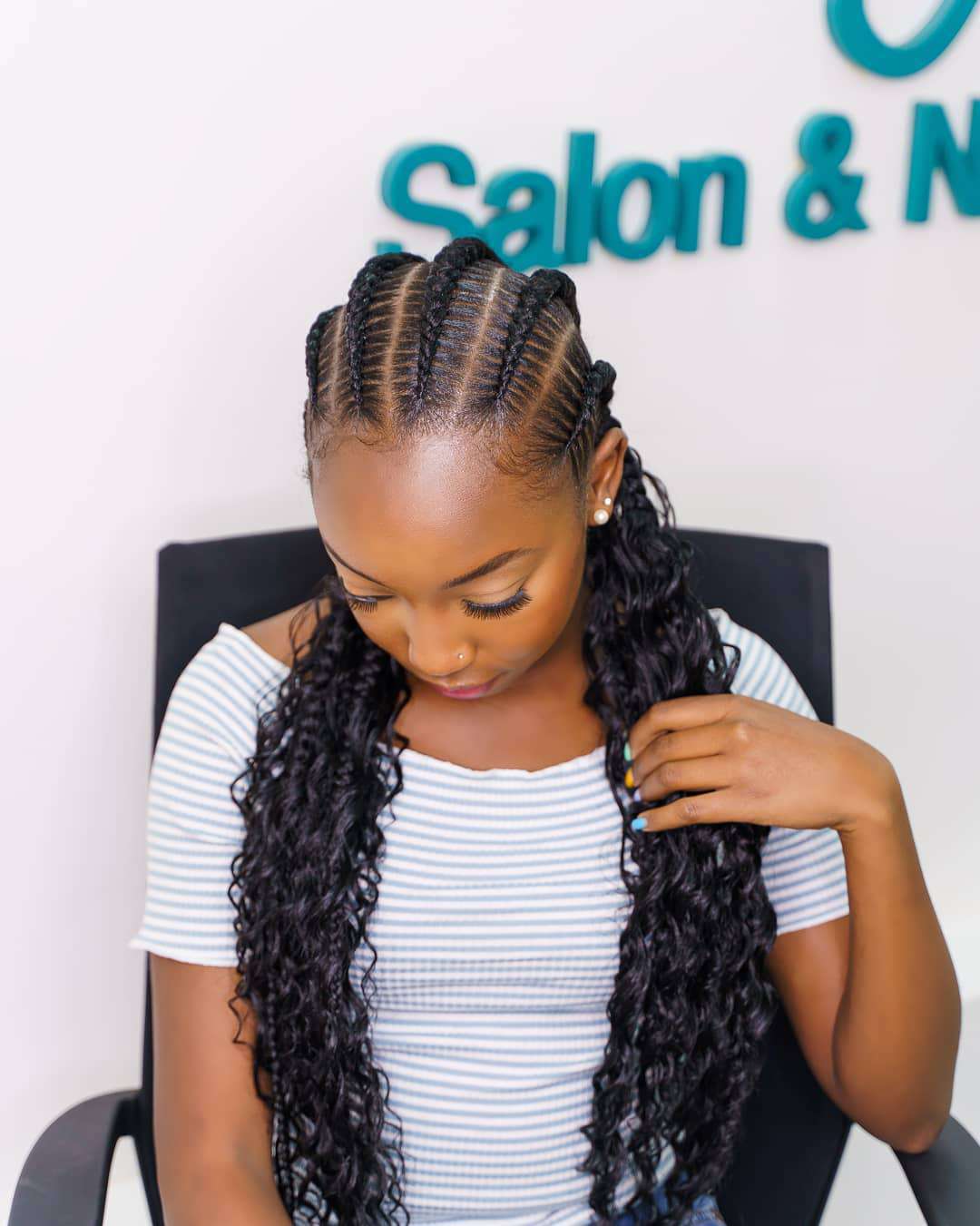
This is the cornrow equivalent of a tailored suit: every part line is visible, every braid lies flat, and the middle parting is sharp enough to cut glass. The braids start at the hairline and run straight back into long, thick braids that hit mid-back, with clean scalp definition as the focal point. That precision comes at a cost: the tautness can be uncomfortable for the first day or two, and if you have a sensitive scalp, this might not be the style for you. It suits oval and heart face shapes best, since the vertical lines lengthen the face. Ask your stylist for cornrows with clean scalp definition, middle part. To keep the part lines crisp, avoid heavy gels or oils that build up and blur the edges, and plan a touch-up every three to four weeks.
Geometric Cornrows With Wavy Braids
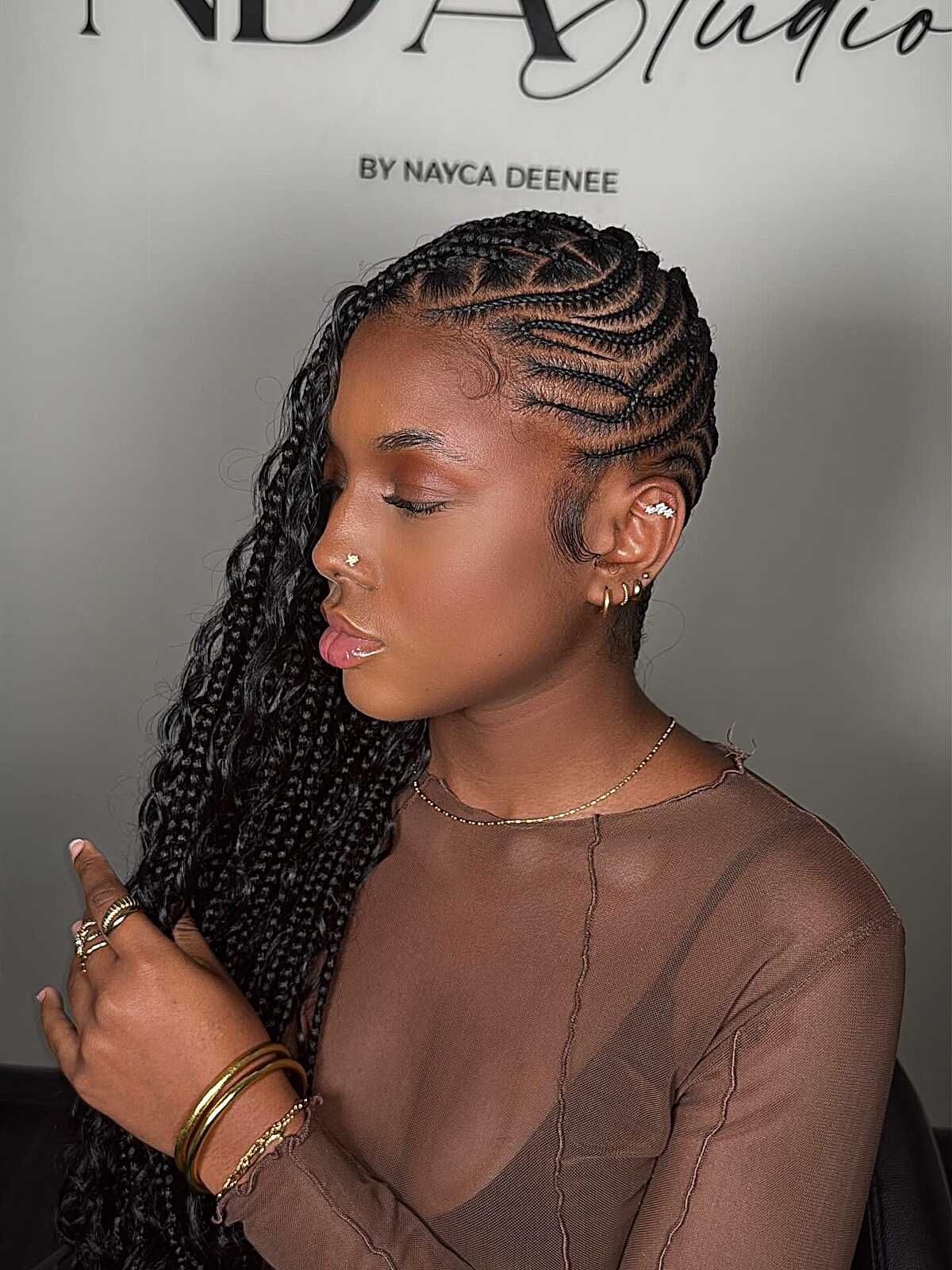
Compared to the all-over uniformity of straight-back cornrows, this version keeps the geometry on one side only and lets the other half fall into loose, wavy braids that end at the shoulders. The contrast works because the sharp lines of the scalp pattern soften where the braids begin to wave, and the subtle highlights add dimension without turning the black base into a different color. It suits medium to long hair and most face shapes, since the side parting and the length below the jaw balance a rounder face. Ask your stylist for geometric cornrows on one side, loose wavy shoulder length braids. Separate the wavy braids gently with your fingers after washing so they keep their texture, and re-braid the cornrow section at the roots as it grows out.
Cornrows With Transparent Beads
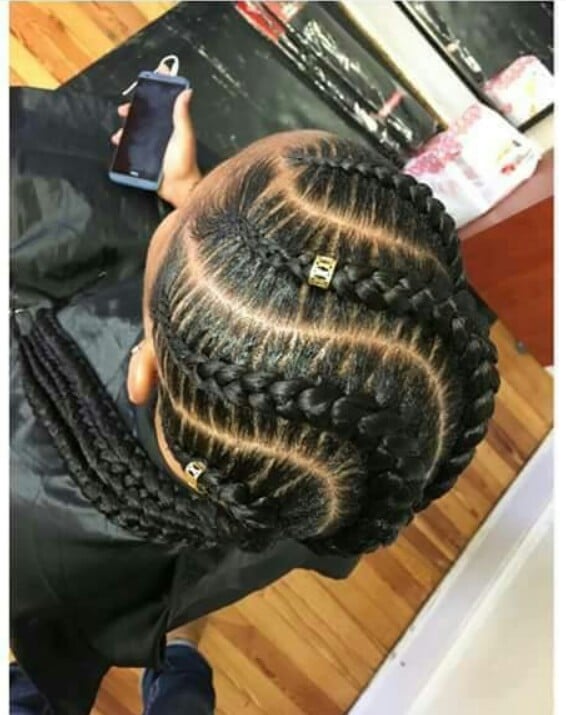
How do you ask for a look that reads as more ornament than accident? Specify the beads, their placement, and the length in one sentence. These are cornrows with transparent beads, all the way down to mid-back, with a clear pattern that the beads follow. The back view shows the rows running neatly from the middle parting, and the beads sit at regular intervals, catching light without adding color. Ask your stylist for cornrows with transparent beads, mid-back length. The beads are best secured to the braid ends so they don’t slide off as the hair moves, and they hold best on thick hair. If you tuck the braids under a scarf at night, the beads won’t snag on fabric and the pattern stays crisp.
Classic Braided Cornrow Pattern
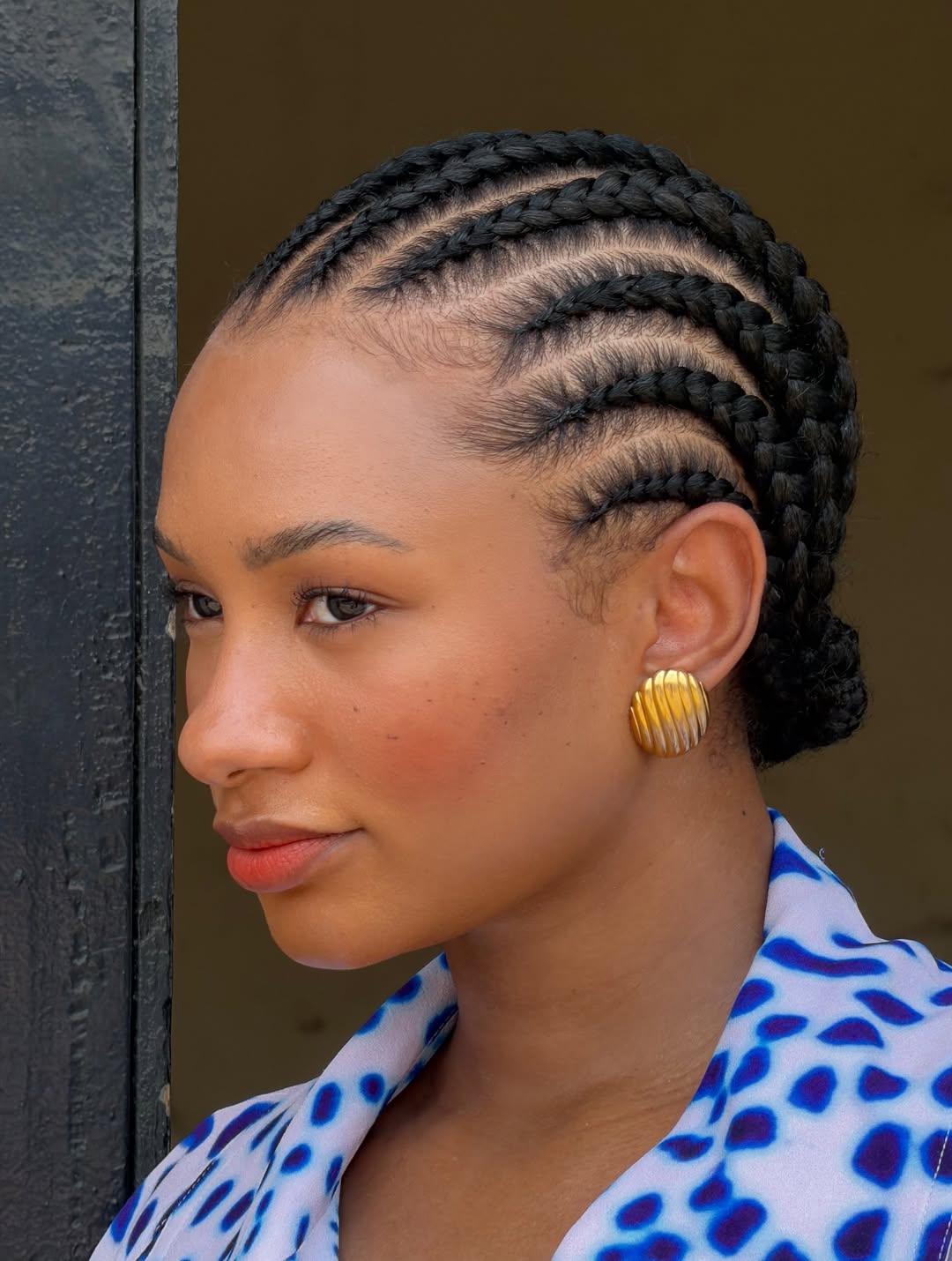
The design here is exactly what the name promises: rows of tightly braided cornrows, each one raised and even, running from a middle parting down to mid-back. The technique relies on keeping the tension consistent from root to tip, which is what gives the pattern its uniform, almost sculpted look on thick black hair. It suits most face shapes because the length below the chin elongates a round face, and the clean lines work for any hair density that can hold a braid. Ask your stylist for classic braided cornrows, middle part, mid-back length. To keep the pattern looking fresh, apply a braid spray every few days and avoid sleeping directly on the braids, which can cause matting at the nape. A silk scarf or bonnet at night protects the rows longest.
Cornrows With Gold Thread Accents
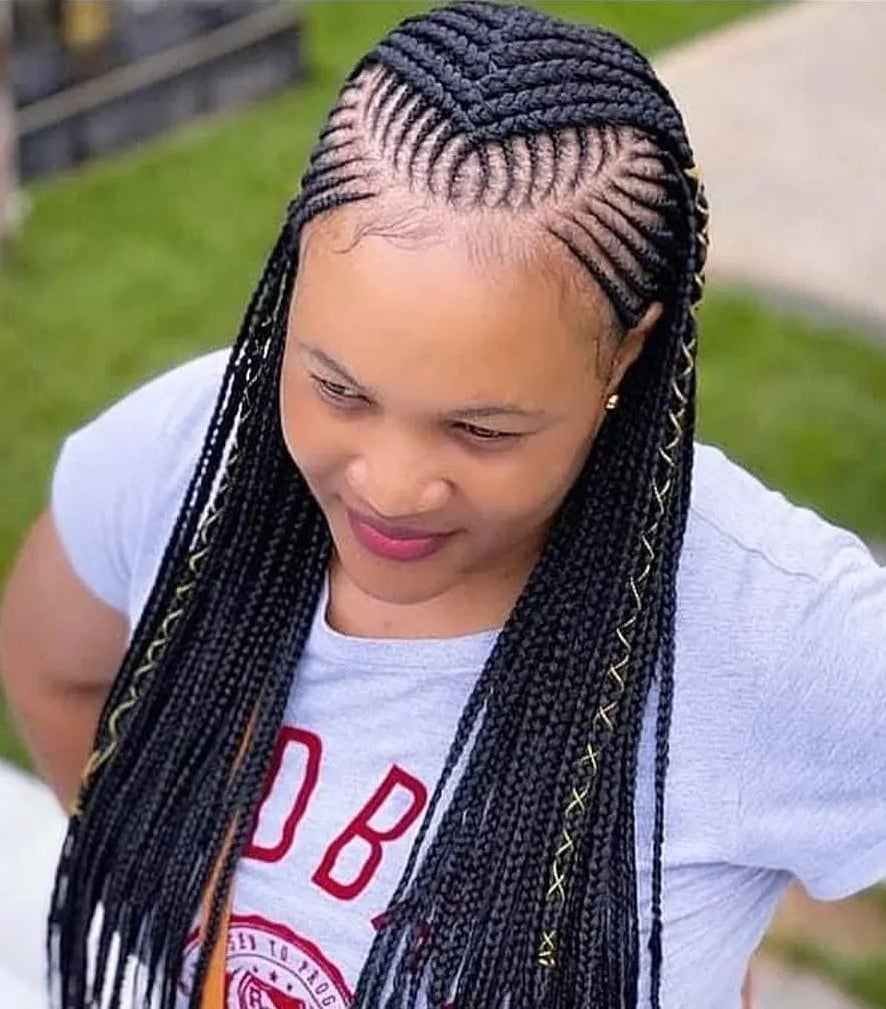
This is a special-occasion style, full stop. The gold threads woven through the black cornrows create a festive look, and the central parting keeps the intricate pattern symmetrical from the front. It suits anyone who wants a polished look for an event, but if you prefer a low-maintenance daily braid, the threads require a bit more care. Ask your stylist for cornrows with gold thread accents, mid-back length. The straight texture of the braids holds the threads neatly, and the mid-back length gives the pattern room to show. Handle the braids gently to avoid snagging the threads, and re-braid any loose ends at the roots to keep the metallic detail intact.
Intricate Cornrow Pattern With Natural Tones
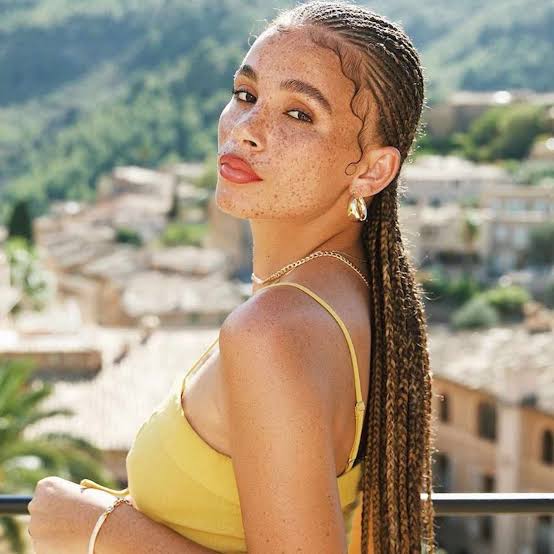
The pattern here starts at the front hairline and works its way back to mid-back, with each cornrow following a distinct path that creates an almost architectural look. The black base holds subtle lighter brown tones within the braids, which adds depth without a dramatic color change, so the style wears well for everyday. It suits most hair types, though the intricate pattern shows best on medium to long hair that can hold the braid structure. Ask your stylist for intricate cornrows with natural brown tones, mid-back length. The wavy texture of the braids gives the pattern a softer edge, but it also means the ends can unravel faster than a straight braid. Re-braid any loose sections as they appear, and use color-safe products to keep the brown tones from fading.
Cornrows With Wavy Twists
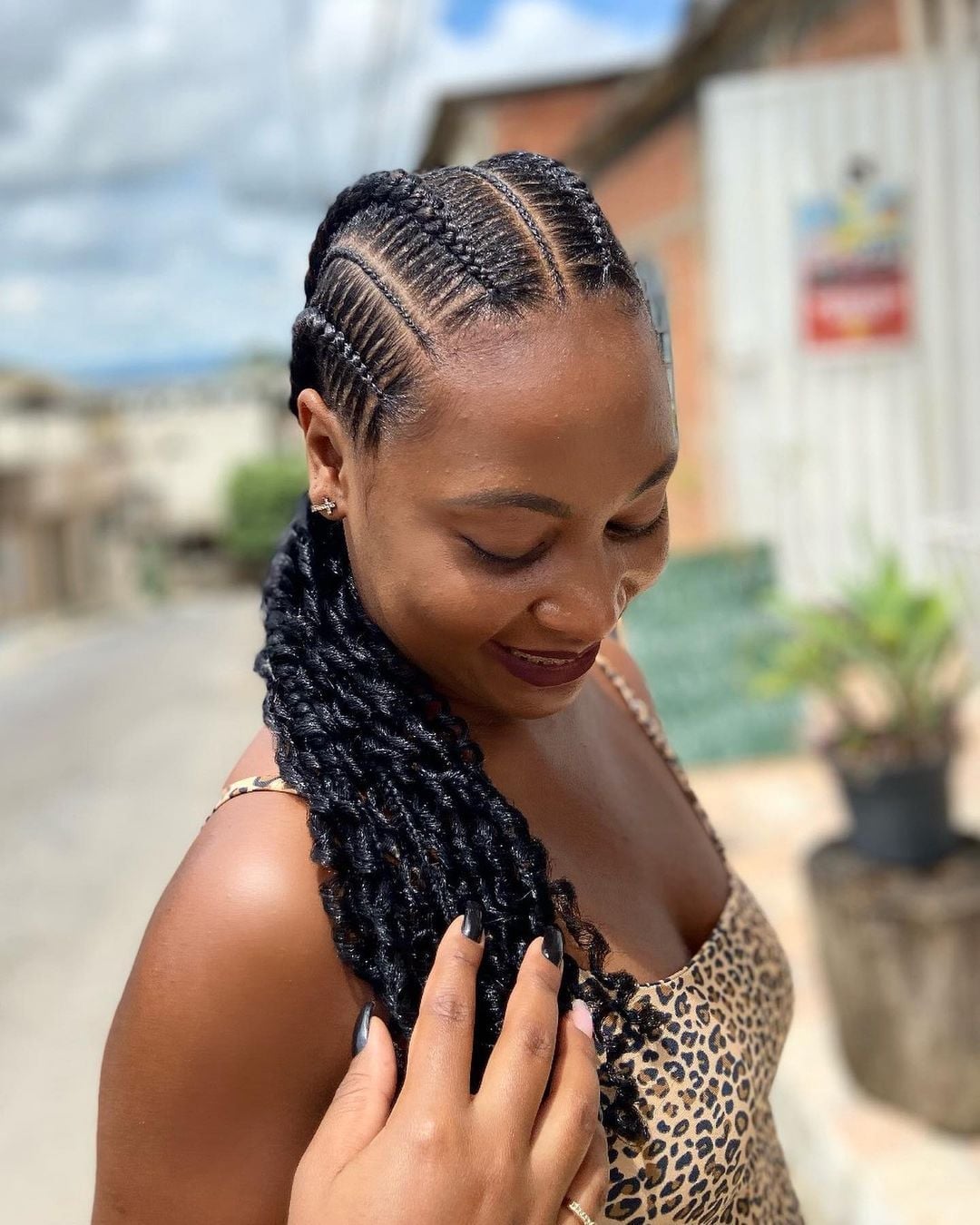
Wondering how to get the texture without the commitment of braids? Cornrows with twists swap the uniform braid for a chunkier, wavier finish. The cornrows run along the scalp from a middle part, then open into thick twists that land at the shoulders. Ask your stylist for: cornrows with wavy twists, shoulder length, middle part. The flat, smooth roots contrast with the bouncy twists. A light mousse on the twists keeps the wave pattern defined for a few days, and any section that loosens can be re-twisted by hand.
Braided Cornrows With Decorative Beads
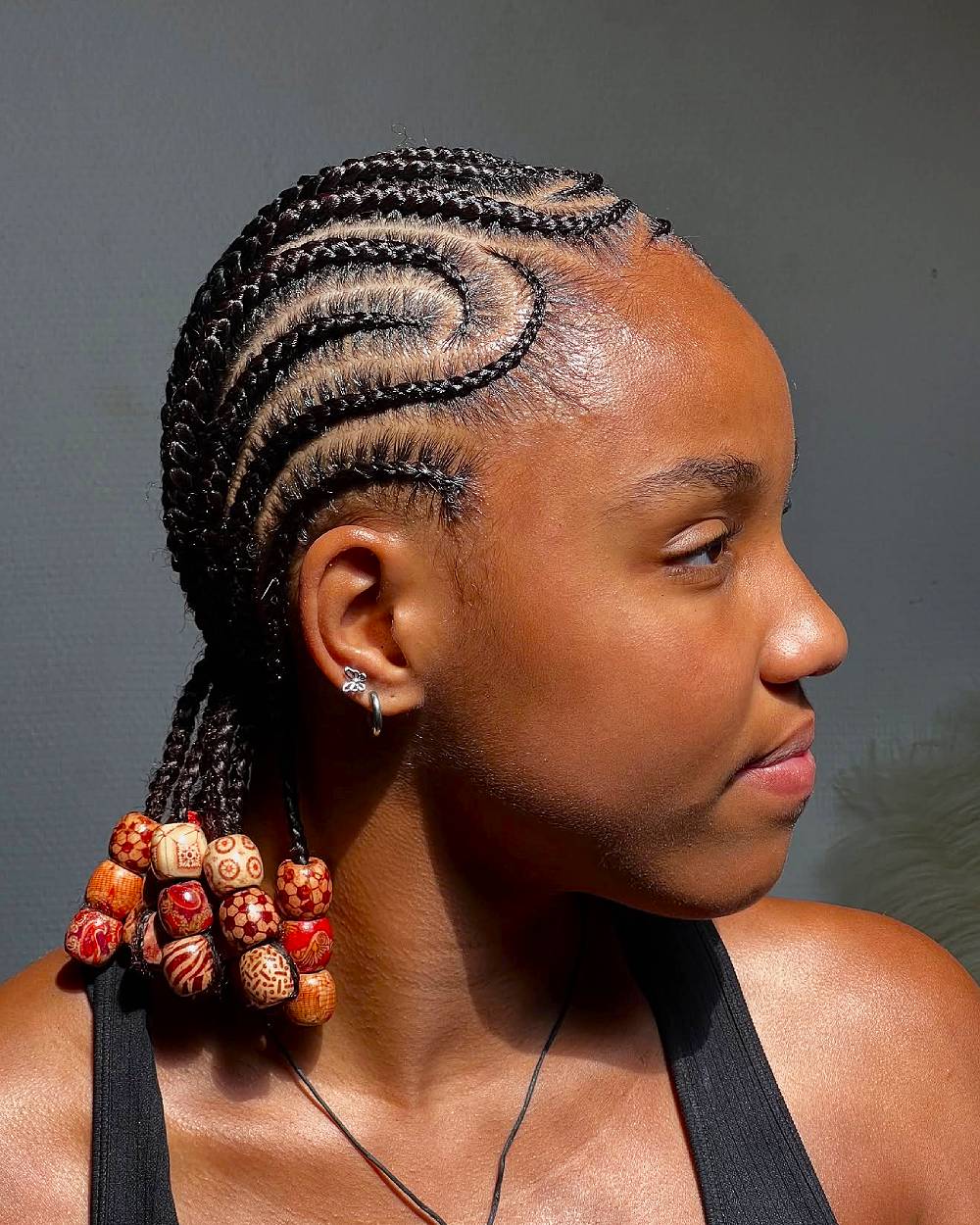
It is a classic braided pattern with a playful accent, and the beads add a hint of movement when you turn your head. Ask your stylist for: braided cornrows with decorative beads, shoulder length, middle part. You can have this done at a salon, though the beads themselves are a quick add-on if you are handy with a pair of pliers. Just make sure each bead is crimped tight so it does not slide off the braid end during the day.
Geometric Pattern Cornrows From Top View
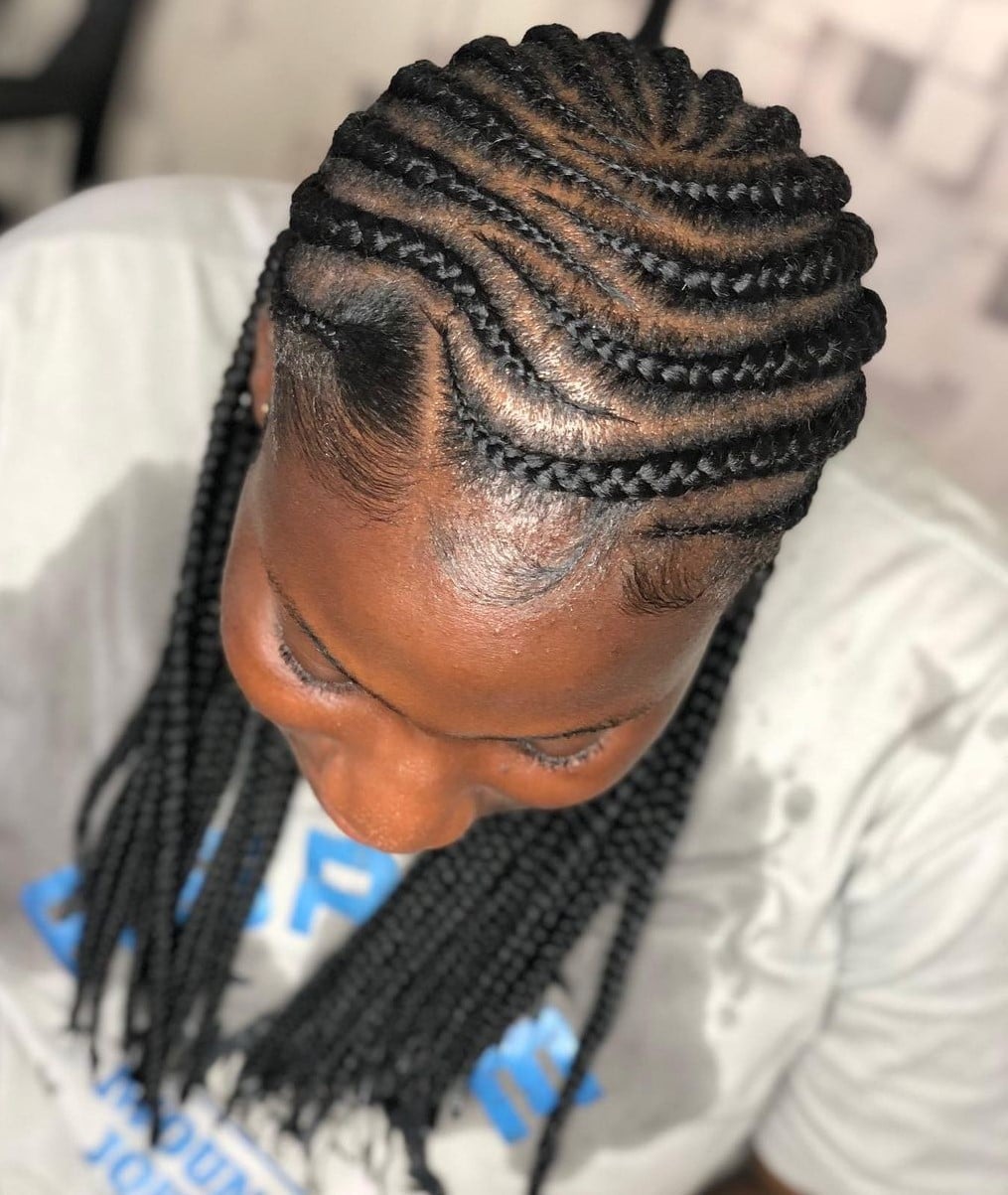
If you want a braided style that reads as art, this is it. From a top-down view, the cornrows form a precise geometric pattern, with a side parting that breaks up the symmetry into something more interesting. The straight, uniform braids extend to mid-back, so the pattern is the star, not the length. Ask your stylist for: geometric pattern cornrows, side part, mid-back length. This design tends to suit oval and diamond face shapes best, since the angular lines echo the natural structure of the face. Keep the scalp clean and avoid heavy oils, which can flatten the braids and blur the pattern.
Neatly Braided Cornrows To Mid-Back
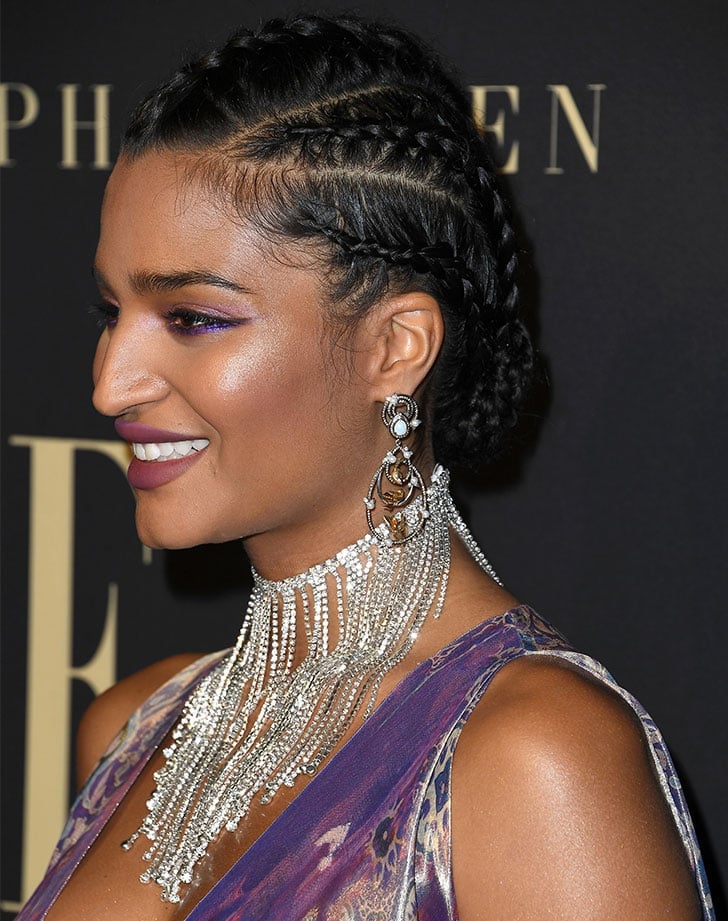
There is something satisfying about a row of perfectly parallel cornrows, evenly sized and running straight back to the mid-back. This is the no-fuss version of the style, the one you can wear to work and then out to dinner without a second thought. Ask your stylist for: neatly braided cornrows, mid-back length. The uniform sizing means the style holds its shape well, but it does take some upkeep. A braid balm on the ends keeps them from fraying, and you will want to sleep on a satin scarf to limit friction. Expect to refresh the edges every few days with a light gel to keep the hairline tidy.
Cornrows With Long Loose Curls, Mid-Back
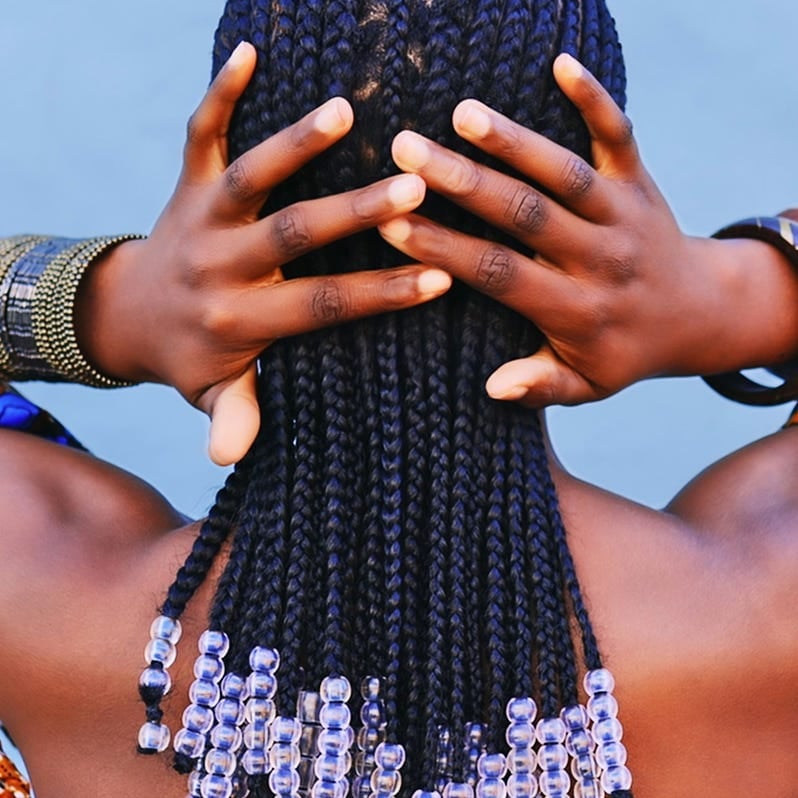
Where full braids keep a uniform texture from root to tip, cornrows at the front do the structural work while the rest falls into long, voluminous loose curls that hit mid-back. The sleek, laid edges contrast with the bouncy, thick curls, creating a look that works best for oval and heart-shaped faces, since the volume on the sides adds width where you want it. Ask your stylist for: cornrows with laid edges, long loose curls, middle part. A wide-tooth comb is your best friend for detangling the curls without pulling the braids loose, and a dab of light gel refreshes the edges without leaving a residue.
Long Sleek Black Cornrows
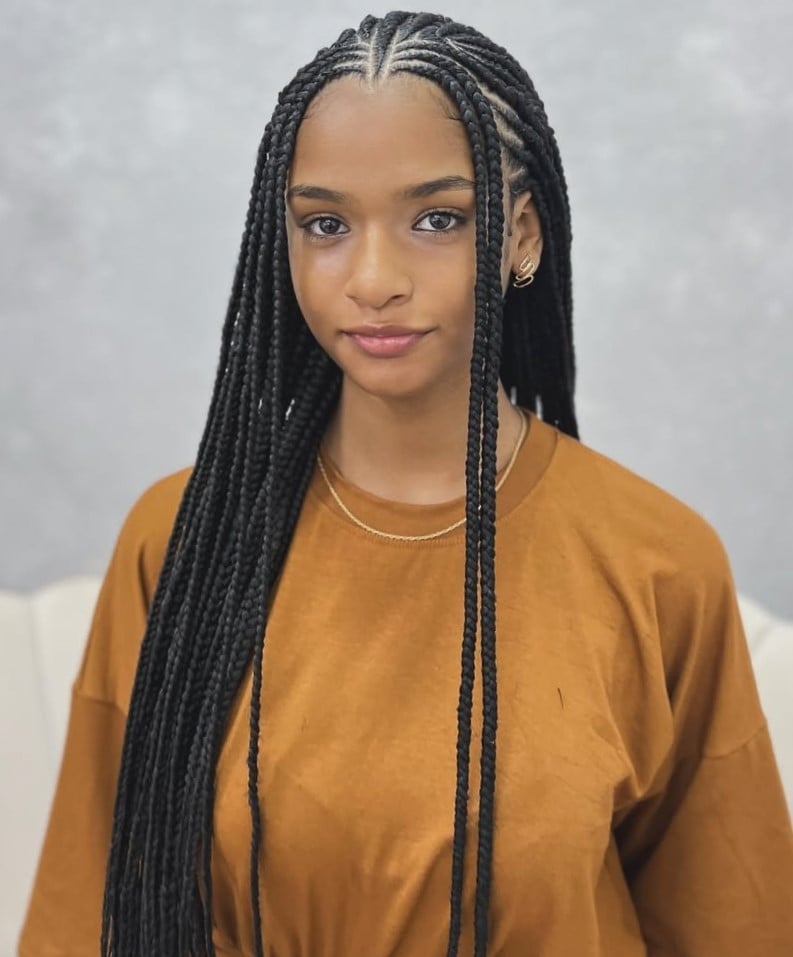
What if the cornrow style you want is simply the longest, sleekest version of itself? That’s exactly what you get here: black cornrows in a distinct middle parting, each braid straight and extending well past the shoulders. The front view makes the uniformity obvious, which is the whole point of asking for this look. It suits most face shapes, and the dramatic length adds presence without any extra styling effort.
Ask your stylist for: long sleek cornrows, middle part, past shoulder length. Specify that you want the braids pulled taut and smooth from root to tip, and confirm the length before they start, since cutting extensions is easier than adding them. The sleekness holds best when you wrap the braids in a silk scarf or bonnet at night to stop frizz from creeping in at the edges. A quick trim of any stray ends keeps the line clean between appointments.
Blonde Cornrows Into Mid-Back Braids
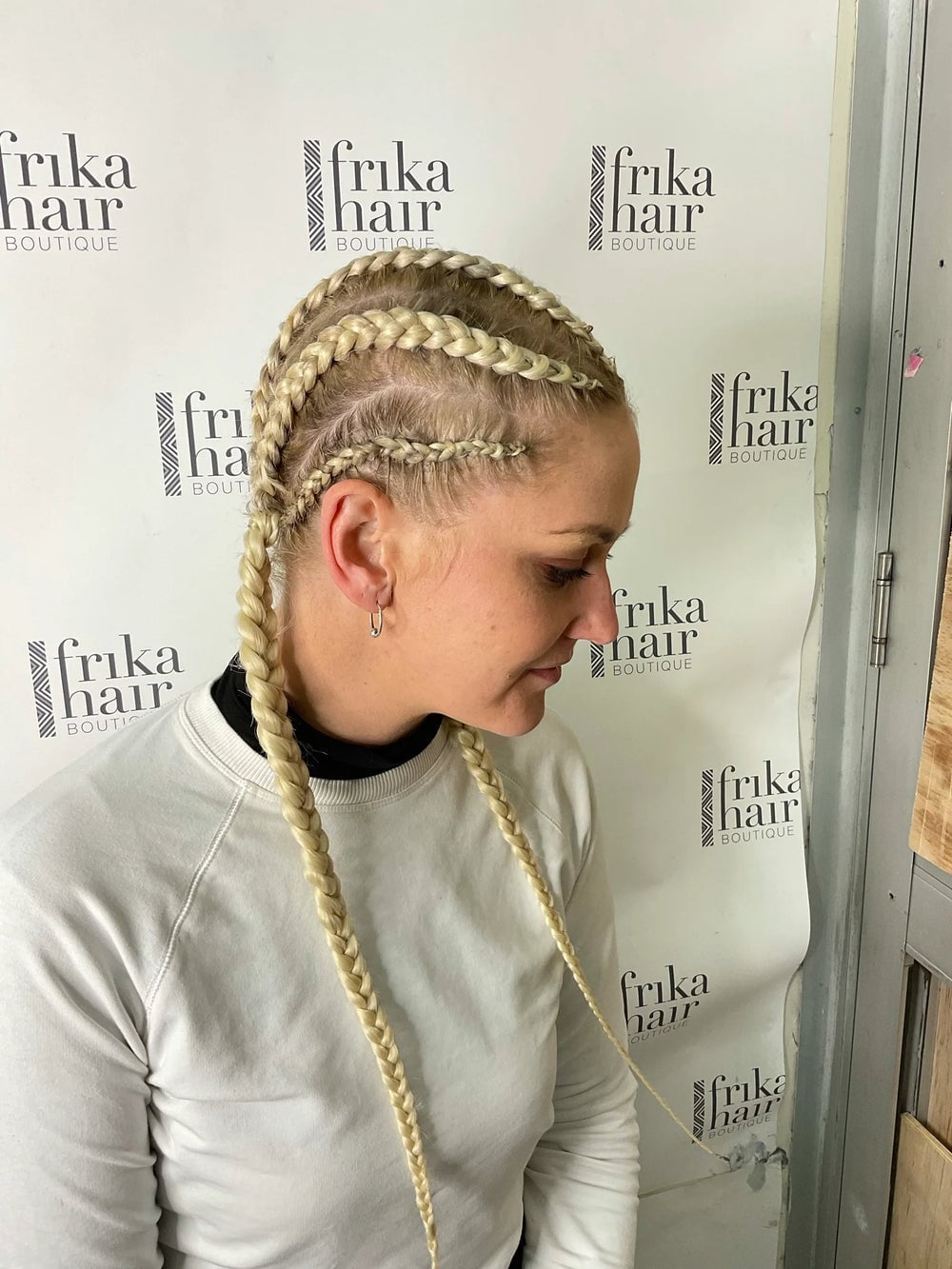
The neat part about this design is how the cornrows at the scalp transition into two long braids that reach mid-back, all in a straight, smooth blonde. That middle parting keeps the pattern symmetrical, so the eye follows the braids from hairline to ends without interruption. It’s a lighter take on a classic silhouette, and it suits any face shape as long as you have medium to long hair to blend with the extensions.
Ask your colorist for: blonde cornrows into mid-back braids, middle part. The blonde needs a color-safe shampoo to stop it from turning brassy, and a purple shampoo once a week helps keep the tone fresh. Between washes, re-braid any loose ends at the bottom to maintain the clean line. This is a salon appointment for the initial install, but the daily upkeep is mostly about protecting the color while you sleep.
Cornrows With Smooth Straight Texture
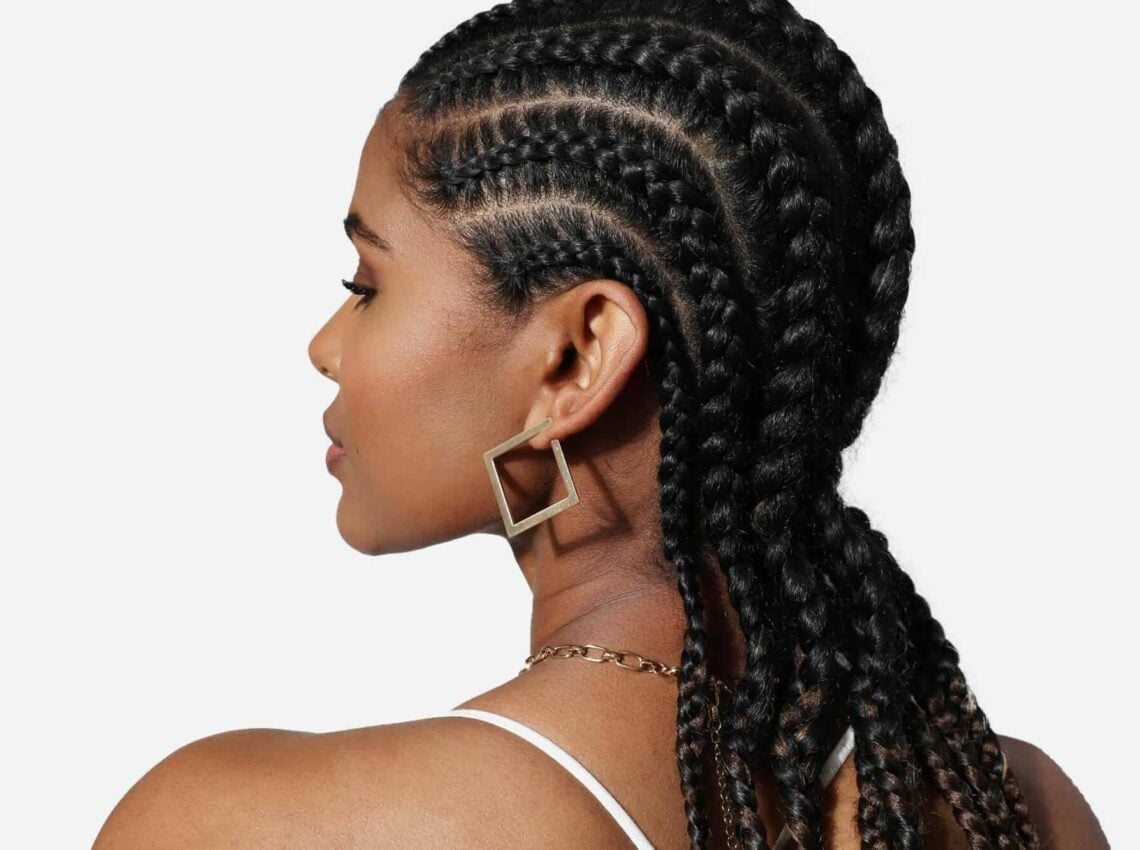
It suits most face shapes and hair densities, since the braids carry their own structure. Ask your stylist for: smooth straight cornrows, middle part, mid-back length. The one real drawback is that the sharpness of the pattern fades as new growth appears, so you’ll want a touch-up every four to six weeks to keep the definition crisp. A lightweight braid serum helps maintain the smoothness and shine, but avoid over-manipulating the braids, since that’s what causes frizz to set in early.
Final Thoughts
For intricate cornrow patterns and designs, prioritize consultation with an experienced braider to ensure scalp health and precise execution. If you want a style that lasts, ask for a tighter braid at the nape and a looser edge around the hairline, then plan touch-ups every four to eight weeks depending on growth.
- Keep scalp moisturized with a lightweight oil or serum.
- Avoid excessive manipulation to preserve braid integrity.
- Sleep with a satin bonnet or scarf to prevent frizz.
- Gently clean the scalp between washes if needed.
- Plan for touch-ups or re-braiding every 4-8 weeks.
Cornrows offer endless possibilities for style and protection.

