Soft face-framing layers and lived-in color are pushing out the flat-ironed, poker-straight look. Curtain bangs, in particular, are having a moment because they grow out gracefully and work with natural texture rather than against it.
This collection of 35 Cute Hairstyles covers everything from a five-minute braid to a salon-worthy blowout, with options for fine hair that falls flat, bangs that won’t sit still, and color that needs to stretch the grow-out. Each look is built for real life: short to long, low upkeep to high, and every density in between.
Shoulder Length Lob With Curtain Bangs
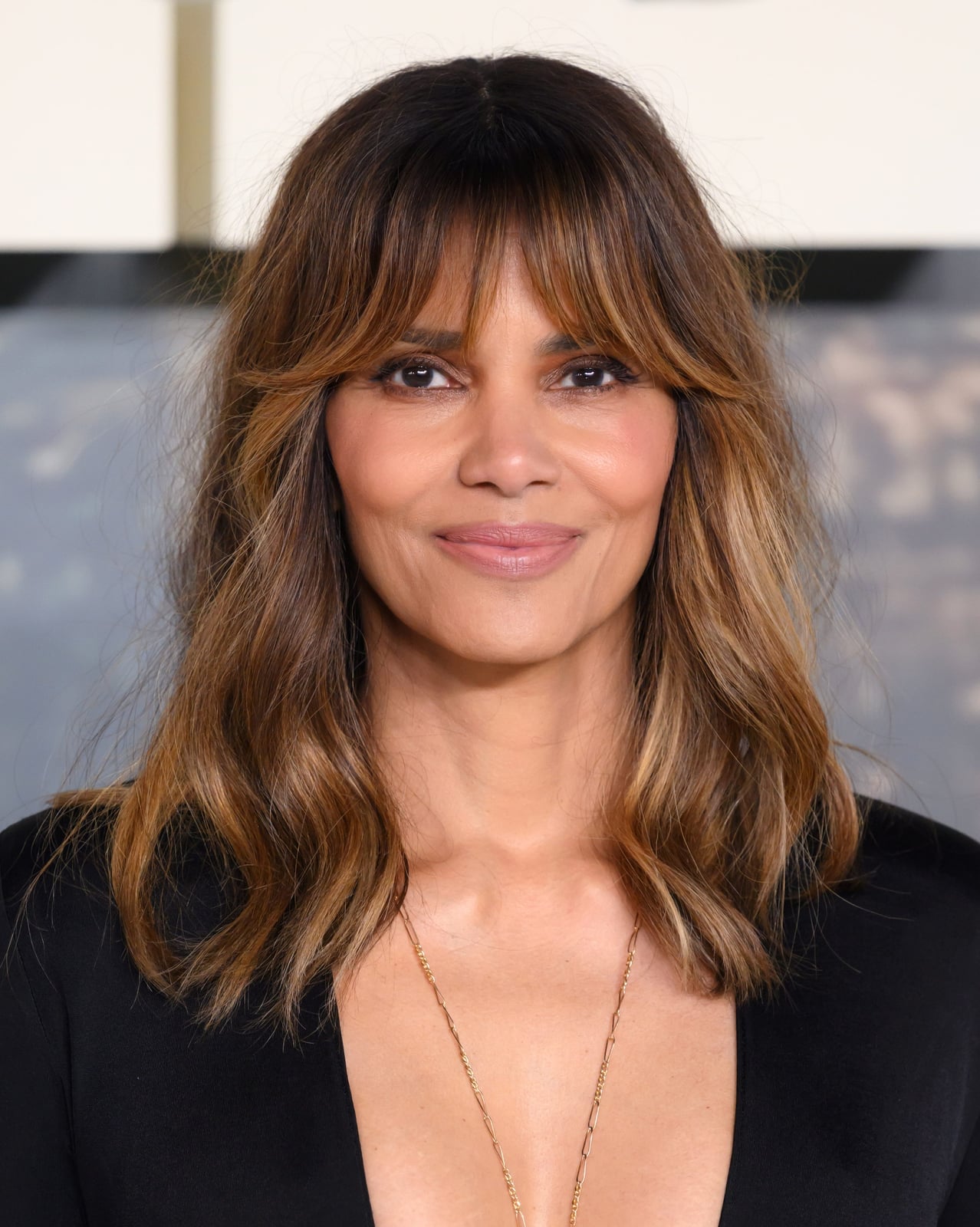
A shoulder-length lob with long layers and blonde highlights is a design that works because the curtain bangs do the heavy lifting. They soften the face without committing to a full fringe, and the middle part keeps everything balanced. Medium density wavy hair that hits the shoulder is the sweet spot: enough weight to hold the shape, enough movement to keep it from looking flat. Ask your stylist for a shoulder-length lob with long layers and soft curtain bangs. A round brush and a blow-dryer are all you need to direct the bangs away from your face; the rest of the hair falls into place. Curtain bangs lose their shape after about six weeks, so plan for regular trims.
Voluminous Dark Brown Curly Bob
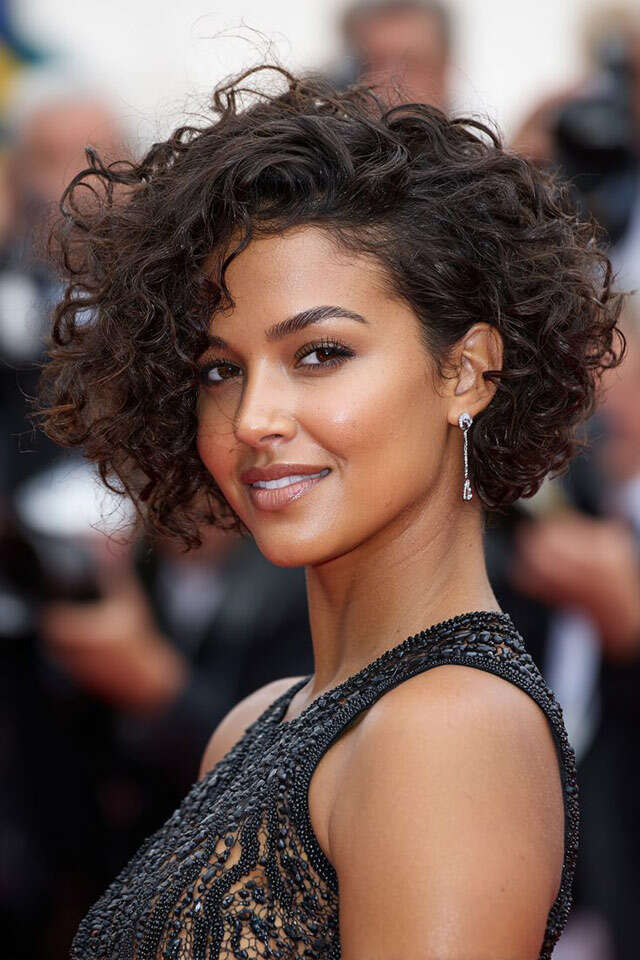
A short dark brown bob cut to the ear with voluminous natural curls is a look that relies on the cut as much as the curl. Side-swept bangs break up the roundness of the shape and keep the volume from turning into a triangle. Thick curly hair is the obvious candidate here; finer textures may not support the lift at the root. Ask your stylist for a short curly bob with side-swept bangs. The shape needs a precise cut every eight to ten weeks, or the curls lose their structure entirely. Air drying with a curl-enhancing mousse preserves the definition without heat damage.
Light Brown Wavy Lob With Curtain Bangs
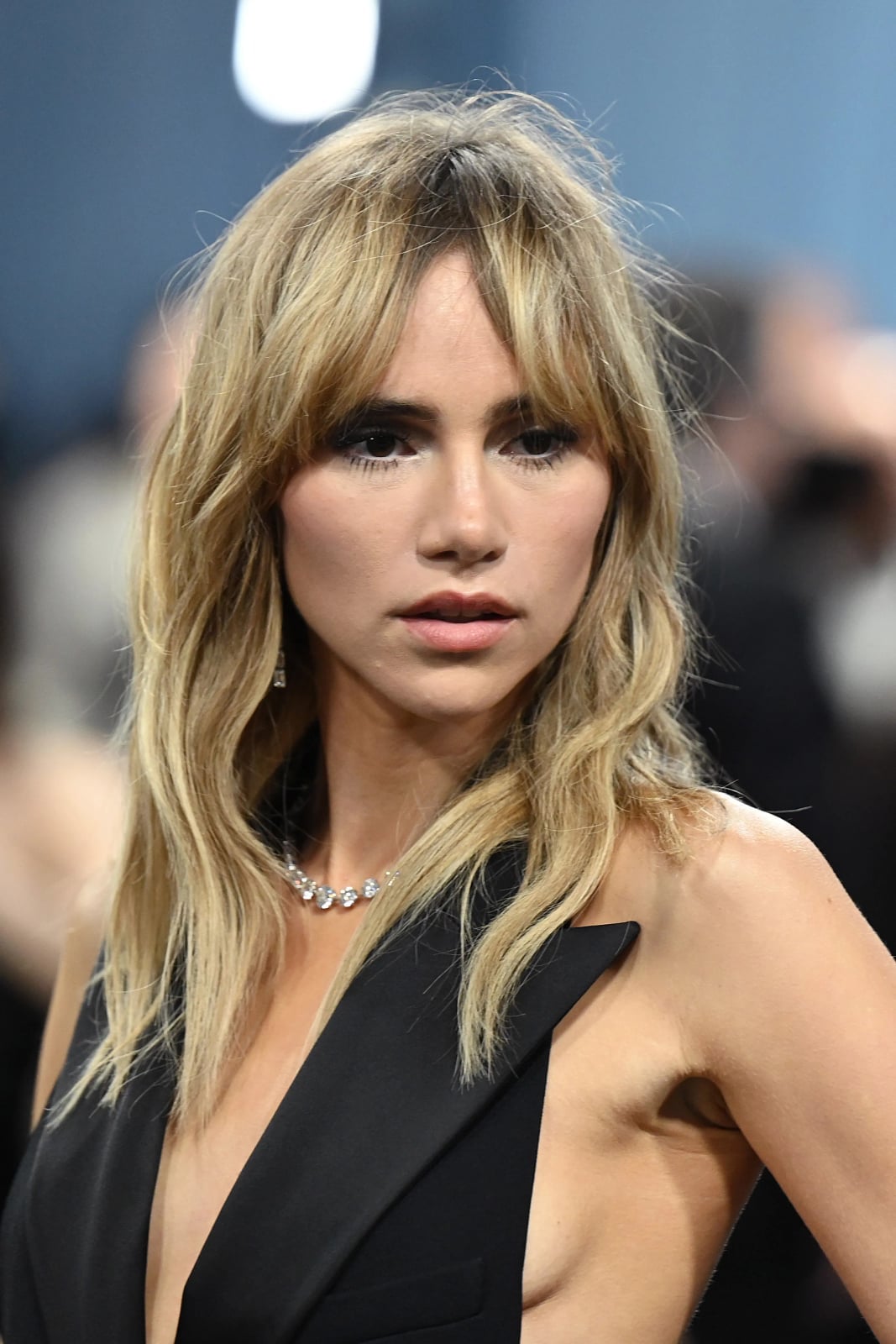
Where the first lob leaned into a polished blowout, this one trades that for a looser wave and a lighter base. The light brown base with blonde highlights reads softer, and the curtain bangs here are more prominent, almost acting as a frame for the whole shape. Medium density wavy hair works best; the wave pattern gives the curtain bangs something to blend into. Ask your stylist for a shoulder-length lob with soft face-framing layers and curtain bangs. A texturizing spray on dry hair keeps the waves from falling flat by midday. The curtain bangs need a trim every six weeks to keep them skimming the cheekbones rather than the jaw.
Sleek Dark Brown Blunt Bob
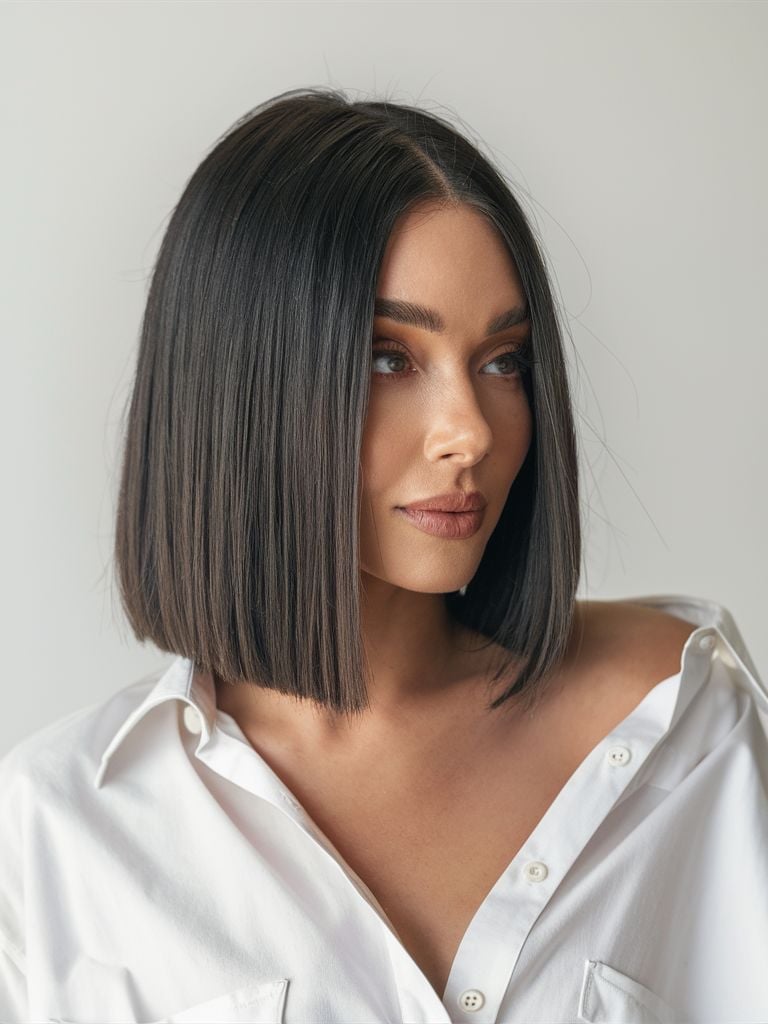
A collarbone-length blunt bob in dark brown is a design that punishes imprecision. The straight, thick texture holds the line, but the mistake people make is underestimating how exact the cut has to be: any unevenness shows immediately. This sleek finish needs a middle part and a sharp, clean edge to work. Ask your stylist for a collarbone-length blunt bob cut poker straight. The drawback is that the grow-out is merciless, and the shape starts looking ragged after six weeks. A flat iron with a heat protectant spray gives the glossy finish, but the real work happens in the cutting chair.
Collarbone Wavy Dark Brown Bob
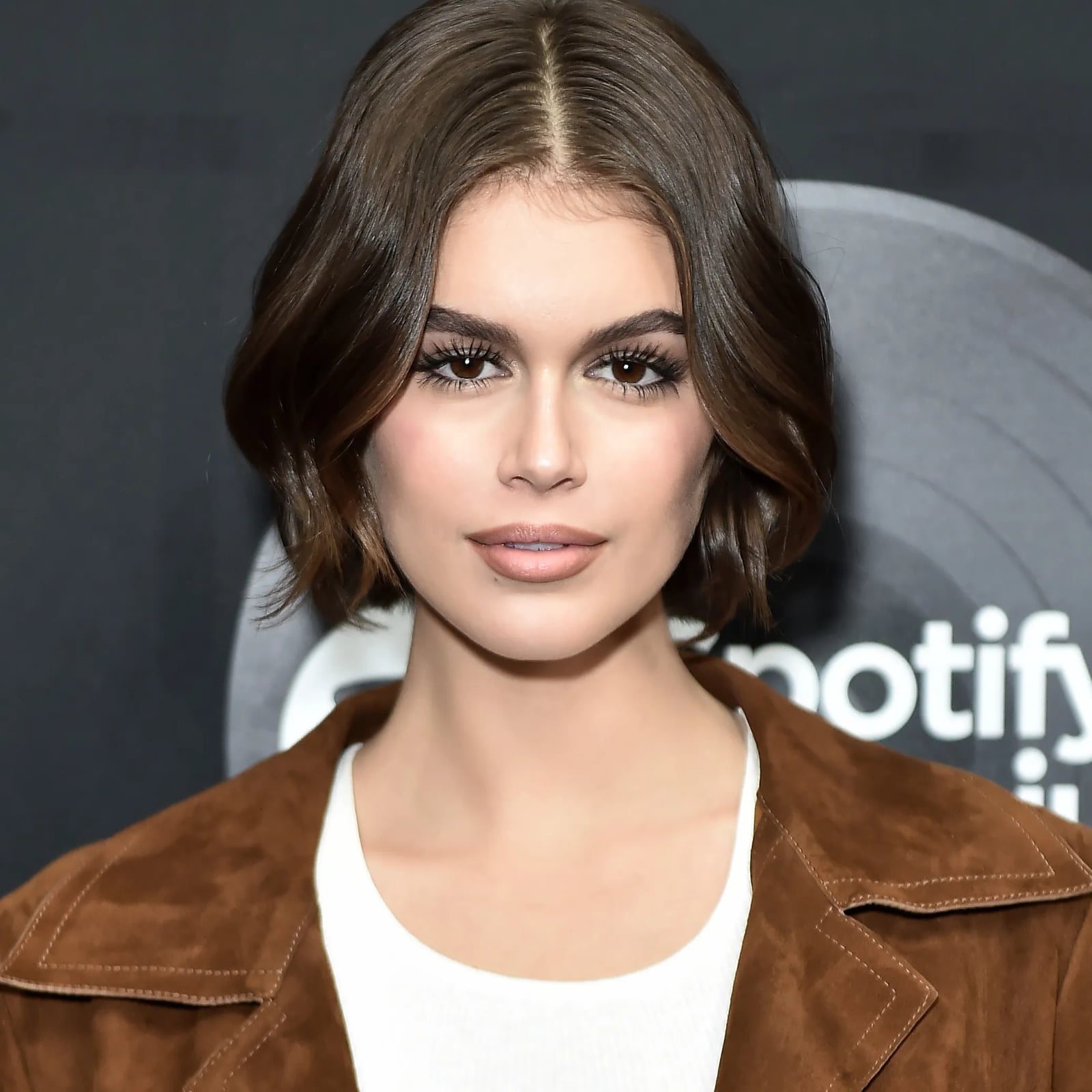
How do you ask for a bob that has soft, natural waves without looking like you just rolled out of bed? Start with the cut: a collarbone-length bob with no hard layers, so the wave pattern has room to move. The dark brown color here is solid, which lets the texture be the star. Medium density wavy hair that reaches the collarbone is the target length; any shorter and the waves get too tight. Ask your stylist for a collarbone-length wavy bob with a smooth blowout. Use a smoothing serum before blow-drying to keep the waves defined but not stiff. A trim every six to eight weeks maintains the shape at the ends.
Textured Dark Brown Pixie Bob
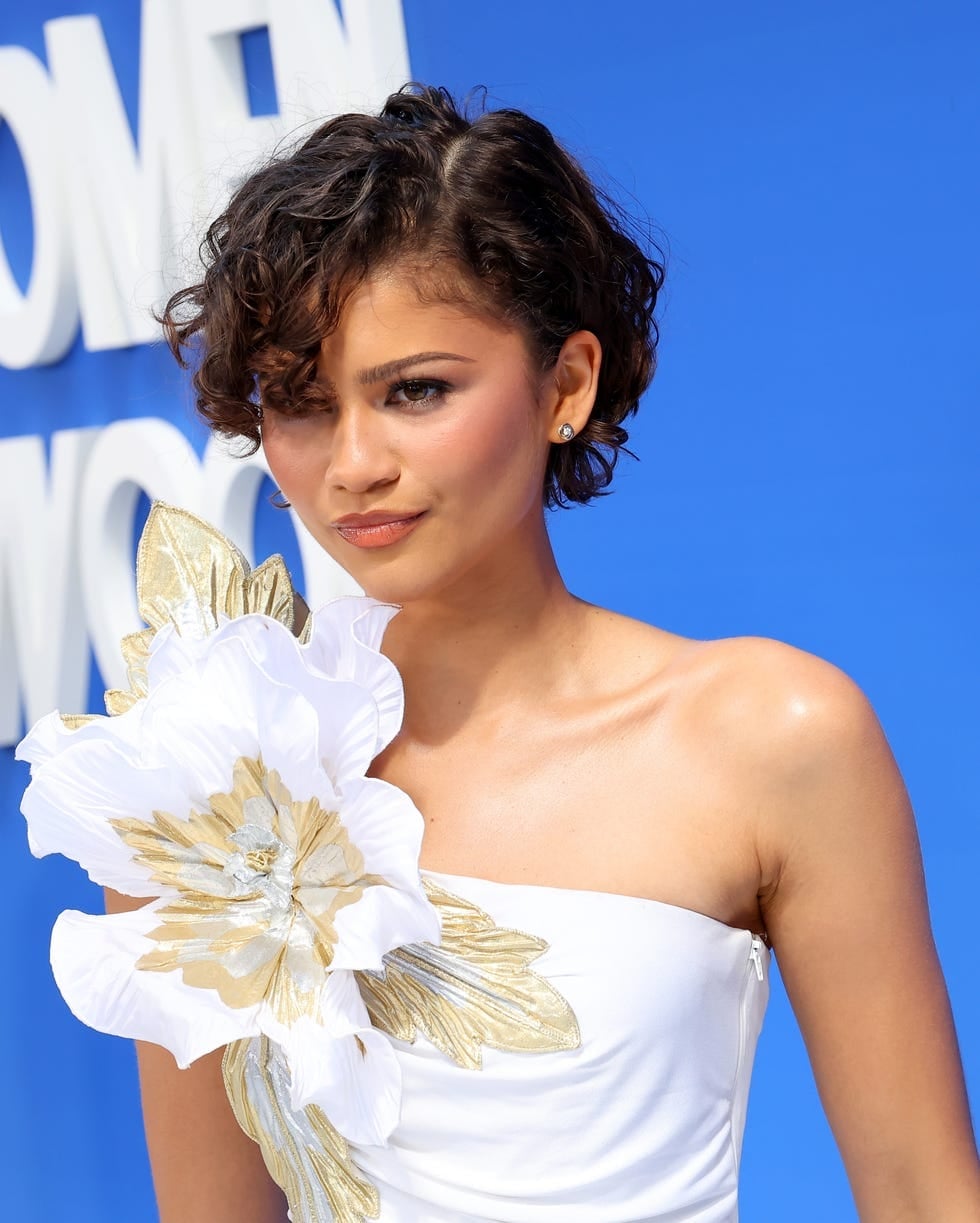
The trick to a pixie bob that looks intentionally textured rather than accidentally slept-on is the cut itself, not the styling. Ask your stylist for a short pixie bob with textured, wispy bangs. Fine, curly hair air-dries into exactly this kind of soft, piecey shape, so you can skip the heat entirely. Work a pea-sized amount of pomade through the ends while it’s damp to define the curls, then leave it alone. That’s it. A trim every four to six weeks keeps the silhouette from turning into a mushroom.
Thick Black Hair Long Braid With Fabric
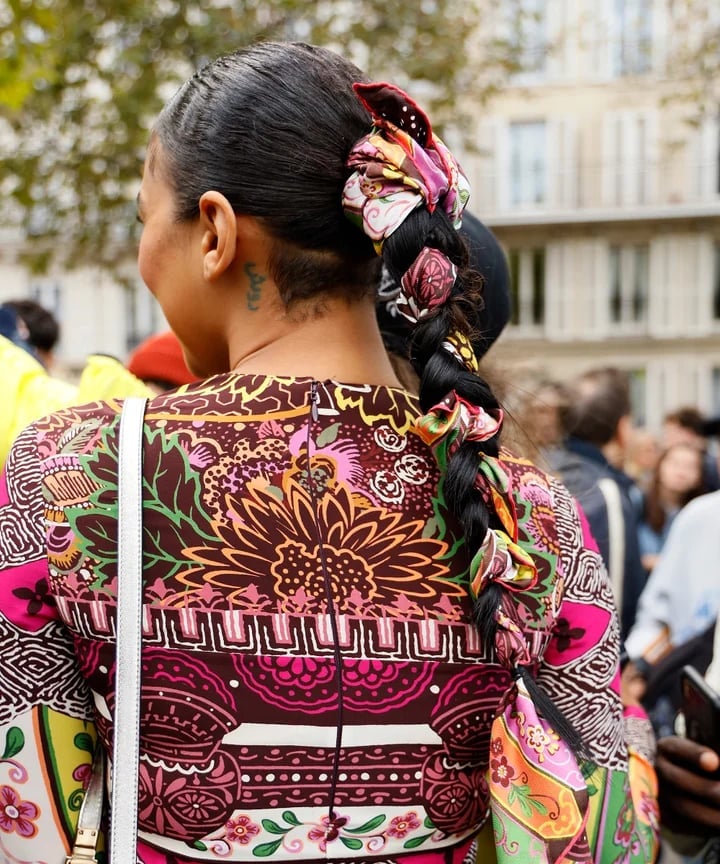
A single braid is practical. A braid with fabric woven through it is a whole different conversation. This style starts with thick, straight black hair slicked back from the face and braided to mid-back, with colorful fabric strips incorporated as you go. The fabric adds grip, so the braid holds its tension without slipping.
It is a salon skill, but the payoff is a style that looks intentional and lasts through heat, wind and a festival crowd. Ask your stylist for a long intricate braid with fabric accents. The shaved detail at the nape keeps the whole thing from feeling heavy, and the braid itself stays put for days.
Long Wavy Dark Brown With Caramel Highlights
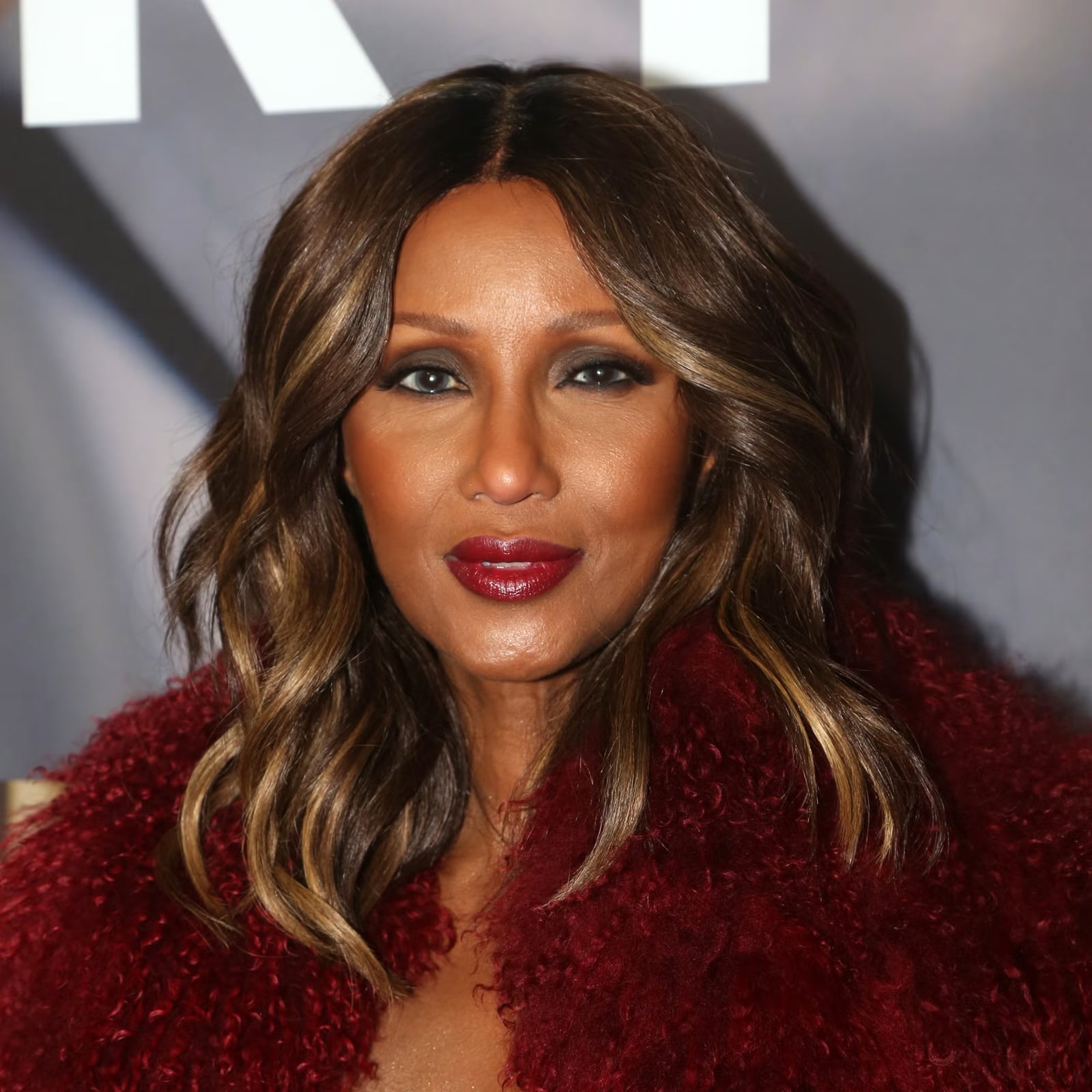
Loose waves and a glossy finish look polished only when the cut and color do the work first. This long style relies on a side-swept bang and caramel highlights placed through thick, wavy dark brown hair to create depth without full-on blonde. The layers are cut to move, so the waves fall naturally and do not need to be curled into submission.
Ask your colorist for caramel highlights with a side-swept bang. That glossy finish requires a serum or oil every time you wash, and the highlights need a toner every eight to ten weeks to stay warm instead of brassy. A trim at the same interval keeps the ends healthy enough to hold a wave.
Fine Blonde Hair Braids With Gold Beads
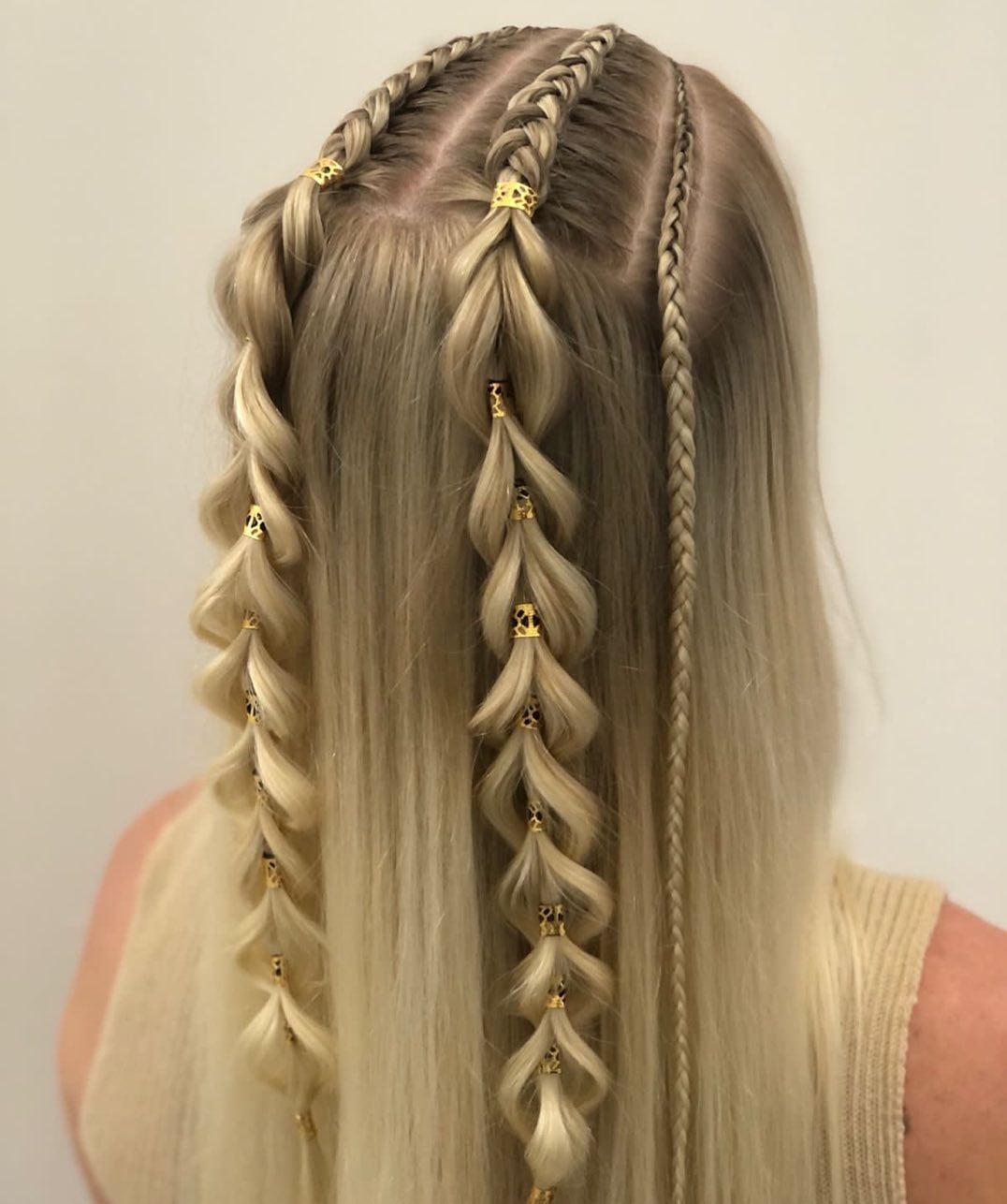
Fine, wavy hair rarely holds a single braid with much authority, which is why multiple braids are the smarter move. This design sections the hair into several parts, each braided and twisted to mid-back, with small gold beads threaded onto the strands. The beads add weight, so the braids hang straight rather than floating away. Ask your stylist for intricate braids with gold beads in multiple sections. The technique is precise, but the result is a style that moves and catches light in a way a single braid cannot.
Long Brunette Waves With Curtain Bangs
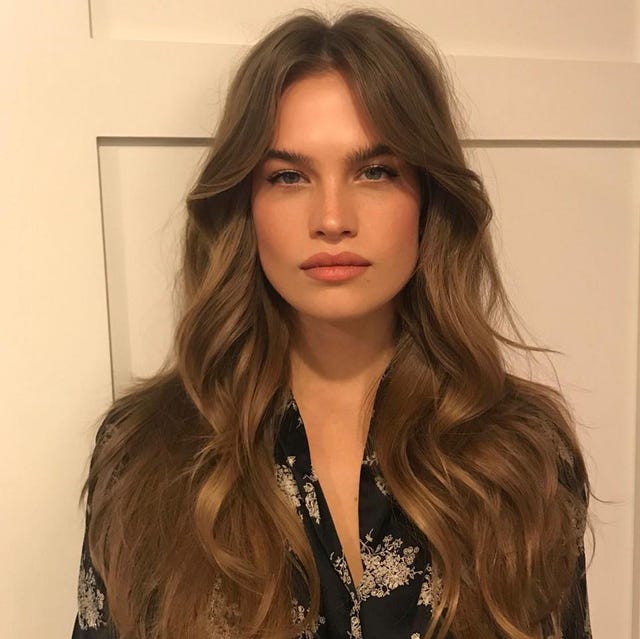
Who actually benefits from curtain bangs? Anyone with a round or oval face, because the angled pieces visually shorten the width and add structure to a long, wavy blowout. This look starts with thick brunette hair cut in long layers and a subtle balayage that keeps the base dark while the ends catch light. The curtain bangs are cut to graze the cheekbones, and the middle parting pulls everything into symmetry.
Ask your stylist for long wavy layers with face-framing curtain bangs and a subtle balayage. The layers give the blowout volume at the crown without losing length, and the bangs soften the transition from roots to ends. If your hair is fine or thin, skip the heavy layers and keep the bangs lighter to avoid losing density at the temples.
Mid-Back Wavy Hair With Lived-In Color
If you are used to uniform highlights, the lived-in color approach might feel like the opposite of a plan. The dark base stays put, the blonde balayage starts lower and the roots never meet foil in the same session. That is the point: the grow-out is part of the design, not a deadline. Thick, wavy hair at mid-back length handles this technique well, and the wispy bangs keep the front from feeling heavy. Ask your colorist for: dark base with blonde balayage, lived-in color. A texturizing spray brings out the dimension, and a trim every eight weeks keeps the ends healthy without sacrificing length.
The middle parting helps the balayage read as natural, since the lighter pieces fall where they would if the sun did the work. Styling is loose curls with a curling iron, about 15 minutes, and a gloss spray adds the finish. The downsides are minimal: the color does not look fresh out of the salon on day one, but that is the whole idea.
Ash Blonde Mid-Back Dutch Braid
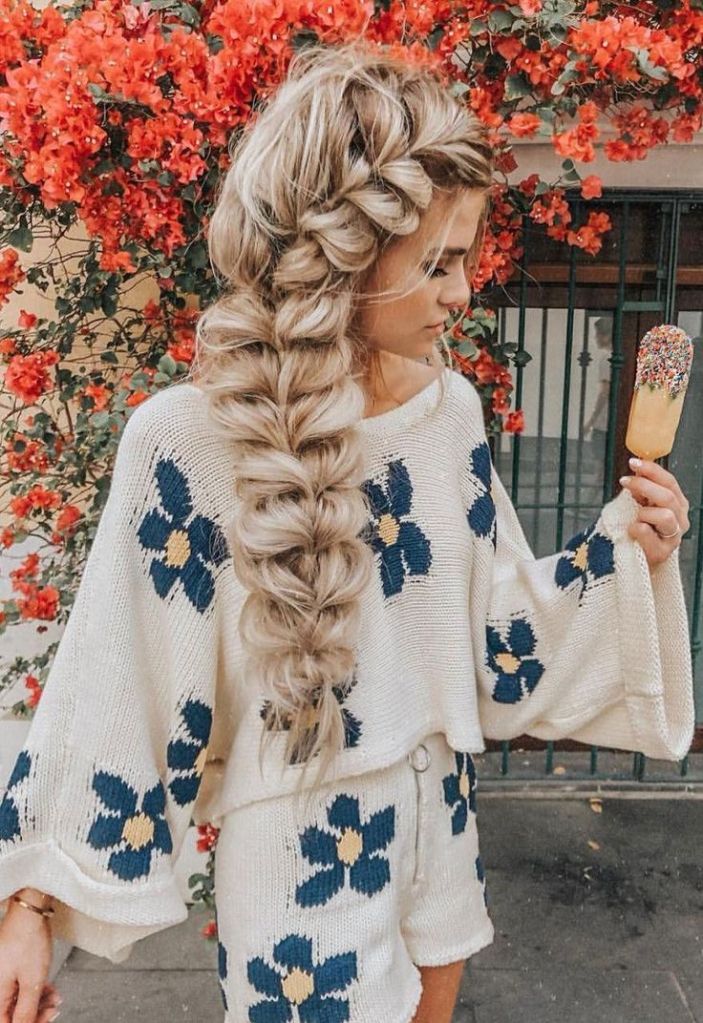
The Dutch braid here is built from three sections that cross under, not over, which pushes the braid up off the scalp and makes it look thicker. Ash blonde hair with highlights adds visible separation between each strand, so the pattern reads clearly even from a few feet away. Thick, wavy hair that reaches mid-back gives the braid enough weight to stay put without pins. Ask your stylist for: mid-back length Dutch braid, curtain bangs. The downside is time: sectioning and crossing under takes about 20 minutes, and the first attempt usually feels clumsy. Curtain bangs soften the pulled-back face, and the loose waves below the braid keep the whole thing from looking too strict.
Mid-Back Ash Blonde Ponytail
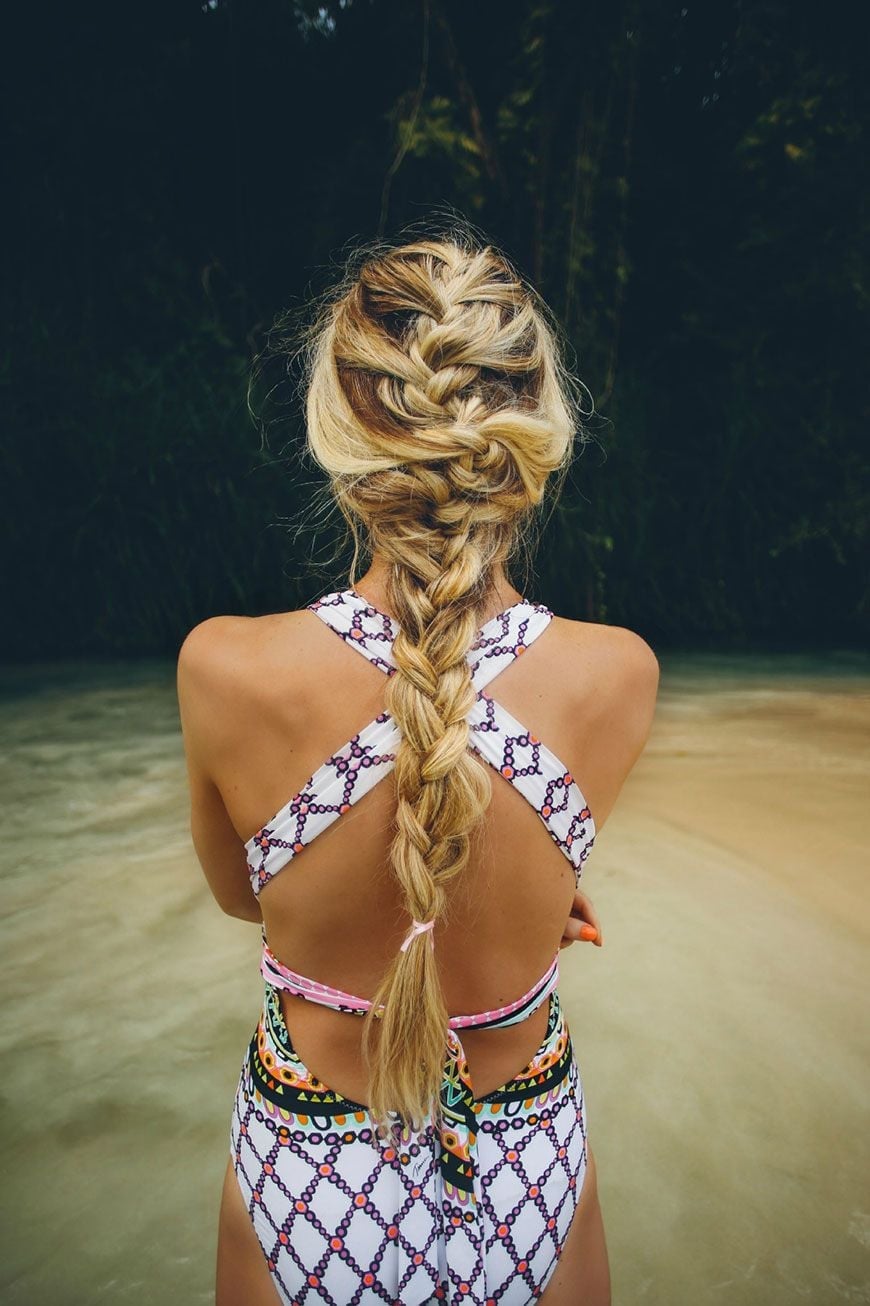
Can a ponytail really look intentional when your hair is fine and straight? Yes, if the placement and finish do the work. This version sits high on the crown, not at the nape, and the ash blonde base with subtle highlights adds the dimension that fine hair often lacks. The middle parting keeps the top smooth, and the length stops at mid-back, which is long enough to swing but short enough to avoid tangling at the elastic. Ask your stylist for: mid-back length high ponytail, ash blonde highlights. The sleek finish comes from a flat brush and a light-hold spray, not product buildup.
The trick is the placement: too low and it drags the face down, too high and it looks costumey. Fine hair holds this shape well because it does not weigh itself down. A trim every 10 to 12 weeks prevents the ends from looking see-through, and the highlights keep the color from going flat.
Collarbone Dark Brown Wavy Bob, Close-Up Take
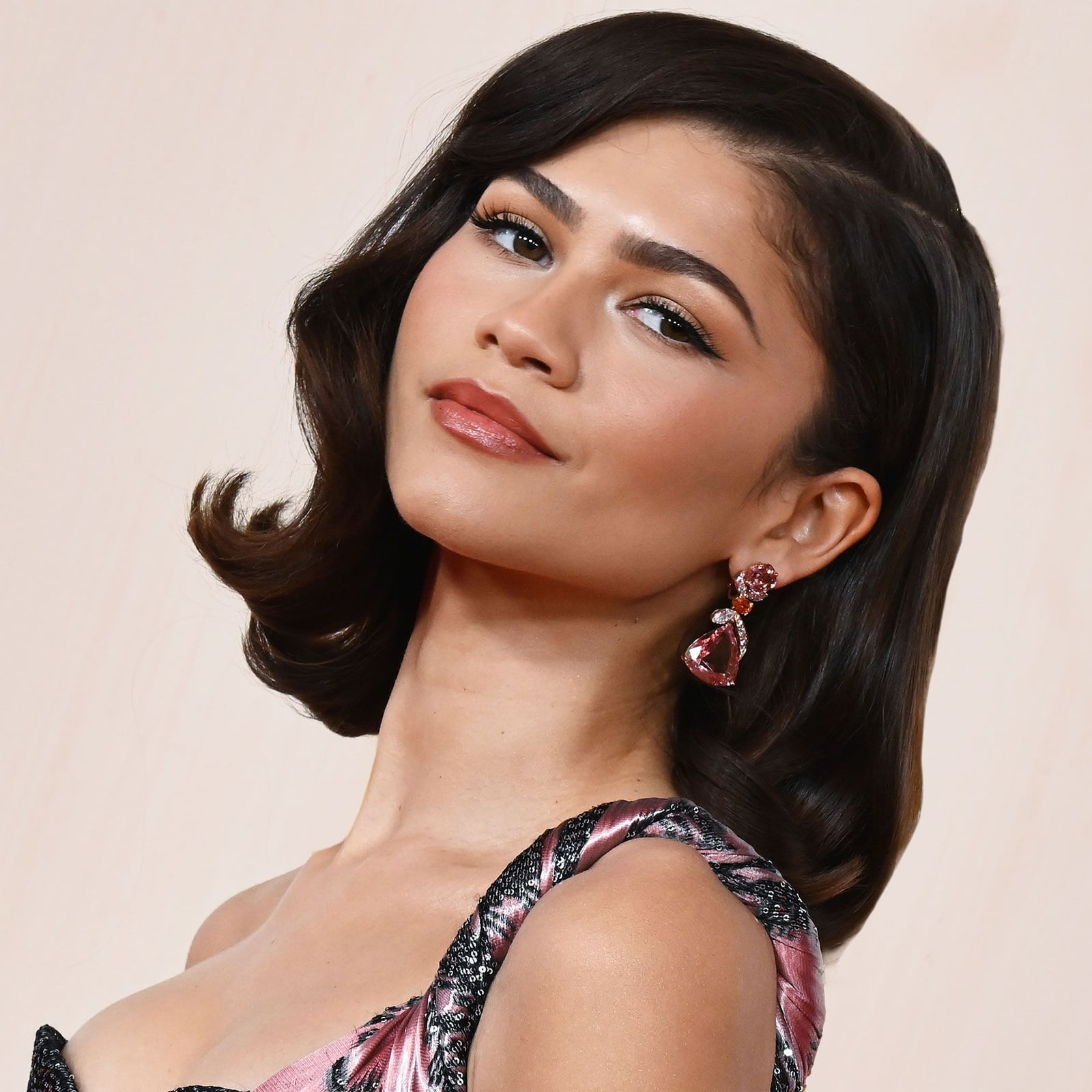
A collarbone bob with voluminous waves needs heat styling most days. The dark brown base is solid color, so the wave pattern is what gives the cut its shape. Medium-density wavy hair at collarbone length holds a curl well, but the side-swept bangs require a round brush and a blow dryer every morning to stay directional. Ask your stylist for: collarbone length wavy bob, voluminous waves, side-swept bangs. A curling iron with a one-inch barrel creates the waves in about 12 minutes, and a flexible-hold spray keeps them from dropping by lunch.
The real drawback: the side part will settle back to its natural line if you fight it, so you may need to train it with clips during the first week. A trim every six to eight weeks is essential because the blunt ends show every split end. The payoff is a polished shape that works for brunch or a work meeting without looking overdone.
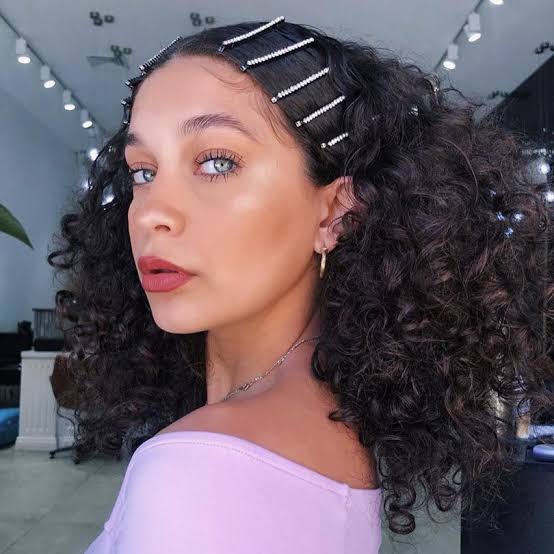
Black Curly Afro With Scalp Braids
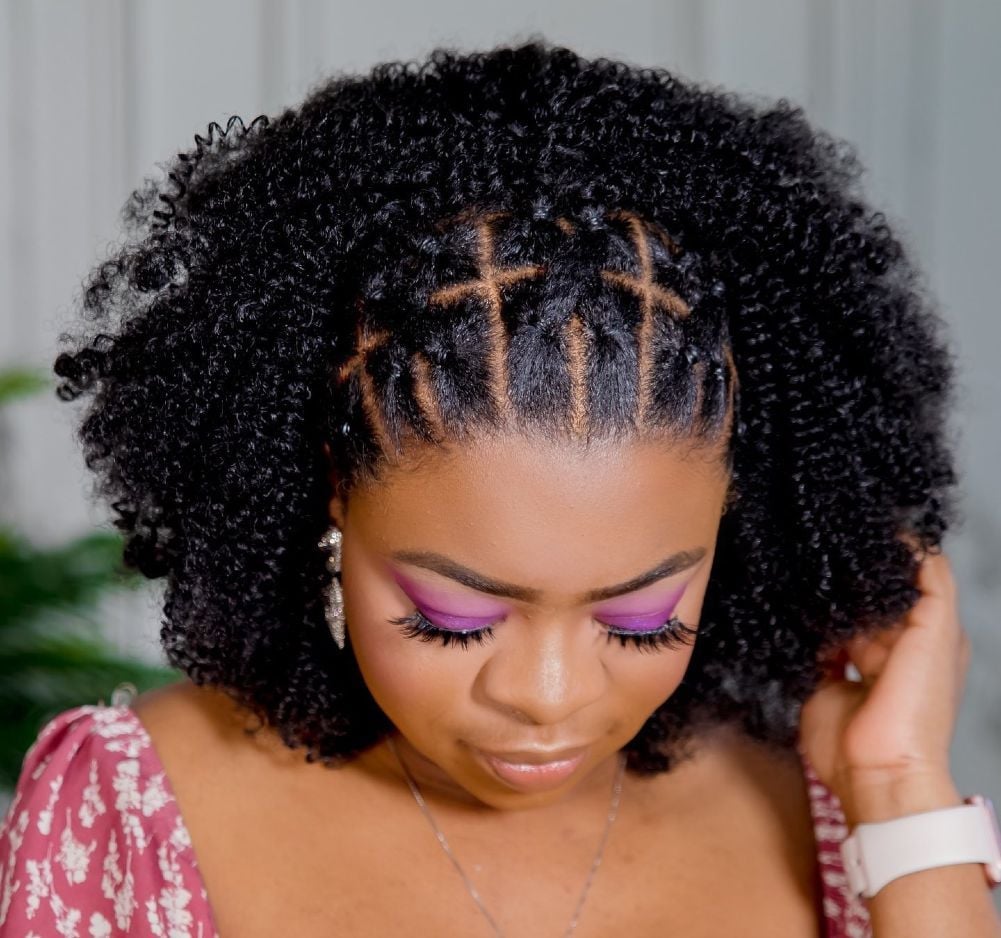
The mistake people make with geometric scalp braids is assuming they can be rushed. Each section needs clean, straight partings, and the braids must lie flat against the scalp to create the contrast with the loose afro. Thick, curly black hair at shoulder length provides the volume for the afro and the grip for the braids. The middle parting keeps the geometry symmetrical. Ask your stylist for: shoulder length afro, geometric scalp braids. The braids at the front take about an hour to install, and the loose curls below need regular moisture to stay defined.
Mid-Back Brown Blonde Fishtail Braid
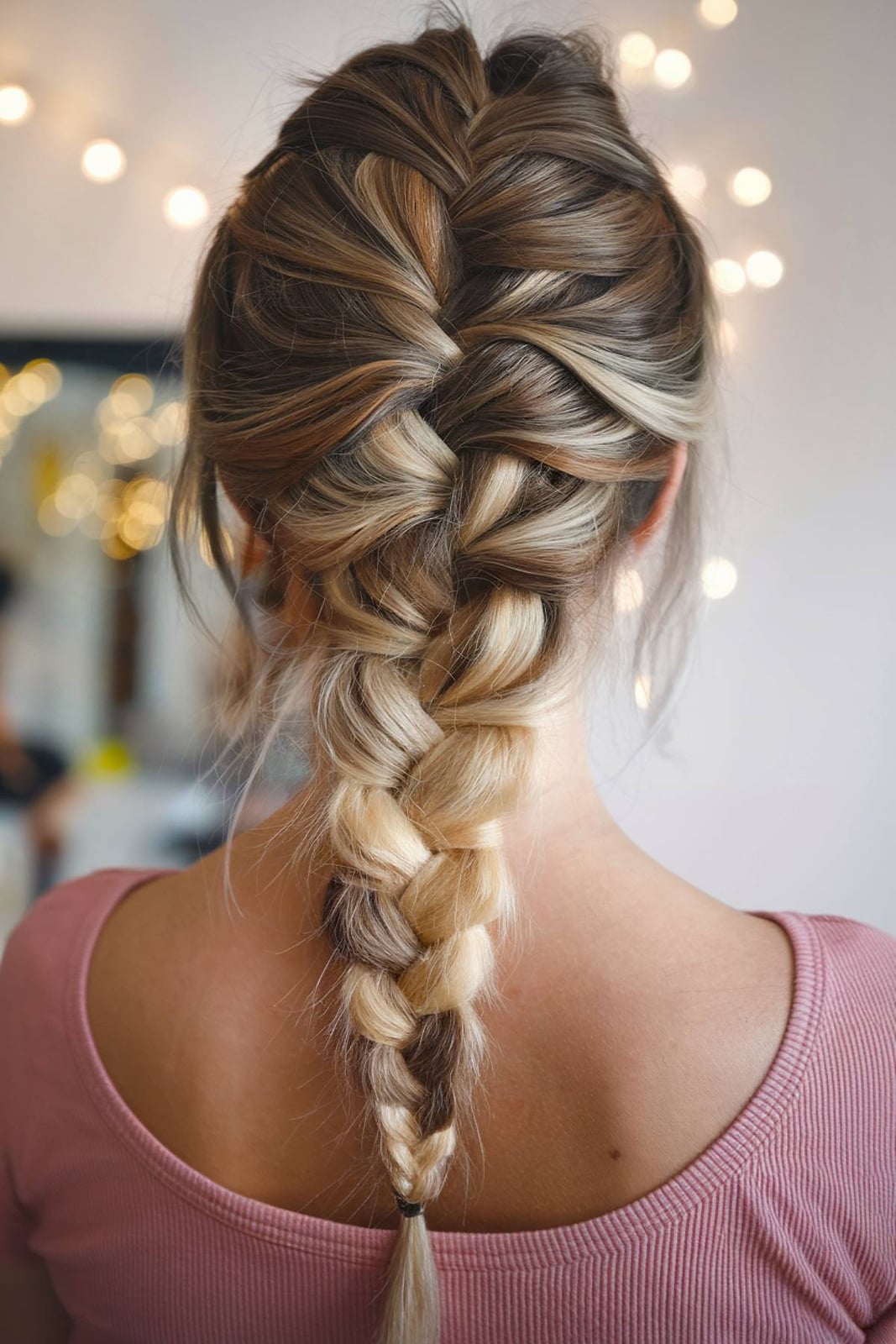
A fishtail braid is just two sections crossed over, which makes it look more intricate than a standard three-strand plait without any extra time. This one starts high on the head and drops to mid-back, with the loose weave showing off every piece of the brown and blonde highlights. Medium density wavy hair holds the shape best, and the side parting adds a casual tilt that works for a brunch date or a day at the office. Ask your stylist for: mid-back length fishtail braid, brown and blonde highlights.
The key to making it look full is to gently pull apart the outer edges of the braid after it is secured. That extra step turns a neat plait into something with texture and movement. A trim every eight to ten weeks keeps the ends from looking straggly, though the braid itself hides a lot of sins between cuts.
Mid-Back Ash Blonde Half Up Ponytail, Wispy Bangs
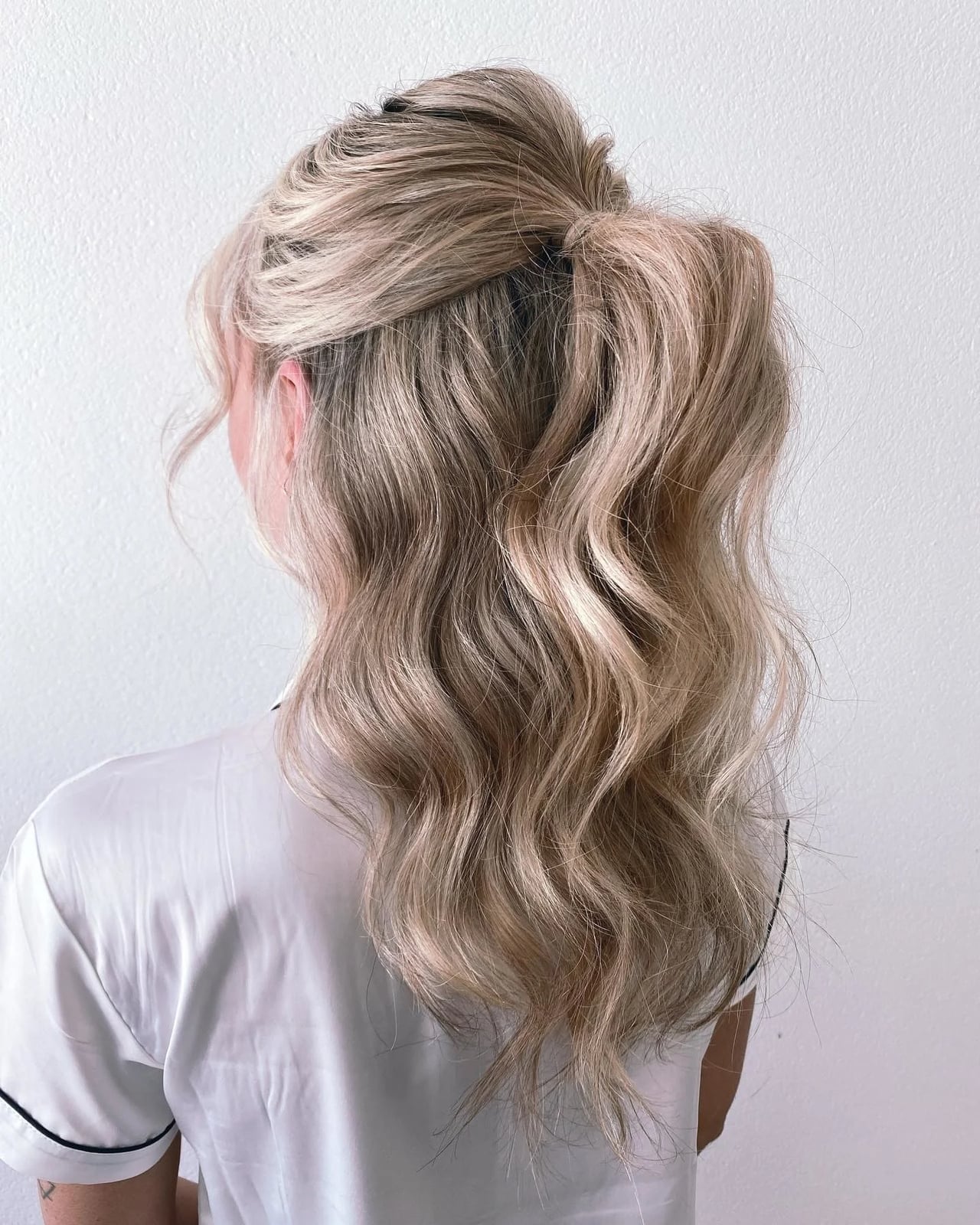
This is a half-up ponytail that actually has volume, which comes down to how the top section is secured. The ash blonde hair is thick and wavy, falling to mid-back, and the ponytail sits high enough to show off the highlights. Wispy bangs frame the face without demanding daily trimming, and the side parting keeps the style from feeling too symmetrical. Ask your stylist for: mid-back length half up ponytail, ash blonde highlights, wispy bangs.
To get the lift at the crown, backcomb the section you are pulling up before you tie it. Curl the loose hair underneath for a uniform wave pattern that blends into the ponytail. The layers throughout the length mean the hair moves together without looking chopped. A trim every eight to ten weeks keeps the ends healthy and the shape intact.
Long Blonde Half-Up Twisted Knot
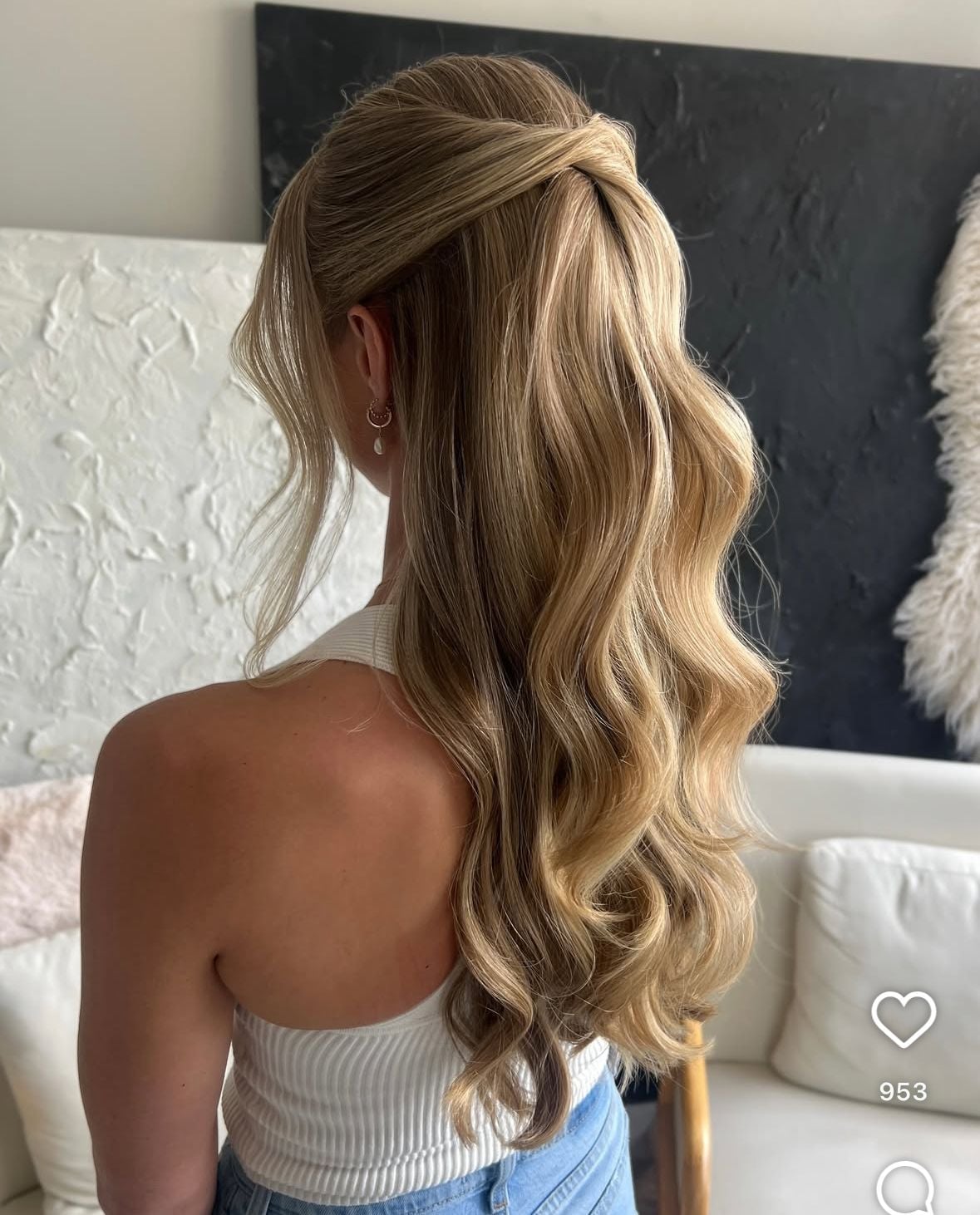
The smooth twisted knot at the crown is deceptively simple: take two sections from either side of a middle parting, twist them toward the back, and pin them together so the ends tuck under. Long, thick, wavy blonde hair with highlights gives the knot enough weight to stay put, and the face-framing pieces soften the line. This is a salon-leaning style, but with practice it is achievable at home in about ten minutes. Ask your stylist for: long blonde hair, half-up twisted knot, face-framing pieces.
Collarbone Dark Brown Wavy Blowout, Curtain Bangs
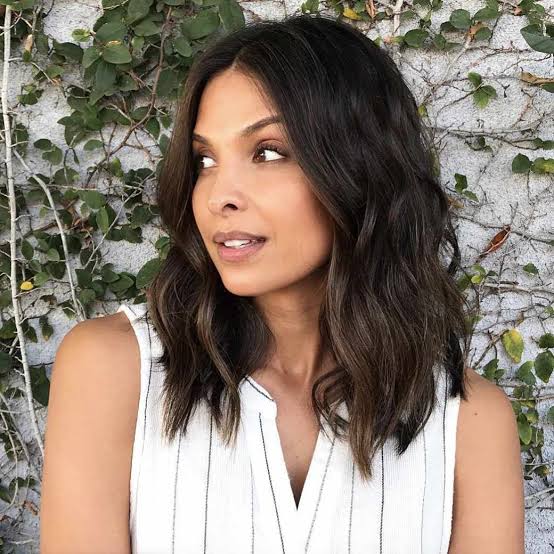
Wondering if curtain bangs will actually work on your face shape? They are designed to open up the center of the face and add width at the cheekbones, which makes them a solid choice for round and oval faces. This collarbone-length dark brown blowout uses subtle highlights to keep the waves from reading as one flat block of color. The middle parting and soft layers around the jaw create a balanced frame that does not shorten the neck. Ask your stylist for: collarbone length wavy blowout, curtain bangs.
Collarbone Silver Gray Wavy Lob
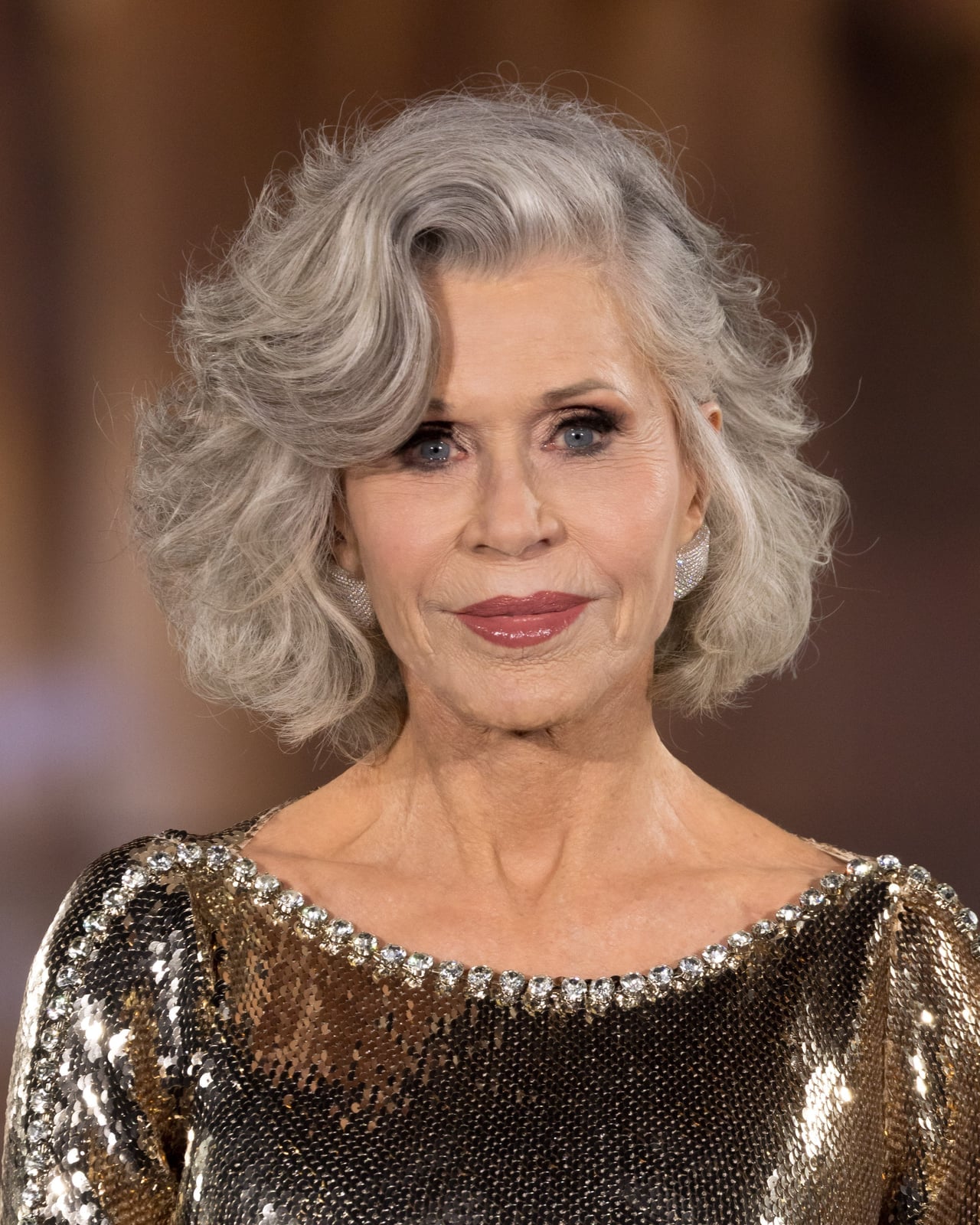
A silver gray lob demands commitment. The color needs a purple shampoo used at least once a week to stop the tone from pulling yellow, and the roots show up against the pale shade in about four weeks. The collarbone length and thick wavy texture make the voluminous blowout possible, but the trade-off is that fine hair will not hold the wave without product. Ask your colorist for: collarbone length silver gray lob, voluminous waves.
The upkeep schedule is every six to eight weeks for both the trim and the toner. One real drawback: if you skip a toning session, the gray turns a muddy beige that is hard to fix without another salon visit. The side parting and soft blowout help the waves sit evenly, but the real work happens in the bowl.
Mid-Back Ash Blonde Braided Ponytail, Long Layers
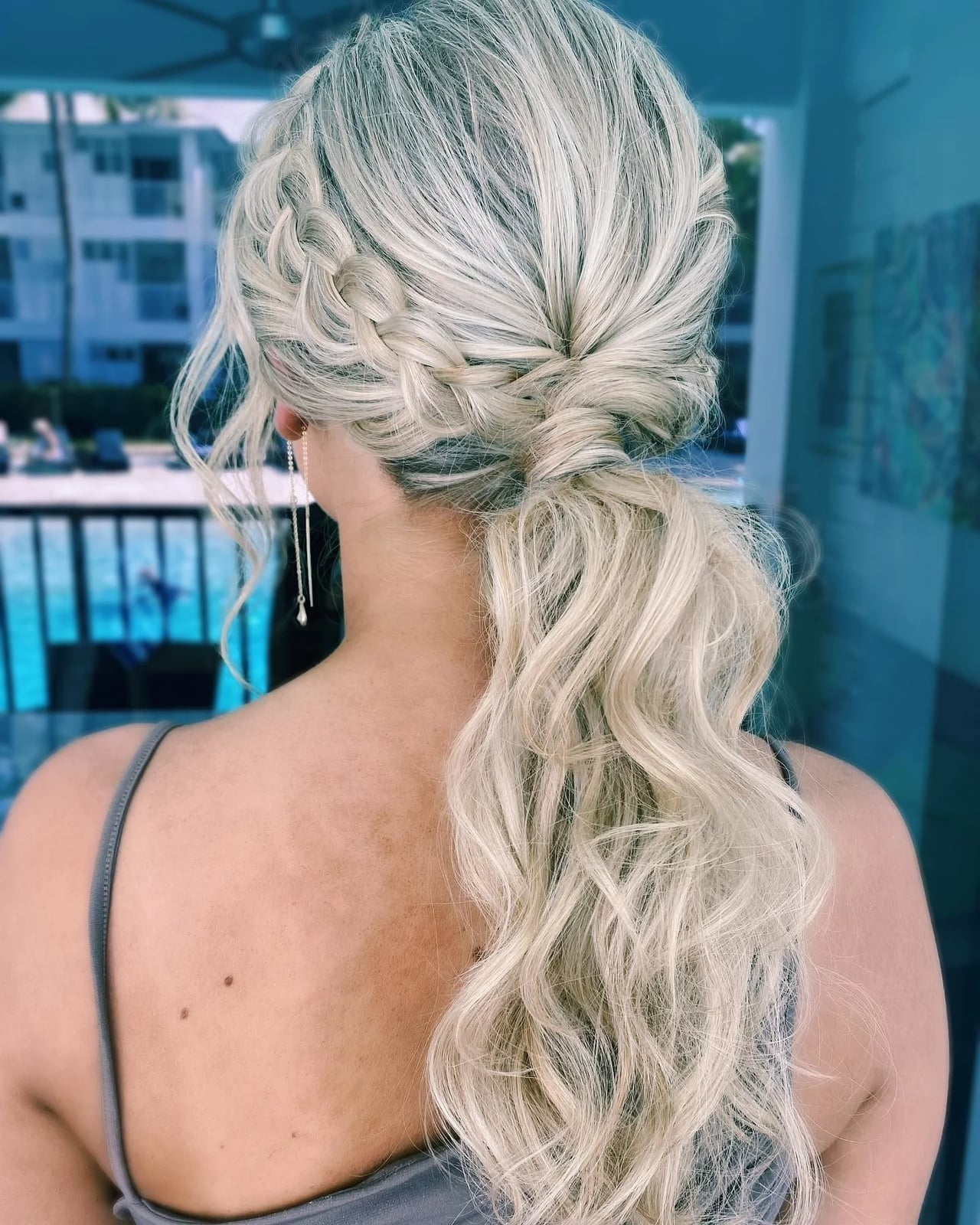
The design here is a study in contrast: a tight, intricate braid that anchors a loose, voluminous ponytail. The ash blonde base prevents a heavy look, while the long layers let the curls in the ponytail move freely. Thick, wavy hair that reaches mid-back is the ideal starting point. Ask your stylist for: a mid-back length braided ponytail with long layers. The braid creates lift at the crown, and the loose strands are curled for softness. This is not a five-minute style. It requires a salon visit or a skilled hand, but the hold is excellent for a full day of wear. A middle parting keeps the front clean and face-framing layers soften the overall effect. A trim every 8 to 10 weeks maintains the shape and prevents the ends from looking straggly.
Textured Black Fine Pixie Cut
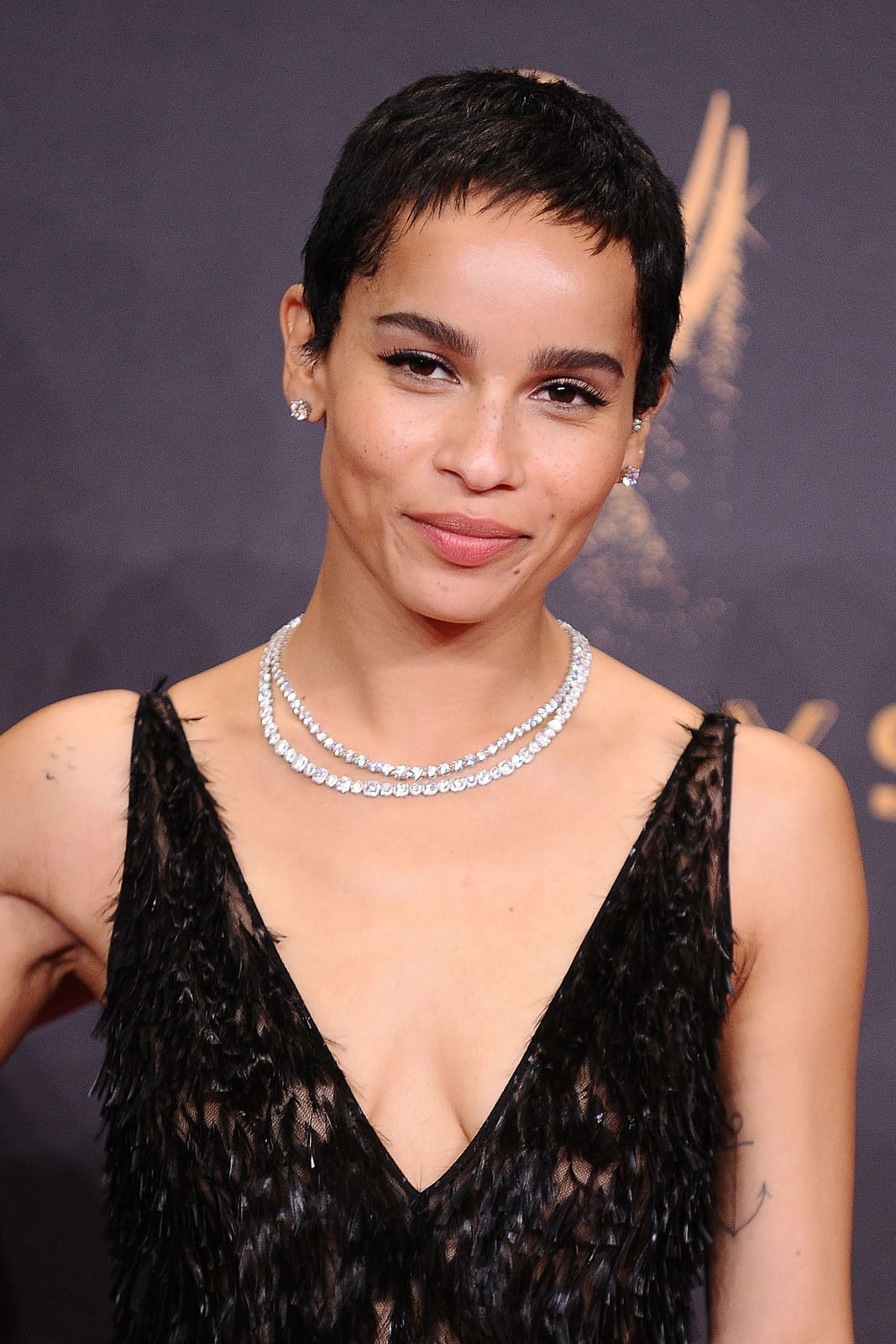
If you have fine, straight hair, this cut is a cheat code for volume. The short, choppy bangs and ear-length layers create a textured finish that gives the illusion of density. Ask your stylist for: a short choppy pixie cut with a middle part. The key is the choppy texture, which you can maintain at home with a matte paste or wax. Work a pea-sized amount through dry hair, focusing on the ends to separate the pieces. A trim every 4 to 6 weeks is non-negotiable to keep the shape sharp. The middle parting adds a modern touch and keeps the bangs from looking too heavy. This is a DIY-friendly style once the initial cut is done, but the grow-out phase requires patience.
Thick Wavy Blonde Balayage Updo
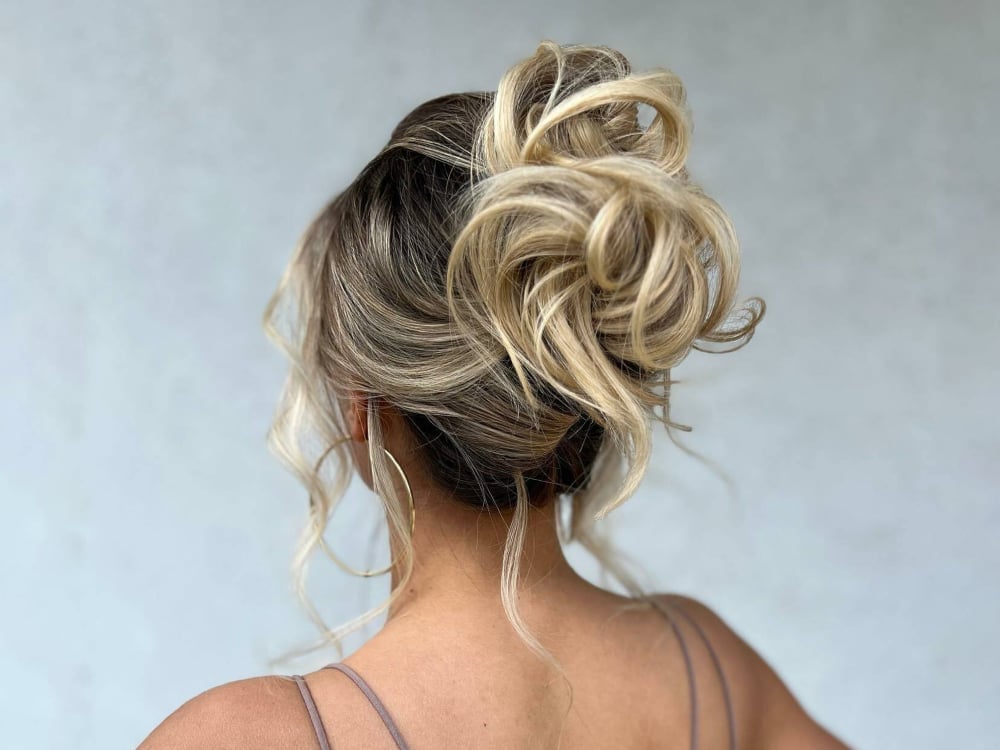
Compared to a sleek, polished updo, this one is deliberately undone. The textured updo relies on thick, wavy hair with a blonde balayage to create depth and movement. Loose curls are artfully arranged around the crown and nape, so the whole thing looks soft rather than rigid. Ask your stylist for: a textured updo with loose curls and a blonde balayage. The drawback is the effort: this is not a quick pin-and-go style. Each curl needs to be placed and secured with bobby pins, and a strong hold hairspray is required to keep everything in place. The collarbone length (when down) provides enough weight to work with, but too much product can weigh down the waves. A trim every 8 to 10 weeks keeps the layers from getting heavy.
Long Blonde Balayage Half-Up Braid
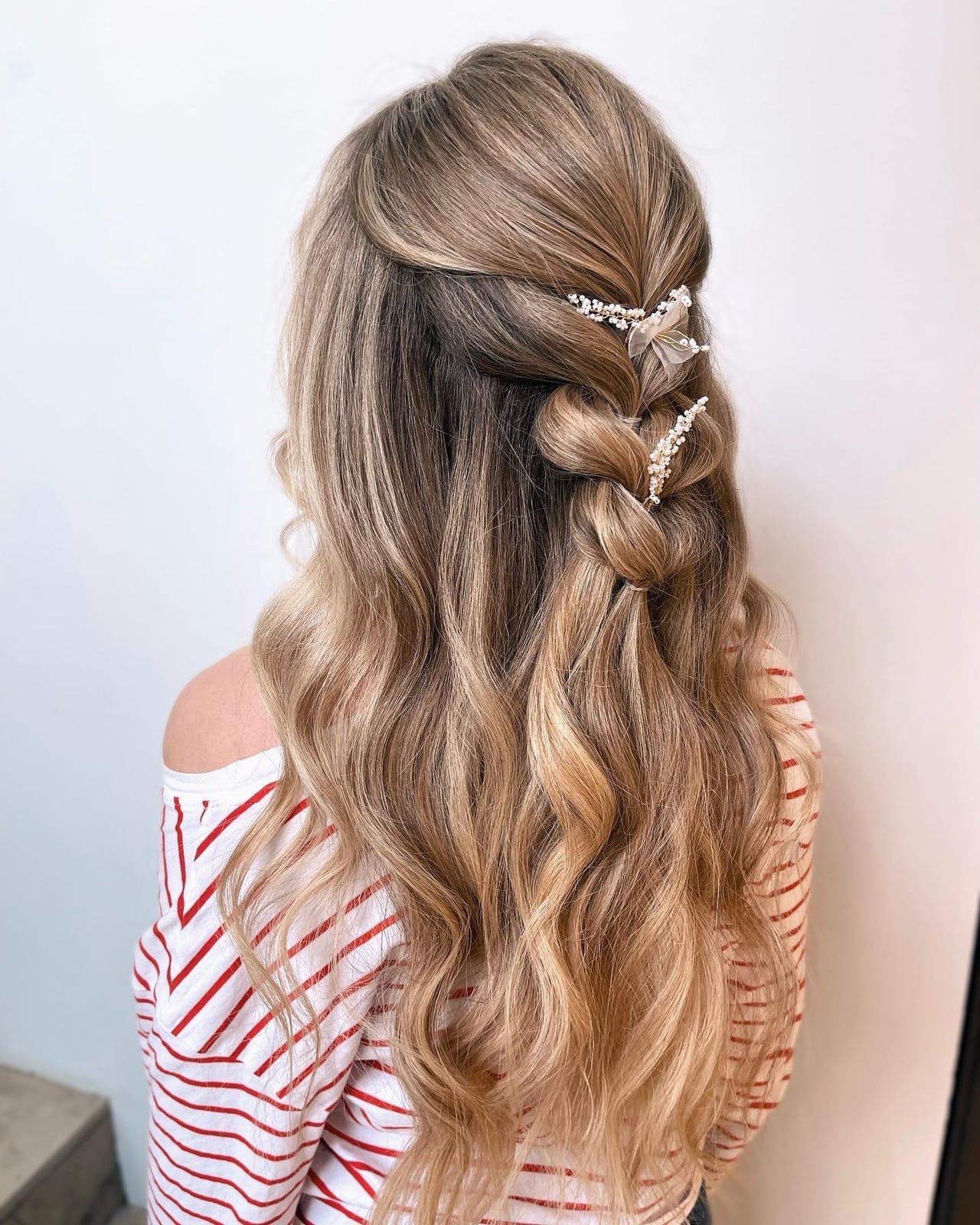
Wondering how to wear a decorative clip without it looking like an afterthought? This half-up style uses a twisted braid as the anchor. The braid starts at the side parting and wraps back, securing the top section while leaving the long, wavy blonde balayage hair loose. Ask your stylist for: a half-up twisted braid with a decorative clip at the back. The clip is placed at the join of the braid, so it reads as part of the design. Thick, wavy texture is ideal for this style, as it gives the braid body and the loose hair movement. The side parting adds asymmetry, which keeps the look from being too symmetrical. This is a salon-leaning style, but once the clip is in, the hold is solid for an evening event. A trim every 8 to 10 weeks maintains the layers.
Mid-Back Dark Brown Bubble Braid
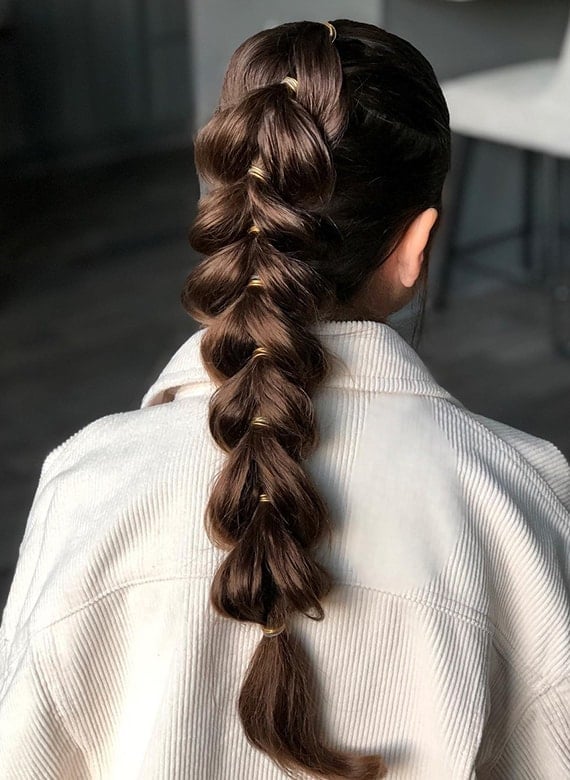
The bubble braid is a clever trick: sections of hair are tied with small elastics, then gently pulled apart to create a series of rounded segments. This version uses gold elastics, which add a subtle metallic detail against the dark brown, thick, straight hair. Ask your stylist for: a mid-back length bubble braid with gold elastics. The braid has a voluminous, almost architectural look. The hold is excellent, but the drawback is the time it takes to create each bubble evenly. A texturizing spray applied before braiding gives the hair enough grip to hold the shape. Straight, thick hair works best because it shows the clean lines of the segments. A trim every 10 to 12 weeks is sufficient, as the braid conceals minor split ends.
Short Black Coily Twist Outs
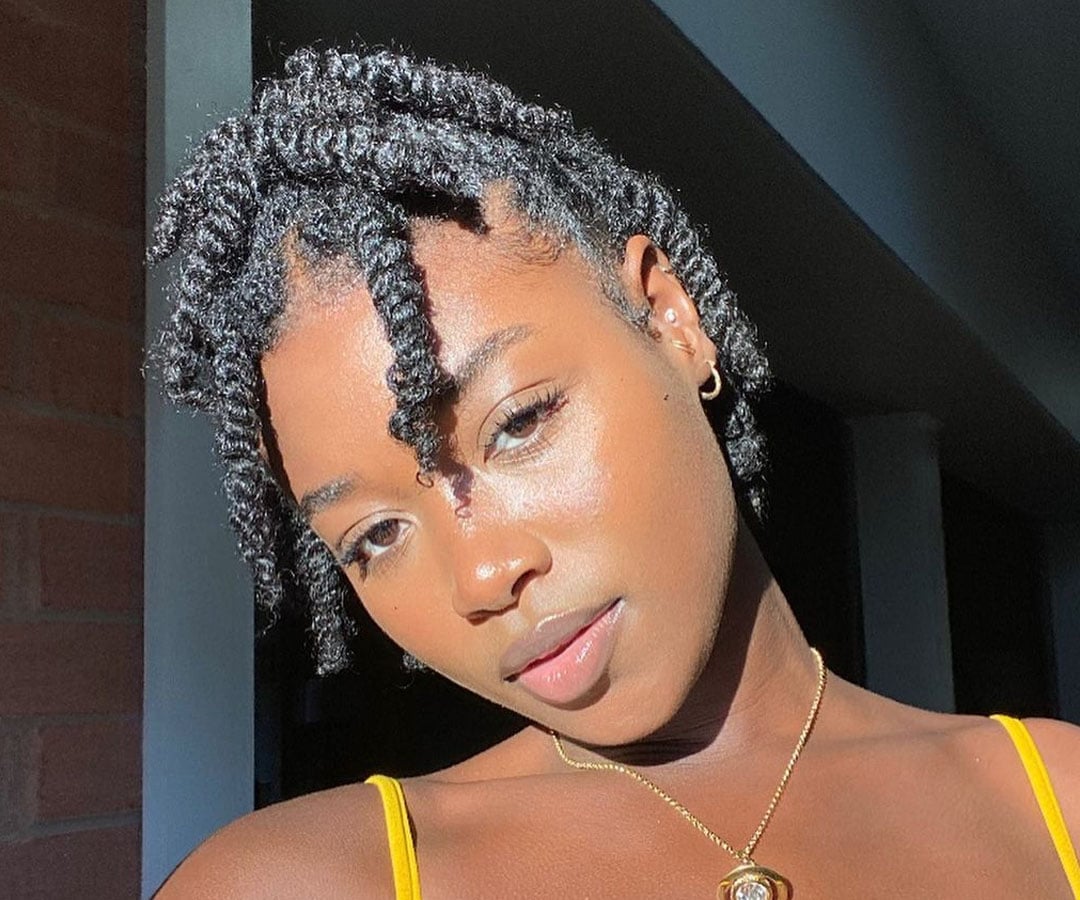
This is a short, ear-length dark brown style built from defined twist-outs, with the middle parting and coils framing the face. Thick, coily hair of any length can hold this technique, and it suits all face shapes. Ask your stylist for: short coily twist outs, defined coils. Apply a leave-in conditioner and styling cream before twisting; trim every 10-12 weeks.
Long Dark Brown High Ponytail

Does a high ponytail work for your face shape? With face-framing bangs and a middle parting, this one softens the hairline and balances a round or square face. The long, thick, wavy dark brown hair is pulled high, with loose waves and subtle highlights adding movement. Ask your stylist for: long dark brown high ponytail, loose waves, face-framing bangs.
Thick, wavy hair that is long is the ideal starting point; finer textures may need a volumizing product to fill the ponytail. A texturizing spray on the ponytail adds grip and body. Trim every 8-10 weeks to keep the layers from splitting.
Mid-Back Straight Fishtail Braid
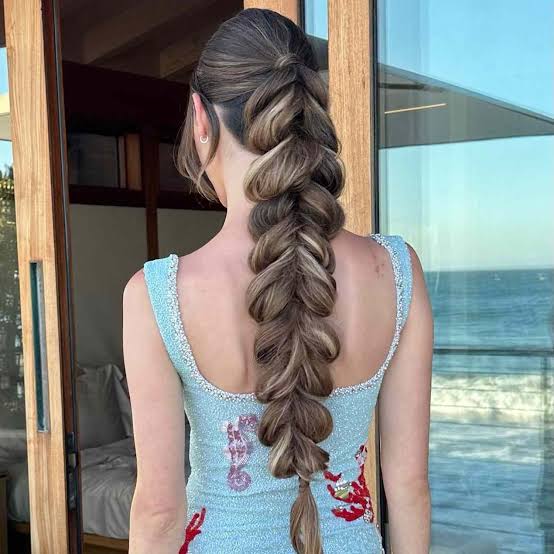
A fishtail braid is built from two sections, not three, which gives it a finer, more intricate texture than a standard three-strand braid. This mid-back length style on straight, medium-density dark blonde hair with highlights has a finely woven look. Ask your stylist for: mid-back length fishtail braid, dark blonde highlights.
The middle parting keeps the braid centered and balanced. It lands well in transitional weather: cool enough to want hair off the neck, warm enough to show off the weave. A texturizing spray before braiding prevents slipping and holds the pattern all day.
Thick Wavy Dark Blonde Lob With Clips

Small, colorful clips scattered in the front sections turn a simple lob into something playful. This shoulder-length, layered dark blonde balayage cut is styled in loose waves with a middle parting and curtain bangs. Ask your stylist for: shoulder length lob, loose waves, colorful hair clips.
To get close at home, air-dry with a texture spray, then add the clips after the waves set. The balayage grows out softly, so you can stretch salon visits to 8-10 weeks. Thick, wavy hair that is at least shoulder length holds the waves best; finer hair may need a curling wand to create enough body for the clips to grip.
Collarbone Blonde Half Up Braided Style
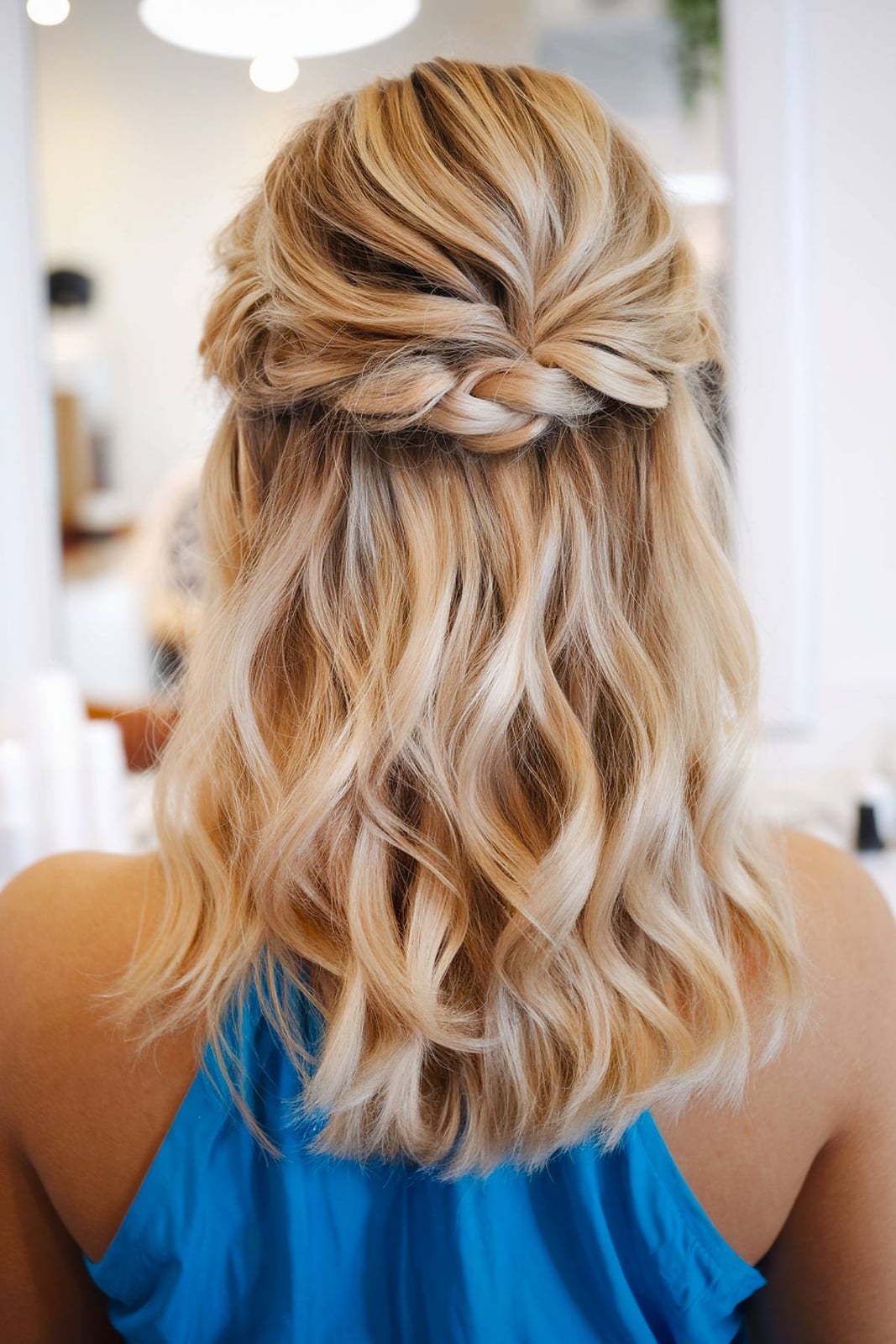
The braid holds well for a full day if you start with a texturizing spray on the top section. The drawback: the waves below can lose definition faster than the braid, so a second-day refresh with a mist of water and a few finger-combs is usually needed. Trim every 6-8 weeks to keep the layers clean.
Shoulder Length Blonde Double Space Buns

Double space buns are one of those rare styles that look playful without requiring a salon appointment. For fine, wavy hair at shoulder length, the key is a texturizing spray for grip before twisting each section into a bun on top of your head. A middle parting keeps the loose waves below from competing with the buns. Ask your stylist for: shoulder length blonde hair, double space buns. This is a DIY-friendly look that holds all day with a few bobby pins and a trim every eight to ten weeks.
Mid-Back Straight Hair With Face Braids
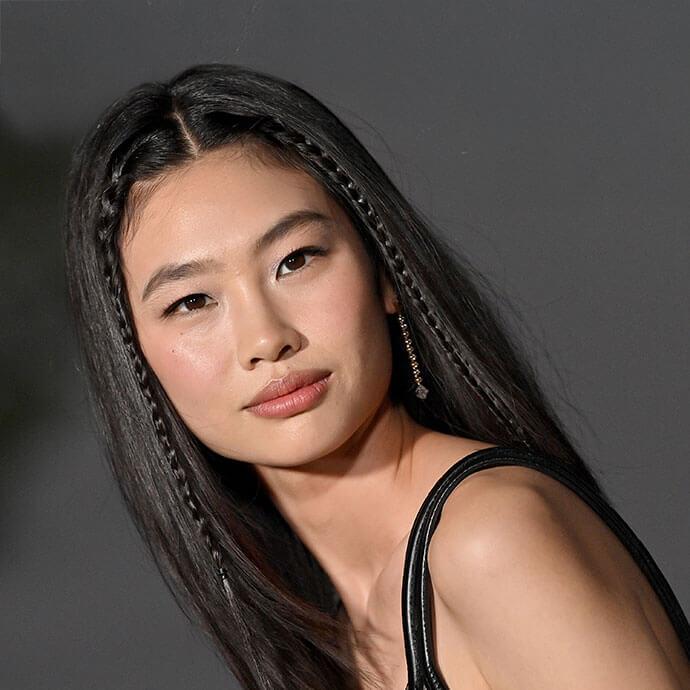
Face-framing braids work best when the hair stays sleek and simple. A full head of small braids is a different look entirely; two thin braids along a middle part keep the focus on the face without overwhelming fine to medium density hair. The subtle highlights in the dark brown base add depth without competing with the braids. Ask your stylist for: mid-back length straight hair, small face-framing braids. This is a salon-leaning style that holds best on straightened hair, with a trim every ten to twelve weeks to keep the ends clean.
For someone who wants detail without the commitment of a full braided style, this is the middle ground. The braids can be done at home with practice, but the smooth finish and precise part benefit from a stylist’s hand. The style works for everything from a workday to a casual weekend.
Mid-Back Medium Brown Twisted Crown
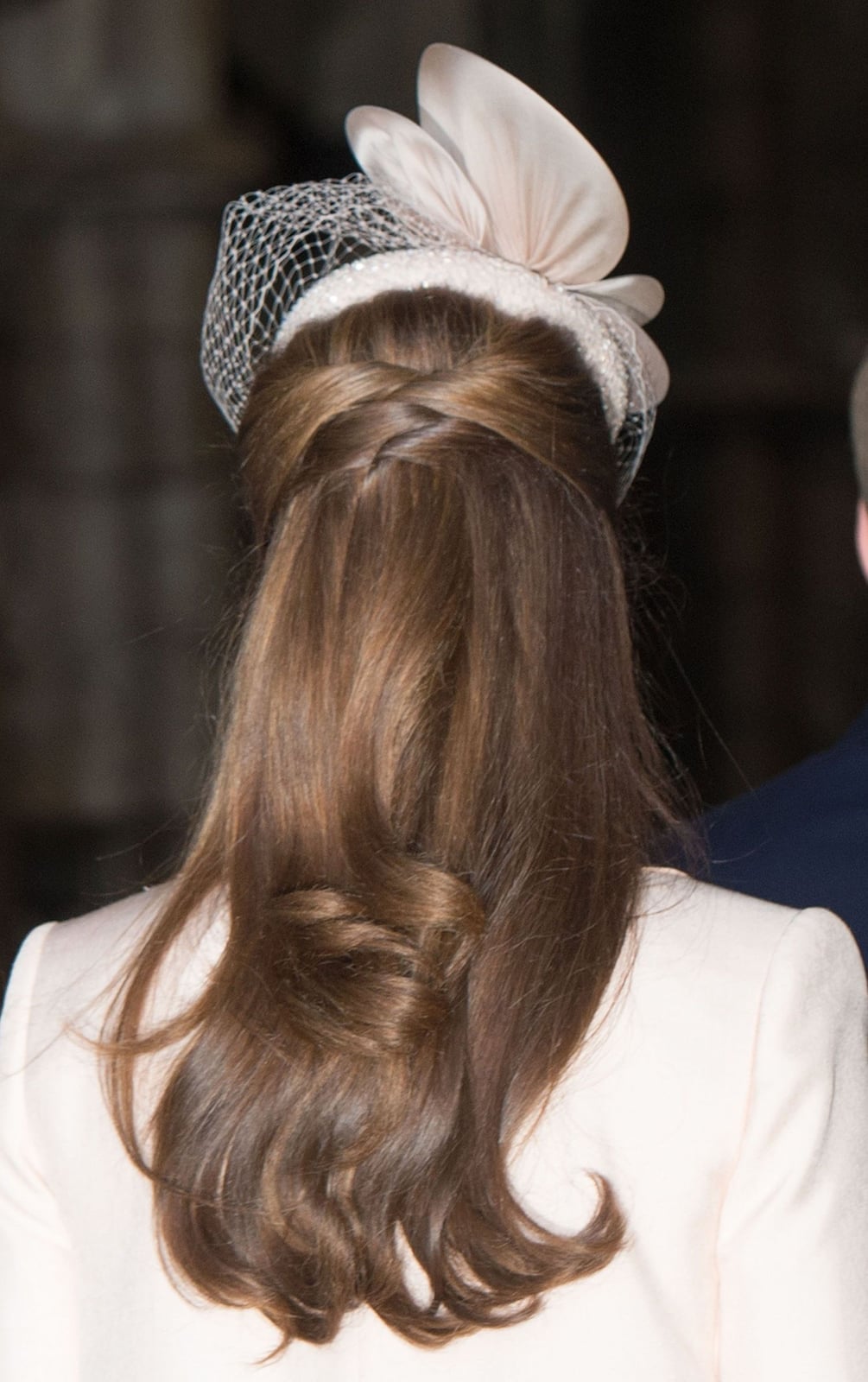
How do you ask for a style that looks like a crown without sounding like you want a tiara? The twisted crown is a half-up style where the top section is gathered at the back and twisted into a raised shape, leaving thick, wavy medium brown hair to fall in loose waves to mid-back. Ask your stylist for: mid-back length twisted crown, medium brown hair. A middle parting keeps the symmetry clean, and the twisted section should feel secure but not tight.
This style works best on thick, wavy hair that has enough texture to hold the twist without slipping. Bobby pins at the base of the twist keep it in place for hours. The twisted crown is elegant without requiring a full updo. A trim every eight to ten weeks keeps the waves from looking ragged.
Long Blonde Dutch Braid With Highlights
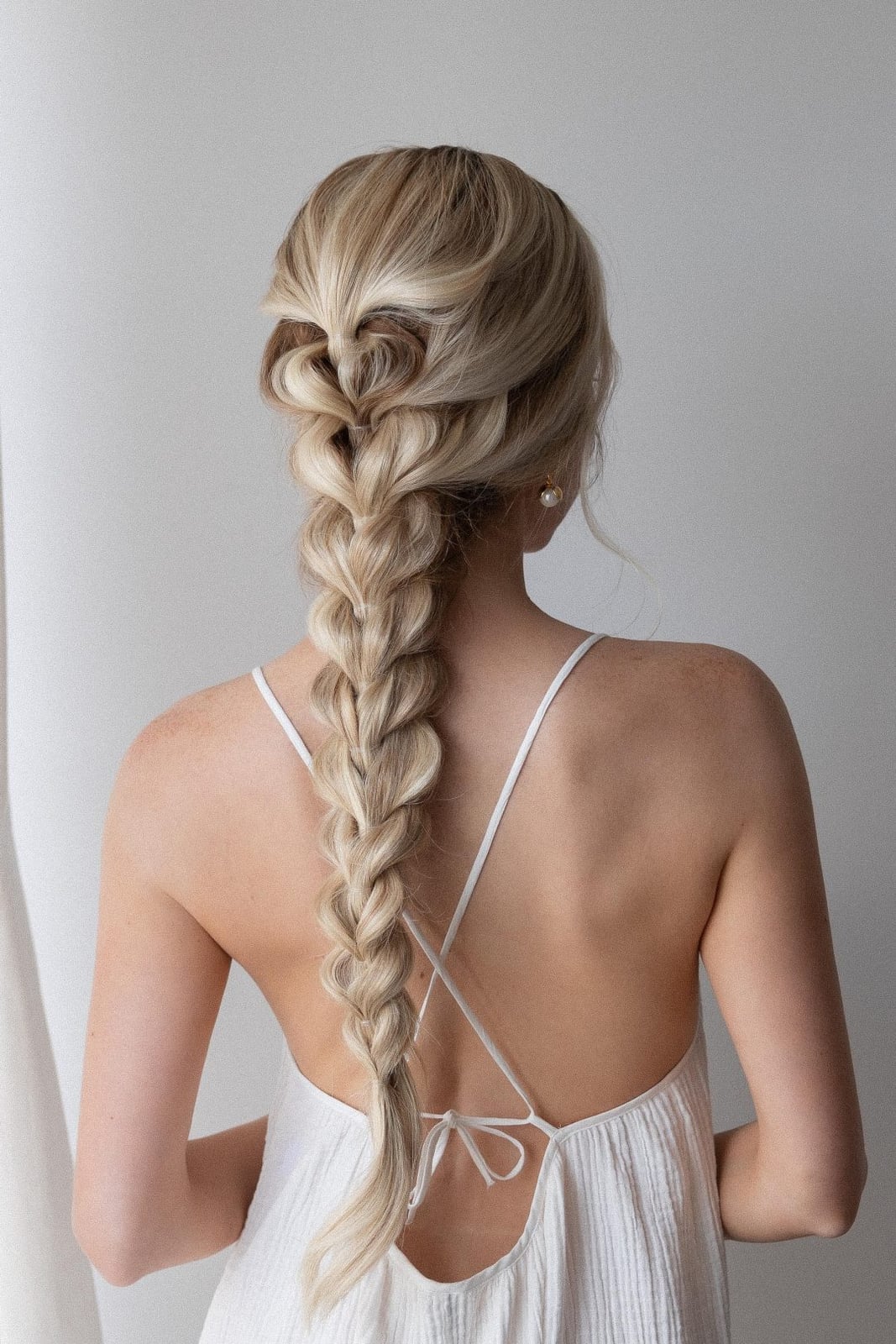
A Dutch braid is essentially an inside-out French braid, and the raised sections make it ideal for showing off blonde highlights. On long, thick, wavy hair, the braid holds its shape for a full day, but the trade-off is the time it takes to create: expect twenty to thirty minutes for a neat result. Ask your stylist for: long blonde Dutch braid, intricate braid detail. A middle parting keeps the braid centered and balanced.
The real drawback is that the braid can loosen over time, especially on slippery, highlighted hair. A texture spray before braiding helps, and pulling out a few face-framing pieces softens the overall effect. A trim every eight to ten weeks prevents the ends from fraying. This is a salon-level style that works for everyday wear or a romantic evening.
Chin Length Dark Brown Bowl Cut Bob
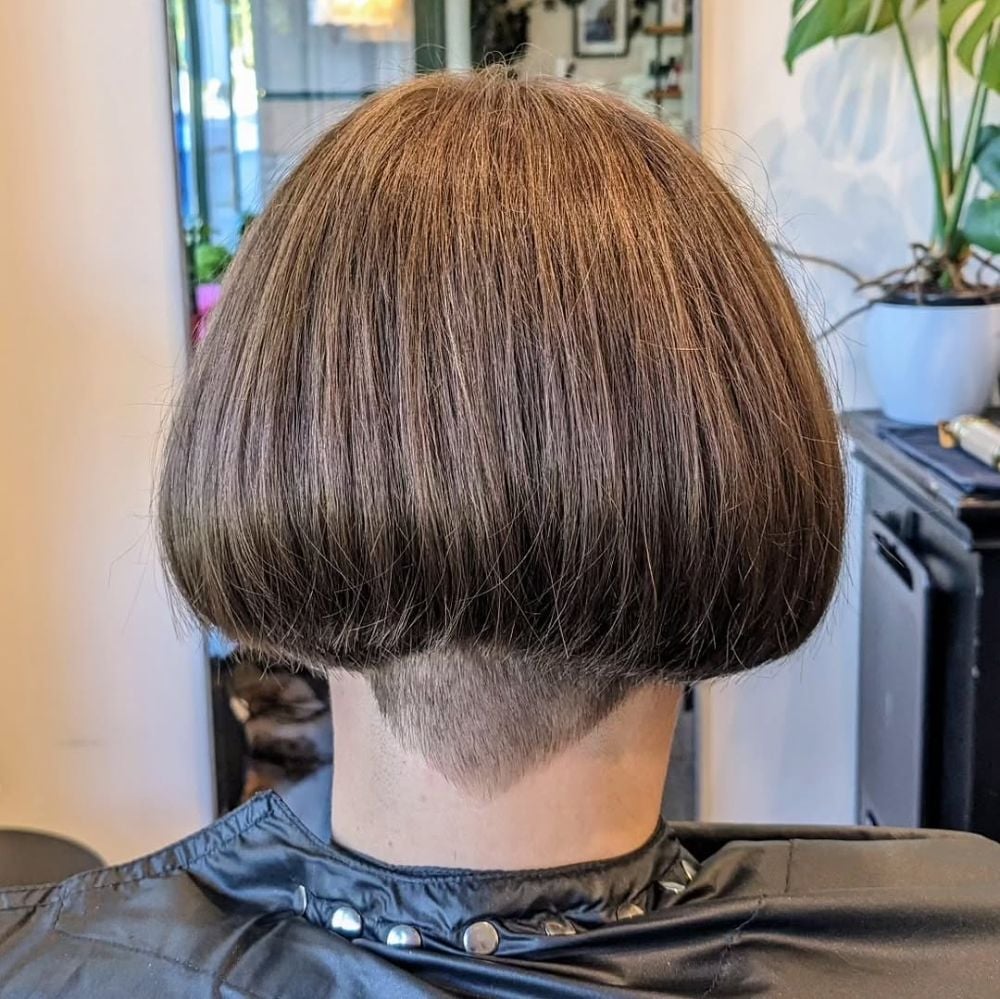
The bowl cut bob gets a bad rap, but the mistake is usually the execution. This chin-length, thick, straight dark brown version works because the blunt, rounded shape is paired with a sharply undercut nape, creating a geometric silhouette that holds its line. Ask your stylist for: chin length bowl cut bob, undercut nape. The blunt bangs and bowl shape require a trim every four to six weeks to keep the edges sharp. This is a salon-only cut, and the undercut means grow-out requires patience, not regret.
Final Thoughts
For a cute look that’s low-maintenance, focus on styles with natural texture like loose waves or easy braids, and consider bangs that grow out softly. Fine hair keeps a blunt baseline and skips heavy layers. A round face lets the length fall below the chin.
- Trim blunt bobs and lobs every six to eight weeks to maintain the shape.
- Toning blonde highlights every 8-10 weeks keeps brassiness at bay.
- Refresh braids by re-braiding sections that loosen, or by using texturizing spray.
- For curly styles, use a satin bonnet or pillowcase at night to preserve coil definition.
Find the cute hairstyle that speaks to you and have fun with it.

