
Black women have always been at the forefront of hair color innovation, and the current landscape is richer than ever. The shift is toward colors that feel lived-in, with soft face-framing layers and curtain bangs that add movement without requiring a full commitment to a single shade.
This collection of 34 ideas for Hair Color for Black Women covers the spectrum from subtle warmth to vibrant jewel tones, across short bobs and mid-back lengths. Whether your hair is fine and needs a blunt baseline to hold volume, or thick and coily that benefits from dimensional highlights to prevent a flat grow-out line, there is a shade and technique here that works with your texture, not against it.
Glossy Chin Length Blunt Bob
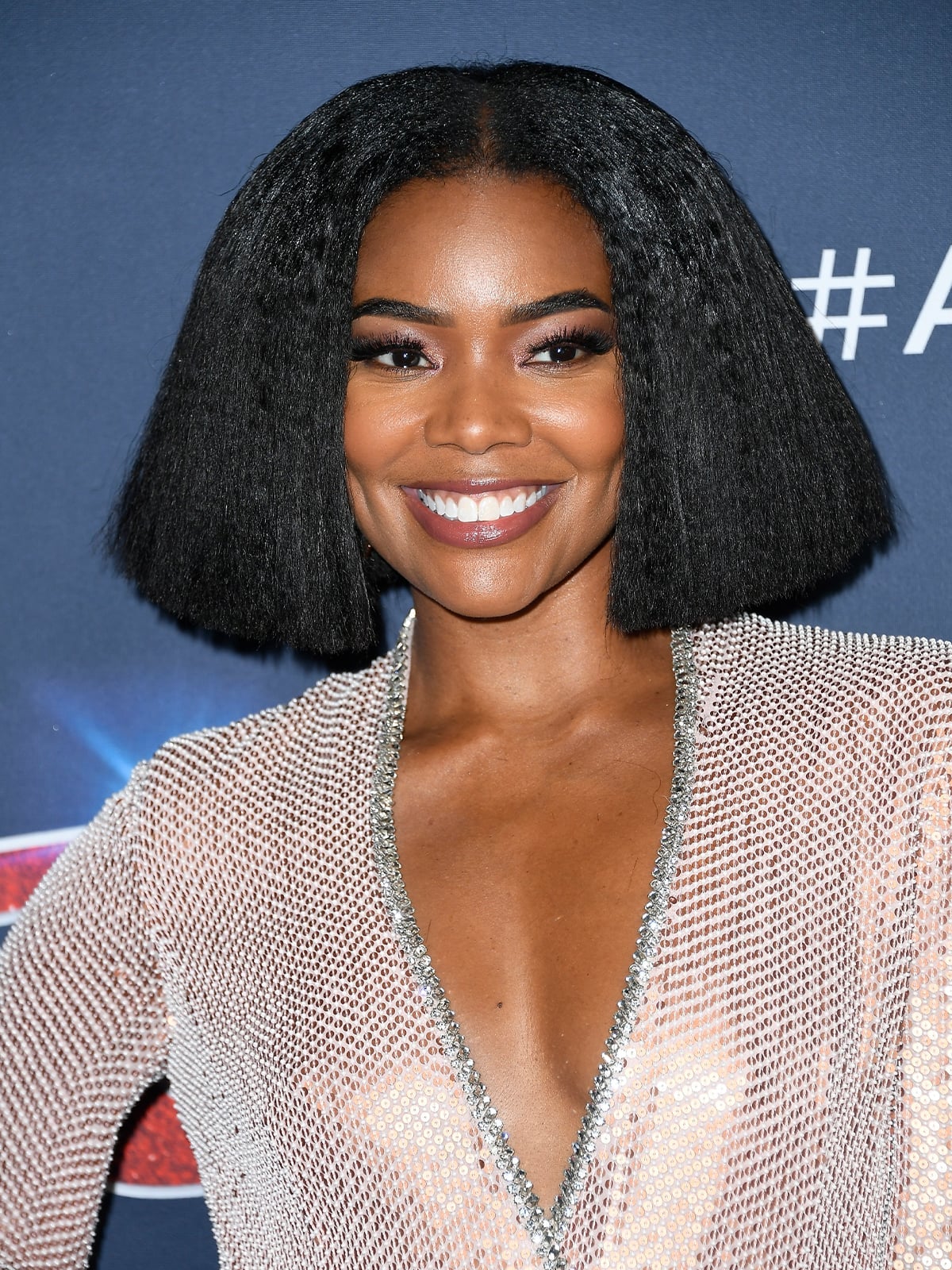
A chin-length blunt bob with a middle part is a geometry lesson in hair form. The straight, thick texture and high-gloss finish make the sharp baseline non-negotiable: every strand lands in the same place. Ask your colorist for: chin-length blunt bob, glossy black. A flat iron seals the shine at home, and a trim every six weeks keeps the line from softening. This is a cut that rewards precision, not patience. The dense weight of thick hair gives the bob its signature swing, so if your texture is fine, the effect will read differently.
Collarbone Blunt Bob In Vibrant Copper Orange
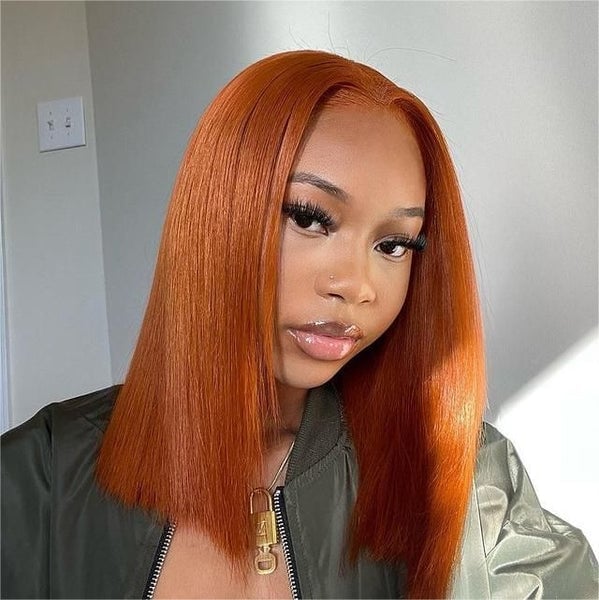
A collarbone blunt bob in a uniform vibrant copper orange reads as deliberate, not accidental. Where a softer auburn can fade into brown, this shade demands attention against a straight, thick texture. The blunt cut holds the color like a frame holds a painting: no layers to distract from the saturation. Ask your colorist for: collarbone blunt bob, vibrant copper orange. A color-depositing conditioner between salon visits keeps the orange from drifting toward brass. A trim every six weeks maintains the weight line that makes the color look intentional rather than grown out.
Shoulder Length Sleek Bob With Side Part
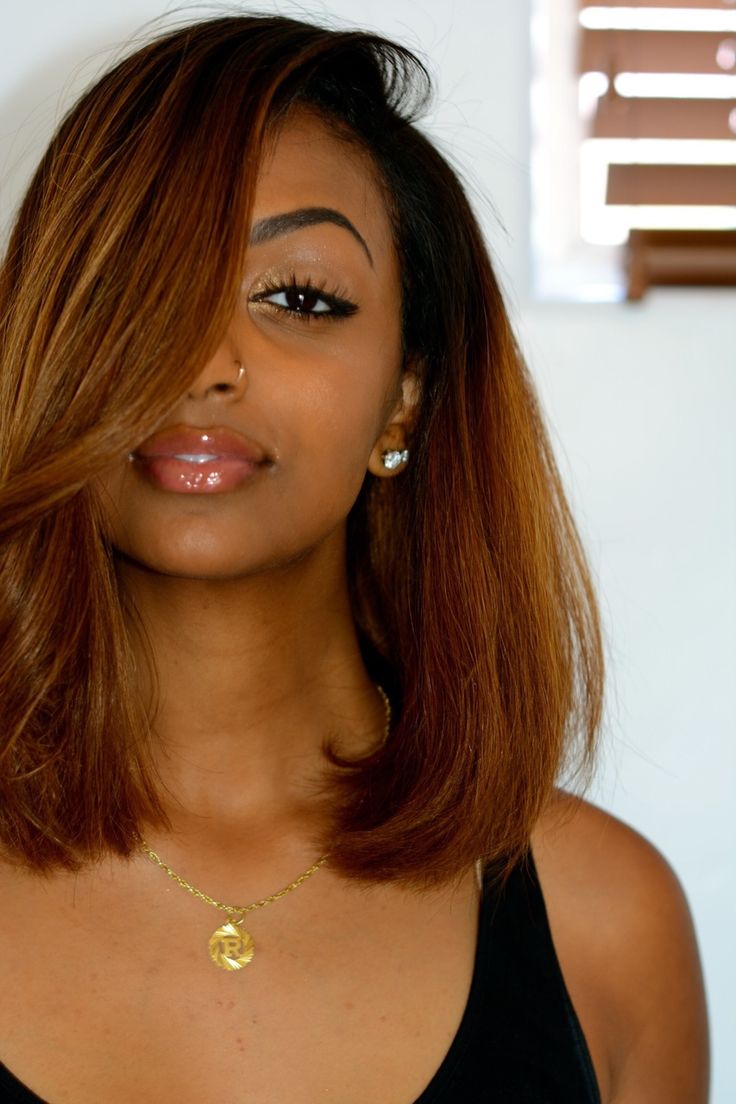
Does a side part make a blunt bob feel less severe? On a shoulder-length sleek bob in thick black hair, yes. The deep side part breaks up the solid block of color and lets the hair fall with more movement across the forehead. Ask your stylist for: shoulder-length sleek bob, side part. The blowout requires a round brush and a smoothing serum to get that glassy finish; the ends curl under just slightly. A trim every six weeks keeps the shape from turning into a rounded wedge. This cut works on most face shapes because the part can be adjusted.
The key is the weight: thick hair holds the sleek line without products that weigh fine hair into flatness. A side part also means more hair on one side, which can balance a wider jaw or soften a long face.
Collarbone Wavy Bob In Vibrant Copper
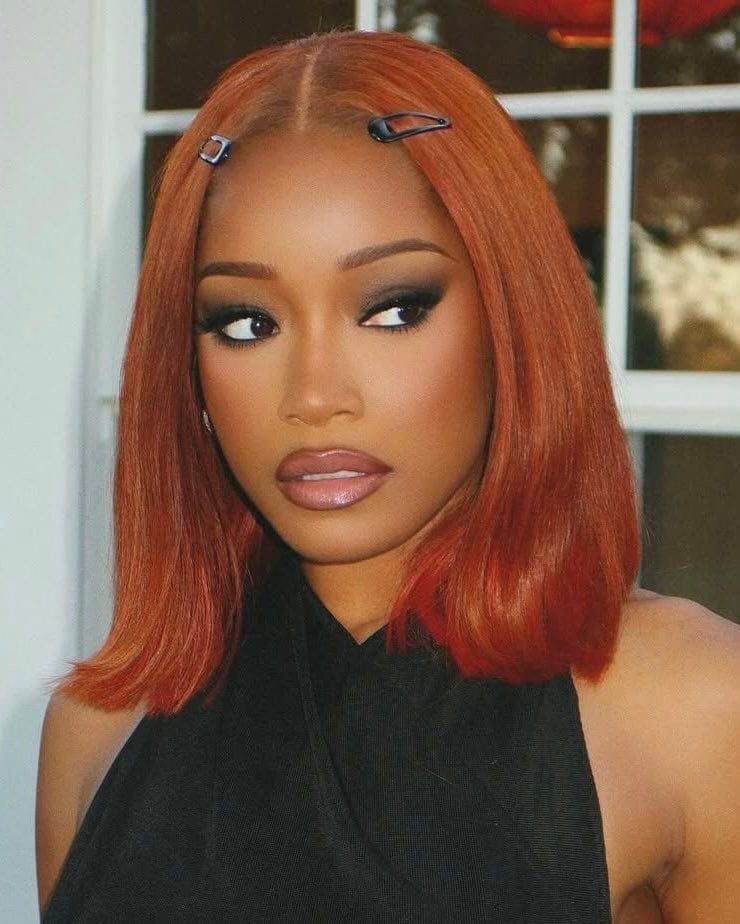
A collarbone wavy bob in vibrant copper is a high-maintenance color on a low-effort cut. The soft waves and middle part hide grow-out well, but fine wavy hair can struggle to hold onto warm tones. Copper fades faster on porous textures, and the difference between fresh and faded is noticeable. Ask your colorist for: collarbone wavy bob, vibrant copper. The bob shape works because the waves hit the collarbone without bouncing up to chin level, which is what happens when the cut is too short for wavy texture. The honest trade-off is that you need a color-refreshing shampoo at home every few washes, or the copper turns into a dull strawberry.
Short Undercut With Gray Highlights
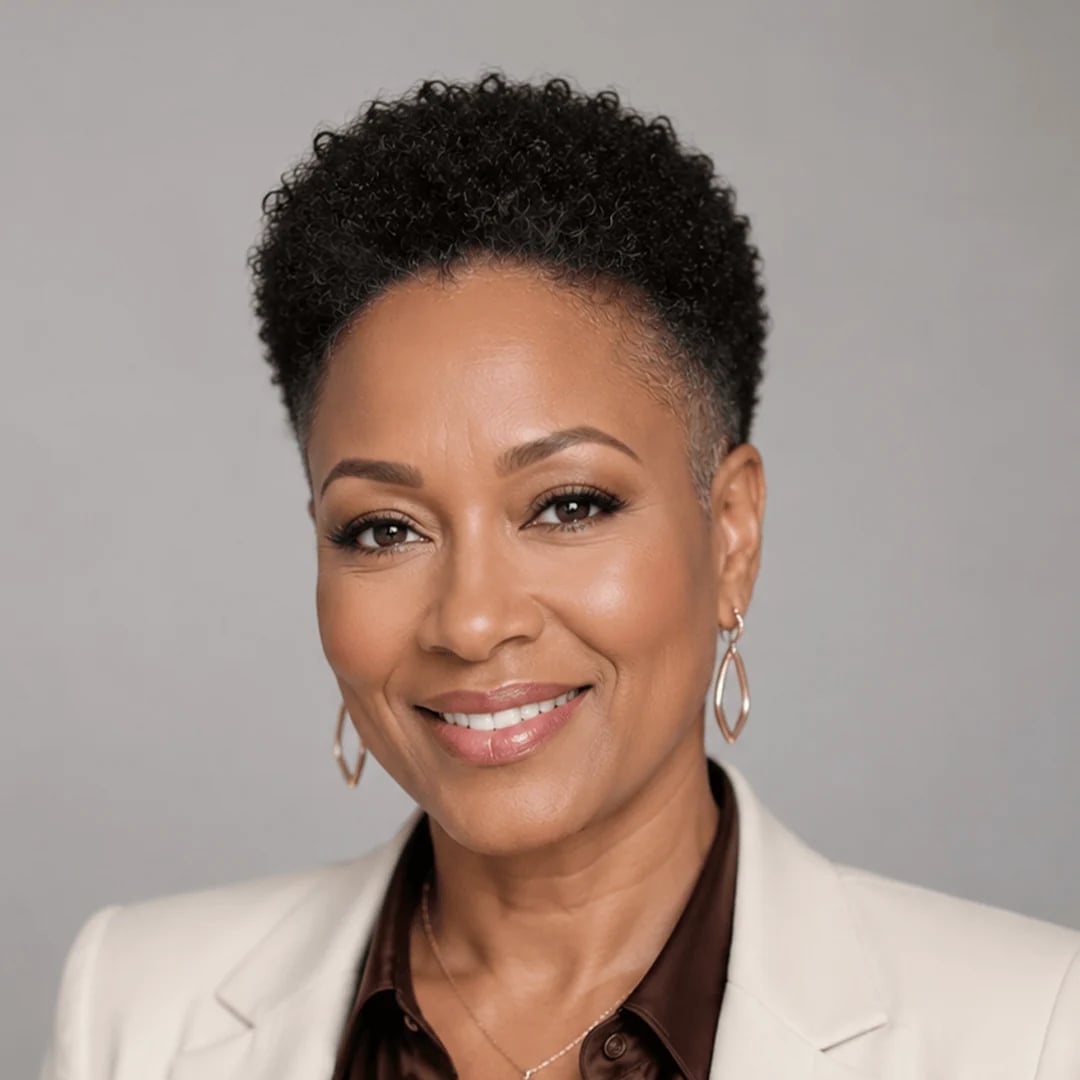
A short undercut with subtle gray highlights on coily, thick hair is a precision project. The undercut itself requires a barber-level hand: the shaved section needs a clean transition into the longer top, and the gray highlights are woven through the crown to catch light without overwhelming the black base. Ask your colorist for: short undercut, black with subtle gray highlights. This is not a DIY shape: the undercut grows out awkwardly and needs a salon refresh every three to four weeks. The top can be air-dried with a texturizing paste for definition. The gray highlights add dimension without the upkeep of full platinum.
Collarbone Lob With Copper Orange Highlights
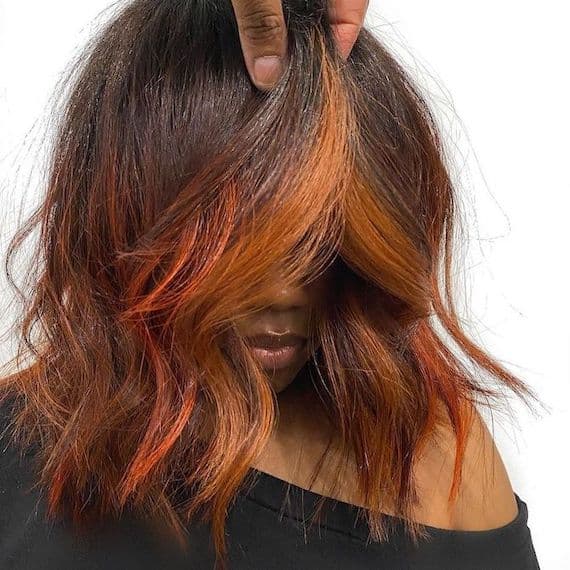
Looking for color that shows up? This collarbone lob uses a dark brown base as the anchor, then weaves in copper and orange highlights. The blunt bangs keep the whole thing from reading as grown out. That wavy blowout is doing double duty: it hides the root line and makes the highlights read as deliberate.
Medium density wavy hair starting at the collarbone is the ideal starting point, and the blunt bangs work best on oval faces. Ask your colorist for: collarbone lob, blunt bangs, dark brown with copper and orange highlights. Expect to revisit the salon for a highlight refresh every 8 to 10 weeks, since warm tones fade faster than they do on lighter bases.
Collarbone Vibrant Red With Curtain Bangs
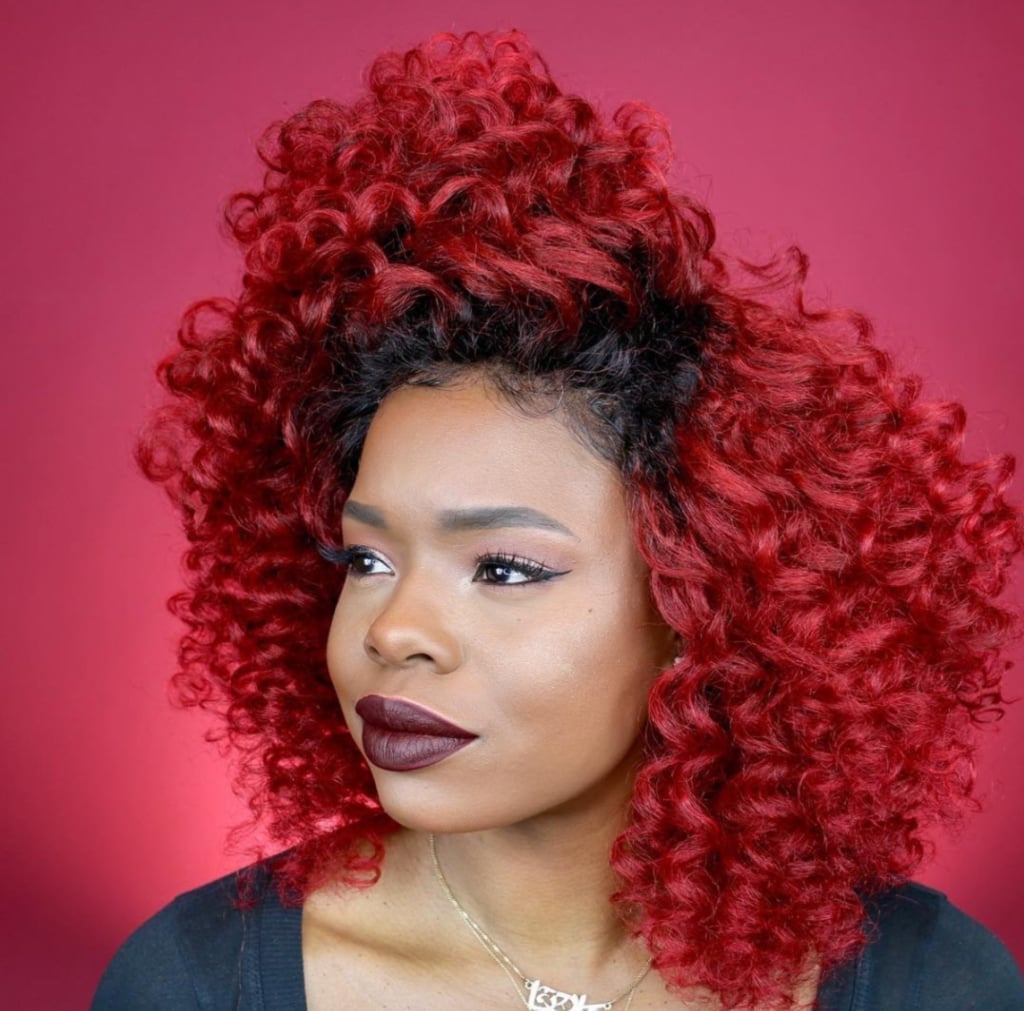
This one is for thick, wavy hair that can handle a saturated pigment without looking weighed down. The uniform vibrant red color runs from root to tip, no highlights, no fade-out at the ends. Curtain bangs soften the face without requiring a full fringe commitment, and the side part adds volume at the crown.
Thick wavy hair starting at the collarbone is the ideal candidate. Curtain bangs also soften square face shapes nicely. Ask your colorist for: collarbone wavy hair, curtain bangs, vibrant red. Vibrant red fades fast, so a color-depositing shampoo every other wash is not optional, and those curtain bangs need trimming every 4 to 6 weeks to keep their shape.
Collarbone Layers In Deep Burgundy With Cherry Highlights
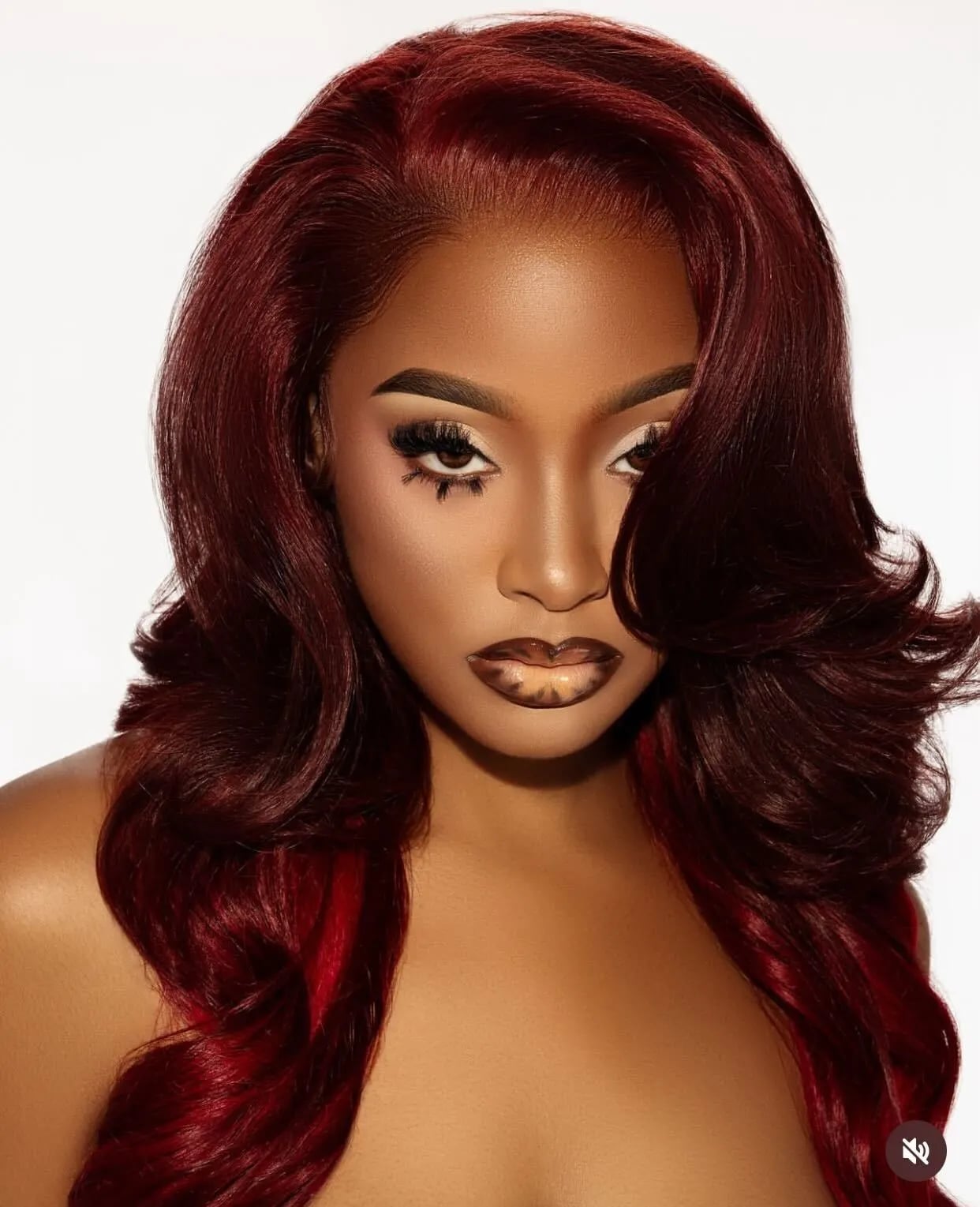
This is a two-step color design: a deep burgundy base, then cherry red peek-a-boo highlights woven through the layers. The payoff is dimension that shifts as the hair moves, but the process is not a one-hour appointment. Getting that burgundy dark enough and the cherry bright enough on thick, wavy hair requires a professional who understands pigment depth and lift.
The collarbone length and layered cut prevent the dense texture from sitting like a solid block of color. Thick wavy hair starting at the collarbone works best here. Ask your colorist for: collarbone layered hair, deep burgundy with cherry red highlights. The honest drawback: this combination is high maintenance. The burgundy base can pull warm, and the cherry highlights fade to pink faster than you expect, so a color refresh every 6 to 8 weeks is standard.
Collarbone Layers With Curtain Bangs In Chocolate Brown
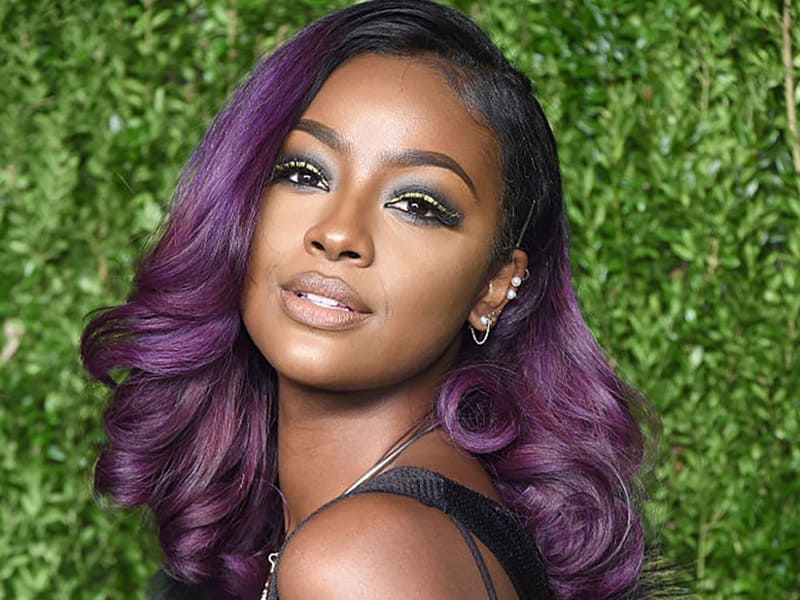
Rich chocolate brown on thick, straight hair looks glossy and deliberate, not flat. The collarbone length keeps it practical, while the curtain bangs and face-framing layers prevent the density from making the cut look heavy. The middle part and blowout volume create lift at the crown.
Thick straight hair works well with this cut. Curtain bangs also soften round faces. Ask your colorist for: collarbone layered hair, curtain bangs, rich chocolate brown. The volume comes from a round brush and a heat protectant, not from layers alone. The fringe needs trimming every 4 weeks to avoid landing at an awkward length.
Collarbone Lob With Dark Brown Balayage
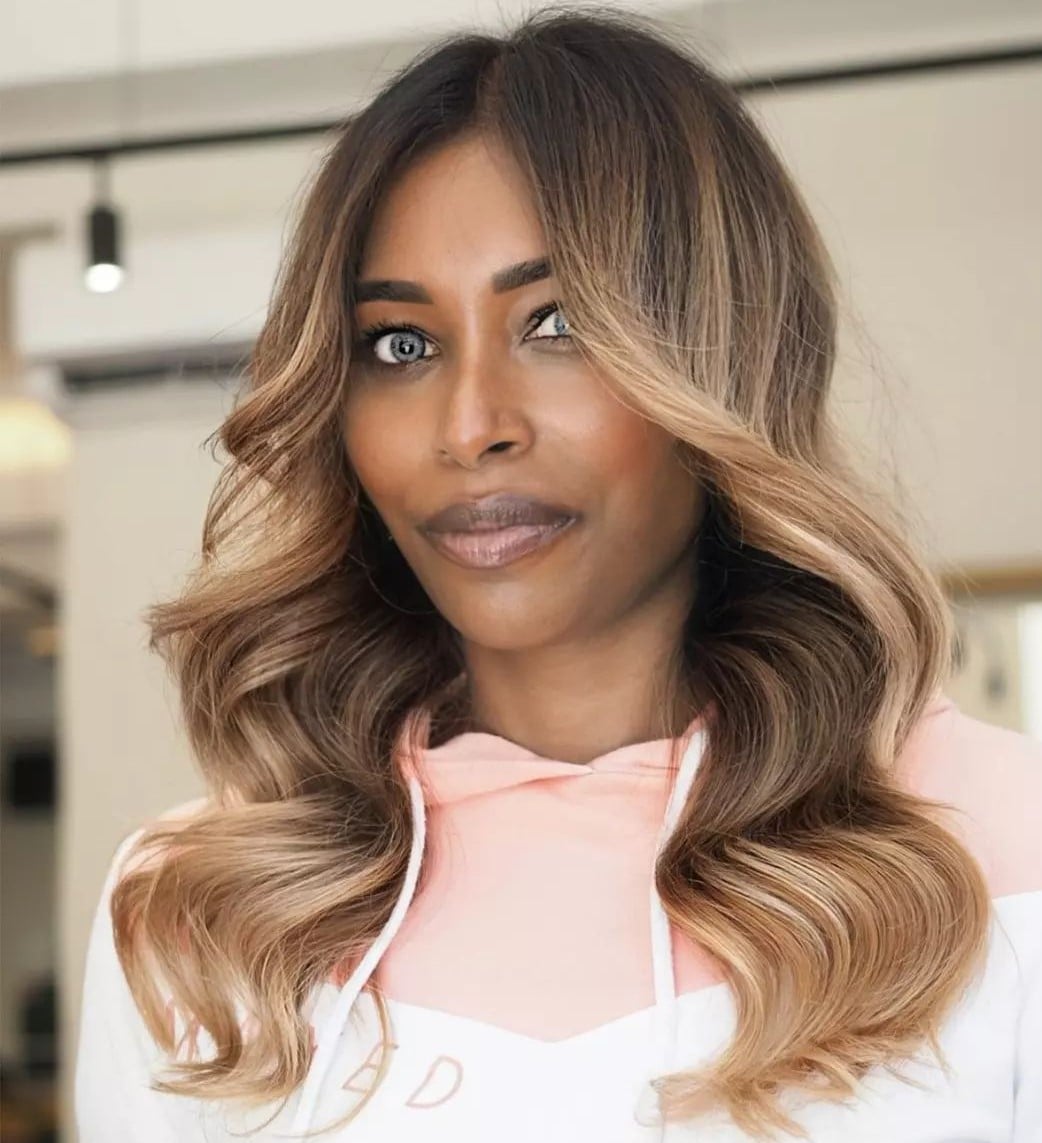
Compared to all-over highlights, this balayage keeps the dark brown base dominant and lets the blonde pieces stay softer and lower contrast. The curtain bangs get a few lighter strands, but the bulk of the brightness sits around the collarbone. This is a lived-in color that looks natural from the start.
Thick wavy hair is ideal, and curtain bangs suit oval and heart face shapes. Ask your colorist for: collarbone lob, curtain bangs, dark brown with blonde balayage. The grow-out is forgiving because the technique is hand-painted, so you can stretch touch-ups to 10 to 12 weeks. A texturizing spray on the waves keeps the movement visible.
Collarbone Dark Brown Bob With Blonde Highlights
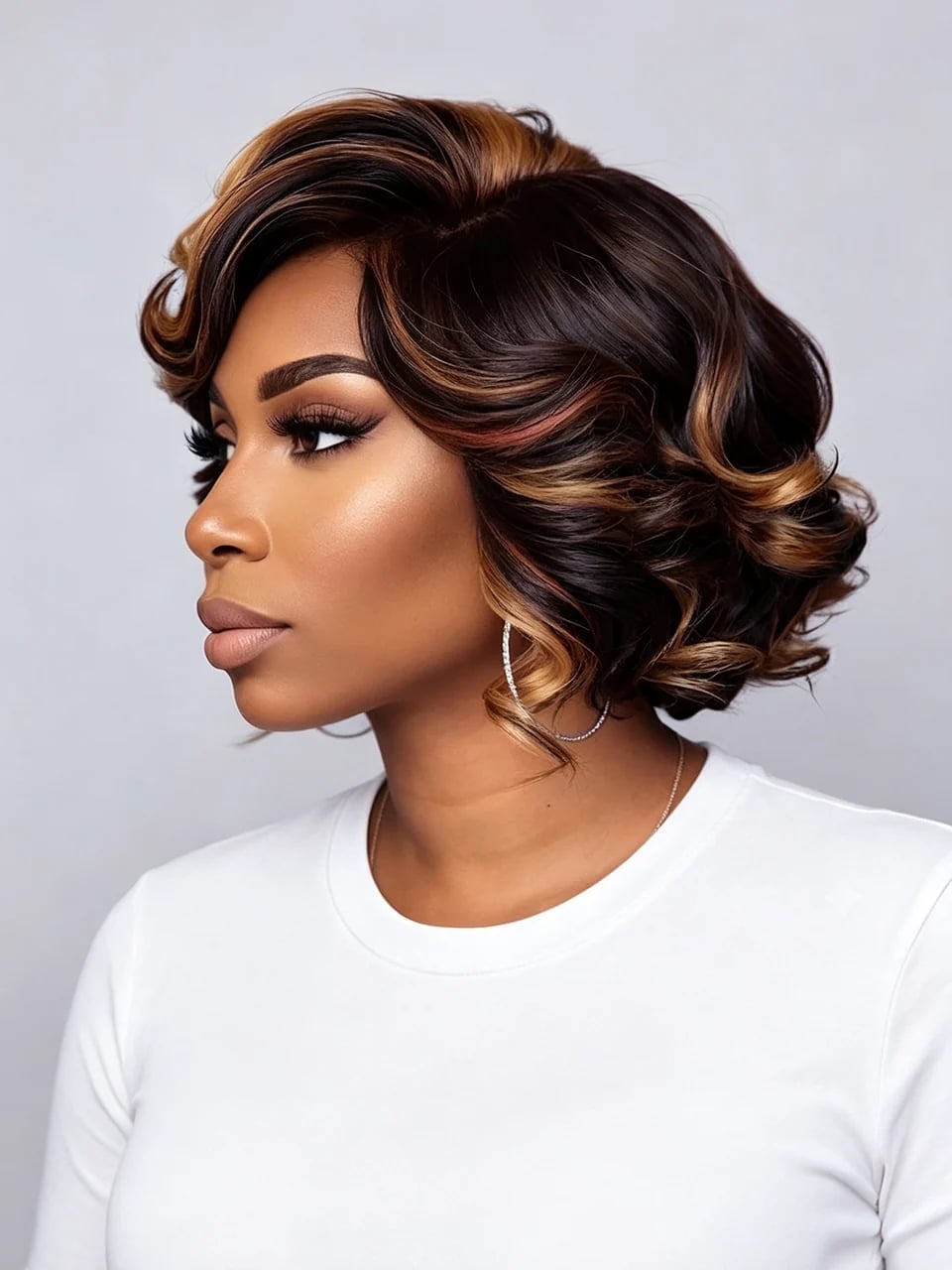
What do you say when you want dimension without a full color overhaul? Ask your colorist for: collarbone bob, side-swept bangs, dark brown with blonde highlights. This cut keeps the base deep and rich while the lighter pieces add movement, which does a lot for thick, wavy texture that can otherwise read as one solid block of color.
The side-swept bangs do double duty here, softening the front and giving the bob a shape that works well on round faces. This is a salon project rather than a weekend DIY, since placing highlights on a dark base takes a steady hand. Plan for the blonde to need a refresh every eight to ten weeks, and use a wave-enhancing product to keep the texture from falling flat between washes.
Collarbone Ginger Copper Balayage
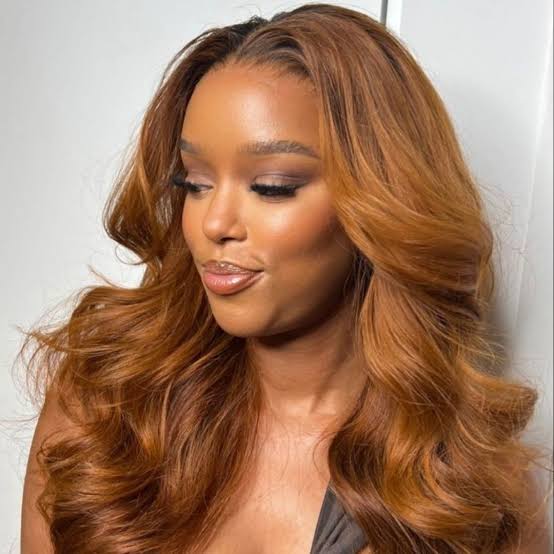
The balayage technique here starts darker at the root and lets the ginger and copper tones do their work lower down, which creates a warm gradient that moves as the hair does. On medium-density wavy hair, the face-framing pieces are the first to show the color, so the effect is a glow instead of a stripe. Ask your colorist for: collarbone wavy hair, ginger and copper balayage. The middle part keeps the design symmetrical, and the loose blowout shows off how the two shades melt into each other. This is a salon-only job, since the hand-painted placement is what keeps the blend from turning muddy. The grow-out is forgiving, but a touch-up around every ten to twelve weeks keeps the copper from losing its warmth.
Collarbone Ash Brown With Blonde Highlights And Wispy, Close-Up Take
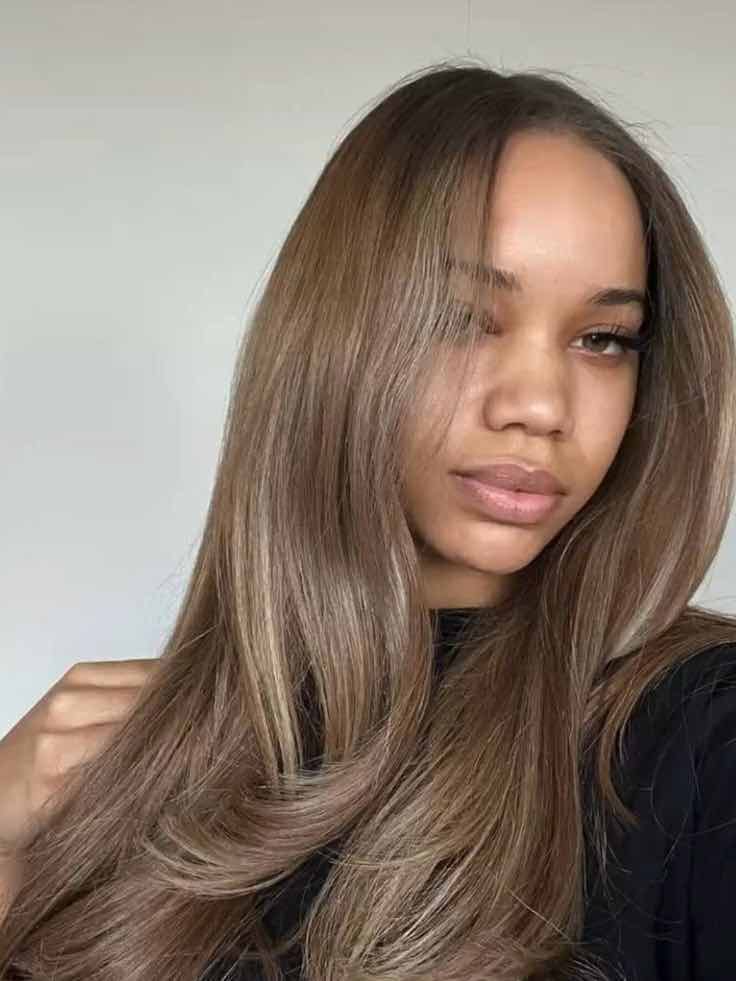
An ash brown base with subtle blonde highlights gives a cool, polished look, but that coolness comes with a contract. The ash tone keeps the blonde from turning brassy for about four weeks, then the yellow starts creeping in unless you use a purple shampoo every third wash. The wispy bangs and side part work with medium-density wavy hair to keep the overall shape soft and flattering. Ask your colorist for: collarbone ash brown hair, wispy bangs, subtle blonde highlights. Damp waves and a low-heat blow-dry give the lived-in finish without a curling iron. The real drawback: ash tones on a dark base need a double process to lift cleanly, which means about three hours in the chair and a strict schedule for root touch-ups every five weeks.
Collarbone Lob With Dark Brown Caramel Highlights
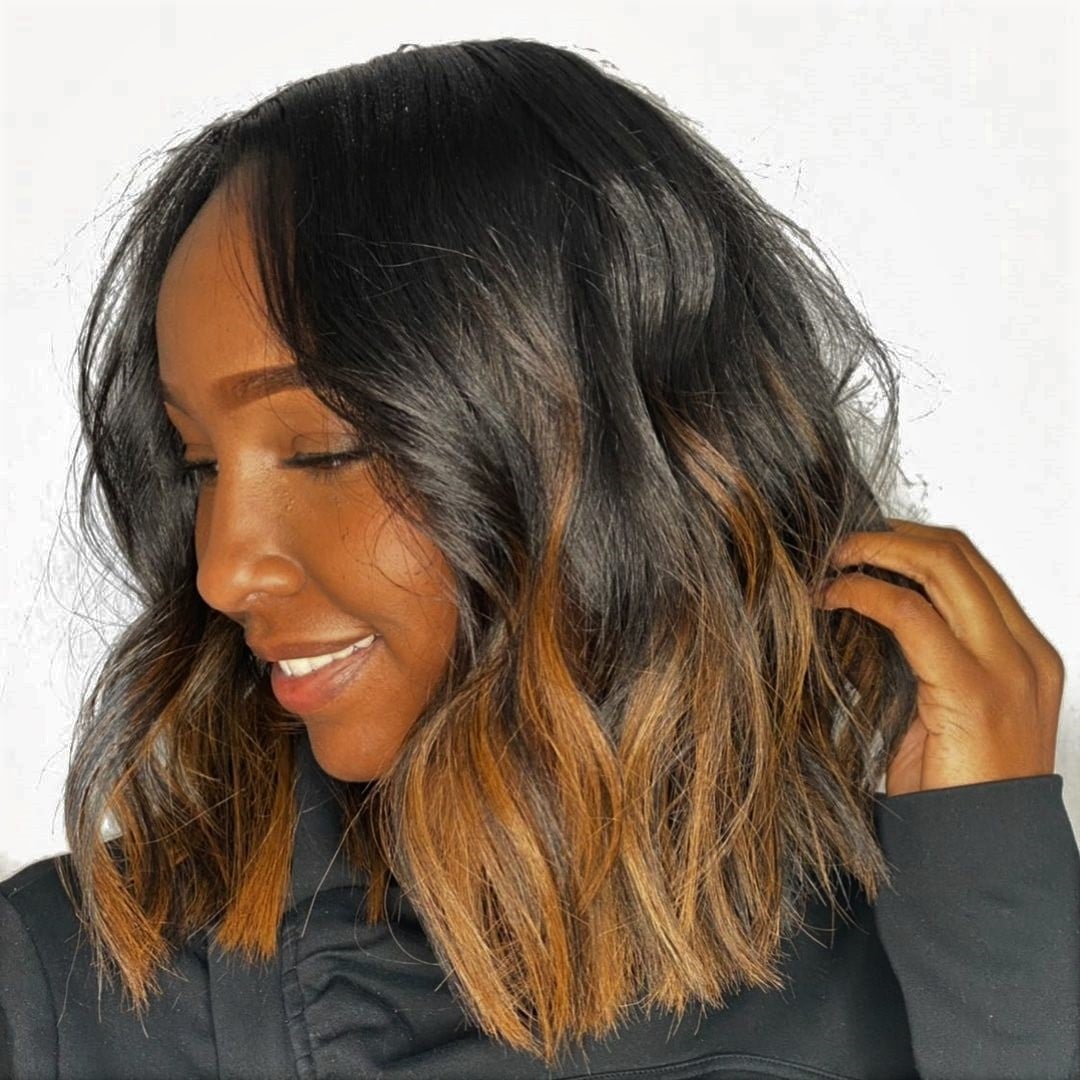
Is your hair thick enough that a single color feels like too much? The lob with caramel highlights is the answer, because the lighter pieces break up the density without lightening the whole head. The dark brown base keeps the look grounded, and the caramel woven through the waves adds warmth that shows up when the light hits. Ask your colorist for: collarbone lob, dark brown with caramel highlights. The side part works especially well for long faces, adding a little asymmetry to balance the length. Thick, wavy texture carries these highlights beautifully, but they will need a refresh every eight to ten weeks to stay this defined. A smoothing serum helps the waves hold their shape and keeps the caramel from looking dry.
Collarbone Straight Medium Brown With Red Undertones
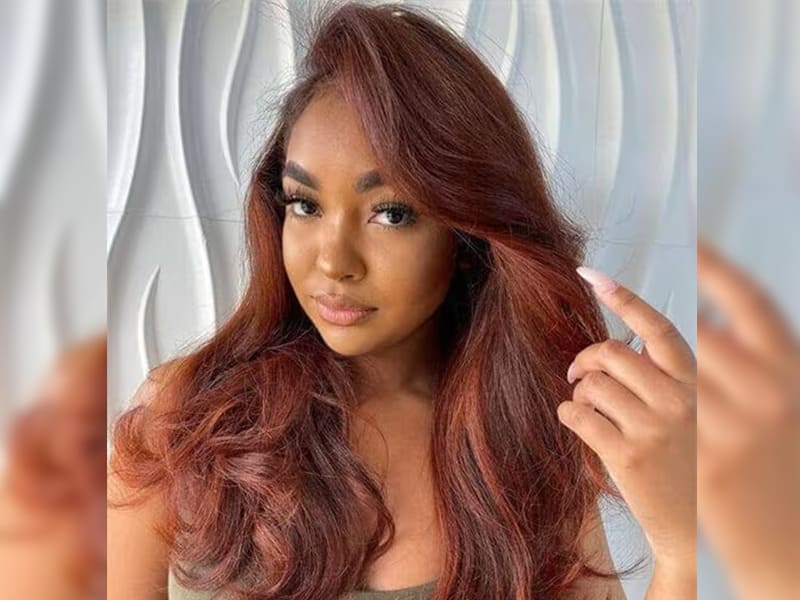
This is a color that changes its mind depending on the light, and that is the point. The medium brown base carries subtle red undertones that surface as a warm glow in bright light and recede into a deeper brown indoors. On thick, straight hair reaching the collarbone, the effect is a smooth, dense shine that needs very little styling. Ask your colorist for: collarbone straight hair, medium brown with subtle red undertones. The middle part keeps the look clean, and the red undertones mean you can skip the brassiness battle that comes with ashier shades. A shine serum keeps the surface smooth, and a color-maintenance shampoo every four weeks will stretch the red’s vibrancy before it fades back to plain brown.
Shoulder Layered Copper Brown With Highlights
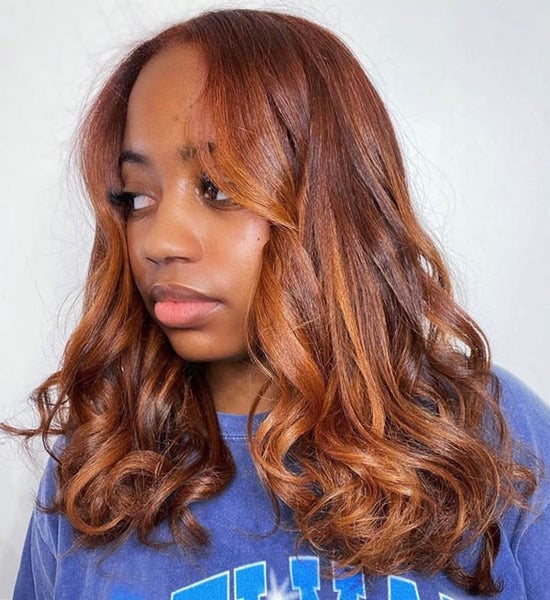
The soft layering here does the heavy lifting: shorter internal pieces let the copper brown highlights peek through the waves instead of hiding beneath them. Curtain bangs frame the face without shortening the overall shape, making this a cut that moves with you rather than sitting still. Medium density wavy hair starting at the shoulder gives the layers enough weight to hold their shape. Ask your colorist for: shoulder-length layered hair, curtain bangs, copper brown with highlights. A volumizing mousse applied to damp waves keeps the lift where the layers fall, and fresh highlights every eight to ten weeks maintain the warmth.
Shoulder Layers With Blonde Highlights
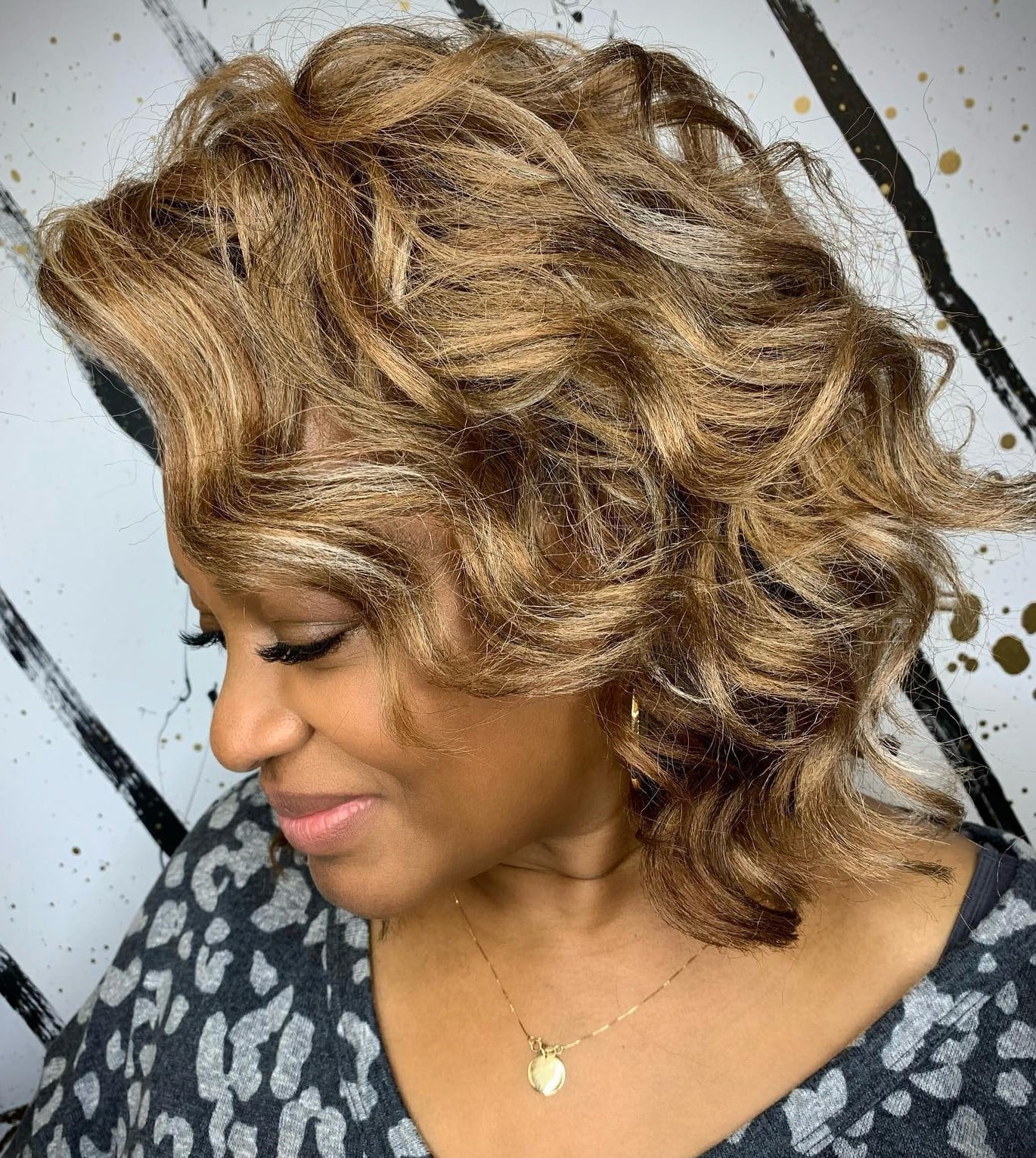
How do you keep blonde highlights on a dark brown base from looking like two separate colors? The answer is placement: fine, widely spaced ribbons of blonde concentrated around the face and through the mid-lengths, so the contrast reads as intentional rather than accidental. Thick wavy hair starting at the shoulder needs those subtle layers to keep the volume from turning into a single heavy block. Ask your colorist for: shoulder-length layered hair, dark brown with blonde highlights. This is a salon-only process: the dark base requires lifting before the blonde can take, and doing that at home risks uneven tone or breakage.
Once the color is set, a blowout with a round brush and a heat protectant spray gives the waves enough polish to show off the dimension.
Shoulder Curly Copper Red With Golden Highlights
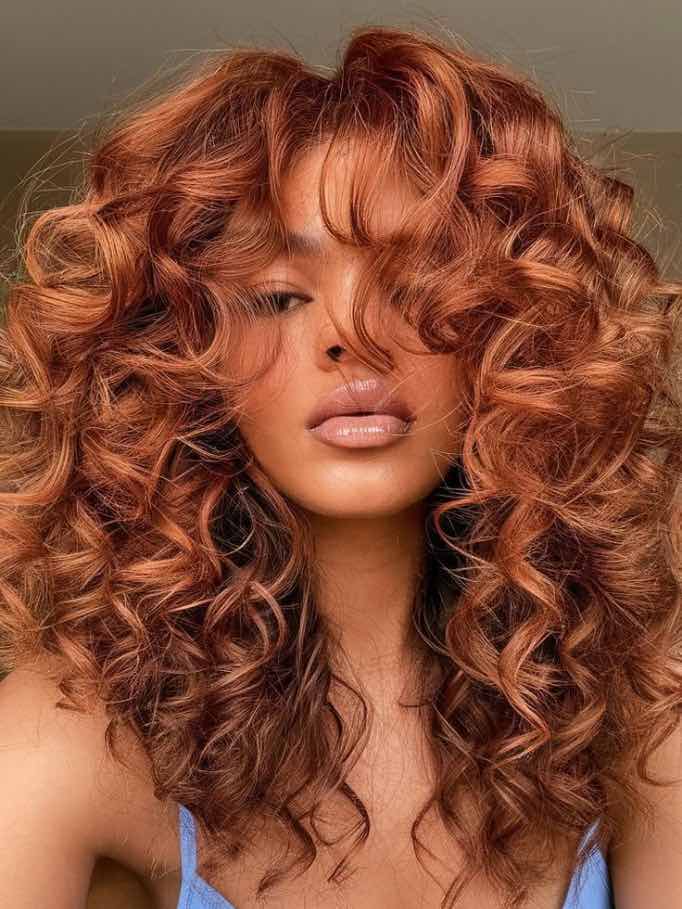
This one works best on thick curly hair that can handle the saturation of a vibrant copper red without the color reading as sheer. The golden highlights land on the crest of each curl, which means the dimension is built into the texture, not painted over it. Curly bangs keep the face open without losing the density that the cut carries. Ask your colorist for: shoulder-length curly hair, curly bangs, copper red with golden highlights. Anyone with fine or low-density curls should pass: the copper red needs enough hair mass to hold the pigment visibly, and sparse texture can make the color look patchy, not deliberate.
Shoulder Wavy Brown With Blonde Highlights
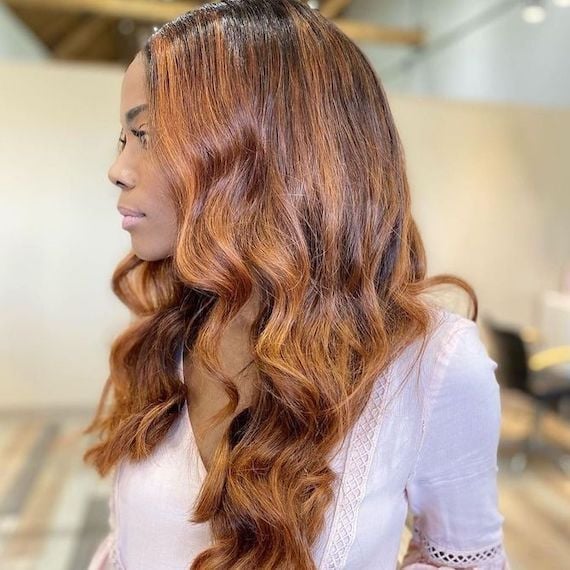
The side part here does what a middle part cannot: it concentrates the warm blonde highlights on one side, so the dimension feels layered rather than symmetrical. Thick wavy hair at shoulder length holds that asymmetry well, especially when the waves are set with a medium-barrel iron and finished with a texturizing spray. Ask your colorist for: shoulder-length wavy hair, brown with blonde highlights. The highlights need refreshing every eight to ten weeks to keep the warmth from muddying into the brown base, but the grow-out is forgiving because the placement is soft rather than stripey.
Shoulder Layered Dark Base With Red Highlights
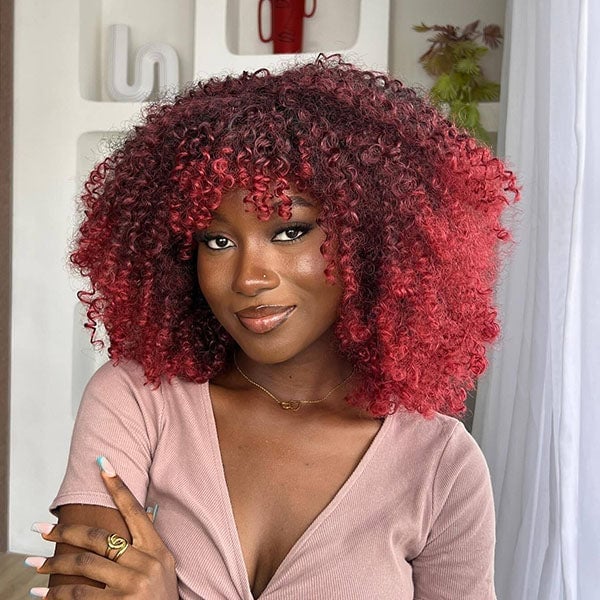
The trade off with red highlights on a dark base is that the contrast is striking when fresh and noticeably dull after four weeks. The layering here helps: shorter pieces at the crown catch more light, so the red appears dimensional even as it fades. Thick curly hair at the shoulder benefits from those internal layers, which prevent the curls from stacking into a single heavy shape. Ask your colorist for: shoulder length layered curly hair, dark base with red highlights. A curl defining cream keeps the shape intact, and a toning session every six to eight weeks is the real cost of maintaining the red.
Red pigment lifts faster than brown on textured hair, especially if you wash in warm water or use sulfates. Plan for more frequent touch ups than you would with a neutral tone, or accept that the last two weeks before a refresh will be muted.
Shoulder Length Vibrant Purple Waves
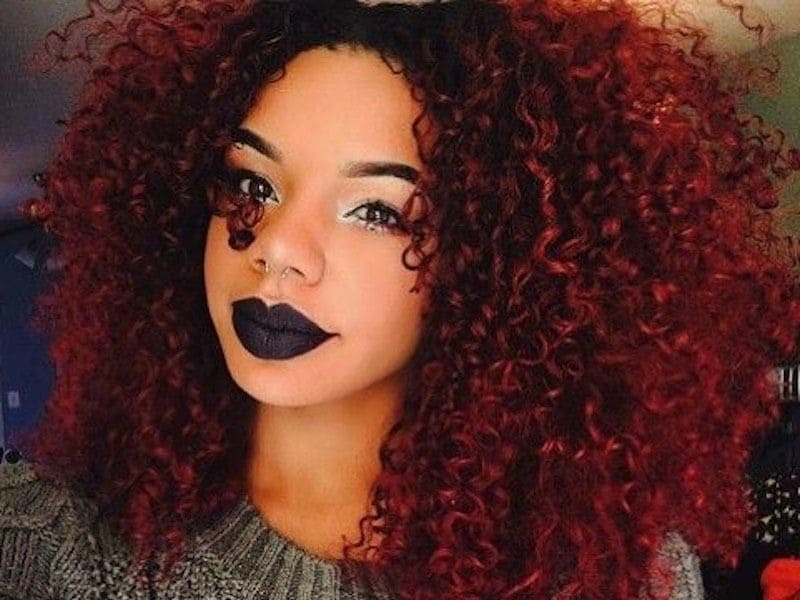
It is not a demure violet, it is a saturated vibrant purple that announces itself. This shoulder-length cut works best on thick wavy hair where the loose waves catch the color from every angle, creating subtle dimension without chunky stripes. Ask your colorist for: shoulder-length wavy hair, vibrant purple. The side part adds lift at the root, so round faces get a little vertical stretch. Because purple is a direct dye, it fades faster than browns; a color-depositing conditioner every other wash keeps the saturation honest, and a trim every eight to ten weeks prevents the ends from looking tired.
Shoulder Wavy Black With Subtle Warm Highlights
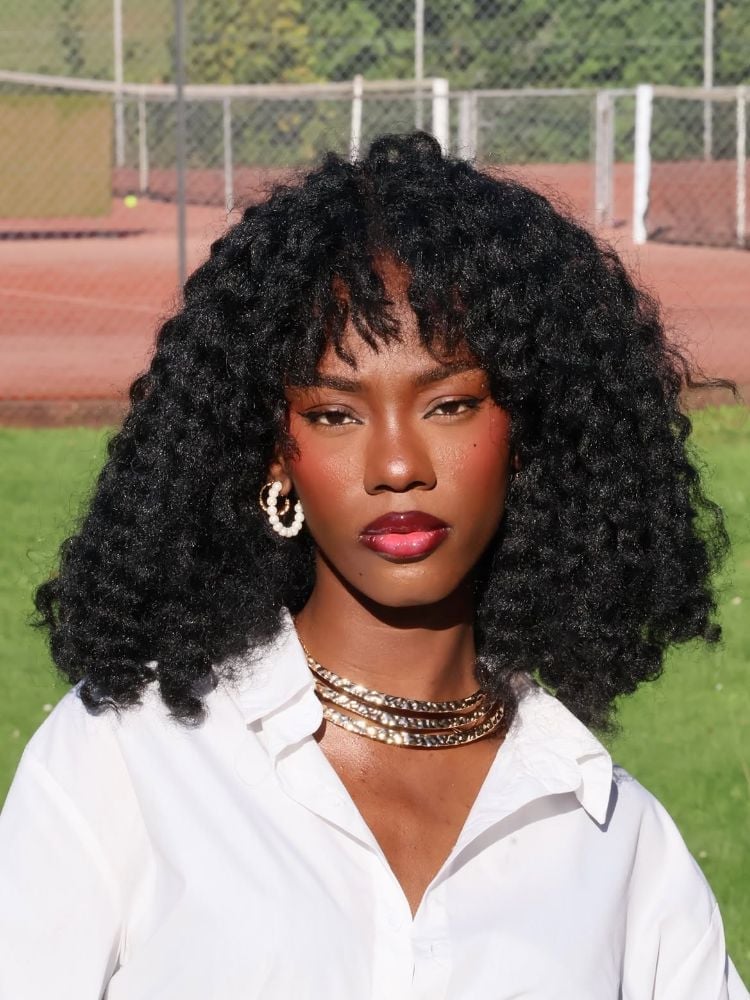
How do you add dimension without losing the depth of black? Ask your colorist for: shoulder-length wavy black hair, curtain bangs, subtle warm highlights. The highlights here are fine and spaced apart, so the black base stays dominant and the warmth reads as light hitting the surface, not as a separate color. Curtain bangs soften a square jaw, and the middle part keeps the look grounded. This is a salon color: the highlights need a foil or a balayage technique to land correctly on thick wavy texture. A DIY gloss kit will not give the same control, so book the chair and touch up every ten to twelve weeks.
Mid-Back Wavy Blowout With Caramel Highlights
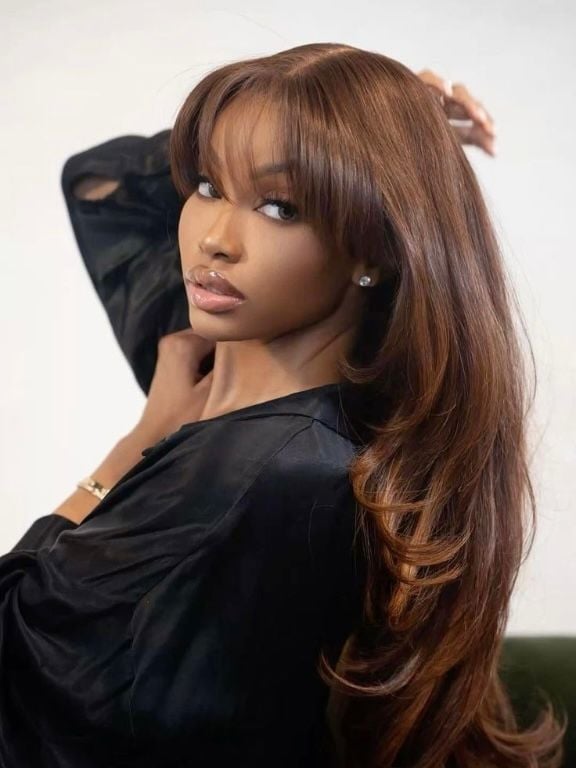
This is a length-and-color combo that looks expensive without trying to be. The medium brown base keeps the roots low-maintenance, while the caramel highlights add warmth without shouting. Curtain bangs and face-framing layers draw attention outward, which is why oval and heart-shaped faces wear this best. Ask your colorist for: mid-back wavy hair, curtain bangs, medium brown with caramel highlights.
The blowout takes about twenty minutes with a round brush and a heat protectant; the waves soften the highlights so they blend rather than stripe. Because the highlights are subtle, they grow out gently, so a refresh every eight to ten weeks is enough. Thick wavy hair carries the dimension naturally, no teasing required.
Mid-Back Wavy Hair In Rich Auburn
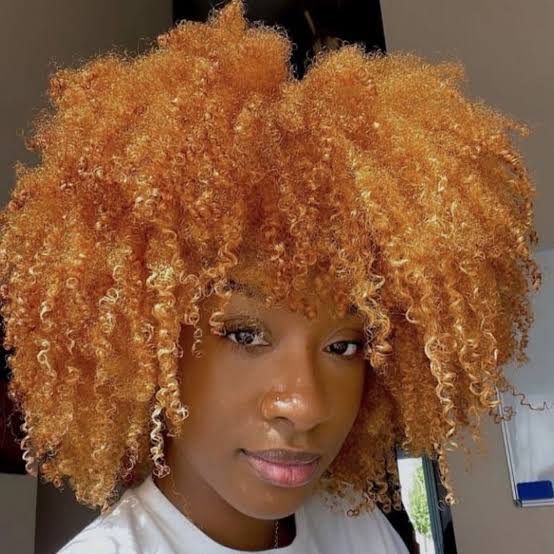
The trick with auburn is the undertone: copper lifts it from flat brown into something that catches light like a new penny. On thick wavy hair at mid-back length, the loose waves break up the color evenly, so every wave reads as a different depth. Ask your colorist for: mid-back wavy hair, rich auburn with copper undertones.
This shade works on most face shapes because the middle part and the length pull the eye down, elongating round or heart-shaped faces. The upkeep is straightforward: a color-depositing conditioner once a week keeps the copper from turning brassy, and a trim every eight to ten weeks keeps the ends healthy enough to hold the wave. No bangs means less root maintenance, which is the real win.
Mid-Back Straight Black Cherry With Ruby Highlights
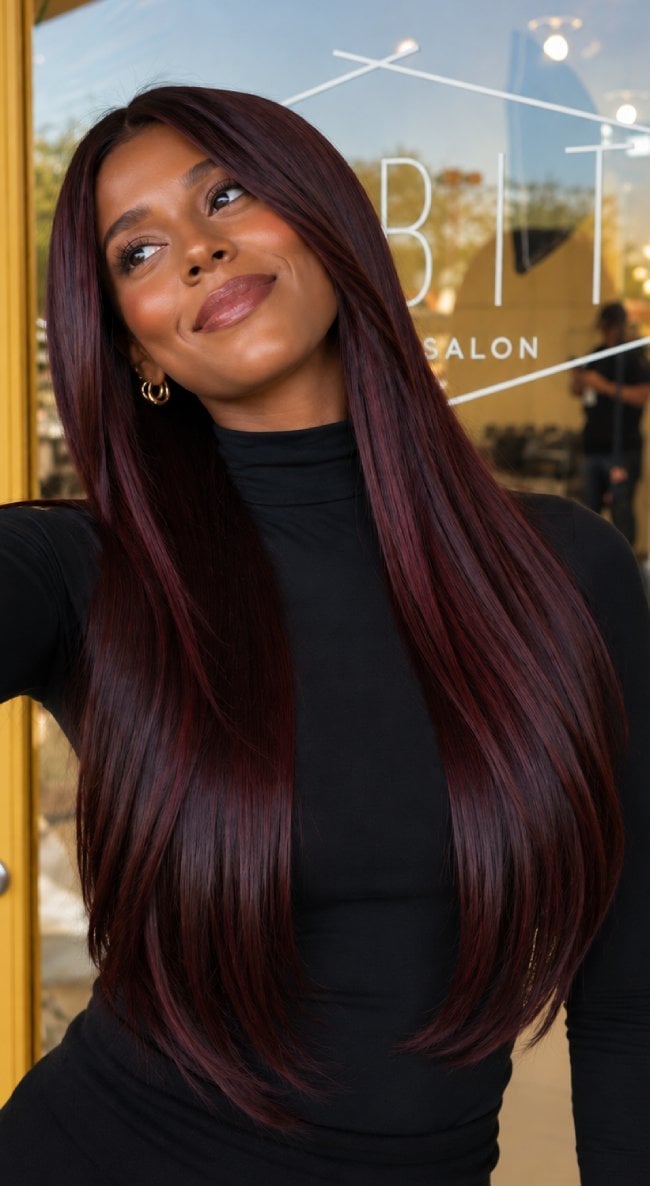
A black cherry base is already dimensional, but the ruby highlights here take it a step further: they are woven in fine sections so the overall tone stays dark while the light pulls out flashes of red. The blowout on thick straight hair gives the highlights a glossy, almost metallic finish. Ask your colorist for: mid-back straight hair, black cherry with ruby highlights. The curtain bangs frame the face without shortening the overall length, and the middle part keeps the color balanced on both sides. Because the highlights are subtle, they grow out cleanly, so a toning appointment every eight to ten weeks is all you need. A shine serum on damp hair before blow-drying seals the gloss.
Mid-Back Wavy Medium Brown With Red Undertones
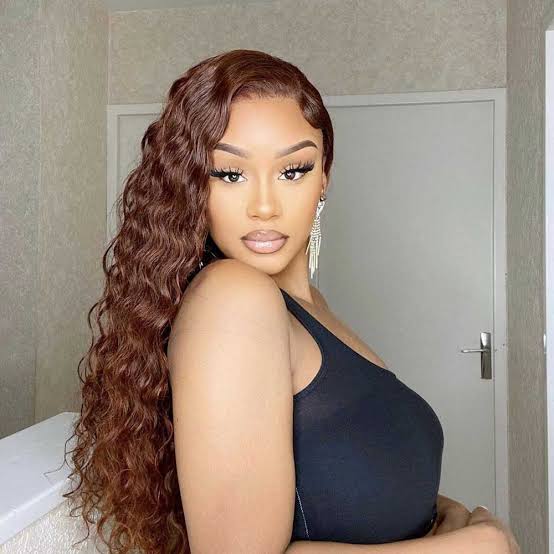
Medium brown with red undertones is not copper, but it shares a similar warmth that can skew orange over time on thick wavy hair. The side part and loose curls give this mid-back length a soft, lived-in feel. Ask your colorist for: medium brown base with subtle red undertones. A side part and length below the jaw suit long faces best. A color-maintenance shampoo used every four weeks keeps the undertone from turning brassy, which is the real work behind a shade this quiet.
The advantage is that the red is subtle enough to grow out without a harsh line, so you can stretch salon visits to ten or twelve weeks. Just know that if you skip the toning shampoo, the warmth will drift warm fast. Thick hair holds pigment well, but the wavy texture means the color reads differently in direct light versus shade. That variation is the point.
Mid-Back Deep Burgundy Waves
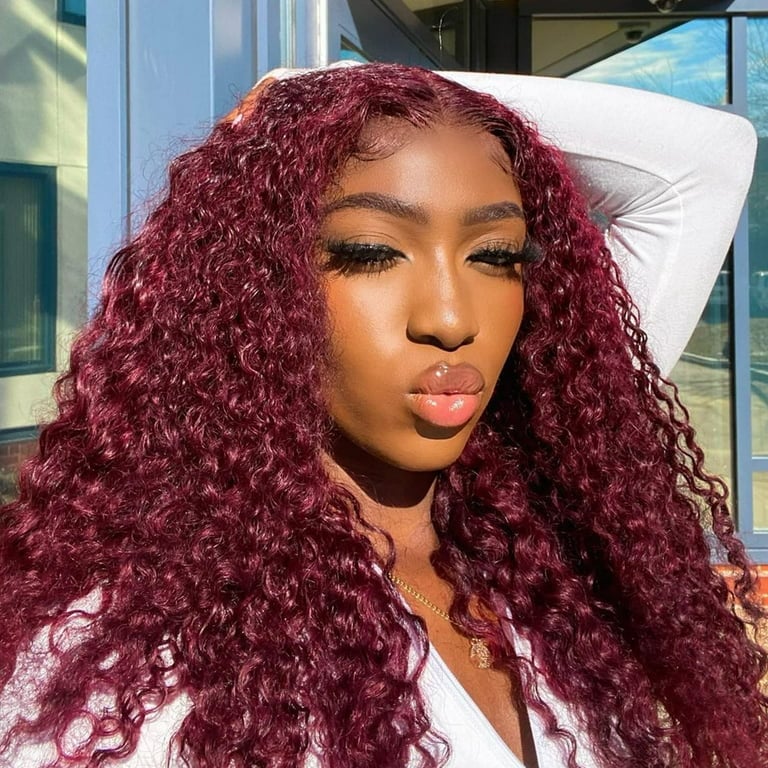
Can a single shade do most of the work? Deep burgundy on thick, wavy mid-back hair comes close. The middle part and loose waves let the color catch light across the full length, and the depth of the shade hides the natural root for weeks. Ask your colorist for: deep burgundy, all-over color. The richness suits most face shapes, since the color itself adds weight without relying on cut lines. Thick, wavy hair gives the burgundy a glossy finish that finer textures would not hold in the same way.
This is not a shade for anyone looking for low visibility. It is a bold choice, and the color is the anchor of the whole style. A trim every eight to ten weeks keeps the ends healthy enough to reflect light, which is what makes a deep burgundy look polished and dimensional.
Mid-Back Curly Hair In Deep Plum
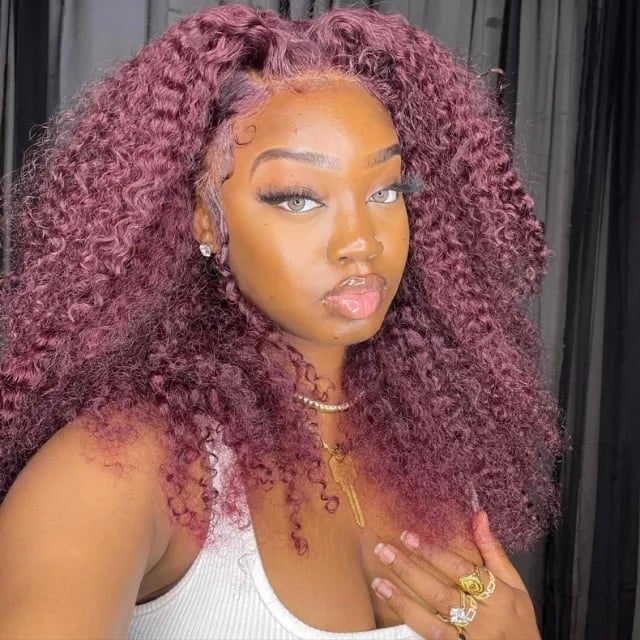
A deep plum color on thick, curly mid-back hair is straightforward: the curl pattern catches the color at different angles, so you get more dimension than a straight version of the same shade would provide. The loose curls and middle part show the richness of the pigment without needing highlights or a second technique. Ask your colorist for: all-over deep plum. The density of curly hair means the color stays saturated longer, which is helpful since plum can fade to a dull pink if the formula is not rich enough. Suits most face shapes because the curl volume balances the face without relying on cut angles. A curl-defining cream and a diffuser are the tools to keep the shape defined, and a color-maintenance shampoo every four weeks protects the depth of the shade.
Mid-Back Dark Brown With Deep Red Balayage
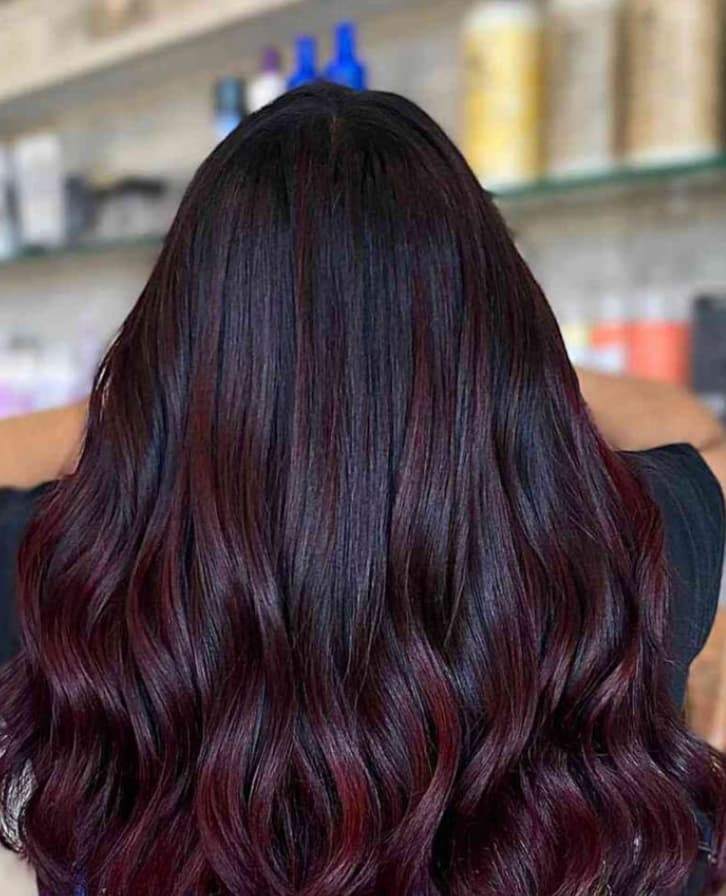
The balayage here does not start at the root. The dark brown base stays solid at the crown, and the deep red begins somewhere around the mid-lengths, so the grow-out is soft and the color feels built into the hair. The back view shows how the red gradually intensifies toward the ends on thick, wavy hair. Ask your colorist for: dark brown base with deep red balayage, mid-lengths to ends. The wavy texture helps the red blend naturally, and the mid-back length gives enough canvas for the transition to spread. Suits most face shapes since the darker base near the face keeps the focus on the cut. A color-safe conditioner and a red-toning refresh every six to eight weeks are the standard rhythm to keep the red from drifting brown.
Mid-Back Brunette With Warm Blonde Balayage
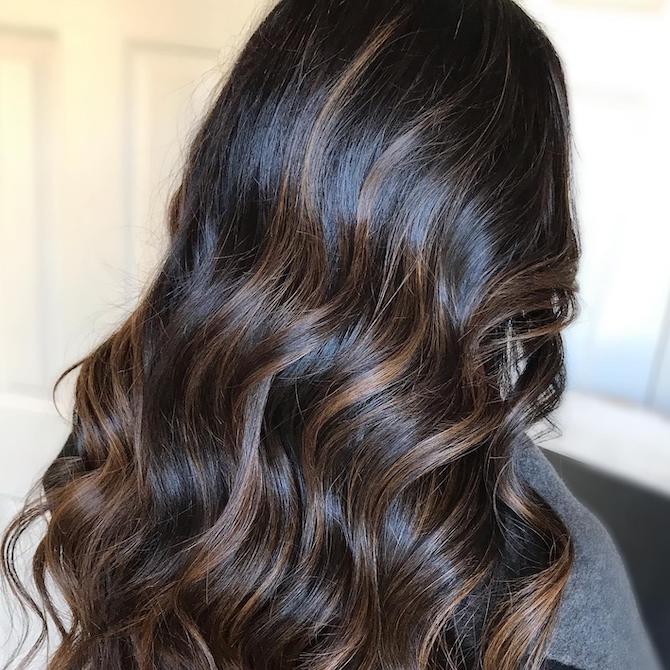
Warm blonde balayage on a brunette base is a salon technique, not a box-dye project, because the blonde needs to lift cleanly from a dark starting point without turning brassy. The side view shows how the warm blonde is concentrated on the ends, leaving the roots dark for a lower-maintenance grow-out. Ask your colorist for: brunette base with warm blonde balayage, face-framing focus. The thick, wavy texture at mid-back length gives the balayage enough movement to look dimensional. Suits most face shapes since the lighter pieces act as a soft highlight. A shine serum on the ends helps the blonde look glossy, and a refresh every ten to twelve weeks keeps the transition smooth.
Mid-Back Dark Brown With Blonde Balayage, Long Layers
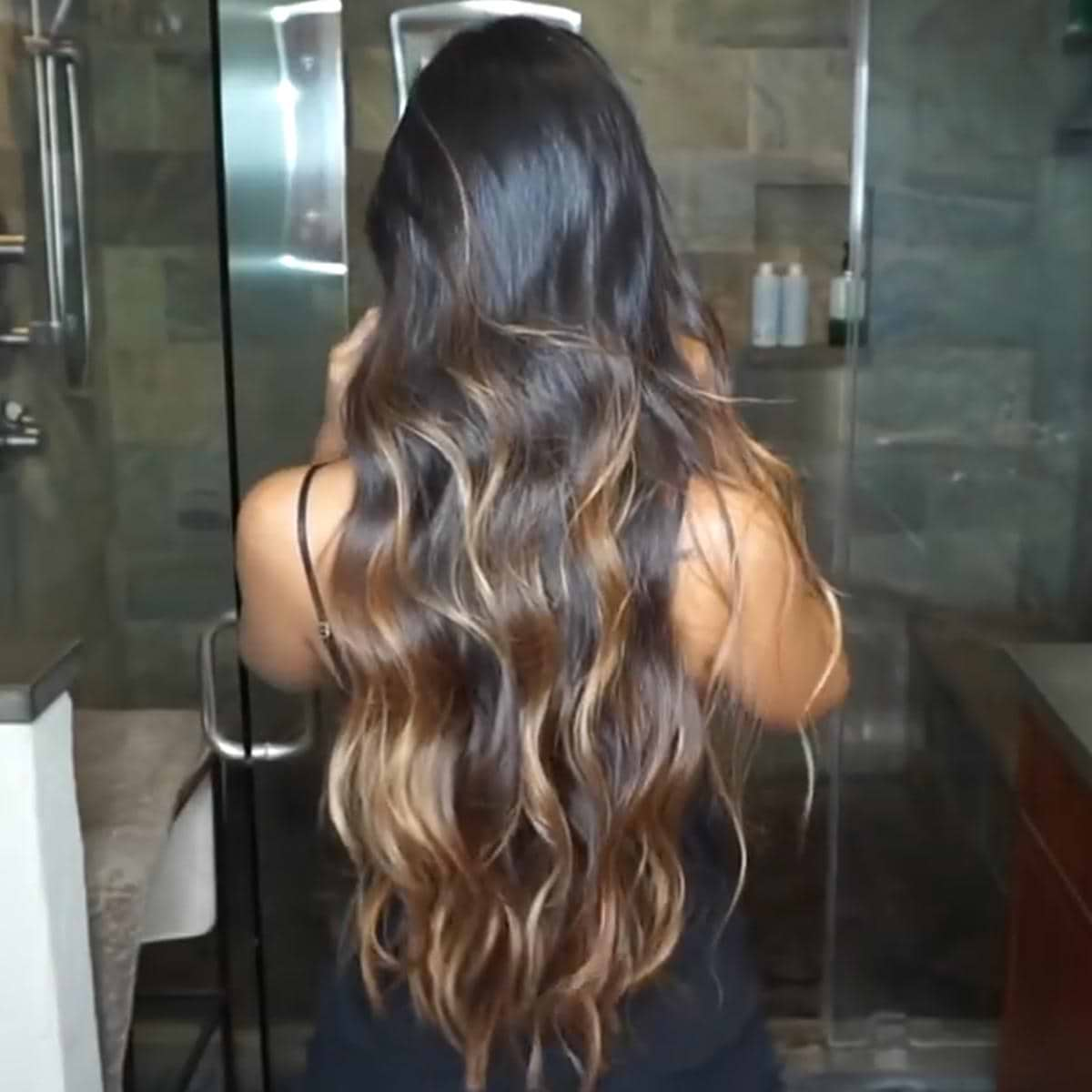
A full-back view of long layers reveals the real point of this color: the blonde balayage moves through the wave pattern rather than sitting only on the ends. Thick, wavy hair starting at mid-back has the weight to hold those layers open, so the transition from dark brown to blonde creates depth. Ask your colorist for: dark brown with blonde balayage. The loose waves need a heat protectant and a one-inch barrel to set, but the payoff is a dimensional color that shifts with every turn of the head.
Mid-Back Ash Blonde With Dark Roots
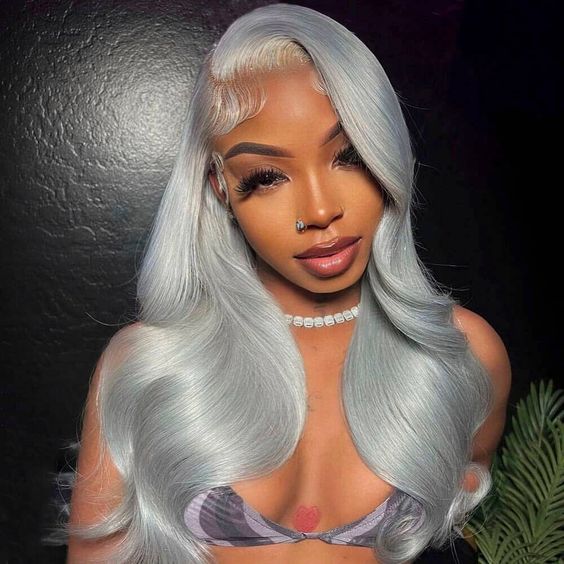
Ash blonde on thick, wavy mid-back hair is a deliberate choice, not an accident. The dark roots create a soft grow-out line that buys you about six weeks before a touch-up feels urgent. Ask your colorist for: mid-back ash blonde with dark roots. The catch is that ash tones need a purple shampoo every second wash to stay cool rather than pulling brassy, and that side part means the root shadow has to be applied evenly on both sides. Skip this if you prefer warm tones or wash your hair daily.
A trim every eight to ten weeks keeps the face-framing layers from collapsing into a single shape. The waves are set with a large-barrel iron, then broken up with fingers for a finish that reads as lived-in rather than set.
Pixie Cut With Honey Blonde Highlights
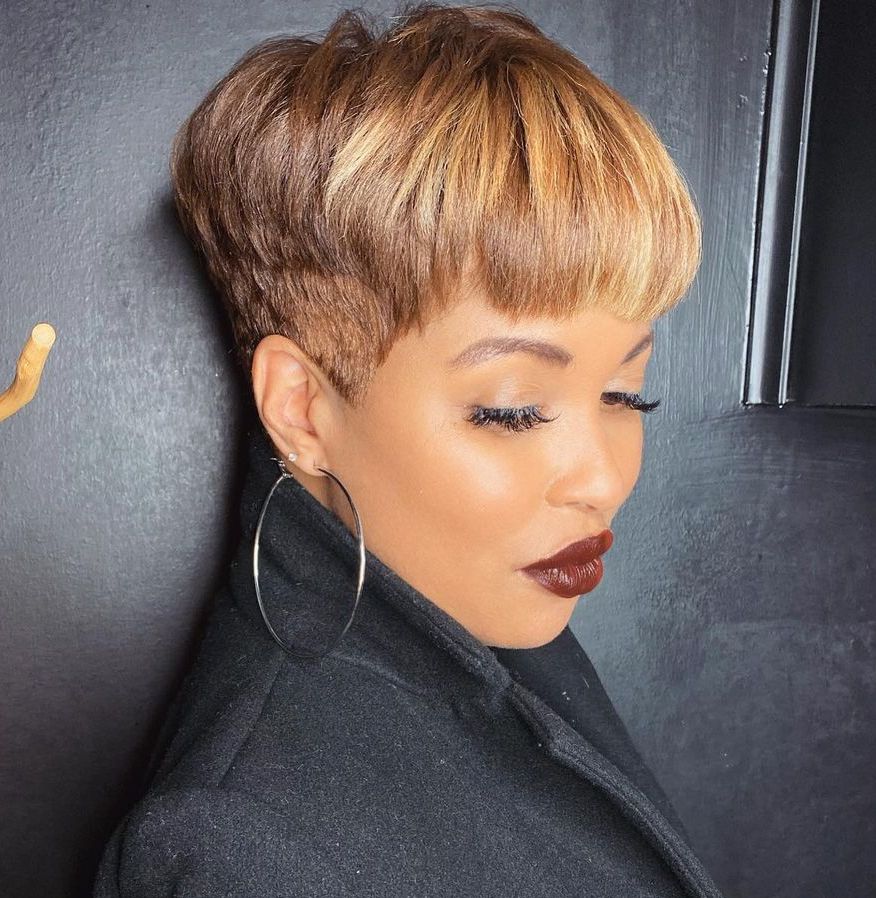
A pixie with honey blonde highlights on a brown base works best on fine, straight hair that holds a clean line. The short bangs and middle part need a precise cut every four to six weeks to keep the shape from looking overgrown. Ask your colorist for: honey blonde highlights on a brown base. The highlights are painted close to the root on the top section only, so the sides and nape stay darker, which keeps the color from reading as all-over blonde.
Mid-Back Blowout With Face-Framing Layers
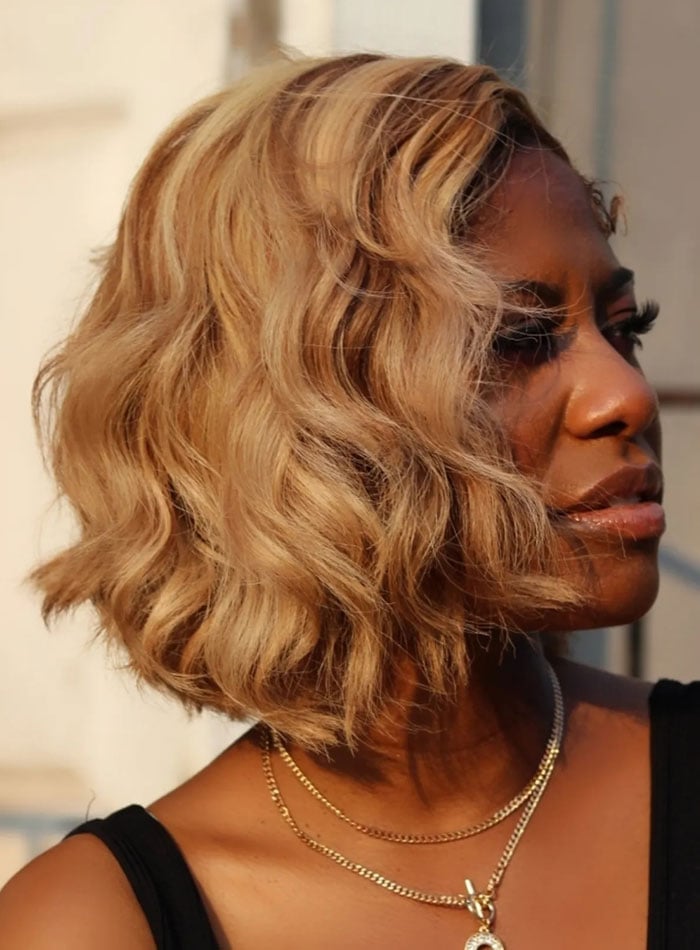
A chin-length bob on thick, wavy hair gets more movement when warm caramel blonde highlights are placed through the face-framing layers. The dark brown base keeps the weight at the ends, while the lighter pieces catch the light around the jaw. Ask your colorist for: dark brown with caramel highlights. A side part and loose waves set with a medium barrel give the bob a soft finish that holds for a full day without re-rolling.
Final Thoughts
For coily or very textured hair, opt for colors that enhance natural shine and dimension, like deep plums or auburns, and consider adding subtle highlights rather than all-over bold color for easier maintenance. Fine hair benefits from a single-process color on a blunt cut, while thicker textures can handle balayage or multiple tones.
- Color maintenance trims every 6-8 weeks for blunt cuts, 8-12 weeks for layered styles.
- Toning shampoo or conditioner every 2-4 weeks to maintain vibrancy and prevent brassiness.
- Use heat protectant spray before styling; limit heat styling to 2-3 times per week.
- Wash hair with color-safe, sulfate-free shampoo and conditioner, no more than 2-3 times per week.
Embrace the power of color to express your unique style.