Olive skin has a way of making hair color look richer, deeper, and more dimensional, which is both a gift and a puzzle. The right shade brings out that warmth; the wrong one leaves you wondering why you look washed out. Lived-in color is the trend doing the heavy lifting right now, with soft face-framing layers and curtain bangs keeping things modern.
This collection of 30 Hair Color for Olive Skin ideas spans the spectrum, from low-maintenance brunettes to vibrant reds, and covers short bobs to mid-back lengths. You will find options for fine hair that falls flat, for grow-out lines that need hiding, and for anyone who wants a glossy, natural texture without constant salon visits.
Rich Chocolate Brown With Caramel Highlights
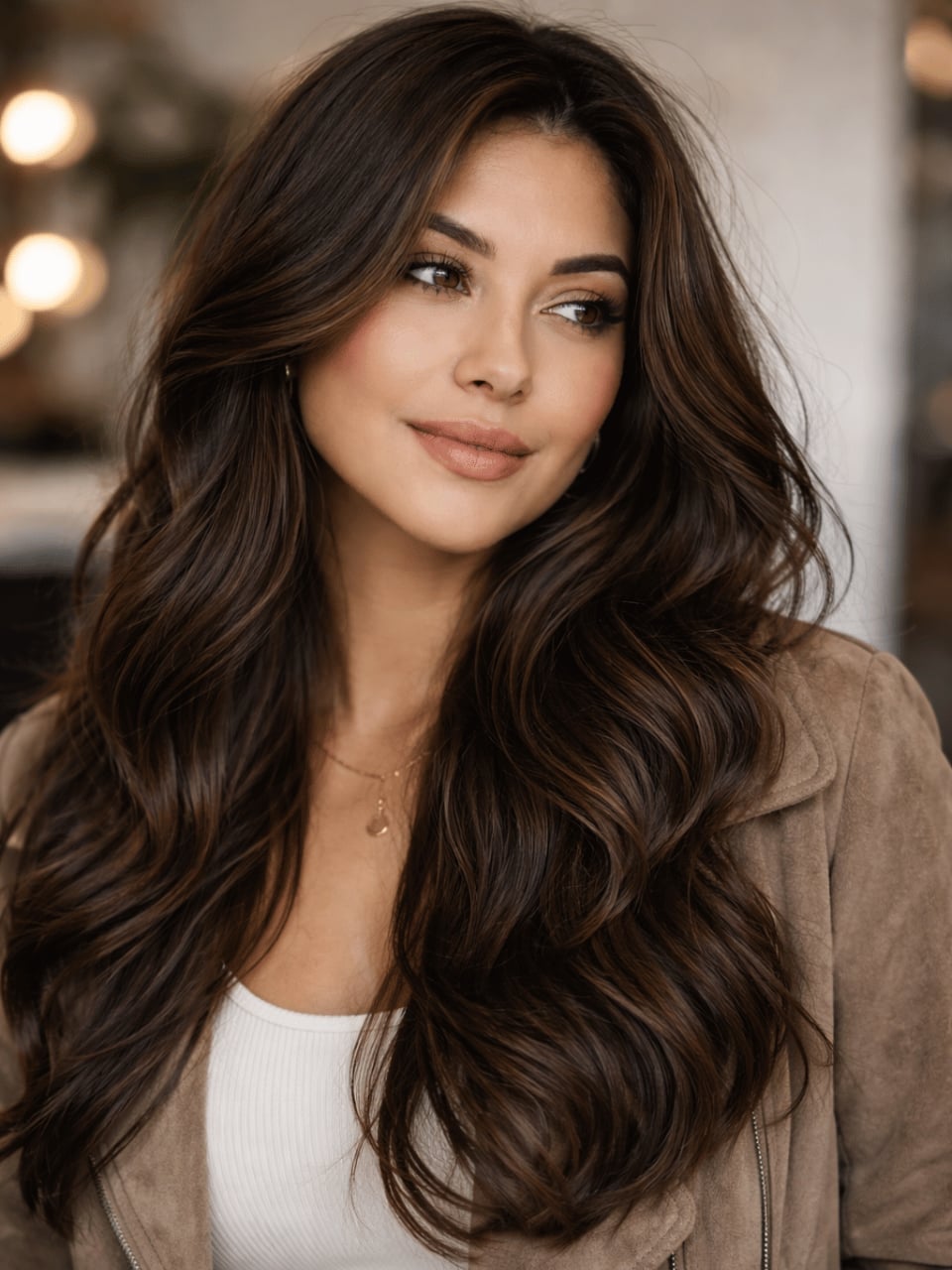
That rich chocolate base is doing more work than the caramel highlights, which is exactly the point. The deep brown carries the dimension while the lighter pieces stay subtle, so the color reads as expensive rather than streaky. This works best on thick, wavy hair at least shoulder length, where the loose waves can catch the caramel and show off the contrast.
Ask your colorist for: rich chocolate brown with subtle caramel highlights. The side parting and face-framing pieces keep the lightness near your face without committing the whole head to it. Expect to maintain the gloss with a shine serum and trim every six to eight weeks to keep the layers from dragging the shape down.
Deep Brunette With Caramel Balayage
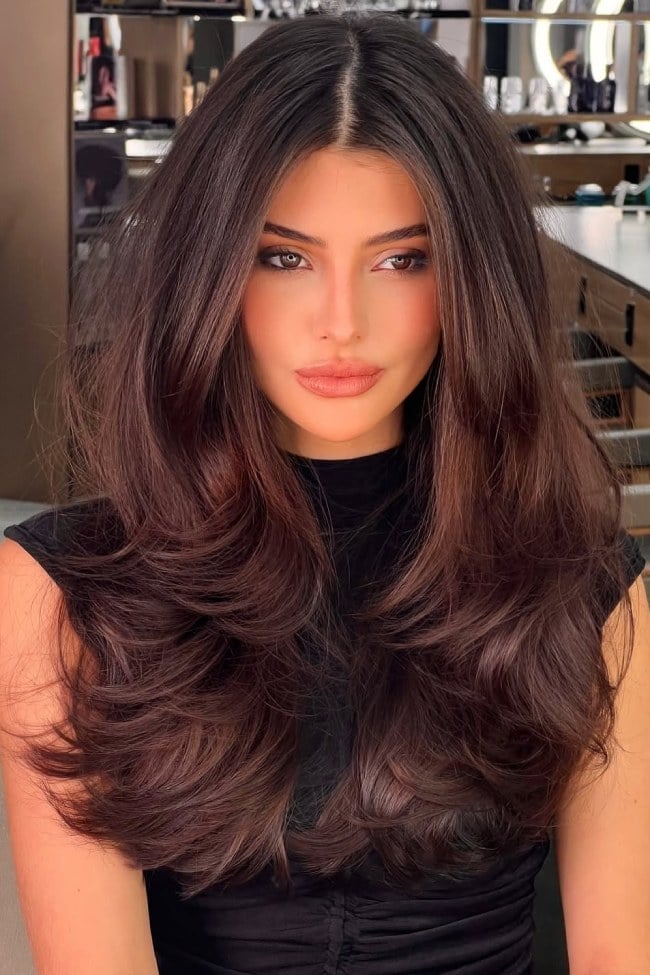
A deep brunette base with caramel balayage is built by painting lighter sections freehand, so the color melts from dark to warm without a hard line. The mid-back length gives the technique room to travel, and the thick, wavy texture shows dimension at each bend. Curtain bangs here do the softening, which suits round and square faces alike.
Ask your colorist for: deep brunette with caramel balayage and curtain bangs. The middle parting lets the balayage fall symmetrically, and the blowout with a round brush adds the volume this weight of hair needs. Highlights will need a toner every six to eight weeks to keep the caramel from going brassy.
Honey Blonde Balayage On Warm Base
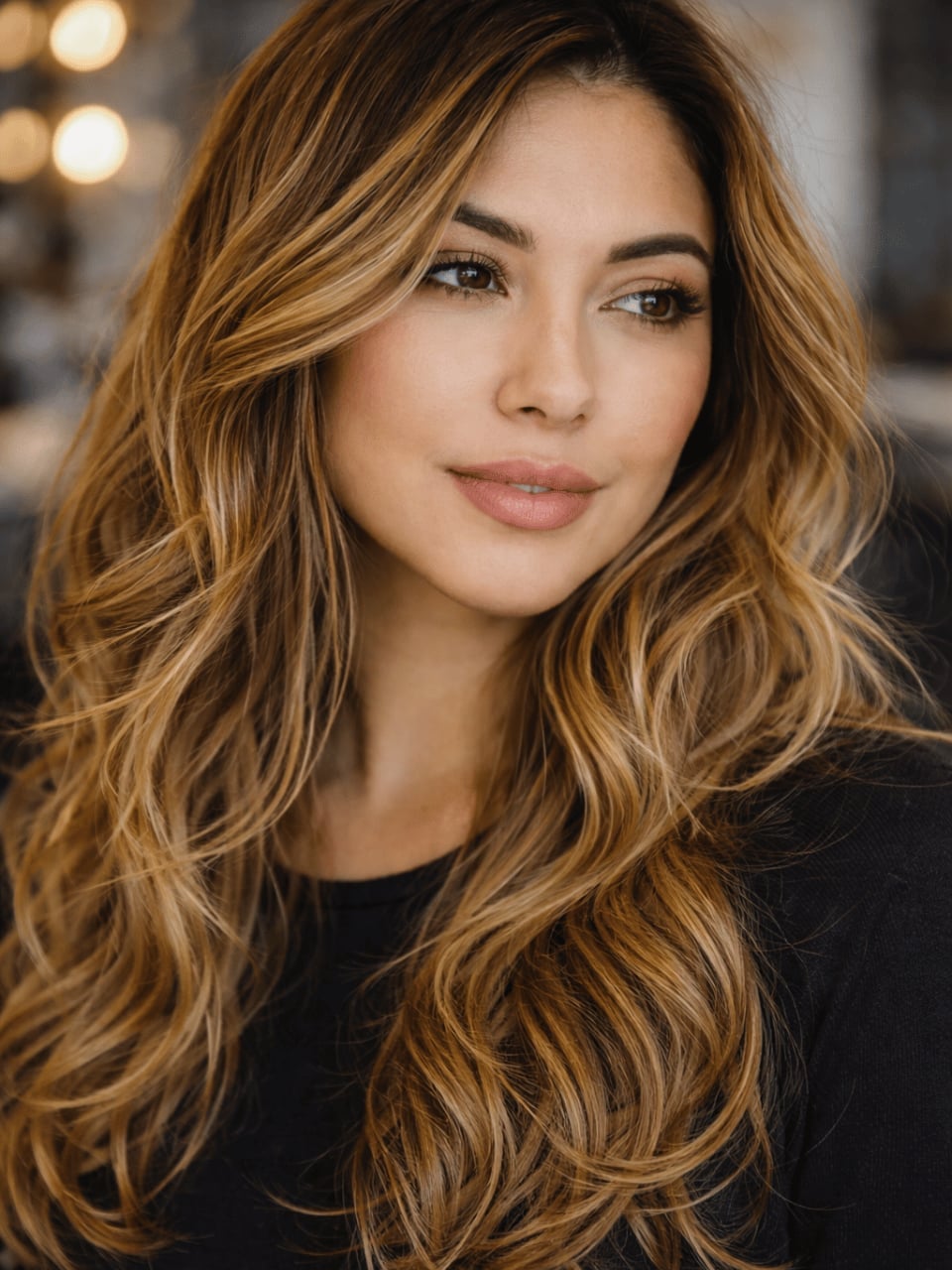
Wondering how to get honey blonde without the upkeep of a full head of bleach? Ask your colorist for: honey blonde balayage with face-framing pieces. The technique paints the lighter shade onto a warmer base, so the blend looks grown-in from day one. Long, wavy hair with medium density handles this best, since the loose waves let the honey tones peek through. Face-framing pieces brighten the front without demanding a root touch-up, and the side parting adds a little asymmetry to keep it from feeling flat.
Toasted Almond Brown With Lived-In Balayage
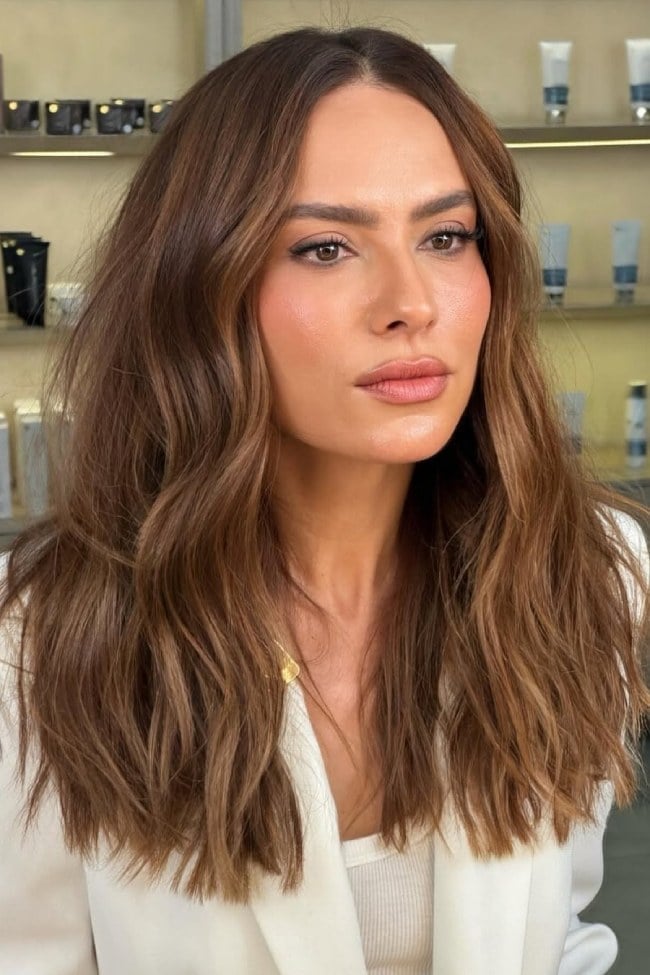
Ask your colorist for: toasted almond brown with lived-in balayage and curtain bangs. A texturizing spray on the waves adds definition without crunch, and a trim every six to eight weeks keeps the layers and bangs in shape. This is the low-maintenance route for anyone who wants color that looks intentional but not high-maintenance.
Brunette With Caramel Highlights And Face-Framing Layers
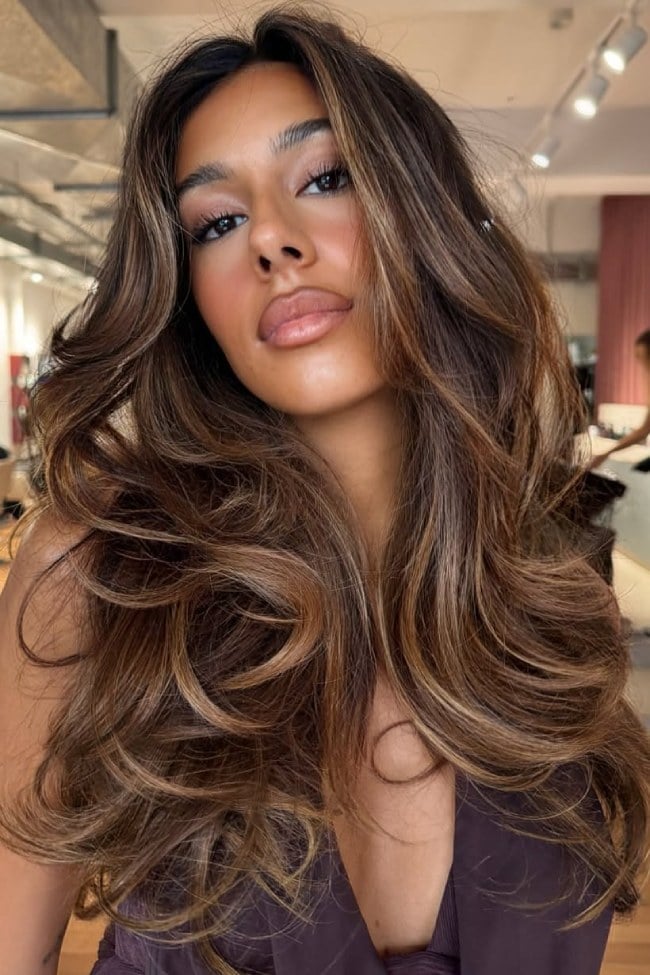
Solid brunette can sit flat, and chunky highlights can go streaky. This sits between the two: caramel highlights woven through a rich brunette base, with face-framing layers that lift the color around the cheekbones. The curtain bangs and middle parting keep the face open, and the thick, wavy texture gives the layers something to bounce against. Mid-back length is the sweet spot, long enough to show the dimension but not so long that the highlights get lost.
Ask your colorist for: brunette with caramel highlights and face-framing layers. A volumizing mousse at the roots adds lift for the blowout, and the highlights will need a toner every six to eight weeks to hold their warmth.
Ash Blonde Balayage On Light Brown Base
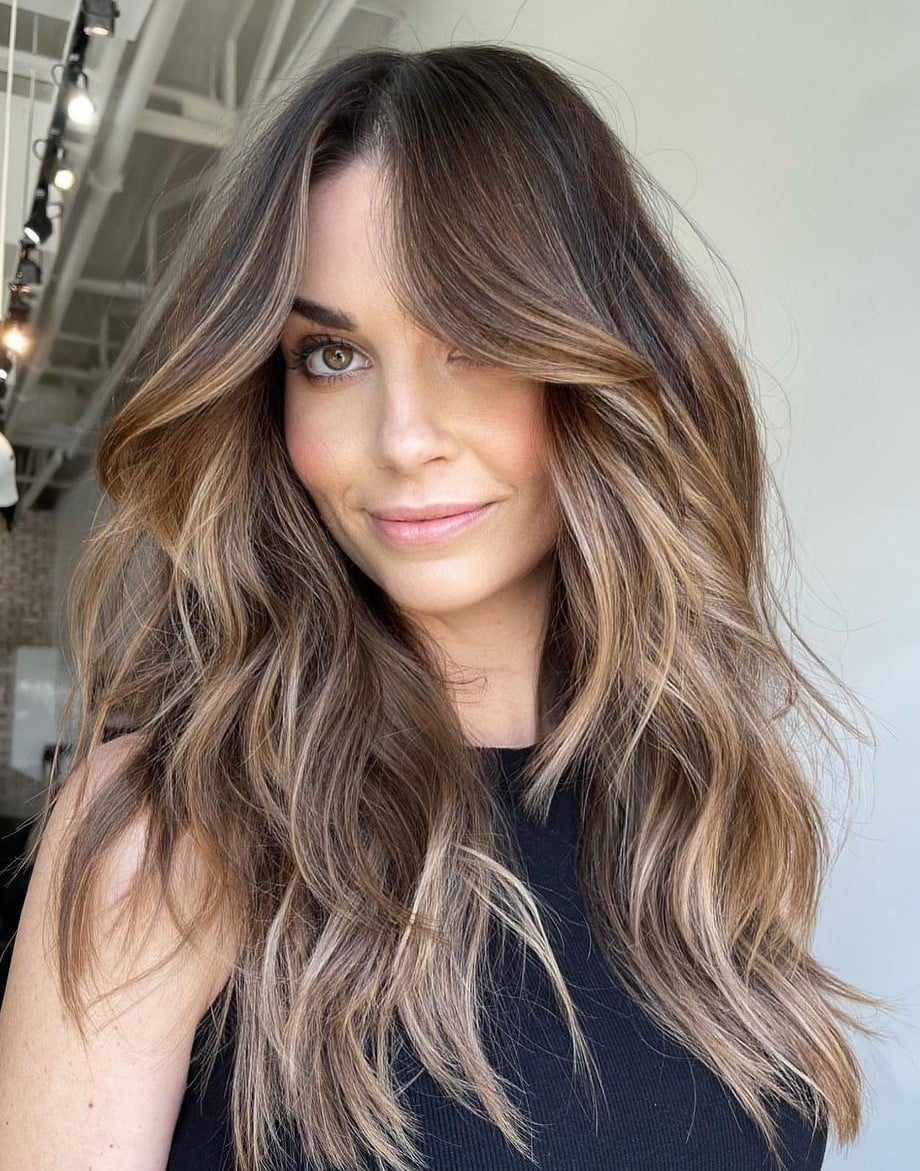
Wondering how to make ash blonde work without looking washed out? The key is starting on a light brown base, not a dark one. This mid-back length style uses a balayage technique to weave cool ash tones through thick, wavy hair, with side-swept bangs that soften the whole thing. Ask your colorist for: ash blonde balayage on light brown base with side-swept bangs. A purple shampoo every other wash keeps the brass out and the ash in.
Warm Chocolate Brunette With Balayage Highlights
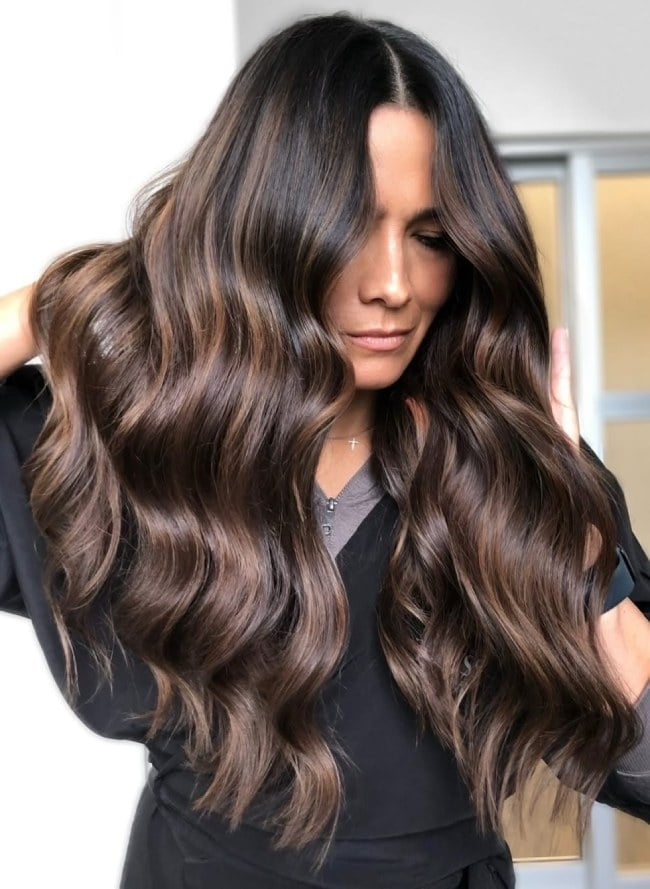
A balayage is essentially a freehand painting technique, and here it lets the warm chocolate brunette base stay dark at the roots while lighter pieces surface through the mid-lengths and ends. The result is a natural-looking gradation on this mid-back, thick wavy hair, finished with a glossy blowout and a middle parting. Ask your colorist for: warm chocolate brunette with natural balayage highlights. The tone is warm enough to keep things rich without tipping into orange.
Collarbone Shag With Choppy Bangs And Balayage
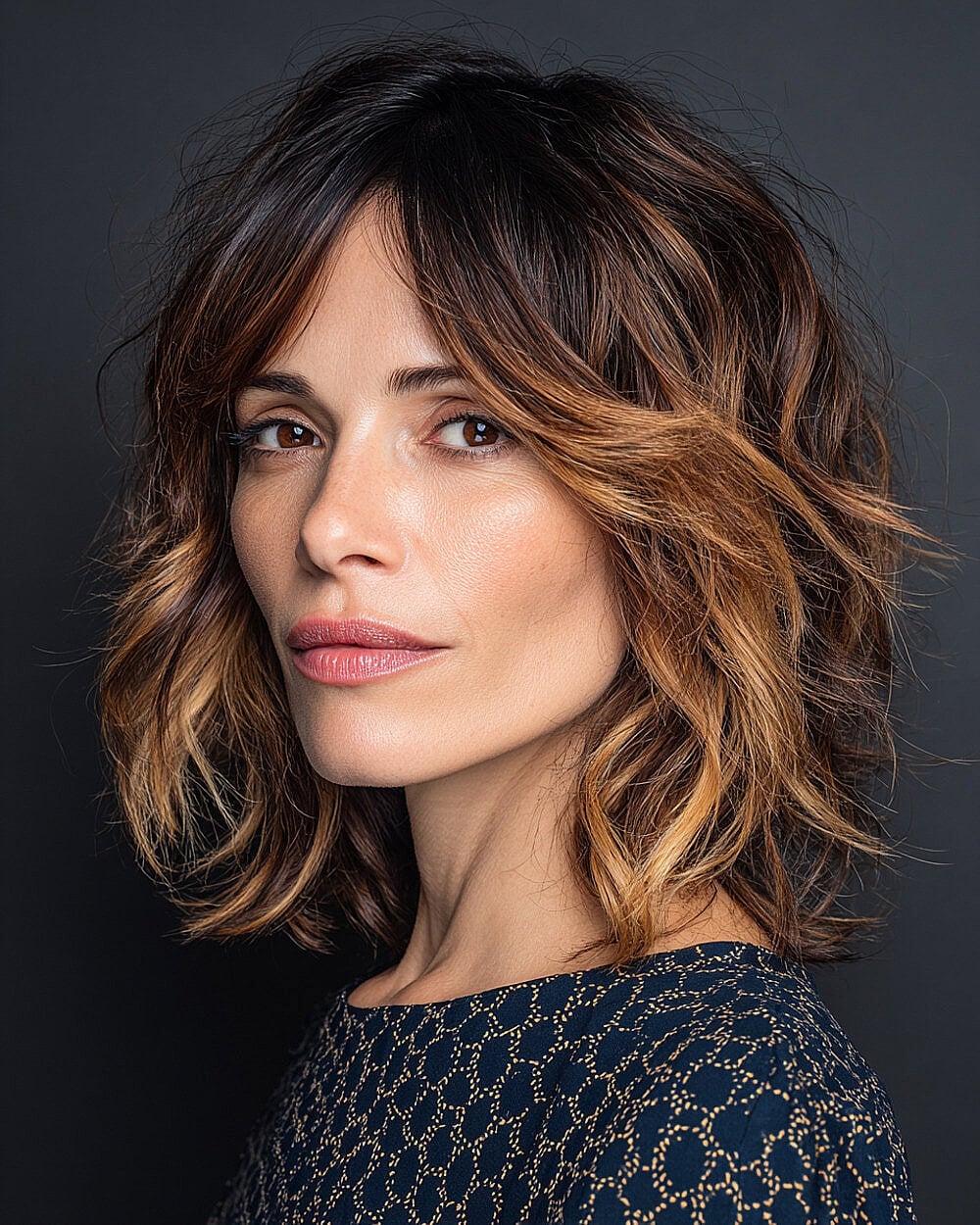
A collarbone shag is all about that disconnected, choppy shape, and the blonde and caramel balayage against a dark brown base makes every layer stand out. This medium-density wavy hair gets extra movement from the textured waves and choppy bangs. Ask your colorist for: collarbone shag, choppy bangs, dark brown with blonde and caramel balayage. The contrast works best on oval or heart-shaped faces, where the bangs can hit without overwhelming.
Rich Auburn With Subtle Lighter Highlights
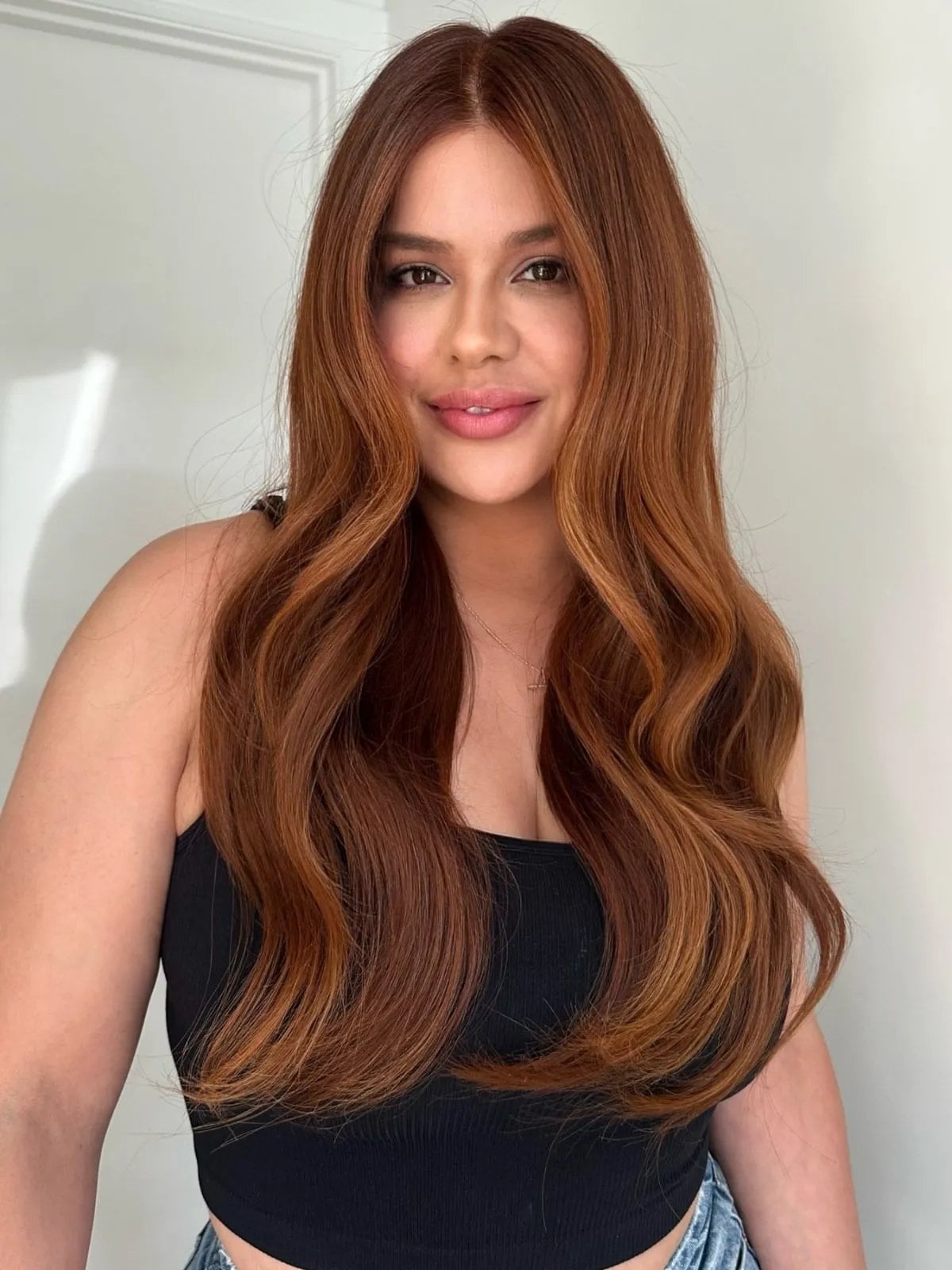
Rich auburn is a committed color: it fades faster than brown, and those subtle lighter highlights will need refreshing to keep their contrast. On this mid-back, thick wavy hair, the auburn base and soft highlights create dimension without looking stripy. Ask your colorist for: rich auburn with subtle lighter highlights. The middle parting and soft waves let the color read as one cohesive shade rather than two separate tones fighting for attention.
Honey Beige Brunette Balayage At Collarbone
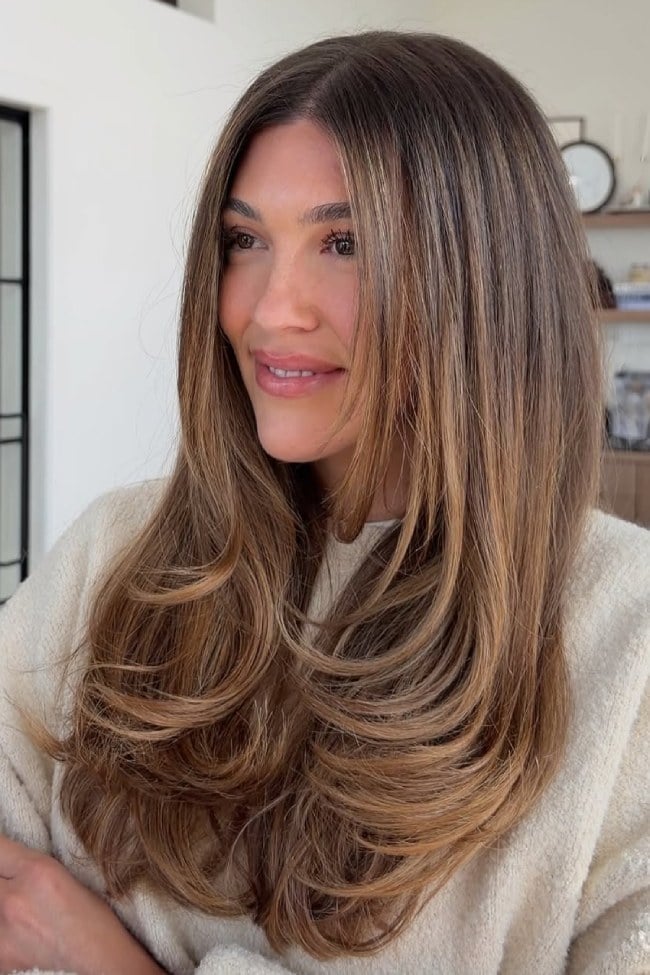
A honey beige brunette balayage stops at collarbone length, with curtain bangs. This medium-density wavy hair uses soft layers to keep the shape from looking heavy. Ask your colorist for: collarbone length honey beige brunette balayage with curtain bangs. The warmth in the beige tone is subtle enough to blend naturally with a darker base.
Dark Brown With Ash Blonde Highlights
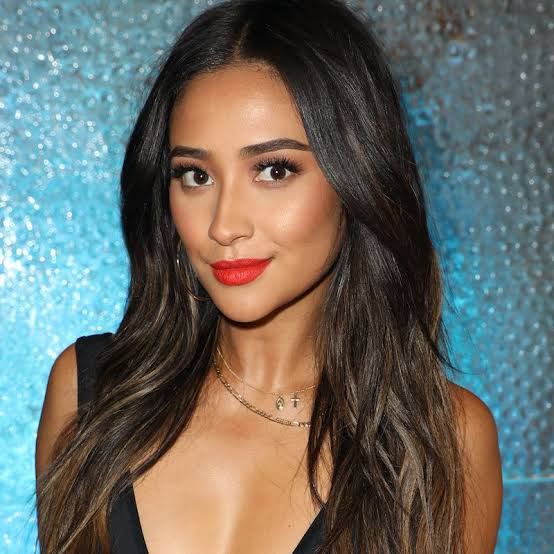
The trick to ash blonde highlights on a dark brown base is that they need to sit far enough apart to look deliberate, not like a grown-out foil mishap. The mid-back length and loose waves give the cooler highlights room to stand out without competing with the base. Ask your colorist for: dark brown base with ash blonde highlights. A silver or purple shampoo used every other wash keeps the ash tone from drifting brassy between appointments.
The real upkeep here is commitment to the fade. Ash tones soften faster than warm ones, so a toning appointment every four to six weeks is standard. The middle parting and soft layers help the grow-out blend naturally, which buys you an extra week or two before the roots demand attention.
Warm Brown With Subtle Caramel Highlights
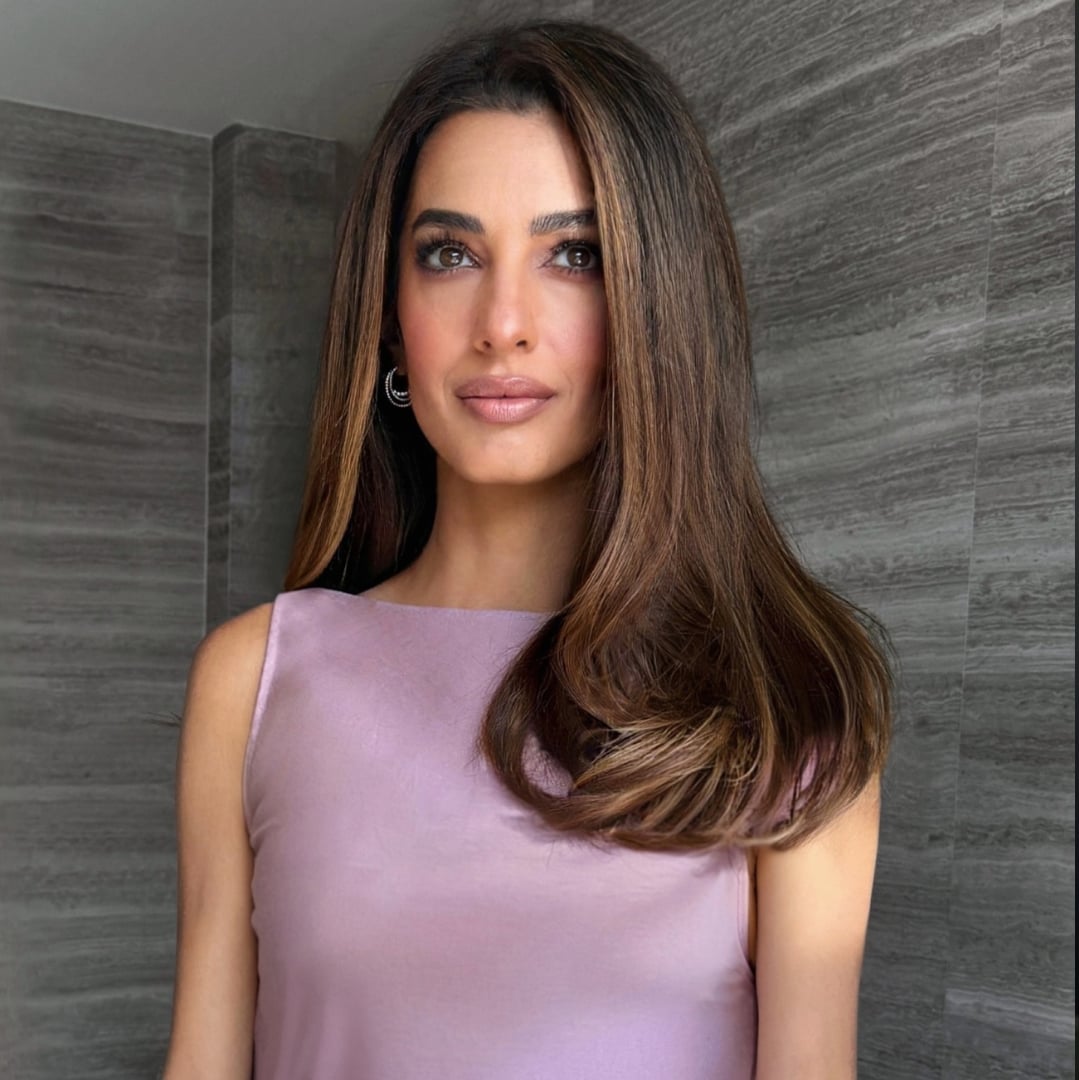
The most common mistake with caramel highlights on a warm brown base is overdoing it until the effect lands closer to stripe than sun-kissed. The thick, wavy mid-back length in this photo keeps the caramel pieces thin and spaced, so they add dimension without turning into a separate color. Ask your colorist for: warm brown base with subtle caramel highlights. A smoothing serum after blow-drying pulls the warm tones forward and keeps the cuticle flat enough to reflect light evenly. The side parting breaks up the highlight placement, which helps the grow-out look deliberate.
Vibrant Copper Red With Lighter Highlights
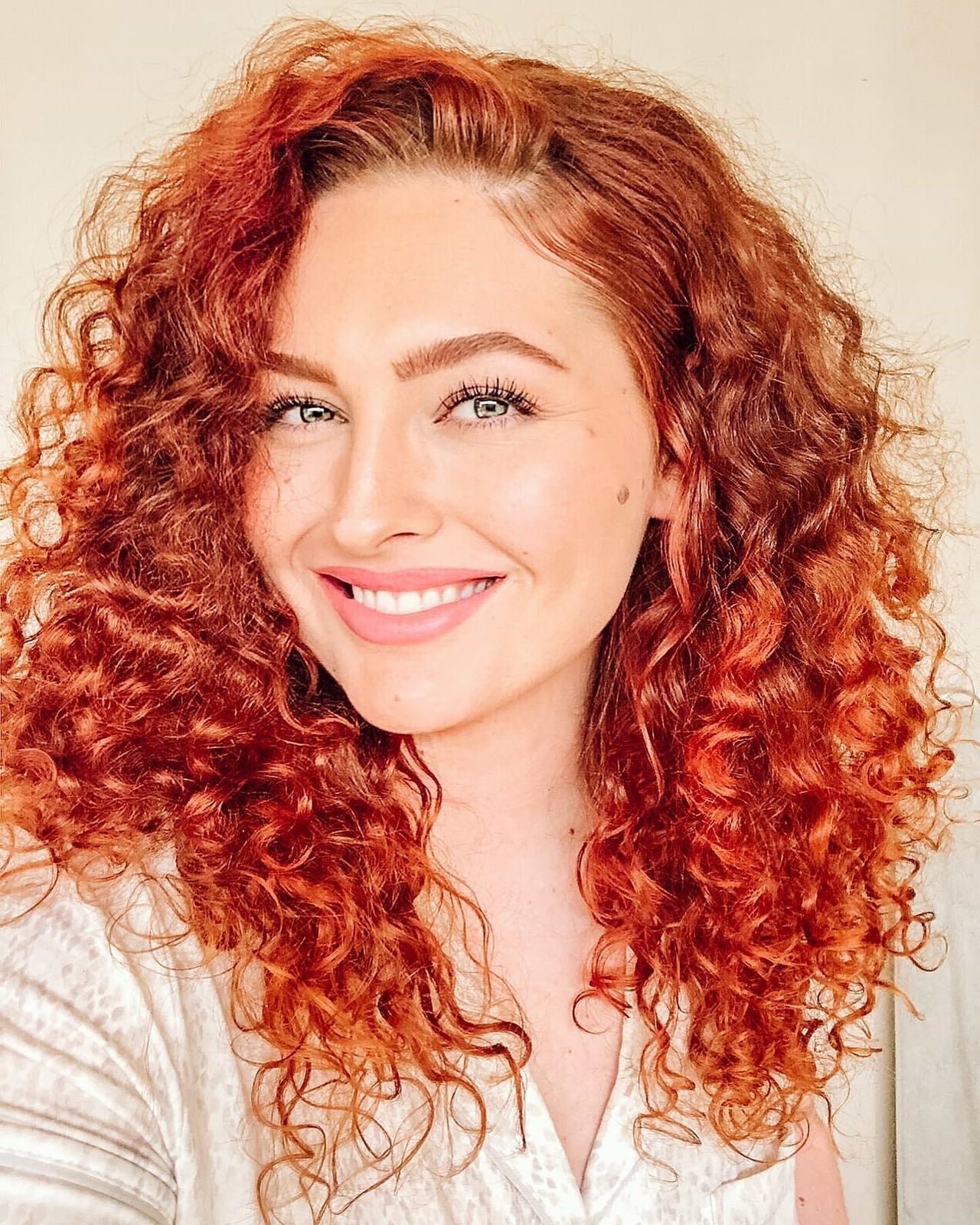
Can a single color make you want to swap your entire wardrobe for rust and camel? Copper red does exactly that, and it lands hardest when the days get shorter. The thick, curly shoulder-length hair here takes the vibrant base and the lighter highlights as two separate layers of depth, so the curl pattern gets its own dimension. Ask your colorist for: vibrant copper red with subtle lighter highlights. A curl-defining cream on damp hair shapes the bounce without weighing down the lighter pieces. This shade reads as a statement, not a suggestion.
Collarbone Bob With Warm Blonde Balayage
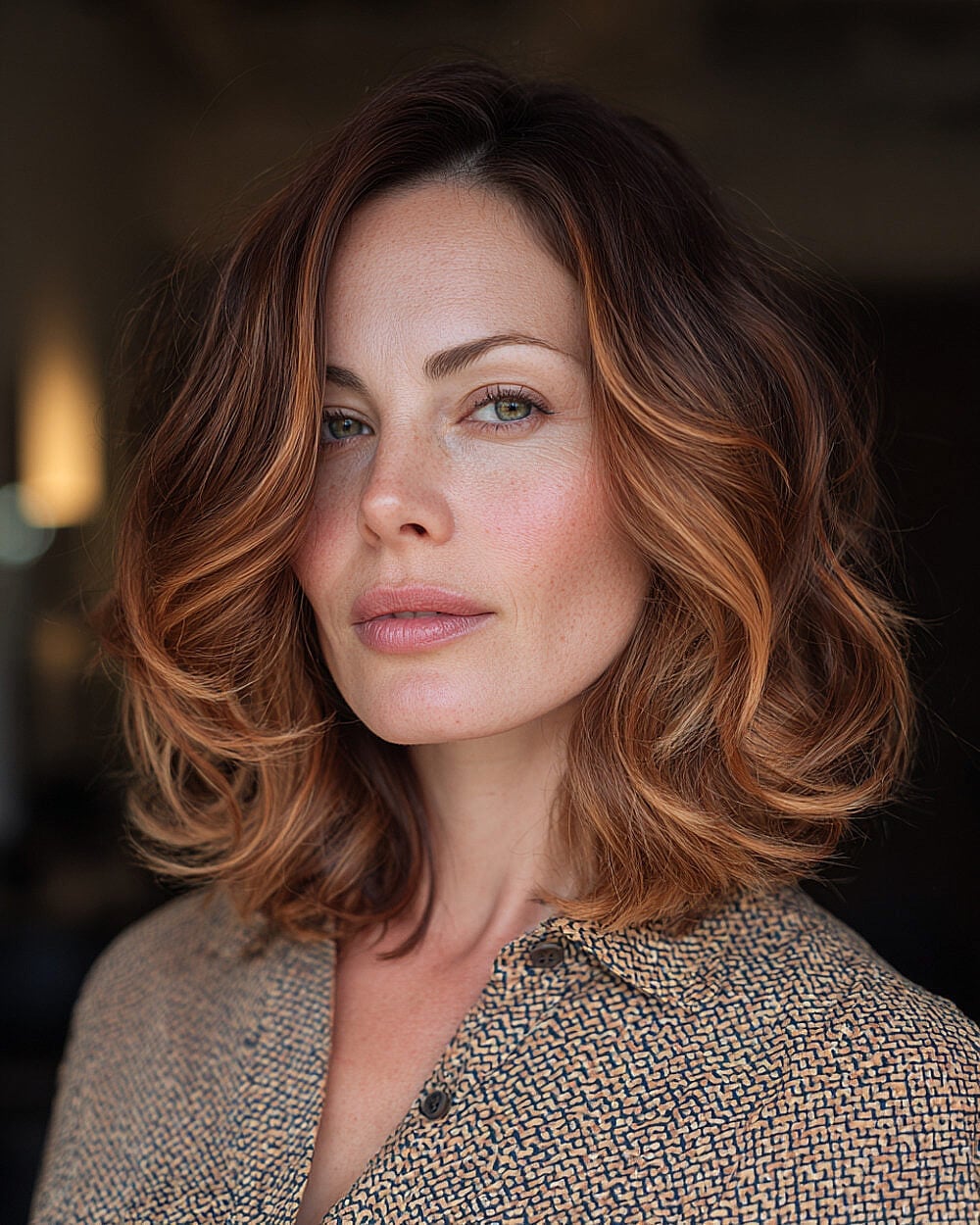
This collarbone bob works best for anyone with medium-density wavy hair who wants a warm blonde lift without the full commitment of a lighter base. The dark brown foundation keeps the grow-out low-maintenance, while the warm blonde balayage on the ends and face-framing layers adds contrast. Ask your colorist for: collarbone bob with warm blonde balayage. The side part and soft waves give the bob movement, which prevents the cut from reading too severe. Anyone with very fine or very thick hair might need a texture adjustment to make the balayage sit evenly.
Dark Brown Lob With Warm Auburn Balayage
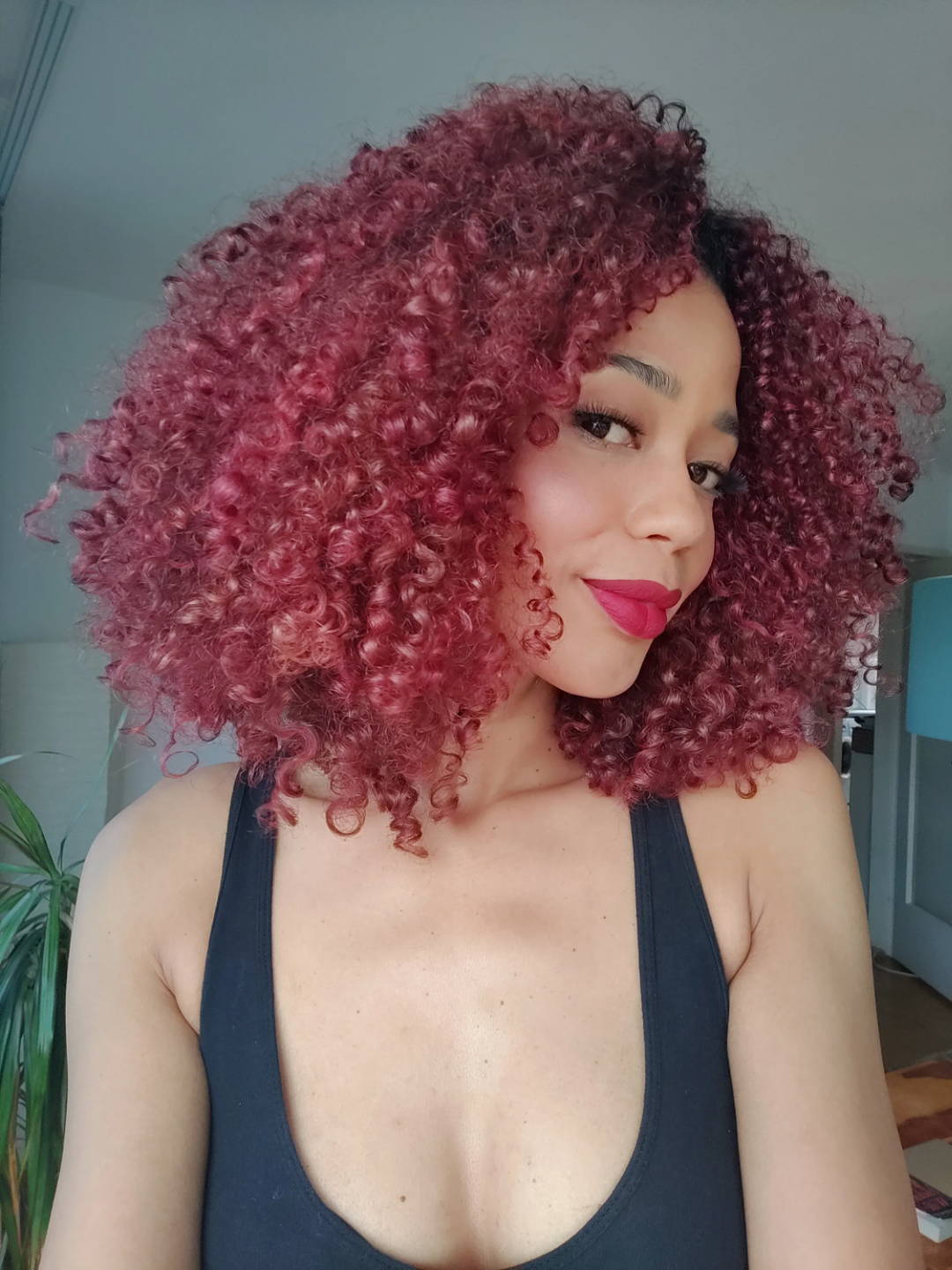
A warm auburn balayage on a dark brown base grows out with a softness that foil highlights cannot match. The collarbone-length lob and middle part let the auburn pieces hit around the jaw and shoulders, which draws the eye outward rather than down. Ask your colorist for: collarbone lob with warm auburn balayage. A heat protectant before blow-drying preserves the auburn tone from fading too quickly. The grow-out line stays subtle for about eight weeks because the balayage technique skips the root area entirely. A trim every six to eight weeks keeps the lob shape clean enough that the color does all the talking.
Dark Brown With Caramel Balayage And Curtain Bangs
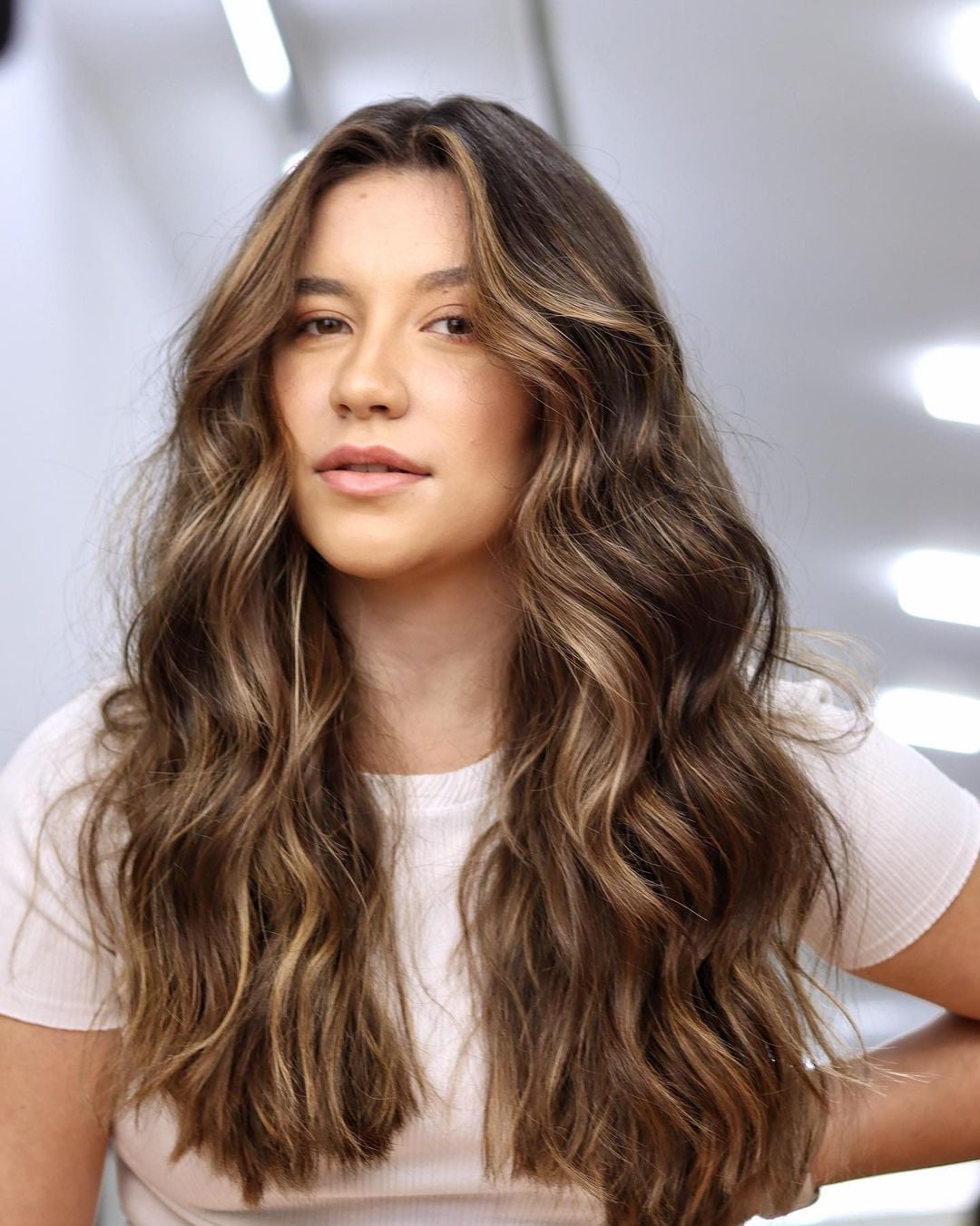
The caramel balayage here is painted in a soft, vertical sweep through the mid-lengths and ends, so the dark brown base stays dominant at the roots. That placement means the grow-out line stays subtle for about eight weeks before it needs a refresh. Ask your colorist for: dark brown with caramel balayage and curtain bangs. The curtain bangs are cut to blend into the long layers, which keeps the shape from feeling heavy on thick, wavy hair of mid-back length. A middle part lets the caramel pieces fall symmetrically around the face, which softens round and heart face shapes without losing structure.
Medium Brown With Soft Balayage And Curtain Bangs
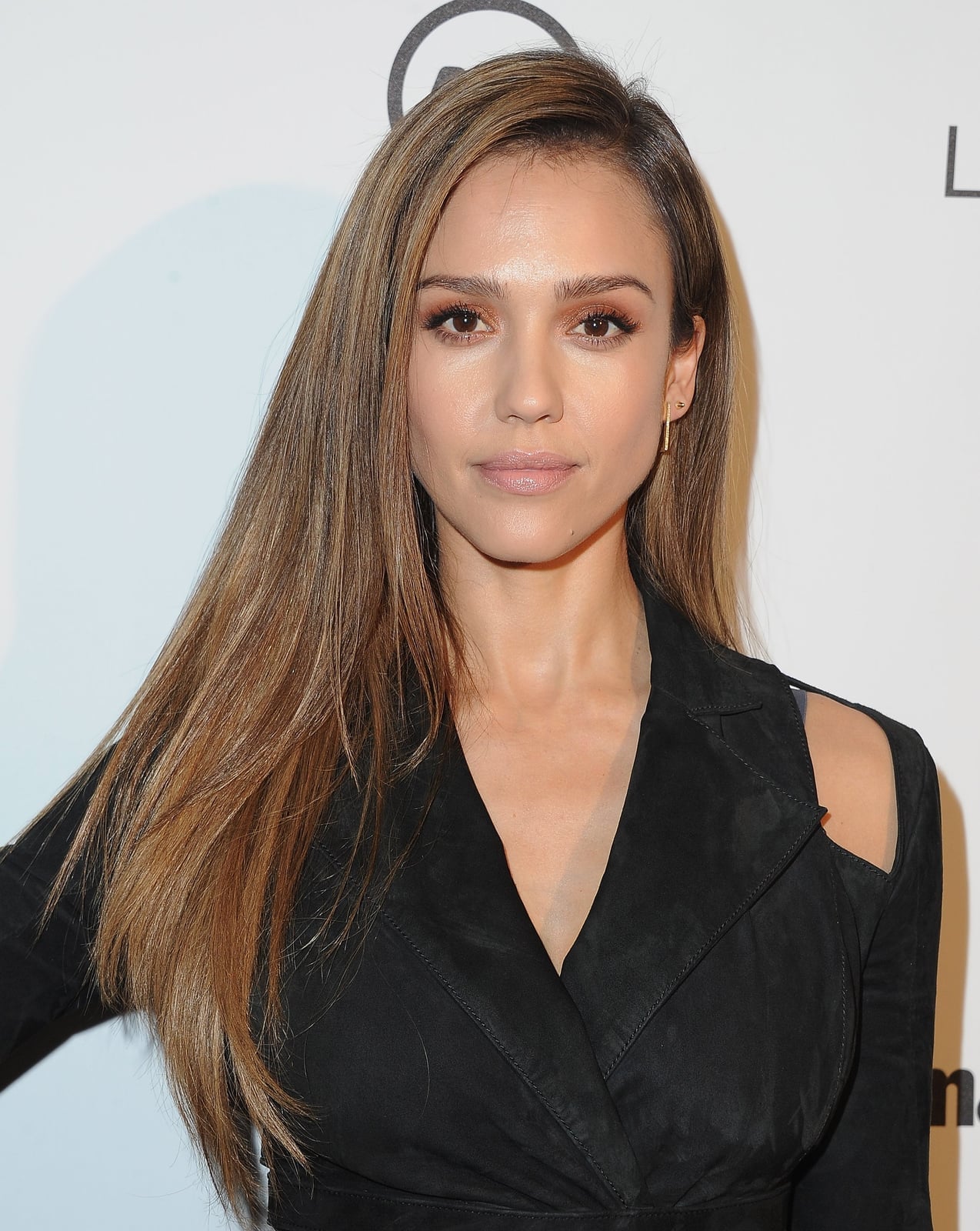
Wondering how to get that diffused, sunlit effect without a harsh regrowth line? The answer is soft balayage, where the lightener is painted freehand onto the surface of the hair rather than woven through foils. Ask your colorist for: medium brown with soft balayage and curtain bangs. The curtain bangs are cut to graze the cheekbones, and the balayage is concentrated around the face and ends to brighten the collarbone length without lifting the whole head. This technique works on thick, wavy hair that can carry the soft transition between shades.
Medium Brown With Subtle Caramel Highlights, Mid-Back
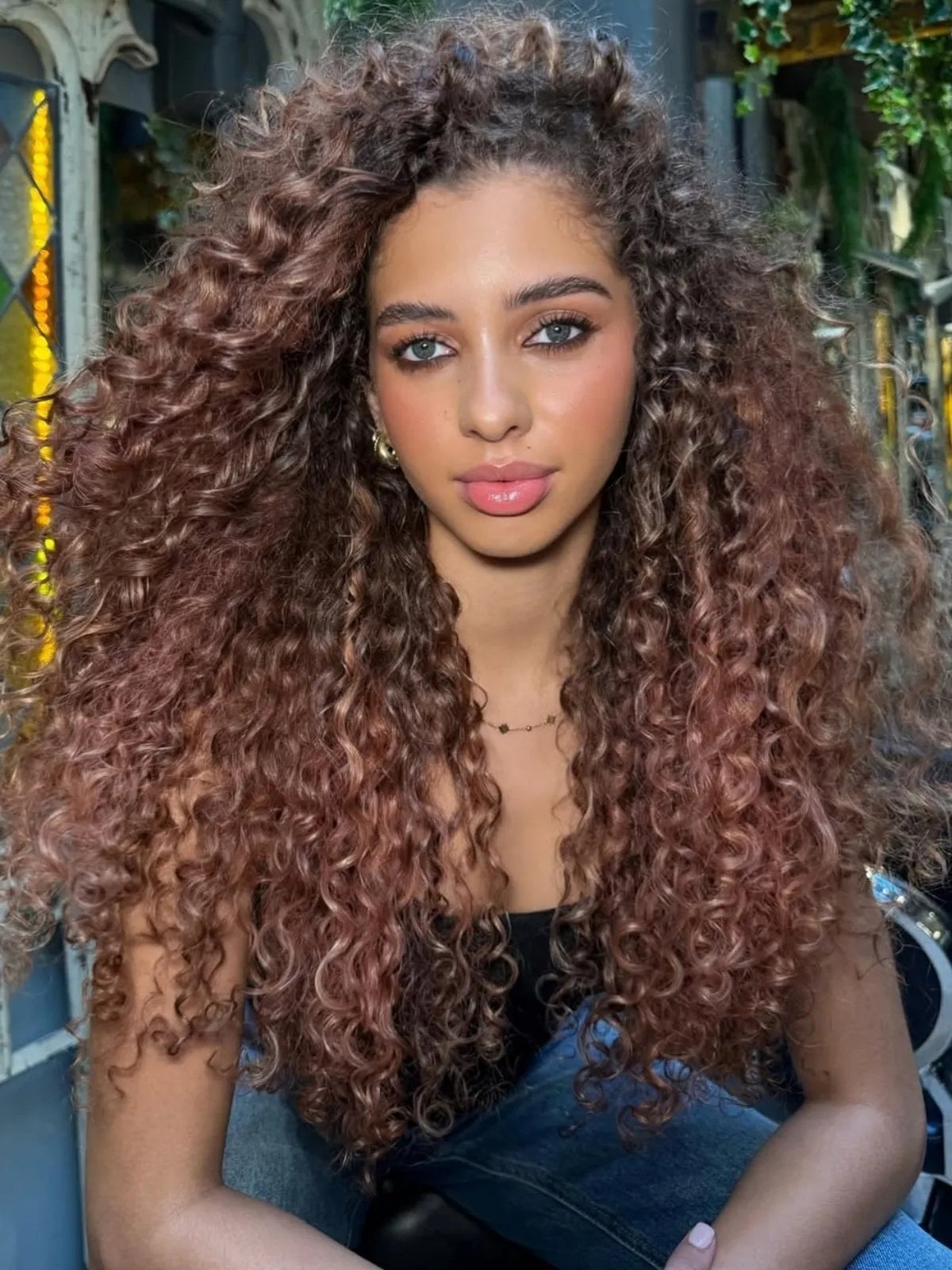
A medium brown base with subtle caramel highlights sits in the middle of the spectrum between a solid single-process color and a high-contrast balayage. The caramel here is painted in fine, spaced-out sections, not broad ribbons, so the dimension adds natural warmth. Ask your colorist for: medium brown with subtle caramel highlights. This approach suits thick, wavy hair at mid-back length, where the highlights travel through the layers without overwhelming the base. The grow-out is forgiving, since the caramel pieces are scattered rather than rooted at the part.
Warm Honey Brown With Honey Tones
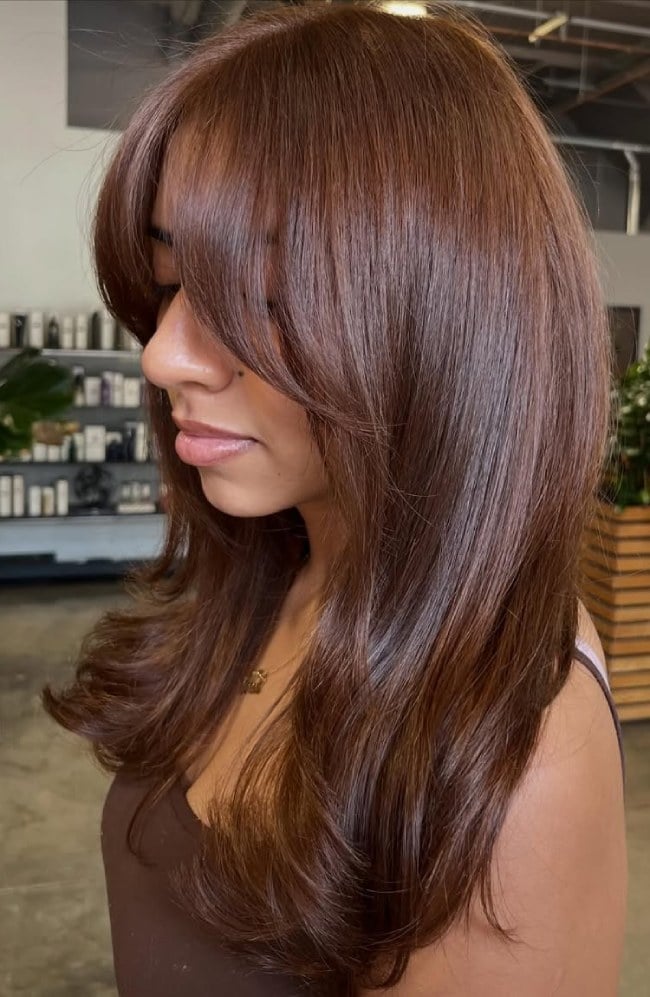
A warm honey brown base with lighter honey tones creates a single family color story, so there is no cool toned contrast to manage. Ask your colorist for: warm honey brown with lighter honey tones and curtain bangs. The curtain bangs frame the collarbone length and draw the lighter pieces forward, which adds brightness around the face without needing highlights on every section. This color works best on medium density wavy hair, where the honey tones appear in the bends of the wave.
Mocha Brunette With Face-Framing Layers
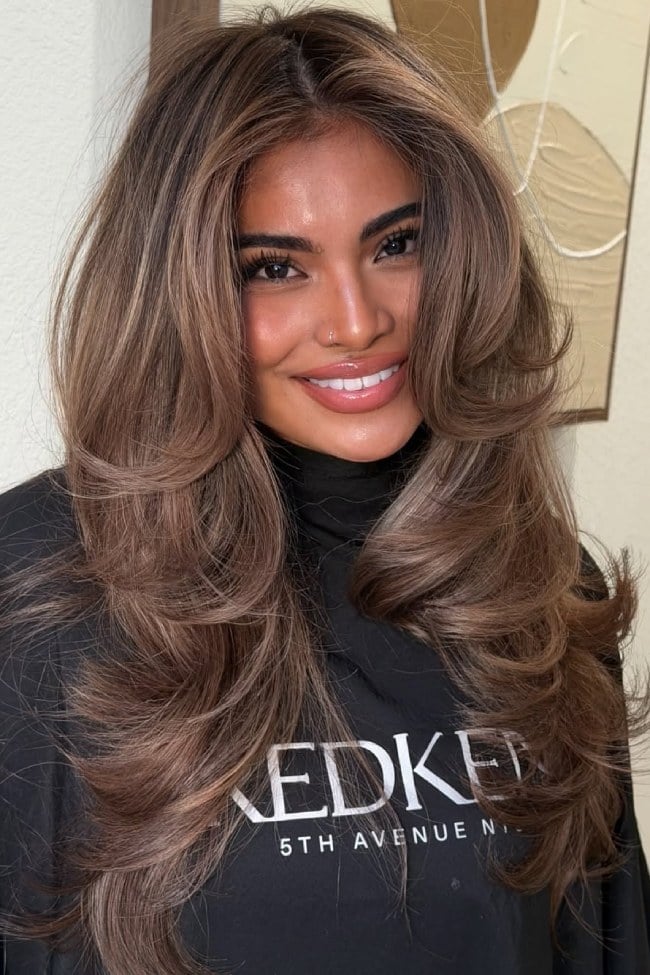
A mocha brunette base with subtle highlights creates a low-contrast finish that wears evenly as the color fades, since the highlights are only a shade or two lighter than the base. Ask your colorist for: mocha brunette with subtle highlights and face-framing layers. The face-framing layers here start around the chin and blend into long layers that reach mid-back, which means the lighter pieces at the front become more visible as the hair moves.
On thick, wavy hair, those front layers also reduce bulk and let the waves stack rather than spread. A trim every six to eight weeks keeps the layer shape clean and prevents the ends from thinning out.
Dark Blonde With Golden Blonde Highlights
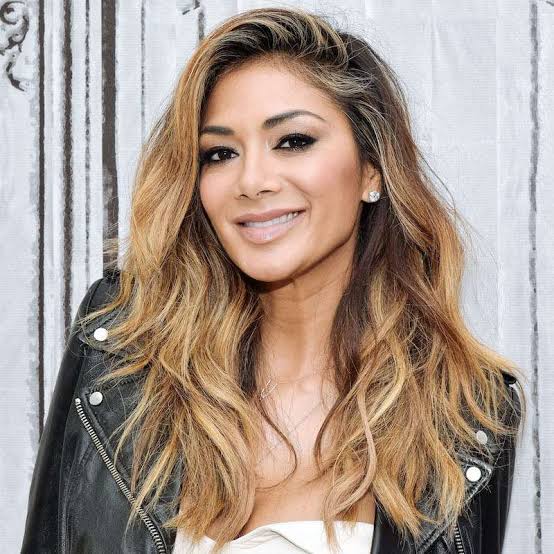
Wondering what to do with your hair when the weather warms up? This dark blonde base with golden blonde highlights is a solid answer for a subtle shift. The loose waves and middle parting let the lighter pieces stand out naturally, while the mid-back length and medium density wavy texture give the color enough surface area to blend smoothly, not in stripes. Ask your colorist for dark blonde base with golden blonde highlights. A trim every six to eight weeks keeps the ends fresh, and a color-safe shampoo helps the golden tones hold their warmth longer.
Dark Brown With Subtle Cool-Toned Highlights
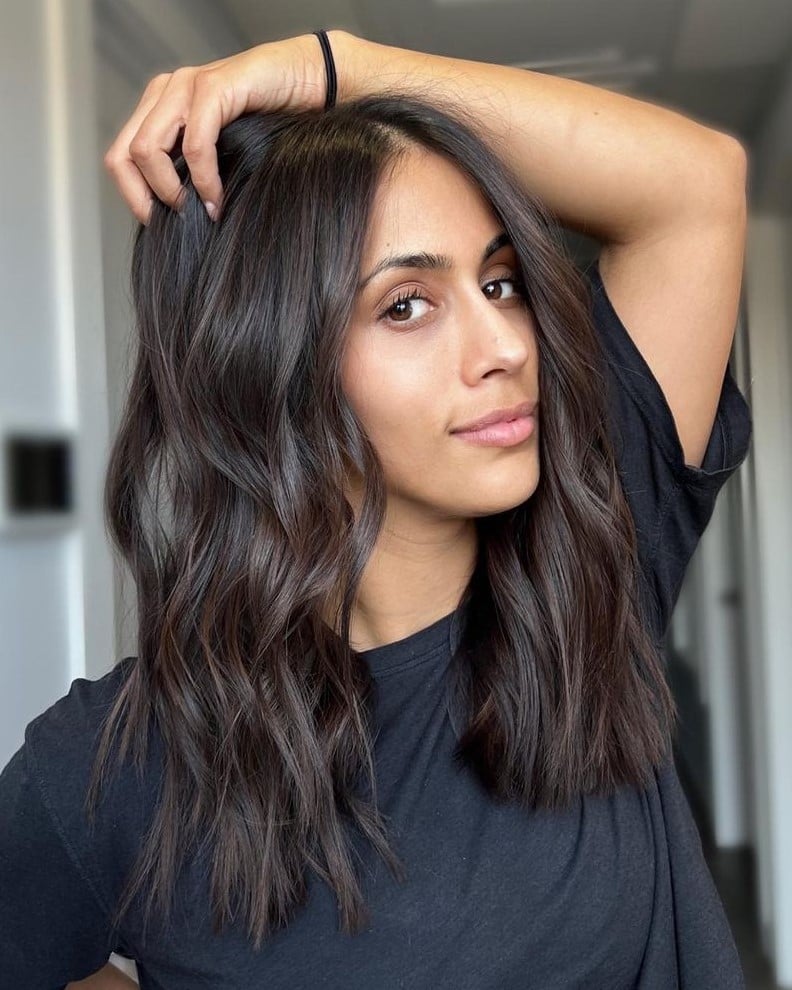
The design here leans on contrast that is barely there until you move. A dark brown base with subtle cool-toned highlights creates dimension without the high-maintenance look of obvious streaks. The collarbone length and wavy blowout keep the cool pieces integrated, so the effect is a richer brown rather than a striped one. Medium density wavy hair carries this technique well because the waves soften the transition between tones. Ask your colorist for dark brown base with subtle cool-toned highlights. Use a color-safe shampoo, and plan a trim every six to eight weeks to maintain the shape.
Medium Brown With Caramel Highlights Back View, Long Layers
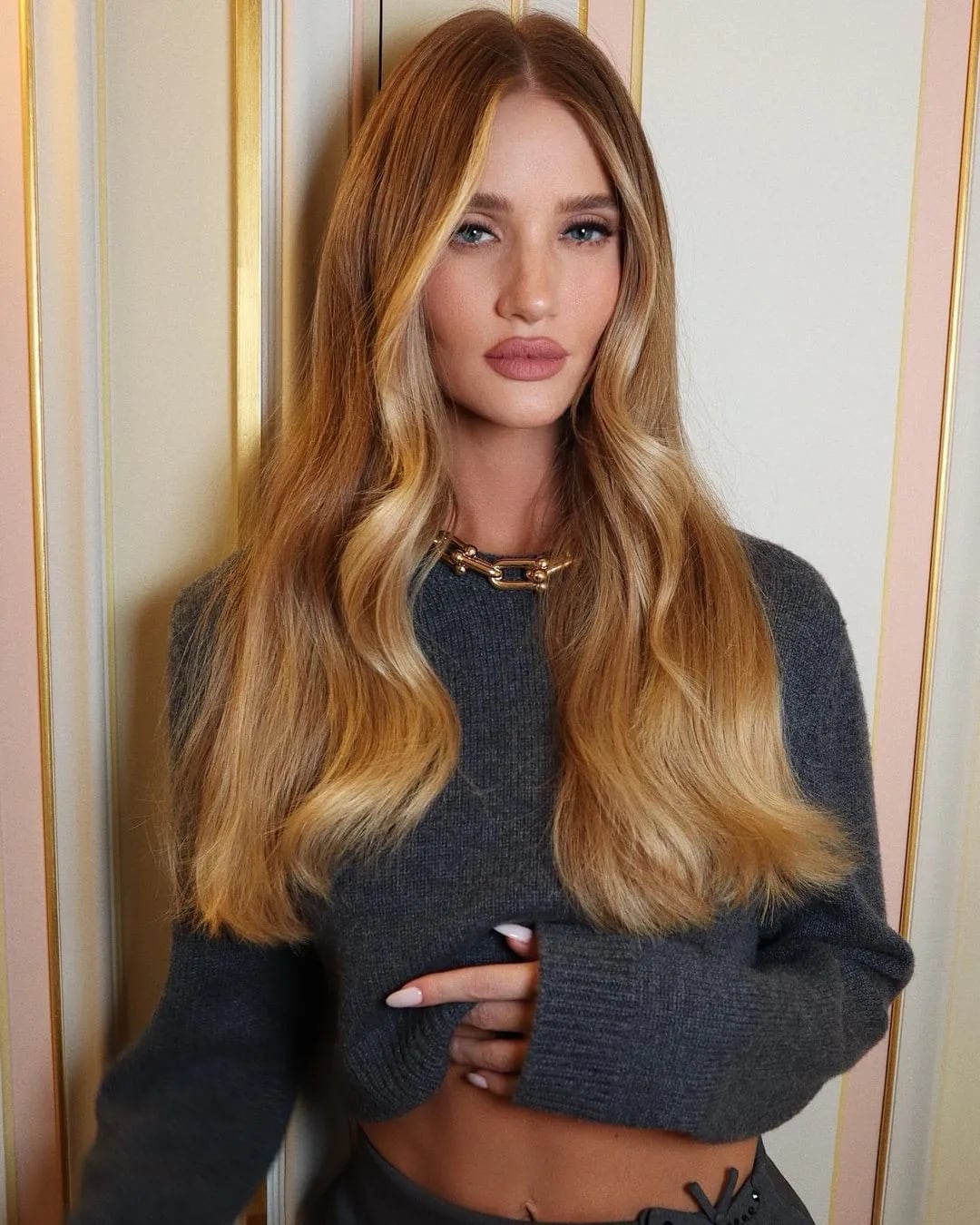
A back view is the honest way to judge a color formula, and this one holds up. The medium brown base with caramel highlights runs through long layers, so the warmth lands mostly on the ends. Thick wavy hair adds texture that keeps the caramel from reading as one solid block. Ask your colorist for medium brown with caramel highlights. When you sit in the chair, specify that you want the caramel placed lower through the layers for a lived-in grow-out. A glossing spray adds shine that makes the caramel pop without extra effort.
Medium Brown With Warm Copper Balayage
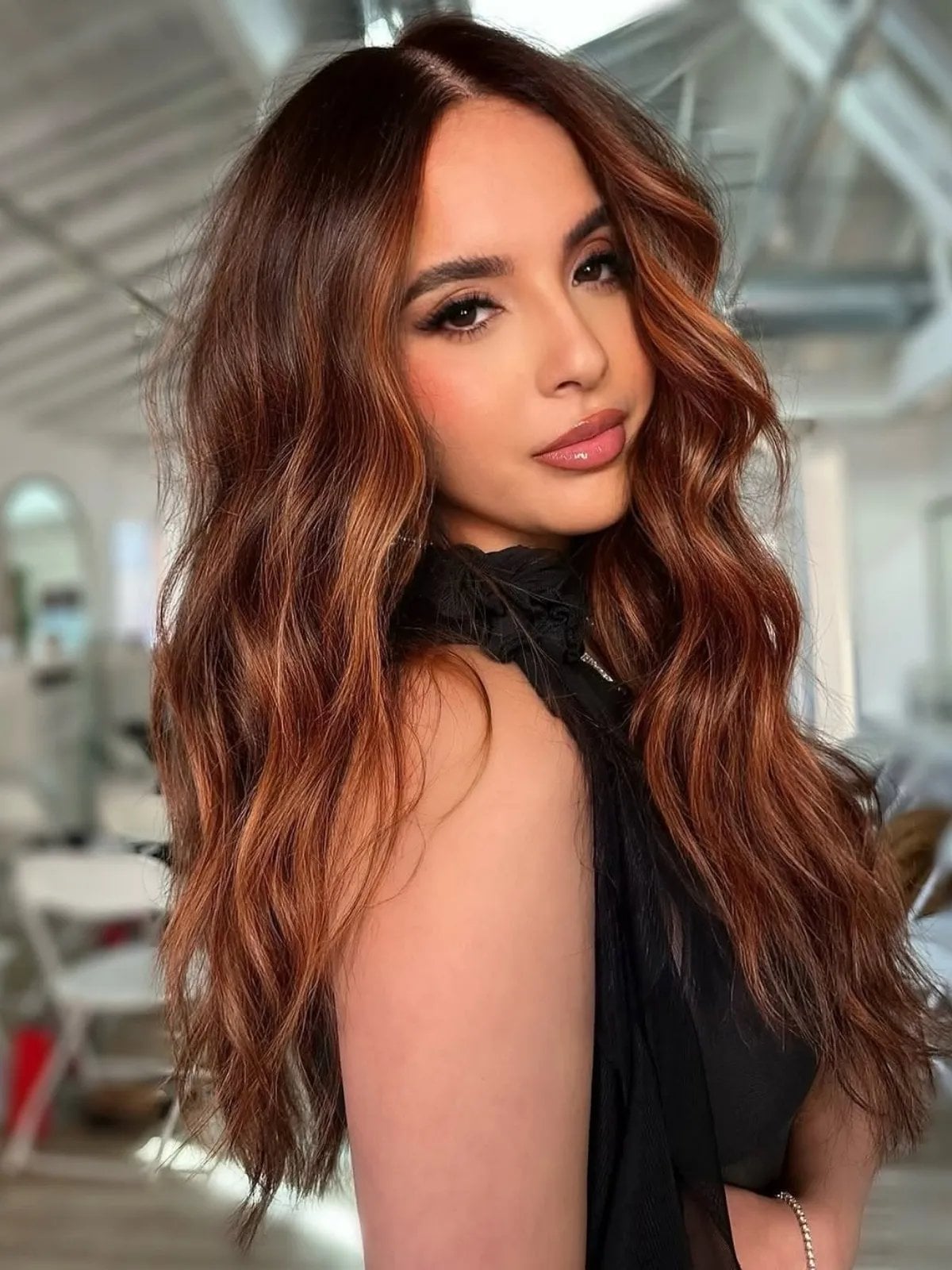
Thinking about copper but worried it will pull orange? The trick is a medium brown base with warm copper balayage. The balayage application keeps the copper concentrated on the ends, so the overall tone stays rich instead of screaming pumpkin. Thick wavy hair at mid-back length with curtain bangs is the natural home for this technique. Ask your colorist for medium brown with warm copper balayage and curtain bangs. A color-safe conditioner is your best friend here, and a toning appointment every four to six weeks keeps the copper from drifting too brassy.
Rich Cinnamon Brown Hue
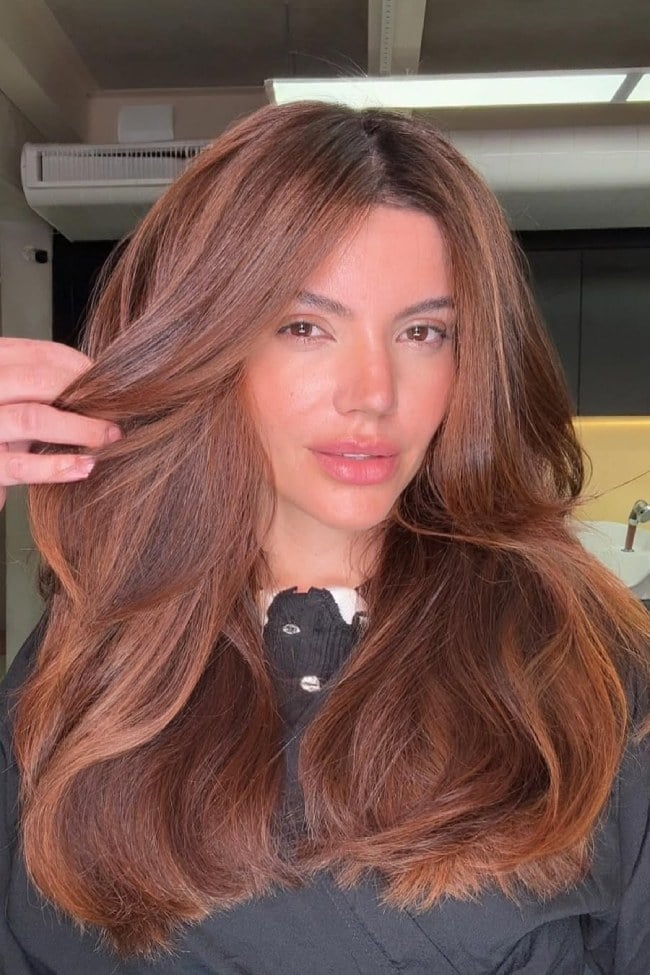
This color works best when you want warmth without committing to a full red or copper. The rich cinnamon brown hue sits somewhere between auburn and chocolate, which makes it a natural fit for thick wavy hair at mid-back length. The subtle long layers and middle parting let the color read as a solid, glossy block of warmth rather than a multi-toned blend. Ask your colorist for rich cinnamon brown. A blowout with a round brush enhances the shine, and a trim every six to eight weeks keeps the ends healthy enough to reflect light evenly. If your natural base is a cooler brown, this is a low-commitment way to test the warmer side of the spectrum.
Vibrant Copper With Lighter Highlights, Mid-Back
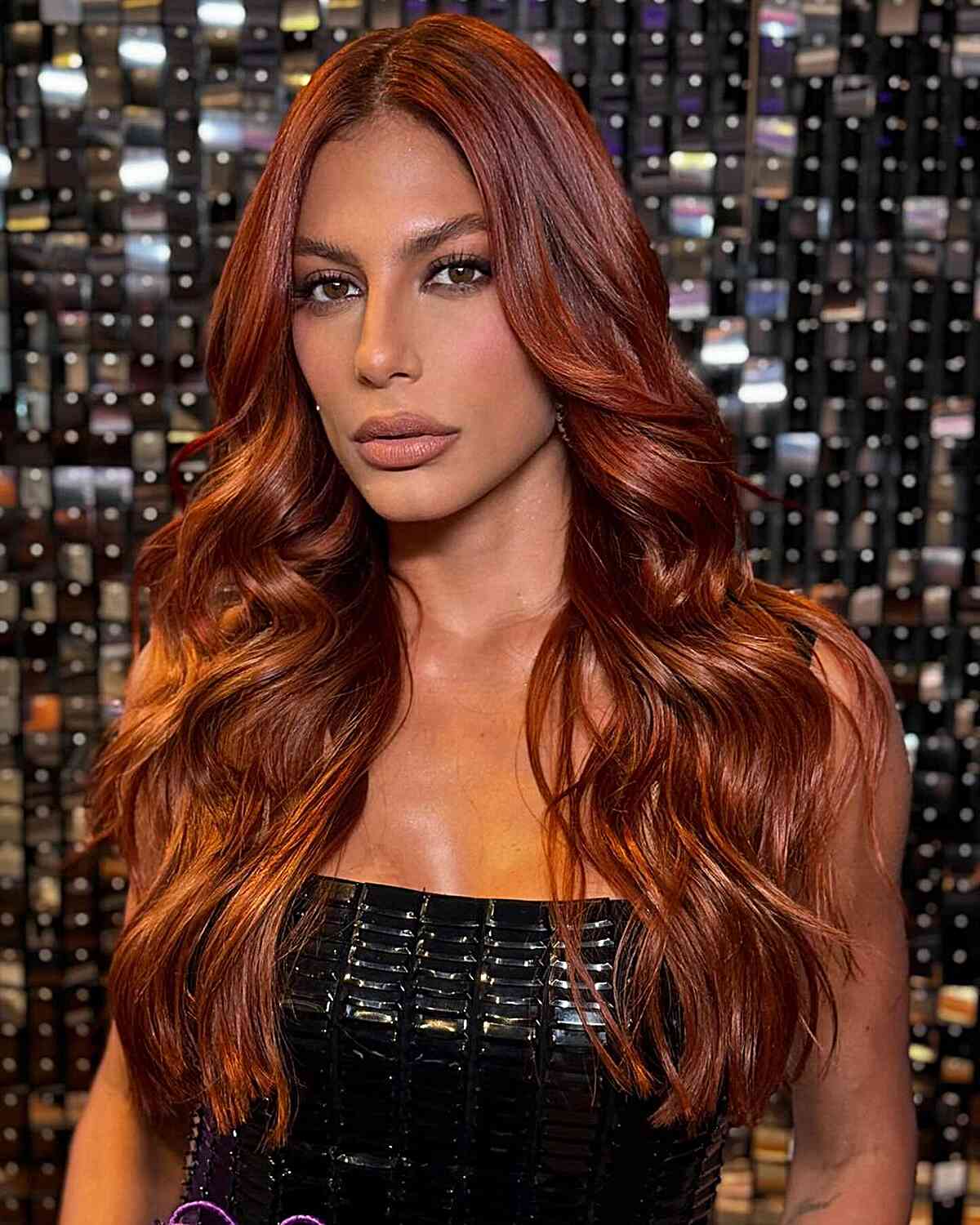
A vibrant copper shade with subtle lighter highlights demands attention, especially on thick, wavy hair that can actually carry the saturation. This mid-back length relies on soft waves and a middle parting to show off the color’s range and its volume. Texture is part of the design here: the waves break up the copper so it doesn’t look like a single flat crayon.
Ask your colorist for: vibrant copper with subtle lighter highlights. This is a salon-only color: the copper has to be pre-lightened and glossed to land that bright tone. A color-safe shampoo and cool water are your main defenses against fading, and a toning appointment every four to six weeks keeps the copper from veering orange. Expect a trim every eight weeks to maintain the shape at this length.
Medium Brown With Ash Blonde Highlights, Wavy
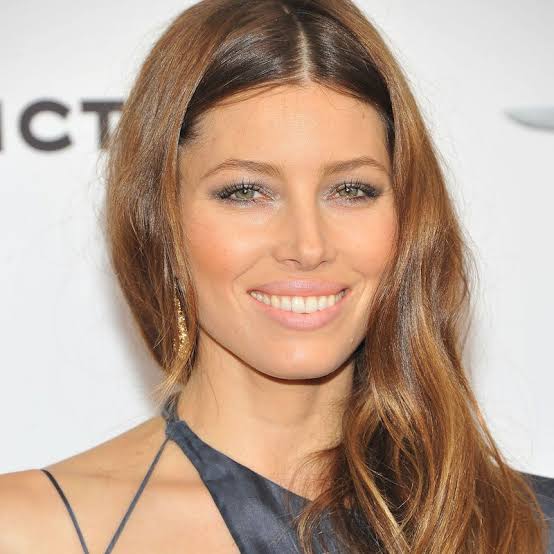
Ash blonde highlights on a medium brown base create a cooler contrast that avoids the warm-on-warm look many brunette options lean into. The highlights are subtle rather than chunky, placed to surface through loose waves at mid-back length rather than sit on top. A middle parting keeps the distribution even. Ask your colorist for: medium brown base with subtle ash blonde highlights. The technique is a fine-weave balayage or babylights, applied to mid-lengths and ends so the root stays dark and the grow-out is soft.
Dark Brown With Rose Gold Highlights
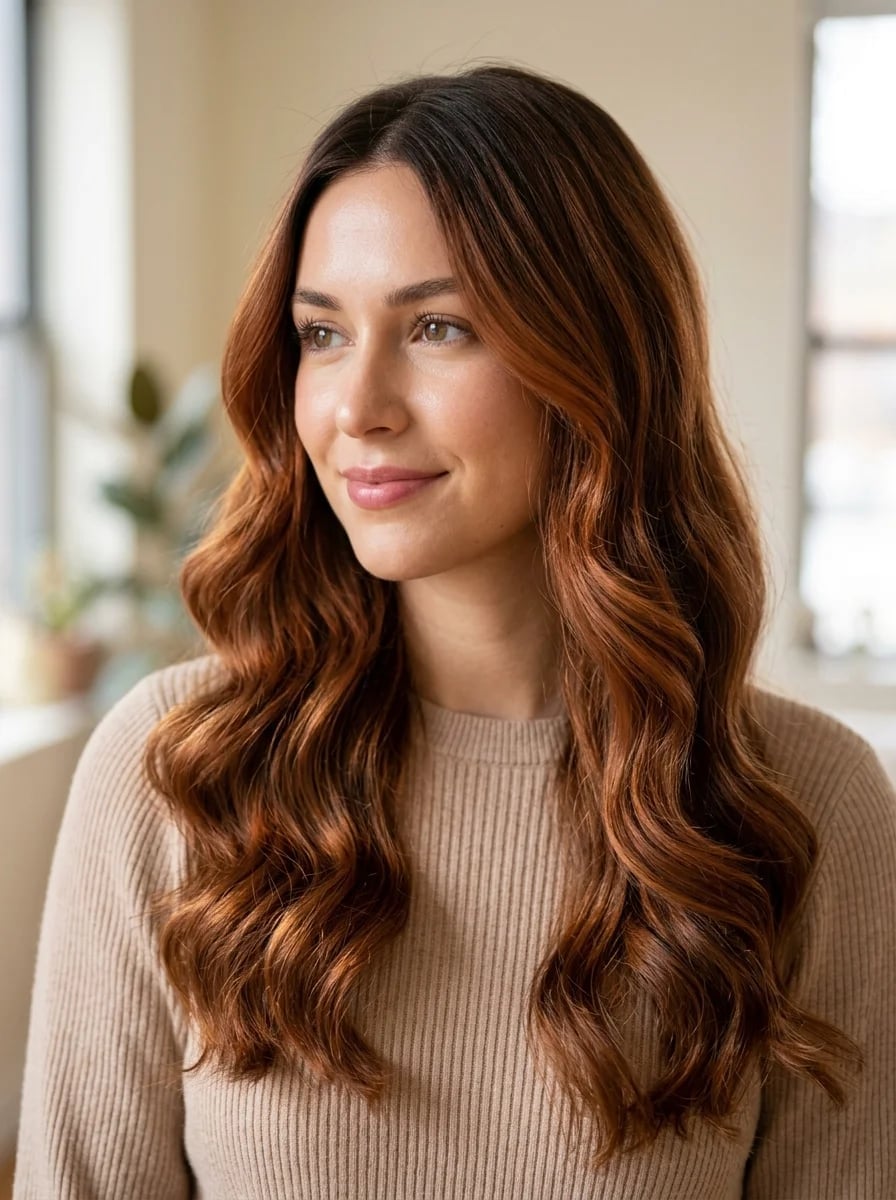
What is the point of rose gold if you cannot see it move? On thick, curly hair at mid-back length, the dark brown base grounds the look while the rose gold undertones and highlights catch light in the curls. A voluminous curly blowout lets the color shine. Ask your colorist for: dark brown with rose gold undertones and highlights. The rose gold works as a semi-permanent gloss on pre-lightened pieces, so it fades gradually instead of growing out as a harsh line. This lands best in cooler months when the warm undertone cuts against gray light and heavy layers.
Ash Blonde With Lighter Highlights At Collarbone
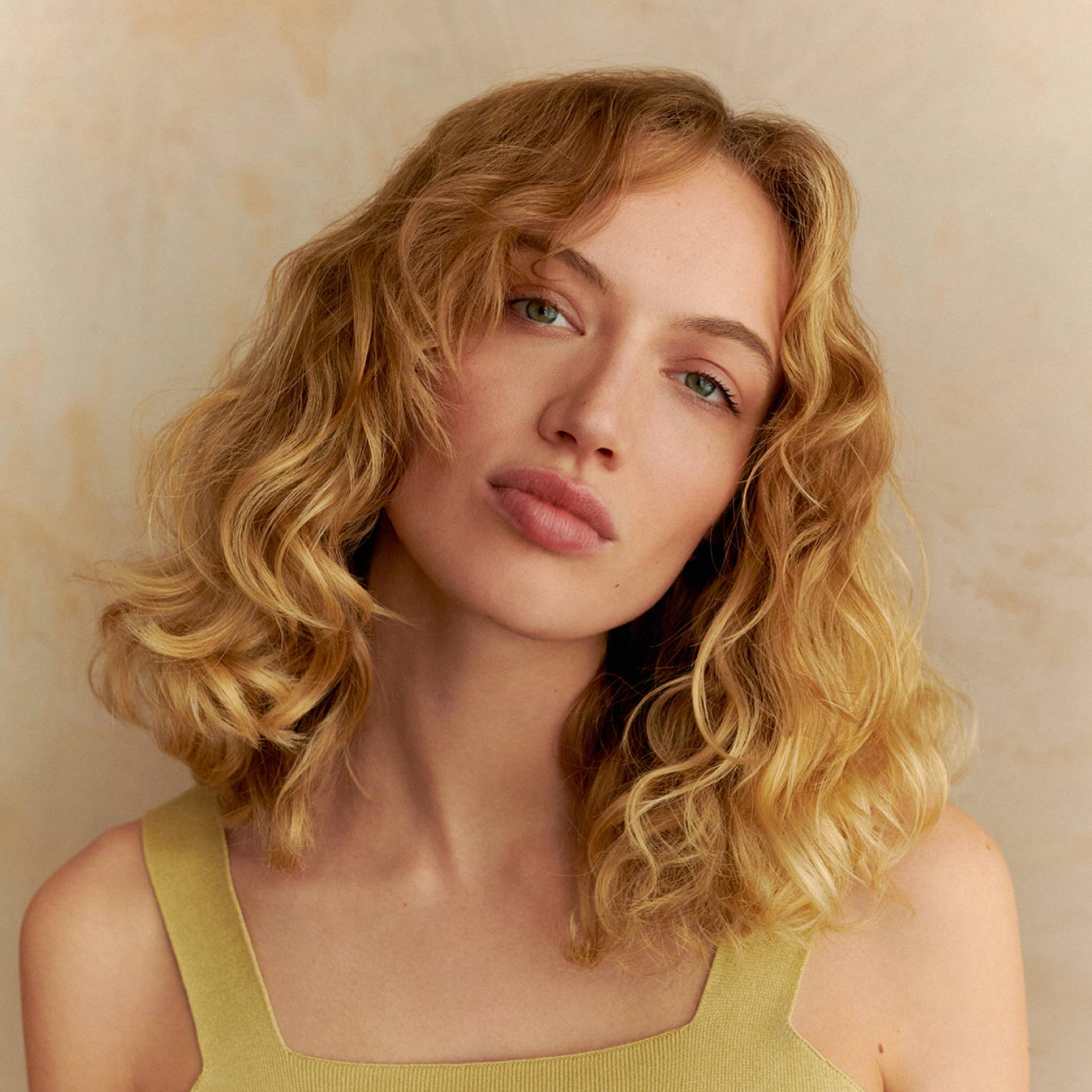
A collarbone-length cut with curtain bangs needs a color strategy that keeps the short shape from looking heavy. Ash blonde with lighter highlights adds dimension without warmth. Ask your colorist for: ash blonde with lighter highlights and curtain bangs. The specific requests to hand over: a root-smudged ash blonde base, lighter babylights through the ends, and curtain bangs cut to graze the cheekbones. The highlights should be fine enough that the bangs still look like one piece.
Dark Brown With Auburn Undertones
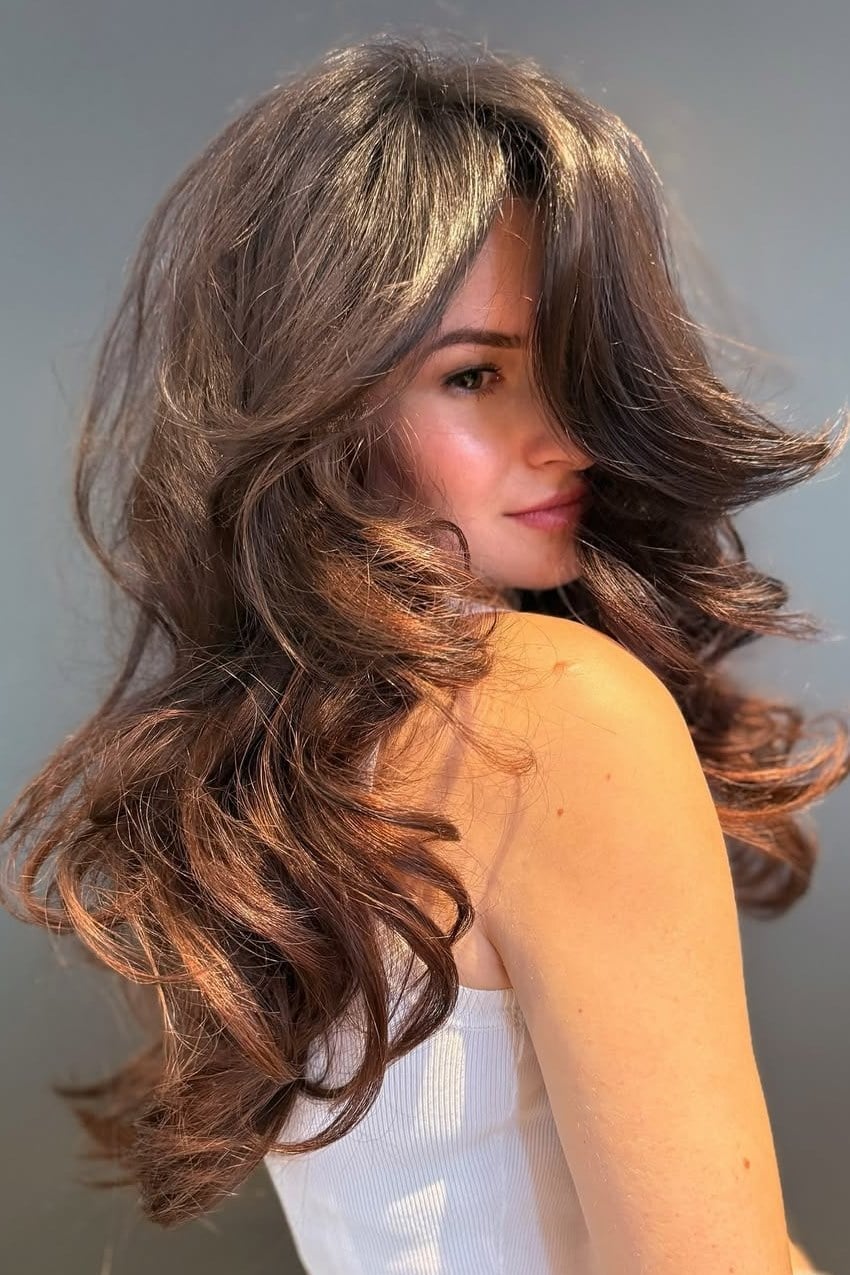
Dark brown with subtle auburn undertones is a single-process color masquerading as a technique. On long, thick, wavy hair styled in a voluminous blowout with face-framing pieces, the auburn shows as warmth in the light rather than an obvious red stripe. The middle parting keeps the color distribution even. Ask your colorist for: dark brown with subtle auburn undertones and face-framing pieces. The honest drawback: auburn undertones can pull brassy if the base brown is not cool enough to anchor them. A purple shampoo used once a week prevents that shift, and a gloss refresh every six weeks keeps the tone clean. Anyone who hates regular toning appointments should skip this.
Final Thoughts
For olive skin, prioritize shades with warm undertones like caramel, honey, auburn, or golden blonde. If you lean cooler, choose deep chocolate or ash brown to maintain richness and avoid sallow tones. Match the color to your hair’s natural movement: fine hair benefits from a single-process base with subtle highlights, while thick or curly textures can handle balayage with confidence.
- Refresh balayage or highlights every 8-12 weeks, depending on grow-out.
- Use color-safe shampoos and conditioners to preserve vibrancy.
- Incorporate a color-depositing conditioner weekly to maintain tone.
- Deep condition hair weekly to combat dryness and maintain gloss.
- Minimize heat styling to protect color and hair health.
Find the shade that makes you feel vibrant and confident.