
Thin hair has a habit of going flat by midday, but the right cut can change the game entirely. Soft face-framing layers and curtain bangs are the current go-to for adding movement without sacrificing density.
This collection of 31 Haircuts for Thin Hair spans short, impactful pixies through mid-length lobs and longer layered styles, so you can find the shape that suits your texture and routine. Whether you need a blunt baseline to fake thickness or strategic layers to lift the crown, each option is built to solve the fine-hair struggle of keeping volume where it counts.
Asymmetrical Pixie With Side Swept Bangs
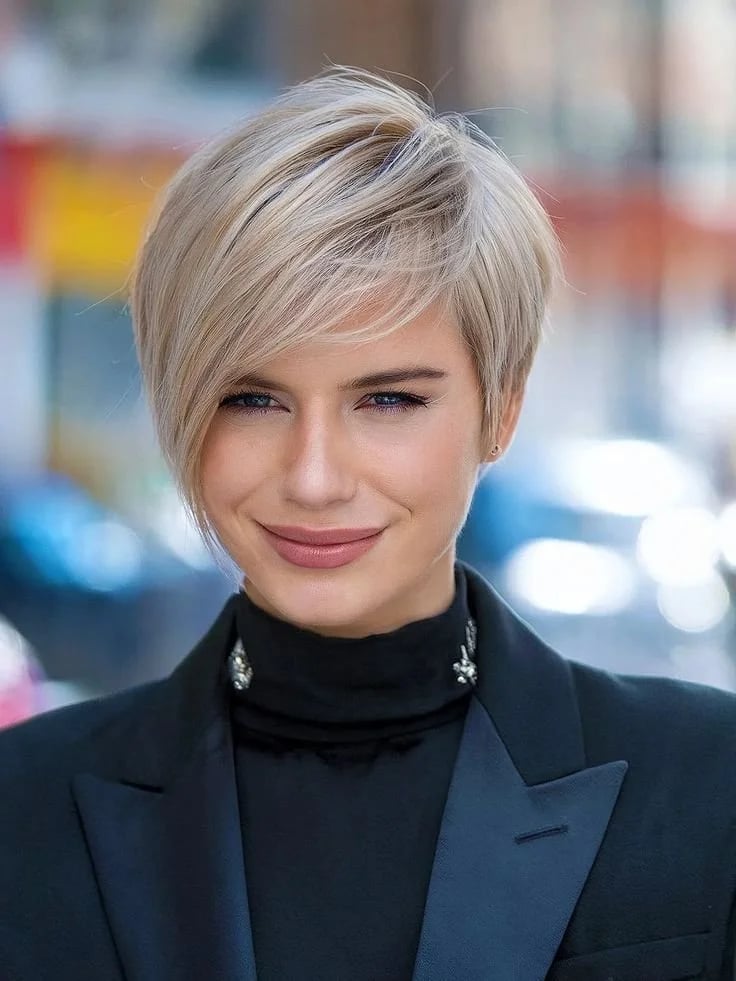
An asymmetrical pixie cut relies on uneven lengths to trick the eye into seeing more density. The shorter side and longer side-swept bangs create a deliberate imbalance that reads as fullness, not thinness. This works best on fine, straight hair where the contrast between the two sides is most visible. Ask your stylist for: asymmetrical pixie, textured layers, side-swept bangs. A texturizing paste defines the layers, and a trim every four to six weeks keeps the shape sharp.
Stacked Bob With Side Swept Bangs
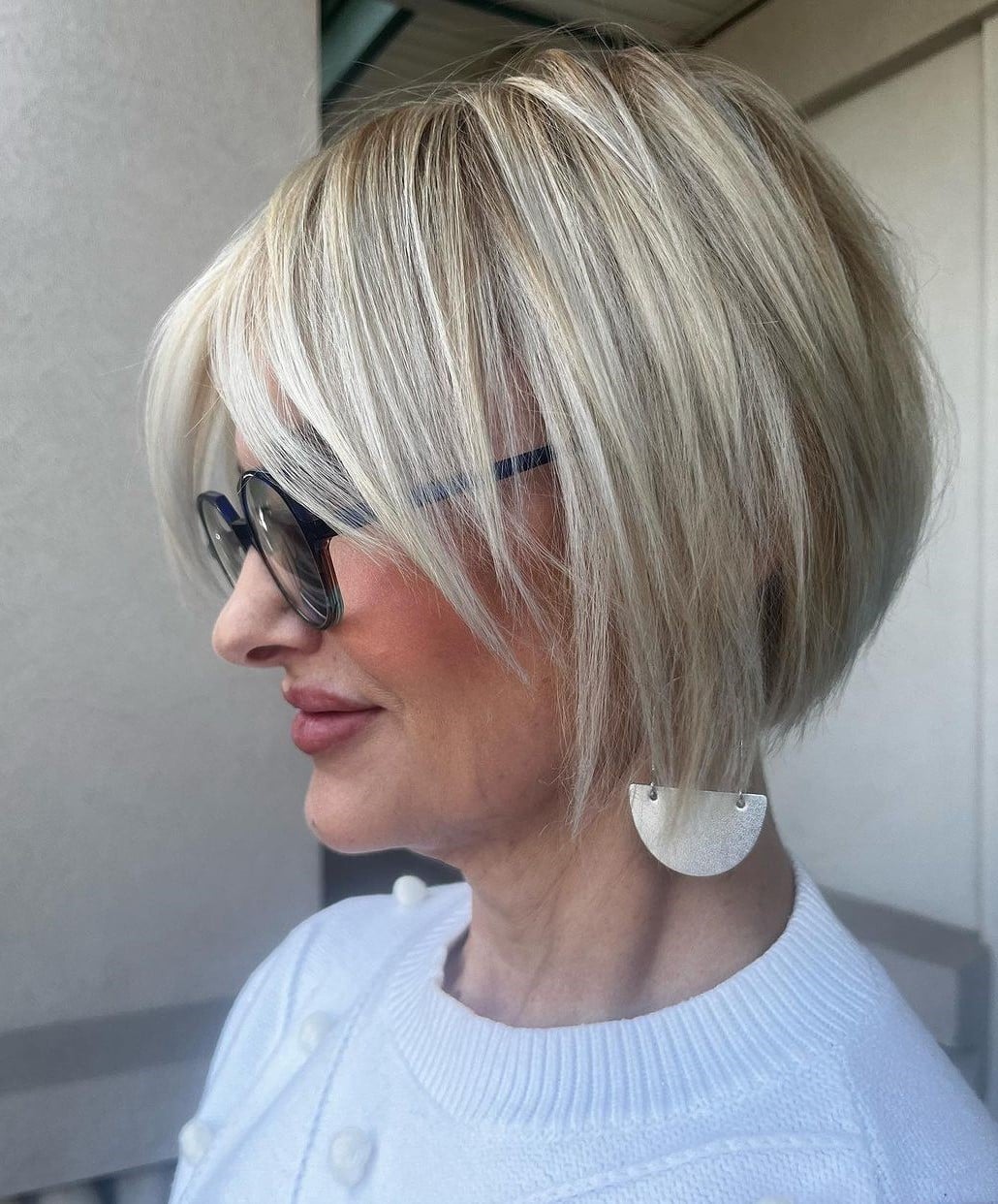
A stacked bob is built by cutting the back shorter than the front, piling the interior layers to create a wedge of volume at the crown. The ear-length silhouette and side-swept bangs add a soft diagonal line that draws the eye across the face rather than down the length. Ask your stylist for: stacked bob, ear length, side-swept bangs. A round brush blowout smooths the shape, and a trim every six to eight weeks maintains the stacked structure.
Air Dried Pixie Bob With Textured Crown

This one does, thanks to a textured crown that is cut to stand up on its own. The ear-length ash blonde shape relies on internal layering to lift the fine strands at the roots rather than relying on heat. Ask your stylist for: pixie bob, textured crown, air-dried finish. The drawback is that product is needed to prevent the crown from collapsing by midday.
Textured Pixie With Short Side Bangs, Close-Up Take
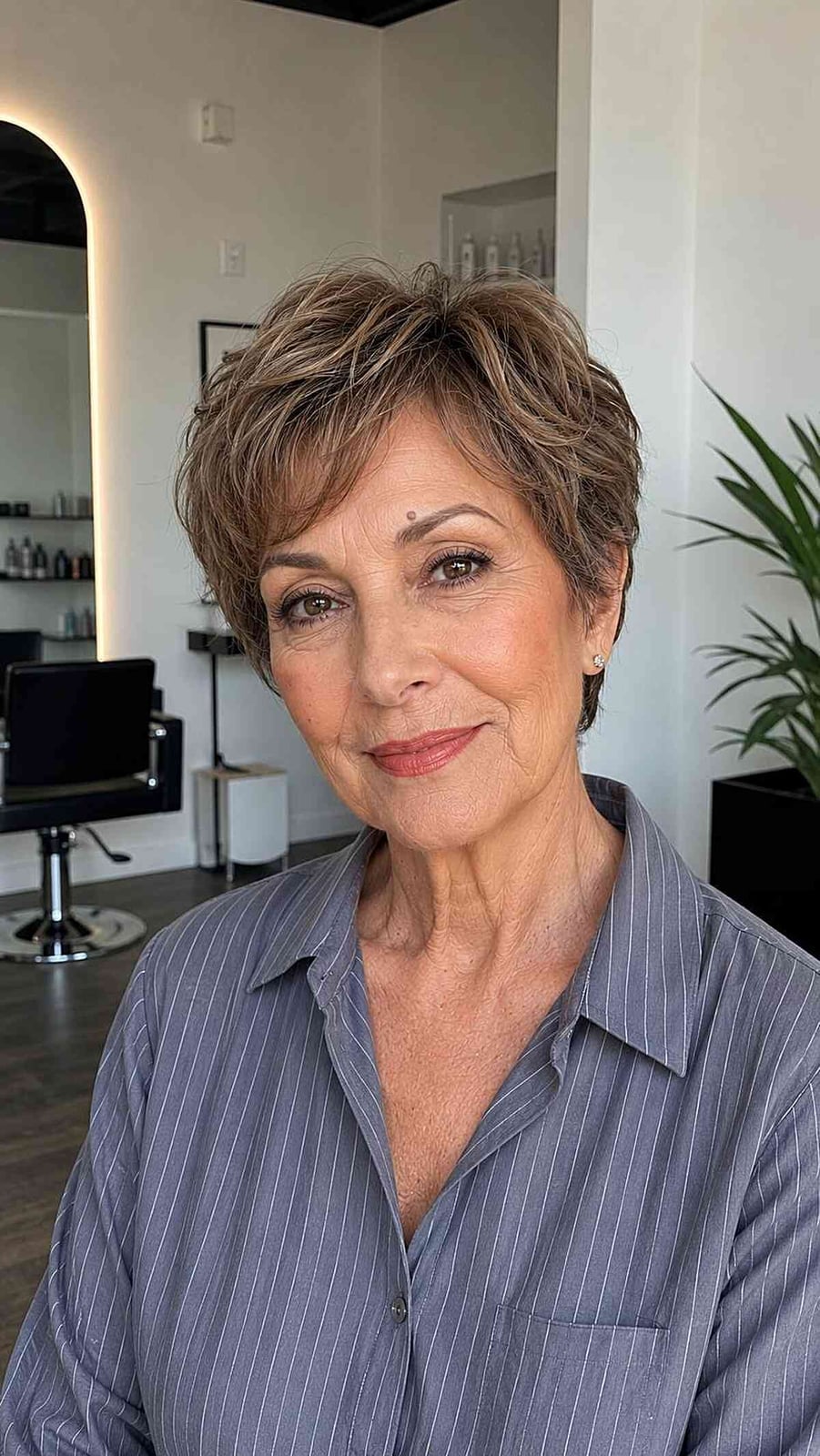
Here is a pixie that does not rely on length to create the illusion of density. The short side bangs sit above the brow, so the eye lands on the texture at the crown instead of scanning a long, flat line. Fine, wavy hair is the ideal candidate: the natural bend adds volume that straight hair would not give you. Ask your stylist for a textured pixie with short side bangs and layered shape. The brown shade with subtle highlights adds dimension, which keeps the cut from looking like one solid block. A trim every four to six weeks is essential to maintain the deliberately piecey shape.
Short Layered Bob With Wispy Bangs
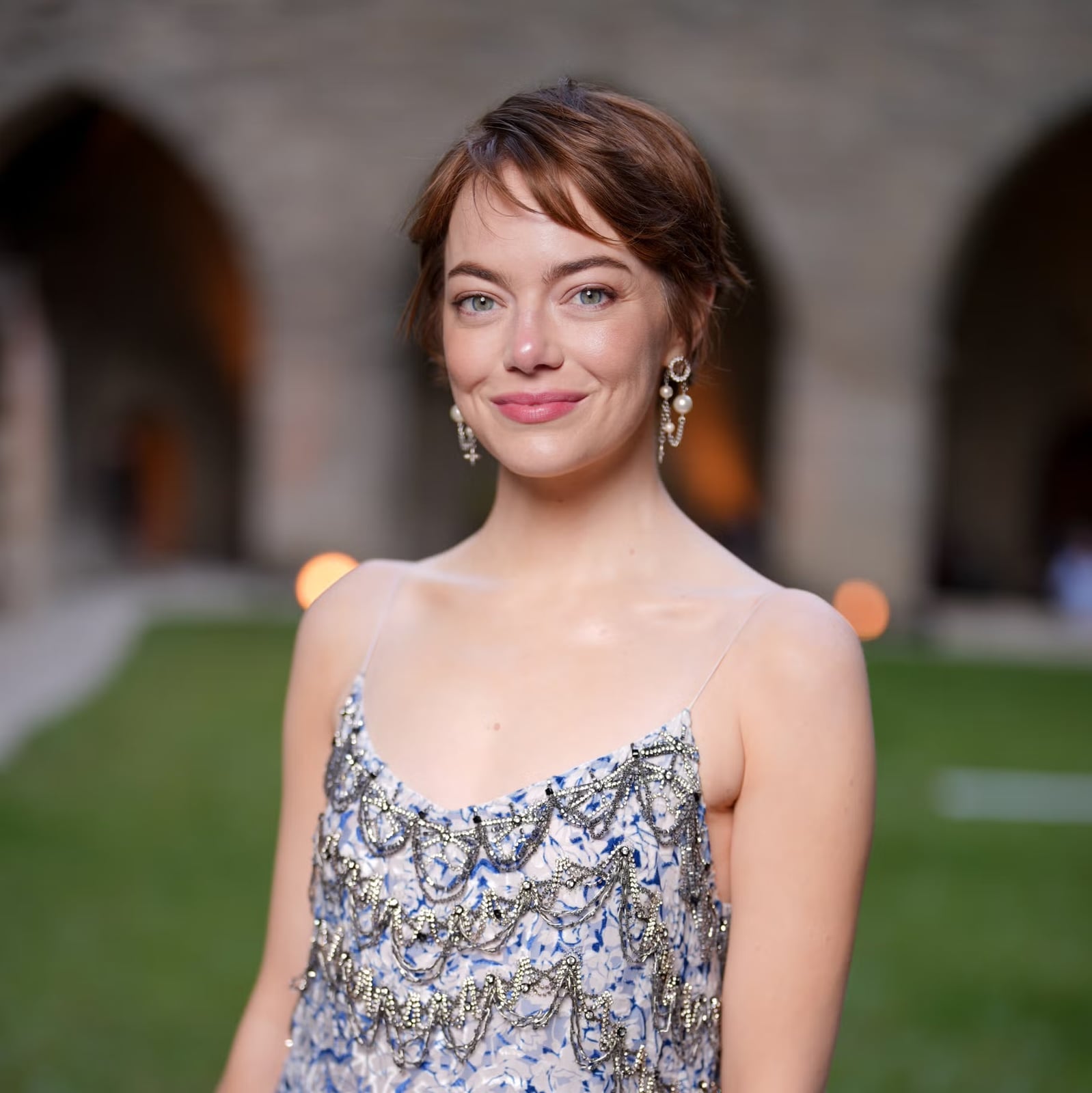
This chin-length bob gains its fullness from layers that are concentrated at the jawline, not scattered throughout. The wispy side-swept bangs soften the face without sacrificing density, since they are cut to feather rather than thin out.
Ask your stylist for: short layered bob, wispy side-swept bangs. Rough-dry for a tousled finish that hides the fine texture. Expect a trim every six to eight weeks, because the layering precision disappears fast once the ends start to grow past the chin.
Chin Length Layered Bob With Side Bangs
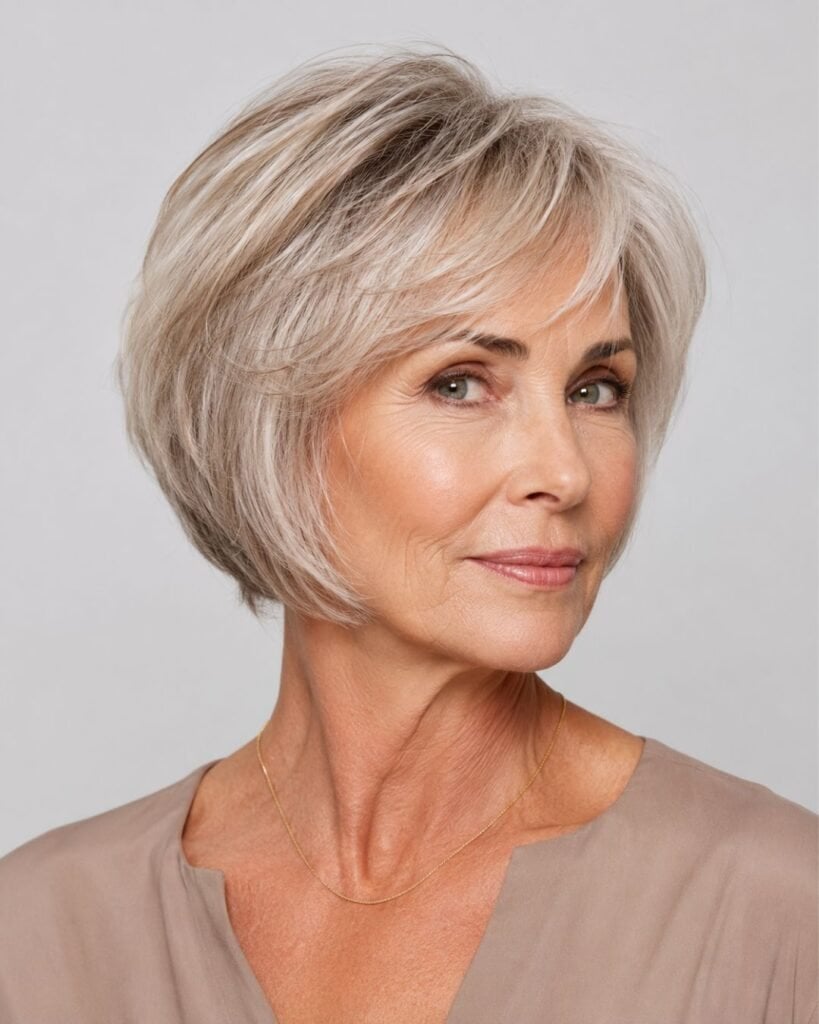
A layered bob at chin length in ash blonde with gray tones offers more movement than a solid blunt cut. The soft side-swept bangs and visible layers throughout the shape add volume around the face without weighing down fine, straight texture. Ask your stylist for a chin-length layered bob with soft side-swept bangs. This cut works best as a salon project, since the layers need precise placement to avoid looking choppy. A DIY blowout with a round brush keeps the lift going between appointments.
Chin Length Blunt Bob With Wispy Bangs

A blunt bob at chin length in bright platinum blonde relies on a clean edge to give fine hair the appearance of density. The wispy bangs add softness, but they require daily attention: too much air-dry and they read as sparse, too little and they lose their separation. Ask your stylist for a chin-length blunt bob with wispy bangs. The real drawback is that the blunt ends show every uneven snip, so a trim every six weeks is non-negotiable. A texture spray on dry hair helps the bangs hold their shape without looking glued down.
Angled Bob With Caramel Highlights
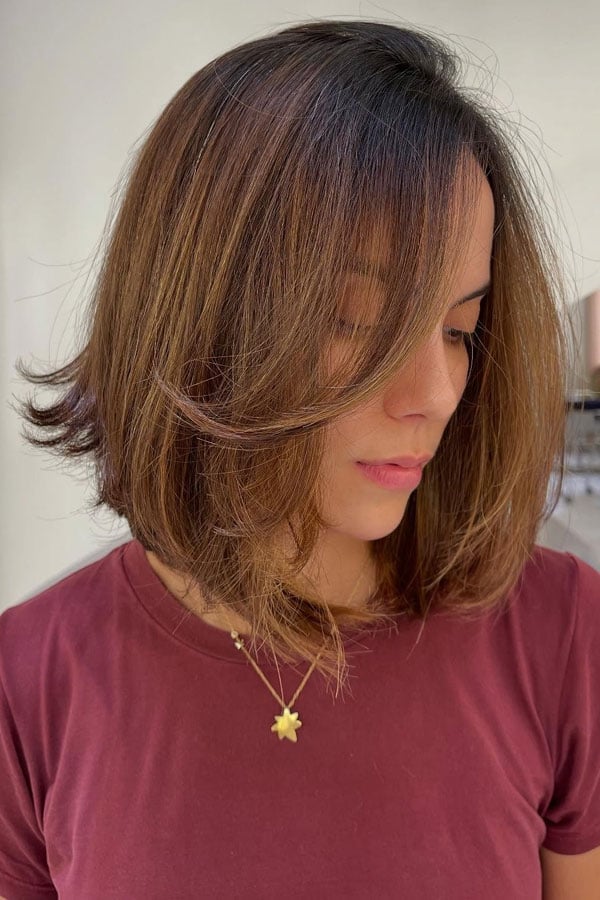
An angled bob that drops shorter in the back and reaches chin length in front uses geometry to create weight. The face-framing layers graduate around the jaw, adding shape without removing bulk, while the side-swept bangs blend into the longer front. Ask your stylist for a chin-length angled bob, face-framing layers and side-swept bangs. Subtle caramel highlights on dark brown hair break up the solid color, giving each layer its own light line. A quick blowout with soft waves is enough to set the angles.
Textured Bob With Messy Waves
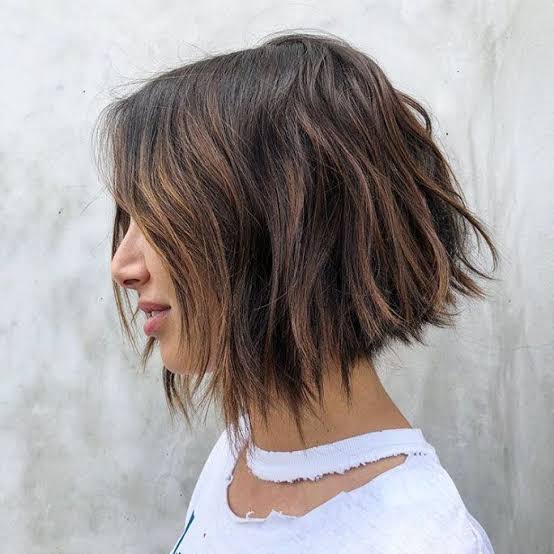
Does a textured bob actually add body to fine hair, or is it just another name for a shag? In this case, yes: the choppy ends and wispy bangs create movement that fills out the silhouette. The dark brown base with lighter streaks adds dimension, so the waves appear deliberate. Ask your stylist for a textured chin-length bob with wispy bangs. A sea salt spray on damp hair enhances the natural wave, and a trim every eight weeks keeps the ends from looking straggly.
Chin Length Blunt Bob With Auburn Hue

A blunt bob in auburn with subtle highlights banks on a clean line to make fine, straight hair look thicker than it is. The sharp ends and side parting create a solid block of color, which works well for anyone with enough density to support the edge. Ask your stylist for a chin-length blunt bob in auburn. The honest trade-off is that very fine hair can let the blunt ends look wispy after a few weeks of growth. A round-brush blowout with a heat protectant keeps the silhouette crisp, and a trim every six weeks is the only way to maintain the line.
Ear Length Bob With Textured Ends
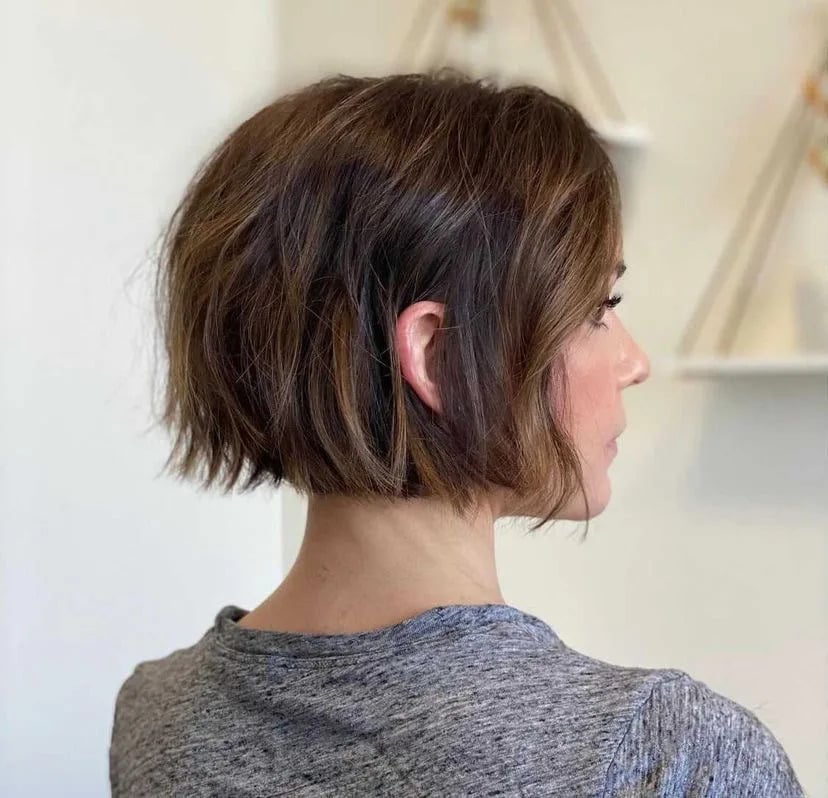
Does a bob on fine hair always look flat by noon? Not when the ends are textured. Ask your stylist for: textured bob, ear length, subtle balayage. The back view and side parting show off the shape, while the wavy, fine texture and slight tousle add movement. The cut relies on those broken-up ends to create the illusion of density. Plan for a trim every six to eight weeks to keep the texture sharp.
Short Layered Ear Length Cut
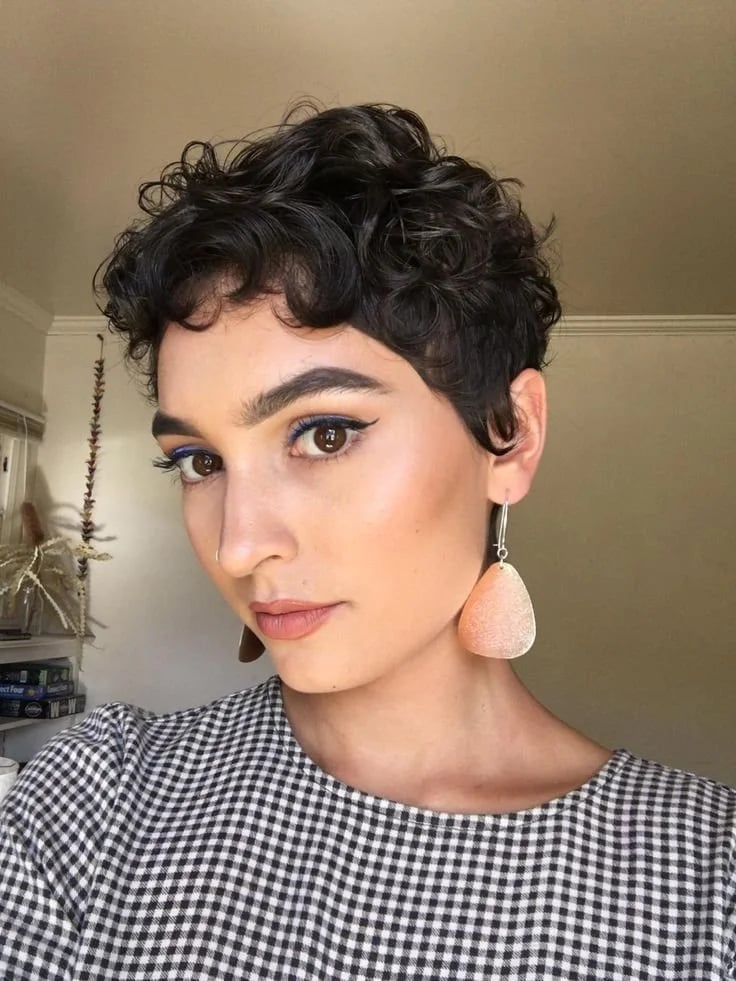
The trick with this cut is that the layers are cut into the interior, not just the perimeter. Ask your stylist for: short layered cut, ear length, textured. That means the hair is shorter underneath and graduated through the crown, so the wavy, fine texture stacks rather than lies flat. Styling is simple: apply a dab of pomade or a light texture spray to damp hair, then let the side parting and natural wave do the rest. The layers do the heavy lifting for volume, so you can skip the round brush most mornings.
Ear Length Layered Blonde With Volume
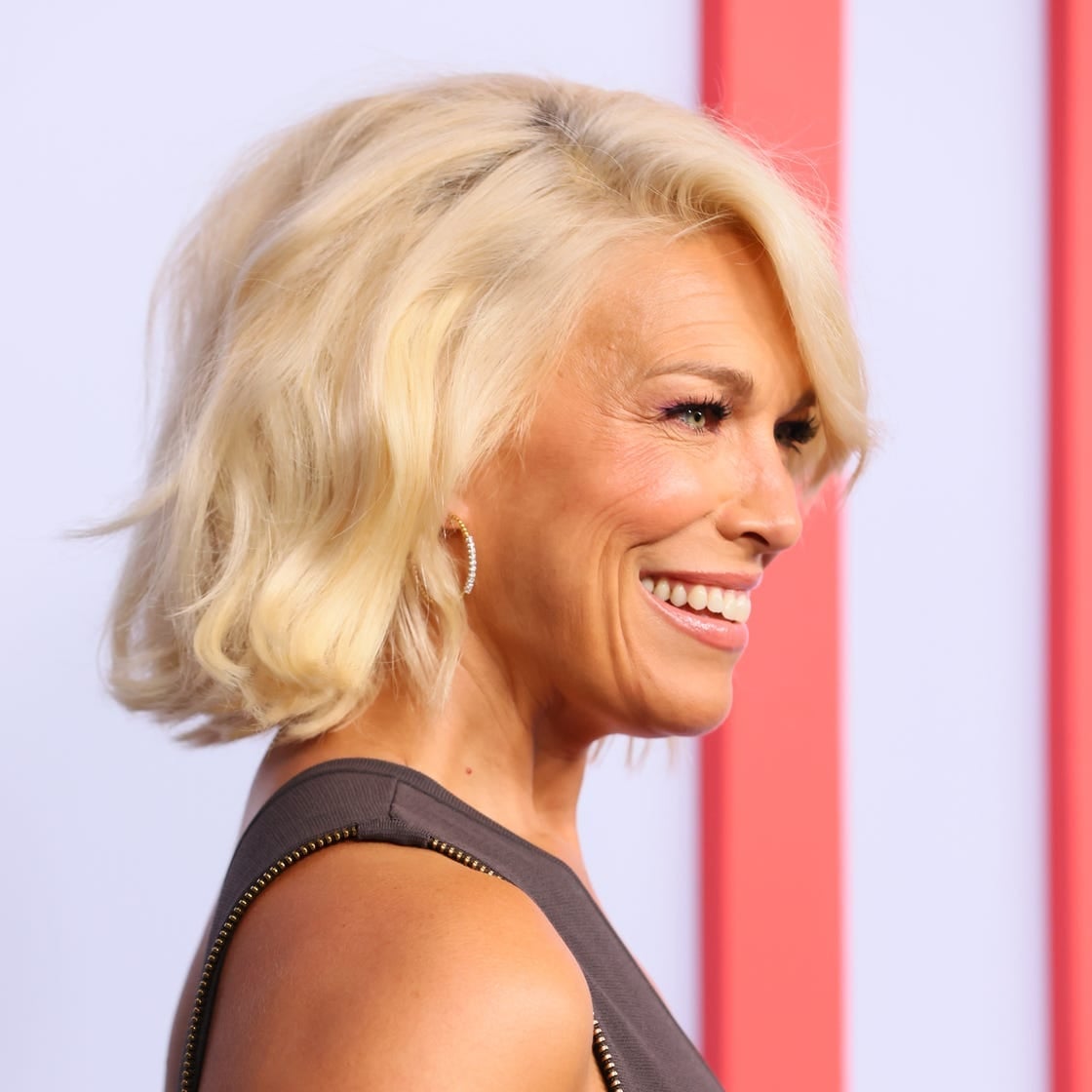
This cut is for anyone whose fine, wavy hair goes flat at the roots before lunch. The blonde color helps, but the real work is in the crown. Ask your stylist for: ear length layered blonde, volume at crown. The side view shows how the layers are stacked shorter at the back and longer toward the front, which pushes the hair up and forward rather than down.
If your hair is stick-straight rather than wavy, you will need a round brush and a blow-dryer to get the same lift. A side-swept bang adds a little extra coverage across the forehead without weighing the front down. The effect is a cut that looks like it has twice the hair it actually does.
Wavy Ash Blonde Bob With Curtain Bangs
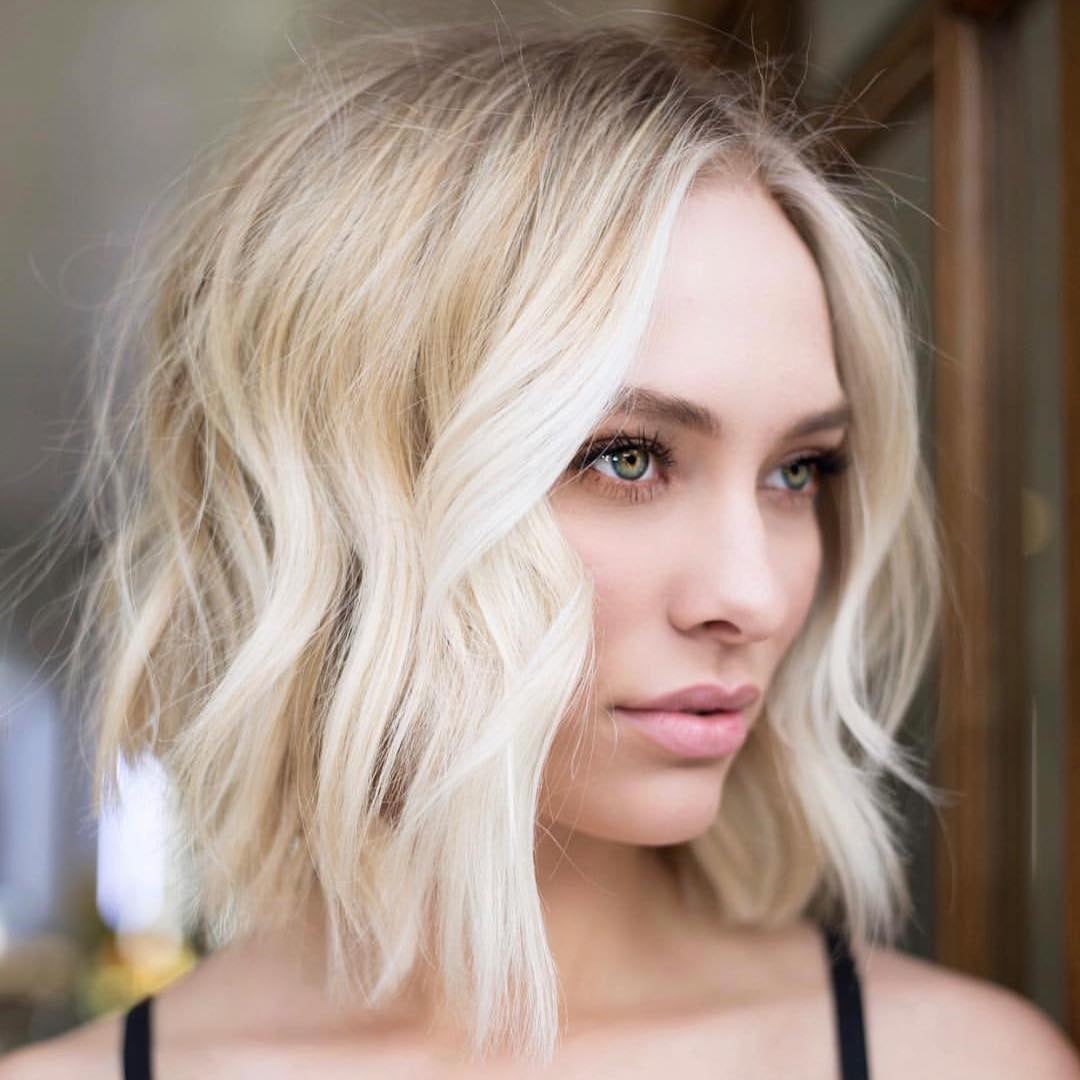
The curtain bang on fine hair is a precision move: it needs to be cut long enough to blend into the layers but short enough to frame the cheekbone. Ask your stylist for: wavy bob, collarbone length, curtain bangs. The middle parting and soft blowout create a lived-in wave. Lighter blonde highlights through the ash base add the dimension that fine, single-process color often lacks.
The collarbone length is strategic. It is long enough to tuck behind an ear or pull into a low ponytail, but short enough that the layers do not disappear into the length. A texturizing spray on dry hair will revive the wave pattern on day two. The curtain bangs will need a quick spritz and a roll with a round brush to sit right.
Collarbone Bob With Face Framing Layers
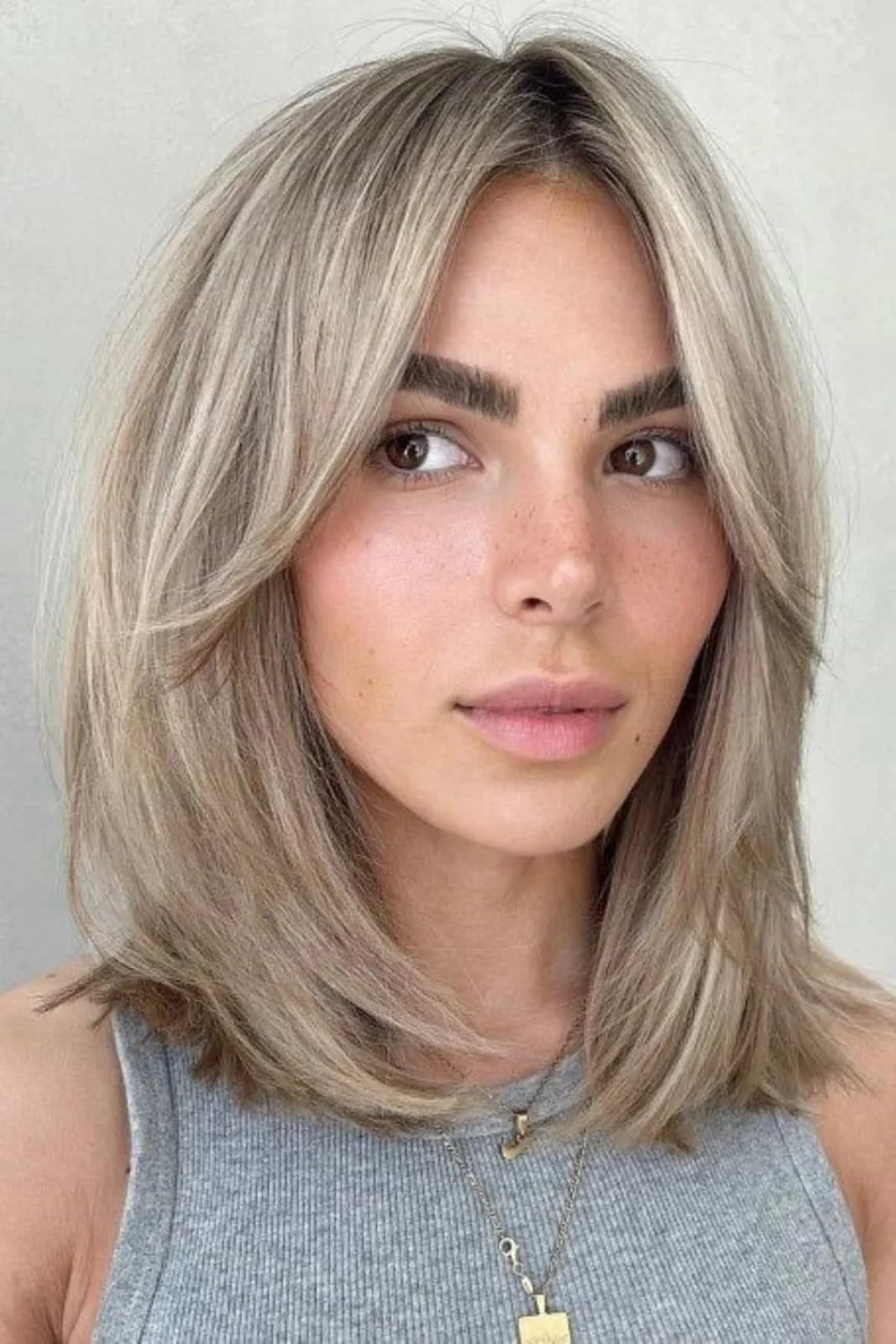
A blunt collarbone cut on fine hair can look heavy and flat. This version uses face-framing layers and curtain bangs to break up the weight. Ask your stylist for: collarbone bob, face-framing curtain bangs, subtle layers. The ash blonde base with subtle highlights keeps the ends from looking dense, while the layers around the jaw create movement that a one-length cut cannot deliver.
Compared to a blunt cut, this one takes more skill to execute but less effort to style. The salon approach uses a blowout and a round brush; at home, you can air-dry with a bit of mousse and get soft waves that still have shape. The layers grow out faster, so a trim every six to eight weeks is required to keep the face-framing pieces landing correctly.
Strawberry Blonde Lob With Loose Waves
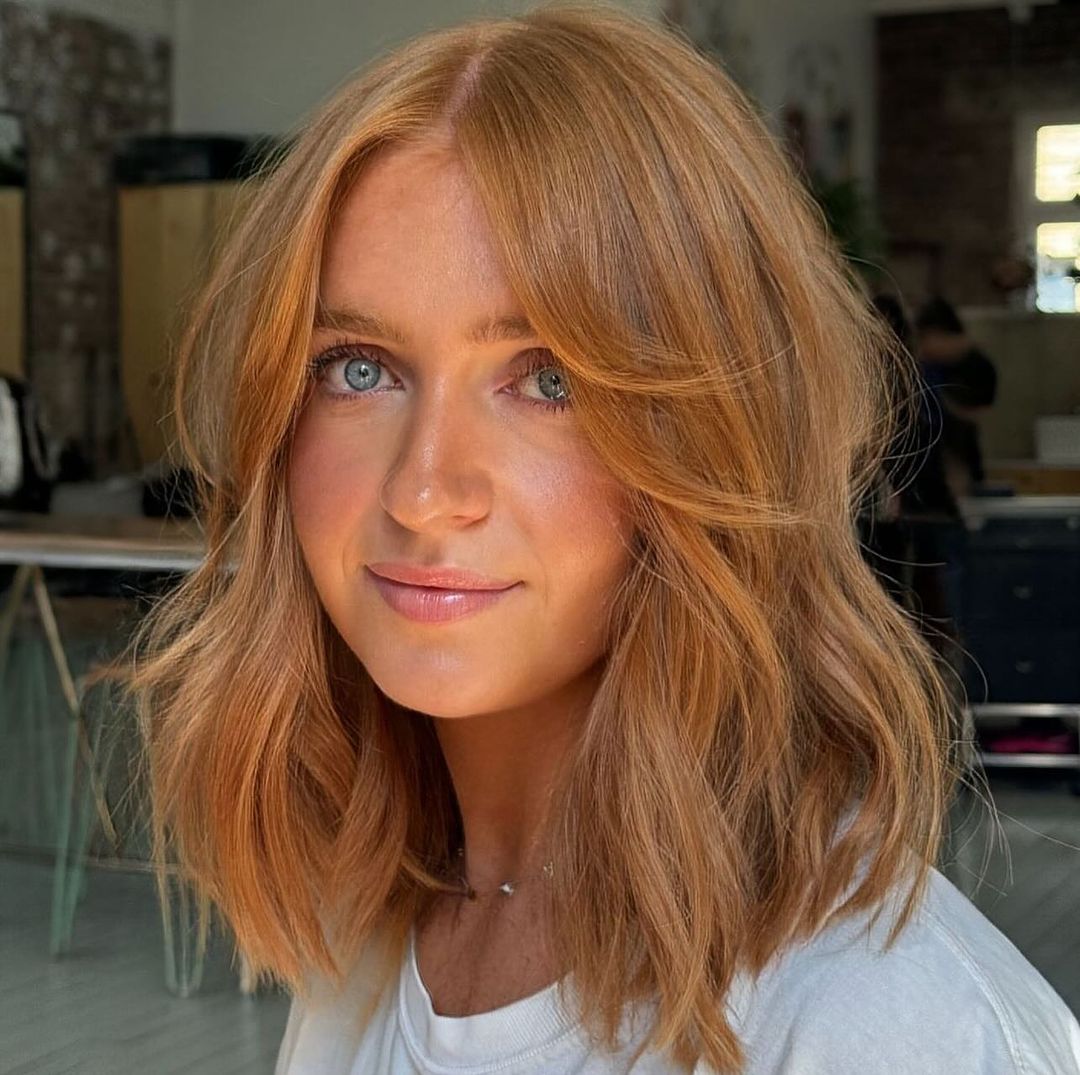
Does a lob with loose waves actually hold its shape on thin hair, or does it fall flat by lunch? The answer depends on the cut, and this one has soft face-framing layers and curtain bangs that create the support fine, wavy texture needs to keep that bend going. The strawberry blonde base with subtle highlights adds dimension that reads as density. Ask your stylist for a collarbone lob with soft face-framing layers and curtain bangs. Those loose waves need a trim every six to eight weeks to stay defined, and the real drawback is that fine hair can lose the wave shape by the end of a humid day. Spring and fall are the sweet spot for this finish.
Collarbone Bob With Wavy Layers
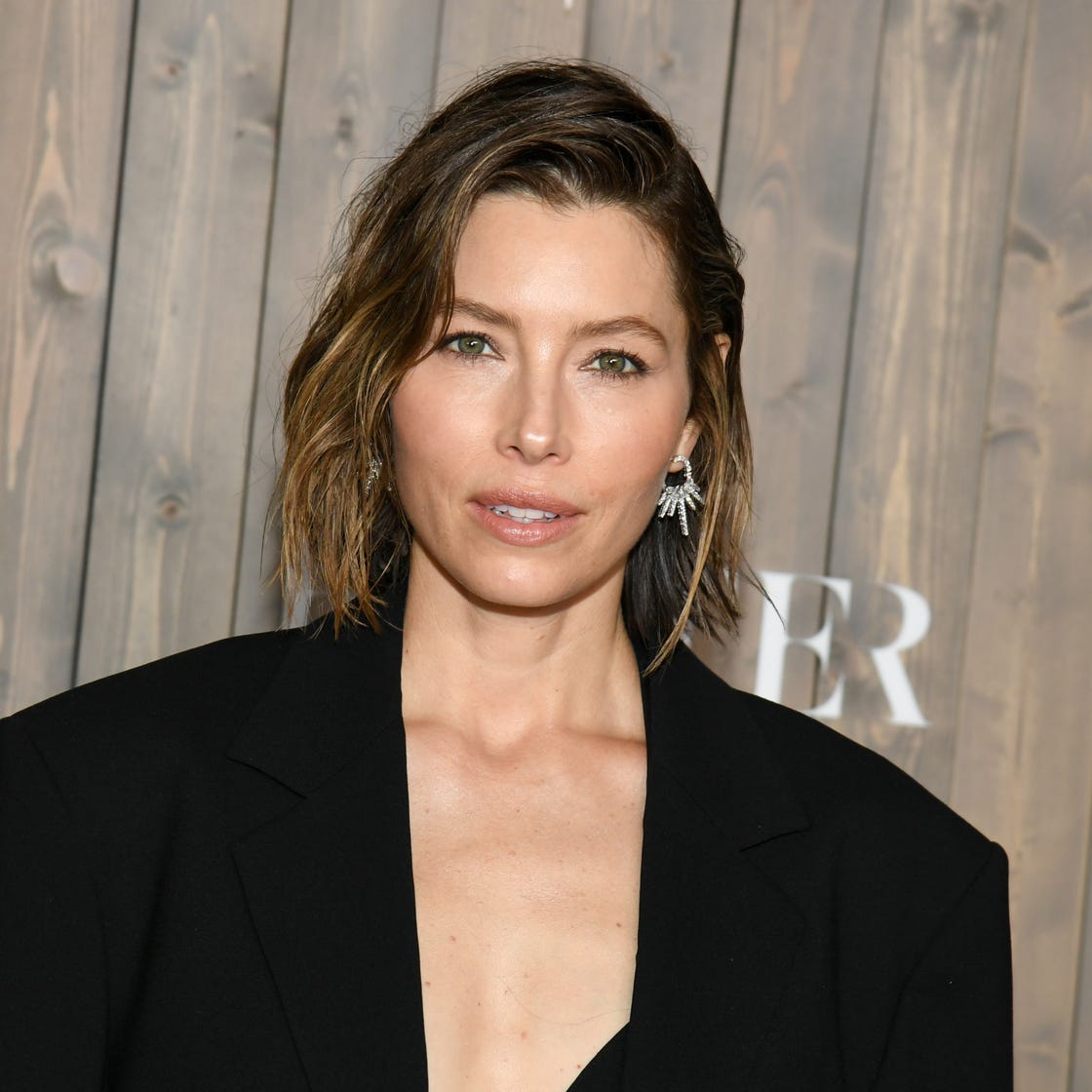
The design here works because the face-framing layers start just below the chin and graduate into the collarbone length, so the shortest piece gives lift right where thin hair needs it most. The dark brown base with subtle highlights keeps the eye moving, and the curtain bangs soften the transition between lengths. Ask your stylist for a collarbone bob with soft wavy layers and curtain bangs. Be specific about the layer angle: you want them to skim the jawbone, not stack at the ends, so the wave pattern stays loose rather than turning into a triangle. A middle part works with this shape, but shifting it slightly off-center can add crown volume without changing the cut.
Collarbone Lob With Curtain Bangs
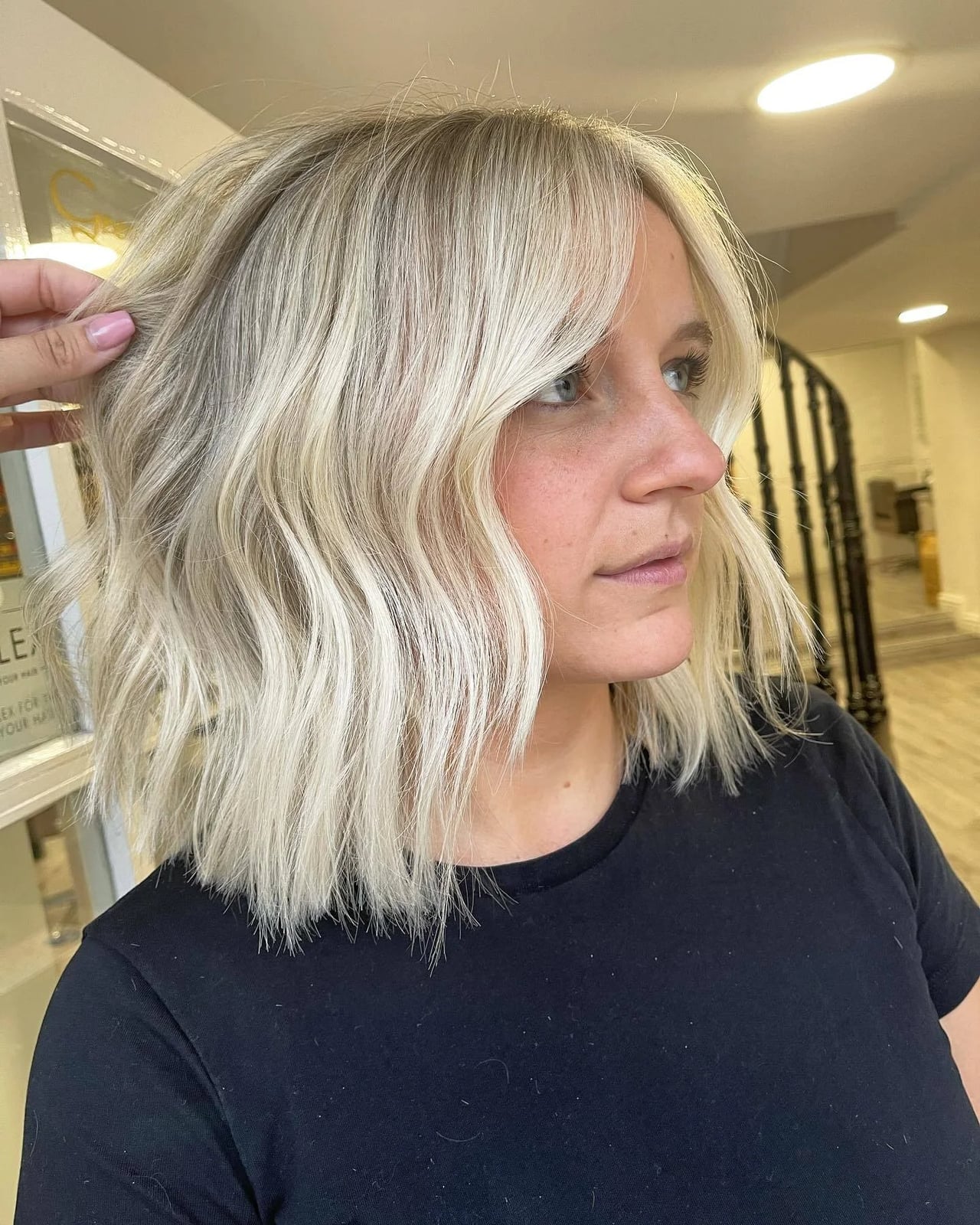
Curtain bangs earn their keep on thin hair because they frame the face without removing mass from the front, unlike a heavy fringe that can look sparse within a week. This collarbone lob uses subtle layers through the length to keep the wavy blowout from falling flat, and the ash blonde base with highlights creates the illusion of texture that straight fine hair lacks. Ask your stylist for a collarbone lob with curtain bangs and soft layers. This cut genuinely flatters oblong and heart-shaped faces, but those with very round faces may find the curtain bangs add too much width at the cheek. The wavy texture is key here: stick-straight hair needs more layering to get the same result.
Collarbone Long Bob With Layers, Ash Blonde
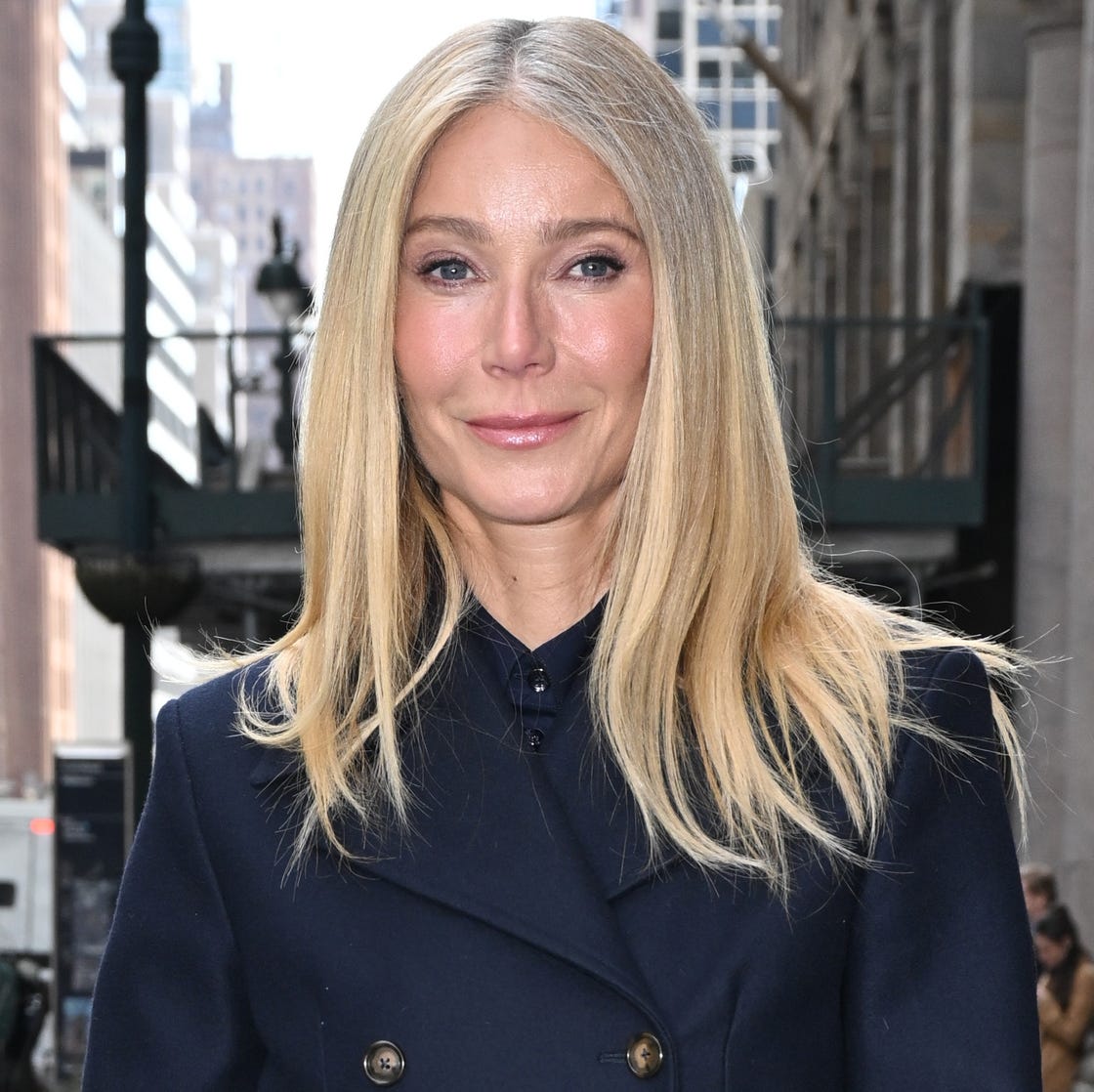
This is a solid haircut with a fair trade-off: the subtle layers add movement and volume to fine, straight hair, but achieving that smooth blowout requires a round brush and some patience. The collarbone length works with the cool ash blonde shade to keep the shape looking polished rather than thin, and the side part adds a touch of lift at the crown. Ask your stylist for a collarbone long bob with subtle layers and a side part. The honest drawback is that without heat styling, this cut can look a bit flat, especially on fine, straight textures that refuse to hold a bend. Skip this one if you rarely pick up a blow-dryer.
Angled Collarbone Bob With Wet Look
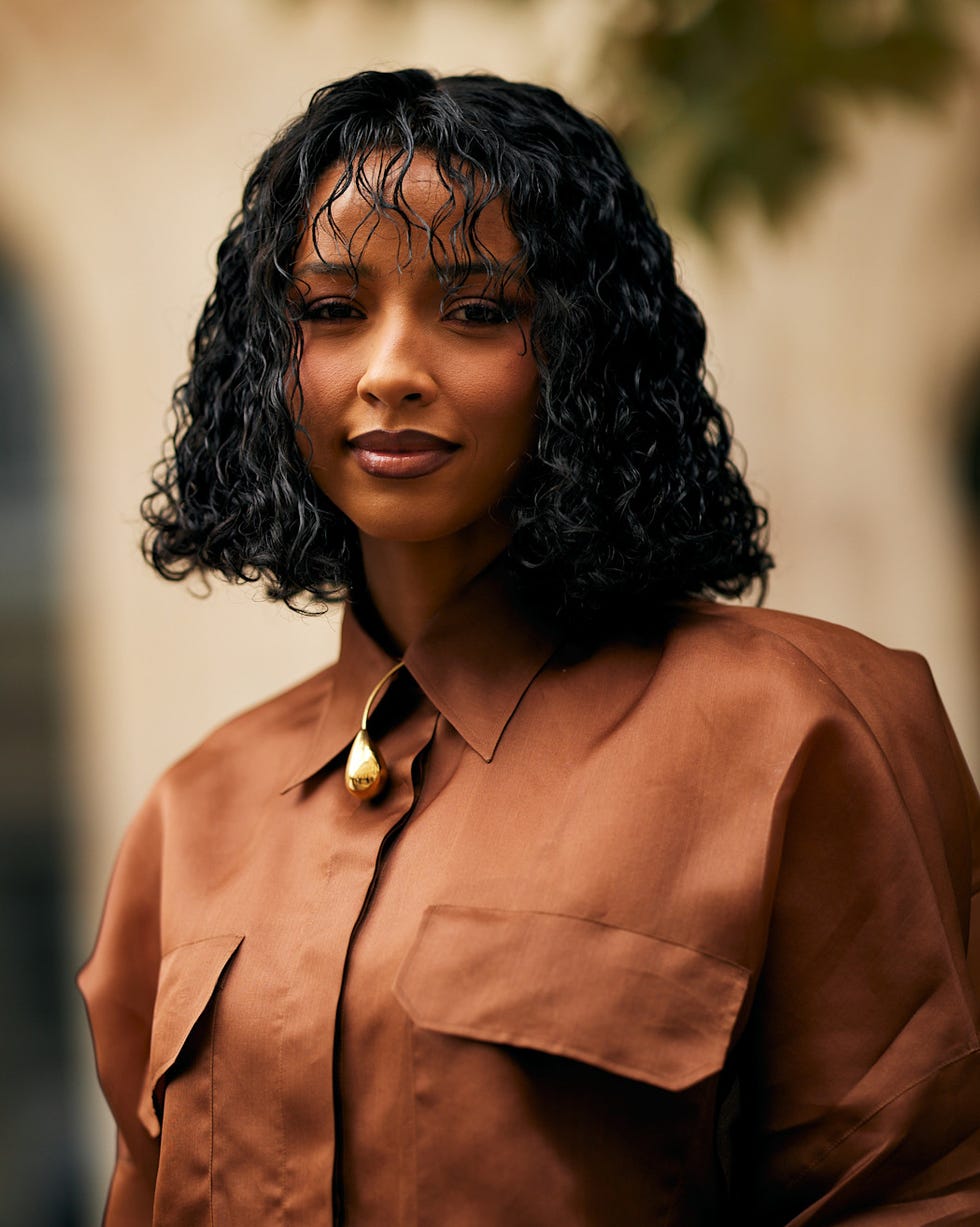
An angled bob relies on a precise geometric line: shorter in the back and longer toward the front, which here lands at the collarbone. The wet look finish works with the fine, curly texture by defining each curl and preventing frizz, and the dark brown shade keeps the gloss visible. Ask your stylist for: an angled collarbone bob with a wet look finish. The technique requires a strong-hold gel applied to soaking wet hair, then air-dried or diffused without touching it until it sets. This is a strong choice for evening occasions or fashion-forward events where the sculptural finish stands out. The middle part keeps the angle clean, but expect the wet look to last only one day before you need to rinse and reapply.
Shoulder Length Shag With Choppy Bangs
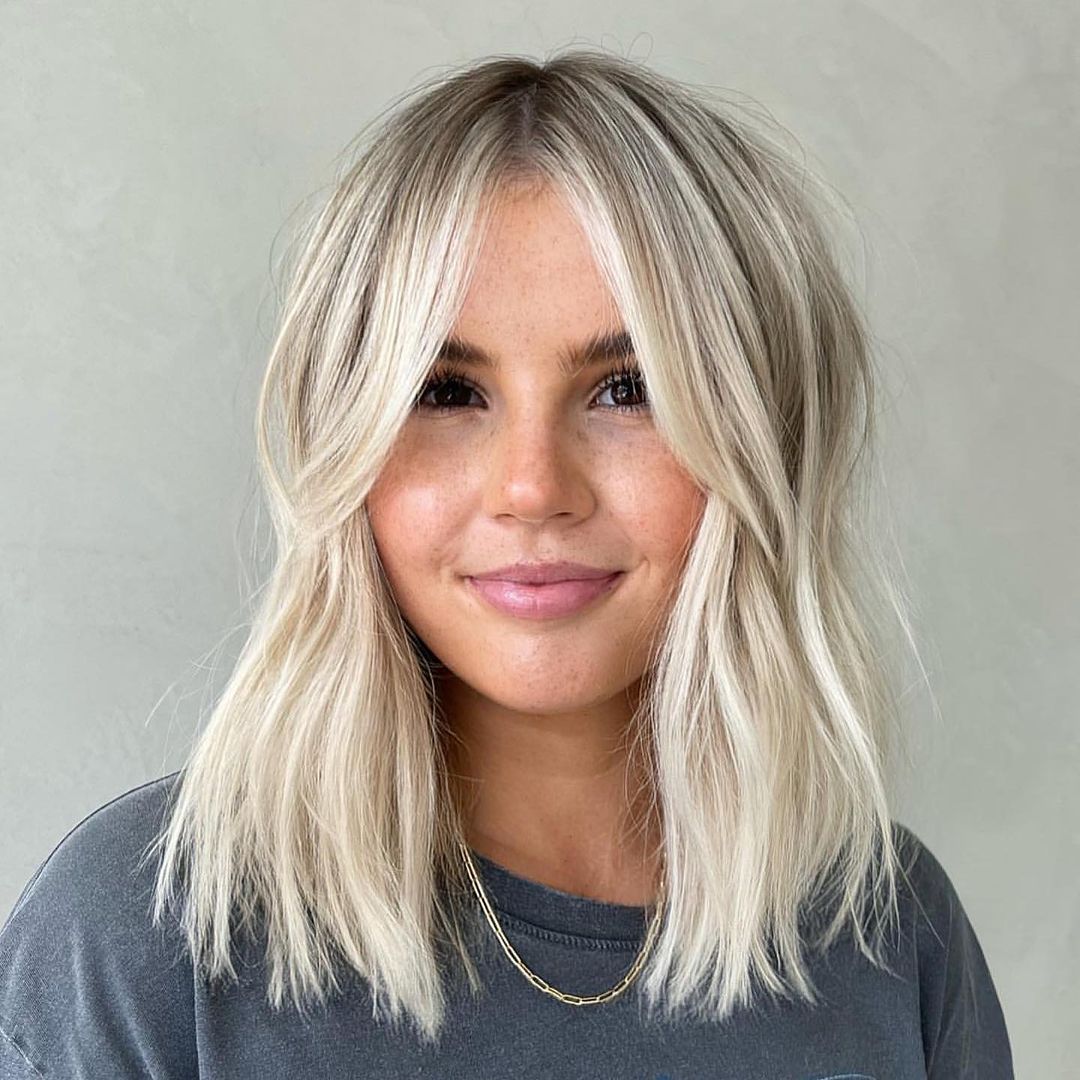
A shoulder-length shag with choppy bangs isn’t a soft curtain fringe situation. The difference matters: the shag’s short, uneven pieces create texture that holds its own on fine hair. This cut works best for wavy hair, where the natural bend catches the choppy ends and adds volume. Ask your stylist for a shoulder length shag with choppy bangs. A texturizing spray on the ends keeps the waves defined and the choppiness visible. This is a salon cut. The layering pattern requires precision, and the bangs need a trim every six to eight weeks to stay sharp.
Shoulder Length Layers With Wispy Bangs
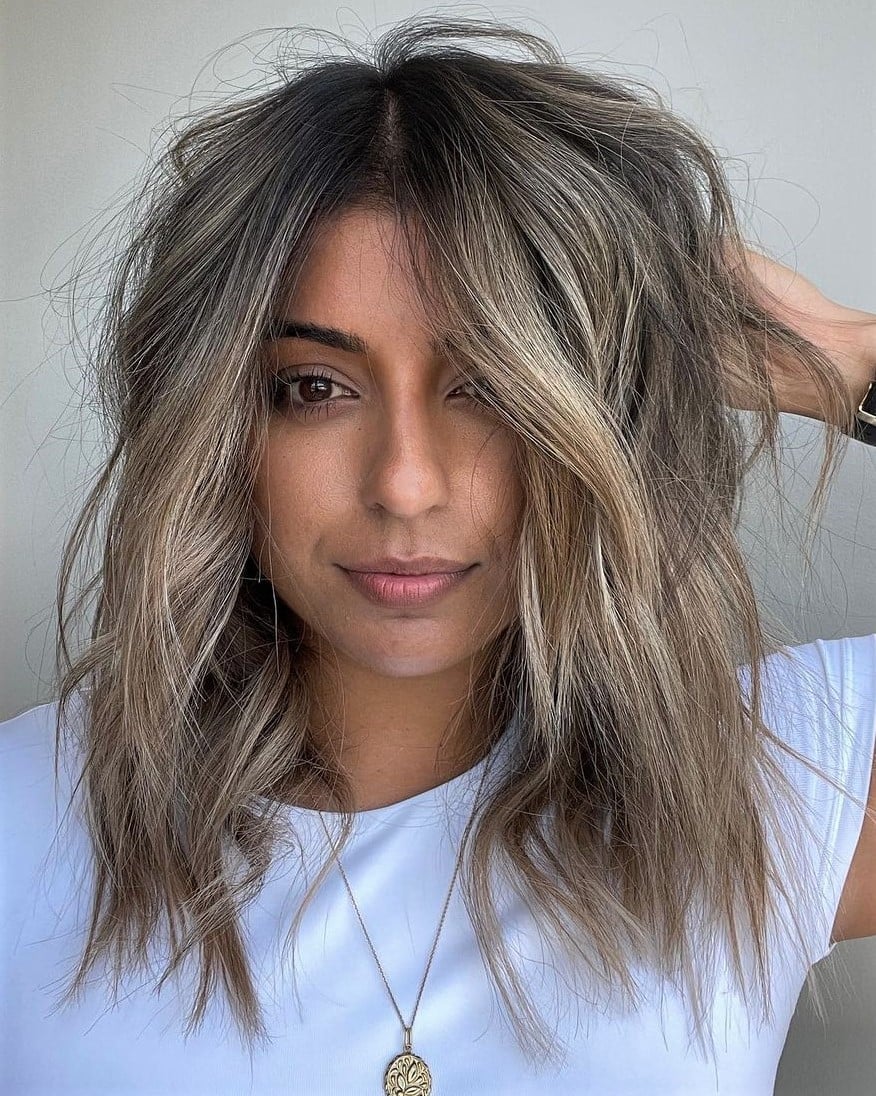
The design here uses two tricks at once: medium layers remove weight from fine hair while wispy bangs soften the forehead. The balayage highlights add dimension, which creates the illusion of thicker strands. This cut suits fine, wavy hair best. The waves give the layers something to grip. Ask your stylist for shoulder length with medium layers and wispy bangs. Apply a texturizing spray for definition and a trim every six to eight weeks keeps the ends healthy. Those who prefer a uniform, blunt line should skip the wispy bangs.
Collarbone Shag With Honey Blonde Balayage
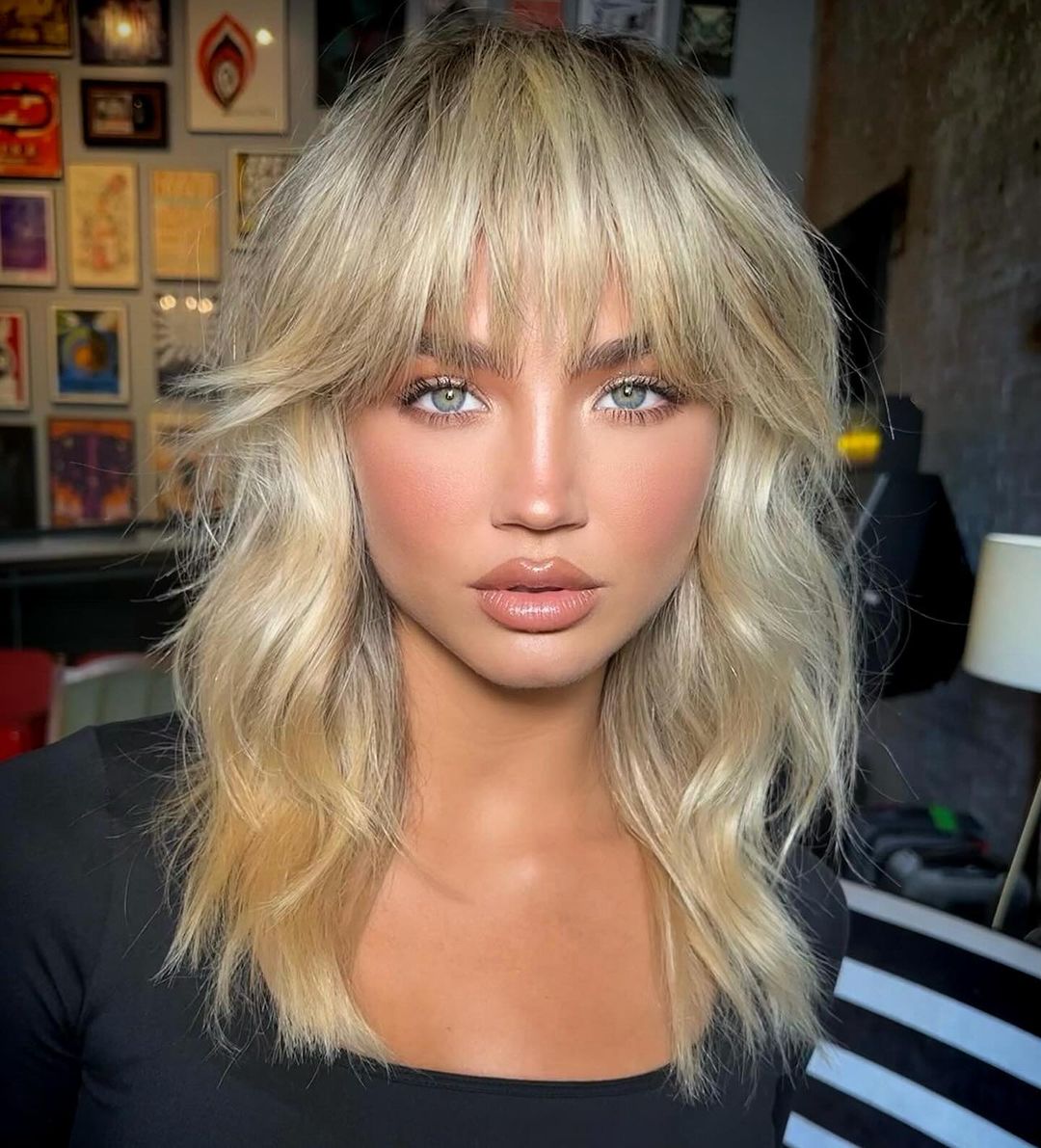
Can a shag actually weigh down medium-density hair? Yes, if the layers are cut too wide. The collarbone shag relies on choppy layers and soft curtain bangs to lift the hair at the crown. The honey blonde balayage adds depth, so the texture reads as fuller. Ask your stylist for a collarbone shag with choppy layers and curtain bangs. The honest drawback: the shag requires styling with mousse or a texturizing spray to hold its shape. Let it air-dry without product and the layers can fall flat. A trim every six to eight weeks is necessary to maintain the choppy ends.
Collarbone Layers With Side Bangs
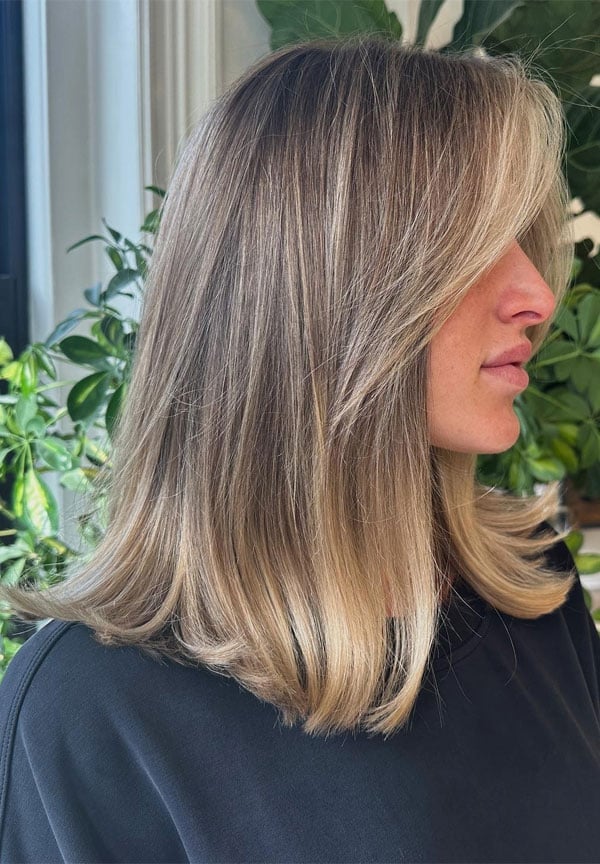
The side bangs here are cut to graze the cheekbone, which draws attention to the face without removing too much weight. The long layers start below the chin, so the collarbone length keeps the shape intact. This cut suits fine, wavy hair. The side sweep adds movement at the front. Ask your stylist for collarbone length with long layers and side bangs. Bring a photo of the exact side bang angle you want, because the length determines whether it stays swept or falls into your eyes. A blowout with a round brush gives the smoothest finish.
Mid-Back Layers With Face Framing
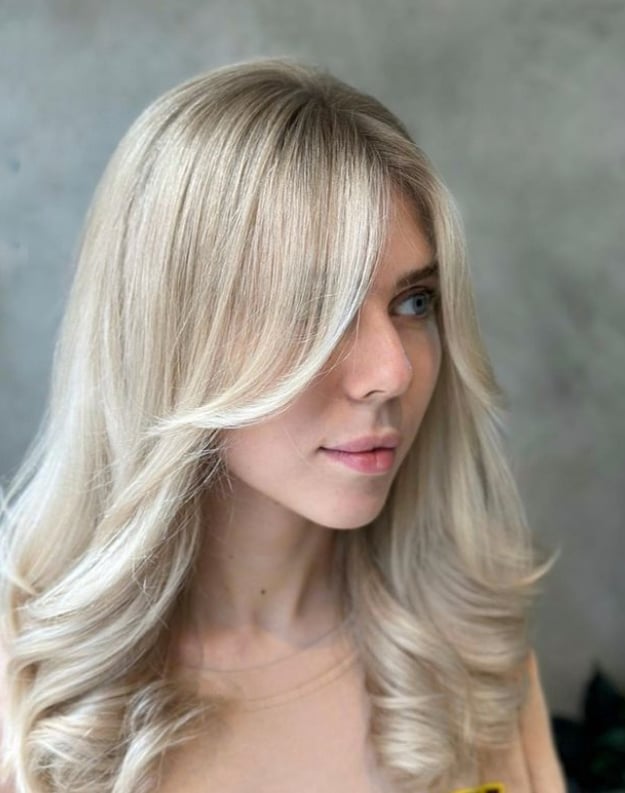
The layering technique here keeps the bulk at the mid-back length while carving out soft, face-framing pieces around the jaw. The ash blonde highlights add contrast, so the layers look like separate pieces instead of one flat sheet. This cut suits fine, wavy hair that needs movement without losing length. Ask your stylist for mid-back length with soft face-framing layers. A texturizing spray on the mid-lengths and ends enhances the wave pattern. A trim every eight to ten weeks keeps the face-framing pieces from growing past the collarbone and losing their shape.
Mid-Back Long Layers With Volume
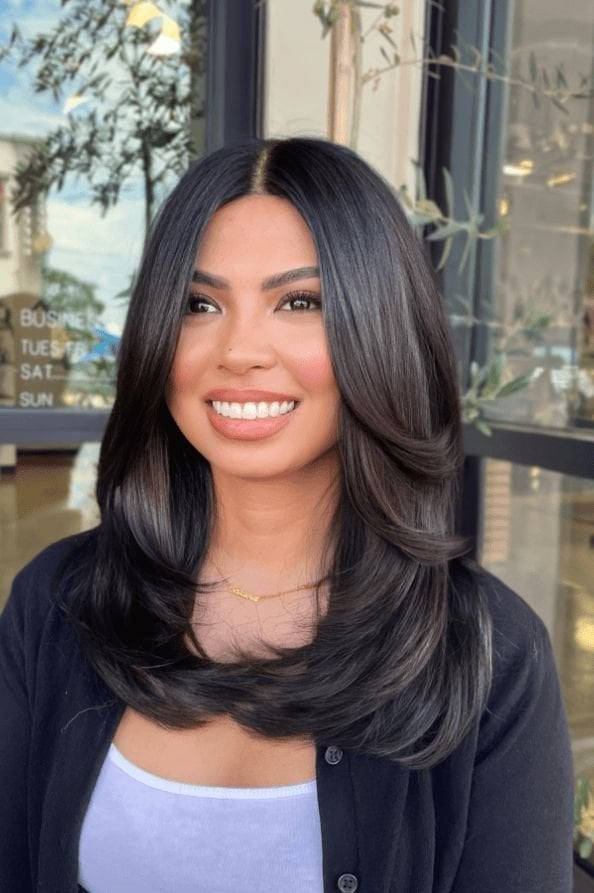
A blowout with volume reads differently on fine hair than on thick hair. On a strand type that flattens quickly, the lift at the crown and the long layers stop the whole silhouette from collapsing into a triangle by dinnertime. The dark brown base with ash blonde highlights adds visual texture so the straight, fine lengths read as fuller than they measure.
This is a salon cut, not a kitchen-scissors job. Ask your stylist for: mid-back length, long voluminous layers. The blowout technique with a round brush builds the body, and a trim every eight to ten weeks keeps the ends from splitting up into the layers. The middle parting works with the volume to frame the face evenly.
Mid-Back Blonde With Balayage Waves

Balayage on fine hair creates the illusion of depth because the lighter pieces sit on top of the darker base, not through it. The mid-back length stays in loose waves, and the fine, wavy texture holds a bend longer than poker-straight hair does. No bangs here, just a middle parting that lets the color do the work.
Ask your colorist for: mid-back length blonde with balayage, loose waves. The drawback is that blonde on fine hair shows brassiness faster than on coarse hair, so a purple shampoo every third wash is the general rhythm. A trim every eight to ten weeks keeps the wavy ends from looking ragged. The color appointment itself takes about two hours.
Mid-Back Blonde Balayage With Volume, Wavy

This cut and color combination works well with fine, wavy hair. The long layers remove weight so the waves spring up and the balayage adds dimension that a single-process blonde cannot. The mid-back length with no bangs keeps the look unfussy.
Who should pass? Anyone with very straight, resistant texture, because the waves are key to the shape. Without them the length could look stringy. Ask your colorist for: mid-back length blonde with balayage, loose waves. The salon visit covers a cut and balayage application in about two and a half hours.
Pixie Cut With Textured Layers
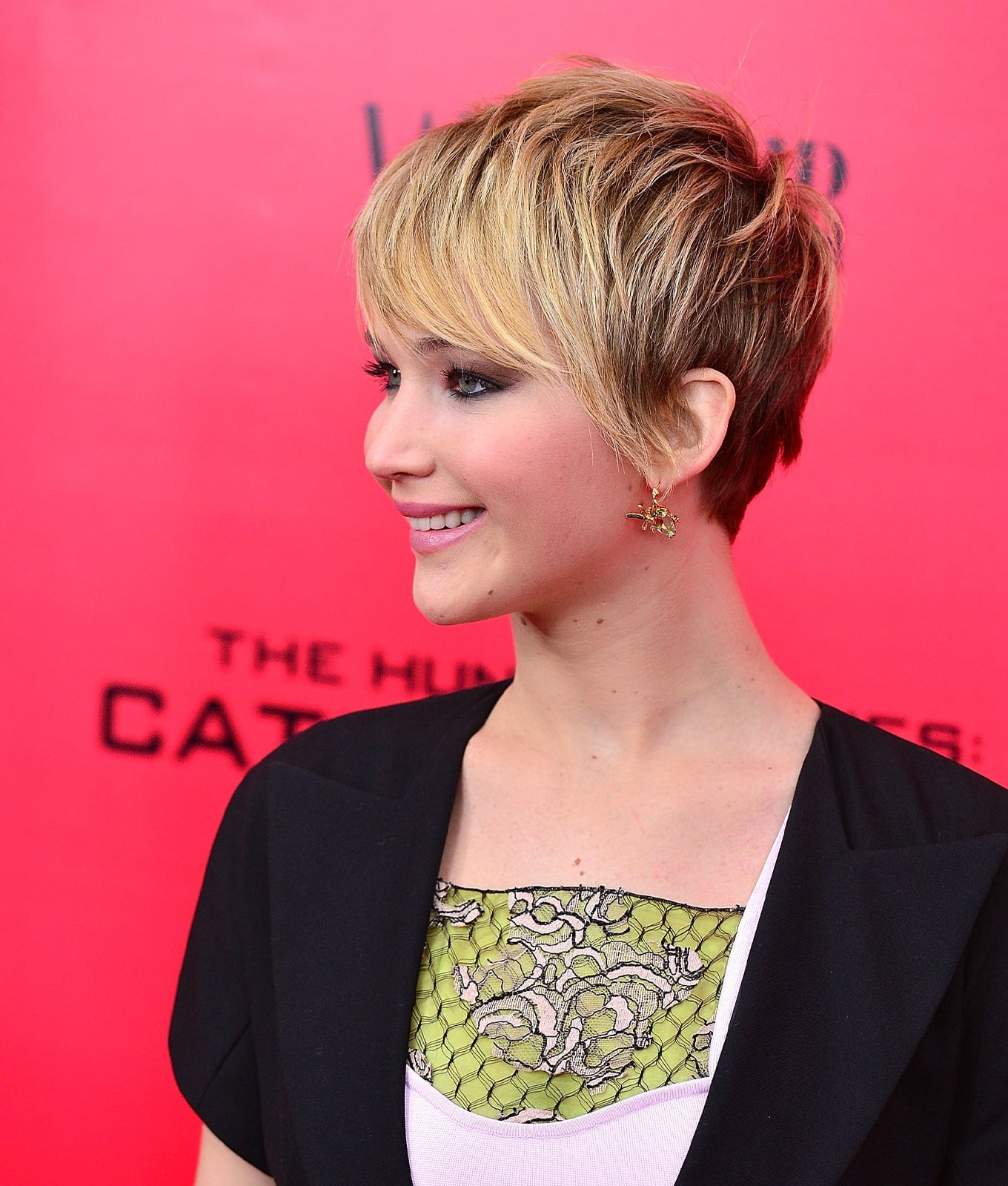
The ear-length pixie with side-swept bangs relies on textured layers to keep each section from lying flat against the scalp. Blonde with highlights adds the dimension that an all-over solid color would not provide on fine, straight hair. The side view shows the shape clearly: shorter at the back, longer in front.
The trade-off is that this cut needs daily attention. A texturizing paste or a dry shampoo at the roots gives the layers something to grip, and without that the fine strands can look sparse by afternoon. Ask your stylist for: short pixie, textured layers, side-swept bangs. A trim every four to six weeks is the standard rhythm.
Short Bob With Volume at Crown
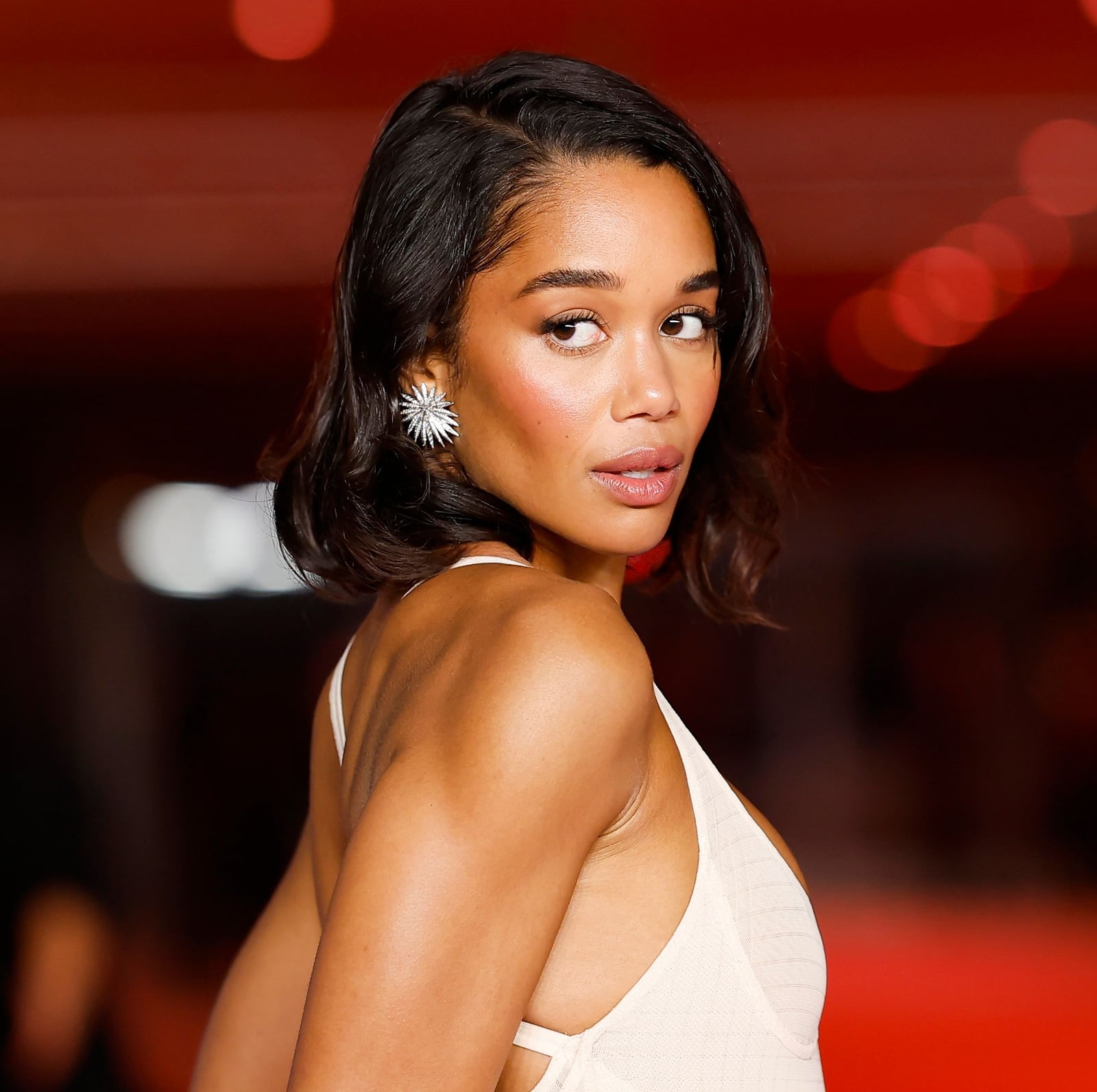
The volume at the crown is built during the cut, not just the styling. The interior layers are angled so the hair above the ear has more lift than the hair below it, which tricks the eye into seeing a thicker silhouette. The short bob ends at the ear with short bangs, and the dark brown color keeps the focus on the shape.
Ask your stylist for: short bob, volume at the crown. The blowout uses a round brush directed upward at the roots, then the side parting is set while the hair cools. A trim every six to eight weeks maintains the precise line that makes the volume look deliberate.
Chin Length Bob With Textured Ends, Dark Brown

Ever air dried a bob and ended up with something that looks more deflated than deliberate? This chin length cut in dark brown with textured ends is the closest you will get to wash-and-wear volume for fine, wavy hair. Ask your stylist for a chin length bob with textured ends. The side parting and soft waves create movement without a single hot tool, but there is a catch: on truly fine hair, skipping the blow dryer can still leave the crown a little flat. Damp strands benefit from a texturizing product, and a trim every six to eight weeks keeps the ends from looking straggly.
Final Thoughts
For fine hair, the rule is simple: keep one blunt baseline and let layers stay strategic rather than excessive. Internal texturizing or soft ends create the illusion of density without removing precious volume.
- Trim every 6-8 weeks to maintain shape and prevent split ends.
- Use volumizing shampoos and conditioners formulated for fine hair.
- Apply heat protectant before styling with blow dryers or hot tools.
- Consider texturizing sprays or dry shampoo for added root lift.
The right cut can transform thin hair’s appearance.