
The modern haircut is less about following a single trend and more about finding the shape that works with your hair’s natural behavior. Soft face-framing layers and curtain bangs have edged out the heavy side-swept fringe, and glossy, lived-in texture is the goal over poker-straight lengths.
This collection of 32 Haircuts for Women covers the full spectrum, from a low-maintenance pixie to a layered mid-back cut that benefits from a round brush. Whether your hair is fine and falls flat or thick and needs volume management, there is a shape here that reduces daily styling friction. Each entry gives you the exact words to ask your stylist for, so the result matches the photo.
Mid-Back Layers With Face-Framing Pieces
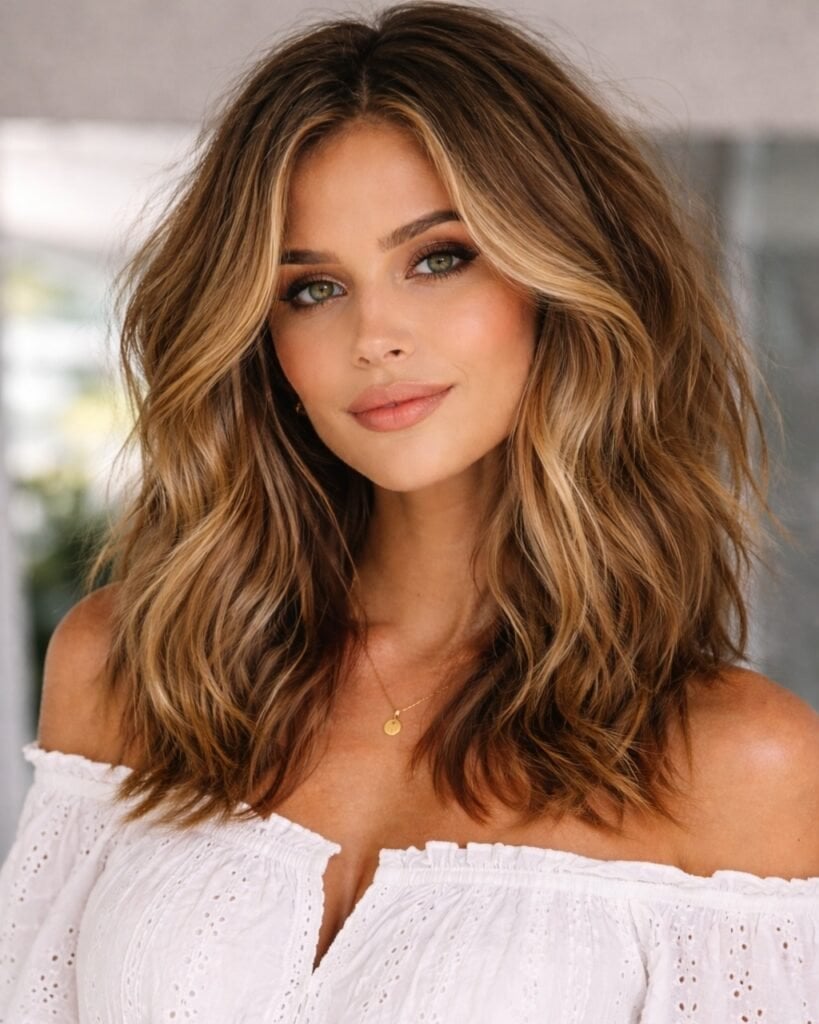
The real value here is how the face-framing pieces break up what would otherwise be a long, uniform curtain of waves. The blonde balayage concentrates around the front sections, so the lighter pieces catch light as they move past the jaw, drawing attention to the layer placement rather than the length. Ask your stylist for: mid-back length with long layers and face-framing pieces.
Thick, wavy hair of medium density starting at shoulder length handles this shape well; the internal layers prevent the weight from pulling the wave pattern straight. Apply a texturizing spray to damp waves, then air-dry or diffuse, to keep the pieces separate. Trim every eight weeks to stop the longest layers from overtaking the face-framing ones.
Chin-Length Bob With Soft Curtain Bangs

This one works best when you do not have a very round face. The chin-length line draws the eye across rather than down, so if your face is longer or oval, the horizontal width balances the proportions. The soft curtain bangs break the line at the forehead without adding weight. Ask your stylist for: chin-length bob, soft curtain bangs, textured finish. Medium density wavy hair of at least chin length holds the waved shape without going flat.
Collarbone Bob With Face-Framing Layers

If you are deciding between a blunt collarbone lob and a layered one, know this: the blunt version reads as sharper and heavier at the hemline. The face-framing layers here create a softer arc around the jaw, so the cut feels lighter even at the same collarbone length. Ask your stylist for: collarbone long bob, soft face-framing layers, curtain bangs.
Medium density straight hair starting at shoulder length lets the blunt ends sit clean while the front layers move independently. Square and angular face shapes benefit from the softening effect around the jaw corners. The layered front pieces need a trim every six weeks to keep their arc from drooping into the length.
Shoulder-Length Shag With Textured Bangs
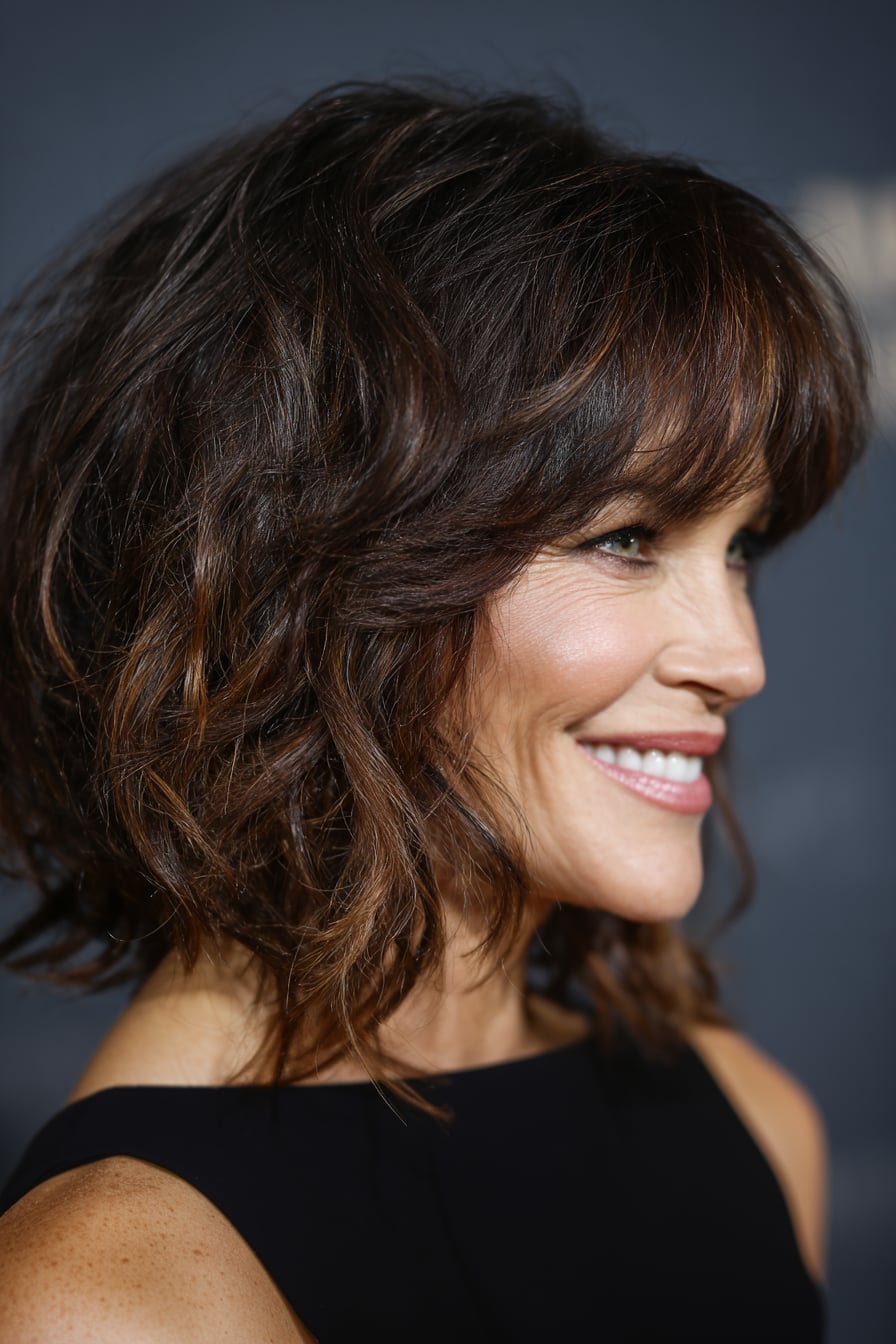
The shag is built on a simple technical idea: the layers are cut short enough at the crown to create volume there, then they graduate down through the length so the hair stacks instead of falling flat. The textured bangs are cut into the same choppy rhythm, not left as a separate blunt piece. Ask your stylist for: shoulder length shag, textured bangs, lived-in waves.
The warm balayage follows the layer lines, so the lighter pieces land where the cut does its work, around the mid-lengths and ends. This cut suits medium density wavy hair of shoulder length; the side parting adds asymmetry to round and oval faces. A sea salt spray on damp hair, scrunched and air-dried, is all the styling it asks for.
Shoulder-Length Shag With Curtain Bangs, Wavy

Ask your stylist for: shoulder length shag, face-framing layers, curtain bangs. Dark brown with subtle highlights adds dimension without a visible root line. The shortest face-framing layers can flip outward if you air-dry without directing them, so either diffuse forward or use a round brush on those front pieces. A trim every eight weeks keeps the shag stacked and the bangs from merging into the layers.
Mid-Back Layers With Voluminous Blowout
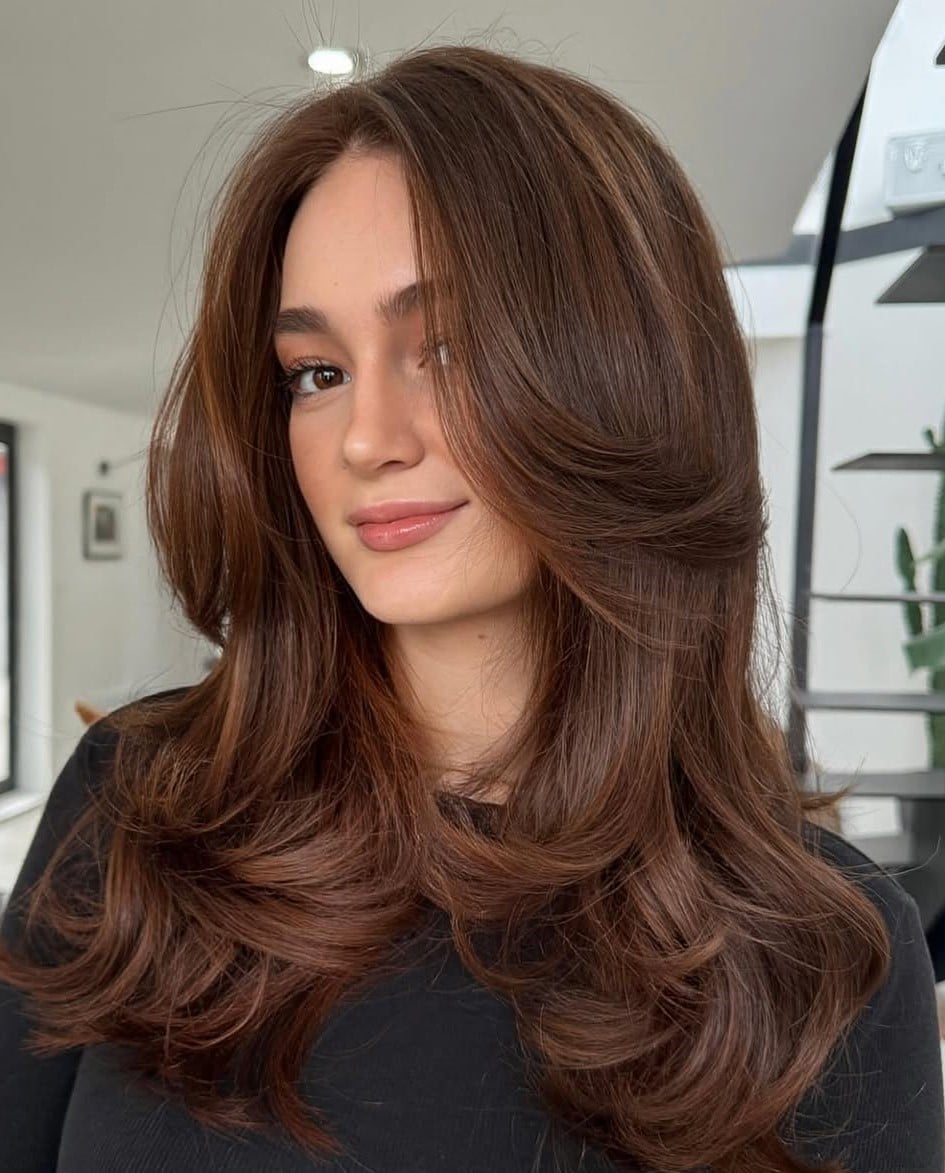
Long layers cut through thick, wavy hair remove enough weight to let the mid-back length move, while the rich brown base with subtle highlights adds dimension as the loose waves bend. The middle part and the absence of bangs keep the eye moving down the full length, so the shape works for many face shapes.
Ask your stylist for: mid-back length with voluminous layers, loose waves. The style suits thick, wavy hair that already reaches mid-back or longer, and it adds body to fine hair when the blowout includes a volumizing mousse and a round brush. Plan a trim every eight to ten weeks, because the volume depends on the shape of those layers, not on the products you pile on.
Mid-Back Shag With Curtain Bangs
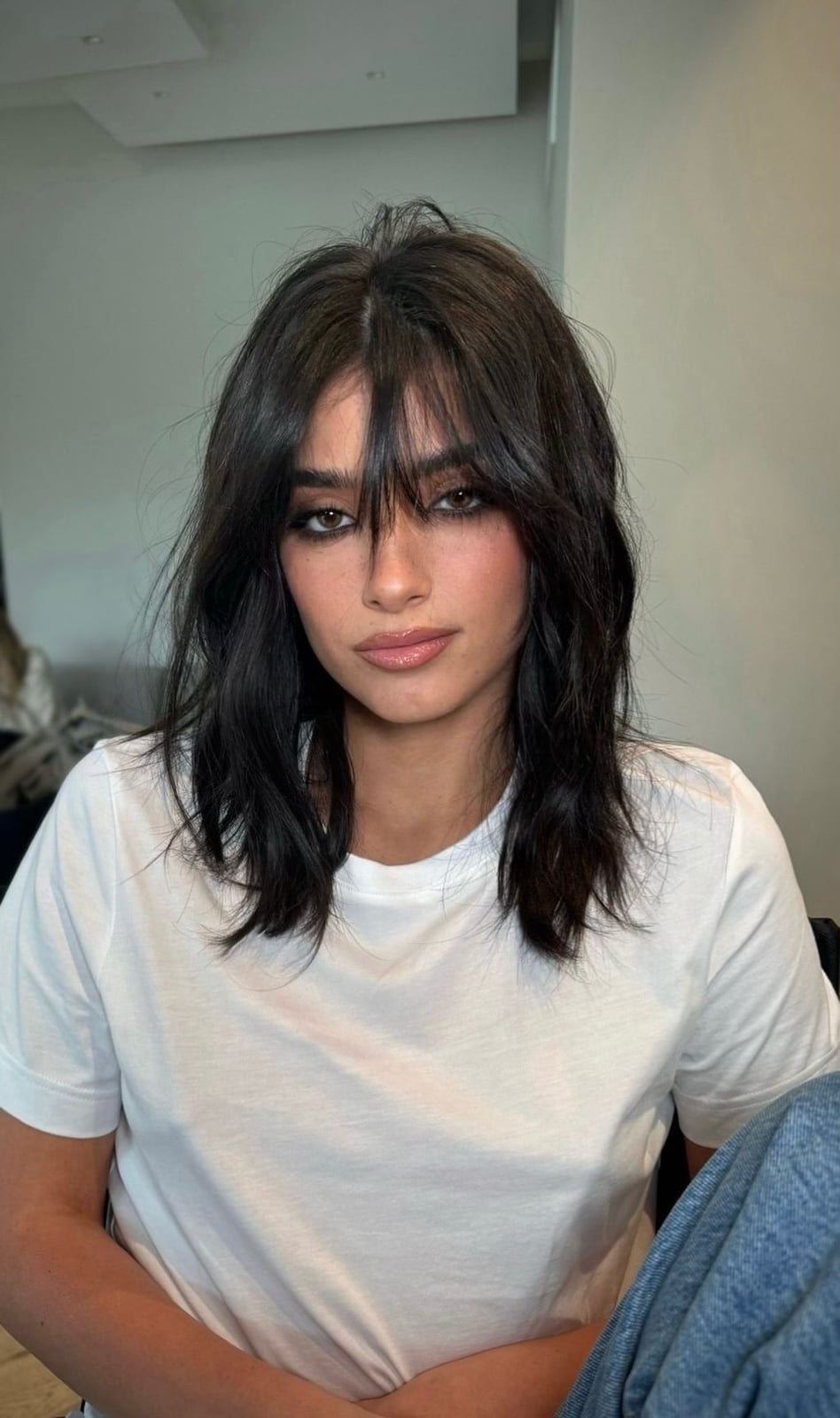
The shag is the rare cut that rewards a little neglect, and this mid-back version proves the point with dark brown layers that fall into an air-dried, textured finish. Ask your stylist for: mid-back shag, textured layers, curtain bangs, and be specific that you want the bangs softly blended rather than sharply cut. Those curtain bangs soften round and square faces, while the shaggy layers give medium-density wavy hair movement it would otherwise lack. A texturizing cream worked through damp hair and air drying is the whole styling routine, so the salon visit does the real work. A trim every eight to ten weeks keeps the shaggy shape from turning into a shapeless triangle.
Collarbone Lob With Curtain Bangs
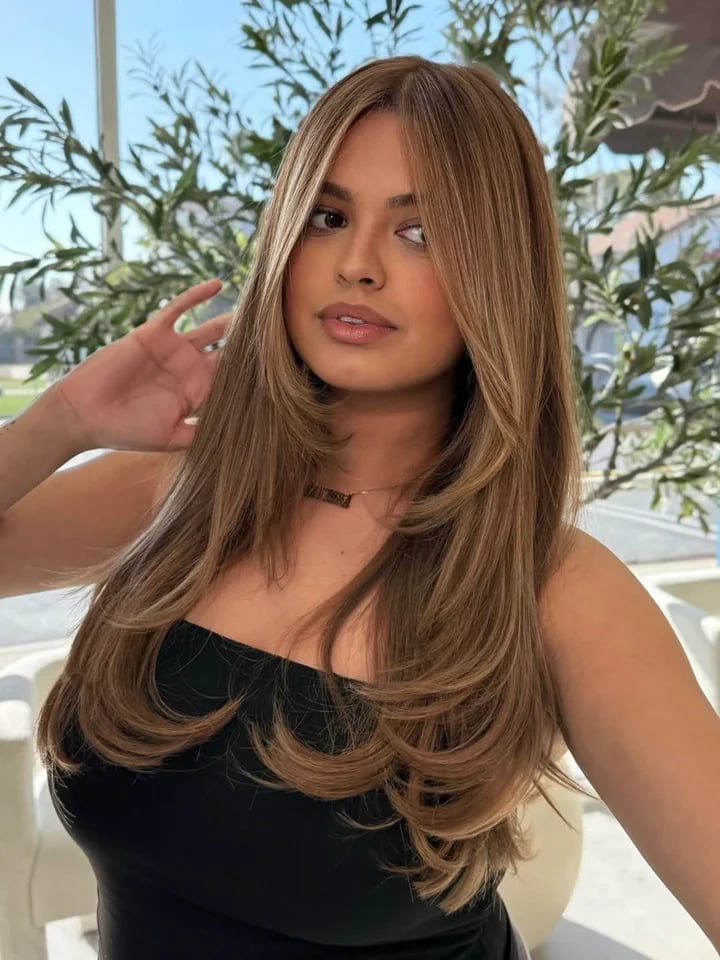
The practical rule with thick, straight hair is that a lob needs restraint in the layering department. Ask for too many internal layers and you get a triangular silhouette that widens at the jaw, which is not the collarbone-length softness you saw. Ask your stylist for: collarbone lob, curtain bangs, soft waves, and keep the long layers focused around the face. The medium brown base with blonde highlights adds dimension without demanding a complicated routine, and the curtain bangs suit oval and long face shapes by breaking up the length. A round brush for the blowout is the main tool, and the blunt baseline needs a trim every six to eight weeks to hold its line.
Collarbone Shag With Wispy Bangs

Wispy bangs are a commitment disguised as a low-maintenance detail, and this collarbone shag makes that trade-off clear. The dark brown, wavy texture air dries into the layered shape, but those wispy bangs will need a quick blow-dry with a small round brush most mornings, and they will want a trim every three to four weeks to stay out of your eyes. Ask your stylist for: collarbone shag, wispy bangs, textured layers, and accept that the face-framing pieces are the part that dates fastest. They soften round and square faces beautifully, but the grow-out stage is real, and a texturizing paste is the difference between lived-in and unkempt.
Collarbone Lob With Soft Waves

Set this collarbone lob next to a blunt bob and the difference is the softness, which is exactly why it lands so well in autumn when you want polish without the sharp edges. The auburn base with lighter highlights gives the soft waves depth, and the curtain bangs frame the face without committing to a full fringe. Ask your stylist for: collarbone lob, soft layers, face-framing bangs. Medium-density wavy hair takes the blowout beautifully, and the face-framing pieces flatter oval and heart face shapes. A wave spray and a diffuser get you most of the way there on days when the round brush feels like too much effort, and a trim every six to eight weeks keeps the ends from straggling.
Collarbone Layered Bob With Curls

A collarbone-length layered bob in gray relies on its own thick, wavy texture to build serious volume. Loose curls give it a rounded shape that adds width to long faces and softens square jawlines. Ask your stylist for: collarbone layered bob, voluminous curls. A curl-defining cream and a diffuser will encourage the bounce, and the layers need a trim every six to eight weeks to keep the shape from turning into a triangle.
Chin-Length Sleek Bob
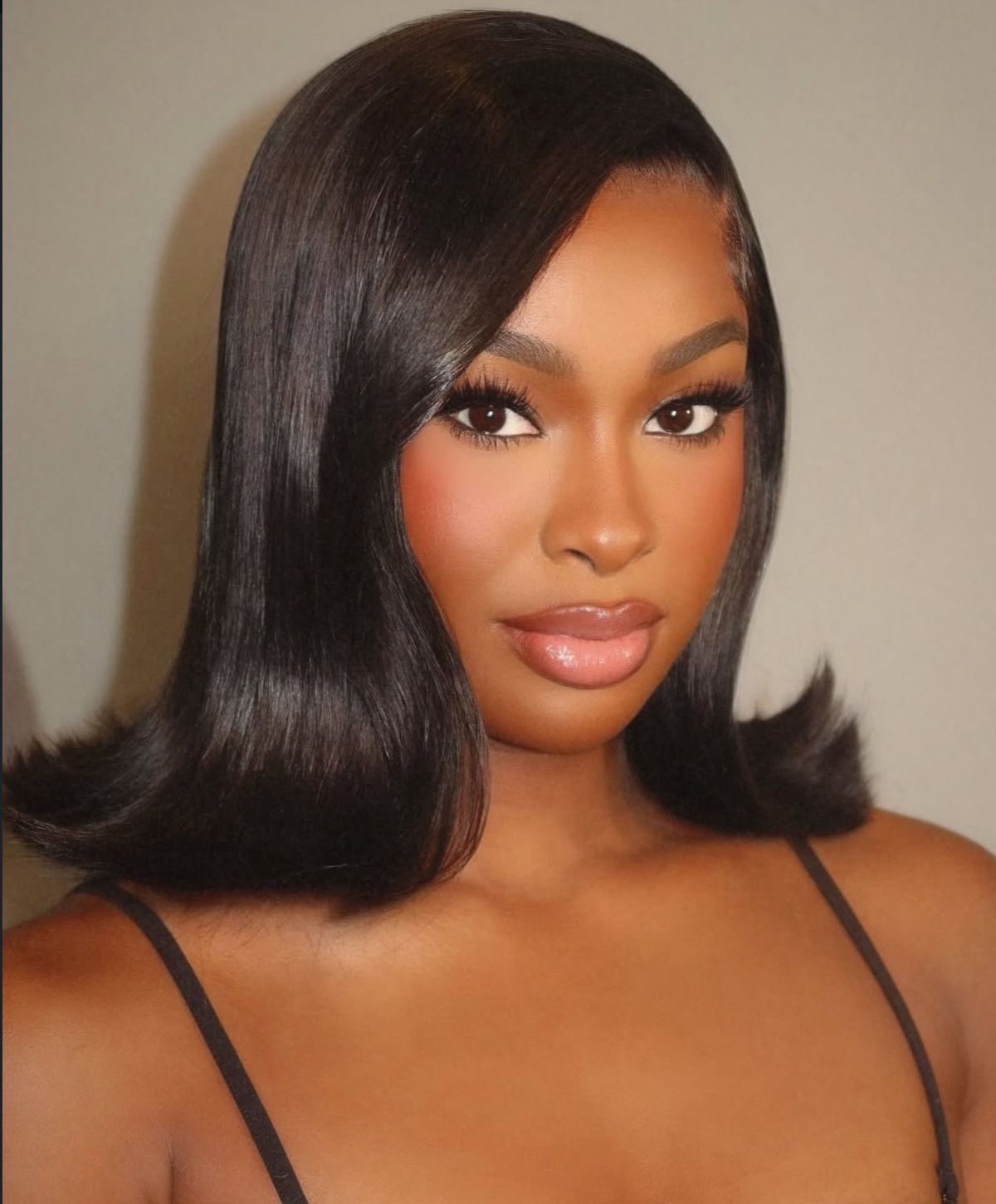
A chin-length sleek bob works best on fine, straight hair that can hold a clean line without puffing up. The side parting and outward-curled ends create a polished finish that suits oval and heart face shapes. Ask your stylist for: chin-length sleek bob, outward-curled ends. A flat iron and a small round brush are all you need for the flip, and the bob stays sharp with a trim every four to six weeks.
Chin-Length Ash Blonde Bob

Where a layered bob offers movement, this chin-length ash blonde bob offers precision. The straight, inward-tucked ends and side parting produce a sharp silhouette that flatters oval and long face shapes. Ask your stylist for: chin-length bob, inward-tucked ends, ash blonde color. A flat iron seals the smooth finish, and the line holds best with a trim every four to six weeks.
Shoulder-Length Shag With Curtain Bangs, Close-Up Take
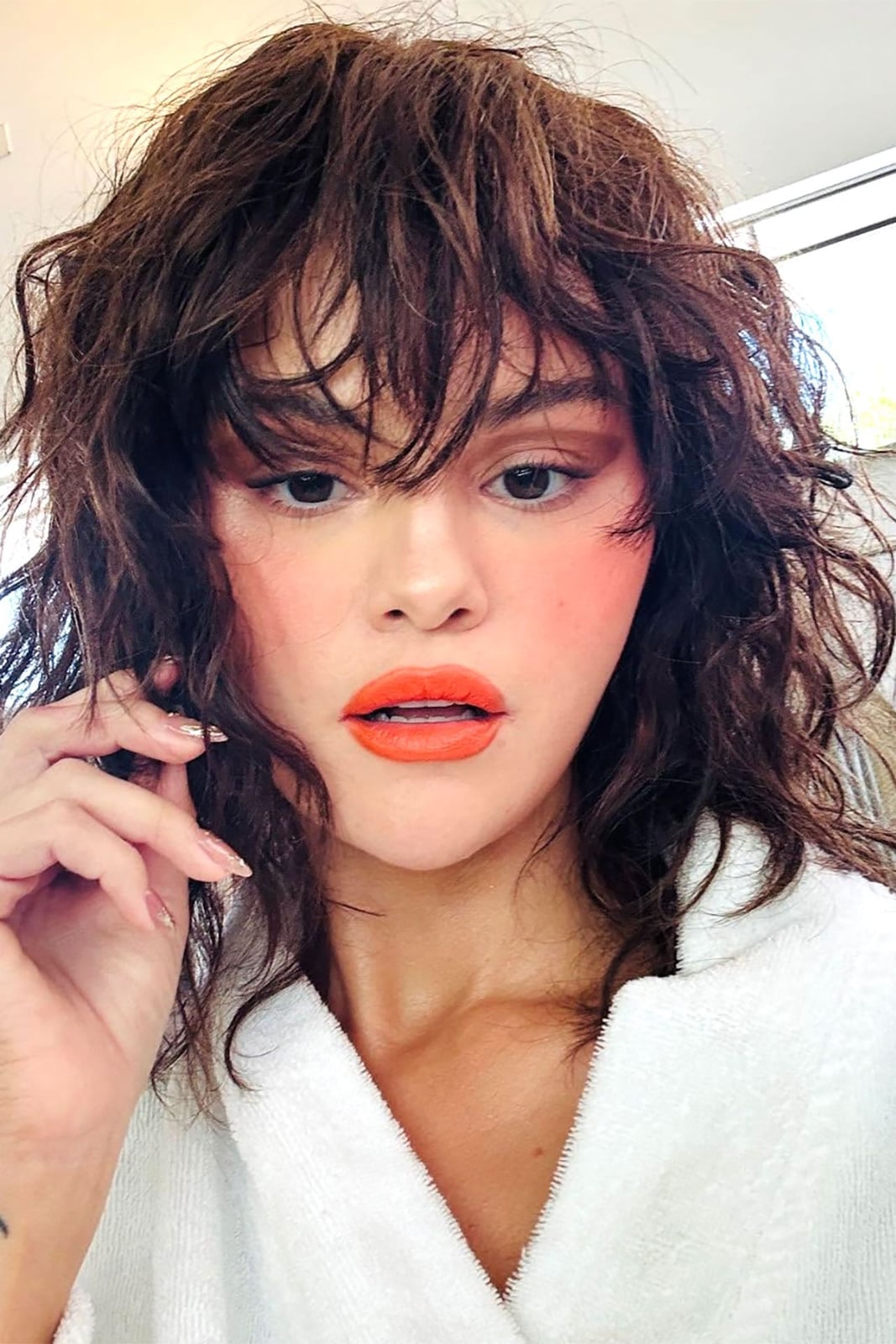
A shoulder-length shag is built on choppy layers cut through the interior, not just the ends, so the hair stacks and moves without looking heavy. The curtain bangs blend into the sides, softening round and square face shapes. Ask your stylist for: shoulder length shag, choppy layers, curtain bangs. A texturizing spray and air drying or a low-heat diffuser let the natural waves do the work. The cut grows out gracefully for about eight to ten weeks before the layers need refreshing.
Collarbone Lob With Balayage Highlights
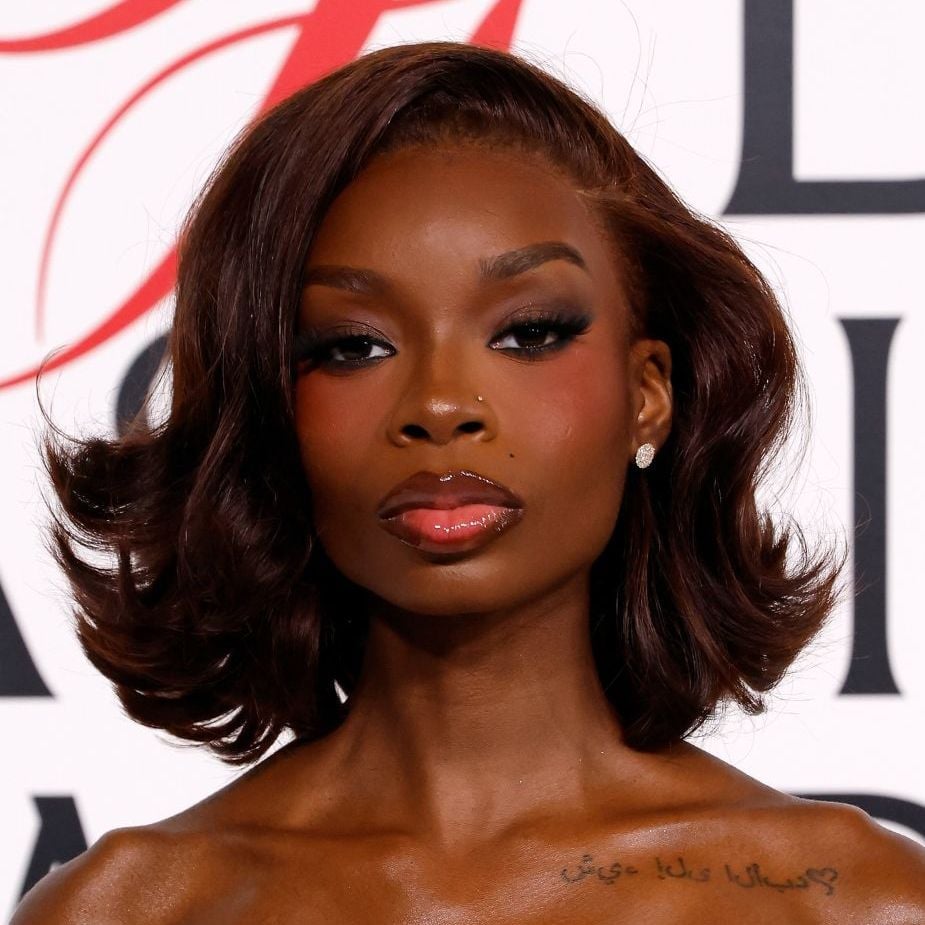
A collarbone lob with balayage highlights uses the lighter pieces to trace the face-framing layers and the loose waves, so the shape reads even when the hair is unstyled. The side part and medium brown base keep the grow-out low-fuss. Ask your stylist for: collarbone lob, balayage highlights, face-framing layers. A texturizing spray on damp hair and a quick diffuse create the wave. The lob needs a trim every six to eight weeks, and the balayage can stretch to three or four months before a refresh.
Collarbone Blunt Bob
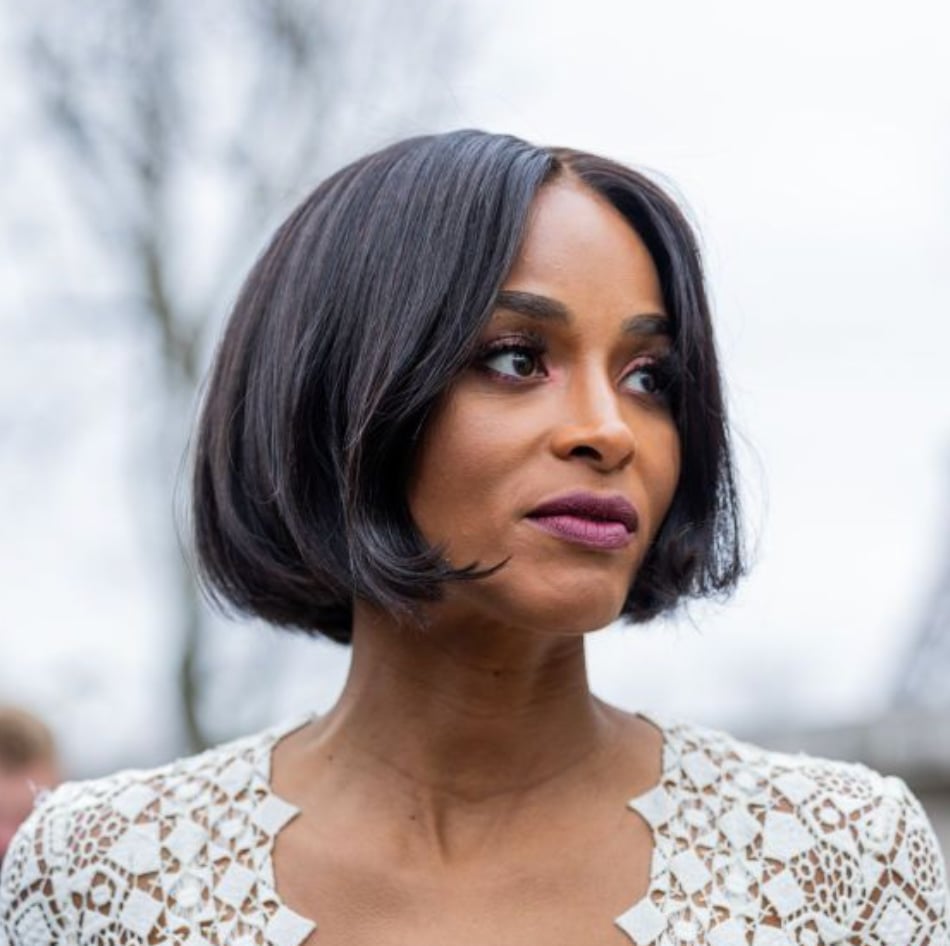
A collarbone-length blunt bob is a geometry problem with a satisfying answer. The solid dark brown color and straight, thick texture make the sharp baseline the whole point of the cut. There are no layers and no bangs to hide behind, so the line has to be precise. This haircut for women works best on those with naturally straight, thick hair who are not afraid of commitment. Ask your stylist for: collarbone blunt bob, sleek and straight. The drawback is that any unevenness or cowlick is immediately visible, and a trim every six to seven weeks is required to stop the blunt edge from getting soft.
On the plus side, a flat iron session takes about ten minutes, and the silhouette is clean enough to carry a professional setting. Oval and square face shapes get the most out of the horizontal line, which adds structure.
Collarbone Lob With Face-Framing Bangs

Wondering if face-framing bangs will drive you crazy during grow-out? They can, but this collarbone lob makes the process bearable. The chestnut brown base with subtle highlights and soft layers means the bangs blend into the length rather than sitting as a separate piece. The loose waves and side parting keep everything looking lived-in, so you are not fighting for perfection every morning. Ask your stylist for: collarbone lob, loose waves, face-framing bangs. Medium-density wavy hair is the ideal candidate here, and the layered shape softens round or angular face shapes without sacrificing volume.
Grow-out is gradual rather than abrupt: the bangs tuck behind the ears after about six weeks, and the layers grow into a longer, softer lob by the three-month mark. A texture spray on damp hair and a quick diffuser dry is all the styling this needs on most days.
Shoulder Lob With Ash Blonde Balayage
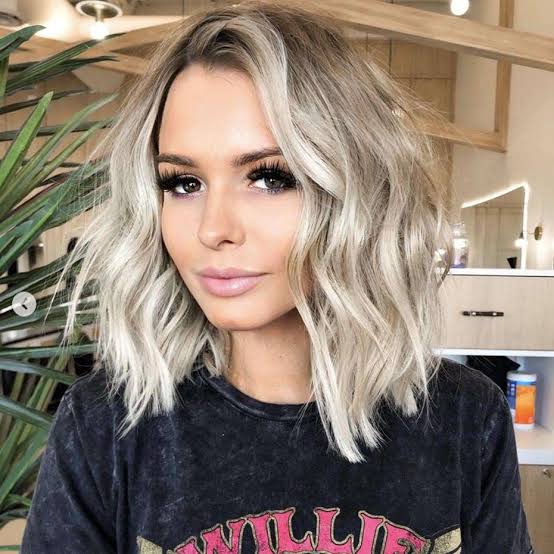
If you are torn between a warmer caramel and a cooler ash tone, this shoulder lob settles the debate. The ash blonde balayage sits on a wavy, medium-density base with curtain bangs and a middle parting, creating a lived-in effect that looks natural. The loose waves keep the color from looking flat, which is the risk with ash tones on longer lengths. Ask your stylist for: shoulder length lob, loose waves, face-framing curtain bangs. This is a transitional spring cut: the curtain bangs soften the face while the balayage lightens the overall weight of the hair without a full bleach.
A sea salt spray on damp hair and a scrunch-and-air-dry routine gets the texture right, and the toning rhythm sits at about every eight weeks to keep the ash from veering green. Oval and long face shapes benefit from the horizontal curtain bang line.
Collarbone Layered Bob With Waves, Dark Brown With Subtle Highlights
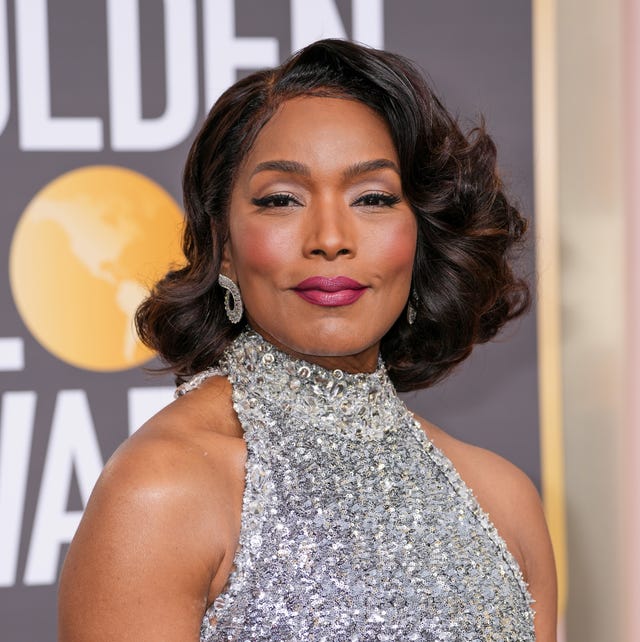
This collarbone layered bob works because the layers are cut to stack and create depth. The dark brown base with subtle highlights adds dimension, and the voluminous wavy blowout with soft side-swept bangs gives the shape lift and movement through the ends. The styling steps are straightforward: a curl-defining cream on damp hair, a diffuser on medium heat until 80 percent dry, then a cool shot to set the wave. Ask your stylist for: collarbone layered bob, voluminous waves, side-swept bangs. The drawback is that thick hair can look too round if the layers are cut too evenly, so ask for graduated interior layers that keep the weight at the nape. Side-swept bangs soften angular face shapes and give the bob a less static silhouette.
Short Platinum Pixie Cut

This short platinum pixie is not for the cautious. The ear-length cut with a visible root shadow, choppy texture, and spiky styling requires a tolerance for frequent trims and a purple shampoo habit. It suits fine, straight hair best because the lack of bulk makes the choppy pieces stand up rather than lie flat. Ask your stylist for: short choppy pixie, platinum blonde with root shadow, spiky styling. The bold color and shape work on most face shapes, though the strong horizontal line at the ears can emphasize a wider jaw if that is a concern. A strong hold wax or paste applied to dry hair keeps the spikes in place for a full day, and a trim every three to four weeks is the price of admission for a cut this short.
Textured Pixie With Side-Swept Bangs
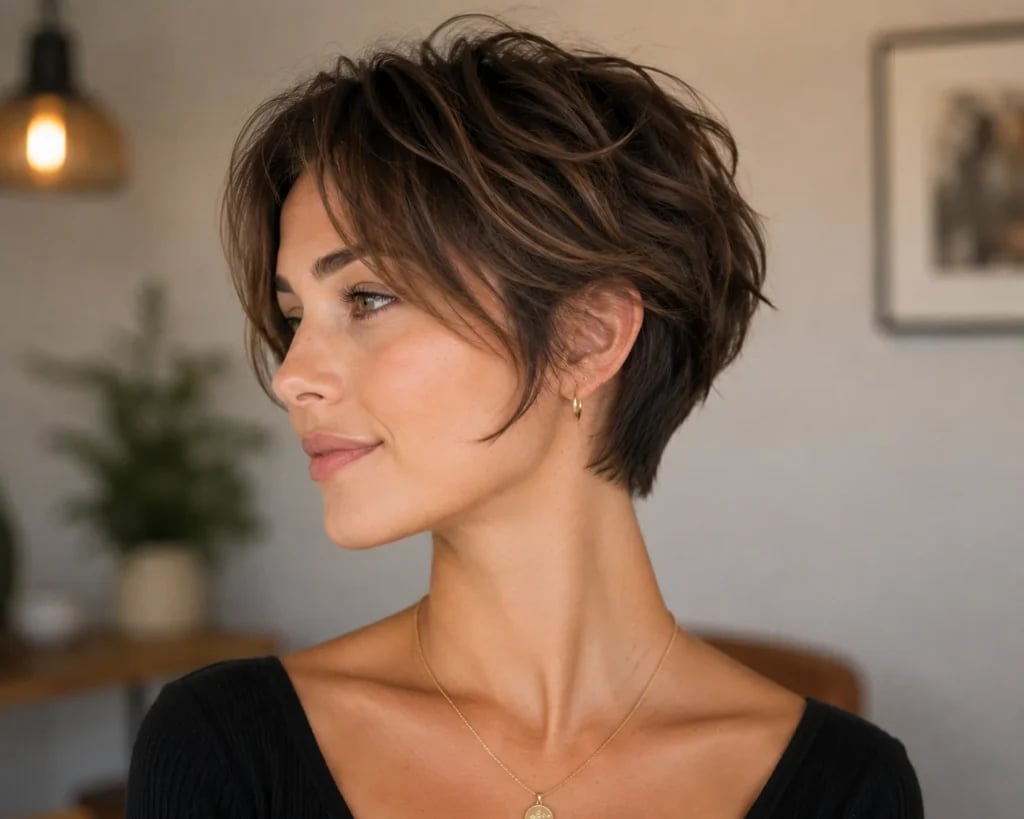
This is not the polished, uniform pixie of years past. Ask your stylist for: textured pixie cut, side-swept bangs, tousled finish. The side-swept bangs and medium-density wavy texture soften angular face shapes. A texturizing spray or paste handles the daily styling, and a trim every four to six weeks keeps the shape sharp.
Thick Pixie With Voluminous Blowout
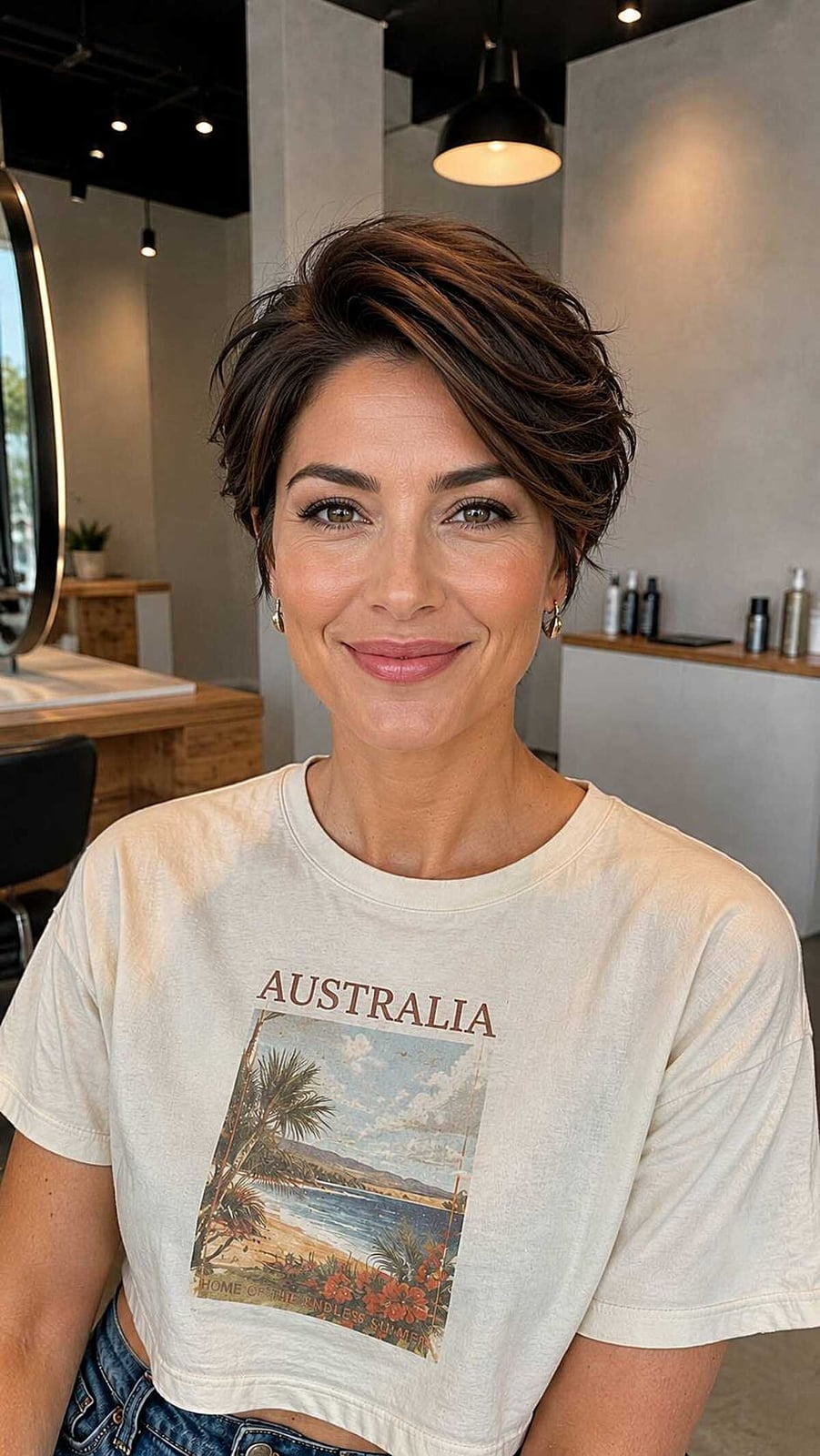
A thick, straight pixie cut relies on a voluminous blowout to give it lift and polish. The dark brown hair ends around the ear, with side-swept bangs and subtle highlights adding dimension. Ask your stylist for: thick pixie cut, voluminous blowout, side-swept bangs. The side-swept bangs and rounded shape suit oval and heart face shapes. Achieving the volume requires a round brush and blow dryer, and the cut needs a trim every four to six weeks to maintain its crisp lines.
Fine Pixie With Textured Fringe

Fine, straight hair gets an edge with a short pixie cut that ends at the ear and features a short, textured fringe. The tousled styling adds the illusion of density. Ask your stylist for: short pixie, textured fringe, tousled finish. The fringe adds interest to round and oval faces. The real drawback: fine hair needs a texturizing paste or spray to hold the piece-y look, and the short fringe requires a trim every three to four weeks. This is a salon cut, not a DIY project.
Textured Dark Brown Pixie
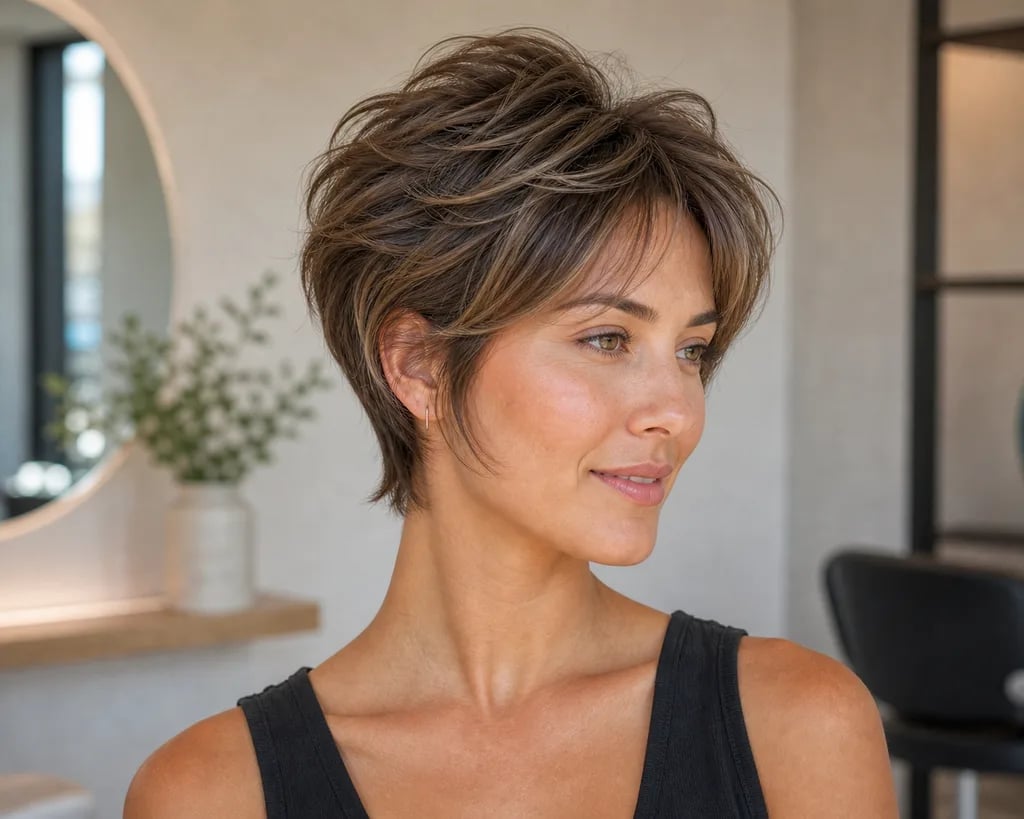
A dark brown pixie with layers ends around the ear, with side-swept bangs and a tousled, wavy texture. The subtle highlights keep it from reading flat. Ask your stylist for: textured pixie cut, side-swept bangs, tousled finish. The wavy, medium-density texture and side-swept bangs soften angular face shapes. The key is asking for disconnected layers, which give the wavy hair its piece-y movement. A texturizing spray or paste handles styling, and a trim every four to six weeks maintains the shape.
Short Bob With Defined Curls
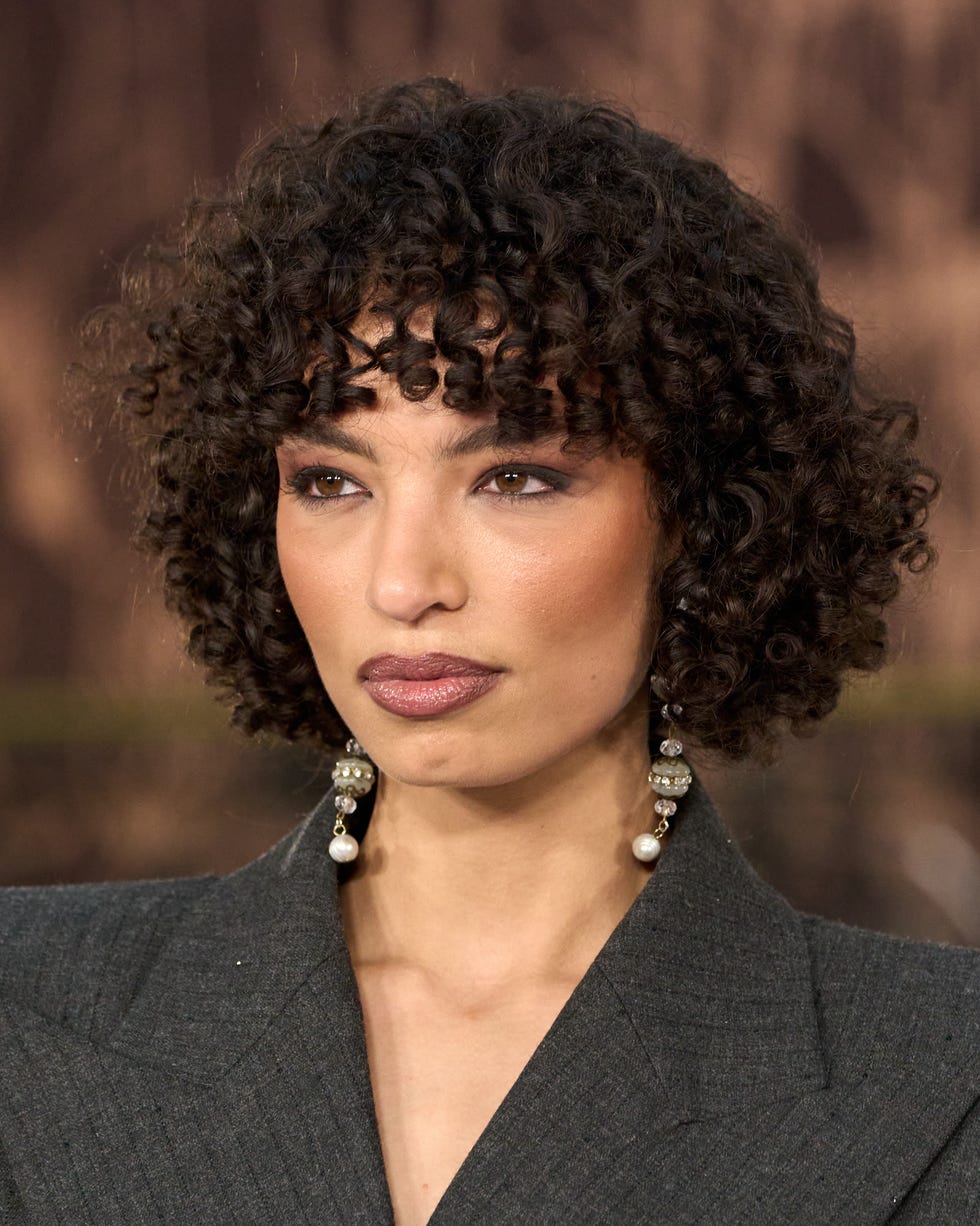
Can a short bob handle thick curls without turning into a triangle? Yes, if the cut includes face-framing layers and curly bangs. The dark brown hair ends around the ear, with defined curls and subtle lighter tones. Ask your stylist for: short bob, defined curls, curly bangs. The curly bangs add a playful element to round and square faces. The drawback: defining the curls daily requires a curl cream and either air drying or diffusing. A trim every six to eight weeks keeps the bob from getting too heavy.
Fine Black Pixie With Textured Top
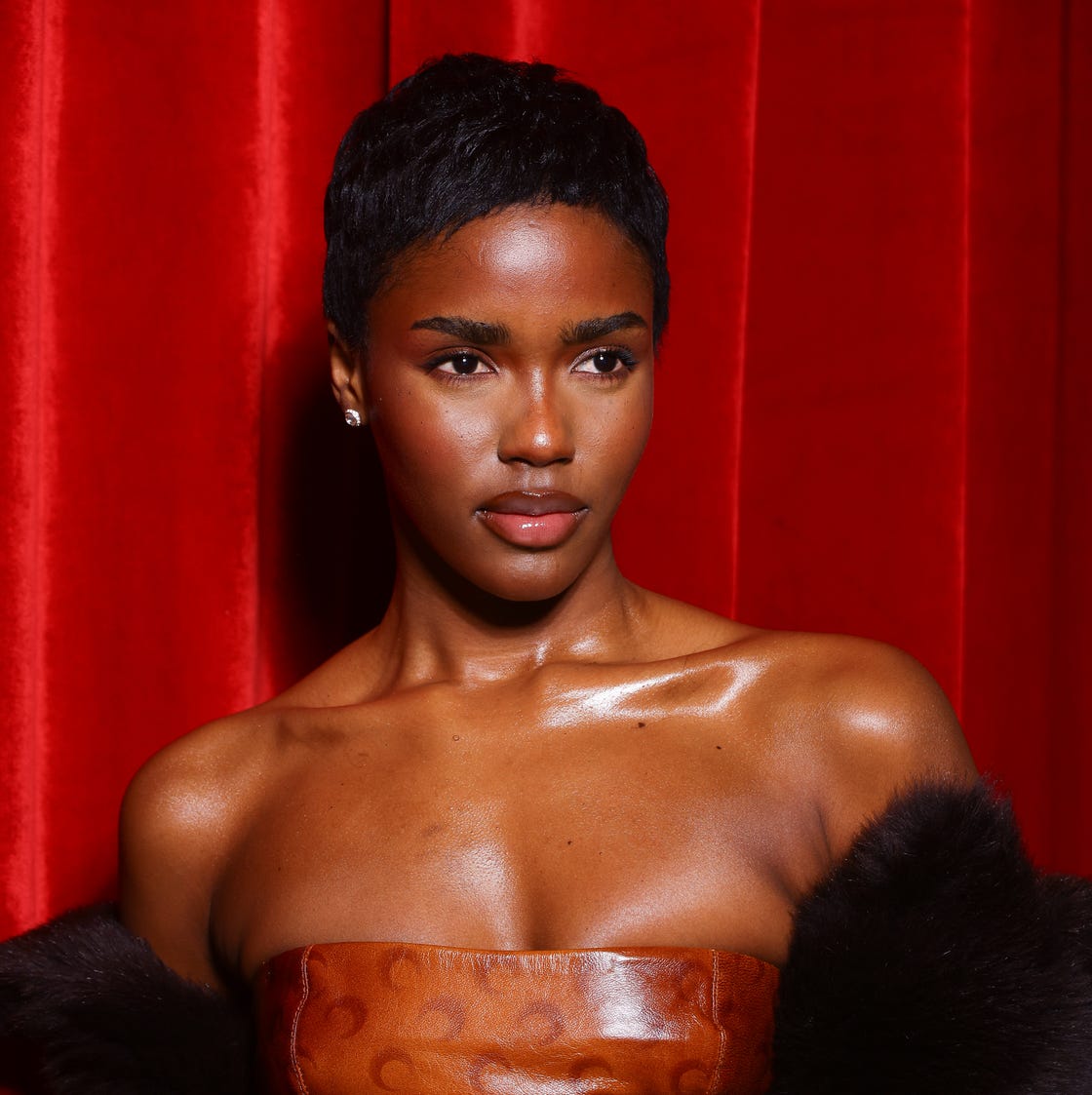
It is not the smooth, helmet-like pixie of decades past. This fine black version ends around the ear with a short fringe and a middle part, the top textured into soft separation. The textured styling adds perceived volume where fine, straight hair usually lacks it, making it a strong option for round and oval faces. Ask your stylist for: fine pixie, short fringe, textured top. A matte paste or wax holds the piecey look, and a trim lands every three to four weeks before the shape softens.
Coily Fade Haircut
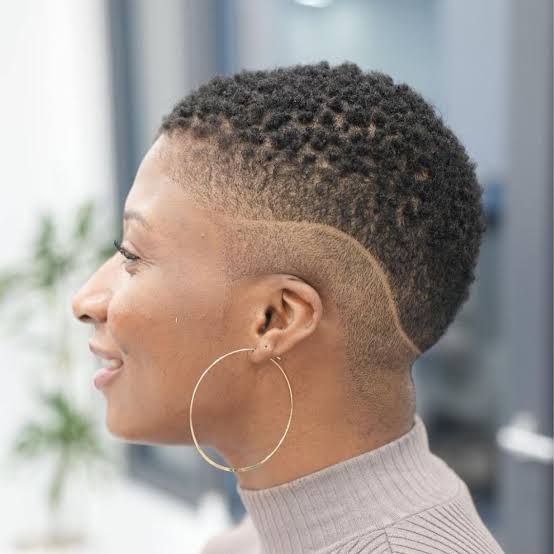
The precision is the point. A clean side fade meets a full coily top, the transition marked by a distinct line detail that defines the silhouette. This coily fade haircut keeps the bulk off the sides while showcasing the natural texture on top, a contrast that is modern and clean. Ask your stylist for: coily fade haircut, precision side fade. A moisturizing cream keeps the coils defined, and the line-up needs refreshing every two to three weeks to hold the graphic edge.
Fine Wavy Shag With Choppy Bangs

This one genuinely works for fine, wavy hair because the choppy layers and bangs create the illusion of density. The short shag ends around the ear with a middle part and messy, textured layers that add movement without weight. The choppy bangs land short and uneven, giving a round or oval face more angular interest. Ask your stylist for: short choppy shag, fine wavy hair, choppy bangs. A texturizing paste scrunched into damp hair builds the lived-in finish, and a trim every four to six weeks keeps the choppiness intentional.
Dark Brown Pixie With Sculpted Bangs
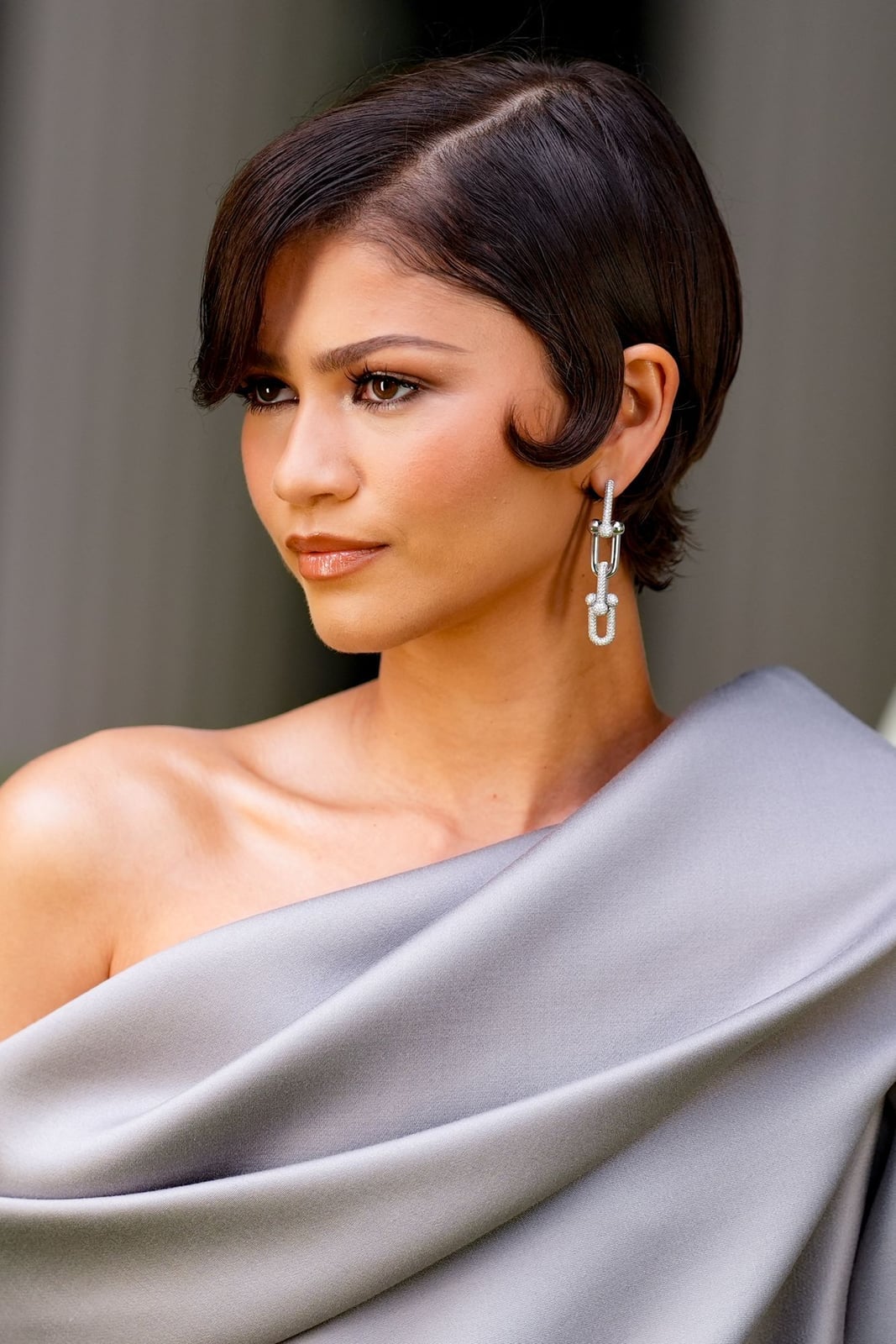
Where the textured pixie is tousled, this one is precise. The dark brown pixie is slicked close to the head with short, side-swept bangs and a deep side parting, the fine straight hair polished to a glossy finish. The sculpted silhouette suits oval and heart faces, as the sleek sides keep the focus on the bone structure. Ask your stylist for: dark brown pixie, sculpted side-swept bangs, slicked finish. A strong hold gel or pomade locks the shape, and trims at three to four weeks prevent the clean lines from blurring.
Asymmetrical Bob With Reddish Hue

The technique is straightforward: one side cut shorter, the other left to graze the chin, with a side part emphasizing the uneven hemline. This asymmetrical bob in a reddish-brown shade relies on the fine, straight texture to show the sharp contrast between the two lengths. It is a salon cut, not a DIY project, and the shorter side demands more frequent trims to keep the asymmetry clear. Ask your stylist for: asymmetrical bob, reddish-brown color, natural finish. Air drying with a texturizing spray preserves the natural movement, and a trim every six to eight weeks maintains the line.
Stacked Bob With Wispy Bangs
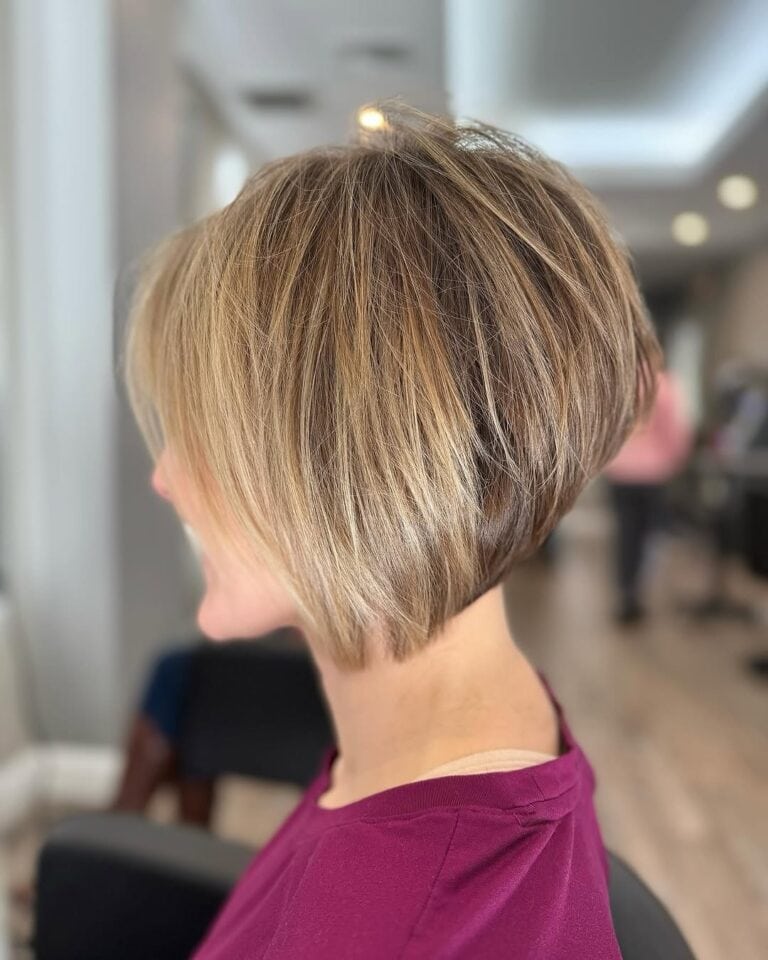
This stacked bob uses a graduated back that angles forward to ear length, and the wispy bangs land just above the brow. The construction relies on the shortest layers being at the nape, so the front pieces have a clear weight shift. It suits fine, straight hair that needs volume at the crown without looking bulky. Ask your stylist for: stacked bob, wispy short bangs, ash blonde with highlights. A texturizing paste or spray defined the visible layers here in about five minutes. The shape needs a trim every four to six weeks to keep the graduation crisp, especially if your hair is fine.
Mid-Back Layers With Full Bangs
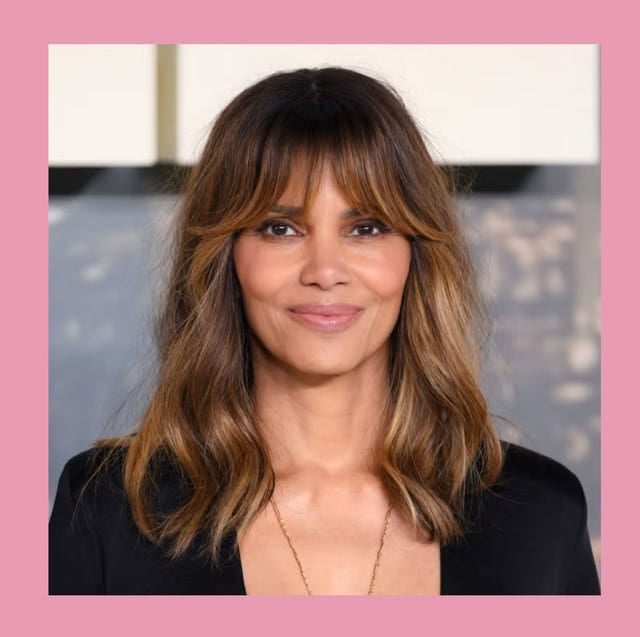
Dark brown hair with blonde highlights runs from a middle part to mid-back, cut in long layers that hold wavy volume. The full bangs sit blunt and straight, creating a solid horizontal line across the forehead. This combination works best on thick, wavy hair that can support the density of the bangs and the length of the body together. Ask your stylist for: mid-back length with long layers, full bangs, voluminous waves.
- Full, blunt bangs that hit just above the brow, cut with zero texturizing so they stay dense.
- Long layers that start below the shoulder to keep weight through the midsection and ends.
- Voluminous waves shaped with a large barrel curling iron or a diffuser and mousse.
Final Thoughts
Fine hair benefits from a blunt baseline with minimal layers to keep density at the ends. Thick hair needs internal layering and texture to prevent the dreaded triangle effect. For a round face, let the length fall below the chin and keep the fringe soft. For a long face, add width with a chin-length bob or full fringe.
- Trim bobs and pixies every 4-6 weeks to maintain shape.
- Lobs and longer layered cuts need trims every 6-10 weeks.
- Refresh balayage or highlights every 8-12 weeks, depending on grow-out.
- Use a heat protectant spray before styling with hot tools.
Choose a haircut that complements your natural texture and lifestyle.