Hairstyles keep shifting, but the current sweet spot lands somewhere between polished and undone. Soft face-framing layers and curtain bangs have replaced blunt ends and heavy fringes, while lived-in color and glossy natural texture are the markers of a modern cut.
This collection of 32 Hairstyle Trends covers the full spectrum, from low-upkeep air-dried looks to salon-level blowouts, for every length and texture. Whether your fine hair needs a blunt baseline to hold volume or your thick hair can handle extensive layering, there is an idea here that solves the real struggle: finding a style that actually works with your natural texture and daily routine.
Shaggy Collarbone Cut With Curtain Bangs
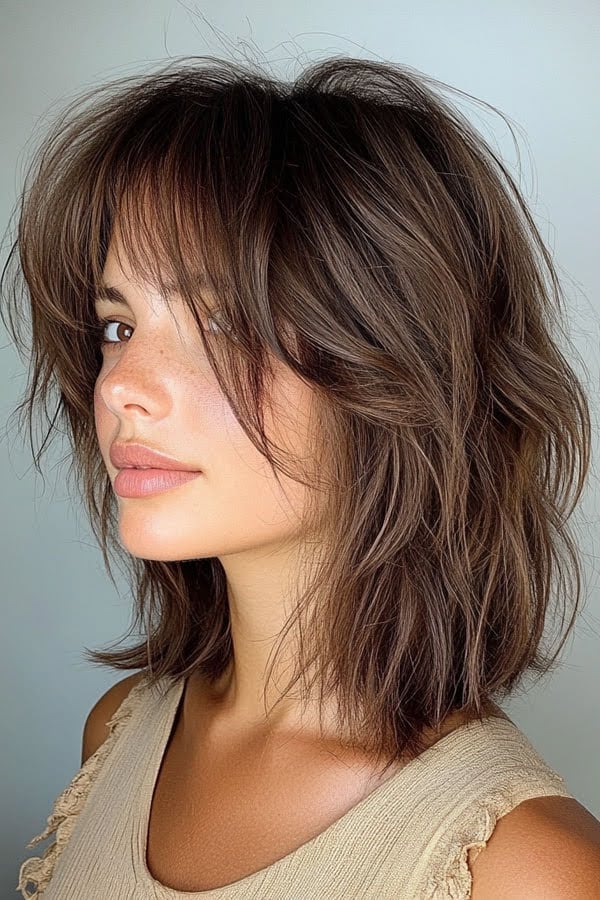
The medium brown shade and wavy, air-dried texture mean you can skip the hot tools most days. Ask your stylist for: shaggy collarbone cut with curtain bangs. A texturizing spray after the shower encourages the piece-y separation that makes the layers read as intentional rather than grown out. The middle part and curtain bangs suit oval, round and square faces equally well. Expect to trim the bangs every four to six weeks or the line starts to feel heavy.
Voluminous Mid-Back Blowout With Face-Framing Layers
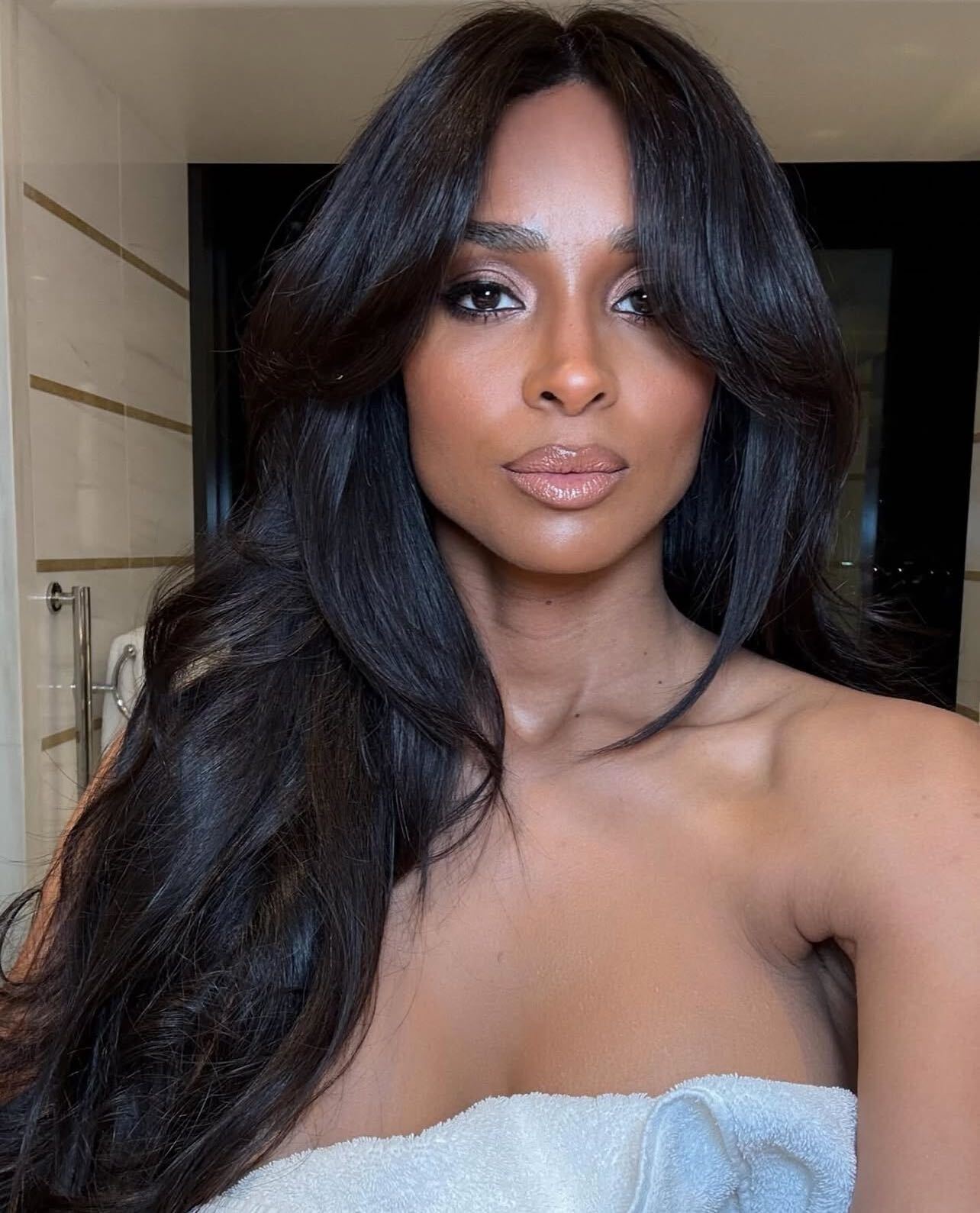
A voluminous blowout on mid-back dark brown hair works because the face-framing layers are cut to sweep away from the cheeks, not sit flat against them. The middle part and thick wavy texture give the stylist something to work with, so the volume holds its shape through a dinner shift or a long workday. Ask your stylist for: voluminous blowout with face-framing layers. A round brush and medium heat lift the roots and curve the ends under. This is a salon-level finish, not a five-minute fix, and it suits those with thick hair who are willing to block out twenty minutes with a dryer.
Mid-Back Loose Waves With Dark Blonde Balayage
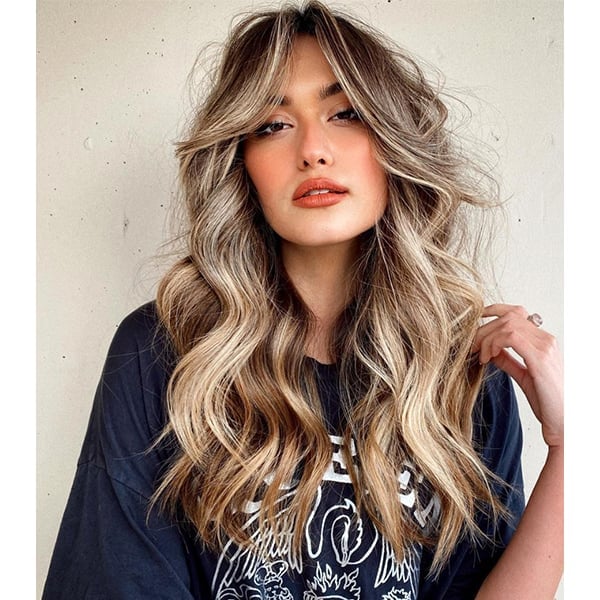
Loose waves on a mid-back length are a safe bet, but the dark blonde balayage here keeps it from looking like every other wavy style in the room. The lighter pieces start below the jaw, so the roots stay low-maintenance while the ends have a subtle shine. Ask your colorist for: mid-back loose waves with dark blonde balayage. Compared to a full foil, this placement grows out softer and needs a toning appointment every six to eight weeks rather than a root touch-up. A wave spray and scrunching give definition without heat, and the long layers prevent the ends from feeling bulky.
Mid-Back Layers With Dark Brown Balayage Highlights
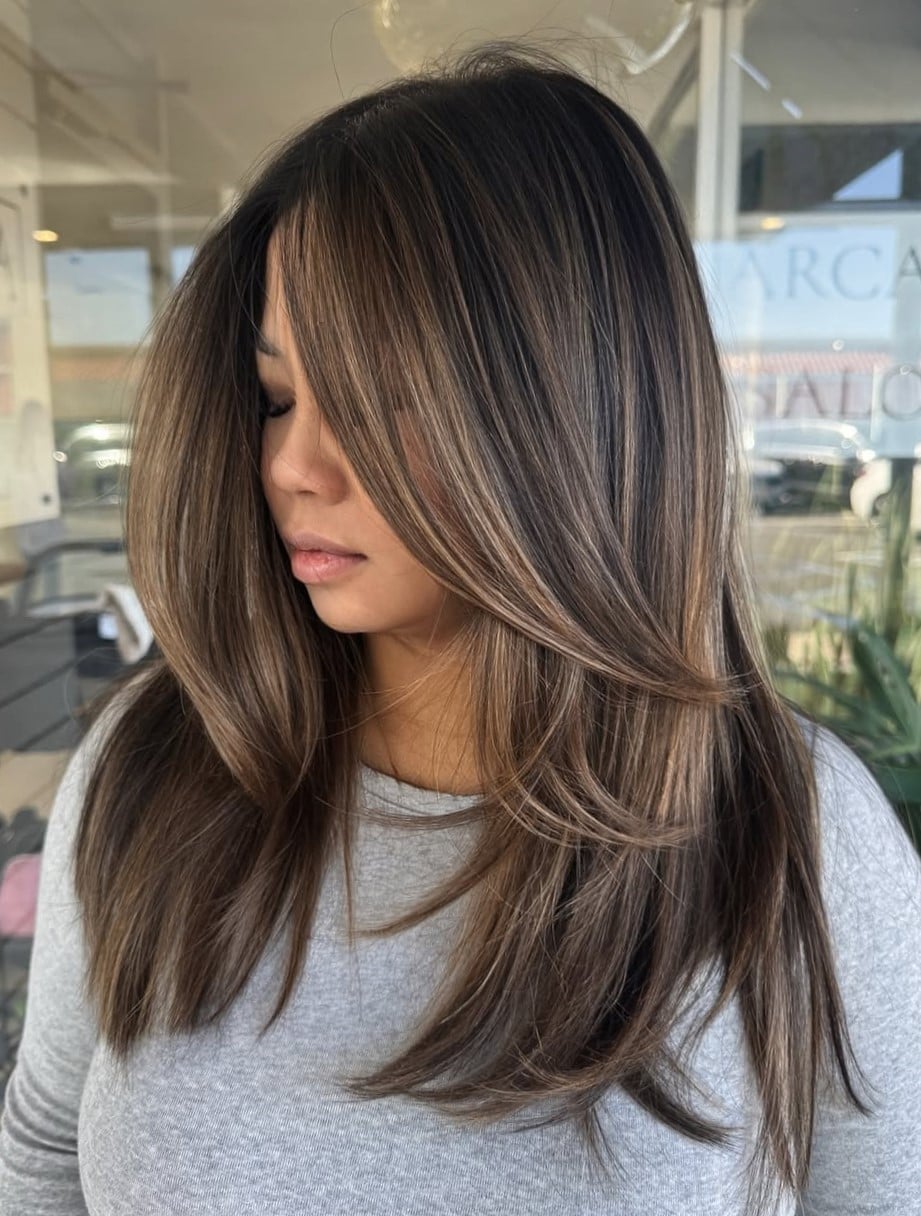
You want dimension without the commitment of full highlights. Ask your colorist for: mid-back layers with face-framing bangs and dark brown balayage. The long, soft layers and wavy texture allow the balayage to peek through naturally, and the face-framing bangs lighten the area around the eyes. This is a salon-only technique, so the consultation matters more than the styling. The dark brown base keeps the grow-out subtle for about ten to twelve weeks, and a large-barrel curling iron can add waves that show off the placement.
Layered Collarbone Cut With Side-Swept Bangs
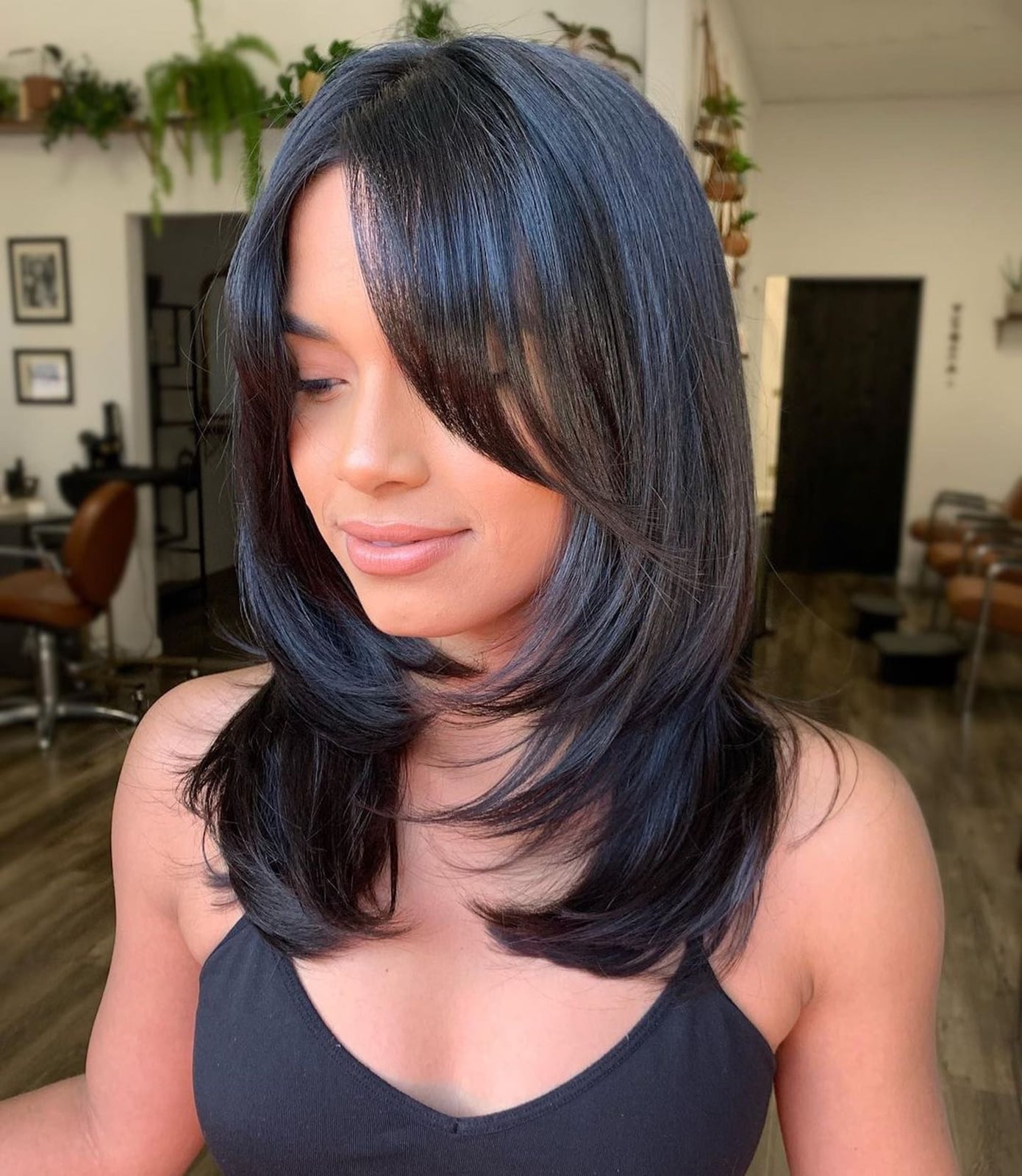
A collarbone cut with side-swept bangs needs a steady hand on the blow-dryer, because the side parting and thick straight texture will show every bend. Ask your stylist for: collarbone length layered cut with side-swept bangs. The layers add movement so the hair does not land as a solid triangle, but the real drawback is the bangs: they need a trim every three to four weeks to stay out of the eye, and they will not sweep the other way without water. The dark brown shade keeps the look polished, and the blowout finish works best for those who do not mind a few minutes with a round brush.
Wavy Chin Bob With Face-Framing Layers
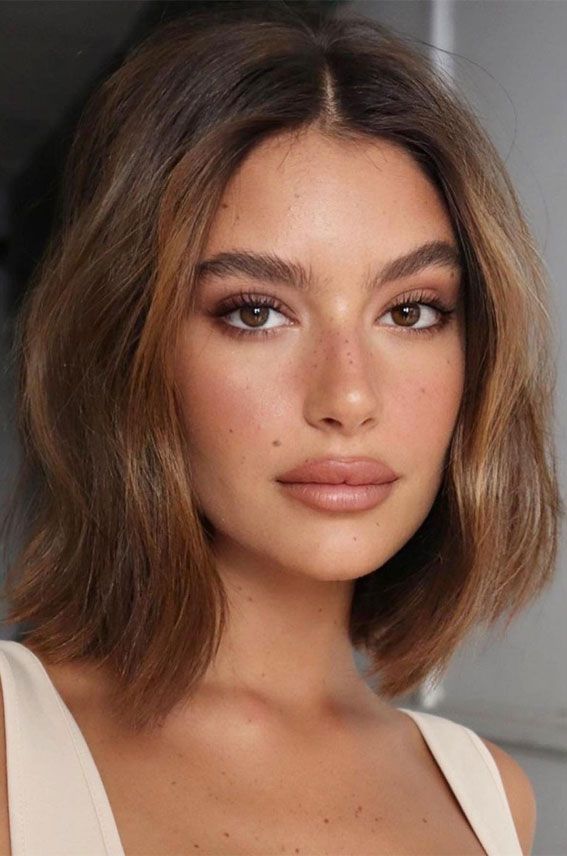
It’s the rare bob that gives you both a sharp chin-length line and the softness of face-framing layers, which is exactly why this wavy version works. The layers keep the shape from feeling boxy, while the subtle highlights add depth without turning into a full color commitment. It suits medium wavy hair best, and the face-framing pieces naturally complement oval and heart faces. Ask your stylist for: chin length wavy bob with face-framing layers. Use a diffuser attachment on your blow dryer to encourage the wave pattern, and plan on a trim every six to eight weeks to keep the line clean.
Collarbone Layers With Curtain Bangs and Highlights
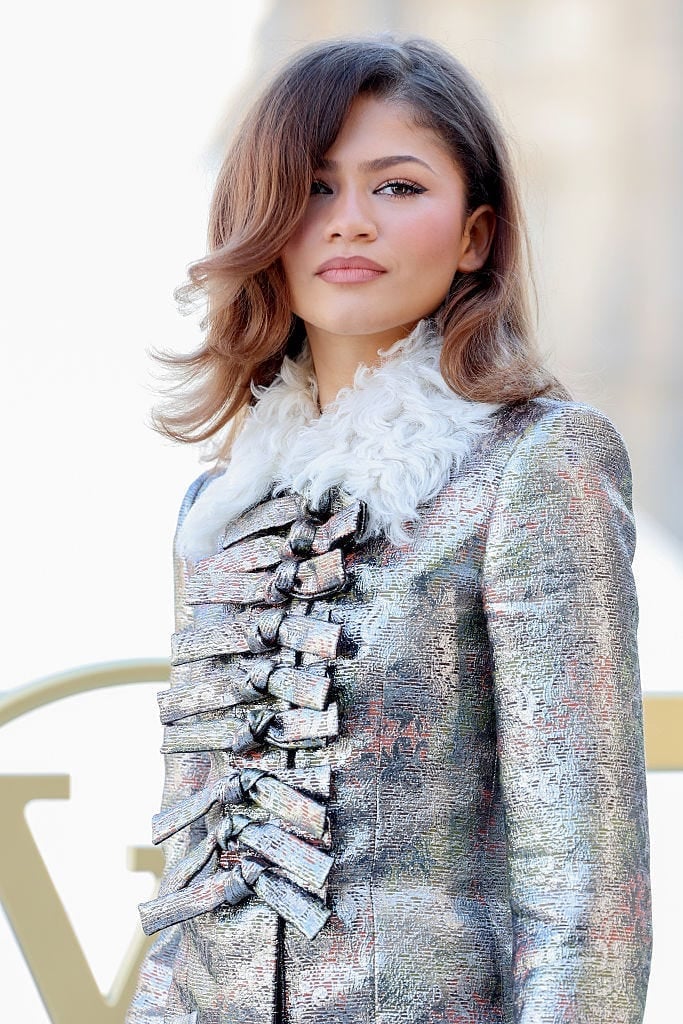
The mistake most people make with collarbone layers and curtain bangs is letting fine hair fall too flat, which makes the layers disappear and the bangs look like an afterthought. The fix is in the blowout: lift the roots with a round brush as you dry, especially at the crown, to give the soft layers something to play against. This cut works best on fine to medium wavy hair, and the curtain bangs do soften a round face without committing to a full fringe. Ask your stylist for: collarbone length with soft layers, curtain bangs, and blonde highlights. The color needs a toning appointment every six to eight weeks to keep the blonde from turning brassy, and the length will need a trim at the same rhythm to keep the layers from growing out into a shapeless blob.
Mid-Back Shag With Blonde Balayage

A mid-back shag with blonde balayage is the warm-weather answer to long hair that refuses to do anything interesting. The face-framing layers and curtain bangs give the length movement, and the balayage adds dimension that catches the light without looking like you tried too hard. It suits thick, wavy hair best, because the shag relies on texture to keep the layers from blending into one curtain of hair. Ask your stylist for: mid-back shag with face-framing layers and curtain bangs, blonde balayage. For a lived-in look, apply a sea salt spray to damp hair and let it air dry, or give it a quick blowout with a round brush for more polish. The balayage grows out gracefully, so you can stretch color appointments to every twelve to sixteen weeks, but the shag’s shape will need a trim every eight weeks to keep the layers from losing their edge.
It’s the kind of cut that works for weekend errands as much as for a beach vacation, because the texture is meant to look like you just rolled out of the ocean, not like you spent an hour with a curling iron.
Air-Dried Collarbone Lob With Balayage Blonde
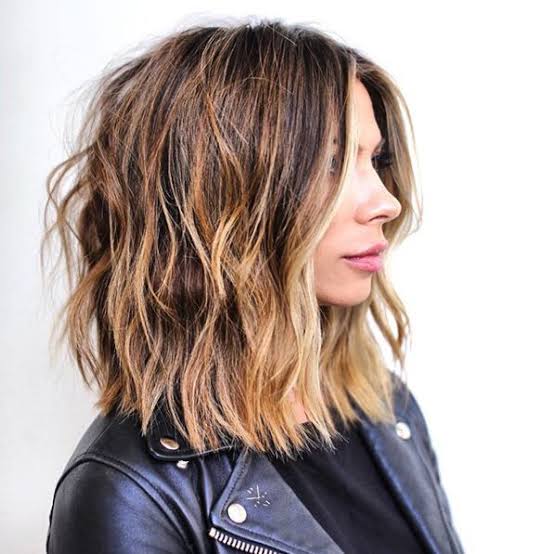
An air-dried collarbone lob with balayage blonde is the closest you’ll get to a wash-and-go haircut that still looks deliberate. The long layers and curtain bangs are cut to fall into place as they dry, and the balayage means the color is darker at the roots, so you can skip the salon for a while. It suits medium wavy hair best, and the low-maintenance styling is a bonus for anyone who hates holding a blow dryer. Ask your stylist for: collarbone length lob with long layers, curtain bangs, and balayage blonde. Apply a leave-in conditioner to damp hair and scrunch as you air dry; the waves will form on their own. Trim the baseline every six to eight weeks to keep the hemline from looking ragged, and the balayage only needs refreshing every three or four months.
Collarbone Blonde With Heavy Highlights and Volume
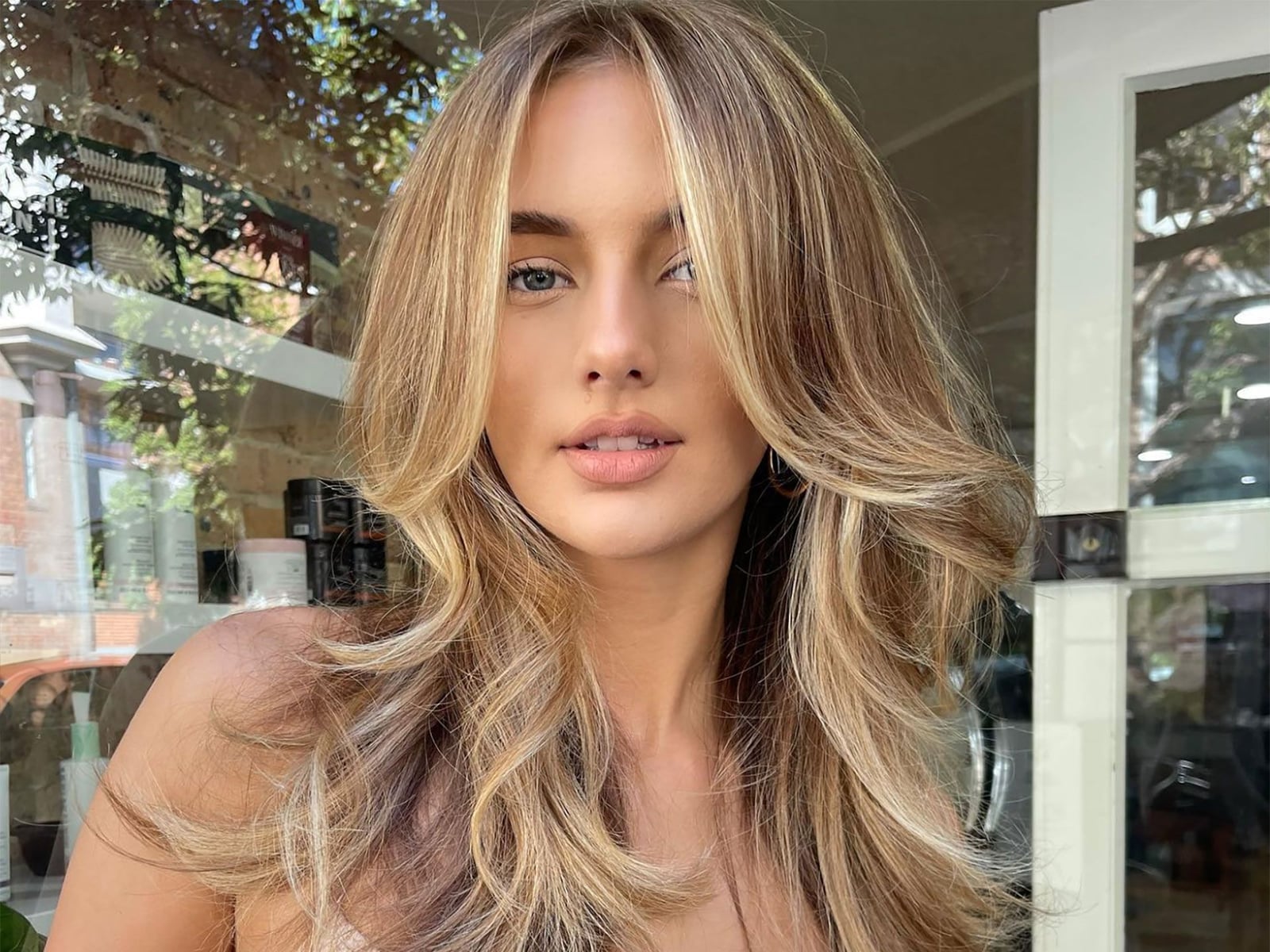
How do you ask for the kind of blonde that doesn’t look flat? You name the exact placement of the highlights and the volume you want. This collarbone cut leans on heavy, blended highlights that start close to the roots and run through the ends, with face-framing layers that give the front a brighter pop. It suits thick, wavy hair best, because the volume in the blowout keeps the heavy highlights from weighing hair down. Ask your stylist for: collarbone length blonde with heavy highlights, face-framing layers, and volume. To keep the brightness, use a volumizing mousse at the roots before blow-drying, and book a toning appointment every four to six weeks to stop the blonde from going brassy. The layers need a trim every eight weeks to hold their shape.
Collarbone Layers With Brown Highlights and Curtain, Close-Up Take

The clever part of this cut is how the curtain bangs are cut to blend into the collarbone layers, so the face-framing pieces look like a natural extension. The middle parting lets each side sweep outward, and the loose blowout keeps the thick, wavy texture from turning bulky. Ask your stylist for: collarbone length with soft layers, curtain bangs, and brown highlights.
To shape the bangs at home, blow-dry them with a round brush, directing the hair outward, then let the remaining hair dry naturally before finishing with a large-barrel iron for soft waves. A smoothing serum on the ends gives the brown base with subtle highlights a glossy finish. The bangs will need a trim every four to six weeks to hold their shape, while the collarbone layers can go a bit longer between appointments.
Textured Blonde Bob Updo
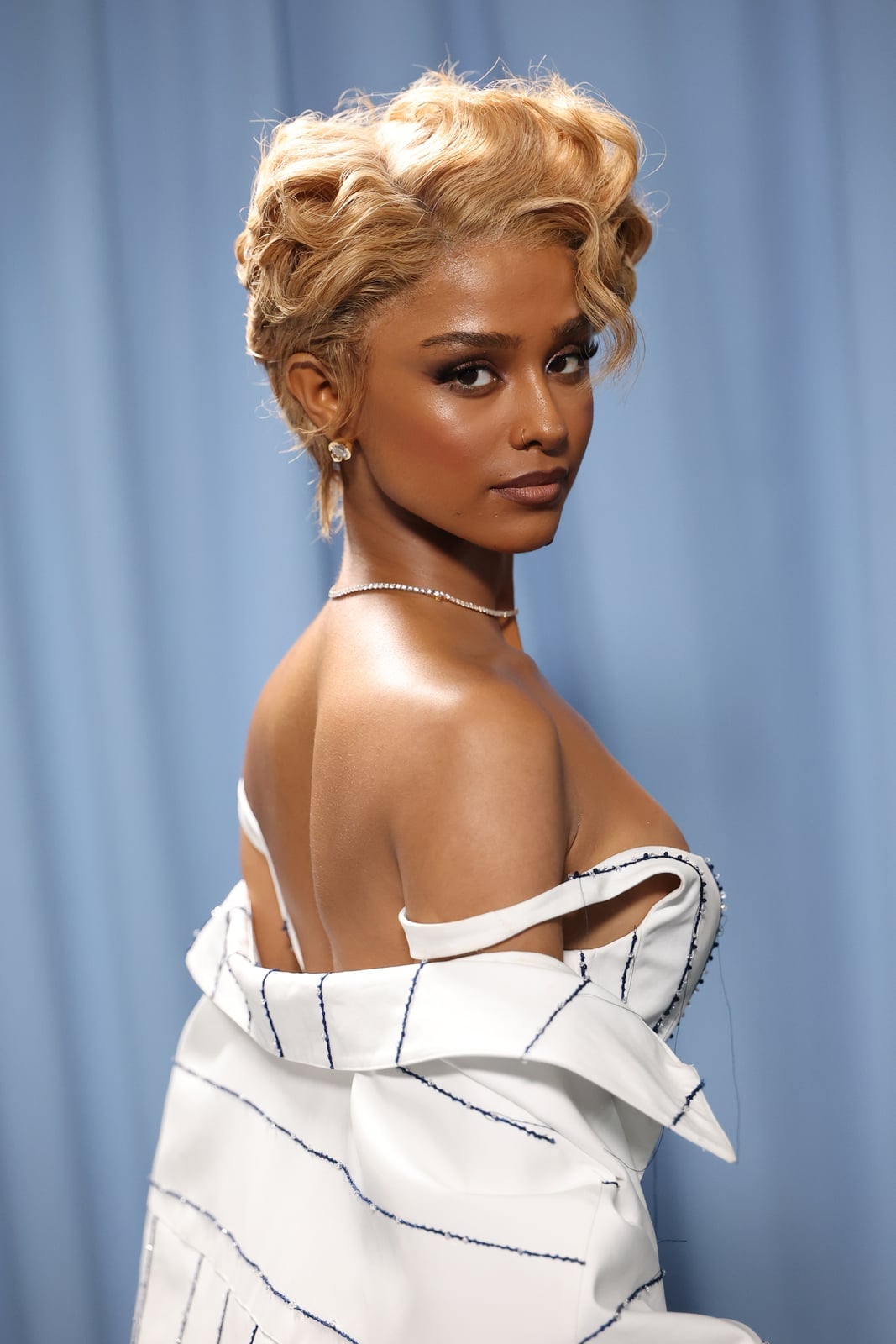
A chin-length bob has just enough hair to twist into an updo, and the fine, wavy texture gives it grip. Start by applying a texturizing spray through dry hair, then gather it at the nape and twist sections loosely, pinning each one as you go. The slicked-back finish means the blonde color shows through the texture without any flyaways. Ask your stylist for: chin length blonde bob styled into a textured updo. This is a salon-leaning style, but the updo itself takes about ten minutes once the cut is in place. A trim every eight to ten weeks keeps the bob short enough to hold the pins securely.
Mid-Back Black Box Braids With Flower Accessory
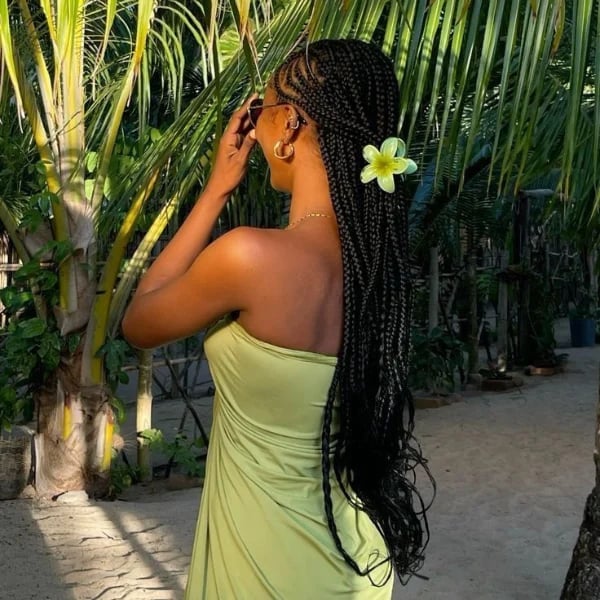
Box braids already read as a warm-weather staple, and the single flower tucked behind the ear pushes them into vacation territory. The mid-back length and thick, dense braids hold a side parting well, and the coily texture of the natural hair keeps the braids from slipping. Ask your stylist for: mid-back length black box braids. The flower accessory is the kind of detail that makes the style feel finished, and it works for a beach day or an outdoor evening event. Braids suit most face shapes, and the installation is the time commitment, usually several hours in the chair. Re-braiding every six to eight weeks keeps the parts clean and the edges neat.
Collarbone Layers With Dark Brown Highlights
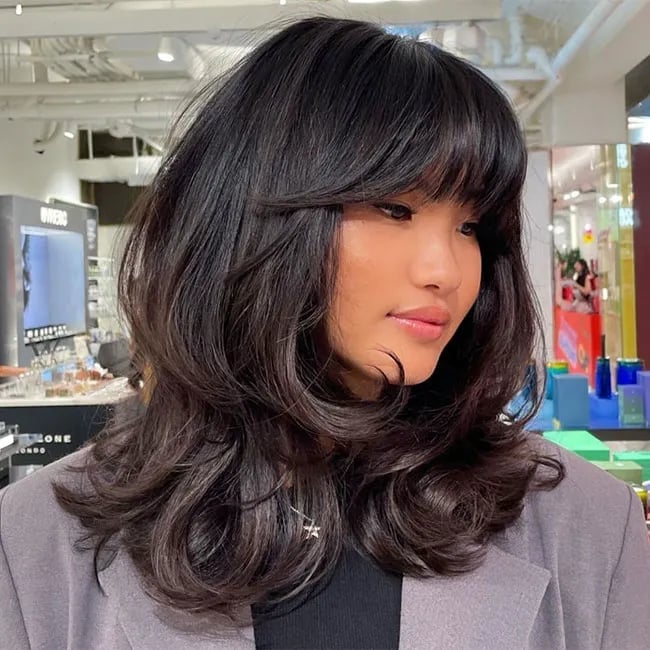
The long layers and face-framing pieces in this collarbone cut do the work of softening angular features, which is why it suits medium wavy hair that can carry the movement. The dark brown base with subtle blonde highlights adds dimension without a harsh grow-out line. Ask your stylist for: collarbone length with long layers, face-framing pieces, and dark brown highlights. To style, apply a texturizing spray to damp hair and scrunch as it dries, or use a flat iron to create soft waves. The highlights will need a touch-up every ten to twelve weeks to keep the blonde pieces from going brassy.
Mid-Back Curly Copper With Blonde Balayage
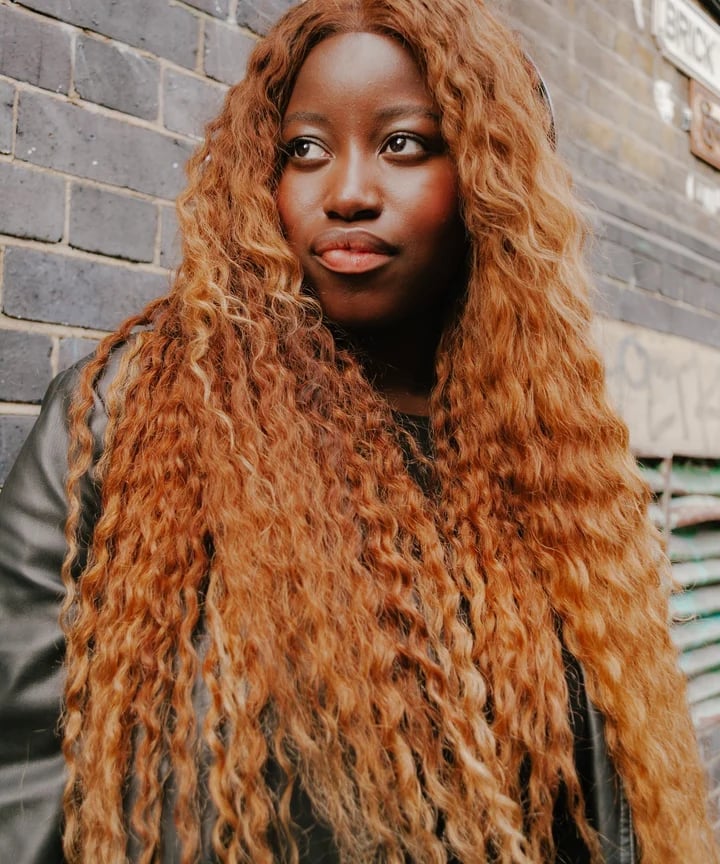
A vibrant copper with blonde balayage is a different beast than a subtle brunette melt: the copper reads loud and warm, while the balayage lightens the ends for depth. On thick, curly hair at mid-back length, the loose curl pattern lets the two tones show separately instead of blending into one flat shade. Ask your colorist for: mid-back length curly copper with blonde balayage. The air-dried finish is the point, so skip the heat and use a curl cream to define the pattern. Copper is a high-maintenance color, and a toning appointment every six to eight weeks keeps it from pulling orange.
Collarbone Dark Brown With Highlights and Curtain Bangs
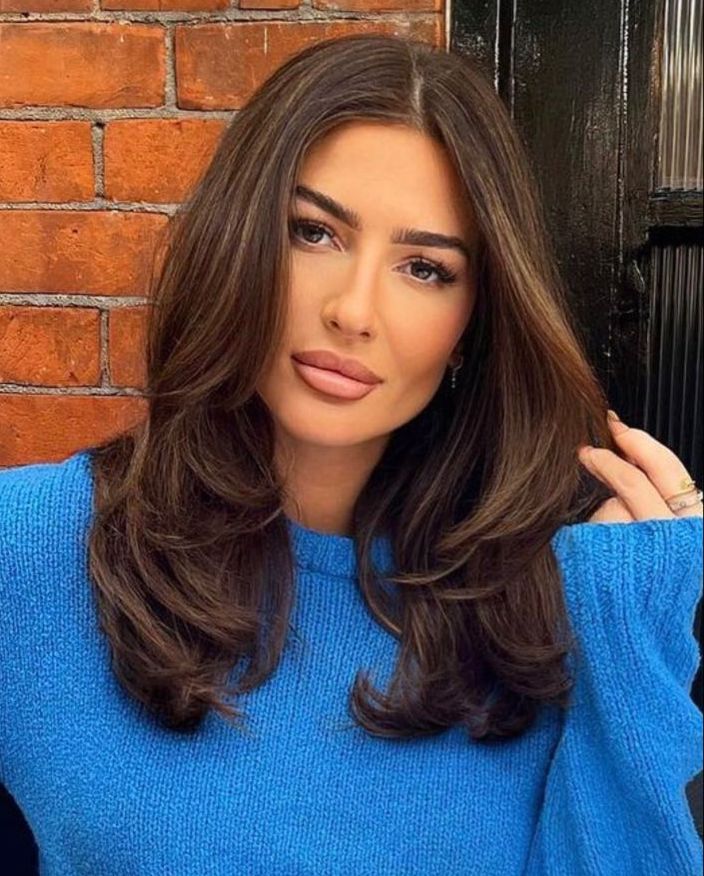
There is a rule about curtain bangs that no amount of wishful thinking will bend: they need daily attention to keep that soft, face-framing swoop. This collarbone-length cut pairs them with soft layers and a dark brown base, the subtle highlights adding enough dimension to keep the thick, wavy texture from reading as one solid block. Ask your stylist for: collarbone length with soft layers, curtain bangs, and dark brown highlights. A blowout with a round brush set on low heat gives the volume and gentle waves that make the middle parting sit properly. The honest trade-off is that on day two, the bangs will do their own thing, so a quick touch-up with a small iron is part of the routine. Plan on a bang trim every four to six weeks to keep the shape honest.
Mid-Back Dark Brown With Balayage Highlights, Styled In Loose Waves
The design logic of balayage is that the lightest pieces land where the hair naturally bends, so the color moves with the wave instead of sitting on top of it. On this mid-back length, the dark brown base holds the depth while the hand-painted highlights break up the mass, which matters when the texture is thick and wavy. Applied freehand through painting, the color is denser at the ends and softer at the root, a gradient that keeps the grow-out line from announcing itself. Ask your colorist for: mid-back length with loose waves and dark brown balayage highlights. The gloss finish comes from a shine serum worked through damp hair before diffusing. Because the color is subtle, a toning appointment every eight to ten weeks is enough to keep the highlights from warming up.
Collarbone Ash Blonde Lob With Curtain Bangs

An ash blonde lob is a commitment to cool tones, and that means a purple shampoo lives in your shower. This collarbone-length version keeps the color from feeling flat by weaving in subtle highlights that lift the medium-density wavy texture. The curtain bangs and soft layers break up the line, which is what makes the lob work on a rounder face: the pieces fall forward rather than hugging the jaw. Ask your colorist for: collarbone length ash blonde lob with soft layers and curtain bangs. A side parting and a loose blowout with a root-lifting spray give the volume without turning the waves into ringlets. Toning is the real appointment to keep, every four to six weeks, or the ash shifts brassy and the whole point of the color is gone.
Shoulder Length Natural Waves With Highlights
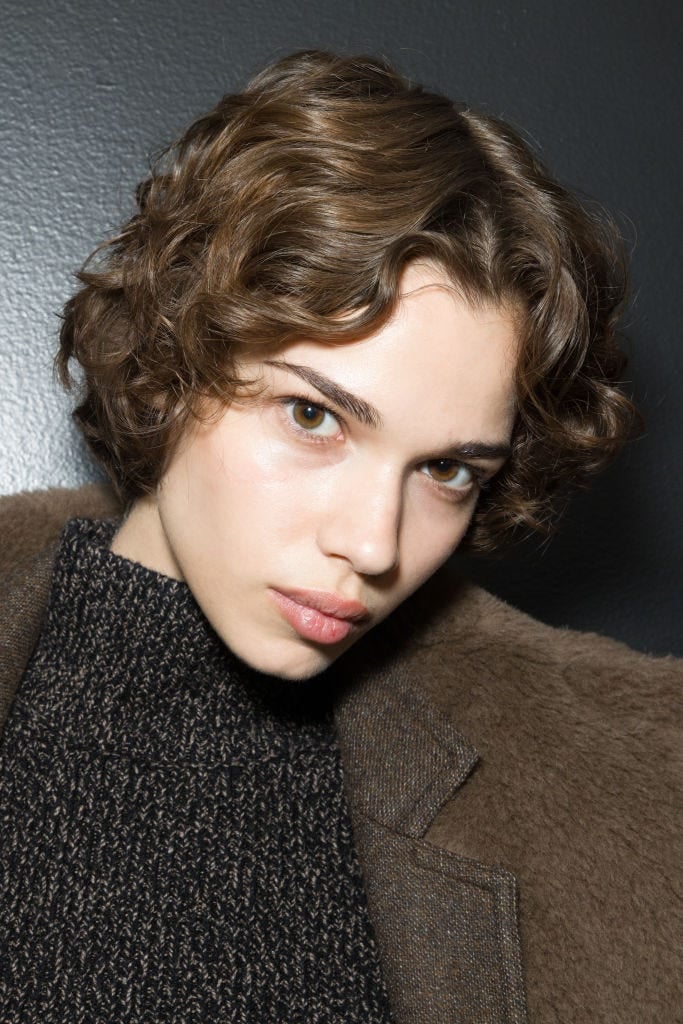
This is the rare style that looks better when you do less, which makes it a solid pick for anyone who would rather sleep in than fight a blow dryer. The shoulder-length cut with subtle layers and a middle parting lets the natural wave do the work, and the brown base with visible highlights gives it that lived-in color that grows out gracefully. Ask your stylist for: shoulder length with subtle layers and natural waves. To get close at home, work a leave-in conditioner through damp hair, scrunch from the ends up, and resist the urge to touch it while it dries. Air drying is the whole technique here, and it takes about as long as your hair takes. The salon part is the cut itself, which needs refreshing every eight to ten weeks to keep the layers from turning shapeless.
Ear Length Ash Blonde Bob With Volume

What is the actual challenge with an ear-length bob when your hair is fine and straight? Keeping it from sitting flat against your head like a wet sock. The sharp, clean line of this ash blonde cut is its best feature, but the volume has to be built in, not hoped for. Ask your stylist for: ear length ash blonde bob with volume. A volumizing spray at the roots before a blowout, with your head flipped forward, gets the lift started, and a round brush finishes the shape. The drawback is that fine hair at this length shows every bit of oil by the end of the day, so dry shampoo becomes a daily companion. Ash blonde also needs a toning appointment every four to six weeks to keep it from going yellow.
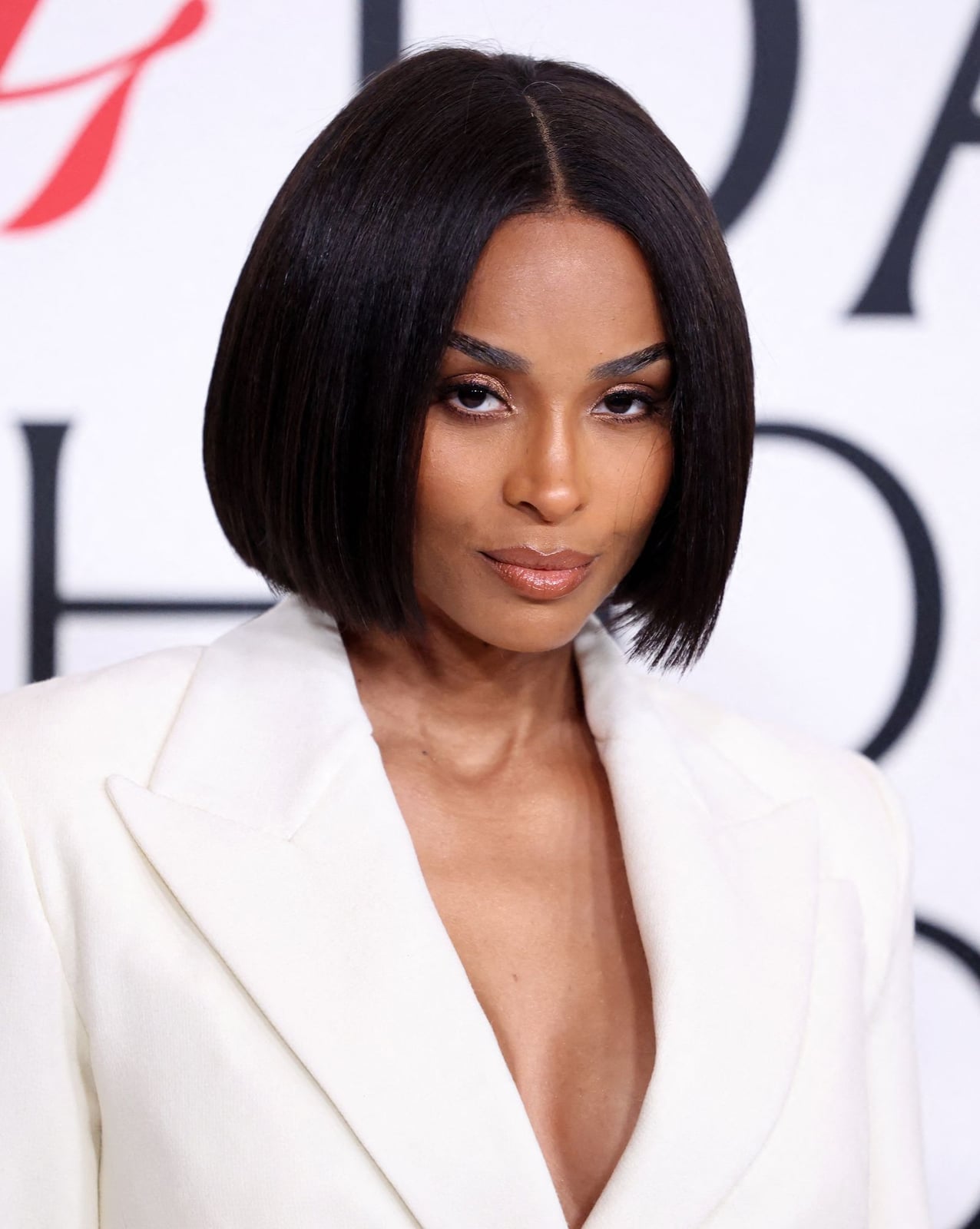
Chin Length Black Bob With Sharp Line
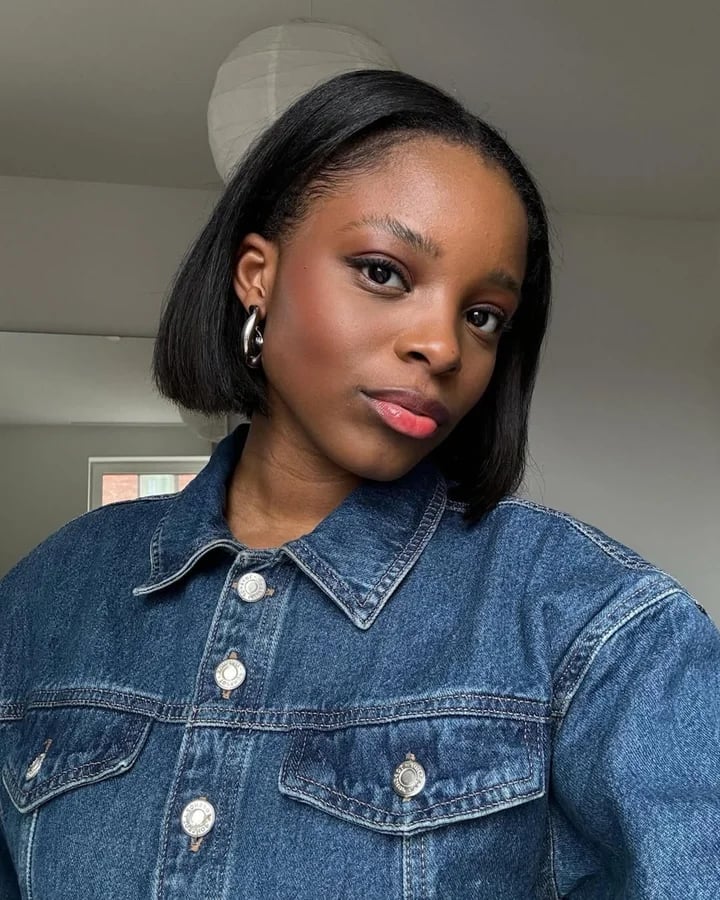
A sharp bob needs a trim more often than you think. The chin length black bob with a sharp clean line relies on a precise cut that loses its edge fast. Fine straight hair gives the cleanest finish here; a middle parting keeps the geometry strict. Ask your stylist for: chin length black bob with a sharp line. A flat iron and a heat protectant smooth the surface in about ten minutes. You will need a trim every six weeks to keep the line from wavering. A blunt bob this exact is not a low-maintenance shape.
Mid-Back Ash Blonde With Curtain Bangs
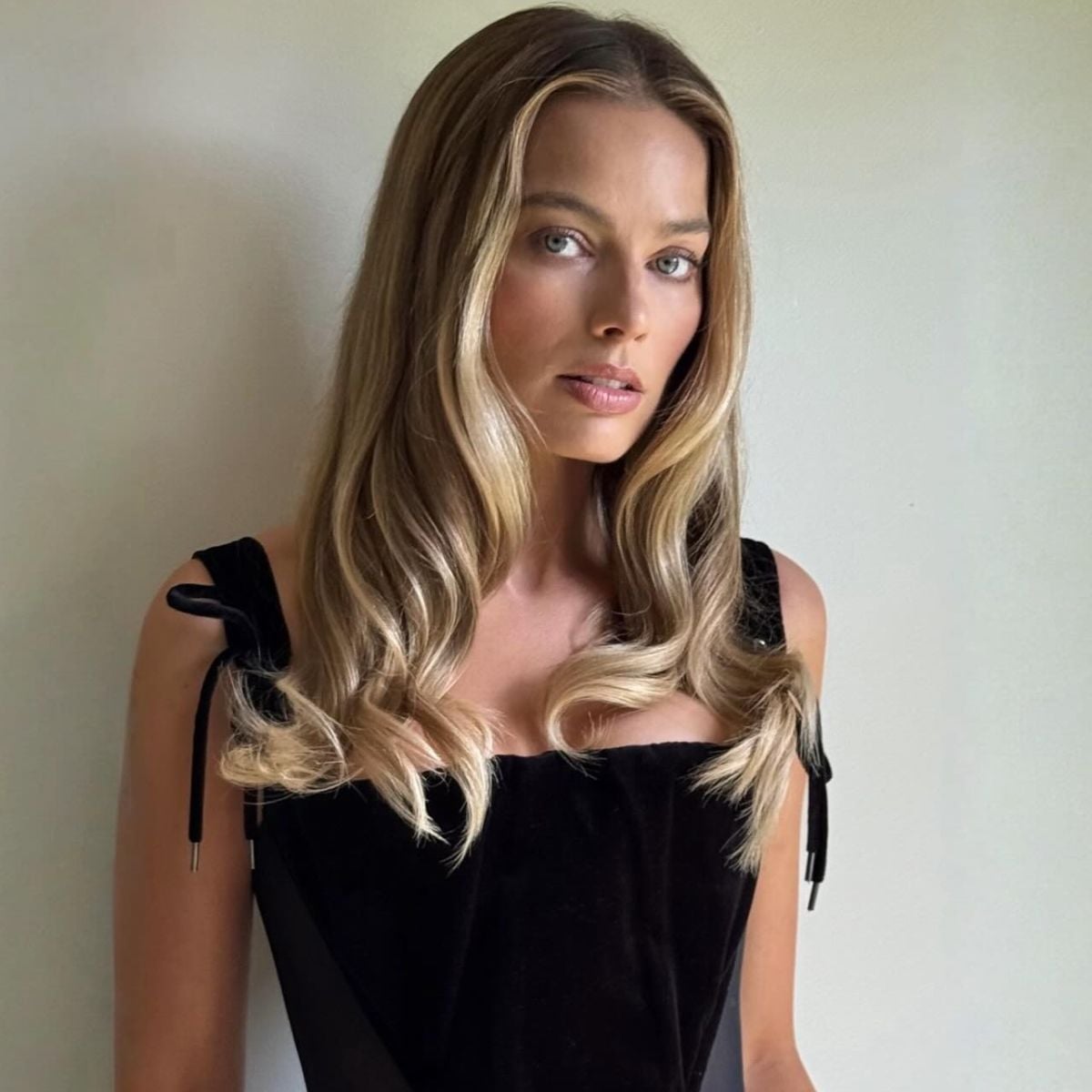
Cool ash blonde has a way of looking crisp in winter and fresh in summer, which makes it one of the more versatile blonde tones in the rotation. The mid-back ash blonde with curtain bangs pairs a thick, wavy texture with a voluminous blowout that lands somewhere between polished and undone. Subtle lighter highlights lift the cool base without turning gold. Ask your colorist for: mid-back length ash blonde with long layers and curtain bangs. The curtain bangs blend into the layers, so they grow out softer than a solid fringe.
This is a good pick for someone who wants length and movement without heavy commitment to a single part. The loose waves hold well through a workday if you set them with a round brush. A toning appointment every four to six weeks keeps the ash tone from shifting toward yellow.
Collarbone Bob With Blonde Highlights and Waves
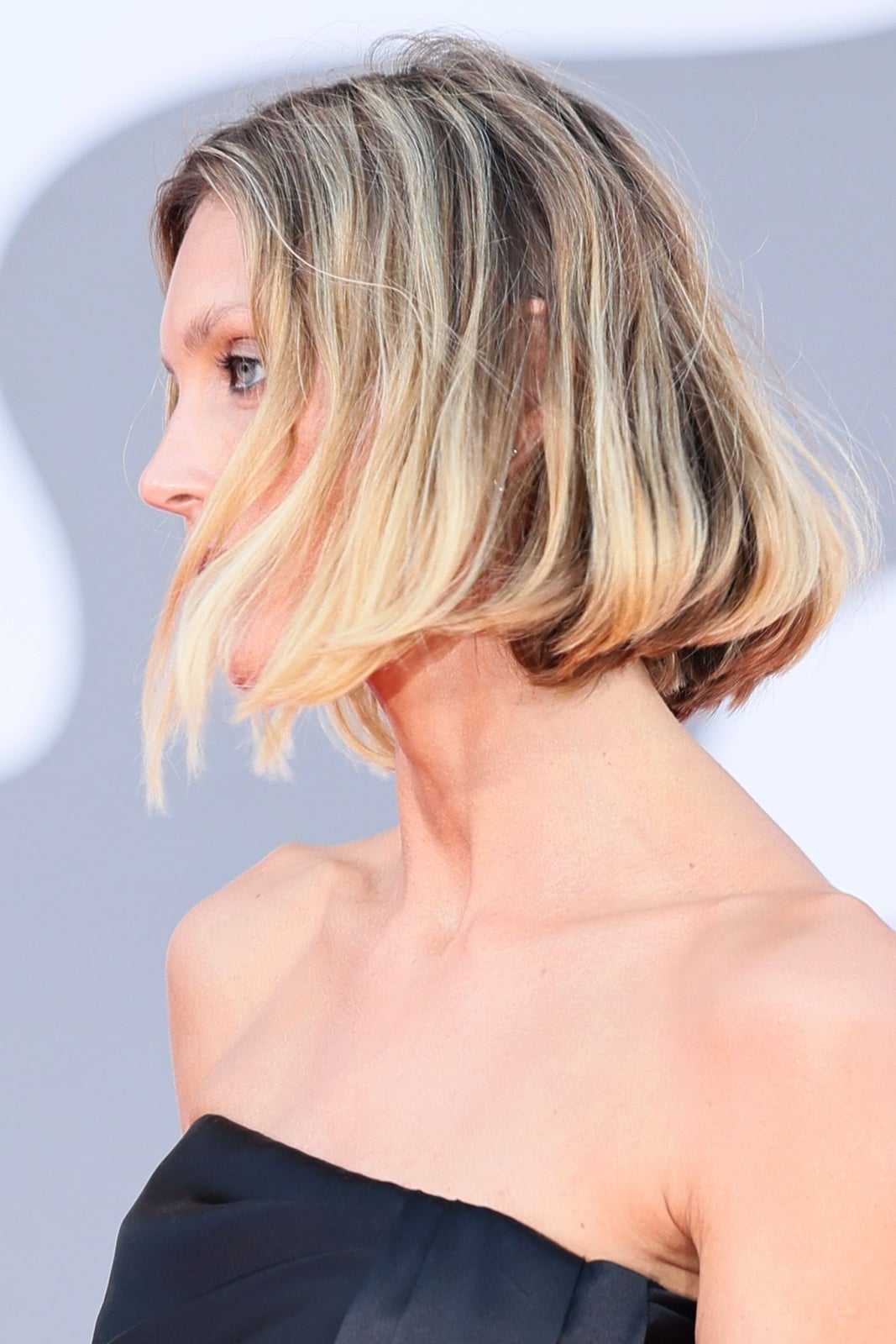
Soft waves that look natural start with the right cut. A collarbone bob with blonde highlights and waves relies on face-framing layers and a side parting to create movement around the face. The base is blonde with darker roots, so the highlights add dimension. Ask your colorist for: collarbone length bob with soft waves, blonde highlights, and darker roots. Fine, wavy texture holds this shape best. A sea salt spray on damp hair and a low-heat blowout take about fifteen minutes. The grow-out is forgiving because the darker roots are part of the plan.
Collarbone Blonde Bob With Blunt Bangs
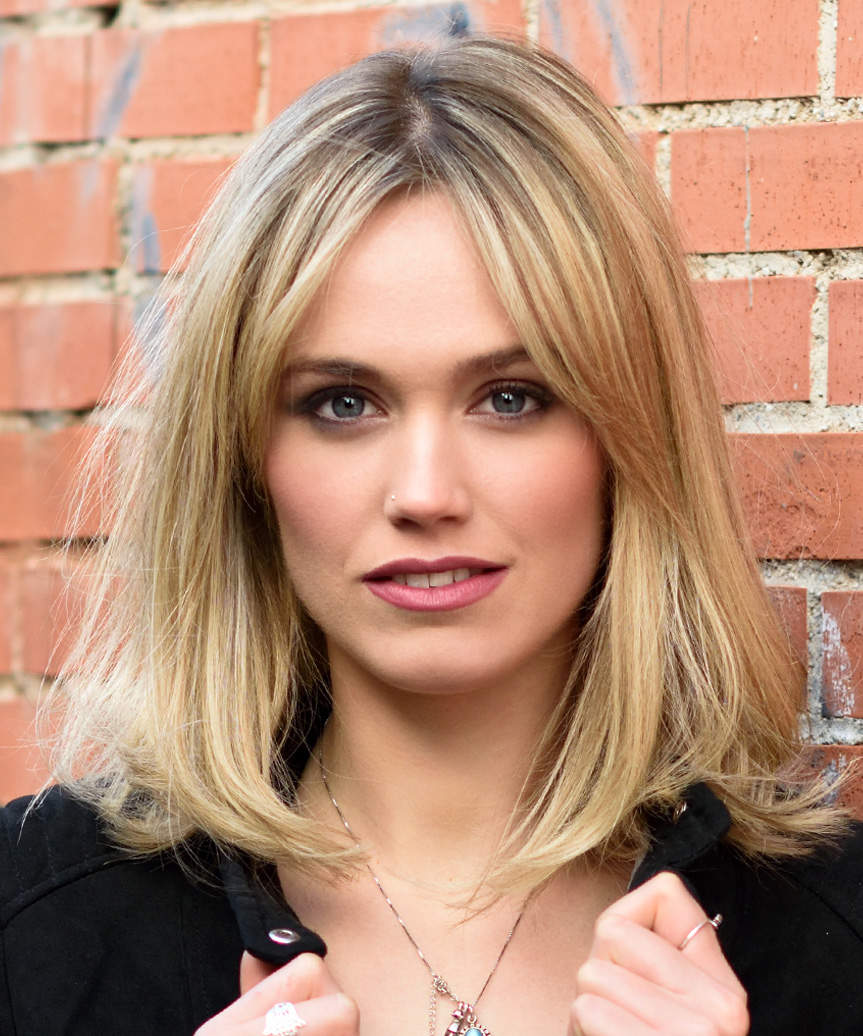
Blunt bangs look sharp for exactly three weeks. The collarbone blonde bob with blunt bangs is a graphic shape that depends on precision. Medium straight texture gives the bang its clean edge, and the collarbone length keeps the bob from feeling heavy. Ask your stylist for: collarbone length blonde bob with blunt bangs. The mistake people make is skipping the bang trim between cuts. Blunt bangs hit the brow, and anything past that length starts to feather. Budget for a trim every three to four weeks. A flat iron run over dry bangs in thirty seconds resets the line daily.
Chin Length Dark Brown Bob With Subtle Highlights
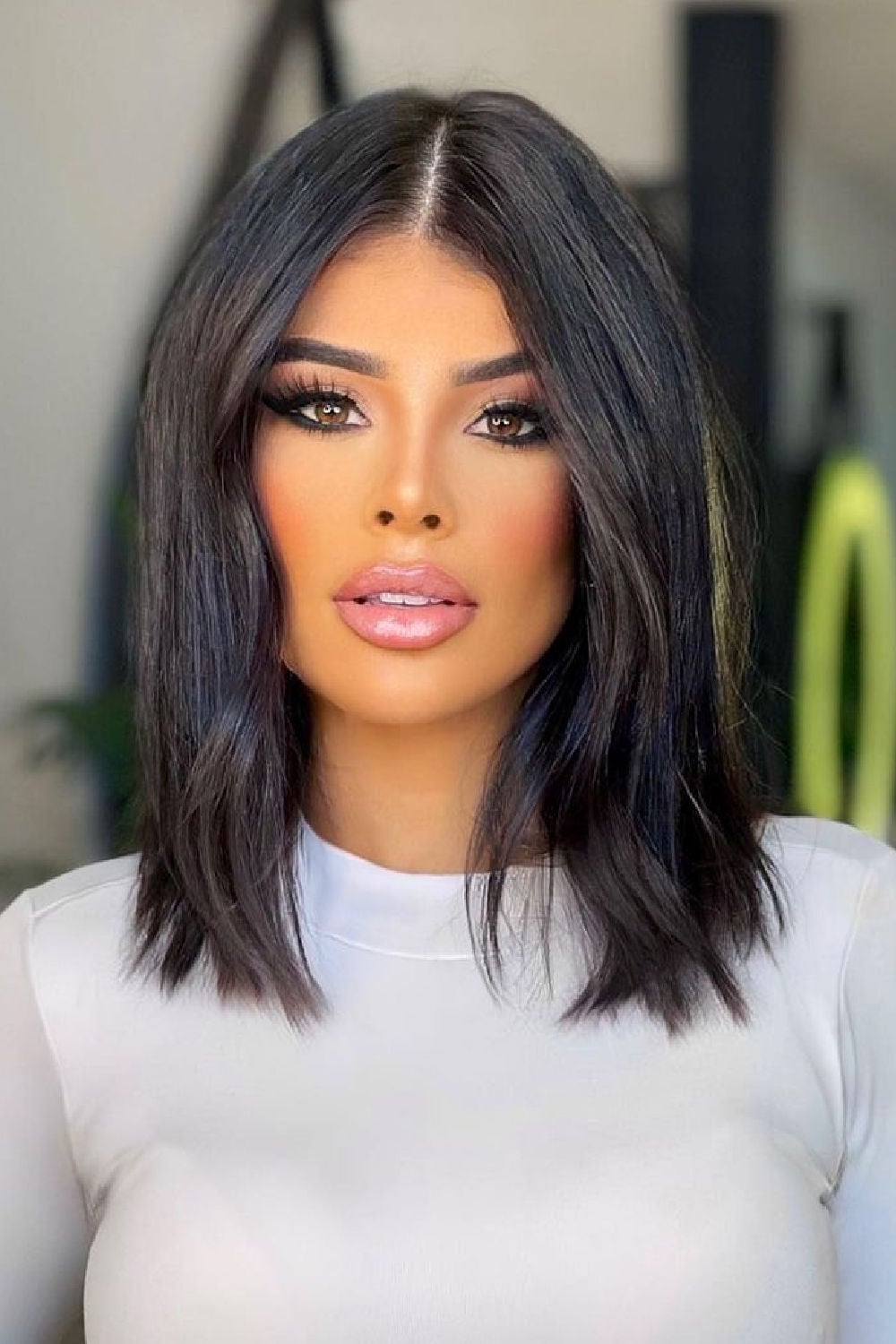
A chin length bob is only as good as its last trim. The chin length dark brown bob with subtle highlights uses a straight, glossy finish to emphasize the cut. Fine hair responds well to this shape because the blunt ends create the illusion of density without bulk. Ask your colorist for: chin length dark brown bob with subtle highlights. The subtle highlights sit around the face and add dimension without changing the base color. The blowout takes under ten minutes. Trim every six to eight weeks or the bob starts to round out at the edges.
Mid-Back Dark Brown With Curtain Bangs and Waves

The clever part of this cut is how the long layers are carved to start at the cheekbone, so the movement lands exactly where it softens the face. The dark brown base keeps the ends looking dense, which matters when the styling is a blowout with soft waves that need weight to hold their shape. Curtain bangs split at the middle and blend into those face-framing layers, so there is no hard line between fringe and length. Ask your stylist for: mid-back length dark brown with long layers and curtain bangs. Thick, wavy hair takes to this best, since the layers remove bulk without leaving the ends see-through. A texturizing spray at the roots and mid-lengths gives the waves grip, and the bangs need a trim every four to six weeks to keep their sweep.
The middle parting does the architectural work here, letting both sides mirror each other so the framing feels balanced. Because the layers are long rather than choppy, the cut grows out without turning into a shapeless mass. The glossy finish comes from the blowout itself, not from any product magic, so a round brush and a little patience are the real tools. It is a salon cut in the truest sense: the shape is set in the chair, and the daily styling is just maintaining what the scissors started.
Short Layered Blonde With Tousled Texture
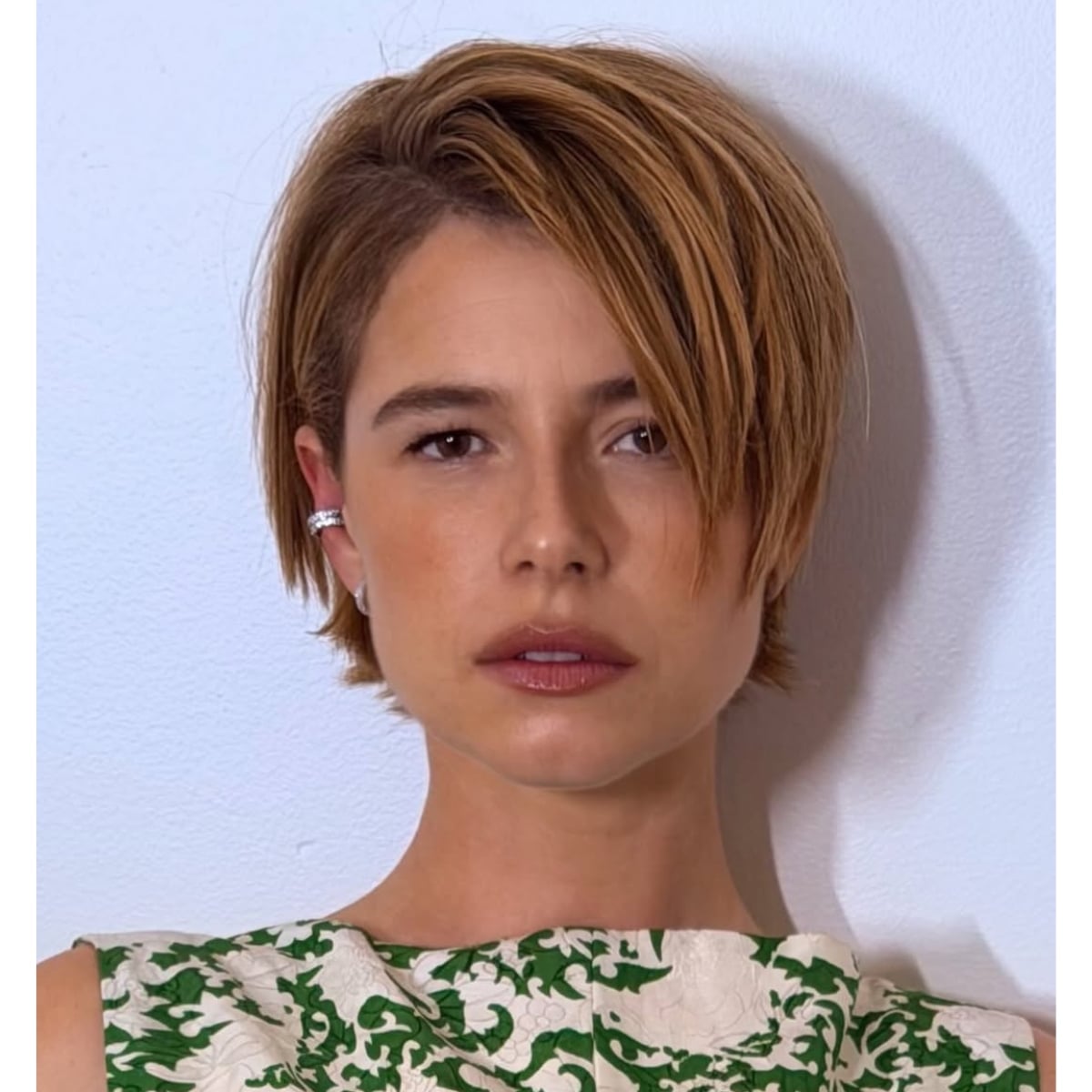
The ear-length layers here are cut short enough to read as a statement but textured enough to avoid any helmet effect, and the side-swept bangs keep the front from feeling severe. Fine, wavy hair is the ideal candidate, because the tousled finish adds the perception of thickness that a sleek style would never deliver. Ask your stylist for: short layered blonde cut with side-swept bangs. The blonde with subtle highlights gives the layers definition so each piece catches the eye separately. A matte paste or wax worked through dry hair creates that deliberately undone texture, and the style holds for a full day without fuss. The real drawback is the upkeep: a cut this short needs a trim every four to six weeks, or the shape starts to look accidental rather than designed.
Textured Brown Pixie With Short Bangs

The rule for a textured pixie is simple: the shorter the hair, the more the cut does the work, so start with a stylist who understands fine, curly texture. Ask your stylist for: short textured pixie cut with short bangs. After the salon, the styling is mostly about letting the natural curl do its thing. Wash, blot, and apply a light hold pomade or wax to define the pieces, then air dry. The slightly side parting gives the top a little lift without needing a blow dryer. A trim every four to six weeks keeps the shape honest, since a pixie grows out faster than it looks like it should. This is a DIY-friendly style once the cut is right, but the initial cut is not the place to save time.
Mid-Back Curls With Warm Brown Undertones
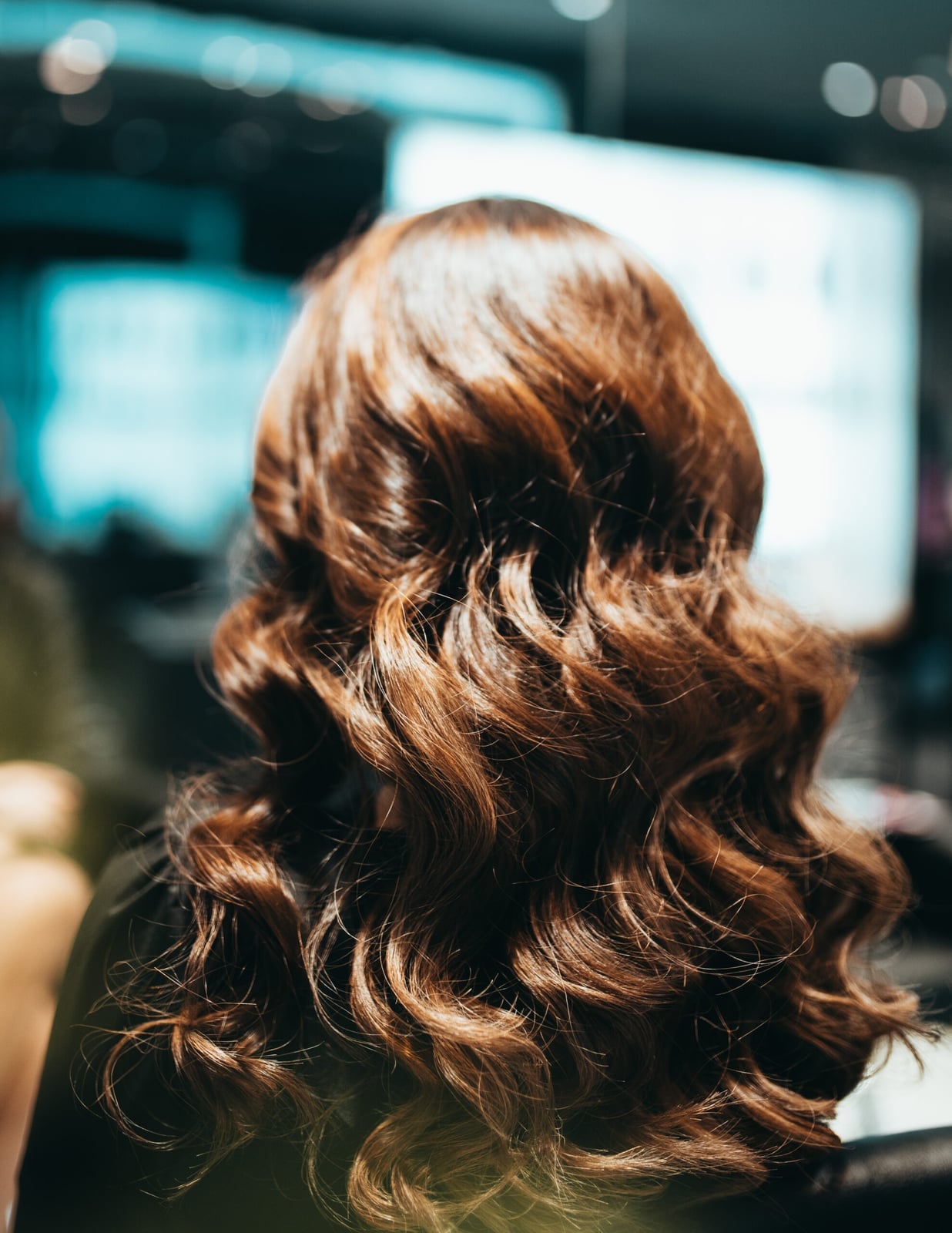
Set this against a cooler or neutral brown and the difference is immediate: the warm undertones make the mid-back curls look lit from within, while a flat tone would let the volume read as just big hair. The loose, voluminous curls here are built on thick, wavy texture that holds shape without constant re-curling. Ask your stylist for: mid-back length hair with loose voluminous curls. The medium brown with warm undertones keeps the color rich and not brassy, and the glossy finish comes from a curl-enhancing mousse applied to damp hair before diffusing. That method gives the roots lift and the ends definition, so the movement looks planned. A trim every eight to ten weeks keeps the ends healthy enough to bounce. This is a style that works for both day and evening, because the volume does not wilt by dinner.
The back view is where this style earns its keep, since the curls stack into a soft pyramid of movement that a straight style cannot match. The layers are cut to encourage the curl to spiral and not sit flat, which is why the shape holds even on humid days. For anyone with naturally wavy hair who has been fighting it straight, this is the case for letting the texture lead.
Collarbone Dark Brown With Face-Framing Layers
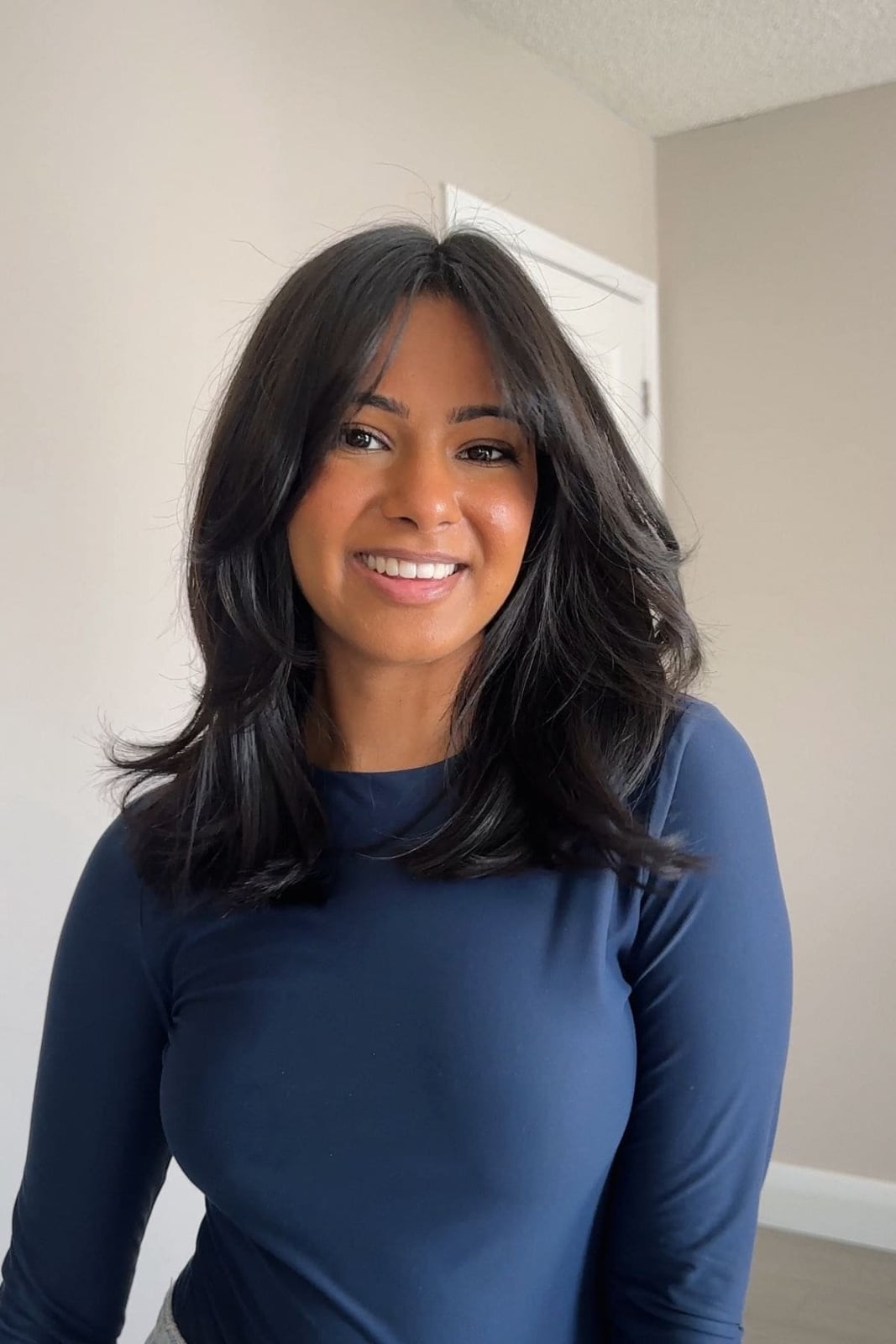
Thick, straight hair is a double-edged sword: it holds a blowout beautifully but can also sit like a heavy curtain if the cut has no internal structure. The face-framing layers here solve that by carving softness around the jaw, which is a standard trick for angular faces. Ask your stylist for: collarbone length dark brown hair with face-framing layers. The middle parting and collarbone length keep the style polished and work appropriate, while the layers give the front a gentle curve. A smoothing cream and a round brush are the tools for the blowout, and the result holds its shape for a full day. The drawback is that thick hair shows every skipped blowout, so air drying this cut tends to look plain. A trim every six to eight weeks keeps the layers from growing past their intended frame.
Collarbone Brown With Highlights and Wispy Bangs

Can wispy bangs actually stay soft instead of turning into a see-through fringe that parts at noon? The trick is asking for them to blend seamlessly into the layers around them, so the whole cut moves as one unit. This collarbone-length shape starts with a brown base and adds blonde highlights that weave through the wavy blowout, keeping the color from reading flat. The side parting lets the wispy bangs land at an angle rather than straight across, which makes them easier to sweep aside when you want a forehead break. Ask your stylist for: collarbone length with blonde highlights and wispy bangs. A texturizing spray after blow-drying gives the bang section just enough grip to stay put without looking glued down.
Textured Collarbone Lob With Messy Air-Dried Finish
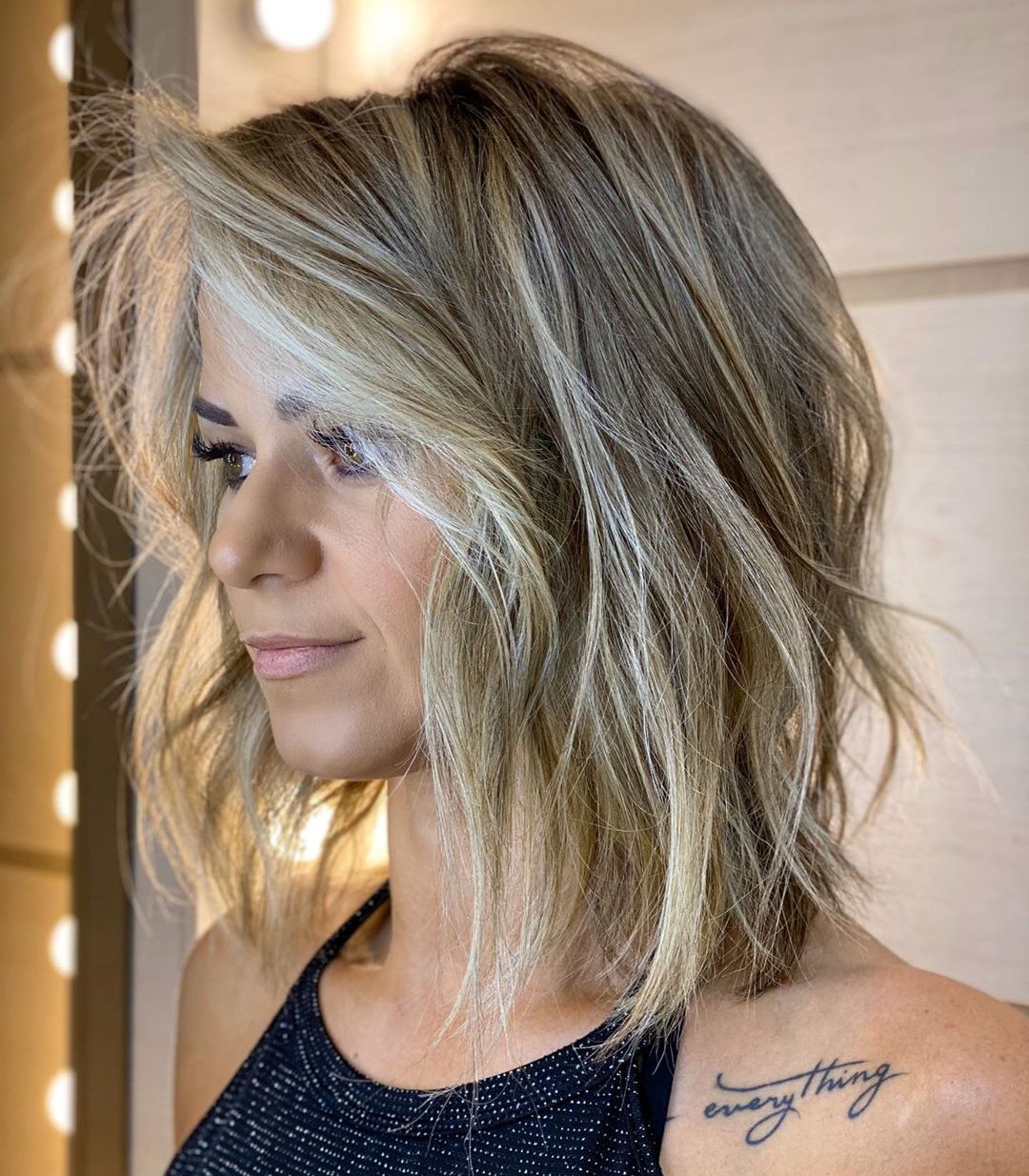
The mistake people make with an air-dried lob is assuming no styling means no effort. A collarbone-length lob with layers actually needs a little direction: a styling product scrunched into damp hair, then left alone to dry without touching it. The result is a medium wavy texture that looks deliberate, with blonde highlights adding dimension so the shape does not collapse into one vague blob of color.
One real drawback: on days the waves fall flat, re-wetting and starting over is faster than trying to revive dry hair with water alone. A trim every eight to ten weeks keeps the lob shape from becoming a lank, shapeless hemline. Ask your stylist for: collarbone textured lob with messy air-dried finish.
Final Thoughts
Fine hair benefits from a blunt cut with minimal layers to keep density at the ends. Thick hair can take more extensive layering and textured shapes without losing body. A round face needs length that falls below the chin to elongate the silhouette.
- Trim blunt cuts every 6-8 weeks to maintain sharp lines.
- Tone balayage and highlighted blondes every 8-10 weeks to preserve vibrancy.
- Use a heat protectant spray before blow-drying or using hot tools.
- Wash hair 2-3 times a week, allowing natural texture to air dry when possible.
Find the style that makes you feel most confident.

