An interview hairstyle walks a tightrope between showing personality and looking like you spent more than ten minutes on it. The current trick is to lean into soft, face-framing layers and lived-in color rather than a stiff, flat-ironed sheet.
This collection of 25 Interview Hairstyles covers the full spectrum: from a five-minute blowout on a shoulder-length lob to an intricate twisted updo that holds all day. Whether your hair is fine and falls flat by noon or you have a fringe that refuses to sit straight, there is a polished option here that stays put through handshakes and follow-up questions.
Collarbone Lob With Honey Blonde Balayage
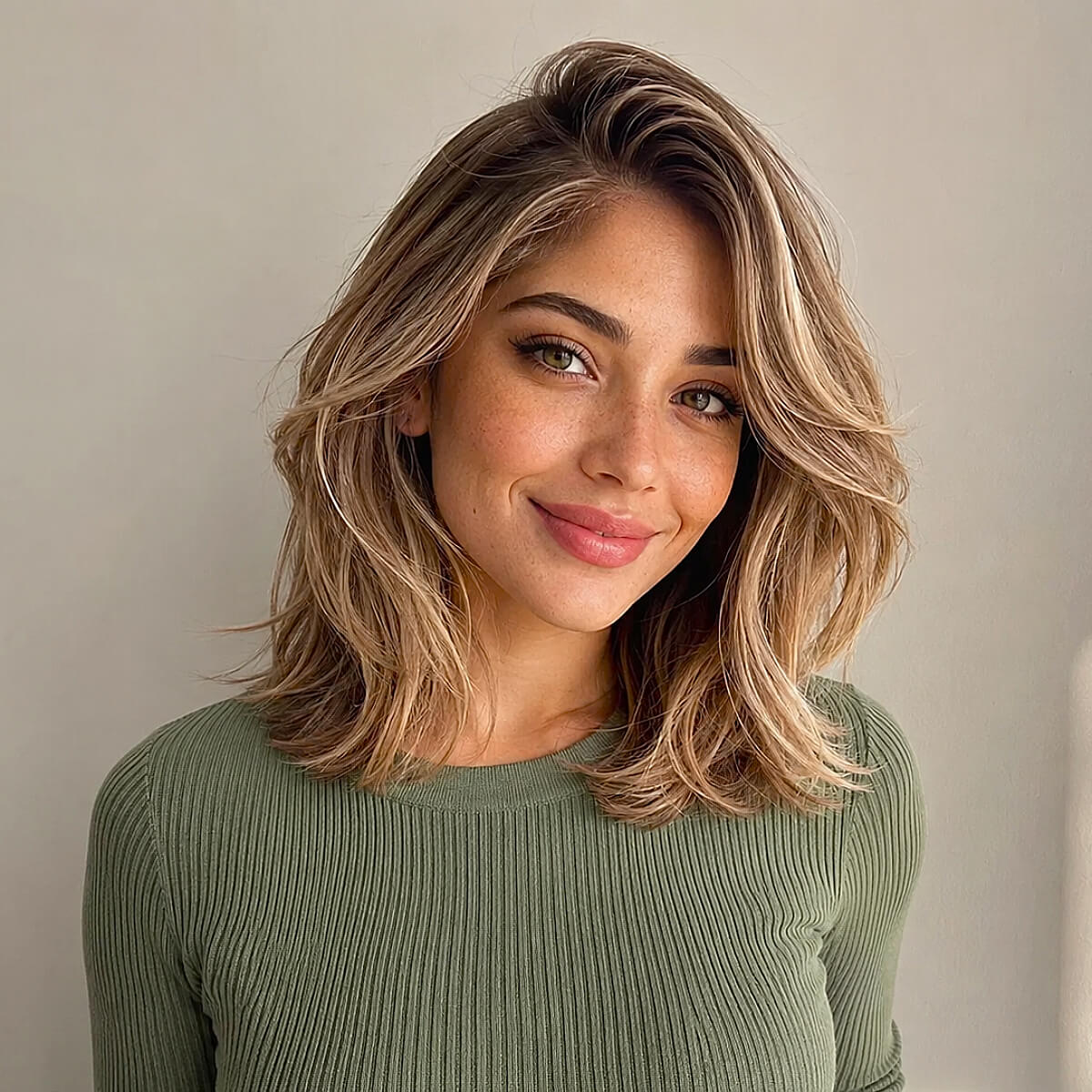
That middle part and those curtain bangs soften the collarbone-length lob into a polished look. The honey blonde balayage adds dimension to the loose waves. This cut works well for medium density wavy hair and suits round and heart faces, thanks to the way the fringe frames things. Ask your stylist for: collarbone lob with soft layers and curtain bangs, honey blonde balayage. Blow-dry the fringe forward with a round brush for that lived-in shape, and plan on a trim every six to eight weeks to keep the baseline sharp.
Medium Brown Lob With Face-Framing Layers
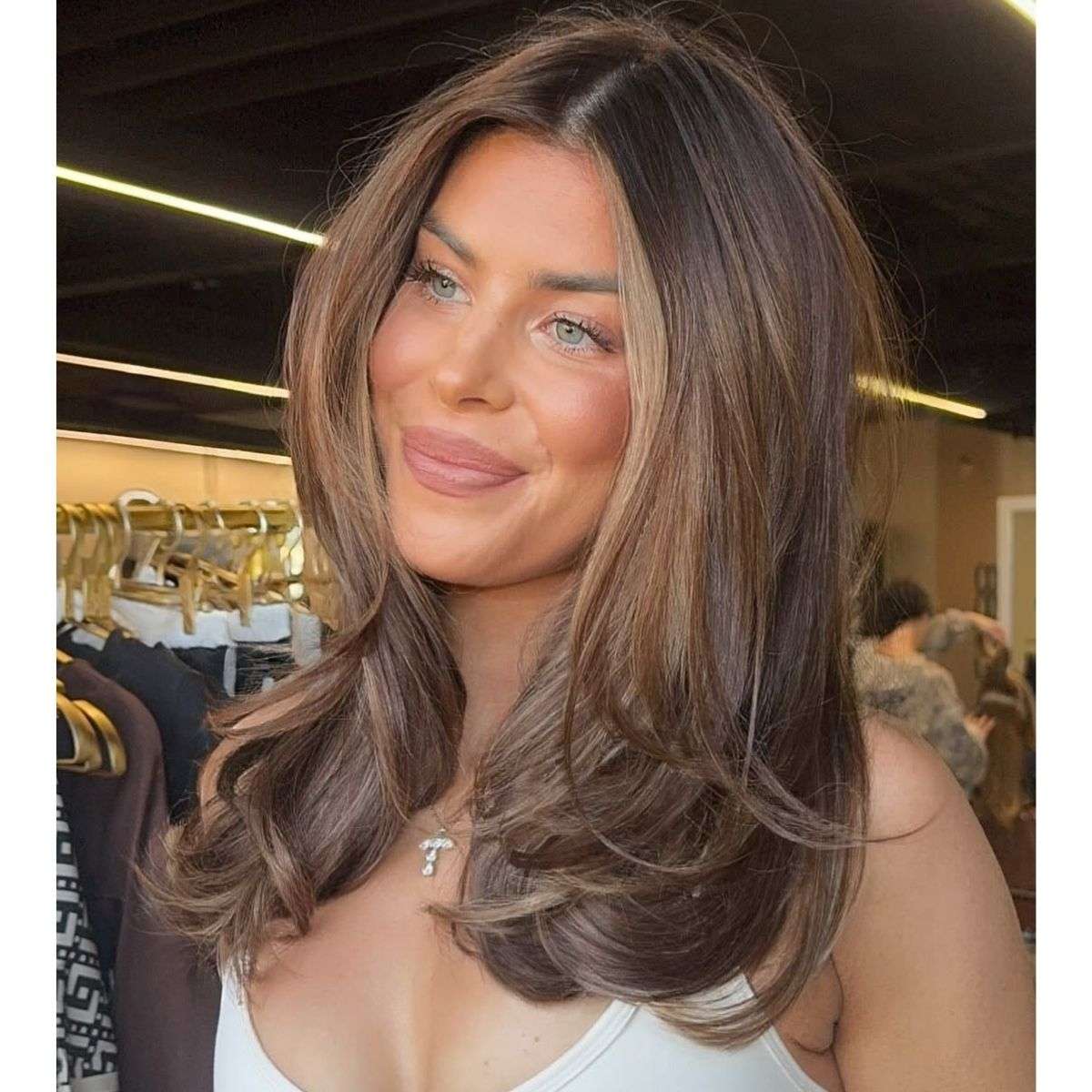
Wondering how to get those soft face-framing layers that seem to suit everyone? The trick is in the placement: they start around the chin and reach the collarbone length, so they add movement without chopping off weight. The medium brown balayage highlights keep the dimension subtle rather than stripey, and the loose waves hold their shape through a full interview block. Ask your stylist for: collarbone lob with soft face-framing layers, medium brown balayage. This cut works with medium density hair and most face shapes, so it is a safe bet for a first impression.
Ash Blonde Lob With Curtain Bangs
A cool ash blonde lob gains its polish from the way the highlights are woven through the layers. The curtain bangs are cut to graze the cheekbones, which makes the blowout look intentionally smooth rather than just flat. The thick wavy texture holds the shape well, and the middle part keeps everything symmetrical. Ask your colorist for: shoulder-length lob with curtain bangs, ash blonde with subtle highlights. The toner is what stops the ash from turning muddy, so a gloss every four to six weeks keeps it bright.
Chin Length Bob With Wavy Curtain Bangs
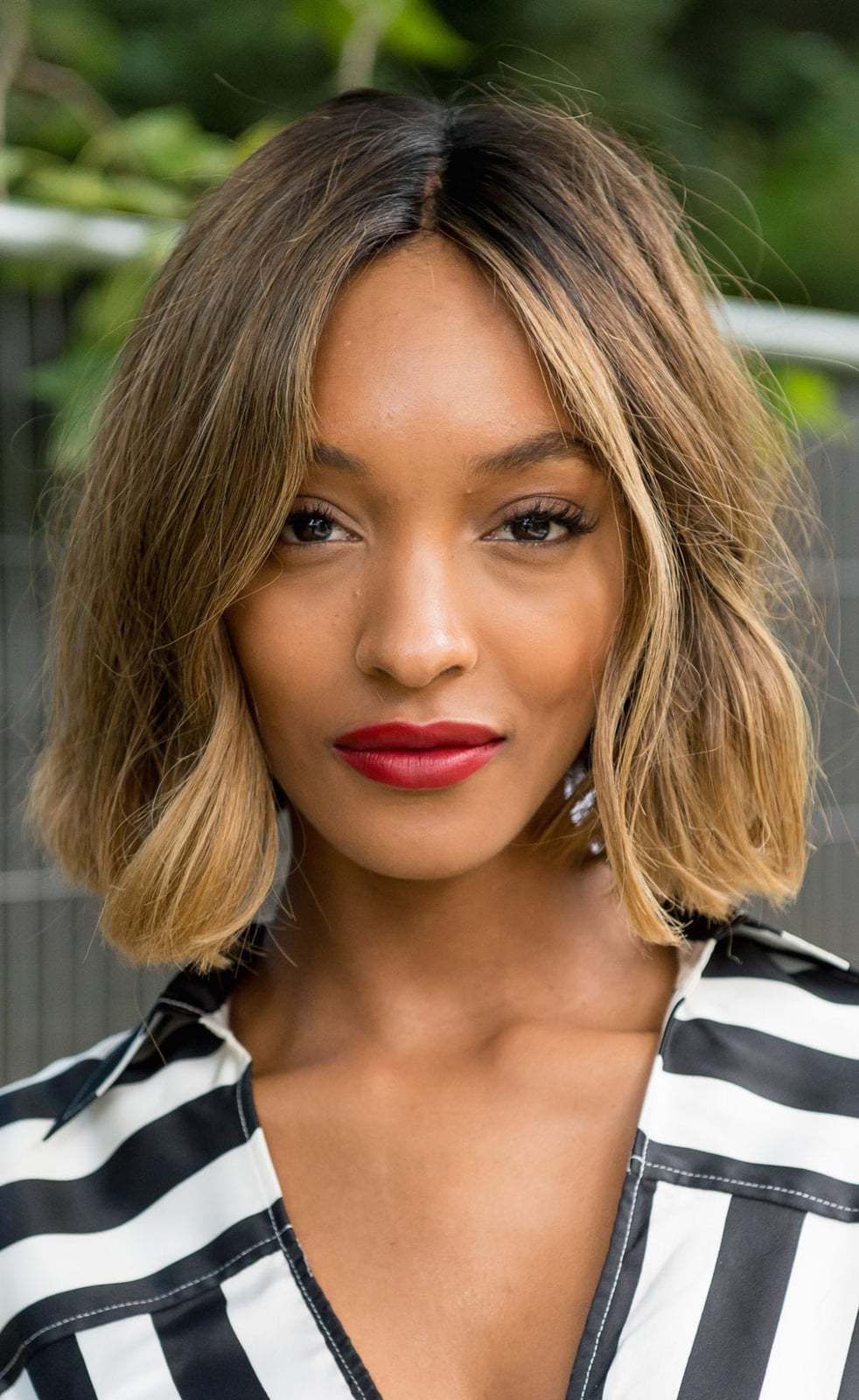
A chin-length bob can read as severe, but add wavy curtain bangs and the whole thing softens into something sharper than a longer cut but still approachable. The dark brown base with subtle blonde highlights gives it depth without requiring constant toning. This is a good alternative to a longer lob if you want less hair to manage but still want movement. Ask your stylist for: chin length bob, wavy curtain bangs, dark brown with blonde highlights. Use a diffuser on low heat to encourage the wave pattern, and book a trim every six to eight weeks.
Shoulder Length Layers With Smooth Blowout
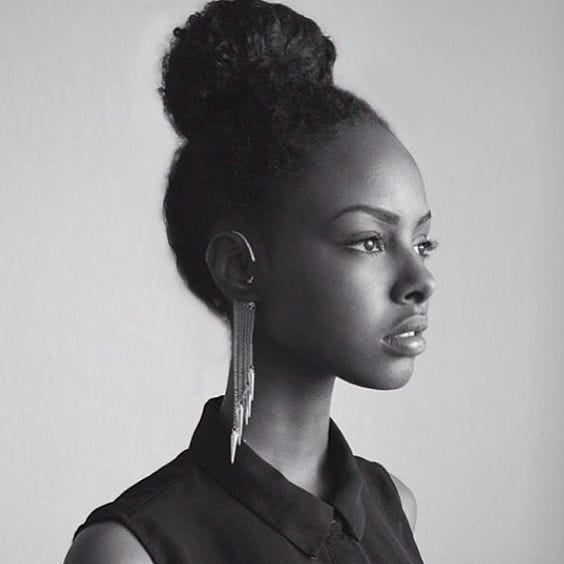
A smooth blowout on thick wavy hair takes some effort, but the result is a polished finish that holds through a long day of meetings. The face-framing layers keep the weight from pulling the shape flat, and the dark brown color gives it a glossy, low-maintenance look. The middle part and soft curtain bangs add structure without needing a full restyle at lunch.
Ask your stylist for: shoulder length hair with face-framing layers, smooth blowout. Apply a smoothing cream to damp hair before blow-drying to cut down on frizz. A trim every six to eight weeks keeps the ends from splitting and the layers from growing out unevenly.
Collarbone Bob With Swept Forward Layers
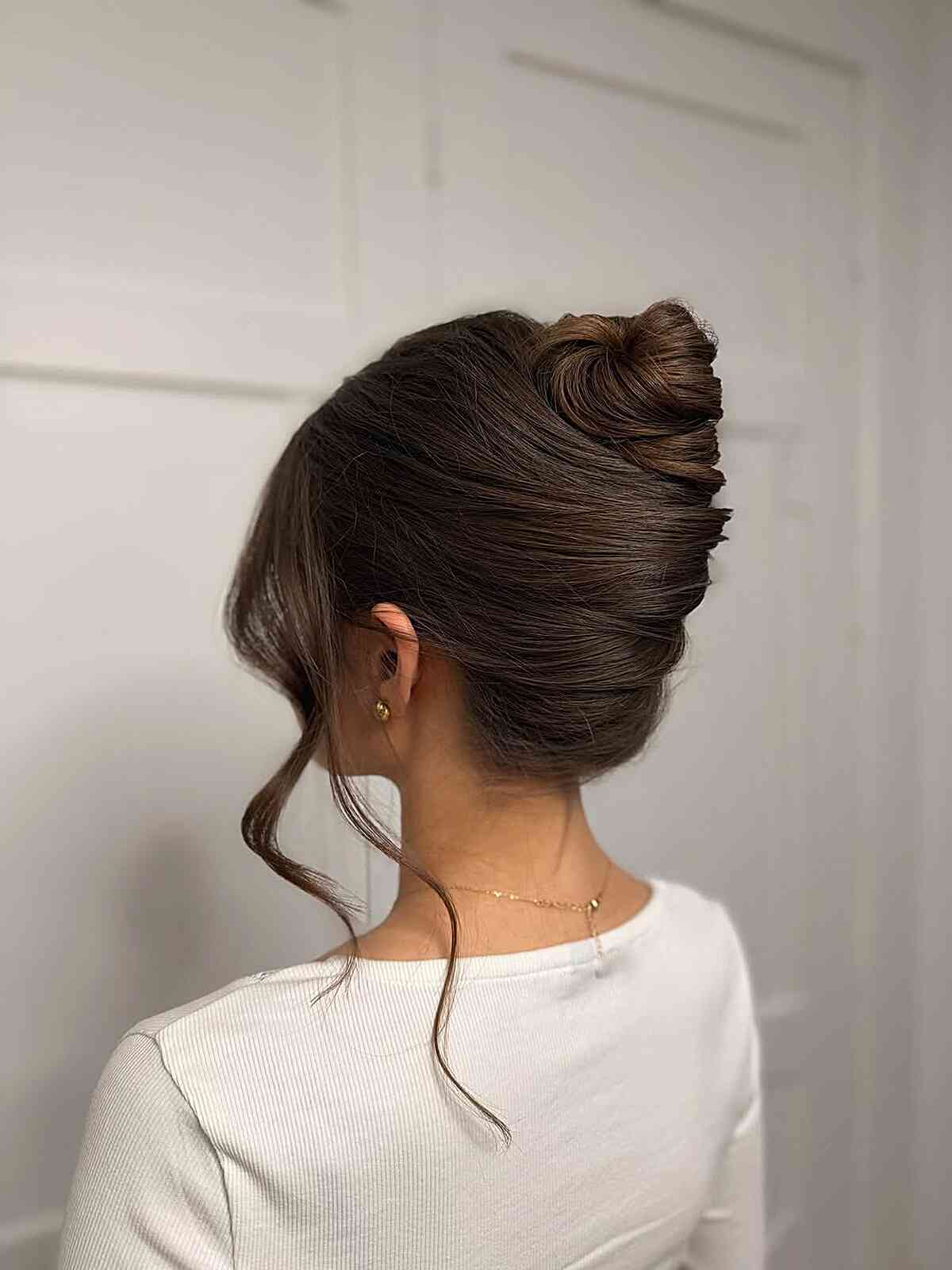
A collarbone bob with swept-forward face-framing layers and a side parting uses the diagonal line to add visual movement. Medium-density wavy hair that already hits the collarbone benefits from the forward direction of the layers, which softens square jawlines and balances oval faces. Ask your stylist for: collarbone bob with swept forward face-framing layers, side parting. During a blowout, direct each section forward with a round brush to lock in the wave, then set the bend with a few minutes of cool air. Expect a trim every six to eight weeks to keep the shape precise.
Collarbone Length Straight Dark Brown
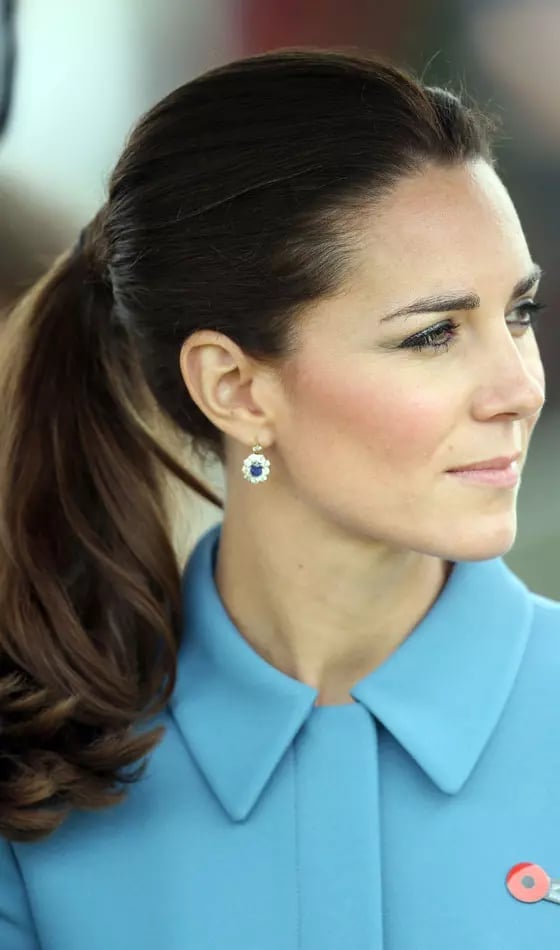
This collarbone-length cut with a middle part and a smooth, polished blowout relies on a mirror-like finish to look intentional. The dark brown base with very fine highlights adds dimension without distracting from the clean line. Thick, straight hair needs a flat iron and a heat protectant almost every wash to stay that sleek, and humidity can undo the work in minutes. Ask your stylist for: collarbone length straight hair, smooth polished blowout. A serum patted over the surface after styling helps seal the cuticle and catch flyaways.
Collarbone Layers With Side Part
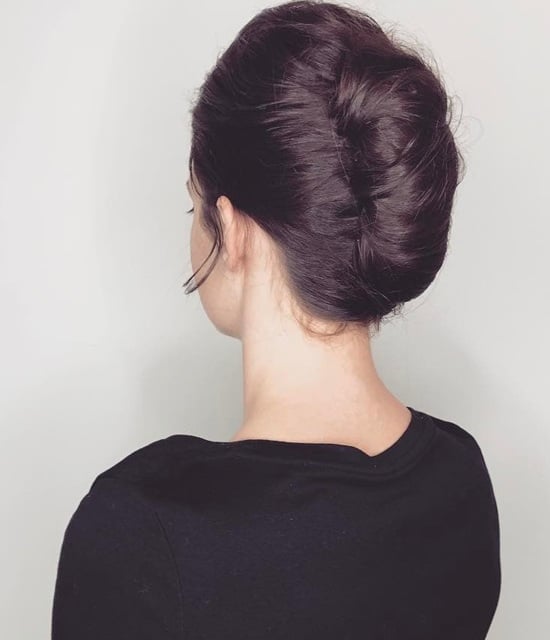
The most common mistake with collarbone-length fine wavy hair is asking for too many layers. A stylist who cuts aggressively through fine texture can leave the ends looking wispy rather than soft, which defeats the polished brief of an interview style. A side part with gentle, graduated layers preserves density at the perimeter while still adding movement.
Ask your stylist for: collarbone length hair with soft layers, side part blowout. A volumizing spray applied at the roots before drying gives fine waves enough body to hold their shape through a full day of meetings. Stick to a trim every six to eight weeks; any longer and the ends start to feather on their own.
Shoulder Length Lob With Lived-In Color
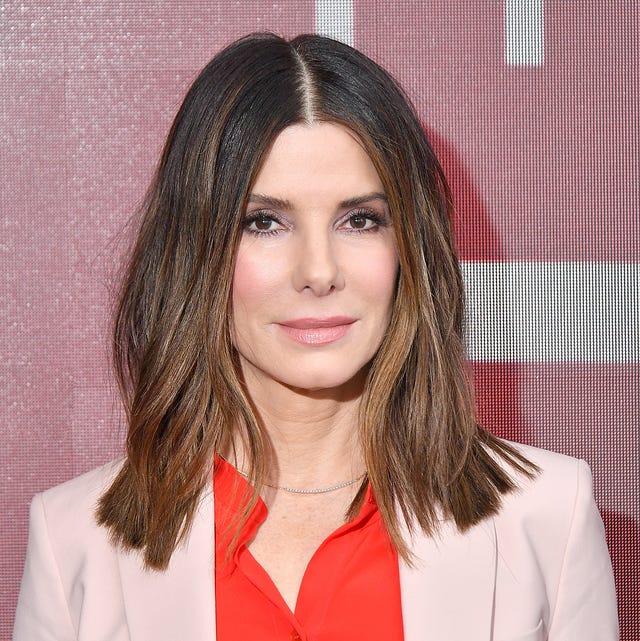
Can a single style carry you from a summer interview straight to an evening patio without looking like you tried too hard? A shoulder-length lob with lived-in color says yes. The brown base with lighter highlights creates a soft, grown-out effect that skips the harsh root line, so it stays presentable for weeks longer than a solid single-process color. Ask your colorist for: shoulder length lob, soft blowout, lived-in highlights. A texturizing spray spritzed on the mid-lengths and ends breaks up the wave pattern just enough to keep the lob from reading as a stiff blowout. It suits fine wavy textures best and needs a trim roughly every eight weeks.
Sleek Chin Length Black Bob
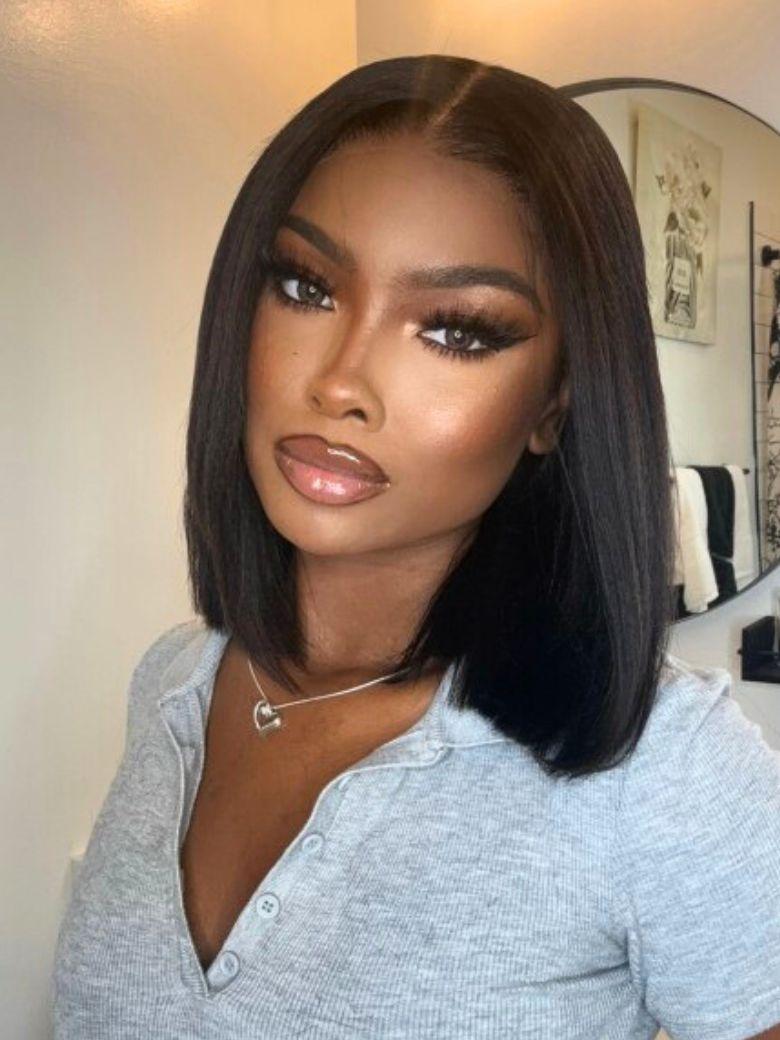
A chin-length blunt bob in solid black is a geometry problem: every line has to be exact because there is no texture or highlight to distract the eye. The razor-straight finish demands a flat iron and a smoothing serum to achieve the gloss visible here, and that precision is almost always a salon job. Ask your stylist for: chin length sleek blunt bob, black color. A blunt bob at this length starts to curl under unevenly after four weeks, so plan for a trim every four to six weeks. Fine, straight textures hold the shape best.
Sleek Chin Bob With Side-Swept Bangs
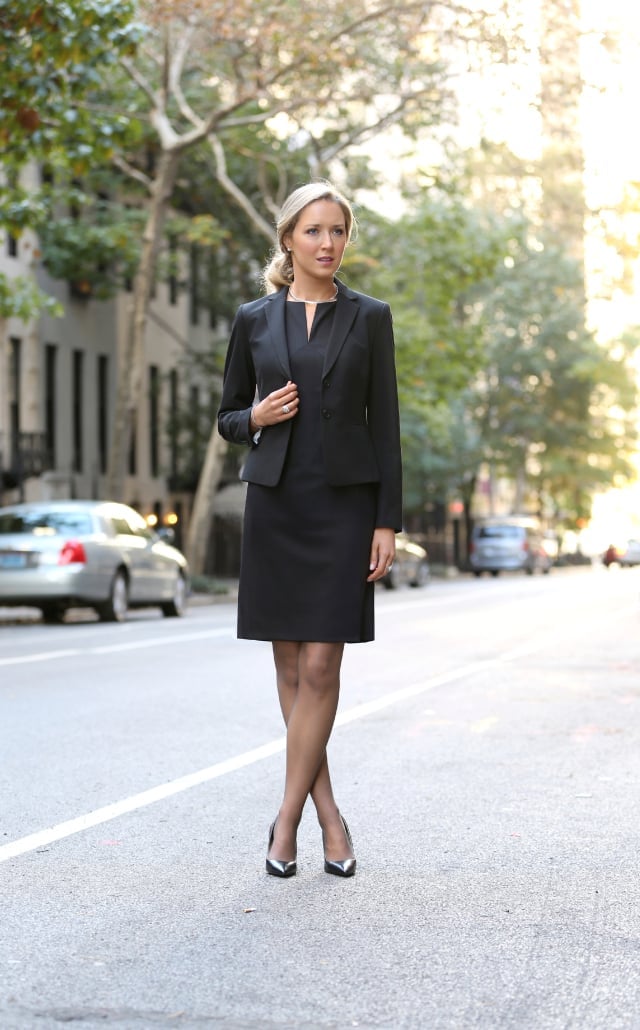
A chin-length bob is a classic for a reason, and the side part here does the heavy lifting. The dark brown color is solid and serious, while the side-swept bangs add a softer edge without compromising the clean line. This works best on fine, straight hair that can hold a sleek finish without much fuss. Ask your stylist for: chin length sleek bob, side-swept bangs, side part. Tuck the side-swept bangs behind the ear for a cleaner look; trim every four to six weeks.
Mid-Back Ash Blonde With Side-Swept Bangs
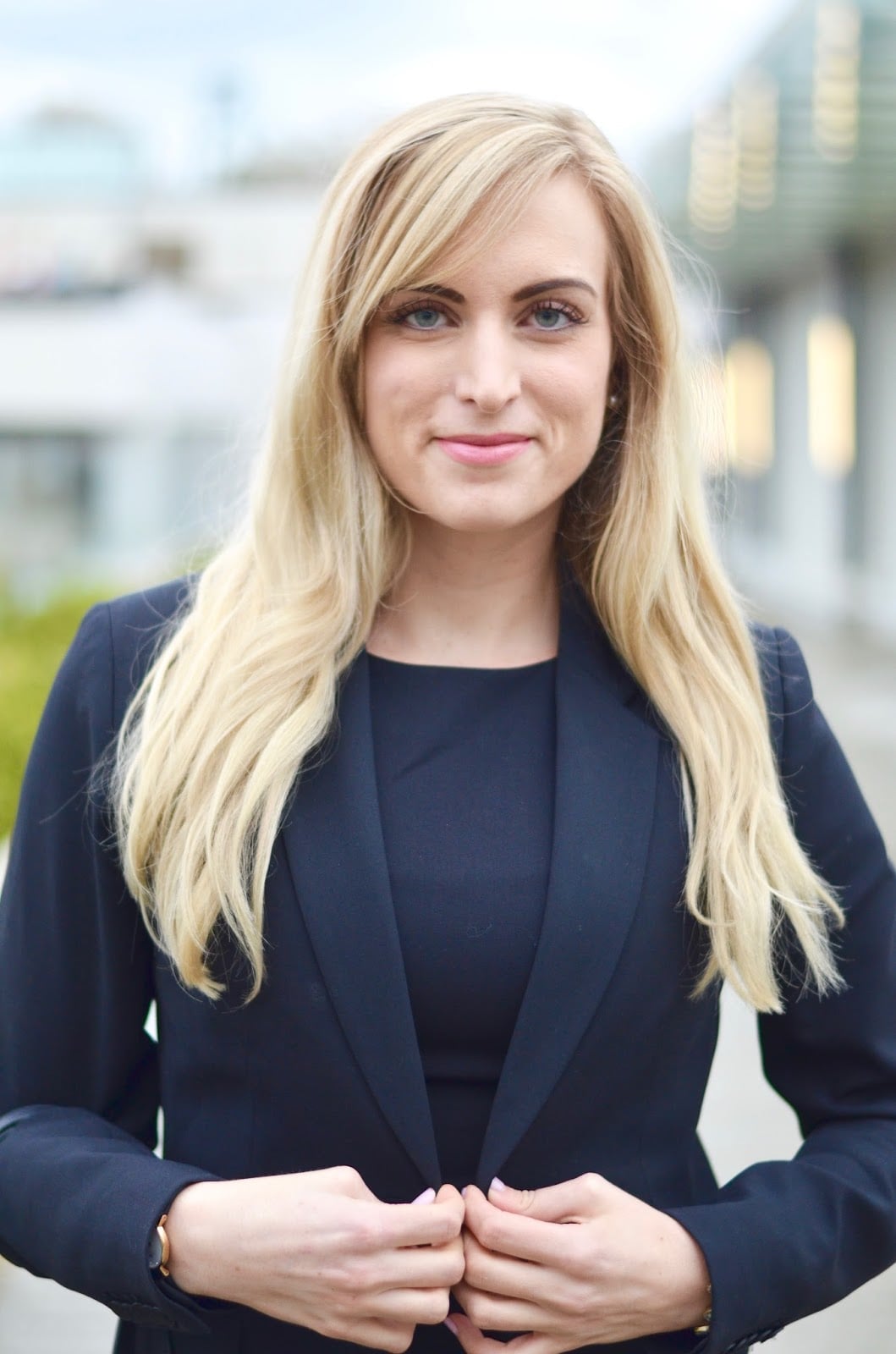
Can a mid-back length actually hold a polished wave all day? Yes, if the cut and color are working with you, not against you. The long layers here prevent that heavy, triangular shape that longer hair can fall into, and the ash blonde tone keeps the overall look cool and modern. The side-swept bangs frame the face without requiring constant readjustment, which is the real win for an interview.
Maintaining that clean ash tone means a purple shampoo in your rotation and a toning appointment every four to six weeks. The waves get definition from a texturizing spray, and the shape holds through a long day of handshakes. The smooth blowout is the foundation, but the texture spray keeps it from falling flat.
Mid-Back Dark Brown With Loose Waves
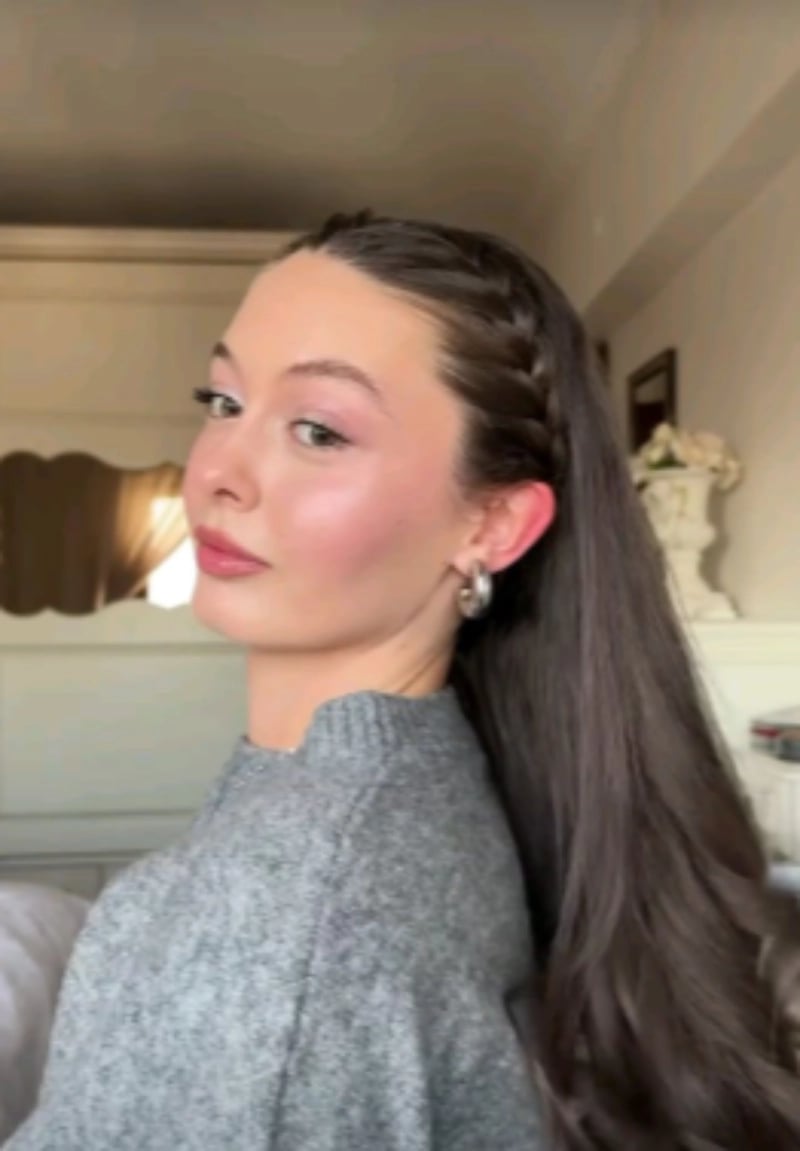
The loose wave is a classic choice: confident but not aggressive. This look starts with damp hair and a curl-enhancing cream raked through from mid-lengths to ends. Air dry is the goal, but if your texture is more stubborn, low heat cuts the wait without ruining the shape. The subtle blonde highlights add dimension to the dark brown.
To get the side-swept bangs to cooperate, clip them to the side while they dry and release them last. Hair just needs a gentle scrunch every few minutes as it dries. A trim every eight to ten weeks keeps the ends healthy and the wave pattern consistent. This is a genuinely DIY-friendly look for medium to thick hair.
Mid-Back Honey Blonde With Side-Swept Bangs, Long Layers
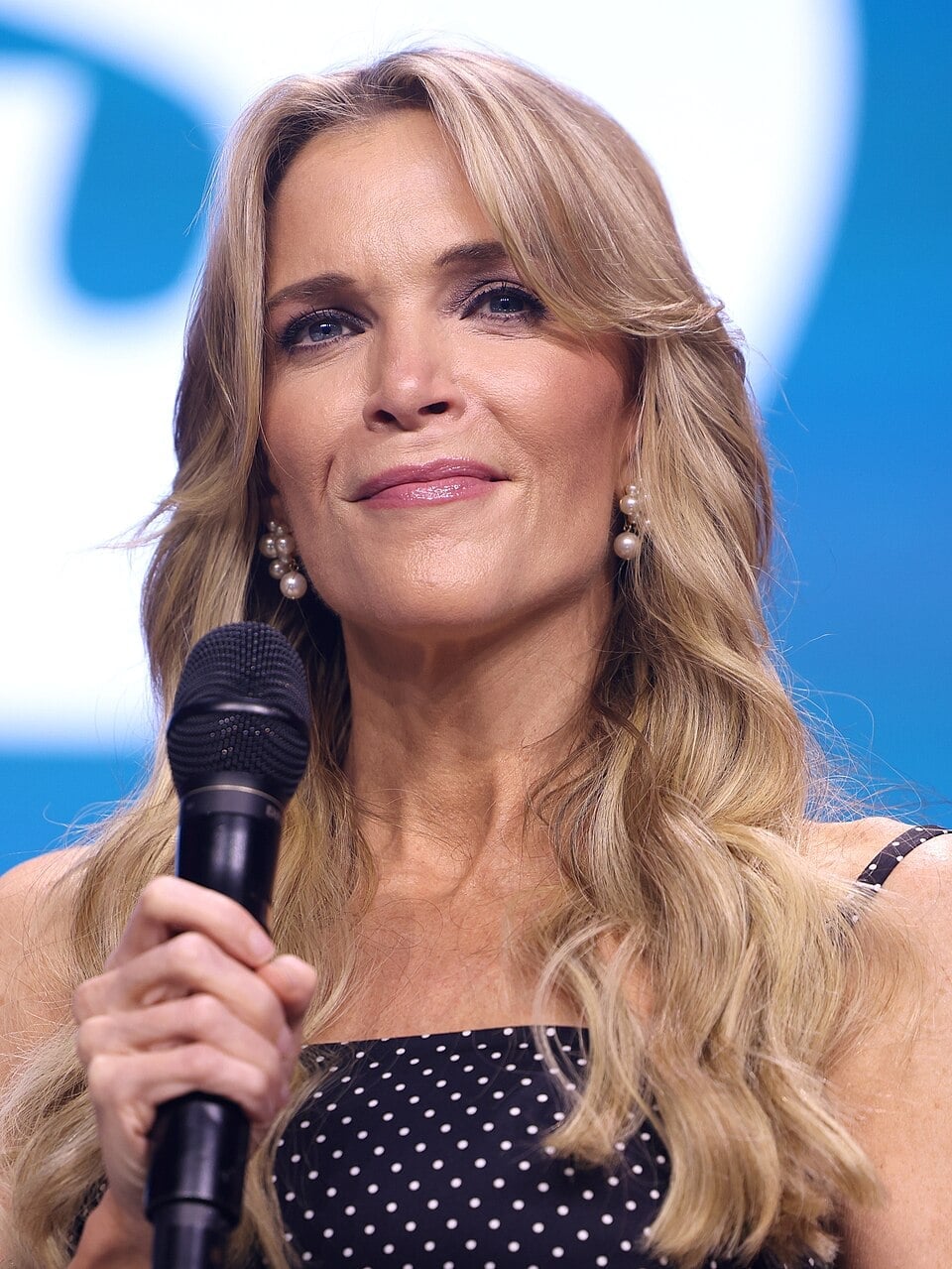
Honey blonde has a warmth that reads as approachable, which is not a bad thing when you are sitting across from a hiring manager. The long layers here prevent the hair from hanging too heavy, and the loose waves add movement without looking fussy. This is a good match for medium-density wavy hair that can hold a soft bend without a ton of product. The side-swept bangs soften the overall shape.
For those with very fine or very curly texture, the loose wave may not hold as cleanly without heat styling. The honey tone will need a gloss or toner every four to six weeks to keep it from pulling too warm. Ask your stylist for: mid-back length hair, loose waves, side-swept bangs, honey blonde. The result is a polished, professional finish that still has a bit of personality.
Mid-Back Dark Brown Loose Waves, Side-Swept Bangs
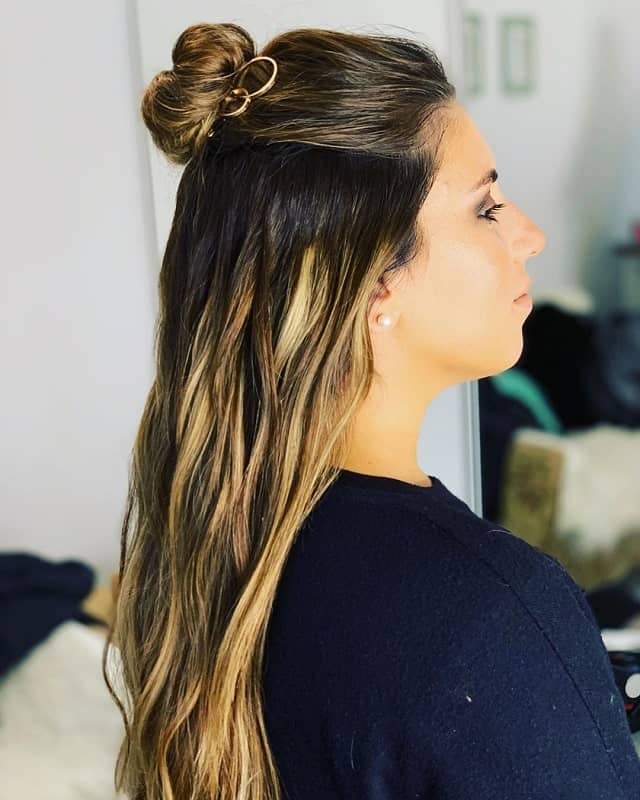
This is the polished version of the same idea, not the air-dried one. The side-swept bangs are the main event here, and they require a bit of commitment: a round brush every morning, or a quick touch-up with a flat iron. The bangs frame the face in a way that feels deliberate and professional, which matters for an interview. The dark brown with blonde highlights keeps the color from feeling flat. A smoothing serum before styling controls the frizz that longer hair tends to develop. Trim every eight to ten weeks to keep the ends healthy and the shape intact.
Collarbone Blonde With Face-Framing Layers
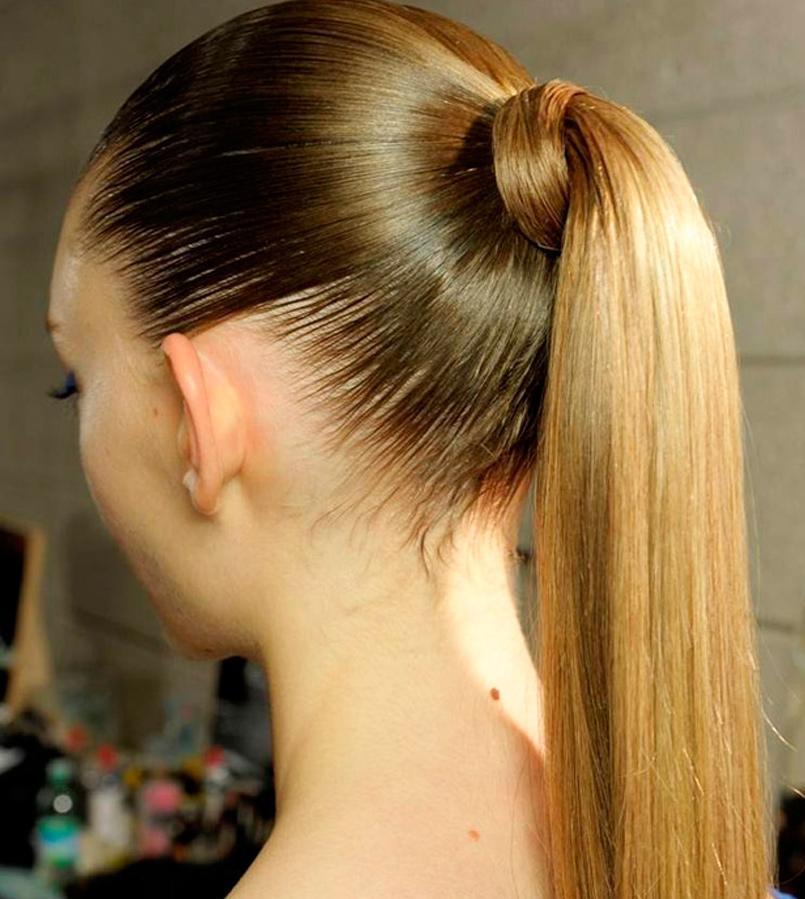
A sleek ponytail on mid-back-length dark blonde hair with subtle highlights is a different animal from the same hair worn in loose waves. The polish comes from the middle part, the smooth pull-back, and a wrapped section of hair at the base that hides the elastic. This version is interview-ready, while the wavy version is Saturday brunch. Thick straight hair starting at collarbone length has the weight to stay sleek without flyaways; finer textures will need a smoothing serum and a boar-bristle brush to get the same finish.
Ask your stylist for: long layers, high sleek ponytail, middle part. The layers add movement when the ponytail is down, but the real work is in the blow-dry. A root-lifting spray and a flat brush create the volume that keeps the ponytail from looking flat against the head. Trim every eight weeks to maintain the shape.
Shoulder Lob With Soft Blowout
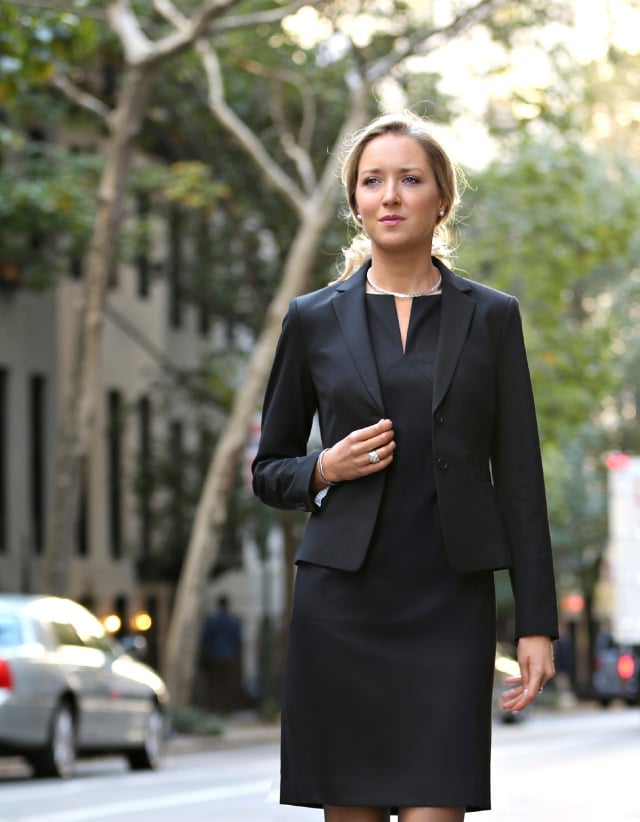
A shoulder-length lob with a soft blowout on thick wavy hair has a built-in tension: the waves want to return to their natural shape, and the blowout is a temporary negotiation. The middle part and face-framing layers give the style a polished frame, but the hold is the variable. Fine wavy hair at shoulder length will lose the bend fastest, often by midday. Thicker textures hold the shape longer, especially if the hair is fully dried with a round brush rather than air-dried.
Ask your stylist for: shoulder length lob, soft blowout, lived-in highlights. A smoothing serum applied before drying tames the flyaways that naturally appear at the crown. Trim every six to eight weeks, because a lob at shoulder length turns into a one-length bob if skipped.
Braided Bun With Dark Blonde Highlights
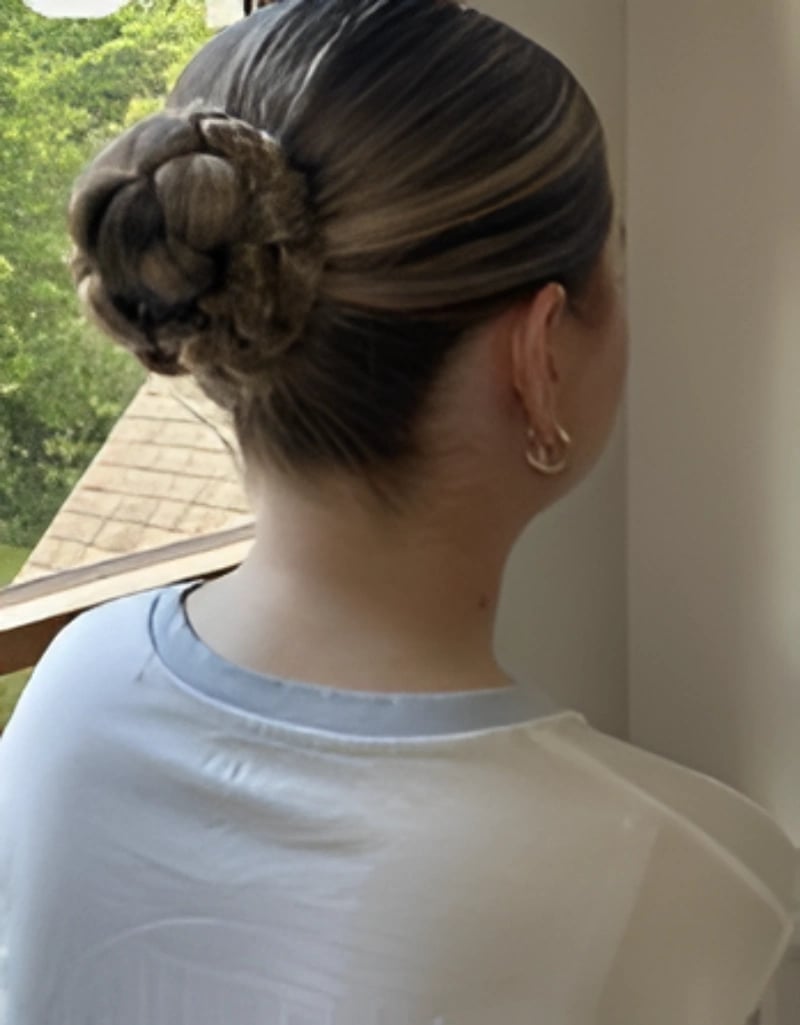
A braided bun at the nape of the neck is a construction project. The dark blonde base with lighter highlights adds dimension, but the real skill is in the braiding technique: a three-strand braid pulled tight enough to sit flat against the head, then wrapped into a coil and pinned at the base. Thick wavy hair of mid-back length or longer has the weight and grip to hold the braid without slipping; finer or shorter hair will need more pins and a stronger hairspray. Ask your stylist for: braided bun at the nape, dark blonde with highlights. The bun stays secure through a full interview day, though the front pieces may soften slightly by the end.
Blonde Twisted Bun With Face-Framing Layers
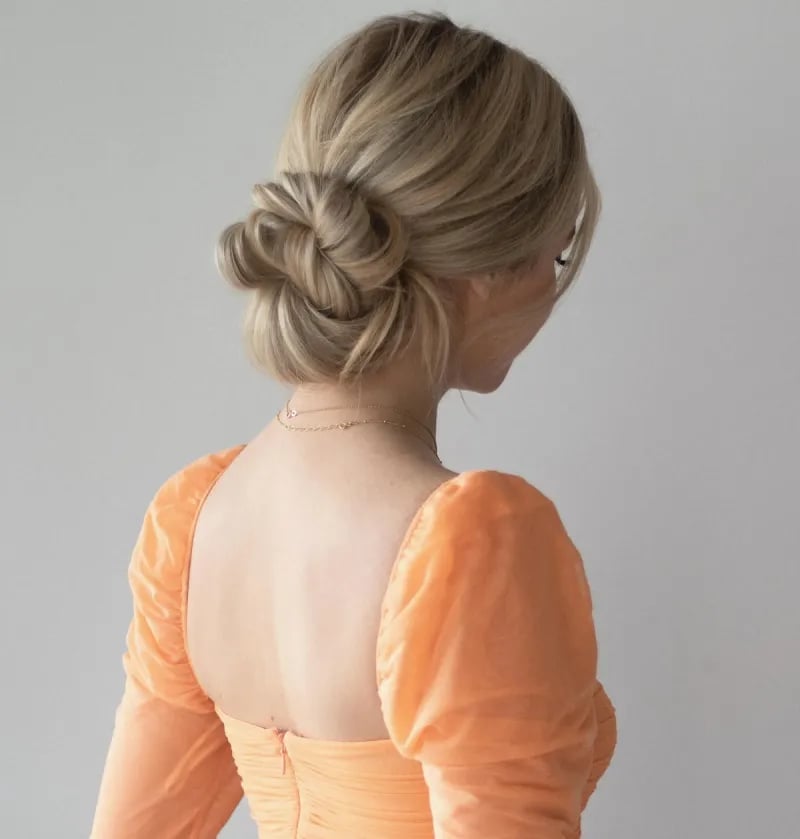
How do you ask for a bun that is polished but not severe? The answer is in the face-framing layers. A twisted bun on blonde hair with subtle highlights looks polished, and the soft pieces left around the face prevent the updo from resembling a pulled-back ballerina knot. The middle part keeps the front clean, while the wavy texture in the bun adds visual interest without needing extra product. Thick wavy hair of mid-back length or longer holds the twist best. Ask your stylist for: twisted bun updo with face-framing layers, blonde with subtle highlights. A fine-tooth comb smooths the hair into the twist, and a light mist of hairspray locks the shape.
Sleek Blonde Twisted Low Bun
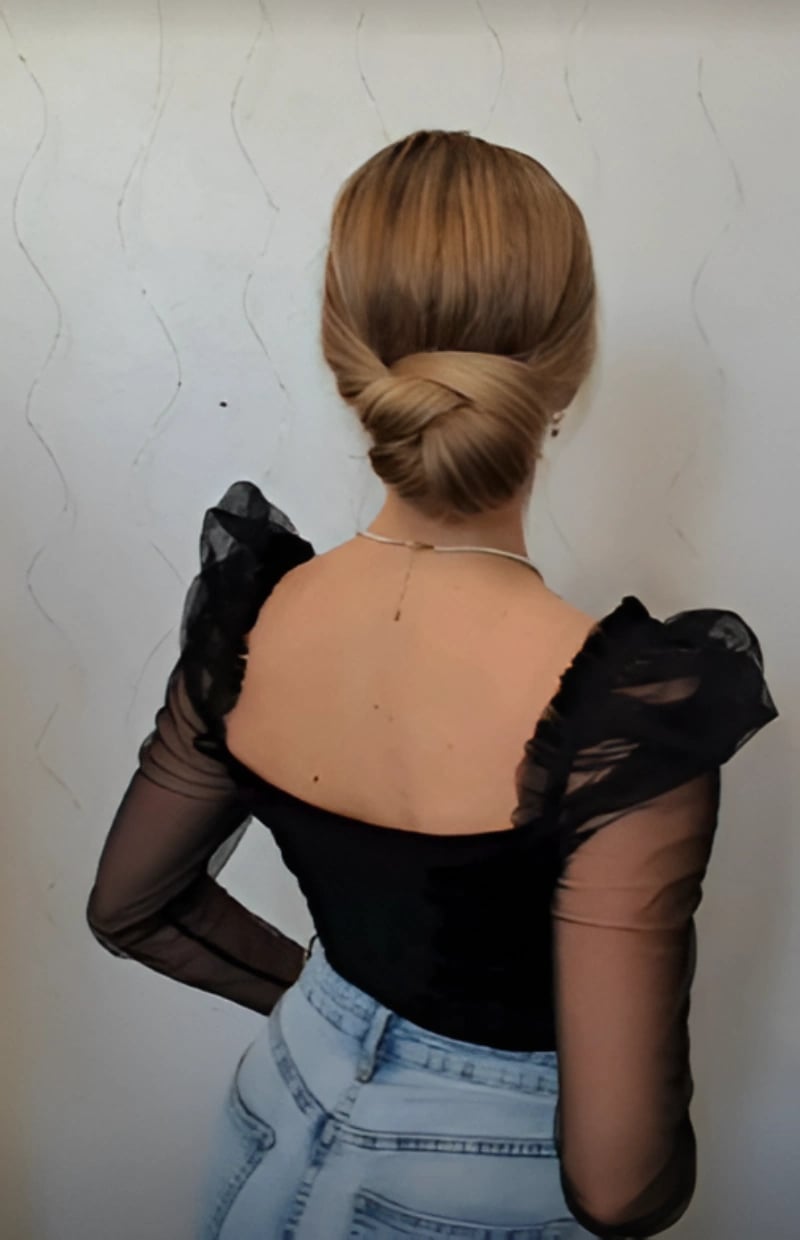
A sleek twisted low bun on thick straight blonde hair is the interview equivalent of a tailored blazer: it signals that you planned ahead. The middle part and smooth pull-back create a clean line from forehead to nape, and the twist itself adds a subtle texture that keeps the bun from looking like a plain knot. This style suits thick straight hair of mid-back length or longer. Finer textures will show every bump and gap, so a smoothing product and a fine-tooth comb are required for a glassy finish. Ask your stylist for: sleek twisted low bun, middle parting. The bun holds all day without re-pinning if the hair is dry when twisted.
Blonde Low Bun With Dark Roots
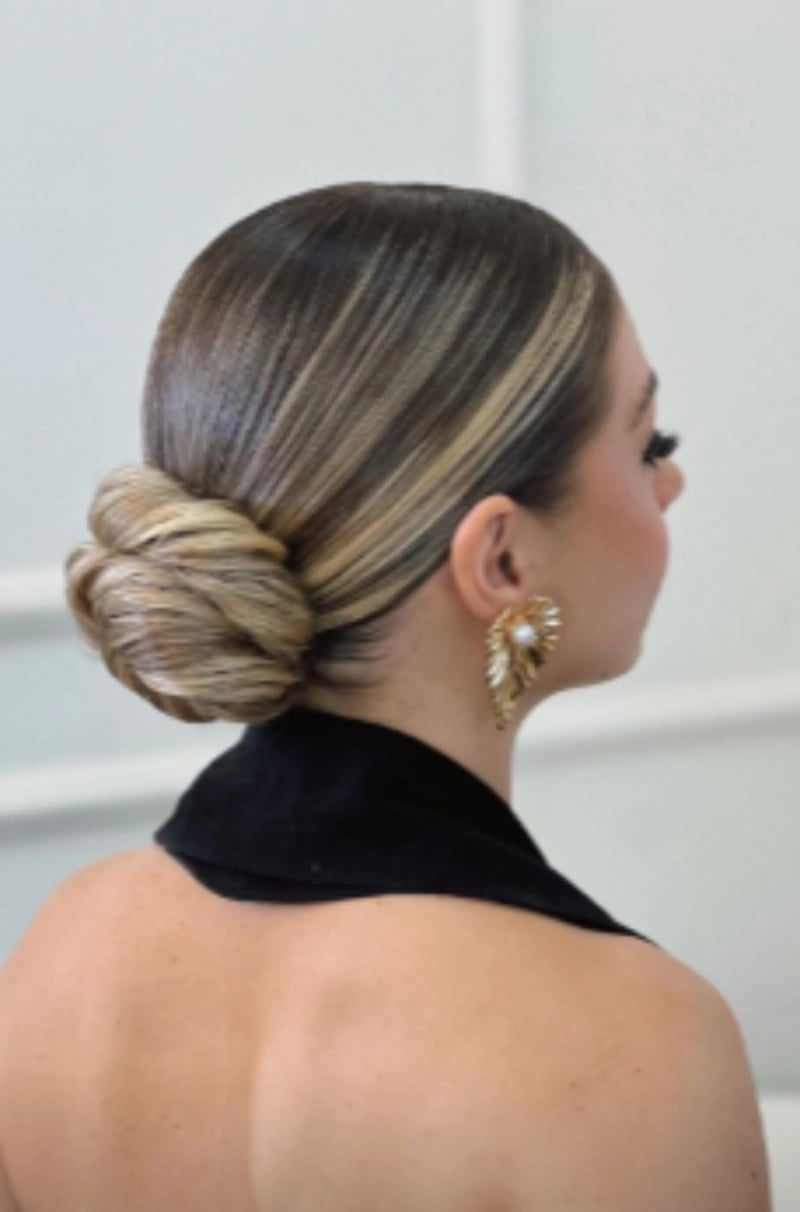
A low bun pulled tight from a middle part hides more than you think. The blonde surface with dark roots and subtle highlights means the regrowth line is already built in, so this sleek style buys you a good two weeks past your usual toning appointment. Ask your colorist for: blonde with dark roots, low bun. Thick straight hair that reaches mid-back or longer twists into a neater shape with fewer pins. A strong-hold hairspray keeps the surface glassy and flyaways out of sight.
Braided Low Bun With Highlights, The Texture Appears Straight And Fine
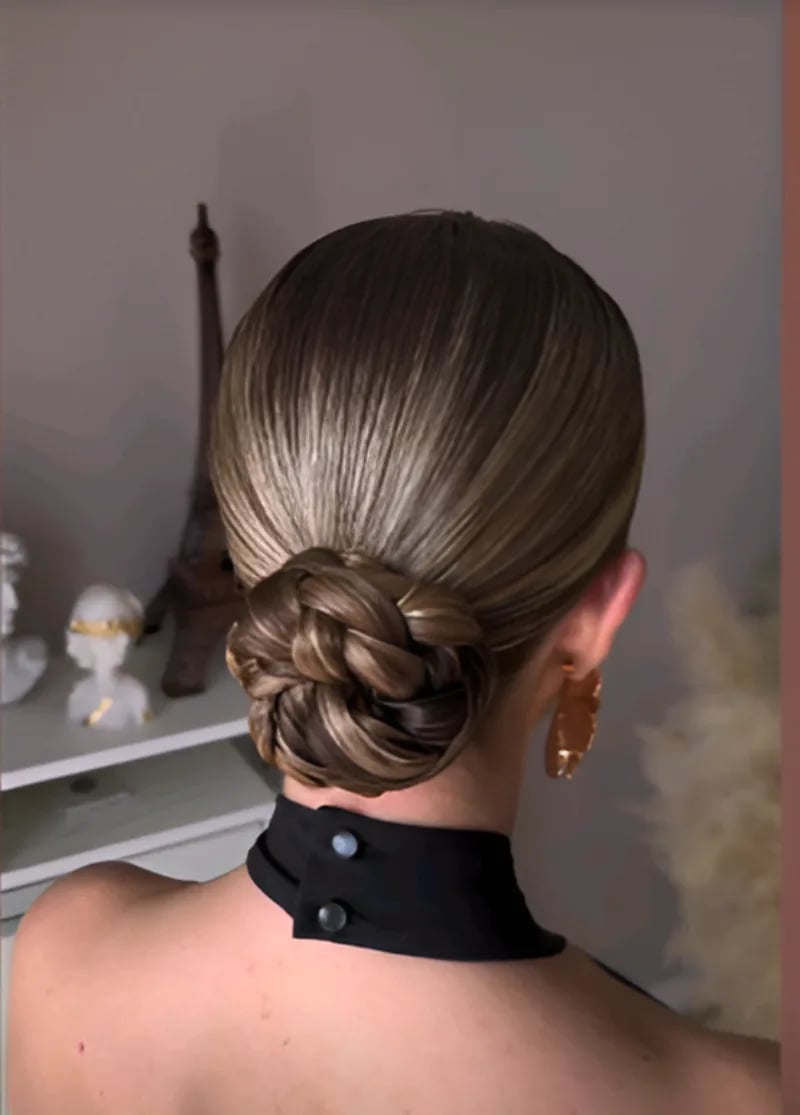
A practical rule for any updo on fine straight hair: if you cannot see the braid pattern clearly, neither can anyone else. This low bun at the nape uses brown hair with blonde highlights to give the braid definition, but fine texture can still collapse the weave if the sections are too small. Ask your stylist for: braided low bun, brown with blonde highlights. A salon finish is the safer bet here; teasing at the crown before braiding adds volume that holds, and a few well-placed pins keep the bun from slipping flat by midday. For a DIY version, consider clip-in extensions to bulk up the braid without committing to permanent length.
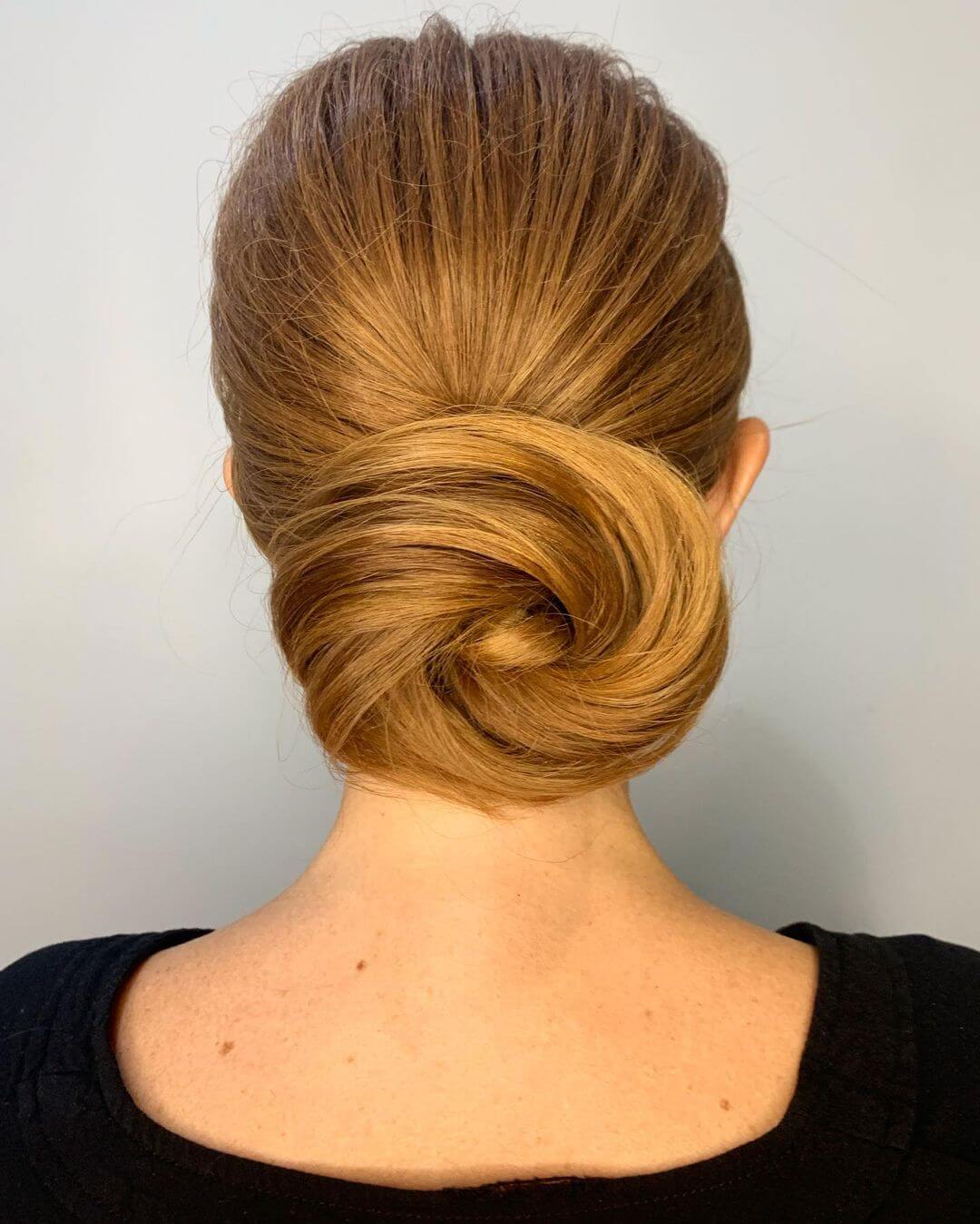
Elegant Long Dark Brown Updo
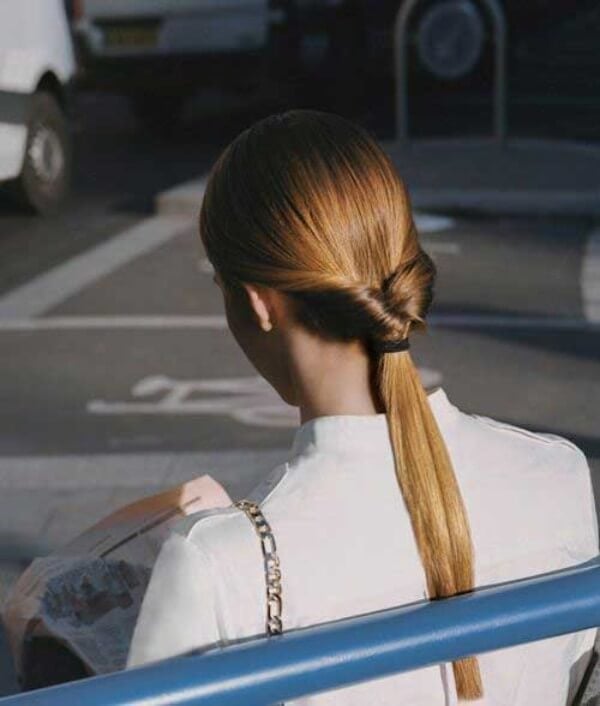
An elegant updo in dark brown hair has a specific seasonal advantage. In cooler months, a glossy, pulled-back shape keeps the silhouette clean under a coat collar and avoids static from dry indoor air. This version uses thick straight hair that is long enough to wrap into a smooth knot at the nape, with no bangs to interrupt the line.
Ask your stylist for: elegant updo, dark brown. It suits formal interviews or events where the dress code leans structured. The back view matters here: every pin and section should be invisible. A fine-tooth comb and a firm-hold spray are all it takes to keep the surface polished through a full afternoon.
Intricate Twisted Blonde Updo
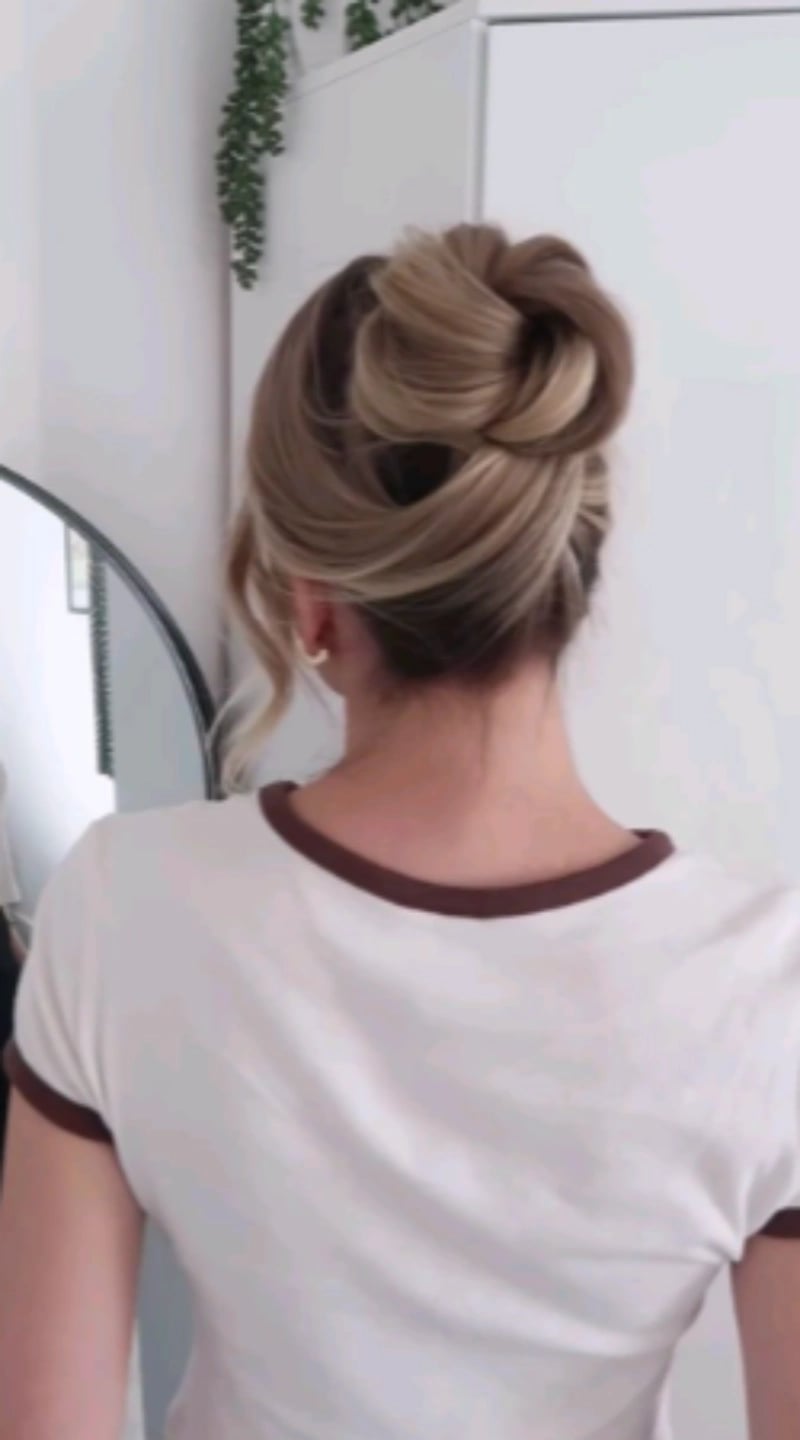
The construction starts with small sections twisted individually, then pinned into a bun at the back. Blonde hair with subtle highlights shows the twist pattern better than a solid color, and fine wavy texture gives each twist enough grip to hold without slipping. Ask your colorist for: intricate twisted updo, blonde with highlights. The key is to vary the twist direction so the finished bun reads as layered rather than flat. A light mist of hairspray before pinning locks the shape without making the fine strands stiff.
Sleek Dark Blonde Ponytail
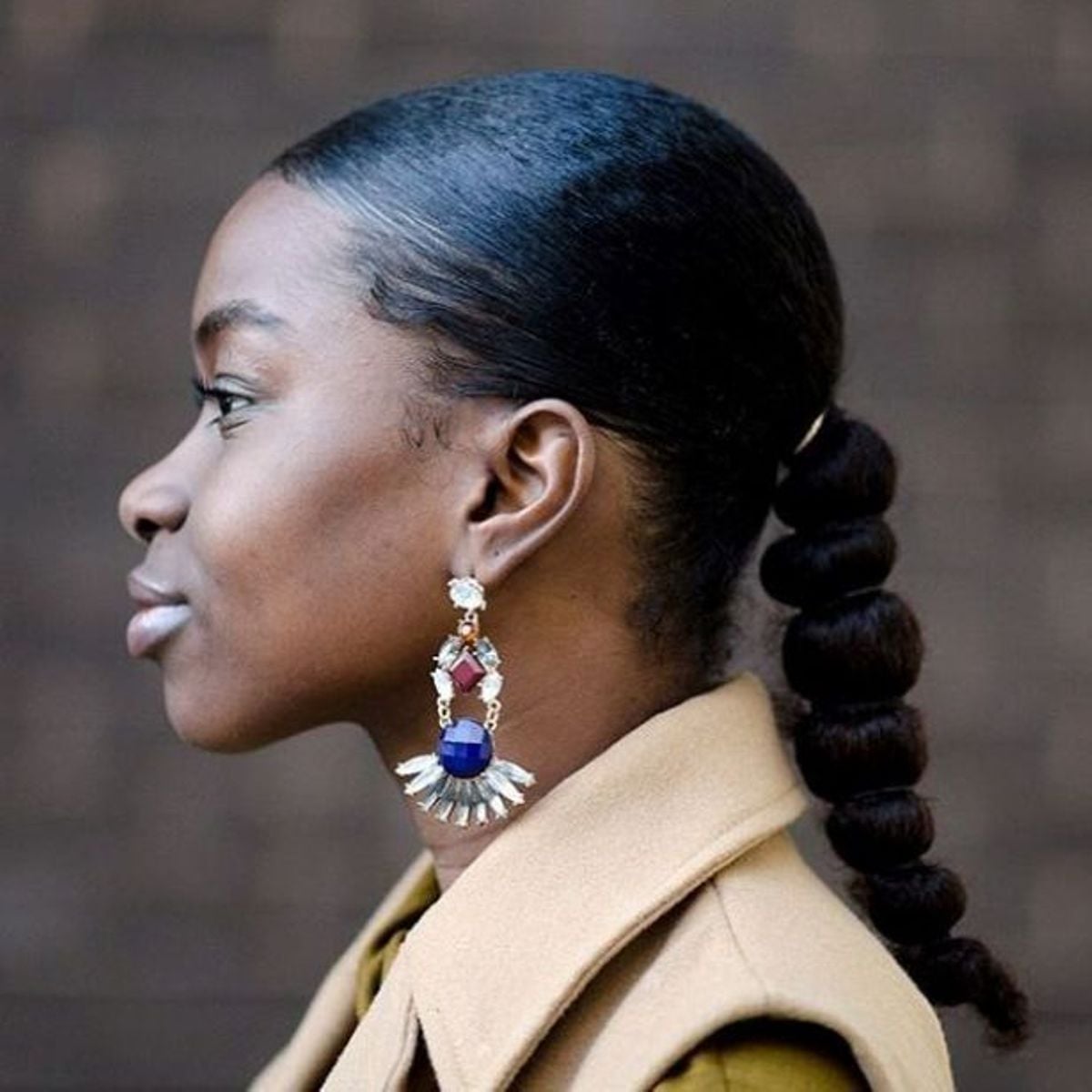
A bubble ponytail can work for an interview setting. Start with a middle part and pull the hair back so tight the scalp is smooth. Section the ponytail into three or four segments, securing each with a clear elastic, then gently tug the sides of each section to create the bubble shape.
Ask your stylist for: high sleek ponytail, dark blonde. Thick straight hair at mid-back length gives the best structure for this look. It is a solid DIY project with a mirror and ten minutes, but the bubble effect can skew too playful for some corporate settings. Wrap a strand around the top elastic to hide it and keep the finish polished.
Final Thoughts
For interviews, the rule is simple: keep hair away from your face unless the fringe is trained to stay put. Fine hair benefits from one blunt baseline and minimal layers; a round face needs length below the chin to elongate the silhouette.
- Maintain blunt cuts with trims every six to eight weeks.
- Tone blonde highlights every four to six weeks to prevent brassiness.
- Use heat protectant spray before blow-drying or using hot tools.
- Wash hair two to three times a week to preserve color and natural oils.
A well-executed hairstyle is the finishing touch for interview success.

