
I started noticing more silver in the salon chair next to mine around November. Not the intentional kind. The kind growing in, and looking better than the old highlights ever did. Winter light does something to gray hair that summer never manages.
This roundup has 29 Winter Haircuts for Gray Hair, from five-minute air-dried bobs to pieces that need a round brush and a plan. Low upkeep, high payoff. For fine hair, thick hair, straight and curly, and every grow-out stage in between.
I grew out a bleach job three years ago. By week five the root line was visible and the ends felt like straw. These cuts work with the transition, not against it.
Voluminous Chin-Length Gray Layered Cut

What I notice first is how soft it looks. The short layered gray haircut lands at chin length with side-swept bangs that sweep back, and that matters because fine wavy texture goes flat fast. Not here. The layers are stacked short enough to hold lift at the crown, and the wave pattern, naturally gentle, gets room to bend instead of collapsing into a sad triangle. A blunt bob would sit heavier. This one feels like it breathes.
Layered Collarbone Gray Bob
This is the haircut that makes gray look deliberate. The collarbone length gray hair is cut with internal layers, not surface ones, which is what separates a bouncy blowout from a shapeless mess. The layers start below the jaw and graduate gently, so the hair curves under without flipping. Thicker textures benefit most here: the weight of the hair pushes the bends into place, and the blowout holds for two days, sometimes three. No bangs means the front grows out evenly, which buys you an extra two weeks between trims. Ask your stylist for long layers that hit just past the chin when dry, and request a round-brush finish that tucks under, not forward.
Upkeep is a trim every eight weeks, and you will need a blow-dryer and a medium round brush to get that curve. Air-drying leaves it too loose, so factor in fifteen minutes with heat.
Textured Salt and Pepper Pixie
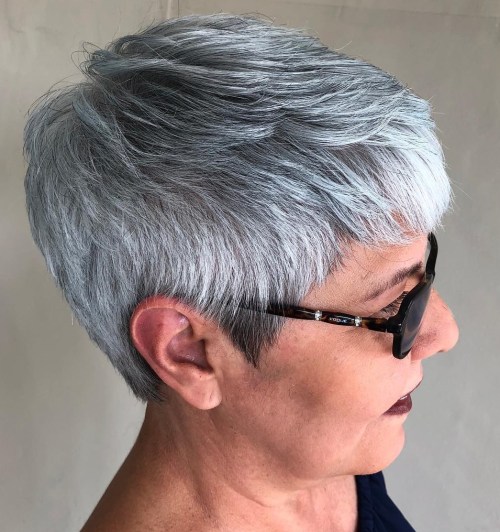
Do you have ten minutes in the morning? Because this short textured pixie cut demands them. The salt and pepper gray is cut ear-length with short side-swept bangs and heavy texturizing throughout, which means every strand needs to land exactly wrong to look right. Sleep on it funny, and the left side sticks up while the right side flops. The fix is quick: dab a paste or wax onto dry hair, work it through, and shape with fingers. No comb, no brush, no patience required. But the honest downside is the trim rhythm: every four to six weeks, no exceptions. Let it go seven, and the silhouette goes potato.
Silver Pixie Bob with Swept Bangs

I wanted to hate it. A silver pixie bob with a deep side part and short swept bangs sounds like the thing stylists recommend when they have run out of ideas. Then I saw how it lands: the pixie bob keeps the back tight and the front long, so it reads like a bob from the front and a pixie from the side. That is harder to cut than it sounds. The fine wavy texture here is key, because straight hair would look severe and coily hair would shrink past the shape. The fringe sweeps across the forehead and tucks behind the ear, which means it stays out of your face without needing a pin. One pass of a texturizing spray through dry hair, and you are done. No round brush, no heat, no drama.
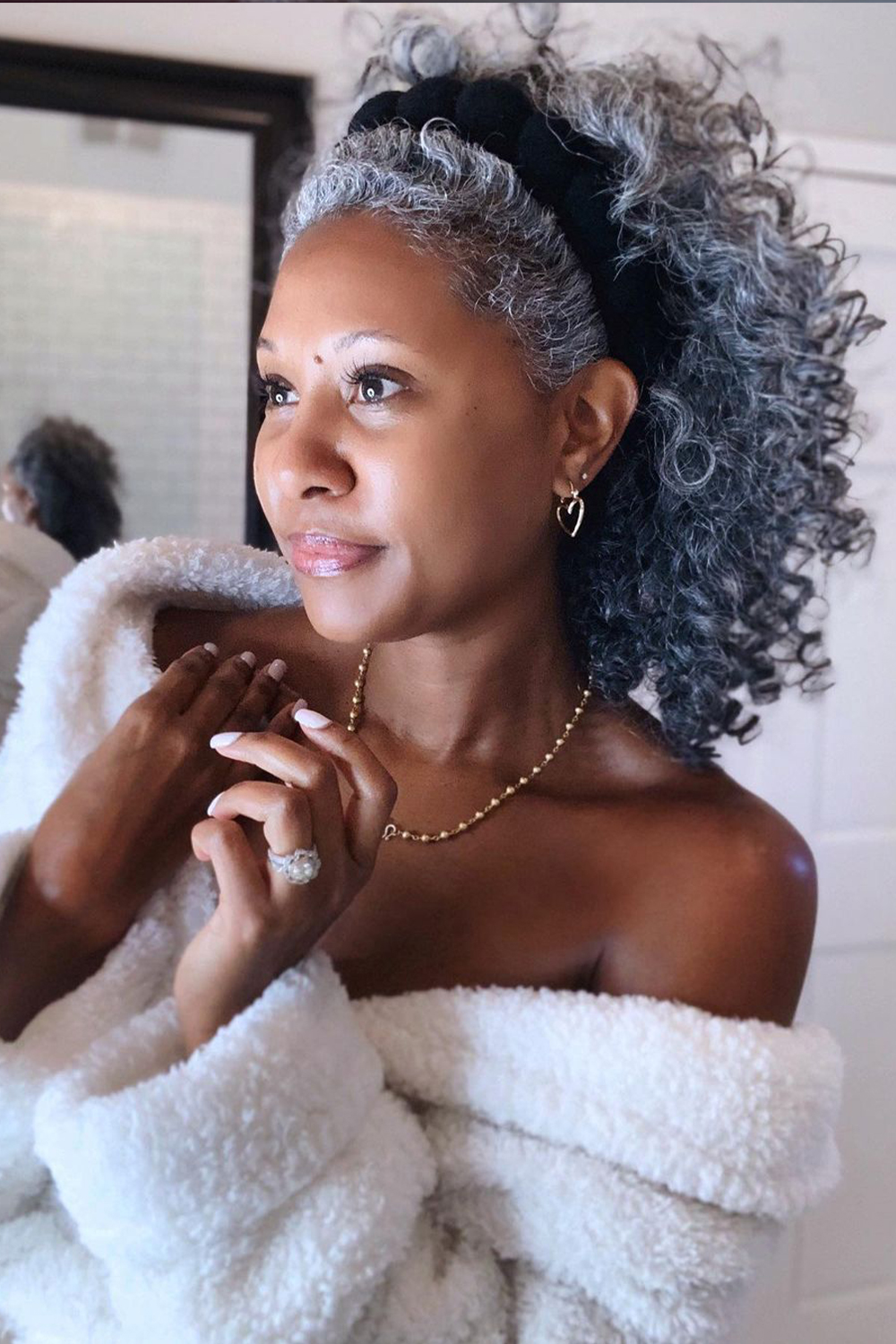
Air-Dried Curly Gray Shoulder Length
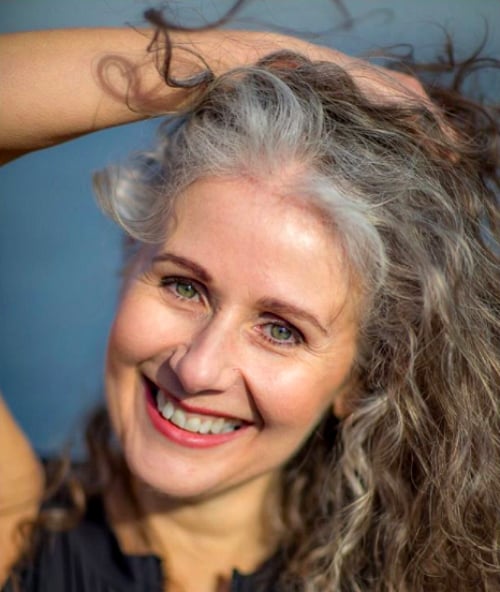
Gray curls have a problem. They go fuzzy fast, especially in winter air that sucks moisture out of everything. This curly gray hair style answers that with length: shoulder-length with long layers, no bangs, a middle part, and nothing but air-dried volume. Thick, coarse textures thrive here because the weight of the curls pulls them into a soft triangle rather than a pyramid. The layers start at cheekbone level and graduate down, which means the top does not get flat while the bottom gets heavy. Style it straight from the shower: apply a curl cream to dripping wet hair, scrunch, and walk away.
I air-dry mine in under two hours now. A trim every ten to twelve weeks keeps the ends from splitting, and the voluminous air-dried curls actually get better on day two. One caveat: low-density curls will look sparse at shoulder length. If your strands are fine and your curl pattern is loose, go shorter.
Piecey Textured Gray Pixie

The morning alarm is already loud enough. A textured pixie with bangs that are piecey and tousled means you can skip the brush. At ear length with fine, wavy texture, the layers add movement without bulk. The side part and short side-swept bangs frame the face without effort. Salt and pepper gray reads as intentional texture. For winter mornings or holiday parties, this cut dries in minutes and holds its shape. No blow-dryer required, which is a win when the bathroom is cold.
Lifted Textured Silver Pixie

I’ll confess: I was nervous about a lifted silver pixie with wispy bangs. With my straight, fine texture, volume is usually a lie by noon. I tried it anyway, and the first week was a battle with a round brush and a nozzle. The lift drops fast without a strong hold product, and the wispy bangs separate by midday. The cut sits at ear length with short textured layers that add body where there is none. It also demands a trim every four weeks to keep the shape sharp. But when it works, the silver catches the light and the lift makes the face look awake.
Mid-Back Layered Gray and Brown Blend

This long layered gray hair with a natural blend of brown strands works best on medium-density straight hair. The layers start below the chin, keeping weight at the mid-back length, which prevents the hair from looking stringy. The middle part widens a round face, and the straight texture lets the gray and brown blend read as intentional. The contrast between the dark strands and the silver-gray is subtle but visible, which is the point.
If your hair is fine or very curly, the length will weigh down the roots or the curl pattern will fight the layers. The grow-out is forgiving because the dark strands are already there, so roots don’t scream for a touch-up. This cut is for someone who wants length without the maintenance of a solid color.
Asymmetrical Gray Pixie with Blonde Tips

I tried cutting my own asymmetrical gray pixie once. It did not go well, and the asymmetry vanished the minute I evened out the longer side. This cut needs a stylist who understands that the shortest section sits at ear level while the opposite side stays longer, with long side-swept bangs that sweep across the forehead. The mistake I see most is people taking scissors to both sides equally, which kills the intentional unevenness. The blonde tips add contrast, but without the correct layered asymmetry, that color pop just looks accidental. A fine, wavy texture helps the pieces separate naturally. Please book this one.
Blunt Ash Blonde Bob with Gray Undertones

My first reaction to a blunt ash blonde bob was that it looked too severe for fine hair. I have seen the rounded soft bobs that dominate Pinterest, and they fall flat on straight texture within hours. This cut does not.
The sharp collarbone-length line and subtle side-swept bangs create a strong silhouette that holds its shape, even on my fine strands. The gray undertones read cooler against warm skin, which adds dimension without needing layers. Upkeep means a trim every six to eight weeks to keep the blunt line crisp. A blow-dry with a round brush takes ten minutes, and the inward bend at the ends stays put until day two. For straight, fine hair that refuses to hold a curl, this blunt bob wins over any softer alternative.
Light Gray Low Bun with Face-Framing Tendrils

A gray hair updo works best when the hair has some body to hold the tendrils. This low bun with face-framing tendrils belongs on medium-density wavy hair that can support the loose pieces without falling flat. The side part and wavy texture give the bun an undone feel that suits winter holiday parties or a casual dinner. Skip this if your hair is very fine or very curly — the tendrils will either disappear or spiral uncontrollably. Oval and heart-shaped faces benefit most from the soft framing around the jaw.
Chic Chin-Length Bob with Gray Tones
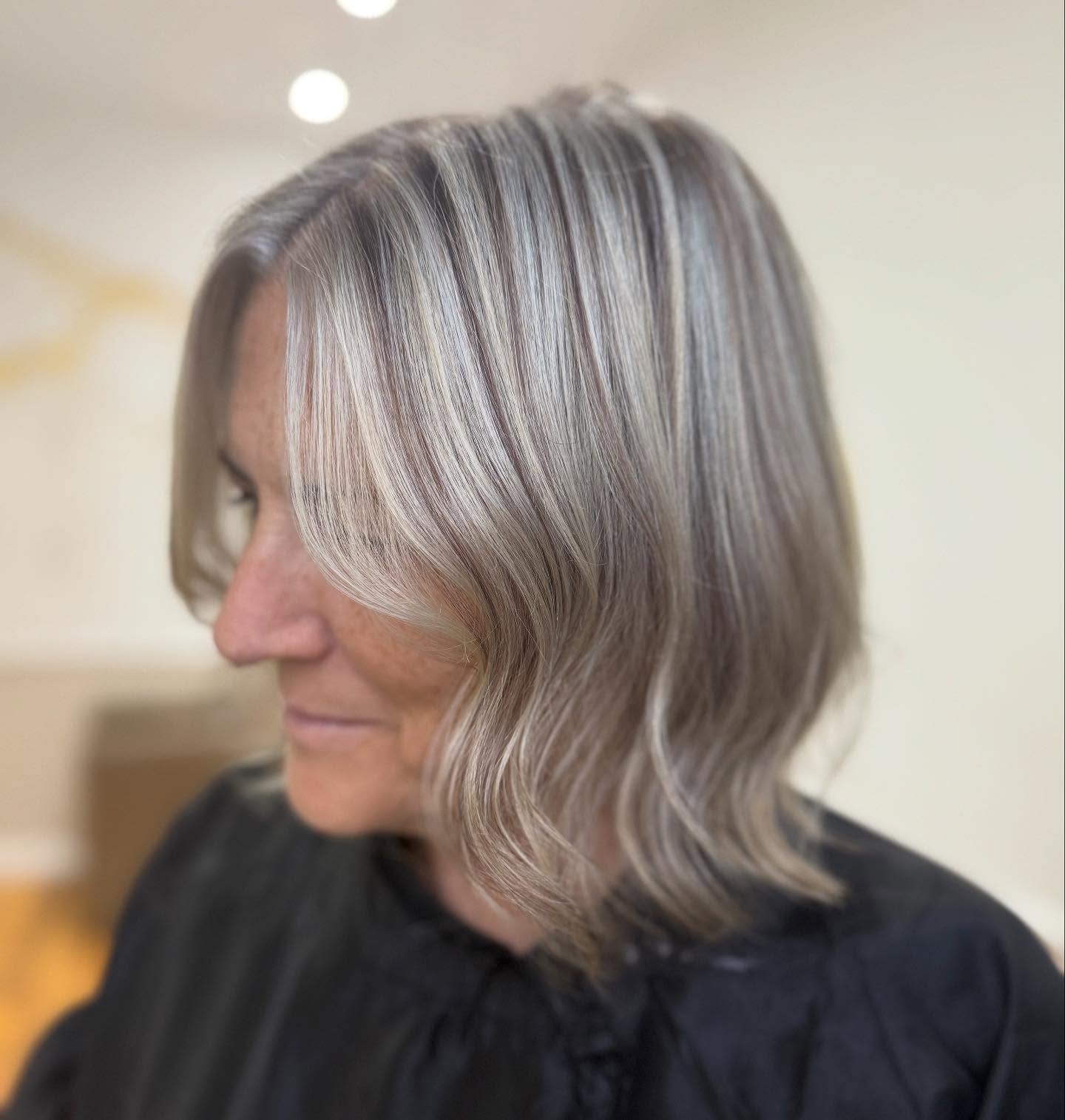
Can a chin length gray bob survive a week without a wash? The first day is smooth with a slight inward curve, and the subtle layers add movement without losing the strong chin-length shape. By day three, the side-swept bangs separate where my hair meets my forehead. Gray with blonde highlights shows every bit of oil near the roots, so dry shampoo becomes a daily ritual. The honest reality is that this look requires a quick round-brush blowout each morning, plus a trim every six to eight weeks to prevent the ends from looking ratty. Medium-density straight to wavy texture wears this best.
Dramatic Silver Gray Loose Waves

Long silver gray hair is worth the effort, but only with the right building blocks. This is not a grow-and-hope cut.
The stylist starts soft layers around the collarbone, then works down to the mid-back length, keeping the layers minimal so the weight stays in the ends. That weight is what lets the loose waves unfold rather than curl into themselves. A middle part and no bangs keep the focus on the silver tones moving through the length. Thick, wavy texture is ideal — fine hair would not hold the wave pattern long enough to look dramatic. Trims every ten to twelve weeks stop the ends from fraying and keep the layers from losing their shape. This is a striking silver gray effect that may look easy but relies on precise sectioning in the chair.
Shoulder-Length Wavy Gray Blend
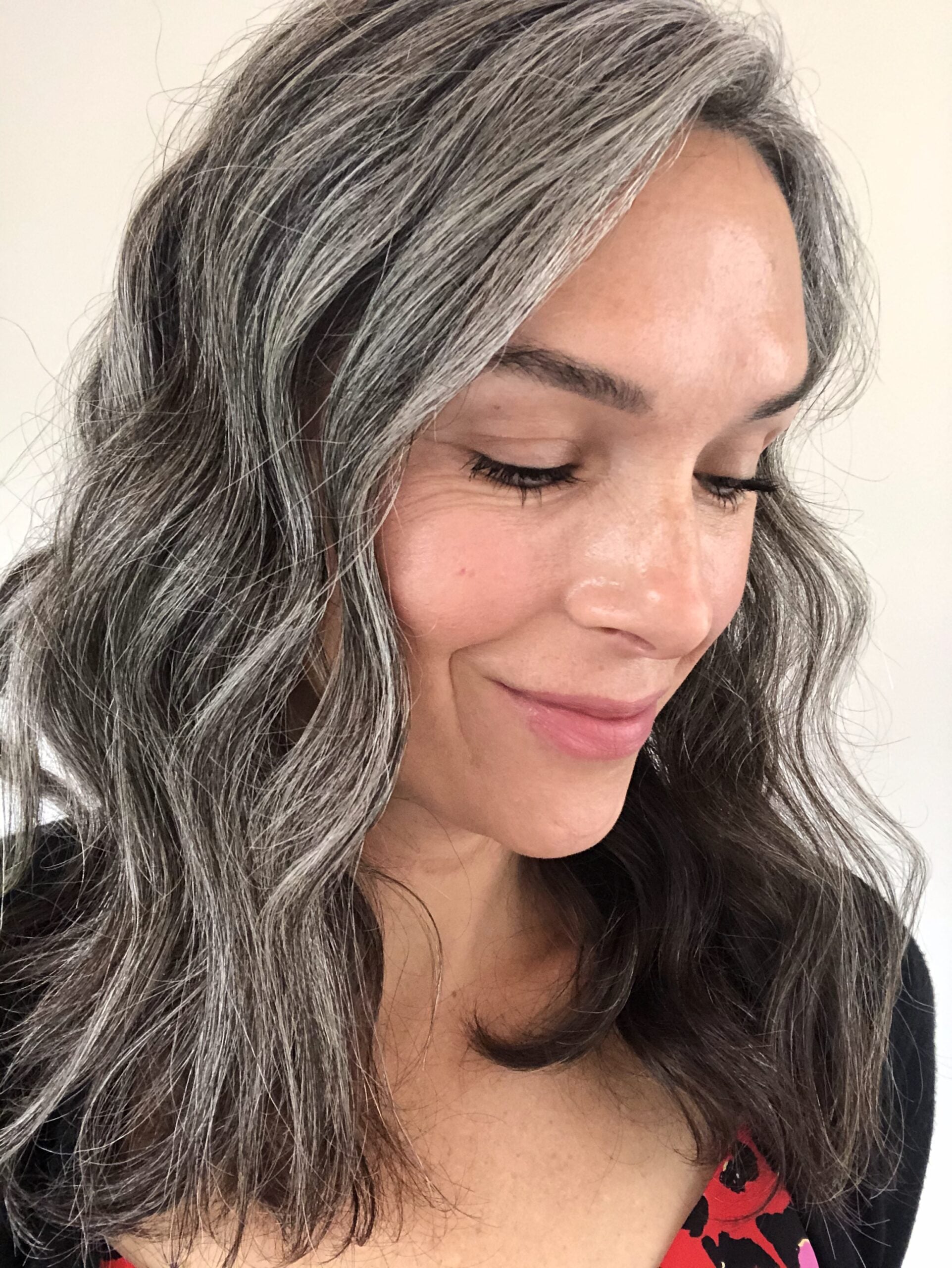
A layered, collarbone-length cut works best when the waves do the talking. This style suits medium-density wavy gray hair that doesn’t need coaxing. The natural blend of silver and dark roots reads as deliberate, not grown-out. No bangs here, just soft layers that let the texture fall where it wants. It’s a look that flatters anyone with a natural wave pattern and medium density, because the cut follows the hair instead of fighting it. The collarbone length is forgiving: long enough to pull back, short enough not to weigh down the wave. And the natural blend of gray with darker roots means you can stretch your salon visits without anyone noticing.
Layered Chin Bob with Gray Highlights
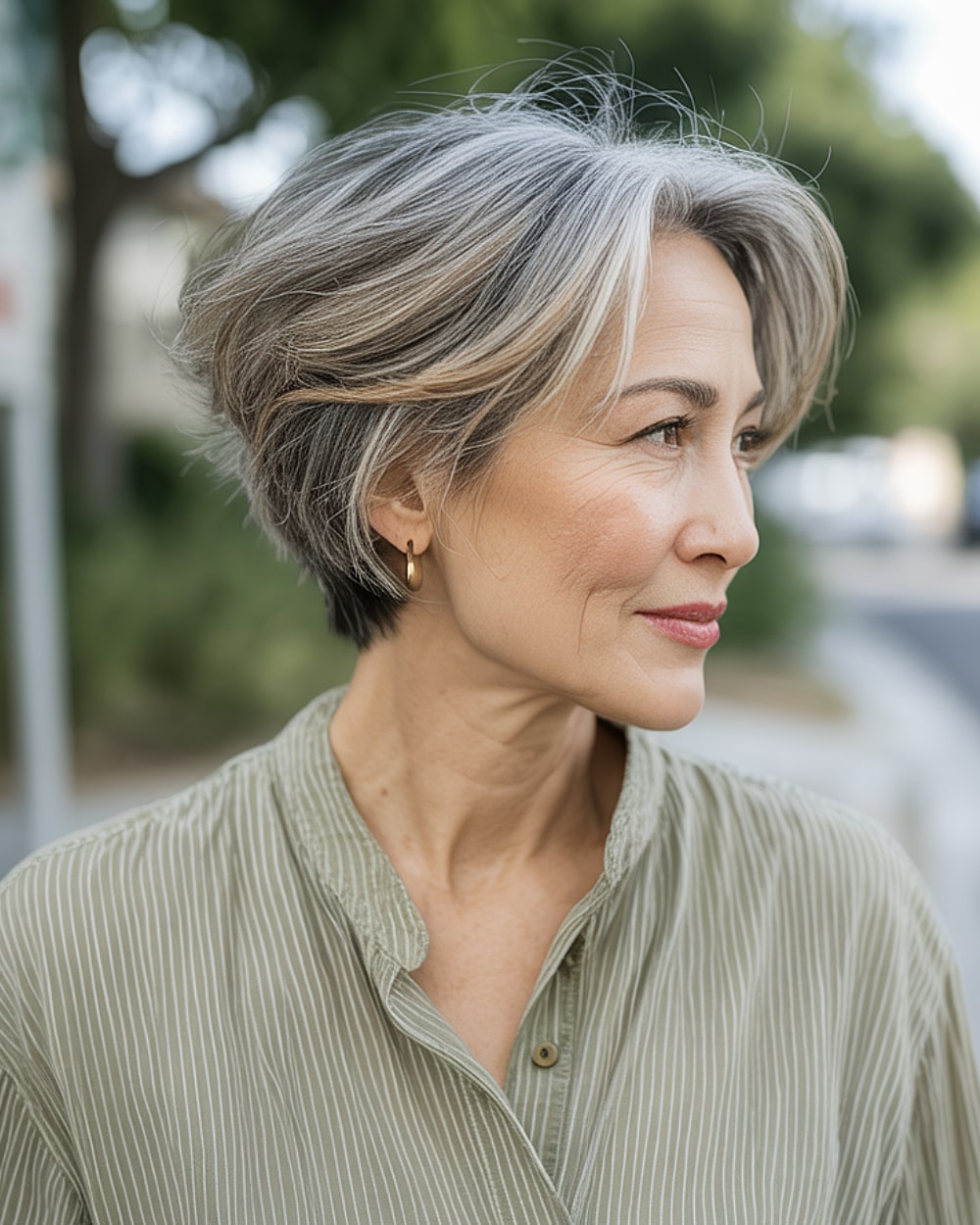
Want to know how long a perfectly blown-out layered chin bob actually lasts? Until you step outside. The gray highlights catch the light when it’s fresh, but the reality is this cut demands daily round-brush work. The side-swept bangs separate by noon, and the layers give volume at the salon but fall flat without heat. Layered chin bob styles rely on salon precision; at home, that bounce drops fast. Honest downside: it’s not a grab-and-go cut.
Mid-Back Braid with Flower Accessory
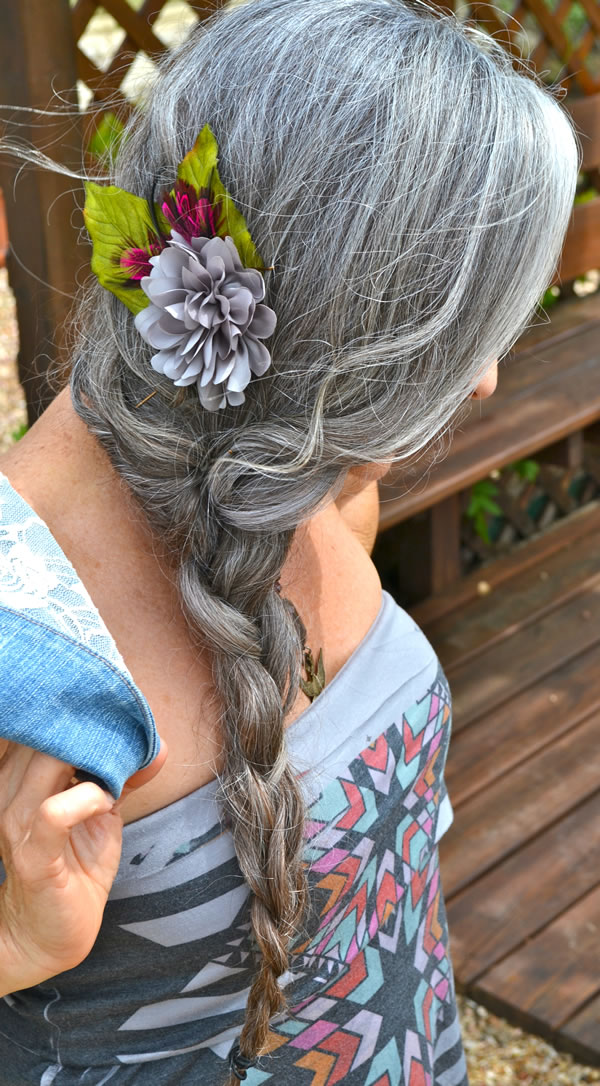
I used to think braids were for other people. Then I tried a thick gray braid on my own wavy, thick hair and understood the appeal. The long layers give the braid shape without it looking too uniform, and the natural gray color reads as silver thread woven through. The flower accessory lifts it from casual to something you would wear to an evening thing.
The trick is to braid tightly first, then gently pull sections apart for a softer, fuller look. On thick hair, that extra step makes the difference between a schoolgirl plait and something intentional. Wavy, thick hair holds a braid without slipping, which means less tugging and fewer flyaways. No bangs, so the braid gets all the attention. This is definitely a salon job if you want the layers cut to work with the braid, not against it. I have worn this to two weddings now and it held all night without a single pin.
Chic Short Gray Bob with Blowout

A chic short gray bob with a smooth blowout looks flawless in the chair. The mistake is thinking you can replicate it at home on fine, straight hair. This ear-length cut skips layers for a blunt line that screams precision. The side swept bangs need blowing in the right direction every single time. The honest downside is that fine hair flattens by lunch without root lift. How to dodge: apply a lightweight mousse before blow drying and use a round brush with tension.
Mid-Back Ombre with Blue-Gray Tones
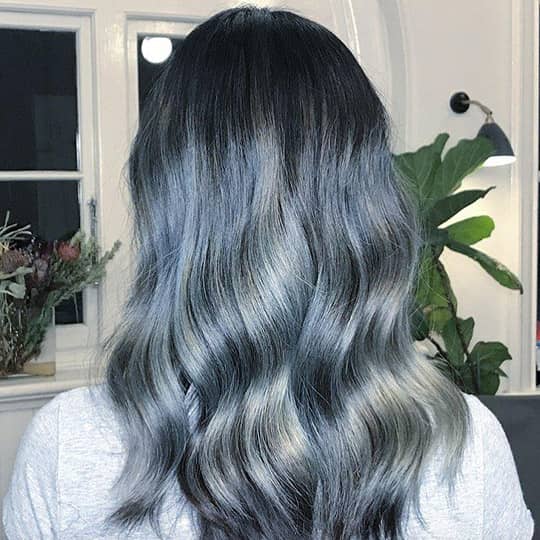
This is the most dimensional gray I have seen in a single head of hair. A dark base at the crown shifts into silver and then into a blue gray ombre that hits somewhere between moonlit and deliberate. No bangs, a middle part, loose waves that show off every transition. The technique matters here: the colorist has to keep the silver from turning muddy where it meets the blue, and the dark root needs to blend, not chop. A trim every ten to twelve weeks keeps the ends healthy enough to hold that fade. On medium-density wavy hair, the whole thing reads as expensive and intentional. I would not try this at home. Book someone who understands how gray pigments behave, because one wrong toner and you are purple.
Upkeep is real. The silver and blue-grey tones need a color-safe shampoo and a cool rinse every other wash. Loose waves are your friend here, they soften the transition and keep the ombre from looking like a line. A middle part widens a round face, so consider a slight side sweep if that is your shape. The grow-out is forgiving because the base is dark, but the blue will fade faster than the silver. Plan for a gloss every six weeks or watch it shift green.
Textured Bob with Wispy Bangs
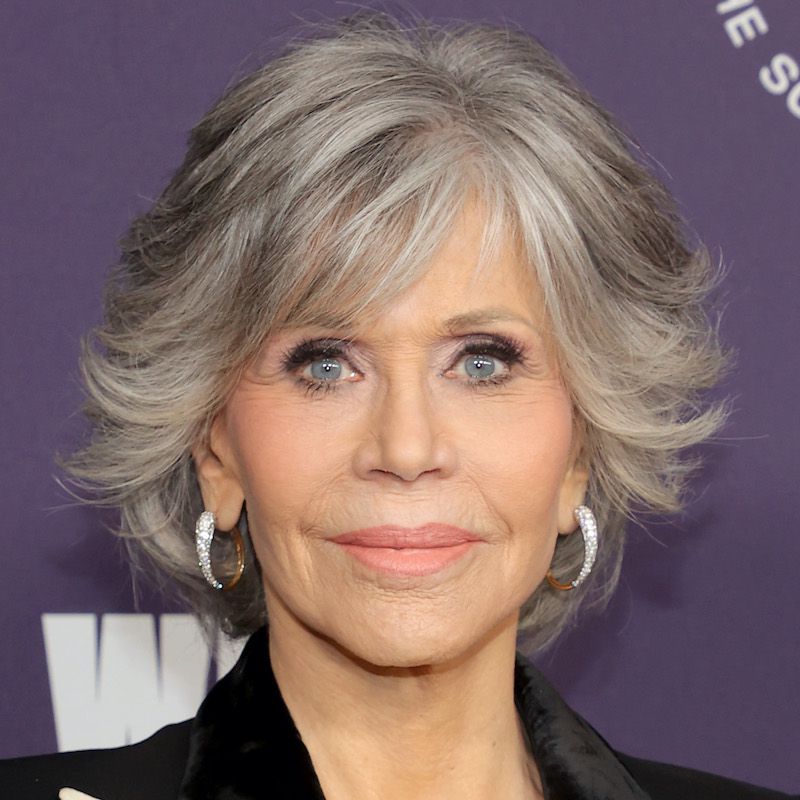
A uniform bob sits there. This one moves. The textured bob with bangs is layered from the ear down, and the wispy bangs land somewhere between eyebrow and lash line, short enough to show forehead, long enough to sweep aside. Fine, wavy hair gets volume from the choppy interior layers, where a blunt bob would sit flat. The middle part keeps the bangs from reading as a separate piece, they blend into the sides. A texturizing paste through dry hair, and the whole thing looks like you ran your hands through it once. Trim every five to six weeks, because those wispy bangs grow into your eyes fast.
Long Wavy Gray Hair, Air-Dried

It is Tuesday morning, you have fifteen minutes, and your hair is damp from last night’s shower. This is where long wavy gray hair earns its keep. Mid-back, no bangs, a middle part, and layers that start below the shoulder so the weight does not pull the wave flat. Thick hair air-dries into loose S-curves, and the gray reads as silver where the light hits the wave crests. The honest downside: winter frizz. Dry air and wool collars will lift the cuticle by noon. A leave-in conditioner applied to soaking wet hair, then scrunch and walk away. The frizz settles by hour three. Trim every ten to twelve weeks, mostly to keep the ends from splitting up into the wave pattern. It is not a wash-and-go if your hair is coarse, but it is close.
Choppy Short Shag with Darker Roots
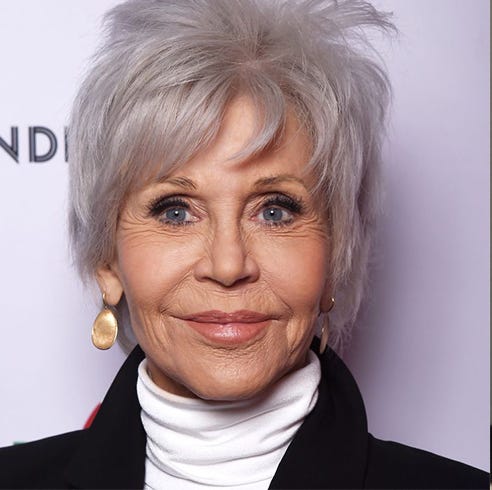
Winter hats flatten hair. This short shag gray cut does not care. Chin-length, choppy layers and bangs that hit the brow, a middle part, and a darker root that gives the whole thing depth. The layers are cut short enough that a beige knit cap comes off and the hair bounces back. Fine, wavy texture works here because the choppy interior creates volume where a uniform cut would collapse. The darker root means you can stretch the salon visit past four weeks without a visible line. A texturizing spray on dry hair, shake it with your fingers, done. It is the cut that looks intentional in a snow squall.
Short Straight Gray Bob
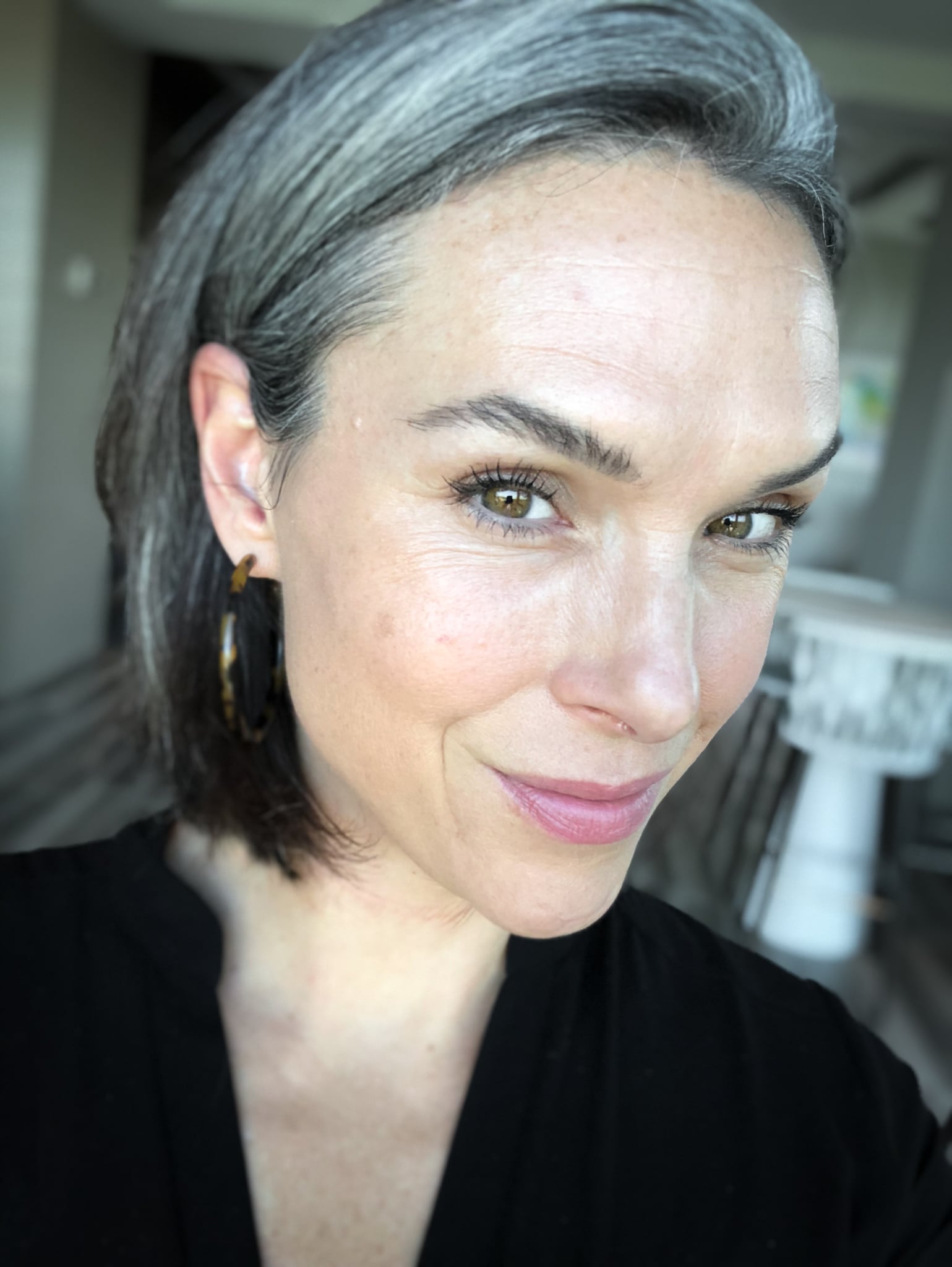
This cut keeps a blunt baseline through the collarbone, then stacks soft layers through the crown so the gray and brown blend moves instead of sitting flat. The texture is medium, not baby-fine, so it holds a slight bend without me wrestling it. I asked for no heavy face-framing, just a few whisper-thin pieces at the jaw, and the stylist kept the bangs long enough to tuck behind an ear. It is not a wash-and-go cut, but it is close.
- Length: collarbone, one blunt line
- Layers: soft, internal, never choppy
- Bangs: long, wispy, swept to one side
- Texture: medium density, slight natural wave
- Ask for: a dry cut to check the fall
The grow-out is the real win here. The blend hides new growth for about ten weeks, and the layers grow into the blunt line instead of collapsing into a triangle. I skipped the bangs for two years because mine separate by noon, but these are cut at an angle so they blend into the layers. It is not a sharp bob, it is a soft one, and that is why it works.
Long Ash Blonde with Silver Highlights

This is a low bun, not a tight ballerina knot, with the crown left loose enough to show the light gray tone. The tendrils are cut to graze the cheekbone and the jaw, and they are the whole point. My fine gray hair does not do slick, so this is the rare updo that looks better with a few strands pulled out. The length sits at the nape, not the mid-neck, which keeps it from competing with a coat collar.
It took me three tries to find a stylist who would cut the tendrils short enough. They kept leaving them long, and long means flat by 4 pm. The texture needs to be slightly piecey, not curled, so I ask for a razor finish on the ends. It is not a severe look, it is a soft one, and the bangs are tucked behind the ear on one side. If you have fine hair, book the consultation first, because the difference between a sharp bob and a harsh one is in the angle of those face-framing pieces.
Chin Bob with Wavy Texture and Color Contrast
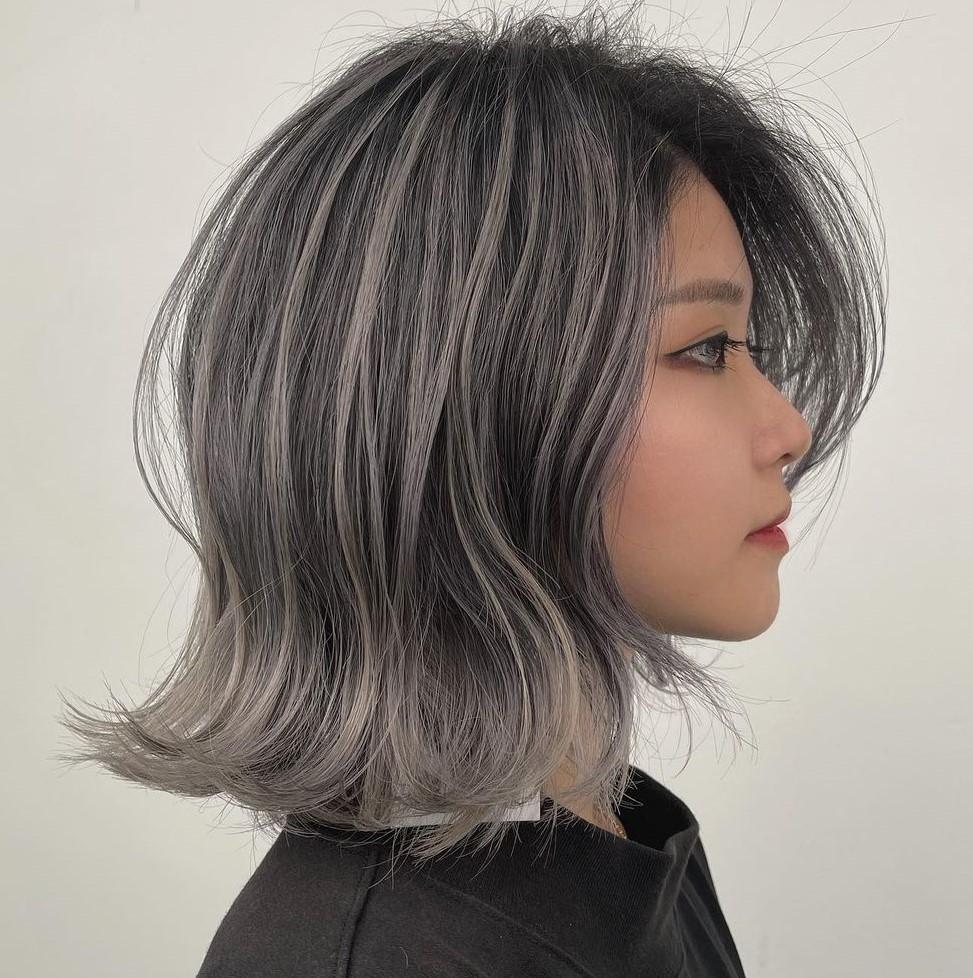
The problem with this length is the fringe separates by noon, and then you are left with a sharp bob that looks like you cut it yourself. The fix is in the underlayer. I have the stylist cut the interior slightly shorter than the exterior, so the hair stacks and moves instead of sitting like a bowl. The dark roots do the heavy lifting, they blur the grow-out line for weeks, and the gray is left on the mid-lengths and ends. It is not a harsh contrast, it is a shadow root that makes the gray look brighter.
For the bangs, I stopped asking for blunt. They are cut at a slight angle, longer at the temple, so they sweep instead of sit. The texture is fine, so I use a wave-enhancing product and let it air dry, no brush, no heat. It is not a wash-and-go cut, but it is close. The grow-out is the real win, dark roots mean I push trims to eight weeks instead of six. It is a short cut that does not need daily styling, and that is rare.
Long Gray Hair with Subtle Silver Waves
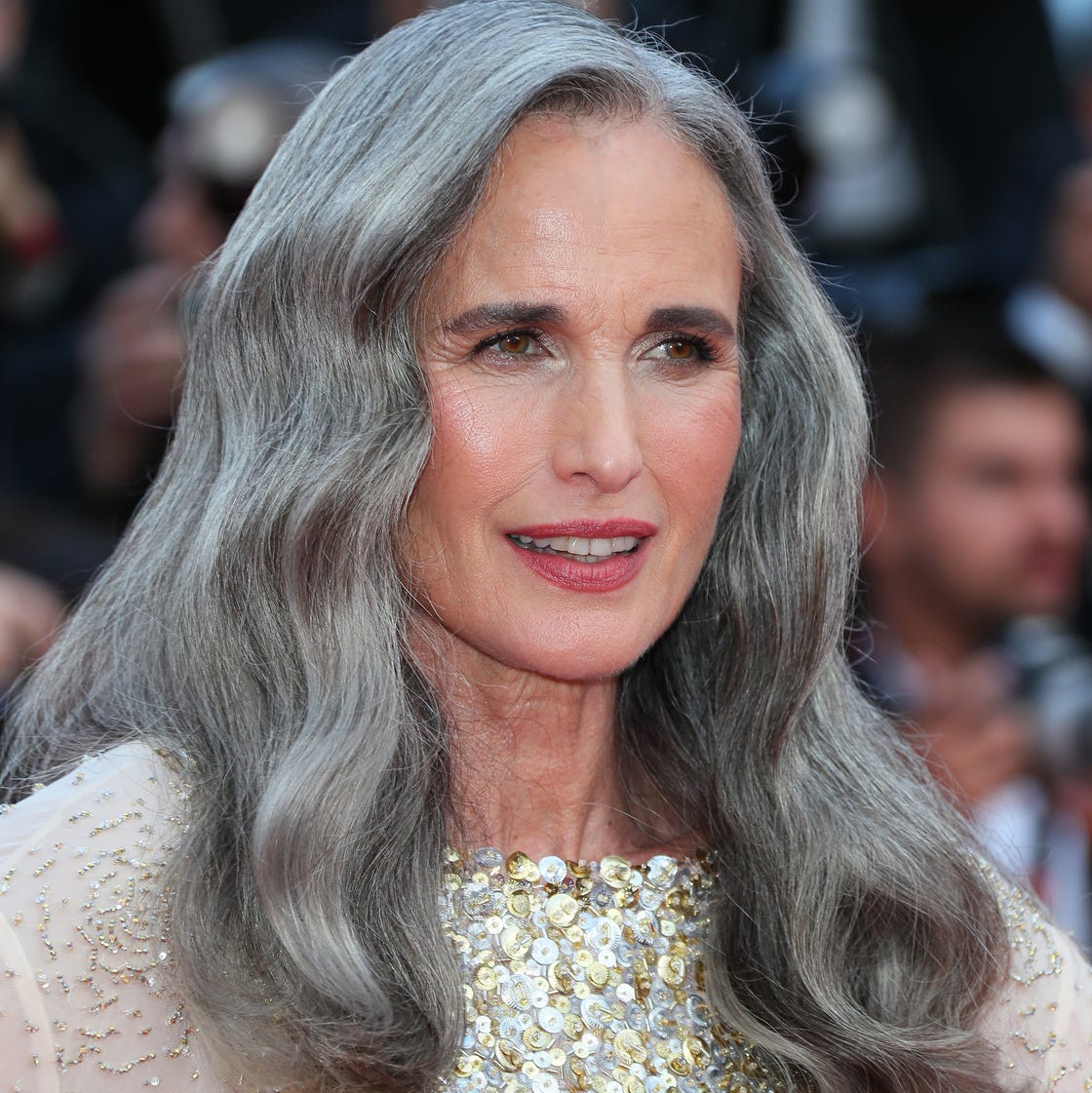
Everyone wants the polished blowout, but this is what happens when you let your gray breathe. Mid-back length, no bangs, and a middle part that lands heavy on the left. The layers start past the chin, so the hair stays blocky and dense up top. That thickness is why the wave holds without a curling wand. I used a wave spray and scrunched, air-dried, and it looked better at hour eight than hour one. Put this next to a heat-styled bob and the bob loses. The texture does the work. The subtle silver highlights follow the wave pattern instead of fighting it. A trim every ten weeks keeps the ends from splitting into a frayed mess. This is the haircut for people who are done pretending they curl their hair every morning.
Wavy Lavender and Silver Bob
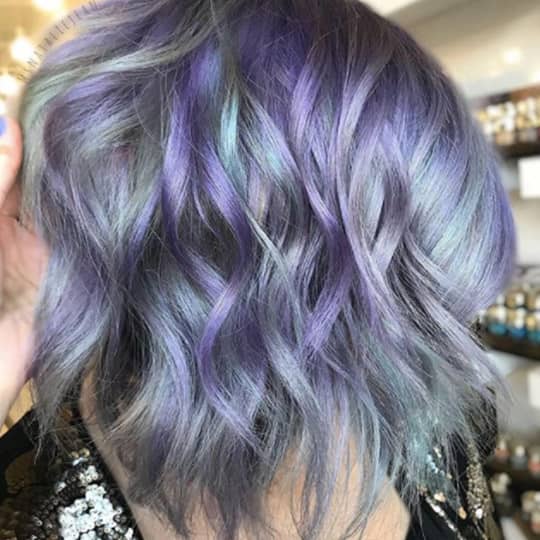
Do you have fine to medium hair and a chin you like? Yes on both? Then sit down for this lavender silver bob. It is chin-length with layers that start at the cheekbone and a side part. The wavy texture gives the fine hair something to grip. The colour is not a salon secret, it is a dye formula that needs a pro. This is not a bathroom-mirror job. Fine hair takes the lavender without weighing down. Round faces get more length from the side parting. Thick hair skips it, the volume fights the shape. The lavender silver bob suits a straight or oval face better than a wide one. Get the layers, skip the bangs, and book it.
Luminous Gray, Silver, White Waves
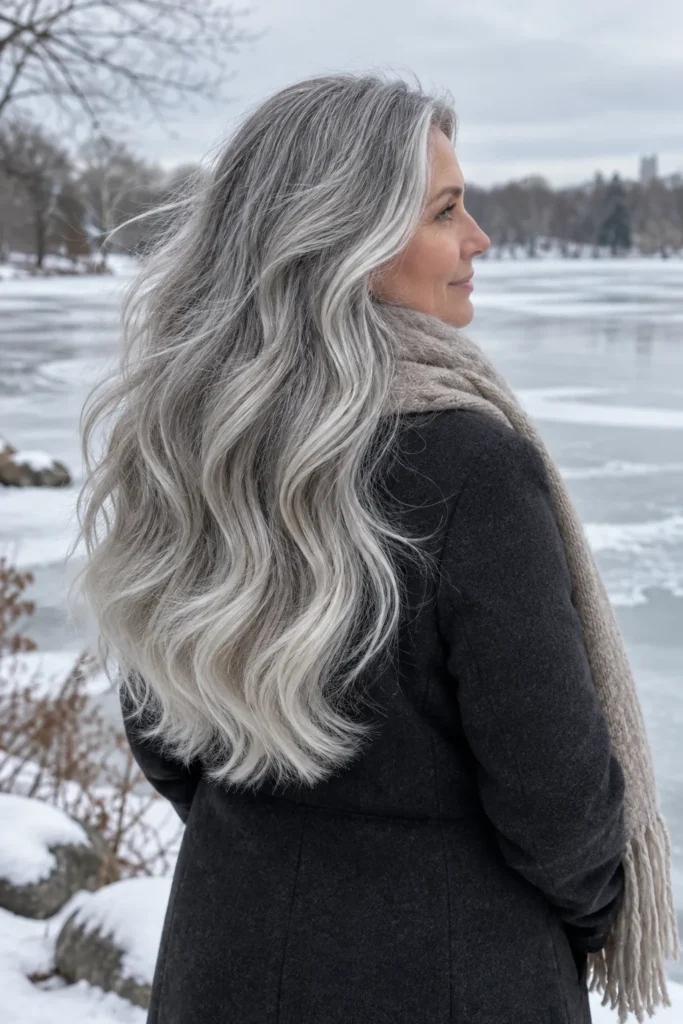
The first time I saw this mane of silver waves in winter light, I forgot to blink. It’s long layers cut to fall from chin to mid-back, with no bangs to interrupt the flow. The color is a luminous gray hair with silver and white tones spiraling through thick, wavy strands. The loose wave pattern feels intentional and soft, not curled.
Across a winter week, the way it holds depends on how you dry it. Air-drying with a gentle scrunch preserves the wave; blow-drying with a diffuser gives more root lift. But the honest downside is maintenance. That luminous gray hair needs a purple toning treatment every four to six weeks to keep silver and white tones from shifting yellow. Winter dryness makes the ends prone to splitting, so a trim every ten weeks is non-negotiable. The thickness helps the shape hold, but the mid-back length means more surface area for static. A silk scarf under a hat reduces friction. It’s a look that demands attention, and time.
Wavy Gray Blowout with Silver Highlights

A wavy gray blowout is the closest you can get to a salon finish without staying all day. This bob hits at collarbone length with subtle layers for movement, no bangs, a deep side part. The silver highlights are woven through a gray base, creating contrast that catches light.
The technique starts with a heat protectant and a round brush. Dry the roots first for lift, then wrap sections of medium-density hair around the brush and pull forward for a soft wave. A texture spray at the ends holds the shape without stiffness. The collarbone length is ideal: long enough to wrap around the brush, short enough that the waves don’t sag. The silver highlights are brightest where the light hits the wave peaks.
Collarbone Gray with Silver Streaks
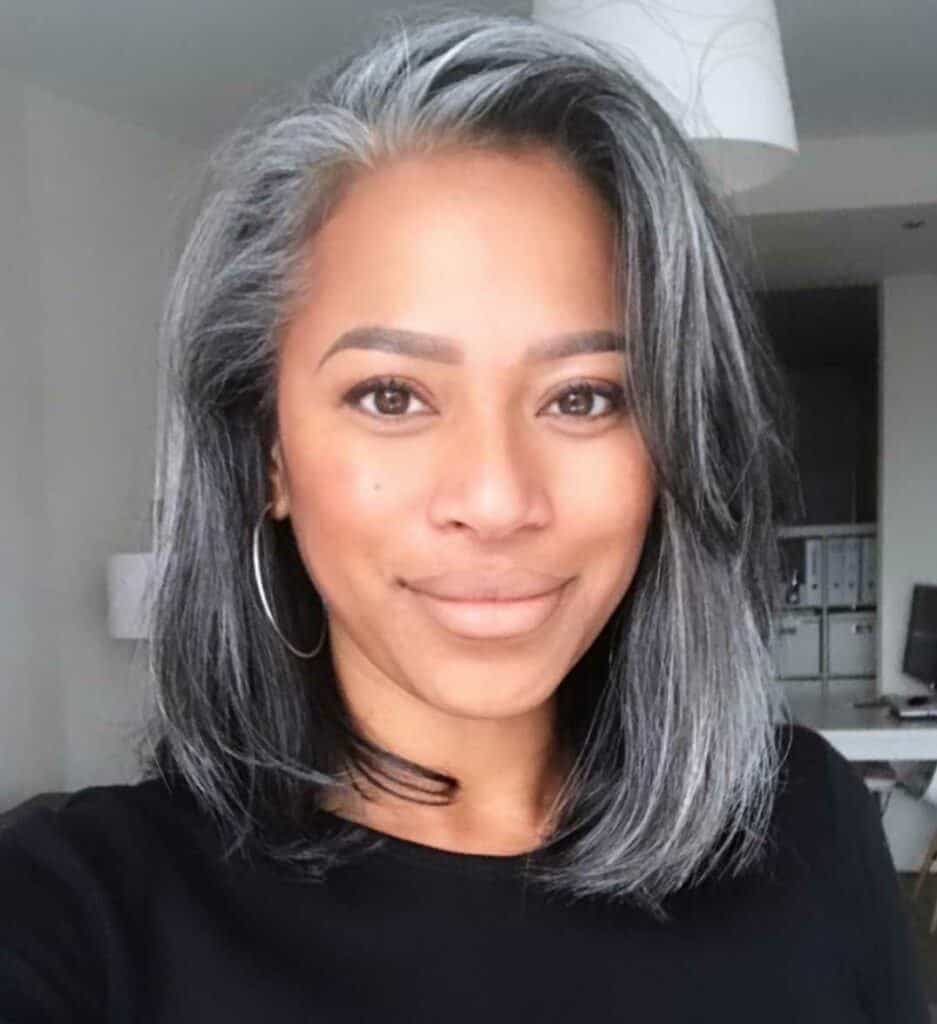
There is something about silver streaks against a gray base that lands perfectly in winter. This collarbone-length long bob has layers cut to sweep the jaw and ends that curl under in loose waves. No bangs, a side part that widens the eye area. The blend of gray and silver reads as cool and dimensional, not flat gray. It’s a cut that works with a turtleneck or a scarf without fighting the fabric. The color catches the low winter sun in a way that feels intentional.
Final Thoughts
After looking at all 29, I still think winter is when silver cuts make the most sense. Maybe it’s the coat collars. Maybe it’s the less humidity. What surprised me was how many cuts survive on air-dry alone, no heat, no round brush, just good texture and a blunt baseline.
I am booking the textured pixie with darker roots. My fine hair goes flat by 4 p.m. That one held shape all day.