
A winter haircut is a strategic update that balances shape, texture, and seasonally manageable styling. This season, blunt bobs and long layered cuts with face-framing pieces are the practical favorites, offering volume where fine hair needs it and weight removal where thick hair demands it.
This collection of 31 Winter Haircuts for Women spans chin-length bobs to mid-back layers, covering blunt, shag, and wavy textures with or without bangs. Whether your hair falls flat under a beanie or the grow-out line on your balayage feels too stark, there is a cut here that solves that specific annoyance. The focus stays on shape and upkeep, not on trends that demand a round brush every morning.
Voluminous Ash Blonde Long Layers With Curtain Bangs
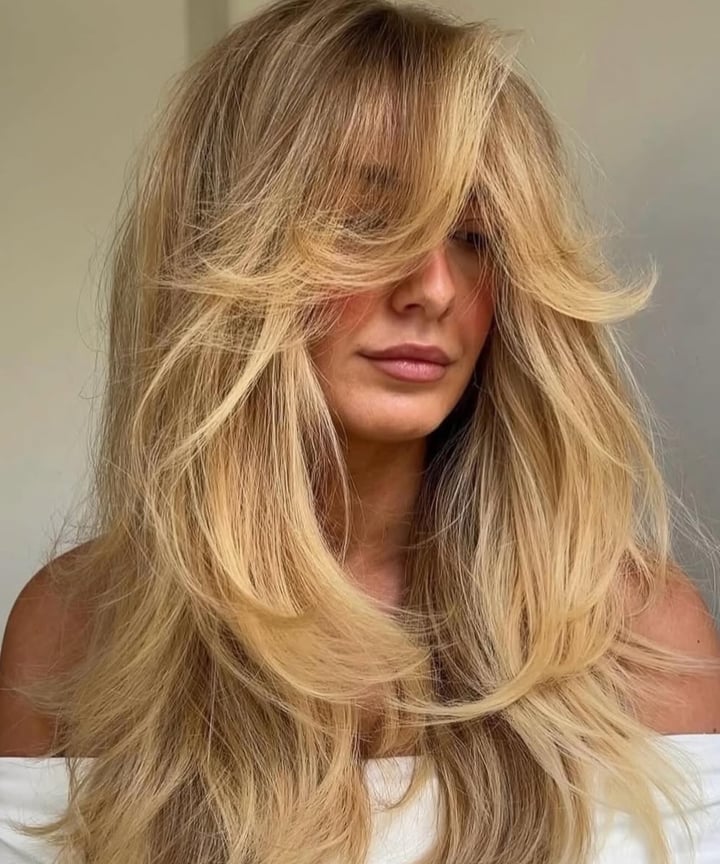
Long layers that actually hold a blowout are rarer than you think, but this mid-back cut with curtain bangs and a middle part is built for it. The ash blonde base with lighter highlights adds dimension without the weight of a solid tone, and the wavy, thick texture gives the volume somewhere to land. Ask your stylist for: mid-back long layers, voluminous blowout, curtain bangs. Thick, wavy hair types starting at mid-back length will get the most lift; curtain bangs also happen to soften round and oval faces without shortening the overall line. Blow-dry with a round brush to lift the roots, and expect to book a fringe trim every four weeks to keep the shape clean.
Collarbone Shag With Wispy Bangs
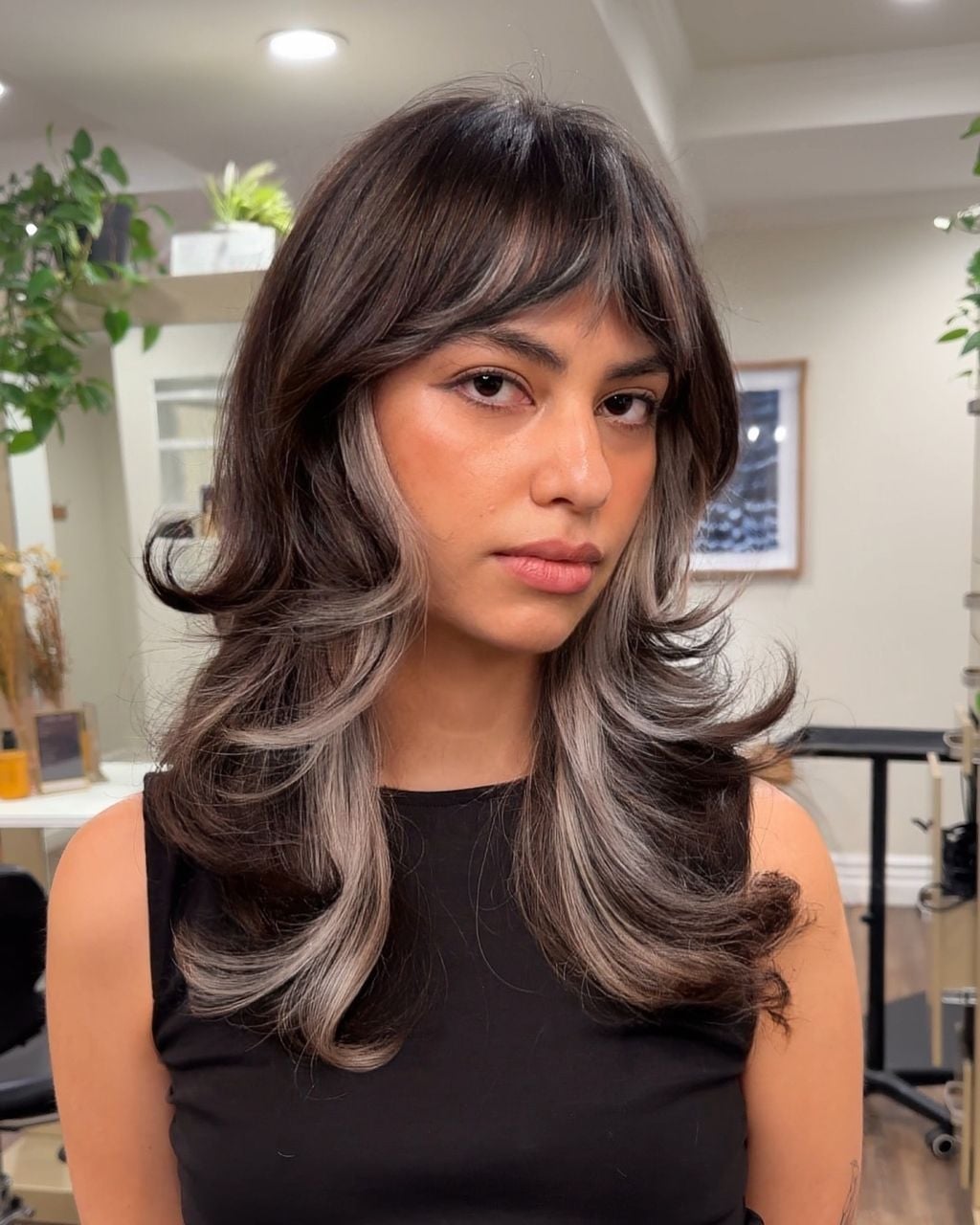
A shag is a haircut that does the texture work for you, and this collarbone version with wispy bangs and a middle part proves it. The dark brown base with gray highlights adds contrast, and the face-framing layers keep the shape from looking bottom-heavy. Ask your stylist for: collarbone shag, wispy bangs, face-framing layers. Thick, wavy hair at collarbone length is the natural candidate; the wispy bangs also balance square or angular face shapes by softening the forehead line. Diffuse or air-dry to let the layers do their thing.
Sleek Chin Length Blunt Bob

Unlike a textured bob that hides a crooked cut, this chin-length blunt bob relies on a sharp, one-length baseline with a side part and no bangs. The dark brown color and straight, thick texture make the line read as deliberate. Ask your stylist for: chin length blunt bob, no bangs, side part. The trade-off is that it shows every missed trim, so a flat iron is your daily tool and a salon visit every four weeks is required. Oval and heart-shaped faces get the cleanest line from this cut.
Back View Reddish Brown Blunt Bob, Close-Up Take
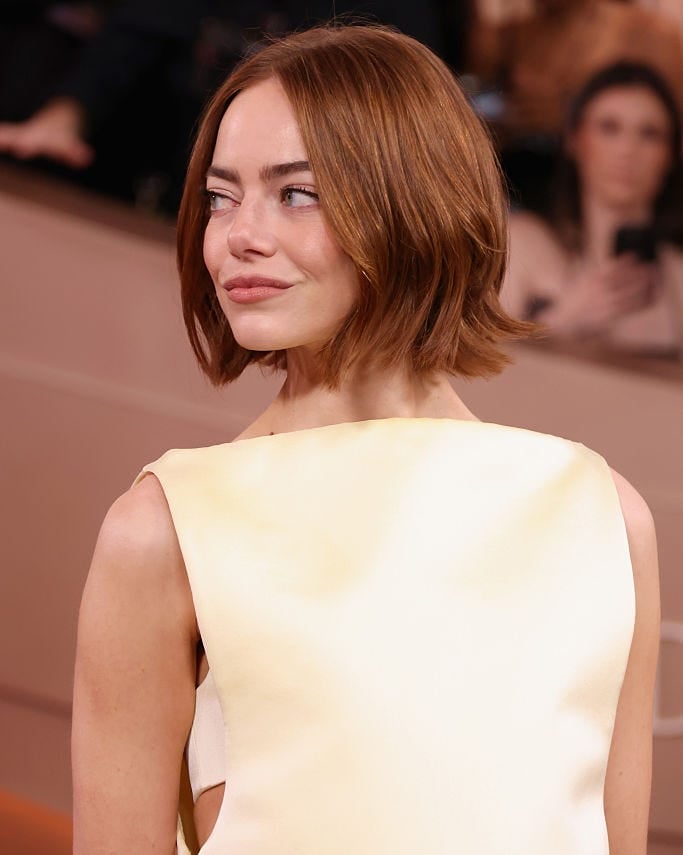
How do you describe the color you want without saying “reddish brown” and hoping for the best? This chin-length blunt bob is the answer, with a middle part and a straightened finish that shows off the sharp line from the back. The reddish brown shade is the rare winter color that warms up pale light without going brassy. Ask your stylist for: chin length blunt bob, middle part, reddish brown. Thick, straight hair is the ideal candidate, since the density makes the blunt edge look deliberate rather than accidental.
Ash Blonde Blunt Bob With Side-Swept Bangs
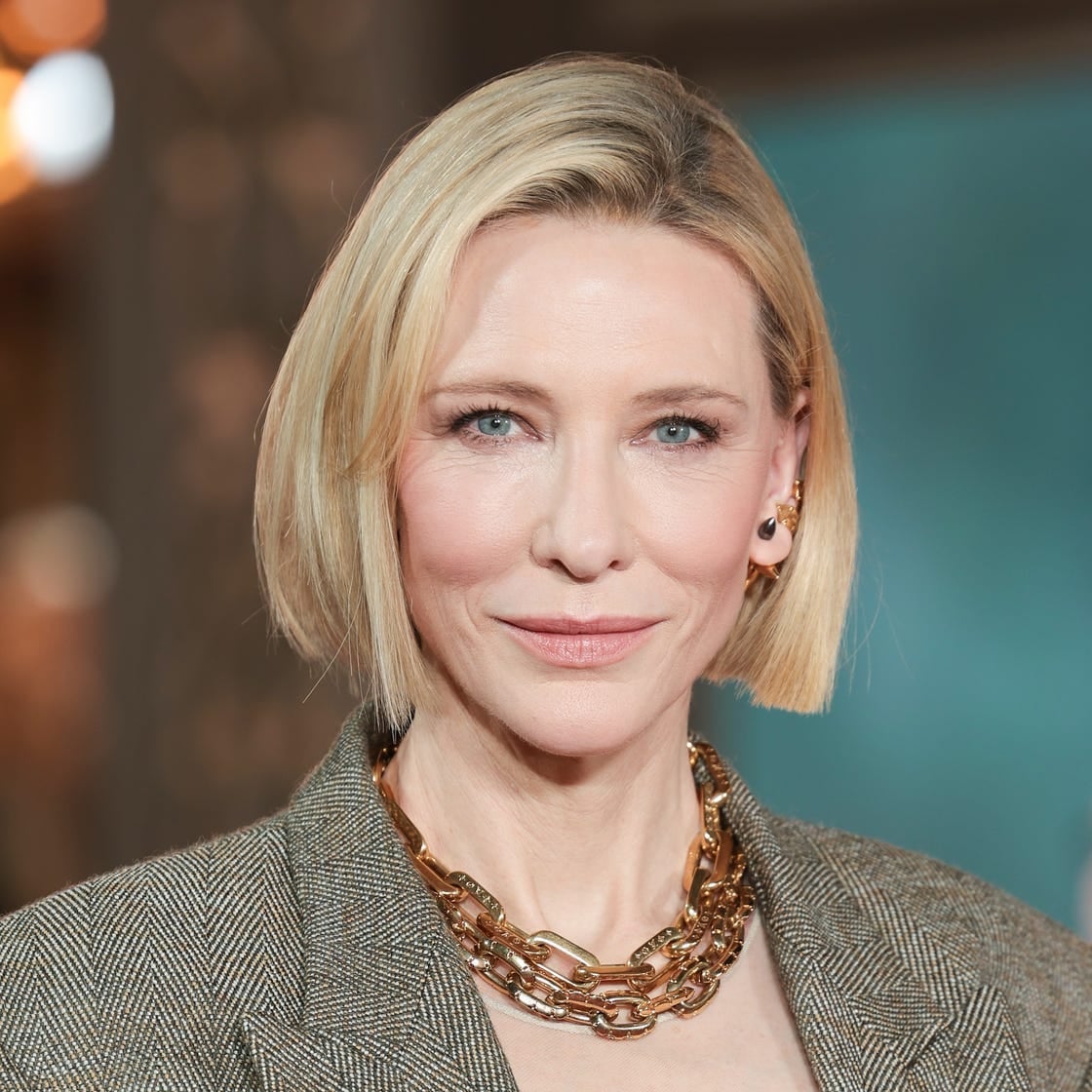
A blunt bob with side-swept bangs is a winter staple because the cool ash blonde tone pairs with gray light better than warm shades do. This chin-length version has an off-center part and a sharp baseline, and the fine, straight texture keeps the silhouette clean without bulk. Ask your stylist for: chin length blunt bob, side-swept bangs. The side-swept shape softens angular faces, and the length is short enough to tuck into a coat collar without messing up the line. Blow-dry the bangs to the side and use dry shampoo at the roots for day two.
Dark Brown Chin Length Blunt Bob Side View

A blunt bob’s entire personality lives in its perimeter, and the side view is where a perfect one earns its keep. The dark brown shade reads as almost black against winter light, which makes the straight, thick texture look even more deliberate. Ask your stylist for: chin length blunt bob, no bangs. The middle parting keeps the weight evenly distributed, so the cut doesn’t flip or bend on its own. This finish typically requires a flat iron for styling, and a trim every four weeks keeps the edge sharp, which blurs fast otherwise.
Textured Wavy Dark Brown Chin Bob
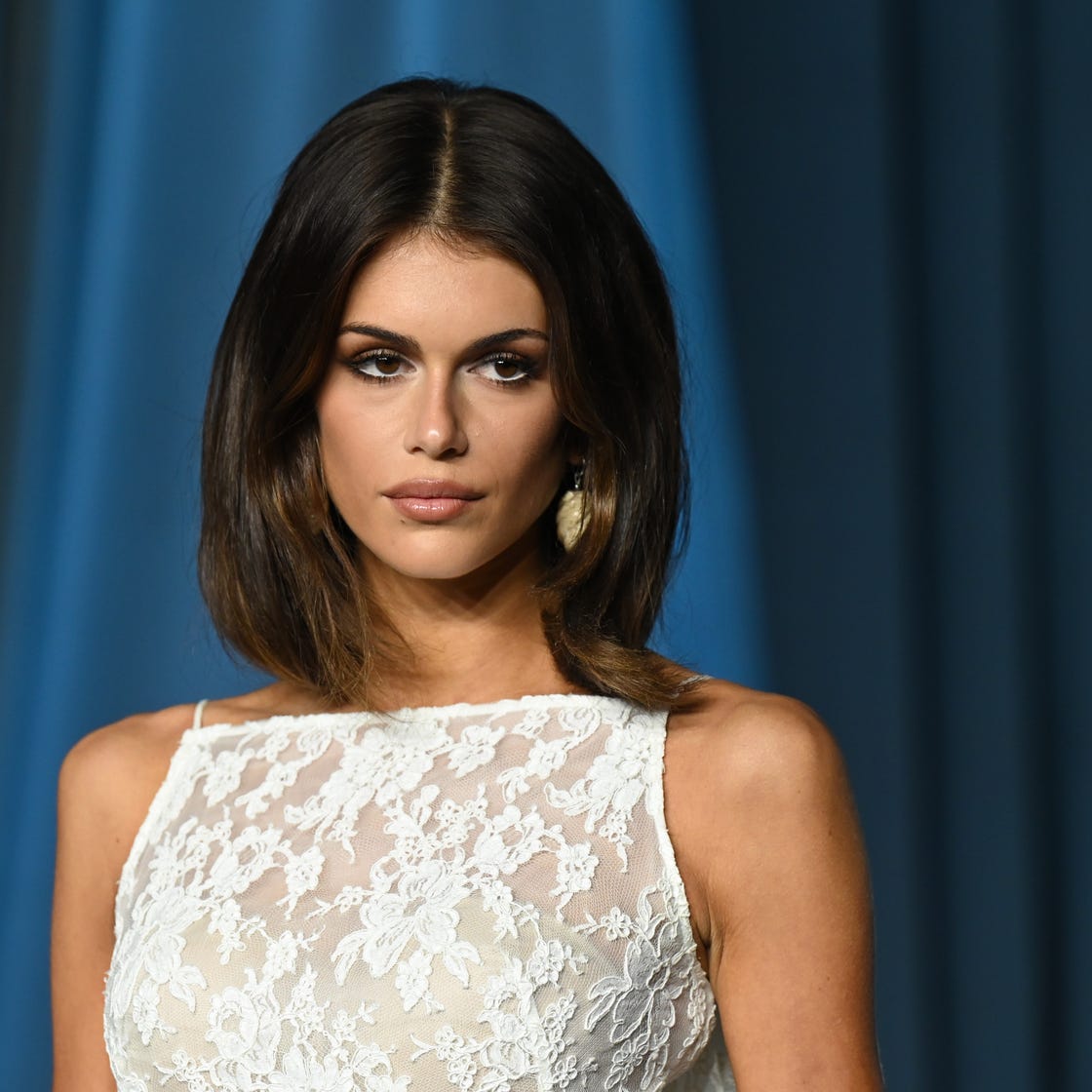
Do not confuse textured waves with a messy finish, because this cut still needs its blunt line to read clearly. The dark brown base and middle parting give the shape its structure, while the waves add movement without sacrificing the sharp chin-length edge. Ask your stylist for: chin length blunt bob, textured waves. The common mistake is over-working the texture until the bob turns into a shapeless puff. A sea salt spray and a diffuser will get you there, but keep the ends defined. The blunt line is what separates this from a shag, so treat it accordingly.
Sleek Chin Length Bob For Fine Hair, Dark Brown
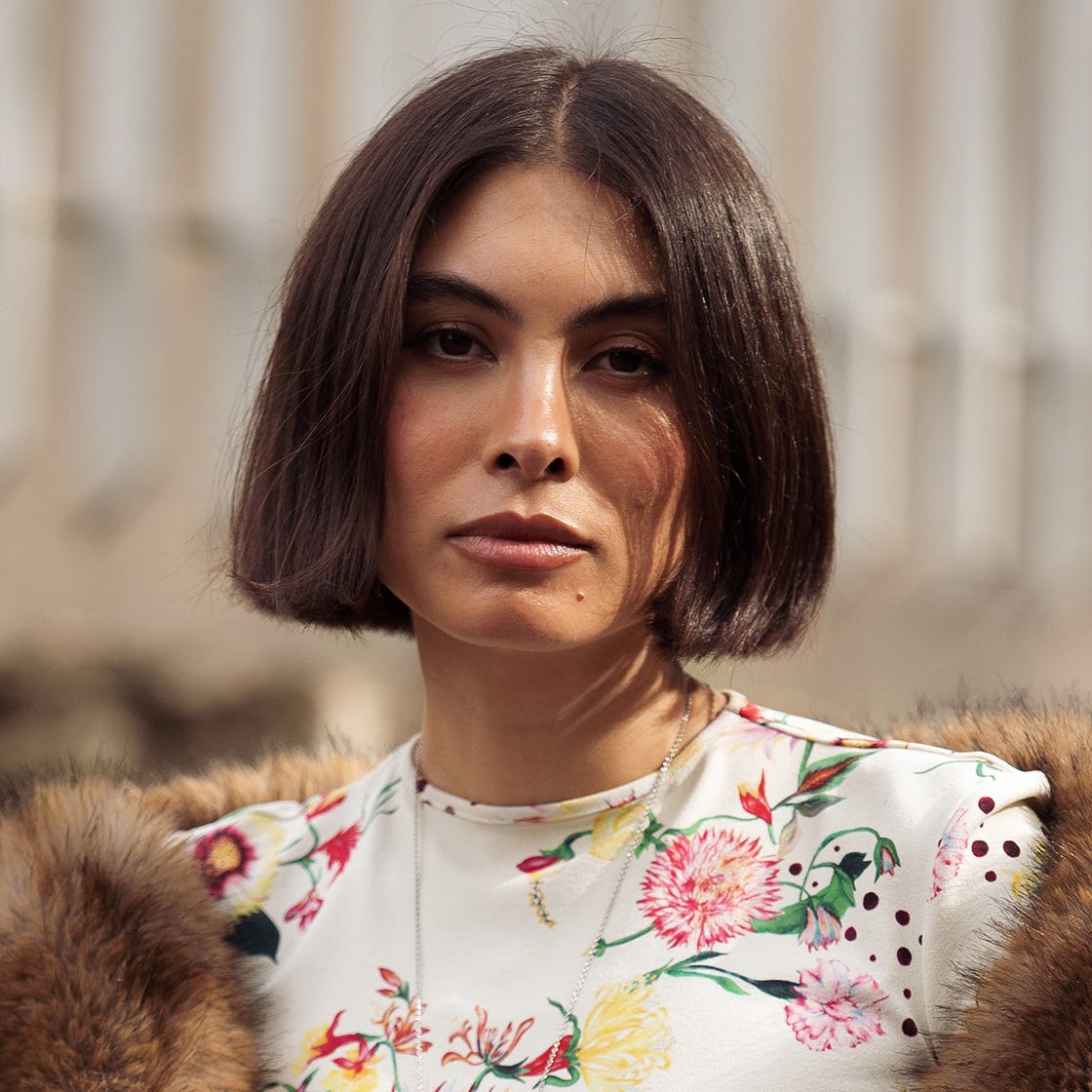
Fine hair finally gets a cut that works with its nature instead of fighting it. The sleek, straight finish and sharp chin-length line add fullness, and the side parting provides lift at the root. This is a cut that rewards precision, which is where the salon earns its keep. Ask your stylist for: chin length sleek bob, no bangs, side part. The stylist’s job is to get the line absolutely even, because a millimeter off shows up immediately on straight, fine strands. At home, a smoothing serum and a flat iron are your main tools. This is not a wash-and-go cut, but the polished finish typically lasts all day.
French Bob With Wispy Bangs
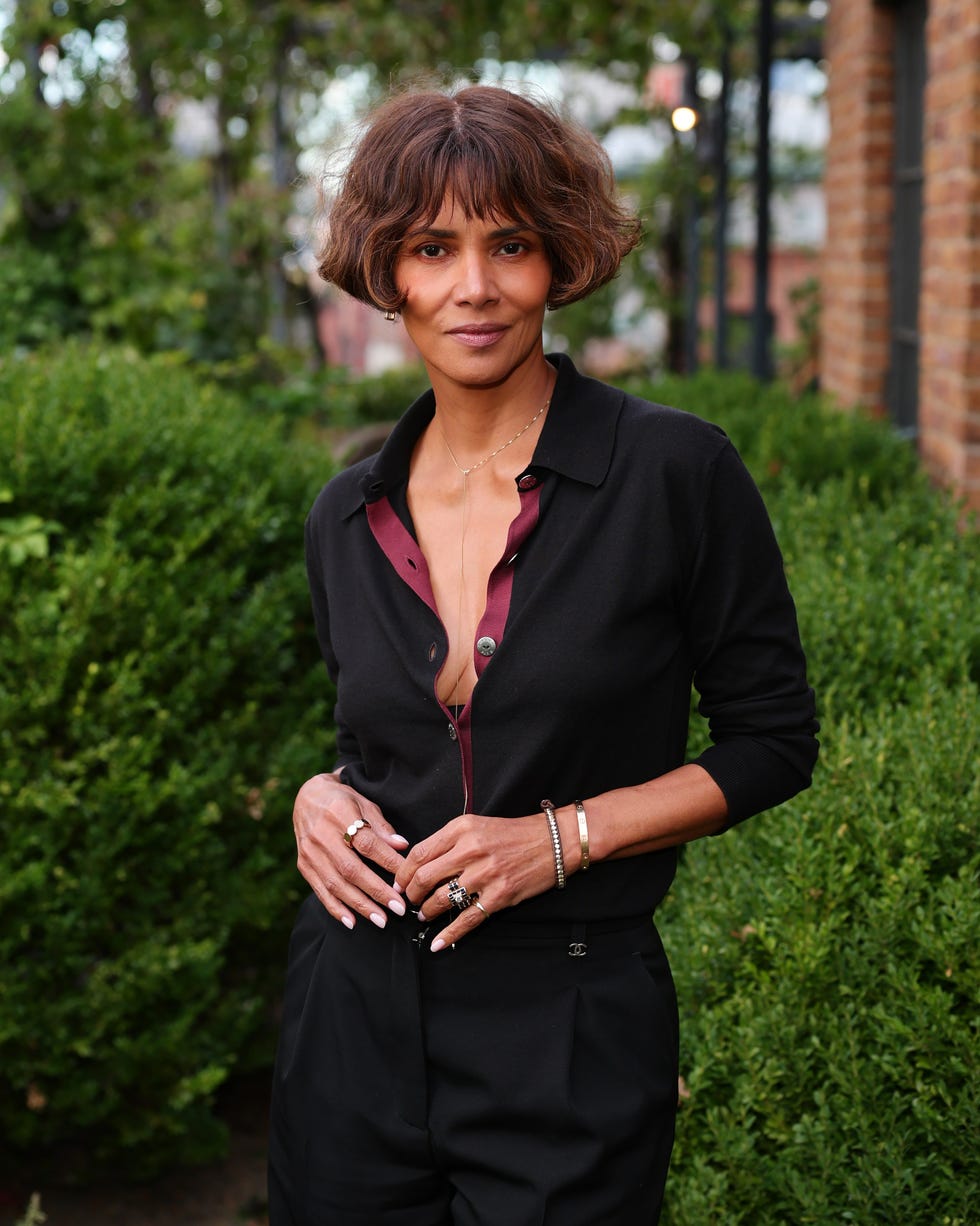
There is a reason the French bob resurfaces every winter: it is the rare cut that looks better with less effort. The chin length and wispy bangs work together to frame the face without any heavy styling, and the air-dried texture keeps it from feeling precious. Ask your stylist for: chin length French bob, wispy bangs. The side part adds a little asymmetry to the rounded shape, which stops it from looking like a helmet. This is the cut for days when you want to roll out of bed and still look put together. Just be ready for frequent trims, because the wispy bangs grow out fast and lose their shape in a matter of weeks.
Collarbone Lob With Side-Swept Bangs and Balayage

This is the cut that does the most with the least fuss, and the balayage is the reason why. The dark brown base melts into blonde highlights that start mid-shaft, so the grow-out is never obvious. The collarbone length and side-swept bangs keep the shape soft, while the loose waves give it a lived-in feel. Ask your stylist for: collarbone lob, side-swept bangs, balayage highlights. The technique matters here: the balayage should be painted on to catch the waves, not a solid block of color. A round brush and a blow-dry will enhance the natural movement, and a gloss every eight weeks keeps the blonde from going brassy.
Collarbone Waves With Face Framing Layers

How do you ask for those soft, sweeping pieces that start around the cheekbone and blend into the rest of the length? This collarbone cut uses face-framing layers to break up thick, wavy hair that otherwise sits like a solid triangle. The key is keeping the shortest layer long enough to tuck behind an ear, with the rest of the wave falling just past the shoulder. Ask your stylist for: collarbone length, face-framing layers, soft waves. Blonde highlights scattered through the front pieces add contrast without a full color commitment. A large-barrel curling iron on medium heat gives that salon-leaning bend that lasts through a windy afternoon.
Collarbone Layers With Ash Brown Balayage

Warm caramel balayage gets all the attention, but ash brown does something warmer tones cannot: it looks cool and polished against gray winter light. This collarbone cut uses long layers and subtle lighter strands that hit just below the ear, so the dimension shows whether the hair is straight or waved. The drawback is that ash tones pull more green or muddy on porous hair, so a toning appointment every four to six weeks keeps the base from drifting. Ask your stylist for: collarbone long layers, face-framing pieces, ash brown. A side parting and soft blowout waves keep the face-framing pieces visible without looking cut off.
Collarbone Shag With Curtain Bangs, Dark Brown With Subtle Highlights

The shag is a winter haircut because of how it handles hat head: those textured layers and curtain bangs fall back into place without a round brush. This version lands at the collarbone with a dark brown base and subtle lighter highlights that peek through the wave, not scream for attention. A wavy blowout keeps the shape from looking too rock-and-roll. Ask your stylist for: collarbone shag, curtain bangs, textured waves. It works for casual days when the goal is a five-minute diffuse-dry and go. The curtain bangs blend into the layers instead of sitting as a separate piece.
Shoulder Length Layers With Balayage
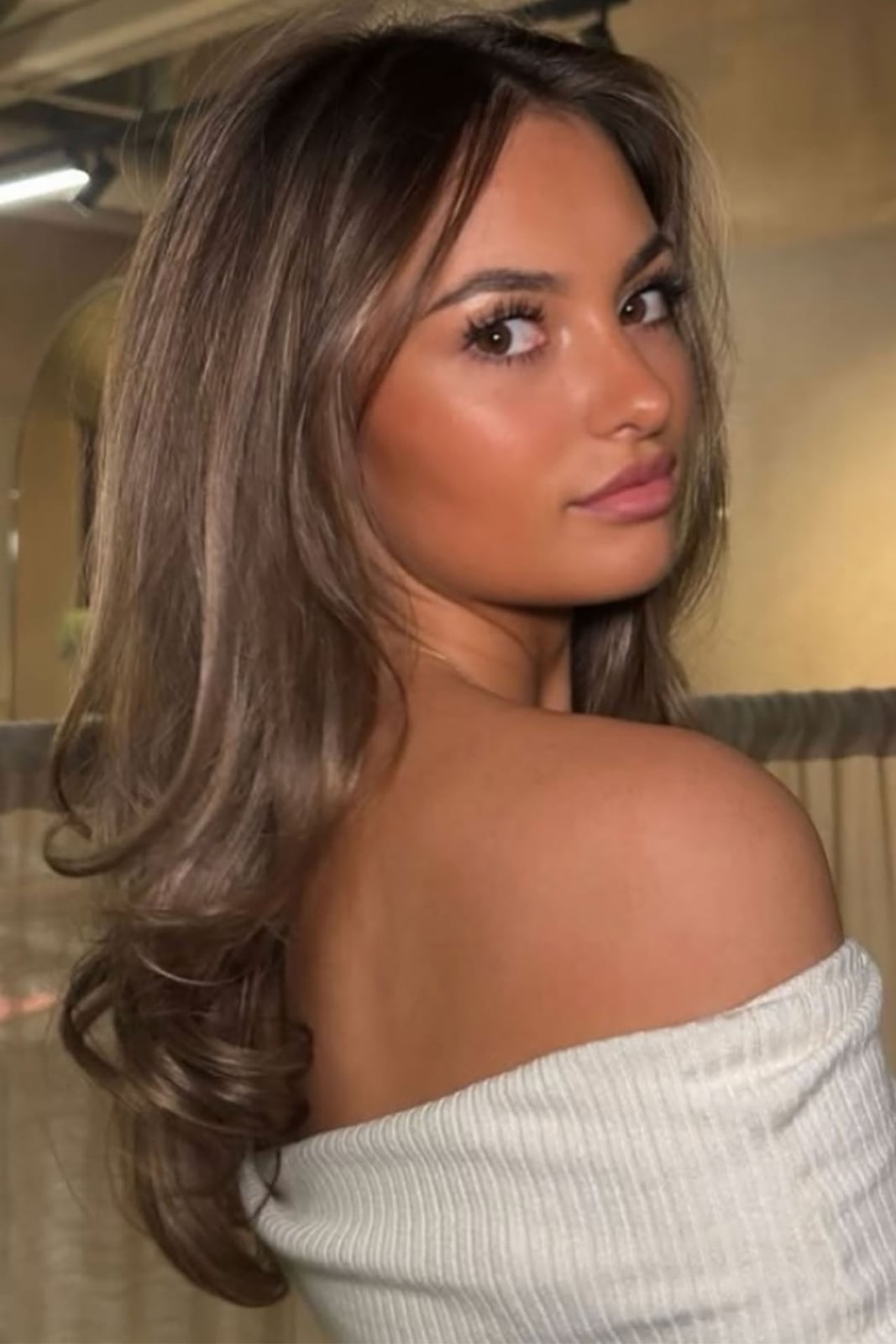
Balayage on thick, wavy hair at collarbone length grows out with a soft line that does not demand a salon visit every month. The warm brown base and blonde highlights are painted through the mid-lengths and ends, so the roots stay dark and the dimension lands where the waves bend. A middle part and blowout waves give it volume at the crown without teasing.
Ask your stylist for: shoulder length layers, face-framing layers, blonde balayage. The upkeep is a trim every six to eight weeks to keep the layers from turning heavy at the bottom. Heat styling with a round brush at the roots and a curling iron on the ends keeps the shape polished for work or evenings out.
Shoulder Length Layers With Balayage Highlights, Wavy
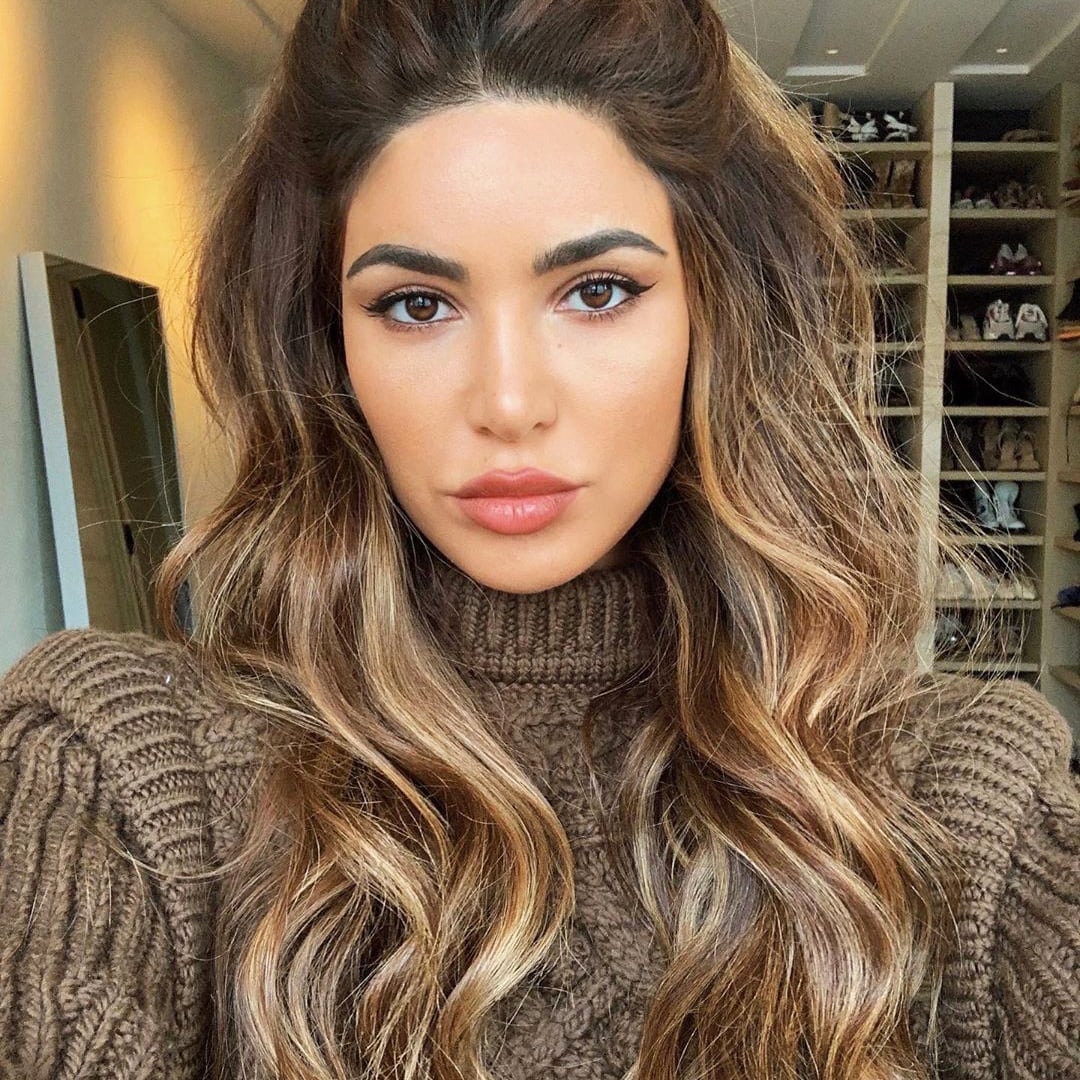
Dark brown at the root and lighter through the face-framing layers and ends, the color creates depth without needing a full head of foil. Ask your stylist for: shoulder length long layers, face-framing layers, warm balayage. A side parting and loose waves keep the face-framing pieces visible and the highlight placement obvious. Thick, wavy texture holds the bend without a ton of product.
Shoulder Length Layers With Warm Balayage, Side
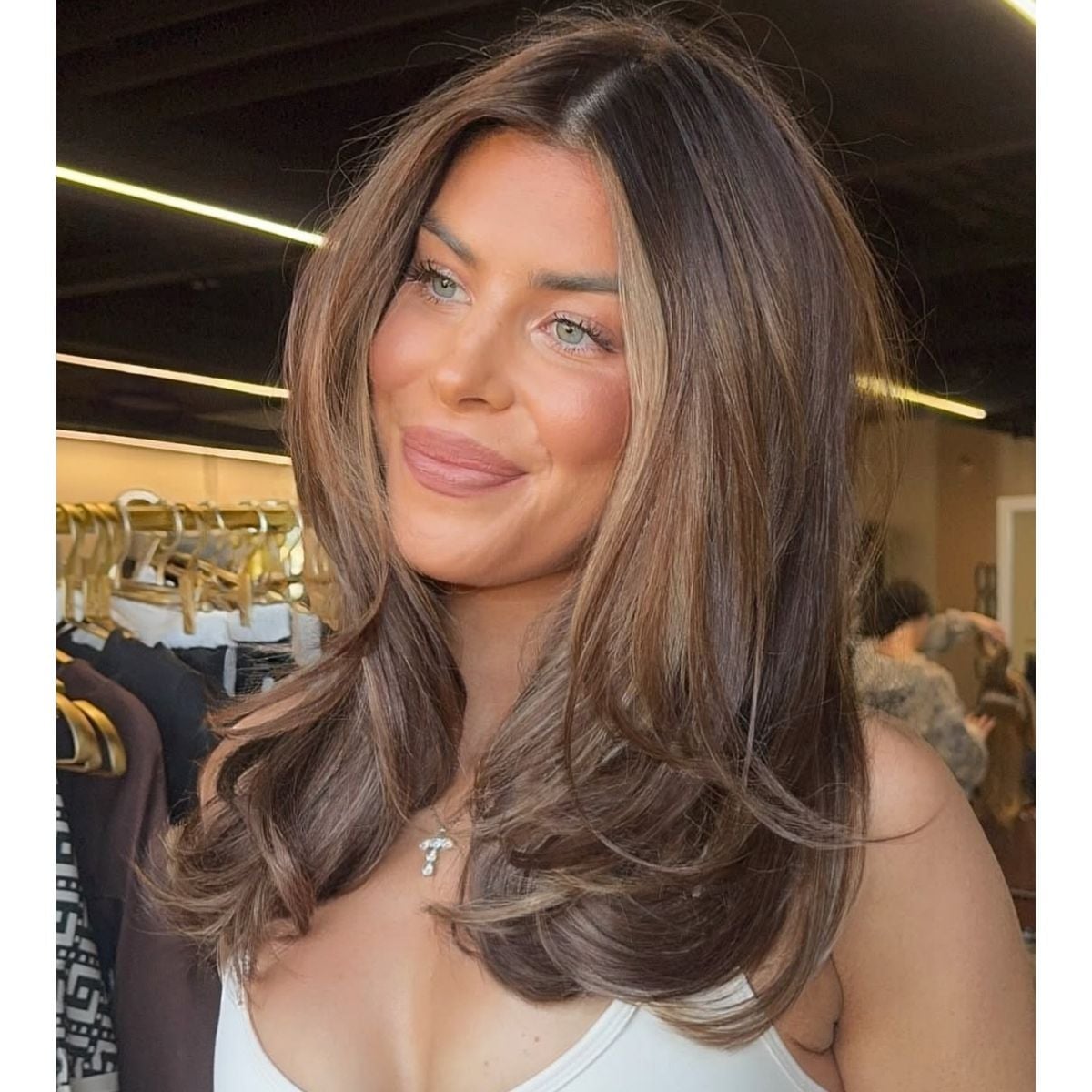
The side part does the heavy lifting here, letting the warm balayage wrap around the face so the dimension reads even when the hair is down. On thick, wavy hair, long layers keep the weight from making the shoulder-length cut sit like a helmet, and the blowout adds the volume that winter hats tend to flatten. Ask your stylist for: shoulder length long layers, warm balayage, soft waves. The upkeep is a trim every six to eight weeks, and a round brush during the blow-dry keeps the ends bending under instead of flipping out.
Shoulder Length Ash Blonde Layers
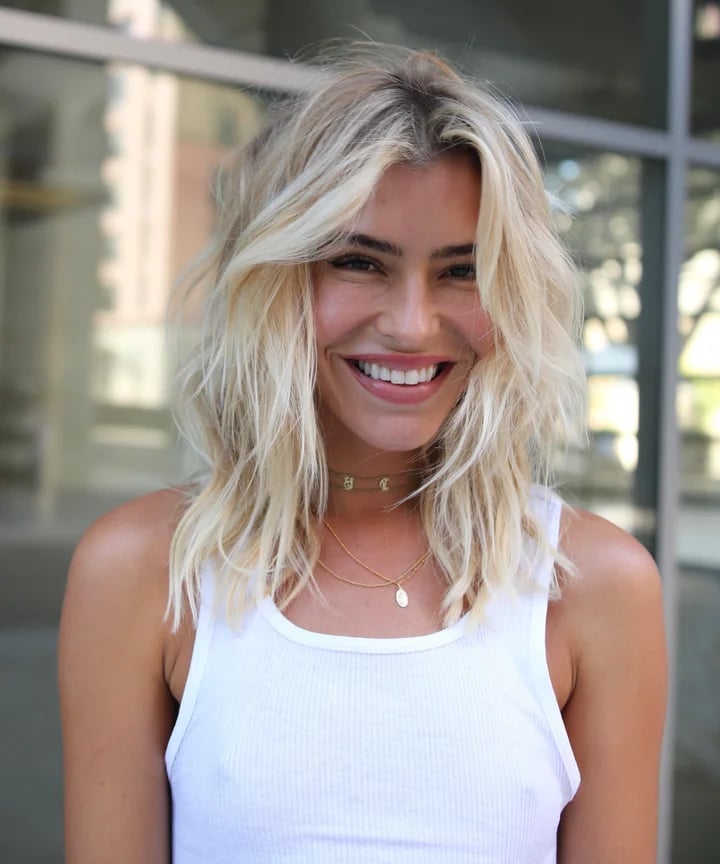
Thick, wavy hair suits this shoulder-length cut, since the long layers keep the texture from turning into a triangle. The ash blonde with highlights adds brightness, but face-framing layers soften angular jawlines. Ask your stylist for: shoulder length long layers, ash blonde, face-framing layers. The drawback is that ash tones can pull muddy on low-porosity hair, so a clarifying shampoo every couple of weeks keeps the color from going flat. A texturizing spray and a diffuser are the main styling tools.
Collarbone Layered Waves With Balayage
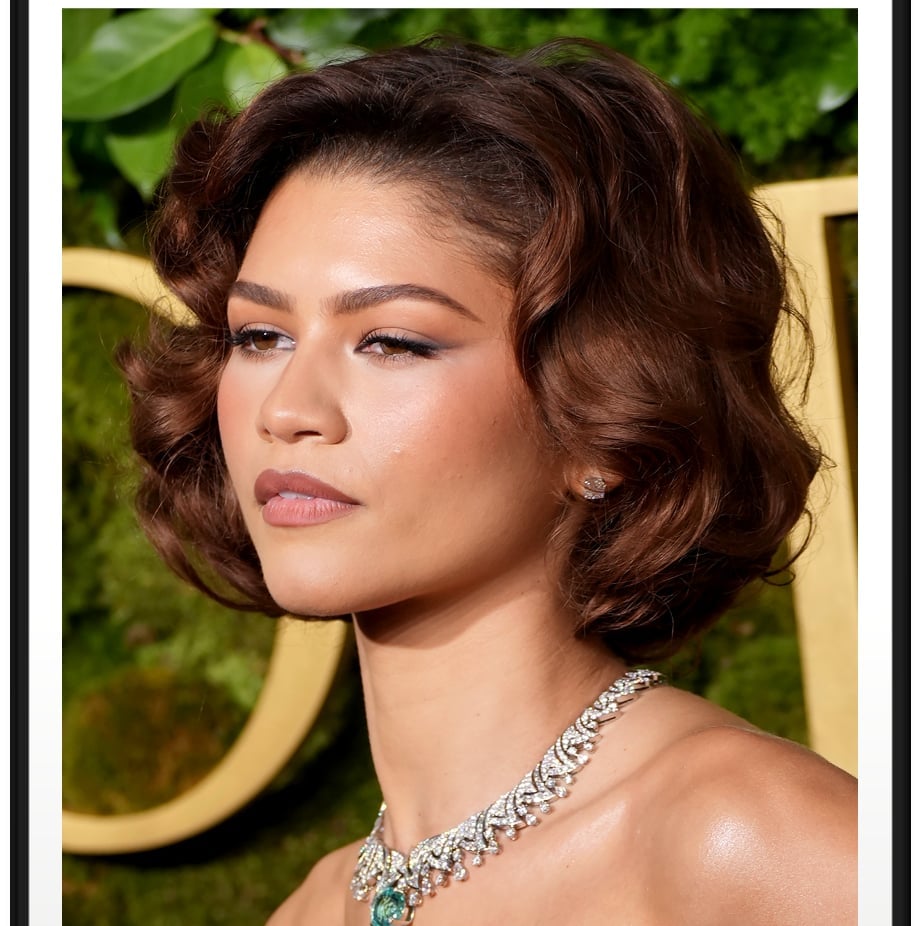
The rule with voluminous waves is to let the layers do the work before you add more. On medium-density wavy hair at the collarbone, long layers give the shape, and the warm brown balayage adds depth, so piling on extra product is how you end up with a helmet of frizz. Ask your stylist for: collarbone long layers, face-framing pieces, voluminous waves. Keep the texture spray light and diffuse on low heat, and you get the volume without the puffball effect that kills this look.
Collarbone Layers With Air-Dried Texture
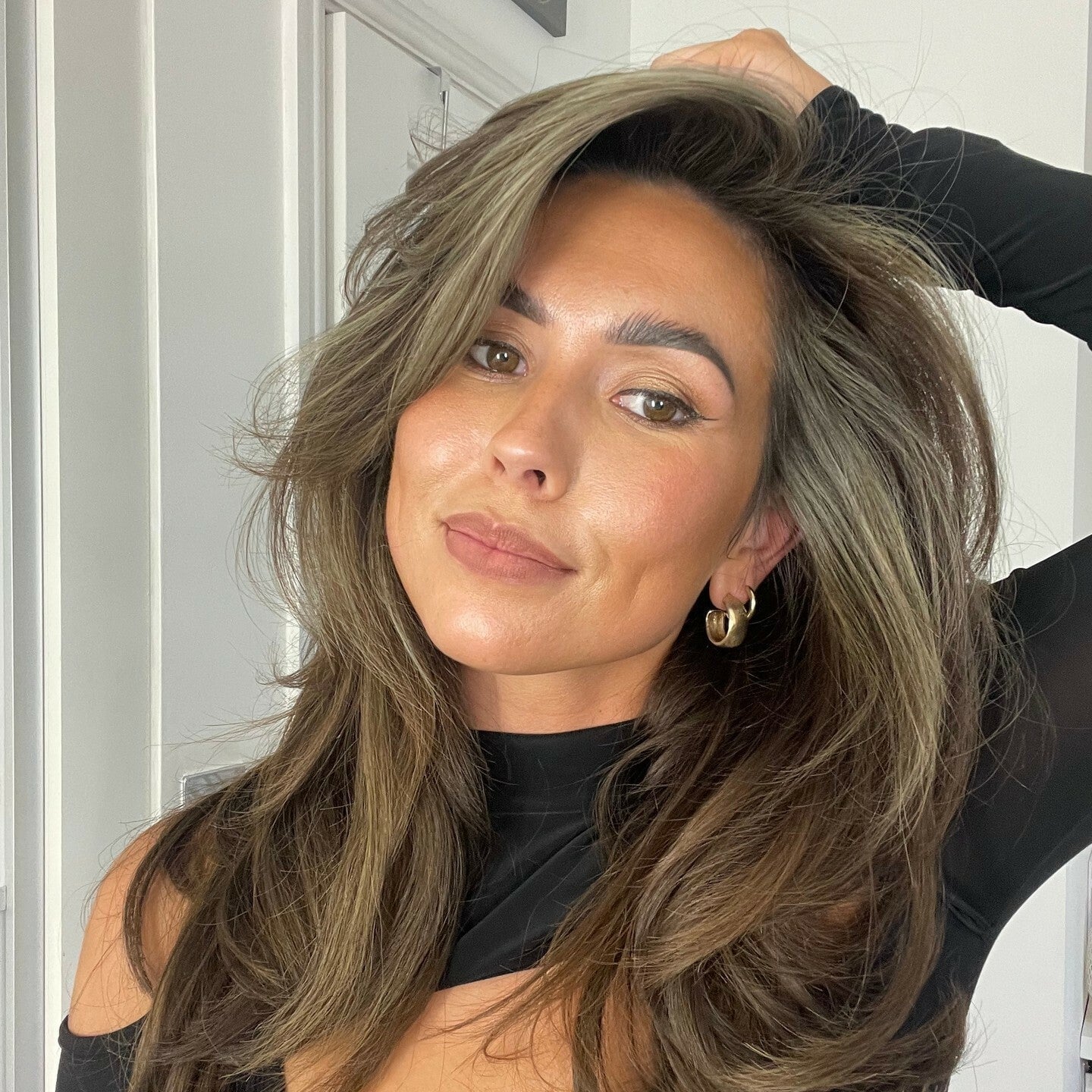
This haircut makes winter mornings easier since the air dried texture skips the hot tools entirely. The long layers and face framing pieces are cut into dark brown with subtle highlights, so the movement shows even without a blowout. Ask your stylist for: collarbone length, long layers, air dried texture. It is a salon leaning cut, but the styling is a quick scrunch, which suits the season when you would rather stay inside than fight the wind. A trim every six to eight weeks keeps the shape honest.
Collarbone Layers With Face Framing Pieces, Medium Brown
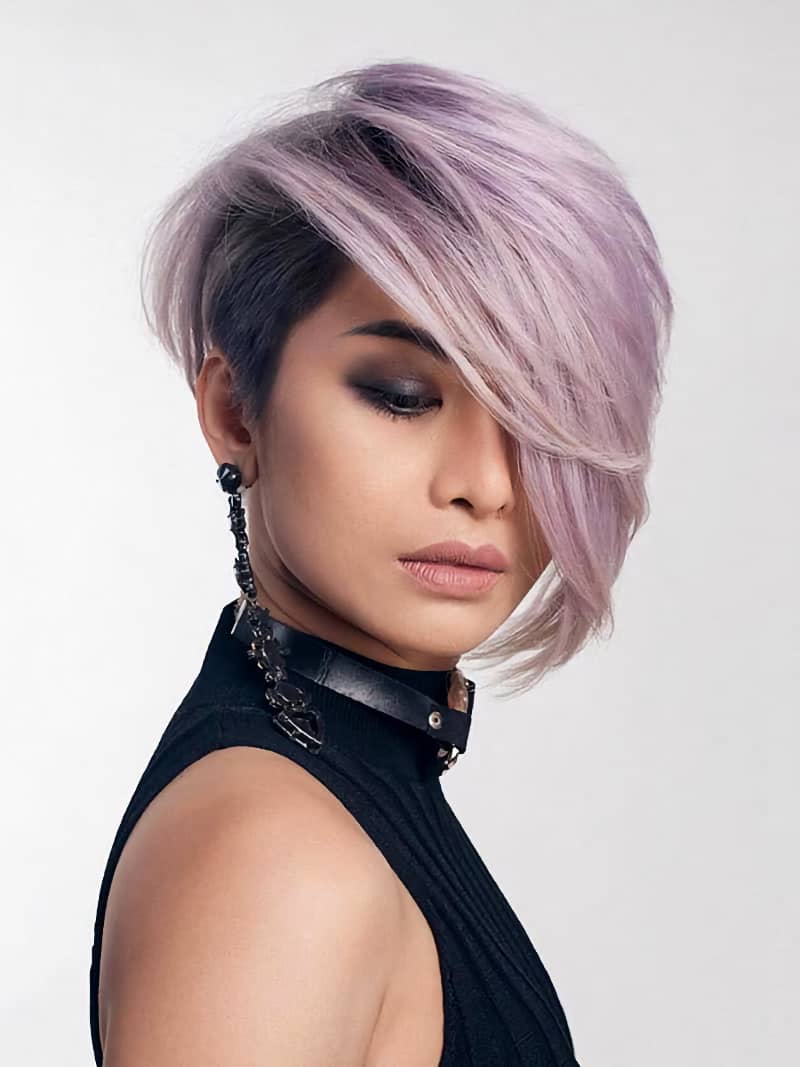
The face-framing pieces are what keep this collarbone cut from feeling generic, since they catch the light and pull the eye upward. On thick, wavy hair, the long layers and middle parting give the blowout a smooth finish, and the medium brown shade needs little maintenance between color appointments. Ask your stylist for: collarbone long layers, face-framing pieces, blowout waves. The grow-out is forgiving, as the layers blend into the length, but the face-framing pieces will need a trim every six to eight weeks to hold their shape. A curling wand refreshes the waves on day two.
Collarbone Layers With Straight Finish
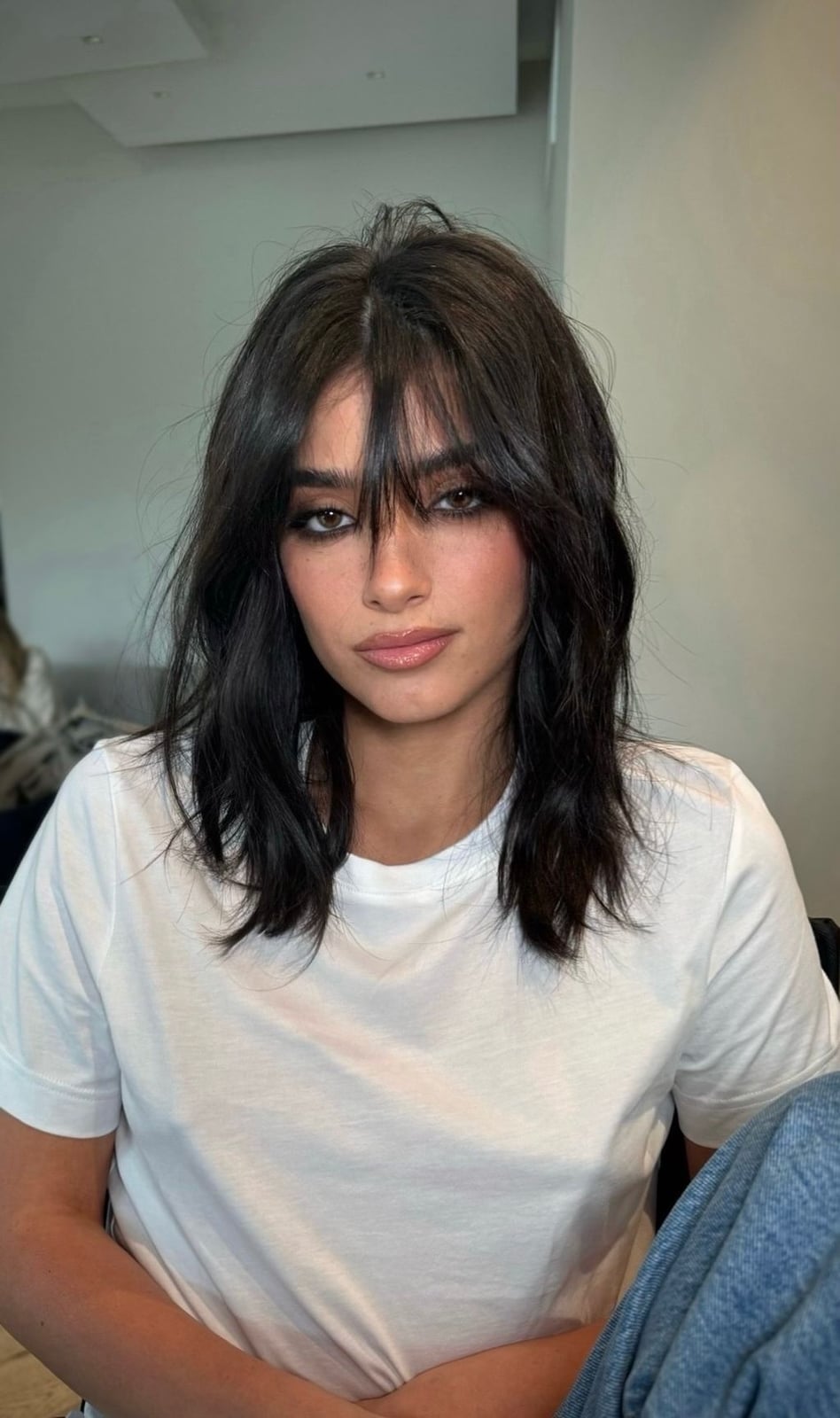
The straight finish here is a technique, not a default state. Ask your stylist for collarbone length, long layers, face framing, straight finish, then have them show you how the bend lands at the ends instead of mid-shaft. Medium density straight hair takes a flat iron well, and a smoothing serum keeps the surface calm without weighing down the layers. You can blow-dry straight with a round brush, but the iron gives you that controlled flick. Expect a trim every six to eight weeks, because collarbone layers start to lose their shape once the ends split.
Collarbone Layers With Subtle Face Framing, Straight
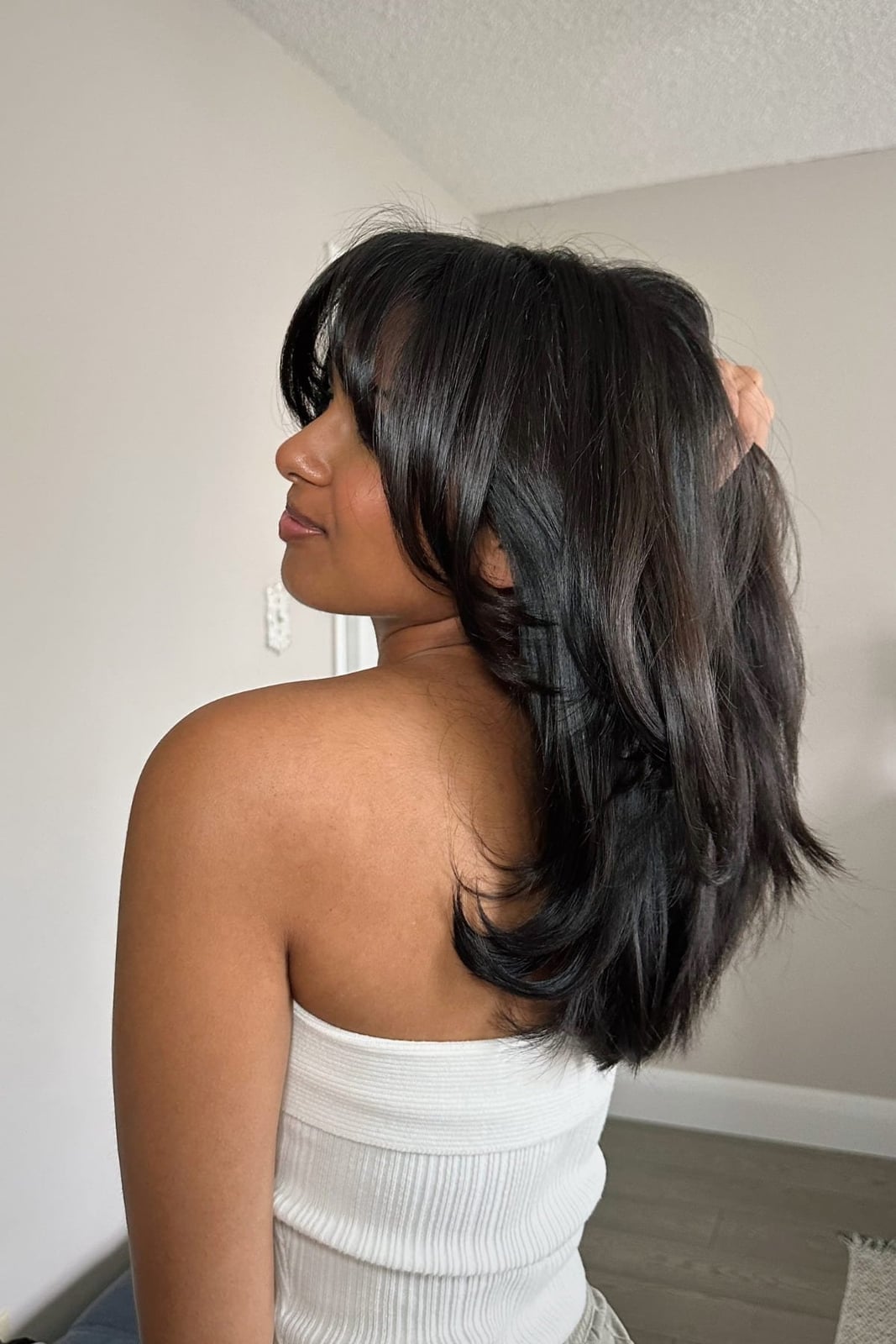
Ask your stylist for collarbone length, long layers, subtle face framing. On thick, straight hair, those front pieces fall softly around the jaw, and the back stays weighted so the shape looks clean, not shaggy. The middle part keeps the framing symmetrical, which suits square or angular faces. A flat iron gives the sleek finish quickly, and a shine serum keeps the thick texture from looking dull. Plan on a trim every six to eight weeks to keep the face-framing pieces at the right length.
Mid-Back Voluminous Layers With Face Framing

This cut earns its keep through density. The long layers run from mid-back up, and the face-framing pieces are cut to fall around the cheekbones, so the whole shape moves as one unit. It suits thick, wavy hair that can hold that much layering without going stringy. Fine or thin hair will likely fall flat under this much weight, so you would want a shorter, more graduated version instead.
Ask your stylist for mid-back long layers, voluminous, face-framing layers. The ash blonde base with lighter highlights adds dimension, which helps the layers read clearly even when the waves settle. Use a round brush for lift at the roots, then let a curling wand define the waves. Trim every eight to ten weeks to keep the layers from losing their shape.
Mid-Back Long Layers With Face Framing, Blowout With Volume
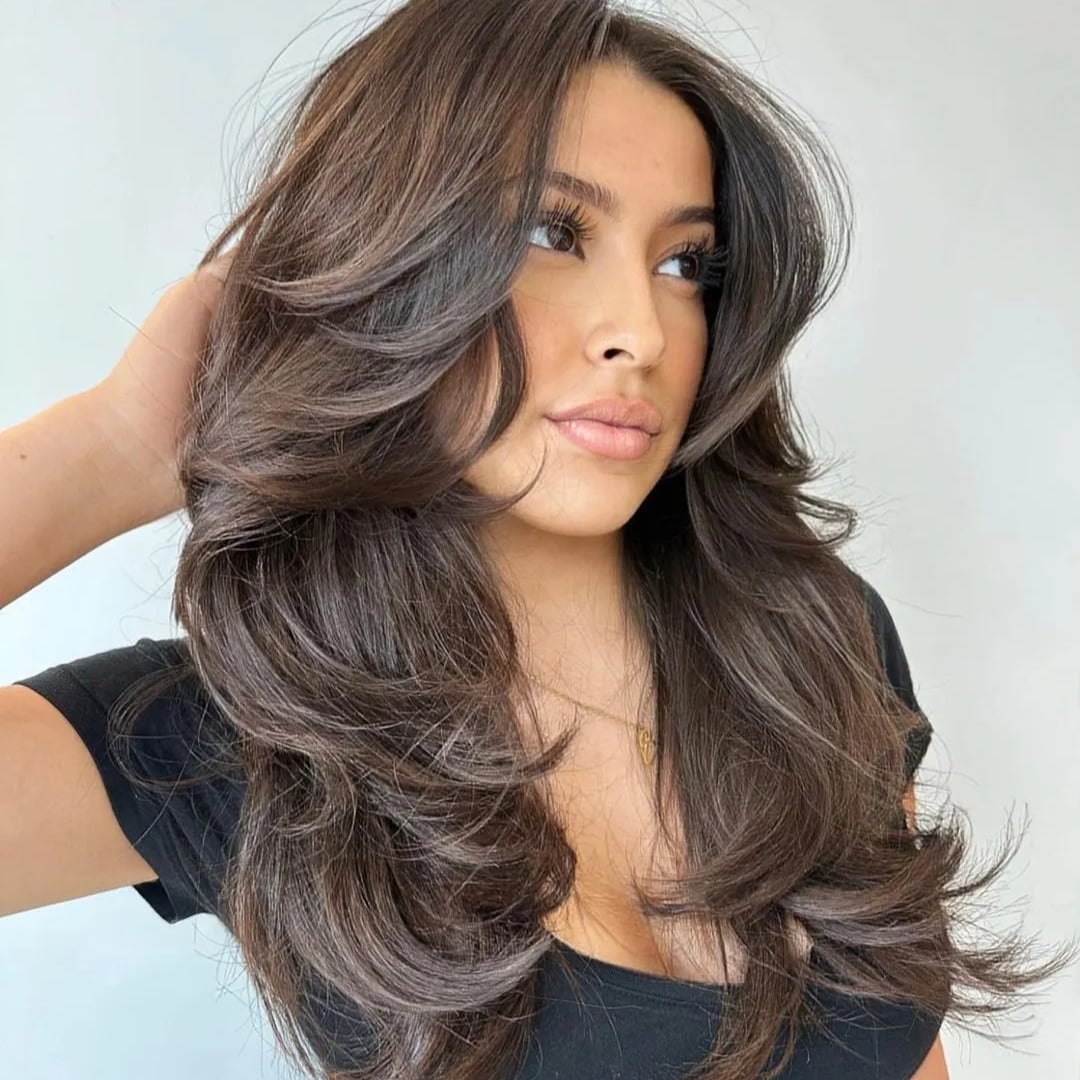
Set this against a simple air-dried lob, and the difference is effort. The blowout with volume needs a round brush, a heat protectant, and about ten minutes at the roots, and the payoff is a shape that holds its curve through the day. If you prefer a wash-and-go routine, the same long layers will fall straighter and flatter, which is fine, just not the same cut.
The face-framing layers are what soften the dark brown base, and the subtle gray highlights keep the thick texture from looking heavy. Ask your stylist for mid-back long layers, face-framing layers, voluminous blowout. The honest drawback is that this style asks for daily styling, or at least a refresh with a curling wand. Trim every eight to ten weeks to keep the volume proportionate.
Mid-Back Layers With Warm Brown Balayage

The warm brown balayage is the winter answer to brassiness: it leans into the cozy, caramel side of brown instead of fighting it. Mid-back long layers give the loose waves room to move, and the face-framing pieces catch the lighter highlights at the front, which is where the color shows most. This suits medium density wavy hair that can hold a curl without going crunchy.
Ask your colorist for mid-back long layers, face-framing layers, warm brown balayage. The balayage grows out softly, so you can stretch to a touch-up every twelve weeks, and the layers need a trim every eight to ten. For a casual winter day, a texturizing spray and a diffuser get you there; for a polished version, blow-dry with a round brush for volume.
Mid-Back Layers With Blonde Balayage
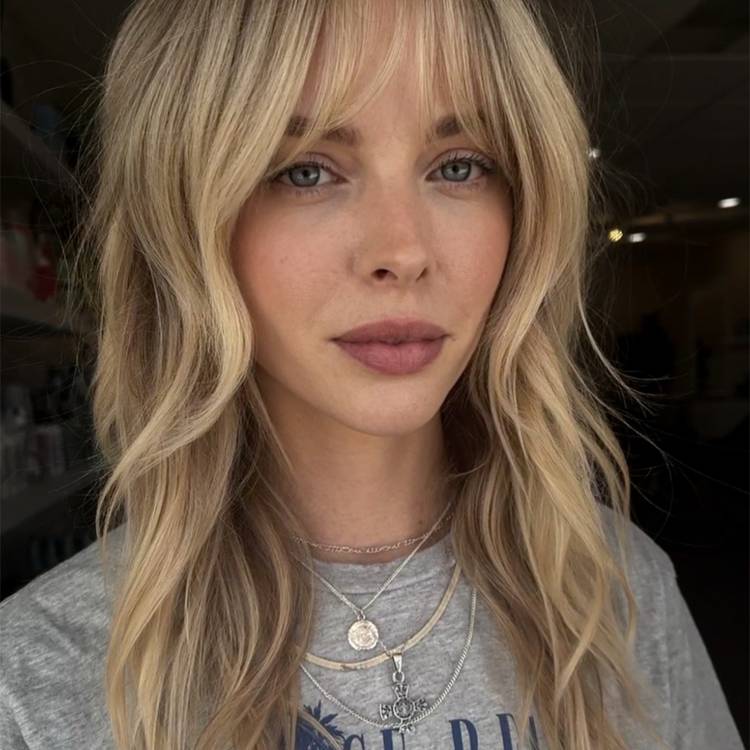
The design of this cut is straightforward: long, face-framing layers that start around the collarbone and blend into the length, so the balayage has a natural place to live. The dark brown base and blonde highlights create contrast without a harsh line, which means grow-out is less of a project than traditional foils. Thick, wavy hair that already reaches mid-back gives the layers enough weight to move well.
Ask your colorist for: mid-back long layers, face-framing layers, blonde balayage. The upkeep is honest: the face-framing pieces need a trim every eight to ten weeks to keep their shape, and the balayage itself can stretch to twelve weeks before the root starts looking deliberate. A texturizing spray helps the waves land where they should.
Mid-Back Layers With Curtain Bangs and Highlights
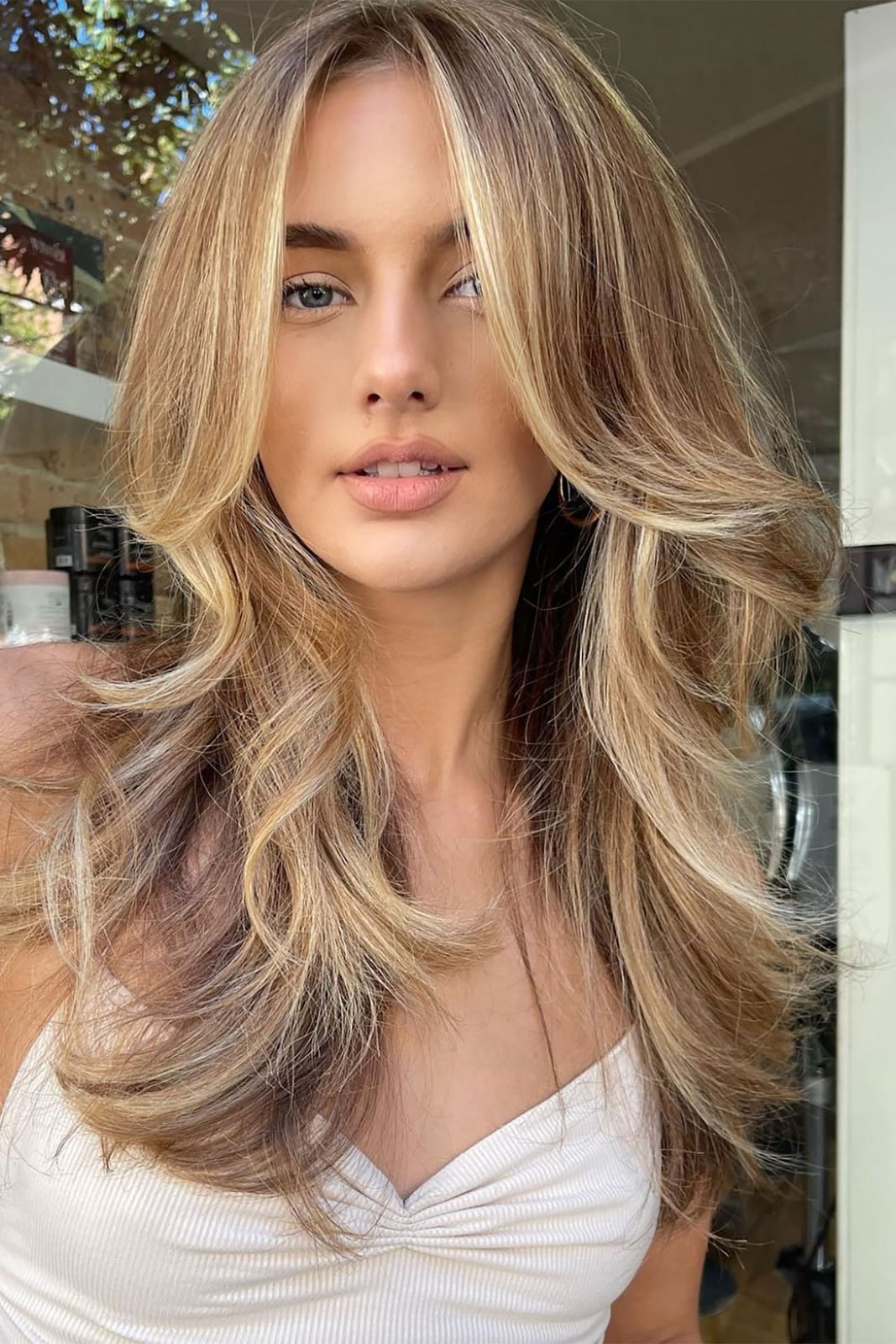
This is a layering technique built for volume: the curtain bangs are cut to sweep outward from a middle part, while the interior layers are stacked to lift at the crown. The blonde base with lighter highlights adds dimension, so the waves catch light in separate sections rather than one flat sheet. Thick, wavy hair that reaches mid-back takes this well, because the texture holds the shape without extra product.
Ask your stylist for: mid-back layers, curtain bangs, voluminous blowout. The curtain bangs are cut to graze the cheekbones, which softens round and square faces. A round brush and a blow-dryer are all you need to set the volume; the layers do the rest.
Mid-Back Voluminous Layers With Curtain Bangs, Medium Brown
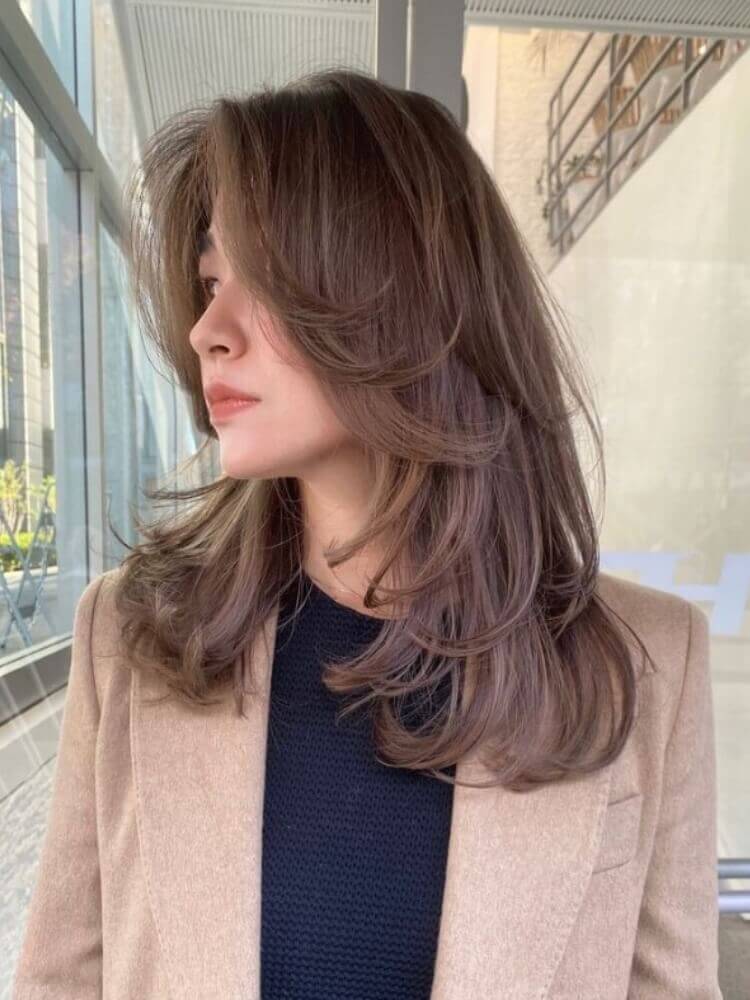
How do you ask for curtain bangs that still work when you let your hair air-dry? Tell your stylist you want them cut dry, with the bangs falling just past the brows so they sweep to the sides without a forced part. The long layers here are cut to collarbone length, and the medium brown shade has subtle lighter tones that keep it from reading flat. Wavy, medium-texture hair is the ideal candidate, because the waves give the layers movement without blow-drying.
Ask your stylist for: collarbone long layers, curtain bangs, air-dried texture. The curtain bangs are the key detail, so bring a reference photo to show exactly how much sweep you want. This is a salon-leaning cut, but the daily styling is minimal.
Mid-Back Length With Subtle Layers
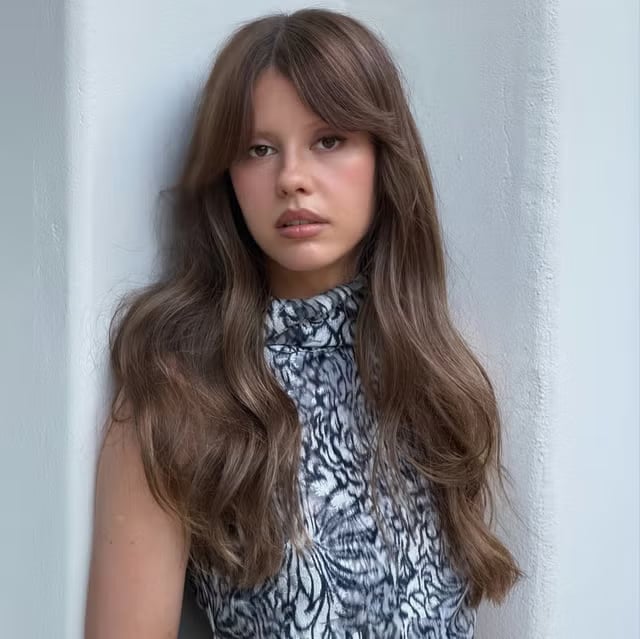
A mid-back length with subtle layers is a cut that prioritizes length over drama. The layers are minimal, just enough to keep the hair from looking like a single block, and the medium blonde color stays even from root to end. This genuinely flatters medium density, straight hair because the layers add movement without reducing bulk. Those with very fine or very thick hair should pass: fine hair needs more texture to avoid looking stringy, and thick hair needs more layering to remove weight.
Ask your stylist for: mid-back length, subtle layers, no bangs. This is a salon-only cut, because the subtlety is in the precision of the layer placement. A DIY trim risks cutting off the movement entirely.
Mid-Back Ash Blonde Shag With Full Fringe
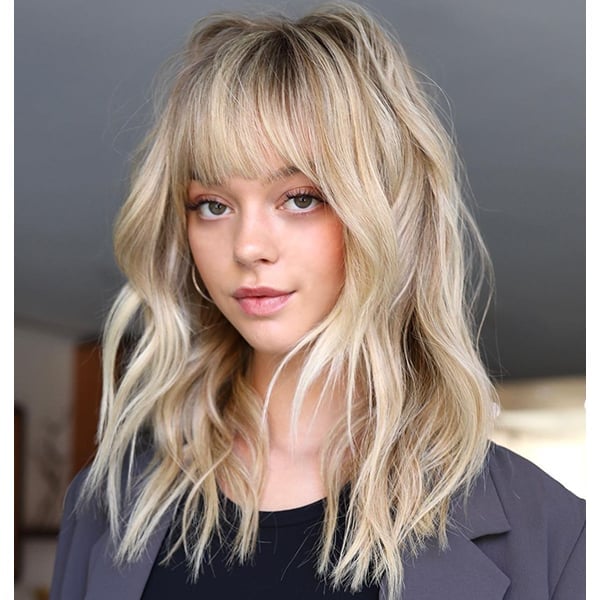
The mistake people make with a shag and a full fringe is thinking the fringe will behave like a curtain fringe. It won’t: a full fringe is blunt and sits straight across, which means it needs trimming every three to four weeks. The shag layers here are cut into mid-back length ash blonde hair with a root shadow, and the textured waves give it a deliberately messy silhouette. Medium-textured wavy hair handles the shag layers well, but the fringe is the real commitment.
Ask your stylist for: mid-back shag, full fringe, textured waves. The main drawback is the fringe frequency. If you can handle that, the rest is just styling with a texturizing spray and a diffuser.
Collarbone Layers With Curtain Bangs
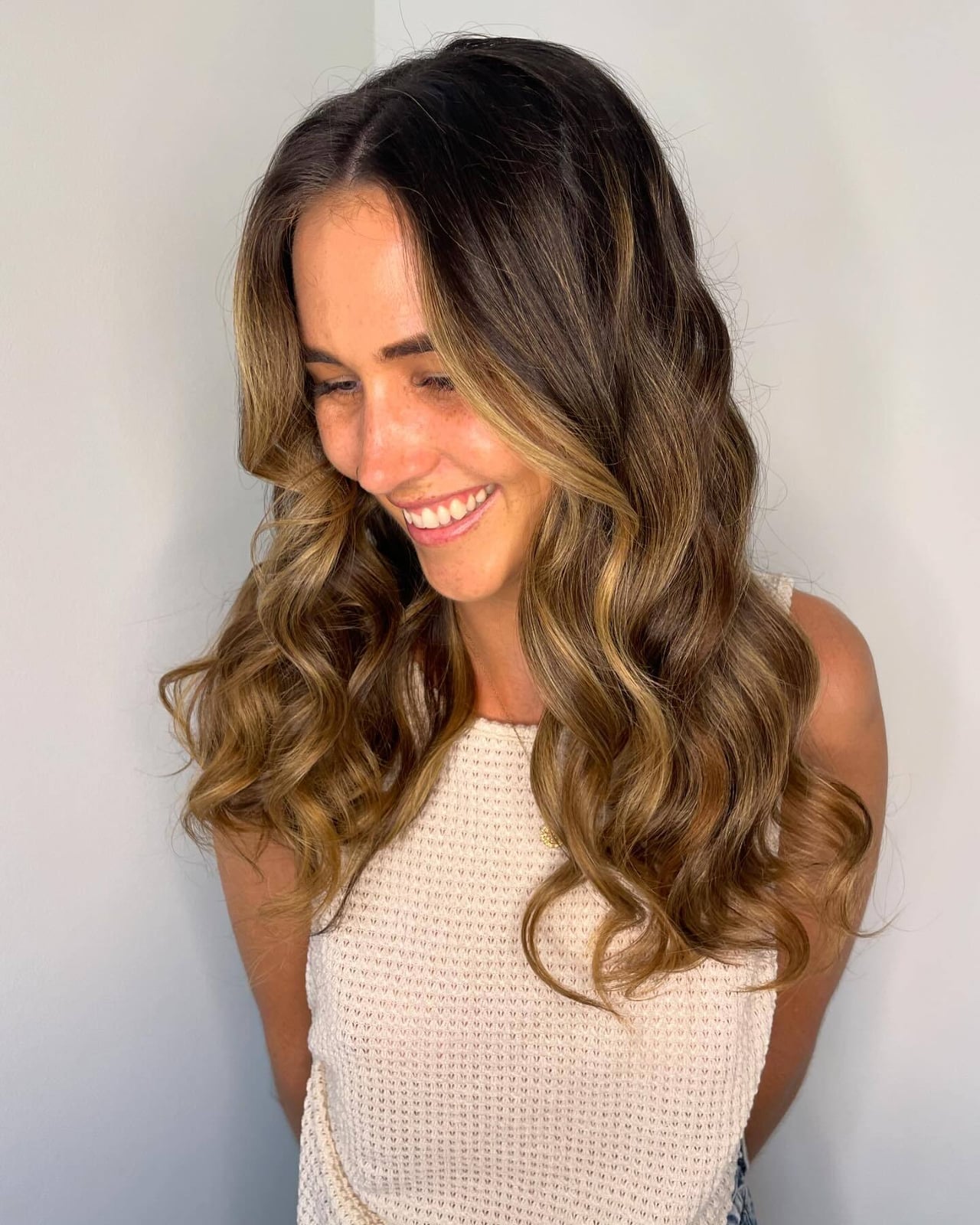
Here’s the thing about curtain bangs: they do the face-framing work without committing you to a full fringe, and that’s exactly what this collarbone-length cut delivers. The long layers start around the chin and melt into soft waves, while the side part and wavy blowout give the medium brown base a lived-in feel. The blonde balayage is what sets it apart, catching the light in a way that a solid color just can’t match. Ask your stylist for: collarbone long layers, curtain bangs, air-dried texture. If you’re torn between this and a style with no bangs, know that the curtain fringe softens round and square faces, while a bang-free version keeps the focus on the layers. Medium textured wavy hair holds this shape best, and a texturizing spray helps revive the wave on day two. Plan on trimming the fringe every four weeks and the layers every eight to keep the shape honest.
Final Thoughts
Fine hair stays fuller with a blunt baseline and minimal layering. Thick hair benefits from a shag or layered cut that removes weight without sacrificing length. Bangs work on most face shapes when kept wispy or curtain-style rather than heavy. Choose what your hair texture and daily routine can actually support.
- Trim long layers and bobs every 6-8 weeks to maintain shape.
- Conditioning treatments are essential during winter to combat dryness.
- Use a heat protectant spray before blow-drying or heat styling.
- Wash hair 2-3 times a week to preserve natural oils.
Pick the cut that works with your hair, not against it.