I keep seeing protective styles in the salon chair next to mine, especially braids and twists that hold through January. It’s not just about hiding from the cold; it’s about keeping your hair intact when the air is dry. I used to think winter meant sacrificing style, but these looks prove otherwise.
This roundup of 30 Winter Hairstyles for Black Women covers everything from low-maintenance cornrows to voluminous afros, from shoulder-length to mid-back. Whether you have fine strands or thick coils, there’s a style that works with your texture and your schedule.
I remember the winter I tried a silk press and it fell flat by the time I reached the office door. That’s when I learned that a style’s real test is how it holds up against a scarf, a gust of wind, and a long day. These are the ones that passed.
Mid-Back Auburn Curls With Highlights
There’s a reason auburn shows up every winter: it’s the color of a fireplace, warm and alive against the gray. These mid-back curls lean into that, with a rich auburn base and highlights that catch the light and add dimension. The layered cut gives the curls shape and bounce, so they move instead of sitting flat. There are no bangs here, just a middle part that lets the curls frame the face naturally. When you ask your stylist for this, say you want a warm auburn with subtle highlights, not a full bleach, and ask for layers that start at the chin to keep the curls from weighing down. The color will need a touch-up every six to eight weeks, and the layers will need a trim every ten to twelve to keep their shape. It’s a winter glow that doesn’t require a tan.
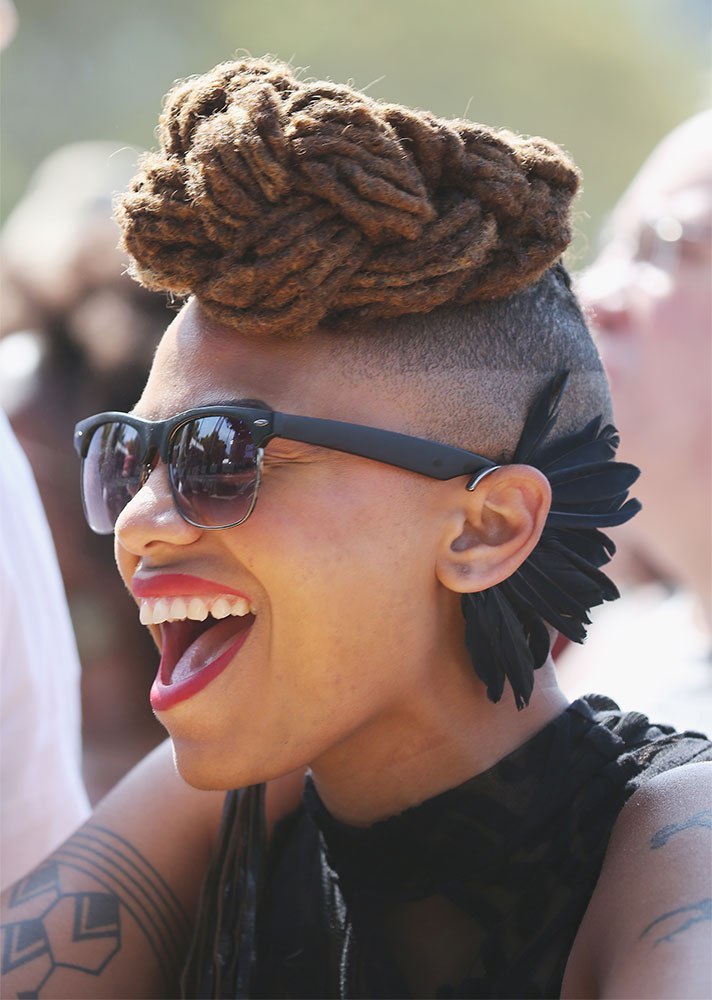
Braided Updo With Face Framing Tendrils
This one is a verdict: the braided updo with tendrils is the most elegant thing you can do with your hair in winter. The structure is the point, a high bun of intricate braids, but the loose tendrils framing your face are what save it from looking like a helmet. It’s the contrast that works, the hard and the soft. The tendrils are styled with a light hold product, so they stay put but still move. The honest downside is the installation: this is a salon-only style, and it takes hours. You’re not doing this in your bathroom mirror. The upkeep is mostly scalp care, keeping it moisturized, and the braids will need re-doing every few weeks. But for a wedding or a holiday party, it’s worth the chair time.
Collarbone Lob Butterfly Locs
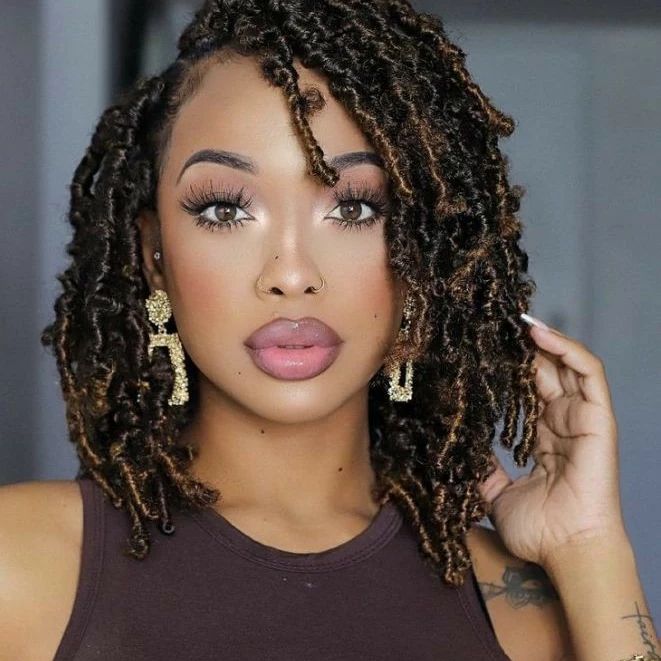
I’ll admit it: I was skeptical of butterfly locs, but this collarbone lob converted me. The length is the smart part, it hits right at the collarbone, which means it doesn’t get caught in your scarf or your coat zipper, a real winter win. The locs are wavy and textured, with subtle blonde highlights that add depth without looking brassy. There are no bangs, just a side part that lets the locs fall naturally. The wear is surprisingly easy: you don’t have to do much beyond keeping the hair underneath moisturized, and the locs themselves hold their shape for weeks. The upkeep is the refresh, every eight to twelve weeks, you’ll need to have the roots tightened and the locs re-wrapped. It’s a protective style that actually protects, and it looks good doing it.
Short Natural Cut With Voluminous Top
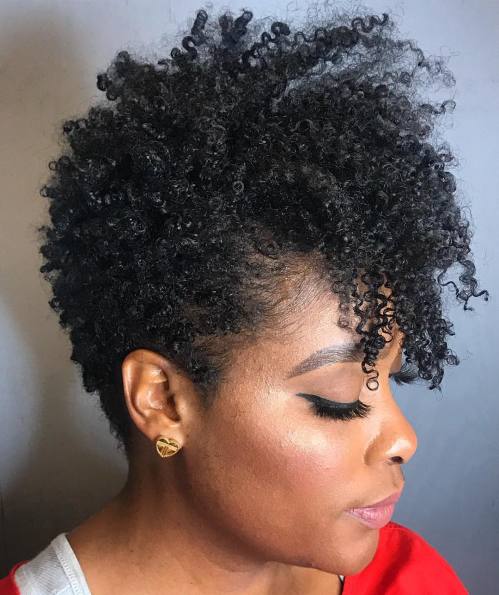
The moment you walk out of the salon with this cut, you know it’s right. The short natural cut with tapered sides and a voluminous top is a statement, and it’s all about the texture. The top is curly and kinky, with side-swept bangs that soften the look, while the sides are cropped close to the head. The contrast is what makes it work: the volume on top, the clean taper on the sides. It’s a style that flatters a round face, because the height on top elongates it, and it works best with naturally curly or coily hair. The daily styling is simple, a leave-in and a styling cream to define the curls, and the tapered sides are nearly maintenance-free. You’ll need a trim every six to eight weeks to keep the shape sharp. It’s bold, it’s natural, and it’s not for the faint of heart, but it’s worth it.
Sleek Straight Black Bob
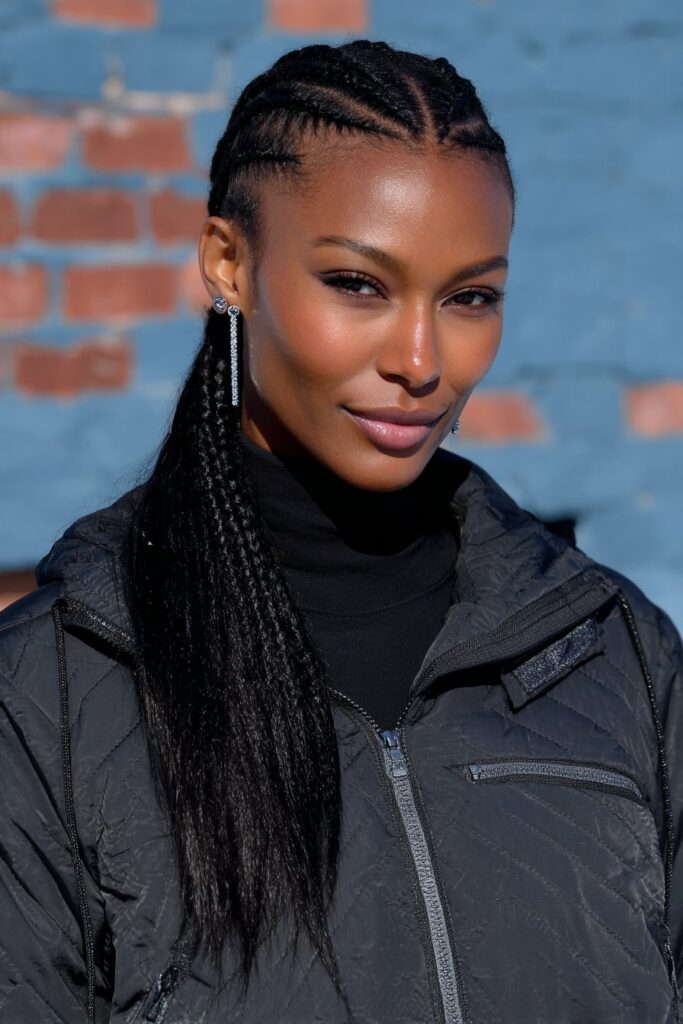
I was ready to dismiss the sleek straight black bob as too severe for winter. But the blunt line at the jaw, no layers, no bangs, just a clean cut that sits like a statement. The texture is glassy straight, which means you see every angle.
This is not a bathroom-mirror cut. You need a stylist who understands a blunt baseline and won’t cave to texturizing. A straight bob demands precision, and the grow-out is unforgiving: one missed trim and the line softens. For winter, it’s a sharp contrast to the usual protective styles, and that’s exactly why it works.
High Ponytail With Curly Auburn Fringe
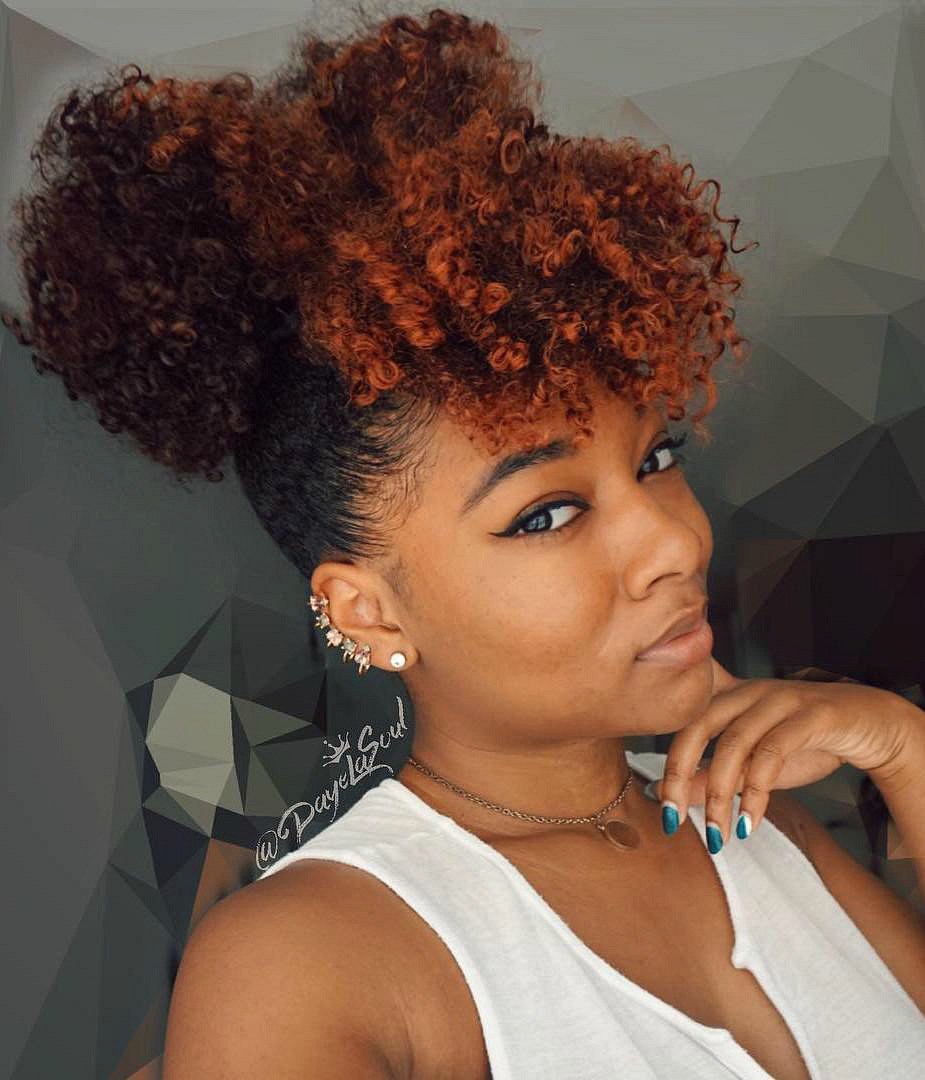
What do you do with a fringe when the wind picks up? Lean into it. This curly ponytail auburn fringe keeps the rest slicked back, making the fringe the star. The ponytail falls to mid-back, the fringe sits at eyebrow length. No layers in the ponytail, but the fringe has defined curls. The contrast between sleek and curly is playful, and the auburn works for winter occasions.
Afro Puff With Braided Sides
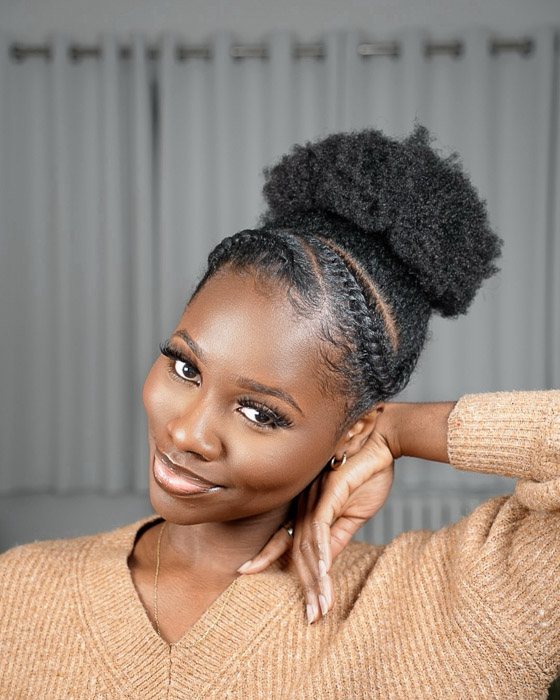
The braided sides on this afro puff braided sides are not an afterthought; they are the architecture. The braids start at the temple, curve around the ear, and meet at the nape, creating a geometric frame. The puff itself is high and voluminous, with the natural afro texture left unmanipulated. The cut is essentially a TWA grown out to shoulder length, with the sides braided down. No layers are added because the natural curl pattern provides its own. There are no bangs; the front hair is incorporated into the braids. The honest downside: the braids require a steady hand and a few hours to install, and the puff needs a light hold to stay defined. But the result is a style that reads intentional and sculptural.
Mid-Back Curls And Braids
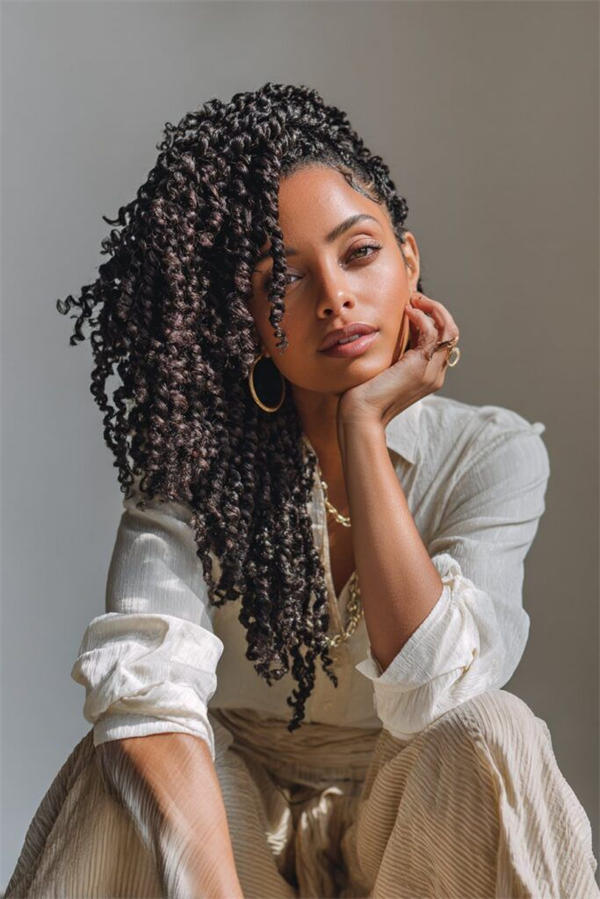
This style is a commitment, but it delivers. The mid-back length with long layers gives the voluminous curls room to cascade to one side, while the braided sections add texture and hold. The side-swept bang is cut into the layers, so it blends seamlessly. The wavy hair curls braids combination means you’re managing two textures, which is the real work. In winter, the dry air can make the curls frizz, but the braids keep the ends protected.
Across a week, the curls start to soften by day three, and the braids can loosen. The braids hold their shape for two weeks, while the curls need a refresh by day four. Upkeep involves re-twisting the braids and refreshing the curls with a water spray. The side-swept bang needs a trim every six weeks to keep the shape. It’s not a low-maintenance style, but the volume lasts longer than most mixed-texture styles I’ve tried. The key is to moisturize the braids and the curls separately, which takes time but prevents breakage.
Collarbone Box Braids With Beads
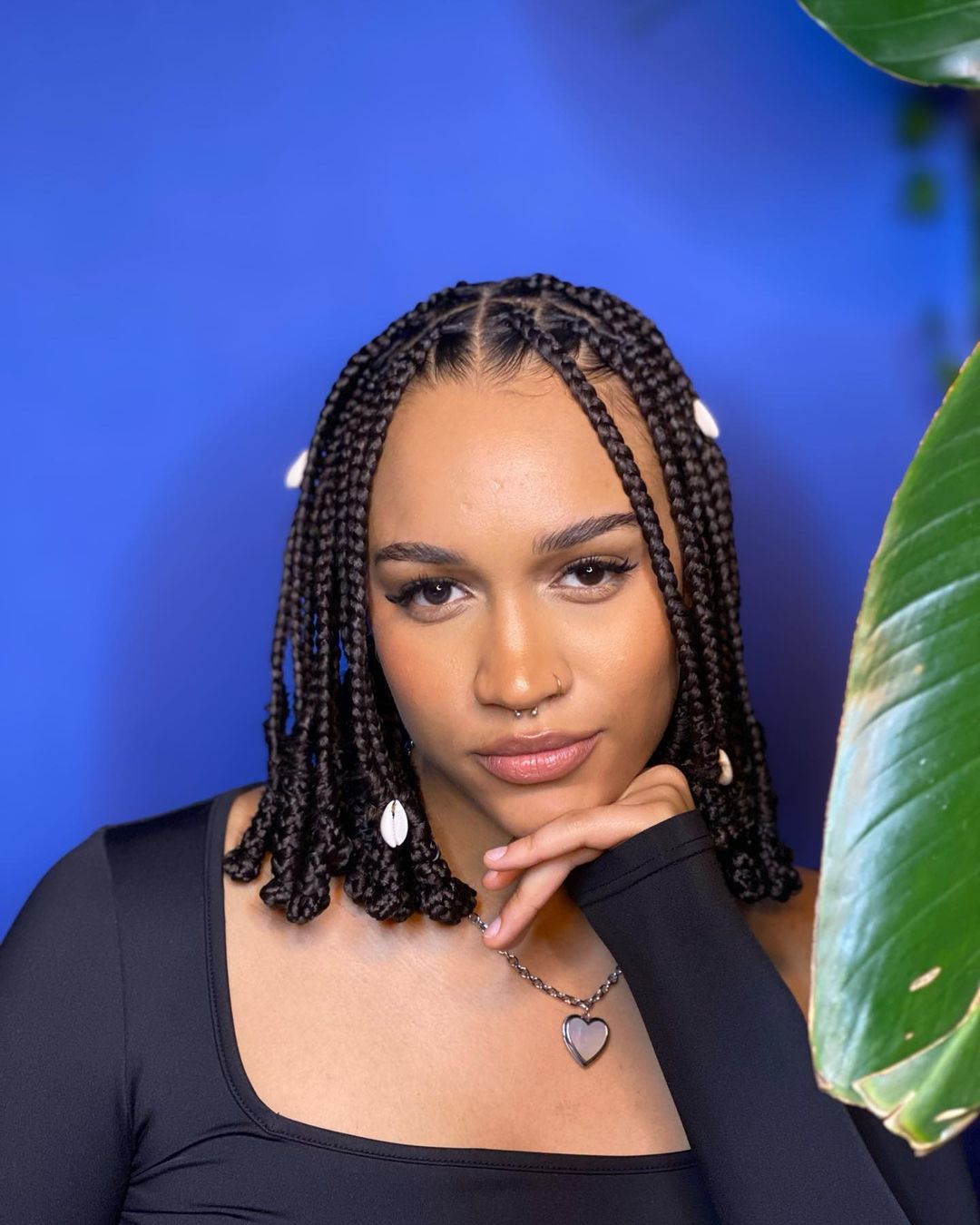
The beads catch the light first. These collarbone box braids with beads are a festive winter accessory that flatters most face shapes, especially round faces, because the length hits at the collarbone and elongates the neck. The uniform length with no layers keeps the braids neat, and the wavy texture from the braiding adds movement. But if you have very fine hair, the beads might weigh the braids down, so skip the heavy ones. The middle part suits symmetrical features best.
Short Natural Cut Side Swept Bangs
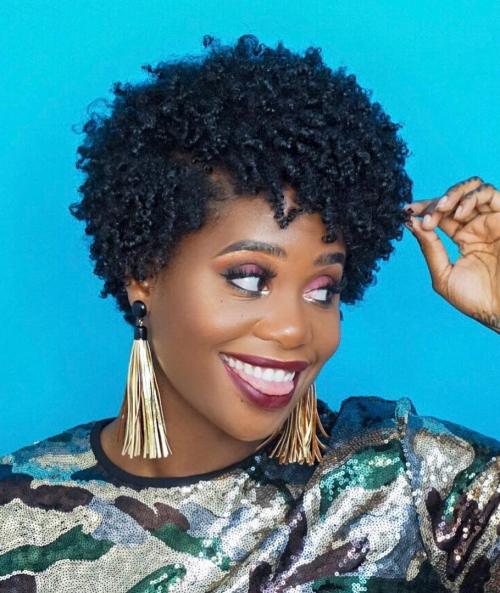
Why does a side part look like it does more work than a middle part? This short natural cut keeps the sides cropped close and the top long enough to sweep across. The side-swept bangs land soft and diagonal, not blunt, which means they blend into the rest of the texture instead of sitting as a separate piece. The layers are concentrated on top, built for volume that points forward, not straight up. No heat needed — this is a wash-and-go situation if your stylist cuts the shape right. Book the salon for the initial cut, a bathroom mirror can maintain the side length but not the overall architecture.
Cornrows To Braided Bun
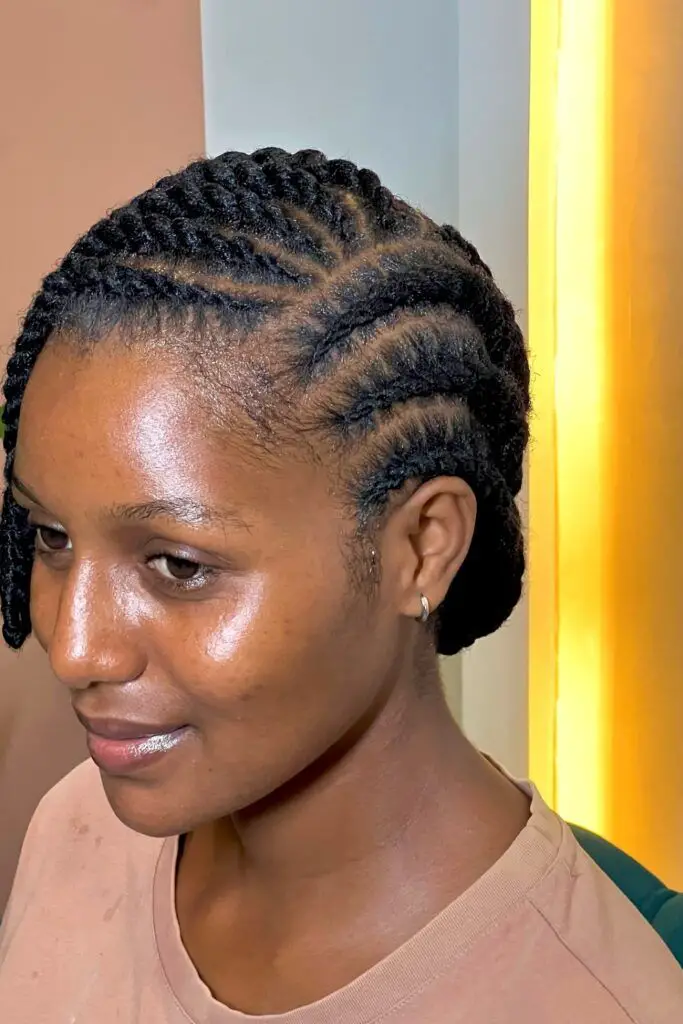
I will admit, I used to think cornrows were only for summer, braided and gone by September. Then winter hit and this cornrows into braided bun style became my cold-weather anchor. The intricate cornrow pattern starts at the front hairline and feeds back into a braided bun at the crown, no loose ends to catch in a scarf or a jacket zipper. Length sits long through the braids, then short at the bun, a solid shape that survives wind and hat wear better than any loose style I have tried. The layers are built into the braid thickness, not the cut. No bangs here, just clean clean lines from front to back. Upkeep is scalp moisturizing every few days and a salon visit to redo the cornrows when the edges soften, usually around six weeks.
Shoulder Length High Afro Puff
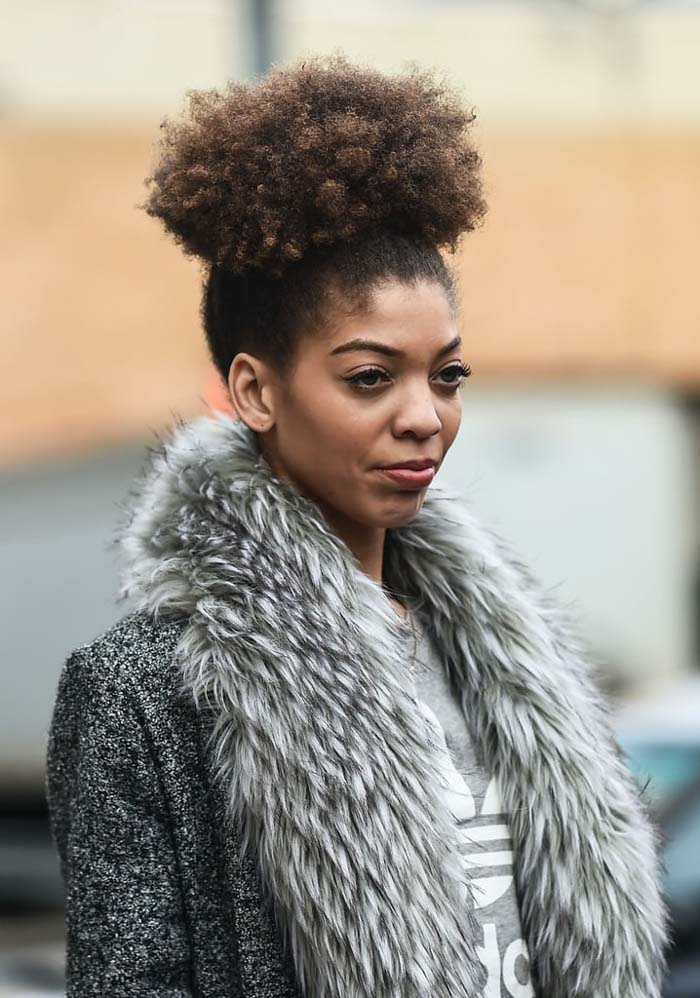
There is something about a high afro puff shoulder length style that lands different. It sits tall, proud, the puff full and round with defined coils pulling back into a tight base. The cut keeps the shape short at the sides and longer on top, no layers to disrupt the spherical silhouette. Bangs are absent, the whole front is pulled back, which means the hairline is fully visible — good for someone who likes clean edges, less good if you want any forehead coverage. The texture is kinky and coily, and the honest downside is that by day two, the puff starts to lean or flatten unless you refresh the base at night with a satin bonnet.
Layered Bob Braids And Curls
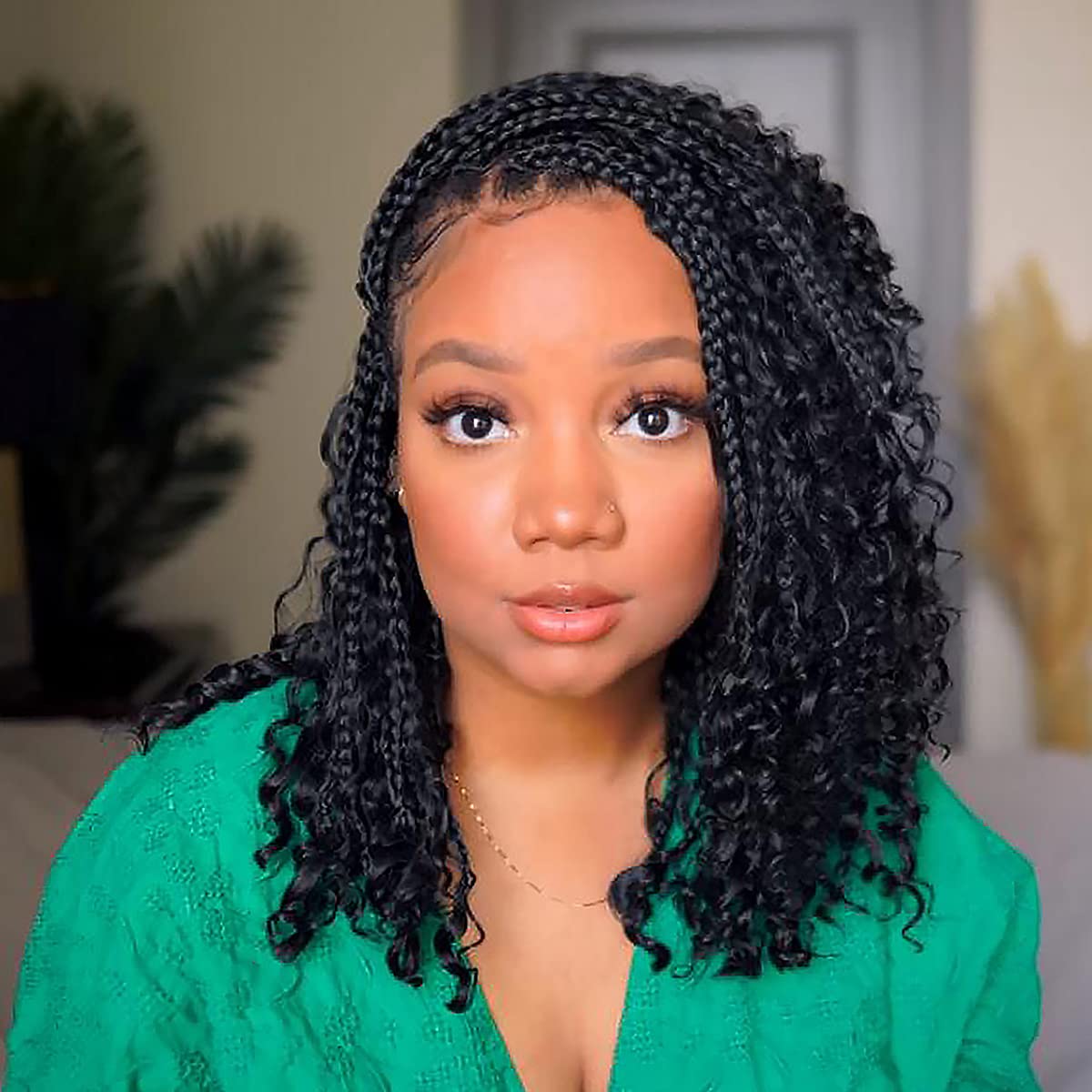
Here is what I notice about a layered bob braids curls combination. The top half of the bob is braided, tight and neat, while the bottom half falls into loose curls that move separately. Side-swept bangs bridge the two textures, braided at the root, then curling past the cheekbone. Length stops at collarbone, not longer, because the layered bob shape needs that cut-off to stay rounded. The upkeep items are specific: the braids need redoing when the roots grow out, the curls need defining product to keep from frizzing into the braids, and the bob shape demands a trim every six weeks. If you skip the trim, the curls outgrow the braids and the whole line goes lopsided. Salon visit, no shortcuts.
Mid-Back Locs With Brown Ombre
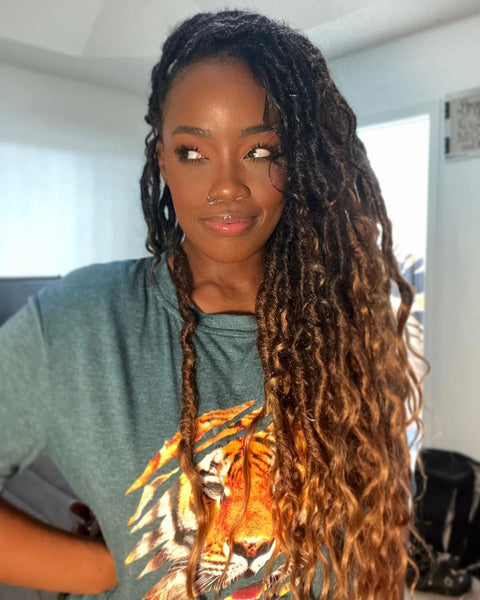
This one is not for everyone. Wavy locs brown ombre works best if your locs are established and medium to thick in diameter, because fine locs will not carry the gradient visibly and the brown can look muddy against dark roots. The ombre effect starts around the chin with a soft caramel brown and deepens to a richer brown at the tips, which reads warm and dimensional in winter light, especially when paired with a neutral coat or turtleneck. The cut is long, mid-back, with no layers and no bangs, just loose wavy locs that fall forward from a side part. Upkeep is low once the colour is set. No trims necessary, but that ombre line will eventually need a toner refresh if you want the contrast crisp instead of faded. If your locs are shorter than shoulder length, skip the gradient, it needs length to land.
Collarbone Twists With Middle Part
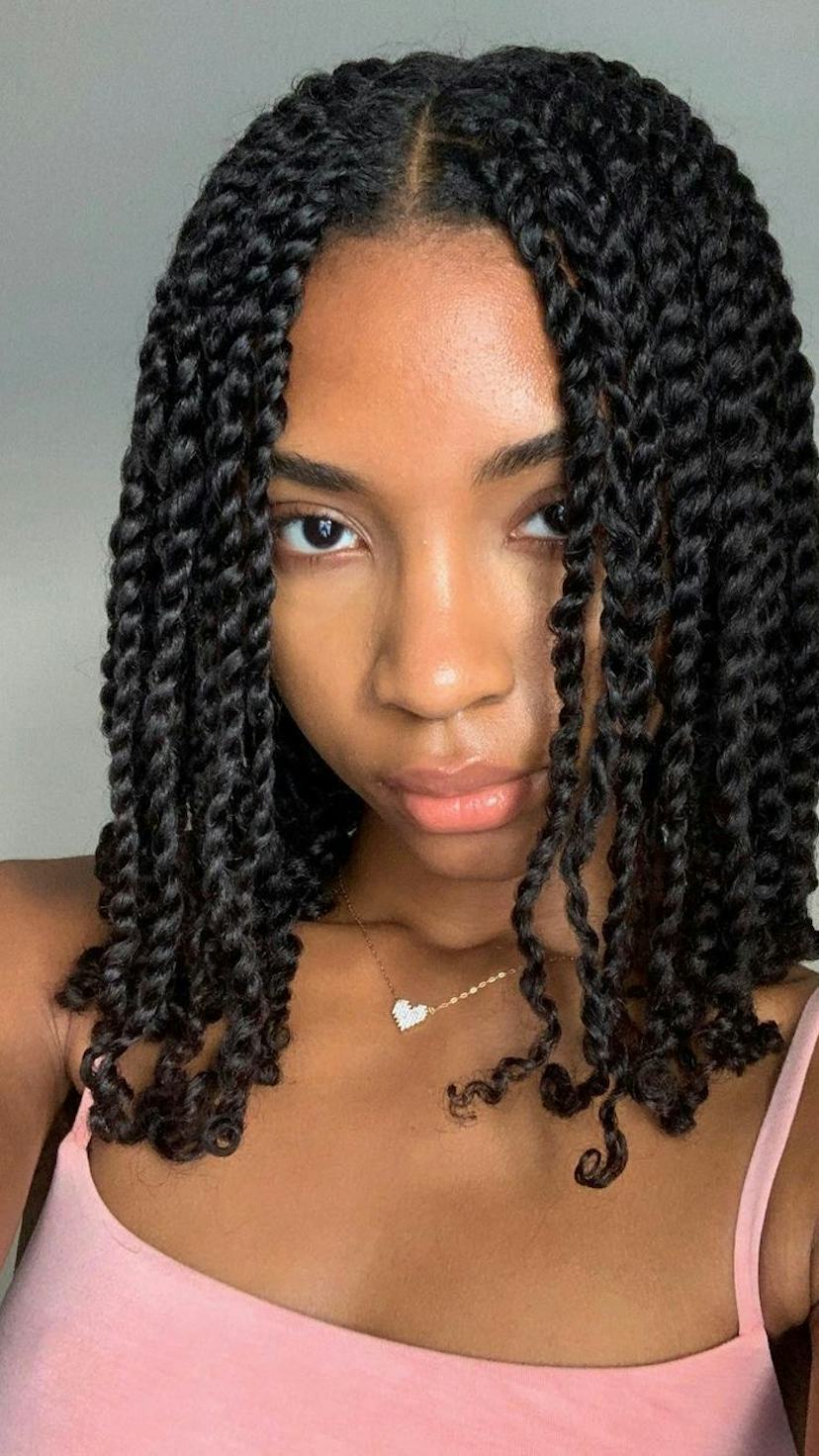
A middle part and even sections. That’s the foundation for these coily twists collarbone length, and it’s the difference between a style that looks intentional and one that reads as a five-minute twist-out. Compared to the looser, more casual winter styles everyone is wearing, this is the neat option — defined, uniform, every twist its own shape. You can do this at home if you have the patience to part on a grid, but a salon will get the tension even and the ends sealed. I booked it because I wanted the precision, and I got exactly that.
Top Knot Bun With Braids And Curly Ends
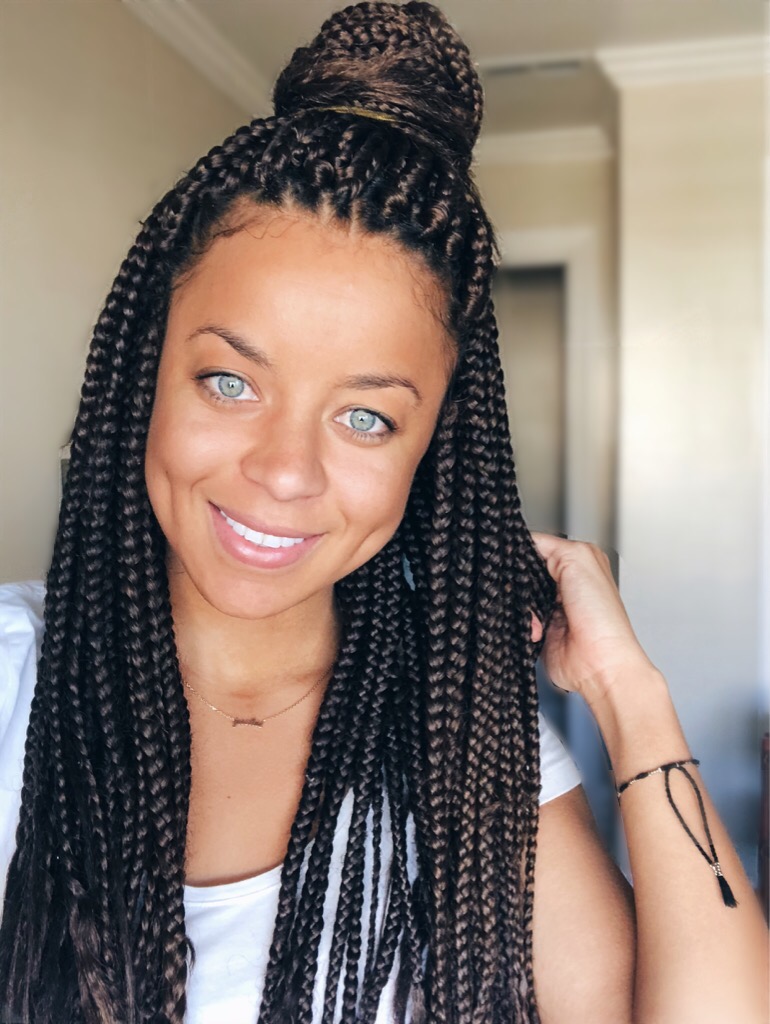
Headed to a holiday party and want your whole face visible? This is the updo for that. The box braids top knot bun sweeps everything up, leaving your neck and shoulders bare, and the curly ends at the top soften what could read as severe. Dark brown box braids make the middle part feel deliberate, not like a rushed morning. The cut is straightforward: box braids installed at mid-back length, then gathered into a high bun. No bangs, which is a relief on a night when you want zero pieces drifting into your dessert. Layers exist only in the curly ends, and that texture saves the silhouette from feeling too geometric. Honest downside: your scalp will feel the cold on the walk to the car, and a salon did this, not me, so budget the time.
Cornrows To High Ponytail
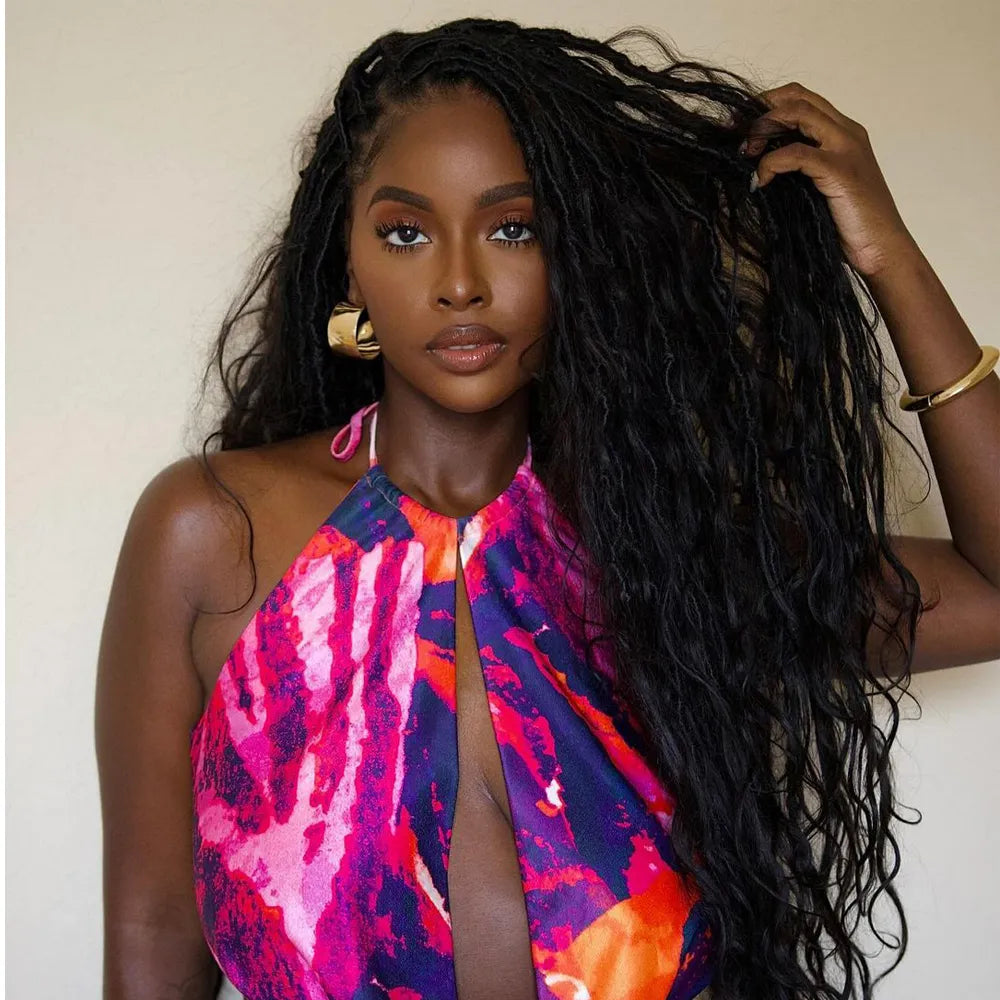
The transition from tight cornrows at the scalp to a long, flowing ponytail is the whole appeal. This is not a ponytail that sits at the nape; it is high, it moves, and the braided track keeps everything tidy. The cornrows high ponytail starts with a middle part at the front hairline, then the rows sweep back and converge into a single ponytail that falls past the shoulders. Black hair, no bangs, and the wavy ends at the bottom give the silhouette some looseness where the cornrows stop. Wear and upkeep: the scalp needs moisture every few days, and the ponytail will hold its shape for about six weeks before the re-braiding appointment. I would not attempt the transition point myself at home; the tension has to be even so the ponytail does not list to one side.
Collarbone Layered Bob With Loose Curls
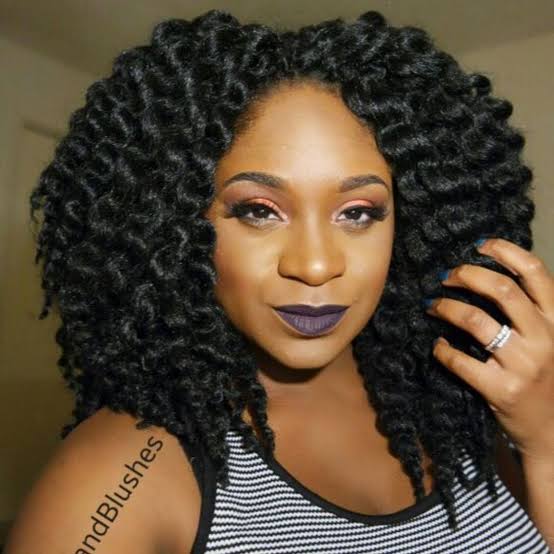
I was not expecting to like this as much as I did, but that side sweep does something to the whole silhouette. The cut sits close around the ears and nape, which keeps the neck warm under a winter coat collar, and the length is cropped short enough that it clears a scarf completely. The layers are the quiet workhorse here, they stop the shape from turning into a round puff, and the texture is all natural coil, no heat needed. The bangs sweep across the forehead and tuck behind one ear, which softens a square jawline and gives a middle part a run for its money.
What it takes is a trim every four weeks, because the second that nape grows out, the whole line blurs. Fine, coily hair will hold this shape best; if your density is low, ask for the layers to stay internal so you do not lose volume. I have worn this through a wet snow day and it dried back into the same sweep, no round brush involved. Book the consultation first, this is not a bathroom-mirror job.
Cornrows With Long Braids
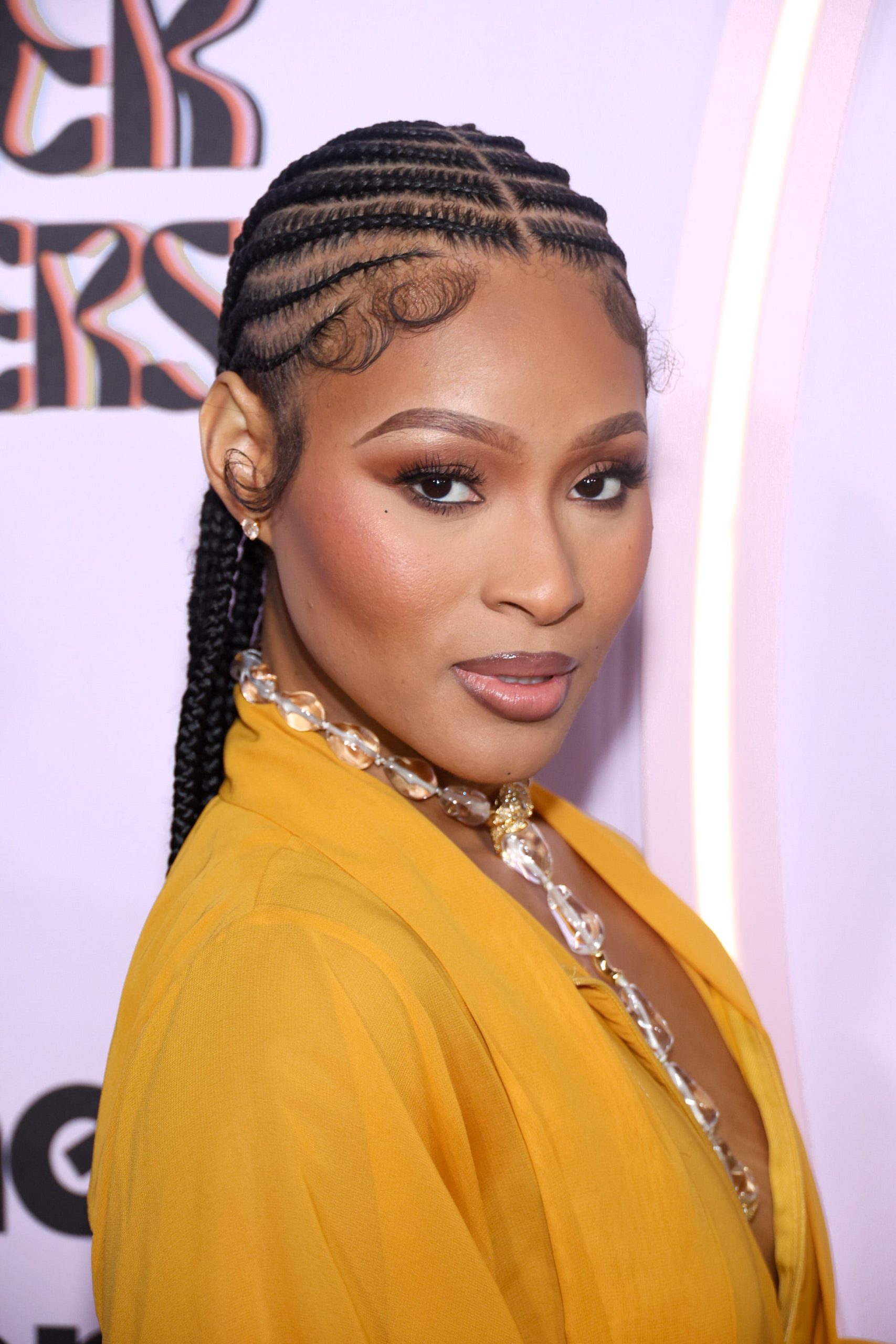
I keep coming back to these wet look shoulder length braids because they solve the winter hat problem before it starts. The cut lands right at the shoulder, which means the weight pulls the braids down instead of letting them flip into your face every time you exhale. No layers here, just a blunt line that makes the texture read denser than it actually is, and the absence of bangs keeps things practical when you’re zipping a parka. The shine sells the whole thing, but don’t be fooled, it’s a gel situation, not a water situation. You need a strong hold or the sleekness separates by noon.
High Braided Bun With Auburn Highlights
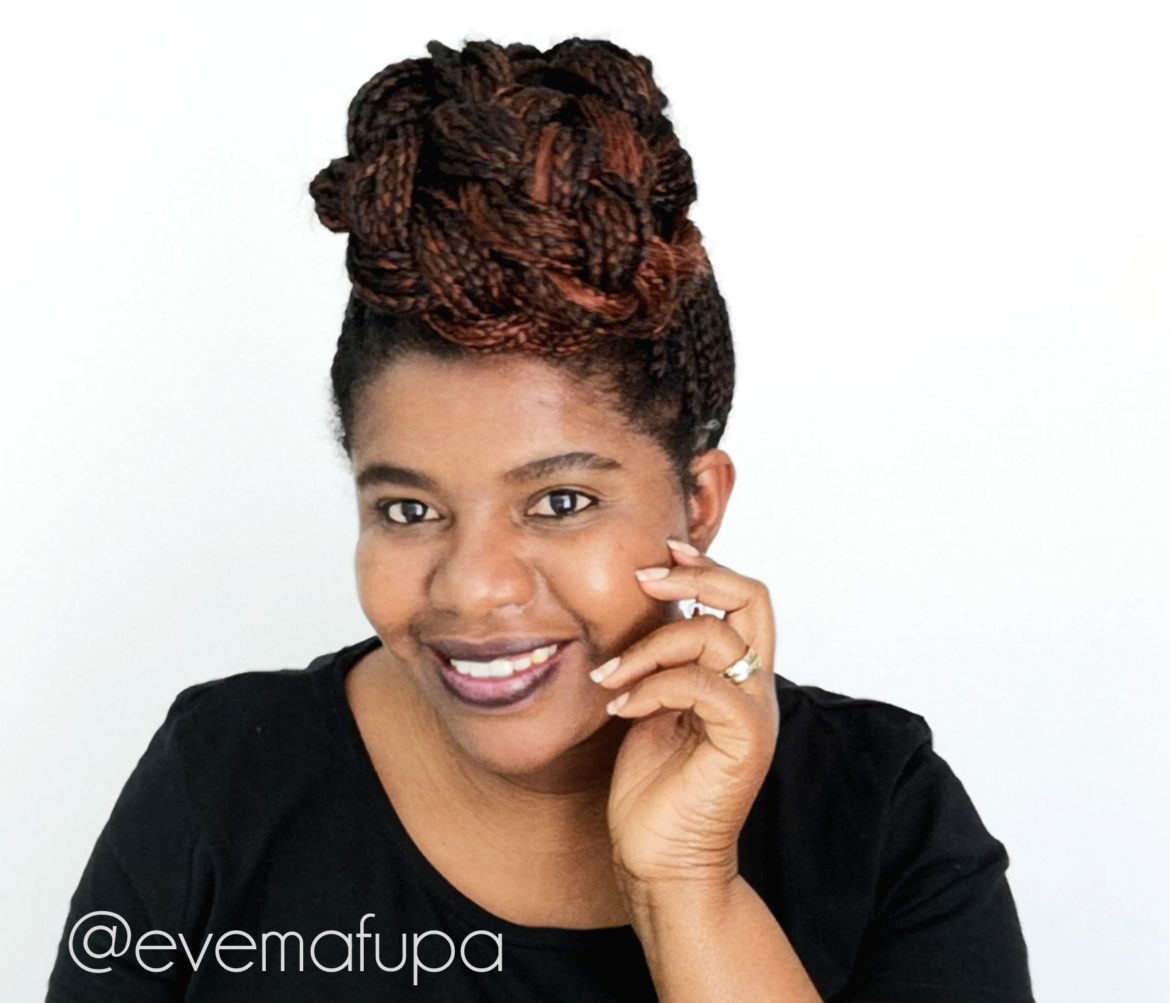
This is the updo that makes you look like you have a plan, even when you don’t. The braids are swept back into a neat bun at the crown, but the trick is the face framing tendrils left loose around the hairline, they soften what could read as a severe ballet bun. The cut is all about the length of those tendrils, they hit just past the cheekbone and get curled under, so they move when you talk. It suits round faces because the vertical lines elongate, and it works best on medium density hair that can hold a braid without looking scraggly. The downside? By day three, the tendrils are greasy and the bun is lopsided, so you’re either refreshing or redoing the whole thing.
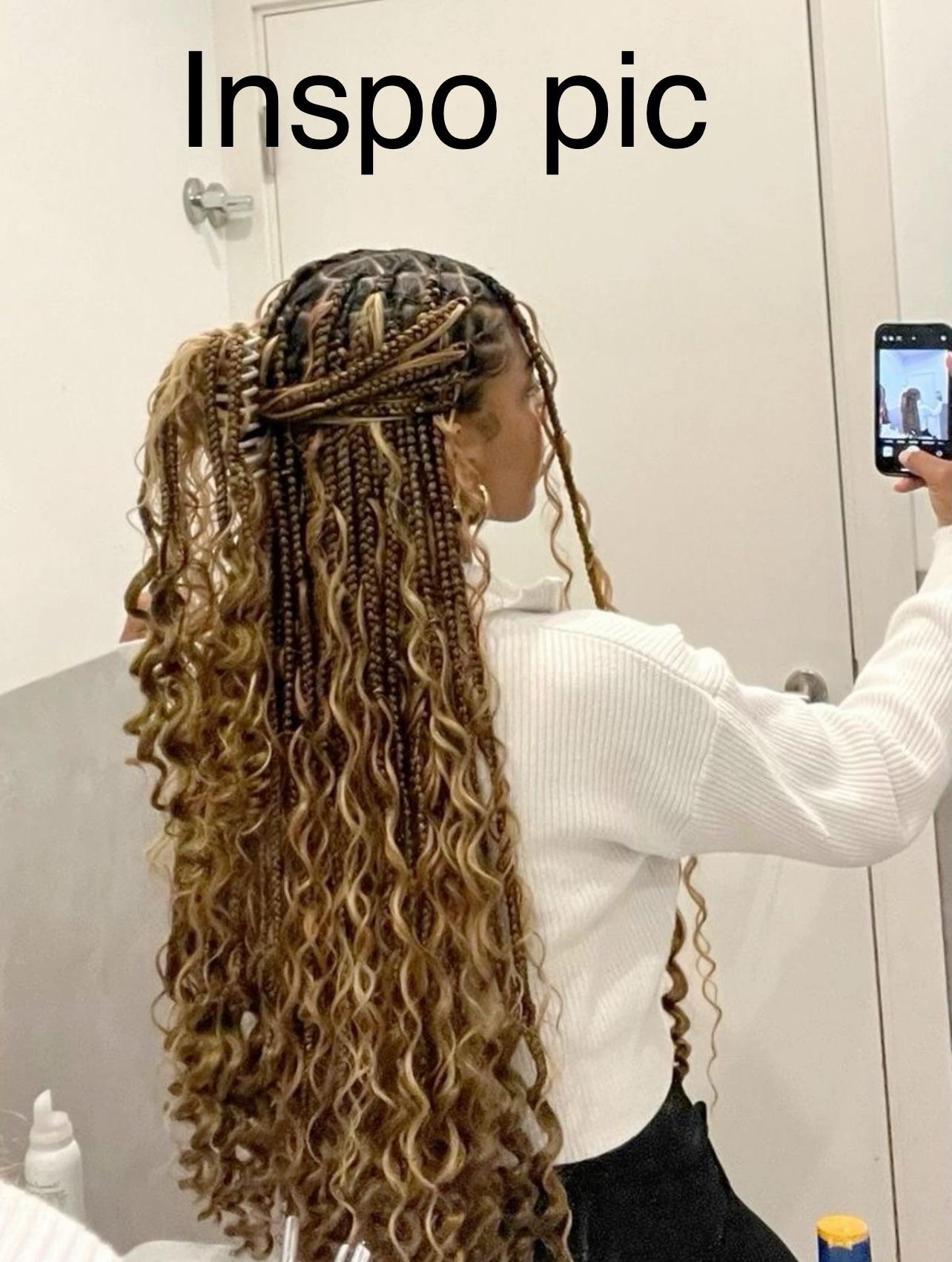
Mid-Back Box Braids With Blonde Highlights
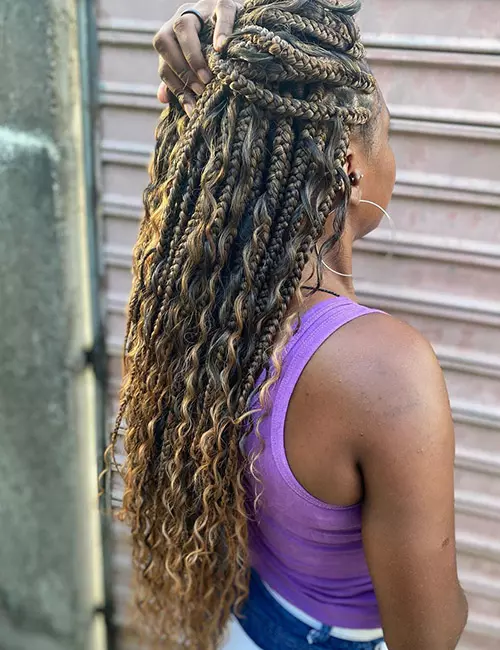
I was skeptical about butterfly locs because they usually look like a costume, but this collarbone length version changed my mind. The cut stops right at the collarbone, which is the sweet spot for a lob because it hits the narrowest part of your neck and makes your shoulders look stronger. The layers are what sell it, they’re cut into the locs themselves, so the ends feather out instead of hanging like heavy ropes. The texture is intentionally fuzzy, that’s the butterfly part, but it means you need a styling product to keep the flyaways from turning into a halo of fuzz. Ask your stylist for a middle part and a soft frame, and book a trim every eight weeks to keep the ends from looking raggedy.
Mid-Back Braided Ponytail Waves
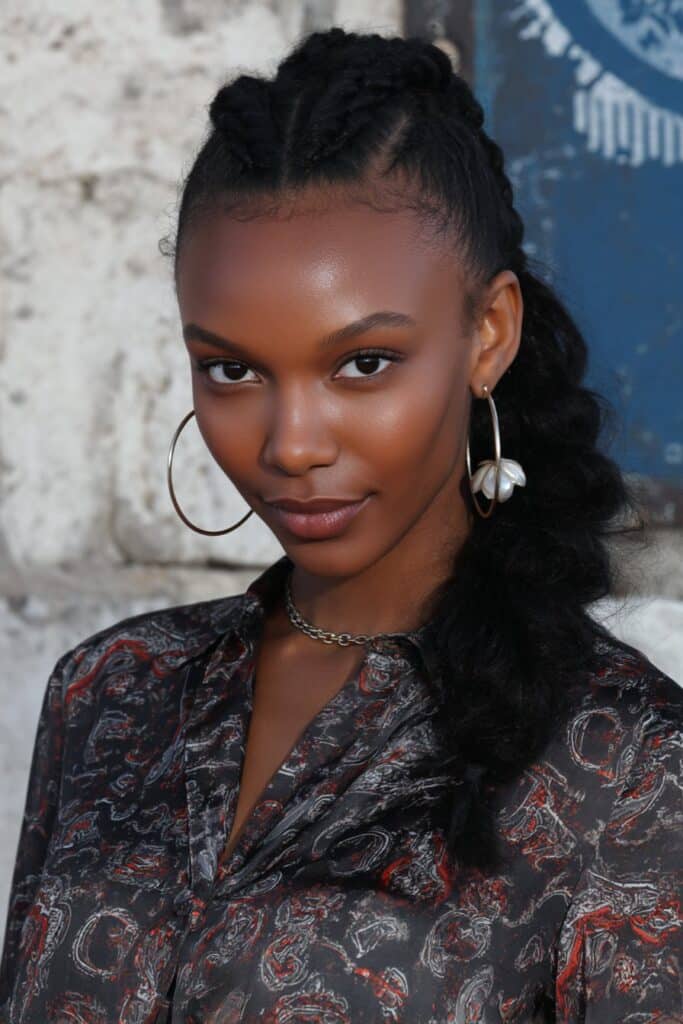
The blonde tendrils are the whole story here, they catch the light and make the black braids look richer. No bangs, just a clean part, so it’s low maintenance, but the color fades fast. You’ll be toning by week three.
Two Braided Space Buns
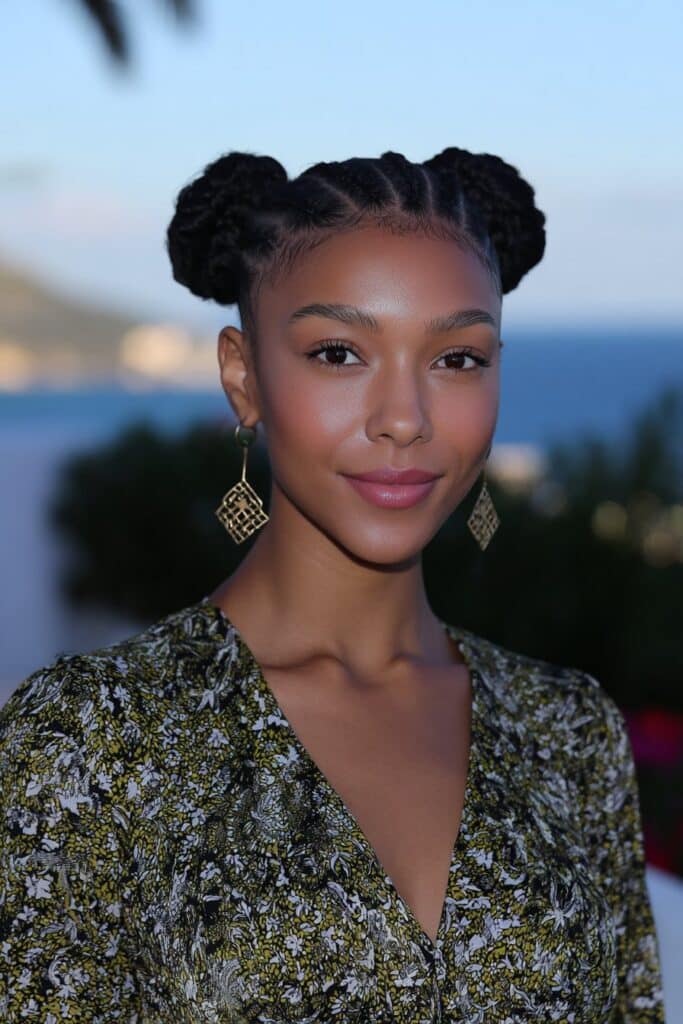
The problem with two-tone braids is the part, it shows your real roots faster than a one-shade install. The fix is a zigzag part, it hides the grow-out line for an extra week because the eye can’t track a straight line. My roots showed at week five, and the zigzag bought me to week six before I had to cave and redo the front. It’s not a miracle, but it’s a solid delay tactic.
No Bangs Mid-Back Box Braids With Blonde Tendrils
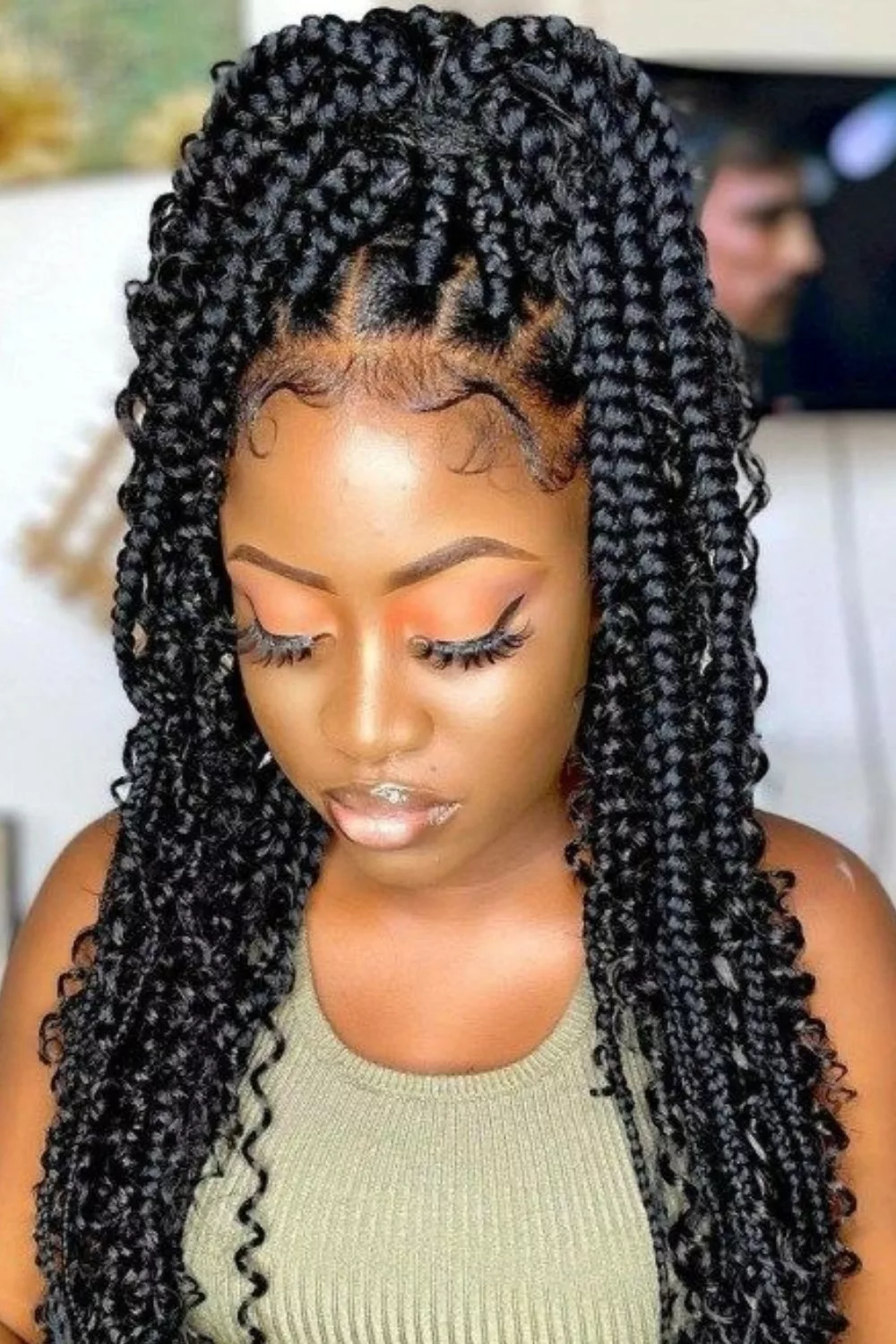
The curly ends on these box braids blonde tendrils are doing something most winter styles skip. Mid-back length, no bangs, black base with blonde highlights, a middle part, and coily, thick texture — the cut is straightforward, no layers, but the curly ends soften the silhouette. Where sleek straight looks dominate the season, these braids bring deliberate texture and movement. The contrast is the point: soft ends against a structured braid.
The honest downside: the blonde tendrils show dryness faster than the black sections, especially when winter air strips moisture. The contrast is intentional, but it means checking the ends more often. Not a wash-and-go, but the visual payoff is worth the extra attention. And the back view? The curly tendrils cascade, breaking up the uniformity. The comparison to sleek winter styles is clear: this one chooses texture over polish. It’s a trade-off: more maintenance, more personality.
Mid-Back Braided Ponytail Blonde Highlights
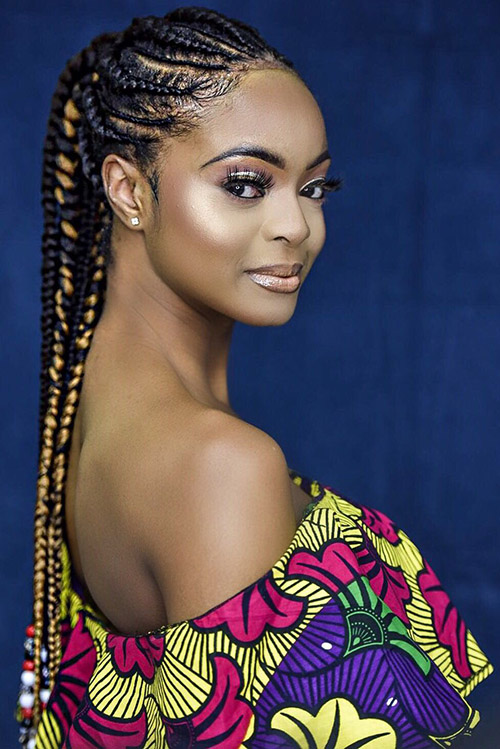
This is the winter style that actually fights the gloom. The braided ponytail blonde highlights catch light against dark coats, mid-back length, no bangs, black with blonde highlights, a middle part, and wavy texture — no layers, just a sleek ponytail. It’s a protective style, salon-installed, that lasts weeks with scalp moisture and occasional re-braiding. Perfect for winter: keeps hair off the neck, adds brightness, and the blonde highlights pop against darker clothing. The wavy texture adds movement without extra styling. Ideal for holiday events or daily wear, the ponytail stays neat with minimal upkeep beyond regular scalp care.
Mid-Back Twisted Locs
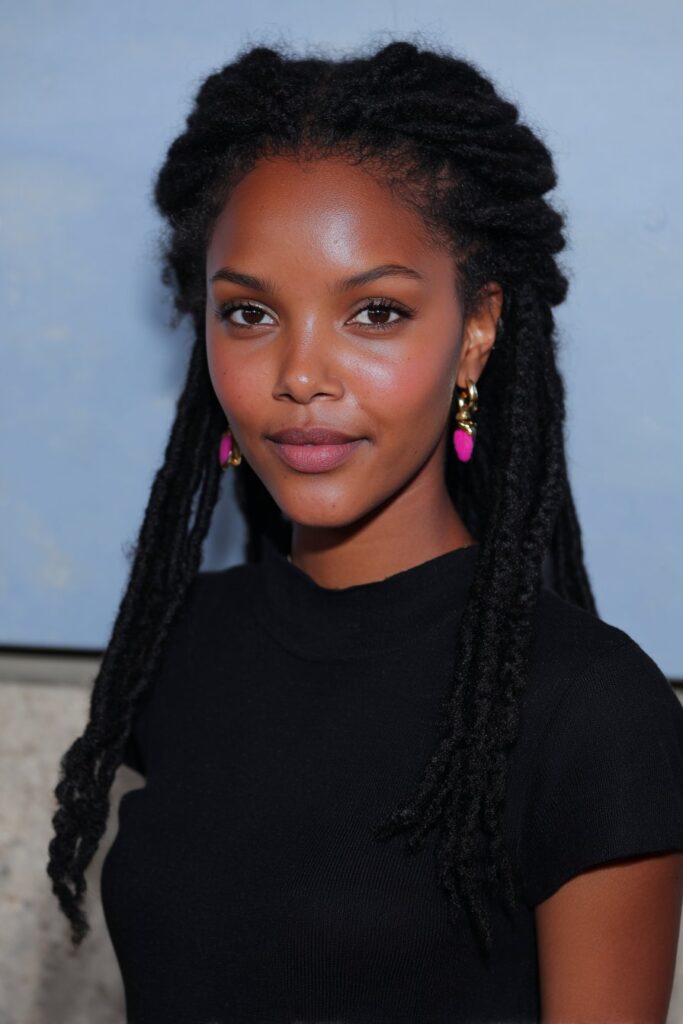
Ever wonder why thick twisted locs feel heavier than they look? The technique: each section is twisted from root to tip, creating rope-like strands that build density. Mid-back length, no bangs, black, a middle part, and coily texture — no layers, just uniform twists. The visual appeal is substantial, a solid mass of texture that stands up to winter weather. The front view shows the middle part, revealing the scalp in a clean line.
The honest downside: the weight can cause tension on the scalp, especially if the locs are thick. And drying? They take forever after washing, which means planning around wet hair in cold months. The look is striking, but it demands patience. Plus, the weight can lead to traction if not installed carefully, so a skilled stylist is non-negotiable. The payoff is a style that doesn’t budge in wind or snow.
Mid-Back Braids With Side Cornrows
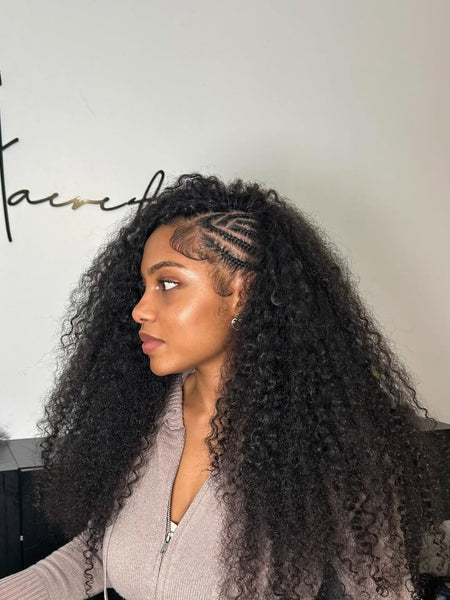
Mid-Back Two-Tone Braids
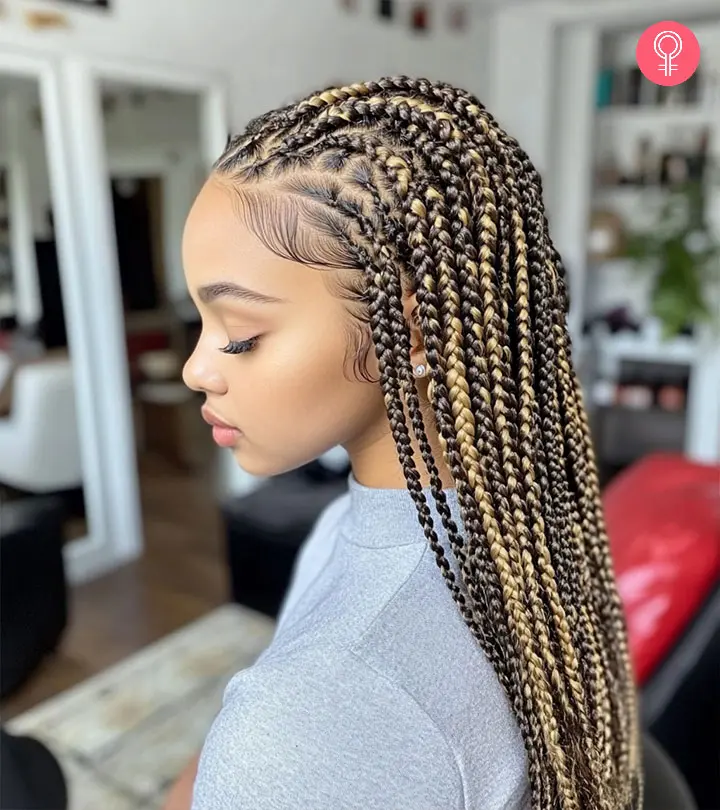
Two tone box braids are a lot of look. Mid-back length, no bangs, black and blonde highlights, a middle part, straight texture — no layers, just bold color contrast. They suit oval or longer face shapes best because the horizontal color band can widen a round face. This is a salon job, not a DIY project. The two-tone effect requires precise placement that only a stylist can deliver.
Mid-Back Chunky Twists
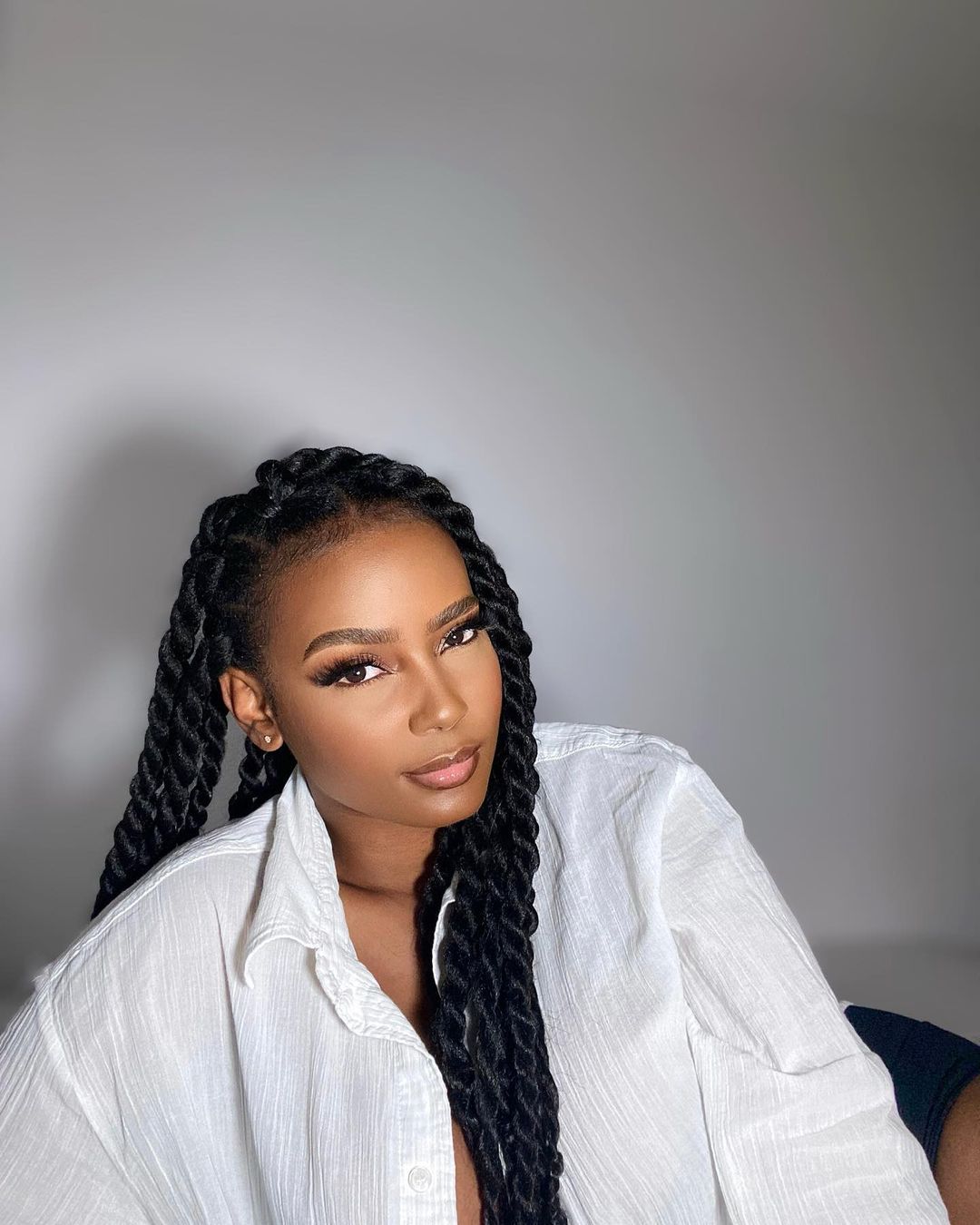
Everyone says side parts are over, but this one proves them wrong, the deep sweep of the middle part carries the whole style. The box braids fall to mid-back, which is the sweet spot between heavy and swishy, and there are no bangs at all, so the face is completely open. The blonde tendrils are the surprise, they frame the cheekbones and break up all that dark braid, and the texture is smooth and uniform, which means it does not snag on a wool turtleneck. The layers are subtle, just a few shorter pieces near the front, so the length stays thick at the ends.
I expected the blonde to look brassy by week three, but it held its tone longer than my own colour ever has. The grow-out is the real timeline, roots show at week six, and re-twisting the edges every two weeks keeps the part crisp. This suits oval and heart faces best because the tendrils pull the eye outward. It is not a quick style, but it is not a hard one either, book it, this is not a DIY project.
Long Braids With Beads And Accessories
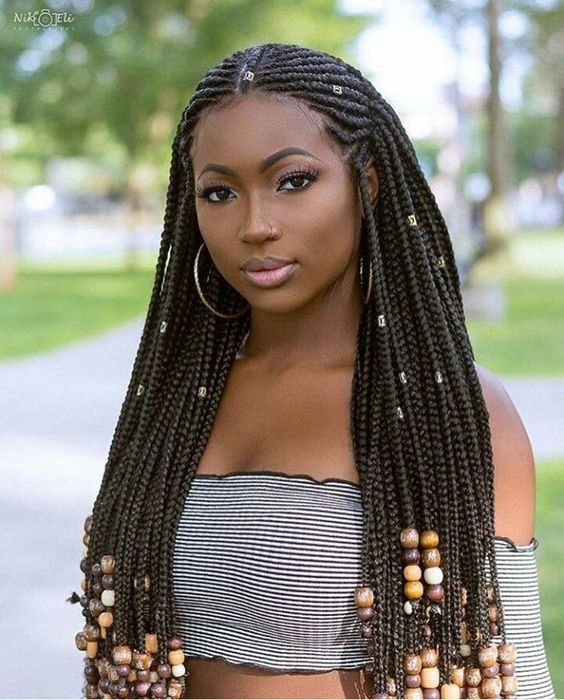
When did we start treating hair like jewelry? These long braids with beads and accessories make the case. Black braids, mid-back, parted down the middle with no bangs interrupting the line. Straight extensions fall clean, and then you see the details: decorative beads threaded at the ends, small wooden elements tucked near the scalp. Someone spent time on these. The application matters — beads clamped tight enough not to slide, wood pieces secured so they do not catch on collars. This is a protective style that actually protects, because the ends are sealed inside the beads instead of rubbing against coat zippers all winter. Upkeep means re-braiding every six to eight weeks, but the beads last longer if you keep them dry. A trim when you take them out.
Final Thoughts
After writing through all 30 looks, I noticed something: the best winter styles aren’t the ones that hide your hair, but the ones that work with it. I was surprised by how many braided updos and afro puffs made me want to ditch the beanie. I’m booking the collarbone twists with middle part next. Low fuss, high payoff.

