I spent the winter watching men in the salon chair next to mine. They were getting the same cuts I was, just shorter on the sides and with a fringe that actually stays put. The textured crop with forward fringe is not a trend, it is a default, and the default has gotten good.
This roundup of 17 Winter Hairstyles for Men runs from a five-minute towel dry to a blow-dryer situation. It covers fine hair, thick hair, grey hair, curly hair and hair that has given up. If you share a sink with a man, this is the list to send him.
I have fine, straight hair that goes flat by 4 pm, so I know hold when I see it. I also know when a cut is about to require a round brush. These are the former.
Textured Crop With Undercut And Forward Fringe
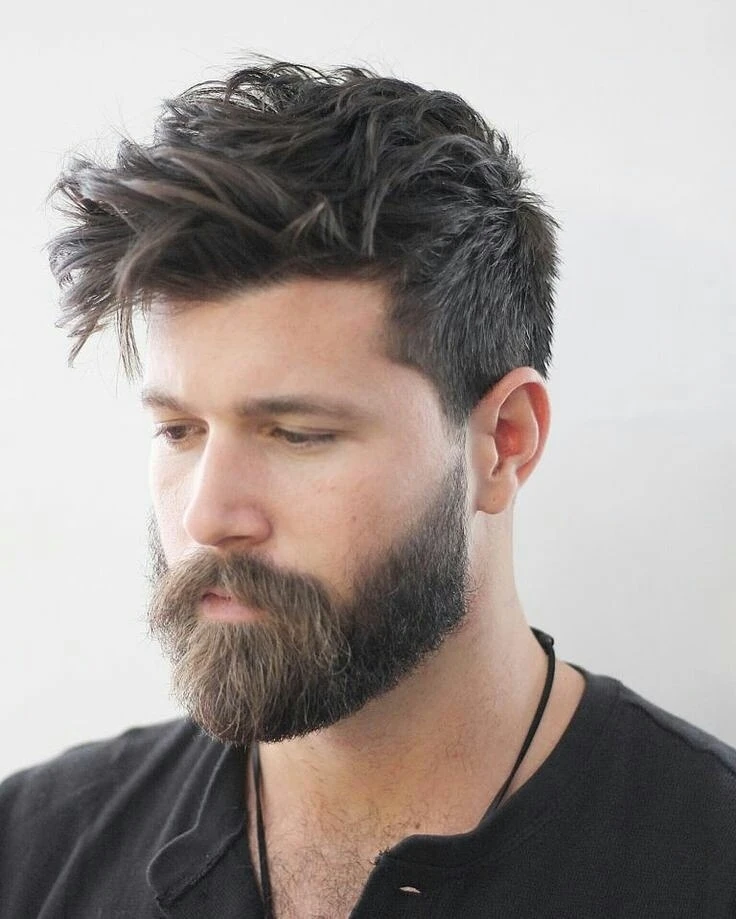
The textured crop undercut is a haircut that understands thick, straight hair. The sides are short, the top medium, and the choppy fringe sits forward with no parting. Layers break up the weight so the texture has room to move. Straight, thick hair holds that messy forward sweep without collapsing. This is for you if your hair grows like a brick and needs convincing to shift. Skip it if yours is fine or curly (that fringe will read as regret). The undercut keeps the whole thing sharp.
Shaggy Collarbone Cut With Curtain Bangs
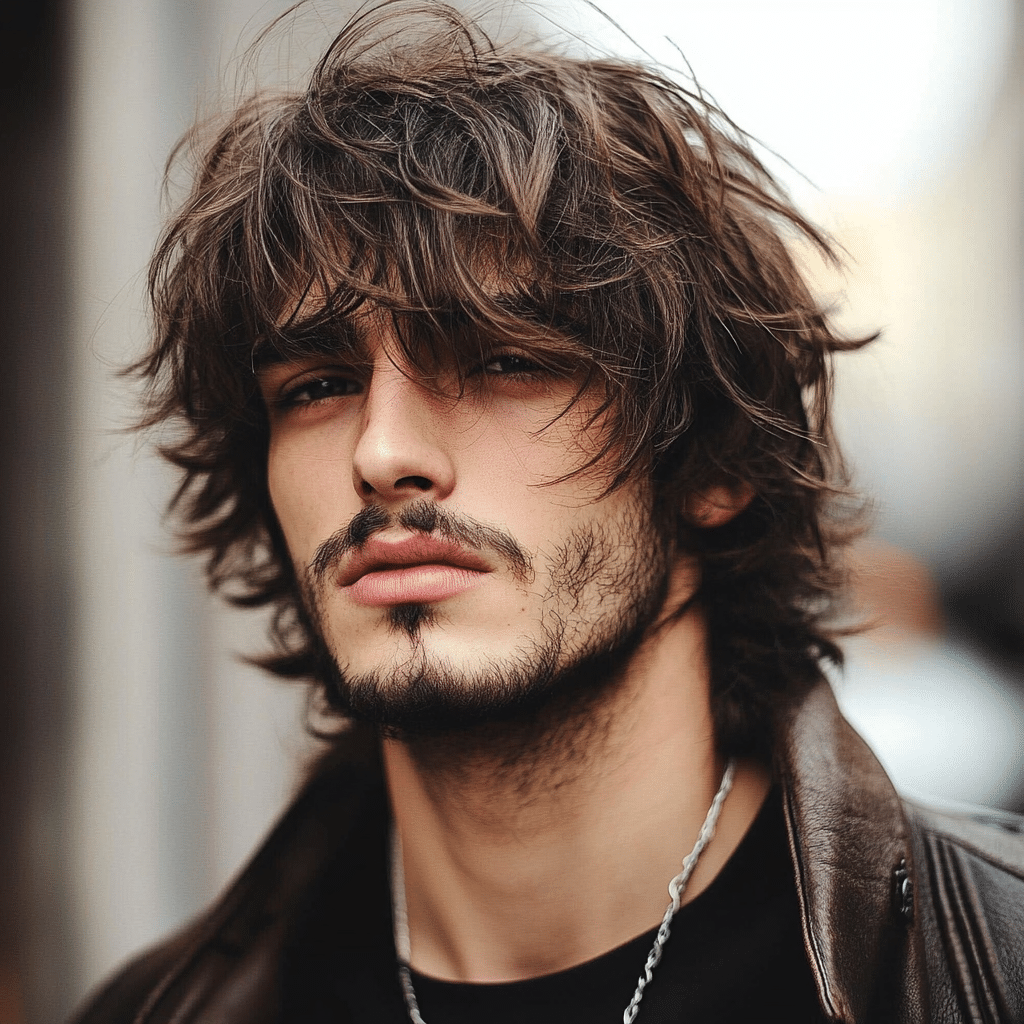
Can a shag cut with curtain bangs still look good on a Wednesday? It can. The collarbone length stops it from catching in a scarf. Layers are cut to work with wavy, thick texture, not against it. Curtain bangs need a few passes with a brush while damp, then they dry into place. A quick scrunch with a lightweight mousse after washing, then air dry. The whole routine takes five minutes.
Across the week, the middle part holds. The waves settle into the same pattern each day. A morning finger-comb pulls it back together. Winter dry air doesn’t flatten it because the cut builds lift into the layers. A drop of oil on the ends stops flyaways. Trims every 8-10 weeks keep the curtain bangs from turning into awkward side flaps. It’s the first cut I’ve seen that looks better on day four than day one.
Slicked Back Side Part With Fade
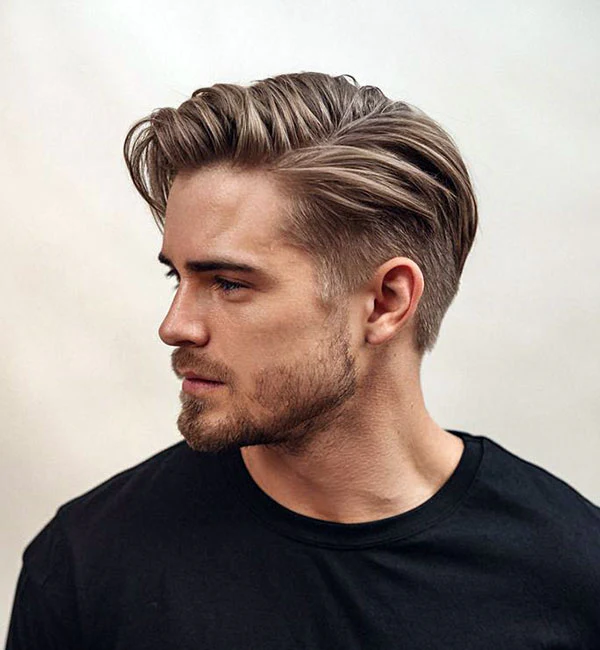
The slicked back side part relies on two precise elements: the fade on sides and the direction of the part. The top is left long with subtle layers so it doesn’t lie flat when slicked back. The fade creates a clean transition from short to long. This is a salon cut because the fade needs a steady hand and the part needs to be cut in, not just combed. The technique at home is straightforward: blow dry upwards and back, then apply a strong hold product. If the fade is off, the whole look falls apart.
Medium Length Layered Waves Tucked Behind Ear
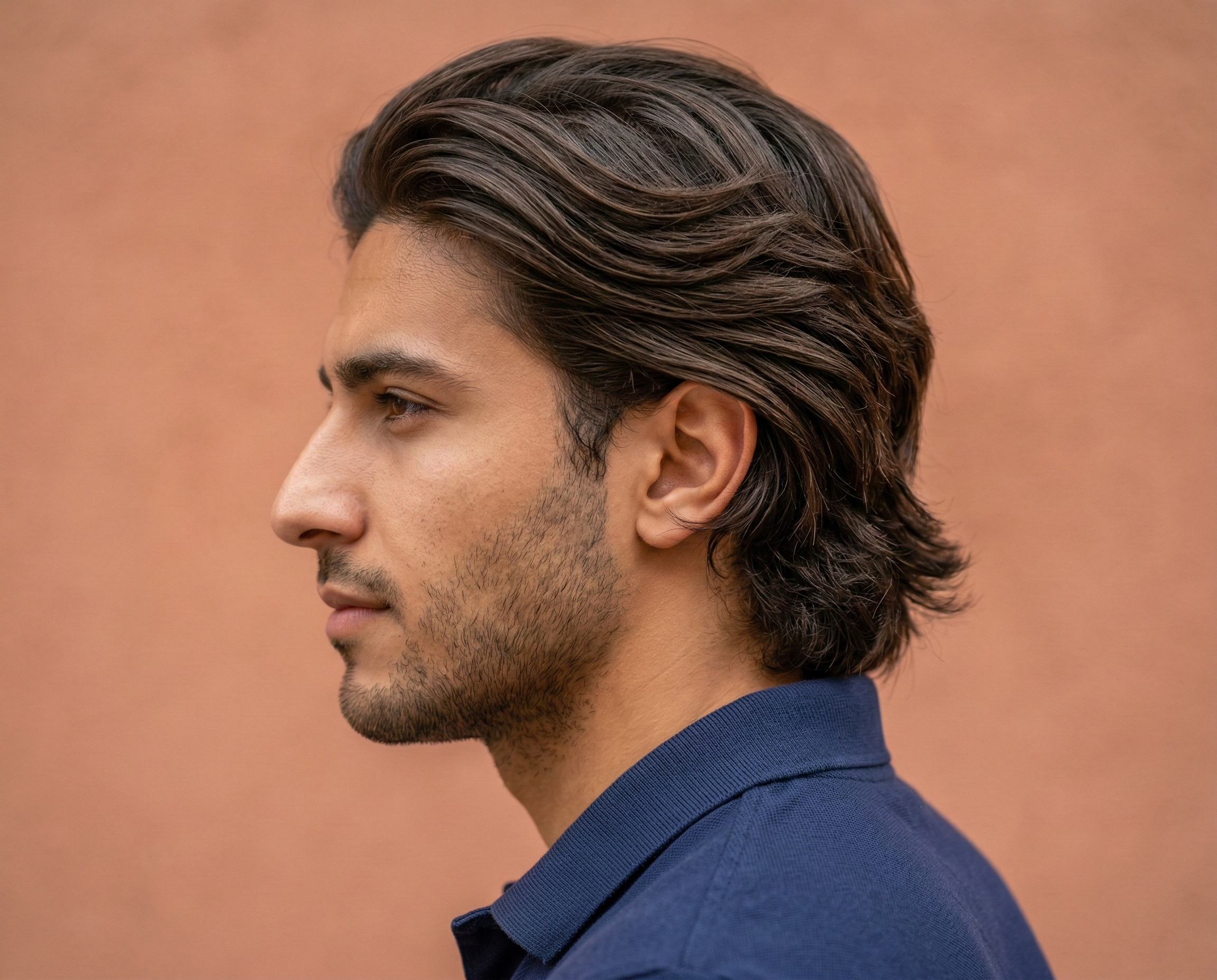
Ever wondered if a tucked-behind-ear style works for men? It does, but only if your hair is medium length wavy hair with enough density to hold the shape. The layered top adds movement without making the hair look thin, and the length hits the shoulder. This cut has no bangs, relying on the tucked ear to frame the face. It flatters oval and heart-shaped faces because the tucked side balances the width. The waves fall naturally, and the tucked ear reveals the jawline. Medium density is key: too fine and the hair slips out, too thick and it poufs. This is a relaxed, low-fuss cut that works with natural texture.
Curly Mullet With Shaved Sides
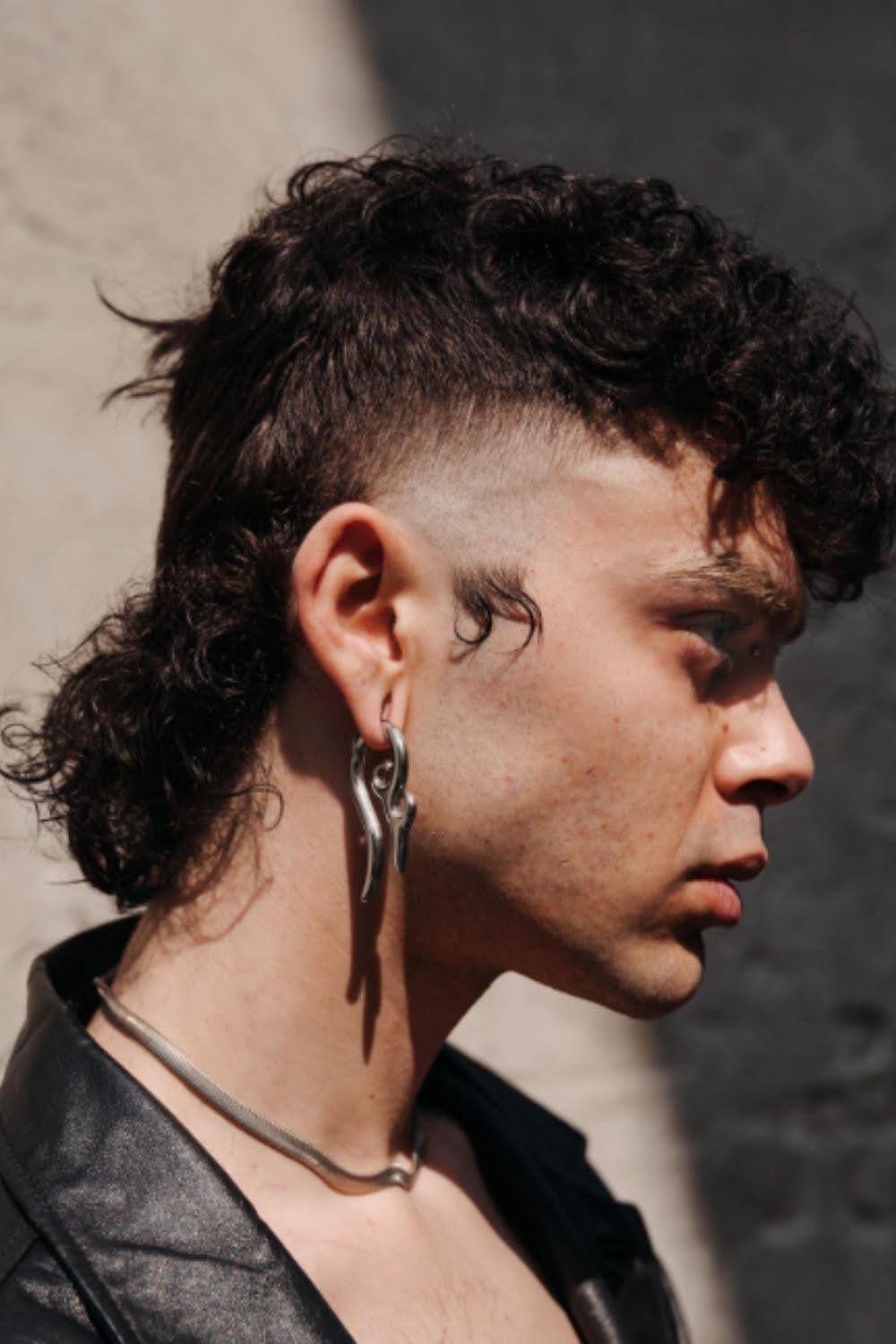
I’ll admit it: I didn’t expect to like the curly mullet. The shaved sides and the dark brown curls in back look like two different haircuts, and that’s exactly the point. The contrast is bold and slightly rude, which is why it works in winter when everything else is beige. It’s not a low-maintenance cut, and nobody should pretend otherwise.
The reality is simpler. The shaved sides show grow-out by day four, so this is a barber’s chair every three weeks or the whole shape collapses. The curly top needs daily work: a curl cream, a diffuser, and none of the patience I actually have. Winter hats are a real problem here, because the top flattens under a beanie by noon. Trim the back every six to eight weeks and the silhouette holds. Skip it and the mullet becomes a mess, not a statement. I’ve watched this go wrong on a friend who skipped the barber.
Collarbone Salt and Pepper With Smooth Sweep

Grey reads differently against a wool scarf than it does in July, and that’s the whole trick. Salt and pepper hair men get sharpness in winter when the cut is straight to collarbone with a smooth sweep back. The fine texture needs a light-hold product and a comb, blown dry upwards and back, or it droops by noon. Trim every six to eight weeks to keep the length sharp. It’s a neat look that matches winter’s layers, and it takes ten minutes each morning.
Short Sides With Long Voluminous Curly Top
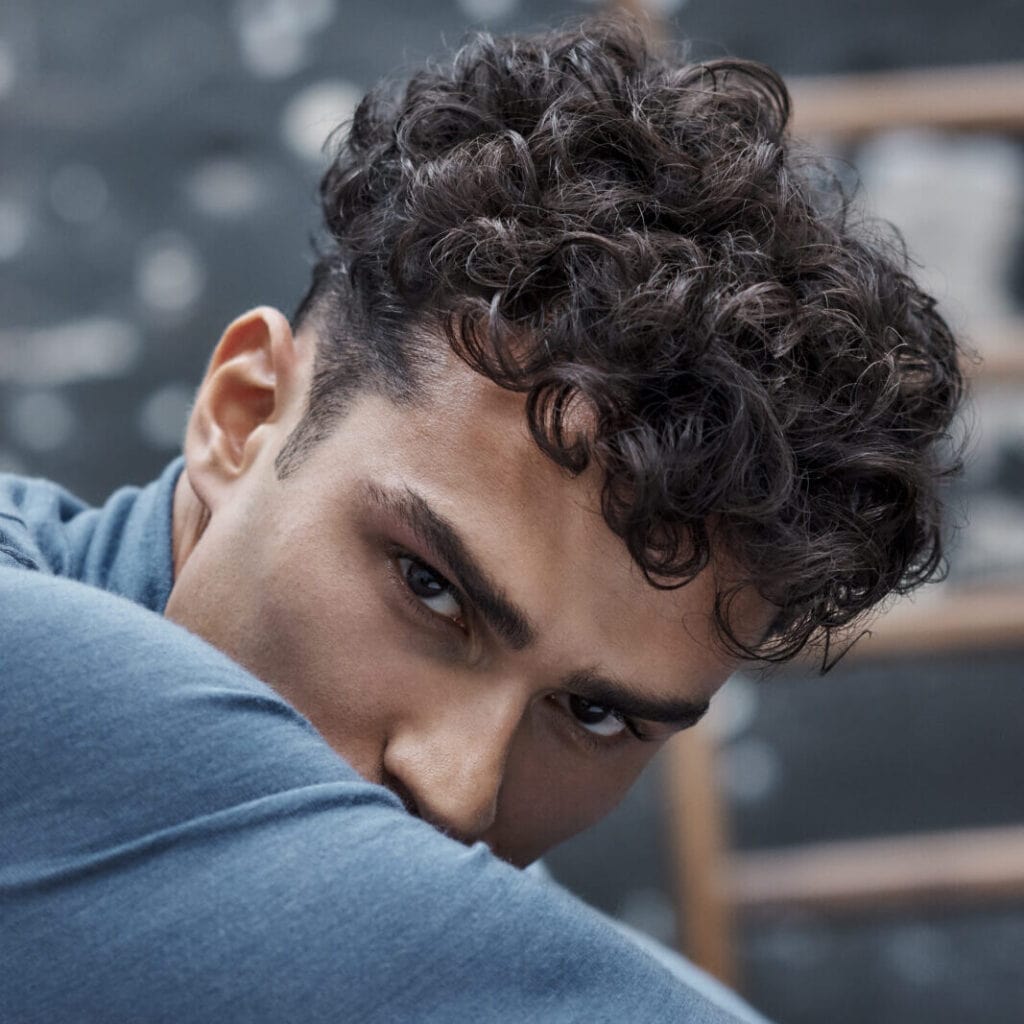
Do you have the kind of curls that refuse to sit down? Then a short sides long curly top is the answer you’ve been waiting for. The short sides and the long top create a shape that shows off the curl’s natural volume, and defined curls are the whole point. This flatters thick, curly hair with real body, and it suits a longer face by adding width at the top. If your hair is fine or thin, skip it: the contrast falls flat and you end up with a haircut that needs constant fixing.
Spiky Silver/Grey Undercut With Textured Top
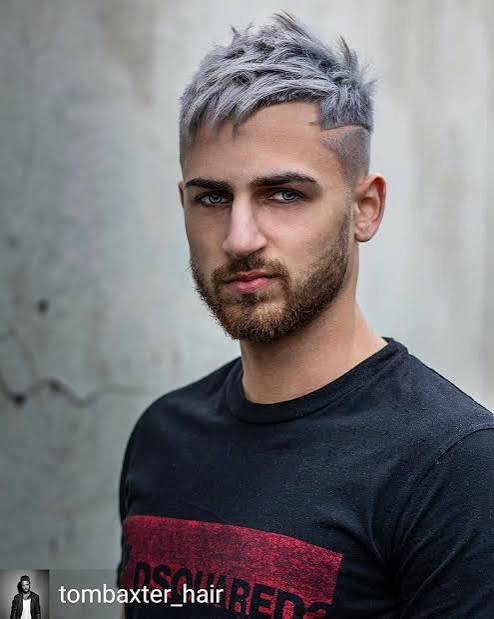
This one announces itself. Silver hair men have an advantage here: the contrast between the shaved sides and the stark grey top is immediate, no blending required. The cut keeps things short on the sides with a medium textured top that is cut into short, spiky layers, and the forward-styled fringe stays choppy rather than precise. Compared to a subtler salt-and-pepper tone, this shade demands a strong hold product to maintain the spikes and an undercut that needs refreshing every three to four weeks. The top holds its shape for about six weeks before the layers start looking shaggy. It is not a quiet haircut, and that is the point.
Short Slicked Back With Fine Grey Hair
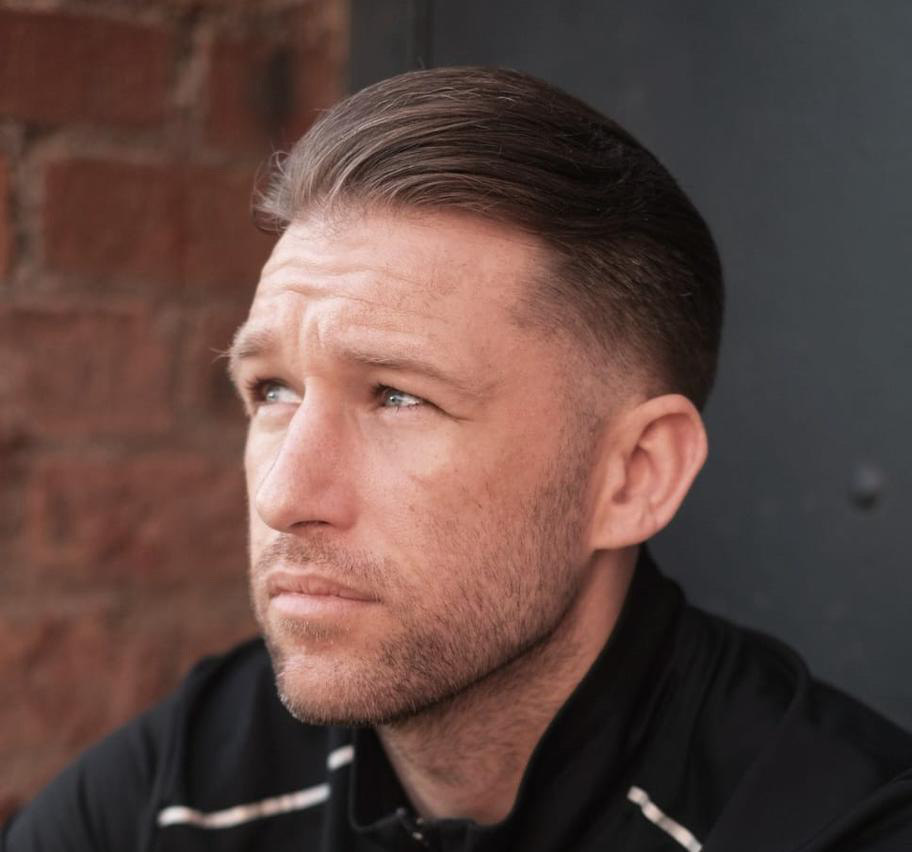
I admit it: I was skeptical about fine grey hair holding a slicked-back shape without collapsing by lunch. The short slicked back hair here relies on a strong-hold pomade applied to damp hair and combed straight back and to the side. Straight fine texture is actually an asset for this style because it lies flat without puffing up. The honest downside: you cannot skip the product, and the fade needs a barber every three to four weeks or the clean lines disappear. This is a salon cut for the initial shape, but the daily styling is entirely doable at home with a comb and ten seconds of effort.
Short Textured Crop With Forward Styled Fringe

The alarm goes off, and this haircut needs seven minutes with a matte paste. The textured crop fringe is cut blunt on the ends but point-cut through the top layers to create separation, and the fringe is styled forward with deliberate piecey texture. A side part gives the fringe a place to land, but the real work is in the daily shaping: rub the paste between palms, work it from back to front, then pull individual strands forward with fingertips. The crop itself stays short enough that the weight of hair does not pull the fringe down, which is the reason it holds its forward direction through a windy afternoon.
By day three, the fringe may start separating into distinct clumps rather than staying cohesive. That is when a quick mist of water and a re-scrunch resets the texture without a full wash. The shape holds for about five days before the natural oils flatten the fringe, but the layering prevents that helmet look.
Textured Crop With Tousled Fringe

The secret to the textured crop tousled fringe is in the scissor work. The layers are cut short enough to lift at the root and long enough to grip, so the fringe bends forward without product. The wavy texture does the heavy lifting here — straight hair would just fall flat. A short crop, chin-skimming fringe, and subtle interior layers create that air-dried look that actually lasts. The cut determines the tousle, not the dryer.
Short Crop With Fade And Textured Tousled Fringe
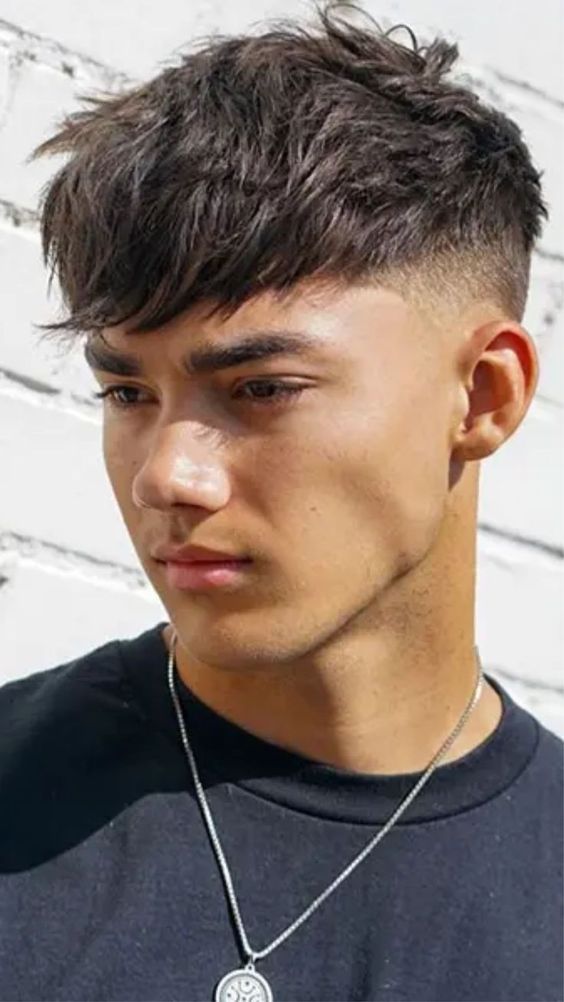
Ever had a fade that looked sharp at the salon and muddy by day three? The crop fade tousled fringe demands precision — the undercut needs a clipper guide that graduates into the fringe length, not a hard line. The sharp contrast between shaved sides and textured top is why this is a salon-only cut. Tell your stylist to blend the fade into the fringe at the temple and keep the top dense enough to tousle. No bathroom-mirror trim will preserve that transition.
Textured Crop With Voluminous Styled Top

I’ll admit, I underestimated how much blow-drying this cut requires. The textured crop voluminous top relies on heat from the root to stand — left to air-dry, the volume collapses by noon. A side part and thick, wavy texture give it lift, but styled up means a round brush and a warm nozzle every morning. In winter, the dry air actually helps hold the shape longer. But no, you can’t skip the dryer.
Crop With Micro Fringe And Undercut
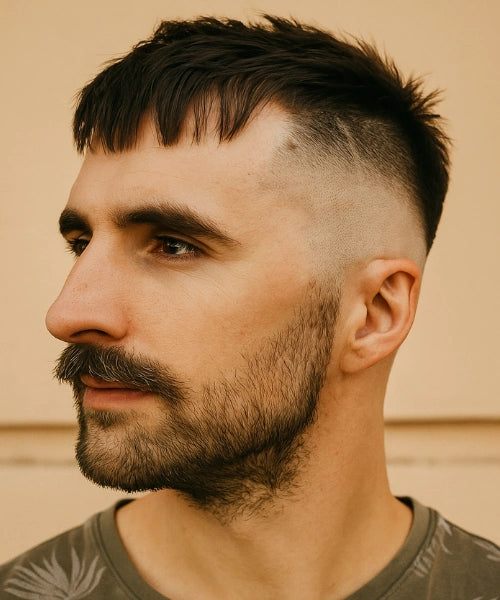
The crop with micro fringe is not for the cautious. While a classic fringe grazes the brow, this one stops an inch higher — think buzzed sides with a thatch of hair above the forehead. The undercut sides and micro fringe create a look that says you planned it, not that you let it grow. It’s sharper than a textured crop and bolder than a side part. On fine, straight hair, the spiked fringe holds without gel; on curls, the micro length can spring into an unintended shape. Know your texture before you book.
No Visible Parting Textured Crop With Fade And Short Fringe
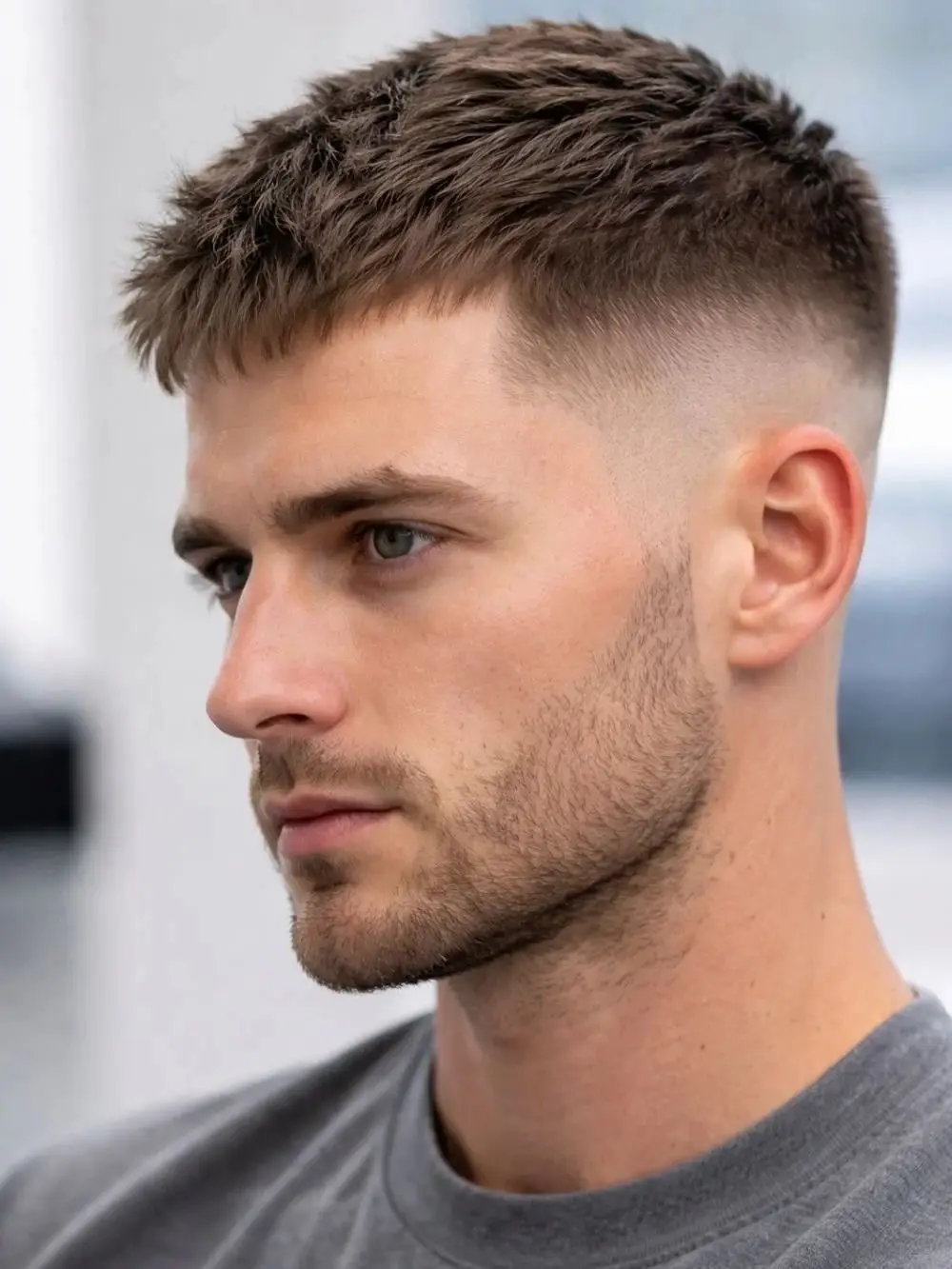
Winter Hairstyles for Men do not get enough credit for this one: a shaggy collarbone cut with curtain bangs that actually holds its shape past noon. The cut lands at the collarbone, which is the sweet spot for fine to medium density because it skims the shoulder and keeps the wave instead of collapsing. Layers start at the jaw and stack through the ends, so the texture does the work without a curling iron. The curtain bangs frame the forehead and grow out into the longer pieces, which means the fringe never hits that awkward in-the-eyes stage. I expected to hate the grow-out, but the layers just soften into a longer shag, no urgent trim needed.
- Collarbone length, blunt-ish ends
- Layers from jaw down, not too choppy
- Wavy texture, air-dried or scrunched
- Curtain bangs, parted soft in the middle
- Ask for: “keep the bangs heavy, not wispy”
It suits round and square faces because the curtain bangs break up the width, and the collarbone line elongates the neck. Skip it if your hair is pin-straight and fine, it will fall flat by 4 pm. A trim every ten weeks keeps the bangs from growing past the nose, but honestly, even that can wait.
Textured Crop With Spiky Fringe And Fade
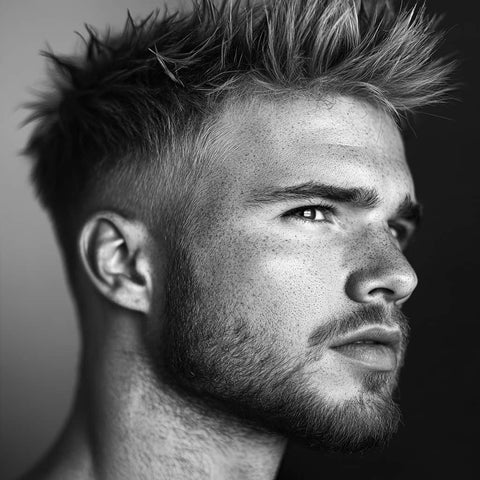
The spiky fringe crop demands a confession: I tried to recreate it at home once. It looked like a hedgehog that lost a fight. This is a salon cut, full stop. The textured crop needs a barber who understands that short, spiky fringe is not just choppy ends. It is precise layering through the top, a high fade that climbs fast, and a texture that refuses to lie flat. The honest downside? That fade needs a refresh every three weeks. The fringe, every four. Skip this if you want a low-maintenance winter. But if you like a cut that announces itself before you do, book it.
High Fade With Textured Black Top And Fringe
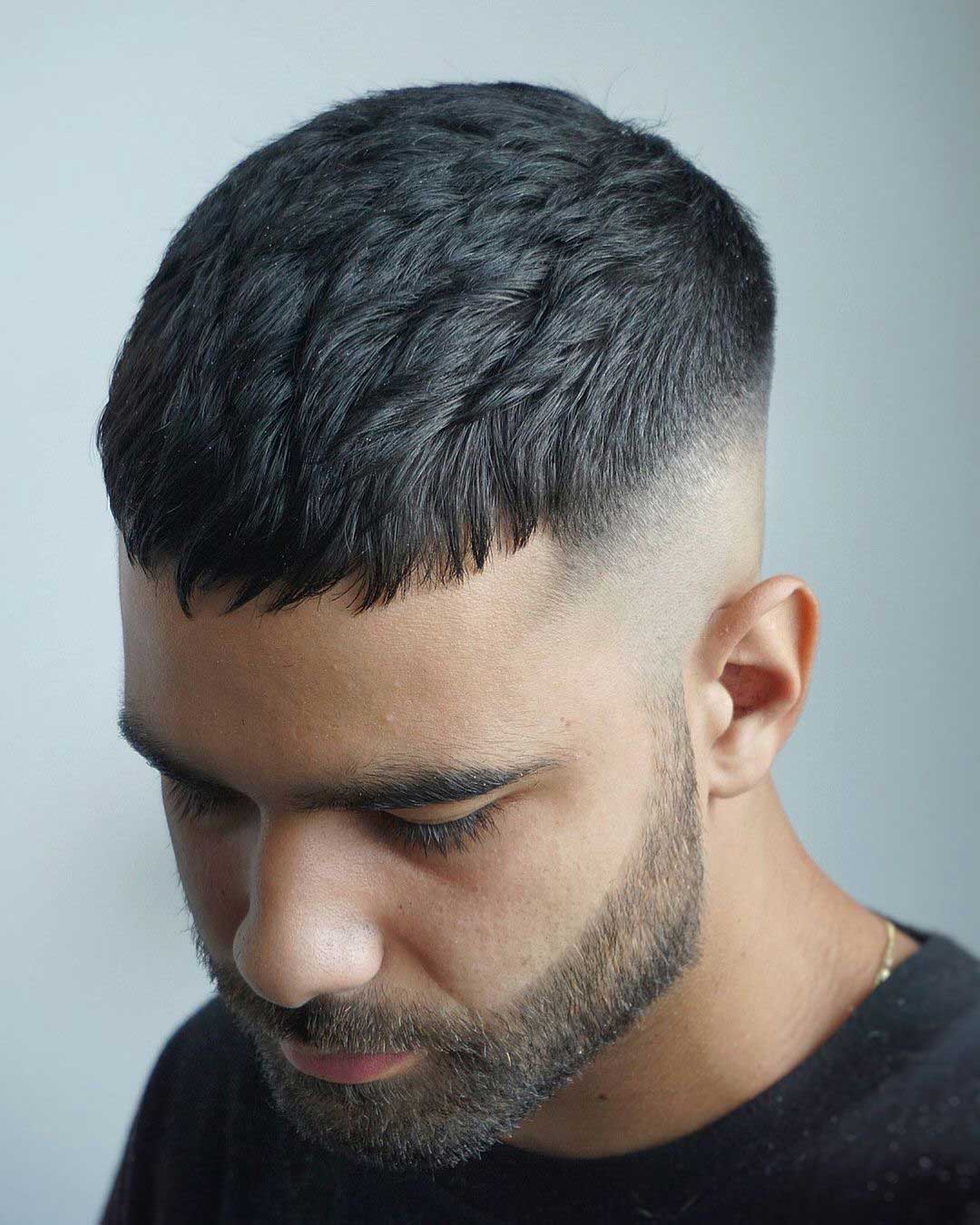
The high fade textured top fringe works best on hair that does not quit. Straight, thick strands hold that upward texture without collapsing by lunch. The high fade clears the sides, the textured top stays dense, and the short fringe lands just above the brow. No parting, no fuss.
It is the opposite of the spiky fringe crop. Where that one needs constant trimming, this high fade textured top fringe lets the top grow for four to six weeks before the fringe needs a touch-up. The fade still needs a barber every two to three weeks, but the top buys you time. Thick, straight hair types get the most mileage here.
Final Thoughts
After writing all 17 of these, I noticed one thing. Every single cut that held through a full day had either a fade, a fringe or both. It is not complicated. I am booking the textured crop with fade and swept back fringe next week. The trim is every six weeks, the styling is two minutes, and the grow-out never looks awkward.
- Trim the baseline every six to eight weeks
- Fades need a barber, not a scissor stylist
- Use texture spray on damp hair, not dry
- Grey hair needs purple shampoo at week six

