I keep seeing the same thing in the salon chair next to mine: dark roots melting into something lighter, and not the harsh stripe I used to panic about. It’s winter, so the shine is lower, the tones are deeper, and the ombre trend has finally grown up. I used to roll my eyes at the whole gradient thing, but now I’m the one asking for it.
You get 25 ideas here, from a quick collarbone fix to a mid-back commitment, and they range from low upkeep to book-ahead salon territory. Whether your hair is fine or thick, straight or coily, there’s a version that fits your face and your patience. Winter Ombre Hair works best when it matches your real life, not a mood board.
My own grow-out line showed at week five, and I’ve sat through enough bad blends to know the difference. So this list is honest about what holds and what flops by 4 pm.
Black to Pink Purple Collarbone Ombre
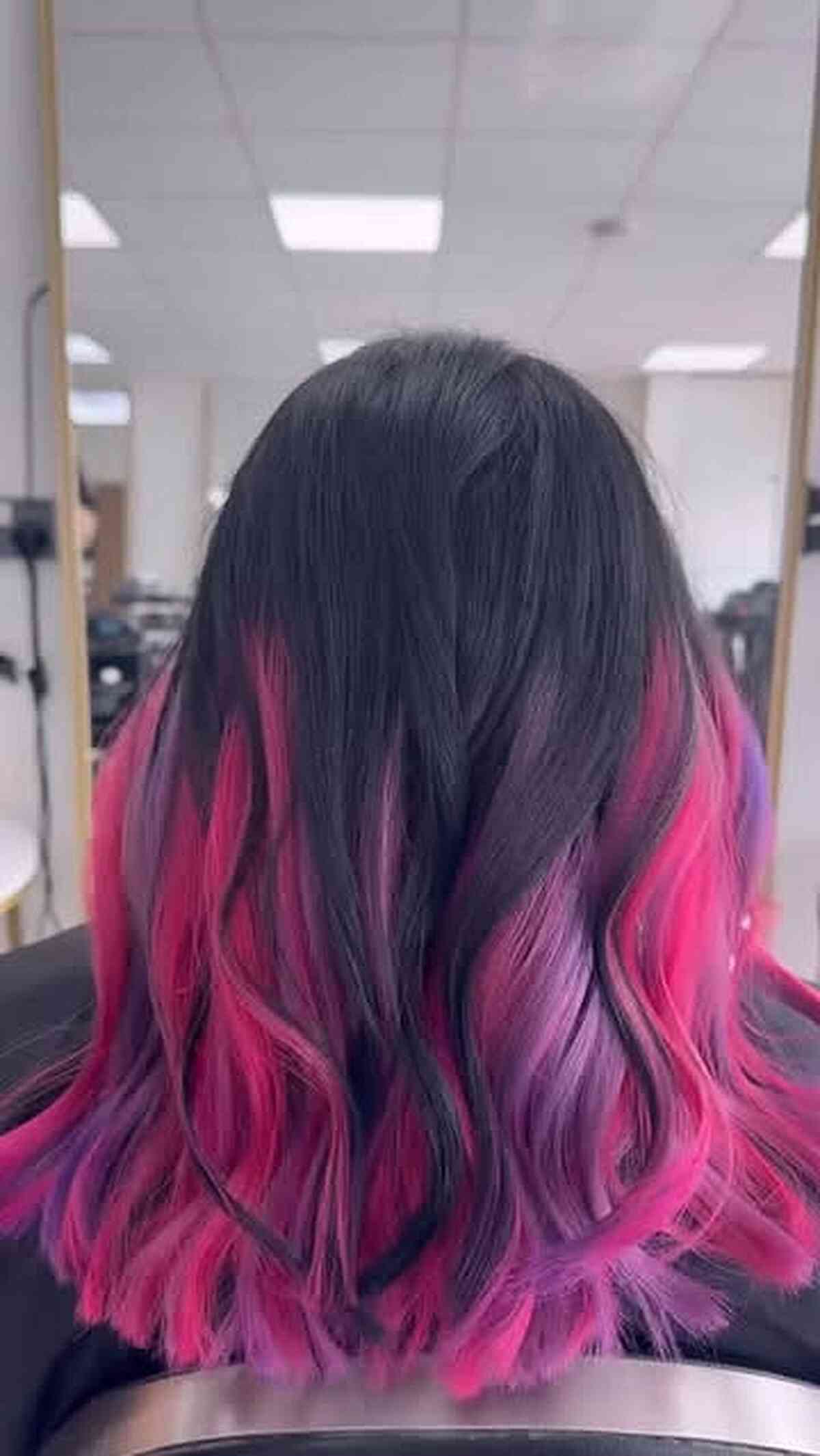
That back view tells you everything: a collarbone cut with layers that actually move, not just sit there. The black to pink purple ombre lands the vibrant pink and purple ends right where the waves start to turn, which is smart on medium-density wavy hair. Middle part keeps it grounded. This is for someone who wants a bold color statement without the full head commitment. The layers keep the shape from going triangular, and that matters at collarbone length.
Dark Brown to Blonde Curly Mid-Back Ombre
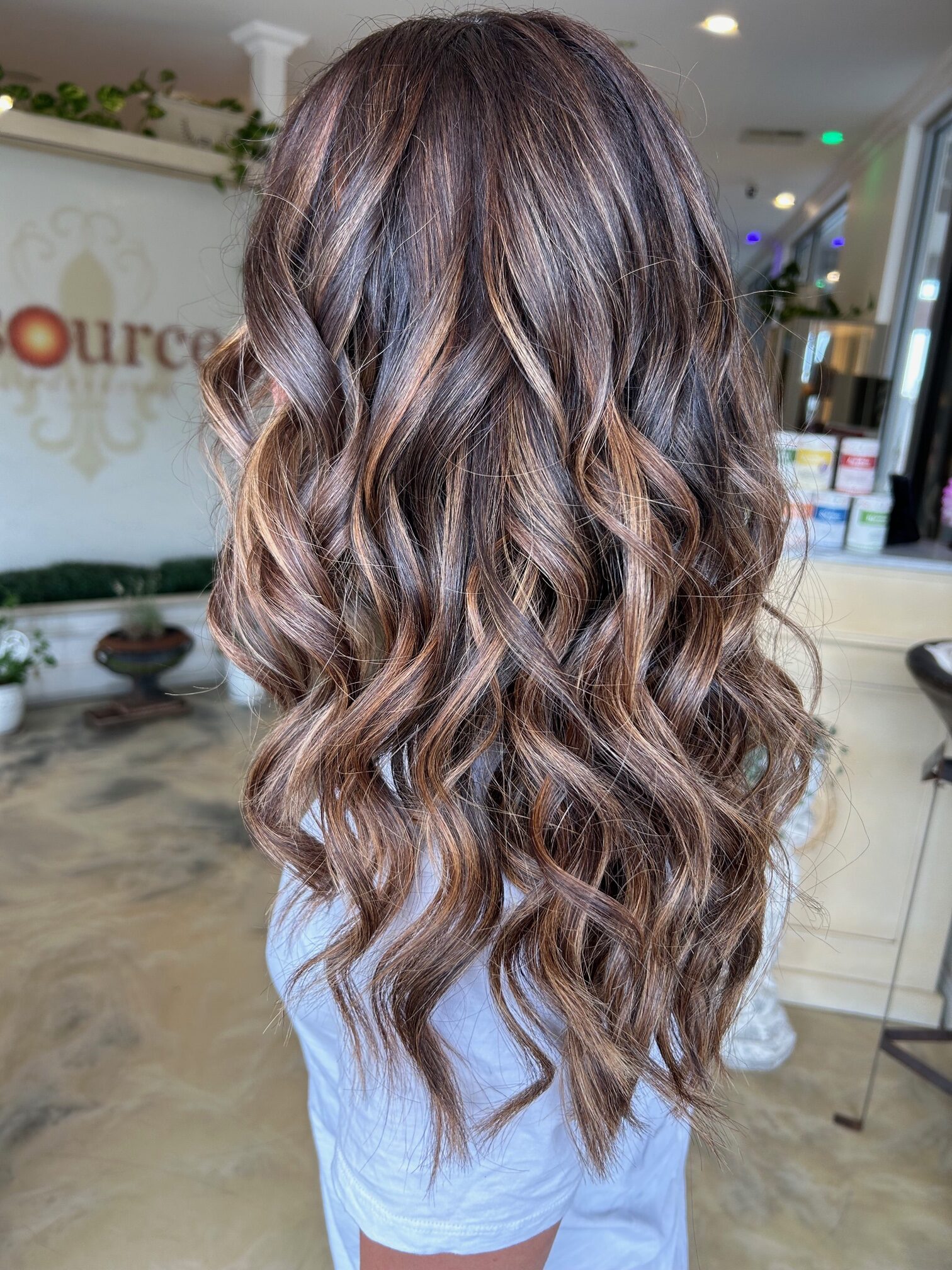
Here is a dark brown to blonde ombre that actually works with curl, not against it. The technique is a hand-painted balayage, starting the bright blonde ends below the ears so the dark root stays deep and the transition has room to breathe. On thick curly hair, that gradual lift keeps the curls from looking painted. The tone is a warm blonde, not ash, which reads natural against brown base. Mid-back length gives the ombre enough vertical space to land the color where the curl pattern opens up. Layers are cut into the length so the curls stack, not drop.
Chin Length Bob Blonde Ombre
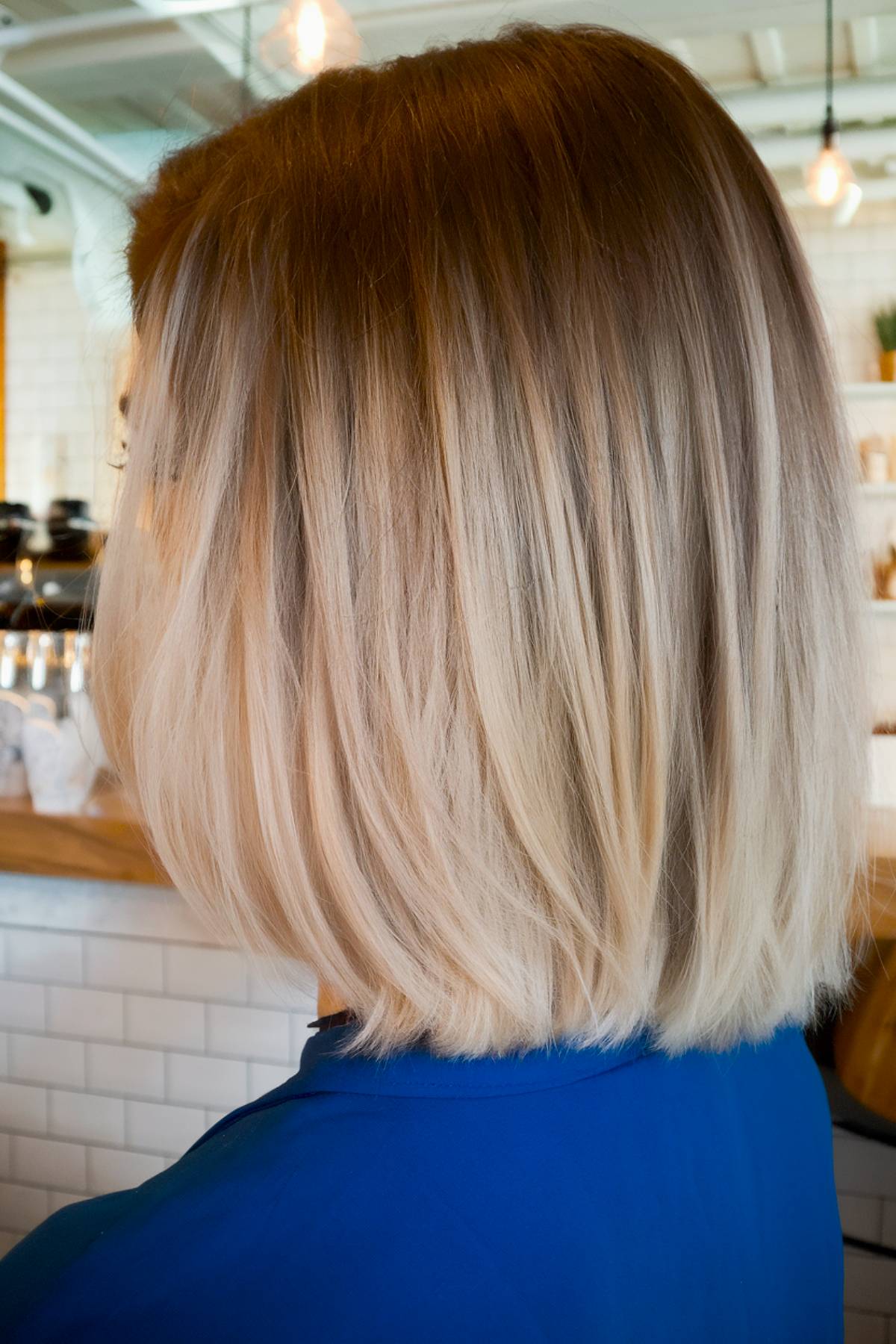
Can a chin length blonde ombre survive a real week? Yes, if the darker root is kept intentional. The technique here is a soft ombre, not a harsh line, so the lighter blonde ends fade gradually from the darker root. On straight-to-wavy medium density hair, that means the blonde reads as dimension, not grow-out. What to tell your stylist: keep the ombre transition above the jaw so the bob stays blunt at the chin. Middle part and no bangs keep the shape clean. The smooth transition of blonde tones is what sells it.
Rose Gold to Blonde Shoulder Length Waves
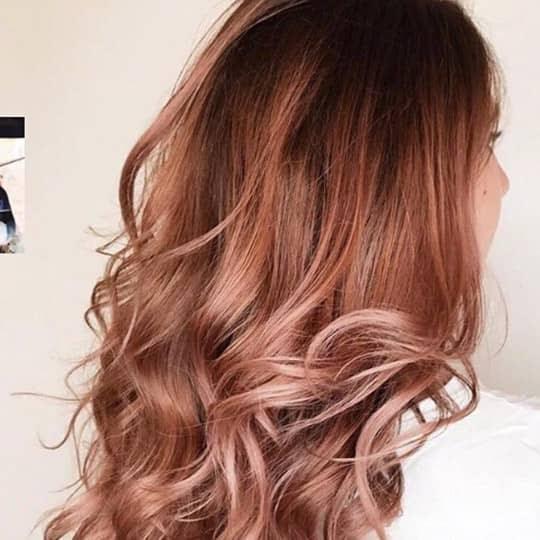
Winter is when warm rose gold tones earn their keep. This rose gold to blonde ombre lands on shoulder-length wavy hair with a side part, and the warm color transition from rose to blonde keeps the ends from going brassy in low light. The technique is a painted ombre, starting the rose gold at the mid-lengths and blending into a soft blonde at the ends. On medium-density wavy hair, that gradient catches the light through the waves. Upkeep: a rose gold tinted conditioner once a week keeps the tone from fading pink. The blonde ends stay bright, not yellow.
Front And Side View Dark Brown to Light Blonde Mid-Back Ombre
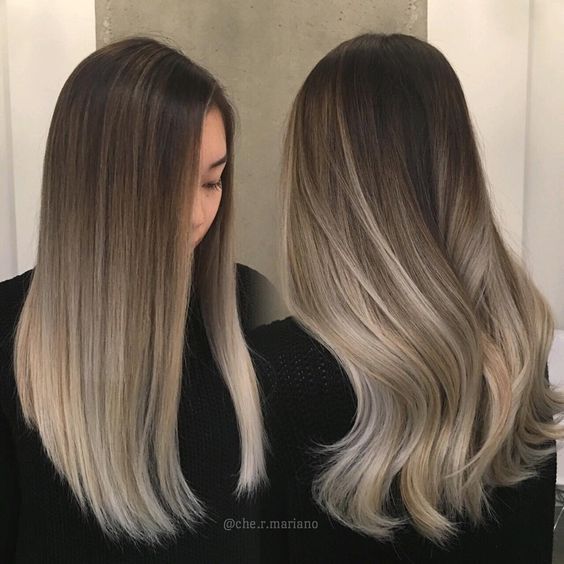
My gut says this clear ombre transition is the most honest version of the trend. No soft blur, no baby lights, just a deliberate dark brown light blonde ombre that lands the light blonde at the mid-back ends and lets the dark root sit untouched. On thick straight-to-wavy hair, that clear line reads as intentional, not accidental. The technique is a straight line sectioning, not a freehand balayage, so the color change is sharp.
But here is the honest downside: that clear ombre transition shows every split end. If your ends are not pristine, the line looks ragged. And because the dark root is so dark, the grow-out is visible at week three, not week six. This is for someone who wants a graphic color statement and is ready to trim every eight weeks. The front and side view confirms it: the line works best when the hair is styled straight on one side and wavy on the other.
Dark Red to Lighter Red Collarbone Ombre
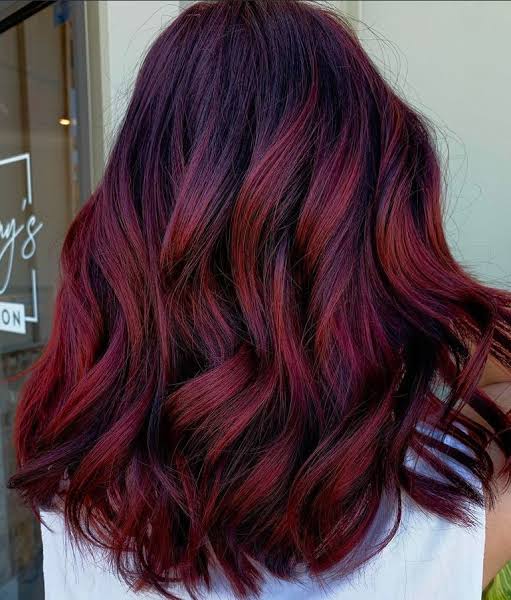
I’ll admit I was skeptical about red ombre until I saw this dark red to lighter red ombre on wavy hair. The technique keeps the base deep and lets the lighter red fade gradually, so the rich, deep red tones read warm without going brassy. At collarbone length with soft layers, the waves catch the shift in a way that straight hair just doesn’t. Medium density wavy hair holds the colour without swallowing it, and the middle part shows both sides of the transition. This is the ombre for anyone who wants depth and dimension without a hard line.
Black to Deep Red Mid-Back Waves
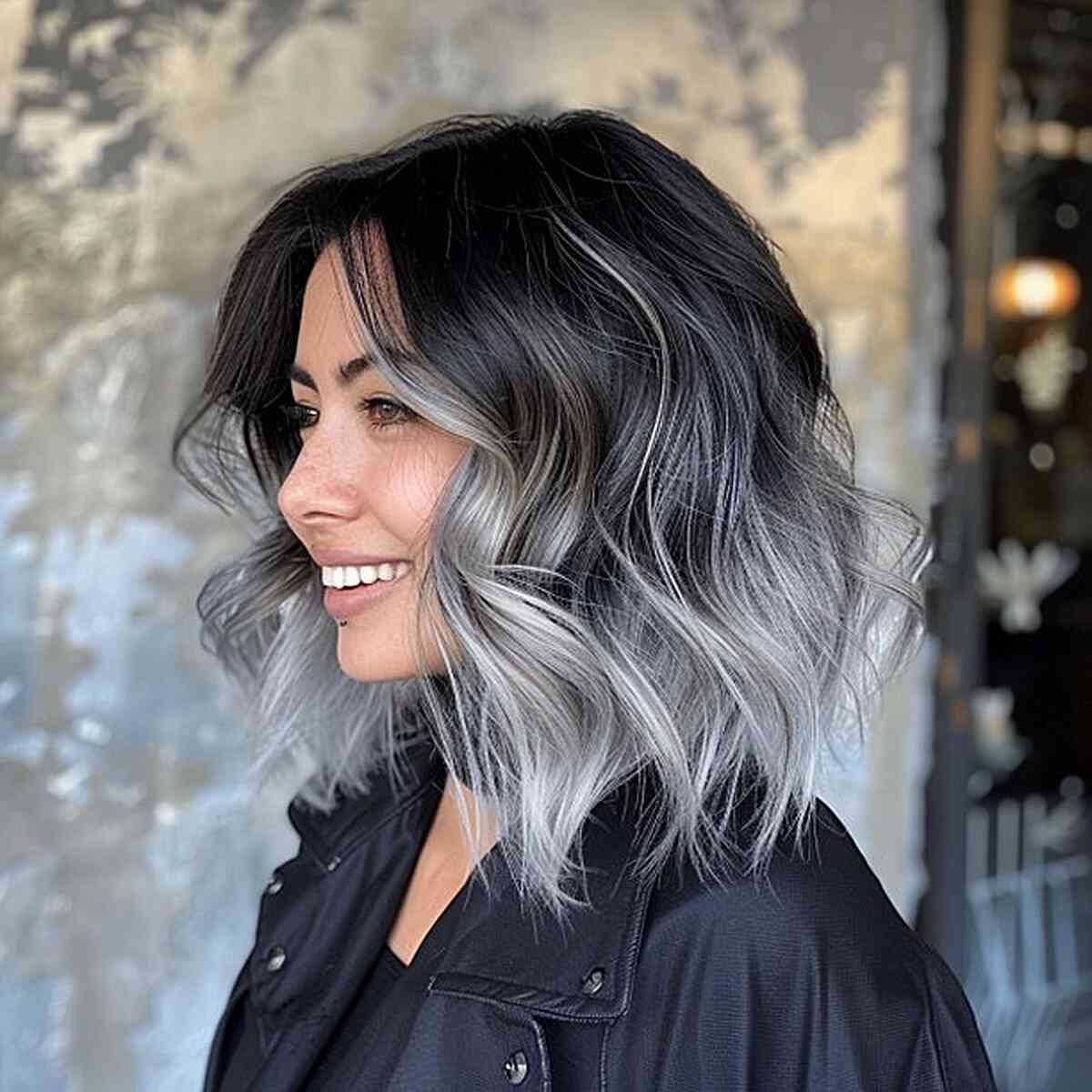
I walked into the salon with black hair and walked out with this. The black to deep red ombre starts dark at the roots and bleeds into a warm, almost wine-like red through the mid-back length, using a hand-painted ombre technique that keeps the transition soft on thick, wavy texture. The rich color gradient catches every angle differently.
Loose waves take about 15 minutes with a large-barrel iron, and I wear this to winter holiday dinners and New Year’s parties. The red tone needs a color-depositing shampoo every four to six weeks to stay deep, but that small routine buys me months before a full refresh.
Dark Brown to Light Brown Chin Lob
This dark brown light brown ombre is the most wearable version of the trend I have tried. The subtle ombre effect lifts the root darkness into a soft, toasted brown at the ends, and on a chin-length lob with wavy, medium-density texture, the shift reads as natural shadow, not a line. A trim every six to eight weeks keeps the shape clean, and the colour holds through a full work week with no brassiness.
Grey to Silver Mid-Back Waves
Can you get a true grey to silver ombre without looking like a costume? Yes, but the ashy silver tone is picky. The technique requires pre-lightening thick, wavy mid-back hair to a pale yellow, then a violet-based toner laid over layers so the grey sits cool from root to end. The silver part arrives glamorous, loose waves and all, and then it starts fading by week two, turning brassy if you skip a weekly purple shampoo. That honest downside is why I book a touch-up every six weeks.
Brown with Red Pink Face-Framing Bangs
This Winter Ombre Hair is the reason I stopped rolling my eyes at pastel roots. The rose gold base keeps the blonde from washing out my fine texture, and the shoulder length waves give it a bounce that lasts past my usual 4 pm flatline. I was a skeptic, then I sat in the chair. The trick is asking for a root shadow that melts, not a harsh line, so the grow-out at week twenty-five looks like a choice, not a mistake. Loose waves, no bangs, just a warm fade that reads expensive. Book the consultation first, it is not a bathroom-mirror job.
Black to Silver Collarbone Lob
I will admit it: I wanted this black to silver ombre the second I saw it, and I wanted it on a lob, not on long hair. The dramatic color transition lands somewhere between a winter sky and something you might wear to a gallery opening. It is a salon job, no question. A blowout is the only way to make the silver read as polished rather than as faded black, and that takes about twenty minutes with a round brush and some patience. The collarbone length keeps the whole thing wearable for a dinner out or a Tuesday. The texture is wavy, medium density, and the silver tones will go brassy without a purple shampoo once a week. Worth the toning.
Layers Dark Brown to Caramel Blonde Mid-Back Waves
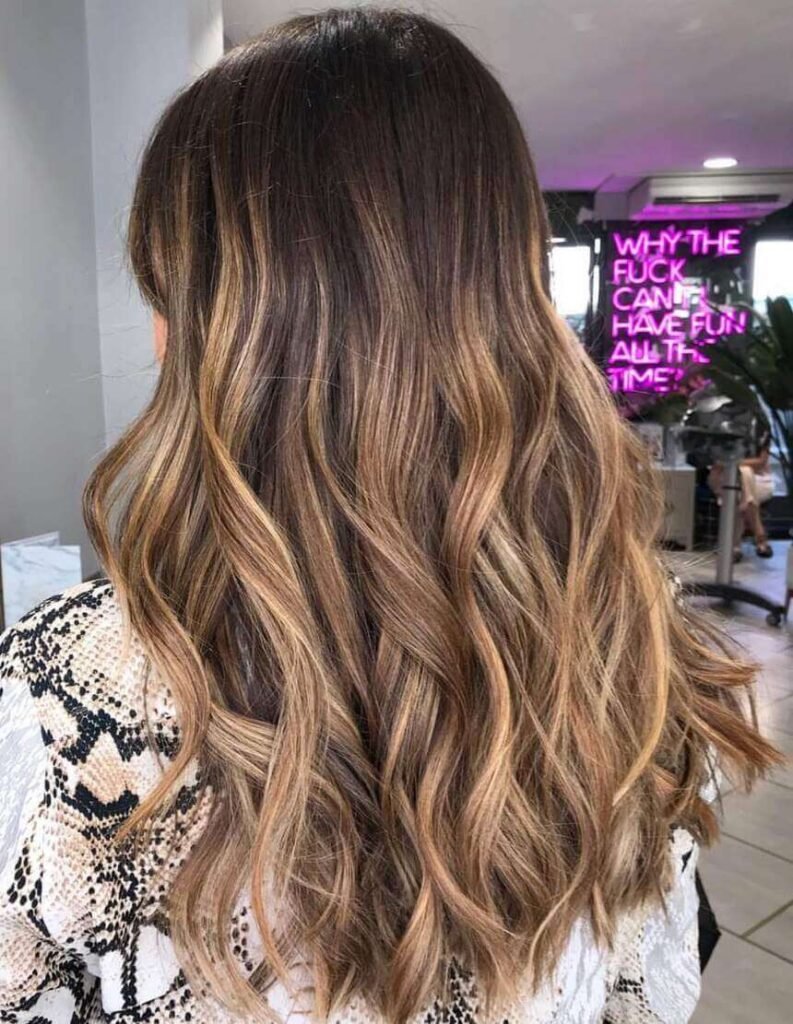
You see a mid-back wave of dark brown caramel blonde ombre and you think, that is just blonde with a dark root. It is not. The warm caramel tones are what separate this from the ash blonde version that goes green on anyone with warmth in their skin. The technique is a hand-painted balayage that starts the lift about three inches from the root, so the dark base stays dark and the caramel reads as intentional, not as grow-out. The layers are long, cut to move with the wave, and the texture is medium density, wavy. Styling is simple: a texture spray and a quick wave with a wand, about fifteen minutes. The caramel will fade to a brassy yellow without a color-depositing conditioner once a week. That is the trade for not looking like every other blonde in the room.
Dark Brown to Ash Blonde Curtain Bangs
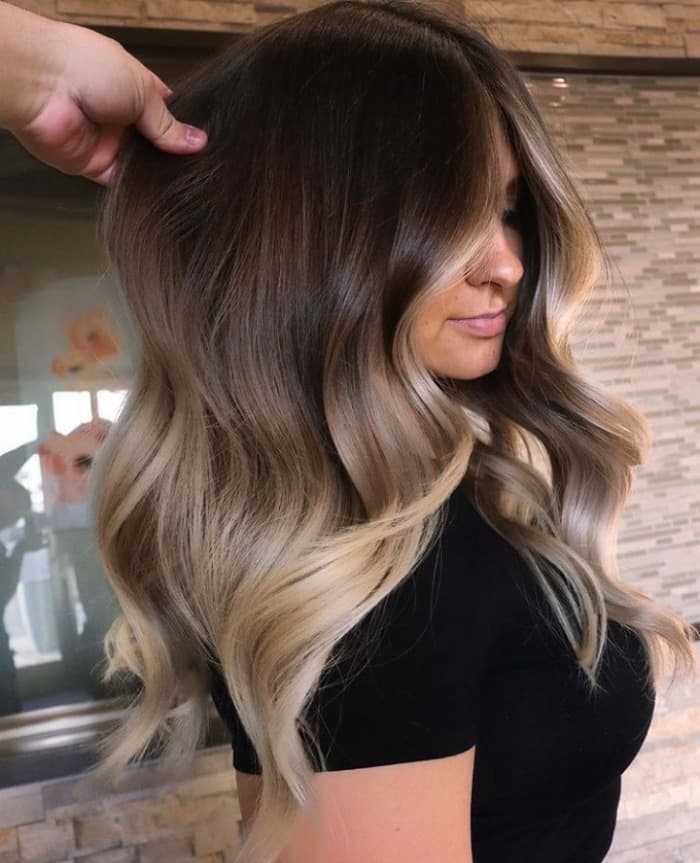
This is not a subtle ombre. The dark brown ash blonde ombre is built on a stark contrast: a dark root that stays dark for the first four inches, then a jump to a cool ash blonde at the ends. The curtain bangs are cut into the dark section, so they frame the face in brown, not in blonde. That is the trick. The technique is a two-step process: a heavy balayage on the lengths, then a separate lightener on the bangs to keep them from lifting too fast. This is a salon job. The texture is thick and wavy, and the ash blonde needs a purple shampoo every wash to stay cool. The bangs will need a quick blow-dry every morning, about five minutes. The upkeep is real, but the payoff is a winter ombre that does not fade into beige.
Dark Brown to Deep Red Collarbone Lob
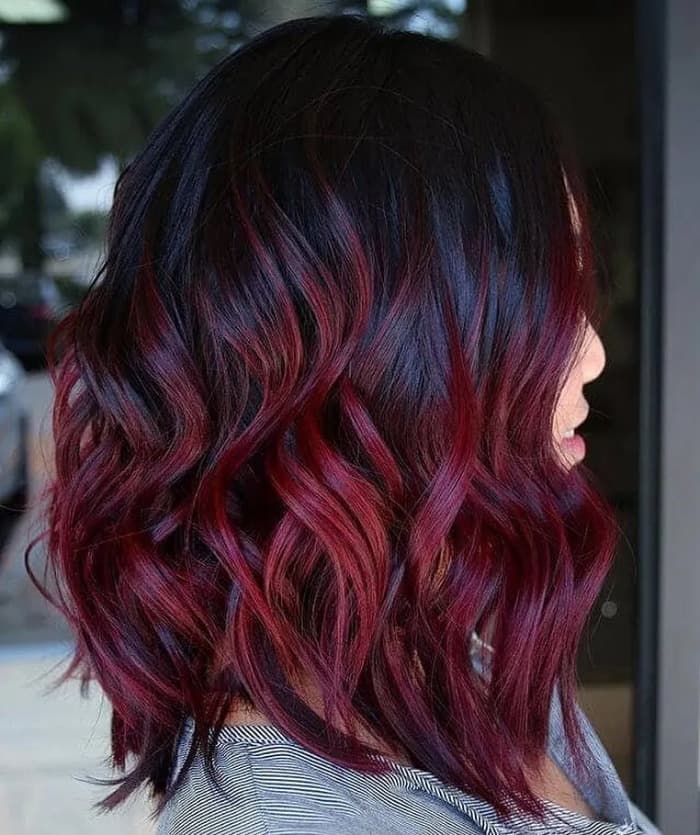
My gut says this dark brown deep red ombre is for someone who wants color without the full commitment of a red all over. The rich, deep red ombre starts at the jaw and deepens to a wine-like shade at the ends. The collarbone lob keeps the red concentrated, so it does not take over the whole head. The texture is wavy, medium density, and the middle part works well on oval and heart-shaped faces. The red will fade fast, plan for a gloss every three to four weeks. It is not a low-maintenance color, but it is a low-regret one.
Dark Brown to Copper Mid-Back Waves
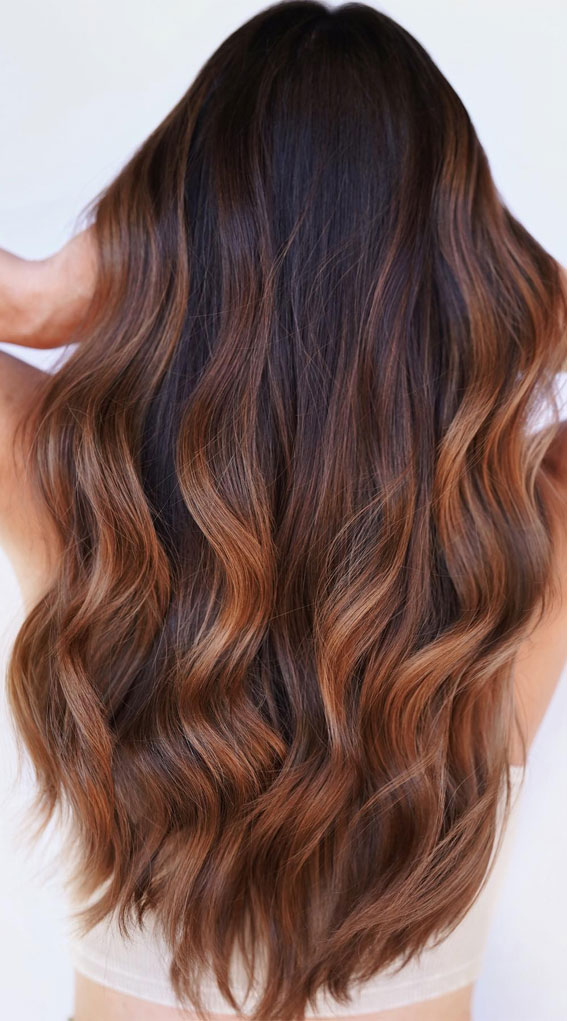
There is a specific light in late October that makes copper look like it belongs on your head. This dark brown to copper ombre catches that light. The warm copper tones start around the shoulders and deepen to a true penny shade at the mid-back ends. The layers are long, cut to move with the wave, and the texture is thick, wavy. It is a salon color, no question. The copper will fade to a dull orange without a color-depositing conditioner once a week.
This is the color for holiday parties and winter weddings. It reads as intentional, not as a grow-out that got away. The mid-back length means you can pull it into a low bun and the copper still shows at the ends. The styling is loose waves, about fifteen minutes with a wand. The dark root stays dark, so you get about eight weeks before the line starts to feel obvious. That is a good run for a warm tone in winter.
Dark Brown to Caramel Blonde Face-Framing Layers
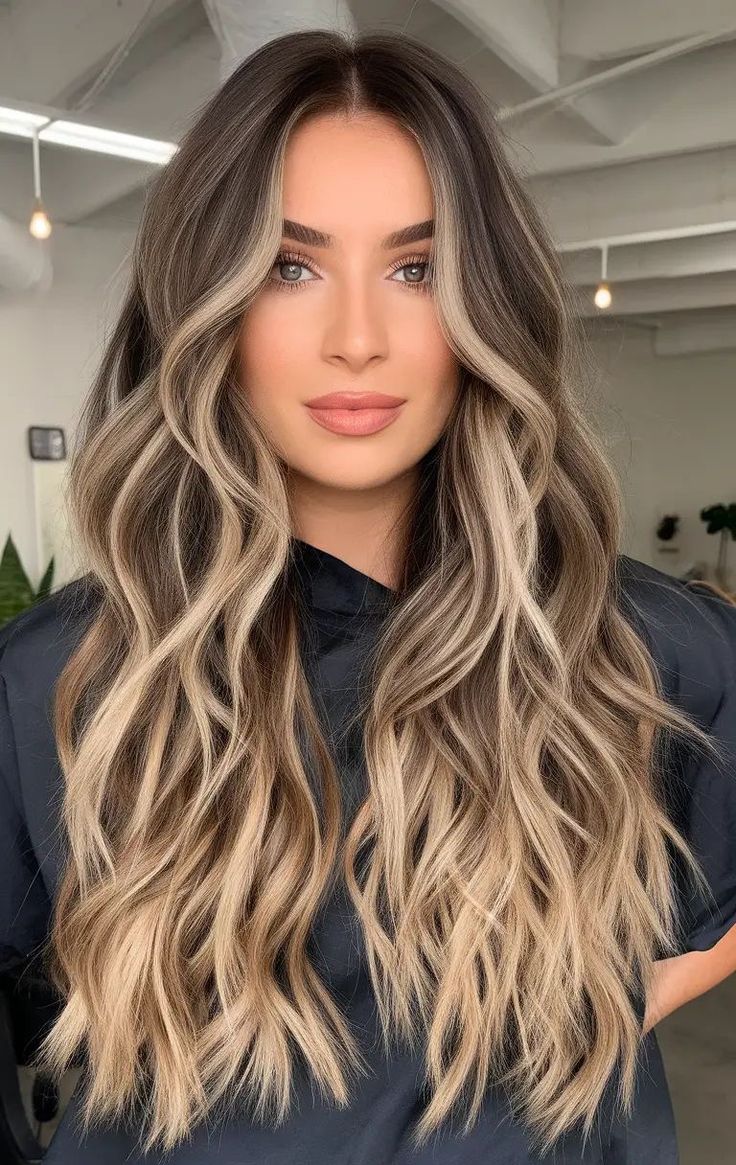
Ever wonder if a color this warm actually survives a work week? Dark brown caramel blonde layers look stunning in the chair, but the reality is a daily commitment. The technique is a classic ombre, starting at a dark brown base and fading into warm caramel tones at the mid-back length. My hair is thick and wavy, and those face-framing layers need a round brush and fifteen minutes of blow-drying to sit right. The honest downside: caramel tones fade fast. I use a color-depositing conditioner every third wash to keep the warmth from turning brassy. It’s not a set-it-and-forget-it color, but the dimension is worth the effort.
Dark Brown to Cool Blue Purple Collarbone Lob
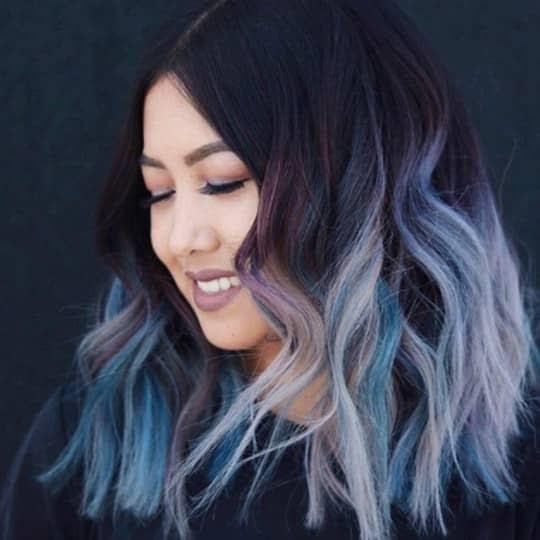
This is not a color you can half-ass. Dark brown blue purple ombre requires a precise technique: the stylist must bleach the collarbone-length ends to a pale blonde before applying cool-toned blue and purple tones. The base stays dark brown, and the transition is deliberate, not blended. The tone is cool and edgy, and it works best on wavy, medium-density hair that can show the color shift. One wrong application and it looks muddy. Book a stylist who specializes in vivids and expect a three-hour appointment.
Smooth Transition From Dark To Light Dark Brown to Caramel Blonde Back Waves
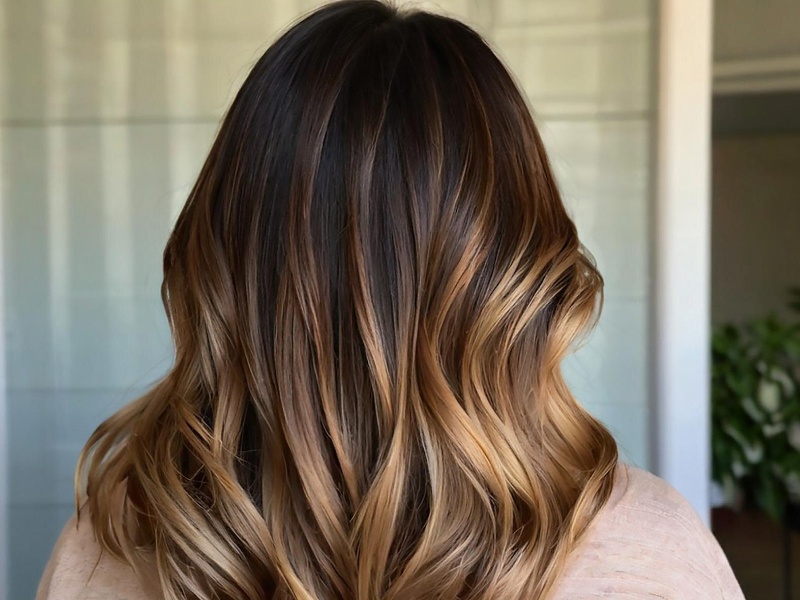
I’m a sucker for a seamless blend. A smooth transition from dark to light, like this dark brown caramel blonde gradient, feels more sophisticated than a harsh line. The ombre starts at the roots and gradually lightens to caramel blonde at the mid-back length, no visible demarcation. The wavy, thick texture helps the color melt together.
Compared to a chunky ombre, this needs more upkeep in terms of products. A purple shampoo keeps the blonde from yellowing. A color-depositing conditioner refreshes the caramel tones every other week. A heat protectant is non-negotiable because the lightened ends are more porous. It’s a commitment, but the payoff is a color that looks naturally sun-kissed all winter.
No Bangs Dark Brown to Ash Blonde Mid-Back Blend
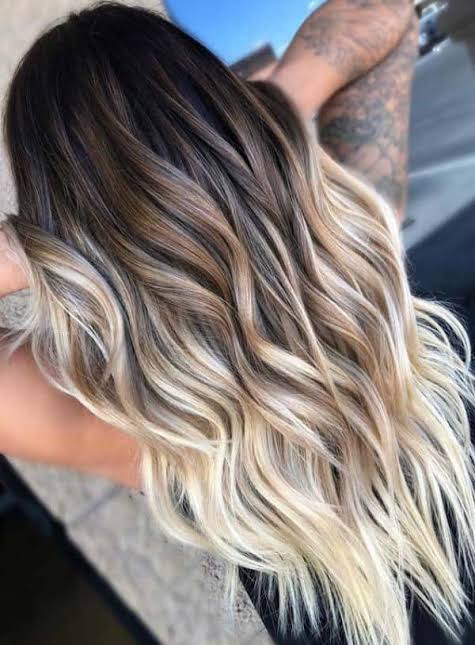
Thick, wavy hair eats a harsh color line for breakfast. That’s why this dark brown ash blonde blend works so well. The seamless blend from dark roots to ash blonde ends uses the natural wave pattern to hide the transition. The ash tone stays cool and modern, and the mid-back length shows off the dimension without overwhelming. Who it flatters: anyone with thick, wavy hair who wants a low-maintenance color that enhances their texture. Who should pass: fine, straight hair might not get the same movement, and the ash could look flat without volume.
Dark Brown to Honey Blonde Loose Waves
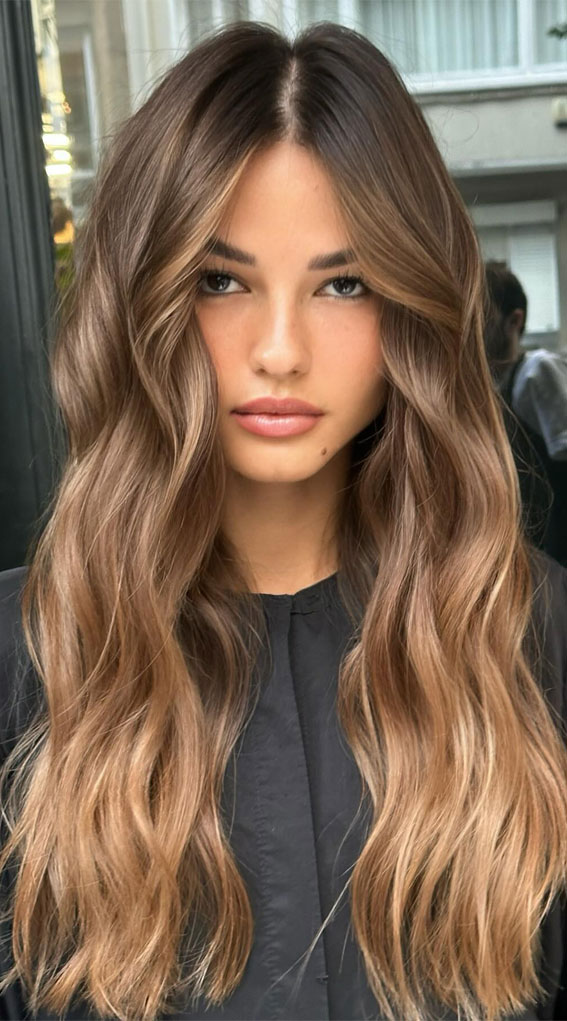
I walked into a holiday party and three people asked for my stylist’s number. That’s the power of dark brown honey blonde ombre with loose waves. The rich honey blonde shade caught the light and looked warm against winter neutrals. It worked for the office party and the family dinner without feeling overdone. I wore it to a holiday market one weekend and a formal dinner the next, and it adapted to both settings.
Upkeep is real: honey blonde fades to brassy within three weeks, so a color-depositing conditioner is non-negotiable. I used it once a week and the tone stayed golden. Winter is perfect for this warm shade—it’s like carrying a little sunshine through the gray months. The loose waves take about fifteen minutes with a curling wand, and the mid-back length holds the curl well. The dark brown base grows out gracefully, so you can stretch salon visits to ten weeks.
Dark Brown To Ash Blonde Ombre Dark Brown to Ash Blonde Collarbone Waves
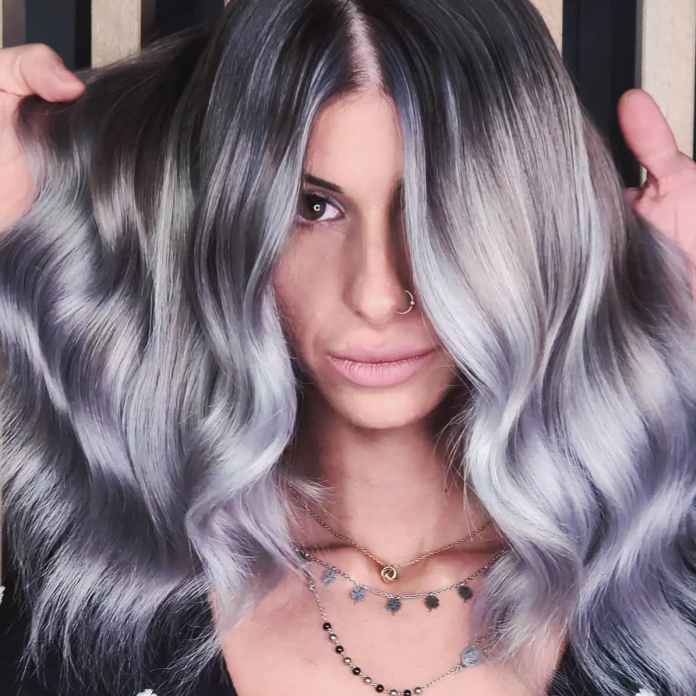
Best route to cool-toned Winter Ombre Hair without looking like a filter. The technique is a two-step process: dark brown ash blonde collarbone base stays natural at the crown, then a gradual lift to ash blonde ends. Wavy blowout styling softens the line of demarcation. You can try this at home with a box kit. I would not. One misplaced section and you get brassy patches that fight the cool ash. Three hours in the chair, one purple shampoo wash per week. That is the deal.
Long Layers Thick Wavy Dark Brown to Ash Blonde
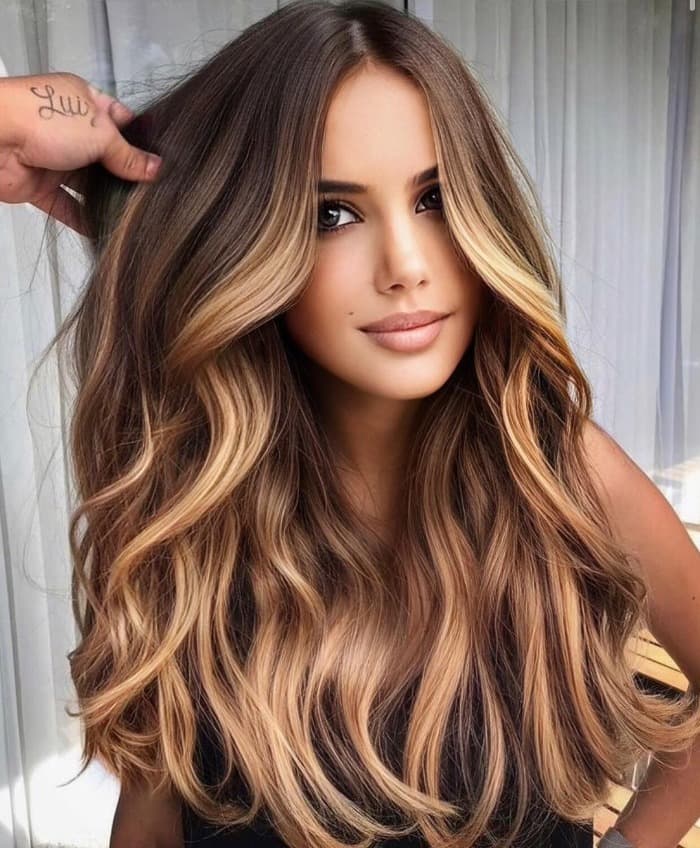
Does your thick wavy dark brown ash blonde hair still look like a single block of colour by Wednesday? Ash ombre adds dimension without demanding a full lightening. The long layers release weight so the waves actually hold their shape instead of collapsing into a triangle. Cool ash tones keep the blonde from going brassy. A middle part opens the face. This is the kind of colour that looks better on day four than day one because the roots blend naturally into the shadow at the scalp.
Dark Brown to Golden Blonde Wavy Blowout
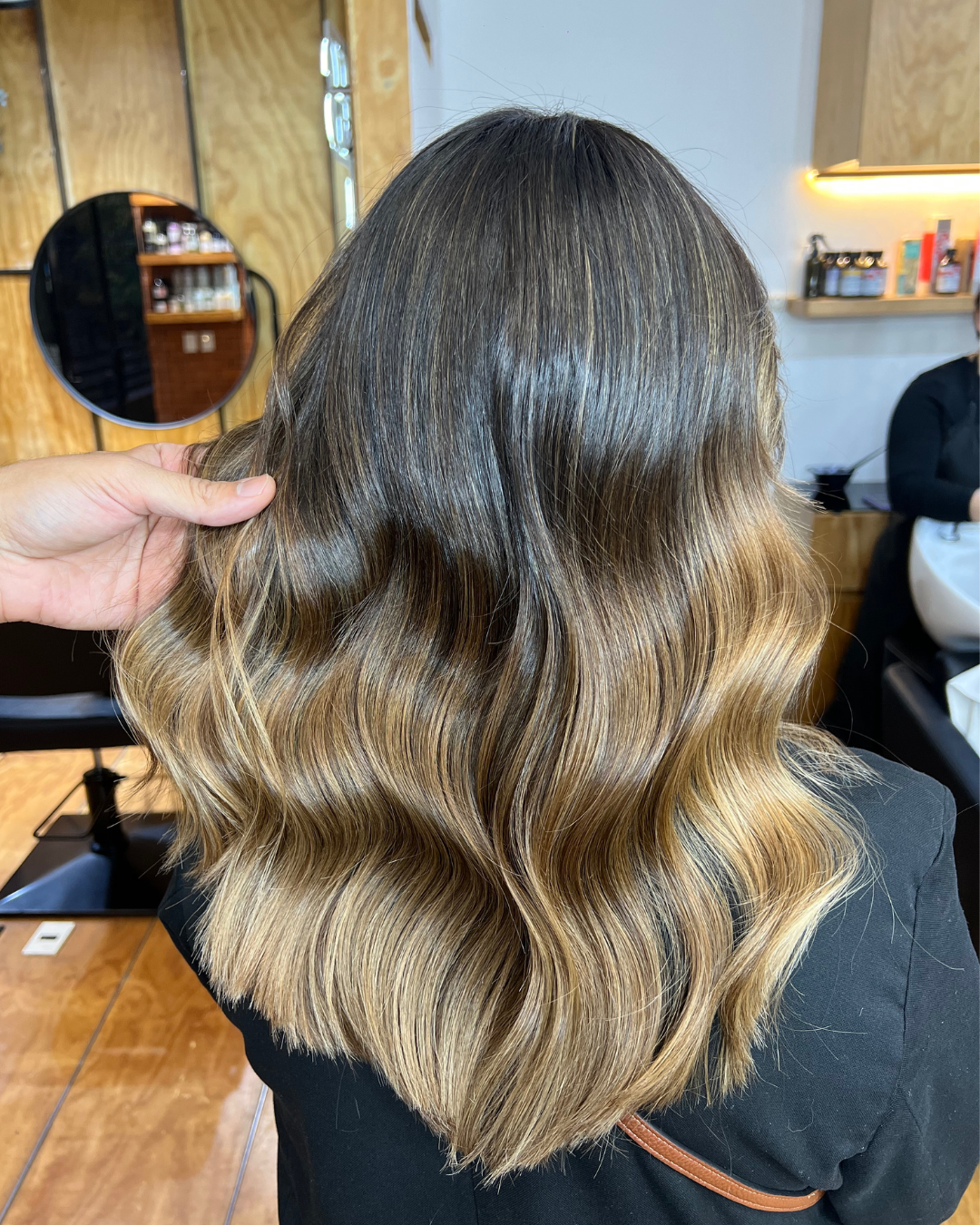
Warm blonde is having a moment. This dark brown golden blonde ombre goes all in on the sunny side and it works for winter events where the lights are low and the champagne is cold. The vibrant golden blonde ends catch every warm glow in the room while the dark brown base keeps it from reading too beachy. Wavy blowout styling pushes the gold to the surface. A round brush and twenty minutes. Not a daily commitment. You could wear this to a holiday party and still be the person whose hair people compliment before the first toast.
Thick Wavy Classic Dark to Blonde
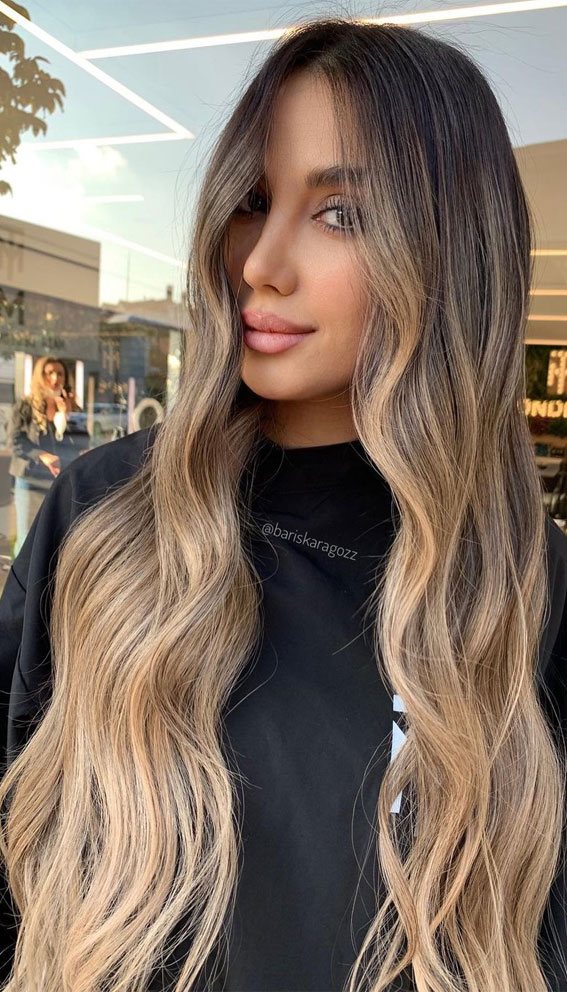
I will admit it: I underestimated this classic dark blonde ombre for years. It looked too safe. Then I saw it on thick, wavy hair with the long layers hitting just below the shoulder. The mistake people make is asking for a single all-over lift. The better move is keeping the dark brown roots deep and letting the blonde ends sit only on the last few inches. That creates contrast without the stripe effect. The waves carry the transition. A trim every eight weeks keeps the ends healthy. Simple, yes. Boring, absolutely not.
Dark Brown to Light Brown Collarbone Blowout
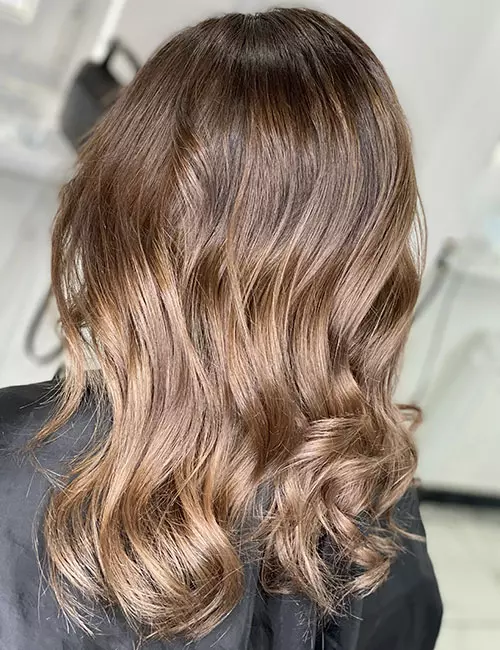
The smooth transition of ombre is the detail that separates a good colour from a struck-out highlight. This dark brown light brown blowout works start to finish because the shift is barely noticeable until the light hits it. The collarbone length keeps it neat. The waves add movement. Downside: the subtlety means you might feel it is doing nothing until someone asks where you got your hair done. Upkeep is low but trims every six weeks are non-negotiable. A blunt baseline at the ends protects the shape.
Final Thoughts
After writing all of these, I’m less scared of the grow-out line. The ones that work are the ones that plan for it, a root shadow here, a toner at week six there.
The new thing I noticed is how much the base tone matters. A warm brown under blonde reads different than a cool one, and that changes everything by week three.
I’m booking the dark brown to caramel blonde face-framing layers next. It’s the one that survives my flat-by-4 pm hair and still looks intentional. No regrets, just a trim at week eight.