Anger is a natural emotion, but in the heat of a relationship conflict, it can feel like it takes over. You might notice your heart racing or your voice rising before you even realize what’s happening. The key is learning to pause and calm yourself before you react, so you can protect the trust and communication you’ve built. This article covers why anger escalates, practical tools for calming down, and step-by-step strategies to de-escalate before you say or do something you regret.
Key Takeaways
- Recognize your early physical signs of anger, like a racing heart or tight shoulders, as your cue to pause.
- Take a deliberate ‘time-out’ of at least 20 minutes to let the physiological effects of anger subside.
- Use ‘I’ statements to express your feelings without blame, such as ‘I feel hurt when…’
- Practice active listening and validate the other person’s perspective, even if you disagree.
- Engage in regular physical activity to release stress and reduce overall anger levels.
How to Manage Anger in Relationships
Managing anger in relationships starts with noticing your early physical signs, like a racing heart or tight shoulders, and taking a deliberate pause before you react. The goal is to calm yourself first, which protects communication and trust. Using ‘I’ statements to express your feelings, instead of blaming, helps you stay constructive. This approach prevents escalation and leads to more thoughtful, productive responses to conflict.
Why Anger Escalates in Relationships
Why Anger Escalates in Relationships
Anger is a natural human emotion, often triggered by perceived threats, injustice, or frustration. When it’s not managed, it can lead to communication breakdowns, resentment, and a breakdown of trust in relationships.
Your body’s ‘fight or flight’ response releases adrenaline and cortisol, which intensify physical signs like increased heart rate and muscle tension. Ignoring these physiological signs and reacting impulsively often escalates the situation. Recognizing these early warnings is key to preventing a spiral.
Tools for Calming Anger
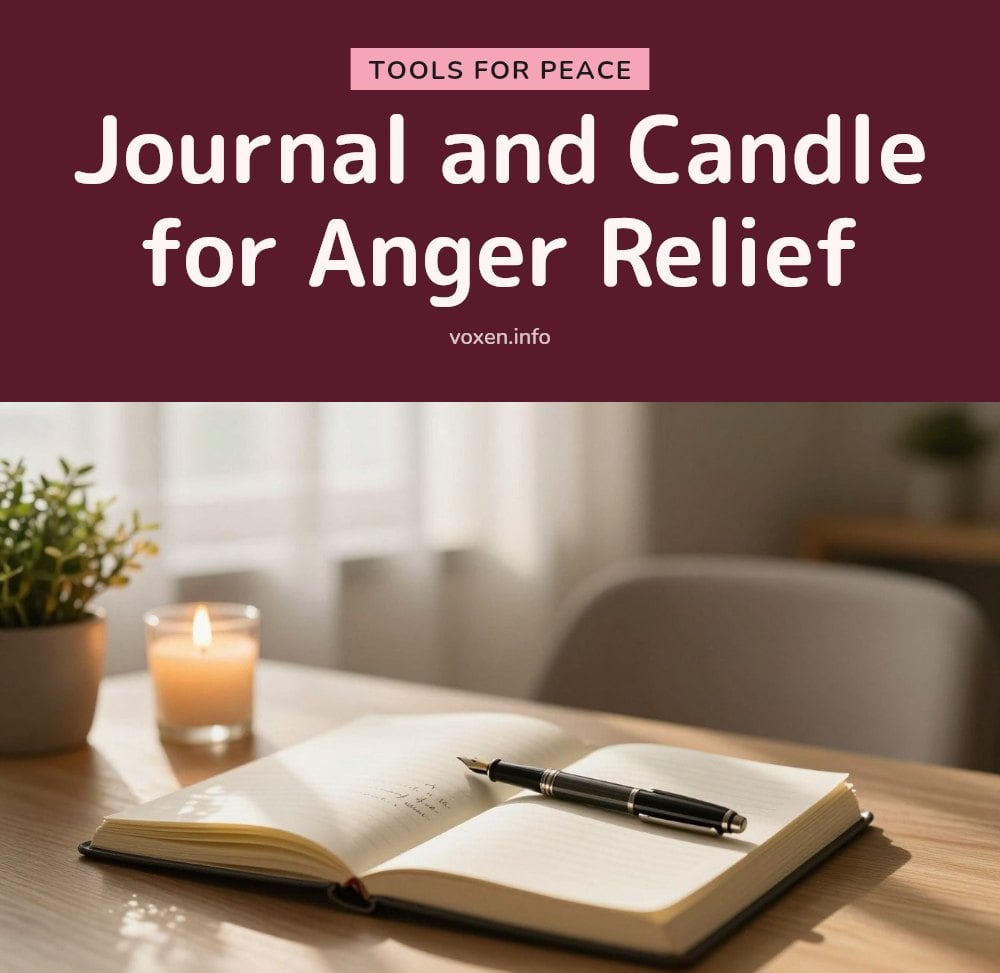
Having a few tools on hand makes anger management more doable. A journal or notebook helps you identify personal triggers and patterns over time. A comfortable, quiet space for a ‘time-out’ allows you to physically and mentally de-escalate away from the conflict. Mindfulness apps can guide deep breathing and present-moment focus, helping you calm down in the moment.
Steps to De-escalate Anger Before Reacting
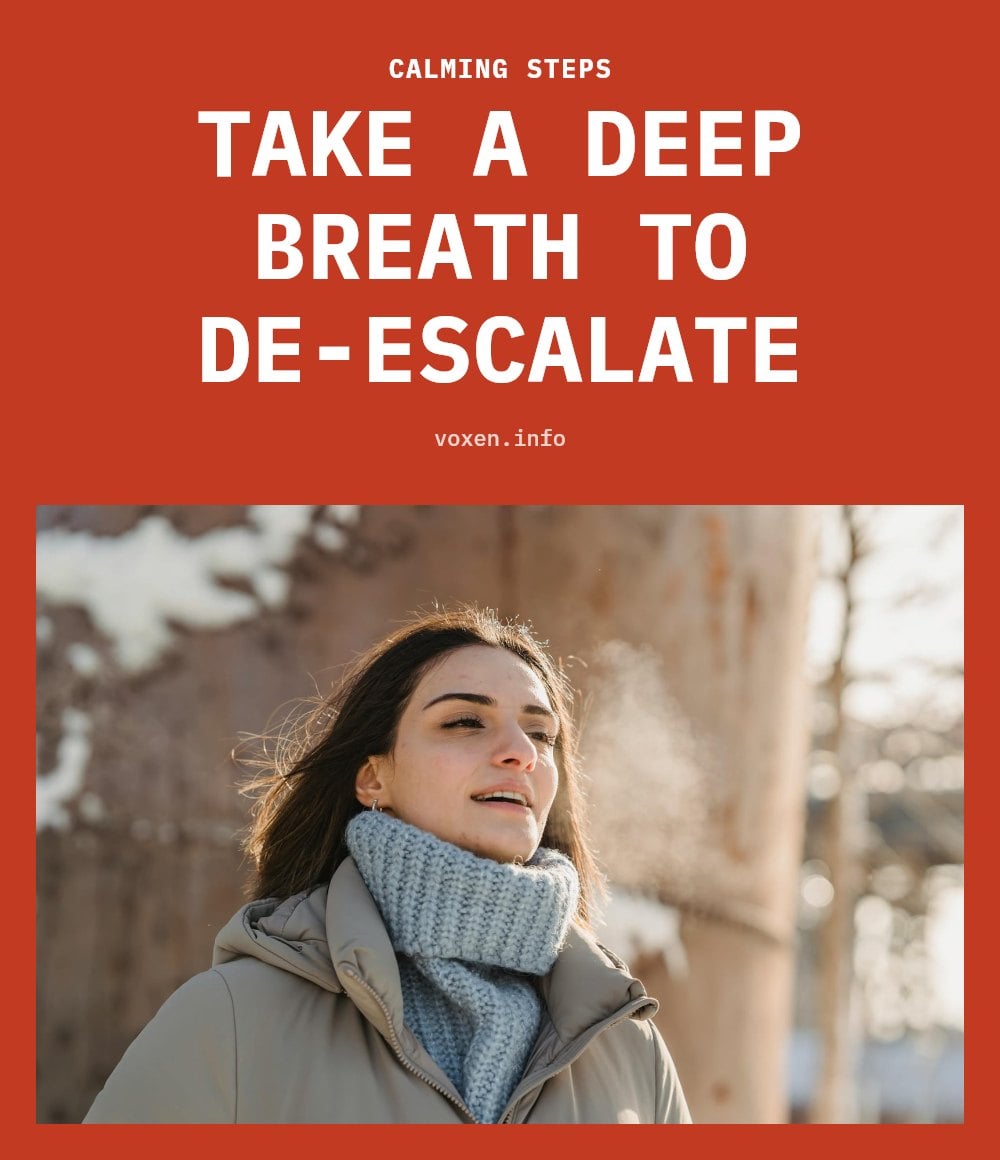
When you feel anger rising, follow these steps to de-escalate before reacting.
- Recognize Your Triggers and Physical Signs: Pay attention to early warning signs like increased heart rate or muscle tension. This is your cue to act.
- Take a Deliberate Pause: Step away from the discussion for at least 20 minutes, or longer if needed, such as 30 minutes to an hour. This allows your physiological responses to subside so you can think clearly.
- Practice Calming Techniques: Engage in deep breathing or mindfulness to calm your nervous system. Focus on slow, steady breaths to help reduce the intensity of your anger.
- Use ‘I’ Statements: Express your feelings and needs without blaming. Say ‘I feel hurt when…’ instead of ‘You always…’.
- Listen Actively and Validate: Show you understand the other person’s perspective, even if you disagree. This can de-escalate conflict quickly.
- Focus on Solutions: Shift the conversation towards finding resolutions rather than assigning blame. Ask ‘What can we do about this?’
- Communicate Your Need for a Break: Respectfully inform your partner when you need to step away to calm down. Say ‘I need a few minutes to collect my thoughts.’
Common Mistakes When Dealing with Anger
Many people think anger is always bad, but it’s a natural emotion. The problem isn’t the anger itself; it’s how you manage it. Ignoring the physical warning signs, like a racing heart or clenched jaw, means you miss the chance to pause before things escalate.
Trying to resolve a conflict while you’re still highly emotional rarely works. You need a clear head for a productive discussion. Focusing on being right instead of understanding the other person blocks resolution and empathy.
Common mistake: Suppressing anger. This often leads to resentment and passive-aggressive behavior. Failing to communicate your needs and boundaries clearly also sets you up for misunderstandings. A simple “I need a few minutes to calm down” can prevent a lot of damage.
Preventing Anger Escalation in the Long Term
Long-term anger management starts with knowing your triggers. What situations or behaviors tend to upset you? Once you identify them, you can prepare ahead.
Regular physical activity releases stress and pent-up energy, which can lower your overall anger levels. Daily mindfulness practice helps you notice your emotions as they arise, creating a natural pause before you react impulsively.
My tip: Ask yourself what underlying need or fear is driving your anger. Addressing the root cause is more effective than just managing the symptoms. Develop healthy communication habits, like respectful dialogue and clear boundaries, to prevent misunderstandings from building up.
When to Seek Professional Help for Anger
If anger consistently leads to verbal abuse, emotional abuse, or physical violence, seek professional help immediately. Your safety comes first. If you feel unsafe or threatened by someone else’s anger, remove yourself from the situation.
Chronic, unmanaged anger can impact your physical health, including an increased risk of heart disease. Consult a doctor if you’re concerned. If the techniques you’ve tried aren’t working, or if anger is seriously affecting your relationships and quality of life, consider therapy or counseling.
Frequently Asked Questions
Is anger always a negative emotion?
No, anger itself is a natural human emotion and not inherently negative. It often signals that something feels unfair, threatening, or frustrating. The problem arises when it’s not managed constructively, leading to communication breakdowns or harmful reactions. The goal is to acknowledge the anger and choose how to respond, not to suppress it.
How can I identify my anger triggers?
Start by paying attention to situations or behaviors that consistently upset you. Keeping a journal can help you track patterns over time. Note what happened, how you felt physically, and what thoughts crossed your mind. This awareness allows you to prepare ahead or avoid certain triggers when possible.
What are ‘I’ statements and why are they important?
‘I’ statements are a way to express your feelings without blaming the other person. For example, say ‘I feel hurt when…’ instead of ‘You always make me feel…’ This reduces defensiveness and keeps the conversation focused on your experience, making it easier to find a solution together.
How long should a ‘time-out’ last?
Research suggests stepping away for at least 20 minutes allows the physiological effects of anger, like increased heart rate and adrenaline, to subside. A longer break, such as 30 minutes to an hour, can be helpful if you’re still feeling highly emotional. The key is to communicate your need for a break respectfully and return to the conversation when you’re both calmer.
Can physical activity really help with anger?
Yes, regular physical activity can serve as an outlet for stress and pent-up energy, which may reduce overall anger levels. Activities like brisk walking, jogging, or even dancing can help release tension. However, it’s not a quick fix in the middle of a heated argument; it works best as a long-term habit for managing stress.
Final Thoughts
My tip: Keep a small notebook where you jot down your anger triggers and the physical signs you notice. Over time, this simple habit will help you spot patterns and respond more calmly. Realistically, managing anger is an ongoing practice, and you won’t get it perfect every time. Consistent effort over weeks or months can make a real difference in how you handle conflict and protect your relationships.
This article provides general information for educational purposes and is not a substitute for professional medical or mental health advice. If you are experiencing persistent anger that affects your relationships or well-being, or if you feel unsafe, please consult a qualified therapist, counselor, or healthcare provider.

