You know that feeling when you want to make a change but the thought of a huge goal just feels exhausting? Atomic habits are the opposite of that. They’re tiny, one-percent shifts that stack up over time into real, lasting results. This article breaks down how you can use the four laws of behavior change to build simple, sustainable routines that actually fit your life.

Key Takeaways
- Start with identity: focus on who you want to become, not just what you want to achieve.
- Design your environment to make good habits obvious and bad habits invisible.
- Use the Two-Minute Rule to shrink any new habit so it feels impossible to skip.
- Pair a new habit with an existing one using habit stacking for a natural trigger.
- Track your progress visually to stay motivated, even when results aren’t visible yet.
What Are Atomic Habits and Why Do They Work for Women?
Atomic habits are tiny, incremental changes that compound into remarkable results over time. Instead of setting overwhelming goals, this method focuses on building sustainable systems that fit into your daily life. For women balancing busy schedules, it allows you to integrate self-care and personal growth without adding stress.
1. Start with Your Identity, Not Your Goal

Shift your focus from what you want to achieve to who you want to become. Instead of saying, ‘I want to meditate for 30 minutes,’ tell yourself, ‘I am a mindful person.’ This identity-based approach makes habit-building feel authentic rather than like a chore.
My tip: Ask yourself, ‘What would a healthy, calm, or organized person do?’ Then do that one small thing.
2. Make It Obvious: Design Your Environment
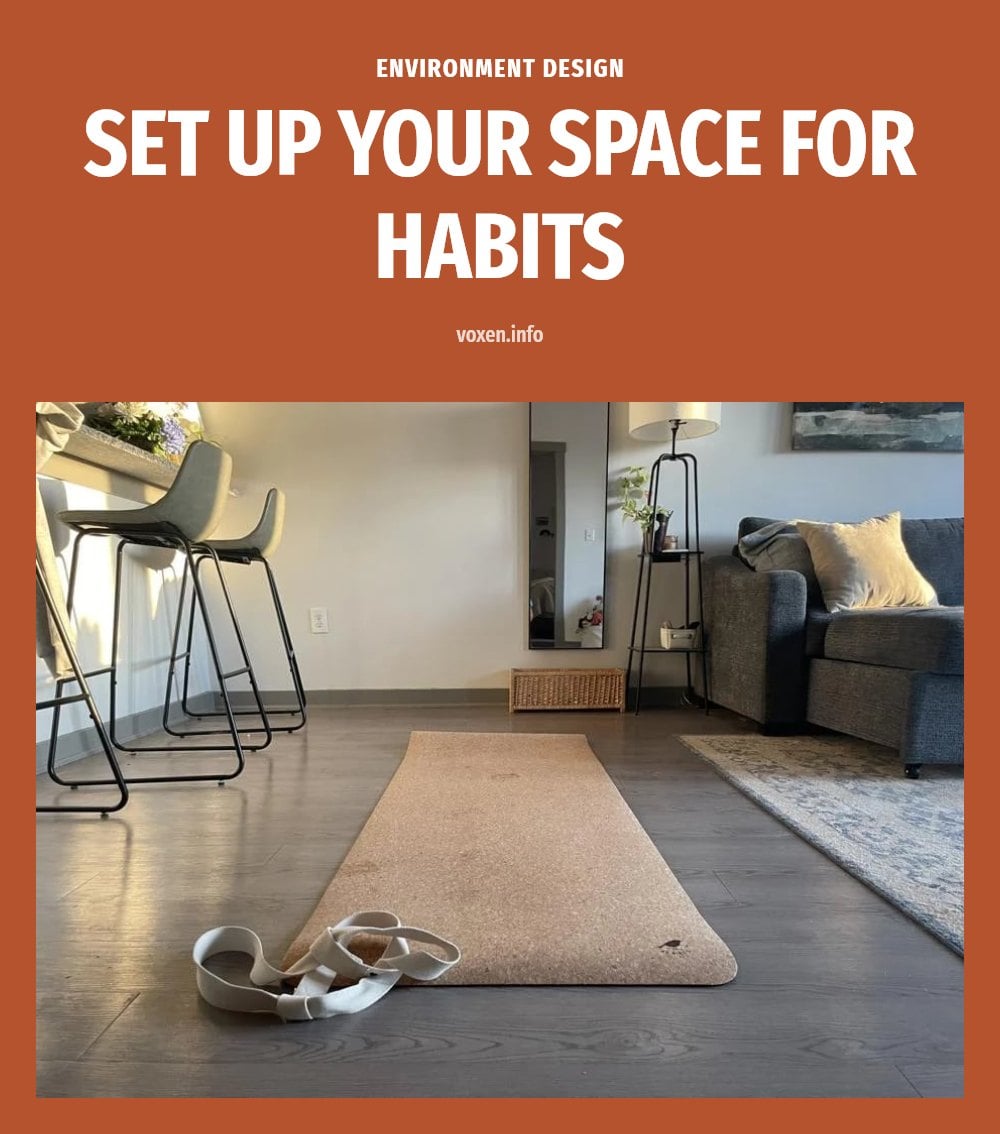
Place cues for good habits in plain sight. Leave your yoga mat out, put a book on your pillow, or keep a water bottle on your desk. Make bad habits invisible or harder to access by storing unhealthy snacks in an opaque container on a high shelf.
Environment design is more powerful than willpower alone because it removes the need for constant decision-making.
3. Use Habit Stacking for New Routines
Pair a new habit with an existing one to create a natural trigger. For example, ‘After I brush my teeth, I will stretch for two minutes.’ This linking makes the new behavior easier to remember and implement.
My tip: Write down your habit stack to make it concrete. Keep the list somewhere visible until it becomes automatic.
4. Apply the Two-Minute Rule
When you start a new habit, shrink it to less than two minutes. Read one page instead of a chapter, or put on your sneakers instead of planning a full workout. The goal is to make starting so easy you can’t say no. Consistency comes before intensity. This tiny step reduces friction and bypasses procrastination. Once you begin, you’ll often keep going.
5. Make It Attractive: Reward Yourself
Make your new habit attractive by pairing it with an immediate reward you genuinely enjoy. That could be a mental pat on the back, listening to your favorite song, or a few minutes of guilt-free scrolling after you finish.
- Choose a reward you look forward to: The anticipation itself boosts motivation.
- Keep it small and instant: A tiny treat right after the habit reinforces the behavior more effectively than a distant payoff.
- Link the reward to the habit: For example, only listen to that podcast episode while you fold laundry.
Immediate satisfaction tells your brain this action is worth repeating, which makes consistency much easier to maintain.
6. Track Your Progress Visually
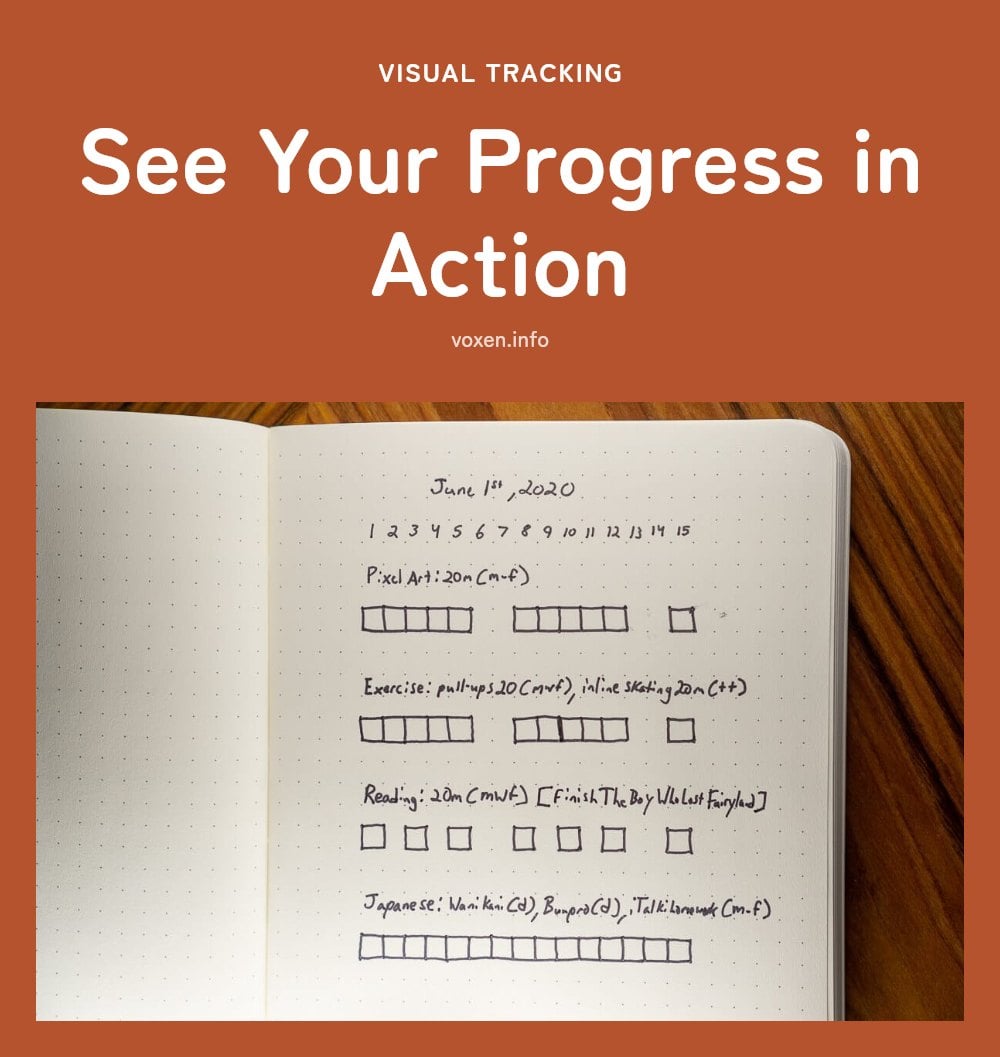
Grab a habit tracker app, a simple calendar, or a journal, and mark off every day you complete your habit. Visual proof of your progress gives you motivation and a real sense of accomplishment, even when the habit itself feels small.
- Keep it visible: Place your tracker somewhere you’ll see it daily, like on your fridge or in your planner.
- Don’t break the chain: Aim for a streak, but if you miss a day, don’t beat yourself up. Just get back on track tomorrow.
7. Make It Easy: Reduce Friction
Reduce friction by streamlining your environment and process so the desired action feels almost automatic. The less effort required, the more likely you are to actually do it.
- Prep on Sunday: Chop vegetables and portion out grains so cooking healthy meals takes minutes, not planning.
- Lay out clothes the night before: Set your workout gear by the bed so morning exercise starts with a simple change.
- Keep tools within reach: Store your journal on your nightstand or your water bottle on your desk, so there’s no barrier to starting.
Think of every extra step as a tiny obstacle. Remove it, and the habit becomes the path of least resistance.
8. Make It Satisfying: Instant Gratification
Long-term results are the goal, but immediate satisfaction keeps you coming back. Make the habit itself enjoyable or attach a small, instant reward right after you finish. That could be a minute of quiet reflection after meditation or the feeling of accomplishment from a quick tidy-up. Tip: Pair the habit with a treat you already love, like listening to your favorite song while folding laundry.
9. Be Patient Through the Plateau of Latent Potential
Results from small changes often aren’t visible right away, a phase called the Plateau of Latent Potential. During this time, consistent tiny actions are quietly accumulating beneath the surface. The breakthrough comes only after you’ve stacked enough of those 1% improvements. Trust the process and keep showing up, even when you see no change for weeks.
10. Break Bad Habits with the Inverse Laws
To break a bad habit, flip the four laws: make it invisible, unattractive, difficult, and unsatisfying. Hide unhealthy snacks in an opaque container on a high shelf. Make screen time less appealing by turning off notifications or moving apps to a folder. Tip: Change your environment so the bad habit requires extra steps, like keeping your phone in another room during work hours.
11. Focus on Systems, Not Just Goals
Instead of fixating on the outcome, like losing 10 pounds, focus on the system that gets you there, such as eating a healthy breakfast daily. Goals are about the results you want; systems are about the processes that lead to those results. This shift reduces pressure and makes the journey sustainable. You stop obsessing over the scale and start enjoying the daily actions.
Common Mistakes When Building Atomic Habits
Trying to change too much at once: Focus on one or two small habits at a time to build momentum. Spreading yourself thin makes consistency nearly impossible.
Relying solely on willpower: Willpower is a limited resource. Build systems and design your environment to support your habits instead.
Beating yourself up for missing a day: Progress is not linear. If you miss a day, just get back on track the next day without guilt.
Making new habits overly complicated: Start with the Two-Minute Rule to ensure consistency first. A simple habit is a repeatable one.
Giving up too soon: Understand the Plateau of Latent Potential and trust that results will accumulate over time. Consistent small actions lead to breakthroughs.
Frequently Asked Questions
How long does it take for atomic habits to work?
Results accumulate over weeks and months of consistent small actions. Many people notice significant changes after several months or even a year, but the exact timeline depends on the habit and your consistency. The key is to stay patient through the plateau of latent potential.
Can atomic habits help with stress management?
Yes, they can be very effective. By breaking down stress-relief practices into tiny, easy steps, like two minutes of deep breathing or a quick walk, you can integrate calming routines into a busy day without feeling overwhelmed. The system approach reduces the pressure to do it all at once.
What if I miss a day of my new habit?
Don’t beat yourself up. Simply get back on track the next day. Missing one day won’t derail your progress, but missing two days in a row can start a pattern. The goal is consistency over time, not perfection. Just pick up where you left off.
Is ‘Atomic Habits’ only about big goals?
Not at all. The method is actually designed to help you move away from fixating on big goals and instead focus on the small, daily systems that lead to those results. It works for any area of life, from self-care to productivity, by making changes manageable and sustainable.
How do I choose which habits to start with?
Start by identifying the identity you want to embody, like ‘I am a mindful person’ or ‘I am an active person.’ Then pick one tiny habit that aligns with that identity, something that takes less than two minutes. Focus on just one or two habits at a time to build momentum without overwhelm.
Final Thoughts
My biggest recommendation is to pick just one tiny habit and commit to it for two weeks. Don’t worry about the big picture yet. Trust that those small daily actions are quietly adding up, even when you can’t see them. The key is consistency, not perfection. Keep going, and the breakthrough will come.

