Choosing between azelaic acid and niacinamide can feel like a puzzle, especially when both promise clearer, calmer skin. I’ve spent time figuring out how each one works, and the answer really depends on what your skin is asking for. This article breaks down their key differences, how they tackle acne, redness, and hyperpigmentation, and whether you can use them together for better results.
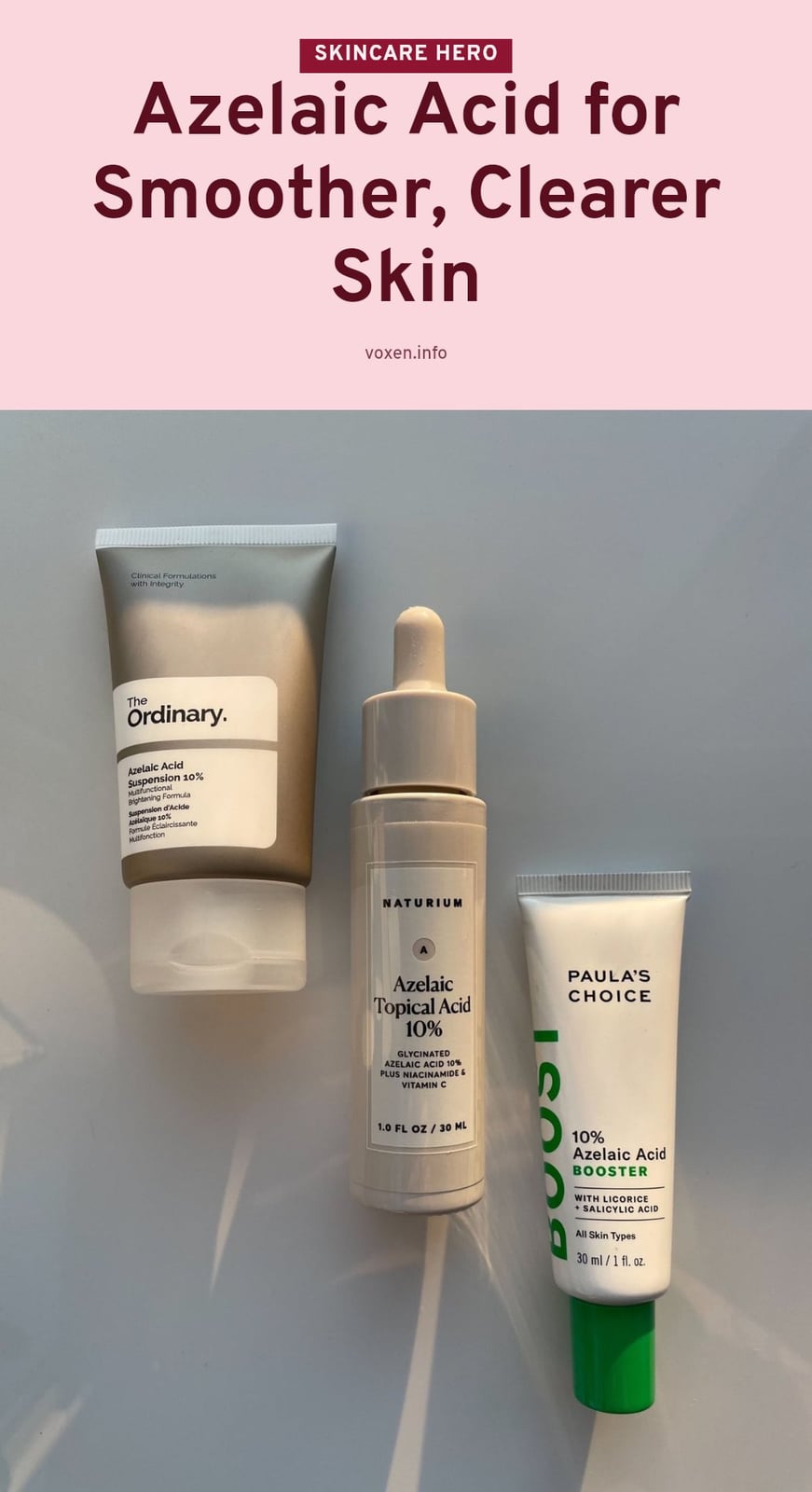
Key Takeaways
- Azelaic acid is best for acne, rosacea, and stubborn dark spots; niacinamide excels at barrier support and pore refinement.
- Start with a lower concentration (10% azelaic acid or 2-5% niacinamide) if you have sensitive skin.
- Apply azelaic acid to clean, dry skin first, then follow with niacinamide if using both.
- Expect noticeable changes after 4-8 weeks of daily use, with full results around 3-6 months.
- Always use a broad-spectrum sunscreen daily when using either ingredient to protect your skin.
Azelaic Acid vs Niacinamide: The Quick Answer
If you’re torn between azelaic acid and niacinamide, here’s the short version: azelaic acid is your pick for acne, rosacea, and stubborn hyperpigmentation, thanks to its anti-inflammatory, antibacterial, and exfoliating powers. Niacinamide, on the other hand, shines at strengthening your skin barrier, minimizing the look of pores, and calming general redness. The good news? You don’t have to choose. Using both together can tackle multiple concerns at once, and many people find they complement each other beautifully in one routine.
Understanding Azelaic Acid: Your Ally Against Acne and Redness
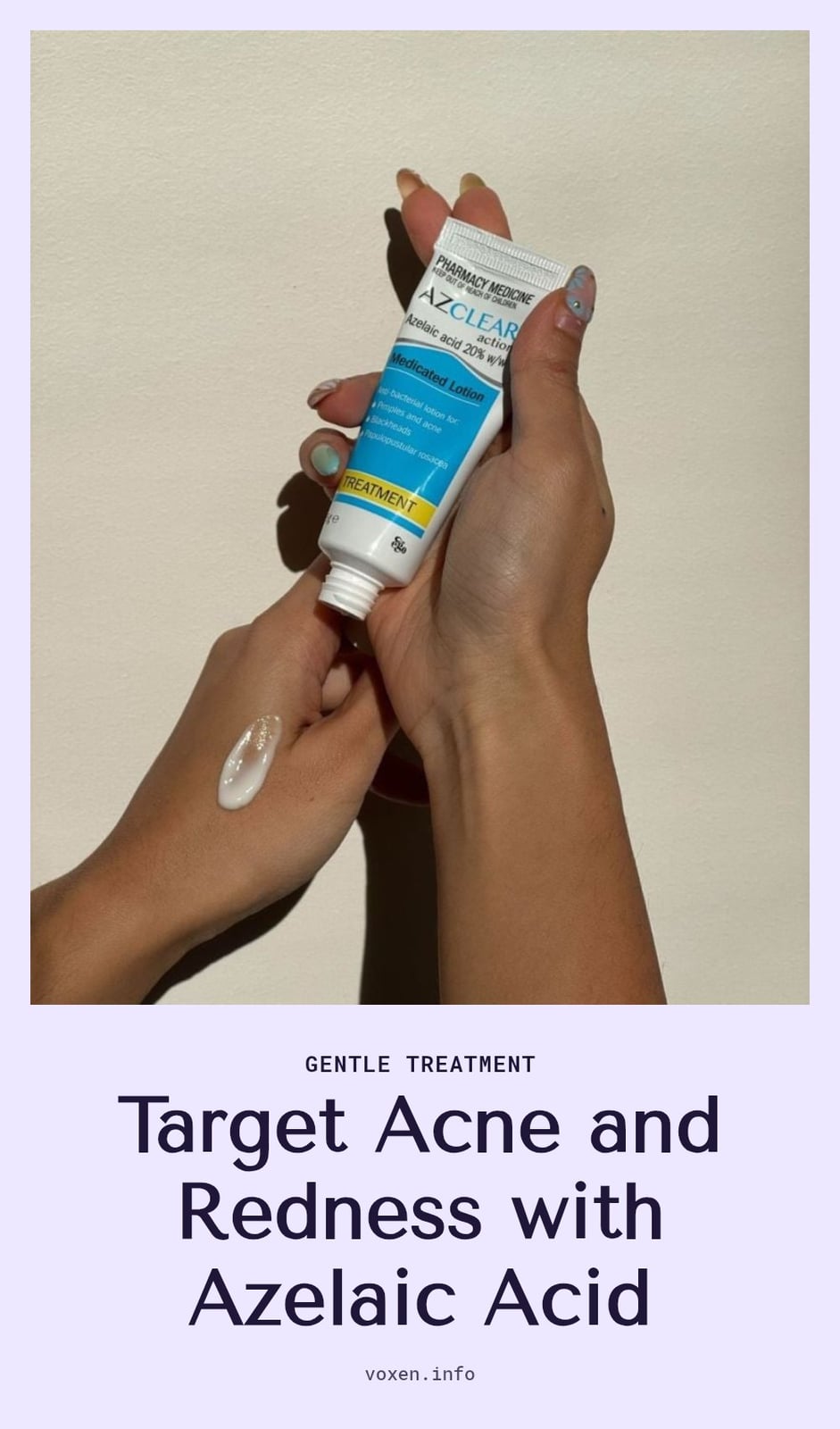
What Is Azelaic Acid?
Azelaic acid is a naturally occurring dicarboxylic acid found in grains like barley, wheat, and rye. It works by reducing inflammation, killing acne-causing bacteria, and normalizing skin cell turnover, which keeps pores from getting clogged.
This makes it effective for mild to moderate acne, rosacea (especially the papulopustular type), and post-inflammatory hyperpigmentation, the dark marks left after breakouts. You’ll find it in over-the-counter products at 10-15% strength, while prescription versions go up to 20%.
One standout benefit: azelaic acid is generally considered safe during pregnancy and breastfeeding, unlike many other acne treatments. That’s a big plus if you’re expecting or nursing.
Understanding Niacinamide: The Skin Barrier Booster
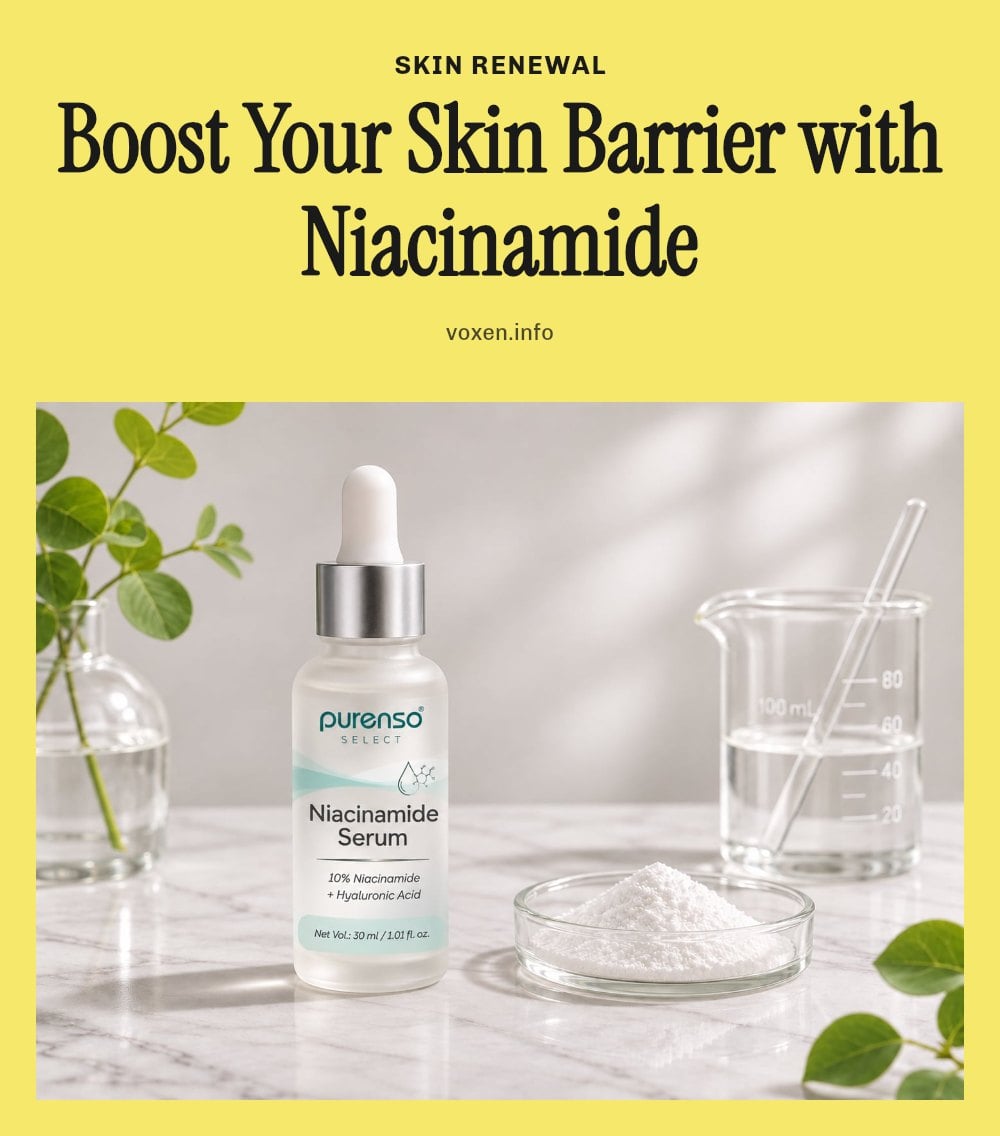
What Is Niacinamide?
Niacinamide is a form of vitamin B3 (also called nicotinamide) and is water-soluble. Its main job is to strengthen your skin barrier by boosting ceramide production and reducing water loss, which means less dryness and irritation.
It also calms inflammation, minimizes the appearance of pores, and evens out overall skin tone. When it comes to hyperpigmentation, niacinamide helps by preventing pigment from transferring to skin cells, so dark spots fade over time.
You’ll commonly see it in concentrations of 2-10%. It’s well-tolerated by most skin types, including sensitive skin, making it a gentle yet effective addition to almost any routine.
Azelaic Acid vs Niacinamide: A Side-by-Side Comparison
Here’s a side-by-side look to help you decide which ingredient fits your needs, or how to use them together.
| Aspect | Azelaic Acid | Niacinamide |
|---|---|---|
| Best For | Acne, rosacea, hyperpigmentation | Barrier support, pores, general redness |
| How It Works | Reduces inflammation, kills bacteria, exfoliates | Boosts ceramides, prevents pigment transfer |
| Typical Concentrations | OTC 10-15%, prescription up to 20% | 2-10% |
| Potential Side Effects | Mild redness, itching, peeling at first | Flushing or irritation, especially at 10% |
| Skin Types | Oily, acne-prone, sensitive possible | All, including sensitive |
| Pregnancy Safety | Generally safe | Generally safe |
Tips for Incorporating Azelaic Acid and Niacinamide into Your Routine

Introduce one active at a time: Start with either azelaic acid or niacinamide, not both at once. This way you can tell what your skin likes or doesn’t like.
Start with a lower concentration: If you have sensitive skin, begin with a 10% azelaic acid product. Apply it to clean, dry skin, dampness can increase irritation.
Layer in the right order: Use azelaic acid first, then niacinamide after it has dried. Niacinamide goes on after cleansing and toning but before heavier creams or oils.
Split them by time of day: Try azelaic acid at night and niacinamide in the morning. Or layer them as described above.
Always use sunscreen: Azelaic acid can make your skin more sensitive to the sun. A broad-spectrum SPF 30 or higher is non-negotiable every morning.
Common Mistakes to Avoid When Using These Actives
Expecting instant results: Neither ingredient works overnight. Consistent daily use for several weeks is what brings change.
Starting with too high a concentration: Jumping straight to 20% azelaic acid or a 10% niacinamide serum can cause redness and peeling. Begin low and increase only if your skin tolerates it.
Skipping sunscreen: Azelaic acid increases sun sensitivity. Without daily SPF, you risk more pigmentation and irritation.
Applying products in the wrong order: Putting niacinamide before azelaic acid can reduce efficacy. Apply azelaic acid to clean skin first, then niacinamide.
Using on broken or irritated skin: Both actives can sting on compromised skin. Wait until your barrier is healthy before introducing them.
When to Expect Results and What to Consider
You will typically notice changes in 4 to 8 weeks of consistent daily use. Optimal results often appear after 3 to 6 months.
Over-the-counter azelaic acid products cost roughly $15 to $40. Niacinamide serums and creams range from $10 to $50. Prescription azelaic acid is more expensive but may be covered by insurance.
Both ingredients are generally safe during pregnancy and breastfeeding, unlike some other acne treatments.
When to Consult a Dermatologist
See a dermatologist if your skin concerns do not improve with over-the-counter products. Also seek help if you experience severe irritation, swelling, or an allergic reaction.
A professional can guide you on combining active ingredients, especially if you use prescription medications. They can also diagnose and treat conditions like severe acne or rosacea that may require stronger or different treatments.
Frequently Asked Questions
Can I use azelaic acid and niacinamide together?
Yes, you can use both in the same routine. Many people apply azelaic acid first to clean, dry skin, then follow with niacinamide. Starting with one at a time helps you see how your skin reacts before layering them.
Is azelaic acid safe for sensitive skin?
Azelaic acid is generally well-tolerated, but it can cause mild redness, itching, or peeling when you first start. If you have sensitive skin, begin with a 10% concentration and use it every other day until your skin adjusts.
Which ingredient is better for redness?
Both can help with redness, but they work differently. Azelaic acid is especially effective for redness linked to rosacea and acne, while niacinamide calms general redness and blotchiness by strengthening the skin barrier.
Can I use azelaic acid and niacinamide during pregnancy?
Azelaic acid is generally considered safe during pregnancy and breastfeeding. Niacinamide is also safe for use during pregnancy. Still, it’s always a good idea to check with your healthcare provider before adding any new product to your routine.
What is azelaic acid good for?
Azelaic acid is primarily used for treating mild to moderate acne, rosacea (especially the papulopustular type), and post-inflammatory hyperpigmentation. It works by reducing inflammation, killing acne-causing bacteria, and normalizing skin cell turnover.
Final Thoughts
If you’re dealing with acne, rosacea, or pigmentation, azelaic acid is a strong first choice, while niacinamide is your go-to for strengthening the barrier and calming general redness. You can absolutely use both, just introduce them one at a time and stick with consistent daily application. Expect to see real changes in about a month, but don’t rush the process. Your skin will thank you for the patience.
The information in this article is for general informational purposes only and does not constitute medical or professional advice. Everyone’s skin is different, and results may vary. If you have a persistent or serious skin concern, please consult a dermatologist or healthcare professional for personalized guidance.

