You probably don’t realize how many small, unconscious habits are quietly working against your skin and hair every day. From touching your face to skipping sleep, these everyday actions can add up to dullness, breakouts, and damage over time. This article covers 12 common bad habits that affect your appearance and offers simple, healthy swaps you can start using right away.
Recognizing these behaviors is the first step. Once you see them, you can replace them with better choices that support your skin and hair health.
Key Takeaways
- Stop picking at pimples to avoid scarring and inflammation.
- Use lukewarm water instead of hot to protect natural oils.
- Clean makeup brushes weekly to prevent breakouts and infections.
- Change pillowcases at least once a week for clearer skin and hair.
- Aim for 7-9 hours of quality sleep nightly for skin repair.
The Impact of Bad Habits on Your Skin and Hair
Unconscious actions and lifestyle choices have a real effect on your skin and hair health. From touching your face to skipping sleep, these habits add up over time. The good news is that small, consistent changes can lead to noticeable improvements. Recognizing these behaviors is the first step toward better well-being.
1. Picking at Your Skin
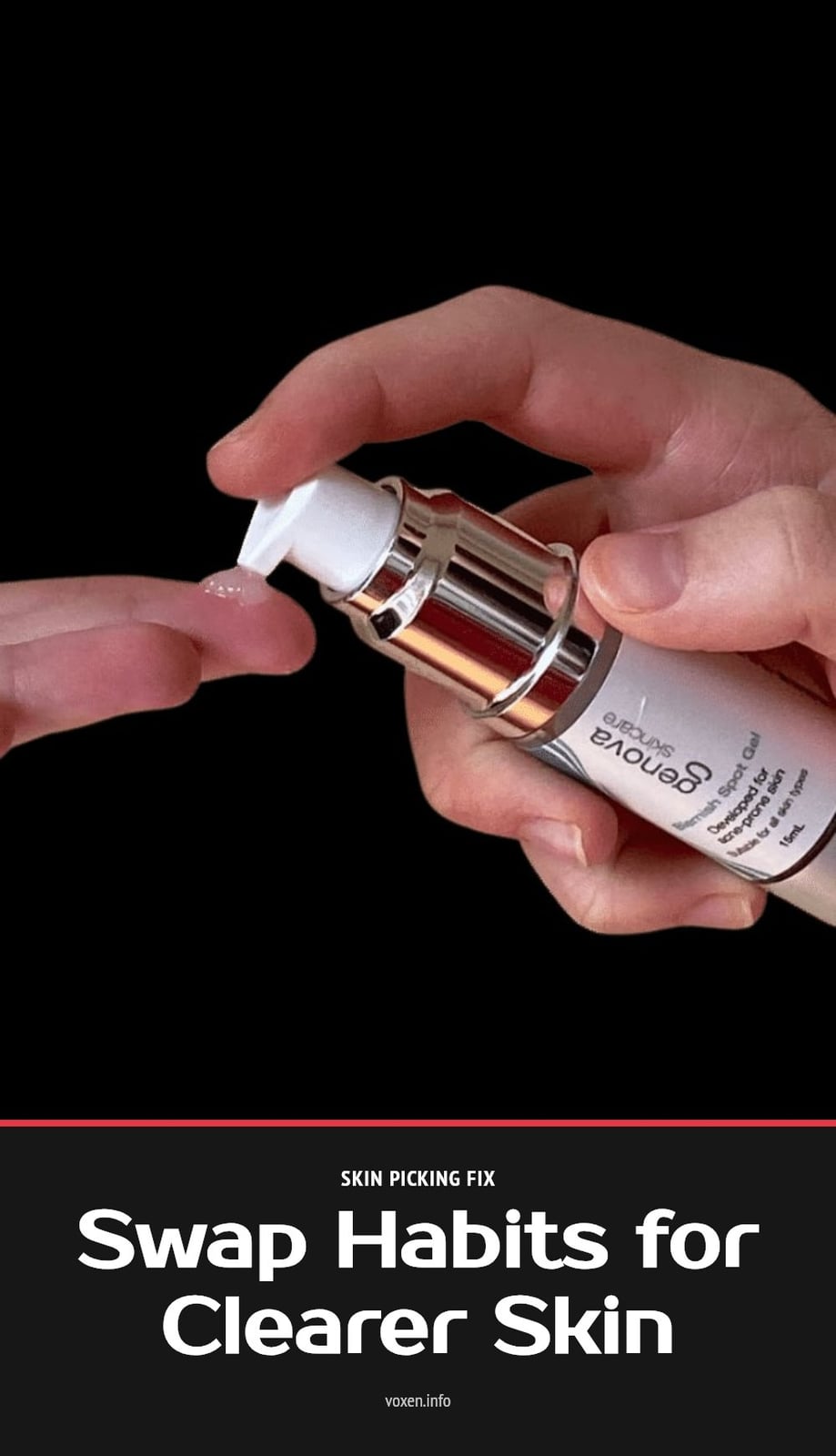
Picking at pimples or scabs introduces bacteria into the skin, causing inflammation and potential scarring. This habit can also lead to hyperpigmentation and prolonged healing.
- My tip: Resist the urge. Use a targeted spot treatment instead of picking. It addresses the blemish without damaging surrounding skin.
2. Frequently Touching Your Face
Frequently touching your face transfers oils, dirt, and bacteria from your hands to your skin. This can clog pores and often leads to breakouts and irritation.
- My tip: Be mindful of when and why you touch your face. Wash your hands frequently, especially before any facial contact.
3. Showering with Hot Water

Excessively hot water strips natural oils from your skin and scalp. This causes dryness, irritation, and can make hair look dull.
- Tip: Opt for lukewarm water when showering or washing your face. Your skin and hair will retain more moisture and look healthier.
4. Neglecting Makeup Brush Cleaning
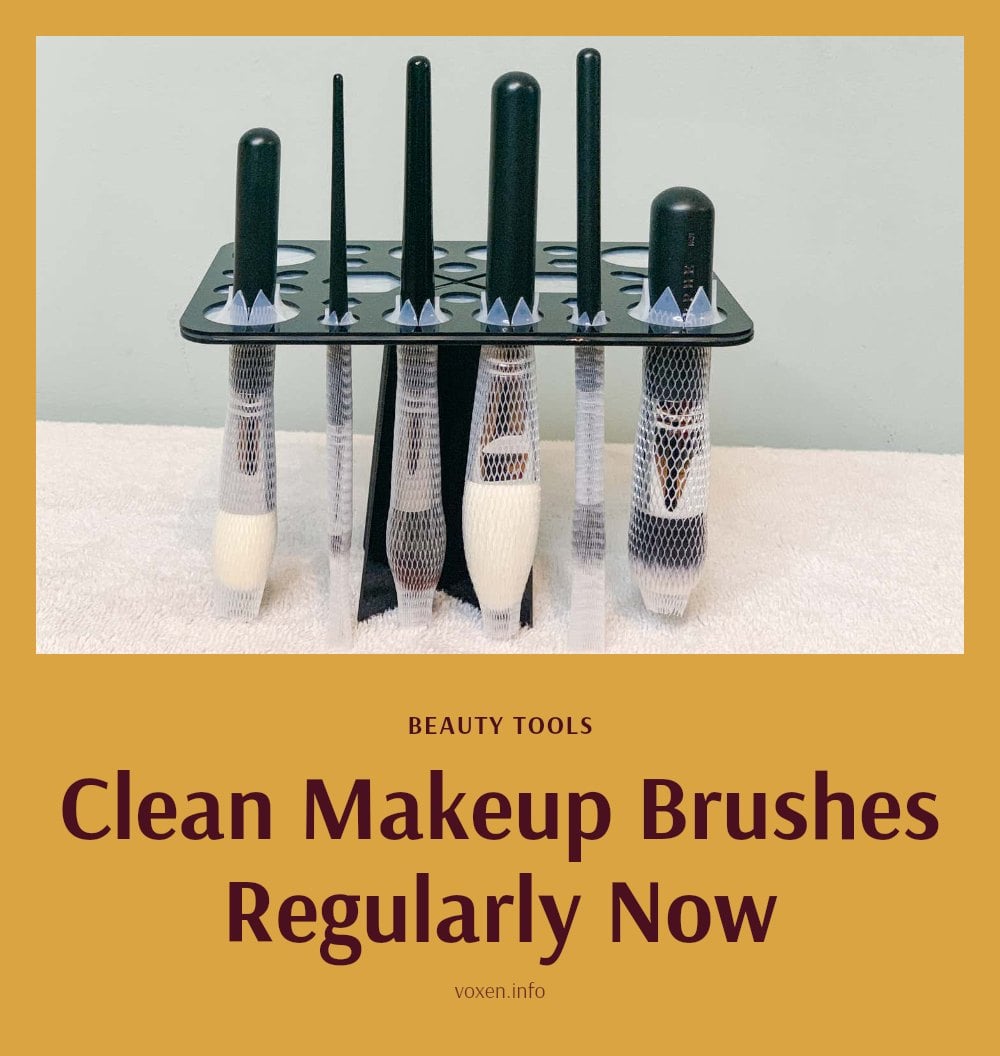
Dirty makeup brushes accumulate bacteria and old product, which then transfer directly to your skin, leading to breakouts and infections.
Good to know: Clean your brushes at least weekly with a gentle cleanser to keep your skin clear. A quick rinse with lukewarm water and a mild shampoo or brush cleanser removes buildup and reduces the risk of irritation.
5. Using Dirty Pillowcases
Your pillowcase collects oils, dead skin cells, and bacteria every night. Sleeping on that buildup can clog pores and contribute to acne, while the friction can also cause hair breakage and frizz.
Pro move: Change your pillowcase at least once a week, or more often if you’re prone to breakouts. Silk or satin pillowcases can be a bonus for your hair because they create less friction than cotton.
6. Inadequate Sleep
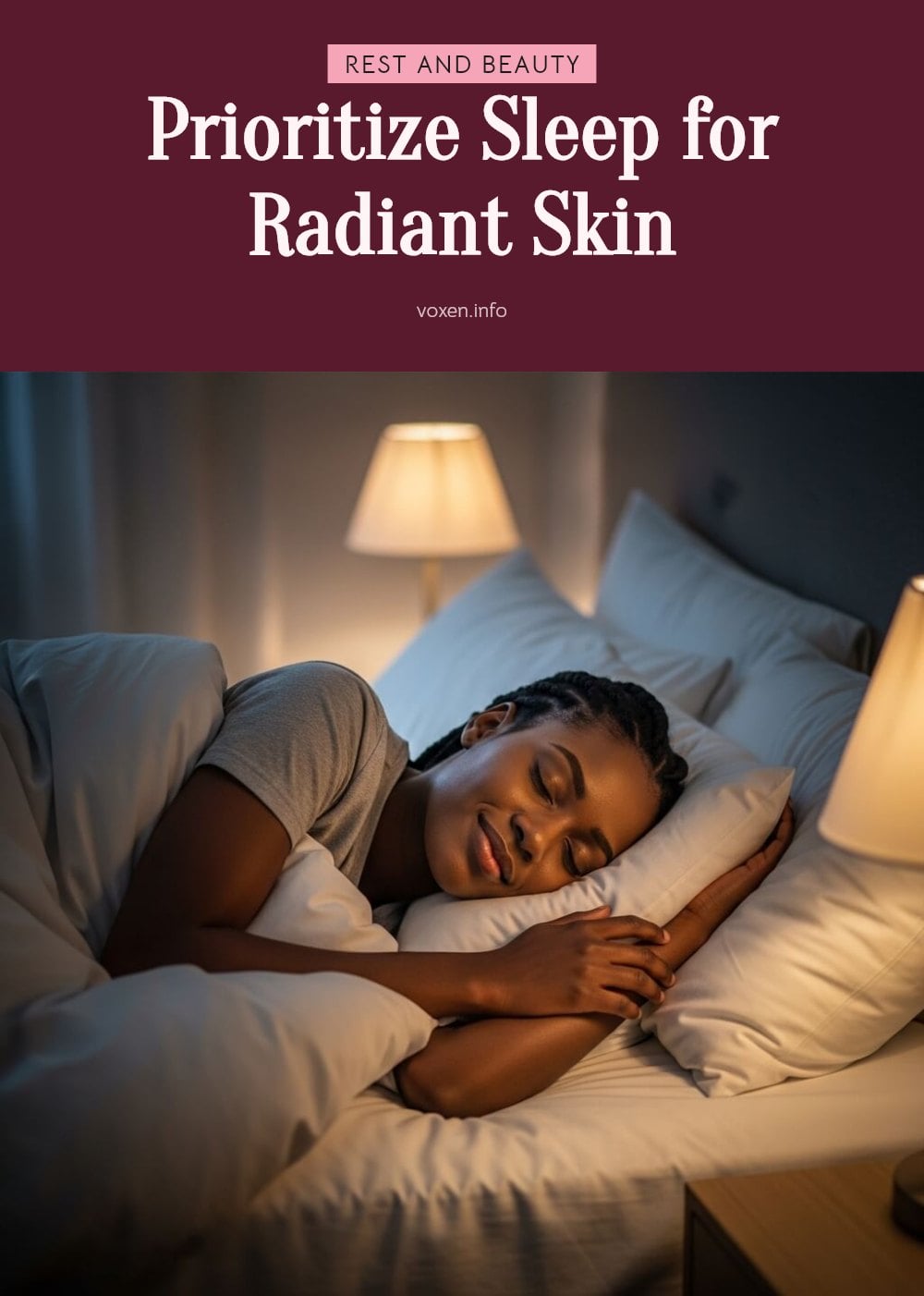
When you don’t get enough sleep, your skin can look dull and dark circles may appear under your eyes. Your skin repairs itself overnight, so quality sleep is crucial for a healthy complexion.
Quick tip: Aim for 7-9 hours of quality sleep each night to give your skin time to rejuvenate. A consistent bedtime routine can help you fall asleep faster and stay asleep longer.
7. Poor Diet Choices

A diet high in processed foods, sugar, and unhealthy fats can trigger inflammation in the body. This inflammation often shows up on your skin as acne, redness, or other conditions.
Tip: Incorporate a balanced diet rich in fruits, vegetables, and lean proteins for clearer skin. Swapping a sugary snack for a handful of berries or a piece of fruit can make a real difference over time.
8. Chronic Stress
Chronic stress triggers hormonal imbalances that can worsen skin conditions like acne, eczema, and psoriasis. It may also contribute to hair loss by disrupting the hair growth cycle. Good to know: Incorporate stress management techniques such as meditation or yoga into your routine to help keep your hormones balanced and your skin and hair healthier.
9. Not Drinking Enough Water
Not drinking enough water leads to dehydrated skin, making it look dull and more prone to fine lines. Proper hydration helps keep skin plump and healthy. Pro move: Carry a water bottle and sip throughout the day to maintain your skin’s glow and support its natural barrier.
10. Excessive Heat Styling
Using heat styling tools without a heat protectant damages the hair cuticle, the outer protective layer. This leads to dryness, breakage, and split ends over time. Quick tip: Always apply a heat protectant spray before styling, and minimize heat exposure to preserve your hair’s health and strength.
11. Tight Hairstyles
Frequent tight hairstyles can cause traction alopecia, a form of hair loss from constant pulling on the hair follicles. This repeated tension damages the follicles over time. Tip: Opt for looser styles or vary your hairstyles regularly to reduce tension and give your hair follicles a break.
12. Forgetting to Remove Makeup
Going to bed with makeup on clogs pores, leading to breakouts. It also traps environmental pollutants against your skin overnight, which can cause irritation and accelerate signs of aging.
Good to know: Always remove makeup thoroughly before bed using a gentle cleanser or makeup remover. A double cleanse, first with an oil-based cleanser, then a water-based one, ensures every trace is gone.
When to Seek Professional Help
Consult a dermatologist if picking leads to open wounds, signs of infection such as redness, pus, or increased pain, or significant scarring. Persistent or severe acne, hair loss, or skin conditions should be evaluated by a healthcare professional.
If you suspect a bad habit is linked to an underlying health issue, such as compulsive skin picking, seek professional medical or psychological advice. Early intervention can prevent long-term damage and improve your overall well-being.
Frequently Asked Questions
How long does it take to see results from breaking bad habits?
Most people begin to notice improvements in their skin and hair within a few weeks to a few months of consistently adopting healthier habits. For example, switching to lukewarm water and cleaning your pillowcases more often can show visible changes in as little as two to four weeks. Long-term benefits accumulate with continued effort.
Can stress really affect my hair and skin?
Yes, chronic stress can trigger hormonal imbalances that may worsen skin conditions like acne, eczema, and psoriasis, and it can also contribute to hair loss by disrupting the hair growth cycle. Managing stress through techniques like meditation or yoga can help keep both your skin and hair healthier.
Are there specific foods I should avoid for better skin and hair?
A diet high in processed foods, sugar, and unhealthy fats can promote inflammation in the body, which often shows up as acne or other skin issues. Reducing these foods and focusing on a balanced diet rich in fruits, vegetables, and lean proteins can support clearer skin and stronger hair.
What’s the best way to clean makeup brushes?
Use a gentle cleanser, such as a mild shampoo or brush cleanser, and warm water. Swirl each brush in your palm, rinse thoroughly, and reshape the bristles before laying them flat to dry. Cleaning them weekly removes bacteria and old product that can cause breakouts and infections.
Final Thoughts
Start by picking just one habit to change this week, such as swapping hot water for lukewarm or cleaning your makeup brushes. You can expect to see noticeable improvements in your skin and hair within a few weeks to a few months of consistent effort. Small daily swaps really add up over time, so be patient with yourself and celebrate each step forward.
This article is for general informational purposes only and does not constitute medical or professional advice. If you have persistent skin issues, hair loss, or concerns about a specific habit, consult a dermatologist or healthcare professional for personalized guidance.

