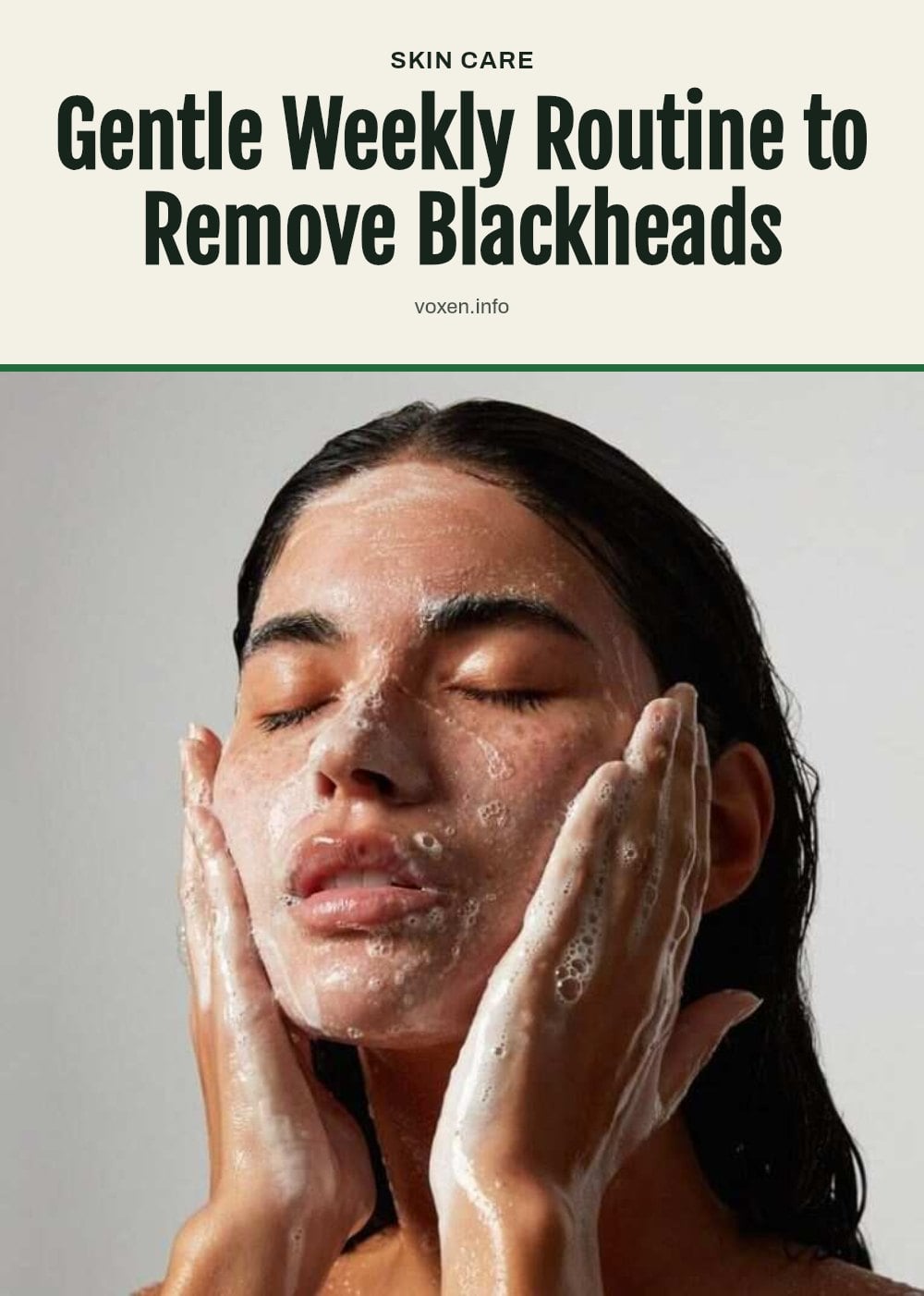
Blackheads on your nose can feel stubborn, but they are not caused by dirt. They form when oil and dead skin cells clog a pore and the trapped material darkens upon contact with air. The good news is that with the right gentle routine, you can manage them effectively. This article covers what causes blackheads, which ingredients actually help, and a simple weekly plan to keep your nose smooth and clear.
Key Takeaways
- Blackheads form when oil and dead skin clog an open pore; the dark color is oxidation, not dirt.
- Use salicylic acid (BHA) 2-3 times a week to penetrate pores and dissolve the plug.
- Never pick or squeeze blackheads; it can cause infection, inflammation, or scarring.
- Moisturize daily with a non-comedogenic product, even if your skin is oily.
- Consistent results typically appear after 8-12 weeks of regular care.
What Are Blackheads and Why Do They Appear?
Blackheads are technically called open comedones. They form when a hair follicle becomes clogged with oil (sebum) and dead skin cells. Unlike whiteheads, the pore stays open, and the trapped material oxidizes upon exposure to air, turning dark. That dark color comes from melanin and sebum reacting with oxygen, not dirt. Hormonal changes, especially during puberty, menstruation, or pregnancy, can increase sebum production. Genetics also play a role in how prone you are to clogged pores.
The Science Behind Blackheads: What Clogs Your Pores
What Happens Inside Your Pores
Every hair follicle produces sebum, an oily substance that keeps skin lubricated. When your body sheds dead skin cells, they can mix with excess sebum and get trapped inside the follicle. This creates a plug.
Why Blackheads Turn Dark
Because the pore remains open, the plug is exposed to air. Oxygen oxidizes the melanin and sebum in the plug, turning it dark. This is the same chemical reaction that causes a cut apple to brown. It is not dirt, so scrubbing won’t help.
What Makes You More Prone
- Hormonal fluctuations: Androgens, which increase during puberty, menstruation, and pregnancy, signal your sebaceous glands to produce more oil.
- Genetics: If your parents had blackheads, you are more likely to develop them too.
- Certain medications: Corticosteroids, androgens, and lithium can worsen acne, including blackheads.
Your Essential Toolkit for Blackhead Treatment
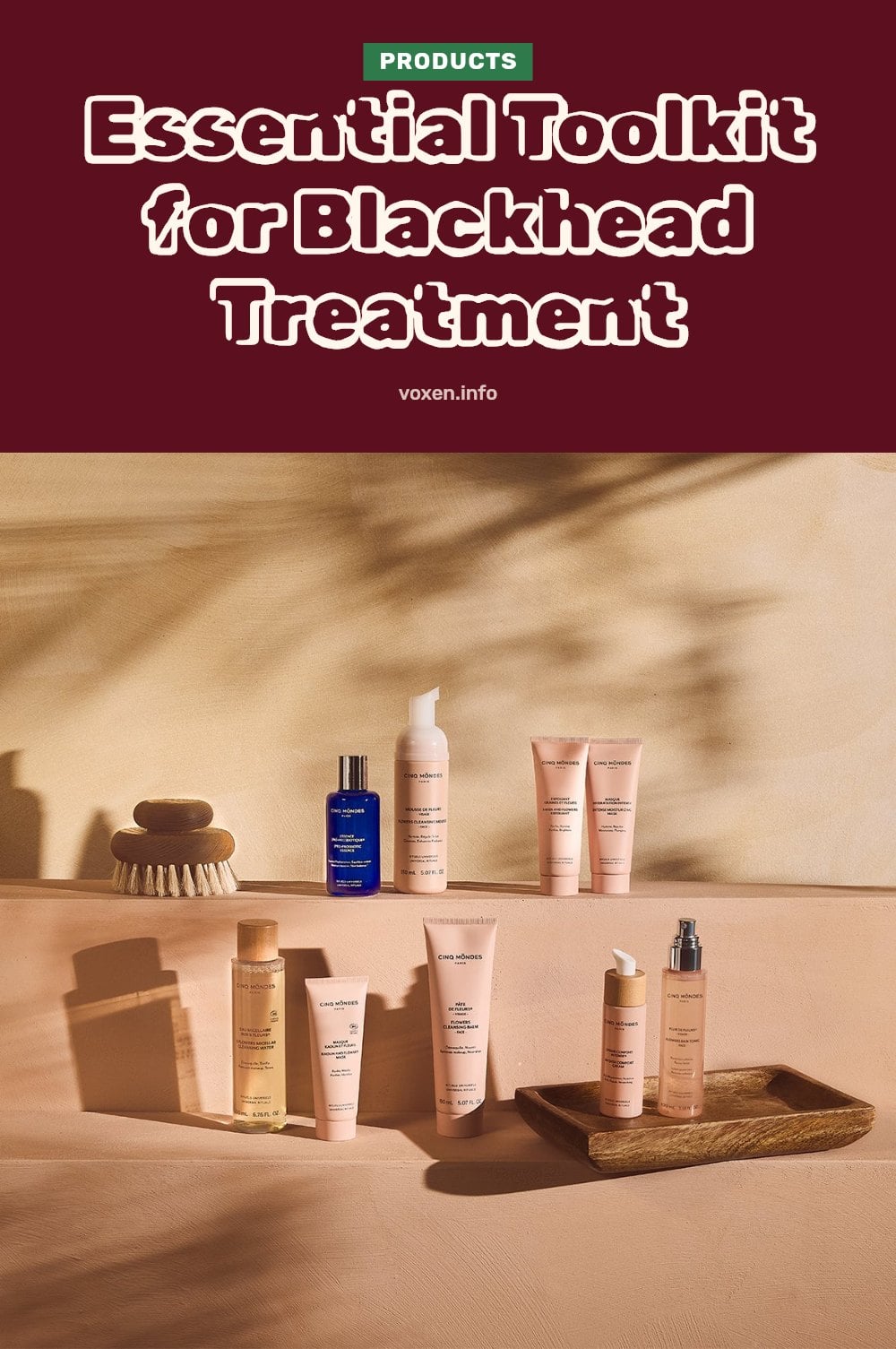
To treat blackheads effectively, you need products that unclog pores without stripping your skin. Here is what belongs in your routine:
- Gentle cleanser: Removes surface oil and makeup without disrupting your skin barrier.
- Salicylic acid (BHA) product: Oil-soluble, so it penetrates deep into pores to exfoliate from the inside.
- Retinoid product: Speeds up skin cell turnover so dead cells are less likely to clog follicles.
- Non-comedogenic moisturizer: Keeps skin hydrated without adding more blockages.
- Broad-spectrum sunscreen: Protects your skin daily, especially important when using exfoliating acids or retinoids.
- Chemical exfoliant (AHA/BHA mask or serum): Use weekly for a deeper clean without abrasive scrubbing.
Effective Methods to Gently Treat Blackheads

Start with Salicylic Acid (BHA)
Salicylic acid is your first line of defense. Because it is oil-soluble, it can travel into the pore and dissolve the plug of sebum and dead skin. Start with a BHA serum or toner 2-3 times a week. If your skin tolerates it well, you can gradually increase to once daily, but never exceed that frequency. Over-exfoliating can irritate skin and worsen blackheads.
Add a Retinoid
Retinoids like retinol or adapalene normalize how fast your skin cells shed. This prevents dead cells from building up and clogging pores. Start with a low concentration twice a week, then gradually increase to every other night. Always use sunscreen the next morning, because retinoids make skin more sensitive to UV.
Exfoliate Gently Weekly
Once or twice a week, use a chemical exfoliant mask (AHA/BHA) for a deeper clean. Leave it on for the time specified on the label, then rinse. Tip: If your skin feels tight or looks red, you are exfoliating too often. Cut back to once a week.
Moisturize Every Day
Even oily skin needs moisture. When skin is dehydrated, it produces even more sebum to compensate, which can worsen blackheads. Choose a non-comedogenic moisturizer and apply it after cleansing, before sunscreen.
Use Non-Comedogenic Products Only
Check labels on all your skincare and makeup. Non-comedogenic formulas are designed not to clog pores. This includes sunscreen, foundation, and even hair products that may run onto your face.
Common Blackhead Treatment Mistakes to Avoid
Picking or squeezing blackheads pushes bacteria deeper and can cause inflammation, infection, or permanent scarring. Harsh physical scrubs damage the skin barrier, which often leads to more breakouts. Over-washing strips natural oils, triggering your skin to produce even more sebum.
Myth: Skipping moisturizer helps oily skin. In reality, dehydrated skin overcompensates with extra oil, worsening blackheads. Pore strips remove only the top layer of oxidized sebum and dead skin; they do not prevent future clogs or address the root cause. Consistency with gentle, active ingredients is what delivers results, not quick fixes.
Keeping Blackheads Away: Your Daily Prevention Plan

Cleanse twice daily: Use a gentle cleanser morning and night to remove surface oil, sweat, and impurities without stripping your skin.
Remove makeup before bed: Sleeping with makeup traps debris in pores, encouraging blackheads to form.
Wash after sweating: Sweat can mix with sebum and dead skin cells, so rinse your face immediately after exercise or heavy perspiration.
Choose non-comedogenic products: Look for this label on moisturizers, sunscreens, and makeup to ensure they won’t clog pores.
Wear sunscreen daily: Broad-spectrum SPF 30 or higher protects your skin, especially when using exfoliating acids or retinoids that increase sun sensitivity.
How Long Until You See Results?
With consistent use of salicylic acid, retinoids, and a gentle routine, you may notice initial improvements in 4 to 6 weeks. Significant results typically appear after 8 to 12 weeks of regular care.
Good to know: Blackhead treatment is an ongoing process, not a one-time fix. Products range from affordable drugstore options to higher-end formulas, but consistency matters far more than price. Stick with your routine, and your skin will respond over time.
When to Consult a Dermatologist
If blackheads are severe, widespread, or do not improve after 12 weeks of consistent home care, consult a dermatologist. Seek professional advice if you also have painful cysts or nodules, as this may indicate a more serious form of acne. A dermatologist can prescribe stronger topical treatments, oral medications, or perform in-office procedures like extractions or chemical peels.
Frequently Asked Questions
How often should I use salicylic acid for blackheads?
Start with a salicylic acid serum or toner 2 to 3 times per week. If your skin tolerates it well, you can gradually increase to once daily, but never use it more often than that. Overusing salicylic acid can irritate your skin and worsen breakouts.
Can diet really affect blackheads?
The link between diet and blackheads is not definitively proven, but some people notice that high-glycemic foods or dairy seem to trigger acne flares. If you suspect a connection, try keeping a food diary and cutting back on those items for a few weeks to see if your skin improves.
Are pore strips good for blackheads?
Pore strips offer a temporary fix by pulling out the top layer of oxidized sebum and dead skin. They do not prevent future blackheads or treat the underlying cause. For lasting results, focus on a routine with salicylic acid and retinoids rather than relying on strips.
What if my blackheads don’t go away with home treatments?
If you have been consistent with salicylic acid, retinoids, and a gentle routine for 12 weeks and see no improvement, consult a dermatologist. They can prescribe stronger treatments like prescription retinoids or professional extractions, especially if you also have painful cysts or nodules.
Final Thoughts
Stick with a gentle, consistent routine using salicylic acid, a non-comedogenic moisturizer, and daily sunscreen. Expect initial improvements in 4 to 6 weeks and more significant results after 8 to 12 weeks. Remember, blackhead management is an ongoing process, not a quick fix. If your blackheads are severe or do not improve after three months of home care, see a dermatologist for stronger options.
This article is for general informational purposes only and does not constitute medical or professional advice. Individual results may vary. Always patch test new products and consult a dermatologist or healthcare provider for persistent or severe skin concerns.

