If you notice breakouts creeping up right before your period, you’re not imagining it. Hormonal shifts in the week leading up to menstruation can trigger excess oil and inflammation, leading to those stubborn pimples along your jawline and chin. This article covers why these breakouts happen, gentle treatments that work, and a simple routine to help keep your skin calm through your cycle.
Key Takeaways
- Breakouts around your period are caused by a natural rise in androgens before menstruation.
- Common breakout areas are the jawline, chin, and around the mouth.
- Gentle, consistent skincare is more effective than harsh scrubbing or over-treating.
- Targeted OTC ingredients like salicylic acid and benzoyl peroxide can help manage breakouts.
- If OTC treatments don’t improve your skin in 4-6 weeks, see a dermatologist.
Why You Get Breakouts Around Your Period
Breakouts around your period, often called hormonal acne, stem from natural hormone shifts. In the week before menstruation, androgens like testosterone rise relative to estrogen and progesterone, signaling your sebaceous glands to produce more oil. That extra sebum can clog pores and trigger inflammation, leading to pimples or cysts. You’ll usually notice these breakouts along your jawline, chin, and around your mouth, a pattern dermatologists call the ‘U-zone’. The good news: they often calm down once your period starts.
Understanding the Hormonal Link to Breakouts
The Hormonal Cascade Behind Premenstrual Breakouts
Your skin’s oil glands are sensitive to androgens, especially testosterone. As these hormones surge before your period, they stimulate the sebaceous glands to pump out more sebum. This excess oil mixes with dead skin cells, clogging hair follicles and creating the perfect environment for breakouts.
Inflammation plays a central role too. When pores become blocked, your immune system responds with redness, swelling, and pain, which is why hormonal pimples often feel tender and look angry. The severity of your breakouts often tracks with how much inflammation your skin mounts.
Stress can make things worse. When you’re stressed, your body releases cortisol, which can nudge your hormone balance further and amplify inflammation. Many women notice more breakouts during high-pressure weeks, not just before their period.
- Androgens rise before menstruation, boosting oil production.
- Sebum mixes with dead skin, clogging pores.
- Inflammation turns clogged pores into red, swollen pimples.
- Stress raises cortisol, which can worsen hormonal breakouts.
Effective Treatments for Hormonal Breakouts
Targeted Over-the-Counter Options
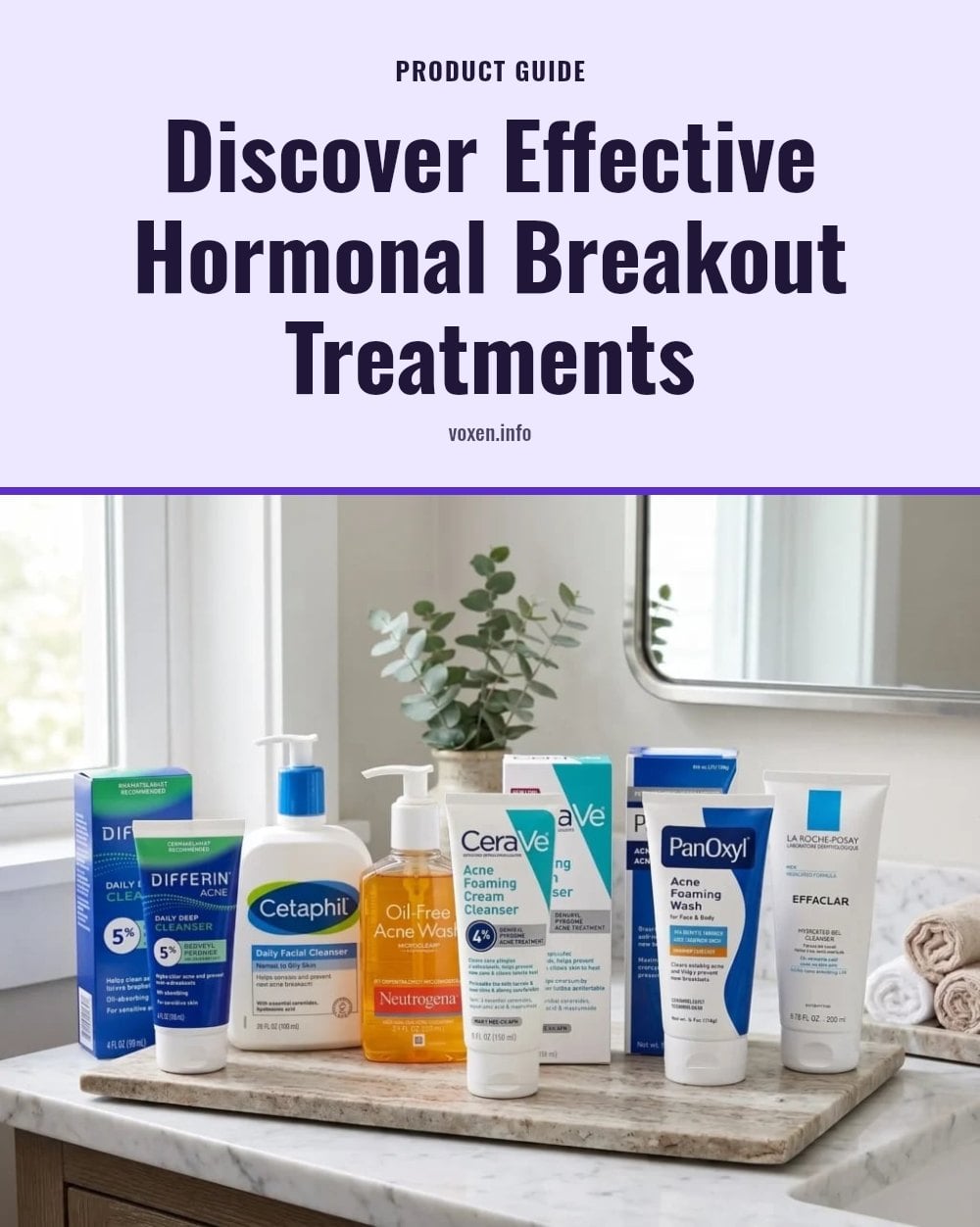
You don’t need a prescription for many effective hormonal breakout treatments. These three ingredients are the most researched and widely available.
- Salicylic acid (BHA): This beta hydroxy acid is oil-soluble, so it can penetrate into the pore and exfoliate from the inside. It helps unclog blockages and reduces inflammation. Use a 2% BHA serum or spot treatment on affected areas once daily, preferably in the morning, and avoid using it in the same routine as adapalene.
- Benzoyl peroxide: This ingredient kills acne-causing bacteria and helps calm inflammation. It’s available in strengths from 2.5% to 10%, but higher isn’t always better. Start with 2.5% to minimize dryness. Apply a thin layer to breakouts after cleansing. It can bleach fabrics, so let it dry completely before touching your pillowcase.
- Adapalene gel (OTC retinoid): Adapalene 0.1% is the only retinoid available over the counter. It works by normalizing how your skin cells shed, preventing them from clumping and clogging pores. It also has anti-inflammatory properties. Use a pea-sized amount over your entire face (not just spots) at night, starting every other night to build tolerance. Do not layer salicylic acid in the same routine.
Caution: All three can cause dryness, redness, or peeling, especially when you first start. Introduce one at a time and use it every other day for the first two weeks. Always wear a broad-spectrum sunscreen daily, as these ingredients increase sun sensitivity. If you experience severe irritation or an allergic reaction, stop using the product and consult a dermatologist.
Your Gentle Skincare Routine for Breakout-Prone Skin
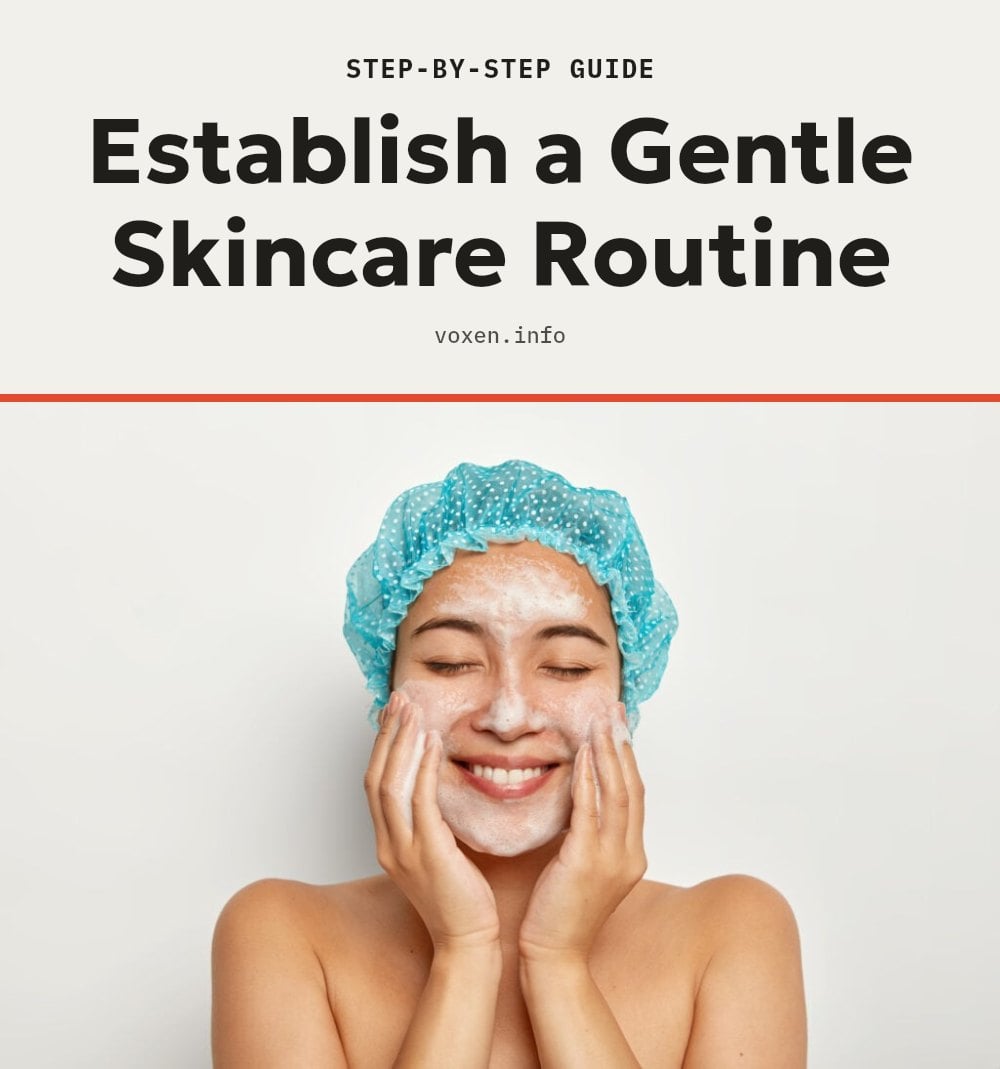
Consistency and gentleness beat aggressive treatment. Here’s a simple routine to follow every day, even when your skin is clear.
- Cleanse twice daily: Use a gentle, pH-balanced cleanser (around 5.5) in the morning and before bed. Avoid harsh soaps that strip your skin’s natural oils. Massage for 60 seconds, then rinse with lukewarm water.
- Apply targeted treatment: After cleansing and patting your face dry, apply your chosen acne treatment. For salicylic acid or benzoyl peroxide, use a thin layer only on affected areas. For adapalene gel, apply a pea-sized amount to the entire face, avoiding the eyes and mouth. Wait 2-3 minutes for it to absorb.
- Moisturize every time: Even if your skin feels oily, use a non-comedogenic moisturizer to support your skin barrier. Look for labels that say ‘oil-free’ or ‘won’t clog pores’. A hydrated barrier helps your skin handle active ingredients better.
- Protect with sunscreen: Finish your morning routine with a broad-spectrum SPF 30 or higher. Many acne treatments make your skin more sensitive to UV damage, and sun exposure can darken post-breakout marks.
Stick with this routine for at least 4-6 weeks before judging results. Hormonal breakouts are cyclical, so you may see improvement only after a full menstrual cycle.
Common Breakout Mistakes to Avoid
Over-treating is the most common mistake. Layering salicylic acid, benzoyl peroxide, and a retinoid all at once can strip your skin barrier, increase irritation, and actually make breakouts worse. Stick to one active ingredient per routine and introduce new products one at a time, waiting at least a week between additions.
Picking or squeezing pimples may feel productive, but it pushes bacteria deeper into the pore and damages the surrounding tissue. That often leads to a longer healing time, dark spots, or permanent scarring. Harsh scrubs and over-washing have a similar effect: they strip natural oils, which triggers your skin to produce even more sebum to compensate.
My tip: Give any new product at least 4-6 weeks of consistent use before judging its effectiveness. Breakouts don’t disappear overnight, and switching products too fast can keep your skin in a constant state of irritation.
Preventing Future Period Breakouts
Prevention starts with a consistent routine you follow every day, not just the week before your period. Use a gentle cleanser, a non-comedogenic moisturizer, and sunscreen year-round to keep your skin barrier strong and less reactive to hormonal shifts.
Stress management directly impacts your breakouts. Cortisol and other stress hormones can amplify androgen activity, increasing oil production and inflammation. Even 10 minutes of meditation, a short yoga session, or prioritizing 7-8 hours of sleep can help keep your skin calmer during that premenstrual window.
Change your pillowcases at least once a week. Oils, dead skin cells, and bacteria build up quickly on fabric and transfer back onto your face each night. Cotton or silk pillowcases that are washed regularly make a noticeable difference.
Some people find that reducing high glycemic index foods (like white bread, sugary snacks) or dairy helps their skin, but the evidence is mixed. If you want to test it, eliminate one category for a full month and track your breakouts to see if there’s a personal link.
When to Consult a Dermatologist
If you’ve been using over-the-counter treatments consistently for 4-6 weeks and see no improvement, it’s time to get professional input. A dermatologist can prescribe stronger topical or oral medications that target hormonal acne more directly.
See a doctor right away if your breakouts are severe, painful, or cystic, as these types are more likely to scar. Also consult a professional if you suspect an underlying condition like PCOS, which can cause persistent hormonal acne along with other symptoms.
Caution: If you are pregnant, planning to become pregnant, or breastfeeding, do not use retinoids (including adapalene) or high-dose salicylic acid without first talking to your doctor. Some common acne ingredients are not safe during pregnancy and lactation.
Frequently Asked Questions
Can diet really affect hormonal breakouts?
Some people find that reducing high glycemic index foods or dairy may help their breakouts, but the scientific evidence is mixed. If you suspect a food triggers your breakouts, you could try eliminating it for a few weeks and see if your skin improves. It’s not a guaranteed fix for everyone.
How long does it take for acne treatments to work?
Most over-the-counter treatments need 4-6 weeks of consistent use before you see noticeable results. Your skin needs time to adjust and for the active ingredients to reduce inflammation and prevent new breakouts. Don’t expect overnight changes.
Is it okay to wear makeup if I have period breakouts?
Yes, but choose makeup labeled non-comedogenic, which means it won’t clog your pores. Look for oil-free or mineral-based foundations and powders. Always remove your makeup thoroughly before bed to avoid trapping oil and bacteria against your skin.
What’s the difference between salicylic acid and benzoyl peroxide?
Salicylic acid is a beta hydroxy acid that penetrates into pores to exfoliate from the inside and help unclog them. Benzoyl peroxide works by killing acne-causing bacteria and reducing inflammation. They can be used separately, but layering them together can cause irritation.
Final Thoughts
My tip for managing period breakouts is to stick with a simple, gentle routine every day, not just when you see a pimple. Expect it to take about 4-6 weeks of consistent use before you notice real changes in your skin. The key is patience and treating your skin kindly through each cycle.
This article is for informational purposes only and does not constitute medical advice. Skincare products affect individuals differently. If you have persistent, severe, or painful breakouts, or if you are pregnant or breastfeeding, consult a dermatologist or healthcare professional before starting a new treatment.

