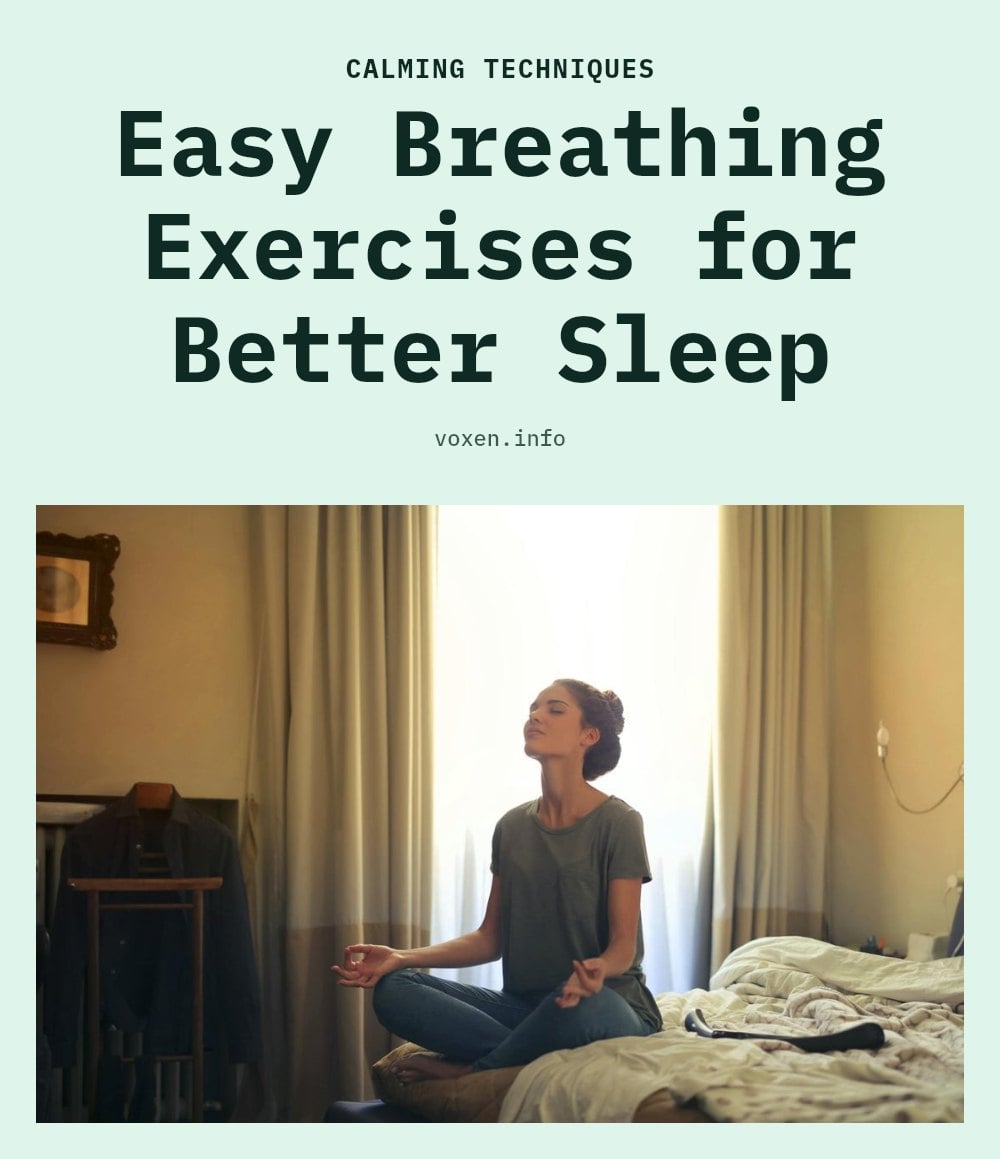
If you find yourself lying awake with a racing mind, you are not alone. Slow, deep breathing exercises can help shift your body into a relaxed state by activating your parasympathetic nervous system, which naturally prepares you for sleep. This article covers how these techniques work, simple methods like 4-7-8 and box breathing, and tips for making them part of your nightly routine.
Key Takeaways
- Slow, deep breathing activates the parasympathetic nervous system to promote relaxation before sleep.
- Practice techniques like 4-7-8 breathing or box breathing for 5 to 20 minutes nightly.
- Focus on diaphragmatic breathing, letting your belly rise with each inhale.
- Consistent daily practice often leads to improved sleep quality within a few weeks.
- Stop if you feel lightheaded or dizzy, and consult a doctor if sleep problems persist.
How Breathing Exercises Help You Sleep Better
Breathing exercises work by activating your parasympathetic nervous system, which shifts your body out of “fight or flight” and into “rest and digest.” This slows your heart rate and calms an overactive mind, creating the tranquil state you need to fall asleep. With consistent practice, many people find they drift off more easily and enjoy deeper, more restful nights.
The Science Behind Calm Breathing and Sleep
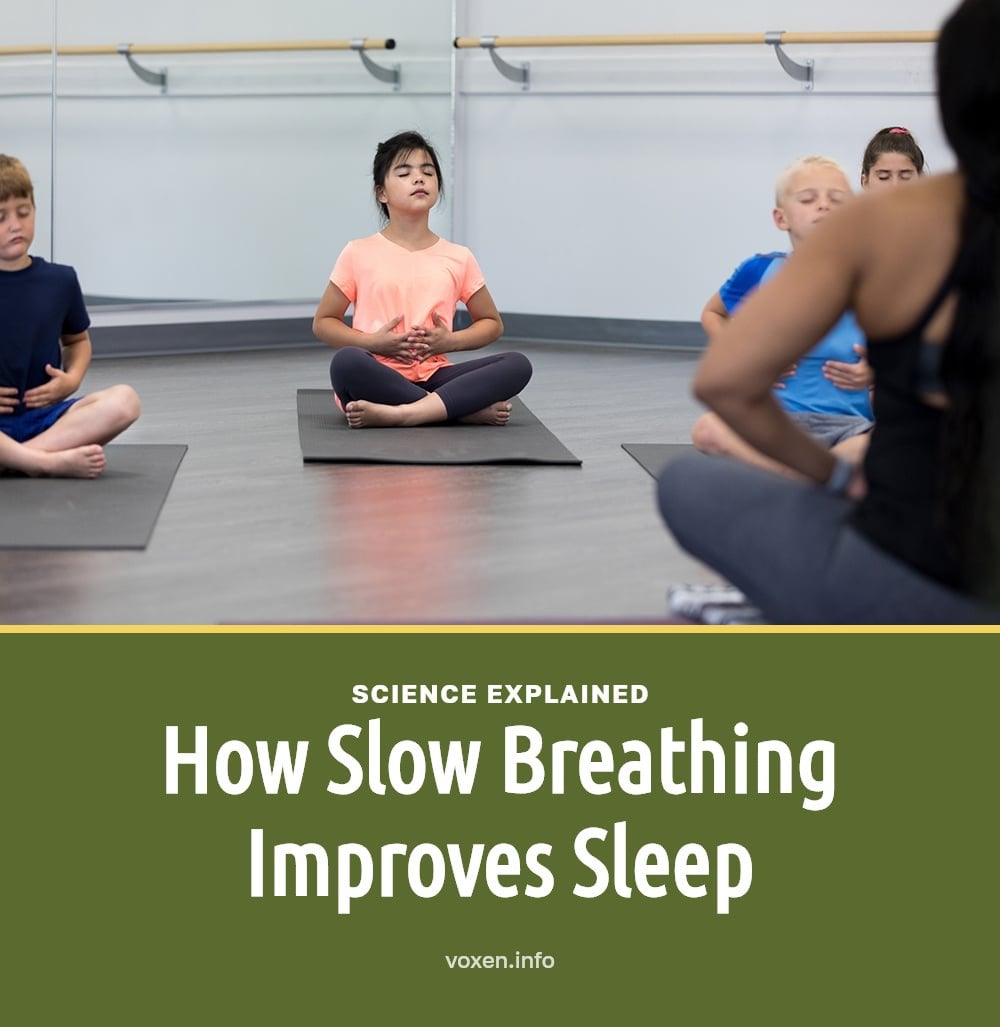
When you breathe slowly and deeply, you stimulate the vagus nerve, the main highway to your parasympathetic nervous system. This triggers the relaxation response that counters stress and anxiety. Diaphragmatic breathing, where your belly rises and falls, allows for deeper, more efficient breaths than shallow chest breathing.
Conscious exhalations are especially powerful. A long, slow exhale signals your brain that it is safe to relax, lowering heart rate and blood pressure. Over time, regular practice can improve heart rate variability, a marker of a resilient nervous system. By reducing the physiological symptoms of anxiety and stress that keep you awake, these exercises help clear the path to sleep.
What You Need for Your Breathing Practice
You do not need any special equipment. A comfortable bed or chair where you can sit or lie with support is enough. An optional pillow under your head or behind your knees can add comfort. Wear loose, comfortable clothing that does not restrict your breathing, especially around your abdomen.
Effective Breathing Techniques for Deeper Sleep
4-7-8 Breathing
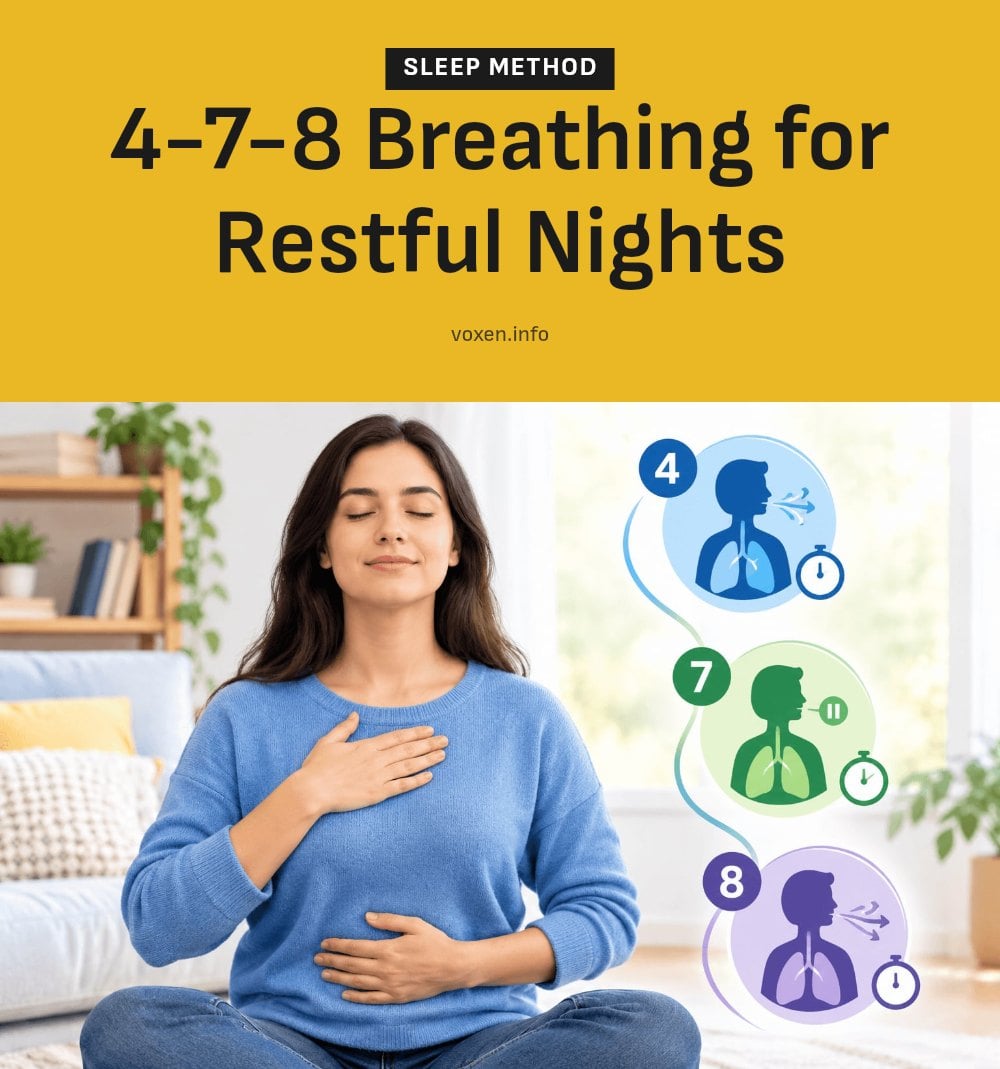
Inhale quietly through your nose for 4 counts. Hold your breath for 7 counts. Exhale completely through your mouth for 8 counts, making a whoosh sound. Repeat this cycle 4-5 times. Caution: If holding for 7 counts feels uncomfortable, shorten the hold to 4 or 5 counts and work up gradually.
Box Breathing
Inhale through your nose for 4 seconds. Hold for 4 seconds. Exhale through your nose for 4 seconds. Hold for 4 seconds. Repeat for 5-10 rounds. This equal-rhythm technique is excellent for calming a racing mind.
Diaphragmatic (Belly) Breathing
Lie on your back with knees bent. Place one hand on your chest and one on your belly. Breathe in deeply through your nose, letting your belly rise while your chest stays still. Exhale fully through your nose, feeling your belly fall. My tip: Practice this for 2-3 minutes before trying other techniques to build awareness of deep breathing.
Mindful Breathing
Sit or lie comfortably. Close your eyes and simply notice the sensation of your breath entering and leaving your nostrils or the rise and fall of your abdomen. Do not try to change your breath. When your mind wanders, gently bring your attention back. This quiets mental chatter without effort.
For all techniques, breathe through your nose. Nasal breathing filters and warms the air, increases nitric oxide production, and promotes a more relaxed state than mouth breathing.
Best Tips for a Successful Breathing Practice
Set yourself up for success by practicing in a quiet, dimly lit room. Lie down in bed or sit in a comfortable chair with good posture, keeping your spine straight. Focus on exhaling completely to release stale air before your next inhale. Breathe deeply into your belly, not just your chest, to fully engage your diaphragm. Consistency matters more than duration, so aim to practice every night before sleep. My tip: combine your breathing with progressive muscle relaxation by tensing and releasing each muscle group as you exhale for deeper overall relaxation.
Common Mistakes to Avoid When Practicing
Breathing too shallowly: Many people only breathe into their chest. Focus on engaging your diaphragm by letting your belly rise with each inhale. Holding tension: Check your shoulders and jaw during practice. Consciously relax them to prevent unnecessary strain. Trying too hard: Let your breath flow naturally. Forcing it can create discomfort and counter the relaxation effect. Expecting immediate perfection: Improvements take time and consistent practice. Do not get discouraged if your mind wanders. Practicing in a distracting environment: Choose a quiet spot free from noise and interruptions to help you stay focused. Ignoring discomfort: Stop if you feel lightheaded or dizzy. Return to normal breathing and try again another time.
How Long Until You See Results and How Often to Practice
Aim for 5 to 20 minutes of breathing exercises each night. Consistent daily practice yields the best results, with many people noticing improvements in sleep quality within a few weeks. Breathing exercises are completely free and require no special tools or costs, making them an accessible addition to your nightly routine.
When to Consult a Healthcare Professional
Stop any breathing exercise immediately if you feel lightheaded, dizzy, or uncomfortable, and consult a doctor if symptoms persist. Individuals with conditions such as severe asthma, COPD, or heart issues should speak with a healthcare professional before starting. Breathing exercises are a complementary practice and should not replace prescribed treatments for sleep disorders or anxiety. If sleep problems continue despite regular practice, seek further evaluation from a healthcare provider.
Frequently Asked Questions
How long does it take for breathing exercises to work for sleep?
Many people notice improvements in sleep quality within a few weeks of consistent nightly practice. Each session can help you feel calmer within minutes, but lasting changes to your sleep patterns typically develop over time with regular use.
Can breathing exercises cure insomnia?
Breathing exercises are a complementary practice that can help reduce stress and promote relaxation, but they are not a cure for insomnia. If you have chronic sleep difficulties, it is important to consult a healthcare professional for a proper evaluation and treatment plan.
Are there any risks to practicing breathing exercises before bed?
Breathing exercises are generally safe, but you should stop if you feel lightheaded, dizzy, or uncomfortable. Individuals with severe asthma, COPD, or heart conditions should speak with a doctor before starting. Never force your breath or hold it to the point of discomfort.
What is the best time to do breathing exercises for sleep?
The best time is just before you plan to sleep, in a quiet, dimly lit environment. Practicing in bed or a comfortable chair helps signal your body that it is time to wind down. Consistency is more important than the exact time of night.
Can children do breathing exercises for sleep?
Yes, children can practice simple breathing exercises for sleep, such as belly breathing or a shortened version of 4-7-8. Keep sessions short (2-5 minutes) and make it a calm, positive experience. For children with medical conditions, consult a pediatrician first.
Final Thoughts
For a simple start, try the 4-7-8 technique tonight: inhale for 4 counts, hold for 7, and exhale for 8. Realistic expectations matter, many people notice better sleep within a few weeks of consistent nightly practice, but it is not a quick fix. Keep your practice gentle and patient, and your body will learn to respond.
This article is for general informational purposes only and does not constitute medical advice. Breathing exercises are a complementary practice and should not replace prescribed treatments for sleep disorders or anxiety. If you have a medical condition or persistent sleep problems, consult a healthcare professional.

