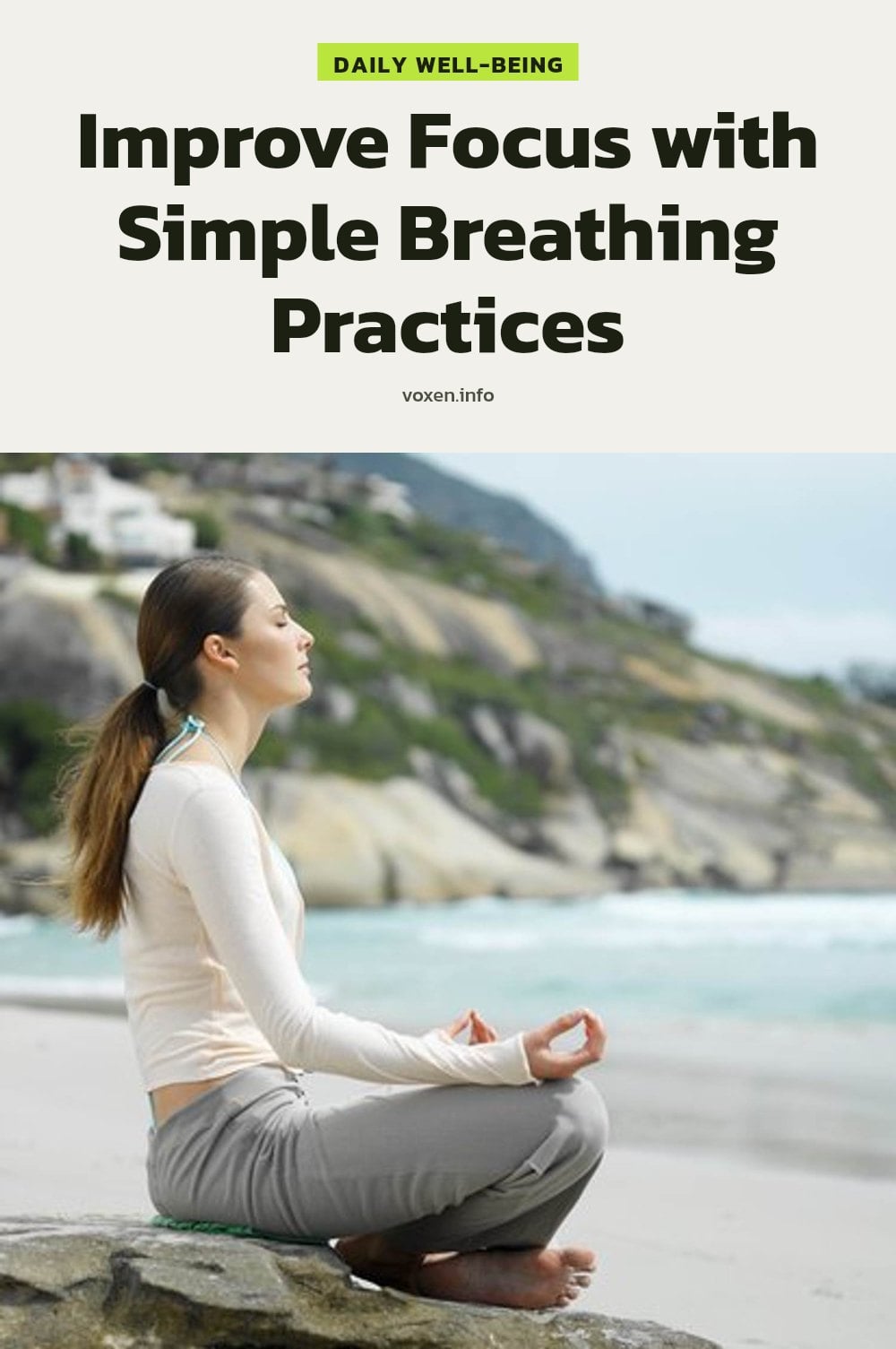
When your mind feels scattered and you can’t seem to focus, a simple shift in your breath can bring you back to center. That’s why I keep a few breathing techniques in my back pocket for those scattered moments. This article covers short, science-backed breathing exercises you can sprinkle into your day to sharpen focus and calm your nervous system, no special equipment needed.
Key Takeaways
- Box breathing (4-4-4-4) is a quick reset for your nervous system before high-focus tasks.
- Even one to five minutes of practice can lower stress and sharpen concentration immediately.
- Exhaling completely is crucial for relaxation and clearing stale air from your lungs.
- Consistency matters more than session length; aim for a few minutes daily over weeks or months.
- Stop and rest if you feel dizzy or lightheaded, and consult a doctor for respiratory or cardiovascular conditions.
Why Conscious Breathing Can Sharpen Your Focus
Consciously controlling your breath signals to your body that it’s safe to relax, which improves mental clarity and concentration. Short, intentional breathing exercises can be integrated throughout the day to combat distractions, manage stress, and bring you back to the present moment. By focusing on your breath, you can stimulate the vagus nerve, promoting relaxation and boosting productivity and well-being.
What You Need for Breathing Exercises
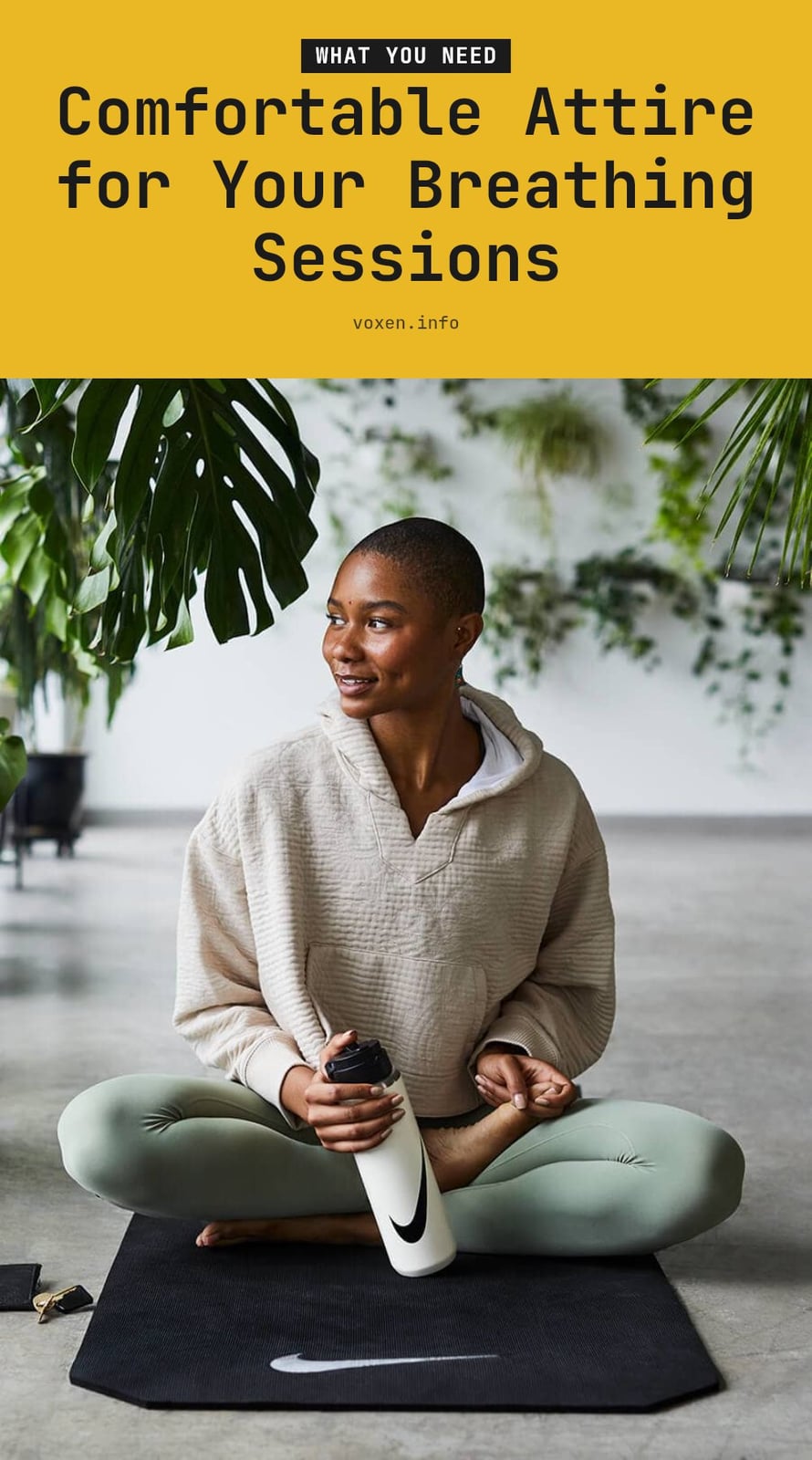
You do not need much to start. Wear comfortable clothing that lets your belly expand fully for diaphragm engagement. Find a quiet space where you can sit without interruptions. A chair or a mat helps you keep a straight spine and a relaxed position.
- Comfortable clothing allows unrestricted movement and full diaphragm engagement.
- A quiet space minimizes distractions so you can concentrate on your breath.
- A chair or mat provides a supportive position for practice.
Simple Breathing Techniques to Boost Focus
Simple Breathing Techniques to Boost Focus
Box breathing: Inhale for a count of four, hold for four, exhale for four, and hold for four. This equal-rhythm pattern resets your nervous system and is a go-to for many people before high-focus tasks. I usually do four or five rounds and feel my shoulders drop each time.
4-7-8 breathing: Inhale through your nose for four seconds, hold for seven seconds, then exhale slowly through your mouth for eight seconds. The long exhale activates the relaxation response. My tip: let your tongue rest on the roof of your mouth just behind your front teeth during the whole cycle.
Alternate nostril breathing: Close your right nostril with your thumb and inhale through the left. Close the left with your ring finger, release the right, and exhale through the right. Inhale through the right, close it, release the left, and exhale through the left. That is one round. This yogic technique balances the nervous system and can sharpen focus within a few minutes.
Mindful breathing: Sit comfortably and simply observe your natural breath. Notice the air entering your nostrils, the rise and fall of your chest or belly, and the pause between cycles. Do not try to change the pace or depth. This anchors you to the present moment and is especially useful when you feel scattered but do not want to follow a structured pattern.
Tip: Try each technique for two or three minutes and notice how your mind and body respond. One may feel more natural than the others, and that is the one to reach for first when you need to refocus.
Common Mistakes When Practicing Breathing
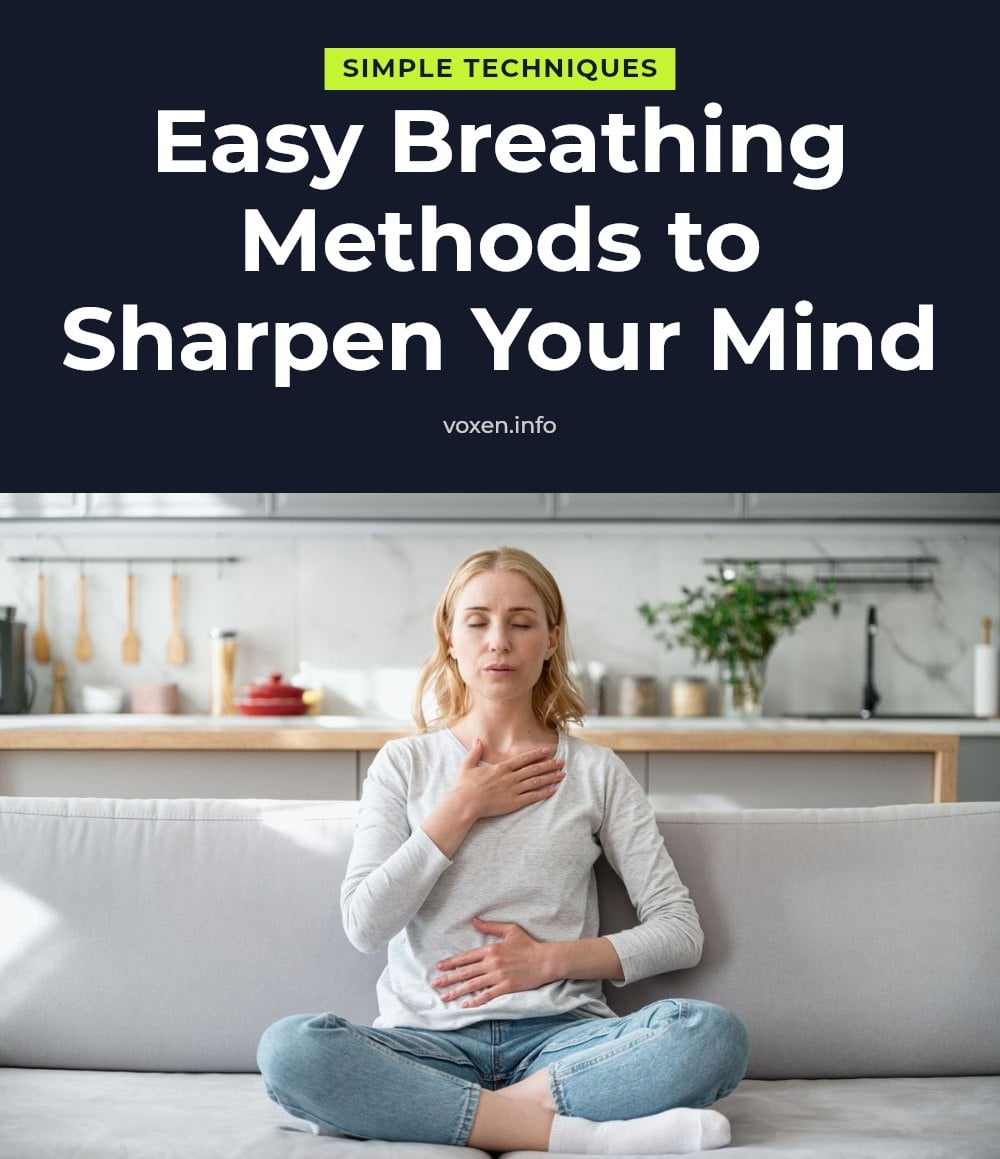
Breathing only from your chest instead of your diaphragm limits the full benefits of deep breathing. My tip: place a hand on your belly and feel it rise as you inhale. Holding tension in your shoulders and neck during exercises counteracts relaxation efforts, consciously drop your shoulders. Rushing through cycles prevents your body from fully engaging in the relaxation response; keep a steady rhythm. Expecting instant, dramatic results often leads to discouragement, consistency is key. Ignoring the exhale means stale air isn’t fully cleared, which is crucial for effective breathing; focus on a complete exhale.
Practical Tips for Integrating Breathing into Your Day
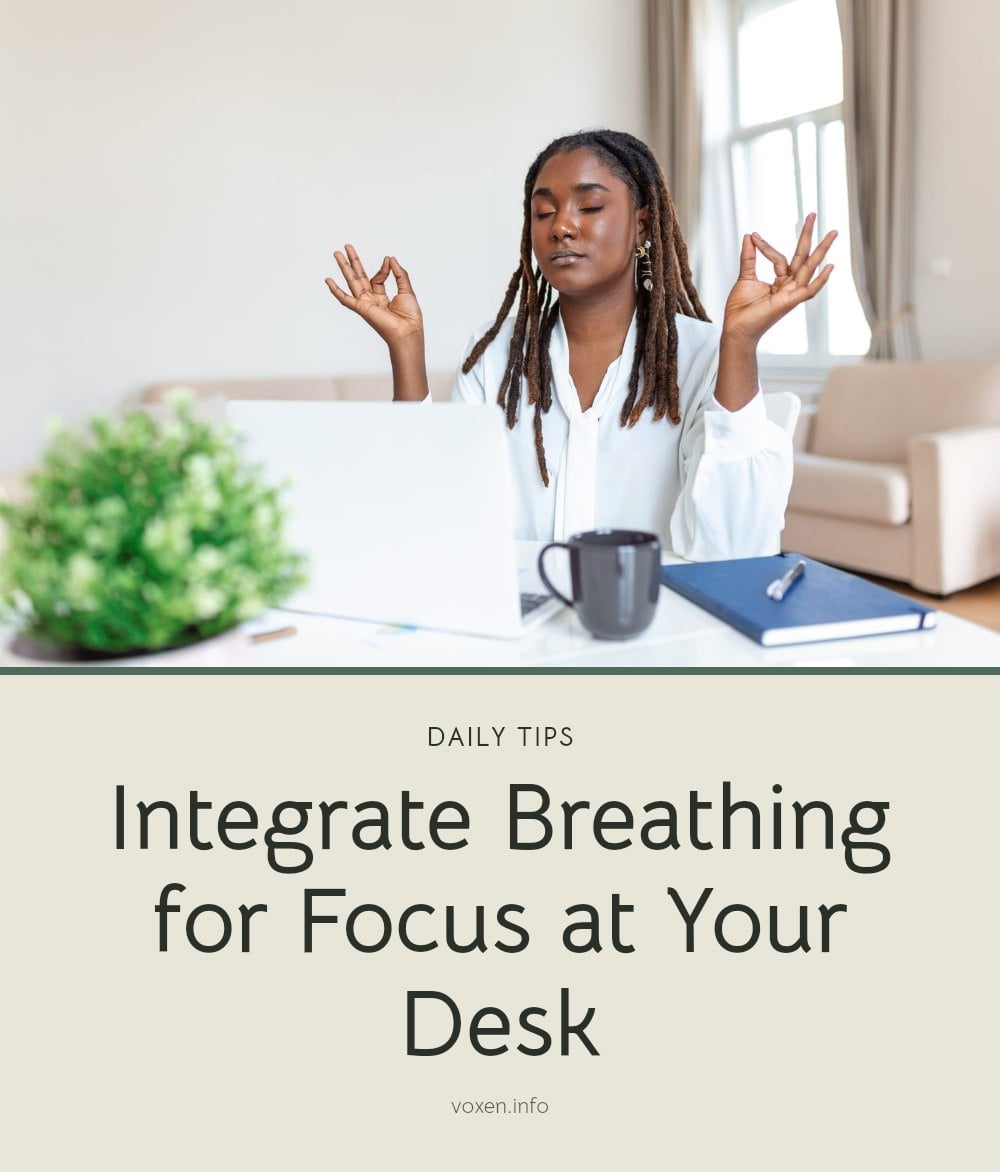
Start small. Even one to five minutes of breathing practice can make a difference, and short sessions are far easier to stick with than long ones. Aim for daily practice over longer sessions a few times a week; consistency matters more than duration.
- My tip: Set a timer for two minutes before a meeting or during a screen break. You will feel more centered without losing much time.
- Experiment with different techniques until one clicks. Box breathing might work for one person, while 4-7-8 works for another.
- Focus on fully exhaling. Clearing stale air makes room for a deeper inhale and helps trigger the relaxation response.
Timeline for Results and Practice Frequency
You can feel benefits immediately. A single round of box breathing or a minute of mindful breathing can lower stress and sharpen focus right then. For lasting changes in how you manage stress and concentrate, practice a few minutes daily over weeks or months.
Breathing exercises are completely free. No equipment, no subscriptions, no special clothing beyond what you already wear.
When to Consult a Healthcare Professional
Stop and rest if you feel dizzy, lightheaded, or any discomfort. These sensations mean your body needs a break. If you have a respiratory or cardiovascular condition, consult a doctor before starting a new breathing practice.
Always listen to your body. Do not push past what feels comfortable or safe. This advice is not a substitute for professional medical guidance.
Frequently Asked Questions
How long does it take to see results from breathing exercises?
You can feel benefits immediately, like a calmer state or sharper focus after a single round. For more lasting changes in how you manage stress and concentration, practice a few minutes daily over weeks or months. Consistency is key.
Can breathing techniques help with anxiety?
Many people find that controlled breathing, especially techniques like 4-7-8 or box breathing, can help calm the nervous system and reduce feelings of anxiety. These exercises stimulate the vagus nerve, which promotes relaxation. For persistent anxiety, consult a mental health professional.
Is it okay to practice breathing exercises while lying down?
Yes, lying down can be a comfortable option, especially for diaphragmatic breathing. It allows your belly to expand fully without restriction. Just keep your spine as straight as possible, and if you feel sleepy, switch to a seated position.
What is the best time of day to do breathing exercises?
There is no single best time. Try them when you need a focus boost, like before a meeting or after lunch. Many people also use them in the morning to start the day calmly or in the evening to unwind. Experiment to see what fits your routine.
Can I do breathing exercises if I have asthma?
Yes, but proceed with caution. Gentle techniques like mindful breathing or slow diaphragmatic breathing may help, but avoid any that involve breath-holding or forceful exhales. Always consult your doctor before starting a new practice, and stop if you feel any discomfort.
Final Thoughts
My tip: pick one technique and try it before your next meeting or during a screen break. Box breathing is my go-to because it’s simple and effective. You’ll feel benefits right away, but for lasting changes in how you manage stress and focus, stick with a few minutes daily over several weeks. A short, consistent practice is the real game-changer.
This article provides general information about breathing techniques and is not a substitute for professional medical advice. If you have a respiratory or cardiovascular condition, or if you experience persistent discomfort, consult a doctor or qualified healthcare provider before starting any new practice.

