If your bunion is making every step uncomfortable, you might be wondering how to find relief without going under the knife. The good news is that many non-surgical approaches can effectively ease bunion pain by reducing pressure on the joint, supporting your foot, and managing inflammation. This article covers the most effective strategies, from choosing the right shoes to using protective pads and simple daily habits.
Key Takeaways
- Wear shoes with a wide, deep toe box to reduce direct pressure on the bunion.
- Use bunion pads or cushions to protect the area from friction inside your shoes.
- Apply ice packs to reduce swelling and inflammation as needed.
- Incorporate gentle foot and toe stretches to maintain flexibility and reduce stiffness.
- Consult a podiatrist if pain becomes severe or interferes with daily activities.
Finding Relief from Bunion Pain Without Surgery
If you have bunions, you don’t have to jump straight to surgery. Non-surgical approaches focus on reducing pressure on the joint, supporting your foot’s natural structure, and managing inflammation. The key strategies are choosing shoes with a wide toe box, using protective pads or cushions, and adding supportive inserts like orthotics. Many people find these methods effectively ease bunion pain and improve their daily comfort and mobility.
Why Bunions Form and Cause Discomfort
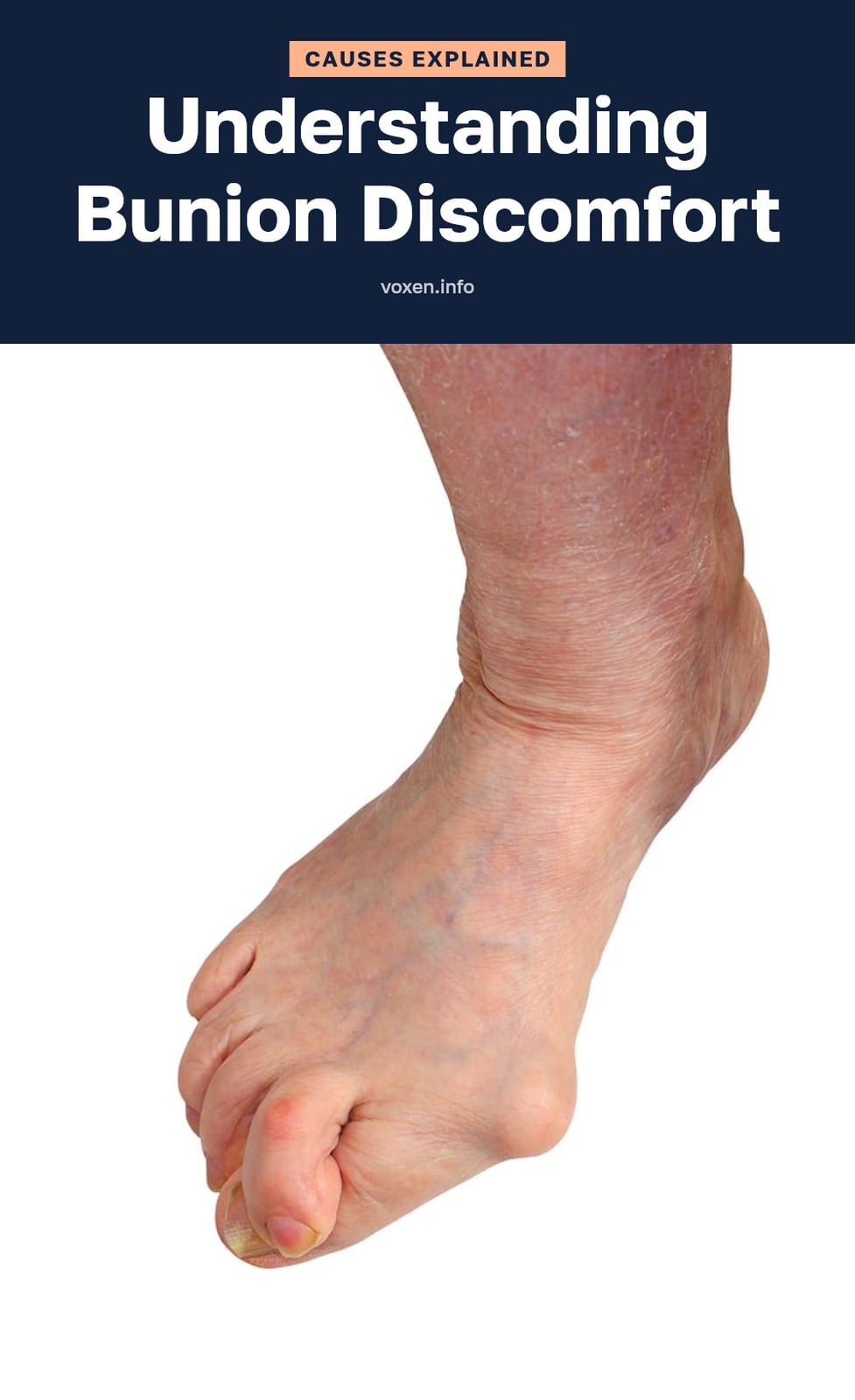
What Is a Bunion?
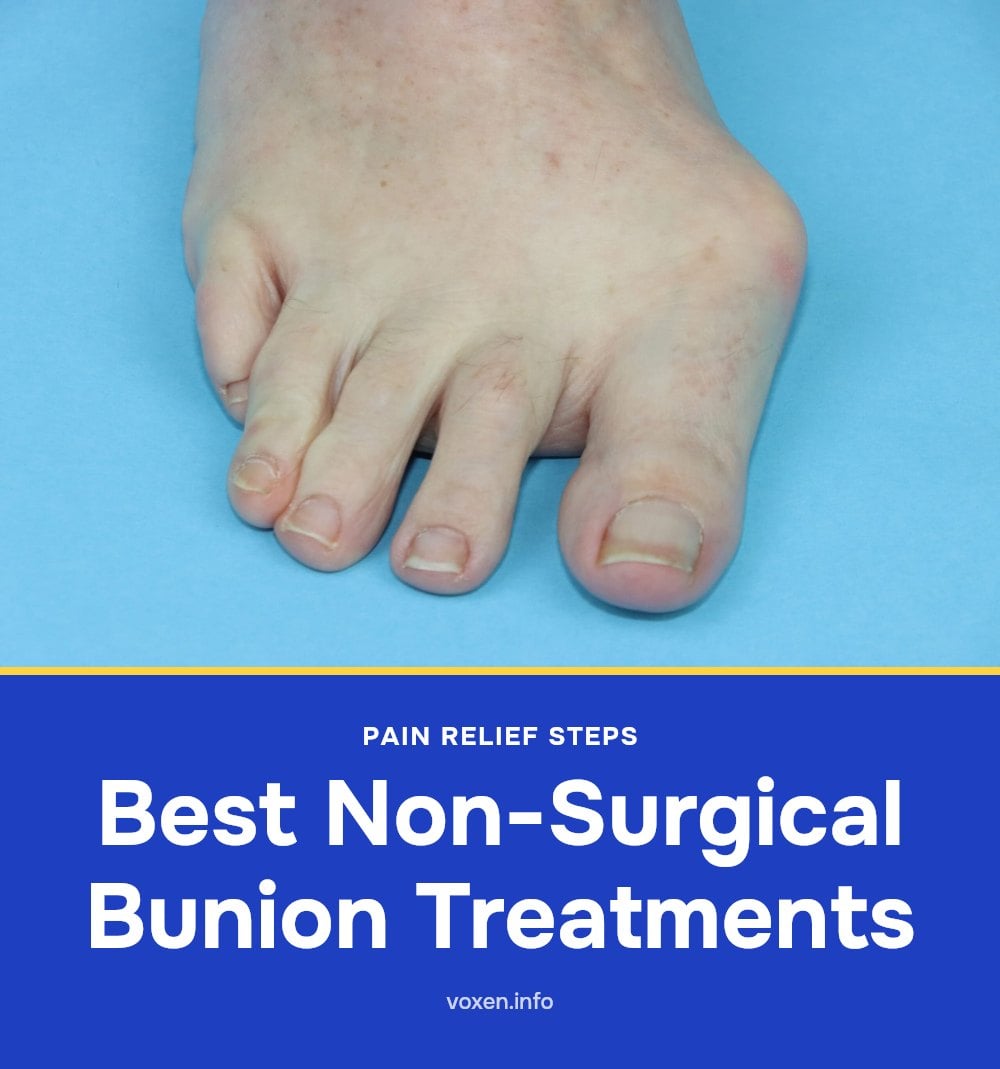
A bunion (hallux valgus) is a bony deformity that forms at the joint at the base of your big toe. The joint sticks out, and the big toe may angle toward the other toes.
Why Bunions Hurt
Bunions cause pain, redness, swelling, and tenderness around the joint. This happens because the bony bump rubs against your shoe, creating pressure and friction. Over time, the joint can become inflamed.
What Makes Them Worse
- Tight or narrow shoes: Squeezing your toes together pushes the big toe out of alignment.
- High heels: They force your weight onto the forefoot, increasing pressure on the bunion.
While genetics play a role, your footwear choices can significantly affect how quickly a bunion develops and how much it hurts.
Effective Non-Surgical Methods to Ease Bunion Pain
Wear Shoes with a Wide Toe Box
This is the most important change you can make. A wide toe box gives your toes room to spread out naturally, reducing direct pressure on the bunion. Look for shoes labeled as wide or extra wide, and avoid pointed toes.
Use Bunion Pads or Cushions
These gel or foam pads stick inside your shoe over the bunion. They create a buffer between the bony bump and the shoe material, cutting down on friction and irritation. Tip: Place the pad directly on the bunion, not on the shoe, for the best fit.
Apply Ice Packs
Ice helps reduce swelling and inflammation after a long day on your feet. Wrap an ice pack in a thin towel and hold it against the bunion for 15 minutes at a time. Caution: Never apply ice directly to skin, as it can cause frostbite.
Try Over-the-Counter Pain Relievers
Nonsteroidal anti-inflammatory drugs (NSAIDs) like ibuprofen or naproxen can ease both pain and inflammation. Always follow the dosage instructions on the label.
Add Orthotic Inserts
Orthotics are shoe inserts that support your arch and help distribute pressure evenly across your foot. They can reduce the stress on your big toe joint. Over-the-counter versions work for many people, but a podiatrist can recommend custom ones if needed.
Use Night Splints or Toe Spacers
Night splints hold your big toe in a straighter position while you sleep. Toe spacers sit between your toes to keep them aligned. Both can help reduce discomfort, especially in the morning. Tip: Start wearing them for short periods to let your foot adjust.
Essential Tools and Materials for Bunion Relief
Having the right tools on hand makes managing bunion pain much easier. Here is what you will need:
- Wide-toed shoes: Give your toes room to avoid pressure on the bunion.
- Bunion pads: Protect the bunion from friction inside your shoes.
- Toe spacers: Help keep your toes aligned and reduce crowding.
- Orthotic inserts: Provide arch support and distribute pressure evenly.
- Ice packs: Reduce swelling and inflammation after activity.
- Over-the-counter pain relievers: Manage discomfort as needed.
Practical Tips for Managing Bunion Discomfort Daily
Small daily habits can make a big difference in bunion comfort. Maintaining a healthy weight reduces the overall stress placed on your feet with every step, which may ease pressure on the joint. Gentle foot and toe stretches, such as curling and spreading your toes or rolling a tennis ball under the arch, can improve flexibility and reduce stiffness.
Caution: Always follow the dosage instructions on any over-the-counter pain reliever you take for bunion discomfort. When using bunion pads, splints, or toe spacers, check that they do not cause skin irritation or cut off circulation. If you notice numbness, tingling, or persistent redness, remove the device and try a different size or style.
Common Mistakes to Avoid When Dealing with Bunions
Certain habits can worsen bunion pain or delay relief. Here are the most common mistakes to avoid:
- Believing bunions will disappear on their own: Bunions are a structural deformity that does not resolve without intervention. Ignoring them often leads to increased pain and progression of the deformity.
- Wearing ill-fitting shoes: High heels and pointed toes crowd the toes and put direct pressure on the bunion. This can exacerbate pain and speed up the bunion’s growth.
- Delaying professional advice for severe pain: If bunion pain interferes with daily activities or becomes persistent, waiting too long to see a doctor may limit your non-surgical options.
- Assuming surgery is the only solution: Many people think surgery is inevitable, but a wide range of non-surgical methods, from proper footwear to orthotics and stretches, can effectively manage symptoms for years.
Preventing Bunion Progression and Future Pain
Preventing bunions from worsening comes down to consistent, proactive habits. Choose footwear with a wide, deep toe box: This gives your toes room to sit naturally and avoids compressing the bunion. Use supportive devices regularly: Orthotic inserts and toe spacers can maintain proper foot alignment and reduce strain on the joint over time.
Continue gentle foot and toe stretches: Daily stretching helps keep the joint flexible and may slow stiffness. Monitor your foot health: Address any new discomfort or changes early, catching pressure points before they cause pain can prevent the bunion from progressing further.
When to Consult a Doctor or Podiatrist for Your Bunion
While many bunions can be managed at home, certain signs require a doctor’s attention. If your bunion pain becomes severe, persists despite home care, or interferes with walking and daily activities, seek professional help. Signs of infection: Consult a doctor immediately if you notice increased redness, warmth around the joint, swelling that worsens, or any discharge or pus. A podiatrist can offer personalized advice, prescribe stronger treatments if needed, and discuss options beyond what home care can provide.
Frequently Asked Questions
Can bunions go away on their own?
No, bunions are a structural deformity of the joint and will not resolve without intervention. However, non-surgical methods like proper footwear, padding, and exercises can help manage pain and slow progression.
How long does it take to get relief from bunion pain?
Relief can vary. Some people feel immediate improvement when they switch to wide-toed shoes and use bunion pads. For others, consistent use of supportive devices, stretches, and lifestyle changes may take several weeks to months to noticeably reduce discomfort.
Are bunion correctors effective?
Bunion correctors, such as night splints and toe spacers, may help realign the big toe and reduce discomfort, especially at rest. They are not a cure, but many people find them helpful as part of a broader management plan. Results vary, so it is best to consult a podiatrist for personalized advice.
What kind of exercises are good for bunions?
Gentle foot and toe stretches can help maintain flexibility and reduce stiffness. Examples include curling and spreading your toes, and gently stretching the big toe. Stop any exercise that causes increased pain, and consider asking a physical therapist for guidance.
When should I consider surgery for a bunion?
Surgery is typically considered when bunion pain becomes severe, persists despite non-surgical treatments, or significantly interferes with walking and daily activities. A podiatrist or orthopedic surgeon can evaluate your specific case and discuss whether surgery is appropriate for you.
Final Thoughts
For lasting relief, start with the most impactful change: switch to shoes with a wide toe box and add protective pads. Realistic expectations matter here. Some relief can be immediate with better footwear, but consistent use of supportive devices and exercises may take several weeks or months to show full benefits. Stick with these habits, and you can manage bunion discomfort without rushing into surgery.
This article is for general informational purposes only and does not constitute medical advice. Bunion pain can vary in severity, and individual results from non-surgical methods may differ. Always consult a podiatrist or healthcare professional for a proper diagnosis and treatment plan tailored to your condition.

