If you’re feeling completely drained, disconnected from things you used to enjoy, and like nothing you do matters, you might be dealing with burnout. It’s more than just being tired; it’s a state of emotional, physical, and mental exhaustion that needs a gentle, intentional approach to recover. This article lays out a simple four-week plan to help you slowly rebuild your energy and sense of well-being, starting with rest and moving toward reconnecting with what brings you joy.

Key Takeaways
- Burnout involves exhaustion, cynicism, and reduced accomplishment; recovery is gradual, not instant.
- Week 1 focuses on deep rest and sleep of 7-9 hours per night.
- Set clear boundaries between work and personal time to protect your energy.
- Reconnect with hobbies and light physical activity to combat detachment.
- Seek professional support if symptoms are severe or persistent.
What is Burnout and How Does It Affect You?
Burnout is a state of emotional, physical, and mental exhaustion that goes far beyond ordinary tiredness. It is characterized by three main dimensions: overwhelming fatigue, cynicism or detachment from your job, and a reduced sense of personal accomplishment. The World Health Organization classifies burnout as an occupational phenomenon resulting from chronic workplace stress that hasn’t been successfully managed, not a medical condition. Symptoms can be physical, like frequent illness or headaches; emotional, such as self-doubt and detachment; and behavioral, including withdrawal from responsibilities and procrastination. If this sounds familiar, you’re not alone, and recovery is possible.
Understanding the Root Causes of Burnout
Understanding what drives burnout helps you address it effectively. Common causes often overlap and compound each other.
Key Factors That Contribute to Burnout
- Unmanageable workload: When demands consistently exceed your capacity, exhaustion builds.
- Lack of control: Feeling you have no say in how, when, or what you do at work erodes motivation.
- Insufficient rewards: Not enough recognition, compensation, or satisfaction for your effort can leave you feeling undervalued.
- Breakdown of community: Poor relationships or isolation at work removes a crucial support buffer.
- Unfairness: Perceived inequity in treatment, workload, or opportunities fuels resentment and disengagement.
- Conflicting values: When your personal ethics clash with workplace expectations, it creates inner turmoil.
Recognizing which factors are at play in your life is the first step toward making meaningful changes.
Essential Tools for Your Burnout Recovery Journey
Having a few simple tools on hand can make your recovery journey smoother. You don’t need anything fancy, just items that support rest, movement, and reconnection.
- Journal or planner: Track your feelings, progress, and small wins to see how far you’ve come.
- Comfortable walking shoes: Gentle daily walks reduce stress and improve mood without adding pressure.
- Meditation app or guide: Even 10 minutes of mindfulness helps calm your nervous system.
- Healthy snacks: Nuts, fruit, or yogurt provide steady energy and stabilize blood sugar.
- Books or materials for hobbies: Reconnecting with a creative outlet fights cynicism and brings back joy.
- Water bottle: Consistent hydration supports physical recovery and mental clarity.
Keep these items accessible so you can use them without extra effort.
Your Four-Week Gentle Burnout Recovery Plan
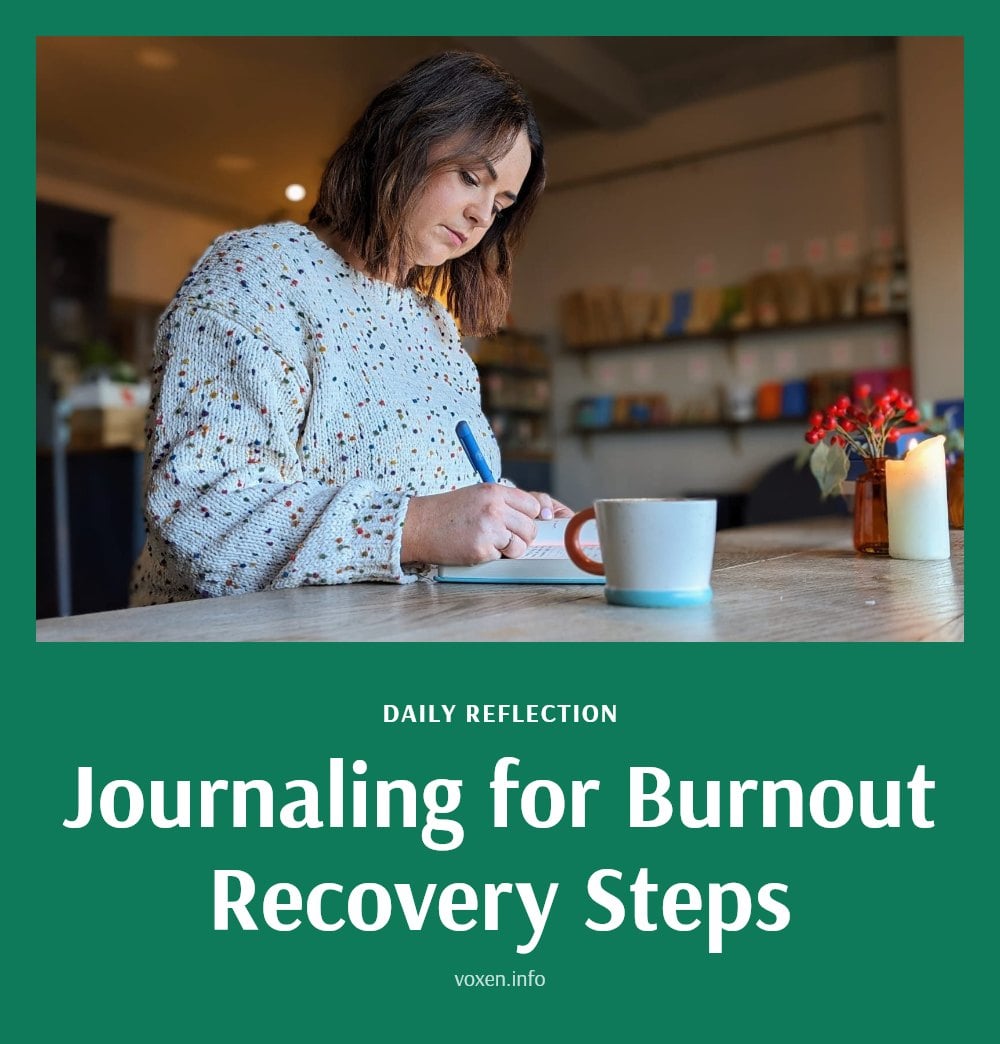
Recovery from burnout is a gradual process, not a quick fix. This four-week plan is designed to be gentle and build momentum over time.
- Week 1: Prioritize Rest and Reconnection Focus on deep rest. Aim for 7-9 hours of sleep each night and take short, gentle walks. Limit screen time, especially work emails and social media. Re-engage with a hobby you used to enjoy, even for 15 minutes. Rest is your foundation.
- Week 2: Establish Boundaries and Say ‘No’ Start setting clear work-life boundaries. Turn off notifications after a set hour. Practice delegating tasks at work and at home. Politely decline new commitments that aren’t essential. Dedicate specific time each day to self-care, no exceptions.
- Week 3: Re-engage with Joy and Purpose Actively seek activities that bring you genuine joy outside of work. Spend at least 20 minutes in nature each day. Reconnect with supportive friends or family members. Focus on small accomplishments that feel meaningful to you.
- Week 4: Integrate Sustainable Habits Solidify your new routines for sleep, movement, and stress management. Reflect on what has helped most and what you can carry forward. Create a simple plan for long-term prevention, like weekly check-ins with yourself. Celebrate the progress you’ve made.
Be patient with yourself. Small, consistent steps lead to lasting change.
Common Burnout Recovery Mistakes to Avoid
Recovering from burnout is tricky because some well-intentioned habits can backfire. Here are the most common mistakes I see, and how to avoid them.
- Ignoring Early Signs: Don’t brush off that persistent exhaustion or growing detachment as ‘just stress.’ Address those feelings proactively before they deepen.
- Pushing Through Exhaustion: Trying to ‘power through’ burnout only drains your reserves further. Rest is not optional; it is the foundation of recovery.
- Failing to Set Boundaries: Without clear limits, especially with work, burnout can easily return. Practice saying ‘no’ to new commitments during this time.
- Expecting Instant Recovery: Burnout develops over time, and recovery is gradual. Be patient with yourself and celebrate small wins like a full night’s sleep or a short walk.
- Isolating Yourself: Withdrawing from others can worsen feelings of cynicism and hopelessness. Seek support from friends, family, or a professional instead.
Building Resilience to Prevent Future Burnout
Once you’ve started feeling better, building resilience helps protect against future burnout. These habits keep your energy tank full.
- Consistent Self-Care: Make sleep and nutritious meals non-negotiable. Treat them as essential maintenance, not luxuries.
- Maintain Boundaries: Regularly review your work-life limits. Enforce them even when it feels uncomfortable.
- Delegate and Prioritize: Don’t take on more than you can realistically handle. Learn to say ‘no’ effectively, and delegate tasks when possible.
- Stay Connected: Nurture your social relationships and engage in community activities. Connection counteracts cynicism.
- Regular Reflection: Periodically check in with yourself about your energy levels and emotional state. A quick journal entry each week can catch warning signs early.
When to Seek Professional Support for Burnout
While many people recover from burnout with self-help strategies, some situations call for professional support. Seek help if:
- Symptoms are severe or persistent, significantly impacting your daily life.
- You experience thoughts of self-harm or hopelessness.
- You suspect an underlying medical condition might be contributing to your fatigue.
- Self-help strategies haven’t shown improvement after consistent effort.
A mental health professional can provide tailored strategies and support. They can also help rule out other conditions that may mimic burnout.
Burnout Recovery: What to Expect for Timeline and Cost
Recovery from burnout is gradual, but knowing what to expect helps you stay patient.
- Timeline: Noticeable improvements often appear within four weeks of consistent effort. Full recovery can take weeks to several months, depending on severity and lifestyle changes.
- Cost: Many effective strategies are low-cost or free: rest, nature walks, gentle exercise, and reconnecting with hobbies. Professional support like therapy or coaching involves fees, which vary by provider and insurance coverage.
Frequently Asked Questions
How long does it take to recover from burnout?
Recovery is gradual. Many people notice improvements within four weeks of consistent effort, but full recovery can take weeks to several months depending on the severity and the lifestyle changes you make. Be patient and focus on small, sustainable steps.
Can burnout lead to other health problems?
Yes, chronic burnout can contribute to physical issues like frequent illness, headaches, and changes in sleep or appetite. It can also affect mental health. If you’re concerned about underlying medical conditions, it’s a good idea to consult a doctor to rule out other causes.
What’s the difference between stress and burnout?
Stress usually involves feeling overwhelmed but still engaged, while burnout is characterized by detachment, cynicism, and a sense of ineffectiveness. Stress can feel like too much pressure, but burnout feels like emptiness and a lack of motivation.
How can I prevent burnout from returning?
Building resilience is key. Make consistent self-care a priority, maintain clear work-life boundaries, and regularly check in with yourself. Reconnecting with hobbies and social activities that bring you joy can also help protect against future burnout.
What are the main signs of burnout?
The main signs include overwhelming exhaustion, cynicism or detachment from your job or daily life, and a reduced sense of personal accomplishment. You might also notice physical symptoms like chronic fatigue, changes in sleep, or frequent illness.
Final Thoughts
The key is to start small and be patient with yourself. Focus on just one or two changes this week, like getting your sleep on track or taking a short walk outside. Realistic expectation: you may notice small improvements within four weeks, but full recovery can take months, and that’s okay. Remember, healing isn’t linear, so give yourself grace along the way.
This article is for informational purposes only and is not a substitute for professional medical or mental health advice. If you are experiencing severe symptoms, thoughts of self-harm, or suspect an underlying condition, please consult a doctor or mental health professional.

