Calluses are your body’s natural armor, but that doesn’t mean you have to live with rough, thickened skin on your hands or feet. Whether they come from your workout routine, your favorite shoes, or daily tasks, gentle care can make a big difference. This article covers what calluses are, why they form, and the safest ways to soften and prevent them at home.
Key Takeaways
- Soak callused skin in warm water for 10-20 minutes before gently filing with a pumice stone or foot file.
- Moisturize daily with a rich cream or lotion, especially after bathing, to keep skin supple.
- Wear well-fitting shoes and use protective gloves during repetitive hand activities to prevent friction.
- Never cut or shave calluses with sharp objects; this can lead to cuts and infection.
- Consult a doctor before treating calluses if you have diabetes, poor circulation, or nerve damage.
What Are Calluses and Why Do They Form?
Calluses are patches of thickened, hardened skin that form as a natural protective response to repeated friction or pressure. You’ll most often find them on the palms of your hands and the soles of your feet. They differ from corns in that calluses are larger, shallower, and lack a central core, while corns are smaller, deeper, and typically appear on non-weight-bearing areas or between toes.
The Real Reasons You Get Calluses

Repeated friction or pressure is the main cause of callus formation. Your body responds by piling up layers of dead skin cells that harden and thicken to shield the underlying tissue.
Common triggers
- Weightlifting or manual labor: Gripping tools or weights repeatedly presses on your palms.
- Ill-fitting shoes: Tight or loose footwear rubs against your feet with every step.
- Prolonged standing: Constant pressure on the soles, especially on hard floors, encourages thickening.
Activities like gardening, running, or playing a musical instrument can also create calluses in specific spots. The skin is simply doing its job, but when the friction doesn’t stop, the callus can become uncomfortable.
Your At-Home Callus Care Kit

Having the right supplies makes gentle callus care much easier. Here’s what you need:
- Warm water: Soaking softens the skin so you can work on it safely.
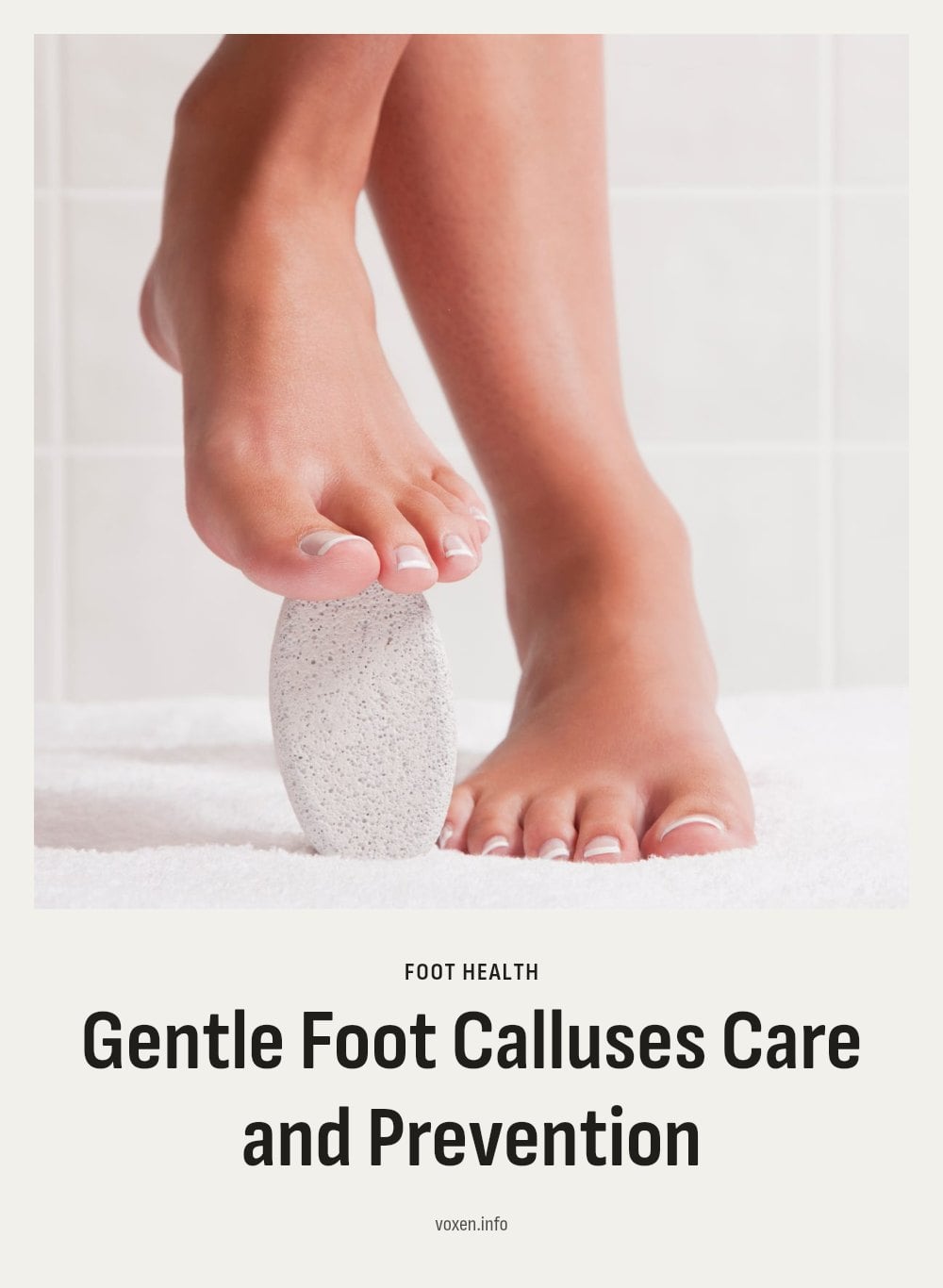
- Pumice stone or foot file: Use this for gentle exfoliation after soaking.
- Moisturizing cream or lotion: Daily application keeps skin supple and reduces hardening.
- Protective gloves: Wear them during gardening, weightlifting, or any friction-heavy task.
- Well-fitting shoes and socks: Proper footwear prevents pressure points on your feet.
Gentle Methods for Removing Calluses

Start by soaking the callused area in warm water for 10-20 minutes. This softens the dead skin, making it easier to remove without damaging the healthy layers underneath.
After soaking, gently file the callus with a pumice stone or foot file. Move in one direction only, not back and forth, to avoid irritation. Stop if you feel pain or see redness.
Over-the-counter salicylic acid products can help break down calluses, but use them with caution. Caution: If you have diabetes, poor circulation, or nerve damage, consult a doctor before using salicylic acid, as it can cause burns or infections.
Finish by applying a rich moisturizing cream or lotion. Regular moisturizing helps reduce existing calluses and prevents new ones from forming. For best results, do this daily, especially after bathing.
Common Callus Care Mistakes to Avoid
Mistake 1: Cutting or shaving calluses. Never use razor blades, scissors, or other sharp objects on calluses. This can cause cuts, bleeding, and serious infections. Stick to gentle filing after soaking.
Mistake 2: Ignoring the cause. Removing a callus without addressing the friction that created it means it will come back. Check your shoes, your workout routine, or your grip on tools.
Mistake 3: Skipping moisturizer. Daily moisturizing keeps skin supple and reduces the chance of hard patches forming. Apply a rich cream after every bath or shower.
Mistake 4: Misusing salicylic acid. These products can help break down calluses, but they can also irritate healthy skin. Consult a doctor before using them if you have diabetes or poor circulation.
Keeping Calluses Away: Long-Term Prevention Strategies
Preventing calluses is easier than treating them. Here are the strategies that work for me.
- Wear proper shoes: Choose footwear with good cushioning and support. Avoid shoes that rub or pinch your toes.
- Use protective gloves: For gardening, weightlifting, or any repetitive hand work, gloves reduce friction and pressure on your palms.
- Moisturize daily: Apply a rich cream to hands and feet every day, especially after washing. This keeps the skin flexible.
- Inspect your feet regularly: Check for early signs of calluses, redness, or cracks. If you have diabetes or poor circulation, make this a weekly habit.
When to See a Doctor for Your Calluses
Most calluses are harmless, but some situations require a doctor’s help. See a podiatrist or your primary care provider if you have diabetes, poor circulation, or nerve damage before starting any treatment. Also seek medical attention if a callus becomes painful, red, warm, swollen, or shows signs of infection like pus. If you are unsure whether a skin spot is a callus or something else, do not self-treat. A professional can give you a safe diagnosis and treatment plan.
Frequently Asked Questions
What is the difference between a callus and a corn?
Calluses are larger patches of thickened, hardened skin that form on weight-bearing areas like the palms and soles. Corns are smaller, deeper, and often have a central core. They usually develop on non-weight-bearing spots, such as between toes or on the tops of feet. Treating them the same way isn’t always effective, so it helps to know which one you have.
Can calluses be completely cured?
Calluses can be softened and reduced significantly with regular care, but they may not disappear entirely if the friction or pressure continues. Since they are a protective response, managing the underlying cause is key. With consistent moisturizing and proper footwear or gloves, you can keep them minimal and comfortable.
How often should I file my calluses?
Filing once or twice a week is usually enough for most people. Over-filing can irritate the skin and lead to soreness. Always soak first to soften the skin, then file gently in one direction. If you notice redness or tenderness, give your skin a break and focus on moisturizing instead.
Are there natural remedies for calluses?
Some people find that soaking in warm water with Epsom salts or applying natural oils like coconut or olive oil helps soften callused skin. These methods can complement your routine but are not a substitute for gentle exfoliation and daily moisturizing. Results vary, and consistency is more important than any single remedy.
Can calluses indicate a more serious health issue?
In most cases, calluses are harmless. However, if you have diabetes, poor circulation, or nerve damage, calluses can increase the risk of complications like ulcers or infections. Painful, inflamed, or infected calluses should always be checked by a doctor. Regular foot inspections are a good habit for anyone with these conditions.
Final Thoughts
Consistent, gentle care is the most effective way to manage calluses. Soak, file, and moisturize regularly, and you should see improvement within days to weeks. Remember to address the root cause, whether that means better shoes or gloves, to keep calluses from coming back. With patience and the right routine, your hands and feet can feel comfortable and smooth again.
This article is for informational purposes only and does not constitute medical advice. If you have diabetes, poor circulation, nerve damage, or a persistent or painful callus, consult a doctor or podiatrist before starting any treatment. Always stop if you experience pain, bleeding, or signs of infection.

