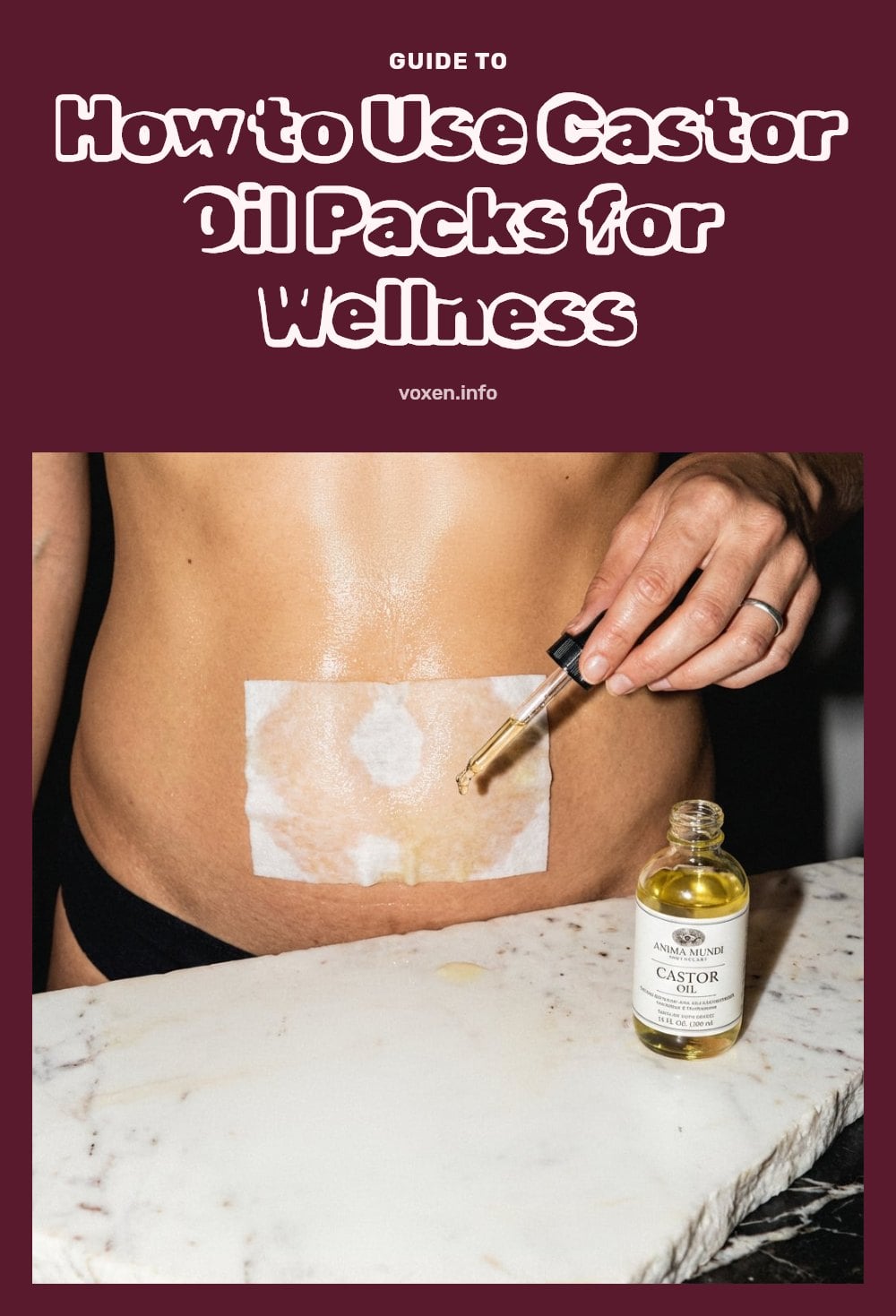
You’ve probably seen castor oil packs mentioned in natural wellness circles, and maybe you’re wondering if they’re worth the hype. In short, a castor oil pack is a simple, at-home practice where you apply castor oil to your skin, cover it with a cloth, and add gentle heat. This article walks you through the step-by-step setup, safety tips, and common mistakes to avoid so you can try this traditional remedy with confidence.
Key Takeaways
- Use organic, cold-pressed, hexane-free castor oil for purity and effectiveness.
- Apply the pack to clean, dry skin and leave it on for 45 to 90 minutes.
- Always protect surfaces with plastic wrap or an old towel to prevent permanent stains.
- Drink water before and after each session to support your body’s natural detox processes.
- Consult a healthcare provider before use if pregnant, breastfeeding, or on medications.
What Are Castor Oil Packs and How Do They Work?
A castor oil pack is a traditional remedy where you apply castor oil to your skin, cover it with a cloth, and add heat. The practice is believed to support detoxification, reduce inflammation, and improve circulation, though scientific evidence is limited. The primary active compound, ricinoleic acid, is thought to be absorbed through the skin, potentially offering therapeutic benefits.
1. Gather Your Materials
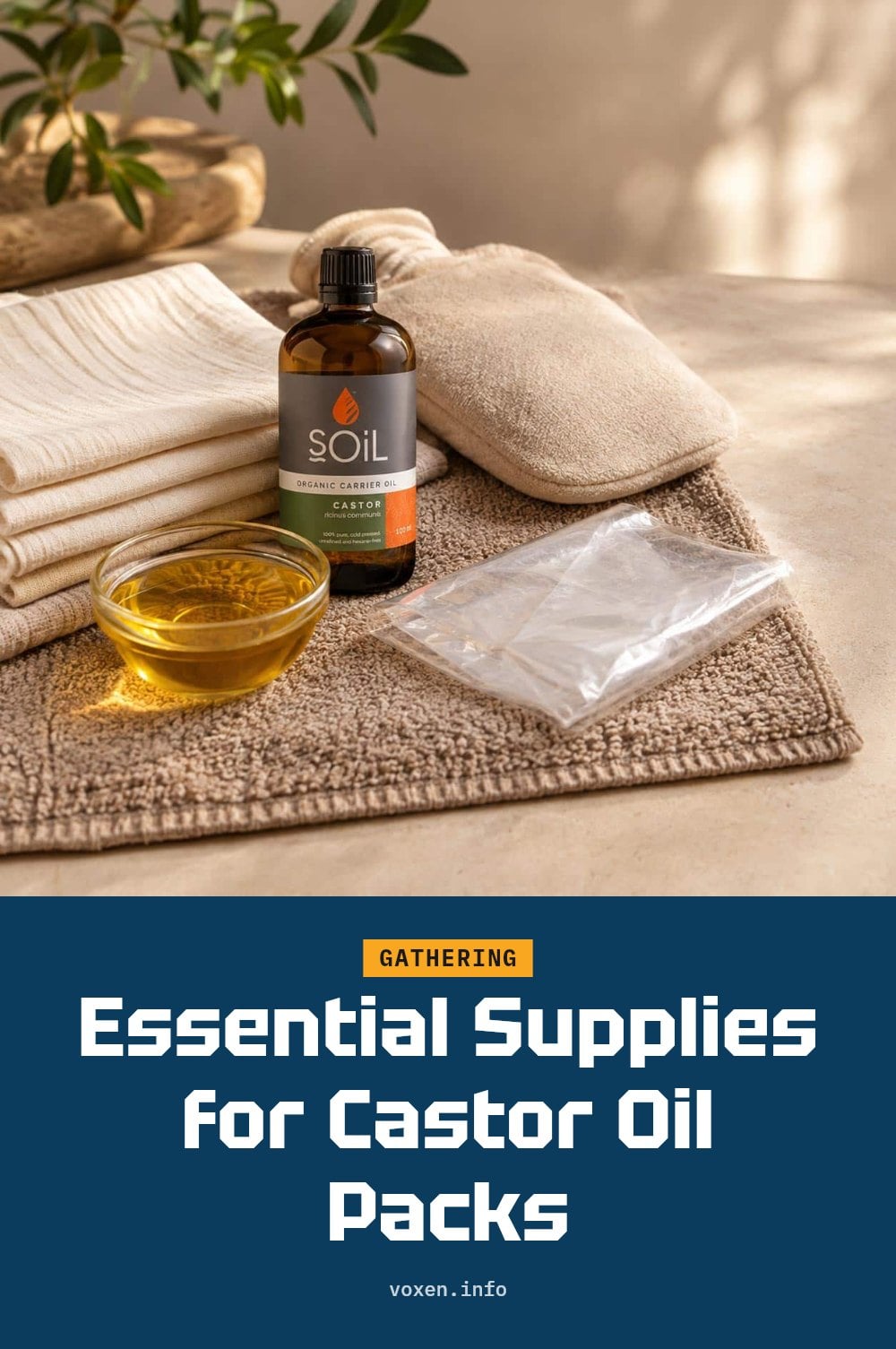
Start with organic, cold-pressed, hexane-free castor oil for purity. You will also need:
- Thick flannel or cotton cloth: Ideal for soaking and holding the oil without dripping.
- Plastic wrap or an old towel: Protects surfaces from oil stains.
- Hot water bottle or heating pad: Provides the gentle warmth that enhances absorption.
2. Prepare Your Skin
Always start with clean, dry skin to ensure proper absorption of the castor oil. Gently wash the area where you plan to apply the pack with mild soap and water. Pat your skin completely dry before proceeding to the next step.
3. Saturate the Cloth
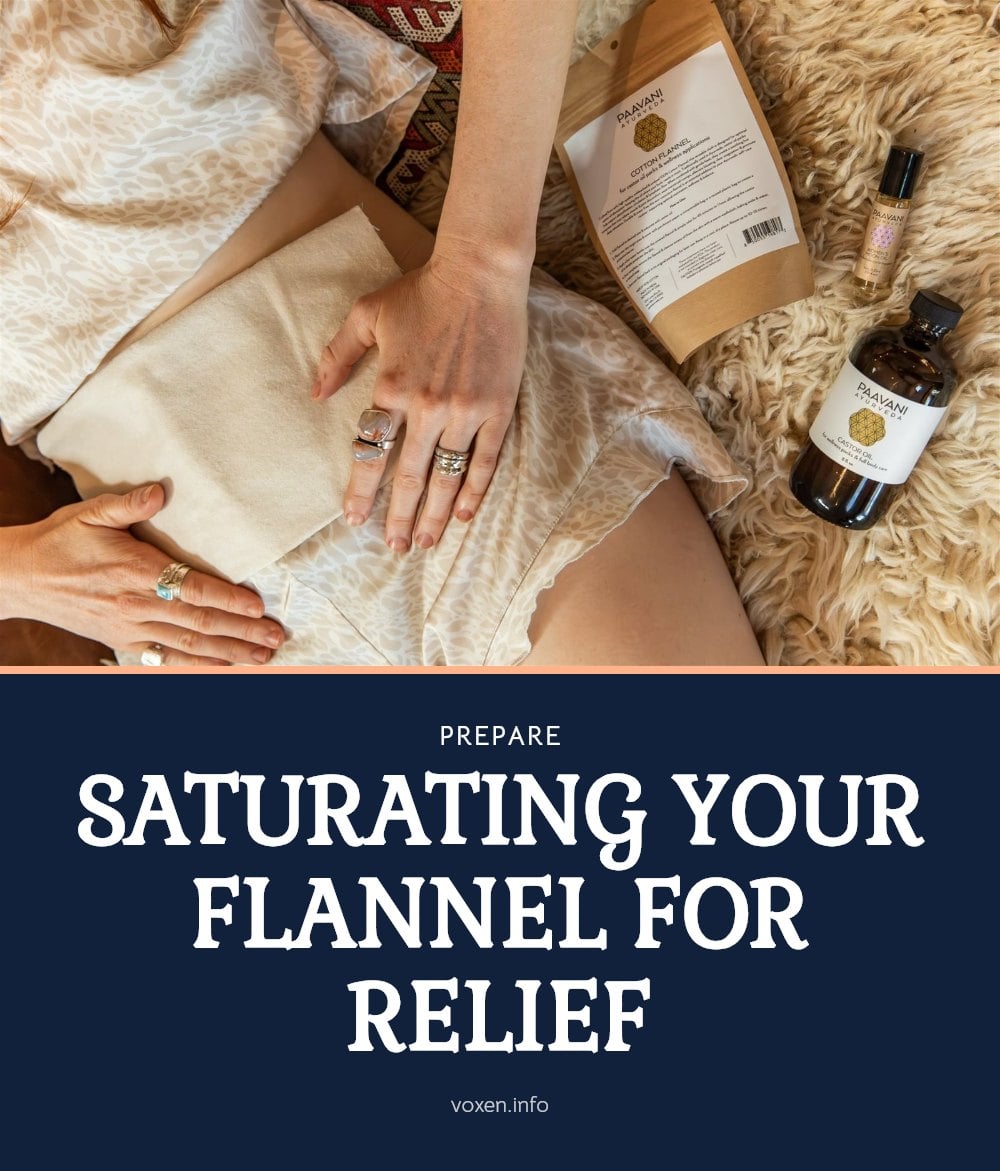
Pour a generous amount of organic, cold-pressed, hexane-free castor oil directly onto your flannel or cotton cloth. You want the cloth thoroughly moistened so it covers the target area effectively, but not dripping so much that it runs off your skin. Tip: If the cloth is too wet, let the excess drip back into the bottle before applying.
4. Apply the Pack to Your Body
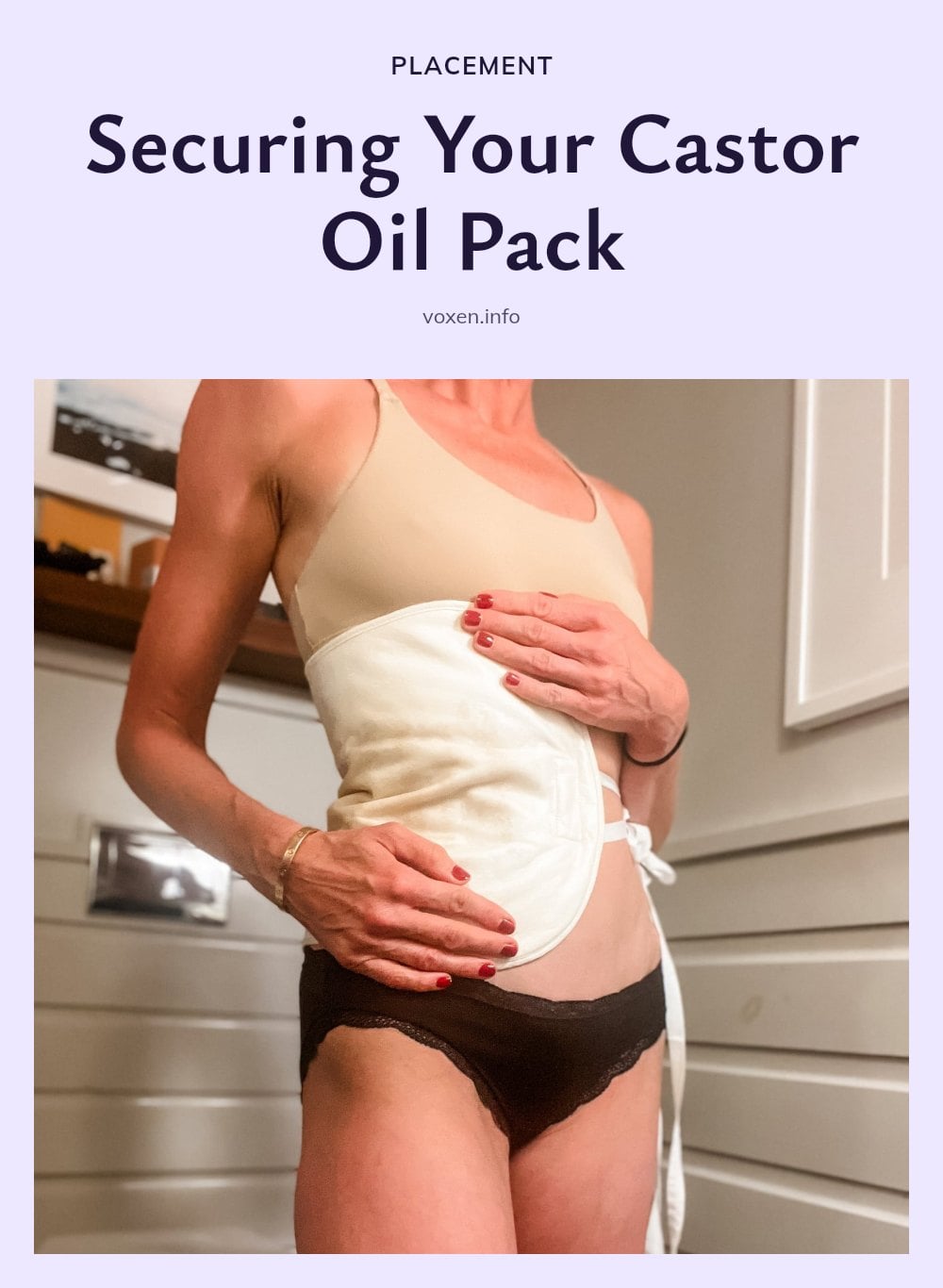
Place the oil-soaked cloth directly onto the area you want to treat. The most common spots are over the liver, which is the upper right side of your abdomen, or over the intestines, which is the lower abdomen. You can also apply the pack to joints like knees or shoulders, or anywhere you feel tension or discomfort. Make sure the cloth lies flat and covers the entire area evenly.
5. Cover and Apply Heat
Cover the oil-soaked cloth with a layer of plastic wrap or an old towel. This step is essential because castor oil can permanently stain fabrics and furniture. Then place a hot water bottle or heating pad over the covered pack. The gentle heat helps open your pores and enhances the absorption of the oil into your skin, making the treatment more effective.
6. Relax and Let It Work
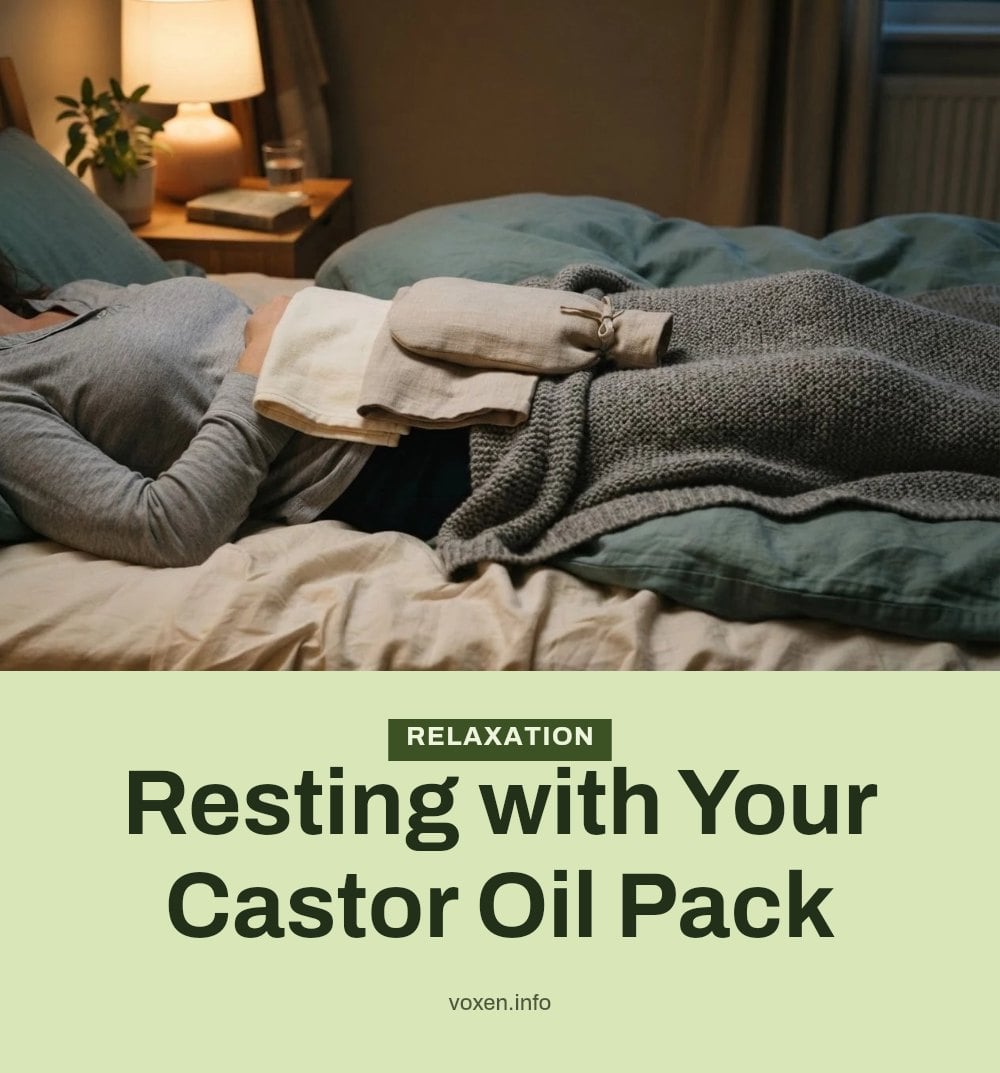
Leave the castor oil pack on for 45 to 90 minutes. This is your time to relax, read, meditate, or simply rest. The warmth and oil work best when you are calm and still. Consistency is key, so aim to use the pack 3 to 4 times a week as part of your regular wellness routine.
7. Clean Up After Use
After removing the pack, gently wipe any excess castor oil from your skin with a soft cloth. For a more thorough cleanse, wash the area with mild soap and water or a baking soda solution. Make sure your skin is completely clean and dry before dressing to avoid oil stains on your clothes.
8. Store Your Pack for Reuse
Don’t throw away your oil-soaked cloth after one use. Fold it neatly and place it in a sealed container or zip-top bag to prevent contamination and drying out. Store the container in the refrigerator to keep the cloth fresh and ready for your next session. This practice saves oil and material over time.
9. Stay Hydrated
Drink a full glass of water before you apply the pack and another after you clean up. Hydration supports your body’s natural detoxification processes, which many people believe the pack encourages. Staying well-hydrated also helps you feel your best during and after the session.
10. Listen to Your Body
Pay close attention to how your skin and body react during and after the pack. If you notice any redness, itching, rash, or discomfort, remove the pack immediately and wash the area with mild soap and water. Your comfort and well-being come first, so stop using the pack if anything feels off.
11. Consult a Professional When Needed
Talk to a healthcare provider before using castor oil packs if you have any medical conditions, are pregnant, breastfeeding, or take prescription medications. Never apply the pack to broken, irritated, or inflamed skin. Also, do not ingest castor oil unless a doctor specifically tells you to, as it is a known laxative when taken orally.
Common Mistakes to Avoid with Castor Oil Packs
Using low-quality oil: Always choose organic, cold-pressed, hexane-free castor oil. Lower grades may contain solvents or additives that reduce effectiveness and could irritate your skin.
Not protecting surfaces: Castor oil stains fabrics permanently. Use a layer of plastic wrap directly over the oil-soaked cloth, then add your heat source. If you prefer a towel, designate one that you are okay with staining permanently.
Applying to broken skin: Never place a castor oil pack on open wounds, cuts, rashes, or irritated skin. The oil can cause further irritation or introduce bacteria to the area.
Forgetting to clean up: After removing the pack, wipe off excess oil with a soft cloth and wash your skin with mild soap and water. Leftover residue can clog pores or cause irritation over time.
Ignoring your body’s signals: If you feel discomfort, burning, or notice a rash, remove the pack immediately. Stop use and consult a healthcare provider if the reaction persists.
Frequently Asked Questions
How often should I use a castor oil pack?
A typical schedule is 3 to 4 times per week. Each session should last 45 to 90 minutes. Consistency matters more than frequency, so pick a rhythm that fits your routine and stick with it.
Can I reuse the castor oil pack cloth?
Yes, you can reuse the cloth. After each use, fold it, place it in a sealed container, and store it in the refrigerator. This saves oil and material, and the cloth stays fresh for your next session.
What kind of castor oil should I use?
Always choose organic, cold-pressed, hexane-free castor oil. Lower grades may contain solvents or additives that can irritate your skin or reduce effectiveness. The purest oil gives you the best experience.
How long does it take to see results from castor oil packs?
Results vary by individual and condition. Some people notice changes after a few sessions, while others may need several weeks of consistent use. Patience and regularity are key.
Can castor oil packs help with bloating?
Many people use castor oil packs to support digestive comfort, including bloating. The practice is traditionally believed to promote circulation and reduce inflammation, though scientific evidence is limited. If bloating persists, consult a healthcare provider.
Is it normal for my skin to feel oily after a pack?
Yes, some residual oil on your skin is normal. After removing the pack, gently wipe off excess oil with a soft cloth, then wash the area with mild soap and water or a baking soda solution to remove any remaining residue.
Final Thoughts
For best results, aim to use a castor oil pack 3 to 4 times a week, giving yourself time to relax during each session. Many people notice subtle changes over a few weeks, but individual results vary. The key is consistency and listening to your body. If you ever feel discomfort or irritation, stop and wash the area. With the right setup, this gentle practice can become a calming part of your wellness routine.
This article is for informational purposes only and does not constitute medical advice. Castor oil packs are a traditional remedy with limited scientific evidence. Always consult a healthcare provider before starting any new wellness practice, especially if you are pregnant, breastfeeding, have a medical condition, or take medications. If you experience skin irritation or discomfort, discontinue use and seek professional guidance.

