You have probably heard about castor oil as a natural beauty staple, but you might be wondering if it actually works for lashes, brows, and dry skin. This guide covers everything you need to know, from what castor oil is and how to apply it safely to what results you can expect and common mistakes to avoid.
Key Takeaways
- Castor oil is a humectant and occlusive, meaning it draws moisture in and locks it to the skin.
- For lashes and brows, apply a thin layer nightly with a clean spoolie; results for conditioning and appearance take several weeks to months.
- Always perform a patch test 24-48 hours before using castor oil near your eyes or on your face.
- Cold-pressed, hexane-free castor oil is best for cosmetic use because it is processed without harsh chemicals.
- Do not use castor oil internally unless directed by a healthcare professional, as it is a strong laxative.
What is Castor Oil and How Does It Benefit Your Beauty Routine?
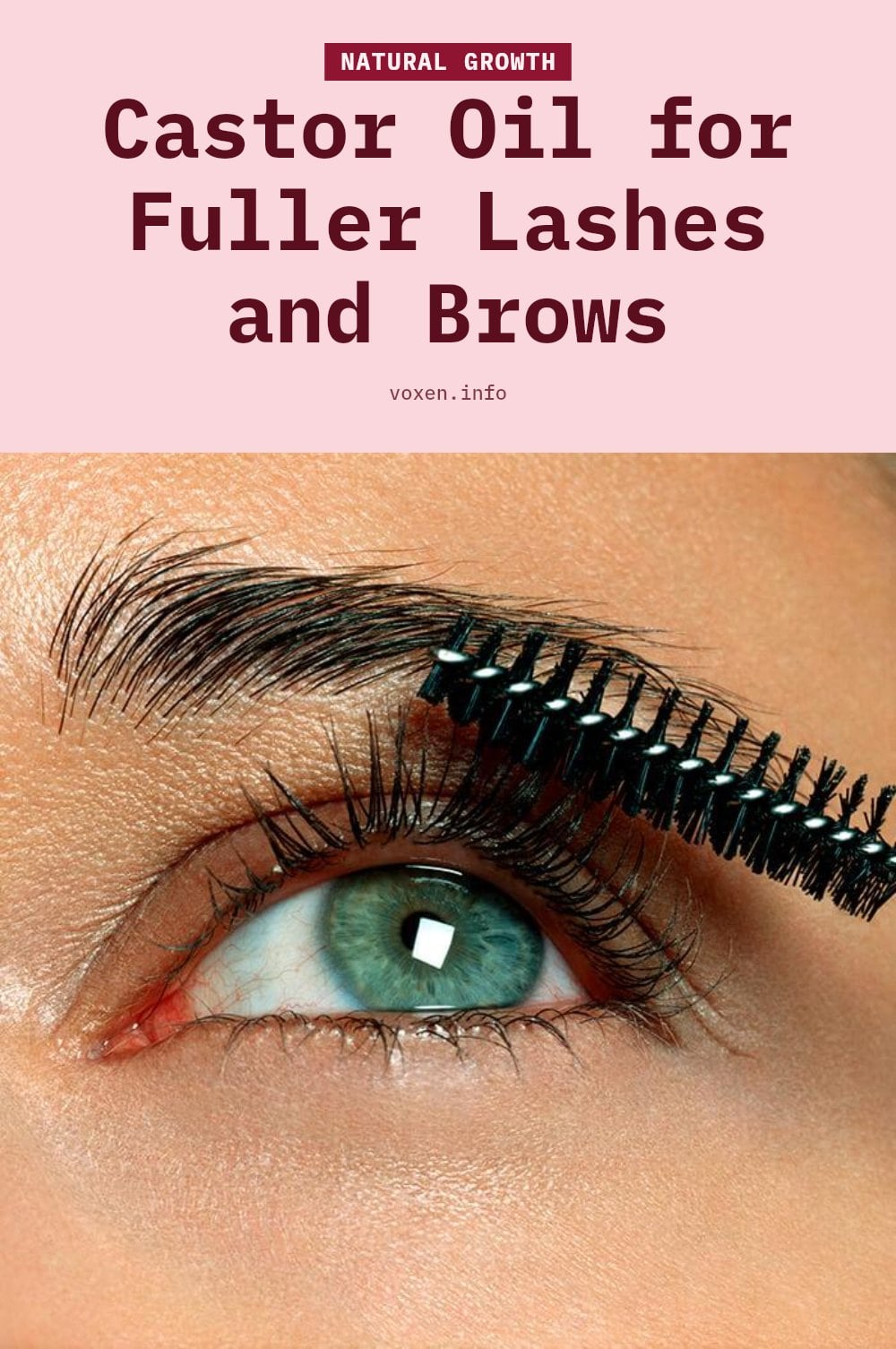
Castor oil is a natural, plant-derived oil extracted from the seeds of the Ricinus communis plant. Its primary component, ricinoleic acid, gives it powerful moisturizing and emollient properties. When applied to lashes and brows, the oil coats each hair, creating a glossy, thicker appearance that makes them look fuller. For skin, it acts as both a humectant, drawing moisture in, and an occlusive barrier, preventing water loss, which deeply hydrates and softens dry patches.
Gather Your Essentials: What You’ll Need for Castor Oil Application
Start with the right type of oil. Look for cold-pressed, hexane-free castor oil, as it is processed without harsh chemicals and is best for cosmetic use. You will also need clean tools to keep your application hygienic. Gather a spoolie brush for lashes and brows and cotton swabs for precise skin application. A small, clean container helps with dispensing just a few drops at a time and prevents the main bottle from getting contaminated.
Step-by-Step: Applying Castor Oil for Lashes and Brows
- Perform a patch test: Apply a tiny amount of castor oil to your inner arm and wait 24-48 hours. If no redness, itching, or swelling appears, it is safe to use near your eyes.
- Cleanse and dry your face: Wash your face with a gentle cleanser and pat your lashes and brows dry. The oil will absorb best on clean hair.
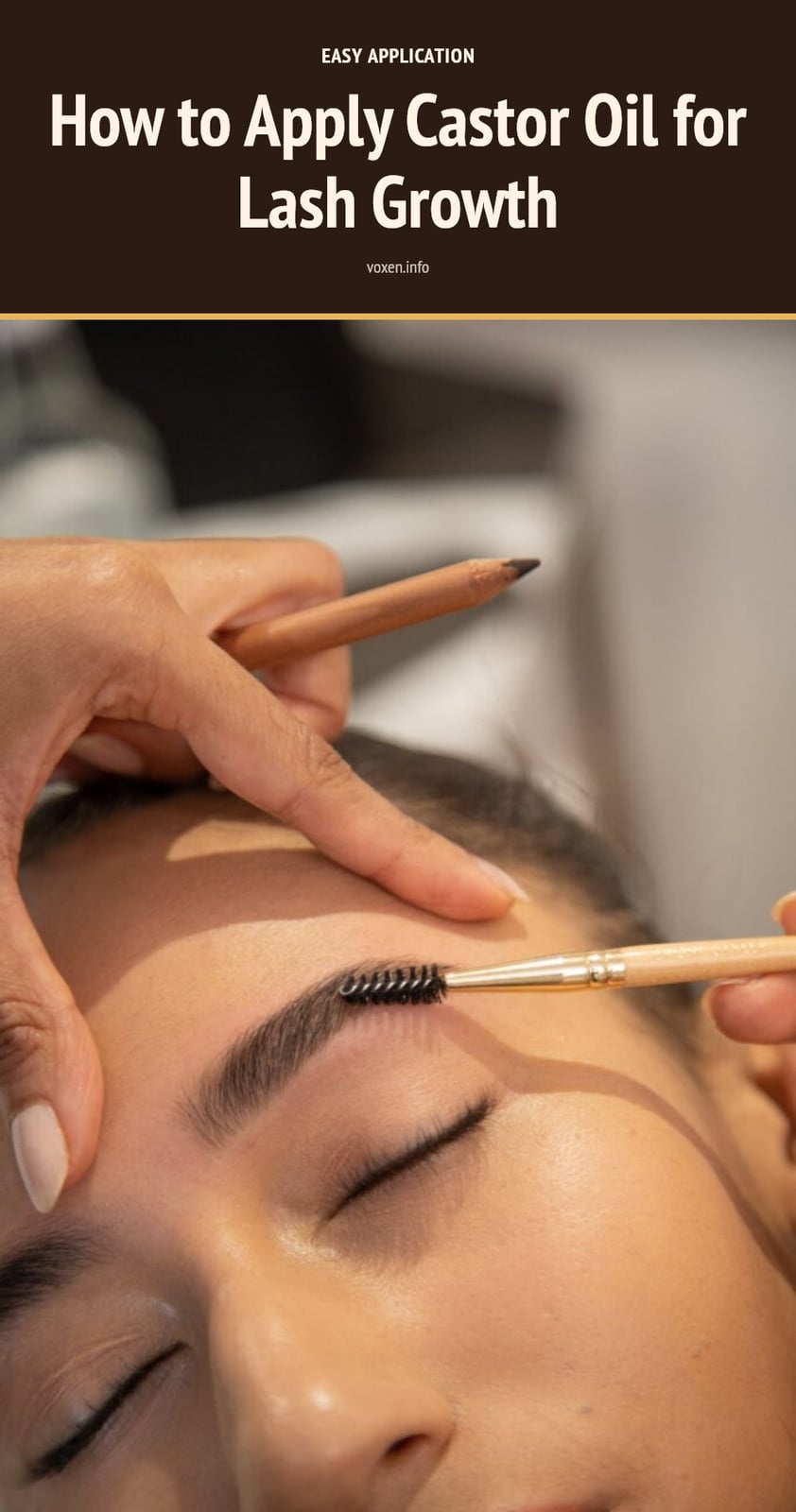
- Apply a thin coat: Dip a clean spoolie brush into the oil and gently run it along your lash line and through your brows. Use a light hand to avoid getting oil in your eyes. A thin, even coat is all you need.
- Apply nightly: Use the oil before bed so it has several hours to absorb without interference from makeup or sunscreen. Consistent nightly use is key for seeing conditioning benefits.
How to Use Castor Oil for Hydrated and Soft Skin
- Apply to damp skin: After cleansing, gently pat your skin dry but leave it slightly damp. Castor oil locks in moisture best when applied to a hydrated surface, though for lashes and brows it is applied to dry hair for conditioning.
- Focus on dry areas: Concentrate the oil on rough, dry patches like elbows, knees, and heels. These areas benefit most from its softening and occlusive properties.
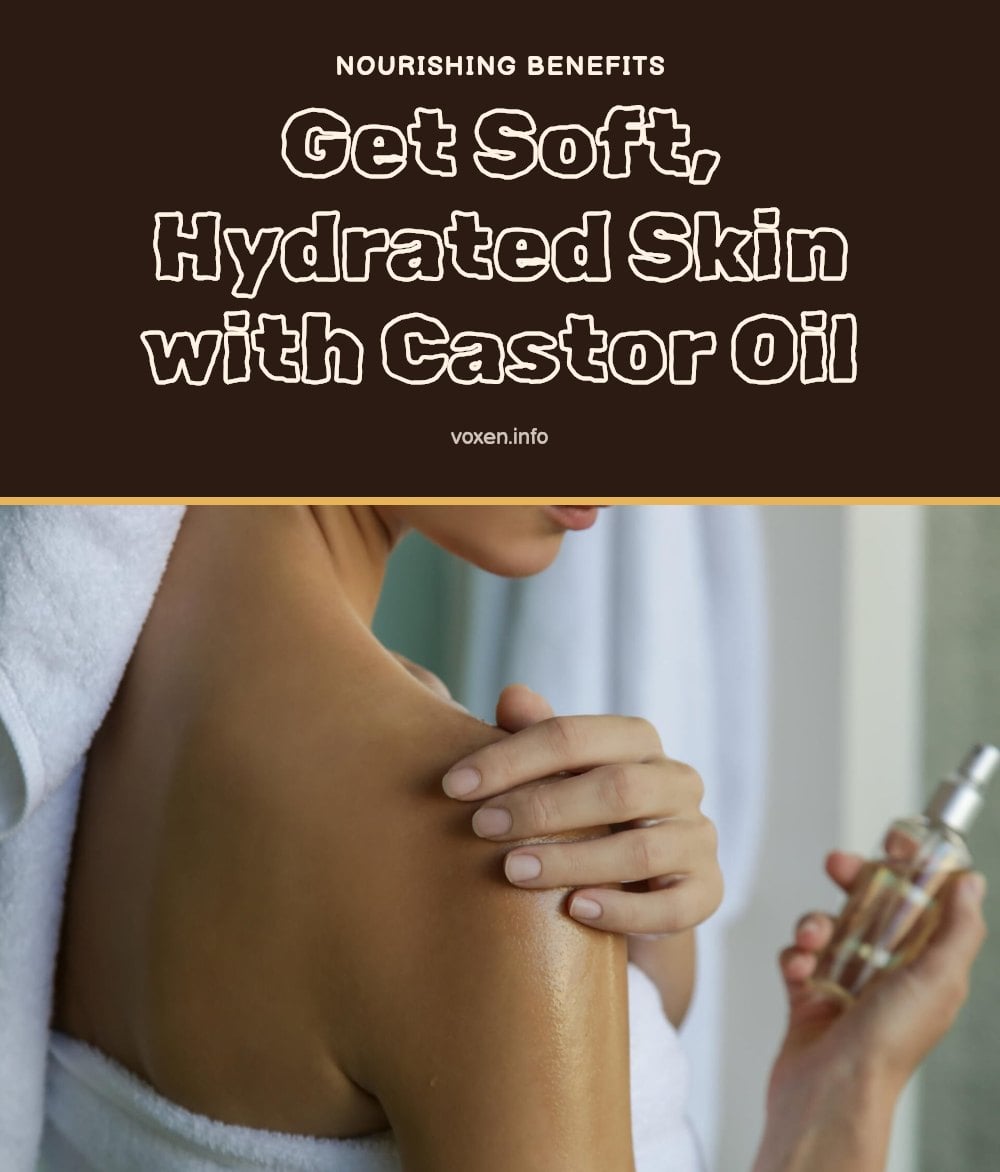
- Massage gently: Use a small amount of oil, a few drops per area, and massage it into your skin until it is mostly absorbed. A little goes a long way, and too much can feel greasy.
- Use as a makeup remover: Apply a few drops to a cotton swab or pad and gently press it over stubborn eye makeup, including waterproof mascara. The oil breaks down products without harsh rubbing.
Common Mistakes When Using Castor Oil (And How to Avoid Them)
One of the biggest mistakes is expecting instant results. Castor oil conditions and coats existing lashes and brows, but visible changes take several weeks to months of nightly use. Applying too much oil is another common error. A thin layer is enough; excess can irritate the eyes or clog pores around the lash line.
Myth: Castor oil grows new hair follicles. It enhances the appearance of existing hairs but cannot create new ones where none are present. Skipping the patch test is risky. Always test on your inner arm 24-48 hours before using near your eyes. Finally, avoid non-cosmetic grade oil. Look for cold-pressed, hexane-free castor oil to avoid impurities that can harm sensitive skin.
What to Expect: Timeline for Results and Cost Considerations
For lashes and brows, consistent nightly application can show visible conditioning and a fuller appearance after several weeks to a few months. For dry skin, improvements like softer elbows, knees, and heels may appear within days of daily use. Castor oil is generally very affordable, making it a budget-friendly option for your routine. Results vary greatly per person, so consistency matters more than speed.
When to Consult a Professional About Castor Oil Use
Consult a doctor if you experience persistent redness, itching, swelling, or irritation after using castor oil. If you have pre-existing eye conditions or severe skin sensitivities, talk to a professional before starting use. Seek medical advice if a suspected allergic reaction does not subside. Never use castor oil internally unless a healthcare provider directs you to, as it is a strong laxative.
Frequently Asked Questions
How long does it take to see results with castor oil?
For lashes and brows, visible conditioning and a fuller appearance may take several weeks to a few months of nightly use. For dry skin, improvements like softer elbows, knees, and heels can appear within days of daily application.
Can I leave castor oil on my eyelashes overnight?
Yes, applying a thin layer of castor oil to clean lashes and brows before bed is a common practice. Just be sure to use a minimal amount to avoid blurry vision or irritation, and rinse thoroughly if any oil gets into your eyes.
Is castor oil safe for all skin types?
Castor oil is generally safe for most skin types, but it can be comedogenic for some people. If you have oily or acne-prone skin, use it sparingly and always perform a patch test first. Those with sensitive skin or known allergies should exercise extra caution.
What kind of castor oil is best for beauty purposes?
Look for cold-pressed, hexane-free castor oil. This type is processed without harsh chemicals and retains more of its natural beneficial properties, making it the best choice for cosmetic use around the eyes and on the skin.
Can castor oil really make hair grow faster?
While anecdotal evidence and traditional use suggest castor oil may support hair growth, robust scientific studies specifically on lashes and brows are limited. Its primary benefit is conditioning existing hair, which can make lashes and brows appear thicker and glossier over time.
Final Thoughts
For a simple, affordable addition to your beauty routine, castor oil is worth a try. My tip: start with a patch test and use just a drop per eye area at night. Realistic expectations matter. You will likely notice softer, glossier lashes and brows within a few weeks, but dramatic growth is not guaranteed. If you see any irritation, stop use and talk to a doctor.
This article provides general information about castor oil for beauty purposes and is not a substitute for professional medical or dermatological advice. If you experience persistent irritation, an allergic reaction, or have a pre-existing skin or eye condition, consult a doctor or dermatologist before continuing use.

