You might be doing everything right with your skincare routine, but if your lips are still dry and peeling, the culprit could be a few daily habits you haven’t thought about. From licking your lips to the toothpaste you use, small actions can make a big difference. This article breaks down the most common causes of chapped lips and what you can change to get lasting relief.
Key Takeaways
- Stop licking your lips; saliva evaporates and makes dryness worse.
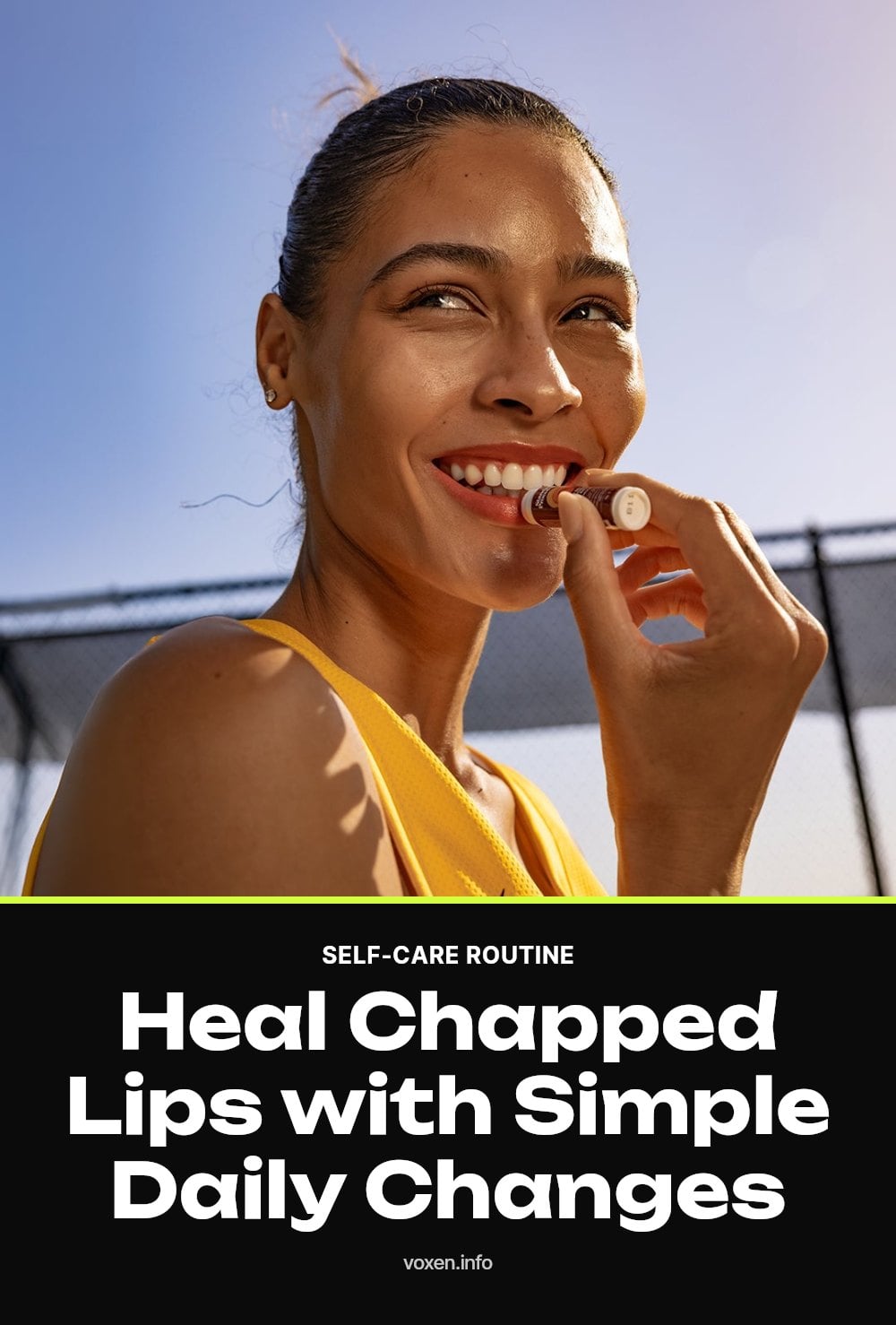
- Choose a thick, emollient lip balm with petrolatum, shea butter, or beeswax.
- Drink plenty of water daily, as dehydration is a major internal cause.
- Use a lip balm with SPF 30 or higher every day, even when it’s cloudy.
- See a dermatologist if chapped lips don’t improve after 2-3 weeks of consistent care.
Why Your Lips Get Chapped and How to Fix It
Chapped lips happen because the skin on your lips is thinner and more delicate than skin elsewhere, and it lacks oil glands that keep other areas moisturized. This makes your lips especially vulnerable to environmental factors like cold, wind, and sun, as well as daily habits such as lip licking and dehydration. The fastest fix is to apply a thick, emollient lip balm frequently, stay hydrated, and avoid irritating products and habits. With consistent daily care, you can see improvement in a few days, and significant healing typically takes one to two weeks.
1. Stop Licking Your Lips
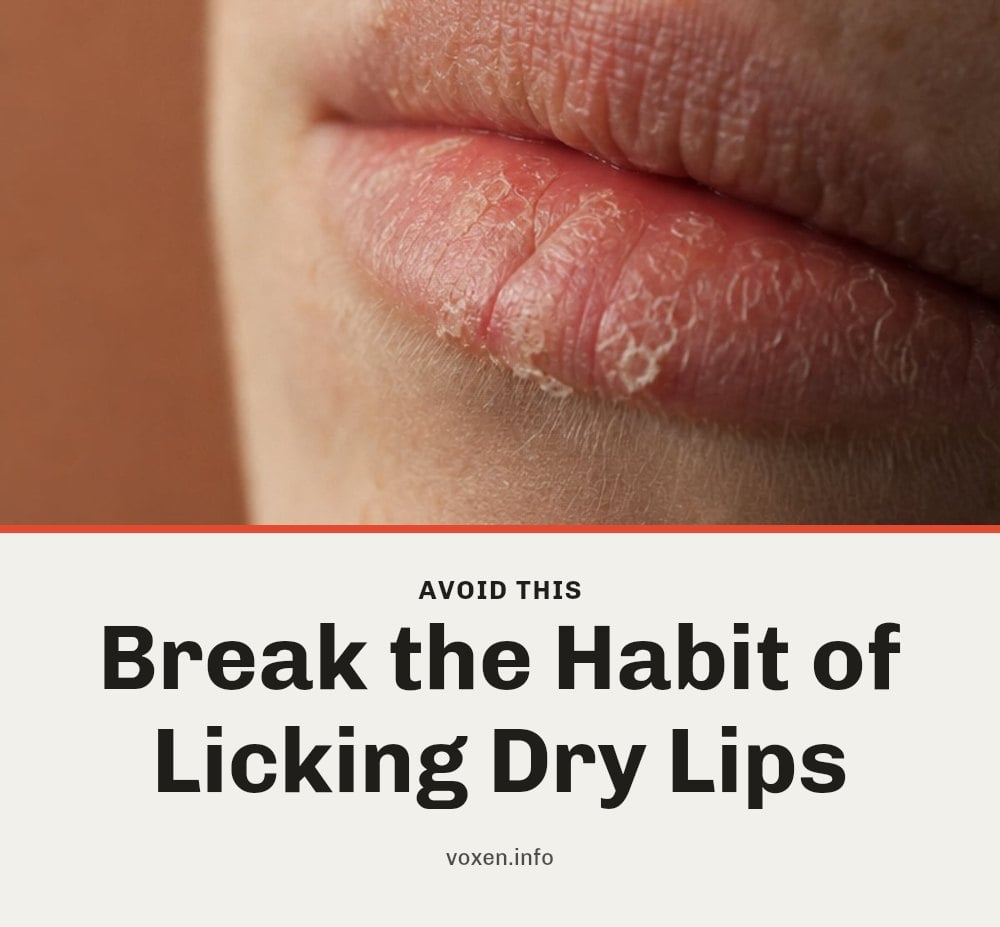
Lip licking may feel soothing for a moment, but it actually makes things worse. Saliva evaporates quickly, taking your lips’ natural moisture with it and leaving them drier than before.
- Make a conscious effort to break the habit throughout the day.
- If you find yourself licking automatically, try using a bitter-tasting lip balm as a reminder.
2. Stay Hydrated
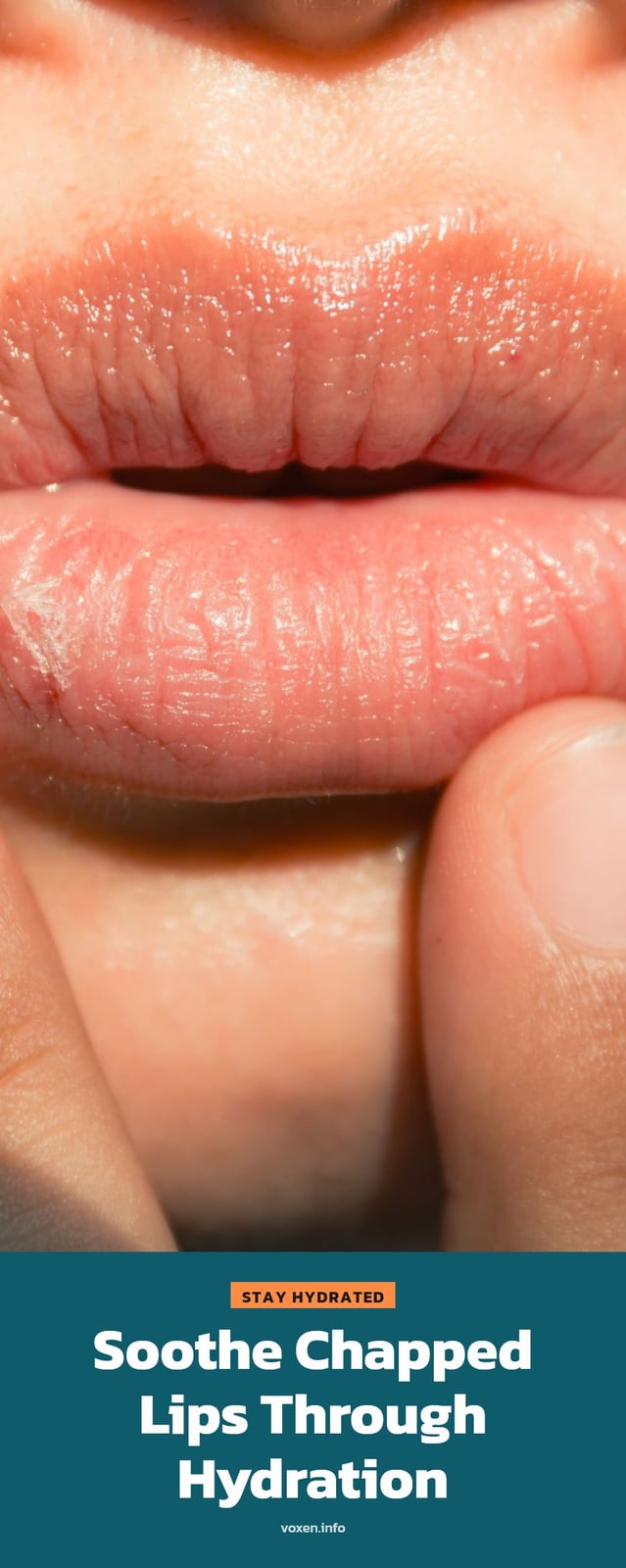
Dehydration is a major internal cause of chapped lips. When your body is low on water, it pulls moisture from less vital areas first, and your lips are often the first to show the effects.
- Drink plenty of water throughout the day to keep your whole body, including your lips, well hydrated.
- My tip: Keep a reusable water bottle on your desk or in your bag so you can sip consistently without thinking about it.
3. Choose the Right Lip Balm

Not all lip balms are created equal. To effectively seal in moisture, choose a thick, emollient formula and apply it frequently, especially before going outdoors and right before bed.
- Look for ingredients like petrolatum, dimethicone, shea butter, ceramides, or beeswax, these create a protective barrier that locks in moisture.
- Avoid lip products with camphor, menthol, phenol, salicylic acid, or strong fragrances. These can irritate sensitive lip skin and actually worsen dryness over time.
4. Protect From Sun and Wind
Sun exposure is a common cause of chapping and damage to delicate lip skin. Use a lip balm with SPF 30 or higher every day, even on cloudy days, to shield your lips from harmful UV rays. In cold or windy weather, apply an extra layer of protective balm before going outside to lock in moisture and create a barrier against the elements.
5. Avoid Picking or Peeling
Picking or peeling dry skin from your lips can lead to further irritation, bleeding, and potential infection. Instead, gently exfoliate once or twice a week with a soft toothbrush or a dedicated lip scrub to remove dead skin, then follow with a rich balm. My tip: Resist the urge by keeping your lips moisturized so there’s less loose skin to pick.
6. Use a Humidifier Indoors
Dry indoor air, especially during winter or in arid climates, can pull moisture from your lips. Using a humidifier in your home, particularly in your bedroom at night, helps add moisture to the air and prevents your lips from drying out. This is especially helpful if you wake up with dry lips.
7. Check Your Toothpaste
Some toothpastes contain sodium lauryl sulfate (SLS), an ingredient that can irritate the delicate skin around your mouth and lips, contributing to dryness. If you suspect your toothpaste is a culprit, try switching to an SLS-free alternative for a few weeks to see if it makes a difference.
8. Limit Acidic Foods and Drinks
Acidic foods and drinks can aggravate chapped lips by irritating the delicate skin. Citrus fruits, vinegar-based dressings, and highly processed snacks are common triggers. If you notice your lips feel worse after eating these, try limiting your intake or rinsing your mouth with water afterward to reduce contact.
9. Consider Your Medications
Some medications, including isotretinoin for acne and certain chemotherapy drugs, list severe lip dryness as a known side effect. If you are on medication and your chapped lips are unusually severe or persistent, talk to your doctor. Never stop or change a medication without medical advice.
10. Quit Smoking
Smoking can irritate the lips and reduce blood flow, which slows healing and makes chapping worse. Quitting smoking improves the health and appearance of your lips and your overall health. Tip: If you need support, talk to your doctor about cessation programs or nicotine replacement options.
11. Avoid Biting Your Lips
Biting your lips causes physical irritation and damage to the delicate skin, similar to lip licking. This habit can lead to more chapping, soreness, and even small wounds that take longer to heal. Try to notice when you do it and redirect the urge.
When to See a Doctor or Dermatologist
Most chapped lips respond to consistent care within a couple of weeks. If yours are severe, bleeding, or show no improvement after 2-3 weeks of daily balm and hydration, it’s time to see a dermatologist. Persistent or unusually intense chapping can signal an underlying condition, an infection, or an allergic reaction, so don’t try to self-diagnose.
If you’re on medication and suspect it’s causing the dryness, talk to your doctor about it. Never stop a prescribed medication on your own. Also, if a lip balm causes redness, swelling, or increased irritation, discontinue it and consult a professional if symptoms persist.
Frequently Asked Questions
How long does it take for chapped lips to heal?
With consistent daily application of a good lip balm and proper hydration, you can see improvement within a few days. Significant healing usually takes one to two weeks. If your lips haven’t improved after 2-3 weeks, it’s a good idea to see a dermatologist.
Can certain foods cause chapped lips?
Yes, acidic foods and drinks like citrus fruits, vinegar-based dressings, and highly processed snacks can irritate the delicate skin on your lips and make chapping worse. If you notice your lips feel worse after eating these, try limiting them or rinsing your mouth with water afterward.
What ingredients should I look for in a lip balm?
Look for thick, emollient ingredients like petrolatum, dimethicone, shea butter, ceramides, or beeswax. These create a protective barrier that seals in moisture. Avoid balms with camphor, menthol, salicylic acid, or strong fragrances, as these can be drying and irritating.
Can drinking more water really help chapped lips?
Yes, it can. Dehydration is a major internal cause of chapped lips. When your body is low on water, it pulls moisture from less vital areas first, and your lips are often the first to show the effects. Drinking plenty of water throughout the day supports overall hydration and helps your lips stay moisturized.
Why are my lips always chapped?
If your lips are consistently dry despite good care, consider your daily habits. Common culprits include lip licking, using irritating lip balms, dehydration, sun exposure, and picking at dry skin. It could also be related to your toothpaste, medications, or smoking. If it persists for more than 2-3 weeks, see a dermatologist.
Final Thoughts
For most people, chapped lips get better within a few days of consistent care. Stick with a good emollient balm, drink enough water, and avoid the habits that make things worse. If your lips are still sore or bleeding after two to three weeks, it’s worth checking in with a dermatologist to rule out anything else.
This article is for general informational purposes only and does not constitute medical advice. Chapped lips can have various causes, and persistent or severe cases may require professional evaluation. If your symptoms are severe, bleeding, or do not improve with consistent care, please consult a dermatologist or healthcare provider.

