If you have dry skin, you might think a clay mask is off-limits. But the truth is, the right clay mask can actually benefit your skin without stripping it. This article breaks down which clay types work best for oily versus dry skin, so you can pick the one that truly fits your needs.
Key Takeaways
- Choose bentonite clay for oily or acne-prone skin and kaolin clay for dry or sensitive skin.
- Apply a thin, even layer to clean, dry skin and rinse before the mask dries completely.
- For dry skin, look for masks with hydrating ingredients like hyaluronic acid or glycerin.
- Limit use to 1-2 times per week to avoid stripping your skin’s natural oils.
- Always follow with a moisturizer after rinsing off the mask.
Picking the Right Clay Mask for Your Skin Type
The best clay mask for your skin comes down to your specific type and concerns. Oily and acne-prone skin benefits most from highly absorbent clays like bentonite or French green clay, which pull out excess oil and impurities. Dry and sensitive skin should reach for gentler options such as kaolin or pink clay, often blended with hydrating ingredients to prevent irritation. Knowing how each clay behaves helps you get the results you want without over-drying or causing redness.
Comparing Clay Mask Types for Different Skin Needs
Each type of clay brings its own strengths, so matching the clay to your skin concern makes all the difference.
| Clay Type | Best For | Key Benefit |
|---|---|---|
| Bentonite | Oily, acne-prone skin | Deep oil absorption and detoxification |
| Kaolin (white) | Sensitive, dry skin | Gentlest clay, minimal oil absorption |
| French green | Normal to oily skin | Balances oil without over-drying |
| Rhassoul (Moroccan lava) | Most skin types, including mature | Mineral enrichment, improves texture |
| Pink (kaolin blend) | Delicate, sensitive skin | Mild cleanse and gentle exfoliation |
If your skin leans dry, stick with kaolin or pink clay and look for masks that add hydrating ingredients like hyaluronic acid or glycerin. Oily types can handle bentonite or French green, but always follow with moisturizer to keep your barrier happy.
How Clay Masks Work Their Magic on Your Skin
Clay masks work by absorbing excess sebum and impurities from your skin’s surface and pores. The clay particles carry a negative electrical charge that attracts positively charged toxins, dirt, and oil, pulling them out as the mask dries. This drying action also temporarily tightens pores and refines skin texture.
How Different Clays Vary
- Absorption level: Bentonite soaks up a lot of oil, while kaolin absorbs very little, making it safer for dry skin.
- Mineral content: Rhassoul and French green clay add minerals that can nourish the skin, not just clean it.
- Texture effect: Some clays provide mild exfoliation (like pink clay) when rinsed off, smoothing the skin without harsh scrubbing.
Essential Tools for Your Clay Mask Routine
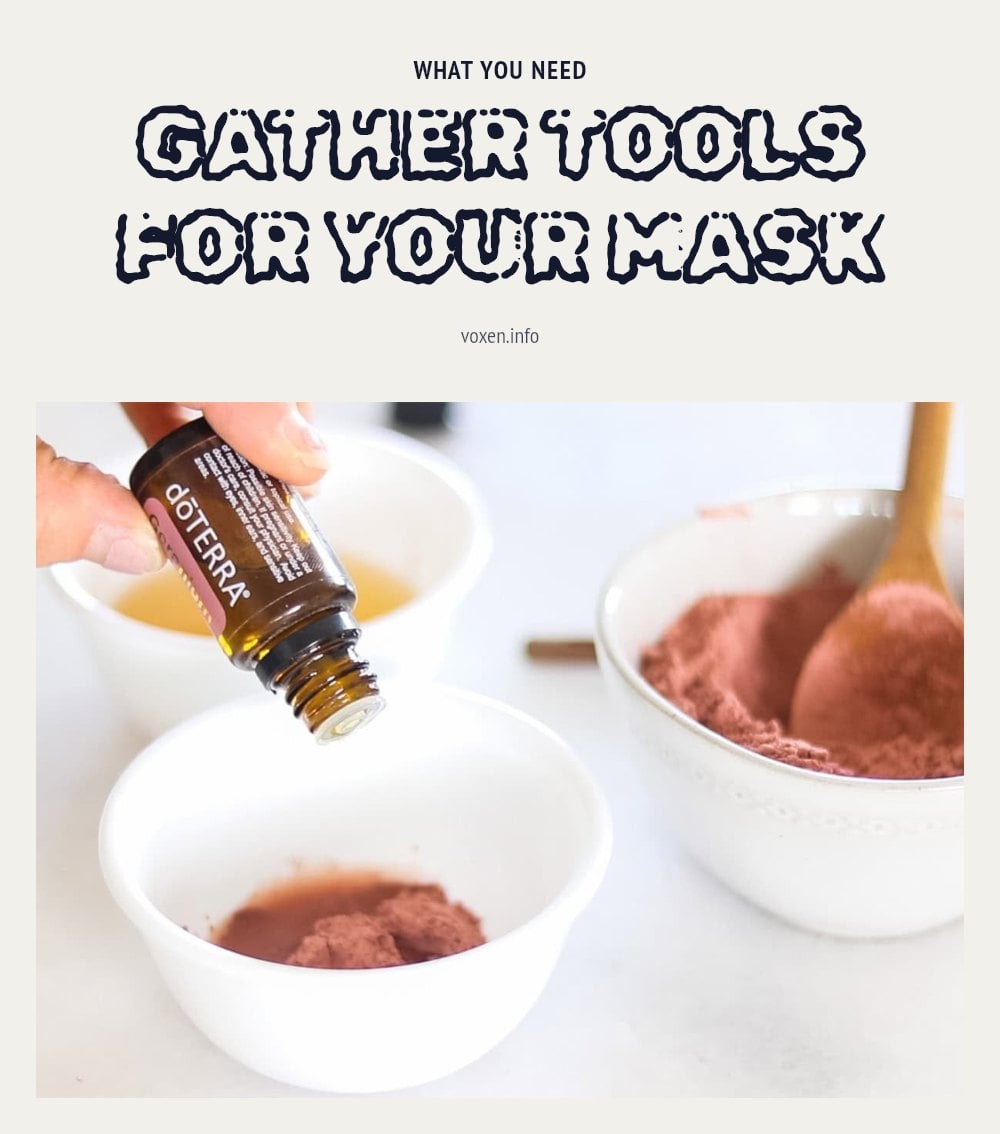
To get the most out of your clay mask, gather these items before you start:
- Clay powder or pre-formulated mask: Choose the type that matches your skin (bentonite for oily, kaolin for dry).
- Non-metallic bowl and spoon: Metal can react with the clay and reduce its effectiveness, so use glass, ceramic, or plastic.
- Mask brush: Helps you apply a thin, even layer and keeps the process hygienic.
- Gentle cleanser and moisturizer: Cleanse before the mask and have a hydrating moisturizer ready to apply right after rinsing.
Your Step-by-Step Guide to Applying a Clay Mask
- Cleanse your face: Wash your face with a gentle cleanser to remove makeup, dirt, and oil. Your skin should be clean and dry before you apply the mask.
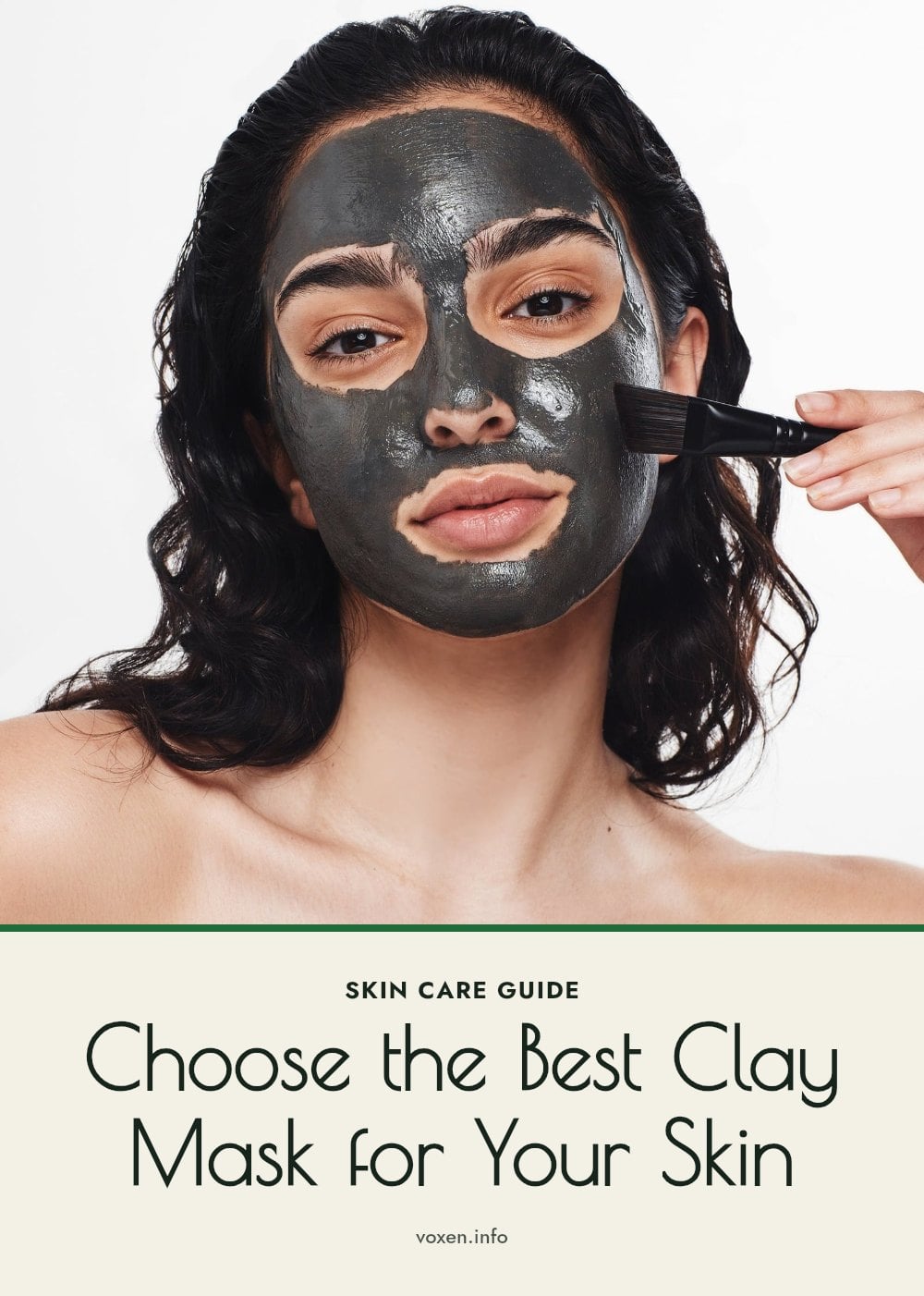
- Apply a thin layer: Using a mask brush or your fingers, spread an even, thin layer over your face, avoiding the eye and lip areas. A thick layer won’t work better and takes longer to dry.
- Watch the clock: Leave the mask on for 10-20 minutes, following the product’s instructions. Rinse it off before it fully dries and starts to crack, especially if you have dry or sensitive skin, to prevent dehydration.
- Rinse gently: Use lukewarm water and your fingertips to gently massage the mask off in circular motions. Avoid scrubbing or using hot water, which can irritate your skin.
- Hydrate immediately: Pat your face dry and apply a hydrating serum followed by a moisturizer. This locks in moisture and supports your skin barrier, which is especially important after a clay mask.
Common Clay Mask Mistakes to Avoid
- Leaving the mask on until it cracks: Letting a clay mask dry completely and flake on your face can dehydrate your skin. Rinse it off while it’s still slightly damp to avoid stripping moisture.
- Using the wrong clay for your skin type: Applying a strong, oil-absorbing clay like bentonite on dry or sensitive skin can lead to irritation and may even trigger increased oil production as your skin tries to compensate.
- Skipping moisturizer afterward: Clay masks remove oil, so not moisturizing adequately can leave your skin feeling tight and stripped. Always follow up with a hydrating product.
- Applying too frequently: Using a clay mask more than 1-2 times a week can disrupt your skin’s natural barrier. Overdoing it may cause redness, dryness, or breakouts.
- Ignoring pre-formulated mask instructions: Some masks contain active ingredients like AHAs or BHAs. Following the specific directions helps you avoid over-exfoliation or adverse reactions.
Pro Tips for Maximizing Your Clay Mask Benefits
- Patch test first: Apply a small amount of the mask to your inner arm or behind your ear and wait 24 hours to check for any reaction before using it on your face.
- Look for hydrating ingredients: If you have dry skin, choose a mask that includes hyaluronic acid, glycerin, or botanical oils to prevent over-drying.
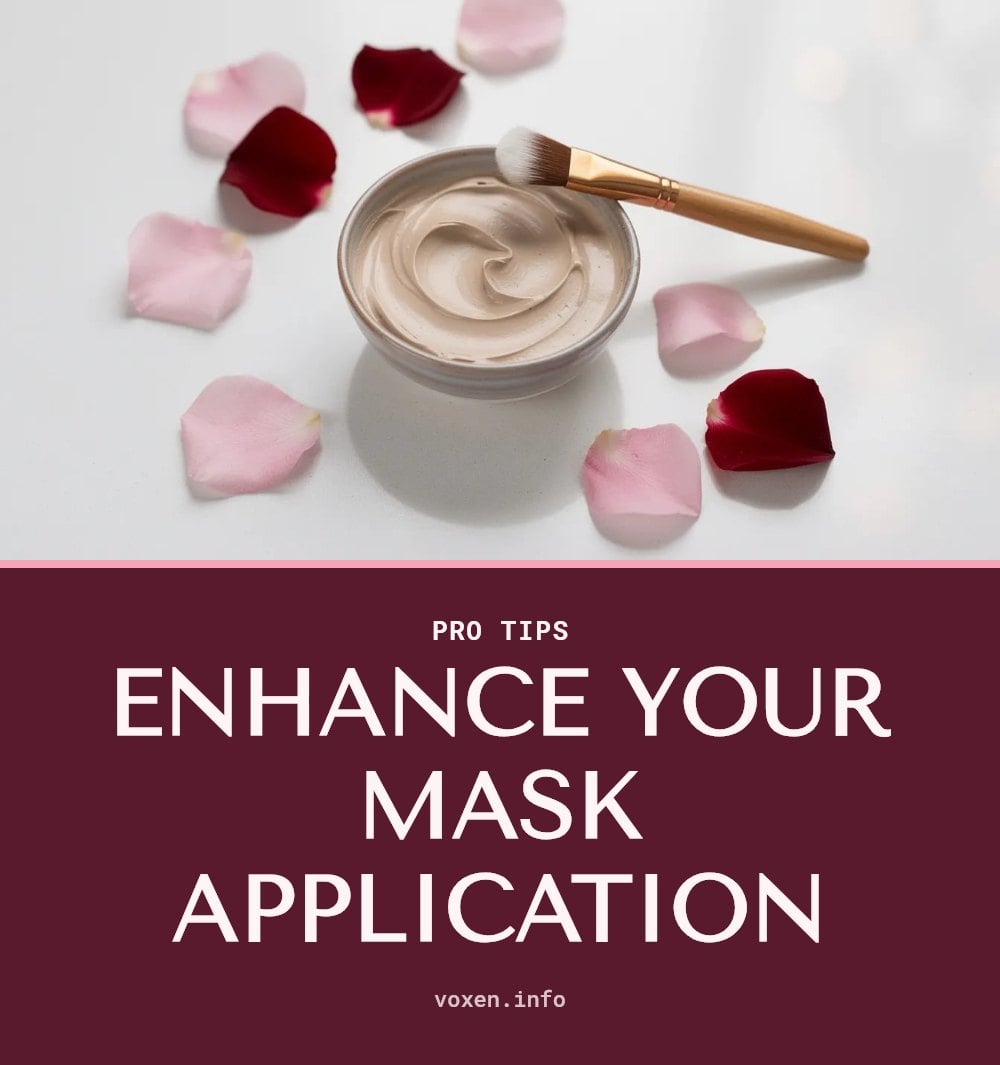
- Mix with hydrosols: Instead of plain water, mix powdered clays with rose water or chamomile hydrosol for added soothing and skin-conditioning benefits.
- Always seal in moisture: After rinsing off the mask, apply a hydrating serum and a moisturizer to lock in hydration and support your skin barrier.
- Adjust frequency to your skin: Start with once a week and see how your skin responds. 1-2 times a week is generally enough for most people.
When to Consult a Dermatologist About Your Skin
- Severe reactions: If you experience intense redness, burning, itching, or swelling after using a clay mask, remove it immediately and rinse thoroughly. Consult a dermatologist if symptoms persist.
- Pre-existing skin conditions: Individuals with rosacea, eczema, or a compromised skin barrier should talk to a dermatologist before trying new masks to avoid irritation.
- Uncertainty about your skin type: If you are unsure which clay is right for your concerns, a dermatologist can offer personalized recommendations based on your skin’s needs.
- Persistent issues: If skin problems like breakouts, redness, or dryness do not improve with proper care, a professional consultation can help identify the underlying cause.
Frequently Asked Questions
Can I use a clay mask every day?
No, using a clay mask daily is not recommended. Most clay masks are designed for use 1-2 times per week. Overuse can strip your skin’s natural oils and disrupt its barrier, leading to irritation or increased oil production.
What should I do after a clay mask?
After rinsing off the mask with lukewarm water, pat your skin dry and immediately apply a moisturizer. For dry skin, you can also follow with a hydrating serum first. This helps replenish moisture and maintain your skin’s barrier.
Can clay masks cause breakouts?
It’s possible. If you leave the mask on too long or use a clay that’s too strong for your skin, it can over-dry the skin and trigger increased oil production, which may lead to breakouts. A patch test can help you see how your skin reacts before full application.
How long should I leave a clay mask on?
Most clay masks should be left on for 10-20 minutes. Rinse it off while it’s still slightly damp, especially if you have dry or sensitive skin. Letting it dry completely and crack can dehydrate your skin and cause irritation.
Are clay masks good for sensitive skin?
Yes, but you need to choose the right type. White kaolin clay is the gentlest option and works well for sensitive and dry skin. Avoid highly absorbent clays like bentonite, and always do a patch test first. If you have rosacea or eczema, consult a dermatologist before use.
Final Thoughts
My tip: Match the clay to your skin type first, then check for added hydrating ingredients if your skin tends to be dry. Expect to see clearer, less oily skin after a few weeks of consistent use, but don’t expect a permanent change in pore size. The right clay mask can be a great addition to your routine when used wisely.
This article is for general informational purposes only and does not constitute medical or professional advice. Always read product labels and do a patch test before trying a new mask. If you have a persistent skin condition or experience a severe reaction, consult a dermatologist.

