Getting clear skin doesn’t mean overhauling your entire life or buying a dozen new products. It’s about building a few simple, consistent habits that work for your mornings and nights, and sticking with them long enough to see real change. This article breaks down the core steps you can start today, from gentle cleansing to smart lifestyle tweaks, so you can build a routine that actually fits your schedule.
I’ll walk you through the essentials: how to cleanse, treat, and protect your skin, plus the common mistakes that trip most people up. My goal is to help you cut through the noise and focus on what truly matters for a healthier complexion.

Key Takeaways
- Cleanse your face gently twice daily with a cleanser suited to your skin type.
- Apply a broad-spectrum sunscreen with SPF 30 or higher every morning.
- Moisturize after every cleanse, even if you have oily skin.
- Exfoliate 1-3 times per week to remove dead skin cells and prevent clogged pores.
- Change your pillowcase at least once a week to reduce bacteria and oil buildup.
Achieving Clear Skin: Your Path to a Radiant Complexion
Clear skin starts with a consistent, gentle routine tailored to your skin type. Focus on three core steps: cleansing, treating, and protecting. But products are only part of the picture. Lifestyle choices like diet, hydration, and stress management play a huge role in how your skin looks and feels. Patience is key here. Visible improvements typically take several weeks of consistent effort, so stick with it.
1. Cleanse Gently, Twice a Day
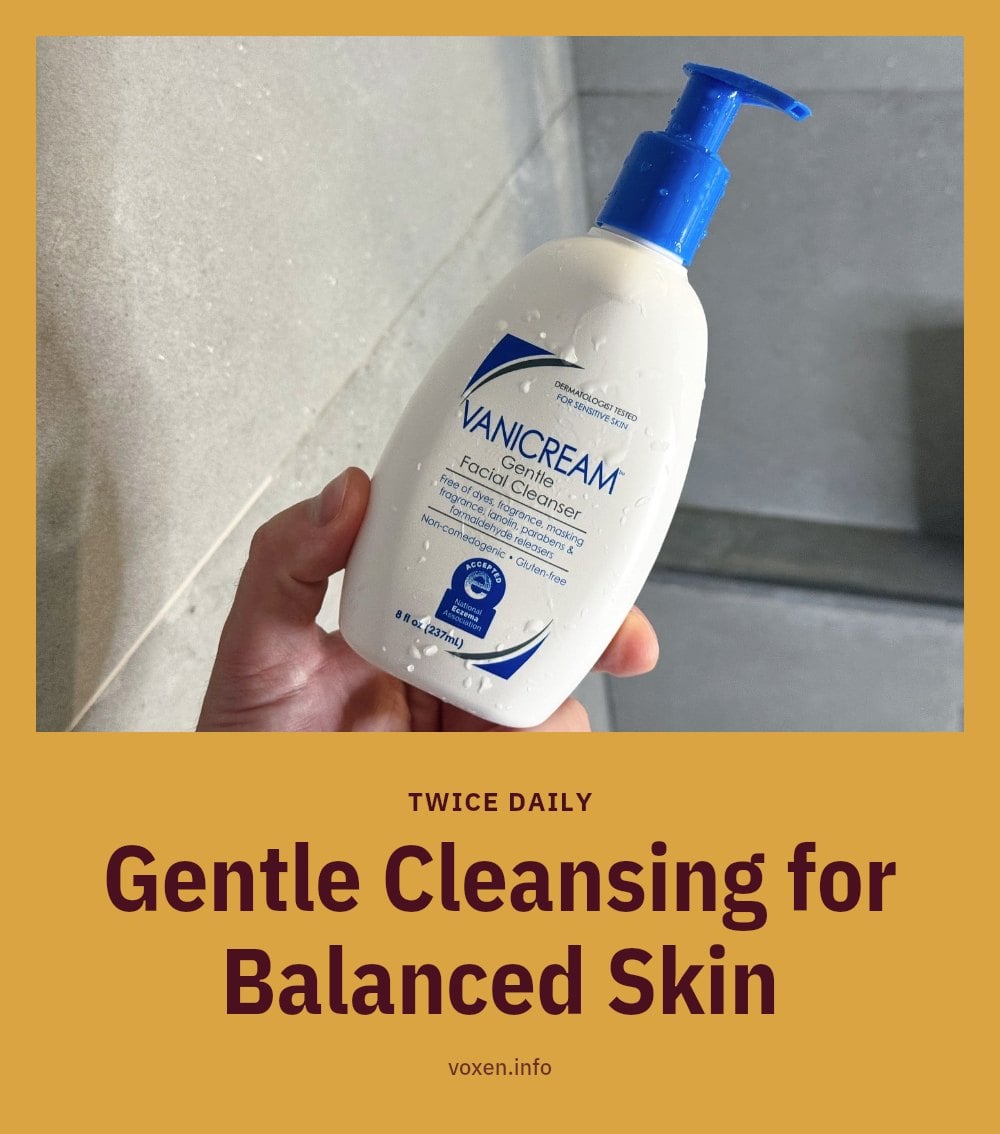
Use a gentle cleanser that matches your skin type every morning and night. This removes dirt, oil, and makeup without stripping your skin’s natural barrier. Harsh scrubbing can irritate your skin and worsen breakouts. My tip: Use lukewarm water and your fingertips to massage the cleanser in for about 30 seconds, then rinse. Pat dry with a clean towel.
2. Target Concerns with Treatments
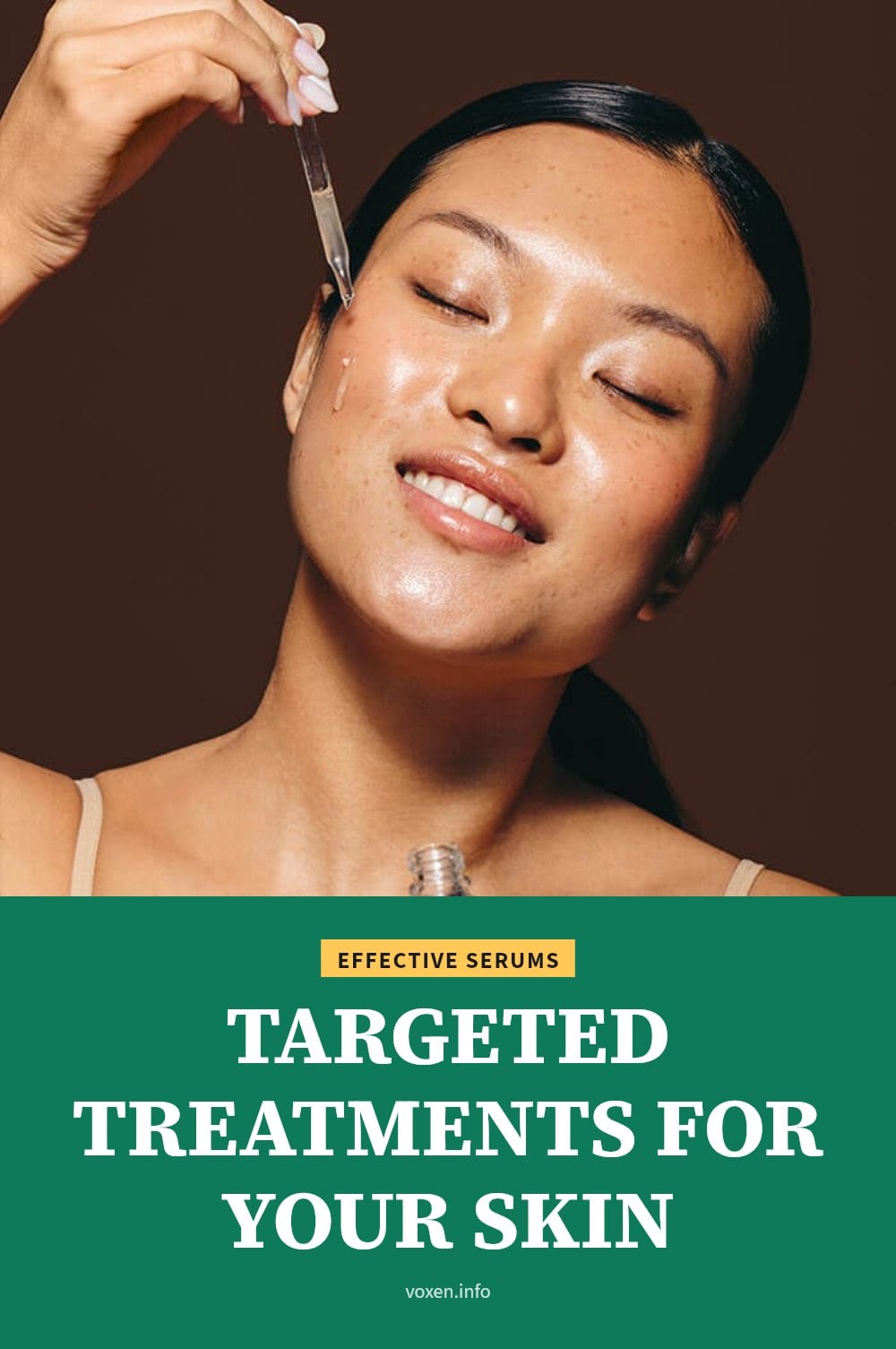
Incorporate targeted treatments like salicylic acid, benzoyl peroxide, or retinoids to address specific concerns such as acne or uneven texture. These ingredients work by unclogging pores, killing bacteria, or speeding up cell turnover. My tip: Introduce new active ingredients slowly, perhaps every other night, to allow your skin to adjust and prevent irritation. Start with a lower concentration if available.
3. Moisturize All Skin Types
Don’t skip moisturizer, even if you have oily skin. It’s essential for maintaining your skin’s barrier and preventing it from overproducing oil to compensate for dryness. Choose a non-comedogenic moisturizer that won’t clog pores. Apply it after cleansing and treatments, both morning and night. For oily skin, a lightweight gel formula works well; for dry skin, a richer cream may be better.
4. Protect with Daily Sunscreen
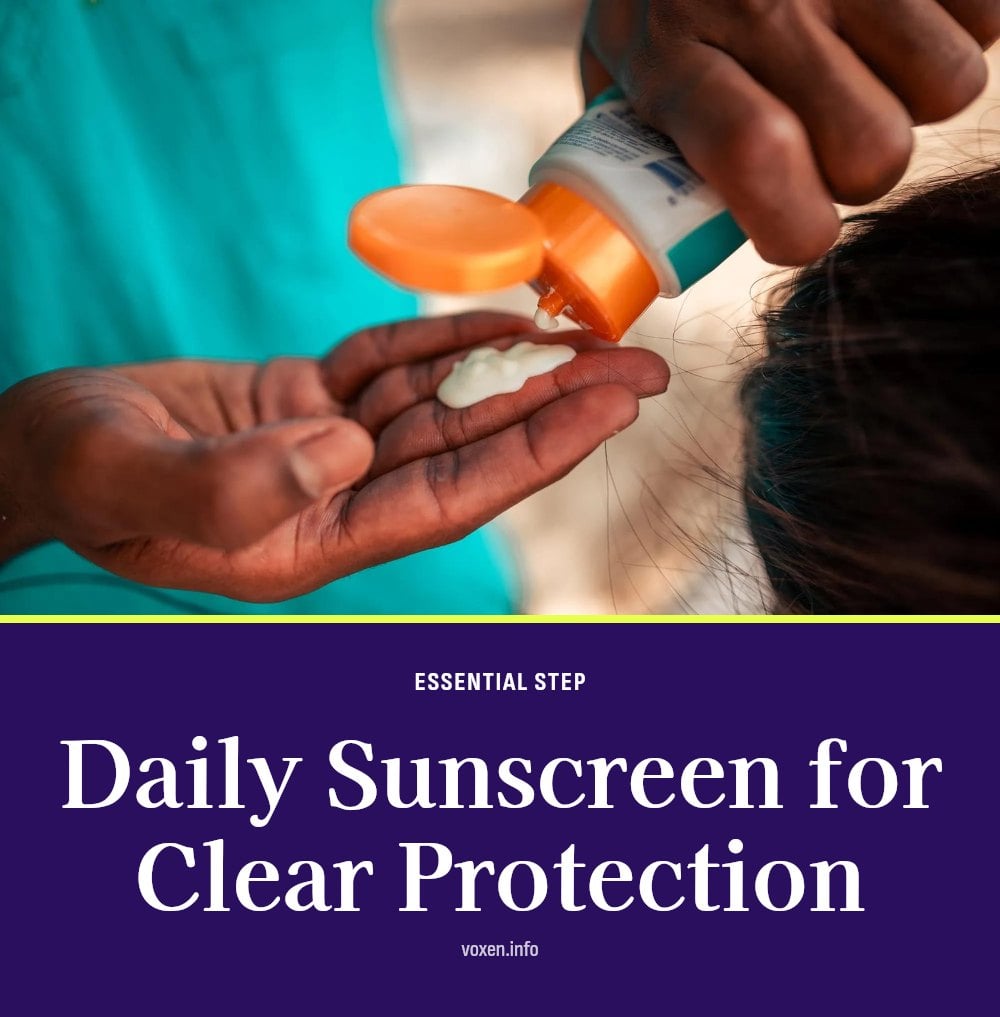
Apply a broad-spectrum sunscreen with an SPF of 30 or higher every single morning, rain or shine. This protects against UV damage, prevents hyperpigmentation, and helps maintain even skin tone. Tip: Sunscreen is your best anti-aging product and crucial for preventing post-inflammatory hyperpigmentation from breakouts. Make it a non-negotiable step before any makeup or moisturizer.
5. Exfoliate 1-3 Times Weekly
Gentle exfoliation 1-3 times a week helps remove dead skin cells, preventing clogged pores and promoting a smoother complexion. Good to know: Opt for chemical exfoliants like AHAs or BHAs over harsh physical scrubs, which can create micro-tears in your skin. Start with a lower concentration and increase frequency slowly to avoid irritation.
6. Hydrate from Within

Drinking sufficient water throughout the day supports overall skin health, keeping it plump and helping with detoxification. Think of it as nourishing your skin from the inside out. Aim for at least 8 glasses daily, and more if you’re active or in a dry climate.
7. Eat a Balanced, Skin-Friendly Diet
A diet rich in fruits, vegetables, and whole grains provides essential nutrients and antioxidants that contribute to healthy skin. While specific foods don’t cure acne, a balanced diet supports your body’s overall well-being, which reflects in your skin. Focus on variety and whole foods for the best results.
8. Manage Stress Levels

Stress can trigger hormonal changes that increase oil production and worsen acne, so managing it directly benefits your complexion. I’ve found that even 10 minutes of deep breathing or a short walk helps reset my mood.
- Try meditation: A daily 5-minute guided session can lower cortisol levels.
- Move your body: Exercise improves circulation and reduces stress hormones.
- Prioritize hobbies: Reading, gardening, or listening to music gives your mind a break.
9. Change Pillowcases Weekly
Change your pillowcase at least once a week to cut down on bacteria, oil, and leftover product that transfer to your skin while you sleep. That buildup can clog pores and cause breakouts overnight.
Pro move: Silk or satin pillowcases reduce friction on your skin and hair, which may help prevent irritation and creases. Keep a few extra cases on hand so swapping them out is easy.
10. Clean Makeup Brushes Often

Wash your makeup brushes weekly to stop bacteria and old product from spreading onto your skin and clogging pores. Dirty brushes can reintroduce oils and germs even after you’ve cleansed your face.
Quick tip: Use a gentle soap or a dedicated brush cleanser, rinse until the water runs clear, then lay them flat to air dry completely. Never store brushes while damp, as moisture encourages bacterial growth.
11. Hands Off Your Face
Resist the urge to pick or squeeze blemishes. Squeezing pushes bacteria deeper into the pore, which increases inflammation, risks infection, and can leave permanent scars. Your hands also transfer dirt and oil to the area.
Tip: Let your treatments work on their own. If a blemish really bothers you, apply a hydrocolloid patch overnight. It absorbs fluid, protects the spot, and removes the temptation to touch it.
Common Clear Skin Mistakes to Avoid
Over-cleansing or over-exfoliating: This strips your skin’s natural oils and compromises its protective barrier, leading to more irritation and breakouts. Stick to gentle products and recommended frequencies.
Not using sunscreen daily: Skipping sunscreen not only increases your risk of sun damage but also worsens hyperpigmentation from past breakouts and prevents an even skin tone.
Expecting immediate results: Skin improvements take time. Give new products and routines at least 4-6 weeks of consistent use before evaluating their effectiveness.
Using too many active ingredients at once: This can lead to irritation, redness, and a damaged skin barrier. Introduce one new active ingredient at a time and observe how your skin reacts.
Ignoring lifestyle factors: Diet, hydration, and stress all play a significant role in skin health. Neglecting these aspects can undermine even the best skincare routine.
Frequently Asked Questions
How long does it take to see results from a new skincare routine?
Most people start noticing visible improvements in skin clarity after about 4 to 6 weeks of consistent use. For more significant changes, like fading dark spots or reducing deeper acne, it can take 2 to 3 months or longer. Patience and consistency are key.
Can diet really affect my skin clarity?
Yes, a balanced diet rich in fruits, vegetables, and whole grains provides nutrients and antioxidants that support overall skin health. While specific foods don’t cure acne, a healthy diet can help reduce inflammation and improve your complexion over time. Hydration from drinking enough water also plays a role.
Is it okay to use multiple active ingredients at once?
Using too many active ingredients at the same time can lead to irritation, redness, and a compromised skin barrier. It’s best to introduce one new active at a time, starting slowly (like every other night), and see how your skin reacts before adding another. If you experience severe burning or swelling, stop and consult a dermatologist.
Do I still need sunscreen on cloudy days or indoors?
Yes, you should wear broad-spectrum sunscreen with SPF 30 or higher every day, even when it’s cloudy or you’re indoors. UV rays can penetrate clouds and windows, contributing to premature aging, hyperpigmentation, and skin damage over time. It’s a non-negotiable step for clear skin.
What is a good morning routine for clear skin?
A simple morning routine starts with a gentle cleanser, followed by a moisturizer (non-comedogenic if you have oily skin), and finishes with a broad-spectrum sunscreen. If you use a treatment like vitamin C serum, apply it after cleansing and before moisturizing. Keep it simple and consistent.
Final Thoughts
My tip: Start with the three non-negotiables: a gentle cleanser, a moisturizer, and a daily sunscreen. Add one treatment product (like salicylic acid or a retinoid) after a few weeks if you want to target specific concerns. Expect to see visible improvements in about 4 to 6 weeks, with more significant changes taking 2 to 3 months. Stick with it, and let your skin’s natural rhythm do the heavy lifting.
This article is for informational purposes only and does not constitute medical advice. Skin care results vary, and what works for one person may not work for another. If you have persistent or severe skin concerns, please consult a dermatologist or healthcare professional for personalized guidance.

