If you have ever wondered why your nails keep peeling or breaking no matter what you try, you are not alone. Most of the time, the problem comes down to a few common mistakes in your daily routine, like how you file, how often you soak your hands, or which remover you use. This article walks through the real causes behind weak nails, the tools that actually help, and a simple step-by-step method to strengthen them from the inside out.
Key Takeaways
- File nails in one direction from side to center to prevent microscopic tears and peeling.
- Moisturize nails and cuticles daily, especially after every hand wash, to maintain flexibility.
- Wear rubber gloves for dishes and cleaning to block water and chemical damage.
- Use a non-acetone nail polish remover to avoid stripping natural oils from nails.
- Allow nails to breathe between polish applications to reduce dehydration and breakage.
Why Your Nails Are Peeling and Breaking
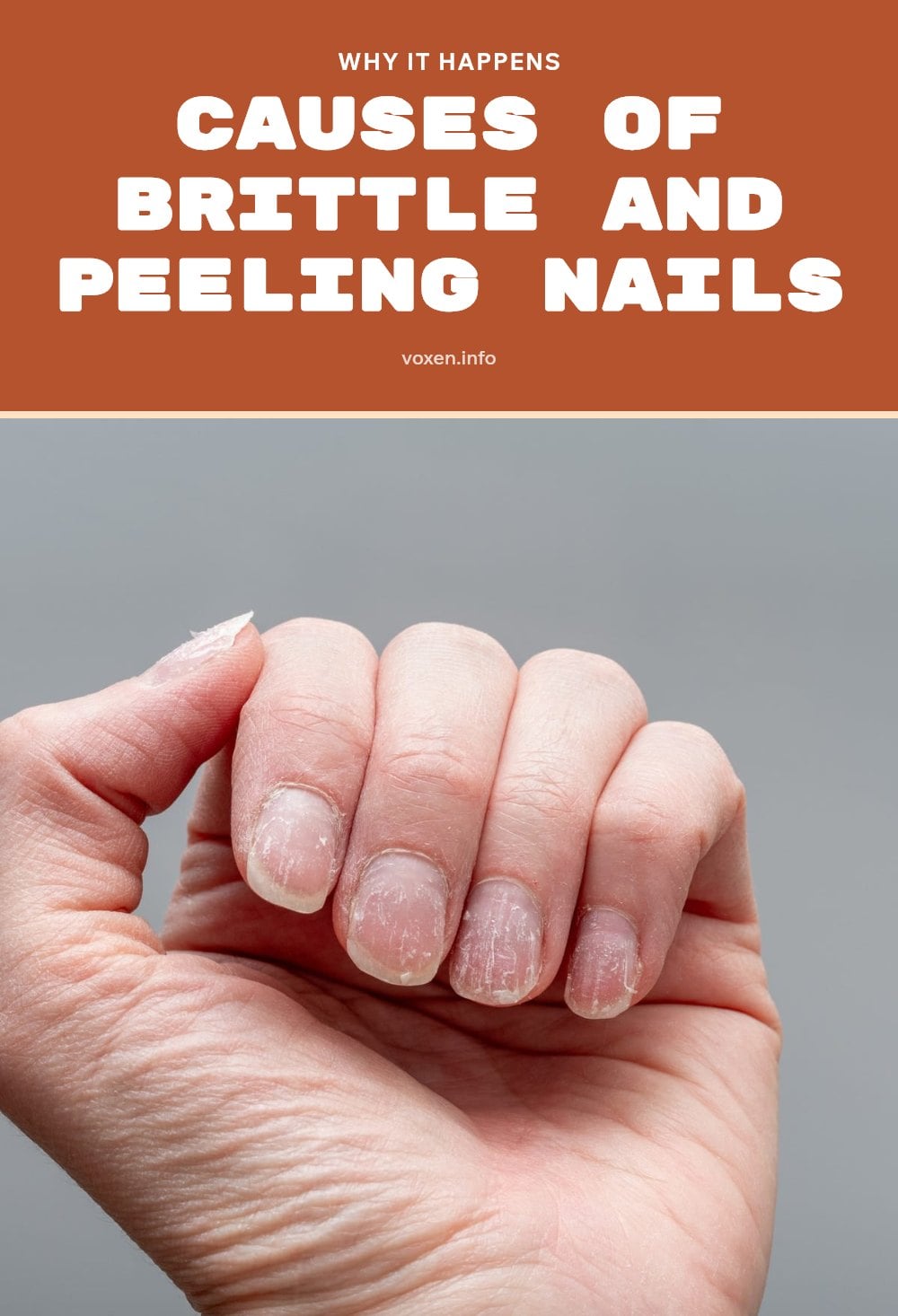
Peeling and breakage usually come from common habits: filing with a sawing motion, soaking nails too often, using harsh chemicals, or ignoring cuticles. Your nails are made of keratin, and the visible nail plate is dead tissue, but the living nail matrix beneath the cuticle grows new cells. The fix isn’t complicated. Gentle handling and consistent protection can noticeably improve strength and appearance.
Understanding the Root Causes of Weak Nails
Incorrect Filing Creates Microscopic Tears
Filing back and forth like a saw causes tiny cracks along the edge, which then split upward. Always file in one direction from the side to the center.
Frequent Water Exposure Dehydrates Nails
Your nails absorb water and swell, then shrink as they dry. Repeated cycles weaken the layers, leading to peeling. Wear gloves for dishes and cleaning.
Harsh Chemicals Strip Natural Oils
Acetone and strong cleaners dissolve the oils that keep nails flexible. Without them, nails become brittle and chip easily. Switch to a non-acetone remover.
Neglecting Cuticles Leaves the Matrix Vulnerable
Cuticles seal out bacteria and protect the nail matrix. When they’re dry or cut back, the matrix can be damaged, resulting in ridges and slow growth.
Essential Tools for Stronger, Healthier Nails
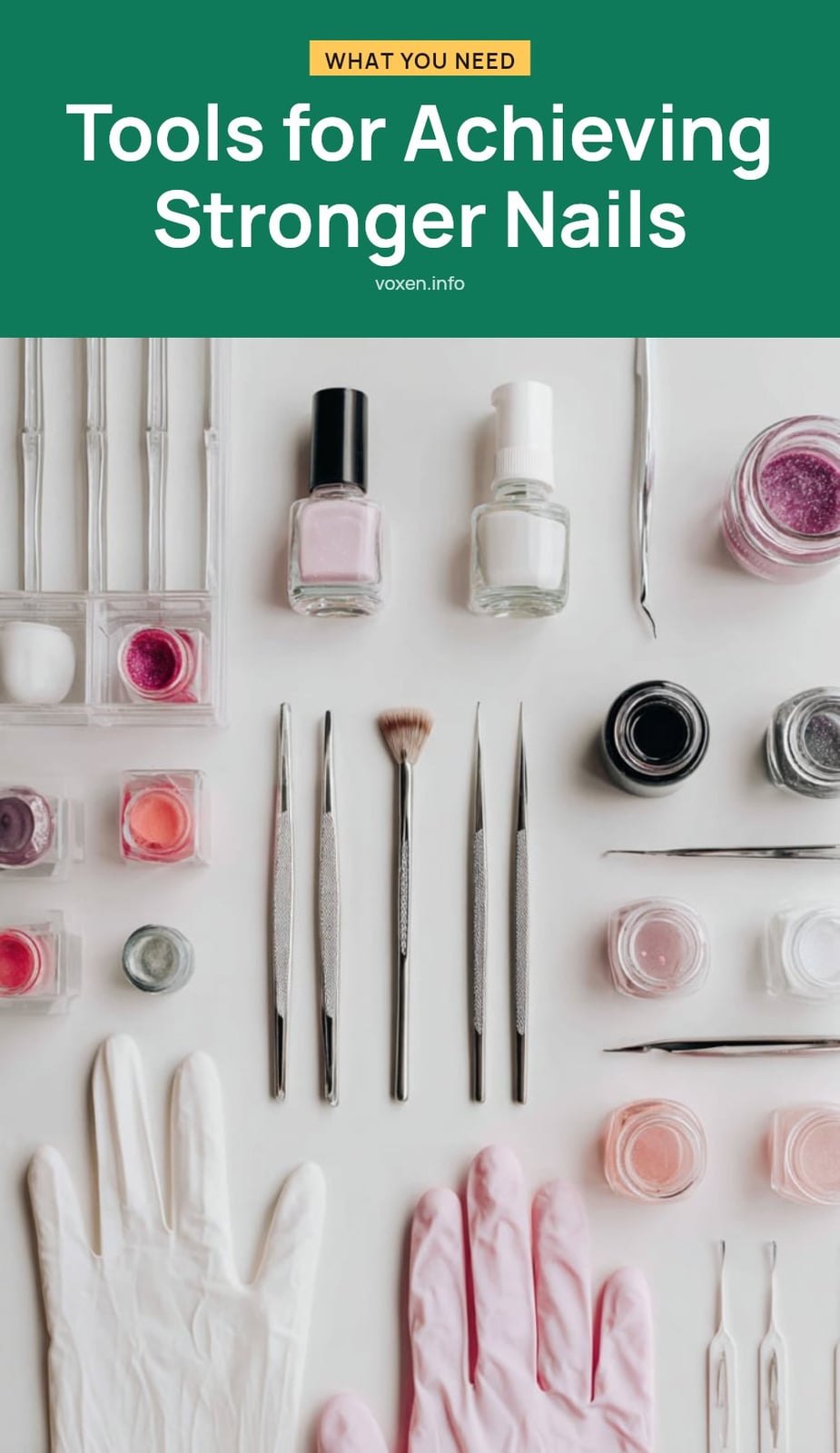
Swapping a few tools can make a real difference.
- Glass or fine-grit file: Seals the nail edge instead of tearing it, preventing splits.
- Cuticle oil: Keeps the nail plate flexible and hydrated, reducing breakage.
- Non-acetone remover: Removes polish without stripping natural oils.
- Rubber gloves: Block water and chemicals during chores, protecting the nail structure.
Your Step-by-Step Guide to Stronger Nails
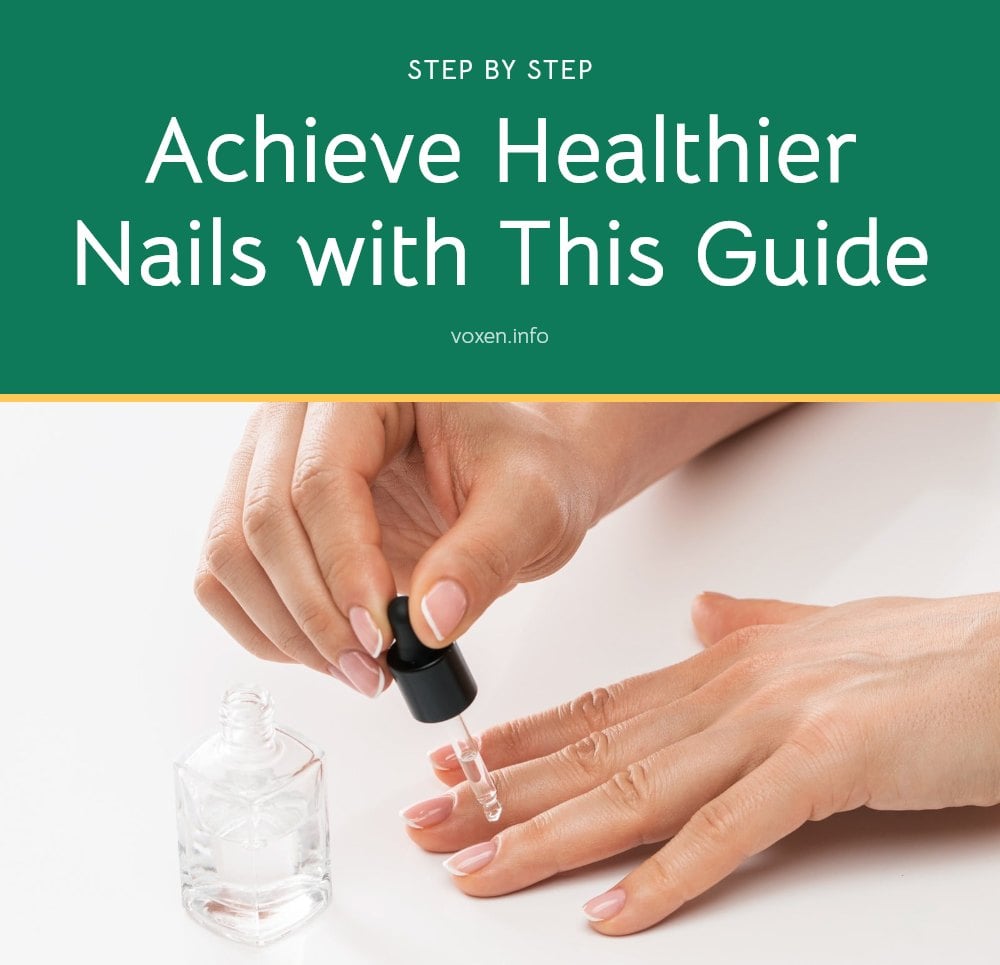
- Apply Mavala Scientific K+ to nail ends: Use 2-3 swipes from the halfway point or just the free edge. Avoid contact with skin. This liquid hardener contains dimethyl urea, which cross-links nail cells to make them harder.
- Let it dry with fingers pointed down: Keep your hands angled downward for 3-4 minutes so the product doesn’t pool on the cuticle area.
- Repeat every 2-3 days: Continue until you see improved hardness and less peeling. Once nails are stronger, space applications to once a week or every two weeks. Overuse can make nails too hard and prone to shattering.
- Apply nail oil after every hand wash: Oil controls water absorption and evaporation, protecting the nail plate and maintaining flexibility. One daily application isn’t enough if you wash your hands often.
Consistency matters more than quantity. Expect noticeable improvement in 2-4 weeks, with full regrowth of a healthy nail taking 4-6 months.
If you learn better by watching, this 16-minute video from The Salon Life shows every step.
Common Nail Care Mistakes to Avoid
Sawing Motion When Filing: Filing back and forth like a saw creates microscopic tears along the nail edge, which then split upward. Always file gently in one direction, from the side to the center, to seal the edge.
Aggressively Cutting Cuticles: Cuticles protect the nail matrix from bacteria. Instead of cutting them, gently push them back with a soft tool after a shower or soak.
Frequent Acetone Use: Acetone strips natural oils, leaving nails brittle and prone to peeling. Switch to a non-acetone remover to keep nails hydrated.
Not Moisturizing Regularly: Dry nails break easily. Moisturize nails and cuticles daily with oil or cream, ideally after every hand wash.
Picking Off Polish: Peeling off polish, especially gel, can lift and damage the nail plate. Always soak off gel polish properly to avoid weakening.
Protecting Your Nails from Future Damage
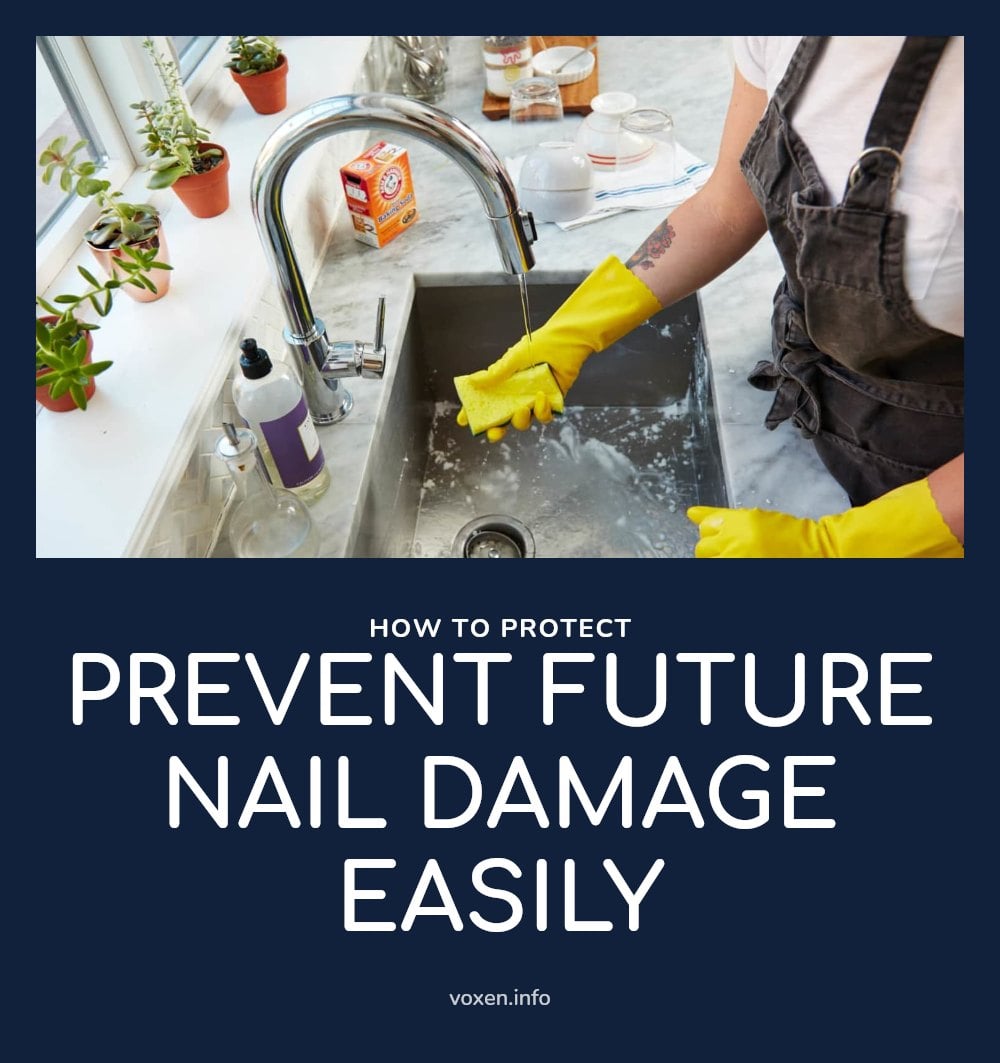
Wear rubber gloves for dishes, cleaning, or any task involving water or chemicals to shield nails from dehydration and damage. Keep nails trimmed to a manageable length so they are less likely to snag or break. Allow nails to breathe between polish applications for a few days to prevent excessive dryness and yellowing. Even when nails feel strong, continue applying cuticle oil and hand cream daily to maintain moisture and flexibility.
What to Expect: Timeline for Nail Improvement
With consistent daily care and protection, you can expect to see initial improvements in nail strength and appearance within 2-4 weeks. Full regrowth of a healthy nail, free from previous damage, typically takes 4-6 months. Nail hardeners and quality oils usually cost between $10 and $30 per product, offering long-term value for nail health.
When to Consult a Professional About Nail Health
Consult a doctor or dermatologist if you notice persistent discoloration, pain, swelling, or signs of infection around your nails. Seek professional advice if your nail problems don’t improve despite consistent care, as there might be an underlying health issue. Avoid using sharp objects under the nail plate, as this can lift the nail and introduce bacteria, potentially leading to infection.
Frequently Asked Questions
Can diet affect nail health?
Yes, your diet can influence nail strength. Nails are made of keratin, a protein, so getting enough protein in your meals is important. Some research suggests biotin may help, but the evidence is mixed. A balanced diet with plenty of vitamins and minerals supports overall nail health, but diet alone usually won’t fix damage caused by habits or chemicals.
Is it okay to get gel manicures with weak nails?
If your nails are already weak or peeling, it is best to avoid gel manicures until they improve. The removal process often involves soaking in acetone or prying off the polish, which can further dry out and damage the nail plate. Once your nails are stronger, you can consider gel, but always soak off the polish properly and never peel it off.
How long does it take to see results from nail care?
You may notice initial improvements in strength and appearance within two to four weeks of consistent care. However, full regrowth of a healthy nail, free from previous damage, typically takes four to six months. Nail hardeners and oil applications work gradually, so staying consistent is more important than expecting overnight results.
What’s the best way to remove nail polish without damage?
Use a non-acetone nail polish remover and soak a cotton pad with it, pressing it onto the nail for about 10 seconds before gently wiping away. Avoid rubbing back and forth, which can rough up the nail surface. For glitter or stubborn polish, you may need a few rounds, but never scrape or pick at the polish.
Final Thoughts
My tip: Stick with the hardener routine for at least a month before judging the results. Nails grow slowly, and healthy regrowth takes four to six months, so patience is key. Focus on protection and gentle care every day, and you will see a real difference in strength and appearance over time.
This article is for informational purposes only and does not constitute medical or professional advice. Nail health can vary based on individual conditions, and persistent or serious problems such as infection, pain, or unusual discoloration should be evaluated by a doctor or dermatologist.

