We all have those days when everything feels like too much. Whether it’s work deadlines, family demands, or just the constant buzz of daily life, overwhelm can hit hard and fast. The good news is that you don’t have to just ride it out. Coping skills are practical tools you can learn and use to manage stress and difficult emotions, and this article breaks down the most effective strategies so you can build your own personalized toolkit.
From problem-solving techniques to quick relaxation exercises, we’ll cover a range of coping skills you can start using today. I’ll share my tips for making them stick, and there’s even a printable checklist to keep your go-to strategies handy. Let’s dive into what works.
Key Takeaways
- Coping skills are learned behaviors, not innate traits, and can be improved with practice.
- Problem-focused coping changes the stressor; emotion-focused coping manages your reaction to it.
- Build a diverse toolkit with both problem-focused and emotion-focused strategies.
- Practice coping skills daily, even when you’re not overwhelmed, to build resilience.
- If overwhelm feels unmanageable, seek professional help immediately.
What Are Coping Skills and Why Do They Matter?
Coping skills are learned behaviors and thought patterns we use to handle internal and external stressors. They are essential for mental well-being, helping you navigate life’s challenges and reduce the impact of stress. Effective coping requires self-awareness, practice, and adapting strategies to different situations. These skills generally fall into two categories: problem-focused (changing the stressor) and emotion-focused (managing your emotional response).
Problem-Focused Coping Strategies
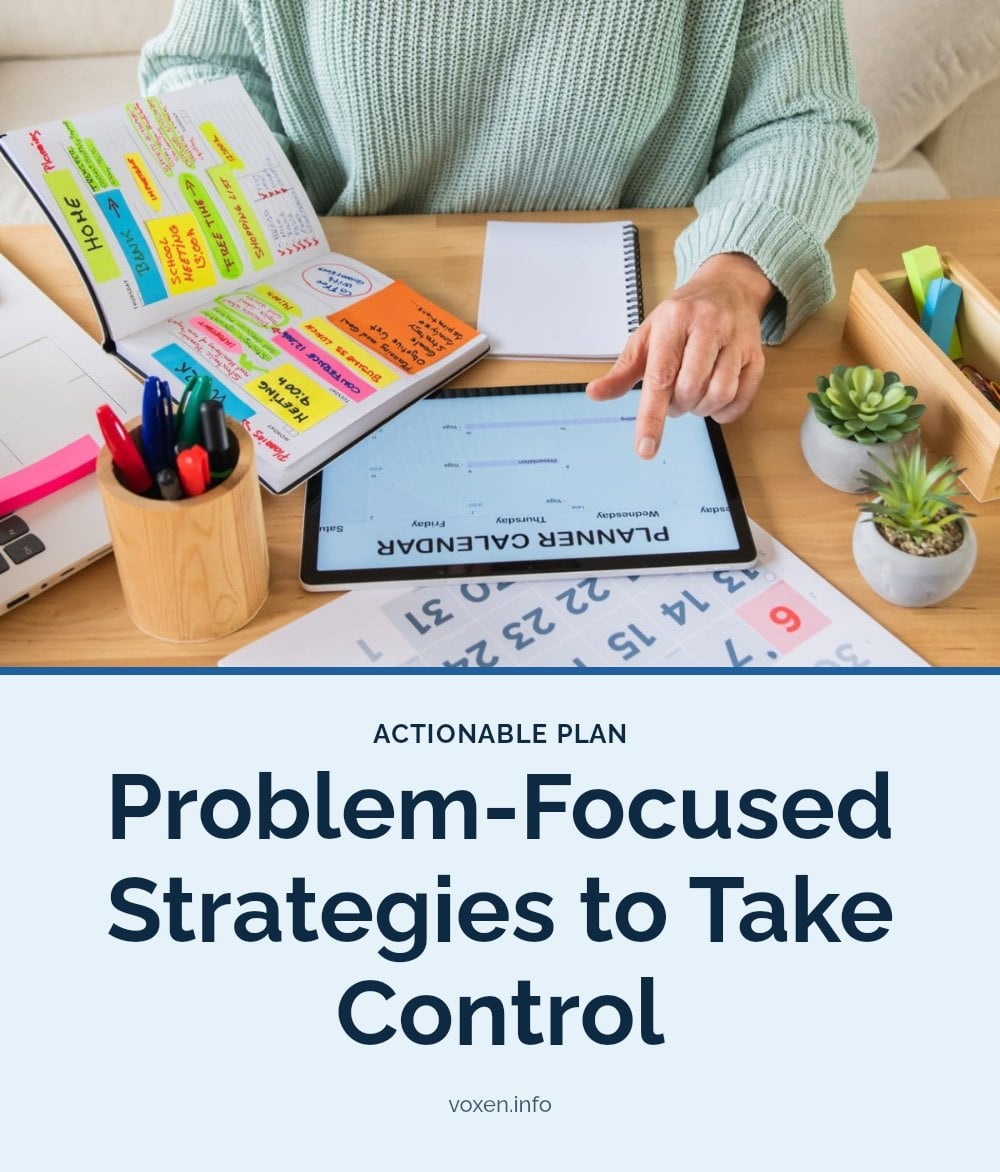
These skills aim to change or eliminate the source of stress. My tip: Think about what you can actively do to alter the situation.
- Set realistic boundaries to prevent overwhelm at work or home.
- Create a daily schedule to manage your time and priorities.
- Break large tasks into smaller, manageable steps.
- Seek reliable information to solve a specific problem.
- Delegate tasks to others when you can.
- Practice assertive communication to express your needs clearly.
- Identify and eliminate triggers that you can control.
- Make a pros and cons list before making a decision.
- Ask for help with a challenging project or situation.
- Develop a backup plan for potential obstacles.
Emotion-Focused Coping Strategies
These skills help manage the emotional response to stress when the stressor cannot be changed. My tip: These are about managing your internal reaction, not changing the external situation.
- Practice mindfulness meditation to stay present without judgment.
- Use deep breathing exercises to activate your relaxation response.
- Write in a journal to process emotions and identify triggers.
- Talk to a trusted friend or family member for support.
- Engage in positive self-talk to counter negative thoughts.
- Listen to calming music or nature sounds.
- Take a warm bath or use aromatherapy to soothe your senses.
- Practice gratitude by listing things you appreciate.
- Allow yourself to cry to release pent-up emotions.
- Use progressive muscle relaxation to release physical tension.
Mindfulness and Relaxation Techniques
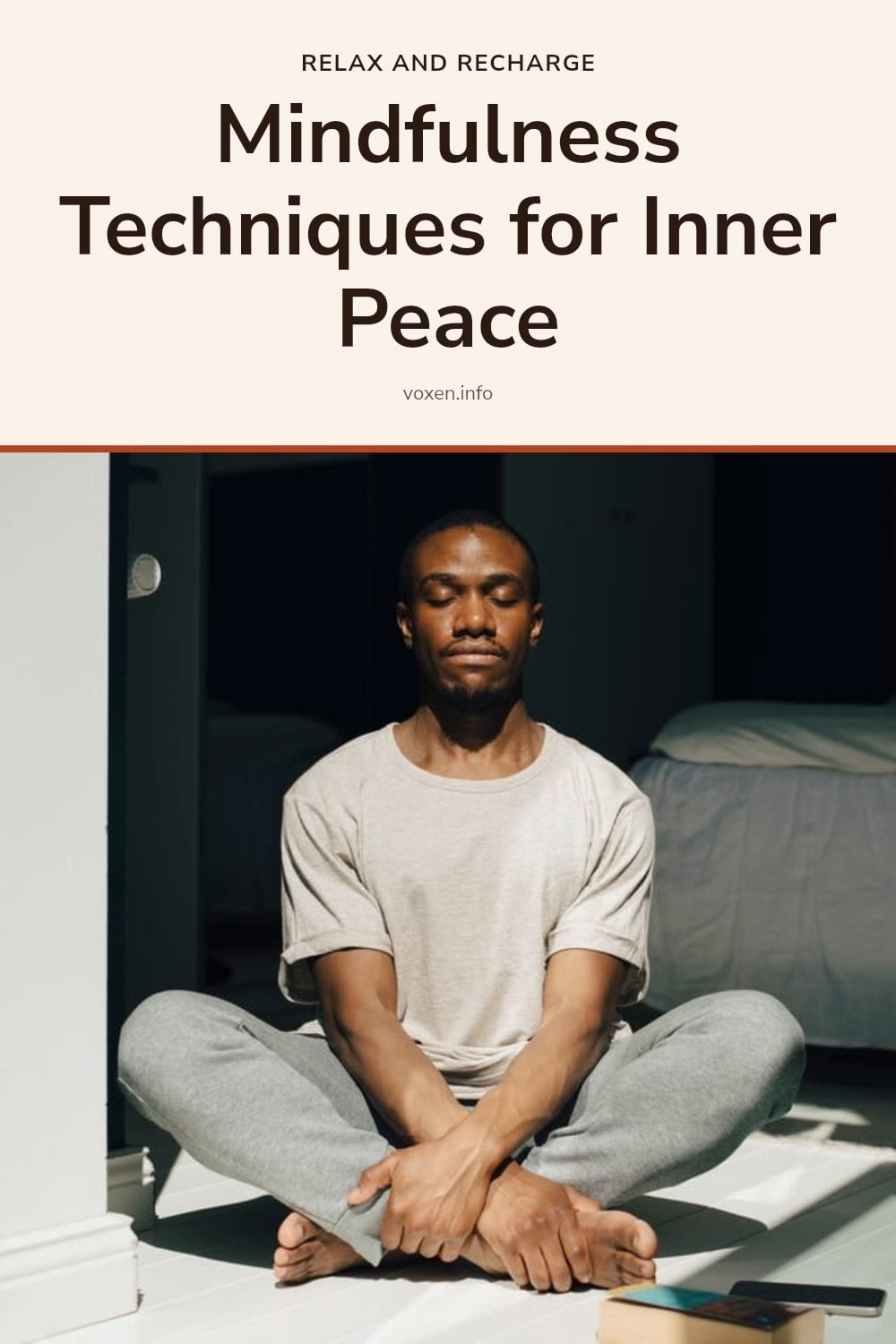
This group focuses on present-moment awareness and calming the nervous system. My tip: Even 5 minutes can make a difference, and consistency is key.
- Try a guided meditation app for short sessions.
- Perform a body scan from head to toe to release tension.
- Practice progressive muscle relaxation by tensing and releasing muscle groups.
- Engage your senses with calming music or aromatherapy.
- Focus on your breath for 5 minutes, counting each inhale and exhale.
- Use a grounding technique by naming 5 things you see, 4 you feel, 3 you hear, 2 you smell, and 1 you taste.
- Take a mindful walk paying attention to each step and your surroundings.
- Practice gentle yoga or stretching with deep breathing.
- Listen to a body scan recording before bed to unwind.
- Repeat a calming phrase silently, like “I am safe right now.”
Physical and Creative Outlets
Physical movement and creative expression give you a healthy outlet to process emotions and burn off stress. My tip: Physical activity is a powerful coping mechanism, releasing endorphins and reducing stress hormones.
- Go for a brisk walk outside
- Dance to your favorite playlist
- Practice yoga or gentle stretching
- Paint, draw, or work with clay
- Play a musical instrument
- Try a high-intensity workout like running or cycling
- Write poetry or short stories
- Do gardening or yard work
- Take a fitness class online or in person
- Sculpt or build something with your hands
Social Connection and Support
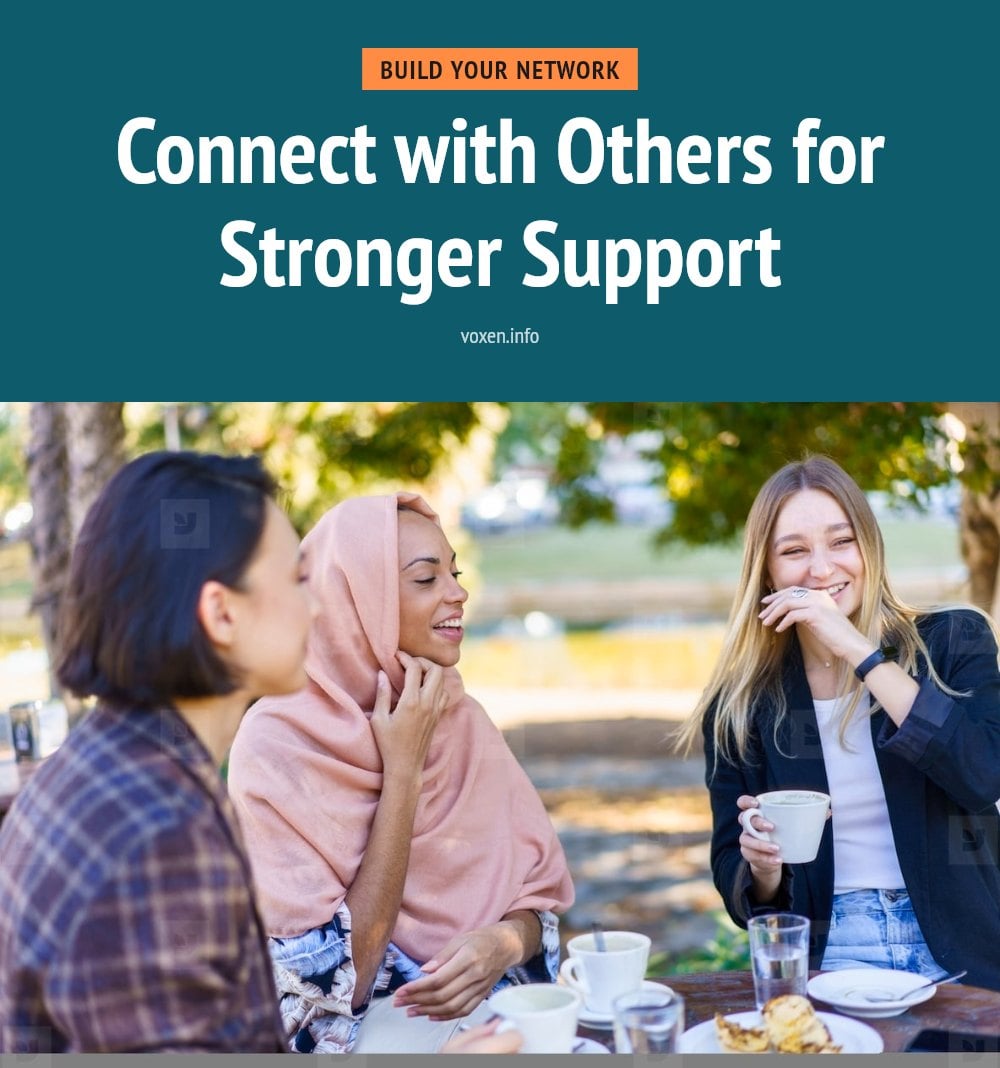
Connecting with others helps regulate your emotions and reminds you that you are not alone. My tip: Social support is a key emotion-focused coping strategy; don’t be afraid to lean on your village!
- Call a trusted friend or family member
- Join a support group in person or online
- Spend quality time with a pet
- Volunteer for a cause you care about
- Schedule regular coffee dates with a friend
- Attend a community class or workshop
- Share your feelings in a safe, honest conversation
- Participate in a group hobby or sport
- Write a letter or email to someone you trust
- Simply sit with someone without talking
Self-Care and Lifestyle Adjustments
Foundational self-care builds resilience so you can handle stress before it overwhelms you. My tip: Neglecting basic self-care can make all other coping skills less effective. Prioritize yourself!
- Aim for 7-9 hours of quality sleep each night
- Eat balanced meals with plenty of vegetables and protein
- Drink water consistently throughout the day
- Take short breaks every 90 minutes
- Practice self-compassion when you make mistakes
- Set aside time for a hobby you enjoy
- Limit screen time before bed
- Stick to a consistent daily routine
- Say no to extra commitments when you feel full
- Spend a few minutes each day in quiet reflection
Frequently Asked Questions
What is the difference between problem-focused and emotion-focused coping?
Problem-focused coping aims to change or remove the source of stress, like creating a schedule or setting a boundary. Emotion-focused coping helps you manage your emotional response when the stressor can’t be changed, such as through meditation or journaling. Both are valuable, and the best approach often combines them.
How often should I practice coping skills?
For the best results, integrate coping skills into your daily routine, even on calm days. This builds resilience so you’re better prepared when stress hits. Quick techniques like deep breathing can be used anytime, while longer practices like journaling or exercise are great to schedule a few times a week.
Can coping skills cure anxiety or depression?
Coping skills are supportive tools for managing symptoms, but they are not a cure for anxiety or depression. These are medical conditions that often require professional treatment. If you are experiencing persistent sadness, hopelessness, or thoughts of self-harm, please consult a mental health professional immediately.
What are signs that I need professional help for stress?
If stress feels unmanageable, interferes with your daily life, or leads to persistent sadness, hopelessness, or thoughts of self-harm, it’s time to seek professional help. Other signs include relying on unhealthy coping strategies like substance abuse or avoidance, or if stress is significantly impacting your physical health.
Is avoidance ever a healthy coping skill?
Occasional short-term avoidance, like taking a break from a stressful situation, can be a temporary strategy. However, using avoidance as a primary coping method often makes problems worse over time. Healthy coping involves acknowledging and processing emotions, not ignoring them. If you find yourself consistently avoiding, it may be a sign to try other strategies.
Final Thoughts
Building a solid set of coping skills takes time, but you can feel the benefits right away with techniques like deep breathing. My recommendation: pick just two or three strategies from the lists above and practice them for a week. Notice which ones help you feel more grounded. Over a few weeks of consistent use, you’ll likely find that overwhelm doesn’t hit as hard or last as long.
Remember, coping isn’t about eliminating stress completely; it’s about managing it so you can keep moving forward. You’ve got this.
This article is for informational purposes only and is not a substitute for professional medical or mental health advice. Coping skills are supportive tools, not a replacement for treatment. If you are experiencing persistent stress, anxiety, depression, or thoughts of self-harm, please consult a qualified healthcare provider or mental health professional.

