Feeling stuck or uninspired? You are not alone, and the good news is that creativity is a skill you can build, not just a talent you are born with. In this article, I will walk you through simple daily exercises and mindset shifts that can help spark new ideas and break free from routine thinking, whether you are working on a project or just want to enrich your personal life.
The key is to start small and stay consistent. Even 10 to 15 minutes a day of focused practice can lead to noticeable improvements over time. Let’s dive into the tools, practices, and tips that can help you unlock your creative potential.

Key Takeaways
- Dedicate 10 to 15 minutes each day to a specific creative exercise without multitasking.
- Keep an idea journal or sketchbook to capture thoughts, observations, and doodles throughout the day.
- Prioritize quantity over quality early on by generating 10 to 20 ideas before evaluating any of them.
- Take regular creativity walks in new or familiar environments, paying close attention to details.
- Embrace constraints as a way to force novel solutions within boundaries.
How to Boost Your Creativity Daily
Creativity is a skill, not just a talent, and you can build it with consistent practice. I’ve found that even 10 to 15 minutes a day makes a real difference. Simple exercises, like jotting down ideas or taking a different route on your walk, help foster a more creative mindset. Embrace new experiences and allow yourself periods of divergent thought, where you let ideas flow without judgment. That’s how you spark innovative solutions.
Essential Tools for Your Creativity Journey
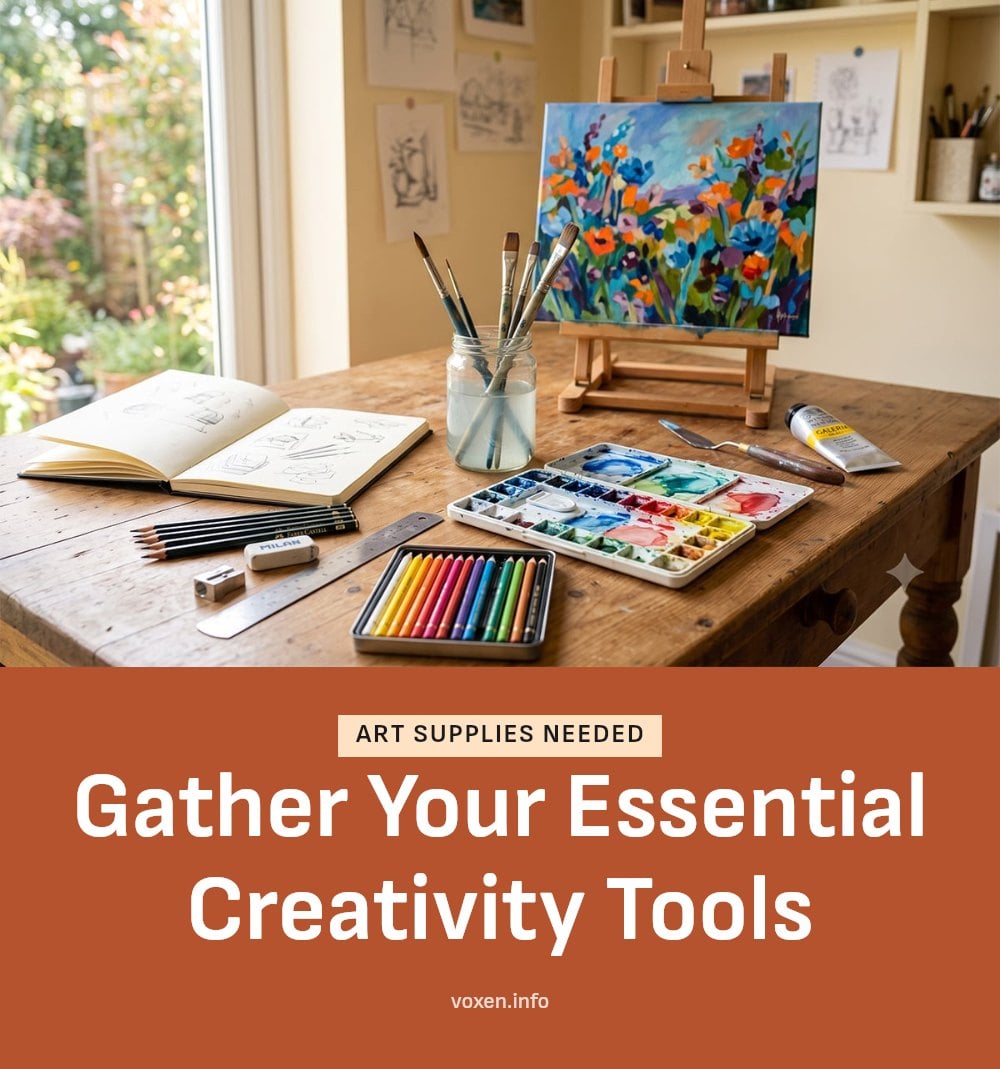
You don’t need expensive gear to get started. Here are the basics I keep on hand:
- Notebooks: A physical space to capture thoughts and ideas before they vanish.
- Pens/Pencils: Essential for writing and sketching. I always have a few in my bag.
- Sketchbooks: A visual outlet for spontaneous drawing and doodling.
- Art supplies: Colored pencils or watercolors add a playful dimension to creative exploration.
- A timer: Helps you dedicate focused blocks of time, like 10 minutes, to a creative exercise.
- Music player: Background music or soundscapes can enhance focus and set the mood.
Daily Practices to Unlock Your Creative Potential
Consistency beats intensity every time. Here are my go-to daily practices that build creative momentum without overwhelming your schedule.
- Set a daily creative block: Dedicate 10 to 15 minutes each day to a specific creative exercise. No multitasking, just focused time. My tip: Use a timer to keep yourself honest and avoid burnout.
- Try morning pages: Write three pages of stream-of-consciousness text first thing in the morning. Don’t censor or edit. Just let the words flow. My tip: Keep your notebook by your bed so you start before your inner critic wakes up.
- Set an idea quota: Challenge yourself to generate 10 to 20 ideas for a problem, no matter how silly. The goal is quantity, not quality. This forces your brain to stretch beyond obvious solutions.
- Take creativity walks: Walk in a new or familiar environment and pay attention to details you usually miss. Observe colors, textures, sounds, and patterns. A change of scenery often sparks fresh connections.
- Learn a simple new skill: Pick something basic, like drawing a simple shape, knitting a stitch, or learning five words in a new language. This transfers creative problem-solving abilities to other areas.
Different Ways to Spark New Ideas and Perspectives
When you feel stuck, these methods can help you see things from a new angle. I rotate through them depending on my mood.
Idea Journal
Keep a dedicated journal to capture thoughts, observations, and doodles throughout the day. The act of writing them down frees your mind to make new connections. Tip: Review your entries weekly to spot patterns you might have missed.
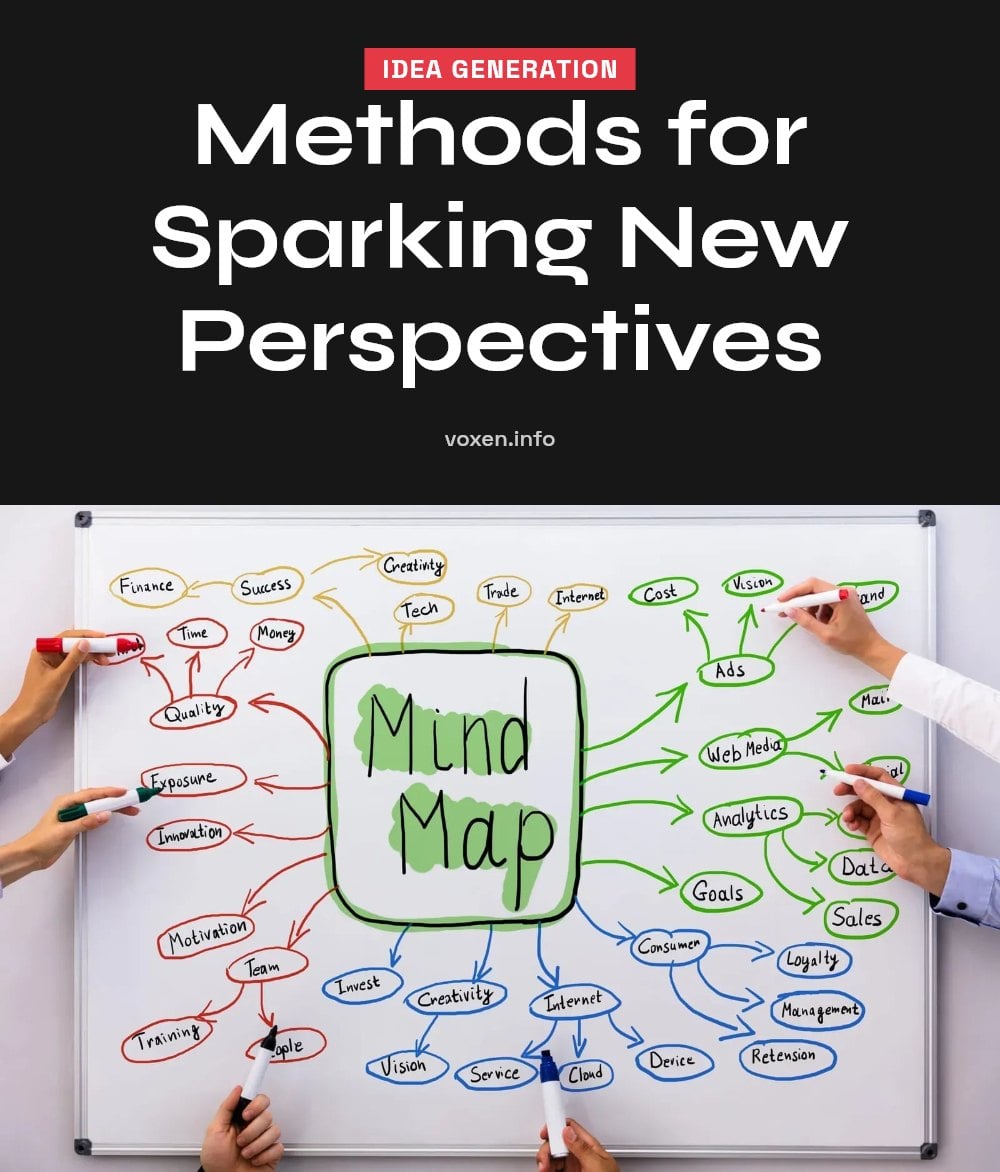
Mind Mapping
Start with a central theme and branch out with related ideas, using lines to connect them. This visual technique helps you see relationships between concepts. Caution: Don’t overthink the structure; let the map grow organically.
Random Word Association
Pick a random word from a book or online generator and brainstorm connections to your current challenge. This forces your brain to make unexpected links. Tip: Use a word completely unrelated to your problem for the best results.
Collaborate and Brainstorm
Work with others to gain diverse perspectives. A quick brainstorming session with a friend or colleague can spark ideas you wouldn’t reach alone. Caution: Set a rule of no judgment during the session to keep ideas flowing.
Embrace Constraints
Limiting your options can paradoxically boost creativity. For example, try solving a problem using only three materials or within a 5-minute time limit. Boundaries force novel solutions. Tip: Start with one small constraint to see how it shifts your thinking.
Common Creativity Roadblocks to Avoid
Even with the best tools and practices, certain mindsets can block your progress. Here are the most common roadblocks I see and how to get past them.
- Mistake: Believing creativity is an innate talent. Creativity is a skill you build through practice, not a gift you either have or don’t.
- Mistake: Waiting for a ‘big idea.’ Small, daily exercises are what actually produce breakthroughs. Start with 10 minutes today.
- Mistake: Dismissing doodling or daydreaming. These activities allow your brain to make unexpected connections. They are productive, not a waste of time.
- Mistake: Overthinking and self-censoring too early. Let ideas flow without judgment during brainstorming. You can refine later.
- Mistake: Not taking breaks. Mental rest and incubation periods are essential for creative insight. Step away regularly.
- Mistake: Relying only on logical, linear thinking. Divergent thinking, which generates many unique ideas, is a core component of creativity. Mix logic with free exploration.
Pro Tips for Cultivating a Creative Mindset
These pro tips have helped me maintain a creative mindset even on uninspired days. Try weaving them into your routine.
- Prioritize quantity over quality early on. Don’t judge your ideas too quickly. Generate 10 to 20 possibilities before evaluating any of them.
- Actively seek inspiration. Don’t wait for it to strike. Visit a new place, listen to different music, or browse a subject you know nothing about.
- Focus on your own growth. Comparing your creative output to others stifles originality. Your unique perspective is your strength.
- Prioritize physical well-being. Sleep, nutrition, and exercise directly impact cognitive function. A rested body supports a creative mind.
- Introduce novelty into your routine. Small changes, like taking a different route to work or trying a new recipe, stimulate new brain connections.
- Embrace mistakes as learning opportunities. Every misstep teaches you something about your process and can lead to unexpected solutions.
What to Expect: Time and Investment in Your Creative Journey
You don’t need a huge time commitment or a big budget to see results. Here is what to expect.
- Time: Consistent daily or weekly practice, even just 10 to 15 minutes, will show gradual improvements. Noticeable shifts in creative thinking typically appear over weeks and months.
- Cost: The investment is minimal. Basic supplies like notebooks and pens are all you really need to start.
- Biggest investment: Your time and commitment to regular practice. That is what makes the real difference.
Frequently Asked Questions
How long does it take to see results from creative exercises?
Consistent daily or weekly practice, even just 10 to 15 minutes, will show gradual improvements. Noticeable shifts in creative thinking typically appear over weeks and months. Be patient and focus on the process rather than immediate results.
Can creativity be learned, or is it innate?
Creativity is a skill that can be developed through consistent practice, not just an innate talent. Engaging in simple exercises like journaling, mind mapping, or learning new skills can help build your creative abilities over time.
What if I don’t feel inspired to do creative exercises?
Don’t wait for inspiration to strike; actively seek it out through consistent practice. Even on uninspired days, committing to a short 10-minute exercise can help break the block. Over time, the routine itself can become a catalyst for inspiration.
Are there specific times of day best for creative work?
There is no single best time that works for everyone. Experiment with different times to see when you feel most focused and open. Some people find mornings ideal for stream-of-consciousness writing, while others prefer afternoons or evenings for brainstorming.
How can I overcome self-doubt in my creative process?
Self-doubt is common, but you can manage it by focusing on quantity over quality in the early stages. Avoid comparing your output to others, and remind yourself that mistakes are valuable learning opportunities. Keep an idea journal to track your progress and celebrate small wins.
Does collaboration help or hinder individual creativity?
Collaboration can spark new ideas through diverse perspectives, especially during brainstorming sessions. However, it is also important to balance group work with individual reflection time. Use collaboration as a tool to expand your thinking, not as a replacement for personal practice.
Final Thoughts
My tip is to start with just one practice, like a daily 10-minute idea quota or a creativity walk, and stick with it for a few weeks. You can expect gradual improvements in your creative thinking over weeks and months, not overnight. The most important step is simply to begin and keep at it, without judging your ideas too early.

