You have probably noticed those tiny lines fanning out from the corners of your eyes, especially after a long day in the sun or a big smile. Crow’s feet are a natural part of aging, but sun exposure speeds up their appearance more than almost anything else. This article walks you through the daily habits that protect the delicate eye area, from sunscreen and sunglasses to hydration and gentle skincare, so you can keep those lines at bay.

Key Takeaways
- Apply a broad-spectrum sunscreen with SPF 30 or higher around your eyes every morning, even on cloudy days.
- Wear sunglasses that block 99-100% of UVA and UVB rays to prevent squinting and direct sun damage.
- Use a hydrating eye cream with ingredients like hyaluronic acid or ceramides twice daily.
- Add a Vitamin C antioxidant serum in the morning and a retinoid eye cream at night, starting slowly.
- Stay hydrated, eat antioxidant-rich foods, get 7-9 hours of sleep, and avoid smoking for overall skin health.
What Are Crow’s Feet and Why Do They Appear?
Crow’s feet are the fine lines and wrinkles that radiate from the outer corners of your eyes. Medically known as lateral canthal lines, they appear due to a combination of collagen and elastin breakdown, repetitive muscle movements from smiling or squinting, and environmental factors like sun exposure. The skin around your eyes is thinner and more delicate than the rest of your face, making it especially vulnerable to these lines.
1. Make Sunscreen Your Daily Best Friend
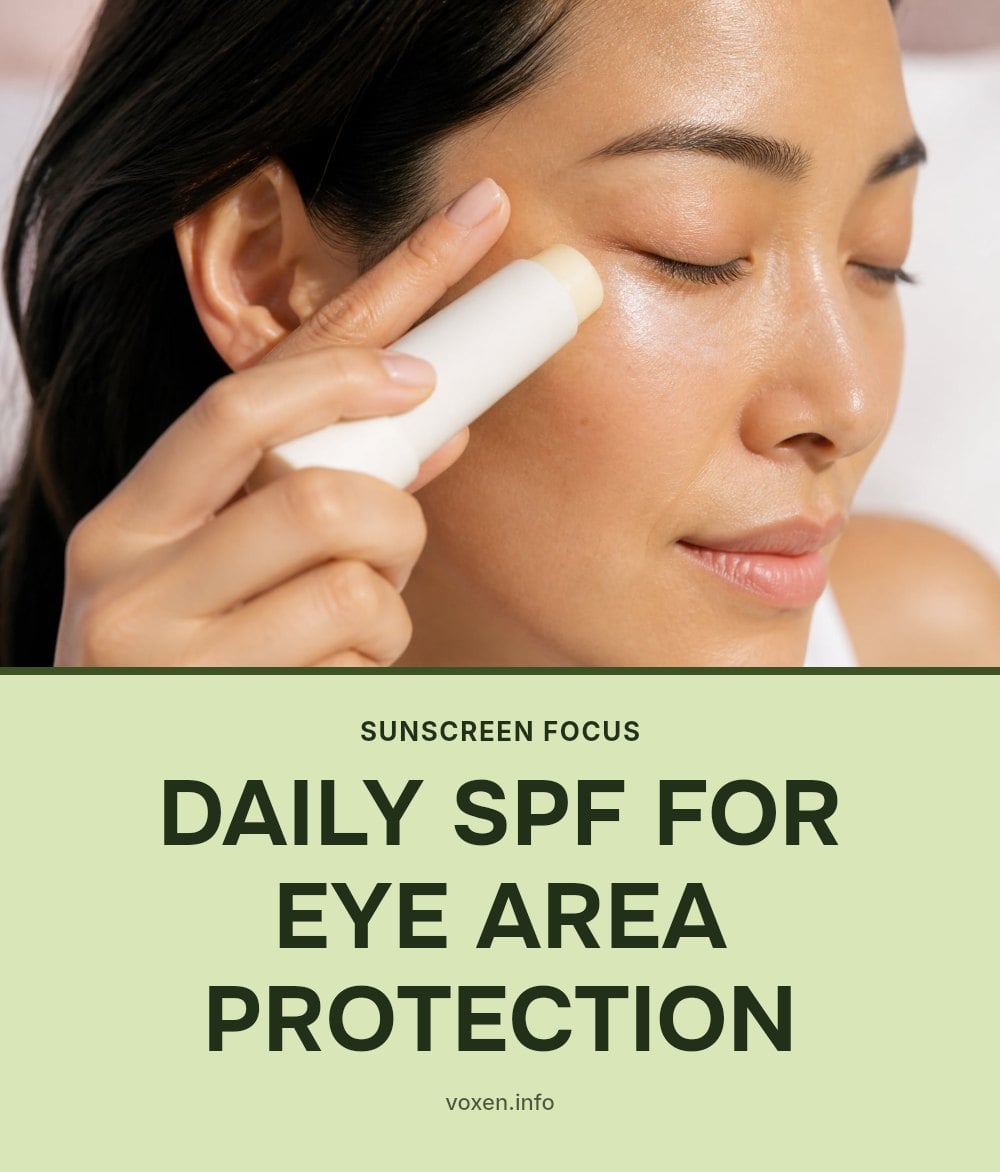
Apply a broad-spectrum sunscreen with SPF 30 or higher around your eyes every single morning, even on cloudy days. UV radiation is a leading cause of premature aging and directly deepens crow’s feet. UVA rays break down collagen and elastin, while UVB rays cause sunburn.
My tip: Don’t forget the outer corners and under-eye area. It’s easy to miss. Use a mineral-based formula if you have sensitive eyes.
2. Wear UV-Protective Sunglasses

Always wear sunglasses that block 99-100% of UVA and UVB rays when you go outside. This prevents squinting, which creates dynamic wrinkles around your eyes over time. It also directly shields the delicate eye area from damaging sun exposure.
My tip: Look for labels that explicitly state ‘UV400’ or ‘100% UV protection’ to ensure full coverage.
3. Hydrate with a Gentle Eye Cream
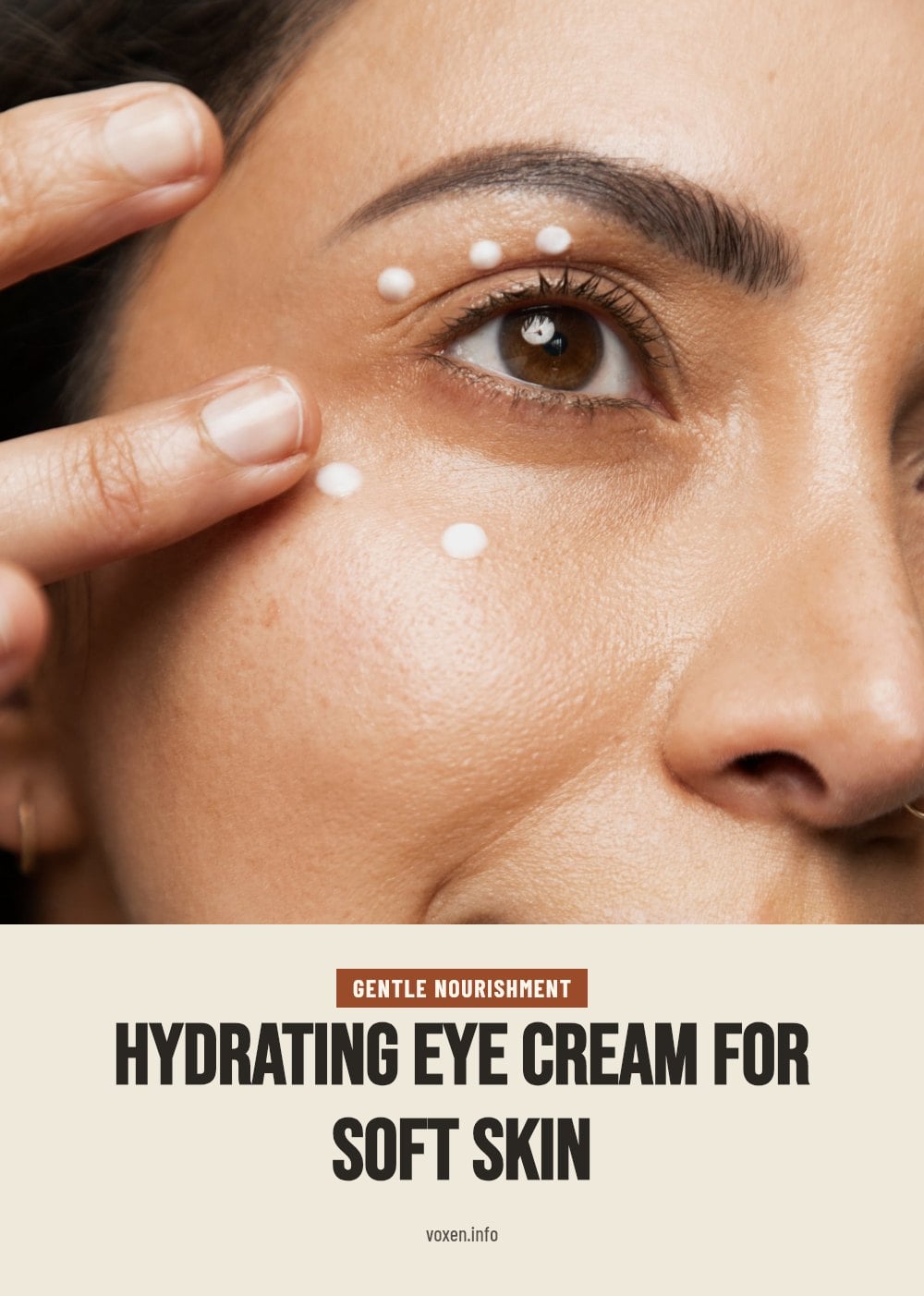
Use a hydrating eye cream formulated for the delicate eye area twice daily. Hydration keeps skin plump, which minimizes the appearance of fine lines. Look for ingredients like hyaluronic acid or ceramides to lock in moisture.
Tip: Pat the cream on gently with your ring finger, never rub or pull. The ring finger naturally applies the least pressure, protecting fragile skin.
4. Embrace Antioxidants in the Morning
Add an antioxidant serum, like Vitamin C, to your morning routine. Antioxidants neutralize free radicals from UV exposure and pollution, which accelerates crow’s feet formation. This extra layer of protection boosts your sunscreen’s effectiveness.
Good to know: Apply the serum right after cleansing, before your eye cream and sunscreen, so it absorbs directly into the skin.
5. Introduce Retinoids at Night

Use an eye cream with retinoids (Vitamin A derivatives) in your evening routine. Retinoids stimulate collagen production and improve skin texture, which can reduce fine lines over time. Start with a low concentration and apply every other night to avoid irritation around the delicate eye area.
Caution: Always apply to completely dry skin and keep the product away from your eye itself. Discontinue use if redness or burning occurs.
6. Stay Well-Hydrated Internally
Drink enough water throughout the day to keep your skin hydrated from the inside out. Proper hydration helps maintain skin plumpness, which makes fine lines less noticeable.
Pro move: Carry a reusable water bottle with you as a visual reminder to sip regularly.
7. Eat an Antioxidant-Rich Diet
Eat a diet rich in fruits and vegetables to supply your body with internal antioxidants. These compounds fight oxidative stress from the inside, just like topical serums do on the surface.
Quick tip: Aim for colorful plates, berries, leafy greens, and citrus are excellent choices for skin-supporting nutrients.
8. Prioritize Quality Sleep
Aim for 7-9 hours of quality sleep each night. During sleep, your skin goes into repair mode, producing collagen and healing the daily damage from UV exposure and environmental stress. This nightly repair process directly supports the skin around your eyes, making fine lines less noticeable over time.
Tip: Try to sleep on your back to avoid pressing your face into the pillow. Side or stomach sleeping can create sleep lines that eventually become permanent wrinkles.
9. Quit Smoking for Healthier Skin
Smoking significantly accelerates skin aging, leading to deeper crow’s feet and more pronounced wrinkles overall. It constricts blood vessels, reducing oxygen and nutrient flow to the skin, and directly damages collagen and elastin fibers. This combination makes existing lines worse and prevents your skin from repairing itself.
Quitting is one of the most impactful steps you can take for your skin and overall health. Good to know: Seek support if you are struggling to quit; there are many resources available, including helplines, apps, and support groups.
10. Be Gentle with Eye Area Skin

The skin around your eyes is incredibly delicate, so treat it with extreme care. Avoid rubbing, pulling, or stretching the skin when cleansing, applying makeup, or removing it. Use gentle cleansers and always pat products in with your ring finger rather than rubbing them in.
Pro move: When removing eye makeup, hold a soaked cotton pad over your eye for a few seconds to dissolve the makeup before gently wiping. This prevents the tugging that can accelerate wrinkle formation.
11. Manage Stress Effectively
Chronic stress can contribute to overall skin aging and impact your skin’s ability to repair itself. When you are stressed, your body produces cortisol, which can break down collagen and elastin over time. This makes existing fine lines, including crow’s feet, more noticeable.
Find healthy ways to manage stress, such as meditation, yoga, or spending time in nature. Quick tip: Even short breaks for deep breathing can make a difference. Taking five slow breaths when you feel tense helps lower cortisol levels and supports your skin’s health.
When to See a Dermatologist
See a dermatologist if your crow’s feet are severe and haven’t improved after consistent use of sunscreen, eye creams, and retinoids for several months. Also make an appointment if any product causes persistent irritation, redness, itching, or burning around your eyes. A dermatologist can recommend advanced options like prescription-strength retinoids, injectables, or laser therapy. And always get any unusual changes in the skin around your eyes checked promptly.
Frequently Asked Questions
Are crow’s feet preventable?
You cannot completely prevent crow’s feet because they are a natural part of aging and facial expressions. However, consistent sun protection, wearing sunglasses, staying hydrated, and avoiding smoking can significantly delay their appearance and keep them from becoming deep or prominent.
How long does it take to see results from eye creams?
Visible results from hydrating eye creams or retinoid formulas typically take 4 to 12 weeks of daily use. Hydrating creams may plump the skin within a few weeks, while retinoids need longer to stimulate collagen. Consistency matters more than using a high concentration.
Can drinking water really help with crow’s feet?
Yes, staying well-hydrated helps maintain skin plumpness, which makes fine lines less noticeable. While water alone will not erase wrinkles, it supports overall skin health and works alongside topical products to keep the eye area looking smoother.
Is it okay to use my regular face moisturizer around my eyes?
You can use a regular face moisturizer if it is gentle and free of harsh exfoliants or strong actives. However, an eye cream is often better because it is formulated specifically for the thinner, more sensitive skin around the eyes and may include targeted ingredients like hyaluronic acid or ceramides.
What’s the best time of day to apply eye cream?
Apply a hydrating eye cream in the morning and at night for best results. In the morning, use a lightweight formula before sunscreen. At night, you can use a richer cream or a retinoid eye cream, starting every other night to avoid irritation.
Final Thoughts
Start with one habit that feels doable, like applying sunscreen around your eyes every morning or wearing sunglasses whenever you step outside. Realistic results from topical treatments like retinoids usually take 4 to 12 weeks of consistent use, so patience is key. Stick with these daily practices, and you will support your skin’s long-term health while keeping crow’s feet less noticeable.
This article is for general informational purposes only and does not constitute medical or professional skincare advice. Individual results may vary. If you have persistent skin concerns, irritation, or severe wrinkles around your eyes, consult a dermatologist or a qualified healthcare professional.

