If your cuticles are dry, cracked, or prone to hangnails, a simple DIY cuticle oil can make a big difference. This article covers why jojoba oil and vitamin E are a powerful combination, how to mix your own oil in minutes, and the best ways to use it for healthier nails and skin.
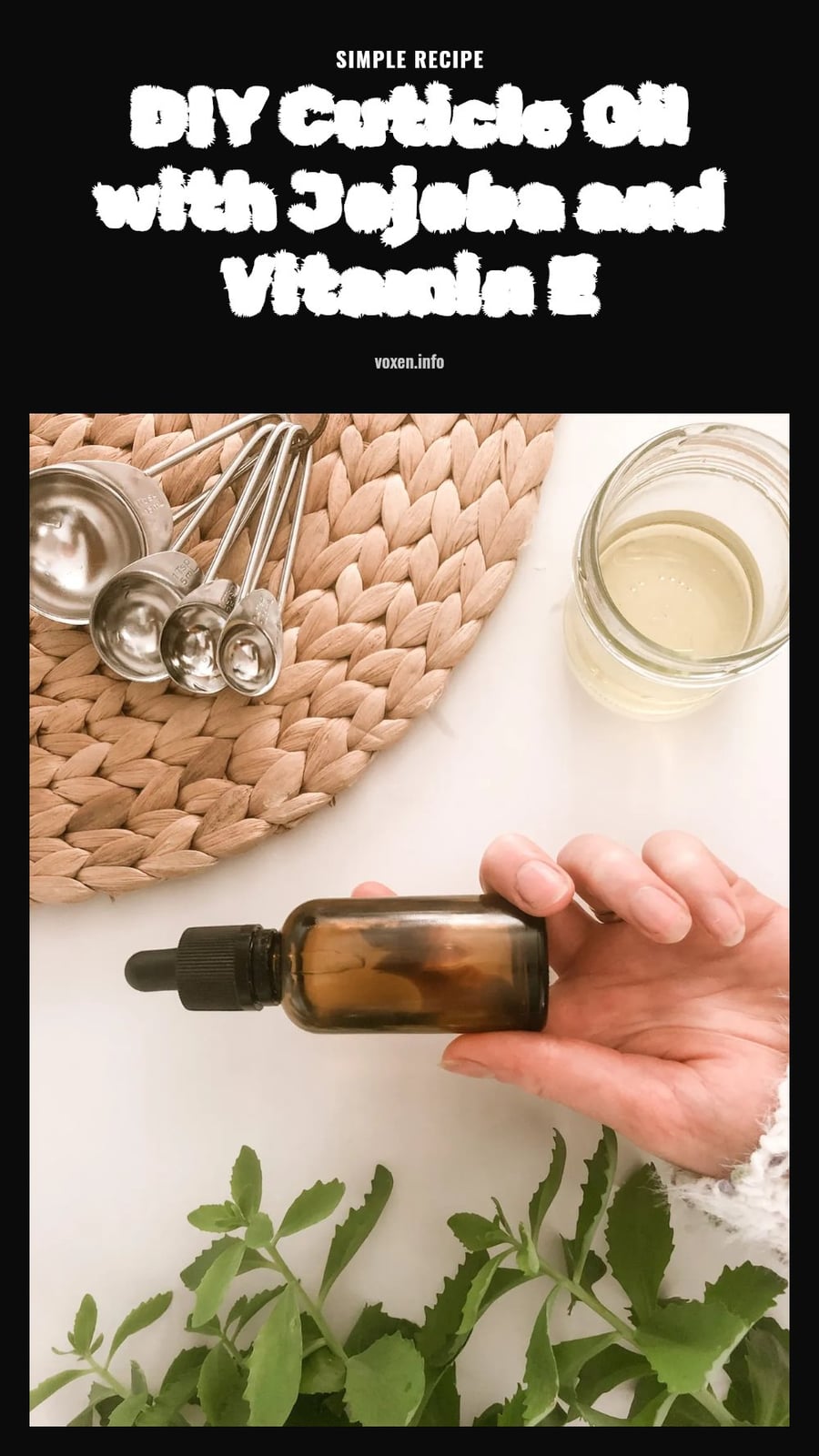
Key Takeaways
- Jojoba oil mimics skin’s natural sebum for deep, non-greasy absorption.
- Apply cuticle oil daily, especially after washing hands or showering.
- Store homemade oil in a cool, dark place to preserve its potency.
- Never cut your cuticles; moisturize them instead to prevent infection.
- Visible improvements in nail and cuticle health often appear within a few weeks.
Why This DIY Cuticle Oil Works Wonders
Jojoba oil is the star here because its structure is nearly identical to our skin’s natural sebum. That similarity means it absorbs quickly and deeply without leaving a greasy residue. Vitamin E acts as a powerful antioxidant, protecting your skin and nails from environmental damage. Together, this combination prevents dryness, cracking, and hangnails, leading to stronger, more flexible nails.
Ingredients for Your Homemade Cuticle Oil
High-quality, cold-pressed jojoba oil is my absolute favorite carrier oil for this recipe. It mimics our skin’s natural sebum, so it absorbs beautifully without feeling greasy. Vitamin E oil is a fantastic antioxidant that helps nourish and protect your cuticles and nails. You can buy it in liquid form or snip open a few capsules. Optional essential oils can be added:
- Lavender: for soothing
- Tea tree: for its natural antiseptic properties
- Lemon: for brightening
Always use essential oils sparingly and diluted.
Step-by-Step: Making Your Own Cuticle Oil
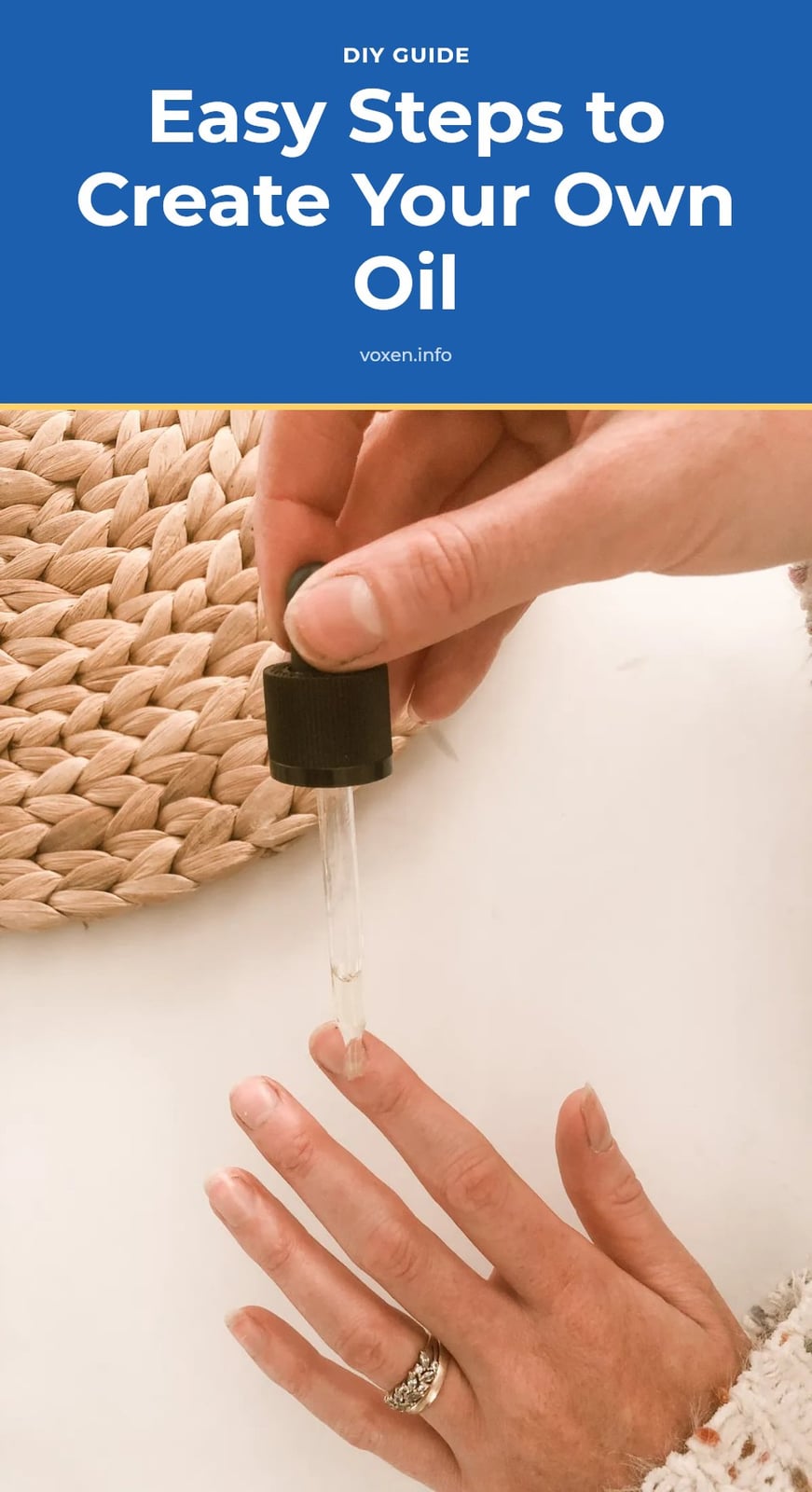
Making your own cuticle oil takes just a few minutes. Follow these steps:
- Gather your supplies: You will need your carrier oil (jojoba), vitamin E oil, optional essential oils, and a clean glass dropper bottle.
- Pour the jojoba oil: Carefully measure and pour the jojoba oil into your glass dropper bottle. A small funnel helps avoid spills.
- Add vitamin E: Add the vitamin E oil to the bottle. If using capsules, pierce them with a pin and squeeze the oil out.
- Add essential oils: If you are adding essential oils, start with just a few drops. A little goes a long way, and you can always add more later for a stronger scent.
- Mix and store: Secure the dropper cap tightly and gently shake the bottle to ensure all the oils are well combined. Your homemade cuticle oil is ready to use.
Here is the method in action: Summer Rain DIY demonstrates it in about 3 minutes. The how-to part starts at 0:34.
Best Tips for Using Your Cuticle Oil

Getting the most out of your cuticle oil is about technique and consistency. Here are my best tips:
- Daily Application: Make it a habit to apply your cuticle oil at least once a day, especially after washing your hands or showering, when your cuticles are soft and receptive.
- Gentle Massage: After applying a small drop to each nail, gently massage the oil into your cuticles and the skin around your nails. This helps with absorption and can even stimulate blood flow.
- Less is More: You only need a tiny amount. One drop per nail is usually plenty. Too much can leave your hands feeling greasy.
- Before or After Polish: You can apply cuticle oil before your base coat to protect your nails, or after your top coat to moisturize and add shine. I prefer after.
- Consistency is Key: Don’t expect magic overnight. Consistent, regular use is what will truly transform your cuticles and nails over a few weeks.
Variations to Customize Your Cuticle Oil
Jojoba oil is my top pick, but you can swap it for another nourishing carrier oil. Sweet almond oil is rich in vitamins and absorbs well, while a good quality olive oil from your pantry works in a pinch. Argan oil is another fantastic option known for its moisturizing properties.
For an extra boost, consider adding a few drops of rosemary essential oil, which some associate with promoting healthy nail growth. Tea tree oil can be a good choice if you are concerned about fungal issues, but remember that oil is not a treatment for existing infections. Always research essential oil safety and dilution before adding them to your mix.
Storing Your Homemade Cuticle Oil
To keep your DIY cuticle oil potent and fresh, store it in a cool, dark place away from direct sunlight and heat. A dark glass dropper bottle is ideal because it protects the oils from light degradation.
Aim to use your homemade cuticle oil within 3-6 months. While carrier oils have a decent shelf life, adding vitamin E and opening the bottle regularly can shorten it slightly. If you notice any changes in smell or consistency, make a fresh batch.
Common Mistakes to Avoid with Cuticle Oil
Cutting Your Cuticles: This is a big no-no. Your cuticles are a protective barrier, and cutting them can lead to infections and damage. Moisturize them instead of trimming.
Inconsistent Application: You will not see results if you only apply oil once in a blue moon. Regular, consistent use is key to improving nail and cuticle health.
Using Expired Oils: Always check the expiration dates on your carrier and essential oils. Expired oils can become less effective or even irritating.
Ignoring Underlying Issues: Cuticle oil is not a magic bullet for serious nail health problems. If you suspect a fungal infection or have persistent issues, consult a doctor.
When to Consult a Doctor About Your Nails
If you experience persistent redness, severe pain, swelling, or pus around your nails, it could indicate an infection that requires medical attention. If your nails show signs of fungal infection, such as discoloration, thickening, or crumbling, cuticle oil will not treat it. A doctor can provide appropriate treatment.
If you have any open wounds or severe cracks around your cuticles, avoid applying cuticle oil and seek professional medical advice to prevent further complications.
Frequently Asked Questions
Can I use olive oil as a cuticle oil?
Yes, olive oil can work as a carrier oil in a pinch. It’s moisturizing and you likely already have it in your kitchen. However, jojoba oil absorbs more quickly and is closer to your skin’s natural sebum, so it’s usually a better choice for daily use.
What is the difference between cuticle oil and hand cream?
Cuticle oil is designed to penetrate the cuticle and nail bed, delivering concentrated moisture and nutrients to that specific area. Hand cream is thicker and meant for the larger surface of your hands, but it won’t absorb as deeply into the cuticle. For best results, use both.
Does cuticle oil help nails grow faster?
Cuticle oil doesn’t directly speed up nail growth, but it supports healthier growth by keeping the nail bed and cuticles hydrated and flexible. Healthy nails are less likely to break or peel, so they can grow longer without damage. Consistent use can improve the overall condition of your nails.
How often should I apply cuticle oil for best results?
For best results, apply cuticle oil at least once a day, especially after washing your hands or showering when the cuticles are most receptive. If your cuticles are very dry, you can apply it two or three times a day. A drop per nail is usually enough.
Final Thoughts
Making your own cuticle oil with jojoba and vitamin E is a simple, cost-effective way to keep your cuticles and nails hydrated and strong. My tip: keep a dropper bottle by your sink so you remember to apply it after every hand wash. With daily use, you can expect to see softer cuticles and less brittleness in a few weeks. A little consistency goes a long way toward healthier nails.
This article is for general informational purposes only and does not constitute medical or professional advice. If you have persistent redness, pain, swelling, or signs of infection around your nails, consult a doctor or dermatologist. Always perform a patch test before using new oils on your skin.

