Dealing with a flaky, itchy scalp can be frustrating, but you don’t have to just live with it. The secret to managing dandruff isn’t just picking the right shampoo. It’s how you use it. This article breaks down the simple, step-by-step routine that makes your anti-dandruff shampoo actually work, from application to timing and consistency.

Key Takeaways
- Massage shampoo into your scalp, not just your hair, and leave it on for 3-5 minutes.
- Use anti-dandruff shampoo consistently 2-3 times a week for 2-4 weeks to see results.
- Rotate between two different active ingredients, like zinc pyrithione and salicylic acid, to prevent resistance.
- Rinse your scalp completely to avoid residue that can worsen flaking.
- Consult a dermatologist if dandruff persists or worsens after several weeks of use.
How to Use Dandruff Shampoo Effectively
To treat dandruff effectively, start with a shampoo that contains an active ingredient like zinc pyrithione or ketoconazole. Massage it thoroughly into your scalp, not just your hair, and leave it on for 3-5 minutes so the ingredients have time to work. Consistent use, typically 2-3 times a week, is what keeps flakes and itchiness under control.
1. Understand What Causes Dandruff
Dandruff usually starts with an overgrowth of a yeast-like fungus called Malassezia globosa, which feeds on the natural oils on your scalp. It is not a sign of poor hygiene, though infrequent washing can make flakes more visible. Stress and hormonal changes can also trigger or worsen the condition, so managing those factors may help alongside your shampoo routine.
2. Choose the Right Active Ingredient
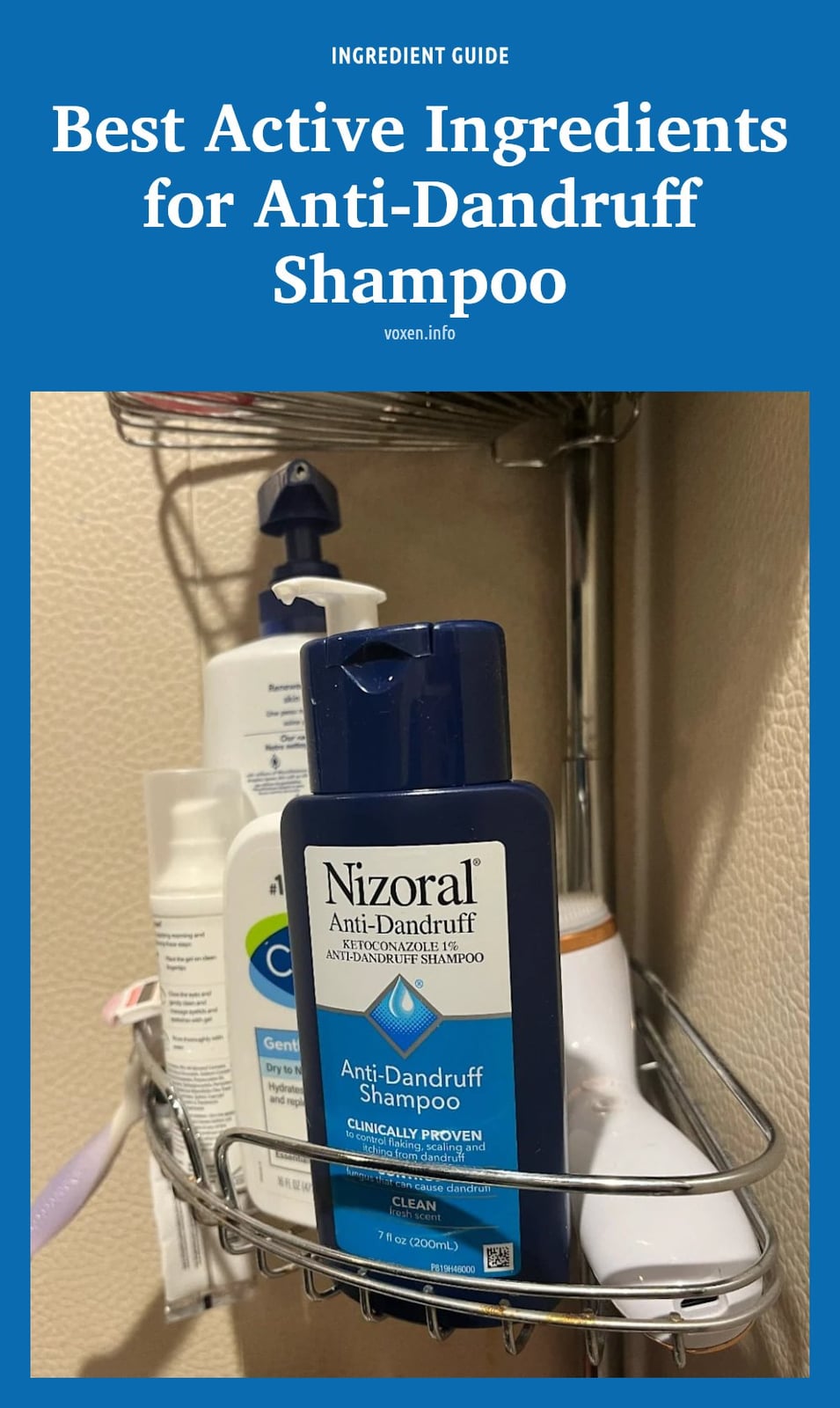
Anti-dandruff shampoos work in two main ways: by reducing the fungus or by slowing how fast skin cells on your scalp shed. Each active ingredient targets a different part of the problem.
- Zinc pyrithione and selenium sulfide are antifungals that directly reduce Malassezia globosa.
- Ketoconazole is a broad-spectrum antifungal often recommended for more stubborn cases.
- Salicylic acid helps exfoliate and loosen existing flakes.
- Coal tar slows skin cell growth and can reduce inflammation.
Choose based on your main symptom: flaking, itching, or both.
3. Focus on Your Scalp, Not Just Hair
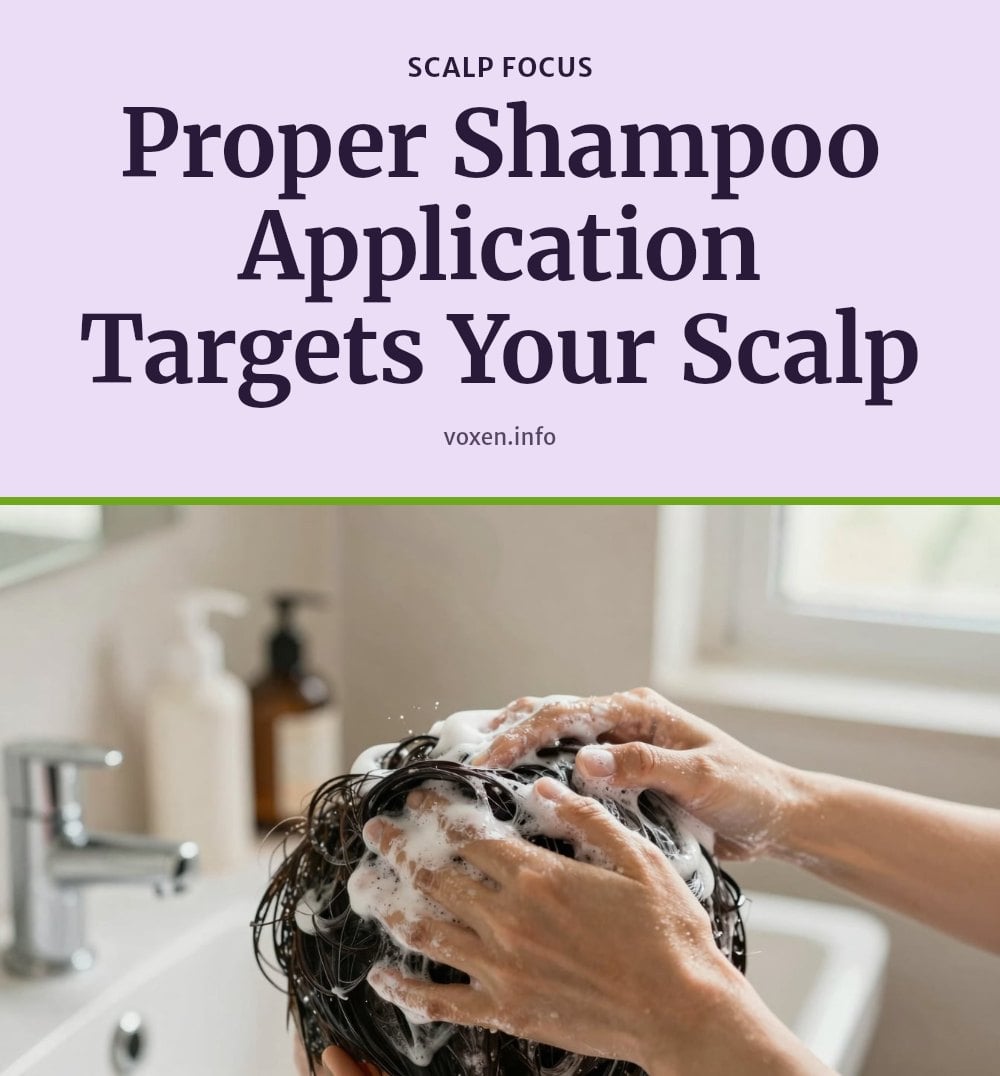
The active ingredients only work if they reach your scalp, not just your hair strands. Part your hair into sections and apply the shampoo directly to your scalp, making sure every area gets covered. Focus the product there, not on the lengths, and massage gently with your fingertips.
4. Massage Thoroughly and Gently
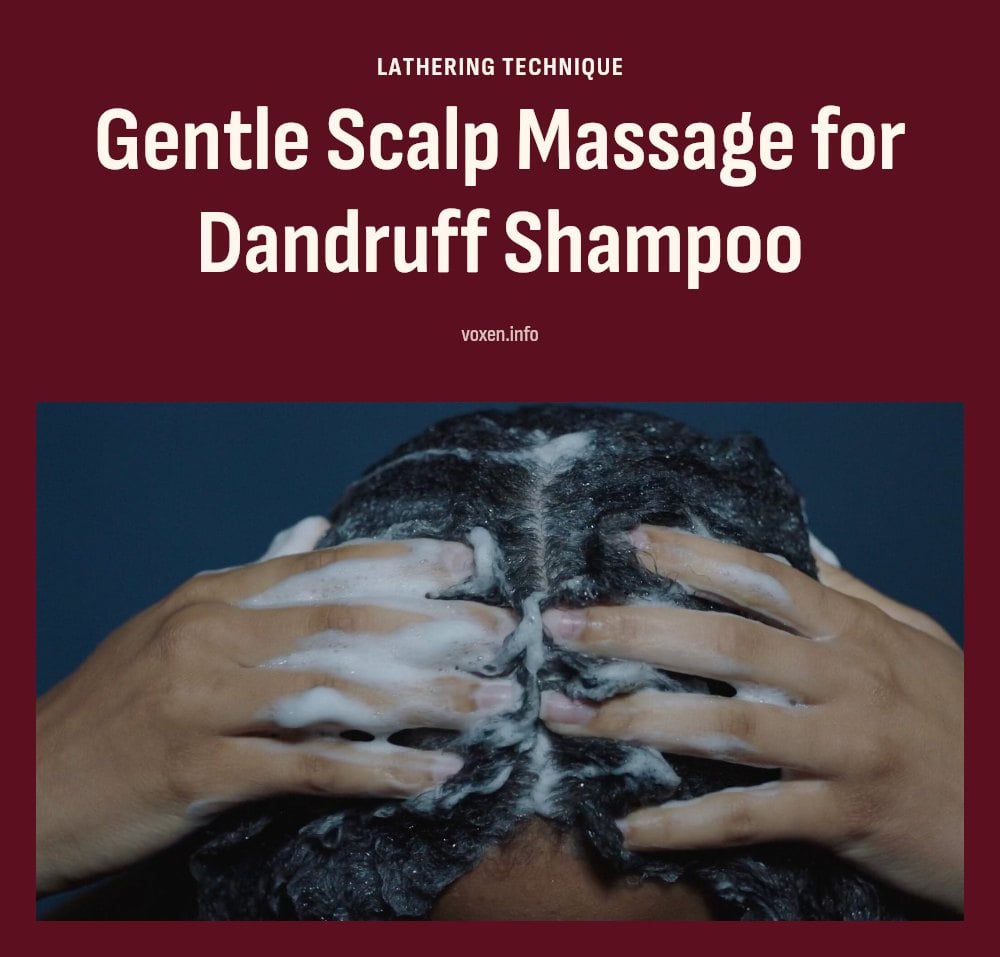
Use your fingertips to gently massage the shampoo into your entire scalp. This motion helps loosen flakes and allows the active ingredients to penetrate the skin more effectively. Avoid using your fingernails, as scratching can irritate or damage your scalp, which may worsen the problem.
Tip: Focus on small circular motions, working from the front of your scalp to the back. This ensures every area gets treated and you don’t miss any spots where flakes tend to hide.
5. Leave It On for Enough Time
The active ingredients need contact time with your scalp to work. Always follow the product instructions, but typically leave the shampoo on for 3-5 minutes before rinsing. My tip: Use this time to wash your body or shave your legs, so the wait feels productive.
6. Rinse Your Scalp Completely
Rinse your hair and scalp thoroughly until the water runs completely clear. Leftover shampoo residue can irritate your scalp and may even worsen flaking over time.
- Use lukewarm water and keep rinsing for at least 30 seconds after you think you’re done.
- Pay extra attention to the nape of your neck and behind your ears, where residue often hides.
- If your hair feels slippery or looks filmy, you haven’t rinsed enough.
7. Condition Hair, Not Scalp
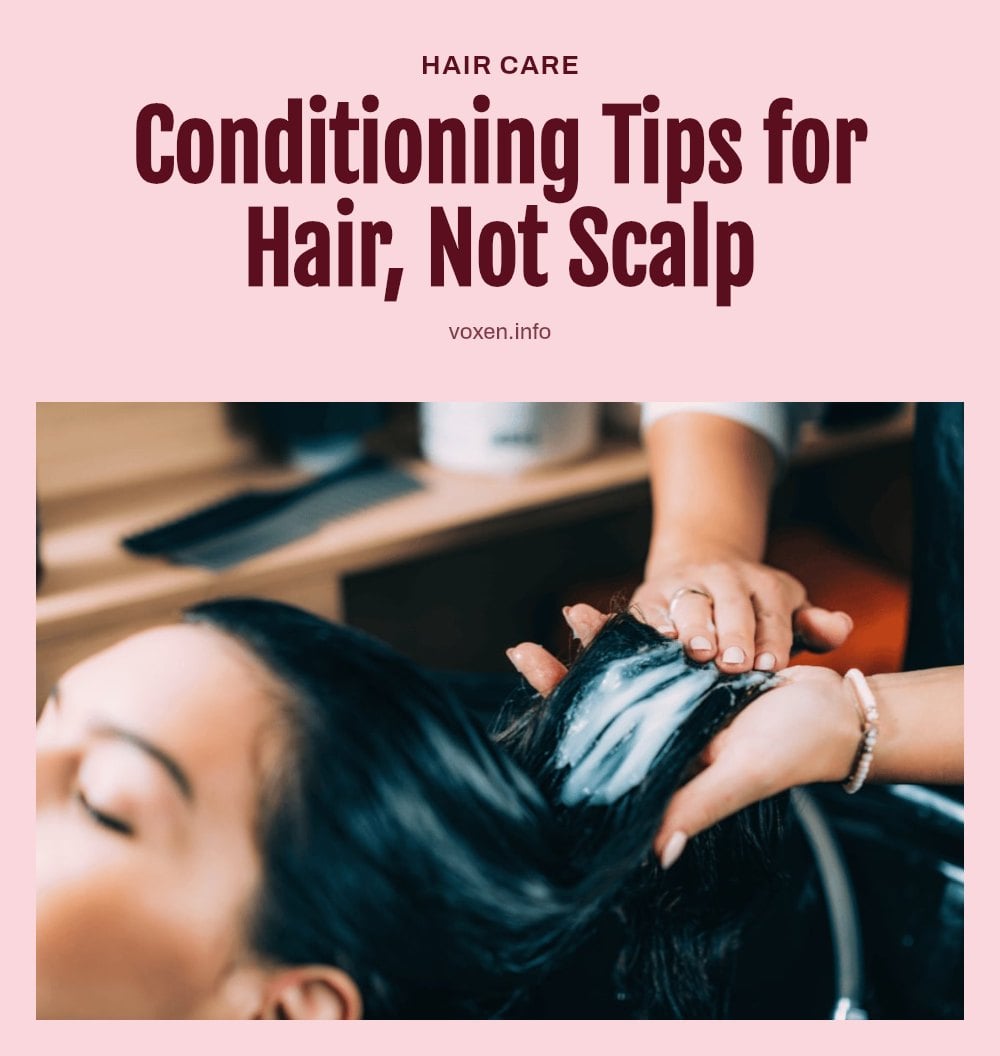
If you use conditioner, apply it only to the mid-lengths and ends of your hair. Avoid applying conditioner directly to your scalp, as it can contribute to product buildup or oiliness, potentially counteracting the shampoo’s effects. Your scalp gets the treatment it needs from the shampoo alone.
8. Use Consistently for Results
Don’t expect to see results after one wash. It often takes 2-4 weeks of consistent use to notice a real reduction in flakes and itchiness. Use your anti-dandruff shampoo regularly, typically 2-3 times a week, or as directed on the bottle.
My tip: Once your dandruff is under control, you might be able to reduce frequency to once a week for maintenance. Keep at it, and your scalp will thank you.
9. Consider Rotating Shampoos
Some dermatologists recommend alternating between two different types of anti-dandruff shampoos. This can prevent your scalp from becoming resistant to one ingredient and ensures broader treatment coverage.
For example, use a zinc pyrithione shampoo on Monday and a salicylic acid shampoo on Thursday. It’s a simple switch that can make a big difference.
10. Avoid Harsh Styling Products
Excessive heat styling and harsh hair products can irritate your scalp and potentially worsen dandruff. Try to minimize the use of products that sit directly on your scalp, such as gels, mousses, or heavy pomades.
When you do use styling products, opt for gentle, fragrance-free options. Your scalp will be less likely to react.
11. Protect Scalp from Sun
Some ingredients, like coal tar, can make your scalp more sensitive to sunlight. If you’re using such a shampoo, protect your scalp when you’re outdoors for extended periods.
Wearing a hat or using a scalp-specific sunscreen can prevent irritation and sunburn. It’s a simple step that keeps your scalp safe.
When to Consult a Professional
If your dandruff persists or worsens after several weeks of consistent use, it’s time to consult a dermatologist. You should also see a doctor if you experience severe redness, swelling, increased itching, or signs of infection. These symptoms could indicate a different scalp condition, such as seborrheic dermatitis or psoriasis, which may require prescription treatment. A dermatologist can assess your scalp and recommend a treatment plan tailored to your needs.
Frequently Asked Questions
How often should I use anti-dandruff shampoo?
Use it regularly, typically 2-3 times a week, or as directed on the product label. Consistency is more important than frequency, using it too often can dry out your scalp, while using it too rarely may not give the active ingredients enough time to work.
Can I use regular conditioner with anti-dandruff shampoo?
Yes, you can. Just apply the conditioner only to the mid-lengths and ends of your hair, avoiding direct contact with your scalp. This prevents product buildup on your scalp, which could counteract the shampoo’s effects.
What if my dandruff doesn’t go away?
If you’ve been using an anti-dandruff shampoo consistently for several weeks and see no improvement, or if your symptoms worsen, consult a dermatologist. Persistent flaking could be a sign of a different condition, such as seborrheic dermatitis or scalp psoriasis, which may require a different treatment.
Is dandruff caused by not washing hair enough?
No, dandruff is not caused by poor hygiene. It’s primarily related to an overgrowth of a yeast-like fungus that feeds on scalp oils. However, infrequent washing can make flakes more visible, so regular cleansing can help manage the appearance.
Can stress make dandruff worse?
Yes, stress can trigger or worsen dandruff for some people. Hormonal changes associated with stress may increase oil production on the scalp, creating a more favorable environment for the fungus that contributes to dandruff.
Final Thoughts
My recommendation: stick with a routine that includes leaving the shampoo on your scalp for the full 3-5 minutes and using it consistently 2-3 times a week. Realistic expectation. It usually takes 2-4 weeks to see a noticeable improvement, and you may need to keep using the shampoo regularly for maintenance. With the right technique, you can keep flakes under control and your scalp feeling comfortable.
This article is for informational purposes only and is not a substitute for professional medical advice. If you have a persistent or severe scalp condition, or if symptoms worsen, consult a dermatologist or healthcare provider for a proper diagnosis and treatment plan.

