Managing sweat and odor can feel like a daily battle, especially when summer heat or sensitive skin gets in the way. The good news is that with the right technique, you can get the most out of any deodorant or antiperspirant. This article covers how these products work, how to apply them for best results, and what to do if you experience irritation.

Key Takeaways
- Apply deodorant to clean, completely dry underarms, ideally after showering.
- Choose fragrance-free or sensitive-skin formulas to avoid irritation.
- Apply antiperspirant at night for better absorption and sweat control.
- Reapply during hot weather or after exercise to maintain freshness.
- Wear breathable fabrics like cotton or linen to reduce moisture.
What to Know About Deodorant and Antiperspirant
Deodorants target body odor by masking it with fragrance or using antimicrobial ingredients to reduce the bacteria that cause odor when they break down sweat. Antiperspirants, on the other hand, contain aluminum-based compounds that temporarily block sweat ducts, reducing the amount of sweat that reaches your skin. Your choice comes down to your primary concern: if odor is the issue, a deodorant may be enough; if you also want to control wetness, an antiperspirant is the better option.
1. Understand How Deodorants Work
Deodorants work by either masking body odor with fragrance or using antimicrobial ingredients to reduce the bacteria on your skin that produce odor when they break down sweat. Since body odor comes from bacteria interacting with sweat, not from sweat itself, a good deodorant can be very effective without stopping sweat.
- Key takeaway: If odor is your main concern, a deodorant may be all you need.
- Tip: Look for ingredients like baking soda, charcoal, or essential oils if you prefer natural options.
2. Know How Antiperspirants Work
Antiperspirants contain aluminum-based compounds that temporarily block your sweat ducts, reducing the amount of sweat that reaches your skin’s surface. This is key if you want to reduce wetness as well as odor, because less sweat means less for bacteria to interact with.
- How to use: Apply to clean, dry skin at night for best absorption.
- Good to know: The effect can last 24 to 48 hours, but reapply after showering.
3. Choose Fragrance-Free for Sensitivity
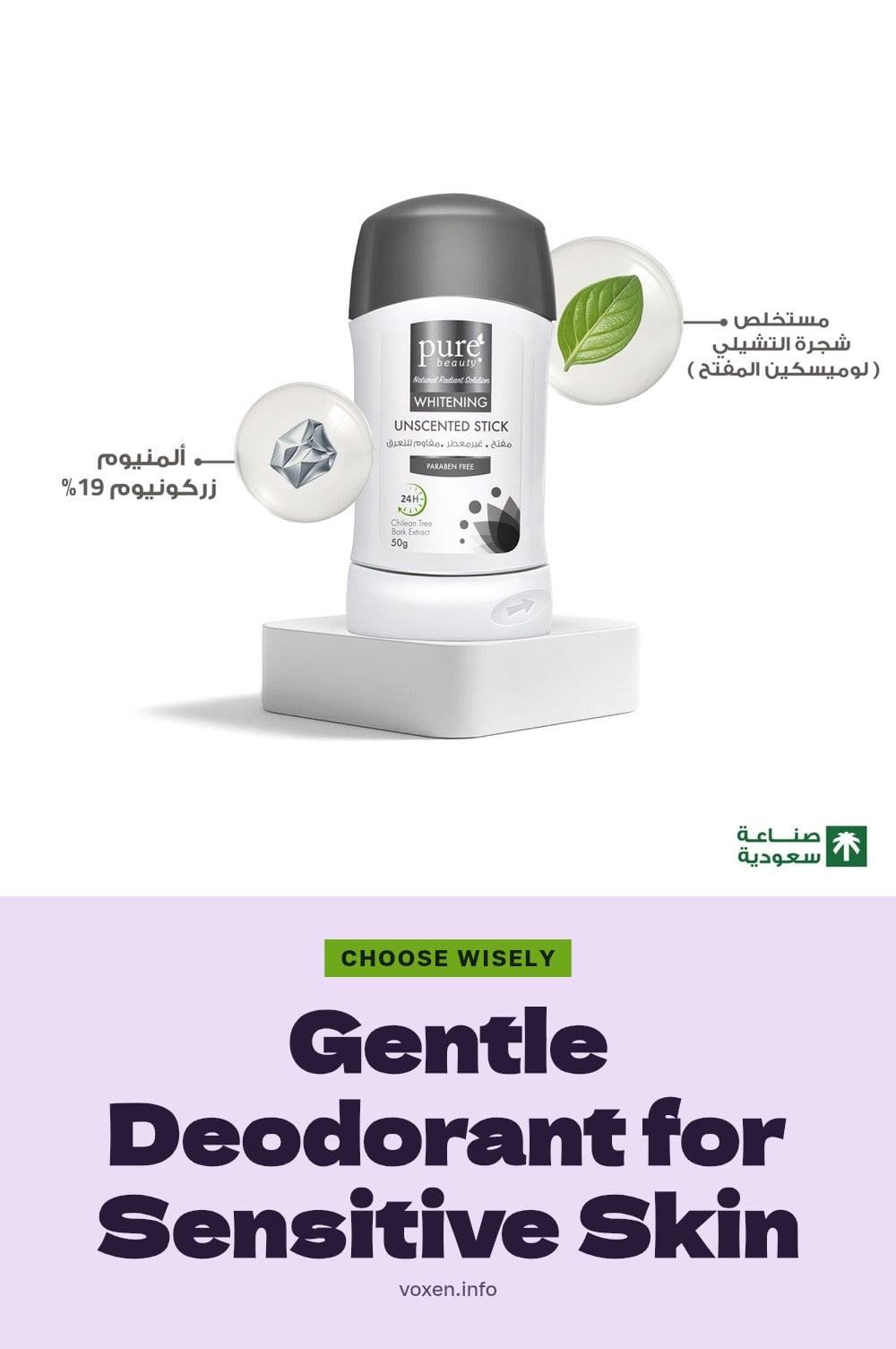
If you have sensitive underarms, fragrances are a common irritant. Opt for products explicitly labeled ‘fragrance-free’ or ‘unscented’ to minimize the risk of irritation.
My tip: Always check the ingredient list, as ‘unscented’ can sometimes still contain masking fragrances. Stick with ‘fragrance-free’ for the safest bet.
- Look for: Hypoallergenic formulas that exclude alcohol, parabens, phthalates, and baking soda.
- Caution: Baking soda, while natural, can be harsh for some, leading to redness or itching.
4. Avoid Common Irritants
Fragrance isn’t the only potential irritant hiding in your deodorant. Alcohol, parabens, phthalates, and baking soda can also cause trouble for sensitive skin. Look for formulations that explicitly exclude these ingredients on the label.
Baking soda, despite being a natural ingredient, is a common culprit for redness and itching. Many people find it too harsh for daily use. If your underarms react, switch to a product without baking soda.
5. Apply to Clean, Dry Skin

For deodorant or antiperspirant to work its best, apply it to clean, completely dry underarms. The ideal time is right after your shower, before you start to sweat. Damp skin dilutes the product and stops it from forming an effective barrier.
Pat your underarms dry with a towel and wait another 30 seconds to be sure. A dry surface lets the active ingredients bond with your skin properly.
6. Consider Nighttime Antiperspirant Application
Applying antiperspirant at night gives it a head start. Your sweat glands are less active while you sleep, so the aluminum compounds have more time to absorb and block the ducts. This means better sweat control the next day.
Apply a thin layer to clean, dry underarms before bed. You can still use deodorant in the morning for extra odor protection.
7. Reapply During Summer or Activity
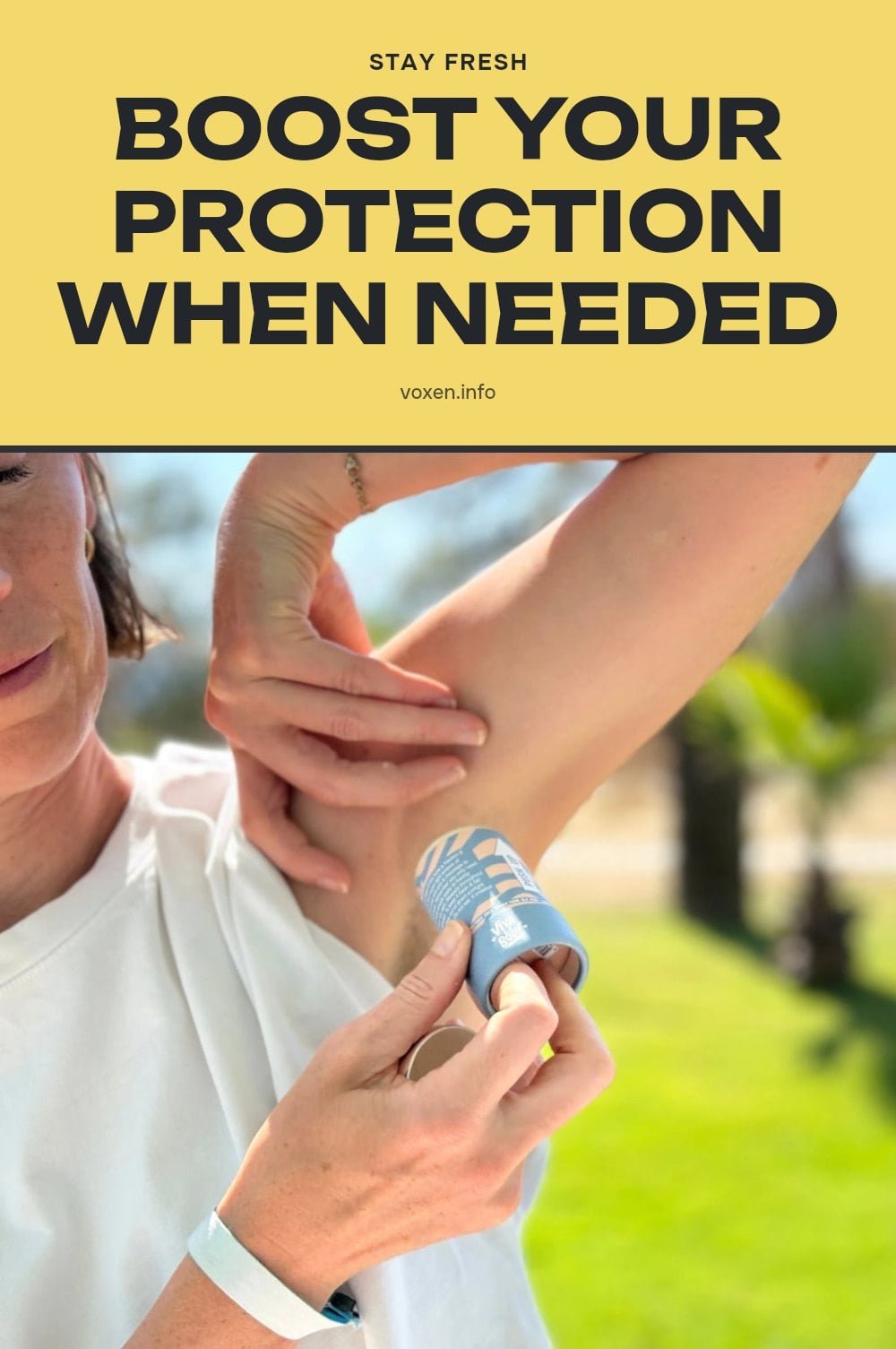
Hot weather and physical activity challenge even long-lasting formulas. Don’t hesitate to reapply your deodorant or antiperspirant as needed throughout the day. A quick refresh keeps you comfortable and fresh.
Keep a travel-size stick or spray in your bag for midday touch-ups. If you’re reapplying, wipe away any residue first so the new layer can stick to clean skin.
8. Wear Breathable Fabrics

Your clothing choices matter almost as much as your deodorant. Breathable fabrics like cotton, linen, and moisture-wicking synthetics allow air to circulate around your underarms. This reduces moisture buildup and makes it harder for odor-causing bacteria to thrive.
My tip: If you know you will be active or in heat, choose a loose-fitting top in a natural fiber or a workout fabric designed to pull sweat away from your skin. Tight synthetic shirts can trap heat and moisture, which makes any deodorant work harder than it needs to.
9. Allow Product to Dry Fully
Give your deodorant or antiperspirant a moment to dry fully before you pull on a shirt. This simple step prevents product from transferring to your clothes and leaving those white marks on dark fabrics.
Tip: A quick wave of your arm or a few seconds of air drying makes all the difference. If you are in a rush, use a hairdryer on a cool setting to speed things up without diluting the product.
10. Understand the ‘Detox’ Period
If you are switching from an antiperspirant to a natural deodorant, you might notice a temporary increase in odor or wetness. This is sometimes called a “detox” period, and it happens as your body adjusts to the change.
This phase usually passes within a few weeks as your skin microbiome rebalances. Stick with it if you can, but if irritation develops, switch to a different natural formula or go back to your previous product.
11. Consider Clinical Strength for Hyperhidrosis
If you sweat heavily even when you are not hot or active, you might have a condition called hyperhidrosis. Clinical strength antiperspirants contain a higher concentration of active ingredients and can be very effective for managing this.
These products are available over the counter and can significantly reduce sweat. However, for a formal diagnosis and personalized treatment options, it is best to consult a healthcare professional. They can rule out underlying causes and recommend prescription options if needed.
Common Deodorant Mistakes to Avoid
Applying to sweaty skin: Deodorant works best on clean, dry skin. Applying it to already sweaty underarms dilutes the product and reduces its efficacy. Stick to applying right after your shower when your skin is fully dry.
Not allowing to dry: Dressing too quickly after application can lead to product transfer and white marks on your clothes. Give your deodorant or antiperspirant a few seconds to dry before putting on a shirt.
Ignoring irritation: Persistent redness, itching, or rash is a sign that the product isn’t right for you. Switch to a fragrance-free or sensitive-skin formula, and if the irritation doesn’t resolve, consult a doctor.
Over-applying: A thin, even layer is usually sufficient. Using too much product doesn’t make it more effective and can leave residue on your skin and clothes. One or two swipes is plenty.
Frequently Asked Questions
What is the difference between deodorant and antiperspirant?
Deodorant targets odor by masking it or reducing the bacteria that cause it, while antiperspirant contains aluminum compounds that temporarily block sweat ducts to reduce wetness. Many people use both, but if you want to minimize sweat, choose an antiperspirant.
Can I develop a sensitivity to my current deodorant?
Yes, you can develop sensitivity over time, even to a product you’ve used for years. If you notice redness, itching, or burning, switch to a fragrance-free, hypoallergenic formula and see if symptoms improve. If irritation continues, consult a dermatologist.
How often should I reapply deodorant?
Reapply as needed, especially during hot weather, after exercise, or if you feel odor returning. A travel-size stick or spray is handy for midday touch-ups. Most products last several hours, but you may need to reapply more often in humid conditions.
Do natural deodorants really work for heavy sweating?
Natural deodorants can help with odor but typically don’t reduce sweat as effectively as antiperspirants. If you sweat heavily, you may need a clinical strength antiperspirant or to combine a natural deodorant with other strategies like breathable clothing. Some people also experience a temporary ‘detox’ period when switching.
Can diet affect body odor?
Certain foods and drinks, such as spicy foods, caffeine, and alcohol, can sometimes influence body odor or increase sweating. While the effect varies, paying attention to your diet may help you manage odor, especially if you notice a pattern after eating certain items.
Is it okay to apply deodorant right after shaving?
It’s best to wait a few minutes after shaving, as freshly shaved skin is more sensitive and can sting or become irritated. Apply to clean, dry skin, and if you experience burning, wait longer or use a gentler formula. Avoid applying to broken skin.
Final Thoughts
For most people, the best approach is to apply a fragrance-free deodorant or antiperspirant to clean, dry skin each morning, and consider a nighttime application of antiperspirant for tougher sweat control. If you have sensitive skin, stick with products labeled ‘fragrance-free’ and avoid common irritants like alcohol and baking soda. Expect results to last several hours to a full day, and reapply as needed during hot or active days. If irritation persists or sweating is excessive, a dermatologist can help you find a better solution.
This article is for general informational purposes only and is not a substitute for professional medical advice. If you experience persistent irritation, rash, or excessive sweating that affects your daily life, consult a dermatologist or healthcare provider for proper evaluation and treatment.

