Worried that dermaplaning will make your peach fuzz grow back darker or thicker? You’re not alone. That’s the most common myth about this popular exfoliating treatment, and I’m here to clear it up. This article covers what dermaplaning actually does to your skin and hair, how to do it safely at home, and why that old wives’ tale just isn’t true.
Key Takeaways
- Dermaplaning removes dead skin cells and vellus hair without changing hair thickness or color.
- Always use a fresh, sterile blade and hold skin taut to avoid nicks.
- Apply a hydrating serum and moisturizer right after treatment to calm your skin.
- Wear broad-spectrum sunscreen daily post-dermaplaning to protect your fresh skin.
- Schedule treatments every 3-4 weeks for professionals, or every 2-4 weeks at home.
Does Dermaplaning Make Your Hair Grow Back Thicker?
No, dermaplaning does not make your hair grow back thicker or darker. The procedure removes vellus hair (peach fuzz) from the surface, not terminal hair, and it does not affect the hair follicle itself. The follicle determines hair thickness and color, and dermaplaning leaves it untouched. Any perceived change in regrowth is simply because the cut hair has a blunt tip instead of its natural tapered end, which can feel coarser temporarily.
How Dermaplaning Transforms Your Skin

How Dermaplaning Transforms Your Skin
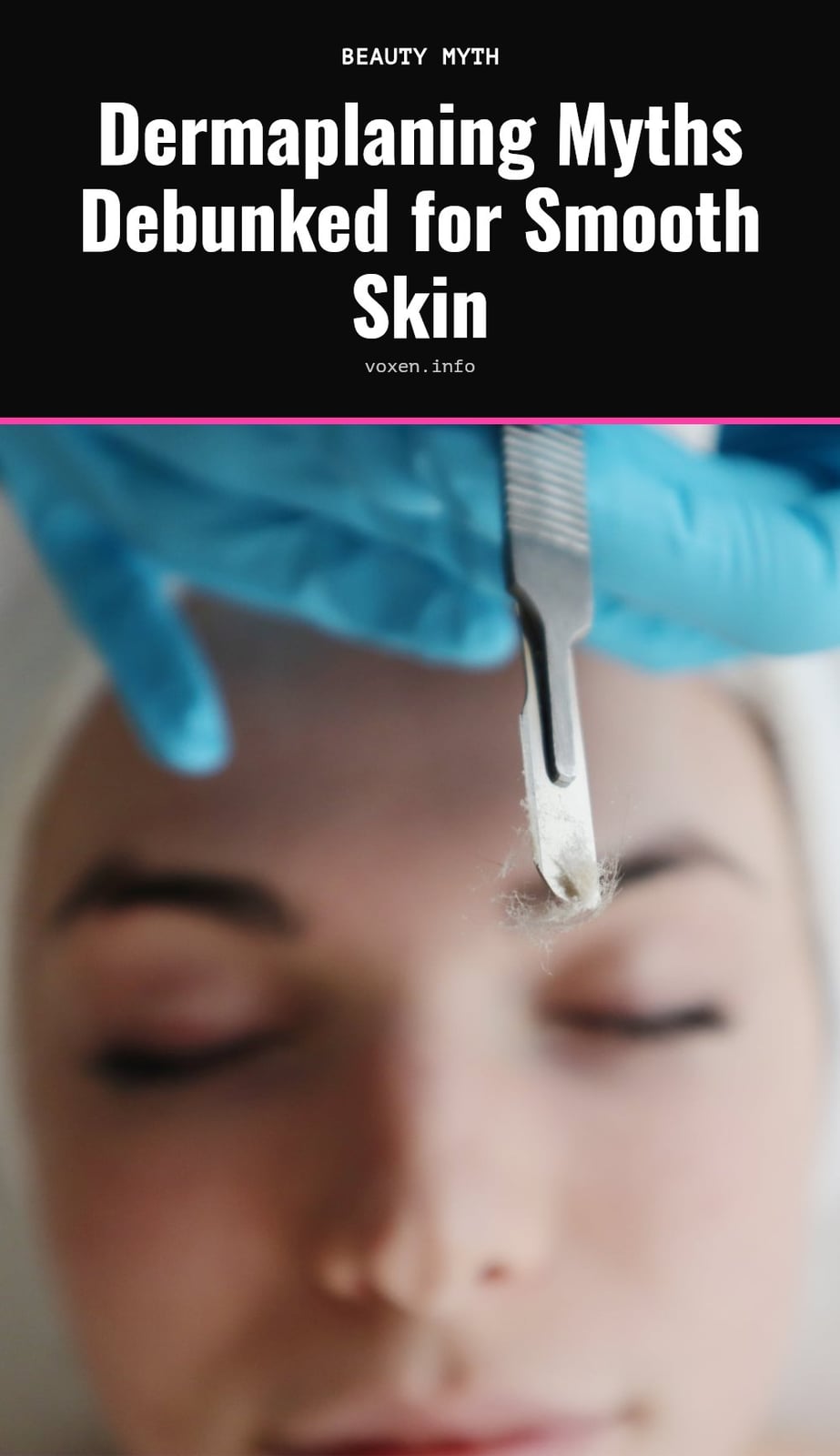
Dermaplaning is a form of physical exfoliation. A sterile blade gently scrapes off the outermost layer of dead skin cells (the stratum corneum) along with fine vellus hair from the skin’s surface. This reveals the smoother, brighter skin underneath.
The benefits go beyond texture. Removing that top layer and peach fuzz creates a more even canvas, so makeup glides on without clinging to dry patches or fine hairs. It also enhances how well your skincare products absorb, letting serums and moisturizers penetrate more effectively.
Your Essential Dermaplaning Tool Kit
Your Essential Dermaplaning Tool Kit
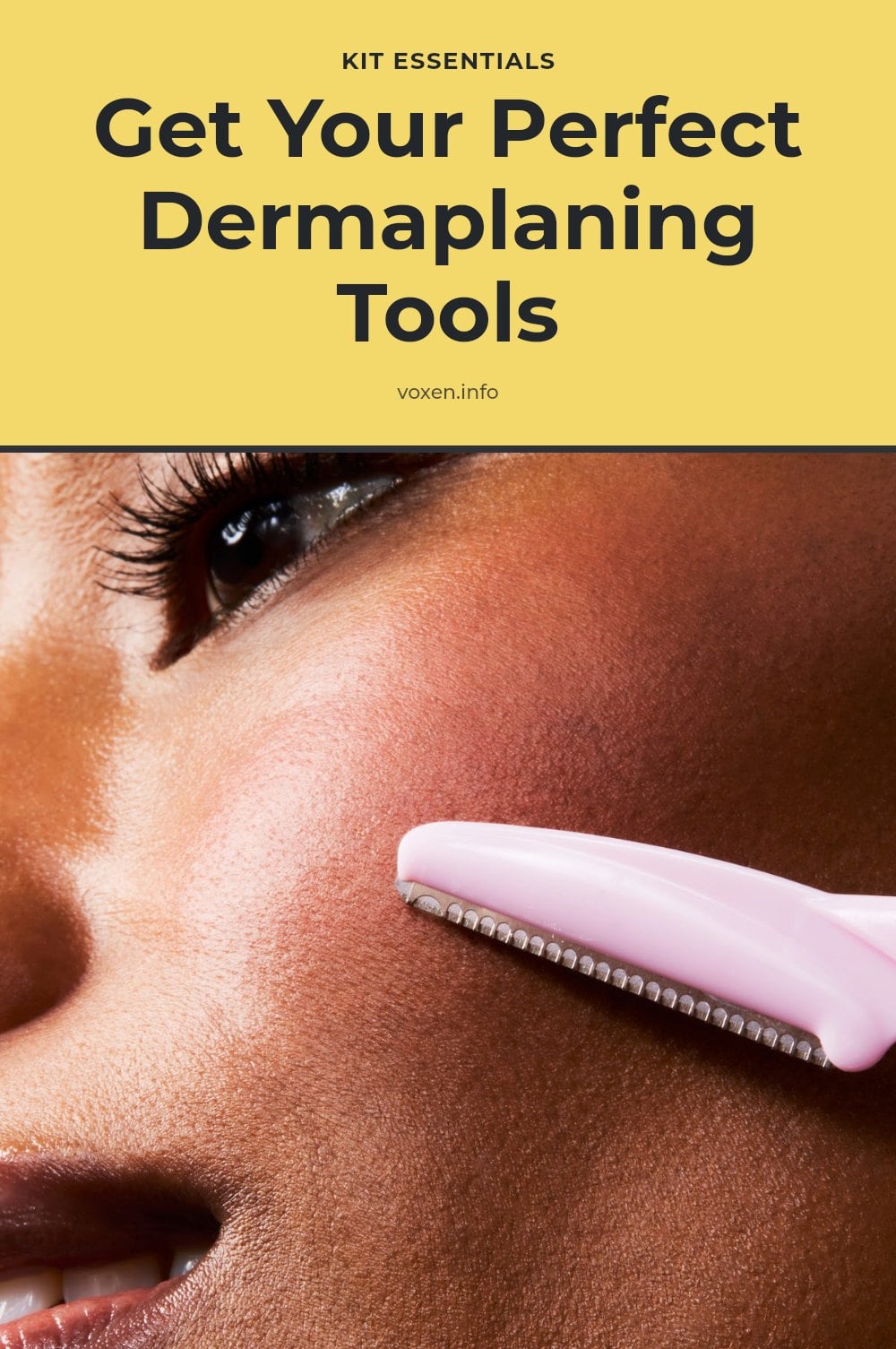
For a safe at-home session, you need a few key items. Start with a sterile dermaplaning tool or facial razor. Use a gentle cleanser to prep your skin, then follow with a hydrating serum and moisturizer after the treatment. Broad-spectrum sunscreen is non-negotiable for daily use afterward, as your fresh skin is more vulnerable to UV damage.
Your Step-by-Step Guide to At-Home Dermaplaning
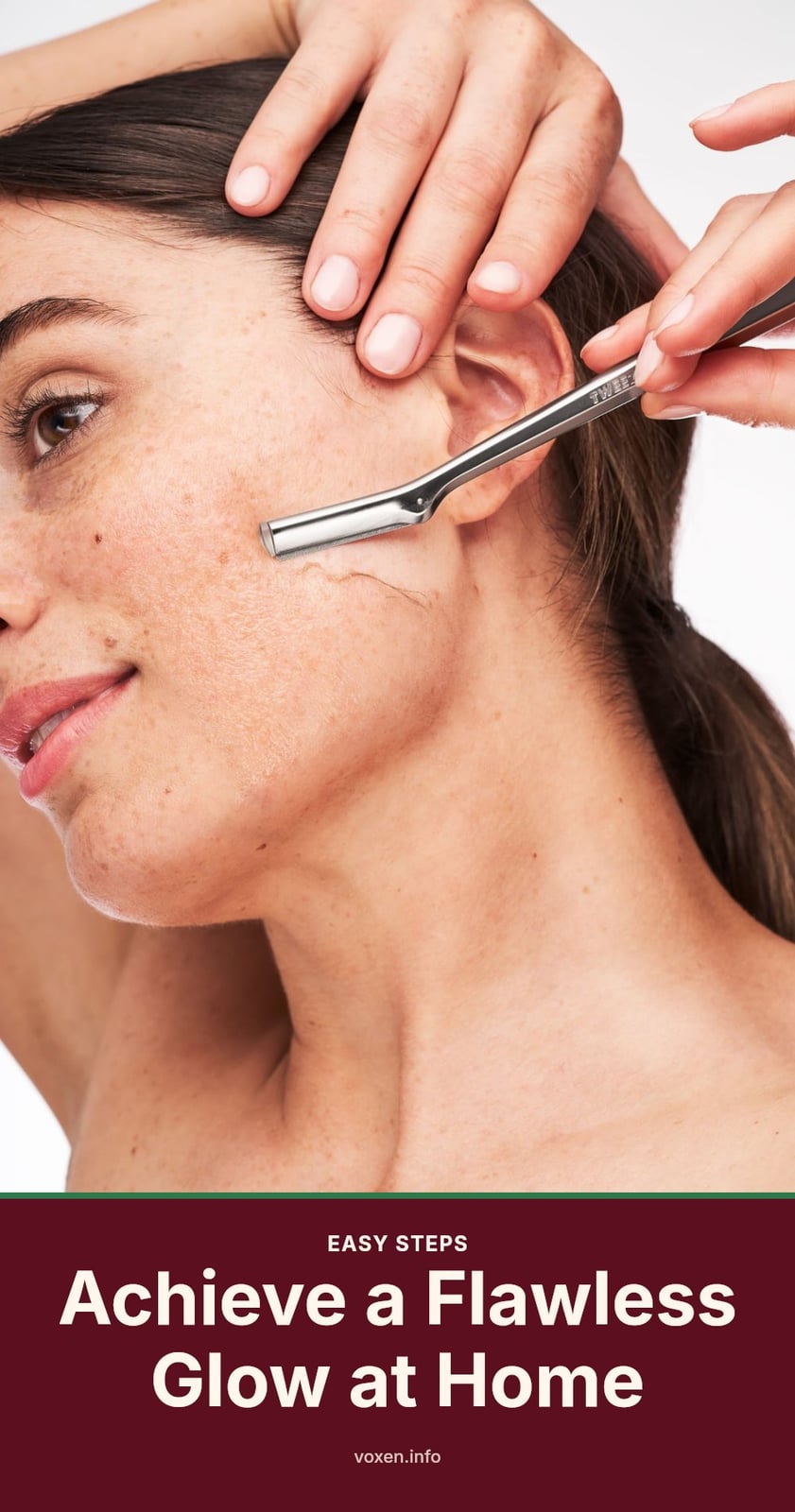
Follow these steps for a safe and effective at-home dermaplaning session.
- Cleanse your face: Wash with a gentle cleanser to remove makeup, oil, and dirt. Pat your skin completely dry before you begin.
- Hold skin taut: Use one hand to stretch the area you are working on. This creates a flat surface and reduces the risk of nicks.
- Use light, short, downward strokes: Hold the blade at a 45-degree angle to your skin. Use very light pressure and short strokes in the direction of hair growth. Rinse the blade after every few strokes.
- Follow with hydrating products: Immediately apply a hydrating serum and a moisturizer to soothe and protect the freshly exfoliated skin.
- Apply sunscreen daily: Your skin is more sensitive to the sun after dermaplaning. Use a broad-spectrum sunscreen every day, even if you are indoors.
- Use a fresh, sterile blade each session: Never reuse a blade. A dull or dirty blade increases the risk of irritation, nicks, and infection.
Common Dermaplaning Mistakes to Avoid
Using a dull or non-sterile blade is a top mistake. A dull blade pulls at the skin and increases the risk of nicks, while a non-sterile one can introduce bacteria and cause infection. Always use a fresh, sterile blade for each session.
Applying too much pressure is another common error. The blade should glide lightly over the skin; pressing hard can cause cuts, irritation, or even damage the skin barrier. Use short, gentle strokes at a 45-degree angle.
Dermaplaning too frequently can compromise your skin’s protective barrier. Stick to once every 2-4 weeks for at-home sessions. Skipping proper preparation, like not cleansing thoroughly beforehand, can lead to clogged pores or irritation.
Neglecting sun protection after treatment is a major misstep. Freshly exfoliated skin is more vulnerable to UV damage, so apply a broad-spectrum sunscreen daily. Finally, never dermaplane over active acne, open wounds, or areas of irritation; this can worsen inflammation and spread bacteria.
Essential Post-Dermaplaning Aftercare
Right after dermaplaning, apply a hydrating serum and a moisturizer to calm and replenish your skin. Avoid harsh exfoliants, retinoids, or any active ingredients like AHAs or BHAs for at least 2-3 days, as your skin barrier is temporarily more sensitive.
Wear a broad-spectrum sunscreen with at least SPF 30 every day, even if you are indoors. Direct sun exposure should be minimized for the first few days. Keep your skin clean and moisturized to support healing and maintain that smooth, bright result.
How Often Should You Dermaplane and What to Expect
Results from dermaplaning are immediate: your skin looks brighter, feels smoother, and makeup glides on effortlessly. For professional treatments, most providers recommend scheduling every 3-4 weeks to match your skin’s natural cell turnover cycle.
At-home dermaplaning can be done every 2-4 weeks, depending on your skin’s sensitivity and hair regrowth. Professional costs vary by location and provider, but at-home tools are generally inexpensive and easy to replace.
When to Consult a Professional or Avoid Dermaplaning
Consult a dermatologist before dermaplaning if you have rosacea, eczema, or psoriasis, as the procedure can trigger flare-ups. Avoid dermaplaning entirely on active acne, open wounds, or cold sores to prevent spreading infection and causing further irritation.
Seek professional advice if you have a history of keloid scarring or a bleeding disorder. Stop immediately if you experience significant pain, burning, or excessive redness during or after the procedure, and contact a healthcare provider if symptoms persist.
Frequently Asked Questions
Can dermaplaning help with acne scars?
Dermaplaning primarily removes dead skin cells and vellus hair, which can improve overall skin texture and brightness. While it may help reduce the appearance of very superficial scars by smoothing the skin’s surface, it does not treat deeper acne scars. For significant scarring, consult a dermatologist about professional treatments like microneedling or laser therapy.
Is dermaplaning painful?
Most people find dermaplaning painless. You may feel a light scraping sensation, but it should not be uncomfortable. If you experience pain, burning, or excessive redness, stop immediately. That could mean you’re using too much pressure or the blade is dull.
What’s the difference between professional and at-home dermaplaning?
Professional dermaplaning uses a medical-grade sterile surgical scalpel and is performed by a trained esthetician or dermatologist. At-home tools are smaller, single-blade razors designed for consumer use. Professionals can also address more complex skin concerns and use stronger techniques, but at-home dermaplaning is safe for basic maintenance when done correctly.
Can I wear makeup right after dermaplaning?
It’s best to wait at least 24 hours before applying makeup. Your skin is temporarily more sensitive right after dermaplaning, and makeup can clog pores or cause irritation. When you do apply makeup, use a clean brush or sponge and avoid heavy, pore-clogging formulas.
Does dermaplaning make hair grow back thicker?
No. Dermaplaning only cuts the hair at the surface, not the follicle. The follicle determines hair thickness and color. The blunt tip of the cut hair can feel coarser as it grows back, but it’s not actually thicker or darker. This is a common myth with no scientific backing.
Final Thoughts
My tip: if you want a smooth, glowing complexion without the risk of thicker regrowth, dermaplaning is a safe option. Just stick to the proper technique and aftercare. You’ll see immediate results, but expect to repeat the process every few weeks as your skin naturally cycles. Give it a try and enjoy that baby-soft feel.
This article is for general informational purposes only and does not constitute medical or professional advice. Always consult a dermatologist or licensed esthetician before starting any new skincare treatment, especially if you have a skin condition, are prone to scarring, or have any concerns about your skin’s health.

