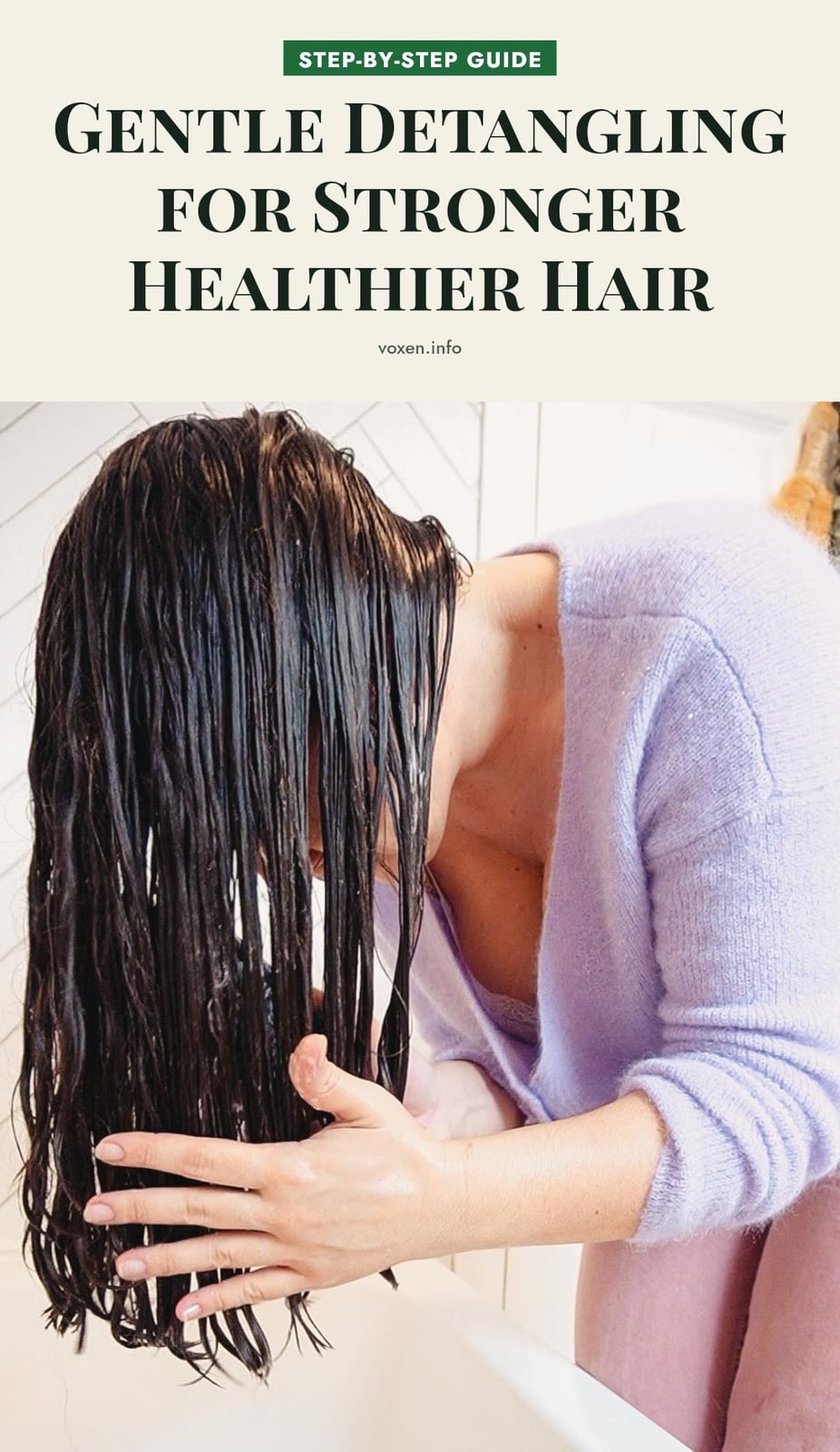
Tangled hair can be frustrating, but the way you handle it makes all the difference between healthy strands and breakage. The secret is a slow, gentle approach with the right products and tools, working from the ends upward. This article walks you through a step-by-step routine to detangle without pain or damage, plus tips to prevent knots from forming in the first place.
Key Takeaways
- Always detangle on wet or damp hair with a product that adds slip, like conditioner or a leave-in spray.
- Start at the ends of your hair and work slowly toward the roots to avoid tightening knots.
- Use a wide-tooth comb for the first pass, then a detangling brush for smaller tangles.
- Section hair into 4 to 6 parts to make the process more manageable and less damaging.
- Prevent future tangles by sleeping on a silk or satin pillowcase and braiding hair before bed.
The Gentle Way to Detangle Your Hair
For a gentle detangle, always work with wet or damp hair, never completely dry, because dry hair is more brittle and prone to breakage. Apply a detangling product like conditioner or a leave-in spray to add slip, which lets the comb glide through knots instead of yanking them. Work in small sections, starting from the very ends and moving upward, so you don’t push tangles into bigger clumps.
Your Detangling Tool Kit
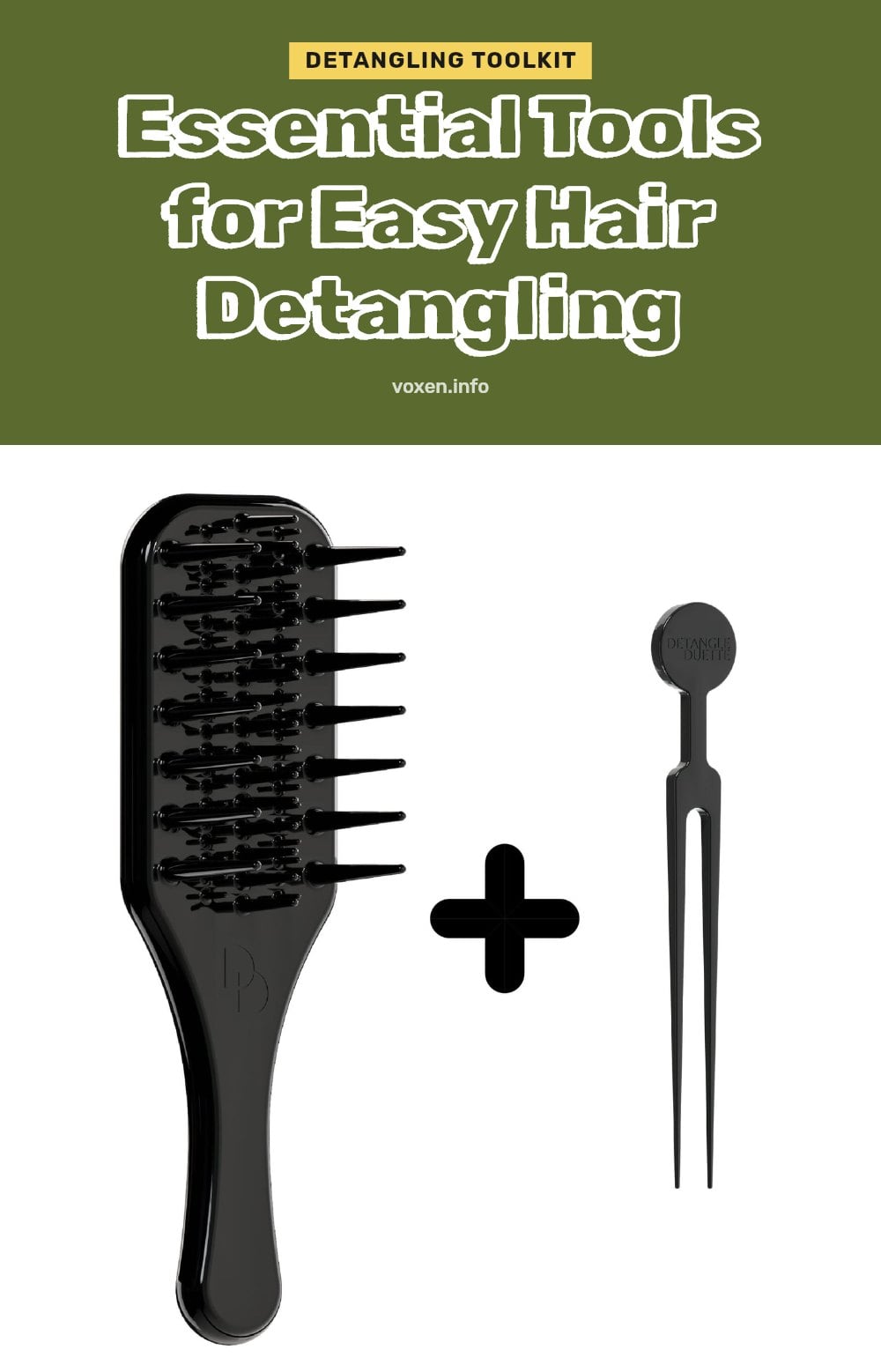
Having the right tools makes all the difference. Here is what you need in your detangling kit:
- Wide-tooth comb: Essential for the first pass through tangled hair. It separates large knots without snagging.
- Detangling brush: Use this after the comb to smooth out smaller knots and finish the section.
- Detangling spray or conditioner: Provides the slip that lets your tool slide through hair without pulling.
- Hair clips: Keep sections separated so you work one at a time, preventing re-tangling.
Step-by-Step Detangling Routine
- Prepare your hair: Wet your hair thoroughly and apply a generous amount of detangling product, conditioner, spray, or leave-in, from mid-lengths to ends. This adds slip and reduces friction.
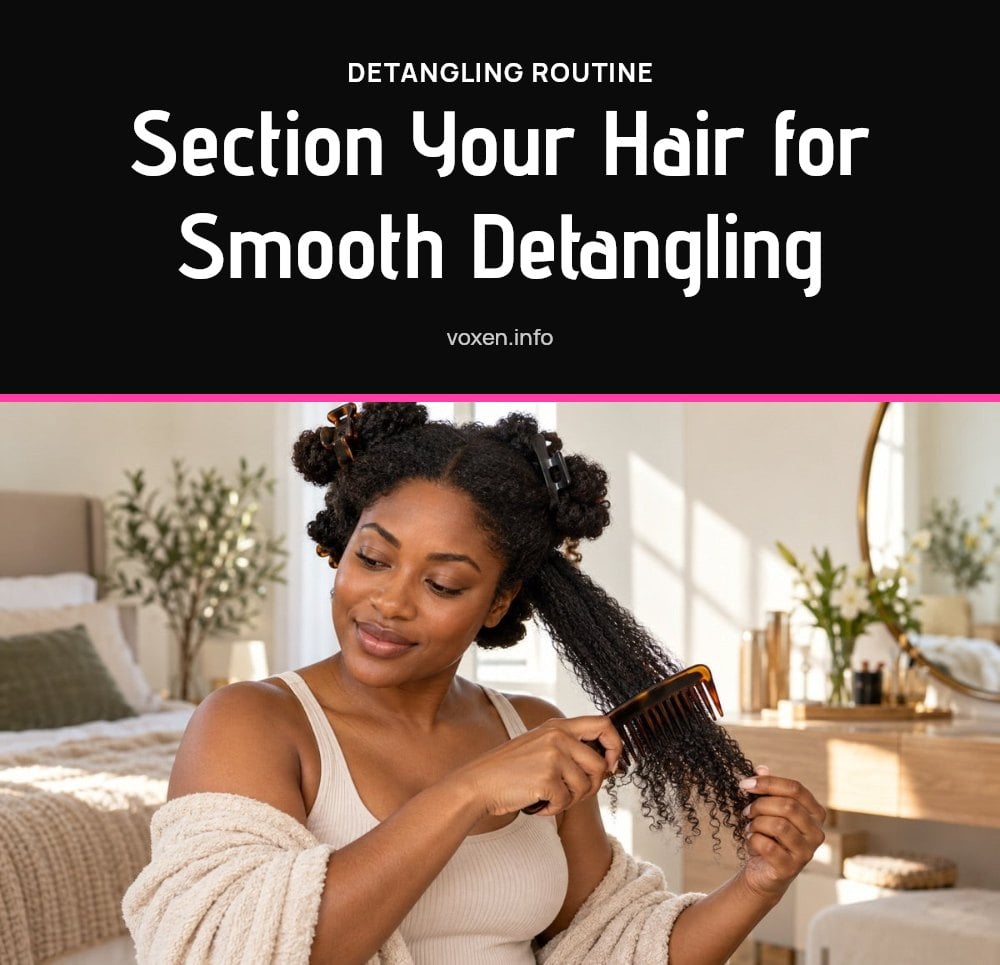
- Section your hair: Use clips to divide your hair into 4 to 6 manageable parts. Smaller sections mean less hair to work through at once, which is gentler and more effective.
- Start at the ends: Take one section and begin detangling at the very tips, holding the section firmly at the root with your other hand to minimize scalp pulling. Work the comb or brush through the ends first, then gradually move an inch or two upward.
- Work through knots slowly: When you hit a tangle, don’t yank. Gently wiggle the comb or use your fingers to loosen it. Repeat the end-to-root motion until the whole section is smooth.
- Move to the next section: Release a new section from the clip and repeat the process. My tip: work from the back of your head forward so you don’t disturb already-detangled hair.
Common Detangling Mistakes to Avoid
- Detangling dry hair: Dry hair is fragile and snaps easily when pulled. Always wet or dampen hair and add product first.
- Starting from the roots: Combing from the top pushes tangles downward, creating tighter knots. Always start at the ends and work up.
- Using a fine-tooth comb: Fine teeth get stuck in tangles and rip hair instead of separating it. Stick to a wide-tooth comb or detangling brush.
- Aggressive pulling: Yanking at knots causes pain and breaks hair strands. Be patient, slow, gentle movements preserve your hair.
- Not using enough product: Too little slip means more friction and damage. Apply enough detangling spray or conditioner so your tool glides freely.
Top Tips for Easy Detangling
Finger-detangle first: For very curly or coily hair, use your fingers to gently loosen large knots before bringing in a comb. This reduces pulling and breakage.
Detangle regularly: Don’t let small tangles turn into big ones. A quick, gentle detangle every day or two keeps hair manageable and prevents knots from worsening.
My tip: Patience is everything. Rushing through a knot almost always leads to snapped strands. Take your time, and you’ll save more hair in the long run.
How to Prevent Tangles Before They Start
Stop tangles before they start with these simple habits:
- Sleep on silk or satin: A smooth pillowcase reduces friction, so your hair doesn’t knot up overnight.
- Braid or tie hair up: Before bed or a workout, secure your hair in a loose braid or bun to stop it from rubbing against fabrics.
- Brush gently and often: A quick daily pass with a wide-tooth comb or soft brush stops small tangles from building into mats.
When to See a Professional Stylist
If your hair is severely matted and you feel pain or notice significant breakage when detangling, stop and see a stylist. Attempting to work through extreme mats on your own can cause hair loss or scalp irritation. Also seek professional help if your scalp becomes sore or if you are unsure how to proceed without causing more damage.
Frequently Asked Questions
Can I detangle dry hair?
It is not recommended. Dry hair is more brittle and prone to breakage when pulled. Always wet or dampen your hair and apply a detangling product first to add slip and reduce friction.
How often should I detangle my hair?
It depends on your hair type and how easily it tangles. A quick, gentle detangle every day or two can prevent small knots from becoming larger. For many people, detangling during each wash day is sufficient.
Does detangling cause hair loss?
Gentle detangling should not cause significant hair loss. However, aggressive pulling or yanking can lead to breakage and follicle damage. If you notice excessive shedding or pain, re-evaluate your technique or consider seeing a professional.
Can I use a regular brush to detangle?
A regular fine-tooth brush is not ideal for detangling tangled hair because it can snag and cause breakage. A wide-tooth comb or a dedicated detangling brush is much gentler and more effective at separating knots.
What is the best way to detangle hair without breakage?
Start with wet or damp hair and apply a generous amount of conditioner or detangling spray. Use your fingers or a wide-tooth comb, working in small sections from the ends upward. Hold the hair near the roots to reduce scalp tension, and be patient.
Final Thoughts
For most hair types, a gentle detangle once or twice a week during your wash routine is enough to keep knots under control. If your hair is severely matted or you feel sharp pain, stop and see a professional stylist to avoid injury. With patience and the right technique, you can keep your hair smooth and healthy without the struggle.
This article is for general informational purposes only and does not constitute medical or professional advice. For persistent tangling, scalp pain, or severe matting, consult a licensed stylist or dermatologist.

