You’ve probably seen the trend on social media or heard a friend rave about smoother, more glowing skin after dry brushing. It’s a simple wellness practice that involves using a natural bristle brush on dry skin before you shower, and many people swear by it for exfoliation and a morning energy boost. This guide covers everything you need to know to start dry brushing safely and effectively, from choosing the right brush to the proper technique and how often to do it.
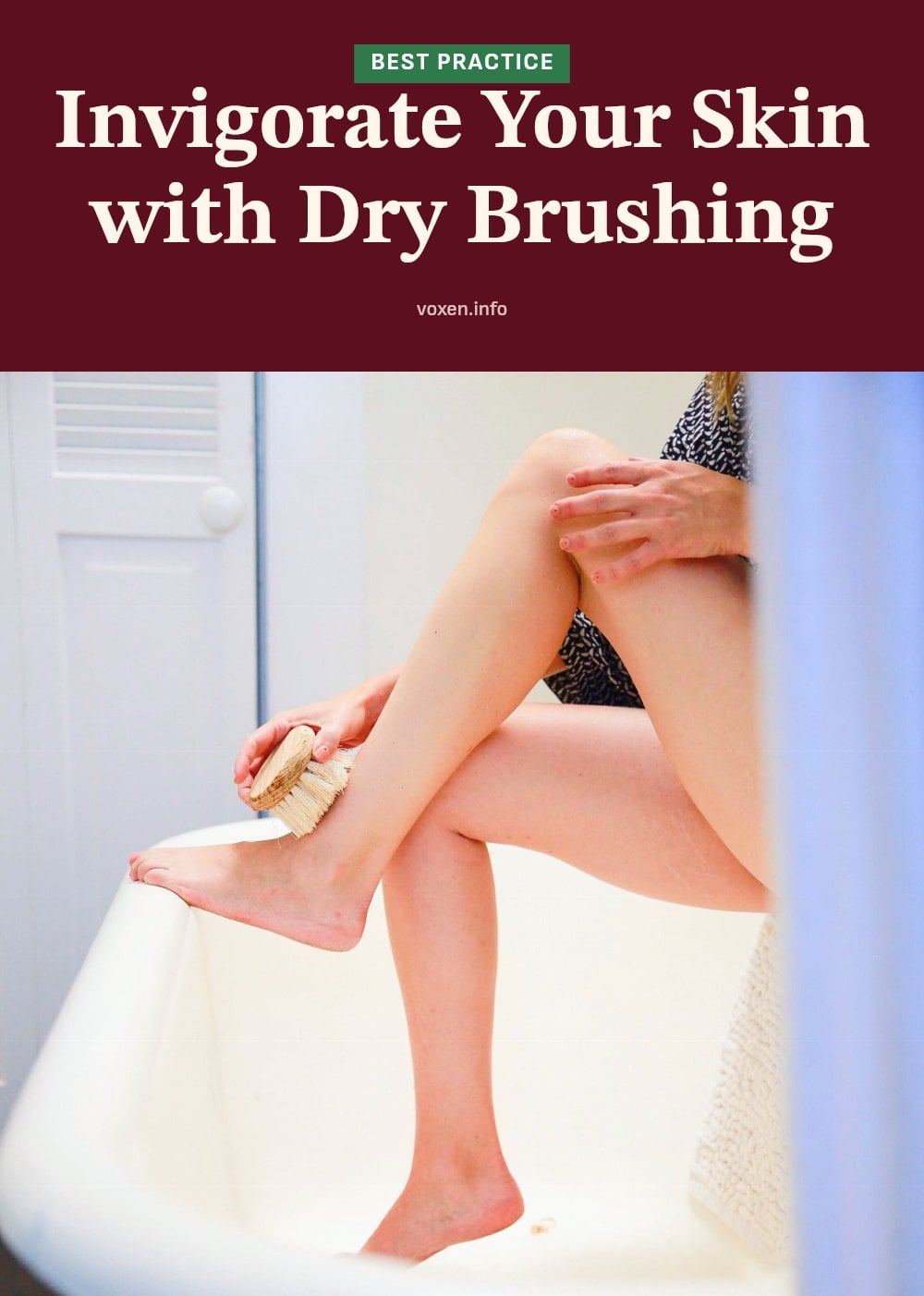
Key Takeaways
- Use a natural bristle brush on dry skin before showering for best exfoliation.
- Always brush with long, upward strokes toward the heart.
- Start at your feet and work your way up, using gentle to medium pressure.
- Moisturize thoroughly after showering to rehydrate your skin.
- Stop immediately if skin becomes red, inflamed, or painful, and avoid broken or irritated areas.
What is Dry Brushing and Why Try It?
Dry brushing is a wellness practice where you use a natural bristle brush on dry skin before showering. The main benefit is physical exfoliation: it sloughs off dead skin cells, leaving your skin feeling smoother and looking more radiant. The brushing motion also stimulates blood flow to the skin’s surface, which can feel invigorating. While some claimed benefits like detoxification are anecdotal, many people find it a simple, effective way to boost overall skin health.
Essential Tools for Your Dry Brushing Routine
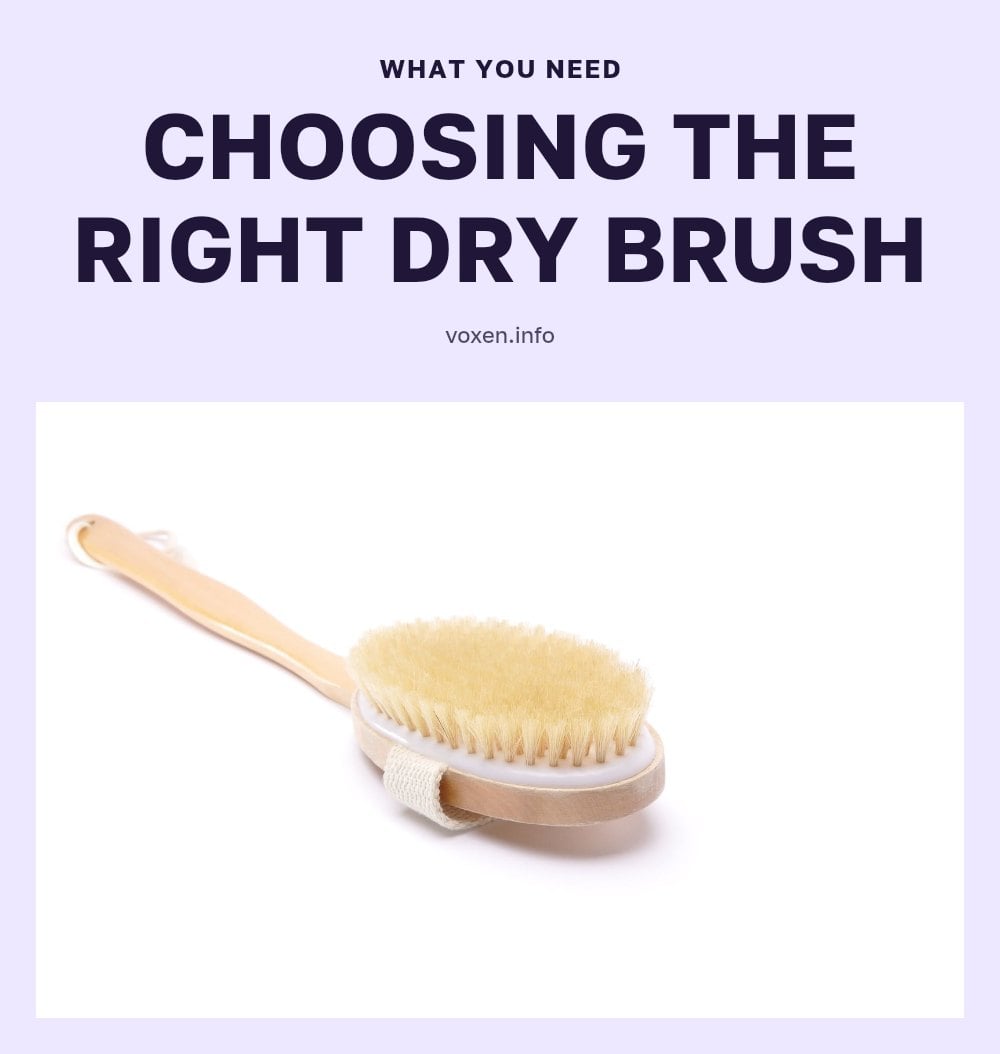
You only need a few things to get started, and none are expensive or hard to find.
- Natural bristle body brush: Firm, natural bristles provide the right texture for exfoliation without being too harsh. Avoid synthetic bristles.
- Long-handled brush (optional): A handle makes it much easier to reach your back and other tricky spots.
- Mild soap: You’ll need this to clean your brush regularly and keep bacteria from building up.
- Body lotion or oil: Moisturizing after your shower is essential to rehydrate your freshly exfoliated skin.
Step-by-Step Guide to Dry Brushing Your Body
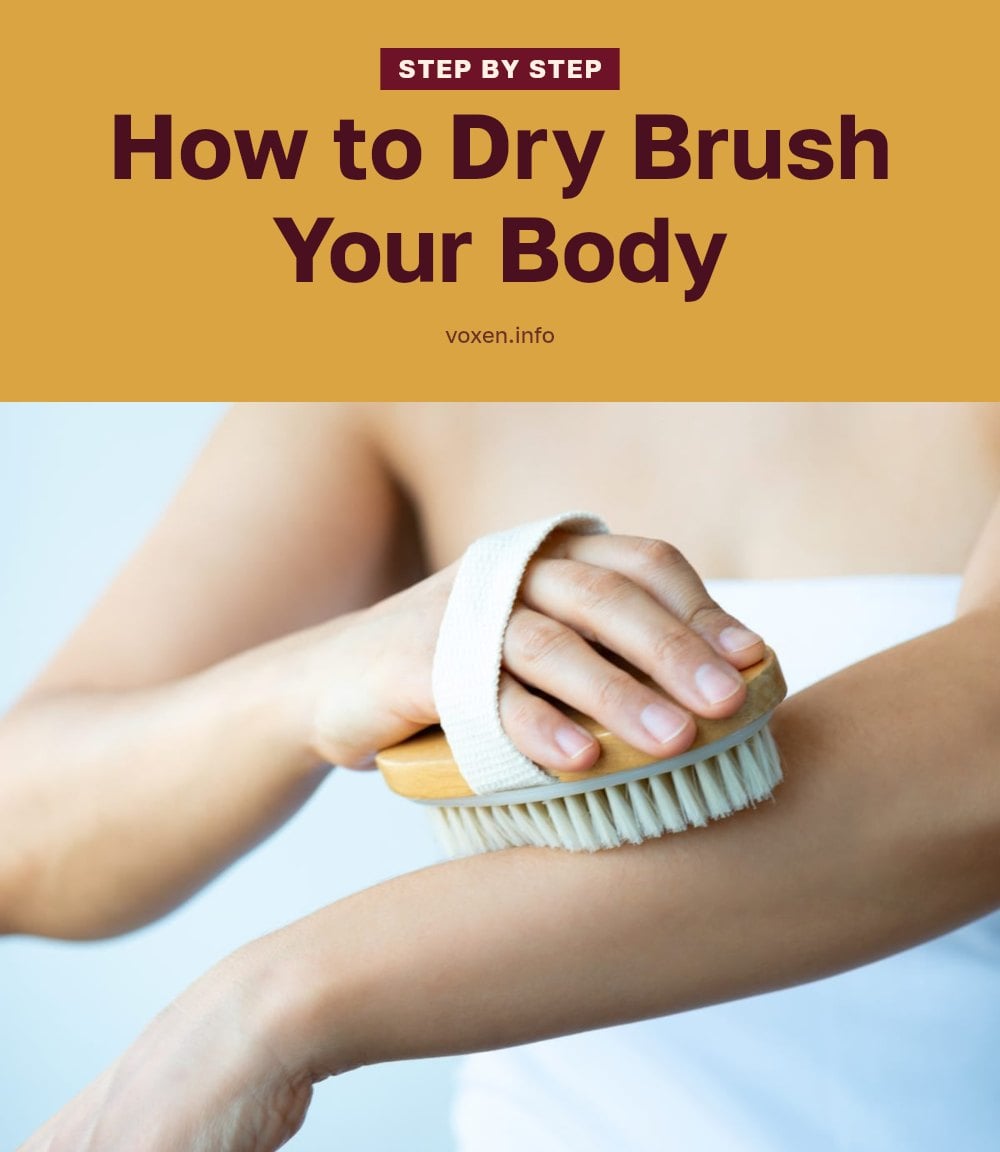
Follow this sequence to get the most out of dry brushing and avoid irritation.
- Brush on dry skin: Do this before you step into the shower. Wet skin reduces friction and makes exfoliation less effective.
- Start at your feet: Begin with the soles of your feet and work your way upward. This follows the natural direction of lymph flow.
- Use long, upward strokes toward your heart: Always brush in the direction of your chest. This motion supports lymphatic drainage and circulation. On your arms, start at your hands and brush up toward your shoulders. On your torso, use circular or upward strokes.
- Apply firm but not painful pressure: You should feel a stimulating sensation, not sharpness or pain. If the skin turns red or feels sore, you’re pressing too hard.
- Shower immediately after brushing: The warm water washes away the loosened dead skin cells. Use your regular body wash.
- Moisturize thoroughly: Pat your skin dry, then apply a nourishing body lotion or oil while your skin is still slightly damp. This locks in moisture and keeps your skin soft.
How Dry Brushing Works for Your Skin
Dry brushing works through a few straightforward mechanisms on your skin and body.
Physical Exfoliation
The bristles mechanically slough off dead, flaky skin cells from the surface. This reveals the smoother, fresher skin underneath and can help with clogged pores.
Improved Circulation
The firm strokes stimulate blood flow to the skin’s surface. This increased circulation can give your skin a temporary, healthy glow and may help with overall skin tone.
Lymphatic Support
The lymphatic system is a network of vessels that helps remove waste and toxins from tissues. Brushing in long, upward strokes toward the heart is thought to encourage lymph fluid movement, which may reduce puffiness and support immune function.
Invigorating Sensation
The physical stimulation can feel energizing and wake you up, contributing to a sense of well-being. Many people find it a refreshing part of their morning routine.
Common Dry Brushing Mistakes to Avoid
Even a good routine can go wrong with a few common missteps. Brushing too hard: Firm pressure is fine, but if your skin turns red or feels painful, you are pressing too hard. That leads to irritation, not smoother skin. Brushing on wet skin: This reduces the friction needed for exfoliation. Always brush dry before your shower. Not brushing towards the heart: The traditional technique directs strokes upward toward your chest to support lymphatic flow. Skipping this misses that potential benefit. Forgetting to moisturize: Exfoliation removes oils along with dead cells. Skip the lotion or oil afterward, and your skin can feel tight and dry. Using a dirty brush: Bacteria build up on bristles over time. A brush that is not cleaned regularly can transfer bacteria back to your skin.
Expert Tips for a Better Dry Brushing Experience

A few small adjustments can make dry brushing more effective and comfortable. Consistency is key: Sticking with it a few times a week gives your skin time to adapt and show visible results. Clean your brush regularly: Rinse bristles with mild soap and water once a week, then let them air dry completely. This prevents bacterial buildup. Listen to your body: Your skin may be more sensitive on some days than others. Adjust pressure accordingly. Consider a detachable handle: A brush with a removable handle makes it easier to reach your back and shoulders without twisting. Always moisturize after your shower: A nourishing oil or lotion seals in hydration and soothes the skin after exfoliation.
How Often to Dry Brush and What to Expect
The whole routine takes 5 to 10 minutes, so it fits easily into a morning or evening schedule. You may notice smoother skin after just two or three sessions. For ongoing results, most people dry brush daily or 3 to 4 times a week. The only ongoing costs are the brush itself and your regular moisturizer.
When to Consult a Professional About Skin Concerns
Dry brushing is safe for most people, but stop immediately if your skin becomes red, inflamed, or painful. Avoid brushing over varicose veins, moles, or any raised lesions. If you have sensitive skin, eczema, psoriasis, or another skin condition, talk to a dermatologist before starting. Also seek professional advice if you have concerns about lymphatic drainage or persistent skin issues that do not improve.
Frequently Asked Questions
How often should you dry brush?
Most people dry brush daily or 3 to 4 times a week for ongoing results. The whole routine takes 5 to 10 minutes, so it’s easy to fit into your schedule. Start with a few times a week and adjust based on how your skin responds.
Can dry brushing help with cellulite?
While some people claim dry brushing reduces cellulite, scientific evidence supporting this is limited. The practice may temporarily improve skin appearance by boosting circulation and exfoliating, but it is not a proven treatment for cellulite. Manage your expectations accordingly.
What kind of brush is best for dry brushing?
A brush with firm, natural bristles is recommended over synthetic ones. Natural bristles provide the right texture for exfoliation without being too harsh. A long-handled brush can help you reach your back more easily.
Is dry brushing safe for sensitive skin?
Dry brushing is not recommended for very sensitive skin or conditions like eczema or psoriasis without first consulting a dermatologist. The physical exfoliation can irritate sensitive or compromised skin. If you have concerns, talk to a professional before starting.
How do I clean my dry brush?
Rinse the bristles with mild soap and water once a week to remove dead skin cells and bacteria. Let the brush air dry completely with the bristles facing down. Regular cleaning helps prevent irritation and keeps your brush effective.
Final Thoughts
If you want smoother, more radiant skin and a quick invigorating ritual, dry brushing is worth adding to your routine a few times a week. Stick with it consistently, and you may notice softer skin after just a couple of sessions. Just remember to keep your brush clean, use gentle pressure, and always moisturize afterward for the best results.
This article is for general informational purposes only and does not constitute medical or professional advice. Dry brushing may not be suitable for everyone. If you have a skin condition, sensitive skin, or any health concerns, consult a dermatologist or healthcare professional before starting a new routine.

