Winter weather can leave your hair feeling rough, brittle, and lacking shine, but you don’t have to wait until spring for a fix. The key is adjusting your washing, conditioning, and styling habits to combat the drying effects of cold air and indoor heating. This article covers the most effective changes you can make right now to help your hair regain softness and moisture.
Key Takeaways
- Wash your hair less frequently with lukewarm water and a sulfate-free shampoo.
- Use a deep conditioning mask once or twice a week for 5-15 minutes.
- Seal in moisture with a leave-in conditioner or hair oil on damp ends.
- Protect your hair from winter wind by wearing a hat or scarf outdoors.
- Sleep on a silk or satin pillowcase to reduce friction and moisture loss.
Why Your Hair Gets So Dry in Winter
Dry hair in winter happens because cold, dry air and indoor heating strip your hair of its natural oils. Damage to the hair’s outer layer, the cuticle, also prevents it from holding onto moisture, leaving it dull, brittle, and frizzy. The fix comes from adjusting your washing routine, using hydrating treatments, and styling gently to restore softness and shine.
1. Choose a Hydrating Shampoo and Conditioner
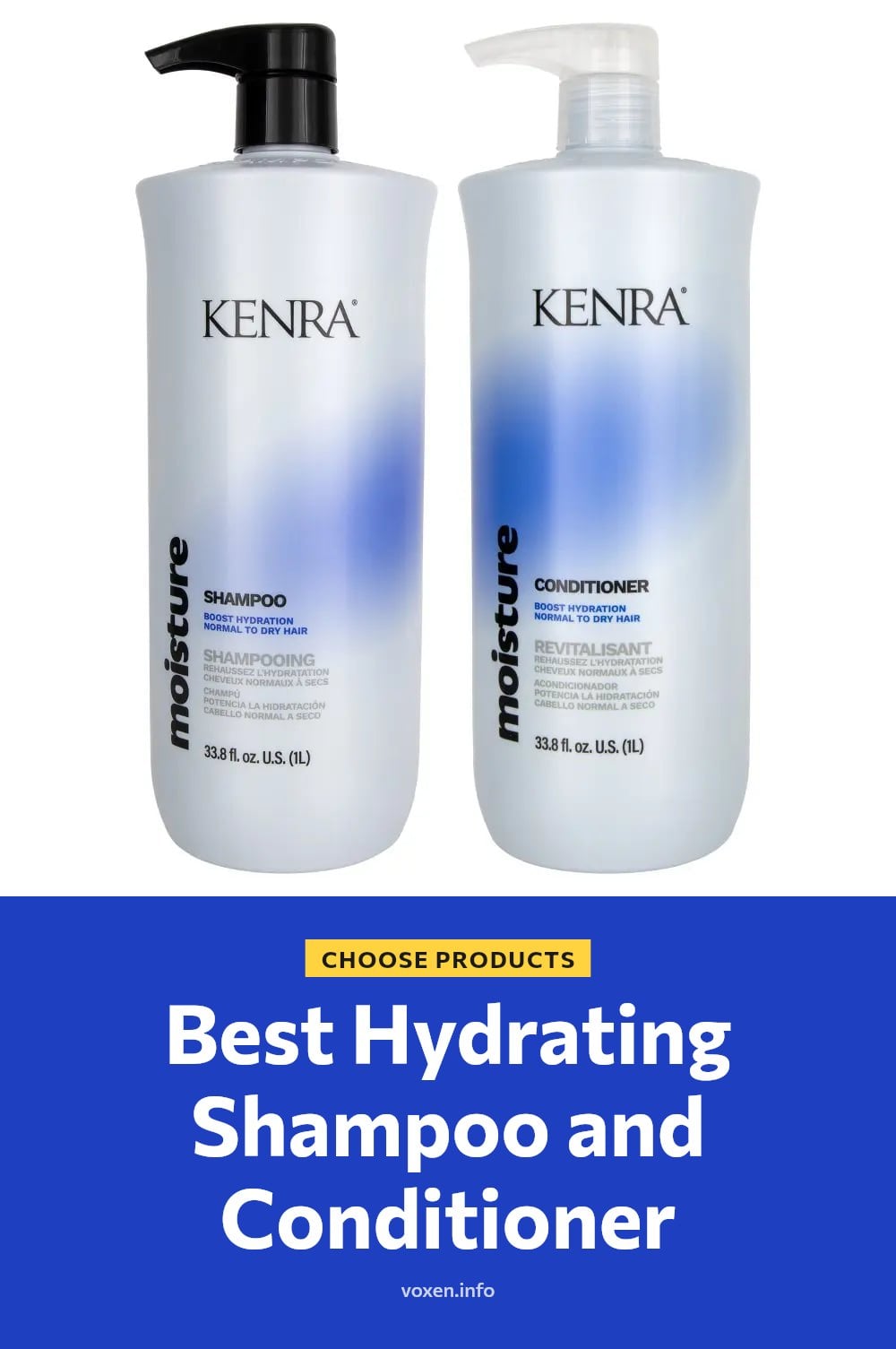
Start by choosing a shampoo and conditioner labeled for ‘dry’ or ‘moisture’ hair. These formulas contain ingredients that actively replenish hydration.
- My tip: Sulfate-free shampoos work best for dry hair because they cleanse gently without stripping your scalp’s natural oils, which are essential for moisture retention.
2. Wash Your Hair Less Frequently

Over-washing, especially with hot water, strips your hair of essential natural oils, making dryness worse. Aim to extend the time between washes so your scalp’s natural sebum can nourish your strands.
- When you do wash, use lukewarm water instead of hot to prevent further moisture loss.
3. Incorporate a Deep Conditioning Mask
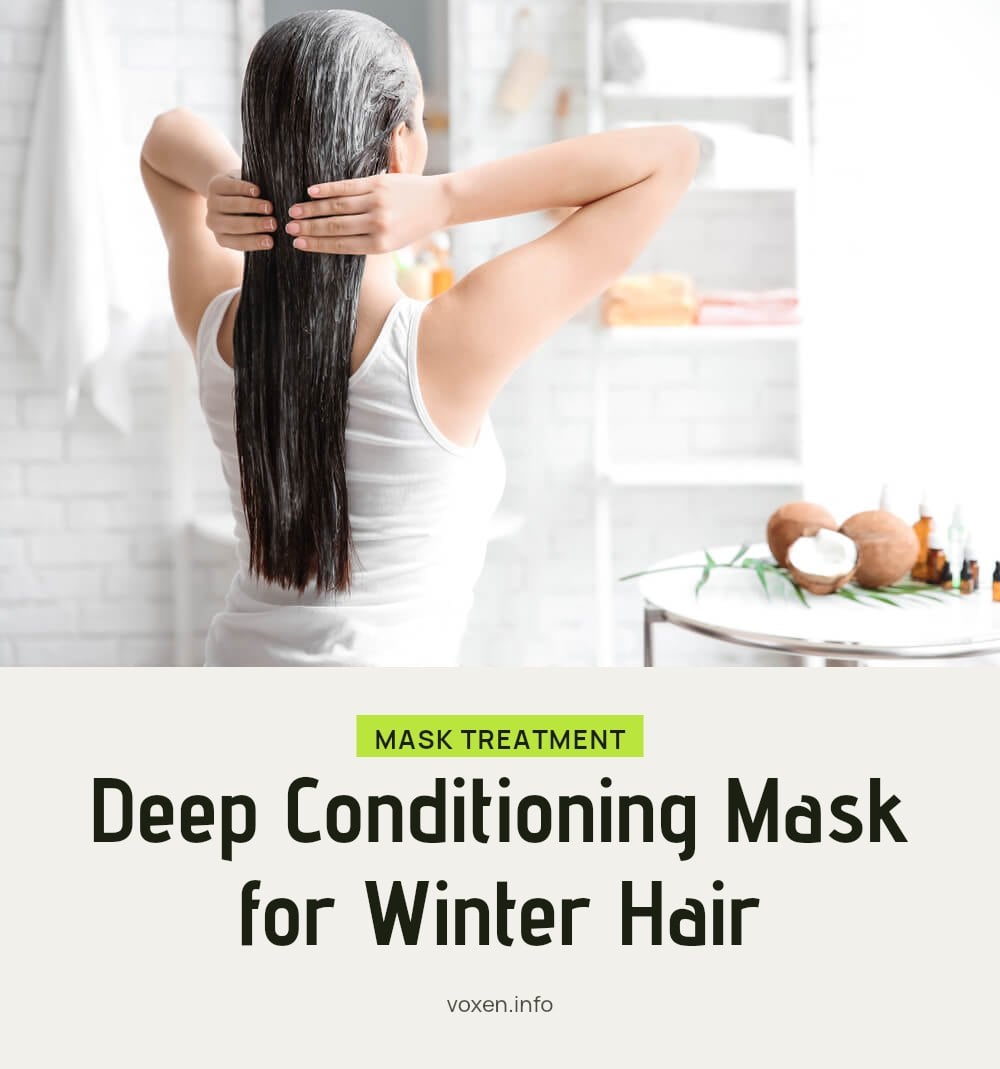
Deep conditioning treatments are crucial for replenishing moisture in dry hair. Use a rich hair mask once or twice a week, leaving it on for the recommended time (usually 5-15 minutes) to allow ingredients to penetrate deeply.
- My tip: I often apply my mask, then wrap my hair in a warm towel for extra penetration. It feels like a spa treatment.
4. Use a Leave-In Conditioner or Hair Oil
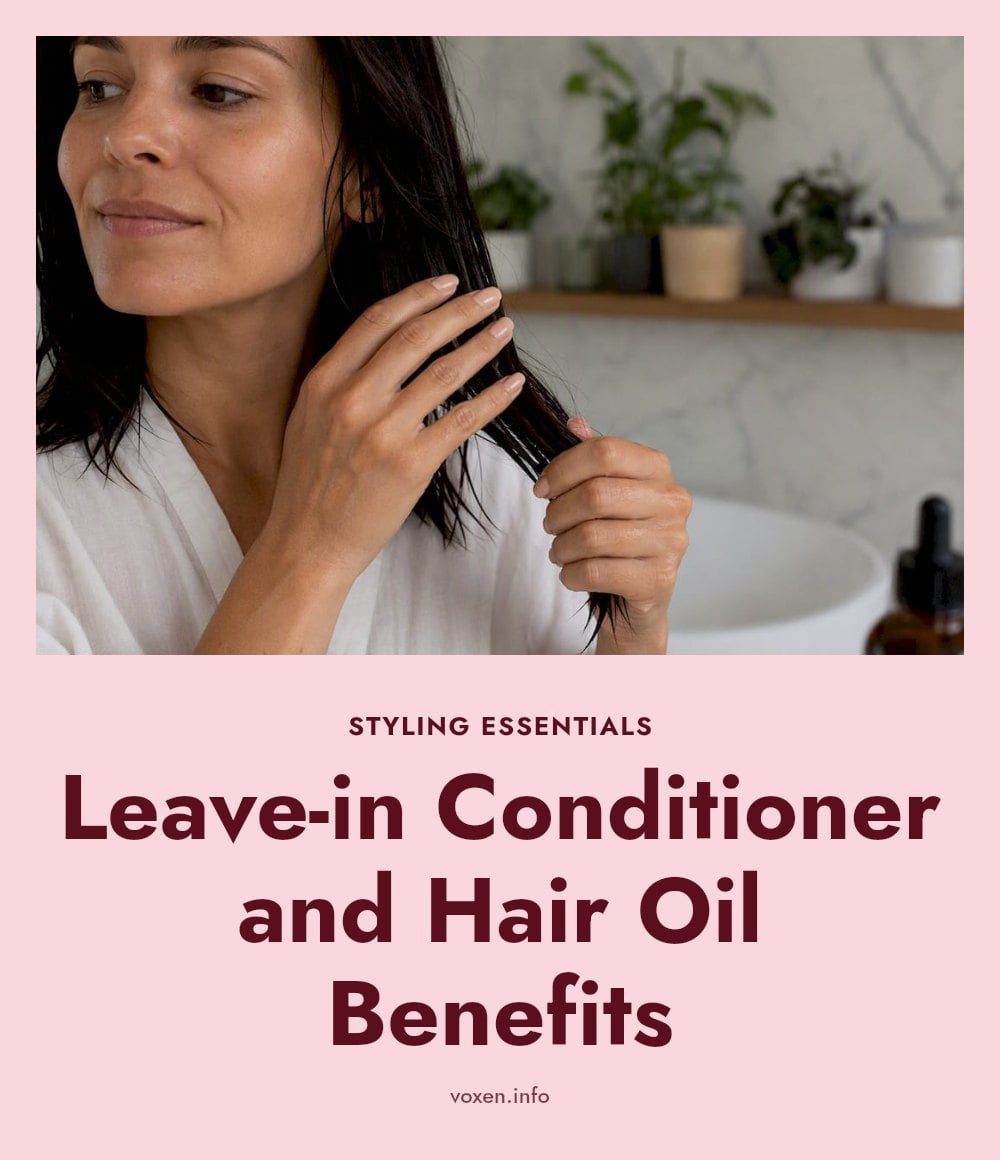
After washing, apply a leave-in conditioner or a few drops of hair oil (like argan, jojoba, or coconut) to damp hair. This seals in moisture and adds a protective layer against dry indoor air. Tip: Focus on the mid-lengths and ends, where hair tends to be driest, to avoid weighing down your roots.
5. Minimize Heat Styling
Heat styling tools like blow dryers, straighteners, and curling irons can damage the hair cuticle and cause moisture loss. Whenever possible, air dry your hair. If you must use heat, always apply a heat protectant spray first. Good to know: I’ve found that using the coolest setting on my blow dryer and keeping it moving reduces damage significantly.
6. Protect Hair from Winter Elements

Cold, dry winter air and harsh winds can strip moisture directly from your hair. Wear a hat or scarf when outdoors to shield your hair from the elements. Consider protective hairstyles like braids or buns to minimize exposure and friction.
7. Use a Humidifier Indoors
Indoor heating systems drastically reduce air humidity, which dries out your hair and skin. Placing a humidifier in your home, especially in your bedroom, can add much-needed moisture to the air. Pro move: This simple change has made a noticeable difference not just for my hair, but for my skin too during the dry winter months.
8. Switch to a Silk or Satin Pillowcase
Cotton pillowcases create friction against your hair, leading to breakage and absorbing its natural moisture. A silk or satin pillowcase reduces friction, preventing damage and helping your hair retain its hydration overnight. My tip: this small change yields surprisingly big results for smoother, less frizzy hair.
9. Be Gentle When Towel Drying
Be gentle when towel drying. Vigorous towel drying can rough up the hair cuticle, causing frizz and damage. Instead, gently blot or squeeze excess water from your hair with a microfiber towel or an old t-shirt. My tip: I simply wrap my hair in a soft t-shirt for about 10 minutes to absorb most of the water before I apply any products.
10. Brush Wet Hair Carefully
Brush wet hair carefully. Wet hair is more fragile and prone to breakage than dry hair. Avoid aggressive brushing. Use a wide-tooth comb or a wet brush, starting from the ends and gently working your way up to detangle. My tip: Always apply a leave-in conditioner before detangling wet hair to provide extra slip and reduce pulling.
11. Consider Chemical Treatment Breaks
Consider chemical treatment breaks. Chemical treatments like coloring, perming, or relaxing can compromise your hair’s integrity and significantly increase dryness, especially in winter. If your hair is particularly dry, consider taking a break from these treatments or extending the time between appointments. My tip: If you can’t skip them, be extra diligent with deep conditioning and protective measures before and after.
When to Consult a Professional
If severe hair dryness is accompanied by scalp irritation, persistent flaking, or noticeable hair loss, consult a dermatologist. These symptoms could indicate an underlying medical condition that requires professional diagnosis and treatment. Always perform a patch test for new hair products, especially if you have sensitive skin or known allergies, to avoid adverse reactions.
Frequently Asked Questions
How often should I deep condition dry hair?
For dry hair, a deep conditioning treatment or hair mask once or twice a week is usually enough. Leave it on for the time recommended on the package, typically 5-15 minutes, to allow the ingredients to penetrate. Adjust frequency based on how your hair responds.
Can cold water really help dry hair?
Rinsing your hair with cool or lukewarm water can help seal the hair cuticle and lock in moisture. While it’s not a cure-all, it’s a simple step that reduces moisture loss compared to hot water, which strips natural oils. Use it as a final rinse after conditioning.
What are the best ingredients for dry hair products?
Look for hydrating ingredients like argan oil, jojoba oil, coconut oil, shea butter, and glycerin in your shampoos, conditioners, and treatments. These help replenish and seal in moisture. Sulfate-free formulas are also gentler on dry hair.
Is it bad to air dry hair in winter?
Air drying is generally better than heat styling for dry hair, but in winter, the cold, dry air can still strip moisture. If you air dry, try to do it indoors in a warm room and apply a leave-in conditioner or hair oil first to lock in hydration.
How long does it take to fix dry hair?
With consistent changes to your routine, you can often see improvements in your hair’s texture and shine within a few weeks. Ongoing maintenance is key, as dry hair tends to relapse if you stop the hydrating habits. Patience and regular care are important.
Final Thoughts
For lasting results, stick with a consistent routine: wash less often, deep condition weekly, and always use a heat protectant if you style with heat. You can usually notice improvements within a few weeks, with ongoing benefits from regular maintenance. The most important step is simply starting with one change and building from there.
This article is for general informational purposes only and does not constitute medical or professional advice. If you experience severe hair dryness accompanied by scalp irritation, flaking, or hair loss, please consult a dermatologist or healthcare professional for a proper diagnosis and treatment plan.

