That tight, itchy feeling on your scalp is especially common when the weather turns cold and dry. It’s your skin telling you it needs more moisture, and the good news is that gentle care can make a big difference. This article covers the simple steps you can take to soothe and hydrate a dry scalp during winter, from choosing the right products to adjusting your washing routine.

Key Takeaways
- Use a gentle, sulfate-free shampoo and wash with lukewarm water to avoid stripping natural oils.
- Limit hair washing to 2-3 times a week to let your scalp retain moisture.
- Apply a moisturizing scalp oil, like jojoba or argan, after washing for targeted hydration.
- Run a humidifier in your home during winter to add moisture back into the air.
- See a dermatologist if symptoms persist, worsen, or include redness or swelling.
How to Soothe a Dry Scalp During Winter
To soothe a dry scalp during winter, focus on moisturizing and protecting your scalp from harsh elements. Switch to gentle, sulfate-free hair care products and wash with lukewarm water. Hydration from within, drinking enough water, and using a humidifier in your home can also help restore moisture and calm itchiness quickly.
Why Your Scalp Gets Dry in Winter
Why Your Scalp Gets Dry in Winter
Cold, dry air and low indoor humidity pull moisture from your scalp, leaving it dehydrated. Hot showers and frequent washing strip away the natural oils that protect your skin, making dryness worse. Harsh shampoos containing sulfates or strong alcohols can further irritate and dry out the scalp.
It’s important to distinguish dry scalp from dandruff. Dry scalp is simply a lack of moisture, causing small, white flakes and tightness. Dandruff, on the other hand, is caused by an overgrowth of yeast and typically produces larger, yellowish flakes. Using anti-dandruff products on a dry scalp can actually increase irritation.
Essential Tools for Dry Scalp Relief
Having the right tools makes dry scalp relief much easier. Look for:
- Gentle, sulfate-free shampoo and conditioner they clean without stripping natural oils.
- Moisturizing scalp oil (jojoba, argan, or coconut), applied directly to soothe and hydrate.
- Leave-in scalp treatment for targeted moisture between washes.
- Humidifier adds moisture to dry indoor air, preventing further dehydration.
- Soft-bristle scalp brush for gentle massage that stimulates circulation and distributes oils.
Effective Methods to Hydrate and Soothe Your Scalp
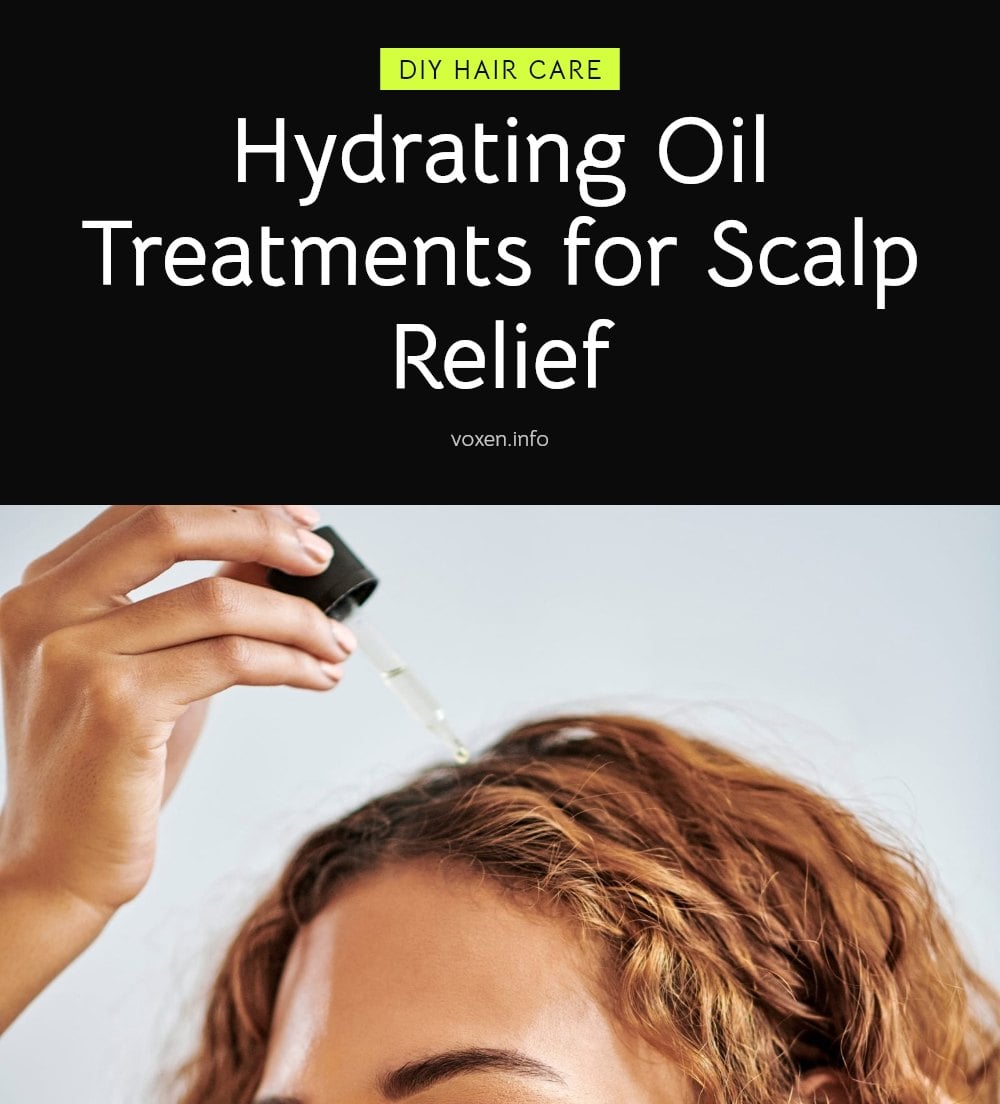
Effective Methods to Hydrate and Soothe Your Scalp
Choose a gentle shampoo: Use a sulfate-free formula and wash with lukewarm water. Hot water strips oils, so keep the temperature comfortable.
Apply a moisturizing treatment: After washing, massage a few drops of scalp oil (like jojoba or argan) into your scalp. You can leave it on as a leave-in treatment for all-day hydration, or rinse after 15 minutes if you prefer a lighter feel.
Wash less often: Limit hair washing to 2-3 times per week. This preserves your scalp’s natural protective oils. If your hair feels oily between washes, use a dry shampoo only on the lengths, not the scalp.
Massage gently: Use your fingertips or a soft-bristle scalp brush to massage your scalp in circular motions for 2-3 minutes before washing. This stimulates blood flow and helps distribute natural oils.
My tip: Apply your scalp oil or treatment to dry hair before a shower. The warmth from the shower can help the product absorb without needing to rinse.
Common Dry Scalp Mistakes to Avoid
Mistake: Treating dry scalp like dandruff. Dry scalp flakes are small and white; dandruff flakes are larger and yellowish. Anti-dandruff shampoos can worsen dryness because they target yeast, not dehydration.
Mistake: Over-washing or using hot water. Washing daily strips natural oils that protect your scalp. Stick to 2-3 times a week with lukewarm water.
Mistake: Scratching vigorously. It feels good temporarily but damages skin and can lead to infection. Use a soft-bristle scalp brush to massage gently instead.
Mistake: Skipping internal hydration. If you are dehydrated, your scalp shows it first. Drink water throughout the day.
Preventing Dry Scalp from Returning
Keep a consistent routine with a gentle, sulfate-free shampoo and conditioner. Wash no more than 2-3 times a week to let your scalp retain its natural oils.
Run a humidifier in your bedroom or main living area during winter. It adds moisture back into dry indoor air, which helps prevent your scalp from drying out overnight.
Drink plenty of water throughout the day. Internal hydration supports skin health from the inside out.
Wear a hat or scarf when you go outside in cold, windy weather. It protects your scalp from the drying effects of wind and low temperatures.
Tip: Include foods rich in omega-3 fatty acids, like salmon, walnuts, or flaxseeds, in your diet. They support skin and scalp health.
When to Consult a Professional
If your dry scalp symptoms persist, worsen, or do not improve after a few weeks of gentle care, see a dermatologist. Severe redness, swelling, or open sores need medical attention. These can signal an underlying condition like eczema or psoriasis that requires professional treatment.
Frequently Asked Questions
What is the difference between dry scalp and dandruff?
Dry scalp is caused by a lack of moisture, resulting in small, white flakes and a tight feeling. Dandruff, on the other hand, is caused by an overgrowth of yeast and produces larger, yellowish flakes. Using anti-dandruff shampoos on a dry scalp can worsen the dryness, so it’s important to identify which you have.
Can diet affect dry scalp?
A healthy diet rich in omega-3 fatty acids and vitamins may support skin and scalp health. Staying hydrated by drinking plenty of water is also important for maintaining moisture from within. While diet alone won’t cure dry scalp, it can be a helpful part of your overall care routine.
How often should I wash my hair if I have a dry scalp?
Limit washing to 2-3 times a week, or as needed. Washing too frequently strips the natural oils that protect your scalp, making dryness worse. When you do wash, always use lukewarm water and a gentle, sulfate-free shampoo.
Are there any natural remedies for dry scalp?
Many people find relief by massaging a few drops of natural oils like jojoba, argan, or coconut oil into the scalp. These oils help hydrate and soothe dry skin. Always do a patch test first to check for any allergic reaction before applying a new oil to your scalp.
How long does it take to get rid of a dry scalp?
With consistent gentle care, you may feel relief within a few days to a week. However, full improvement can take several weeks as your scalp rebuilds its moisture barrier. If symptoms persist or worsen after a few weeks, consult a dermatologist.
Final Thoughts
For lasting relief, stick with a gentle routine: a sulfate-free shampoo, lukewarm water, and a moisturizing scalp oil. You can expect some relief within a few days to a week, but full improvement may take several weeks of consistent care. Keep your scalp protected from harsh winter air, and you’ll be on your way to feeling comfortable again.
This article is for general informational purposes only and does not constitute medical advice. If you have a persistent or serious scalp condition, including redness, swelling, or open sores, please consult a dermatologist or healthcare professional for proper diagnosis and treatment.

