You know that puffy look under your eyes that shows up no matter how much sleep you get? It’s frustrating, but understanding what’s really behind it can help you manage it better. This article breaks down the main causes of eye bags, from aging and genetics to everyday habits, and gives you practical ways to reduce and prevent them.
Key Takeaways
- Eye bags are caused by aging, genetics, fluid retention, and lifestyle factors, not just lack of sleep.
- Elevating your head while sleeping and using a cool compress can reduce temporary puffiness within hours.
- Consistent habits like sleeping 7-9 hours and lowering sodium intake help prevent eye bags from worsening.
- Allergies and dehydration are common, overlooked triggers that you can manage with simple changes.
- Persistent, painful, or one-sided eye bags should be evaluated by a healthcare professional.
What Causes Eye Bags Under Your Eyes?
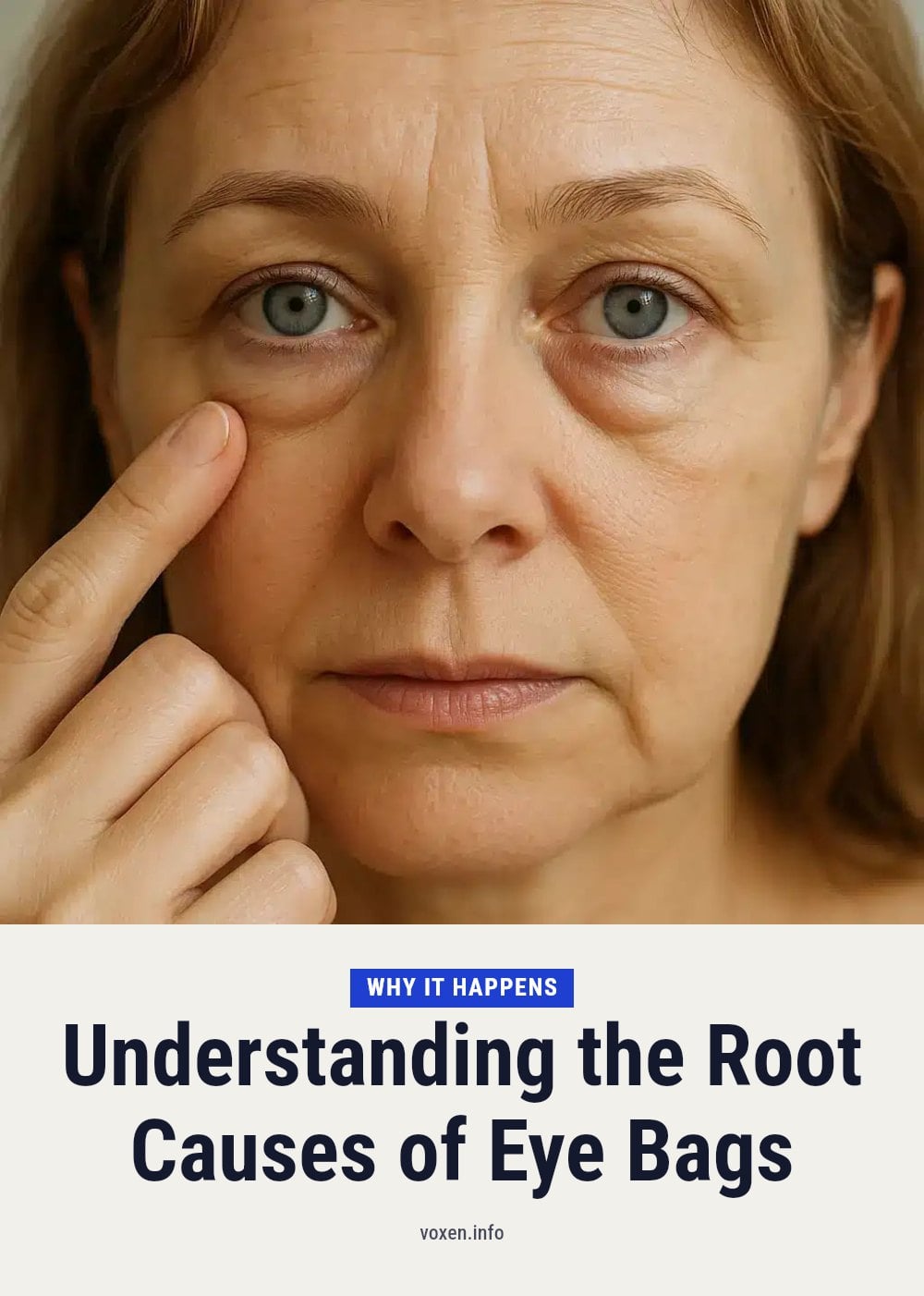
Eye bags come from a mix of aging, your genes, and everyday habits. As you get older, the tissues and muscles around your eyes weaken, and the fat pads that cushion your eyes can shift downward, creating that puffy look. Fluid retention from what you eat or drink also plays a part. The good news is that while these bumps are usually harmless, knowing what causes them helps you choose the right fix.
The Real Reasons You Get Eye Bags
The Real Reasons You Get Eye Bags
Aging is the biggest factor. The skin and muscles around your eyes naturally lose strength, and the fat pads that normally sit behind your eye socket can sag forward into your lower eyelids. That creates a visible pouch.
- Fluid retention: Eating too much salt or not drinking enough water makes your body hold onto fluid, which settles under your eyes.
- Genetics: Some people are simply more likely to develop eye bags no matter how well they sleep or eat.
- Allergies: Allergic reactions cause inflammation and fluid buildup around the eyes, leading to temporary puffiness.
- Sun and smoking: UV rays and cigarette smoke break down collagen and elastin, making under-eye skin thinner and more prone to sagging.
- Sleeping position: Sleeping on your stomach can let fluid pool under your eyes overnight.
Effective Ways to Reduce the Appearance of Eye Bags

Effective Ways to Reduce the Appearance of Eye Bags
You can tackle puffiness with simple, at-home methods. The key is consistency and being gentle with the delicate skin around your eyes.
- Apply a cool compress: Chilled cucumber slices, cold tea bags, or a gel mask placed over your eyes for 5-10 minutes constrict blood vessels and shrink swelling. Do this in the morning when puffiness is worst.
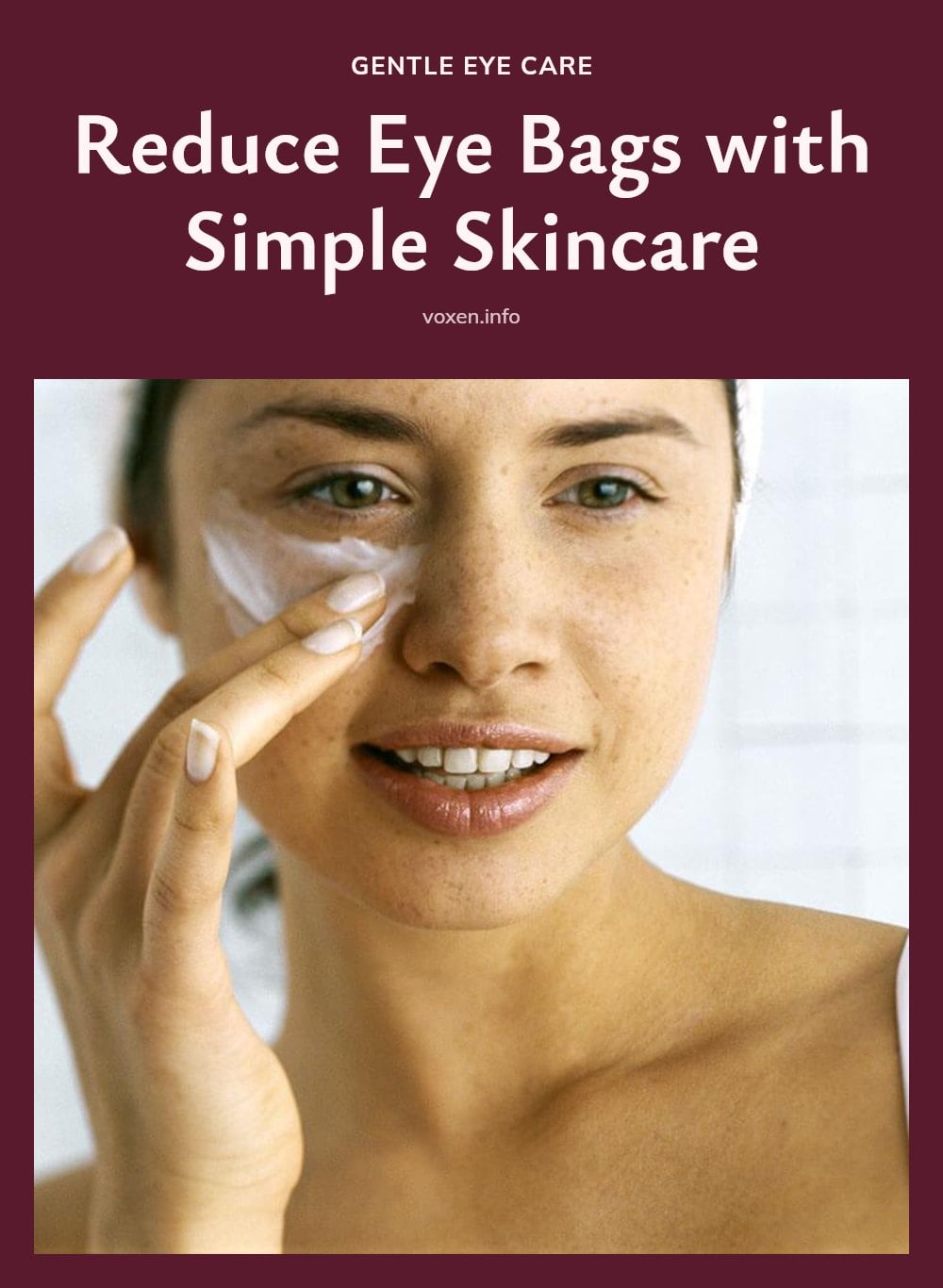
- Use a gentle eye cream: Look for ingredients like caffeine to tighten skin or hyaluronic acid to hydrate without heaviness. Pat a pea-sized amount under your eyes with your ring finger, never pull or rub.
- Elevate your head while sleeping: Sleeping on your back with an extra pillow keeps fluid from settling under your eyes. This simple change can reduce morning puffiness.
- Manage allergies: If you suspect allergies, take an antihistamine or avoid triggers like pollen or dust. Reducing inflammation also reduces fluid retention around your eyes.
- Cut sodium and stay hydrated: Lower your salt intake and drink water throughout the day. Dehydration can cause your body to retain water, which may contribute to under-eye bags.
- Protect with sunscreen: Apply a mineral sunscreen or a moisturizer with SPF around your eyes every morning. Sun damage weakens collagen over time, making eye bags more noticeable.
Caution: Stop using any product that causes burning, stinging, or redness. The skin around your eyes is very thin and reacts quickly.
How to Prevent Eye Bags From Forming or Worsening
How to Prevent Eye Bags From Forming or Worsening
These daily habits help keep under-eye puffiness in check before it starts. Stick with them for lasting results.
- Sleep 7-9 hours nightly: Quality sleep reduces fluid retention and keeps blood vessels less prominent.
- Elevate your head during sleep: Use an extra pillow or a wedge pillow to stop fluid from pooling under your eyes.
- Reduce sodium: Cut back on salty snacks and processed foods to prevent fluid buildup.
- Stay hydrated: Drink water throughout the day so your body doesn’t hold onto excess fluid.
- Address allergies promptly: Take medication or avoid triggers to keep inflammation low.
- Wear sunscreen daily: Apply it around your eyes every morning to protect collagen from UV damage.
- Avoid smoking and limit alcohol: Smoking breaks down collagen, and alcohol dehydrates you, both of which can worsen eye bags.
Common Mistakes People Make with Eye Bags
Mistake: Thinking it’s only from lack of sleep. Eye bags have many causes, including genetics, aging, and allergies. Assuming fatigue is the sole culprit means you miss other triggers you could address.
Mistake: Ignoring allergies. Unmanaged allergies cause inflammation and fluid buildup around the eyes. If your puffiness flares up seasonally or after exposure to dust or pets, allergy medication may help more than any cream.
Mistake: Over-applying heavy eye creams. Thick formulas can irritate the delicate under-eye skin or even trap fluid, making puffiness worse. Stick to a pea-sized amount of a lightweight product.
Mistake: Expecting instant, permanent results. For genetic or age-related eye bags, home remedies and creams can offer temporary improvement, but no topical product can permanently change fat pad position or skin structure.
Mistake: Rubbing your eyes. This irritates the thin skin and can worsen puffiness. If your eyes itch, use a cool compress or allergy drops instead.
When to Consult a Doctor About Your Eye Bags
Most eye bags are harmless, but certain symptoms warrant a doctor’s visit. See a healthcare professional if:
- Sudden onset or pain: Eye bags that appear quickly, are painful, or come with redness or vision changes.
- Persistent or one-sided puffiness: Swelling that doesn’t improve or only affects one eye.
- Possible underlying condition: To rule out thyroid or kidney issues if puffiness is severe or accompanied by other symptoms.
- Home remedies aren’t enough: For genetic or age-related eye bags, a dermatologist can discuss professional treatments.
Frequently Asked Questions
Can drinking more water help with eye bags?
Yes, staying well-hydrated can help. When you’re dehydrated, your body tends to hold onto water, which can lead to puffiness under the eyes. Drinking enough water throughout the day helps balance fluid levels and may reduce the appearance of eye bags over time.
Are eye bags always a sign of being tired?
No, eye bags are not always from being tired. While lack of sleep can make them more noticeable, aging, genetics, allergies, and fluid retention are also major causes. Assuming it’s only fatigue might mean you overlook other triggers you could address.
How quickly can home remedies reduce eye bags?
Home remedies like a cool compress or chilled tea bags can provide temporary improvement within minutes to hours by reducing swelling. However, for longer-term results from lifestyle changes like better sleep or lower sodium, it can take weeks to see a noticeable difference.
Is there a permanent fix for eye bags?
There is no permanent fix for genetic or age-related eye bags from at-home methods alone. Topical creams and lifestyle changes can improve their appearance, but significant, lasting reduction may require professional treatments like fillers or surgery. A dermatologist can discuss options based on your specific situation.
Can allergies really cause eye bags?
Yes, allergies are a common cause of under-eye puffiness. Allergic reactions trigger inflammation and fluid retention around the eyes, leading to swelling. Managing your allergies with medication or avoiding triggers can help reduce this type of eye bag.
Final Thoughts
Start with the basics: get enough sleep, watch your salt intake, and keep your skin hydrated and protected from the sun. For most people, these simple habits make a real difference over time. If you have persistent puffiness that doesn’t respond to lifestyle changes, or if it’s painful or only on one side, it’s worth checking in with a doctor to rule out anything else.
This article is for informational purposes only and is not a substitute for professional medical advice. If you have persistent, painful, or sudden under-eye swelling, or any other concerning symptoms, please consult a healthcare provider or dermatologist for a proper evaluation.

