Waking up with a puffy face is a common morning struggle, but a quick face massage can make a real difference. In just a few minutes, gentle strokes and taps can help reduce fluid retention, boost circulation, and leave your skin looking fresher and more awake. This article walks you through a simple 5-minute routine you can easily add to your daily self-care ritual.
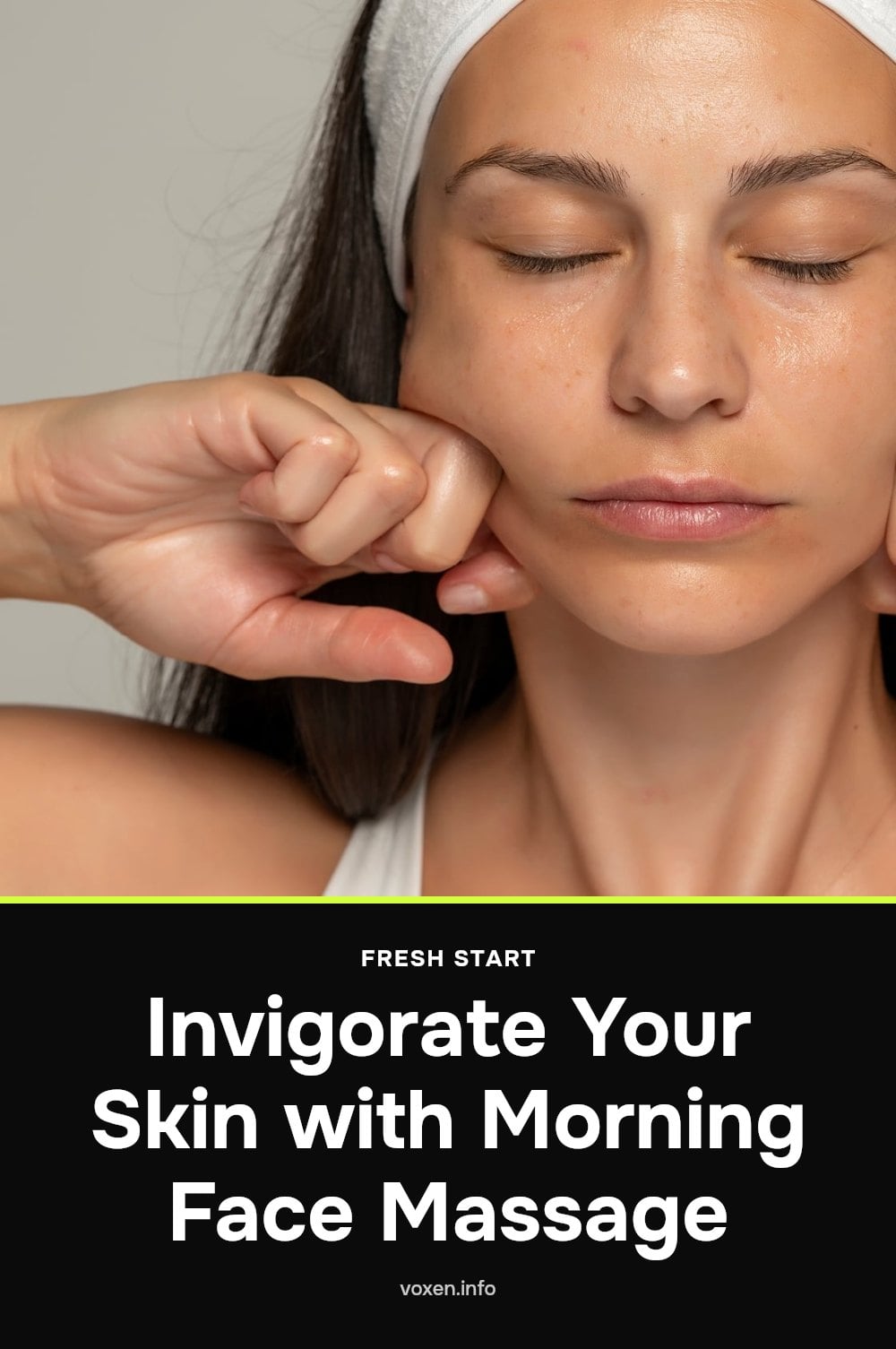
Key Takeaways
- Massage stimulates lymphatic drainage to reduce morning puffiness.
- Always use a facial oil or serum to prevent skin tugging.
- Use gentle upward and outward strokes for best results.
- Consistency matters more than intensity; aim for daily practice.
- Expect visible improvements in puffiness and glow within days to weeks.
Why Morning Face Massage is a Game Changer
Morning face massage is one of the quickest ways I’ve found to reduce puffiness and wake up my skin. The gentle strokes stimulate lymphatic drainage, which helps flush out excess fluid that settles overnight, and boost blood circulation for an instant healthy glow. My tip: just 3 to 5 minutes is enough to make a noticeable difference in your complexion and your overall sense of well-being.
Your Morning Face Massage Essentials

You only need a few things to get started. Clean hands are non-negotiable for hygiene. A facial oil or serum is essential. It helps your fingers glide smoothly and prevents any pulling or tugging on the skin. Tools like a gua sha or roller are optional but can make the massage more effective and relaxing.
- Facial oil or serum: Provides slip and nourishment.
- Clean hands: Prevent bacteria from transferring to your face.
- Gua sha or roller (optional): Enhances lymphatic drainage and adds a cooling effect.
Your 5-Minute Step-by-Step Morning Routine

Here is the routine I follow every morning. It takes about 5 minutes and covers all the key areas.
- Start with a clean base: Wash your face and hands thoroughly. Pat your skin dry.
- Apply your oil or serum generously: Use enough so your fingers slide easily without dragging the skin.
- Work in upward and outward strokes: Begin at the center of your face and move toward your ears. This follows the natural direction of lymphatic flow.
- De-puff the eye area with gentle tapping: Use your ring finger to tap lightly under the eyes and along the brow bone. This helps reduce morning puffiness.
- Target the jawline and neck: Use sweeping motions from the chin up toward the ears, then down the sides of the neck. This releases tension and aids drainage.
- Finish with light strokes toward lymph nodes: Glide from the jawline up toward the ears, then down the sides of the neck to encourage fluid to move out of the face.
Keep the pressure comfortable. It should never hurt. Consistency matters more than force.
How Face Massage Wakes Up Your Skin
Your face holds onto fluid overnight, and that is what creates that puffy look around your eyes and jawline. Massage stimulates lymphatic drainage, which is your body’s way of moving that excess fluid out and toward your lymph nodes. The result is a visibly less swollen, more defined face by the time you finish your routine.
The mechanical pressure of your strokes also boosts blood circulation. More blood flow means more oxygen and nutrients reach your skin cells, which is what gives you that natural, healthy glow. You are essentially waking up your complexion from the inside.
There is another benefit that makes the massage worth the extra minute: better product absorption. When you massage serum or moisturizer into your skin, you help it penetrate more deeply. Your products work harder, so you get more value from every drop.
Finally, consider the tension you carry in your face. You clench your jaw, squint, and furrow your brow without noticing it. Gentle massage relaxes those facial muscles, easing the tightness that built up overnight. That relaxation shows up as a softer, calmer expression.
Choosing Your Tool: Fingers, Gua Sha, or Roller?

Choosing Your Tool: Fingers, Gua Sha, or Roller?
Your fingers are always available and give you the most precise control. You can feel exactly how much pressure to use and target specific spots like the inner corners of your brows. Tip: Use your middle and ring fingers for the delicate eye area to avoid too much force.
A gua sha tool allows for deeper tissue work. The flat edge can sculpt along the jawline and cheekbones, and the curved notch fits under the eye. Tip: Hold the tool at a 15-degree angle to the skin and always stroke upward, never back and forth.
Rollers are the quickest option. The cool stone glides over the skin in seconds, making them ideal for rushed mornings. Tip: Keep your roller in the fridge overnight for an extra de-puffing boost. Cold tools in general, whether chilled rollers or an ice roller, constrict blood vessels and reduce swelling more effectively than room-temperature ones.
Common Face Massage Mistakes to Avoid
Common Face Massage Mistakes to Avoid
Massaging dry skin is the top mistake. Without a slip agent like oil or serum, you create friction that pulls and irritates the skin. Always apply a generous layer first.
Using too much pressure can break capillaries and cause redness. The sensation should be firm but comfortable, never painful. Massaging downward is another common error. Lymphatic flow moves upward and outward, so your strokes should follow that direction to actually drain fluid.
Neglecting to clean your tools lets bacteria build up. Wipe gua sha stones and rollers with soap and water after each use. Finally, do not expect permanent anti-aging results from massage alone. It improves circulation and temporary firmness, but it does not change facial structure or remove wrinkles.
Pro Tips for Your Best Morning Massage

Pro Tips for Your Best Morning Massage
Consistency matters more than how hard you press. A 3-minute daily routine will give you better results than a 15-minute session once a week. Extend your massage to your neck and décolletage. These areas also hold fluid and tension, and stroking upward here encourages lymph to drain toward the collarbone nodes.
Listen to your skin. If an area feels tender, lighten the pressure. If it feels tight, add more oil. Incorporate deep breathing as you work. Inhale before a stroke, exhale as you glide. This calms your nervous system and makes the massage feel like a genuine reset.
What to Expect: Time and Results
What to Expect: Time and Results
A full routine takes 3 to 5 minutes. You might notice less puffiness and a brighter complexion within a few days to a couple of weeks. The tools range from free (your fingers) to affordable (rollers and gua sha stones usually cost between $10 and $30). Consistency is far more important than intensity for long-term benefits. Stick with it daily, and the glow becomes part of your morning.
When to Consult a Professional
Stop immediately if you feel any pain, redness, or discomfort during your massage. Never massage over active acne, open wounds, sunburn, or irritated skin. The pressure can worsen inflammation and spread bacteria.
If you have rosacea, severe acne, or another skin condition, check with a dermatologist before starting a regular face massage. They can tell you if it’s safe for your skin type. Also see a professional if you notice persistent skin changes or issues that don’t improve.
Frequently Asked Questions
How often should I do a face massage?
For best results, aim for a daily routine or at least several times a week. Consistency is more important than intensity, so a short 3-5 minute session every morning is ideal. If your skin is sensitive, you can start with every other day and adjust based on how your skin feels.
Can face massage help with wrinkles?
Face massage can temporarily relax facial muscles and improve circulation, which may soften the appearance of fine lines. However, it won’t permanently change your facial structure or remove wrinkles. For lasting results, combine massage with a good skincare routine and sun protection.
What kind of oil is best for face massage?
Choose a facial oil or serum that suits your skin type. Lightweight oils like jojoba or squalane work well for most skin types, while richer oils like argan or marula are good for dry skin. The key is to use enough product so your fingers glide smoothly without pulling.
Is it okay to massage over breakouts?
No, you should avoid massaging over active acne breakouts, open wounds, or irritated skin. The pressure can worsen inflammation and spread bacteria. If you have severe acne, it’s best to consult a dermatologist before starting a regular face massage routine.
Final Thoughts
Start with a clean face and a generous layer of oil or serum. Use your fingers or a tool to perform gentle upward strokes for about 3 to 5 minutes each morning. You may notice less puffiness and a brighter complexion within a few days to a couple of weeks, but the key is to stay consistent.
My tip: keep it simple and enjoyable. A short daily routine is more effective than an occasional longer session. Over time, this small habit can become a calming part of your morning and contribute to a healthier-looking glow.
This article is for general information only and is not a substitute for professional medical advice. If you have a skin condition or persistent concerns, please consult a dermatologist or healthcare provider before trying facial massage.

