If you’ve noticed dark spots or uneven patches on your skin, you’re not alone. Pigmentation is one of the most common skin concerns, but the good news is that you can gently fade it at home without resorting to harsh treatments. In this article, I’ll walk you through a simple, consistent routine using ingredients like vitamin C, niacinamide, and sunscreen to help brighten your complexion over time.

Key Takeaways
- Apply broad-spectrum sunscreen with SPF 30+ every single day to prevent new spots.
- Use a gentle routine with ingredients like vitamin C, niacinamide, or azelaic acid.
- Expect visible improvement in 6-12 weeks with consistent daily use.
- Avoid over-exfoliating to prevent inflammation that can worsen pigmentation.
- Consult a dermatologist if spots change, spread, or don’t improve after months.
You Can Gently Fade Pigmentation at Home
Pigmentation, or hyperpigmentation, can be gradually lightened at home with consistent use of specific skincare ingredients. The key is to adopt a gentle routine that protects the skin from further damage while encouraging cell turnover and inhibiting melanin production. Sun protection is the most crucial step in both treating and preventing pigmentation.
Understanding What Causes Pigmentation

Understanding What Causes Pigmentation
Pigmentation happens when your skin produces too much melanin, the natural pigment that gives skin its color. This excess melanin can settle into patches, creating dark spots or uneven tone. The most common triggers include:
- Sun exposure: UV radiation directly stimulates melanin production, making it the primary cause for most types of pigmentation.
- Post-inflammatory hyperpigmentation (PIH): This occurs after skin injury or inflammation, such as acne, eczema, or a cut. The skin darkens as it heals.
- Melasma: Often linked to hormonal fluctuations (like during pregnancy or from birth control pills) combined with sun exposure. It typically appears as larger, symmetrical patches on the face.
Your Essential Skincare Toolkit for Fading Pigmentation
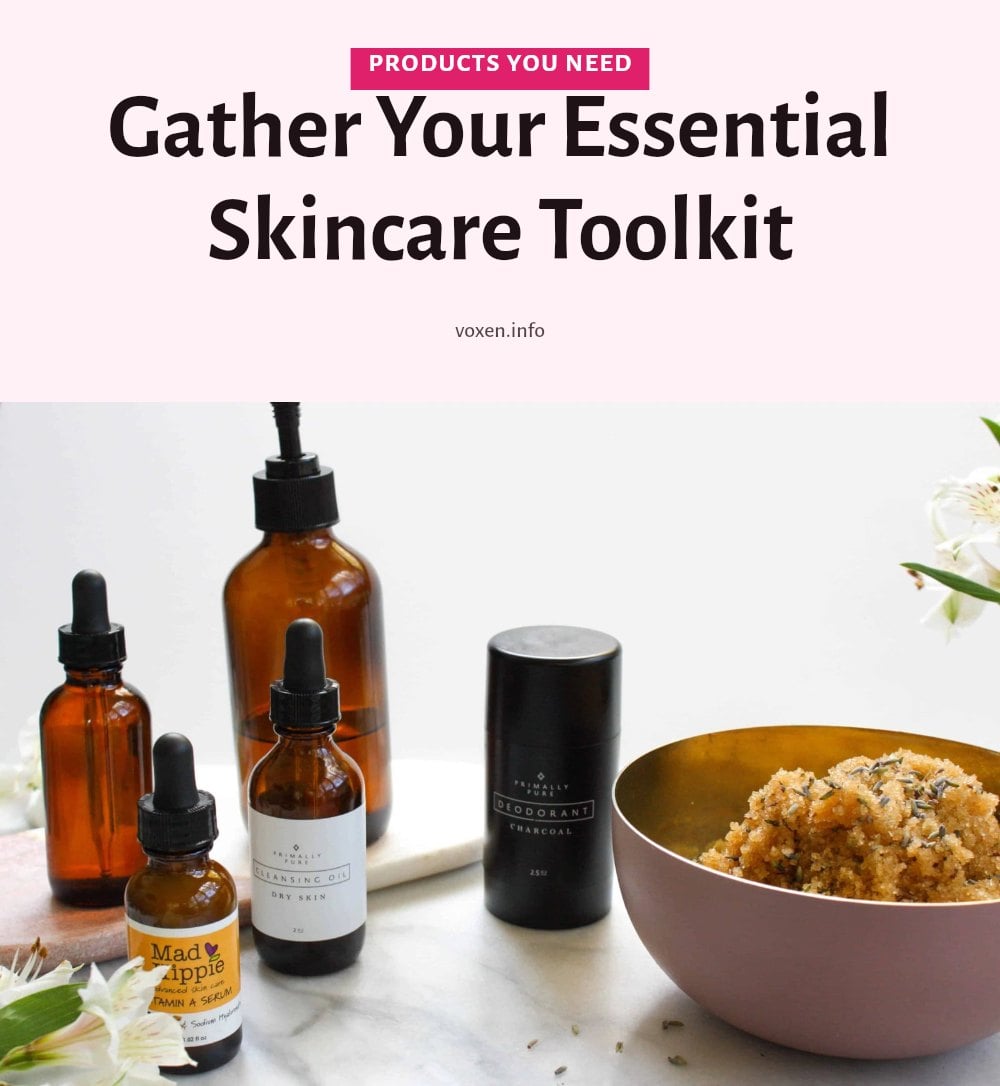
Your Essential Skincare Toolkit for Fading Pigmentation
To fade pigmentation at home, you need a focused routine built around a few key products. Here is what each one does:
- Broad-spectrum sunscreen (SPF 30+): Non-negotiable for daily protection. It prevents new spots and stops existing ones from darkening.
- Gentle cleanser: Prepares your skin without stripping or causing irritation.
- Vitamin C serum: Offers antioxidant benefits and brightens skin over time.
- Niacinamide or alpha arbutin: Help inhibit melanin production at different stages.
- Retinoids or bakuchiol: Encourage cell turnover to shed pigmented cells.
- AHAs: Exfoliate surface cells gently to reveal fresher skin underneath.
Key Ingredients to Gently Fade Dark Spots
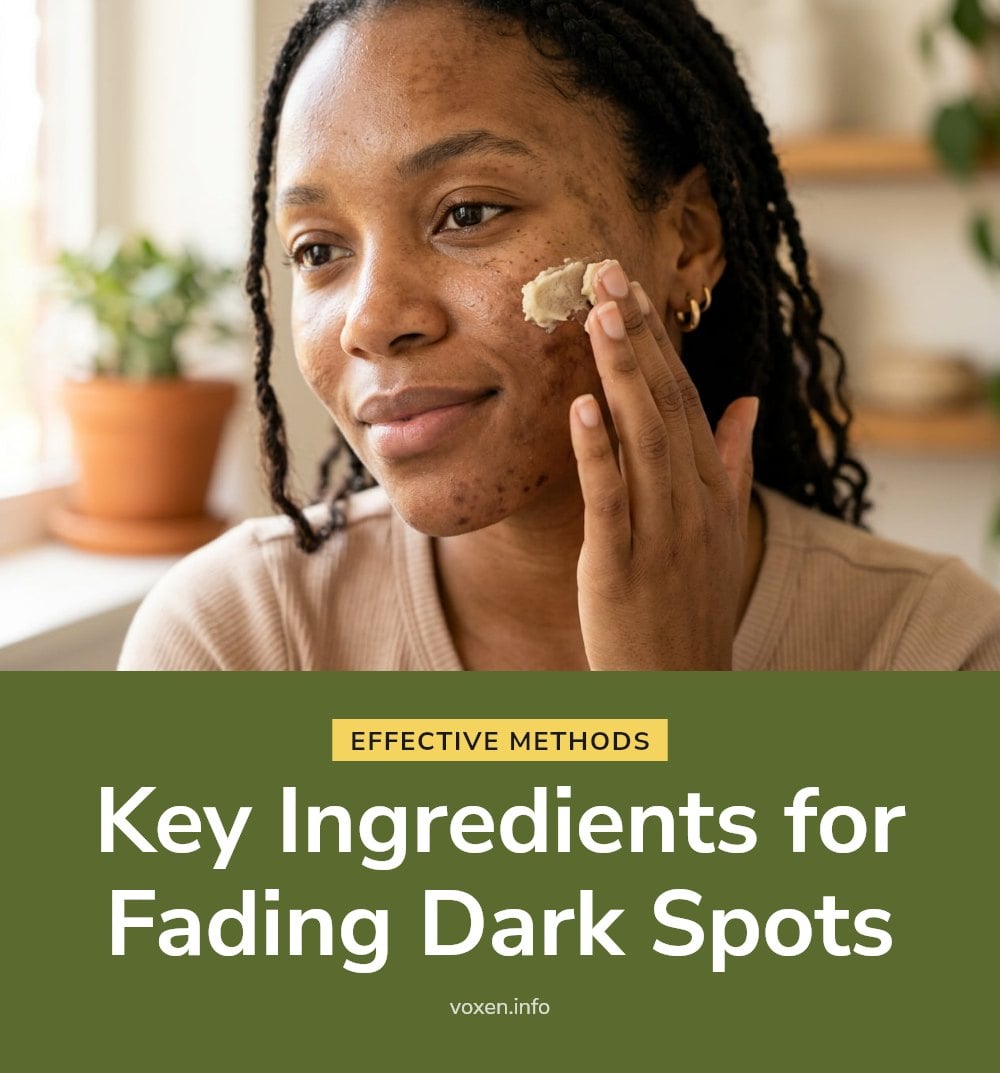
Key Ingredients to Gently Fade Dark Spots
Each ingredient below targets pigmentation in a specific way. Knowing how they work helps you choose the right ones for your skin.
- Vitamin C: A powerful antioxidant that brightens skin and inhibits melanin production. Use it in the morning under sunscreen for best results. My tip: Look for a stable form like ascorbic acid or a derivative if you have sensitive skin.
- Niacinamide: Reduces melanin transfer to skin cells and strengthens the skin barrier. It pairs well with most other actives. Caution: Start with a 2-5% concentration to avoid irritation, especially if you have sensitive skin.
- Alpha Arbutin: A gentle alternative to hydroquinone that inhibits tyrosinase, an enzyme needed for melanin production. It is safe for long-term use and works well in a serum.
- Azelaic Acid: Reduces inflammation and helps lighten pigmentation, especially PIH from acne. It also has antibacterial properties. Good to know: It can be used twice daily if your skin tolerates it, making it a flexible option for both morning and night.
- Retinoids (Retinol/Retinaldehyde): Boost cell turnover to shed pigmented cells faster. Introduce them slowly, starting twice a week. Caution: They increase sun sensitivity, so daily sunscreen is non-negotiable to protect your skin.
- AHAs (Glycolic/Lactic Acid): Exfoliate the skin’s surface to reveal brighter skin. Use them 2-3 times a week, and avoid combining them with retinoids on the same night to prevent over-exfoliation.
Common Mistakes to Avoid When Treating Pigmentation
Mistake: Skipping sunscreen even once. UV exposure triggers melanin production, so inconsistent protection can undo weeks of progress from other products.
Mistake: Over-exfoliating. Using too many active ingredients like AHAs, retinoids, and vitamin C at once can irritate skin and worsen pigmentation through inflammation.
Mistake: Expecting quick results. Pigmentation fades gradually; visible changes usually take 6-12 weeks of daily use. Giving up too soon is common.
Mistake: Picking at acne or scabs. This directly causes post-inflammatory hyperpigmentation, creating new dark spots where the injury occurred.
Mistake: Using harsh products for your skin type. Strong formulas can inflame sensitive skin, making pigmentation more noticeable rather than lighter.
What to Expect: Timeline for Fading Pigmentation
Visible improvement from at-home treatments typically appears after 6-12 weeks of consistent daily use. Full fading can take 6-12 months or longer, depending on how deep or stubborn the pigmentation is.
Results are gradual, not overnight. Consistency matters more than using high concentrations of active ingredients.
Good to know: At-home routines are generally more affordable than professional procedures like lasers or chemical peels, making them a practical first step for many people.
Preventing New Pigmentation and Maintaining Clear Skin

Wear sunscreen daily: Apply broad-spectrum SPF 30+ every morning, even on cloudy days or if you stay indoors. Reapply every two hours when outdoors or after sweating or swimming.
Use protective gear: Wear a wide-brimmed hat, sunglasses, and protective clothing during strong sun exposure to block UV rays.
Don’t pick: Avoid touching, picking, or squeezing acne, scabs, or other skin imperfections. This prevents post-inflammatory hyperpigmentation from forming.
Stick to a gentle routine: Maintain a consistent skincare routine with gentle cleansers and targeted active ingredients to keep melanin production in check without irritation.
When to Consult a Dermatologist for Pigmentation
Consult a dermatologist if your pigmentation worsens, spreads, or changes in appearance. Seek medical advice if at-home treatments show no improvement after several months of consistent use.
For deep-seated or stubborn pigmentation like severe melasma, professional treatments may be more effective. If you experience significant irritation, redness, burning, or allergic reactions to products, stop use and see a doctor.
Caution: Pregnant or breastfeeding individuals should consult their doctor before using certain active ingredients, such as retinoids or high-dose vitamin A derivatives.
Frequently Asked Questions
Can pigmentation come back after fading?
Yes, pigmentation can return if you stop protecting your skin from triggers like sun exposure or hormonal changes. Consistent daily sunscreen use and maintenance with brightening ingredients can help keep dark spots from reappearing.
What is the best ingredient for melasma?
Melasma is often stubborn and may require a combination of ingredients. Many people find azelaic acid, niacinamide, or alpha arbutin helpful, but severe cases usually need a dermatologist’s guidance for prescription options like hydroquinone or professional treatments.
Can diet help with pigmentation?
While no food can directly erase dark spots, a balanced diet rich in antioxidants (like vitamins C and E) supports overall skin health. Staying hydrated and eating anti-inflammatory foods may also help reduce the skin’s sensitivity to pigmentation triggers.
Is Vitamin C good for pigmentation?
Yes, vitamin C is a well-known antioxidant that helps inhibit melanin production and brighten the skin. Using a vitamin C serum in the morning, under sunscreen, can gradually lighten dark spots and even out your skin tone.
What causes dark spots on my face?
Dark spots are usually caused by an overproduction of melanin, often triggered by sun exposure, acne or skin injuries (post-inflammatory hyperpigmentation), or hormonal changes (melasma). Identifying the cause helps you choose the right treatment and prevention strategy.
Final Thoughts
My tip: stick with one or two targeted ingredients, like a vitamin C serum in the morning and a retinoid at night, and be patient. Realistic results take 6-12 weeks to show, and full fading can take up to a year for stubborn spots. The most important step is daily sunscreen, without it, nothing else will work as well. Start your routine today and give your skin time to heal.
This article is for general informational purposes only and does not constitute medical advice. Pigmentation concerns vary by individual, and results from at-home treatments are not guaranteed. If you have persistent, worsening, or changing dark spots, or if you are pregnant or breastfeeding, please consult a dermatologist or healthcare professional for personalized guidance.

