That feeling of being stuck in a rut, whether in your career or daily routine, can be frustrating and confusing. You might feel bored, anxious, or unsure of your next step. This article covers the common causes of stagnation and offers practical strategies to help you start moving forward again, one small step at a time.
Key Takeaways
- Identify the specific area where you feel stuck, such as career, relationships, or personal growth.
- Break down large goals into small, manageable steps to reduce overwhelm and build momentum.
- Practice self-compassion and remember that progress is not always linear.
- Seek new experiences or learning opportunities to introduce fresh perspectives.
- If feelings of stuckness are accompanied by persistent sadness or hopelessness, seek professional help.
What Does It Mean to Feel Stuck?
Feeling stuck is that frustrating sense of stagnation where you can’t seem to move forward in your personal life, career, or daily routines. It often shows up as boredom, anxiety, or a lack of direction, and it usually comes from a mix of factors like fear of change, comfort with routine, or unclear goals. The key isn’t waiting for a sudden breakthrough but instead taking small, deliberate steps: start with introspection to identify the root causes, then set achievable goals and act consistently.
Why You Might Be Feeling Stuck
Why You Might Be Feeling Stuck
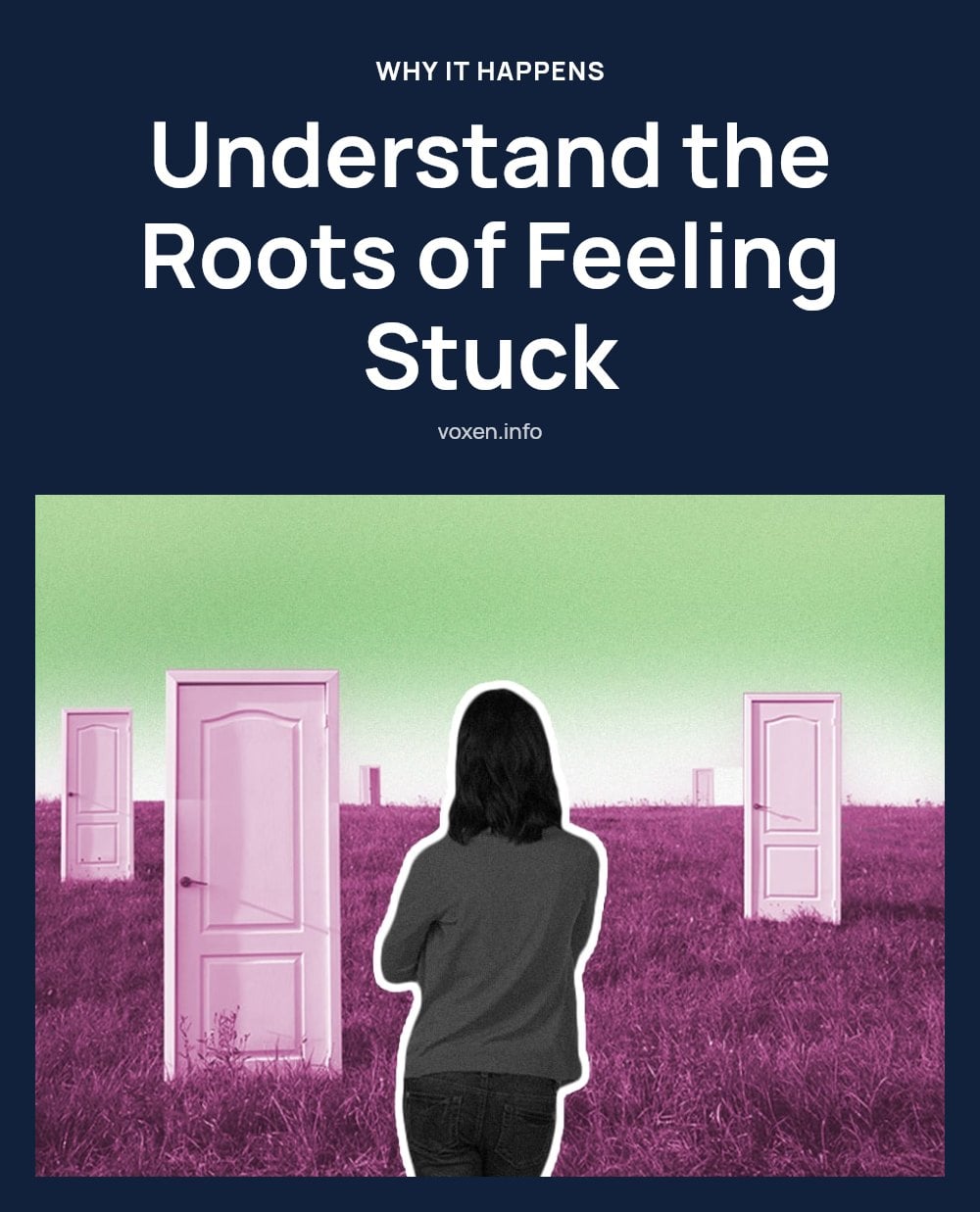
Several common psychological and situational factors can keep you in a rut. Fear of failure or success can paralyze action, making you hesitant to try new things or push beyond your comfort zone. Imposter syndrome or perfectionism often leads to self-doubt, making you feel unworthy of progress or afraid to start unless everything is perfect. A lack of clear direction or goals can leave you feeling adrift, without a map to guide your next steps. Comfort with routine, while reassuring at first, can eventually contribute to stagnation if it lacks novelty or challenge, creating a sense of being on autopilot. And feeling overwhelmed by too many options or responsibilities can make it difficult to choose a path, leading to inaction.
Practical Strategies to Break Free and Move Forward

Practical Strategies to Break Free and Move Forward
Once you understand why you feel stuck, you can take concrete steps to move forward. Here are strategies I’ve found effective:
- Identify Your Stuck Spots: Pinpoint exactly where you feel stuck, is it your career, relationships, personal growth, or daily routine? Journaling can help clarify these areas.
- Set Micro-Goals: Break down large aspirations into tiny, achievable steps. My tip: If ‘write a book’ feels too big, start with ‘write one paragraph today.’
- Introduce Novelty: Seek new experiences, even small ones. Try a new coffee shop, take a different route to work, or learn a new simple skill. This can disrupt patterns and offer fresh perspectives.
- Practice Self-Compassion: Acknowledge that progress isn’t linear. It’s okay to have off days. My tip: Treat yourself with the kindness you’d offer a friend.
- Reconnect with Past Successes: Reflect on times you’ve overcome challenges or achieved goals. This reminds you of your inherent strengths and capabilities.
- Seek Support: Talk to a trusted friend, mentor, or join a community. Connecting with others who have faced similar feelings can provide inspiration and practical advice. My tip: Sometimes just saying it out loud helps.
- Prioritize Self-Care: Ensure you’re getting enough sleep, nourishing your body, and engaging in activities that bring you joy. A healthy mind and body are better equipped for change.
Common Mistakes When Trying to Get Unstuck
Common Mistakes When Trying to Get Unstuck
When you’re ready to make a change, it’s easy to fall into traps that can slow you down. Here are common pitfalls to avoid:
- Waiting for a ‘Perfect’ Moment: Many of us wait for a burst of inspiration or ideal circumstances to begin, but action often creates motivation, not the other way around. My tip: Start before you feel ready.
- Setting Overly Ambitious Goals: Trying to change everything at once or setting goals that are too large can lead to overwhelm and giving up. Focus on one small, consistent step.
- Blaming External Circumstances Entirely: While external factors play a role, focusing solely on them without acknowledging your own agency can be disempowering. Ask yourself: ‘What can I control?’
- Ignoring the Emotional Component: Feeling stuck isn’t just about what you do; it’s about how you feel. Trying to force solutions without understanding the underlying emotions can be counterproductive.
- Comparing Your Journey to Others: Everyone’s path is unique. Constantly comparing your progress to someone else’s can lead to frustration and diminish your own small victories.
How to Prevent Feeling Stuck from Returning

Preventing a return to stagnation means building habits that keep momentum alive. Start by regularly re-evaluating your goals; life changes, and your aspirations should too. A quarterly check-in with yourself can ensure your goals still align with your values.
Embrace continuous learning to keep your mind stimulated. Pick up a new skill, learn a language, or simply read widely. This introduces novelty and prevents the autopilot feeling. Build a strong support system of friends, family, or mentors who can offer perspective when you slip into old patterns.
Schedule ‘Discovery Time’: Dedicate an hour each week to exploration, reflection, or unstructured thinking. This can spark new ideas and directions. Finally, celebrate small wins. Acknowledge every tiny step forward to build momentum and reinforce positive behaviors, making it harder to feel stuck again.
When to Seek Professional Help
While feeling stuck is common, certain signs indicate it’s time to seek professional help. If feelings of being stuck are accompanied by persistent sadness, hopelessness, or a loss of interest in activities you once enjoyed, reach out to a doctor or mental health professional.
Also pay attention to significant changes in your sleep patterns, appetite, or energy levels that interfere with daily life. If you have thoughts of self-harm or feel overwhelmed by despair, seek help immediately. A therapist or counselor can provide tailored strategies and support to navigate these complex emotions safely and effectively.
Understanding the Timeline and Investment
Overcoming feeling stuck is a highly individual process. Some initial shifts in perspective or motivation may appear within days or weeks of consistent effort. Deeper changes in career or life direction can take months of sustained action, reflection, and adjustment. Progress is often non-linear, so treat it as a journey of self-discovery rather than a sprint.
The primary investment required is your time, energy, and commitment to self-reflection and action. While there is no direct cost, you might choose to invest in resources like a journal, personal development books, online courses, or professional coaching or therapy. These vary widely in price but are optional tools to support your process.
Frequently Asked Questions
Can feeling stuck be a good thing?
It can be. Feeling stuck often signals that something in your life needs attention or change. It can serve as a catalyst for self-reflection and growth, pushing you to reassess your goals and values. While uncomfortable, it can be a valuable prompt to make positive adjustments.
What if I don’t know what I want?
That’s common. Start by exploring what you don’t want, and try small new experiences to discover what resonates. Journaling, trying a new hobby, or talking with a trusted friend can help clarify your preferences. You don’t need a full plan, just a direction to explore.
How do I stay motivated when making changes?
Focus on building momentum through small, consistent actions rather than waiting for motivation to strike. Celebrate each small victory, and remind yourself why you started. Connecting with others who are on a similar journey can also provide encouragement and accountability.
How do I get unstuck in my career?
Start by identifying what specifically feels stagnant: your role, skills, or company culture. Set a small goal, like updating your resume or taking an online course. Talk to a mentor or trusted colleague for perspective. If the feeling persists, consider professional career counseling.
Final Thoughts
Start by reflecting on exactly where you feel stuck and choose one tiny, actionable step you can take today. Remember that change is a gradual process, and initial shifts may appear within days or weeks, while deeper changes can take months of consistent effort. Be patient with yourself and celebrate small victories along the way.
This article is for general informational purposes only and does not constitute medical or professional advice. If you are experiencing persistent feelings of sadness, hopelessness, or thoughts of self-harm, please consult a doctor or mental health professional.

